Some jars earn their place in the fridge door and stay there. Steamed eggplant with green chili sauce is one of them: a rough, glossy, deeply savory condiment where soft eggplant melts into chopped green chilies, garlic, ginger, and a whole bunch of cilantro. It is the kind of thing you make once on a Sunday afternoon, spoon over rice all week, and then wonder how you ever ate plain rice without it.
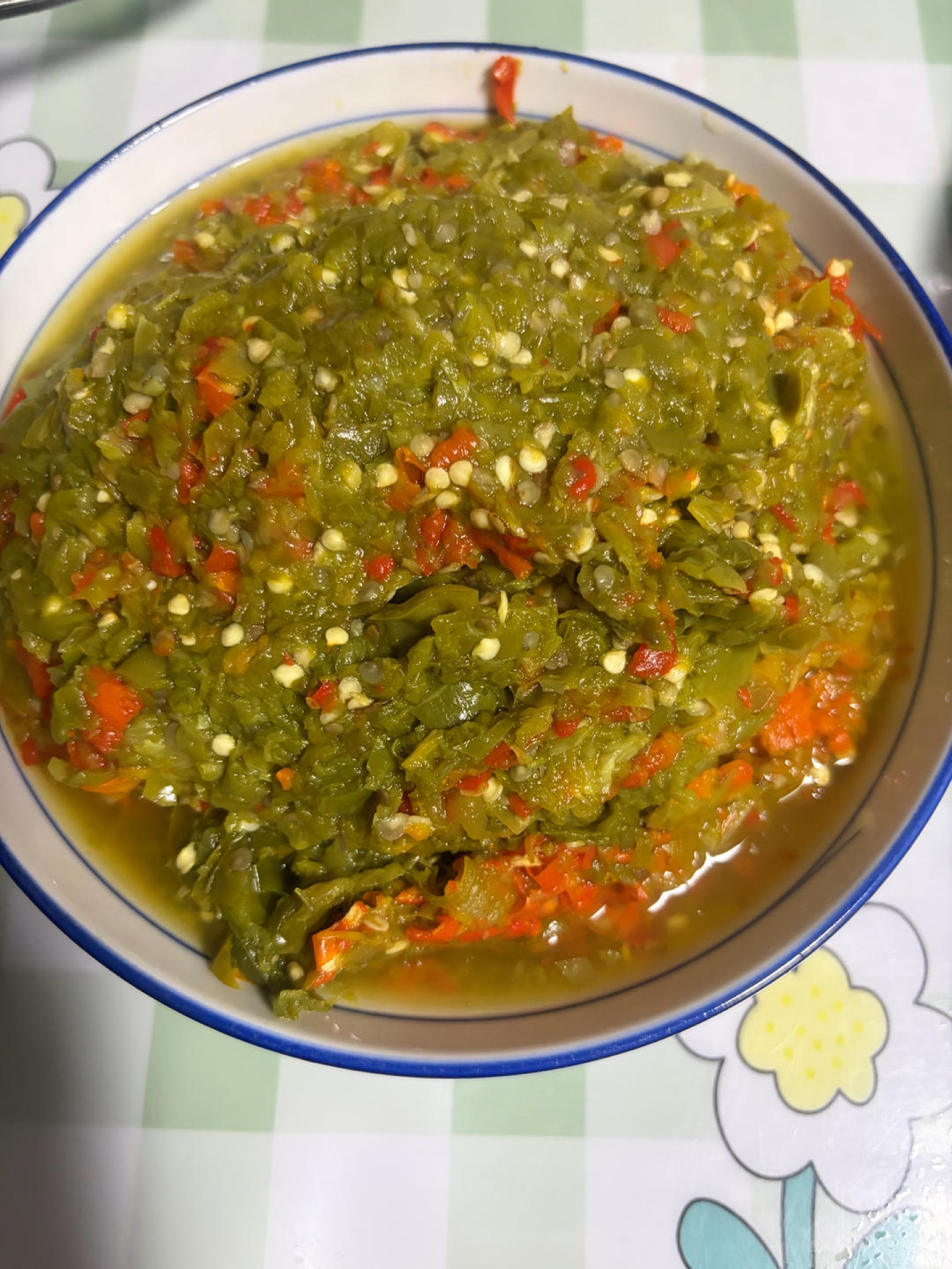
This is a Hunan-style 青椒酱, a green chili paste built on steamed chilies rather than raw ones. Steaming tames the raw, grassy edge of the pepper and deepens its sweetness, which is why the finished sauce tastes round and almost smoky instead of sharp. The eggplant is not traditional in every household version — plenty of cooks make the sauce with chilies and cilantro alone — but it turns the jar into something closer to a full side dish, silky and spoonable.
The other reason this recipe matters is shelf life. A big pour of oil, a serious amount of salt, and a few minutes of simmering turn a fresh vegetable paste into a preserve that keeps for months. That is not an accident of the recipe; it is the point of it. Once you understand that balance, you can scale the batch up, adjust the heat, and keep your own house jar going all year.
What Is Steamed Eggplant with Green Chili Sauce?
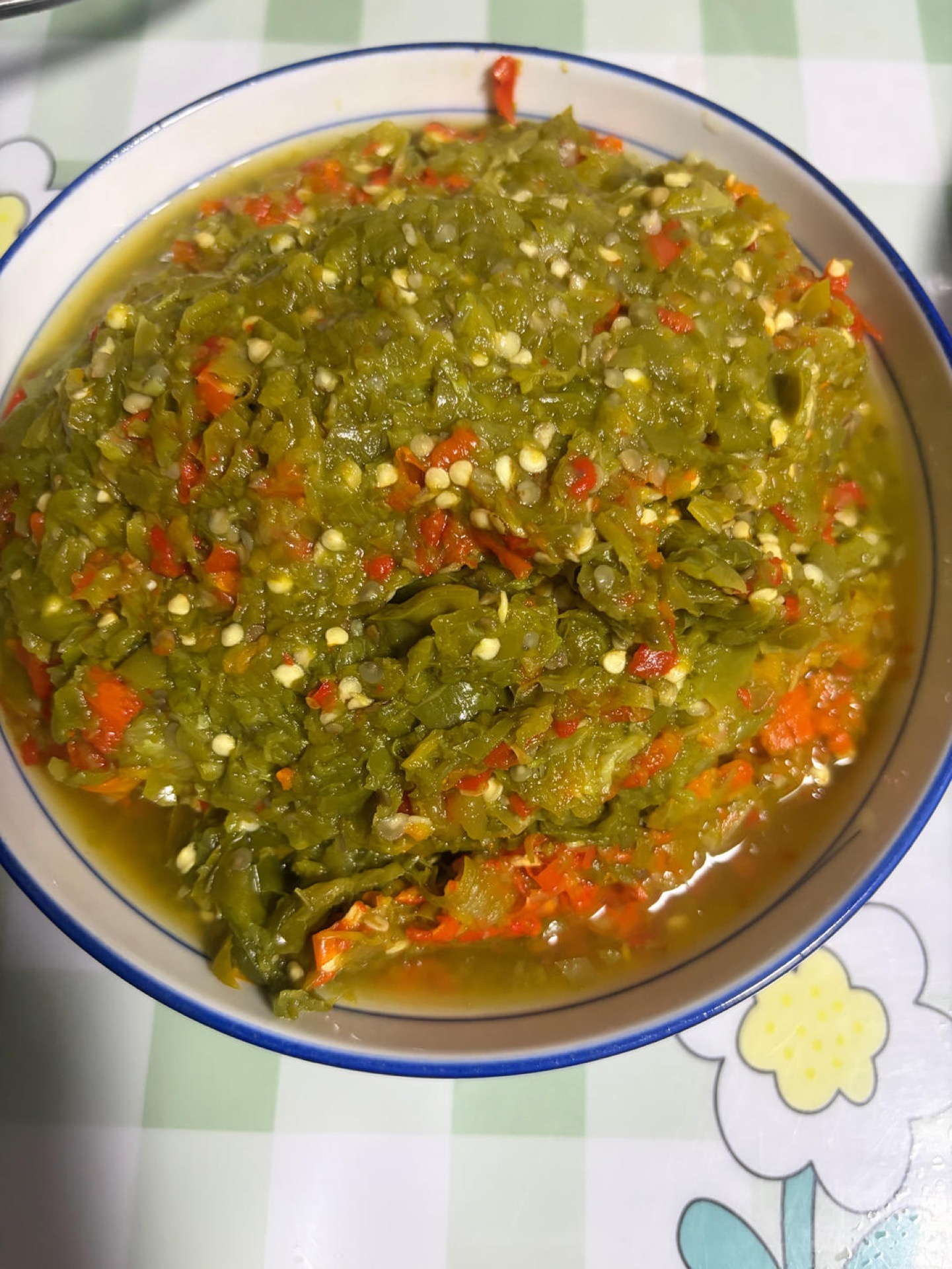
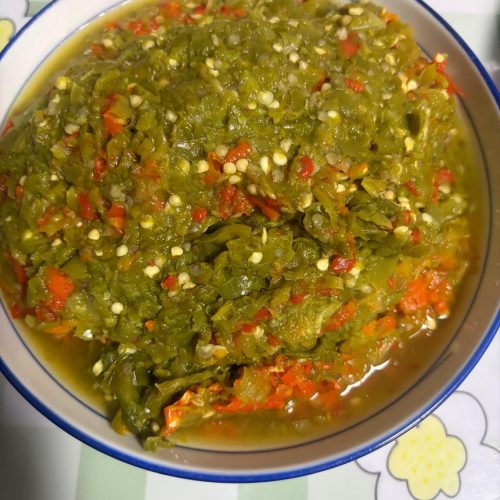
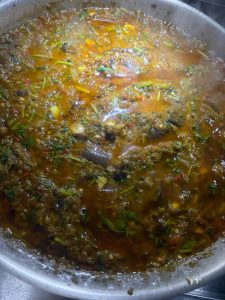
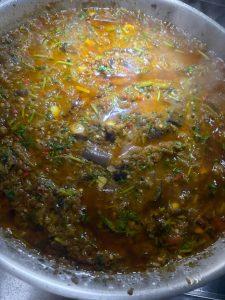
Steamed eggplant with green chili sauce — 青椒酱茄子 — is a Hunan home preserve made by steaming green chilies and eggplant, chopping them with garlic, ginger, and cilantro, then frying the whole mixture in a generous amount of oil with soy sauce, fermented soybean paste, and salt. The result is not a smooth sauce in the blender sense. It is coarse, chunky, and glossy, with visible flecks of chili skin and soft ribbons of eggplant suspended in orange-red oil.
In Hunan and parts of Jiangxi and Guizhou, this style of sauce is called 青椒酱, literally “green chili paste.” Families make it in late summer when chilies are cheap and abundant, jar it, and eat it through the winter. The steamed eggplant version is a home variation that stretches the sauce and softens its bite, which makes it more usable as a vegetable dish rather than only a condiment.
Why steaming instead of roasting or raw chopping? Steaming gelatinizes the pectin in the chili walls and drives off some of the volatile compounds responsible for that raw, green, almost bitter edge. What is left behind is sweetness, body, and a color that stays vivid green-yellow rather than turning olive. It is the same logic behind many steamed chili pastes across southern China.
If you enjoy this style of preserved chili condiment, these three recipes from the site are built on the same idea — chilies, fermentation, and time doing the work:
For a completely different but equally punchy chili paste, try this north korean chili paste koryo style sauce, which builds its depth from fermented soy and malt rather than fresh green chilies.
1Authentic North Korean Chili Paste (Koryo-Style)A unique, fruit-based spicy condiment brought back from North Korea, featuring a savory-sweet profile and a glossy, thick texture.Check out this recipe
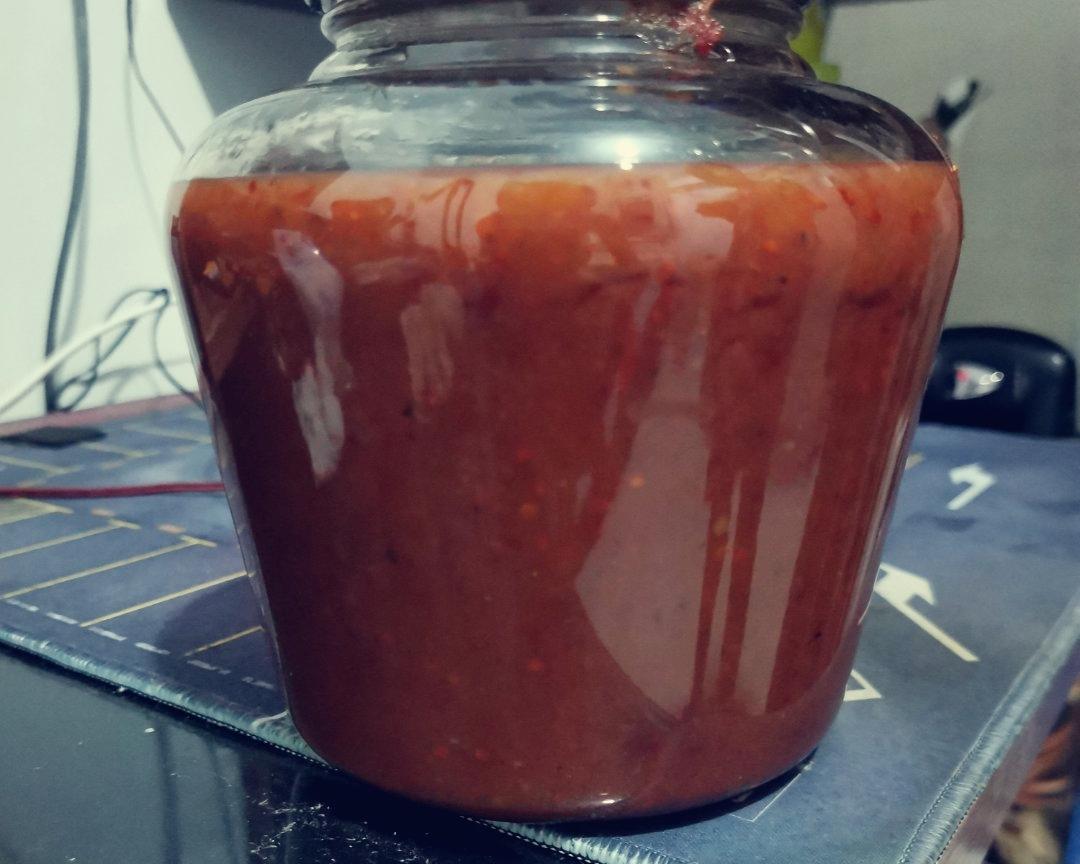
Another fermented jar worth keeping on hand is this spicy yellow soybean paste, a Huang Dou Jiang that brings a savory, funky backbone to stir-fries and dipping sauces.
2Homemade Spicy Yellow Soybean Paste (Huang Dou Jiang)A rustic, homestyle Chinese condiment made with yellow soybeans, fresh chilies, and aromatics. This chunky, savory, and spicy paste is perfect for noodles, stir-fries, or dipping vegetables. It captures the authentic taste of Jiangxi home cooking.Check out this recipe

And if you like the smoky, roasted side of chili pastes, this Sichuan roasted chili sauce — shao jiao jiang — takes the same idea in a charred, ash-roasted direction.
3Sichuan Roasted Chili Sauce (Shao Jiao Jiang)A rustic, smoky, and spicy Sichuan condiment made by dry-charring fresh green peppers and mixing them with garlic, soy sauce, and oyster sauce. Known as "Tiger Skin" pepper sauce, it is the ultimate topping for noodles, rice, and steamed buns.Check out this recipe
Ingredient Notes
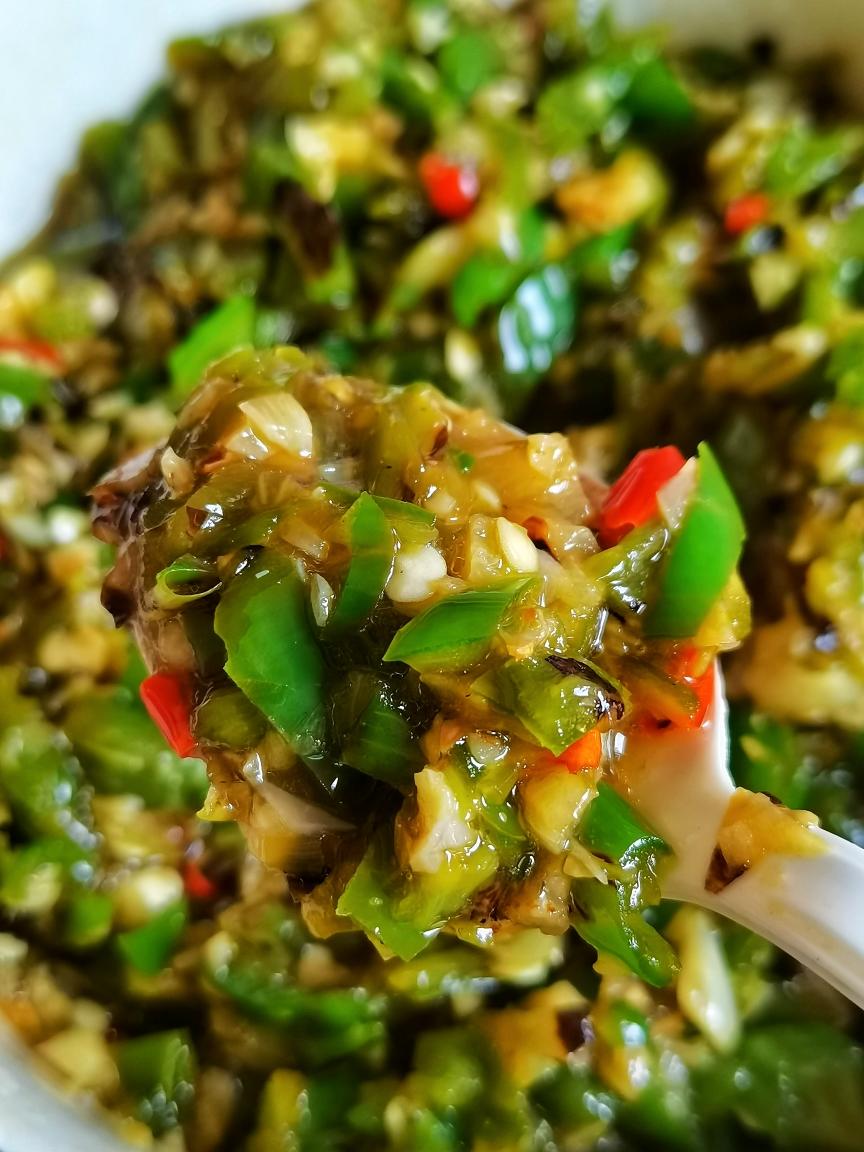
Green chilies. The source recipe says any variety works, and that is true, but the choice changes the character of the jar. Long thin green chilies (the ones sold as “Hunan chilies” or “green finger hot”) give you heat and a thin skin that softens fast. Anaheim or poblano give you a milder, fleshier sauce. A mix is genuinely the best answer: mostly mild chilies for body, a handful of hot ones for backbone. Avoid bell peppers — they are too watery and too sweet here.
Eggplant. Small, slender Asian eggplants are the right choice because they have fewer seeds, thinner skin, and a creamier flesh that tears into ribbons instead of collapsing into mush. If you only have the big globe eggplant, use one medium one, peel it in stripes, and drain it well after steaming. Salt-drawing the eggplant is not necessary here, but draining it is.
Garlic and ginger. One whole head of garlic to a big bowl of chilies is the ratio the source recipe uses, and it is a good one — assertive but not aggressive. Ginger is more of a background note; a thumb-sized piece is enough to round out the garlic without turning the sauce medicinal.
Cilantro. This is non-negotiable. Cilantro is what makes the sauce taste fresh and green rather than merely hot and oily, and it also contributes a surprising amount of aroma. Use the stems as well as the leaves; they carry more flavor than the leaves do and they hold up to the fry.
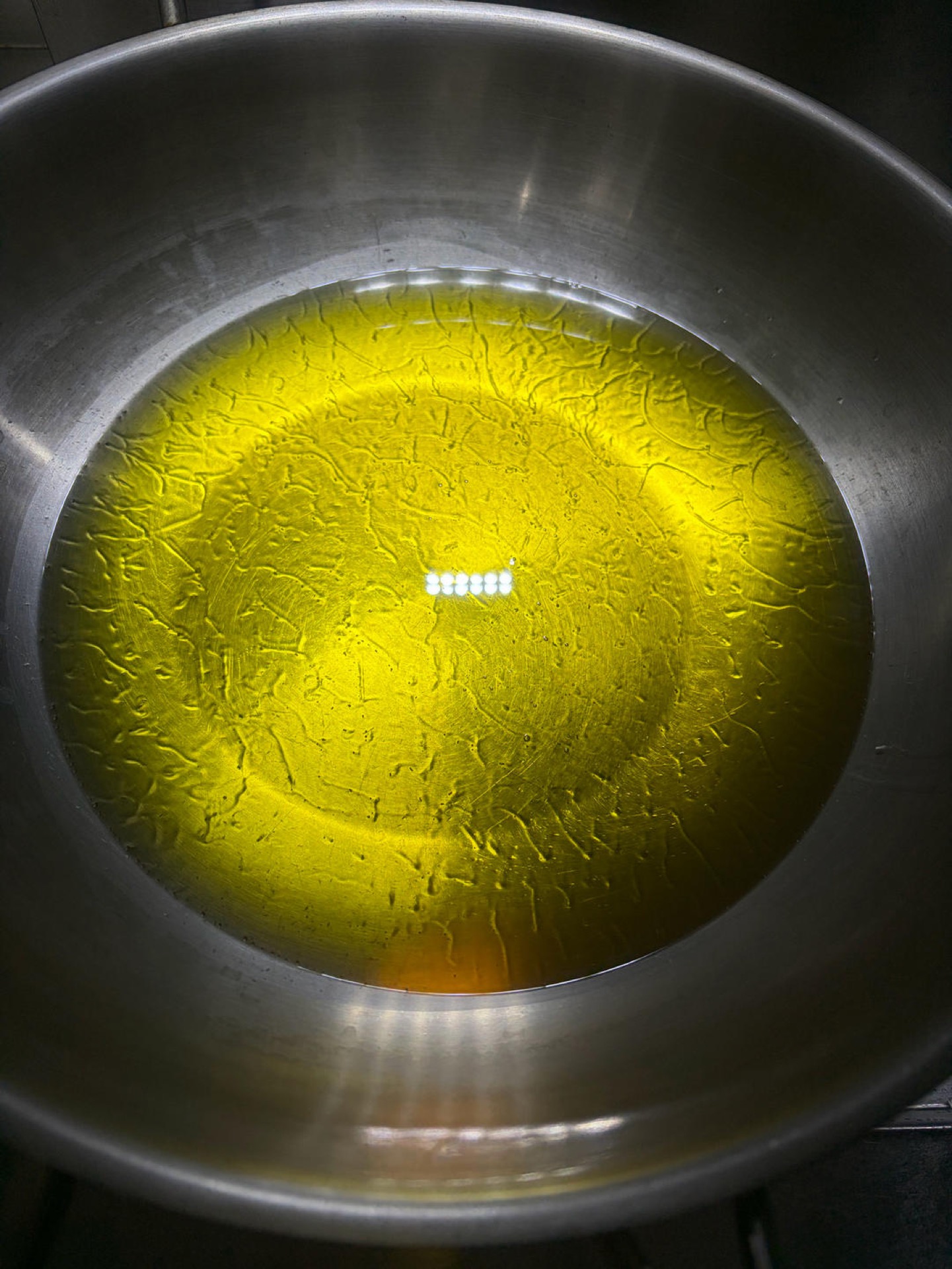
Oil. Use a neutral, high-smoke-point oil — peanut, canola, or a light sunflower oil. Do not use olive oil; its flavor fights the chilies. The quantity is deliberately large. Oil is not just a cooking medium here, it is the seal that keeps oxygen away from the paste and the reason the jar lasts months.
Soy sauce and soybean paste. Light soy sauce brings salinity and umami without darkening the sauce too much. The 熟酱 (cooked or fermented soybean paste) is what gives the sauce its savory, slightly sweet depth. If you cannot find it, a mild yellow soybean paste or even a spoon of miso will work, though the flavor will shift. A splash of Chinkiang vinegar at the table, not in the jar, is a nice contrast.
Salt. Ten tablespoons sounds like an alarming amount, and it is — that is the preservation level. If you plan to eat the jar within two weeks, cut it back to three or four tablespoons and refrigerate. If you want the three-month shelf life, keep the salt high and treat the sauce as a condiment rather than a vegetable.
Ingredients
Here is everything you need for one large batch, which fills roughly three 8-ounce jars:
- 2 lb small Asian eggplants
- 8 oz green chilies, stems removed
- 1 head garlic, peeled
- 1 thumb ginger, peeled
- 1 packed cup cilantro, stems and leaves
- 1 cup neutral oil, plus more as needed
- 2 tbsp light soy sauce
- 2 tbsp fermented soybean paste (熟酱)
- 3 tbsp kosher salt, or up to 10 tbsp for long storage
The full measurements are in the recipe card at the bottom of this post.
Equipment Needed
You do not need much, but a few pieces make the job much easier:
- A steamer. A bamboo steamer over a wok, a metal steamer insert, or a steamer basket in a large pot all work. You need enough room to lay the eggplant and chilies in a single layer.
- A wok or wide skillet. Wide surface area matters here because you are frying a wet, chunky paste and you want the water to drive off quickly rather than steam.
- A cutting board and chef’s knife. For chopping the chilies, garlic, ginger, and cilantro. A rough chop is fine; you are not looking for uniformity.
- A colander. Essential for draining the steamed eggplant, which releases a startling amount of liquid.
- A slotted spoon or spider. For moving the fried paste into jars without carrying too much loose oil.
- Clean glass jars with tight lids. Wash them in hot soapy water and dry them completely. Any water left in the jar shortens the shelf life dramatically.
Why This Recipe Works
Steaming builds flavor instead of destroying it. Boiling would leach the chilies’ sugars and aromatics into the water. Roasting would char them and change the profile entirely. Steaming keeps them intact while softening the cell walls, so the chilies stay sweet, green, and full-bodied.
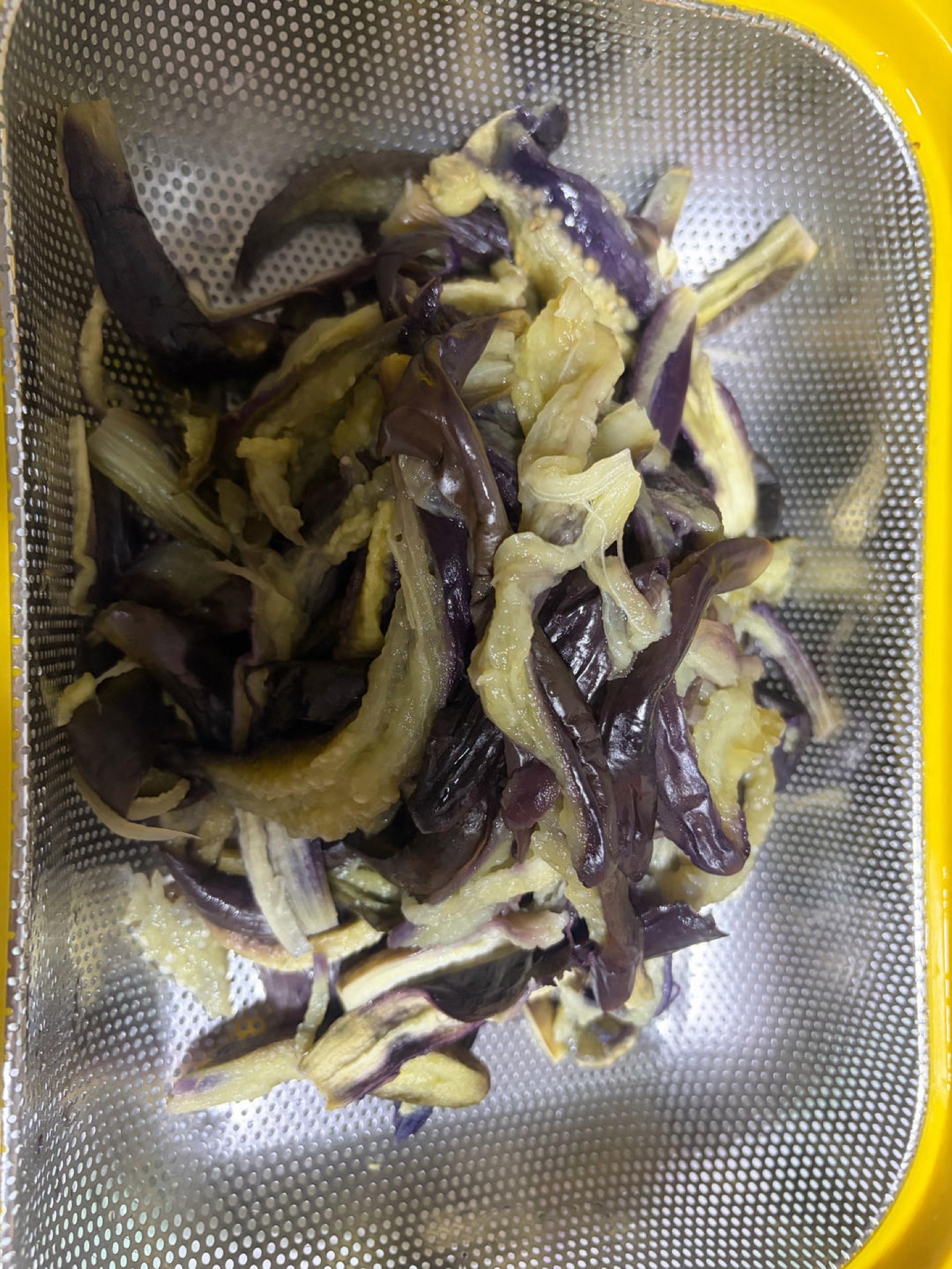
Tearing, not cutting, the eggplant. A knife cuts cleanly through eggplant cells and leaves a smooth, almost sealed surface. Tearing rips along the natural grain, creating rough, jagged edges that grab and hold the oil and chili paste. The texture difference is real and worth the extra minute.
The oil is functional, not decorative. A thick layer of oil on top of a jarred paste blocks oxygen, which is what spoilage organisms need. That is why the source recipe warns that too little oil makes the sauce go bad quickly. Do not skim the oil off before storing.
Salt at preservation levels. Salt lowers water activity, which is the real driver of spoilage in a low-acid paste like this. Ten tablespoons is a preserving quantity, not a seasoning quantity. This is why the recipe tells you to adjust to taste and to your intended storage time.
Simmering drives off water. The 3 to 5 minute simmer after everything is combined is not about cooking the vegetables — they are already cooked. It is about evaporating free water so the oil can form a proper seal. A watery paste will not keep.
Cilantro added to the fry, not the jar. Frying the cilantro briefly blooms its aromatics and mellows its raw edge, so the sauce tastes integrated rather than like someone stirred herbs into a chili paste at the last minute.
Prep & Mise en Place
This recipe moves fast once the frying starts, so set everything up before you turn on the wok.
Step one: wash and steam the chilies. Rinse the chilies, remove the stems, and lay them in your steamer basket. Steam over boiling water for about 10 minutes, until they are fully soft and a knife slides through with no resistance. Spread them on a plate to cool.
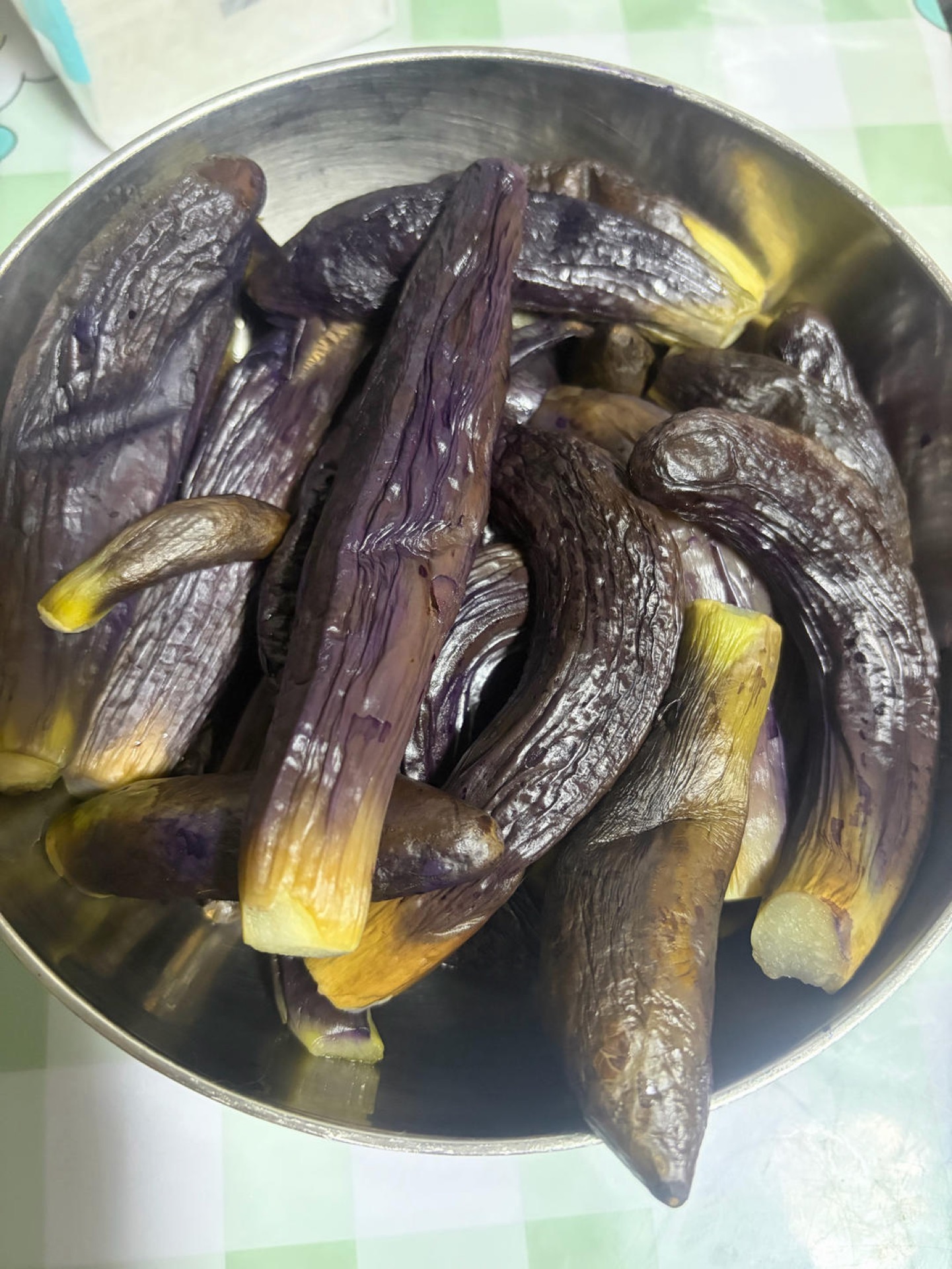
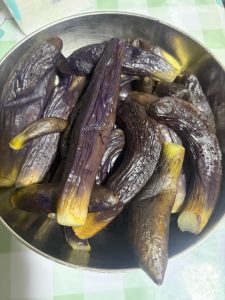
Step two: steam the eggplant. While the chilies cool, steam the eggplants in the same pot. Small Asian eggplants take about 10 minutes; larger ones may need 12 to 15. They are done when a skewer goes in with no resistance at all.
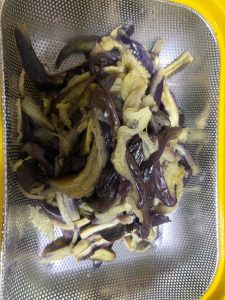
Step three: drain and tear. Move the eggplant to a colander and let it sit for at least 10 minutes. Then, once cool enough to handle, tear it lengthwise into rough strips about the thickness of your finger. Do not squeeze it — you want the flesh intact, just not swimming in liquid.
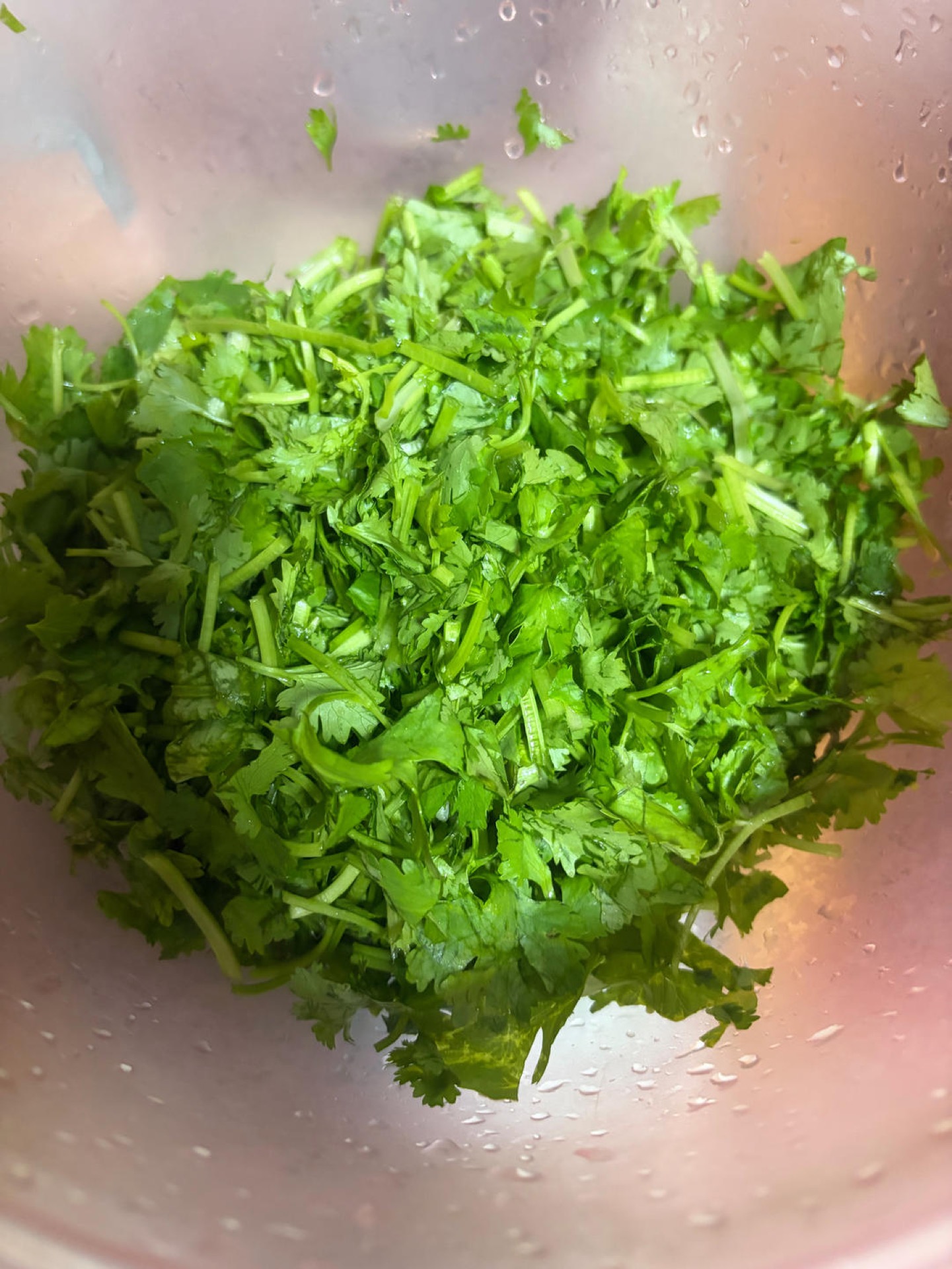
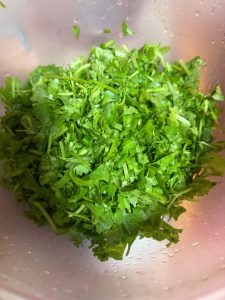
Step four: chop the aromatics. Peel and roughly chop the garlic and ginger. Wash and dry the cilantro, then cut it into short sections, stems included.
Step five: chop the chilies. Once the steamed chilies are cool, chop them coarsely. You want pieces, not a puree — a food processor will make the sauce mushy and watery.
Step six: stage everything. Put the chopped chilies, cilantro, eggplant, ginger, and garlic in separate bowls near the stove, and measure out your soy sauce, soybean paste, and salt. Have your clean jars ready and dry.
Cooking Process
Step 1 — Steam the Chilies
First, wash the chilies — any variety works — and steam them in a steamer basket over boiling water for about 10 minutes, then let them cool and chop them finely.
Step 2 — Steam the Eggplant
Steam the eggplants — the smaller ones are best — in the same steamer, about 10 minutes after the water comes back to a boil.
Step 3 — Chop the Aromatics
Chop the garlic and ginger and set them aside; for one big bowl of chilies I used one whole head of garlic and one small piece of ginger.
Step 4 — Tear the Eggplant
Let the eggplant cool, then tear it into strips with your hands and set aside (you can leave the eggplant out entirely if you do not care for it).
Step 5 — Prep the Cilantro
Wash the cilantro, drain it well, and cut it into short sections; cilantro is the soul of this sauce, so do not skip it, and add as much as your taste likes.
Step 6 — Heat the Oil
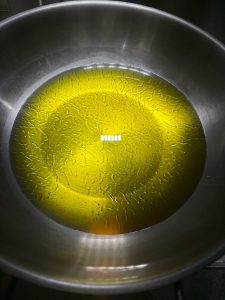
Add oil to the wok — use plenty, because too little oil makes the sauce spoil faster.
Step 7 — Fry Everything Together
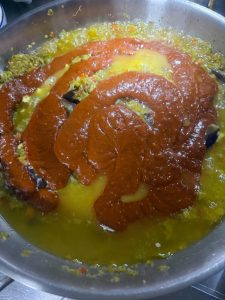
Once the oil is hot, add the chilies, cilantro, eggplant, ginger, and garlic to the wok and stir-fry until everything is evenly combined.
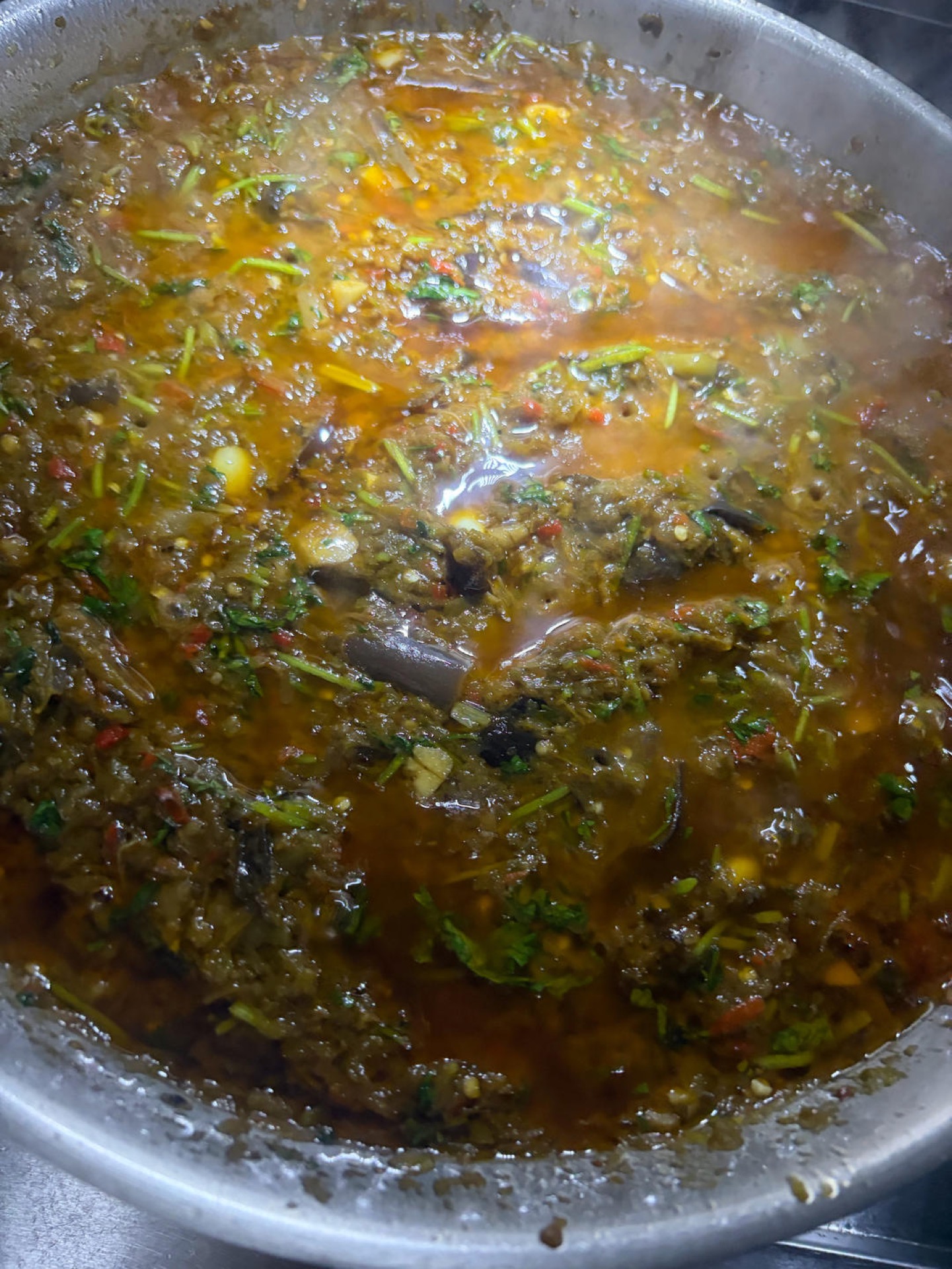
Step 8 — Season the Sauce
Then add two tablespoons of light soy sauce for freshness, add the cooked soybean paste, and add 10 tablespoons of salt — adjust to your own taste, since more salt means the sauce keeps longer.
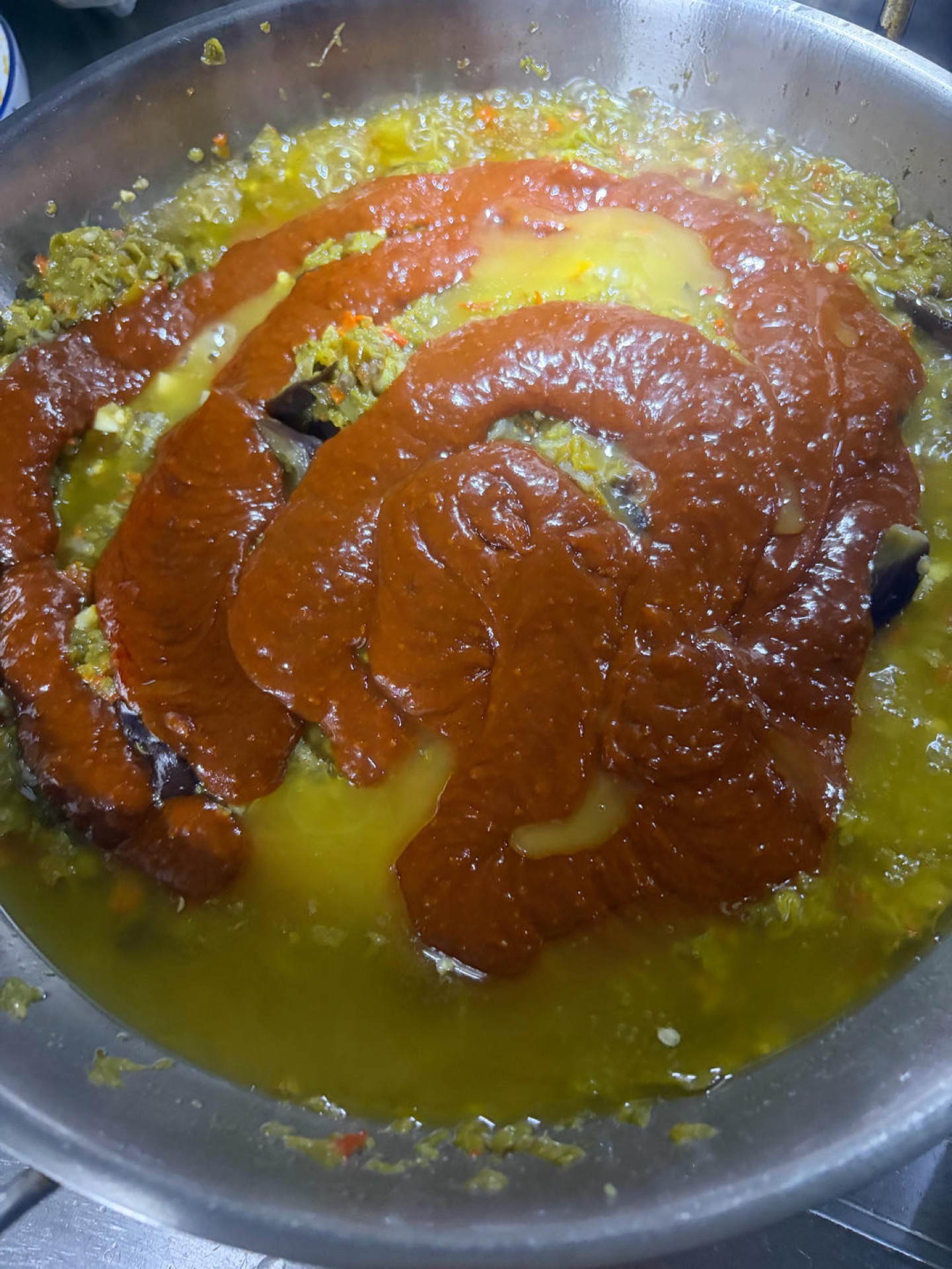
Step 9 — Simmer and Jar It
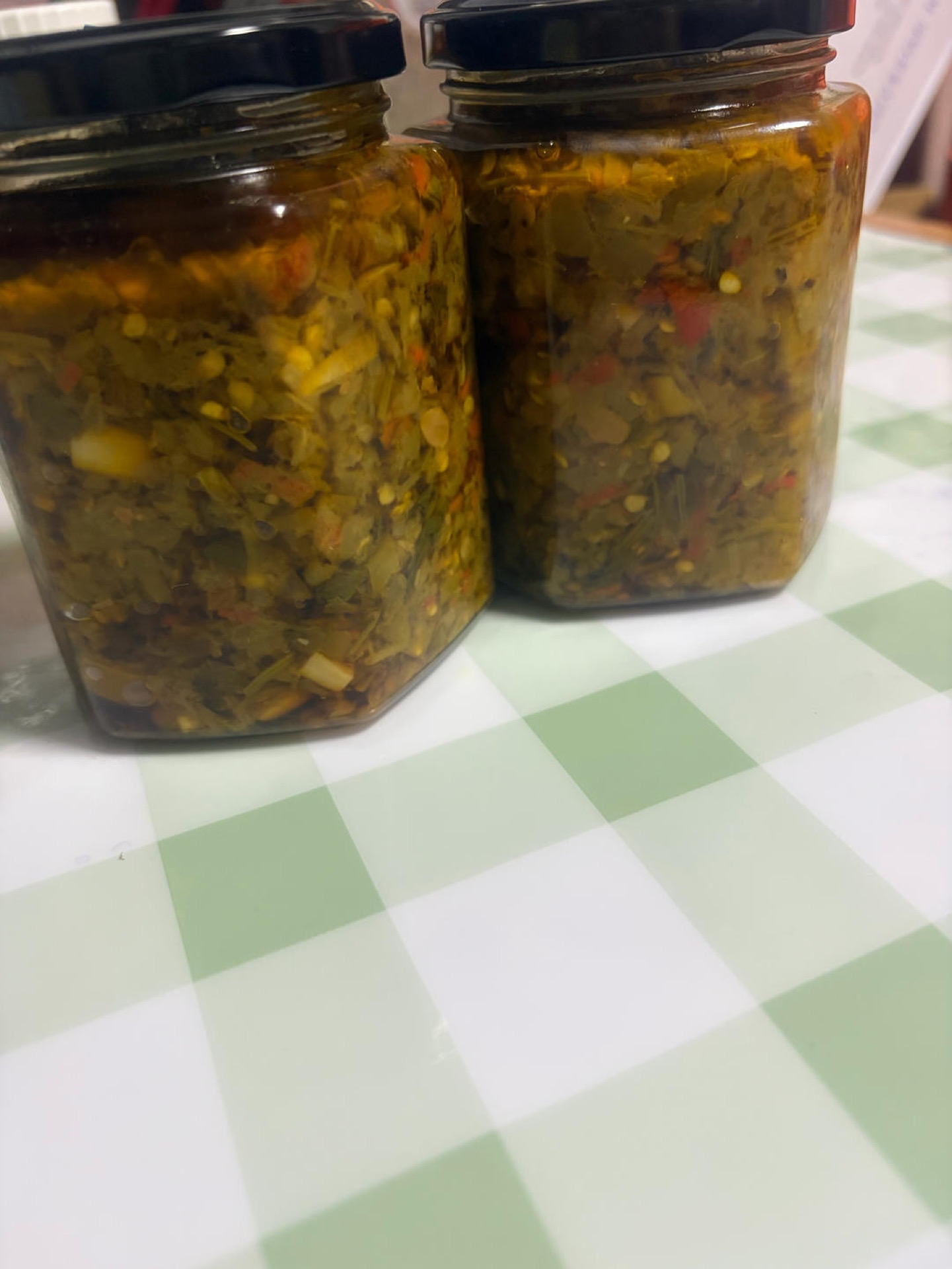
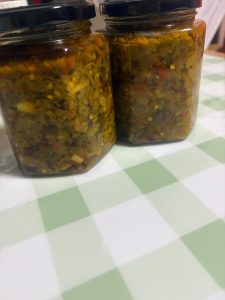
Stir everything together and let it simmer in the open wok for 3 to 5 minutes; turn off the heat, let it cool completely, then spoon it into clean jars.
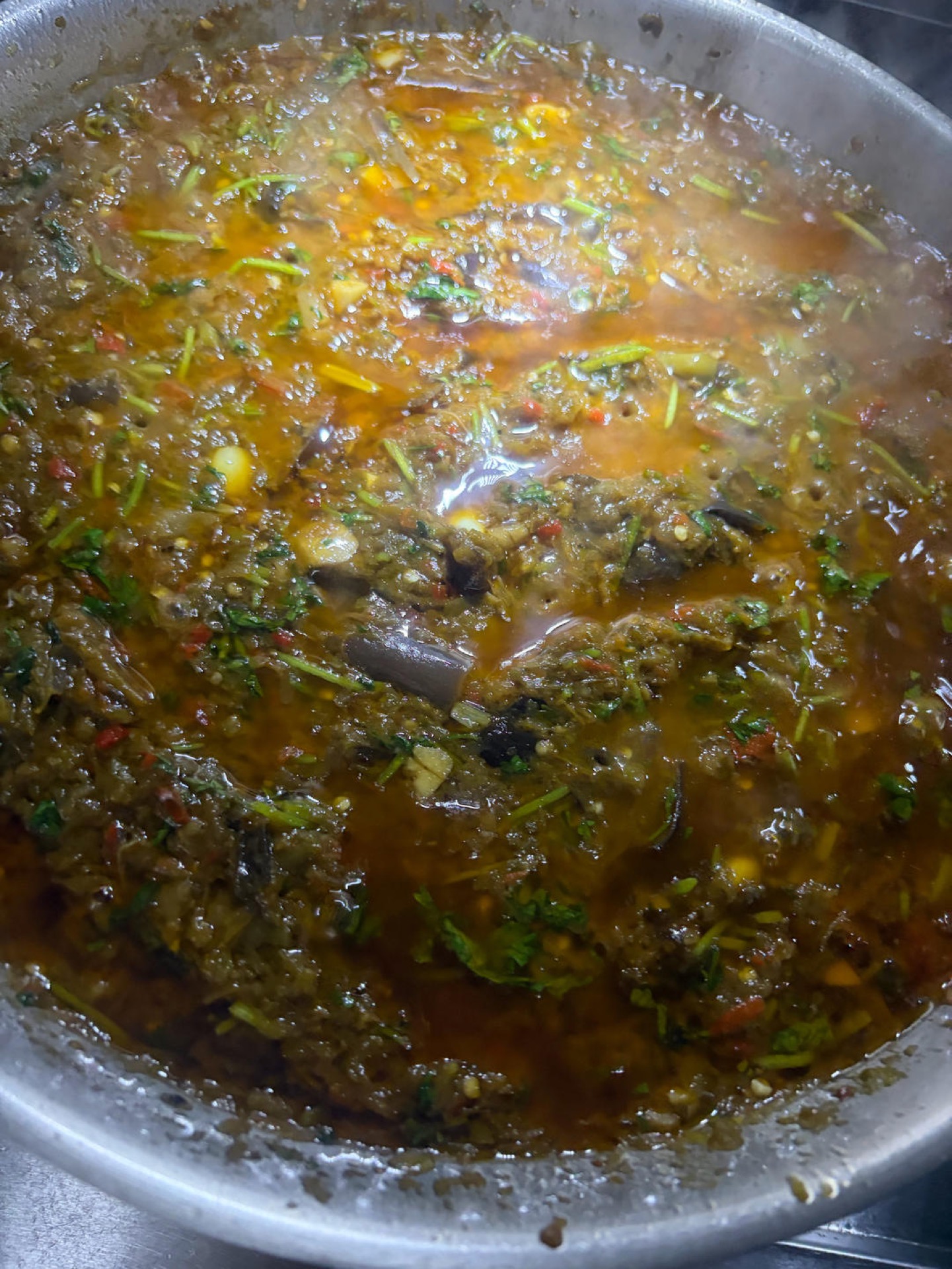
Step 10 — Store and Serve
Keep the jars somewhere cool or in the refrigerator, where the sauce will last at least three months; serve it with congee, noodles, stir-fries, or as a dipping sauce for grilled meat or hot pot. This sauce is absolutely delicious and the method is simple enough that even a beginner can reproduce it, so if you are interested, give it a try when you have time.
Common Mistakes When Making Steamed Eggplant with Green Chili Sauce
1. Not draining the eggplant. Steamed eggplant holds an enormous amount of water. If you tear it straight from the steamer into the wok, that water will boil out during frying, and you will end up with a watery paste that separates in the jar and spoils faster. Fix: rest the eggplant in a colander for at least 10 minutes, and pat the torn strips gently with a clean towel if they still look wet.
2. Using too little oil. Home cooks often instinctively cut the oil back, and the sauce suffers twice — it tastes lean and harsh, and it spoils within weeks. Fix: use the full cup, and add more if the paste looks dry rather than glossy. The oil should pool slightly around the edges of the paste in the wok.
3. Cutting the salt too far. Salt is the preservative here. Dropping from ten tablespoons to one changes the shelf life from months to days. Fix: decide up front whether you are making a preserving batch or a fresh batch, and salt accordingly. A fresh batch must be refrigerated and eaten within two weeks.
4. Pureeing the chilies. A blender or food processor turns steamed chilies into a watery slurry with no texture, and the sauce loses the coarse, spoonable character that makes it good. Fix: chop by hand with a knife. It takes five minutes and the result is dramatically better.
5. Jarring the sauce while it is still warm. Warm sauce in a closed jar creates condensation on the lid, and that water drips back into the paste and invites mold. Fix: let the sauce cool completely to room temperature, uncovered, before you seal the jars.
6. Using a wet jar or a wet spoon. Even a small amount of water in the jar is enough to start spoilage in a low-acid preserve. Fix: wash jars in hot soapy water, dry them completely, and always use a clean, bone-dry spoon to take sauce out.
7. Skipping the cilantro. It is tempting to leave it out if you are not a cilantro person, but in this sauce it is doing structural work — it provides freshness and aroma that the chilies alone cannot. Fix: if you truly dislike cilantro, substitute a small amount of chopped scallion greens, but expect a different sauce.
Variations
Chili-only version. Leave out the eggplant entirely and increase the chilies to 1 pound. This is closer to the classic 青椒酱 and is sharper, hotter, and more condiment-like. It is excellent stirred into noodles or spooned over plain rice.
Roasted chili version. Instead of steaming, char the chilies directly over a gas flame or under a broiler until the skins blister, then cover them for 10 minutes and peel. The sauce becomes smoky rather than fresh — closer in spirit to the roasted Sichuan style.
Less salty, shorter-keeping version. Cut the salt to 3 tablespoons and plan to refrigerate and finish the jar within two weeks. This version is much more usable as a vegetable side dish, since you can eat a full portion without it being overwhelmingly salty.
Tomato addition. A couple of small tomatoes, steamed alongside the eggplant and torn in, add acidity and sweetness and lighten the whole sauce. This is a common home variation in Hunan and it makes the sauce more of a relish than a preserve, so reduce the salt and refrigerate.
Vegan and gluten-free notes. The recipe is naturally vegan. For gluten-free, swap the light soy sauce for tamari and check that your soybean paste is made without wheat — many are, but not all.
Extra heat. Add a handful of small hot chilies (bird’s eye or similar) to the steamer with the mild ones. Do not add them raw to the fry; steaming them first keeps the heat integrated rather than sharp.
Frequently Asked Questions
How long does steamed eggplant with green chili sauce keep? If you follow the full-salt, full-oil version and store it in clean, dry jars in the refrigerator, it keeps at least three months, and often longer. A reduced-salt version should be eaten within two weeks. Always check for mold, off smells, or bubbling before using.
Can I make this with regular globe eggplant? Yes. Use one medium globe eggplant, peel it in alternating stripes, and steam it a few minutes longer, until it is completely soft. Drain it very well — globe eggplant holds more water than Asian varieties, so the colander rest matters more.
Do I really need ten tablespoons of salt? Only if you want the long shelf life. Ten tablespoons is a preserving quantity. If you plan to eat the sauce within a couple of weeks and keep it refrigerated, three to four tablespoons is plenty and the sauce will taste much more balanced.
Why did my sauce turn watery after a few days? Almost always because the eggplant was not drained well enough, or because the simmer step was cut short and free water remained. Water separates out and rises, which both dilutes the flavor and shortens the shelf life. Next time, drain longer and simmer until the oil looks glossy and slightly pooled.
Is this sauce very spicy? It depends entirely on the chilies you choose. Made with Anaheim or poblano, it is mild and almost sweet. Made with Hunan or finger-hot chilies, it has real bite. Mixing mild and hot chilies gives the best-flavored result.
How to Serve
The most traditional way to eat this is straight from the jar over a bowl of plain white rice or congee, with maybe a drizzle of sesame oil on top. It also makes an outstanding noodle sauce — loosen a couple of spoonfuls with a little hot broth and toss with wheat noodles. Serve it alongside grilled meat or as part of a hot pot dipping station, where its salt and oil cut through rich broth.
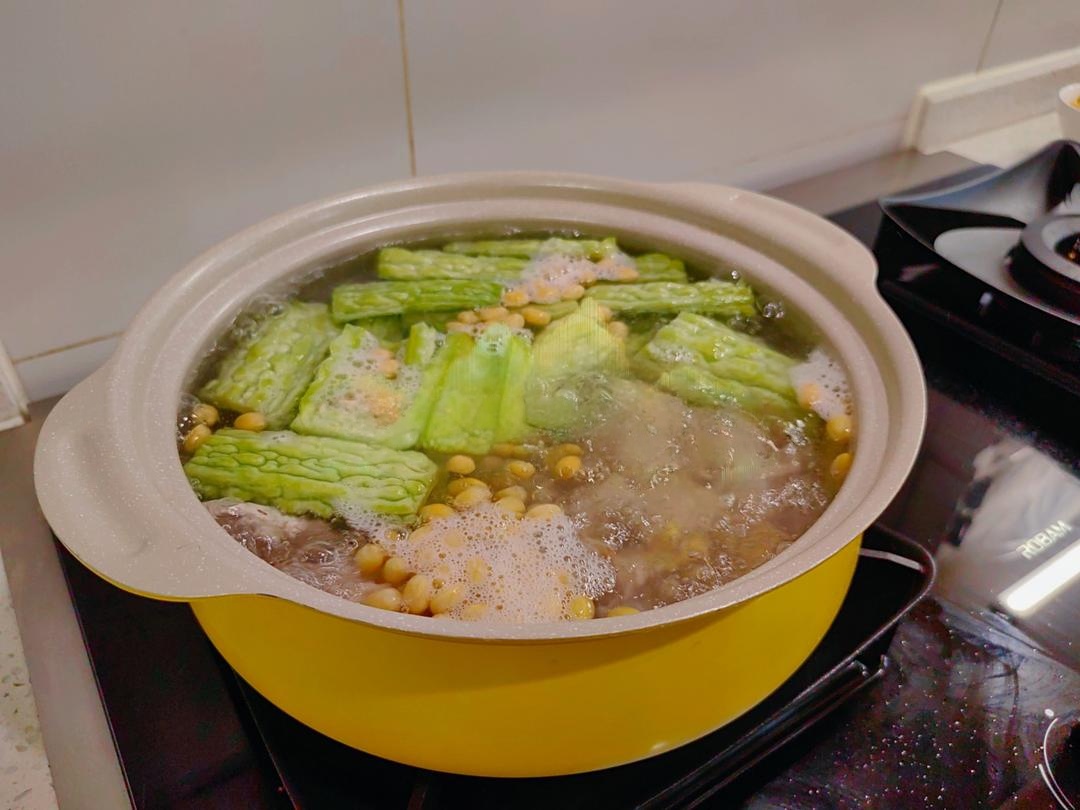
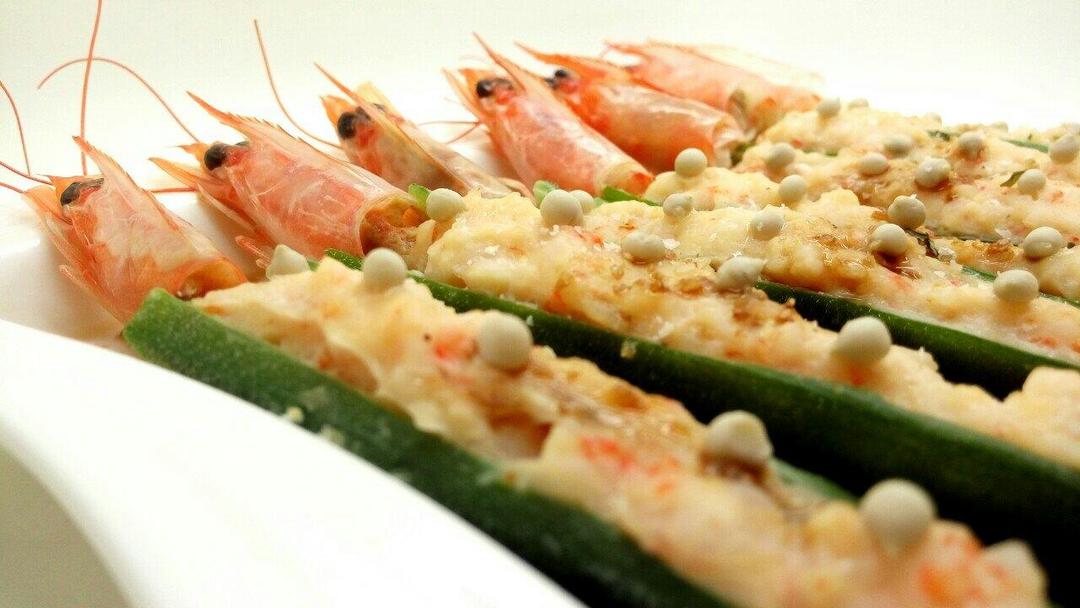
If you are building a larger table, this sauce is a natural partner for a warming bitter melon pork rib soup, where its brightness balances the soup’s gentle bitterness. It also works beautifully next to a plate of oil braised spring bamboo shoots, since both dishes share that glossy, savory, oil-forward character. And for a cold-table pairing, shrimp stuffed okra makes a light, fresh counterpoint that lets the chili sauce do the heavy lifting.

Storage & Reheat
Room temperature. The full-salt, full-oil version can be kept in a cool, dark cupboard for a few weeks, which is how it was traditionally stored. In a modern warm kitchen, refrigeration is safer and does not harm the flavor.
Refrigerator. This is the recommended storage. Keep the jars tightly sealed and always use a clean, dry spoon. The oil will solidify in the cold; that is normal. Let the jar sit at room temperature for 10 minutes before serving, or scoop out what you need and let that portion warm up.
Freezer. Not recommended. Freezing does not improve a salt-and-oil preserve, and the texture of the eggplant suffers on thaw. If you must, freeze in small portions and use them cooked into a stir-fry rather than as a condiment.
Reheating. You do not need to reheat this sauce — it is eaten at room temperature or cold. If you want to use it as a cooking sauce, spoon it into a hot wok with a splash of water or stock and let it come to a simmer for a minute before adding your protein or vegetables.
Signs of spoilage. Discard the jar if you see any fuzzy mold, a sour or alcoholic smell, bubbling, or a lid that has domed. Do not try to salvage it by skimming the top — mold filaments can extend well below the visible surface in a soft paste.
Allergen Notice
This recipe contains soy in two forms: light soy sauce and fermented soybean paste. If you are cooking for someone with a soy allergy, both must be substituted or omitted, and the flavor will change significantly. For gluten-free diets, use tamari in place of standard soy sauce and verify that your soybean paste is wheat-free. No nuts, dairy, eggs, shellfish, or gluten-containing grains are used in the base recipe as written.
Nutrition Disclaimer
Nutrition information is calculated using an ingredient database and should be considered an estimate. In cases where multiple ingredient alternatives are given, the first listed is calculated for nutrition. Garnishes and optional ingredients are not included.
About the Author & Recipe Development
This recipe was developed and tested by Lin for Woks of Love, adapted from a Hunan home recipe for 青椒酱 shared by home cooks who make it every autumn when green chilies come in by the basket. The version here keeps the traditional steamed-chili method and the preservation-level salt, but adds the optional steamed eggplant that turns the jar into something you can eat as a vegetable dish rather than only as a condiment.
Testing focused on three variables: how much the eggplant needed to drain before frying, how far the salt could be reduced while keeping a two-week refrigerated shelf life, and whether chopping the chilies by hand versus in a processor made a meaningful difference. It did — hand-chopping produced a far better texture. The head of garlic to bowl of chilies ratio from the source recipe was kept as written because it tested well.
If you make this, the site’s comment section is the place to share how yours turned out, what chilies you used, and how long your jar lasted.
Authoritative References
For safe handling and storage of home-preserved low-acid condiments, see the FDA Food Code guidance on refrigeration and two-hour holding limits for cooked foods. For internal cooking temperatures and safe cooling practices, the USDA safe temperature chart is a useful reference. General food-safety principles for preserving foods in oil, including the risk of anaerobic spoilage, are summarized by the WHO food safety fact sheet.
Steamed Eggplant with Green Chili Sauce (青椒酱茄子): Smoky Steamed

Equipment
- Wok
- Steamer
- Cutting Board
- Chef’s knife
- Slotted Spoon
- Clean glass jars
Ingredients
For the Steam
- 2 lb eggplant small, slender Asian eggplants preferred
- 8 oz green chilies mild-to-medium heat, stems removed
For the Aromatics
- 1 head garlic peeled, about 10 cloves
- 1 thumb ginger about 1 inch, peeled
- 1 bunch cilantro about 1 cup packed, stems included
For the Sauce Base
- 1 cup neutral oil plus more as needed
- 2 tbsp light soy sauce or tamari
- 2 tbsp soybean paste 熟酱, cooked/fermented soybean paste
- 3 tbsp kosher salt plus more to taste
Instructions
- First, wash the chilies — any variety works — and steam them in a steamer basket over boiling water for about 10 minutes, then let them cool and chop them finely.

- Steam the eggplants — the smaller ones are best — in the same steamer, about 10 minutes after the water comes back to a boil.
- Chop the garlic and ginger and set them aside; for one big bowl of chilies I used one whole head of garlic and one small piece of ginger.
- Let the eggplant cool, then tear it into strips with your hands and set aside (you can leave the eggplant out entirely if you do not care for it).
- Wash the cilantro, drain it well, and cut it into short sections; cilantro is the soul of this sauce, so do not skip it, and add as much as your taste likes.
- Add oil to the wok — use plenty, because too little oil makes the sauce spoil faster.
- Once the oil is hot, add the chilies, cilantro, eggplant, ginger, and garlic to the wok and stir-fry until everything is evenly combined.
- Then add two tablespoons of light soy sauce for freshness, add the cooked soybean paste, and add 10 tablespoons of salt — adjust to your own taste, since more salt means the sauce keeps longer.
- Stir everything together and let it simmer in the open wok for 3 to 5 minutes; turn off the heat, let it cool completely, then spoon it into clean jars.
- Keep the jars somewhere cool or in the refrigerator, where the sauce will last at least three months; serve it with congee, noodles, stir-fries, or as a dipping sauce for grilled meat or hot pot. This sauce is absolutely delicious and the method is simple enough that even a beginner can reproduce it, so if you are interested, give it a try when you have time.












Leave a Reply