Hi, I’m Lin. When it comes to everyday home cooking, finding the perfect balance between nutrition, speed, and flavor is the ultimate goal. Okra is one of those vegetables with a truly unique texture—depending on how you prepare it, it can be entirely transformed.
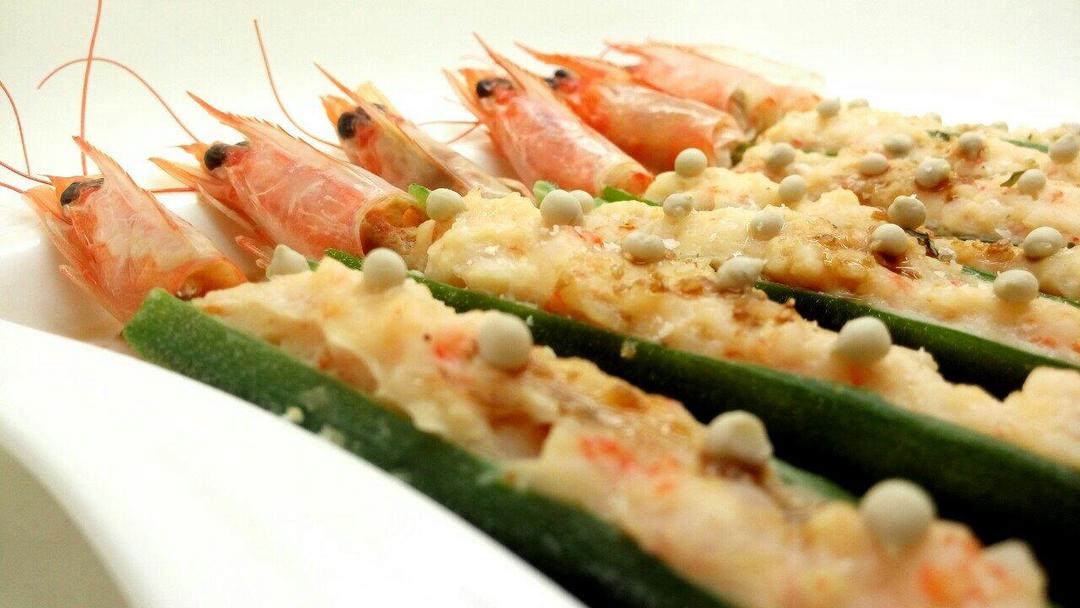
By stuffing crisp, fresh okra with savory, bouncy shrimp paste and steaming it gently, you preserve the pure essence and umami of both ingredients. The contrast between the tender, sweet shrimp and the slightly crunchy okra is phenomenal. This melt-in-your-mouth dim sum style dish is so visually appealing and delicious that even picky kids who usually avoid okra will fight over the last piece on the dinner table! If you want to expand your repertoire of Chinese Cooking Basics You Must Know, mastering steamed stuffed vegetables is a fantastic place to start.
What Is Shrimp-Stuffed Okra?
Shrimp-Stuffed Okra (虾滑酿秋葵, Xiā Huá Niàng Qiū Kuí) is a modern homestyle twist on traditional Cantonese stuffed dim sum dishes, similar in spirit to stuffed tofu or eggplant.
At its core, it relies on Xia Hua (虾滑)—a bouncy, hand-beaten shrimp paste widely loved in Chinese hot pot and dim sum. When this paste is piped or spooned into hollowed-out okra halves and steamed, the okra acts as a crisp, natural boat that holds all the savory seafood juices. It is a light, elegant, and extremely healthy alternative to heavier pan-fried dishes.
Ingredients
- Fresh Shrimp: 1.1 lbs (500g). Peeled, deveined, with heads and shells removed. Try to buy high-quality fresh or properly thawed frozen shrimp.
- Okra: 9 large, fresh pods. Look for vibrant green pods that are firm to the touch.
- Shaoxing Wine: 1 tsp (5 ml). Essential for neutralizing any seafood odor. (Read more about Shaoxing Wine).
- White Pepper: 1/4 tsp (1 g). Adds a gentle, earthy heat. (Learn more about White Pepper).
- Salt: 1/2 tsp (3 g). For seasoning the shrimp paste.
- Egg White: 1 tbsp (15 g). Helps bind the proteins together.
- Cornstarch (or Potato Starch): 1 tbsp (8 g). Essential for locking in moisture.
- For the Finishing Touch (Optional but recommended): 1 tbsp (15 ml) light Soy Sauce and 1 tbsp (15 ml) smoking hot cooking oil (or Universal Scallion Oil for extra aroma) to drizzle over the top.
Equipment Needed
- A sharp chef’s knife or cleaver.
- A large mixing bowl.
- A bamboo steamer or a regular steaming pot with a rack.
- (Optional) An instant-read thermometer for food safety.
Prep & Mise en Place
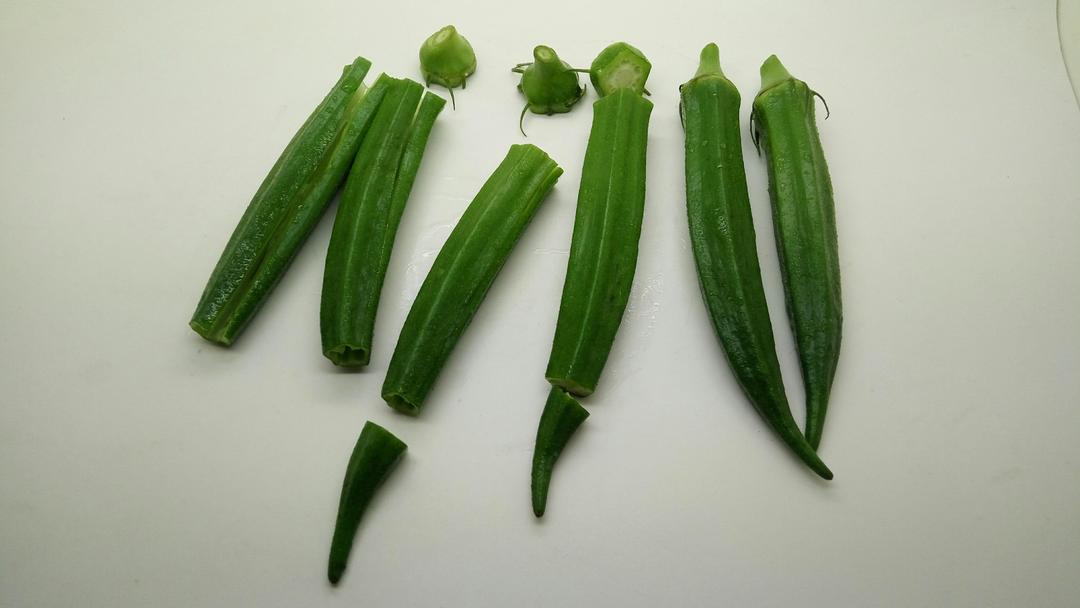
- Clean the Okra: Wash the okra thoroughly. Slice off the tops and the tails. Carefully cut them in half lengthwise and use a small spoon to scrape out the inner seeds. This creates the “boat” for our filling.
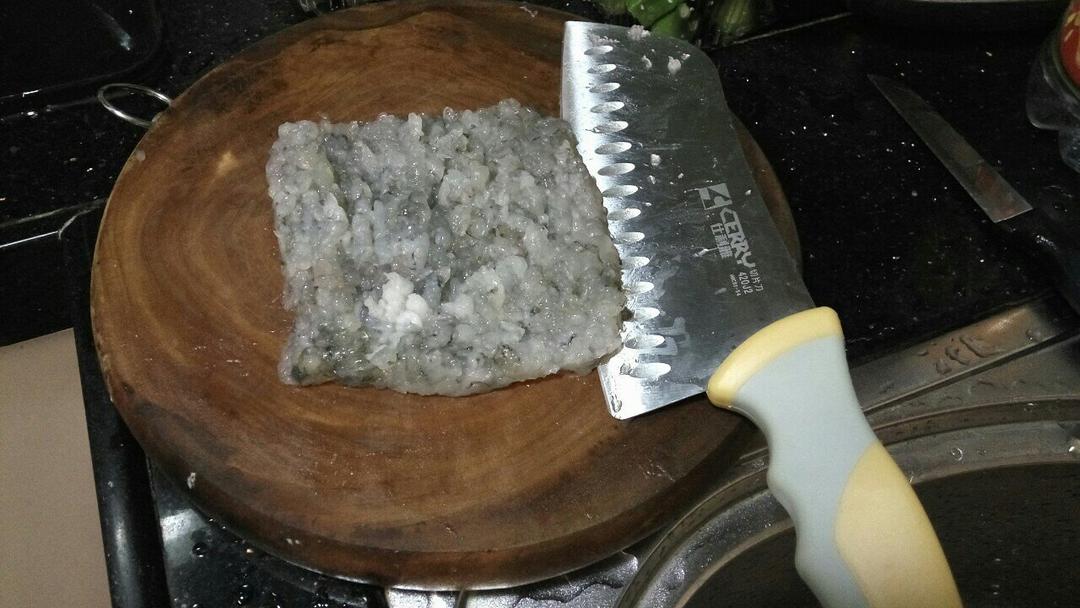
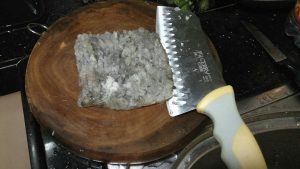
- Process the Shrimp: After peeling and cleaning the shrimp, drain them very well. Chef’s Tip: Use the flat side of your cleaver or knife to smash the shrimp flat before mincing. This breaks down the muscle fibers quickly.
- Beat the Paste: Once minced, vigorously stir the shrimp meat in one direction with your seasonings until it becomes a sticky, gel-like paste.
When mincing and beating the shrimp paste, the mechanical action combined with salt breaks down the proteins (specifically myosin), allowing them to cross-link and form a matrix. This traps water and fat, resulting in that signature bouncy, “Q-Q” texture highly prized in Chinese cuisine—the same texture found in Crystal Shrimp Dumplings.
Cooking Process
- Prepare the Filling (5-8 minutes): Mince your smashed shrimp into a paste. Transfer to a bowl and add the salt, white pepper, Shaoxing wine, egg white, and cornstarch. Stir vigorously in a clockwise direction for about 3 to 5 minutes until the paste is sticky and pale.

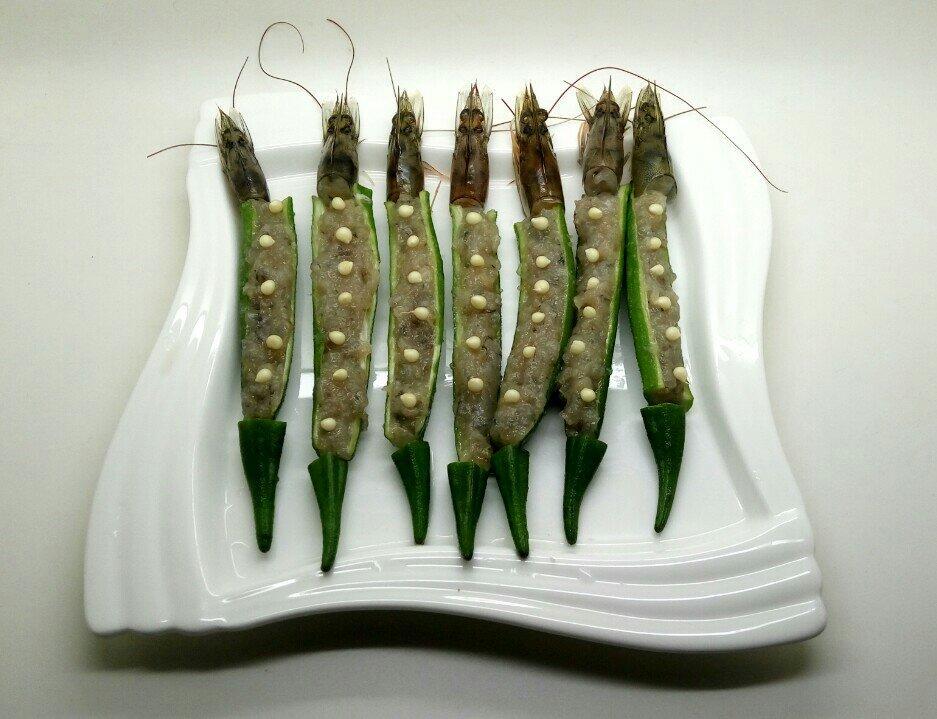
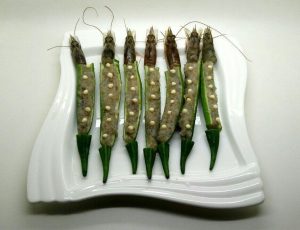
- Stuff the Okra (5 minutes): Take an okra half. Lightly dust the inside with a tiny pinch of dry cornstarch (this acts as glue). Spoon or pipe the shrimp paste (Xia Hua) into the cavity, smoothing the top. Arrange the stuffed okra neatly on a heat-proof steaming plate.
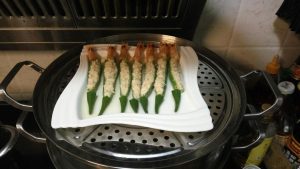
- Steam (5 minutes): Bring your steamer water to a rolling boil (212°F / 100°C). Place the plate inside, cover, and steam on high heat for exactly 5 minutes. The shrimp should turn pink and opaque, and the okra should be vibrant green. Note: Ensure the internal temperature of the shrimp reaches at least 145°F (63°C).
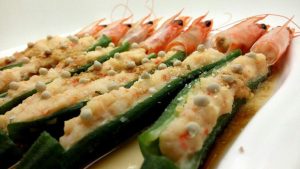
- The Sizzle (1-2 minutes): Carefully remove the plate from the steamer (there will be a lovely, savory broth at the bottom—don’t throw it away!). Drizzle the light soy sauce over the okra. Heat your oil in a small pan until smoking, then carefully pour it over the shrimp to release the aromatics. Alternatively, you can pour the steaming juices into a pan, thicken it with a cornstarch slurry (read about How to Use Cornstarch in Chinese Cooking), and pour the glossy sauce back over the dish.
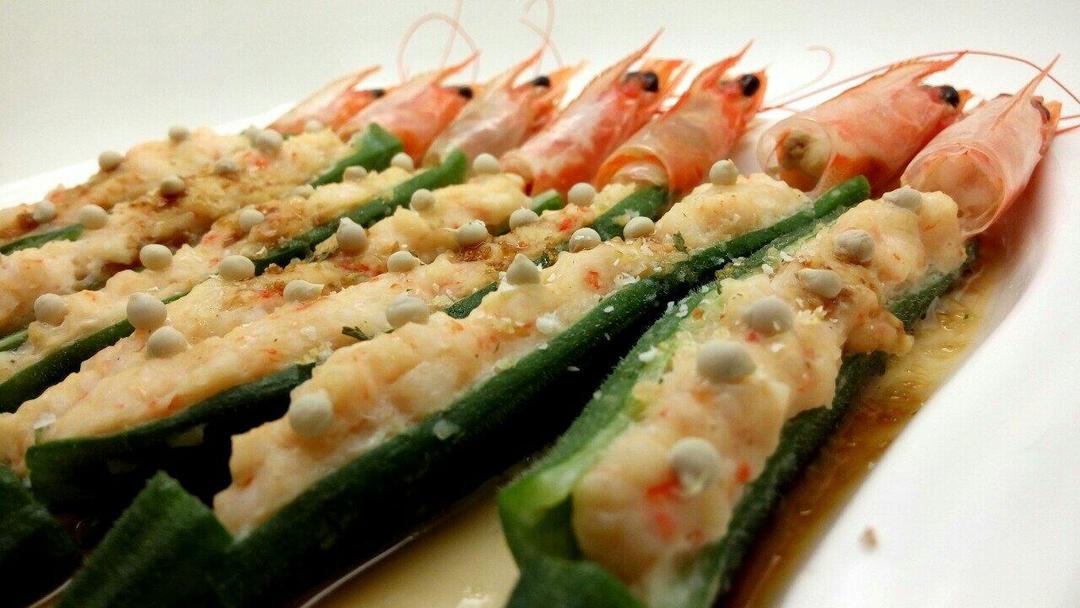
Why This Recipe Works
- Textural Contrast: The crisp-tender snap of the okra perfectly offsets the bouncy, tender shrimp paste.
- Gentle Cooking: High-heat steaming for a very short time ensures the okra doesn’t turn slimy or yellow, and the shrimp doesn’t turn rubbery.
- Flavor Retention: Using a finishing drizzle of hot oil and soy sauce enhances the dish without overpowering the delicate seafood flavor.
Common Mistakes When Making Shrimp-Stuffed Okra
- Mistake 1: The shrimp filling falls out after steaming.
- Cause: The okra was too wet, or the paste lacked a binder.
- Solution: Pat the okra completely dry with a paper towel. Always dust a tiny amount of dry cornstarch inside the okra boat before stuffing to act as edible “glue.”
- Mistake 2: Mushy, yellow okra and rubbery shrimp.
- Cause: Over-steaming. Okra cooks extremely fast.
- Solution: Do not steam for more than 5 minutes on high heat. Remove the plate immediately once the timer goes off.
Frequently Asked Questions
Can I substitute the shrimp with something else?
Yes! You can use minced chicken breast or pork, though you will need to increase the steaming time to 8-10 minutes to ensure the meat is fully cooked.
Can I make this ahead of time?
You can prepare the shrimp paste and hollow out the okra up to 24 hours in advance. Store them separately in airtight containers in the fridge. Stuff and steam just before serving for the best texture.
Why is my shrimp paste loose and watery?
This usually happens if the shrimp wasn’t dried thoroughly after washing, or if you skipped the vigorous stirring step. Stirring the paste in one direction develops the protein structure needed to bind it.
Is this dish authentic?
While stuffing vegetables is deeply rooted in Hakka and Cantonese traditions (like stuffed peppers and tofu), using okra is a modern, healthy adaptation that is incredibly popular in contemporary Chinese home cooking.
How to Serve
This dish pairs beautifully with a bowl of fluffy jasmine rice. To round out a full traditional meal, serve it alongside other delicate steamed dishes like Steamed Hairy Crab or a simple vegetable soup.
1Steamed Hairy Crab (Yangcheng Lake Style)A traditional and simple way to enjoy the seasonal delicacy of Hairy Crabs, highlighting their natural sweetness and rich roe. This recipe includes a guide on how to dismantle and eat the crab by hand.Check out this recipe

Storage & Reheat
- Fridge: Store leftovers in an airtight container for up to 2 days.
- Freezer: Not recommended. Freezing changes the cellular structure of okra, making it mushy upon thawing.
- Reheat: Gently microwave covered with a damp paper towel for 60-90 seconds, or re-steam for 2 minutes just until warmed through. Be careful not to overcook.
Allergen Notice
- Shellfish: Contains shrimp.
- Egg: Contains egg white.
- Soy & Gluten: If finishing with regular soy sauce (use tamari for a gluten-free option).
About the Author & Recipe Development
I’m Lin, the recipe developer and writer behind Woks of Love. I grew up watching my family transform simple vegetables and seafood into restaurant-quality meals. When testing this recipe, my goal was to find the perfect steaming window—exactly 5 minutes on high heat—to guarantee the okra stays vibrant and crisp while the shrimp cooks through perfectly. This method has been tested in my home kitchen multiple times to ensure it works flawlessly for weeknight dinners!
Authoritative References
- For food safety guidelines regarding seafood, always ensure your shrimp reaches a safe internal temperature of 145°F (63°C) as recommended by the U.S. Food & Drug Administration (FDA).
- The science of protein extraction in shrimp paste (“Xia Hua”) relies on mechanical action and salt to dissolve myosin, forming a sticky, bouncy gel. For a deeper dive into the science of bouncy seafood textures, see the culinary science breakdown by Serious Eats.
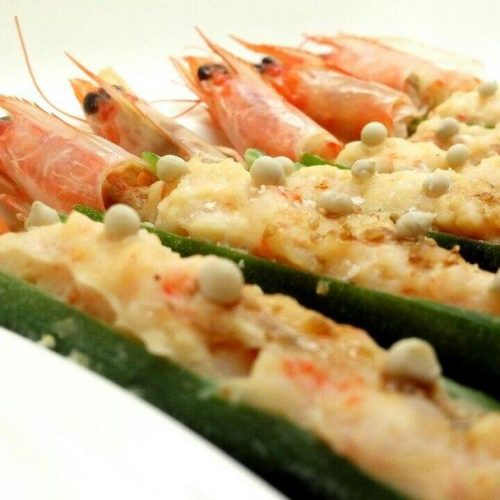
15-Minute Shrimp-Stuffed Okra (Xia Hua Niang Qiu Kui)
Equipment
- Bamboo Steamer or Steaming Pot
- Chef’s knife
Ingredients
Shrimp Paste (Xia Hua)
- 1.1 lbs fresh shrimp peeled, deveined, heads and shells removed
- 1 tsp Shaoxing wine
- 1/4 tsp white pepper
- 1/2 tsp salt
- 1 tbsp egg white
- 1 tbsp cornstarch or potato starch
Vegetable & Finishing
- 9 pods okra large, fresh
- 1 tbsp light soy sauce optional, for drizzling
- 1 tbsp cooking oil optional, heated until smoking
Instructions
- Wash the okra, slice off the tops and tails. Cut in half lengthwise and carefully remove the inner seeds to create boats.

- Smash the cleaned shrimp with the flat side of a knife, then mince them into a fine paste.
- Transfer the shrimp paste to a bowl. Add Shaoxing wine, white pepper, salt, egg white, and cornstarch. Stir vigorously in one direction for 3-5 minutes until the paste is very sticky and bouncy.
- Spoon or pipe the shrimp paste into the hollowed-out okra halves. Arrange them on a steaming plate.

- Bring your steamer to a rolling boil. Steam the stuffed okra on high heat for exactly 5 minutes.
- Remove from the steamer. Drizzle with light soy sauce. Heat the cooking oil in a small pan until smoking, then carefully pour it over the shrimp to release the aromatics. Serve immediately.


Leave a Reply