Some nights you want a bowl of noodles that wakes you up rather than weighs you down, and that is exactly what sour soup egg noodles do. The broth is barely a broth at all — just eggs fried hard in oil, a spoonful of chopped pickled greens, and a splash of water — yet it comes out tangy, savory, and faintly sour in a way that makes you want a second bowl before you have finished the first.
This is not a restaurant dish. It is the kind of thing someone makes at 7 p.m. with two eggs, a handful of noodles, and whatever jar of pickled vegetable is sitting in the door of the fridge. In southern and southwestern China that jar is usually suan cai — salted, fermented mustard greens — and it is the ingredient that turns a plain egg noodle soup into something with a sour edge and a real backbone of flavor.
The whole thing takes about twenty minutes of actual cooking, and most of that is waiting for water to boil. If you already have a jar of pickled greens and a bottle of chili oil, you are most of the way there. If you do not, the notes below will tell you what to look for and what to do instead.
What Is Sour Soup Egg Noodles?
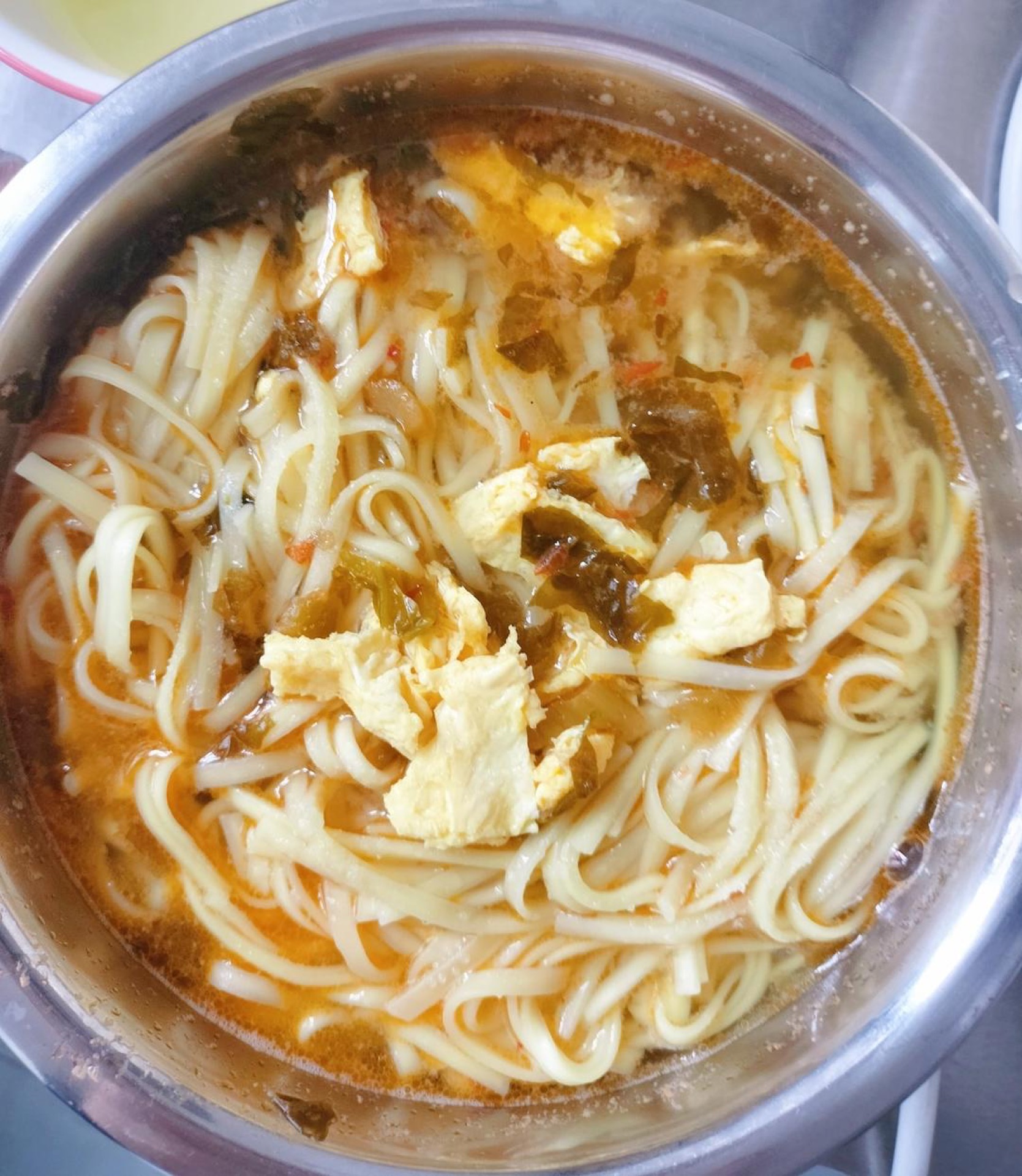
Sour soup egg noodles — suantang jidanmian, 酸汤鸡蛋面 — is a home-style Chinese noodle bowl built on a very short list of ingredients: eggs, pickled greens, water, noodles, salt, and chili oil. The “sour soup” is not a long-simmered stock. It is made in the wok in the time it takes the eggs to fry, and it gets its tang from the pickled vegetable rather than from vinegar.
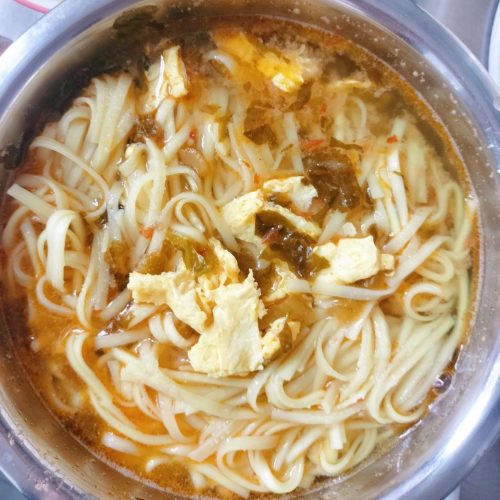
The technique matters more than the ingredient list. The eggs go into hot oil and fry until the edges are browned and the smell turns nutty — that browned egg, not the water, is what gives the broth its body. Then the pickles go in and release their sour, salty liquid, and only then does the water follow. What you get is a cloudy, golden, faintly sour broth with soft ribbons of egg suspended in it.
The noodles are cooked separately, in clean water, and drained straight into the bowl. That is deliberate. Cooking noodles in the soup would cloud it and turn the broth starchy and thick, and this bowl is supposed to stay light.
Why frying the eggs hard makes a better broth: when egg proteins are heated in oil past the point of setting, they brown through the Maillard reaction, generating hundreds of new aroma and flavor compounds. Those compounds dissolve into the water you add afterward, which is why a broth made from well-browned eggs tastes savory and full even though no stock was used. A softly scrambled egg simply does not do the same job.
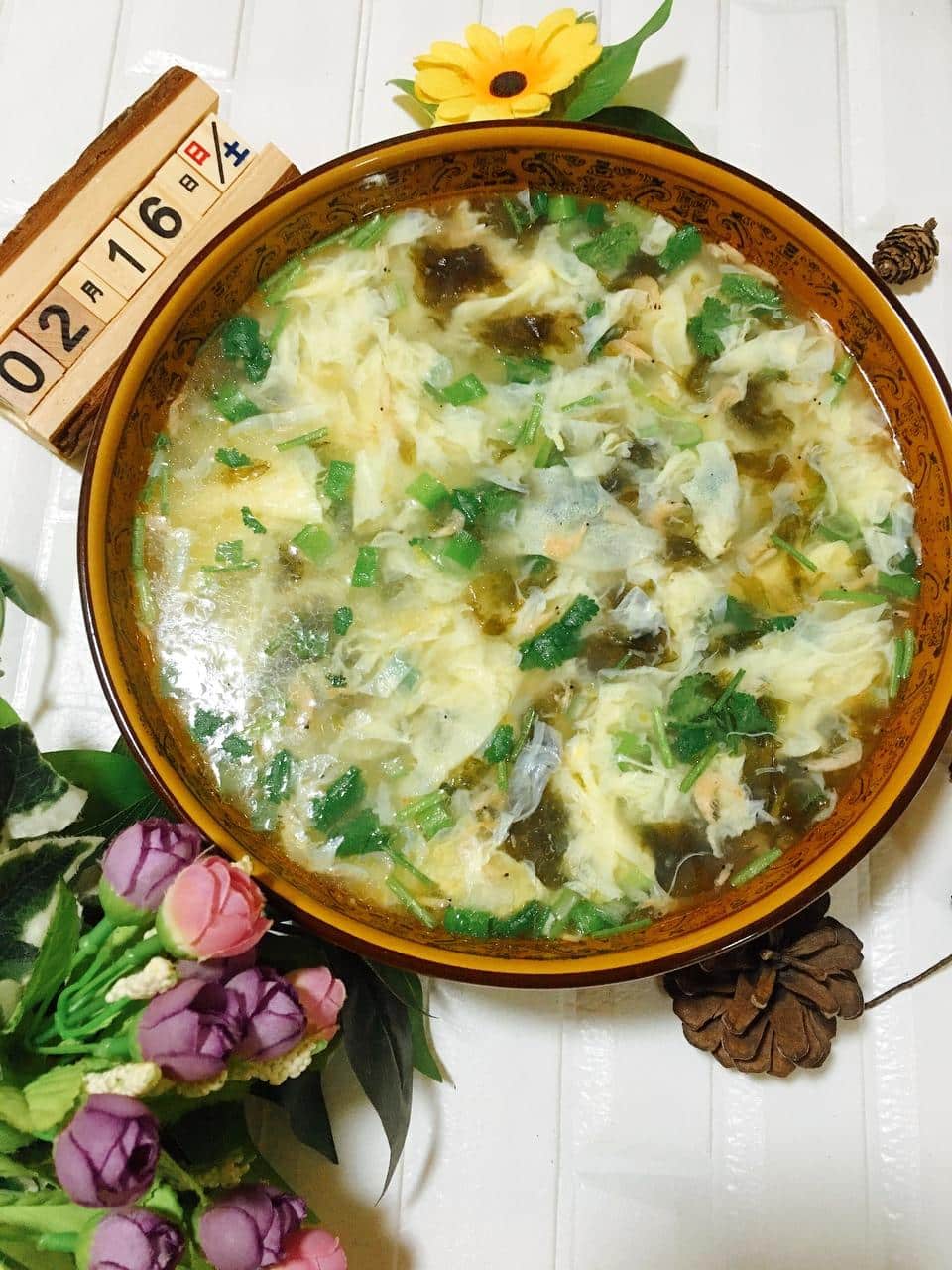
If you like the sound of a tangy, egg-forward bowl, there are a few other recipes on this site in the same family. For a lighter, more delicate bowl built on seaweed and egg ribbons, this seaweed egg drop soup is the closest cousin to what you are making here.
1Easy Seaweed Egg Drop Soup (紫菜蛋花汤)A classic, comforting Chinese soup ready in 10 minutes! Learn the secrets to perfect, silky egg ribbons and a savory broth with simple pantry ingredients. It's the easiest, most satisfying soup you'll make all week—even better than takeout!Check out this recipe
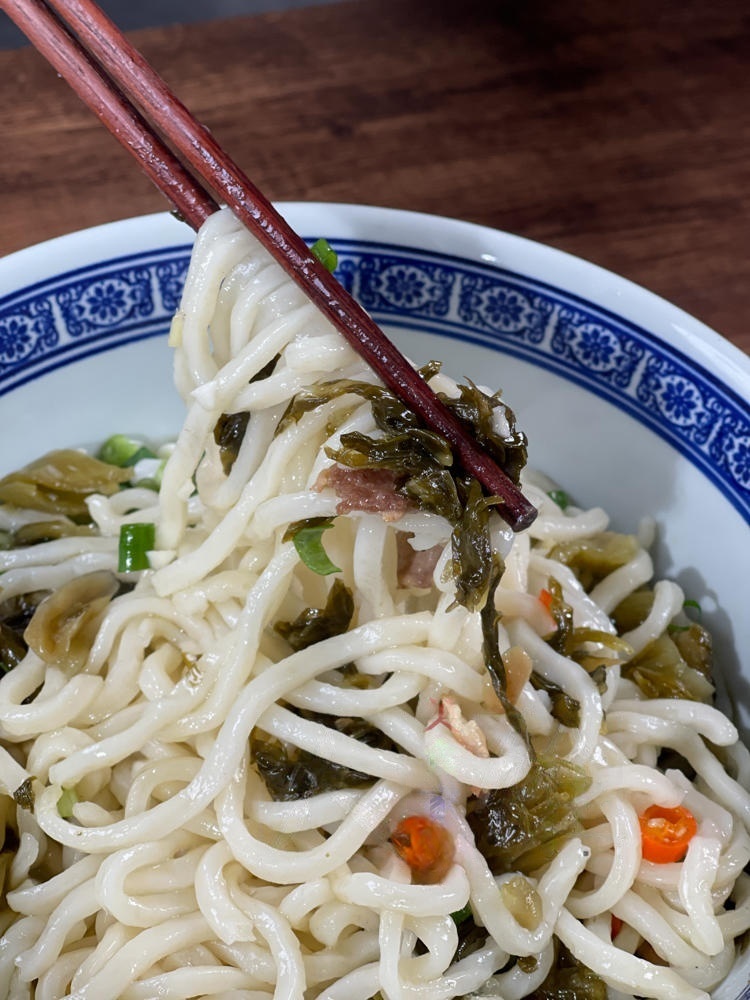
If you want the same sour-savory idea with pork and noodles instead of egg, this pickled mustard green noodle soup uses the same jar of greens to build a much richer bowl.
2Pickled Mustard Green Noodle Soup with Pork (Suan Cai Rou Si Mian)A comforting, 15-minute staff meal favorite from Sichuan. This authentic noodle soup features savory rendered pork belly, tangy pickled mustard greens, and fresh noodles in a rich, appetizing broth.Check out this recipe
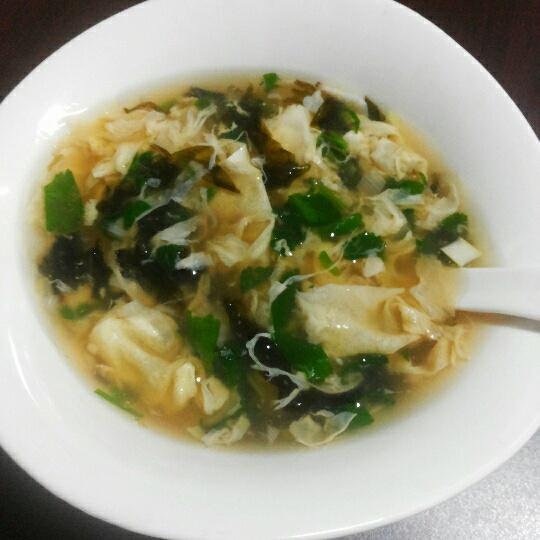
And for a version where the egg is silky and ribboned rather than fried, this silky seaweed egg drop soup shows how different the same two ingredients can behave.
3Seaweed Egg Drop Soup (Zi Cai Dan Hua Tang)Silky ribbons of egg float in a ginger-and-peppercorn broth with torn nori and a scattering of dried shrimp. A classic Chinese comfort soup, ready in 15 minutes.Check out this recipe
Why This Recipe Works
Three things make this bowl taste better than its ingredient list suggests.
The eggs are fried, not scrambled soft. Most egg drop soups stir raw egg into hot liquid. Here the eggs hit oil first and cook until they are browned and fragrant. That single change is the difference between a thin, watery bowl and one with real depth.
The pickles go in before the water. Frying the chopped greens in the residual oil blooms their aroma and drives off some of the raw fermented edge. It also means the sourness is distributed through the whole broth instead of pooling at the bottom of the bowl.
The noodles cook in separate water. Clean, salted water keeps the noodles springy and keeps the soup clear. It costs you one extra pot or one extra rinse of the wok, and it is worth it every time.
Finally, the seasoning happens at the end, in the bowl. Salt and chili oil go in after the noodles, so you can taste and adjust. Pickled greens vary wildly in saltiness from brand to brand, so seasoning early is a gamble.
Ingredients
Here is what goes into four servings. The list is short on purpose — this is a pantry bowl, not a shopping-trip bowl.
- 2 large eggs. Beaten until completely smooth, with no streaks of white left.
- 2 tbsp neutral oil. Peanut, canola, or any high-smoke-point oil. You want enough to actually fry the eggs, not just coat the pan.
- 3 tbsp chopped pickled mustard greens (suan cai). The sour engine of the whole bowl. More on this below.
- 1/2 cup water. Yes, just half a cup — this is a concentrated soup, not a big pot of broth. Add more if you like it soupier.
- 7 oz fresh wheat noodles (or 5 oz dried). Fresh alkaline noodles give the best chew.
- 1 tsp salt, plus more to taste.
- 1 tbsp chili oil with sediment. The crunchy, garlicky stuff at the bottom of the jar, not the clear oil on top.
Cooking Process
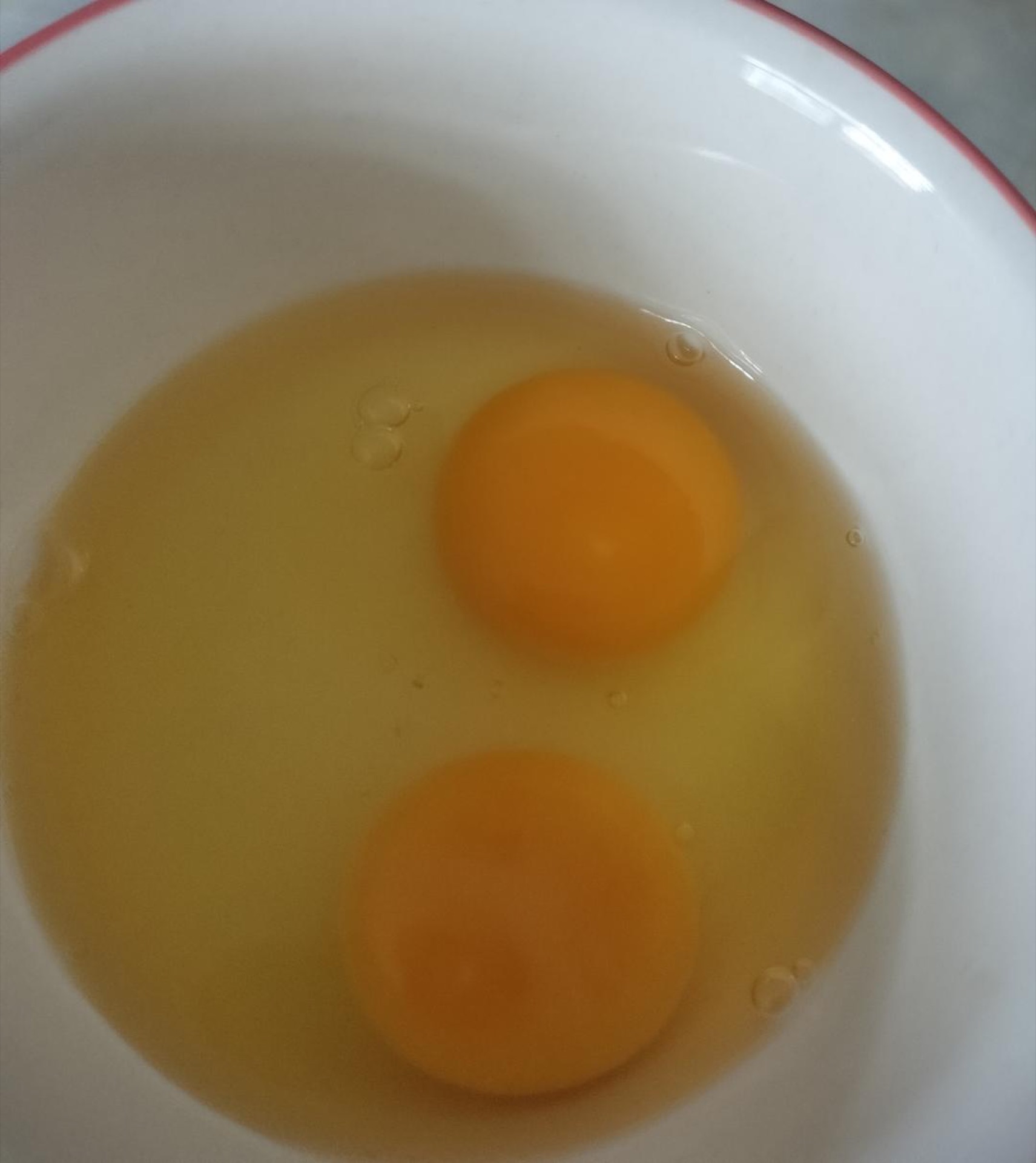
Step 1 — Crack the Eggs
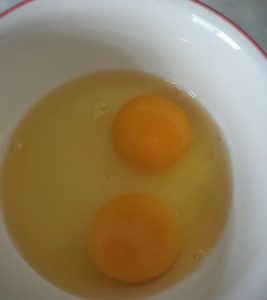
Crack two eggs into a bowl.
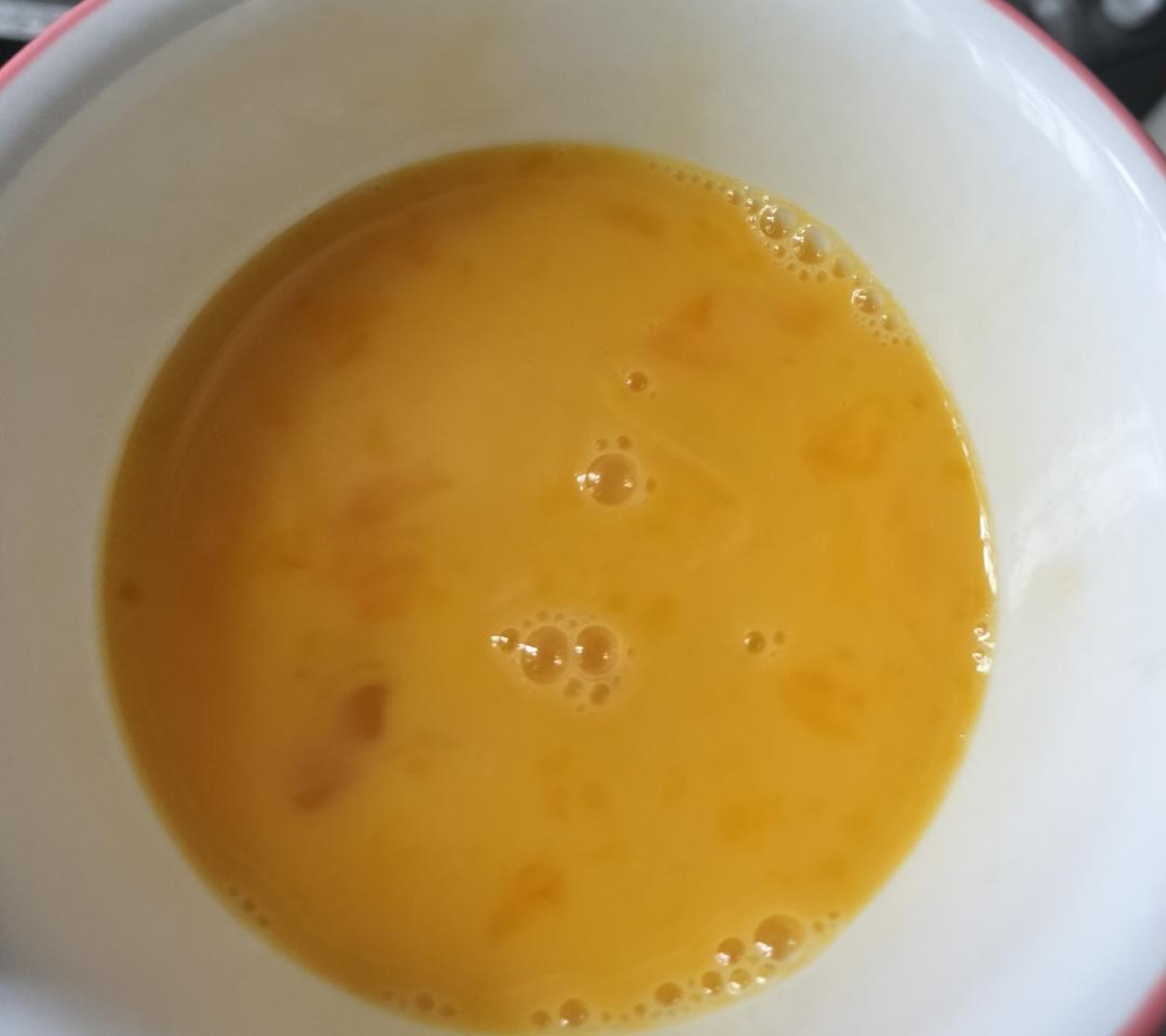
Step 2 — Beat Until Smooth
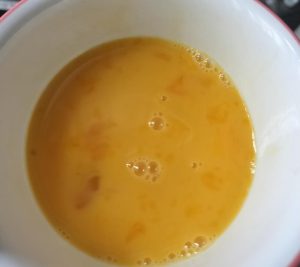
Beat the eggs until the whites and yolks are fully combined and slightly frothy.
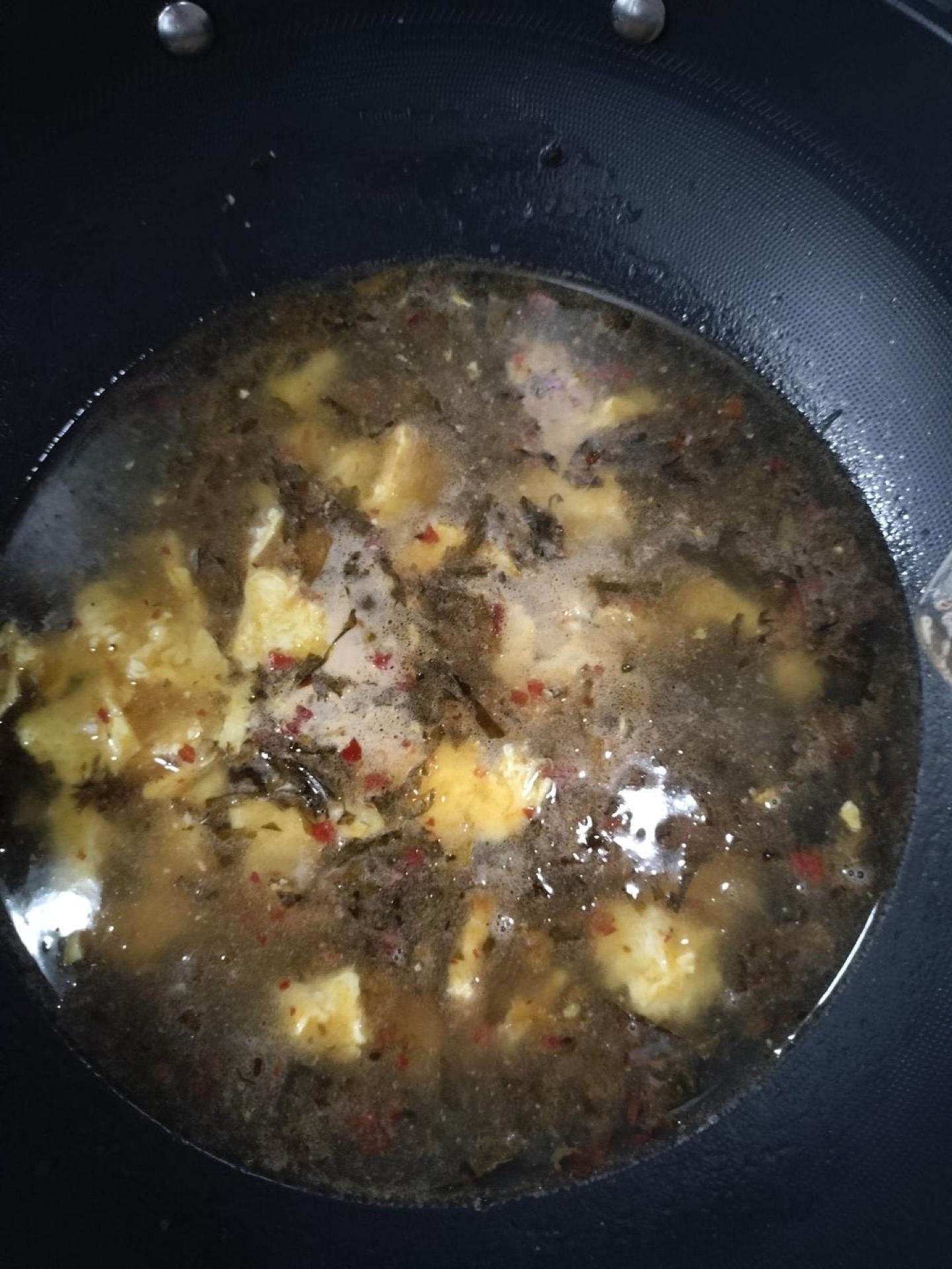
Step 3 — Fry the Eggs with Pickles
Heat a wok over medium-high heat, add the oil, and when it shimmers pour in the eggs and fry until fragrant; add the chopped pickled greens and stir to combine.
Step 4 — Add the Water
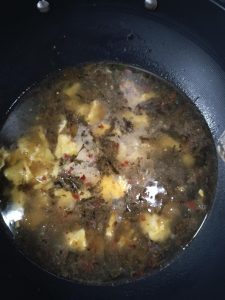
Once the eggs are cooked through and the pickles smell tangy, pour in the water and let the broth come to a simmer.
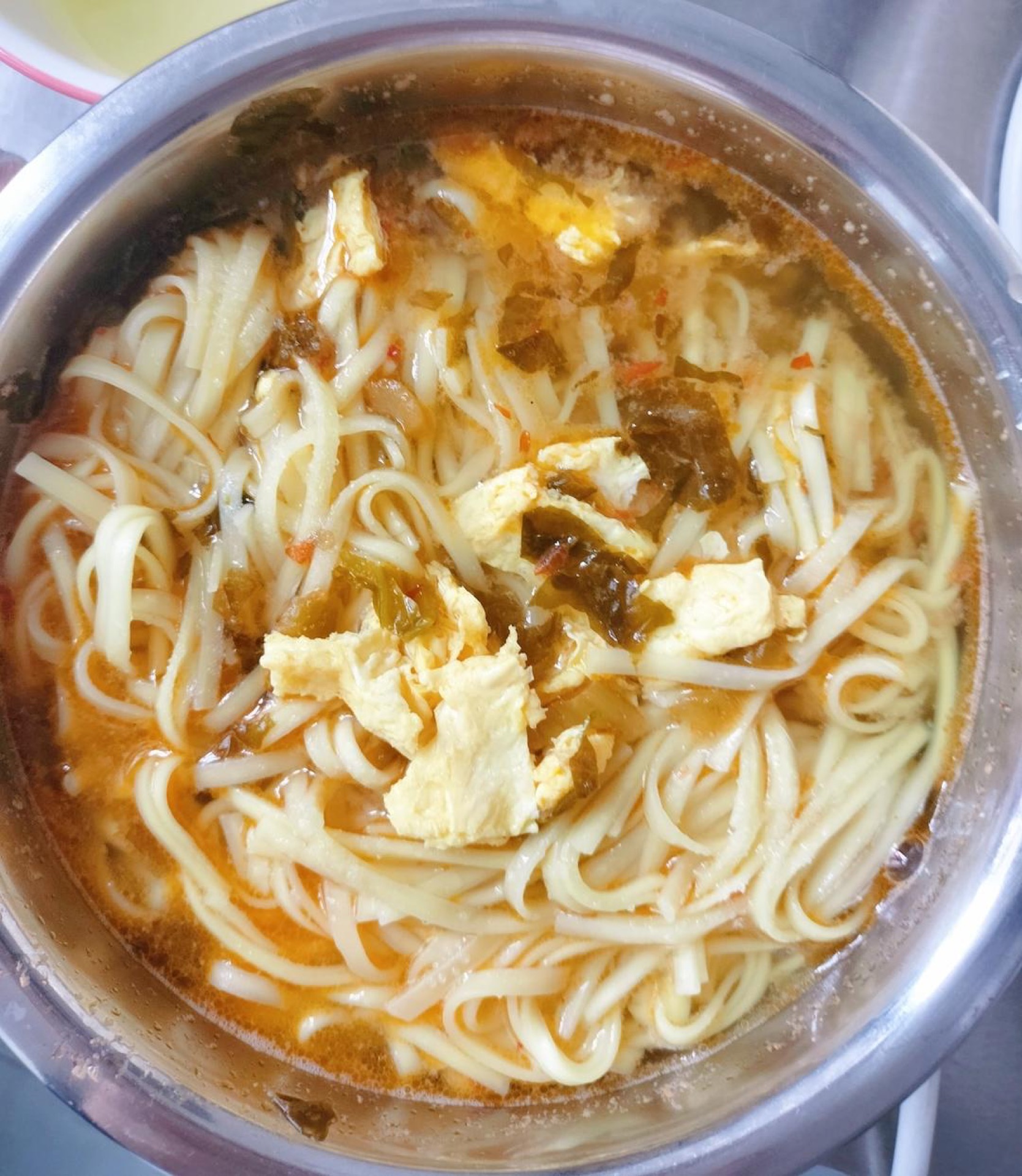
Step 5 — Build the Bowls
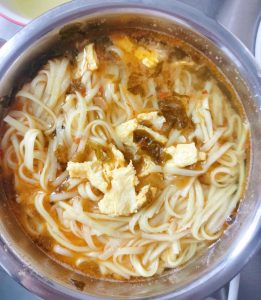
Pour the soup into a serving bowl, wash the wok, boil fresh water, and cook the noodles until just tender; drain them into the bowl, season with salt and chili oil, and serve.
Common Mistakes When Making Sour Soup Egg Noodles
1. Scrambling the eggs soft. If you pull the eggs off the heat while they are still wet and custardy, the broth will taste flat and thin. Fix: let them fry until the edges are browned and the smell is nutty before the pickles go in.
2. Not enough oil. Eggs need oil to brown rather than stick and dry out. Two tablespoons sounds like a lot for two eggs, but the oil becomes part of the broth. Fix: use the full amount and let it shimmer before the eggs go in.
3. Cooking the noodles in the soup. This is the most common shortcut and the one that ruins the bowl. Starch clouds the broth and makes it gluey. Fix: boil the noodles separately, or rinse the wok thoroughly and use fresh water.
4. Salting before tasting. Pickled greens and chili oil both carry salt. If you season the broth at the start, you will almost certainly overshoot. Fix: add salt only at the bowl, after the noodles are in.
5. Using too little pickle. Three tablespoons of chopped greens looks like a garnish, but it is the entire sour component. Skimping gives you an egg noodle soup with no personality. Fix: measure generously, and taste the broth — it should be noticeably tangy.
6. Overcooking the noodles. Noodles continue to soften in the hot broth once they are in the bowl. Fix: pull them a shade before you think they are done, and serve immediately.
How to Serve
Sour soup egg noodles are a meal on their own, but they pair well with something cold and crunchy on the side. A plate of smashed cucumber or quick-pickled radish cuts through the tang nicely.
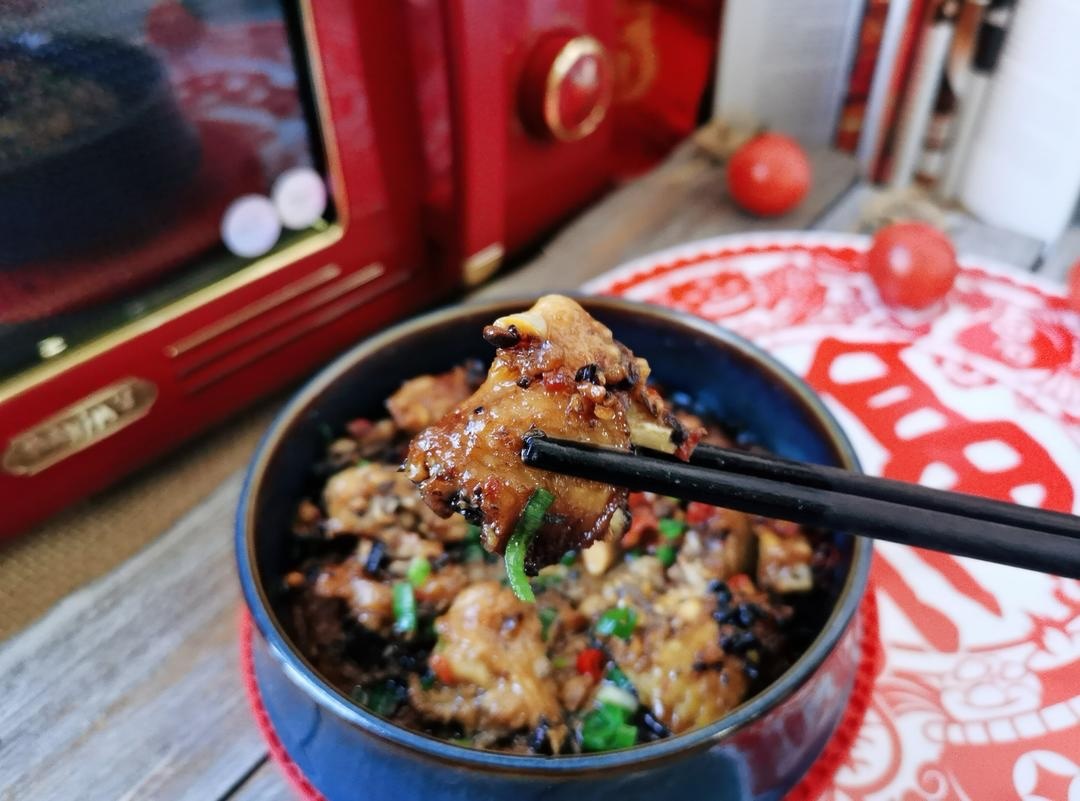
If you want a protein alongside, microwave black bean chicken wings are about as low-effort as it gets and share the same savory, fermented flavor profile.
For a slightly more substantial spread, scallion oil chicken is served cold or at room temperature and works beautifully next to a hot bowl of noodles.
And if you want heat on the table rather than in the bowl, spicy chicken stir fry makes a lively companion dish for anyone who wants more fire.


Storage & Reheat
This bowl is at its best immediately, but it does keep.
Refrigerator: Store the soup base and the noodles separately in airtight containers for up to 3 days. Keep them apart — noodles sitting in broth turn mushy within hours.
Reheating: Warm the soup base in a small pot over medium heat until it simmers, then add the noodles for the last minute. Reheat to 165°F (74°C) throughout. Microwaving works in a pinch; cover the bowl and heat in 30-second bursts.
Freezing: The soup base freezes well for up to 2 months. Noodles do not — freeze them and you will get a soft, breaking texture on thawing.
Make-ahead tip: Beat the eggs and chop the pickles the night before, and store them in separate small containers. Morning-of cooking then takes about ten minutes.
Allergen Notice
This recipe contains wheat (wheat noodles) and egg. Depending on your brands, the pickled greens may contain soy or wheat from the fermentation brine, and chili oil may contain sesame. Check labels if you are cooking for someone with allergies, and substitute rice noodles and a soy-free pickle if needed. Full allergen details are listed in the recipe card below.
Nutrition Disclaimer
Nutrition information is calculated using an ingredient database and should be considered an estimate. In cases where multiple ingredient alternatives are given, the first listed is calculated for nutrition. Garnishes and optional ingredients are not included.
About the Author & Recipe Development
Lin grew up in a household where the wok was never put away, and this site is her attempt to write down the food she actually cooks on weeknights — not the restaurant versions, but the bowls that show up on the table after work. Sour soup egg noodles is one of those bowls: it came out of a night when there were two eggs, a half-empty jar of pickled greens, and no particular plan.
The recipe was tested with both fresh and dried wheat noodles, with kimchi as a substitute for suan cai, and with the soup base made a day ahead. The version here reflects what worked: frying the eggs hard, frying the pickles before the water, and salting at the bowl. If you make it and change something that improves it, that is the whole point of a pantry dish.
If you liked this, tomato egg noodles is worth cooking next.
If you liked this, sour soup noodles is worth cooking next.
Authoritative References
For safe handling of eggs and leftovers, see the FDA guidance on handling eggs safely. For storage times and reheating temperatures, the FoodSafety.gov cold food storage chart is the reference used in the storage section above. For a deeper look at why browning eggs builds flavor, see this explainer on the Maillard reaction.
Sour Soup Egg Noodles (酸汤鸡蛋面): Tangy Soup, Fluffy Eggs, Chewy

Equipment
- Wok
- Cutting Board
- Slotted Spoon
Ingredients
For the Soup Base
- 2 large eggs beaten until smooth
- 2 tbsp neutral oil for frying the eggs
- 3 tbsp pickled mustard greens finely chopped, plus more to taste
- 1/2 cup water for the broth
For the Noodles
- 7 oz fresh wheat noodles or 5 oz dried noodles
- 4 cups water for boiling the noodles
- 1 tsp salt plus more to taste
- 1 tbsp chili oil with the sediment, or to taste
Instructions
- Crack two eggs into a bowl.

- Beat the eggs until the whites and yolks are fully combined and slightly frothy.

- Heat a wok over medium-high heat, add the oil, and when it shimmers pour in the eggs and fry until fragrant; add the chopped pickled greens and stir to combine.
- Once the eggs are cooked through and the pickles smell tangy, pour in the water and let the broth come to a simmer.

- Pour the soup into a serving bowl, wash the wok, boil fresh water, and cook the noodles until just tender; drain them into the bowl, season with salt and chili oil, and serve.













Leave a Reply