There is a moment in a good Xianghe meat pie when the crust gives way with a soft crackle and steam rushes out carrying the smell of pork, scallion, and toasted wheat. That contrast — a shell so thin and blistered it looks almost fragile, wrapped around a filling so juicy it threatens to run down your wrist — is the whole point of this Hebei specialty. It is not a quick weeknight shortcut, but it is also not difficult: the dough is a simple warm-water mix, the filling comes together in one bowl, and the only real skill is patience while both rest.
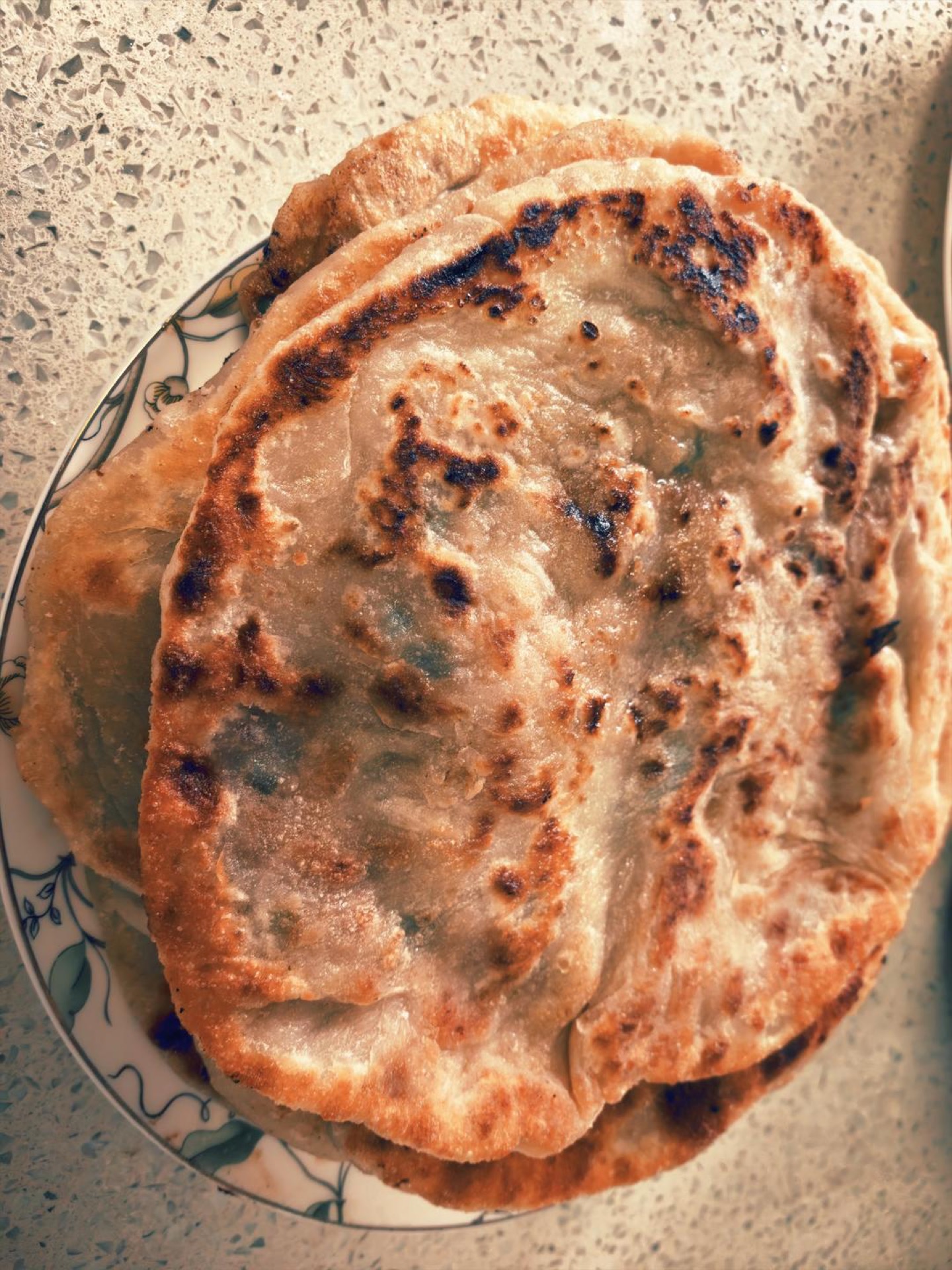
What makes 香河肉饼 stand apart from other Chinese meat pies is the ratio. The dough is soft and heavily hydrated, the filling is generous, and the finished pie is pressed so thin that the meat shows through as a shadow. Cooked in a covered pan, it steams from the inside while the bottom crisps, giving you two textures in one bite. Once you have made it a couple of times, the rhythm of mixing, resting, wrapping, and frying becomes second nature.
What Is Xianghe Meat Pie?
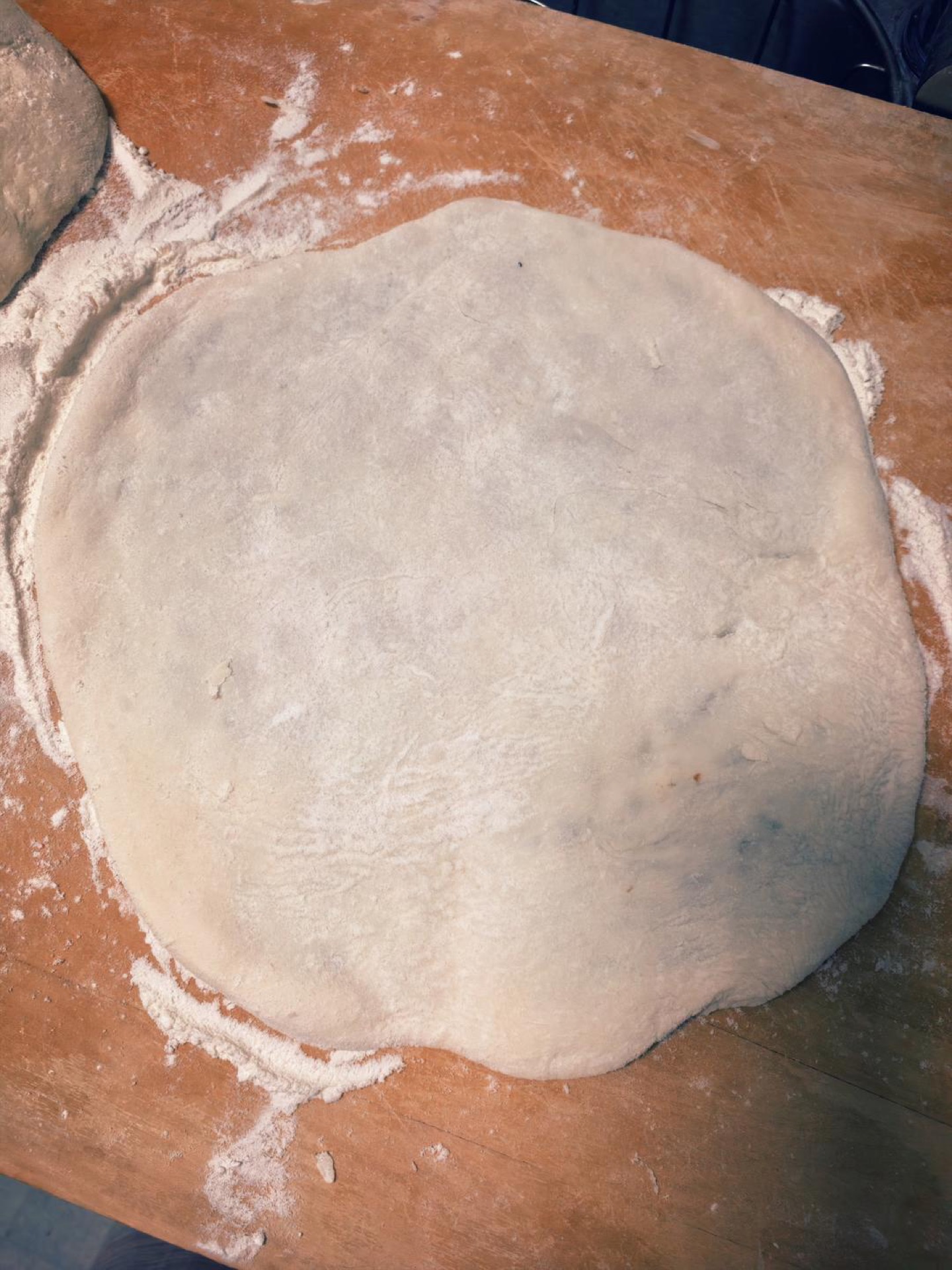
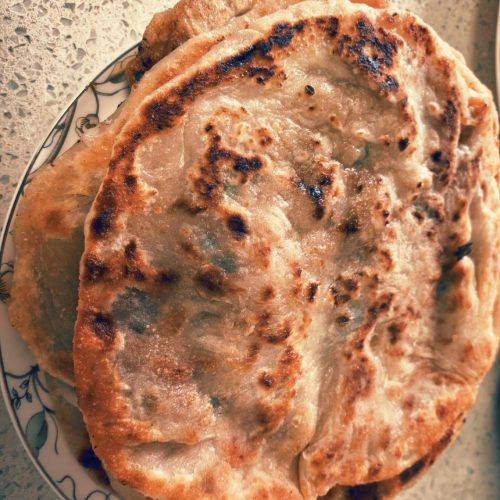
Xianghe meat pie (香河肉饼) is a traditional pan-fried stuffed flatbread from Xianghe County in Hebei Province, just east of Beijing. It belongs to the broad family of Chinese savory pies — dough wrapped around a seasoned filling, then cooked on a griddle or in a wok. What sets the Xianghe version apart is how thin the wrapper is stretched and how much filling it holds. A proper pie is roughly the diameter of a dinner plate, less than half an inch thick, and visibly tinted by the meat inside.
The dough is a soft, warm-water dough rather than a flaky pastry. It is kneaded only briefly, then rested so the gluten relaxes and the dough becomes extensible enough to stretch around a large ball of filling without tearing. The filling itself is pork, scallion, ginger, and Sichuan peppercorn water — that last ingredient is what gives the pie its signature fragrance and keeps the meat loose and juicy rather than dense.
The Sichuan peppercorn water is not optional. It seasons the pork from the inside, adds moisture without making the filling wet, and its citrus-like tingle is what separates a good Xianghe meat pie from a plain pork flatbread.
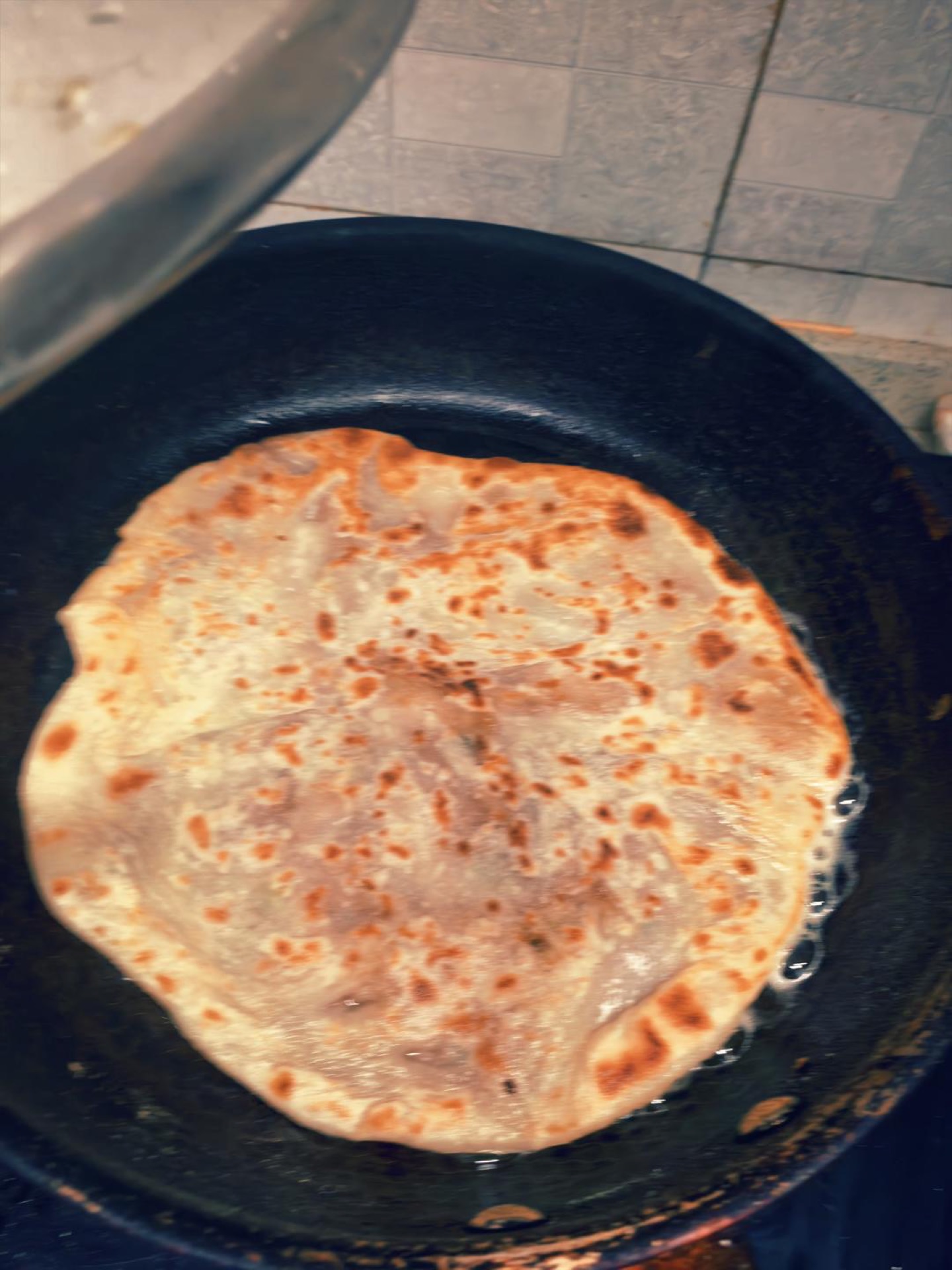
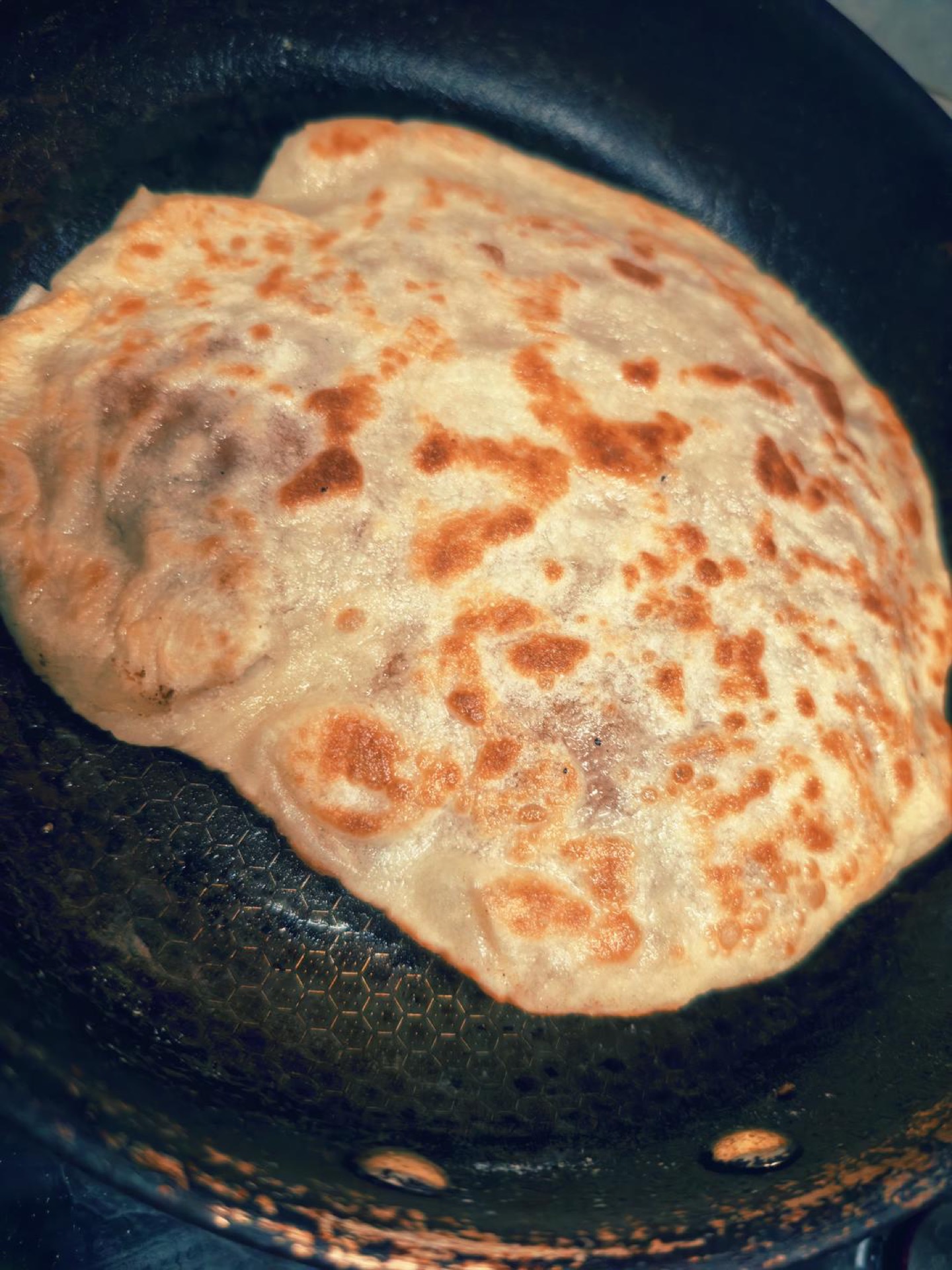
Cooking happens in a covered pan. The lid traps steam so the thick filling cooks through before the crust burns, and the oil underneath fries the bottom to a deep golden brown. The pie puffs, blisters, and develops the layered, slightly chewy texture that people travel to Xianghe for.
If you enjoy this style of stuffed, pan-fried bread, our pork and onion guokui takes a similar crispy, layered approach with a clever shortcut for the dough.
1Easy Pork and Onion “Guokui” (A Crispy Scallion Pancake Hack)A “lazy” version of Guokui using store-bought scallion pancakes! These crispy, flaky pockets are stuffed with a savory pork and onion filling and bake or air-fry in 20 minutes.Check out this recipe
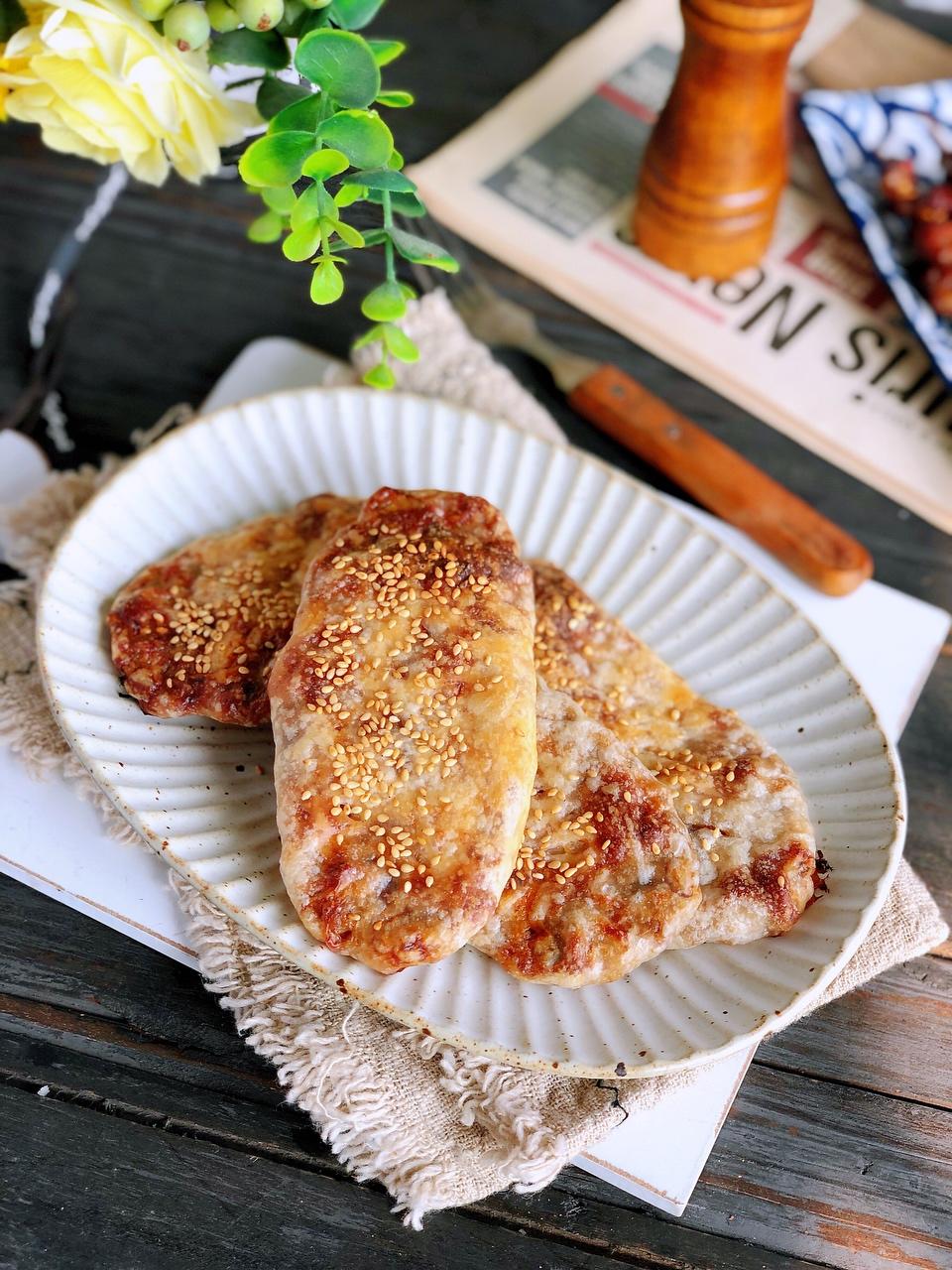
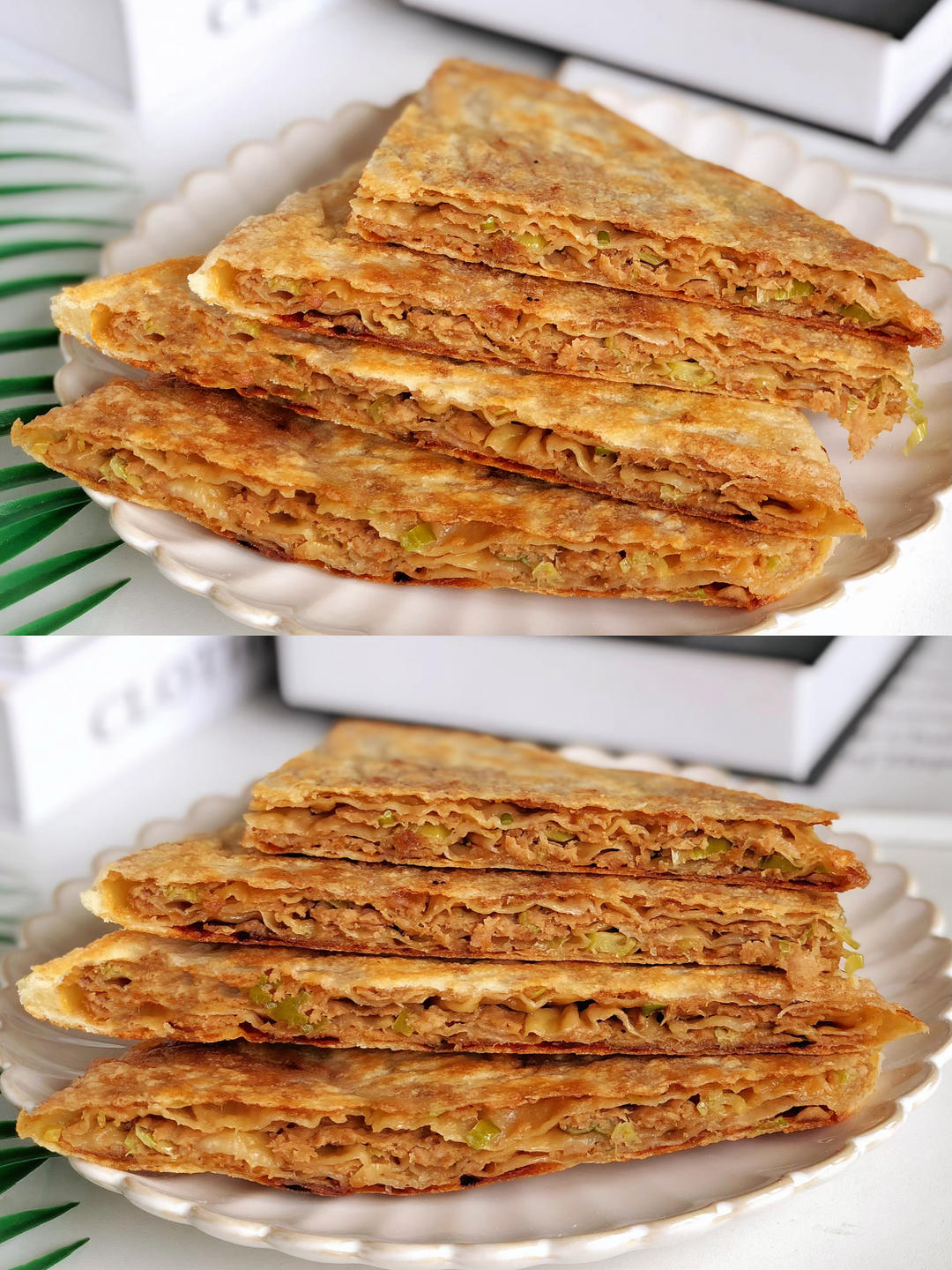
For a version with dozens of paper-thin layers and a pork-scallion filling, try our thousand-layer meat pie — the rolling technique is different but the goal is the same shattering crust.
2Chinese Thousand-Layer Meat Pie (Pork and Scallion Rou Bing)A crispy, golden flatbread stuffed with layers of savory pork and fresh scallions. This “Thousand-Layer” meat pie uses a high-hydration dough for a soft interior and a paper-thin, crispy exterior. Better than takeout!Check out this recipe
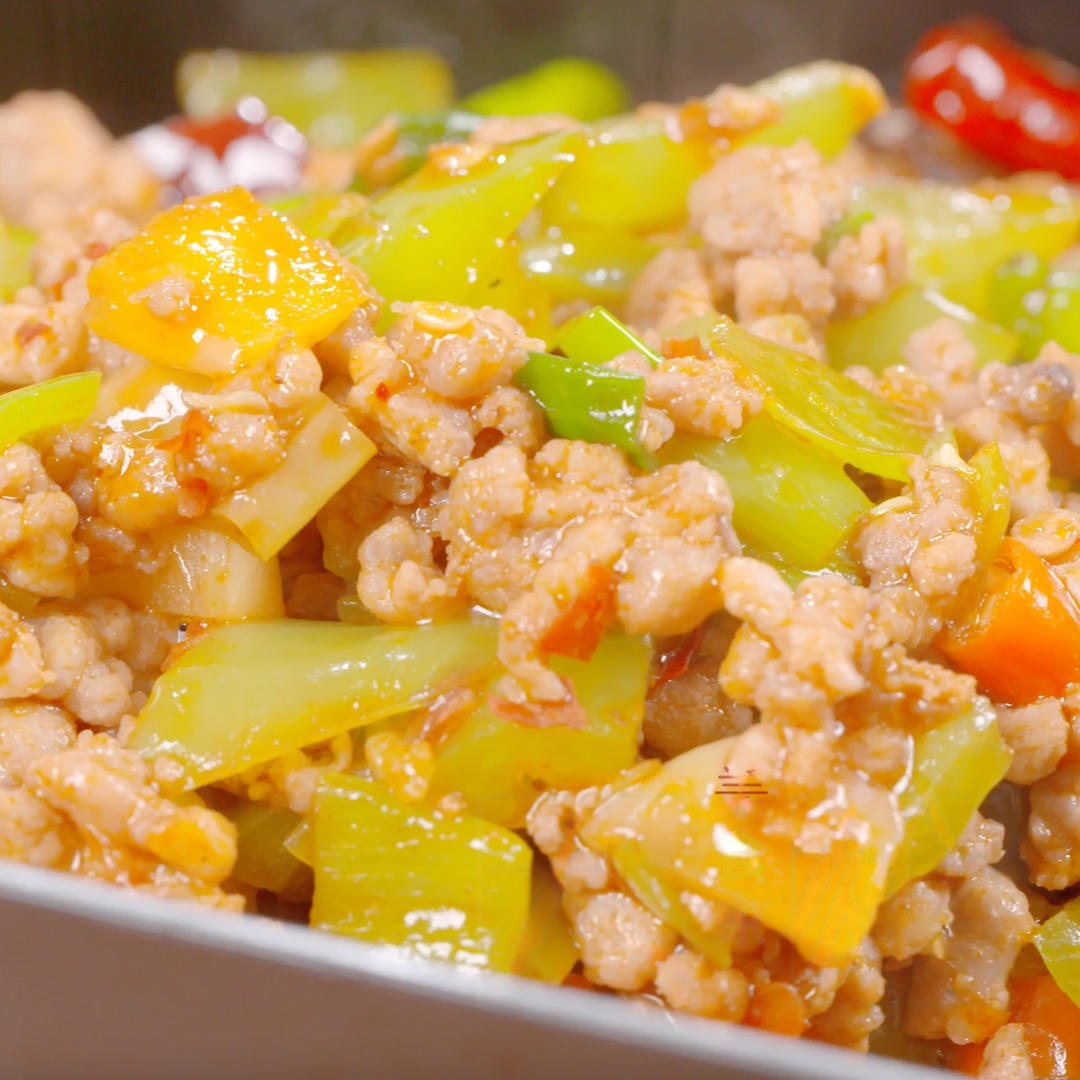
And if you want a faster, punchier pork dish to round out the table, our stir fried minced pork with chili peppers comes together in about fifteen minutes.
3Stir-Fried Minced Pork with Chili Peppers (La Jiao Chao Rou Mo)A savory, spicy Sichuan stir-fry known as a “rice killer” for its ability to make you eat bowl after bowl of rice. Features minced pork, blistered peppers, and a savory garlic sauce.Check out this recipe
Why This Recipe Works
Three things make this recipe reliable. First, the dough is measured by weight and mixed with warm water, which hydrates the flour evenly and produces a soft, pliable dough that stretches instead of fighting back. Second, the filling is chilled for two hours before wrapping. Cold fat stays firm, so the pork holds its shape inside the wrapper and does not soak through the dough during the press-and-roll stage. Third, the cooking method is covered pan-frying — steam cooks the meat, direct contact with the hot pan crisps the crust, and the repeated flipping builds an even golden surface.
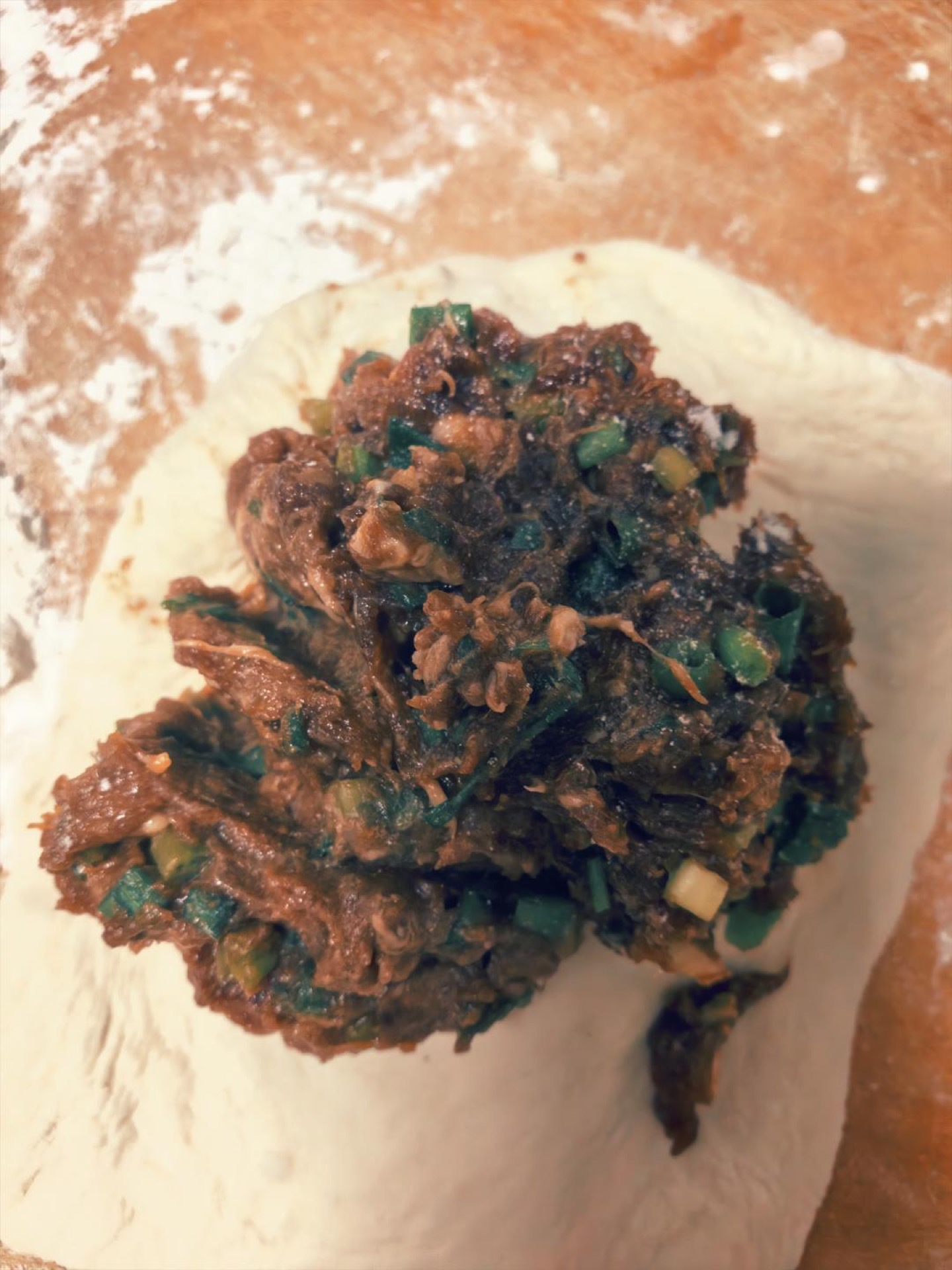
The 50 g dough portion to 70 g filling ratio is also deliberate. It sounds like too much filling for such a small piece of dough, and at first it will feel that way. But because the dough has rested, it stretches thin around the meat, and because the filling is cold, it stays put. The result is a pie that is mostly filling with just enough crust to hold it together.
Equipment Needed
A wok or a heavy flat-bottomed skillet works best for frying. A wok’s curved sides make it easy to slide a spatula under the pie, and it holds heat well when you add a cold piece of dough. You will also want a cutting board with plenty of surface area for dusting and rolling, a rolling pin, a slotted spoon or spatula for turning, plastic wrap for resting the dough and chilling the filling, and a small saucepan for steeping the Sichuan peppercorns. A kitchen scale is genuinely useful here — the dough and filling portions are what make the technique work, and eyeballing them leads to torn wrappers or dry pies.
Ingredients
For the dough you need all-purpose flour, warm water around 110°F (43°C), and a little salt. For the filling, ground pork with a 20:80 fat-to-lean ratio, scallions, ginger, Sichuan peppercorn water, salt, white pepper, chicken bouillon, light soy sauce, dark soy sauce, and sesame oil. For frying, a neutral oil with a high smoke point.
Measurements are given in grams because this is a dough where precision matters. If you only have measuring cups, use them for the flour and water but expect to adjust: add water a tablespoon at a time until the dough is soft and slightly tacky, not stiff.
Ingredient Notes
Ground pork: Ask your butcher for a 20:80 fat-to-lean blend, or mix lean ground pork with a little finely chopped pork belly. Too lean and the filling turns dry and crumbly; too fatty and it leaks oil into the pan and makes the crust greasy.
Sichuan peppercorn water: Steep 1 teaspoon of whole Sichuan peppercorns in 90 g of hot water for 10 minutes, then strain. Discard the peppercorns. This liquid is added to the pork in three stages so it absorbs rather than pools.
Scallions: Use the white and light green parts, sliced thin. They go into the filling after the meat has chilled, right before wrapping, so they stay bright and do not wilt.
Dark soy sauce: Just a teaspoon. It deepens the color of the filling so the finished pie shows that characteristic shadow through the dough.
Sesame oil: Added last, along with the ginger and scallions, to lock in aroma. If you are avoiding sesame, omit it and add an extra teaspoon of neutral oil.
Prep & Mise en Place
Start by steeping the Sichuan peppercorns so the water has time to cool. Then mix the filling: add the peppercorn water to the pork in three additions, stirring in one direction until each addition is absorbed. Season with salt, white pepper, chicken bouillon, light soy sauce, and dark soy sauce, cover, and refrigerate for two hours.
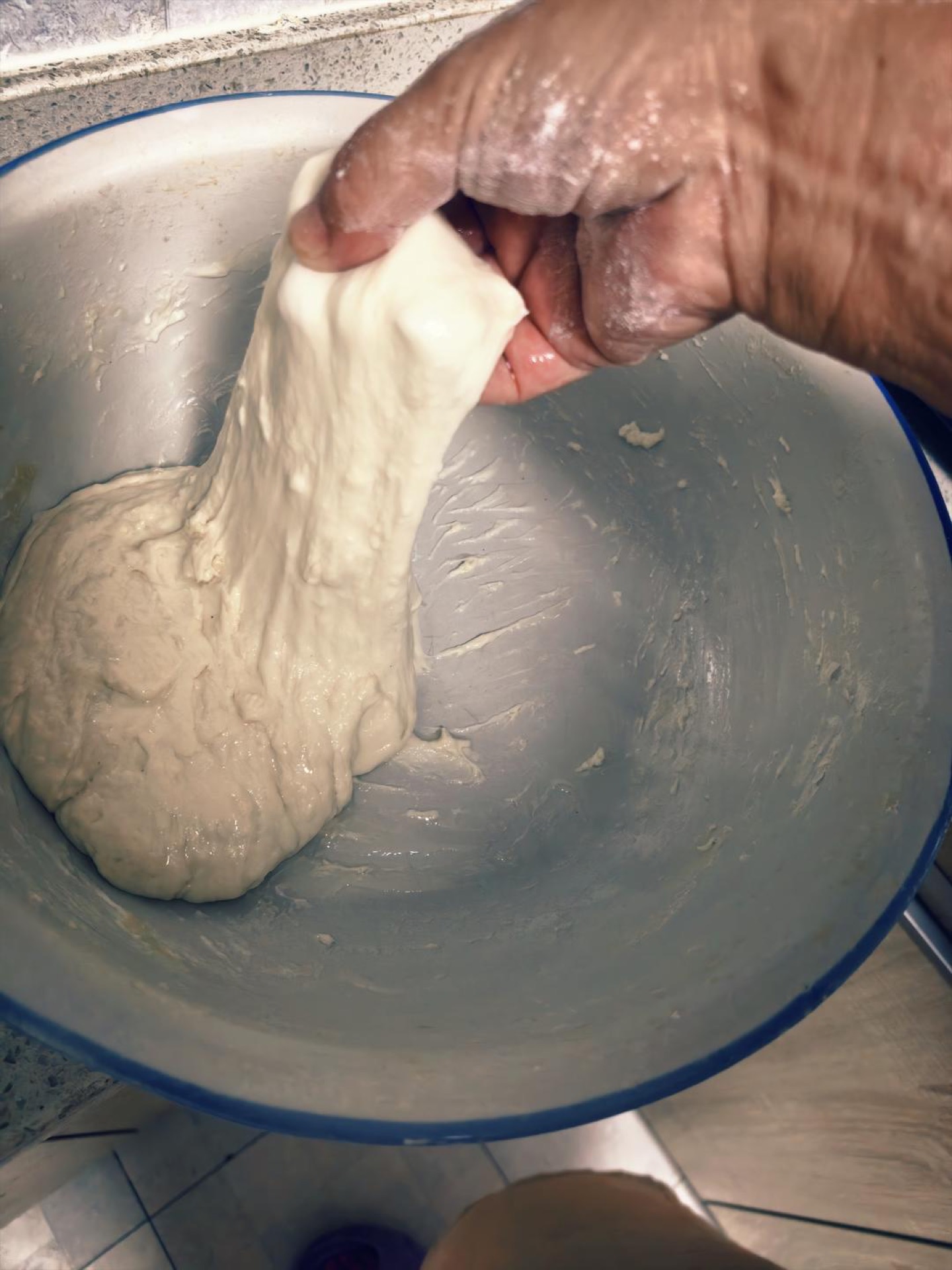
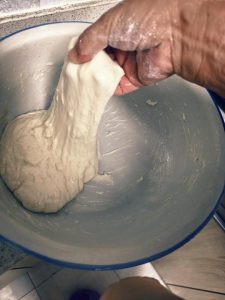
While the filling chills, make the dough. Combine flour, warm water, and salt, stir until a shaggy dough forms, then bring it together with your hands. It will feel wet and a little sticky — that is correct. Cover and rest at room temperature for at least 40 minutes.
Before wrapping, set up your station: a well-floured cutting board, the rolling pin, a small bowl of flour for dusting, and the chilled filling with the ginger, scallions, and sesame oil stirred in. Have your pan ready to go so the pies go straight from board to heat.
Cooking Process
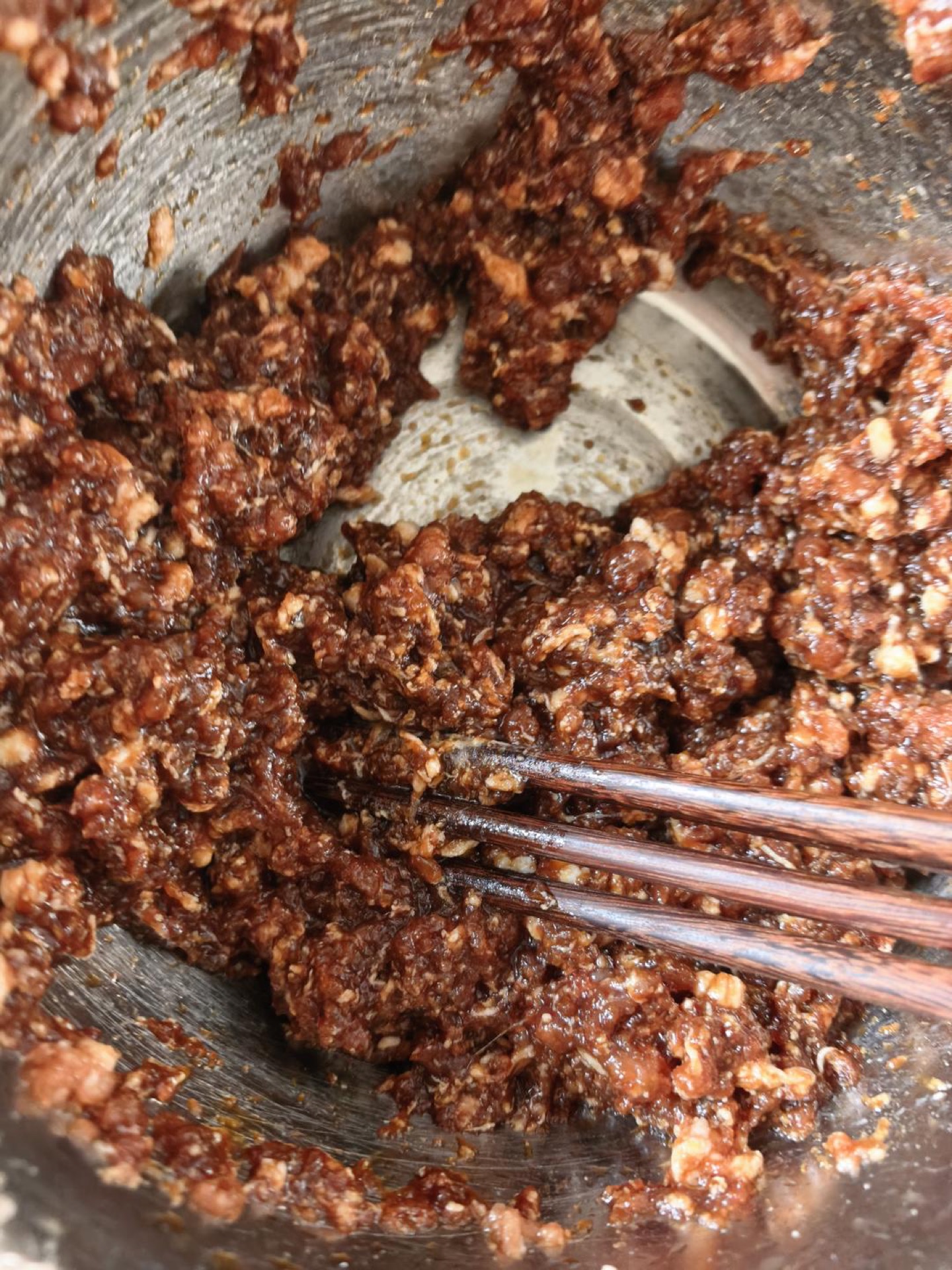
Step 1 — Marinate the Pork
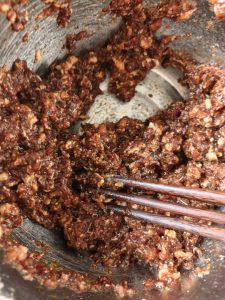
For 300 g of ground pork with a 20:80 fat-to-lean ratio, add 100 g of Sichuan peppercorn water in three additions, stirring until the mixture forms a cohesive paste. Add 3 g salt, white pepper, chicken bouillon, light soy sauce, and dark soy sauce, then mix well.
Step 2 — Chill the Filling
Cover the bowl with plastic wrap and refrigerate for two hours.
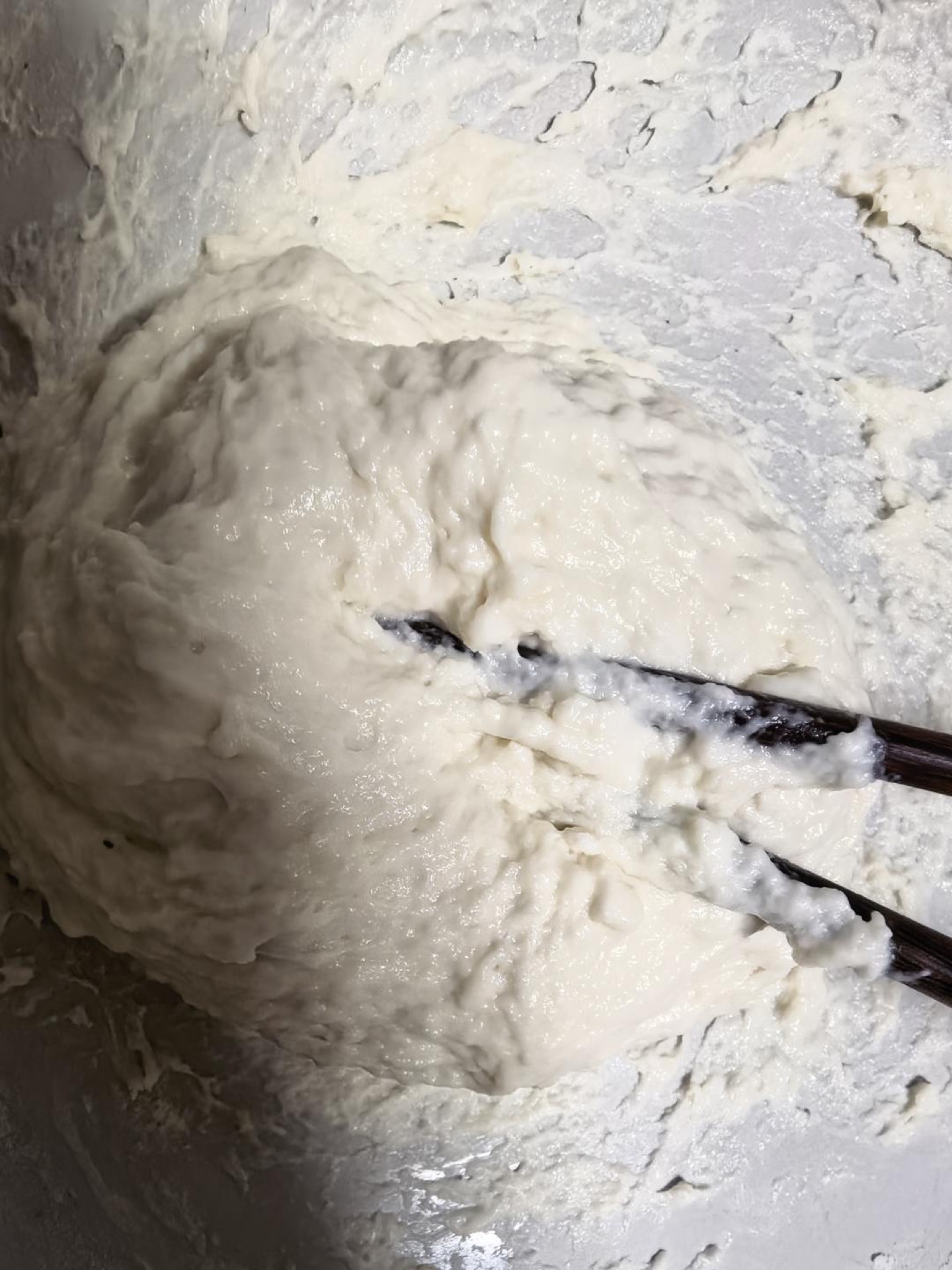
Step 3 — Mix the Dough
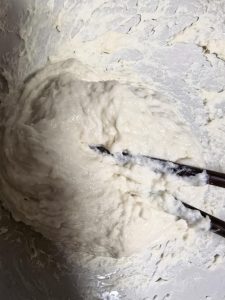
Combine 250 g flour with 200 g warm water and 2 g salt, stirring until a dough forms.
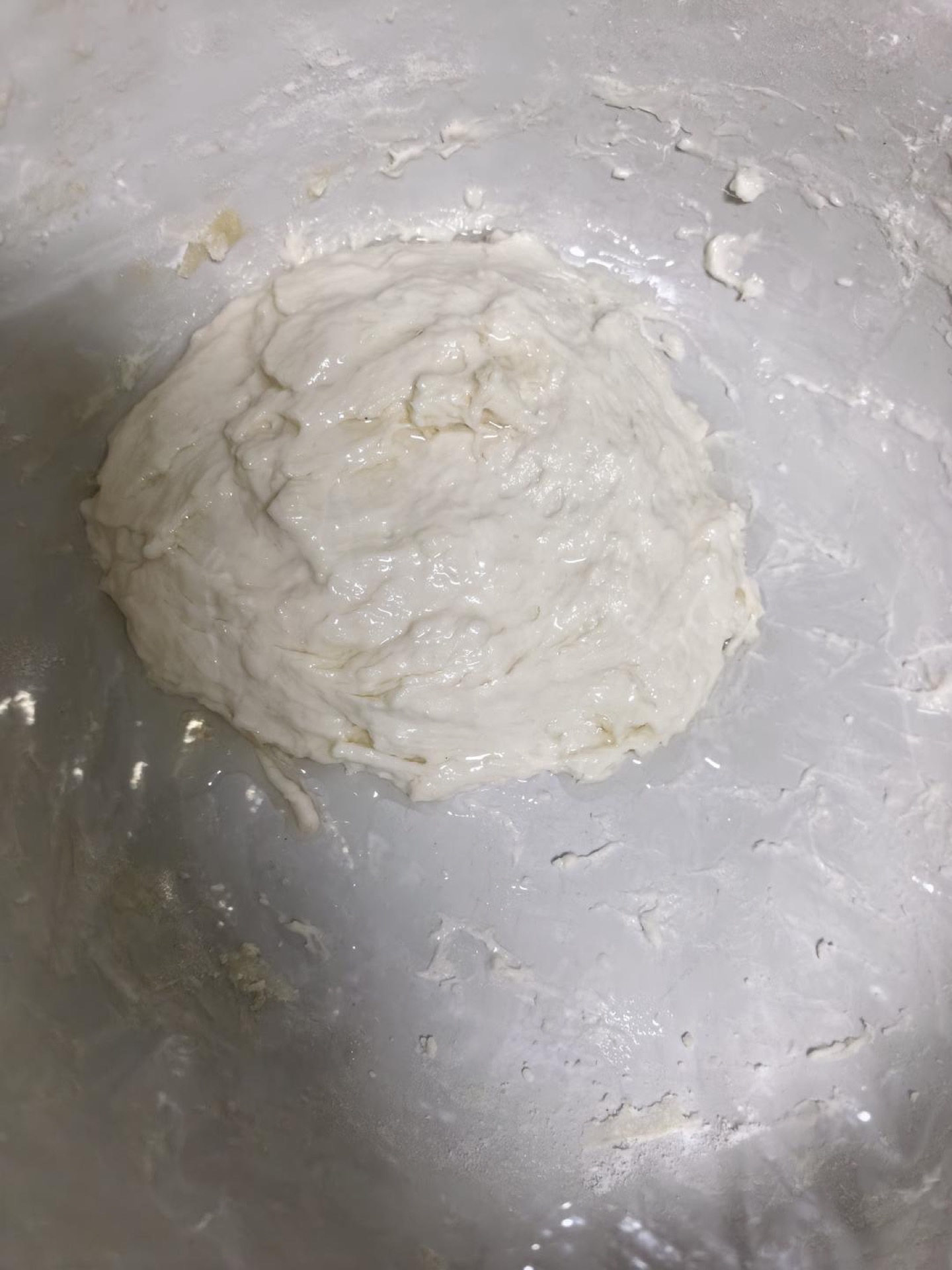
Step 4 — Rest the Dough
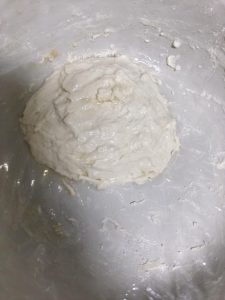
Cover the surface with plastic wrap and let it rest for at least 40 minutes.
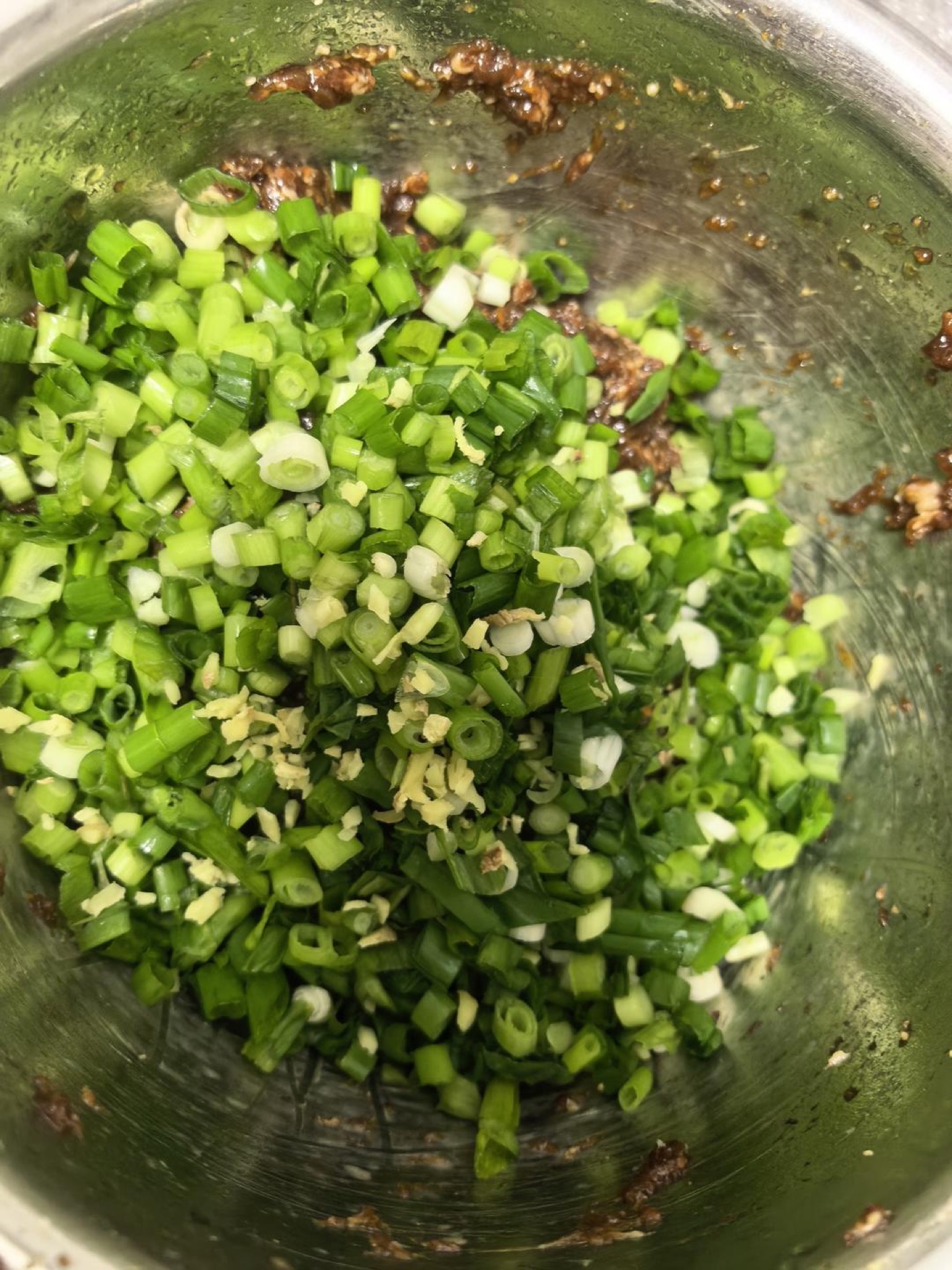
Step 5 — Finish the Filling
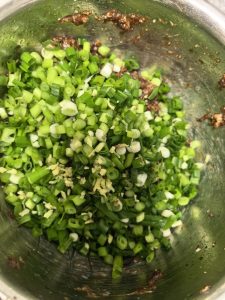
Take the chilled meat out after two hours, then add minced ginger, sliced scallions, and sesame oil, and mix well.
Step 6 — Divide and Flatten
Dust the cutting board generously with flour and turn out the dough. Divide into 50 g portions and shape each into a wrapper, either by pressing or rolling with a rolling pin, keeping the center slightly thicker.
Step 7 — Fill and Seal
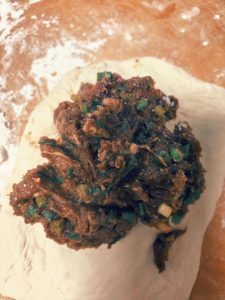
Place 70 g of filling in the center, then use your hands to gather the dough up slowly, sealing it like a baozi. Press it flat on the board into a pie shape, pressing gently by hand or with a rolling pin so the filling does not leak out.
Step 8 — Check the Wrapper
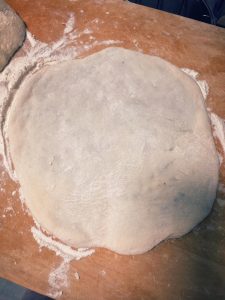
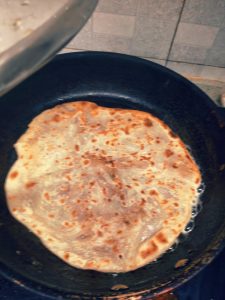
The finished pie should show a faint hint of the filling’s color through the dough.
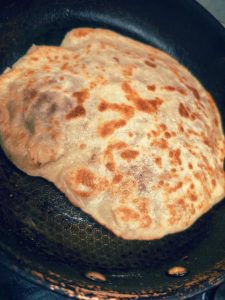
Step 9 — Pan-Fry the Pie
Heat a pan with oil. Place the pie in, cover, and fry for two minutes. Brush the surface with oil, wait until it starts to puff, flip and fry another two minutes. Flip once more and fry about two minutes — once it puffs up well, it is done.
Step 10 — Slice and Serve
Cut into pieces and dip in vinegar — delicious.
Common Mistakes When Making Xianghe Meat Pie
1. Skipping or shortening the filling chill. Warm filling melts the fat into the dough, making the wrapper soggy and prone to tearing. Fix: chill for the full two hours, and if your kitchen is hot, put the bowl back in the fridge between batches.
2. Not resting the dough long enough. Under-rested dough snaps back when you roll it and tears when you stretch it around the filling. Fix: give it at least 40 minutes, and up to an hour if your kitchen is cool.
3. Adding all the peppercorn water at once. The pork will not absorb it, and the filling turns soupy. Fix: add it in three additions, stirring until each is fully incorporated before adding the next.
4. Rolling the filled pie too hard. Pressing down aggressively pushes filling toward the edges and bursts the wrapper. Fix: press gently from the center outward with your palm first, then use light passes with the rolling pin, stopping while the pie is still slightly thicker than a coin.
5. Frying without a lid, or at too high a heat. No lid means the filling stays raw while the crust burns; too much heat does the same. Fix: cover the pan, keep the heat at medium, and flip every two minutes so both sides cook evenly.
6. Under-flouring the board. The dough is soft and will stick, and a stuck pie tears when you lift it. Fix: dust generously, and re-dust between pies.
Variations
Beef version: Swap the pork for ground beef with about 15% fat and add an extra tablespoon of peppercorn water, since beef absorbs more liquid. The cooking time stays the same.
Extra-scallion version: Increase the scallions to 150 g and reduce the pork to 250 g. The pie becomes more aromatic and slightly lighter, closer to a scallion pancake with meat.
Spicier filling: Add a teaspoon of chili oil or a pinch of ground dried chilies to the filling along with the sesame oil. This is not traditional in Xianghe but works well.
Air-fryer finish: After pan-frying for two minutes per side, transfer the pie to an air fryer at 375°F (190°C) for four minutes to crisp the surface. If you like this approach, our air fryer Chinese meat pies walk through the full method.
No-knead shortcut: A very soft, wet dough can be used instead of the rested dough here. Our Chinese meat pies use that technique and are a good starting point if you are new to stuffed flatbreads.
Frequently Asked Questions
Can I make Xianghe meat pie ahead of time? Yes. The filling can be mixed and chilled up to 24 hours in advance, and the dough can rest in the refrigerator overnight, brought back to room temperature for 30 minutes before wrapping. Assembled raw pies can be frozen flat on a tray, then stacked with parchment between them and fried from frozen, adding about two minutes per side.
Why did my pie tear while I was pressing it? Almost always because the dough was under-rested or the board was under-floured. Let the dough rest longer, dust more generously, and press from the center outward rather than straight down.
How do I know when the pie is fully cooked? The pie puffs up noticeably, the crust turns deep golden with darker blisters, and the surface feels firm rather than doughy when pressed. If you want to be certain, the filling should read 160°F (71°C) on an instant-read thermometer.
Can I use a different protein? Ground chicken or turkey works but needs more fat added — about a tablespoon of neutral oil or finely minced pork belly per 300 g — otherwise the filling turns dry.
Do I have to use Sichuan peppercorn water? It is the traditional seasoning and the biggest contributor to the pie’s aroma. If you cannot find Sichuan peppercorns, substitute the same weight of warm water mixed with a quarter teaspoon of ground white pepper, though the flavor will be milder.
How to Serve
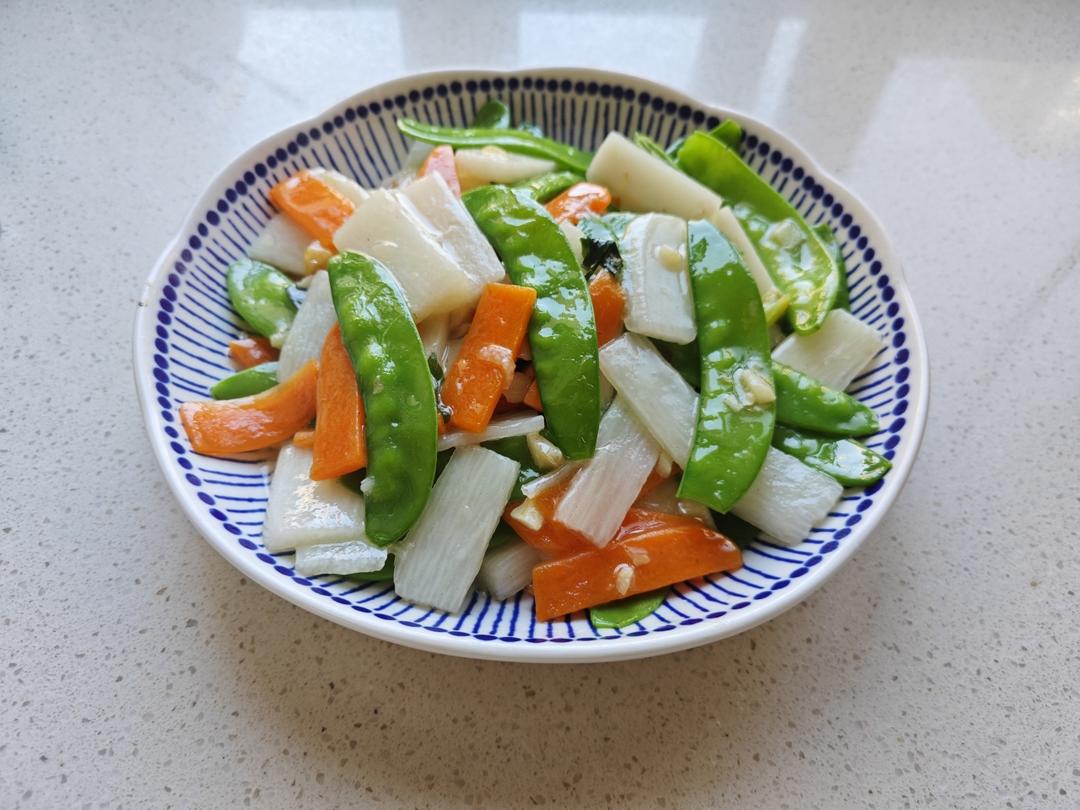
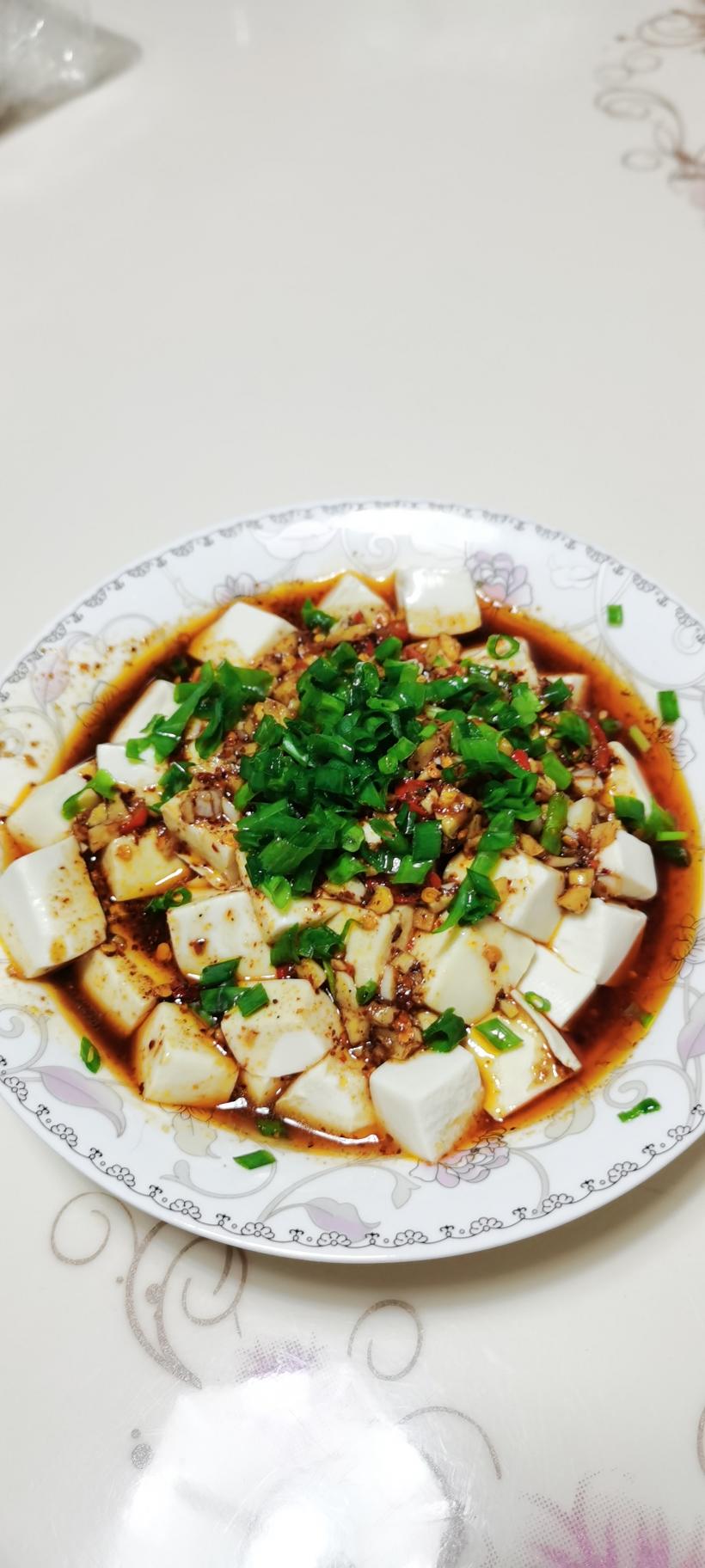
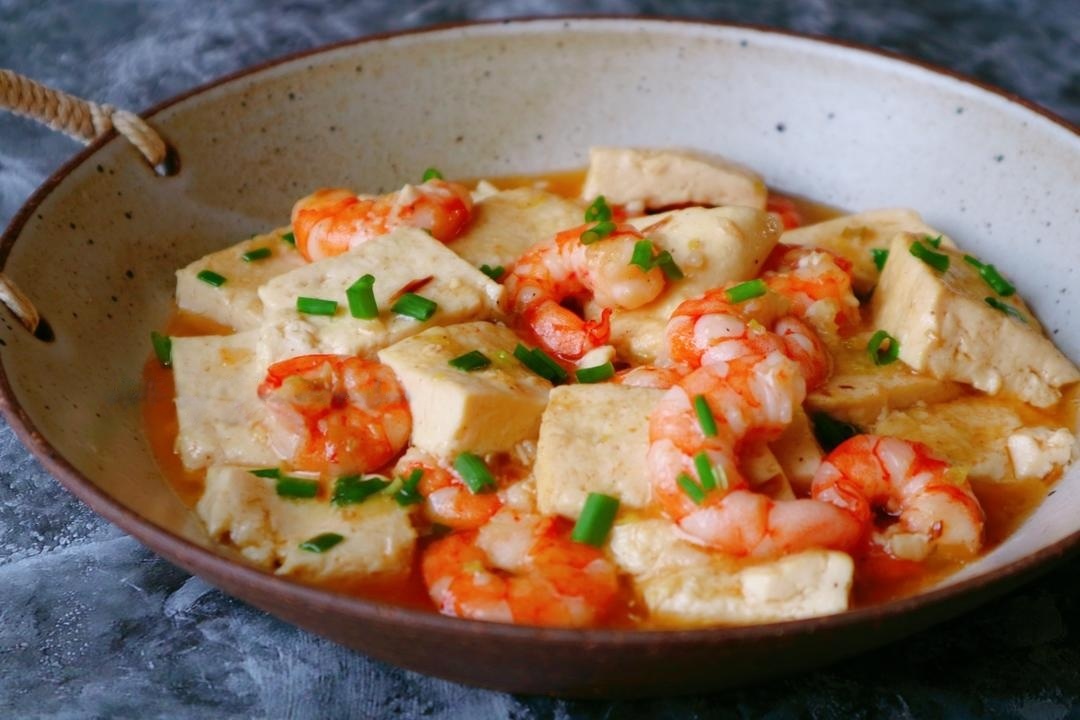
Xianghe meat pie is best eaten hot, cut into wedges, with a small dish of black vinegar for dipping. A simple cucumber salad or a plate of quick-pickled radish cuts the richness nicely. If you want a vegetable side that comes together in one pan, our stir fried snow peas and Chinese yam is crisp and light and balances the fried pie well. For a cold dish, spicy cold tofu takes ten minutes and adds a cool, spicy contrast. And if you are already heating a wok, shrimp and tofu stir fry makes a quick protein-rich companion.
Storage & Reheat
Cool leftover pie completely, then store in an airtight container in the refrigerator for up to 3 days. To reheat, warm a skillet over medium heat with a teaspoon of oil and fry each side for two to three minutes, or until the crust re-crisps and the center is hot. The microwave works in a pinch but softens the crust considerably — if you use it, follow with a minute in a dry pan. Raw assembled pies freeze well for up to 2 months; fry them straight from frozen, adding a minute or two per side and keeping the pan covered so the filling cooks through.
Allergen Notice
This recipe contains wheat (gluten) from the flour and soy from the soy sauces. If you use sesame oil, it contains sesame. To make it gluten-free, substitute a gluten-free all-purpose blend and use tamari in place of both soy sauces. Check your chicken bouillon label, as some brands contain wheat or soy derivatives.
Nutrition Disclaimer
Nutrition information is calculated using an ingredient database and should be considered an estimate. In cases where multiple ingredient alternatives are given, the first listed is calculated for nutrition. Garnishes and optional ingredients are not included.
About the Author & Recipe Development
Lin has been cooking and writing about Chinese home cooking on Woks of Love since 2013, focusing on the regional dishes she grew up with and the techniques that make them work in a home kitchen. This version of Xianghe meat pie was developed by testing the dough hydration and filling ratio repeatedly, then comparing the results against the pies made in Xianghe County, where the crust is pressed thinner and the filling is more generous than most restaurant versions. The goal here is a pie that a home cook can reproduce on a weeknight with a wok, a rolling pin, and a little patience.
Authoritative References
For safe handling and cooking temperatures for ground pork, see the USDA safe minimum internal temperature chart. General food safety guidance on refrigeration and leftovers follows the FDA Food Code. For background on Sichuan peppercorn and its culinary use, see the Encyclopaedia Britannica entry on Sichuan pepper.
Xianghe Meat Pie (香河肉饼): Crispy Layered Meat Pie, Juicy Inside

Equipment
- Wok
- Cutting Board
- Slotted Spoon
Ingredients
For the Dough
- 250 g all-purpose flour plus extra for dusting
- 200 g warm water about 110°F (43°C)
- 2 g salt fine salt
For the Filling
- 300 g ground pork 20% fat, 80% lean
- 100 g scallions thinly sliced
- 90 g Sichuan peppercorn water 1 tsp peppercorns steeped in 90 g hot water, cooled
- 3 g salt for the filling
- 1 tsp chicken bouillon optional
- 1/2 tsp white pepper ground
- 1 tbsp light soy sauce
- 1 tsp dark soy sauce for color
- 1 tbsp sesame oil
- 1 tbsp ginger minced
For Cooking
- 2 tbsp neutral oil for pan-frying
Instructions
- For 300 g of ground pork with a 20:80 fat-to-lean ratio, add 100 g of Sichuan peppercorn water in three additions, stirring until the mixture forms a cohesive paste. Add 3 g salt, white pepper, chicken bouillon, light soy sauce, and dark soy sauce, then mix well.
- Cover the bowl with plastic wrap and refrigerate for two hours.

- Combine 250 g flour with 200 g warm water and 2 g salt, stirring until a dough forms.
- Cover the surface with plastic wrap and let it rest for at least 40 minutes.
- Take the chilled meat out after two hours, then add minced ginger, sliced scallions, and sesame oil, and mix well.
- Dust the cutting board generously with flour and turn out the dough. Divide into 50 g portions and shape each into a wrapper, either by pressing or rolling with a rolling pin, keeping the center slightly thicker.
- Place 70 g of filling in the center, then use your hands to gather the dough up slowly, sealing it like a baozi. Press it flat on the board into a pie shape, pressing gently by hand or with a rolling pin so the filling does not leak out.
- The finished pie should show a faint hint of the filling’s color through the dough.
- Heat a pan with oil. Place the pie in, cover, and fry for two minutes. Brush the surface with oil, wait until it starts to puff, flip and fry another two minutes. Flip once more and fry about two minutes — once it puffs up well, it is done.
- Cut into pieces and dip in vinegar — delicious.












Leave a Reply