Growing up in my family’s restaurant in Sichuan, the kitchen was usually filled with the pungent, fiery aromas of chili oil and Sichuan peppercorns. However, not every meal we ate was spicy. Especially during the sweltering humid summers in the basin, my father—a chef with decades of experience—would prepare lighter, cooling dishes that didn’t sacrifice flavor.
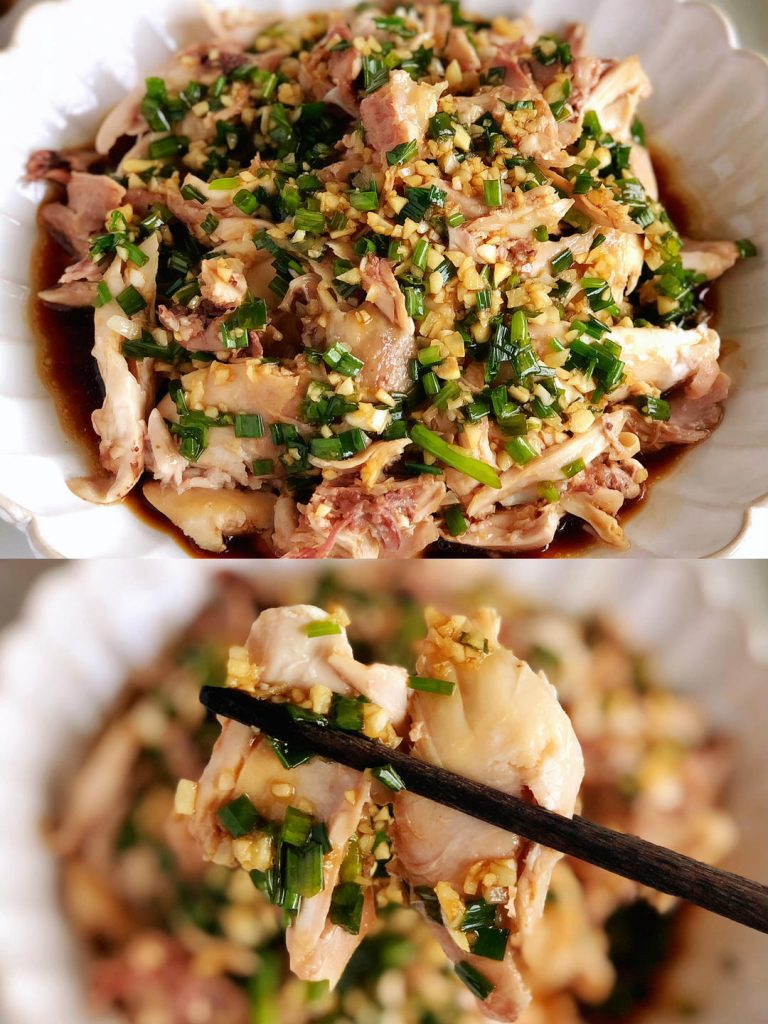
This Scallion Oil Chicken (Cong You Shou Si Ji) is one of those gems. Recently, I found myself in a similar situation to many of you: needing to feed a family where not everyone can handle heat. I used to make spicy Bang Bang Chicken often, but once kids enter the picture, the menu changes.
I decided to revisit this classic non-spicy preparation. To my surprise, my family devoured two large chicken quarters in one sitting. The magic lies in the Scallion Oil. It transforms simple steamed chicken into a savory, umami-rich masterpiece without a flake of chili in sight. It is savory, aromatic, and incredibly refreshing.
What is Scallion Oil Chicken?
Shou Si Ji literally translates to “Hand Shredded Chicken.” Unlike Western roast chicken where you might carve slices, Chinese cold dishes often call for shredding meat by hand. This technique creates rough edges and increased surface area, allowing the sauce to cling to every fiber of the meat.
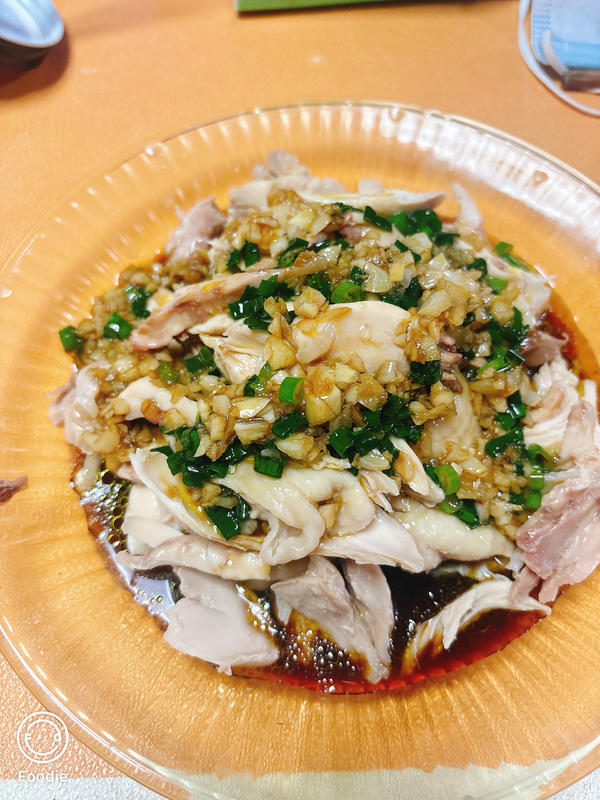
While many shredded chicken dishes like “Mouthwatering Chicken” (Kou Shui Ji) rely on heavy chili oil, this version relies on Cong You (Scallion Oil). We slowly fry scallions until golden to extract their essence into the oil, then pour that sizzling oil over raw garlic and fresh scallions to “bloom” their flavors instantly.
Why This Recipe Works
- Steaming vs. Boiling: Unlike poaching, steaming the chicken in its own juices concentrates the flavor rather than diluting it into a pot of water.
- Temperature Contrast: Pouring sizzling hot oil over raw aromatics (garlic and fresh scallions) releases a burst of fragrance that cold oil simply cannot achieve.
- Liquid Gold: We reserve the natural chicken juices released during steaming and whisk them into the sauce. This creates a natural emulsification and adds profound savory depth (umami).
Key Ingredients & Substitutions
- Chicken Quarters: The original recipe calls for “pistol legs” (手枪腿), which are whole chicken legs (thigh attached to drumstick). These offer the best ratio of meat to fat and remain juicy after steaming. You can use breasts, but be careful not to overcook them.
- Scallions (Green Onions): You need a generous amount. We use them in two ways: fried to flavor the oil, and fresh for the sauce base.
- Soy Sauce: We use a mix of Light Soy Sauce (for salty umami) and Dark Soy Sauce (mainly for that appetizing amber color). If you don’t have dark soy sauce, you can omit it; the taste will be the same, just lighter in color.
- Rice Vinegar: Adds a subtle acidity to cut through the oil. If you cannot find Chinese rice vinegar, a splash of apple cider vinegar is a workable substitute.
- Dried Jujubes (Red Dates): These are added during steaming for a subtle natural sweetness and traditional health benefits. They are optional if you cannot find them at your Asian grocer.
Ingredients
The Chicken:
- 2 whole chicken leg quarters (approx. 1.5 lb / 700g total)
- 2 slices fresh ginger
- 5 dried red dates (jujubes), optional
- 1 tbsp Shaoxing wine (optional, for rubbing on chicken)
The Scallion Oil:
- 3-4 stalks scallions, cut into 2-inch lengths (for frying)
- 3 tbsp neutral cooking oil (vegetable, canola, or grapeseed)
The Sauce:
- 4 cloves garlic, finely minced
- 2 stalks scallions, finely chopped (greens and whites)
- 2 tbsp Light Soy Sauce
- 1 tbsp Dark Soy Sauce
- 1 tbsp Rice Vinegar
- 1 tsp salt (adjust to taste)
- 2 tsp sugar
- 2 tbsp Reserved Chicken Juices (from the steaming plate)
Recipe Notes Before You Start
- Equipment: You will need a steamer setup (a wok with a lid and a rack works perfectly) or a dedicated steamer.
- Safety: Since we are steaming bone-in chicken, using a digital meat thermometer is the safest way to ensure doneness. We are aiming for an internal temperature of 165°F (74°C) at the thickest part of the thigh.
How to Make Scallion Oil Chicken
1. Steam the Chicken
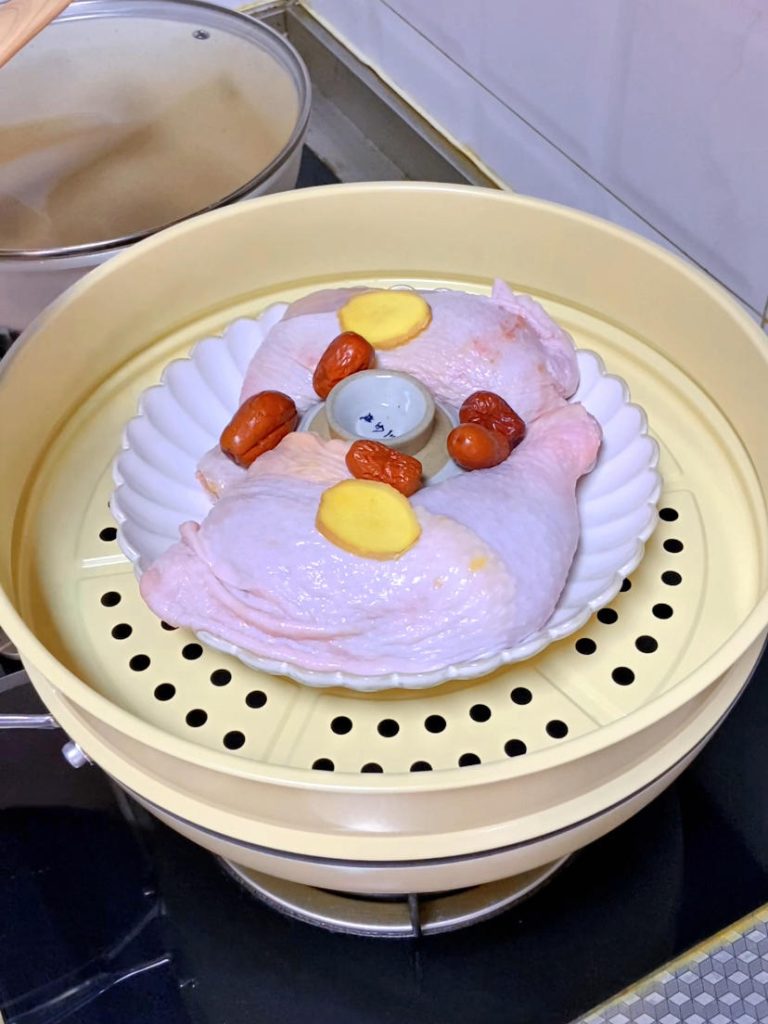
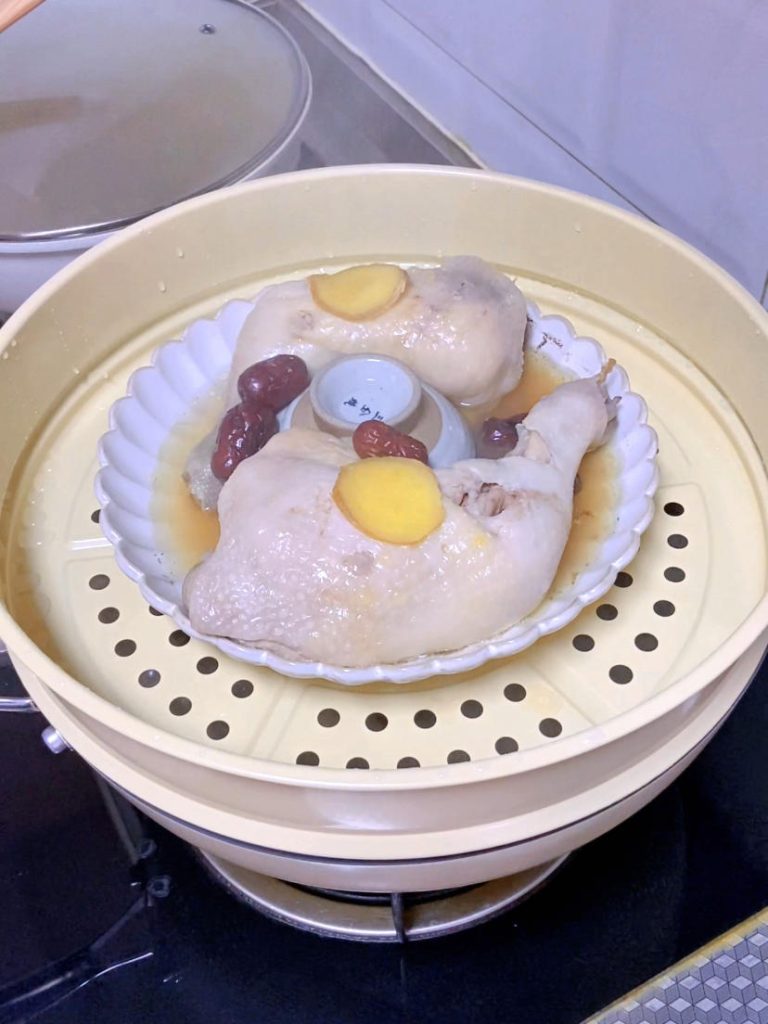
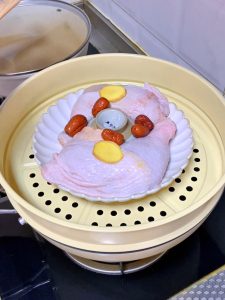
Place your chicken quarters on a heat-proof plate with a rim (to catch the juices). Rub the chicken lightly with a little salt and Shaoxing wine if you have it. Place the ginger slices and red dates on top. Set up your steamer. Once the water is boiling, place the plate inside. Steam over medium-high heat for 25 to 30 minutes, depending on the size of the legs. Tip: Ensure the chicken is fully cooked. If you pierce the thigh with a chopstick, the juices should run clear, not pink.
2. Shred the Chicken
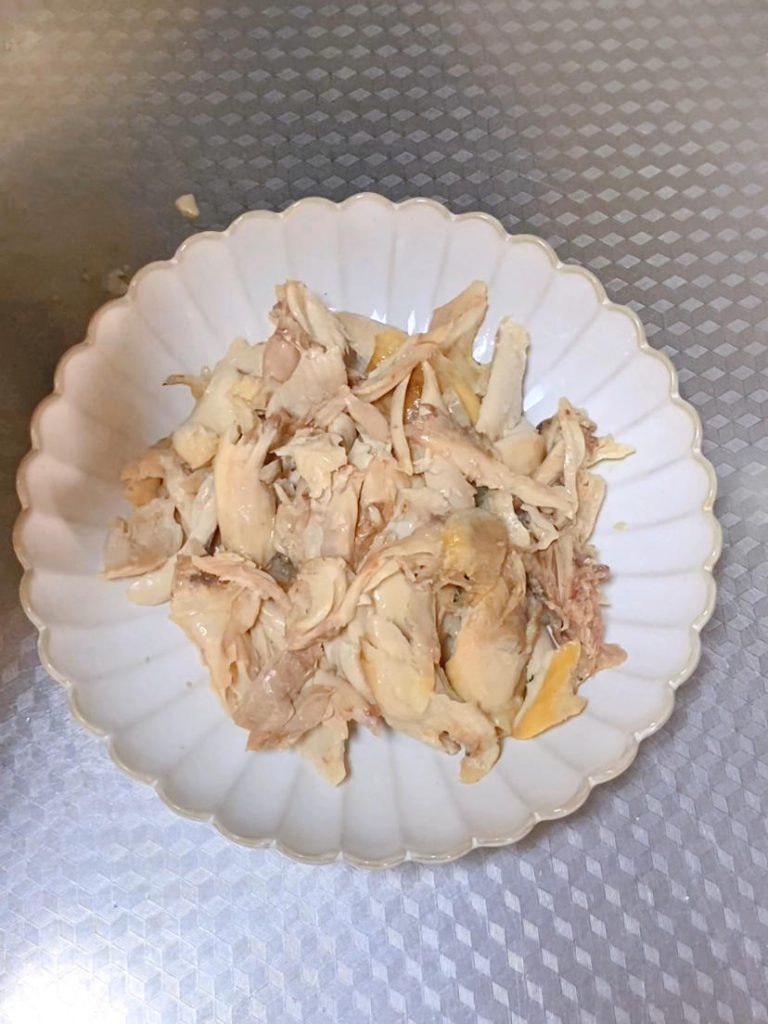
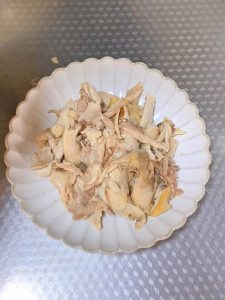
Remove the plate from the steamer. Do not discard the liquid on the plate! Pour this liquid into a small bowl and set aside—this is pure flavor. Let the chicken cool until it is comfortable to handle. Discard the ginger. Using your hands (you can wear food-safe gloves), tear the meat off the bones and shred it into bite-sized strips. Place the shredded chicken in a serving bowl. Note: Some people prefer to discard the skin for a healthier version, but in professional Sichuan kitchens, we usually keep it for texture.
3. Make the Scallion Oil
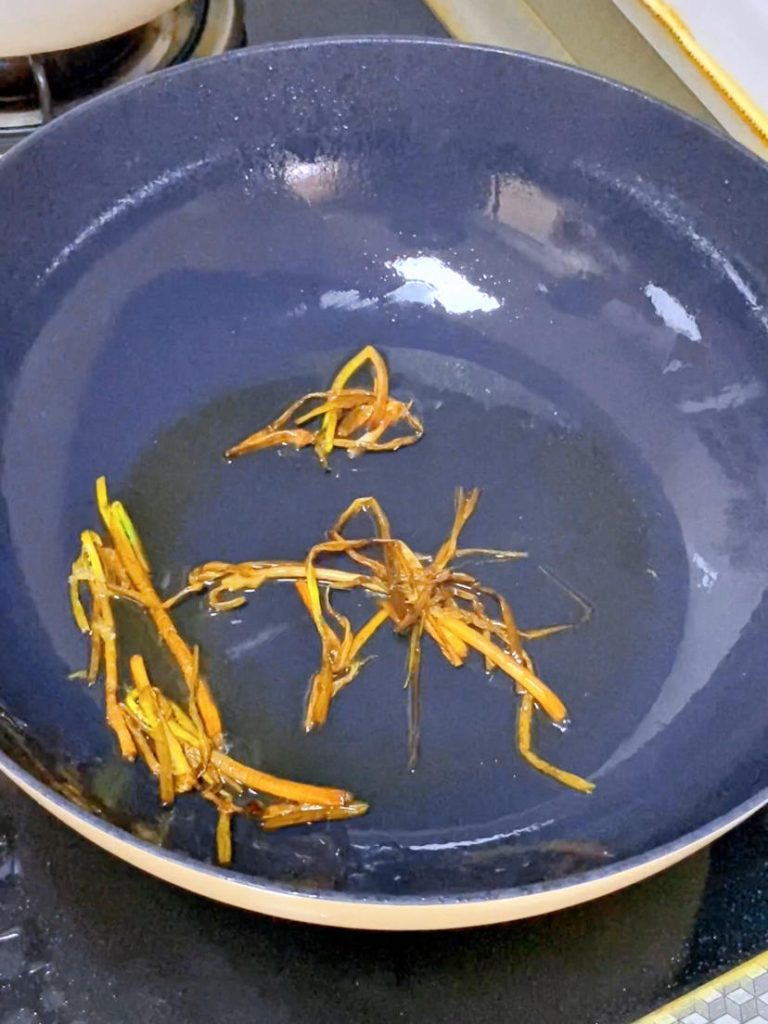
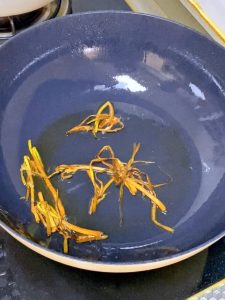
In a small pan or wok, heat the 3 tablespoons of neutral oil over medium heat. Add the 2-inch scallion sections. Fry them slowly until they turn golden brown and crispy (about 3-5 minutes). Remove the fried scallions with tongs (you can discard them or eat them as a garnish). Keep the oil hot—it should be shimmering, around 350°F (175°C).
4. Bloom the Aromatics
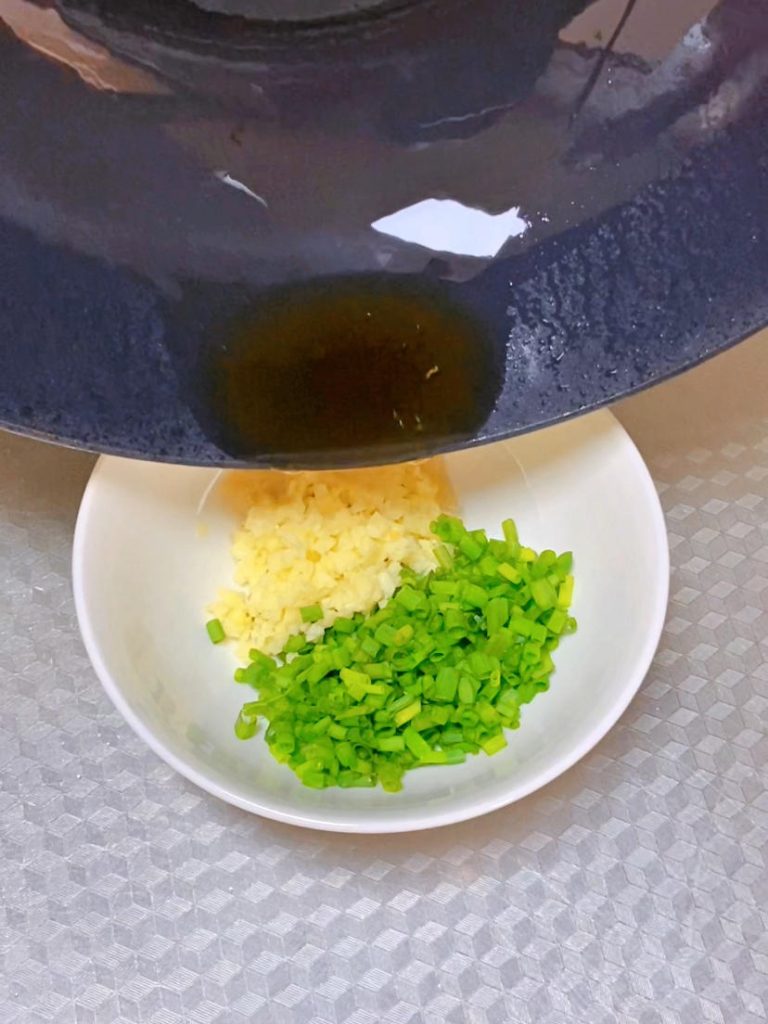
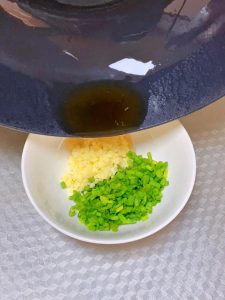
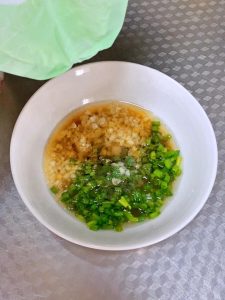
In a small heat-proof bowl, place the minced garlic and the finely chopped fresh scallions. Carefully pour the hot scallion oil directly onto the garlic and scallions. It should sizzle aggressively and release a wonderful aroma. This technique is known as “blooming.”
5. Mix the Sauce
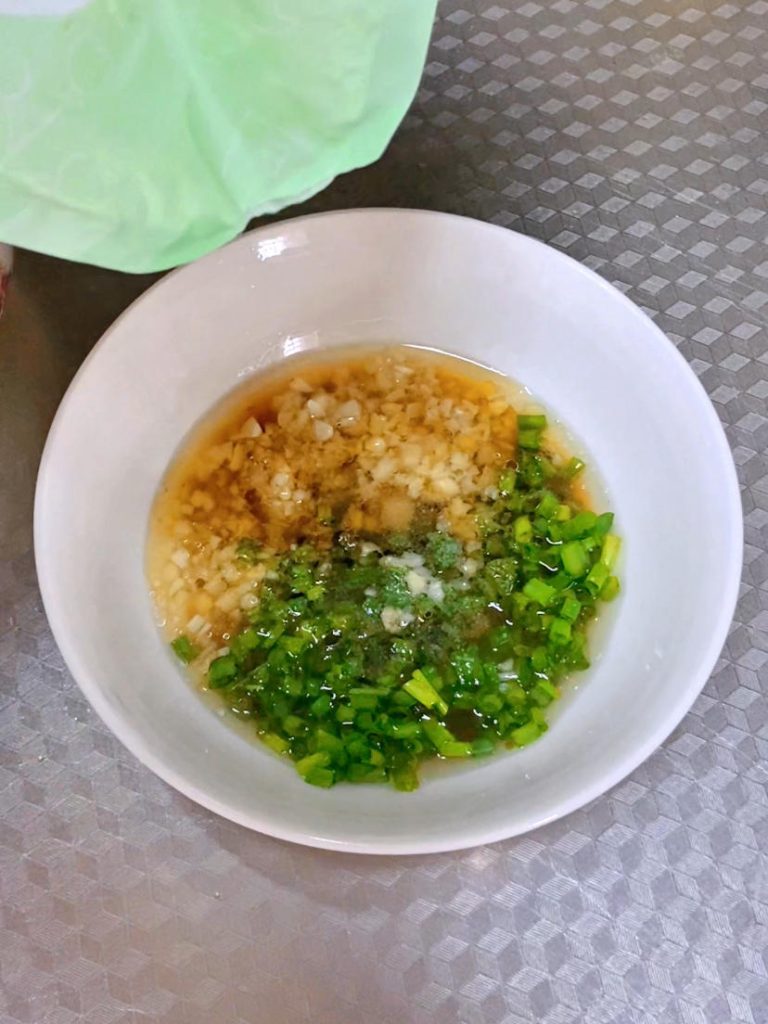
To the bowl with the bloomed garlic and oil, add the light soy sauce, dark soy sauce, rice vinegar, salt, and sugar. Finally, add 2 tablespoons of the reserved steamed chicken juices we saved earlier. Stir vigorously until the sugar is dissolved and the sauce looks emulsified.
6. Assemble and Serve
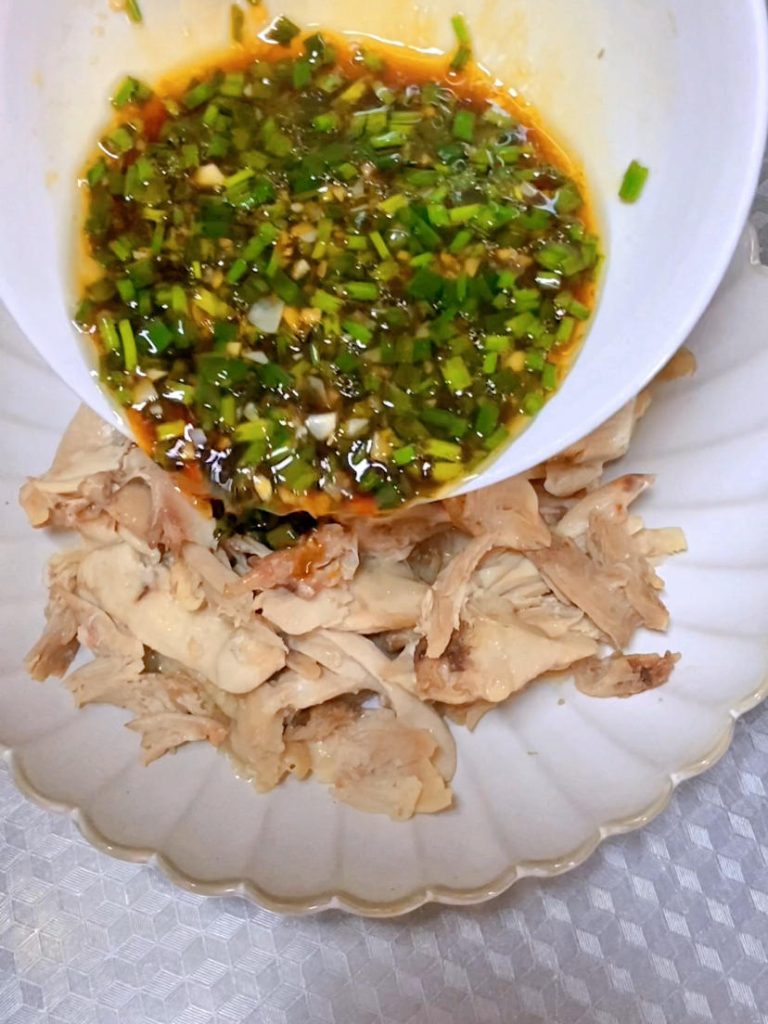
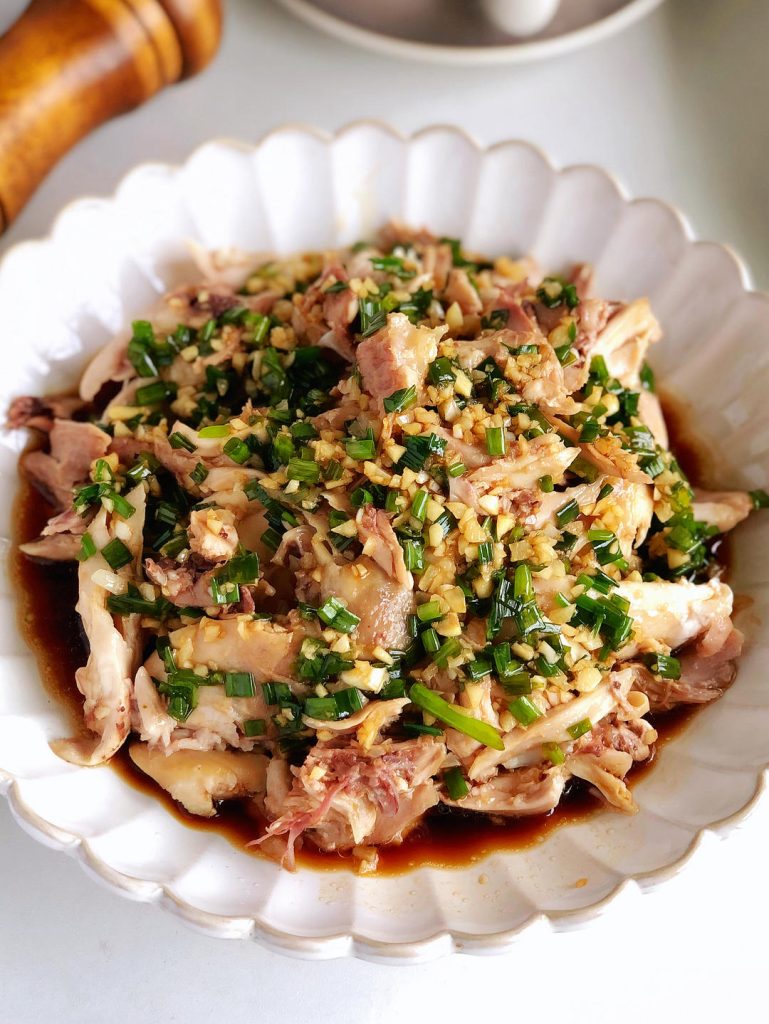
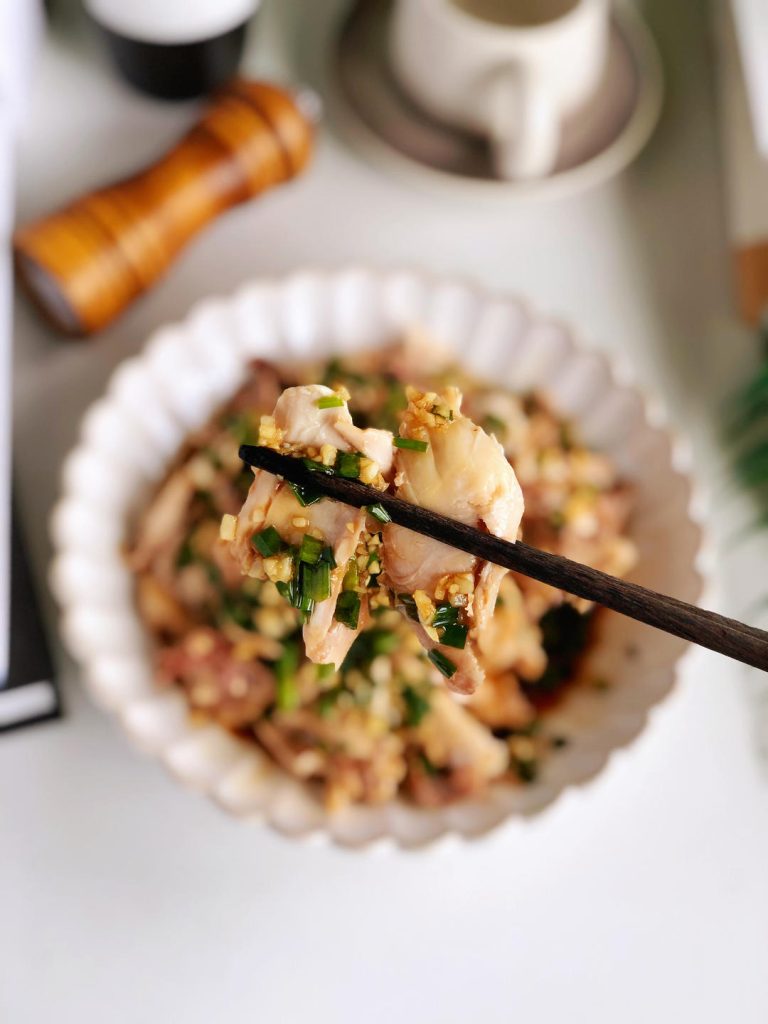
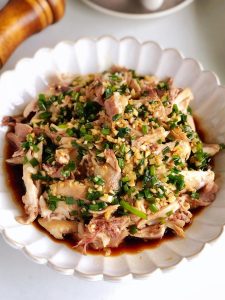
Pour the sauce evenly over the shredded chicken. Toss gently to ensure every strip of meat is coated in the savory dressing. Let it sit for 5 minutes before serving to allow the flavors to meld.
Troubleshooting & FAQ
Q: Can I use chicken breasts instead?
A: Yes, you can. However, breasts cook faster (usually 15-20 minutes steaming). Be careful not to overcook them, or the shredded texture will be dry rather than silky.
Q: My sauce tastes too oily.
A: The ratio of oil to soy sauce and vinegar is key. If you find it too heavy, increase the vinegar slightly or add a tablespoon of warm water (or more chicken broth) to thin it out.
Q: Can I make this ahead of time?
A: Absolutely. This dish is actually a variation of Liang Cai (Cold Dish). It tastes fantastic cold from the fridge, making it perfect for meal prep.
Serving Suggestions
This dish pairs beautifully with steamed white rice to soak up the extra sauce. For a complete meal, I recommend serving it alongside a refreshing vegetable dish like Smashed Cucumber Salad or a comforting bowl of Tomato Egg Drop Soup.
Nutrition Information (Per Serving):
- Calories: 380 kcal
- Protein: 28g
- Fat: 26g
- Saturated Fat: 5g
- Carbohydrates: 6g
- Fiber: 1g
- Sugar: 3g
- Sodium: 980mg
- Cholesterol: 110mg
- Potassium: 300mg
- Calcium: 40mg
- Iron: 1.5mg
Safety Reminders:
- Internal Temperature: Always cook chicken until it reaches a safe internal temperature of 165°F (74°C) as measured by a food thermometer at the thickest part of the leg. This is crucial to destroy harmful bacteria like Salmonella.
- Cross-Contamination: Wash hands, cutting boards, dishes, and utensils with hot soapy water after touching raw chicken to prevent cross-contamination.
- Storage: Refrigerate leftovers within 2 hours of cooking. The dish can be stored in an airtight container in the refrigerator for up to 3-4 days.
Recipe Notes:
- The “Liquid Gold”: The most critical step in this recipe is reserving the juices that accumulate on the plate while steaming the chicken. This liquid is rich in collagen and chicken essence. Whisking it into the sauce creates a natural emulsification and adds a depth of savory flavor that water or regular stock cannot replicate.
- Handling the Chicken: Allow the chicken to cool until it is comfortable to touch before shredding. Shredding it while it is too hot can cause the meat to lose moisture through steam, resulting in a drier texture. Conversely, do not let it get ice cold before shredding, or it will be harder to pull apart.
- Scallion Oil Temperature: When pouring the hot oil over the raw garlic and scallions, ensure the oil is shimmering (around 350°F/175°C). If the oil isn’t hot enough, it won’t “bloom” the aromatics or remove the raw bite of the garlic; if it’s too hot (smoking heavily), it may burn them.
- Customization: If you prefer a lighter sauce, you can increase the amount of rice vinegar by 1 teaspoon or add a splash of warm water. For a numbing kick without the heat, add a pinch of ground Sichuan peppercorns to the dry spice mix before pouring the hot oil.
Authoritative References:
- Safe Minimum Internal Temperature Chart: For guidelines on safely cooking poultry, refer to the USDA Food Safety and Inspection Service. USDA Safe Minimum Internal Temperature Chart
- Chicken Food Safety: Comprehensive information on handling and preparing chicken safely. CDC: Chicken and Food Poisoning
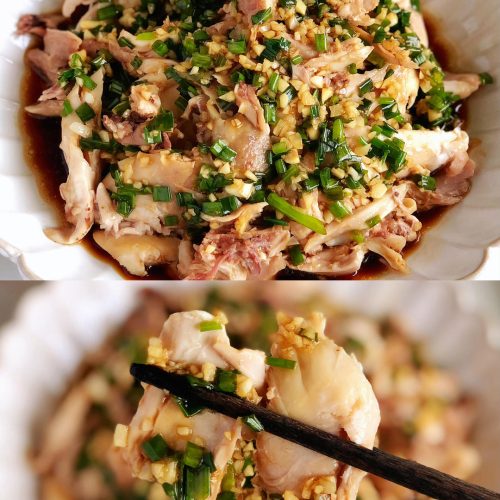
Scallion Oil Shredded Chicken (Cong You Shou Si Ji)

Equipment
- Steamer or Wok with Rack
- Digital Meat Thermometer
- Heat-proof bowl
Ingredients
Main Ingredients
- 2 chicken leg quarters (pistol legs) approx. 1.5 lb / 700g total
- 2 slices ginger
- 5 dried red dates (jujubes) optional
Scallion Oil
- 3 stalks scallions cut into 2-inch lengths for frying
- 3 tbsp neutral oil vegetable, canola, or grapeseed
Sauce
- 4 cloves garlic finely minced
- 2 stalks scallions finely chopped (greens and whites)
- 2 tbsp light soy sauce
- 1 tbsp dark soy sauce
- 1 tbsp rice vinegar
- 1 tsp salt adjust to taste
- 2 tsp sugar
- 2 tbsp reserved chicken juices from the steaming plate
Instructions
- Steam the Chicken: Place chicken quarters on a heat-proof plate with a rim. Top with ginger slices and red dates. Steam over boiling water for 30 minutes, or until the internal temperature reaches 165°F (74°C) at the thickest part.

- Cool and Reserve Juice: Remove chicken from the steamer. Important: Pour the flavorful juices accumulated on the plate into a small bowl and reserve them for the sauce. Let the chicken cool until safe to handle.
- Shred: Discard the ginger and dates. Using your hands, tear the meat off the bones and shred it into bite-sized strips. Place in a serving bowl.
- Make Scallion Oil: Heat 3 tbsp oil in a small pan over medium heat. Add the 2-inch scallion sections and fry slowly until golden brown and crispy (3-5 mins). Remove and discard the fried scallions, keeping the oil hot (shimmering).
- Bloom Aromatics: Place minced garlic and finely chopped fresh scallions in a heat-proof bowl. Carefully pour the hot scallion oil directly over them to sizzle and release their fragrance.
- Finish Sauce: To the bowl with the oil and aromatics, whisk in the light soy sauce, dark soy sauce, rice vinegar, salt, sugar, and the 2 tablespoons of reserved chicken steaming juices. Stir until sugar dissolves.
- Serve: Pour the sauce evenly over the shredded chicken. Toss gently to coat. Let it sit for 5 minutes for flavors to meld, then serve with steamed rice.
Notes
Food Safety & Preparation
- Temperature Check: Always ensure chicken reaches an internal temperature of 165°F (74°C) to prevent foodborne illness. (USDA Source)
- Hygiene: Wash hands thoroughly after handling raw poultry.
Recipe Success Notes
- Liquid Gold: Don’t skip adding the reserved steaming juices to the sauce; it provides essential umami and helps emulsify the dressing.
- Texture: Shred the chicken while it is warm (not hot) for the best texture. If it cools too much, the meat can become harder to shred.
- Oil Heat: Ensure the oil is hot enough to sizzle when poured over the garlic, removing its raw bite.







Leave a Reply