Fermented tofu with pineapple, or fengli furu, is what happens when you take the oldest cure in the Chinese pantry and hand it a tropical fruit. You start with plain firm tofu, you press it, you dry it, and then you bury it in salt, sugar, and pineapple until the cubes go soft, creamy, and faintly sweet. It is a three-jar project, and the third jar is the one that finally tastes right.
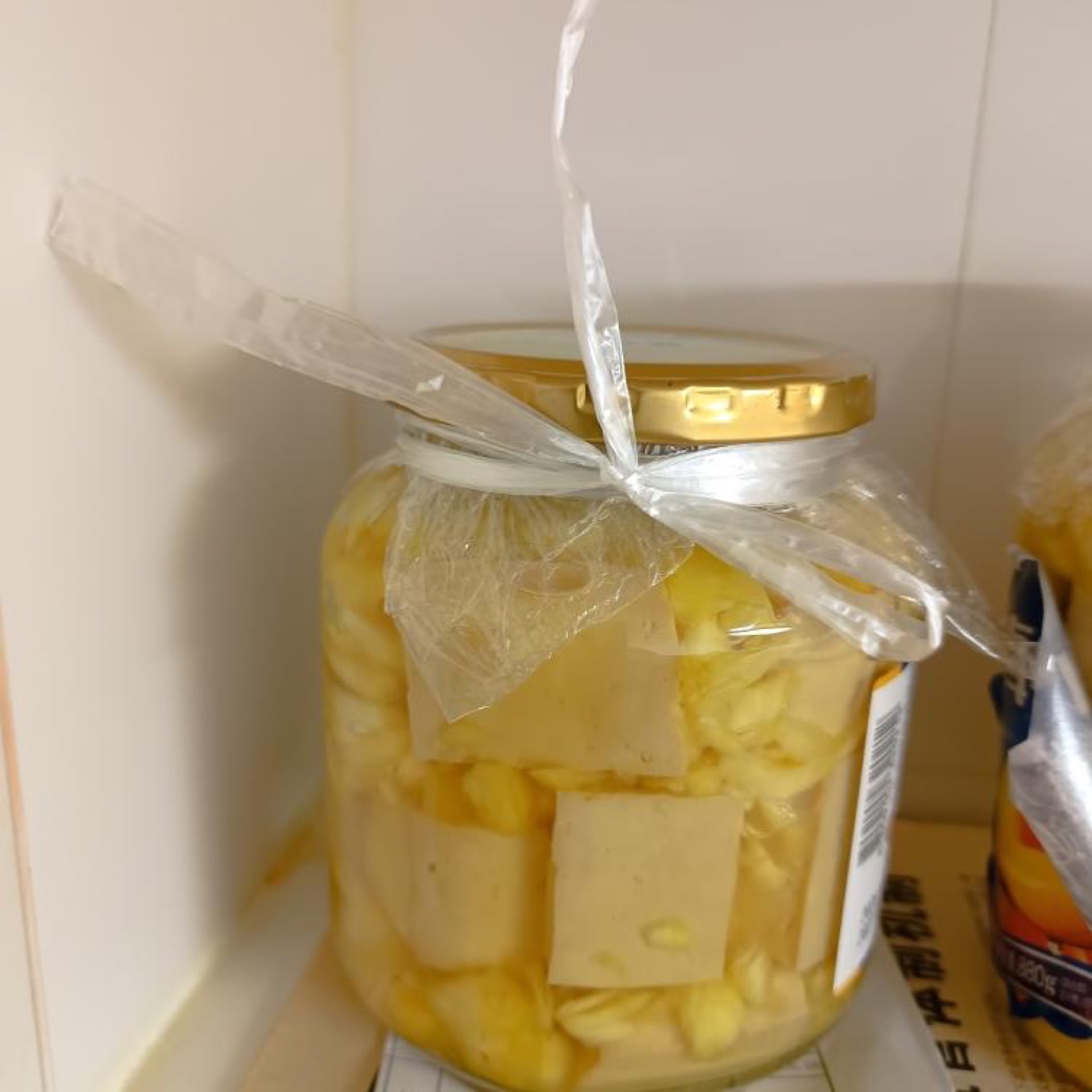
If you have only ever met furu as a small, salty cube in a rice porridge bowl or stirred into a stir-fry sauce, the pineapple version will surprise you. The fruit does not make it a dessert. It makes it rounder. The acidity of the pineapple cuts the harsh edge of the salt, and the sugar feeds a slower, gentler cure, so what comes out of the jar is a cube you can spread on toast, fold into rice, or eat straight off a chopstick. We tested this recipe three times, and the notes below are the honest record of what worked, what went wrong, and what we would do differently.
What Is Fermented Tofu with Pineapple?
Furu (腐乳), sometimes translated as fermented bean curd or Chinese cheese, is tofu that has been inoculated with mold, salted, and then aged in a seasoned brine until the protein breaks down into something soft and savory. The pineapple version, fengli furu (凤梨腐乳), is a southern Chinese and Taiwanese home variation that puts fresh pineapple into the brine. The fruit contributes sugar for the cure and a bright, faintly tropical note that sits surprisingly well against the deep, funky umami of the tofu.
Unlike the commercial jars you buy at the Asian grocery, homemade furu is a two-stage cure. The first stage pulls water out of the tofu and seasons the surface. The second stage is the long brine, where the flavor actually develops. Skipping or rushing either stage gives you tofu that is either too firm or too salty, and the pineapple needs that slow second stage to taste like anything other than fruit juice.
If you are new to fermented tofu, think of the pineapple version as the gateway jar: it is milder, sweeter, and less aggressively funky than the plain red or white furu, which makes it an easy first bite. Serve it with plain congee or steamed rice and let the brine do the work.
If you enjoy the texture of cured tofu, the same family of dishes shows up all over the site. For a braised, savory take, try braised tofu and mushrooms, which uses the same tofu-and-mushroom pairing in a glossy sauce.
1Braised Tofu and Mushrooms with Savory SauceThis Braised Tofu and Mushrooms recipe uses a secret weapon—Spare Rib Sauce—to create a rich, savory, vegetarian dish that tastes even better than meat. It features pan-fried firm tofu and juicy button mushrooms braised in a glossy, umami-packed glaze.Check out this recipe

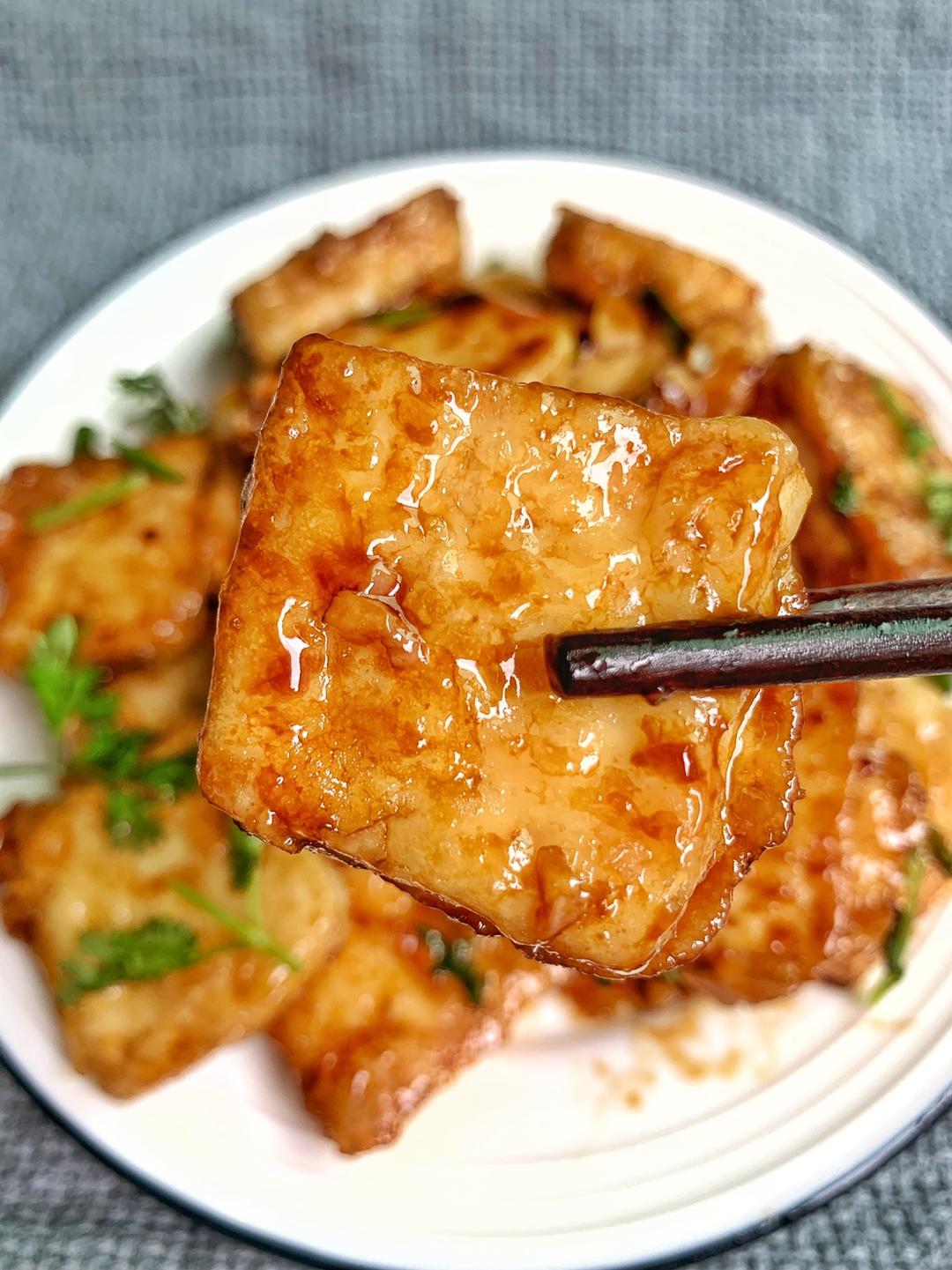
For a quicker weeknight version of the same idea, pan fried tofu with garlic sauce gives you crisp edges and a punchy sauce in under half an hour.
2Easy Pan-Fried Tofu with Garlic Sauce (香煎豆腐)This 15-minute recipe creates unbelievably crispy pan-fried tofu cubes tossed in a rich, savory, and glossy garlic soy sauce. It’s a homestyle Chinese dish that’s fast, easy, and better than takeout.Check out this recipe
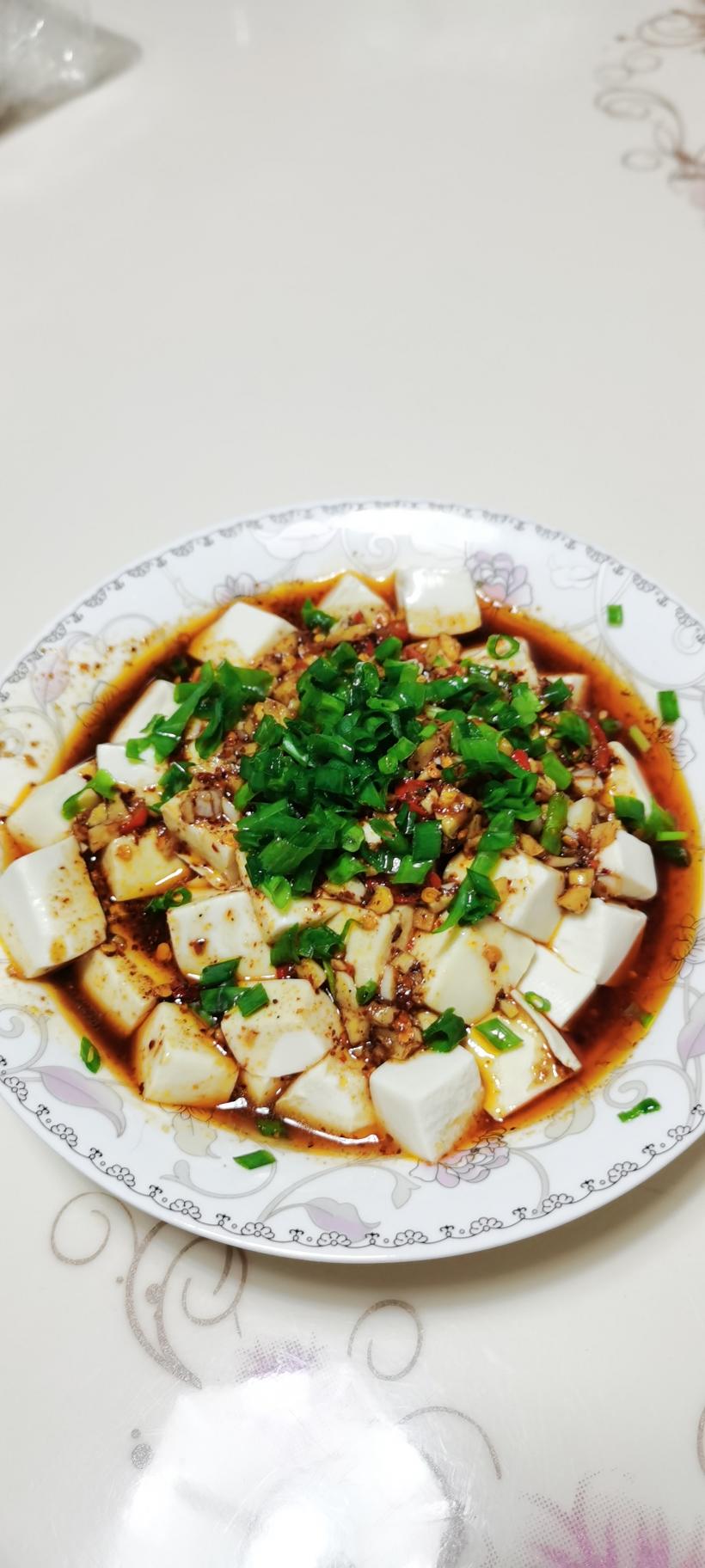
And if you want to eat tofu cold, the way it is often served alongside furu, spicy cold tofu is the ten-minute version that pairs beautifully with a bowl of rice.
310-Minute Spicy Cold Tofu (凉拌豆腐)A 10-minute, (almost) no-cook recipe for Spicy Cold Tofu (Liangban Dofu). Soft or firm tofu is drizzled with a sizzling aromatic chili oil, creating an authentic, restaurant-quality Sichuan appetizer that’s packed with flavor.Check out this recipe
Why This Recipe Works
Pineapple is not a random addition. It brings two things a furu brine needs: sugar, which feeds the slow enzymatic breakdown that turns firm tofu creamy, and acid, which keeps the cure from tasting flat and one-dimensionally salty. That is why the pineapple version can get away with a slightly gentler salt level than a plain brine and still taste fully seasoned.
The two-stage structure matters just as much. The first cure pulls surface moisture out of the tofu and seasons it through. The second cure, with the pineapple, is where the flavor builds. If you try to combine them into one step, the tofu stays watery and the brine gets diluted, and you end up with a jar of salty fruit water with tofu floating in it.
Drying the cubes before curing is the third pillar. Surface moisture is the enemy of a clean cure, so a low oven does the job that a day of open-air drying would do in a drier climate. Get the cubes dry to the touch but not leathery, and the brine will cling to them instead of sliding off.
Equipment Needed
You do not need much, but the few things you do need should be clean and dry. A glass or ceramic container is best for the cure, because it does not react with the salt or the acid in the pineapple. A rack that fits inside or under your draining box lets air circulate around the tofu while it presses. A kitchen scale is non-negotiable here, because the salt and sugar amounts in this recipe are given by weight for a reason.
A low oven, set to 60°C, does the drying. If your oven does not go that low, use the lowest setting and prop the door open with a wooden spoon, checking the cubes every 30 minutes. A slotted spoon or clean chopsticks are what you use to move the cubes without crushing them, and a cutting board is all you need for the pineapple. If you are building out your wok kitchen, our guide to choosing a carbon steel wok for beginners covers the pan that will serve you for the rest of your cooking, even if it is not strictly needed for this cure.
Ingredients
Firm tofu, salt, sugar, pineapple, and cooled boiled water. That is the whole list, which is part of why this project is so satisfying. The tofu should be firm or extra-firm, not silken, because silken tofu will collapse under the weight of the pressing and the brine. The pineapple should be fresh if you can get it, though canned pineapple in juice works in a pinch as long as you drain it well and do not use the syrup.
The salt and sugar are weighed, not scooped. This is the single most important instruction in the recipe. Salt by volume varies wildly depending on the crystal size and how tightly you pack the spoon, and a furu brine that is 30 percent too salty is not a brine you can fix later. Use a scale.
Ingredient Notes
Tofu. Firm or extra-firm block tofu, drained and pressed. The pressing step removes the water that would otherwise dilute your brine. If your tofu is very wet, press it longer, not harder.
Salt. Plain non-iodized salt is best, because iodized salt can sometimes give fermented foods an off note. Kosher salt and fine sea salt both work, but weigh them.
Sugar. White granulated sugar is what we use. It dissolves cleanly into the brine and does not add competing flavors. Brown sugar or rock sugar would change the color and the taste of the cure.
Pineapple. Fresh pineapple, peeled, cored, and cut into small pieces. The pieces should be small enough to pack around the tofu cubes without leaving big air pockets. If you use canned, choose one packed in juice, not syrup, and drain it thoroughly.
Water. Cooled boiled water, not tap water. Boiling drives off the chlorine that can interfere with a ferment, and cooling it keeps the brine from cooking the pineapple.
If you want to play with the brine later, a pinch of toasted coriander seed is a lovely addition to a furu cure, though it is not traditional in the pineapple version and will change the flavor profile noticeably.
Prep & Mise en Place
Before you start, get everything clean and dry. Wash your glass containers with hot soapy water, rinse them well, and let them air-dry completely. Any residual moisture or soap film can encourage the wrong kind of growth in the cure.
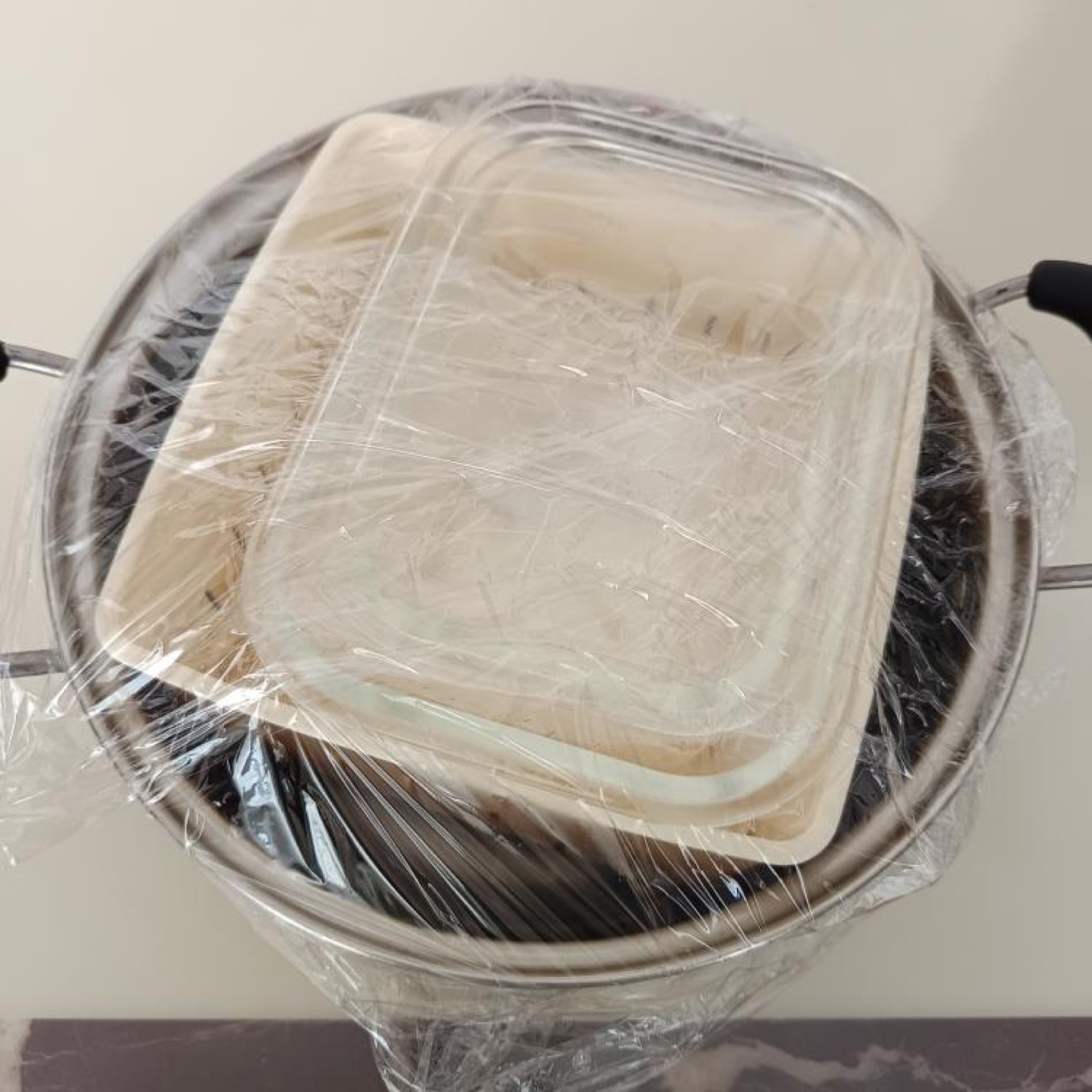
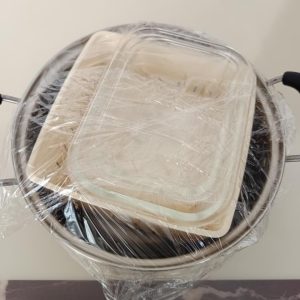
Cut the tofu into 1-inch cubes and lay them in a single layer in your draining box. Set the box on a rack so air can move underneath it. Then set two glass boxes, without their lids, on top of the tofu to press it. The weight should be even and gentle, not so heavy that the cubes crack.
While the tofu presses and dries, weigh out your salt and sugar for both cures and set them aside in separate bowls. Cut the pineapple into small pieces and have your cooled boiled water ready. Once the tofu is dry, the rest of the process moves quickly, so having everything within reach makes the difference between a calm cure and a frantic one.
Cooking Process
Step 1 — Press the Tofu Under Glass Boxes
Set two glass boxes without their lids on top of the tofu draining box so the weight presses the water out of the tofu.
Step 2 — Raise the Box Off the Counter
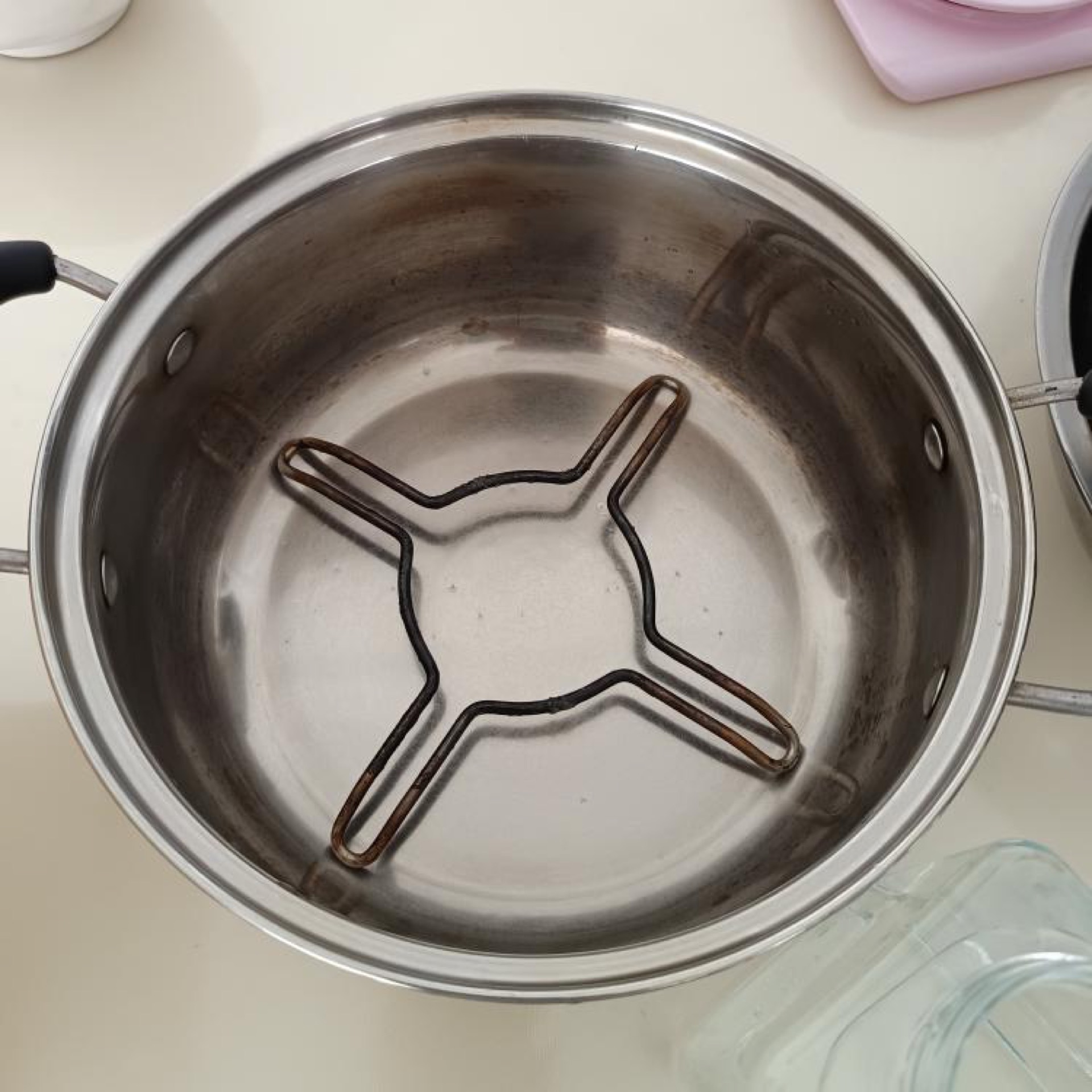
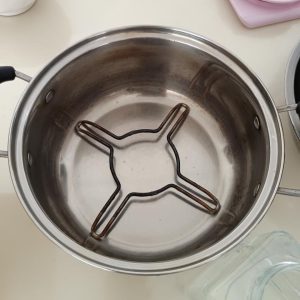
Place a rack underneath the tofu box so air can move all the way around it while the tofu drains.
Step 3 — Dry the Cubes in a Low Oven
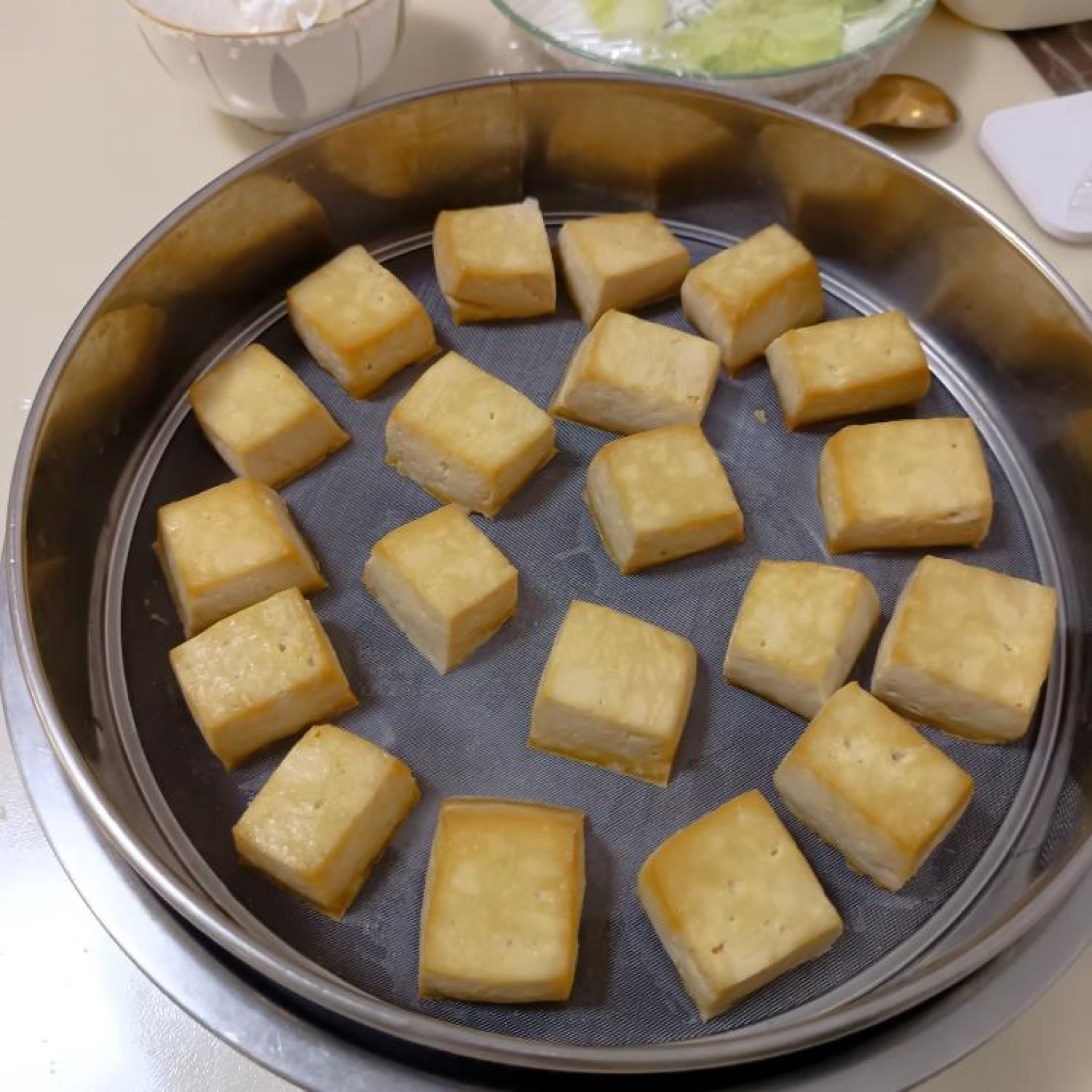
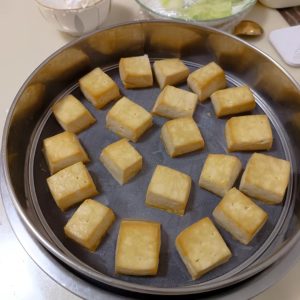
Dry the tofu in a 60°C oven for 5 hours; the photo above shows 65°C for 2.5 hours followed by 60°C for 2.5 hours, which left the tofu too dry and formed a skin.
Step 4 — Mix the First Cure
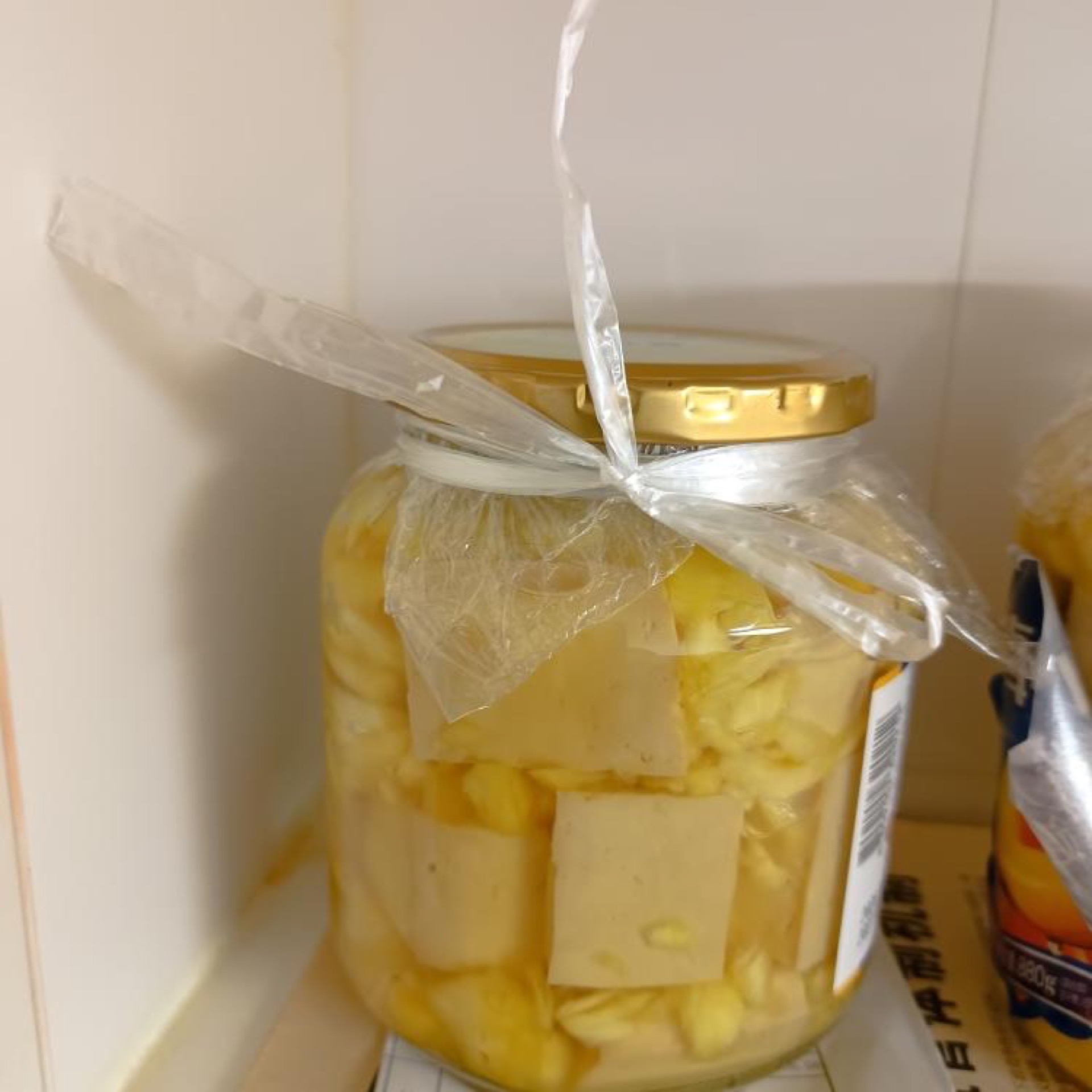
Weigh out 80 grams of salt and 100 grams of sugar for the first cure.
Step 5 — Rinse, Dry, and Pack the Second Cure
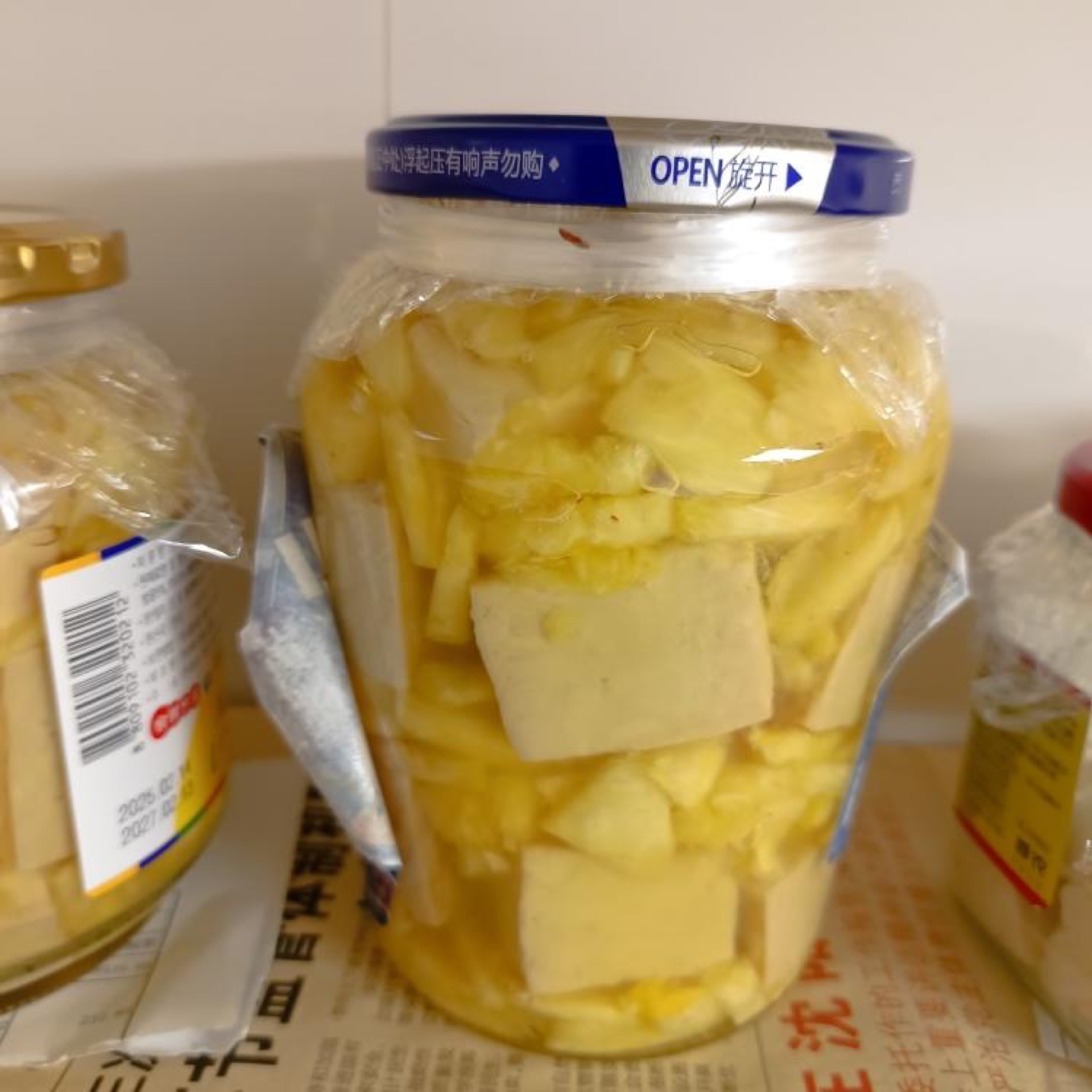
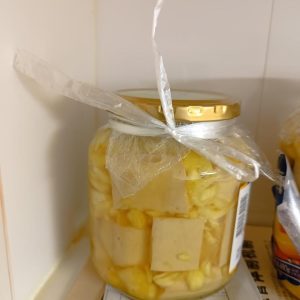
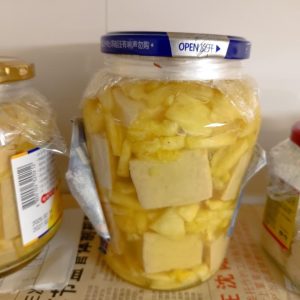
For the second cure use 150 grams of salt and 150 grams of sugar, though 150 grams of salt turned out to be far too much; after draining both jars of furu, rinse every cube with cooled boiled water and dry them in the oven again before packing.
Common Mistakes When Making Fermented Tofu with Pineapple
1. Using too much salt in the second cure. This is the mistake we made ourselves. The higher salt level in the second cure can push the furu past seasoned and into inedibly salty, and there is no way to pull salt back out of a cube once it has absorbed it. Start with the lower second-cure amount, taste after two weeks, and adjust the next batch rather than the current one.
2. Over-drying the tofu in the oven. Drying is good; leathery is not. If the cubes form a hard skin, they will not absorb the brine evenly, and the inside stays firm while the outside gets tough. Aim for dry to the touch with a little give, and check them every 30 minutes.
3. Skipping the rinse between cures. After the first cure, the cubes carry a heavy coating of salt and sugar. Rinsing them with cooled boiled water and drying them again removes that surface layer so the second cure can actually penetrate. Skip it and the outside of the cube stays aggressively salty while the inside stays bland.
4. Leaving the cubes exposed above the brine. Any tofu above the liquid line will dry out, darken, and eventually grow things you do not want. Pack the cubes snugly and top up with cooled boiled water so everything is submerged, then weigh the tofu down with a clean glass weight if it floats.
5. Using tap water or a wet container. Chlorine and stray moisture both work against a clean cure. Boil and cool your water, dry your jars, and use clean, dry utensils every time you open the jar.
6. Fermenting somewhere too warm. A hot kitchen speeds up the cure in a way that turns the brine sour and the tofu mushy. Cool room temperature, out of direct sun, is what you want.
Variations
Plain white furu. Leave the pineapple out entirely and use the same two-stage method with just salt, sugar, and cooled boiled water. The result is the classic white fermented bean curd that most people know from a jar.
Chili furu. Add dried chilies or a spoonful of chili flakes to the second-cure brine. The heat cuts through the salt and makes the furu a great condiment for noodles and stir-fries.
Rose furu. A small splash of rose liquor or a few dried rose buds in the brine gives you the floral version that is popular in northern China.
Sweeter pineapple furu. If you want a fruitier cure, increase the pineapple to 1½ cups and reduce the second-cure sugar slightly. The extra fruit brings its own sugar, so the brine stays balanced.
Frequently Asked Questions
How long does homemade fermented tofu with pineapple take? The pressing and drying take most of a day, and the cure itself takes about two to four weeks at cool room temperature. The flavor keeps improving for the first month, so the earliest you should taste it is two weeks in.
Is the white film on top of the brine safe? A thin white film or white surface mold is normal in a furu cure, as long as it stays white and surface-level. Fuzzy mold in green, black, or pink, or any slimy texture in the brine, means the batch should be discarded.
Can I use canned pineapple? Yes, if it is packed in juice rather than syrup. Drain it well and pat it dry before packing, because extra liquid will dilute the brine.
Why is my furu still firm after two weeks? The cure is running cold. Move the jar somewhere slightly warmer, or simply give it more time. Firmness also means the cubes were over-dried before curing, so check the texture the next time you make it.
How salty should the finished furu be? It should taste seasoned and savory, not sharp. If a cube makes you wince, you used too much salt in the second cure, and the next batch should start with the lower amount.
How to Serve
Fermented tofu with pineapple is at its best with plain, neutral food that lets the tang and the funk come through. A bowl of congee or steamed rice is the classic pairing, and a small cube mashed into hot rice with a drizzle of the brine is one of the simplest good bites in Chinese home cooking. It also works as a condiment for stir-fried greens, a spread for toast, or a seasoning for a marinade.
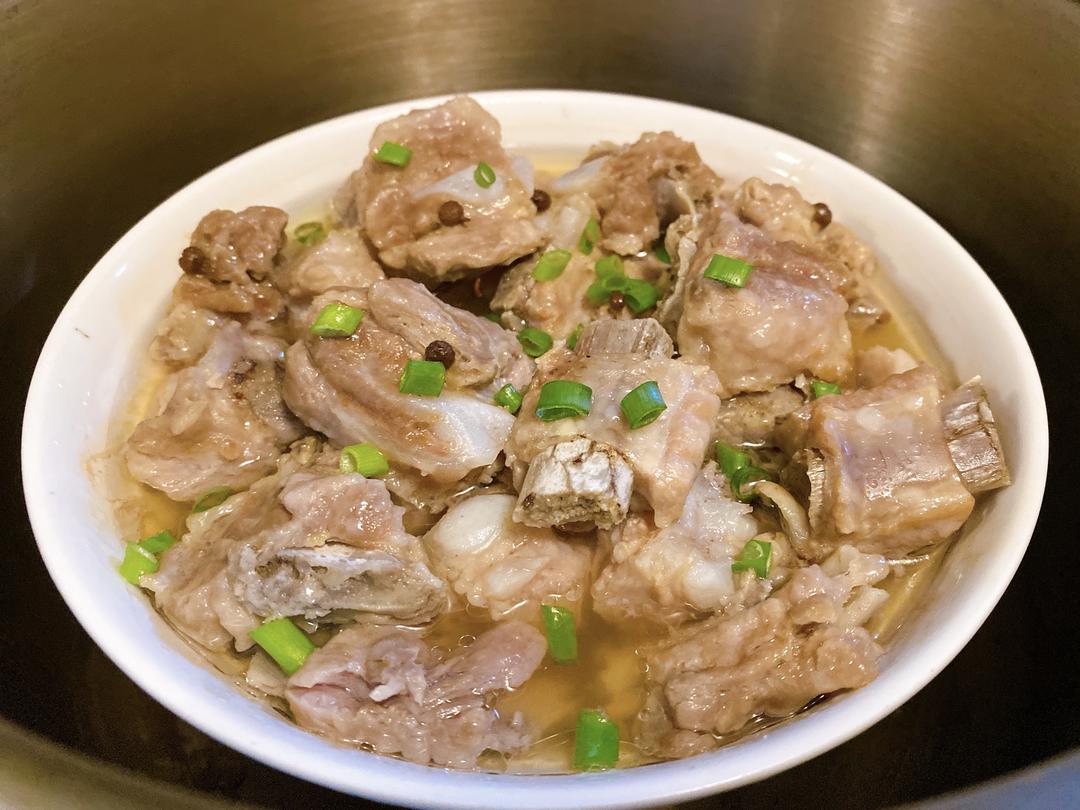
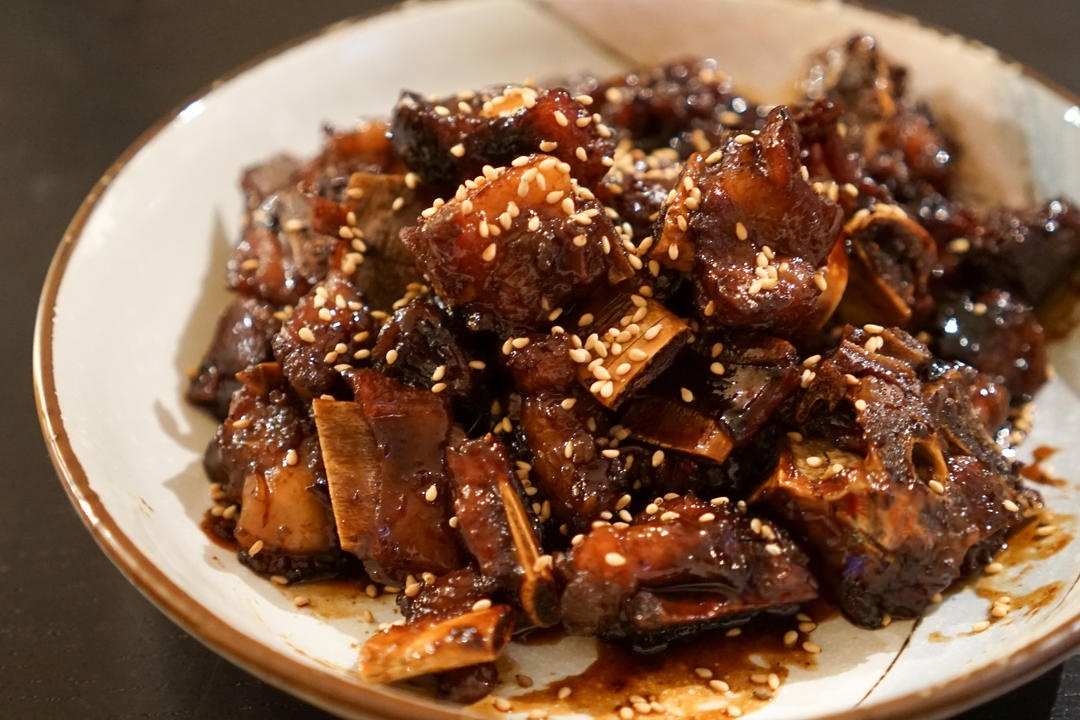
If you want a heartier table, serve it alongside dongpo pork, where the rich, melting pork belly and the tangy furu balance each other beautifully. A plate of steamed pork ribs is another good match, because the furu brine can be spooned over the rice that soaks up the ribs’ juices. For a sweeter, stickier contrast, coca cola sweet and sour pork ribs bring a glossy, caramelized note that plays well against the salty cure.
Storage & Reheat
Keep the finished furu in its brine, in a clean glass jar with a tight lid, in the refrigerator. It will keep for up to six months, and the flavor will continue to deepen for the first month or two. Always use a clean, dry utensil to take cubes out, and press the remaining cubes back under the brine before you close the jar.
If the brine level drops as you use the furu, top it up with cooled boiled water and a small pinch of salt. Do not add fresh pineapple to an opened jar; it will introduce new sugars and change the cure. Furu does not need reheating, but if you cook with it, add it late in the process so the flavor stays bright. Discard the jar if the brine turns slimy, smells spoiled, or grows mold that is not white and surface-level.
Allergen Notice
This recipe contains soy, from the tofu. Check the labels on your tofu and on any jarred pineapple you use, since some brands add wheat or other allergens. If you are cooking for someone with a soy allergy, this dish is not suitable for them.
Nutrition Disclaimer
Nutrition information is calculated using an ingredient database and should be considered an estimate. In cases where multiple ingredient alternatives are given, the first listed is calculated for nutrition. Garnishes and optional ingredients are not included.
About the Author & Recipe Development
Lin writes Woks of Love, a home-cooking site devoted to the Chinese dishes she grew up with and the ones she has spent years learning to make from scratch. This fermented tofu with pineapple recipe went through three jars before the notes above were settled. The first two batches taught her the hard way that 150 grams of salt in the second cure is too much, and that a 65°C oven for 2.5 hours followed by 60°C for 2.5 hours leaves the tofu too dry and skin-forming. The version here reflects those corrections, along with the rinse-and-redry step that made the third jar the one worth writing down.
She develops every recipe in a home kitchen, weighs her salt and sugar rather than scooping them, and tests each batch across at least two weeks of curing before publishing. If you make this furu and adjust the brine to your taste, the notes are always welcome.
Authoritative References
For safe home fermentation and food storage guidance, see the FDA refrigerator and freezer food safety guidance. For general food safety temperatures and safe handling practices, the USDA safe minimum internal temperature chart is the reference we use in this kitchen. For a broader look at fermented foods and their microbiology, the WHO food safety fact sheet is a useful starting point.
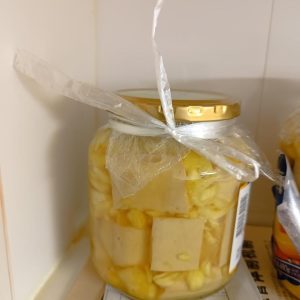
Fermented Tofu with Pineapple (凤梨腐乳): Tangy, Sweet, Creamy

Equipment
- Wok
- Cutting Board
- Slotted Spoon
Ingredients
For the Tofu
- 2 lb firm tofu drained, pressed, and cut into 1-inch cubes
For the First Cure
- 80 g salt weighed, not measured by volume
- 100 g sugar weighed, not measured by volume
For the Second Cure
- 150 g salt weighed, not measured by volume
- 150 g sugar weighed, not measured by volume
For the Pineapple Brine
- 1 cup pineapple fresh, peeled and cut into small pieces
- 1 cup cooled boiled water for rinsing and topping up the brine
Instructions
- Set two glass boxes without their lids on top of the tofu draining box so the weight presses the water out of the tofu.

- Place a rack underneath the tofu box so air can move all the way around it while the tofu drains.
- Dry the tofu in a 60°C oven for 5 hours; the photo above shows 65°C for 2.5 hours followed by 60°C for 2.5 hours, which left the tofu too dry and formed a skin.
- Weigh out 80 grams of salt and 100 grams of sugar for the first cure.
- For the second cure use 150 grams of salt and 150 grams of sugar, though 150 grams of salt turned out to be far too much; after draining both jars of furu, rinse every cube with cooled boiled water and dry them in the oven again before packing.












Leave a Reply