You finally decided to master Chinese cooking at home. You bought a shiny “non-stick” wok from a big-box store, prepped your ingredients, and fired up the stove. Five minutes later, the kitchen is filled with smoke, your beef is stuck to the bottom like superglue, and the vegetables are sitting in a pool of gray, sad liquid. If this sounds familiar, don’t blame your skills—blame your pan. Most “beginner” woks are actually glorified skillets that can’t handle the heat needed for authentic flavor.
The Quick Answer: What Beginners Actually Need
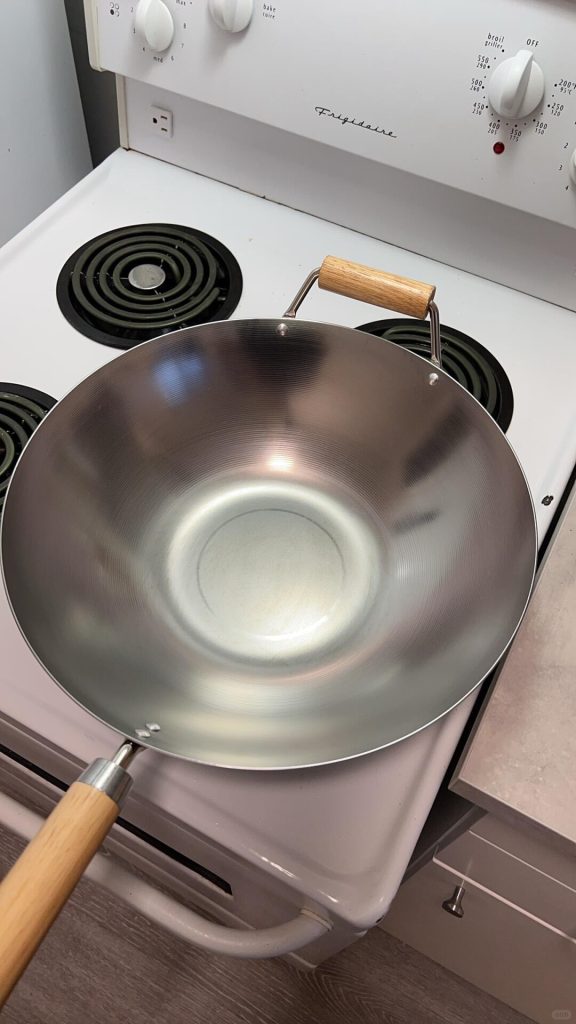
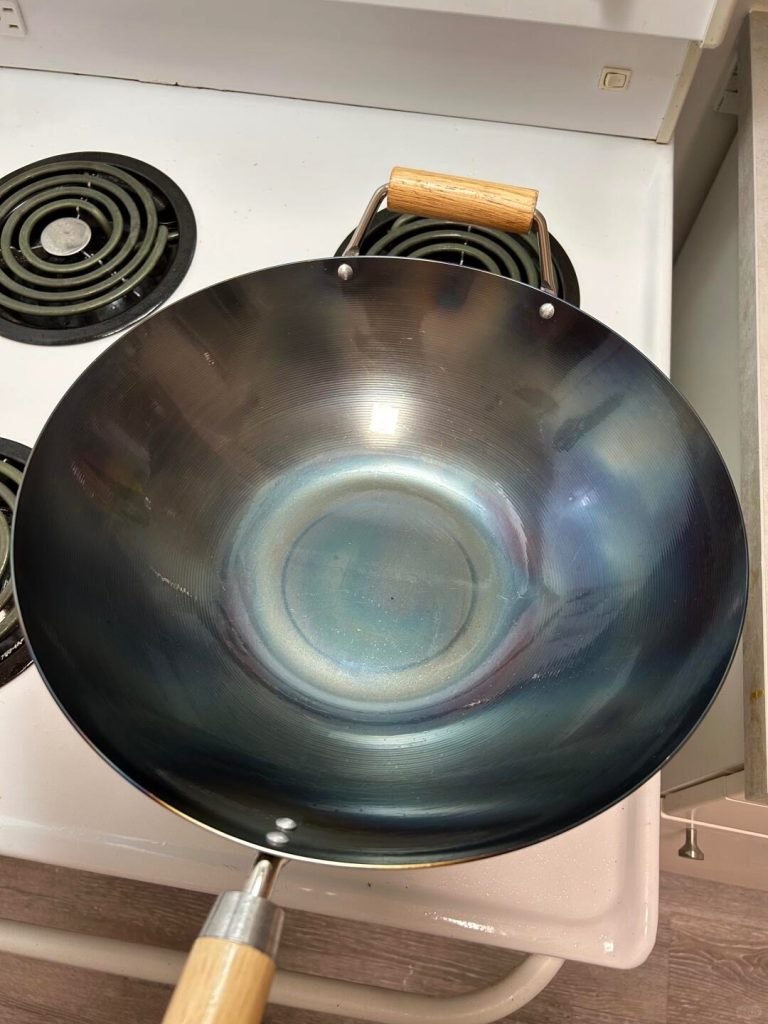
For a Western home cook, the best carbon steel wok is a 14-inch, flat-bottomed model made of 14-gauge (approx. 1.5mm to 2mm) carbon steel. It must have a long wooden handle for safety and maneuverability. This specific setup balances heat retention with a lightweight build, allowing you to get professional results on a standard residential burner without needing a commercial jet engine for a stove.
Why Carbon Steel is the King of the Kitchen
Carbon steel is the “Goldilocks” of cookware. Unlike cast iron, which is heavy and slow to react, carbon steel heats up and cools down almost instantly. This responsiveness is critical because stir-frying is a game of seconds. The material allows for polymerization, where oil bonds with the metal to create a natural, slick patina. This process prevents sticking while allowing you to use the high heat necessary to evaporate moisture from vegetables, ensuring they stay crisp rather than steaming in their own juices.
Real Kitchen Insight: What the Pros Won’t Tell You
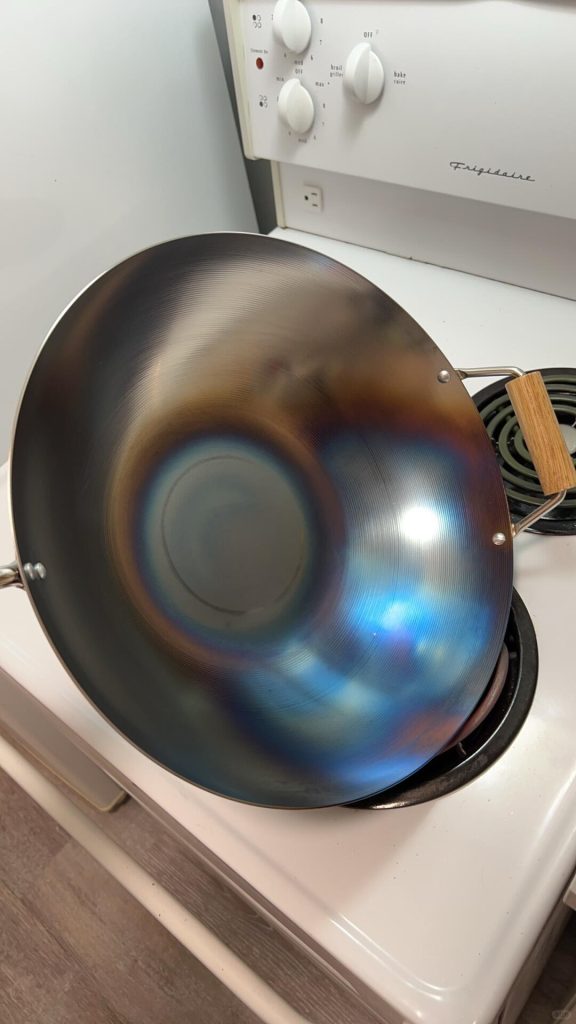
In my experience working in professional restaurant kitchens, we don’t use non-stick or stainless steel for stir-frying; it’s carbon steel or nothing. What most beginners don’t realize is that a wok isn’t just a pan—it’s a living tool that improves the more you use it. In a restaurant, we “blue” a new wok to prepare the surface, a process that creates a protective oxide layer. You might feel intimidated by the maintenance, but in a restaurant kitchen, we view the “break-in” period as the time you and your wok get to know each other. A seasoned wok has a soul; a non-stick pan has a shelf life.
Essential Gear and The Right Oil
To get started, you only need three things. First, the 14-inch carbon steel wok mentioned above. Second, a stainless steel wok spatula (Chuan) with a curved edge to match the wok’s contours. Third, and most importantly, the right fat.
When choosing the best oil for stir frying, skip the extra virgin olive oil or butter. You need a high-smoke-point oil like peanut, grapeseed, or canola. If you find yourself in a pinch and don’t have a wok yet, comparing a flat pan vs wok for stir fry will show you that while a skillet can work, you’ll struggle to achieve the same “toss” that aerates the food.
The Prep Strategy: Logic Over Luck
Before the flame ever touches the wok, your “Mise en Place” (everything in its place) must be perfect.
- Dry Your Proteins: If your meat is wet, it will steam. Pat it dry with paper towels.
- Uniform Cutting: Ensure your ingredients are sliced thinly and evenly. Learning how to slice meat for stir fryacross the grain is the difference between melt-in-your-mouth beef and shoe leather.
- Order of Operations: Aromatics (garlic/ginger) go in last or briefly at the start because they burn easily.
Step-by-Step: Seasoning Your New Wok
- The Scrub: New woks come with a factory oil to prevent rust. Scrub it off with hot soapy water and a scouring pad. This is the only time you will use soap.
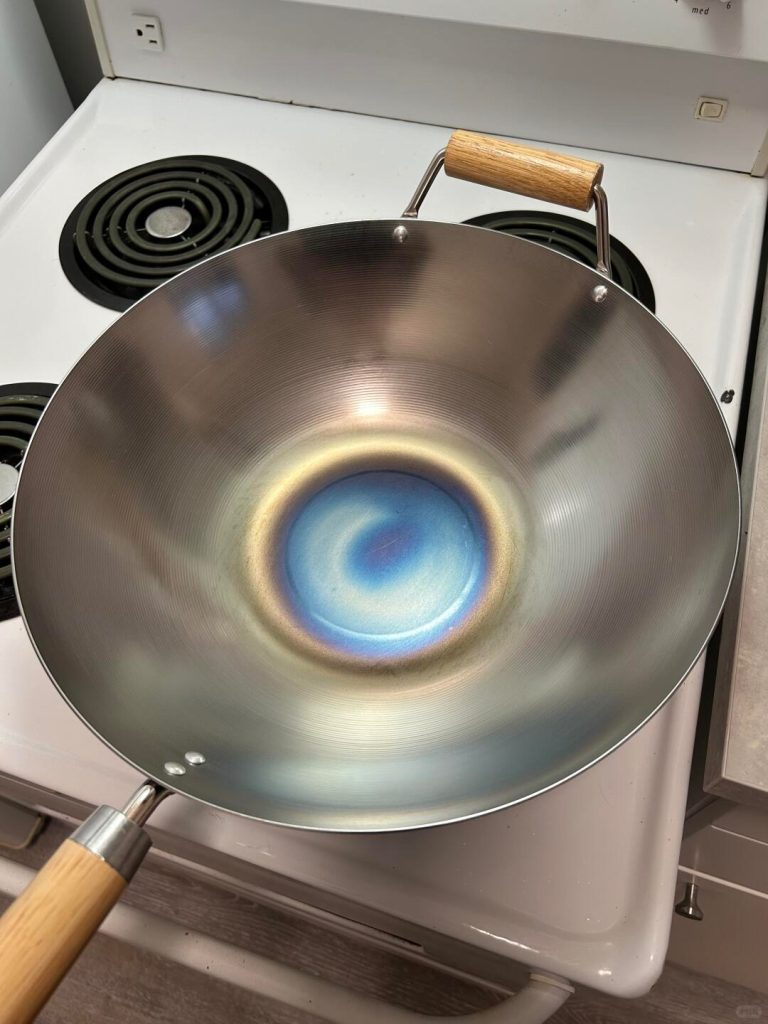
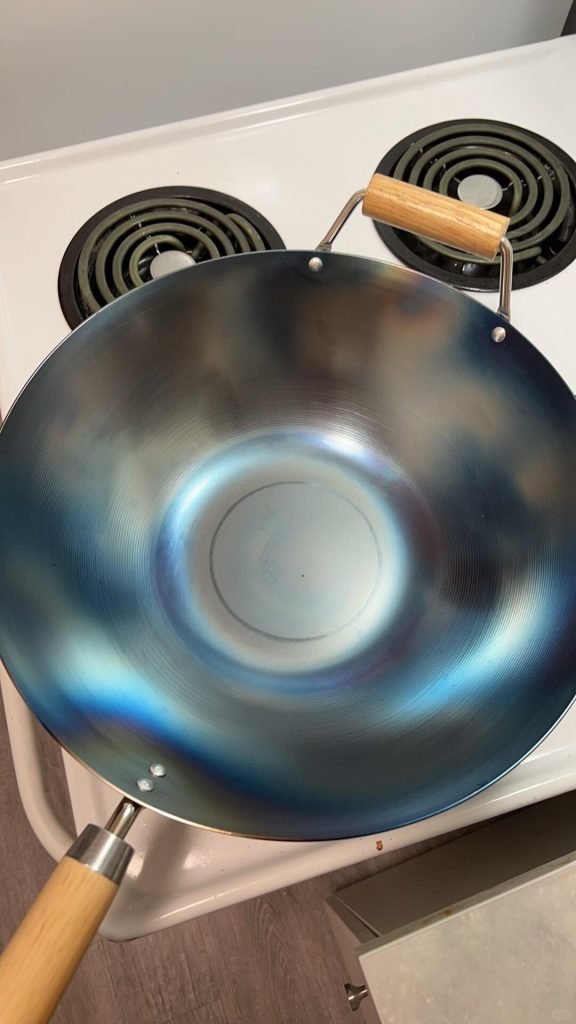
- The Blueing: Place the dry wok on high heat. Move it around. You should see the metal turn a rainbow of colors, eventually landing on a beautiful deep blue.
- The First Oil: Lower the heat. Add a tablespoon of high-smoke-point oil. Use a thick wad of paper towels and tongs to coat the entire interior.
- The Cool Down: Let it smoke for a minute, then wipe out the excess and let it cool. Repeat the oiling process 2–3 times until the surface looks like dark tea.
5 Common Wok Mistakes + Easy Fixes
| Mistake | Why It Happens | The Fix |
|---|---|---|
| Overcrowding the Pan | Adding too much food drops the temperature instantly. | Cook in small batches; meat first, then veggies, then combine. |
| Using Cold Meat | Cold protein sticks to even the best-seasoned steel. | Let your meat sit at room temperature for 15 minutes before cooking. |
| Afraid of the Smoke | If the oil isn’t shimmering, the “Wok Hei” won’t happen. | Heat the wok until a drop of water flicked on it dances and disappears. |
| Scrubbing with Soap | Soap strips the non-stick patina you worked hard to build. | Rinse with hot water and a soft brush; dry immediately on the stove. |
| The “Steaming” Effect | Adding sauce too early or too much of it. | Drizzle sauce down the sides of the wok to caramelize it before it hits the food. |
导出到 Google 表格
Pro Tips for the Home Cook
If you are struggling with “tough” meat, you should learn how to velvet chicken for stir fry using cornstarch and egg white; it’s a restaurant secret for that silky texture. Additionally, don’t worry if your stove isn’t a high-BTU burner. You can still how to control wok hei at home by preheating your carbon steel for a full 2–3 minutes before adding oil. This “thermal mass” compensates for the weaker flame. Also, watch your timing—if you’ve ever wondered why does garlic burn so fast, it’s usually because it was added to a dry, white-hot spot in the pan.+1
Variations for Every Kitchen
- Electric/Induction: If you use a flat-top stove, a flat-bottomed wok is mandatory. Round-bottom woks require a wok ring which distances the pan too far from the heating element.
- Vegetarian: For a plant-based non-stick experience, use slightly more oil during the first few months of seasoning to help the patina build faster without animal fats.
The Ultimate Wok Test: Simple Soy Sauce Fried Rice
Once your wok is seasoned, try this simple recipe to test the patina.
- Prep: 2 cups of day-old jasmine rice. Using the best rice for fried rice is essential—fresh rice is too wet.
- Heat: Get the wok smoking. Add 2 tbsp oil.
- Cook: Add 2 beaten eggs; they should puff up immediately. Add the rice.
- Sensory Signal: You should hear a constant “crackle” like tiny fireworks. If it sounds silent, your pan isn’t hot enough.
- Finish: Add 1 tbsp light soy sauce and a pinch of white pepper. Toss for 2 minutes. If the rice doesn’t stick, congratulations—your wok is officially seasoned.
FAQ: Caring for Your Carbon Steel
Q: My wok has rust spots! Do I throw it away? A: Never. Just scrub the rust off with steel wool, dry it over a flame, and re-apply a thin layer of oil.
Q: Can I cook acidic foods like tomatoes in it? A: Avoid it during the first few months. Acids strip the young seasoning. Once the wok is black and seasoned, it’s fine for quick tosses.
Q: Why is my wok turning black? A: That’s the goal! Black means it’s becoming naturally non-stick.
Q: Is 14 inches too big for a single person? A: No. A 14-inch wok provides the surface area needed to move food around without it spilling over the sides.
Q: What if the rice still sticks? A: You likely had too much moisture. Review why is my fried rice sticky to troubleshoot your rice-to-water ratios and cooling process.







Leave a Reply