There is a specific aroma that defines my childhood weekends: the nutty, toasted scent of rice and Sichuan peppercorns hitting a hot wok. Fen Zheng Pai Gu (粉蒸排骨), or Steamed Pork Ribs with Toasted Rice Powder, is a cornerstone of Chinese home cooking. While many reaching for pre-packaged rice powder, nothing compares to the depth of flavor you get from making it yourself.

If you’ve enjoyed my Oven-Baked Garlic Ribs or Braised Pork Ribs with Eggs, you will appreciate the unique “melt-in-your-mouth” texture that steaming provides. This recipe creates a velvety coating of rice that absorbs the savory juices of the pork, while the taro underneath turns into a buttery, flavor-soaked delight.+1
What Is Fen Zheng Pai Gu?
Fen Zheng Pai Gu is a traditional dish popular across Sichuan, Hubei, and Hunan provinces. It consists of marinated pork ribs coated in a coarse, toasted rice flour and steamed until the meat literally falls off the bone. The “powder” is not a fine flour, but a textured meal that creates a succulent barrier, trapping moisture inside the meat.
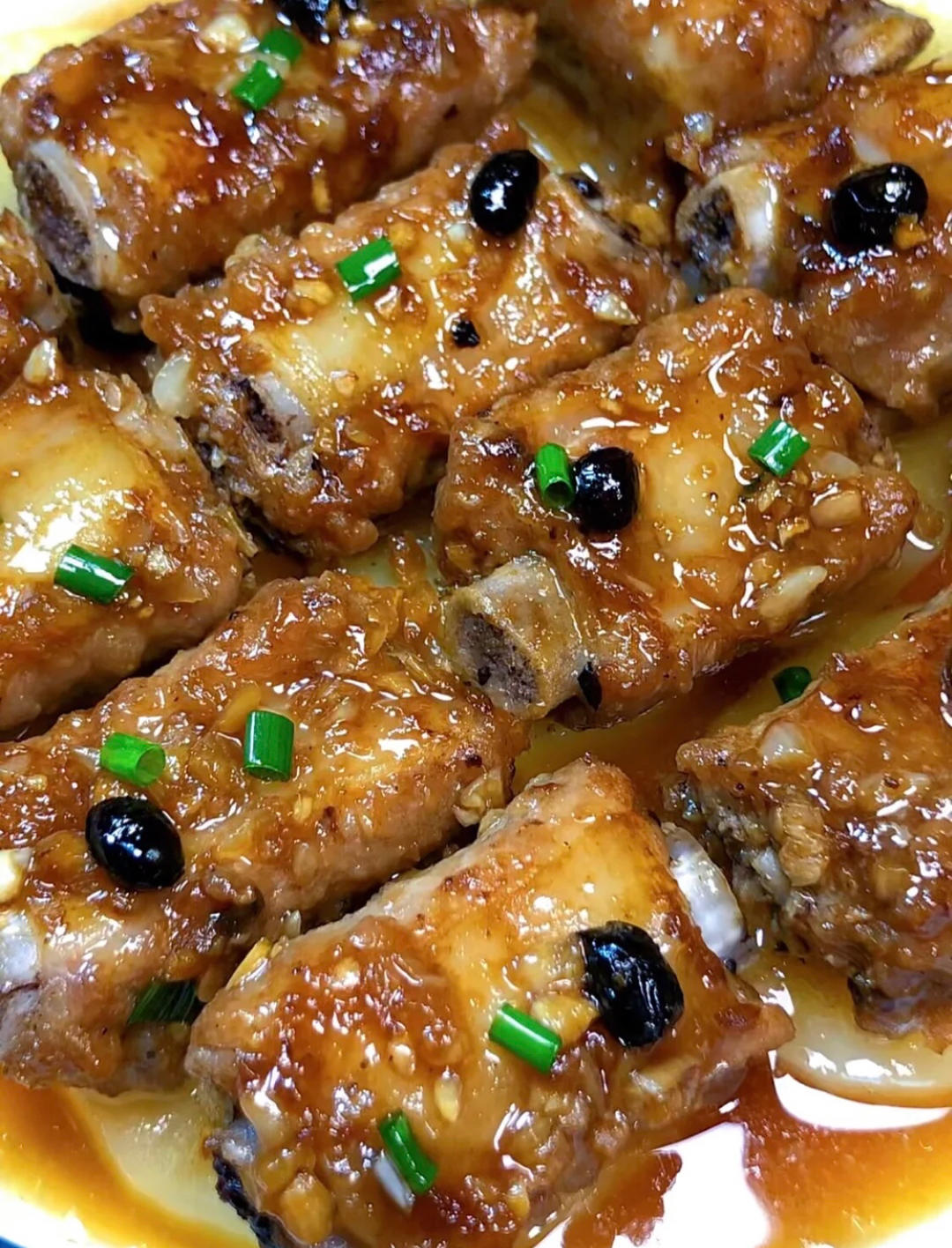
Similar Recipe Note If you enjoy the tenderness of steamed pork but prefer a different flavor profile, you might also want to try our Steamed Pork Ribs with Black Bean Sauce, which offers a more fermented, salty punch compared to the nutty, spiced profile here.
1Steamed Pork Ribs with Black Bean Sauce (Dim Sum Style)Tender, juicy pork ribs steamed with savory fermented black beans and garlic on a bed of soft potatoes. An authentic Cantonese dim sum classic made easy for home cooks.Check out this recipe
Ingredients
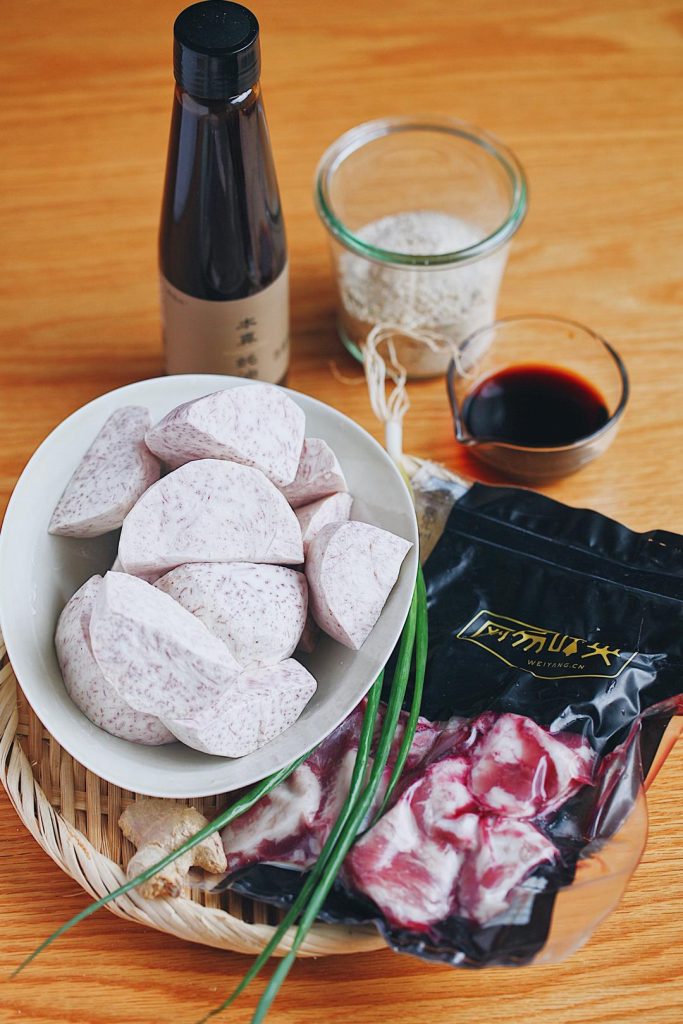
For the Toasted Rice Powder (Mǐ Fěn)
- White Rice: 100g (approx. 1/2 cup). Standard long-grain or jasmine rice works best.
- Sichuan Peppercorns: 20 grains. Essential for that “soul” aroma.
- Star Anise: 1 piece.
- Dried Chilies: 2 pieces.
- Salt: 1 tsp.
For the Pork and Taro
- Pork Ribs: 350g (approx. 0.8 lbs). Use “front ribs” (pork loin ribs) for a better fat-to-meat ratio.
- Lipu Taro: 400g (approx. 0.9 lbs). Can be substituted with sweet potato or pumpkin.
- Aromatics: Scallions, ginger, and garlic (minced, about 1 tbsp each).
- Shaoxing Wine: 1 tbsp.
- Soy Sauce: 1 tbsp.
- Oyster Sauce: 1 tbsp.
- Sugar: 1 tsp.
- Salt: 1/2 tsp.
- Fermented Bean Curd Juice (Optional): 1 tbsp. This adds a deep umami red-hued “Fermented” flavor.
- White Pepper: A pinch.
Equipment Needed
- Wok or Skillet: For toasting the rice. Make sure you know how to season a wok properly to prevent sticking.
- Spice Grinder or Blender: To crush the toasted rice.
- Bamboo Steamer: For even heat distribution and a touch of woody fragrance.
- Meat Thermometer: To ensure the pork reaches a safe internal temperature.
Prep & Mise en Place
- Soak the Ribs: Place the ribs in a bowl of cold water for 1 hour, changing the water 2–3 times.This process, known as “leaching,” is critical for removing residual blood and gamey odors without parboiling, which would toughen the meat.
- The Taro Base: Peel and cut the taro into 1-inch (2.5 cm) cubes. Handle taro with gloves if you have sensitive skin, as the calcium oxalate can cause itching.
Cooking Process
1. The Toasted Rice Powder
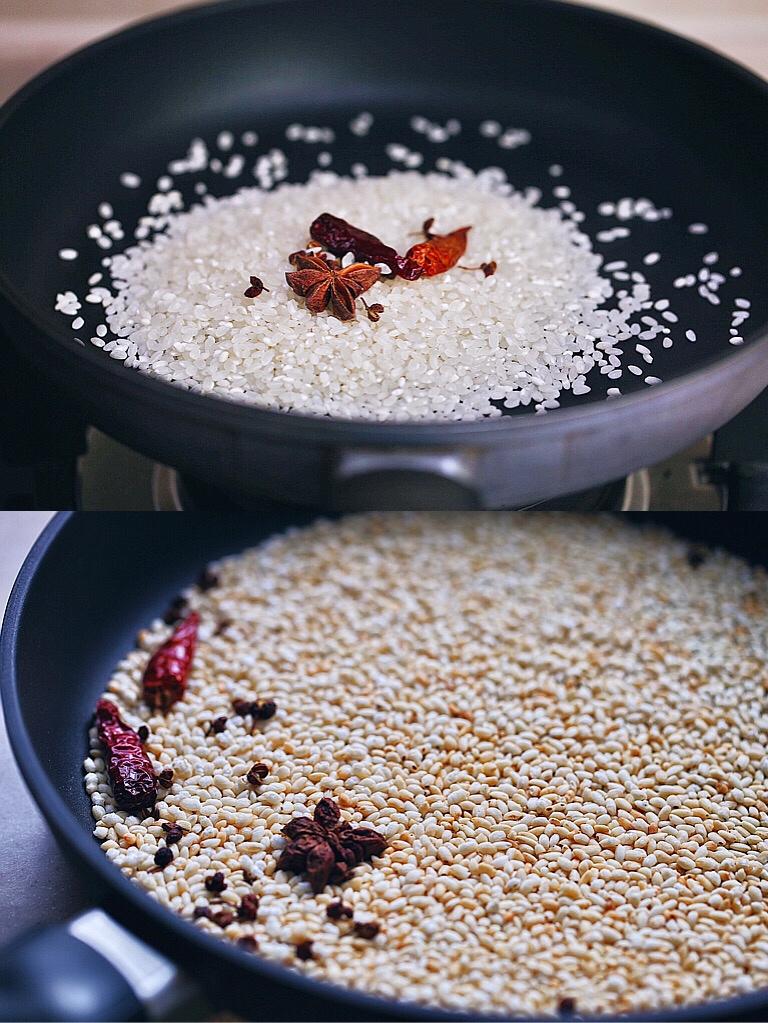
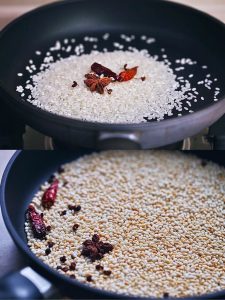
In a dry wok over medium-low heat, add the rice, Sichuan peppercorns , star anise, dried chilies, and salt. Stir-fry constantly until the rice turns a light golden brown and smells like popcorn.+1
The Science of Toasting: This is the Maillard Reaction in action. By heating the starch and amino acids in the rice without water, we create new, complex flavor compounds that aren’t present in raw rice.
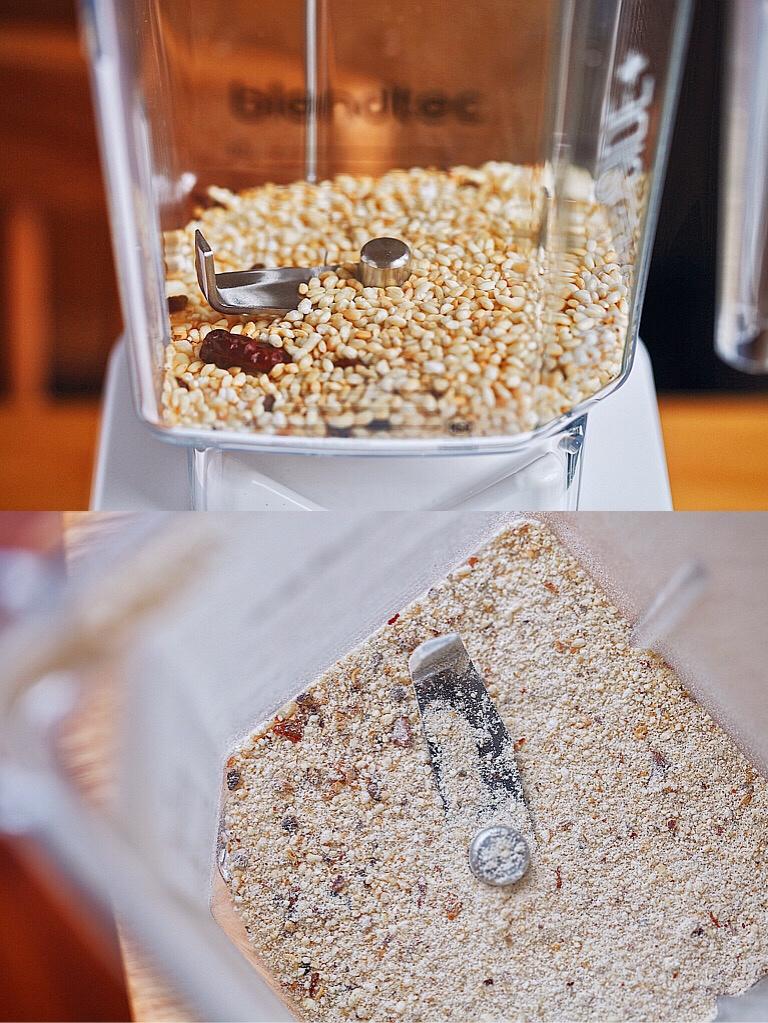
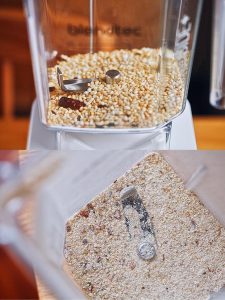
Once cooled, pulse in a blender until it resembles coarse cornmeal. Do not grind it into a fine powder, or the final dish will be gummy rather than fluffy.
2. Marinating the Meat
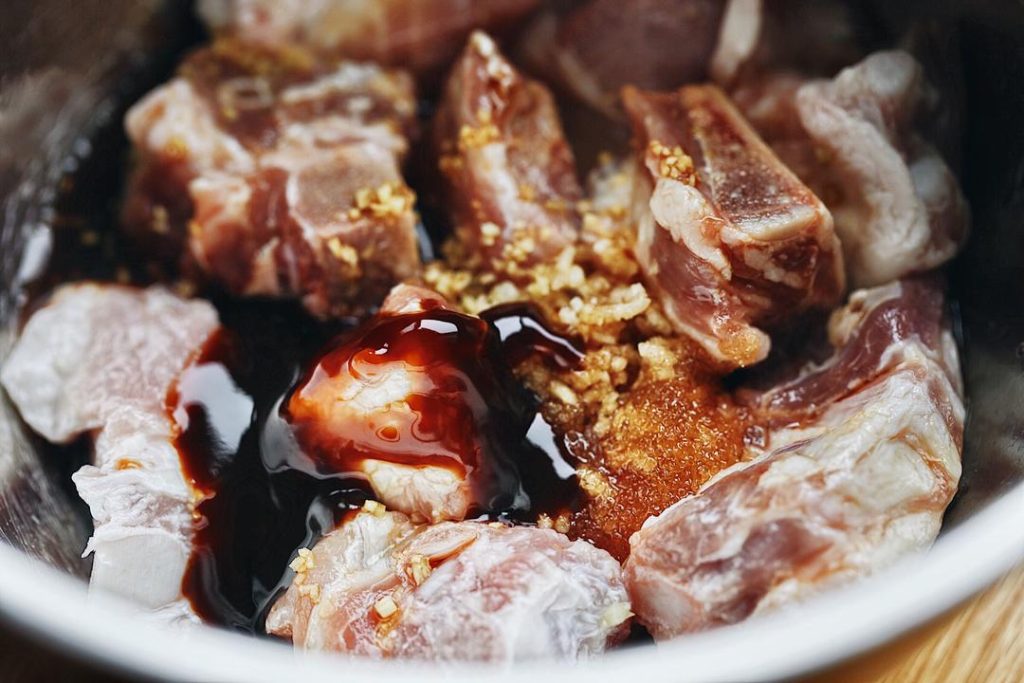
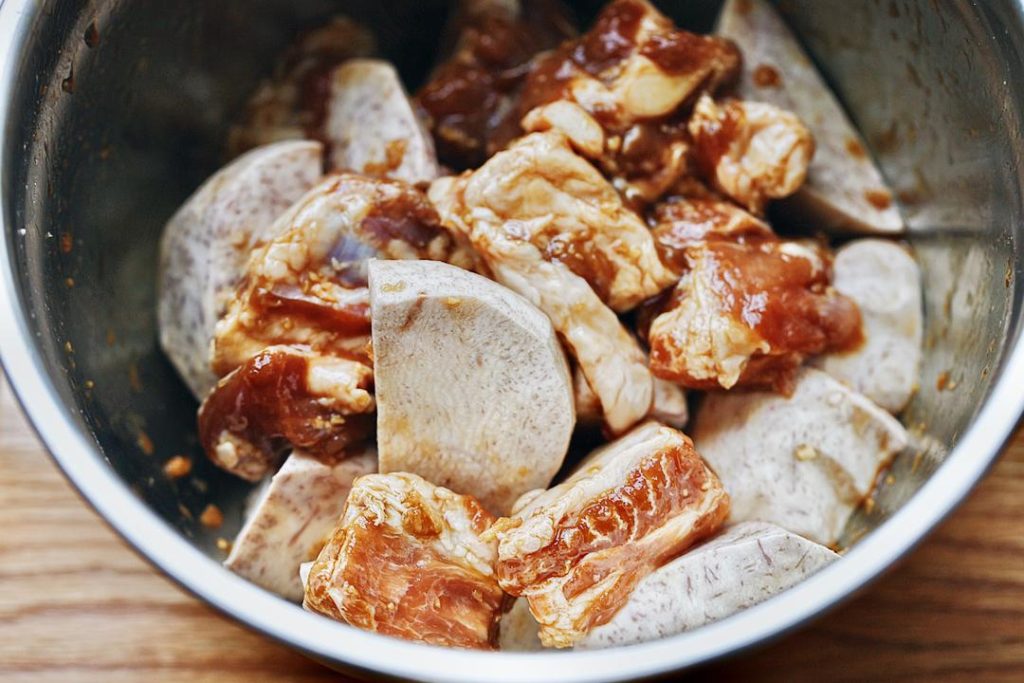
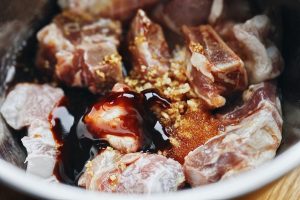
Drain the ribs and pat them dry. Combine them with the ginger, garlic, wine, soy sauce, oyster sauce, sugar, salt, and fermented bean curd juice. Add the taro cubes into the same marinade to ensure they aren’t bland. Let this marinate for at least 1 hour, or overnight in the fridge for the best flavor.
3. Coating and Assembly
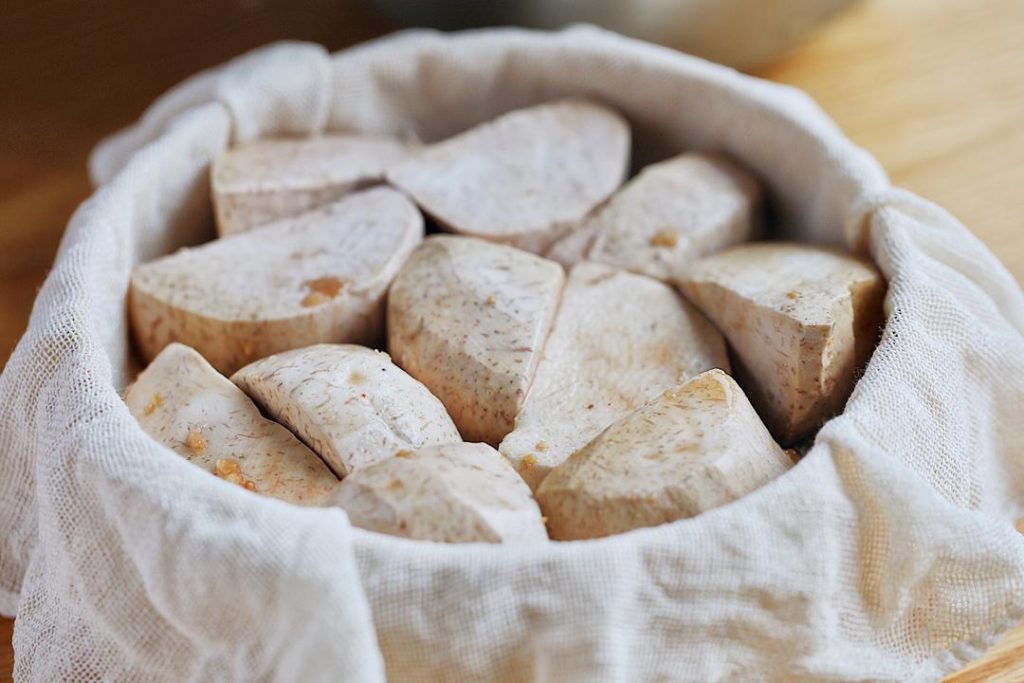
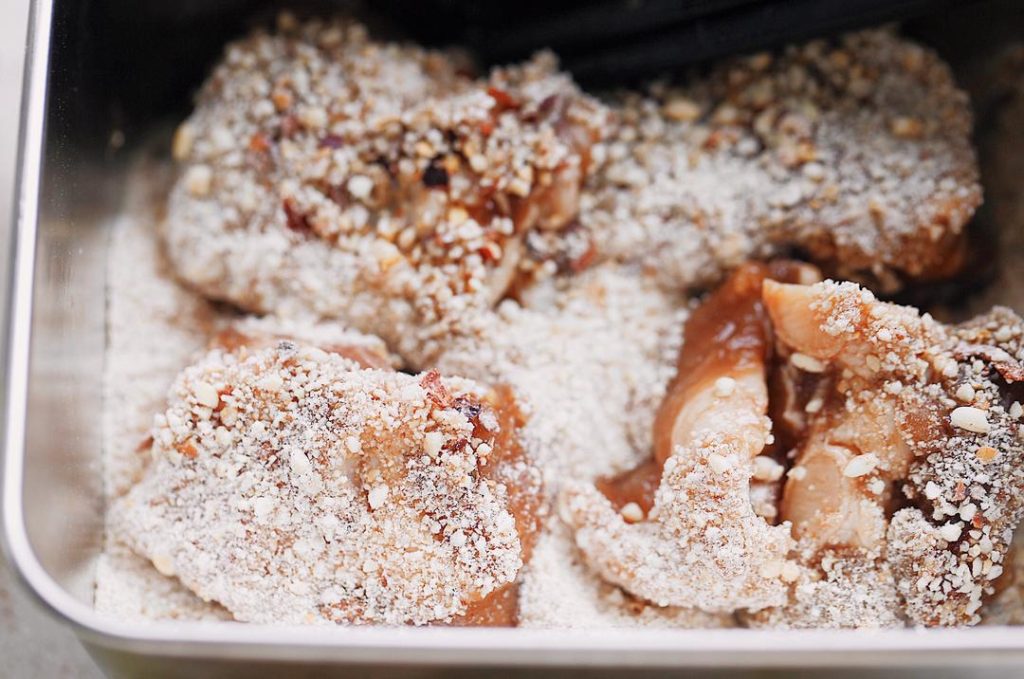
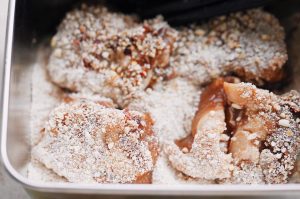
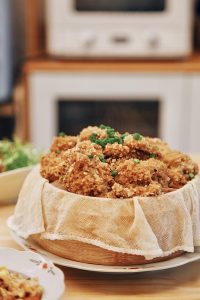
Prepare your steamer. Line a bamboo steamer with cheesecloth or large cabbage leaves. Place the marinated taro at the bottom. Dredge each pork rib individually through the rice powder, pressing firmly to ensure an even, thick coat. Arrange the ribs on top of the taro. Pour any leftover marinade over the top.
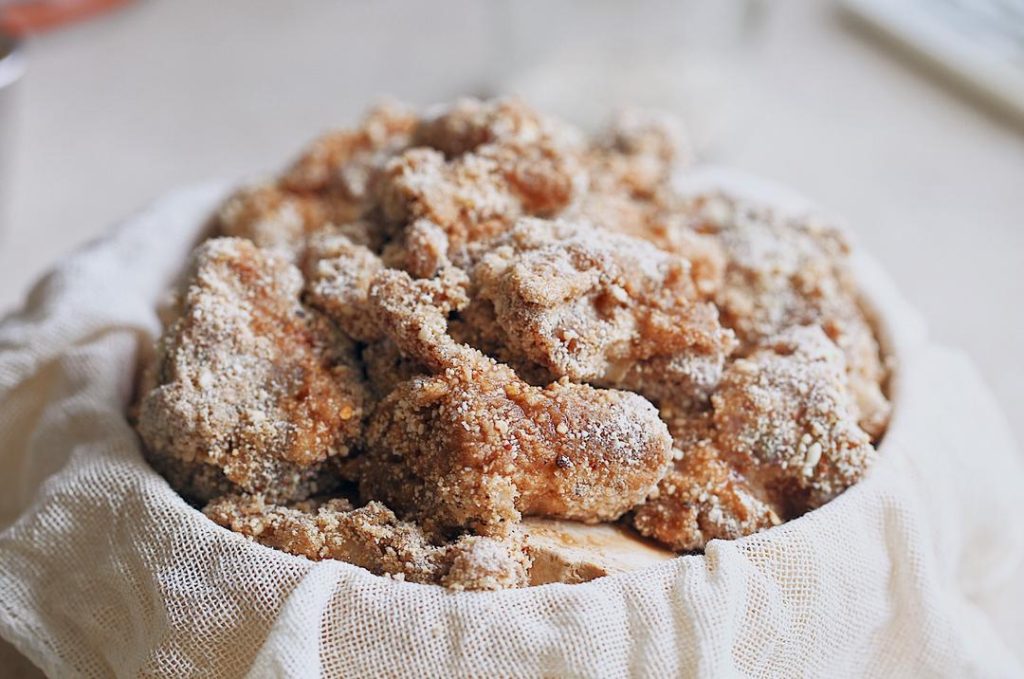
4. The Steaming Step
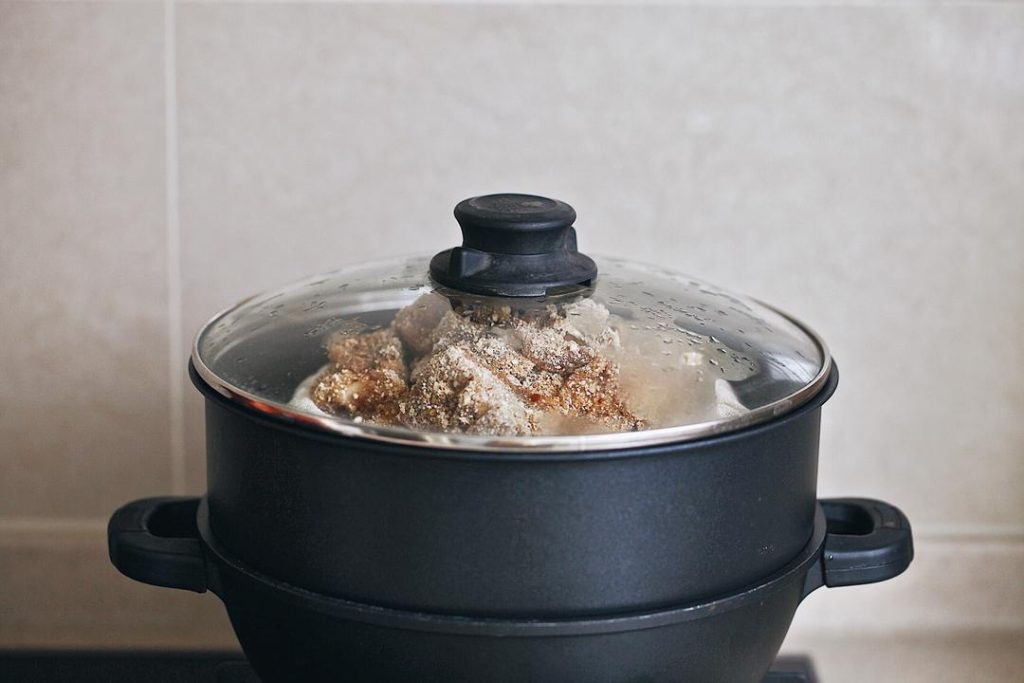
Bring a large pot of water to a rolling boil. Place the steamer on top and steam over medium heat for 60 minutes.
Important: Check the water level every 20 minutes. Always top up with boiling water, never cold water, to maintain a consistent steaming temperature.
Why This Recipe Works
- Textural Contrast: The toasted rice creates a “buffer” that softens as it steams, creating a texture similar to a Savory Minced Pork Sauce but in a solid form.
- Fat Integration: As the ribs steam, the fat renders out and is absorbed by the taro below, making the taro incredibly rich and flavorful.
- Fragrance: The inclusion of whole spices during the rice-toasting phase infuses the entire dish with a subtle, smoky heat.
Common Mistakes When Making Steamed Pork Ribs
- Grinding Rice too Fine: If the rice becomes flour, the steam cannot penetrate efficiently, resulting in a “pasty” and dense coating.
- Skipping the Soak: Failing to soak the ribs leads to a “cloudy” flavor and dark, unappealing meat.
- Dry Rice Coating: If the ribs look dry after 30 minutes of steaming, lightly mist the surface with water. This helps with the starch gelatinization process.
Frequently Asked Questions
- Can I use store-bought rice powder? Yes, but ensure it is “Toasted Rice Powder” (Bột Thính) and not just rice flour.
- Can I use Pork Belly instead? Absolutely. This method is often used for “Fen Zheng Rou” (Steamed Pork Belly).
- Is it Gluten-Free? As long as you use a gluten-free soy sauce and oyster sauce, this dish is naturally gluten-free.
About the Author & Recipe Development
I’m Lin, and I’ve spent years adapting traditional Chinese banquet dishes for the modern home kitchen. This specific recipe was tested four times to find the perfect ratio of rice to meat. I found that using front ribs provides just enough fat to keep the rice powder moist without being overly greasy. My goal is to ensure that even if you’re thousands of miles from a Sichuan kitchen, the flavors remain authentically yours.
Authoritative References
- Meat Safety: The USDA recommends cooking pork to an internal temperature of 145°F (63°C) followed by a three-minute rest for safety. USDA Food Safety Guidelines
- Starch Science: For a deeper understanding of how rice powder behaves under steam, refer to the principles of Starch Gelatinization.
Nutrition & Safety Notice
Nutrition Disclaimer: Nutrition information is an estimate and provided for informational purposes only. One serving (approx. 1/4 of the recipe) contains roughly 450 calories, 28g fat, and 35g carbohydrates. Safety Warning: Raw taro contains calcium oxalate crystals, which can cause severe skin irritation. Always wash your hands after handling raw taro or wear gloves. Ensure the pork reaches a safe internal temperature of at least 145°F (63°C).
How to Serve
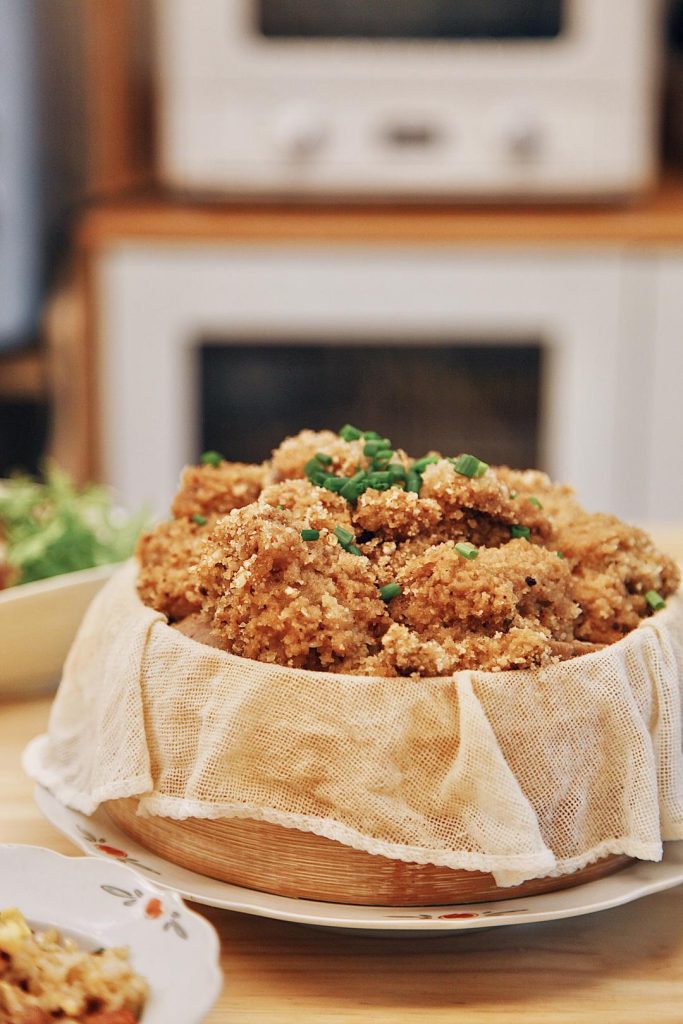
Serve this steaming hot in the bamboo basket. It pairs perfectly with:
- Simple Clear Beef Noodle Soup to balance the richness.
- A crisp Easy Smashed Cucumber Salad for acidity.
- Fluffy white rice to soak up any remaining savory juices.
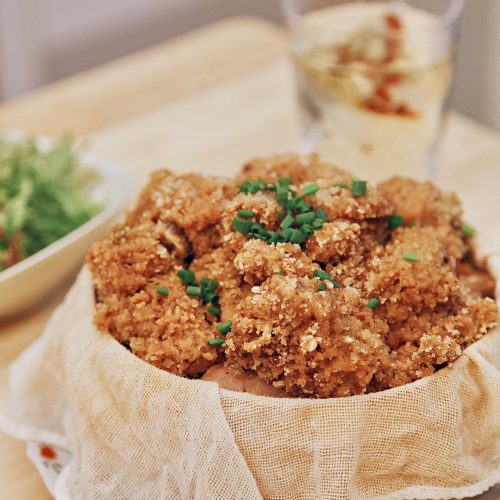
Authentic Steamed Pork Ribs with Taro (Fen Zheng Pai Gu)

Equipment
- Bamboo Steamer
- Wok
- Spice Grinder
Ingredients
- 350 g Pork Ribs approx 0.8 lbs, cut into small pieces
- 400 g Lipu Taro approx 0.9 lbs, peeled and cubed
- 100 g White Rice approx 1/2 cup
- 20 grains Sichuan Peppercorns
- 1 Star Anise
- 1 tbsp Shaoxing Wine
- 1 tbsp Soy Sauce
- 1 tbsp Oyster Sauce
- 1 tsp Sugar
- 1 tbsp Fermented Bean Curd Juice optional but recommended
Instructions
- Soak pork ribs in cold water for 1 hour to remove blood. Pat dry.
- In a dry wok, toast rice, Sichuan peppercorns, star anise, and dried chilies over medium-low heat until golden and fragrant.

- Pulse the toasted mixture in a grinder into a coarse meal. Do not over-process into fine powder.
- Marinate ribs and taro with soy sauce, wine, oyster sauce, garlic, ginger, sugar, and bean curd juice for at least 1 hour.

- Line a steamer with taro. Dredge each rib in the rice powder and place on top of the taro.

- Steam over medium heat for 60 minutes. Garnish with scallions and serve.







Leave a Reply