Growing up in my family’s kitchen in Sichuan, we had a name for this specific type of dish: Wan Neng (万能), which translates loosely to “universal” or “all-purpose.” While my father spent hours perfecting complex broths for the restaurant, my mother often relied on this Savory Minced Pork Sauce (Rou Mo Jiang) to keep the family fed during busy shifts.
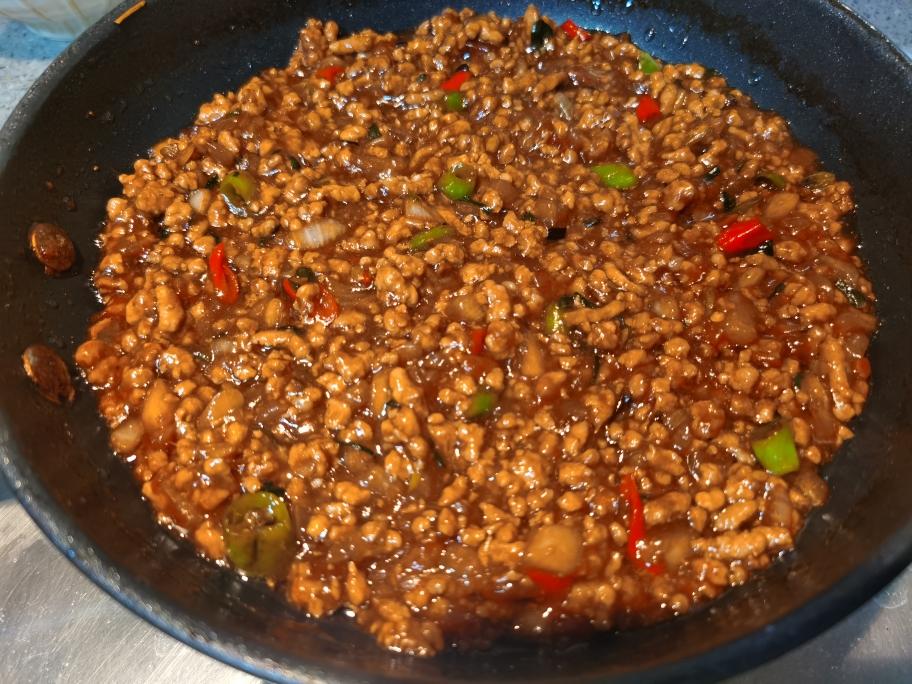
It is humble, salty, savory, and incredibly versatile. In China, we joke that a jar of this sauce can save any meal. It turns a plain bowl of steamed white rice into a feast, transforms boiled noodles into a savory delight, and is the perfect dipping companion for fluffy steamed buns (mantou).
Today, I’m sharing this “tear-jerkingly delicious” (as the original recipe describes it!) family staple. It relies on the deep umami of soybean paste and the brightness of fresh peppers to create a sauce that is rich, glossy, and deeply satisfying.
Why This Recipe Works
- Layered Umami: By combining light soy sauce, dark soy sauce, oyster sauce, and soybean paste (Huang Dou Jiang), we create a flavor profile that is far deeper than using salt alone.
- Texture Contrast: The crunch of the diced onions and the heat from the fresh peppers cut through the richness of the pork fat, ensuring the sauce isn’t too heavy.
- The “Universal” Factor: The final thickening step with cornstarch slurry gives the sauce a clingy, glossy texture that adheres perfectly to noodles or rice grains.
What is Savory Minced Pork Sauce?
Rou Mo Jiang (肉沫酱) literally means “Minced Meat Sauce.” Unlike a Western ragù which might be tomato-based, this is a soy-based condiment. It sits somewhere between a dish and a dipping sauce. In Sichuan and other parts of China, every household has its own version—some spicy, some sweet. This version focuses on the savory depth of Soybean Paste and the fresh heat of chilies.
Key Ingredients & Substitutions
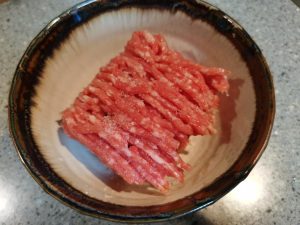
- Minced Meat (Ground Pork): I recommend ground pork with a bit of fat (80/20 ratio) for the best texture. You can substitute ground chicken or beef, but pork offers that traditional tenderness.
- Soybean Paste (Huang Dou Jiang): This is the soul of the sauce. It adds a fermented, salty bean flavor. If you cannot find Chinese Soybean Paste, you can substitute with Sweet Bean Sauce (Tian Mian Jiang) for a sweeter version, or even a mix of Miso and a teaspoon of sugar.
- Chilies:
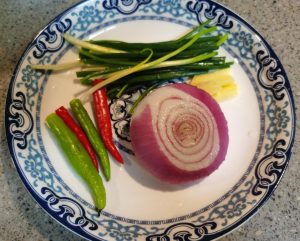
- Line Pepper (Xian Jiao): These are long, green, and moderately spicy. You can substitute with Anaheim peppers or long green hot peppers found in Asian markets.
- Millet Pepper (Xiao Mi La): These are small red chilies that pack a punch. Thai Bird Eye chilies are the best substitute. Adjust the amount based on your heat tolerance.
- Onion: A regular yellow or purple onion works here. It adds natural sweetness to balance the salty pastes.
Note on Soy Sauce: We use Light Soy Sauce for savory saltiness (Kikkoman is fine) and Dark Soy Sauce mainly for that rich, caramel color.
Recipe Notes Before You Start
- Mise en Place: This stir-fry moves fast. Have your sauce mixed and your vegetables chopped before you turn on the heat.
- Wok Temperature: We want to sear the aromatics, not steam them. Ensure your oil is hot enough that the scallions sizzle immediately upon contact.
- Starch Water: The cornstarch slurry will settle quickly. Give it a stir right before pouring it into the pan to ensure a smooth, glossy sauce.
Ingredients
The Meat & Marinade:
- 10.5 oz (300g) Ground pork (minced meat)
- 1 tbsp Shaoxing wine (or dry sherry)
- ¼ tsp Salt
The Aromatics:
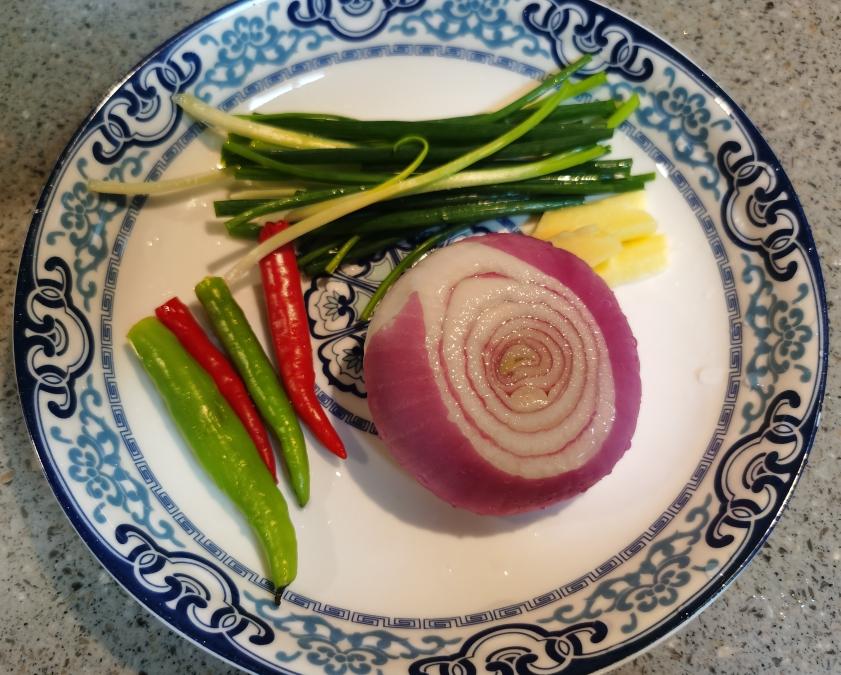
- 1 small Onion, finely diced
- 2 Long Green Peppers (Line peppers), diced
- 2 Thai Bird Eye Chilies (Millet peppers), diced (optional for heat)
- 1 tbsp Ginger, minced
- 1 tbsp Scallion (green onion), chopped
- 2 tbsp Cooking oil (vegetable or canola)
The Sauce Mix:
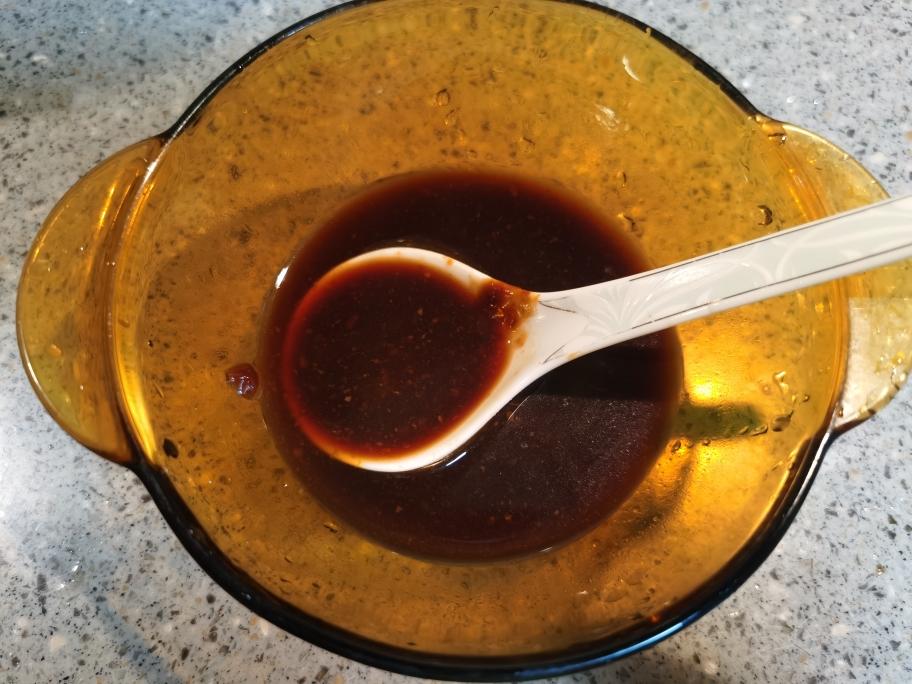
- 1 tbsp Light soy sauce
- 1 tbsp Oyster sauce
- ½ tbsp Dark soy sauce
- 2 tbsp Soybean paste (Huang Dou Jiang)
- 2 tbsp Shaoxing wine
The Thickener:
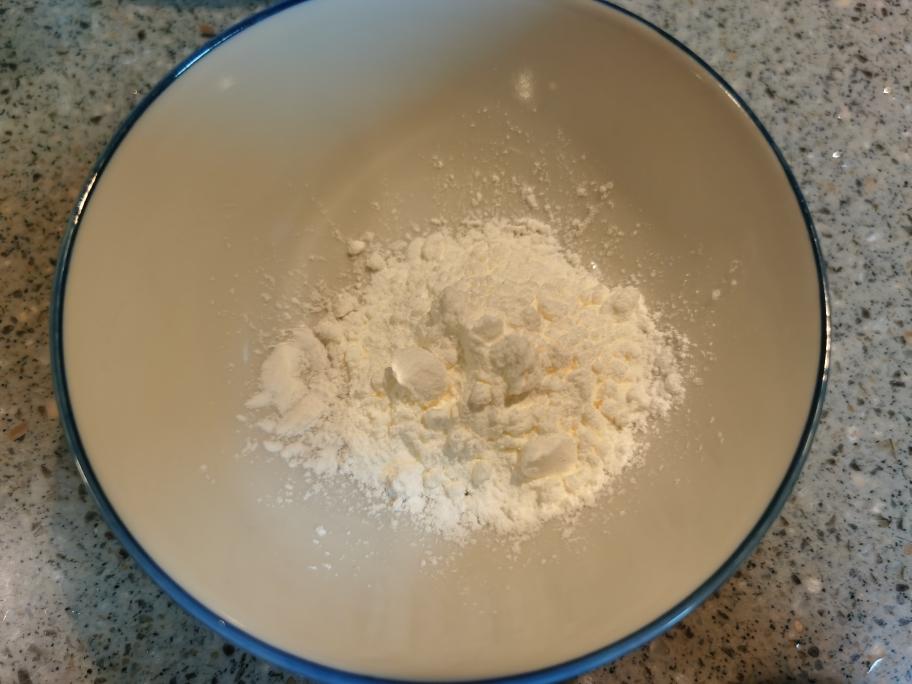
- 2 tbsp Cornstarch (mixed with 2-3 tbsp water)
How to Make Savory Minced Pork Sauce
Step 1: Marinate the Meat
In a bowl, combine the 10.5 oz ground pork, 1 tbsp Shaoxing wine, and ¼ tsp salt. Mix well and let it marinate for at least 20 to 30 minutes.

Why? This short marination (a simplified velveting) ensures the meat has flavor from the inside out and removes any “gamey” odor.
Step 2: Prepare Aromatics & Sauce
While the meat marinates, finely dice the onion, long green peppers, Thai chilies, ginger, and scallions. In a separate small bowl, mix the cornstarch with water to create a slurry. Set aside. In another bowl, whisk together the light soy sauce, oyster sauce, dark soy sauce, soybean paste, and the second portion of Shaoxing wine.
Step 3: Infuse the Oil
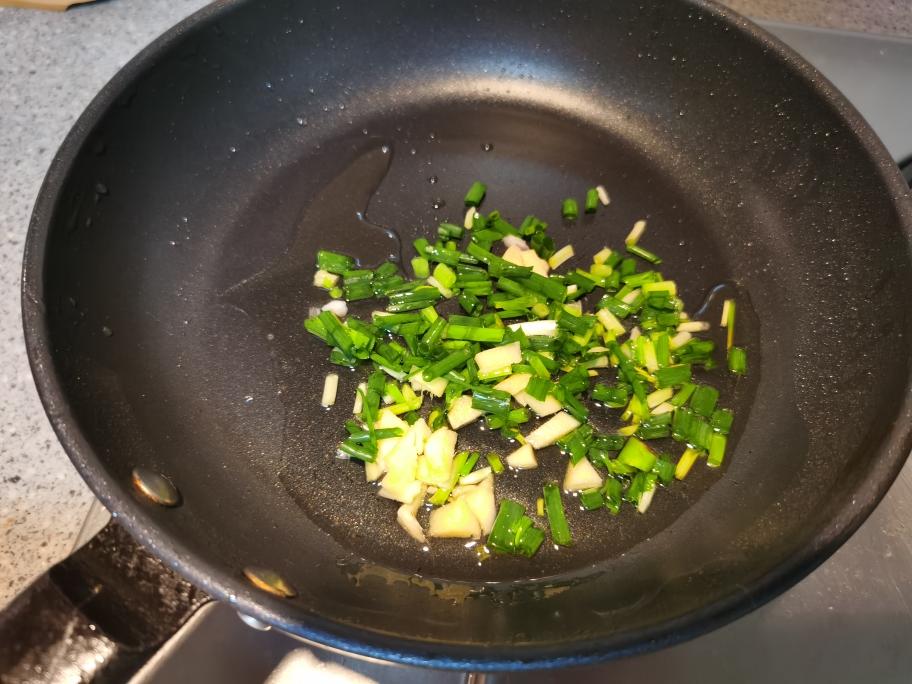
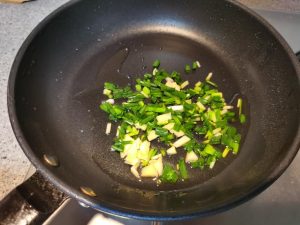
Heat your wok or large skillet over medium-high heat. Add 2 tbsp oil. When the oil is shimmering, add the minced ginger and scallions. Stir-fry for about 30 seconds until fragrant (bao xiang).
Step 4: Cook the Pork
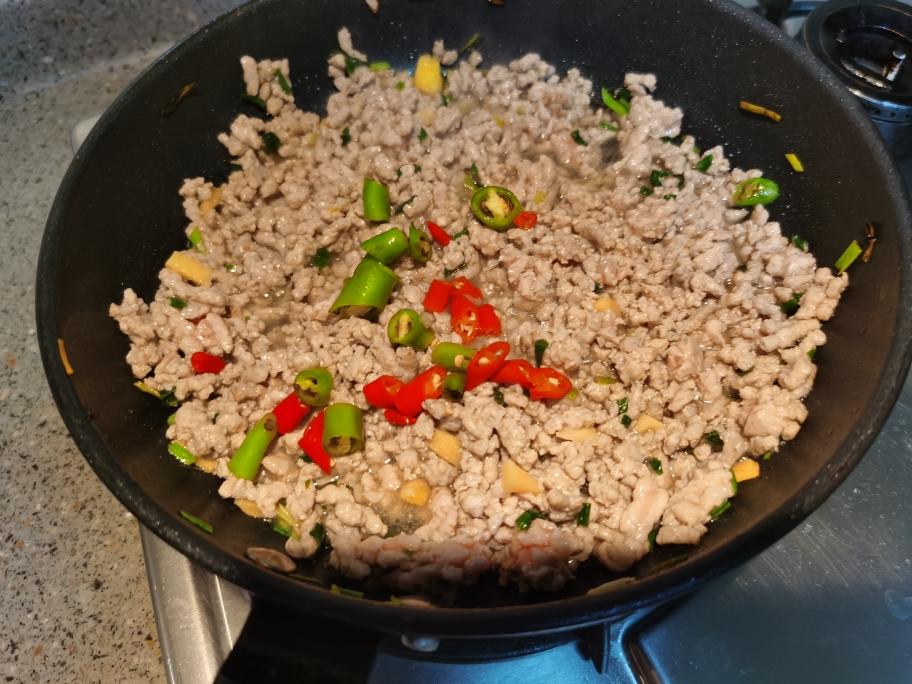
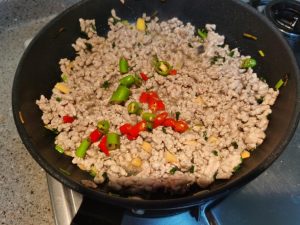
Add the marinated ground pork to the pan. Use your spatula to break up any clumps immediately. Stir-fry until the meat changes color from pink to pale/brown and the fat begins to render.
Step 5: Add Peppers
Toss in the diced long green peppers and Thai chilies. Stir-fry for about 2 minutes. You want the peppers to soften slightly and release their spicy aroma into the oil.
Step 6: Braise with Sauce
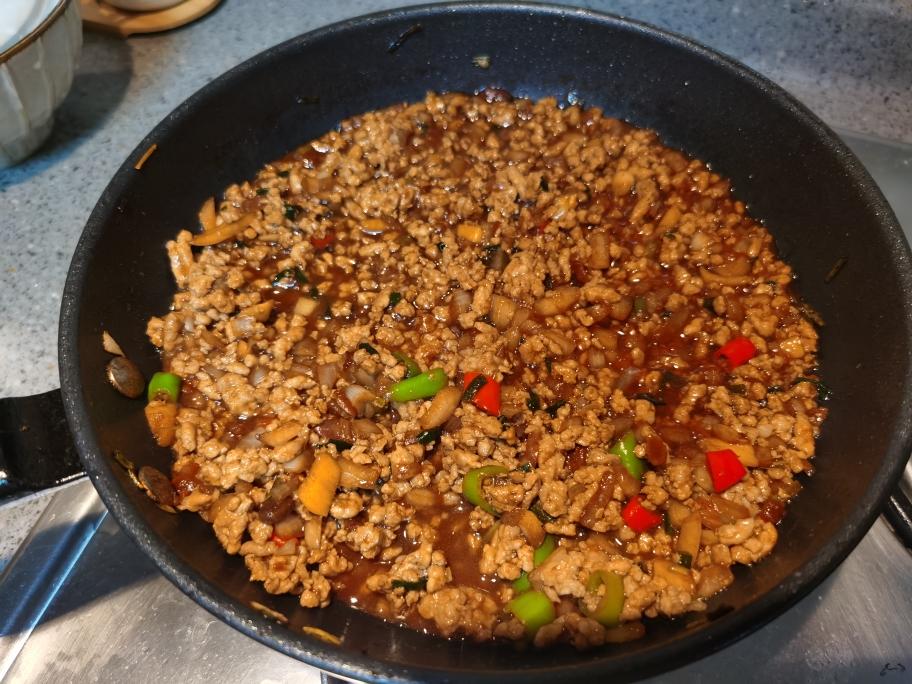
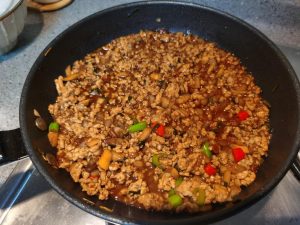
Add the diced onion and pour in your pre-mixed Sauce Liquid (soy sauces, oyster sauce, bean paste, wine). Stir constantly for about 3 minutes. The onions should soften, and the sauce should bubble vigorously, coating every piece of meat.
Step 7: Thicken and Serve
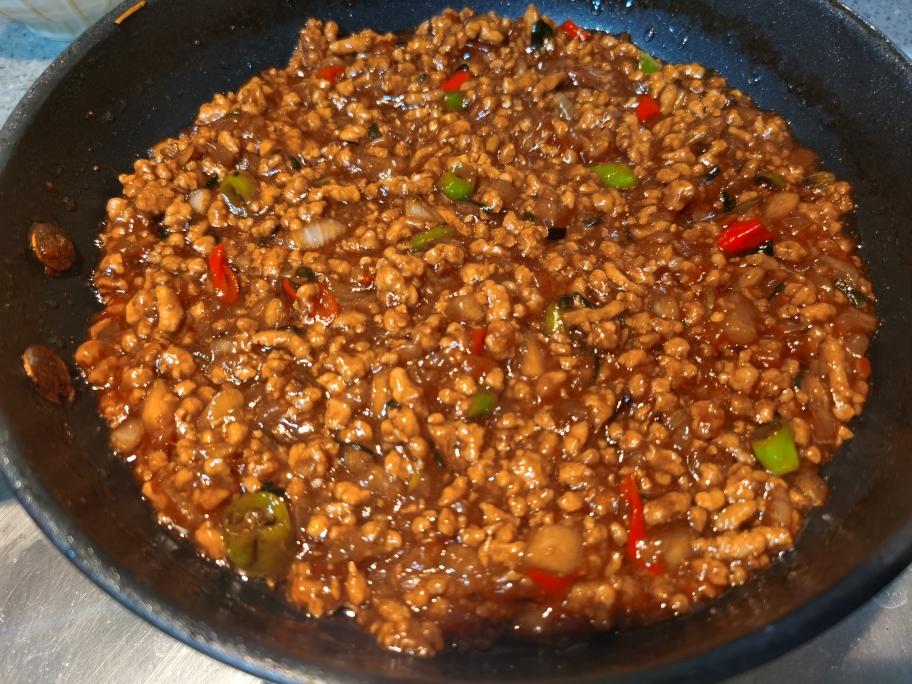
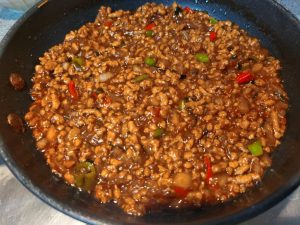
Give your cornstarch slurry a quick stir (starch settles!), then pour it into the bubbling mixture. Continue to stir-fry for another 2 minutes. Visual Cue: You are looking for the sauce to tighten up and become glossy. It should coat the back of a spoon easily. If it is too thick, add a splash of water.
Turn off the heat. The smell should be irresistible—savory, nutty from the bean paste, and slightly spicy.
Serving Suggestions
This truly is a “universal” sauce. Here is how we enjoy it:
- Rice Bowl: Ladle a generous scoop over steaming jasmine rice.
- Noodles: Mix it into boiled wheat noodles for a quick Zha Jiang Mian style lunch. (See also my Steamed Noodles for inspiration).
- Buns: Use it as a savory dip for plain steamed buns (mantou) or even Scallion Pancakes.
- Vegetables: Spoon it over blanched lettuce or broccoli.
FAQ & Troubleshooting
Q: My sauce is too salty. What can I do?
A: Soybean paste and soy sauce can vary in sodium levels. If it tastes too salty, add a teaspoon of sugar or a splash of water to balance it out. This is why we add salt only to the marinade, not the sauce mix.
Q: Can I keep this in the fridge?
A: Absolutely. This sauce acts like a preserve. Store it in an airtight container in the refrigerator for up to 4-5 days. Reheat it in a pan or microwave before eating; the fat may solidify when cold, which is normal.
Q: Can I use a different paste?
A: Yes. If you have Doubanjiang (Spicy Broad Bean Paste), you can use that for a Sichuan kick (like in Mapo Tofu), but traditional Wan Neng sauce uses the milder, savory Soybean Paste.
Nutrition Information (Estimate per serving)
- Calories: 280 kcal
- Carbohydrates: 12g
- Protein: 18g
- Fat: 18g
- Saturated Fat: 5g
- Cholesterol: 45mg
- Sodium: 980mg
- Fiber: 2g
- Sugar: 4g
(Disclaimer: Nutrition information is calculated using an ingredient database and should be considered an estimate. Actual values may vary depending on the specific brands of soybean paste and soy sauce used. Garnishes and optional ingredients are not included.)
Food Safety & Allergens
- Cook Thoroughly: Ground pork must reach an internal temperature of at least 160°F (71°C) to ensure it is safe to eat.
- Allergens: This recipe contains Soy and Gluten (found in soy sauce, oyster sauce, and soybean paste). For a gluten-free version, ensure you use Gluten-Free Tamari and a certified gluten-free bean paste.
- Sodium Warning: This condiment is naturally high in sodium due to the preserved bean pastes and soy sauces. It is intended to flavor a large amount of plain rice or noodles; please consume in moderation if monitoring salt intake.
Recipe Notes
Make it Spicy: For a true Sichuan-style kick, add 1 tablespoon of Chili Oil (La Jiao You) at the very end of cooking.
Storage & Reheating: This sauce acts like a preserve and keeps exceptionally well. Store leftovers in an airtight container in the refrigerator for up to 5 days. The fat may solidify when cold; simply reheat in a microwave or on the stovetop until bubbly and glossy again.
Adjusting Saltiness: Soybean pastes vary significantly in salt content. If your finished sauce tastes too salty, stir in 1 teaspoon of sugar or a splash of water to balance the flavors. Do not add extra salt during cooking, as the marinade and sauces provide enough.
Serving Versatility: While perfect for rice and noodles, this sauce is also excellent as a filling for lettuce wraps or a topping for steamed eggplant and tofu.
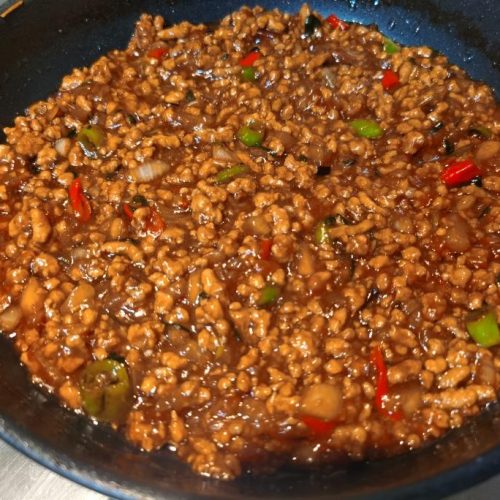
Savory Minced Pork Sauce (Wan Neng Rou Mo Jiang)

Equipment
- Wok or large skillet
- Knife and Cutting Board
Ingredients
The Meat & Marinade
- 10.5 oz ground pork (approx. 300g)
- 1 tbsp Shaoxing wine (or dry sherry)
- 1/4 tsp salt
The Aromatics
- 1 small onion finely diced
- 2 long green peppers (Line peppers), diced
- 2 Thai chilies (Millet peppers), diced (optional for heat)
- 1 tbsp ginger minced
- 1 tbsp scallion (green onion), chopped
- 2 tbsp cooking oil
The Sauce Mix
- 1 tbsp light soy sauce
- 1 tbsp oyster sauce
- 1/2 tbsp dark soy sauce
- 2 tbsp soybean paste (Huang Dou Jiang)
- 2 tbsp Shaoxing wine
The Thickener
- 2 tbsp cornstarch mixed with 2-3 tbsp water
Instructions
- Marinate the Meat: In a bowl, combine the ground pork, 1 tbsp Shaoxing wine, and 1/4 tsp salt. Mix well and let it marinate for at least 20 to 30 minutes.

- Prepare Aromatics & Sauce: While meat marinates, finely dice the onion, green peppers, Thai chilies, ginger, and scallions. In a small bowl, mix the cornstarch with water to create a slurry. In another bowl, whisk together the light soy sauce, oyster sauce, dark soy sauce, soybean paste, and the remaining 2 tbsp Shaoxing wine.

- Infuse the Oil: Heat your wok or large skillet over medium-high heat. Add 2 tbsp oil. When the oil is shimmering, add the minced ginger and scallions. Stir-fry for about 30 seconds until fragrant.
- Cook the Pork: Add the marinated ground pork to the pan. Use your spatula to break up any clumps immediately. Stir-fry until the meat changes color from pink to pale/brown and the fat begins to render.
- Add Peppers: Toss in the diced long green peppers and Thai chilies. Stir-fry for about 2 minutes. You want the peppers to soften slightly and release their spicy aroma into the oil.
- Braise with Sauce: Add the diced onion and pour in your pre-mixed Sauce Liquid. Stir constantly for about 3 minutes. The onions should soften, and the sauce should bubble vigorously, coating every piece of meat.
- Thicken and Serve: Give your cornstarch slurry a quick stir (starch settles!), then pour it into the bubbling mixture. Continue to stir-fry for another 2 minutes until the sauce tightens up and becomes glossy. Turn off the heat and serve over rice or noodles.
Notes
Recipe Notes
- Storage & Reheating: This sauce acts like a preserve and keeps exceptionally well. Store leftovers in an airtight container in the refrigerator for up to 5 days. The fat may solidify when cold; simply reheat in a microwave or on the stovetop until bubbly and glossy again.
- Adjusting Saltiness: Soybean pastes vary significantly in salt content. If your finished sauce tastes too salty, stir in 1 teaspoon of sugar or a splash of water to balance the flavors. Do not add extra salt during cooking.
- Serving Versatility: While perfect for rice and noodles, this sauce is also excellent as a filling for lettuce wraps or a topping for steamed eggplant and tofu.
Food Safety & Allergens
- Cook Thoroughly: Ground pork must reach an internal temperature of at least 160°F (71°C).
- Allergens: Contains Soy and Gluten (from soy sauce and paste). Use Tamari and gluten-free bean paste for a GF version.
- Sodium Warning: High in sodium; consume in moderation.
Nutrition Information (Estimate)
- Calories: 280 kcal
- Carbohydrates: 12g
- Protein: 18g
- Fat: 18g
- Sodium: 980mg












Leave a Reply