Doubanjiang (豆瓣酱, dòu bàn jiàng) is the “engine” behind many of the most recognizable Sichuan flavors: deep savory umami, fermented funk, and a warm chili glow that tastes layered rather than simply “hot.” If you’ve ever wondered why restaurant Mapo Tofu tastes so much richer than a typical chili-garlic stir-fry, doubanjiang is often the reason.
This guide explains what doubanjiang is, what it should taste like, how to choose the right jar, and the cooking techniques that bring out its best qualities—without turning it bitter or overly salty.

What is doubanjiang?
Doubanjiang is a fermented paste made primarily from fava beans (broad beans), chili peppers, salt, and often wheat flour (plus sometimes oil and spices). It’s typically thick and textured, with visible flecks of bean, chili, and seeds. Good doubanjiang has a distinctly Sichuan character: aromatic, savory, and complex—more “aged” than “spicy.”
You’ll also see it described in English as Sichuan chili bean paste or spicy fermented bean paste. Those names are accurate, but they don’t fully capture what makes it special: doubanjiang isn’t just heat—it’s fermented depth.
It’s one of the most important building blocks in the Sichuan pantry, alongside aromatics and seasonings that help shape the final flavor balance, such as Shaoxing Wine (for lift and depth), Light Soy Sauce (for clean salinity), and Dark Soy Sauce (for color and caramel notes when needed).
How is doubanjiang made?
Traditional doubanjiang is the product of time, sun, and fermentation. Methods vary by producer, but the logic is consistent:
- Fava beans are cooked (often steamed) and inoculated to begin fermentation.
- Chilies are salted and fermented separately to develop aroma and complexity.
- Beans and chilies are combined, seasoned, and then aged—sometimes for months, sometimes for years—often with exposure to sunlight in traditional settings.
One reason high-quality doubanjiang tastes so distinctive is the choice of Sichuan chilies—commonly erjingtiao—valued for a fruity aroma and moderate heat that supports fermentation rather than overwhelming it.
What does doubanjiang taste like?
Doubanjiang should taste:
- Salty and intensely savory (umami-forward)
- Moderately spicy, with chili warmth rather than sharp burn
- Fermented and complex, ranging from fruity to earthy to gently funky
Straight from the jar, it can taste too strong—that’s normal. Doubanjiang is meant to be cooked into oil and diluted with aromatics and liquid. In the finished dish, it becomes rounded, fragrant, and deeply appetizing.
If your doubanjiang tastes mostly salty, one-dimensional, or “generic chili paste,” it’s likely not a style suited for authentic Sichuan flavor.
Pixian doubanjiang: why it matters
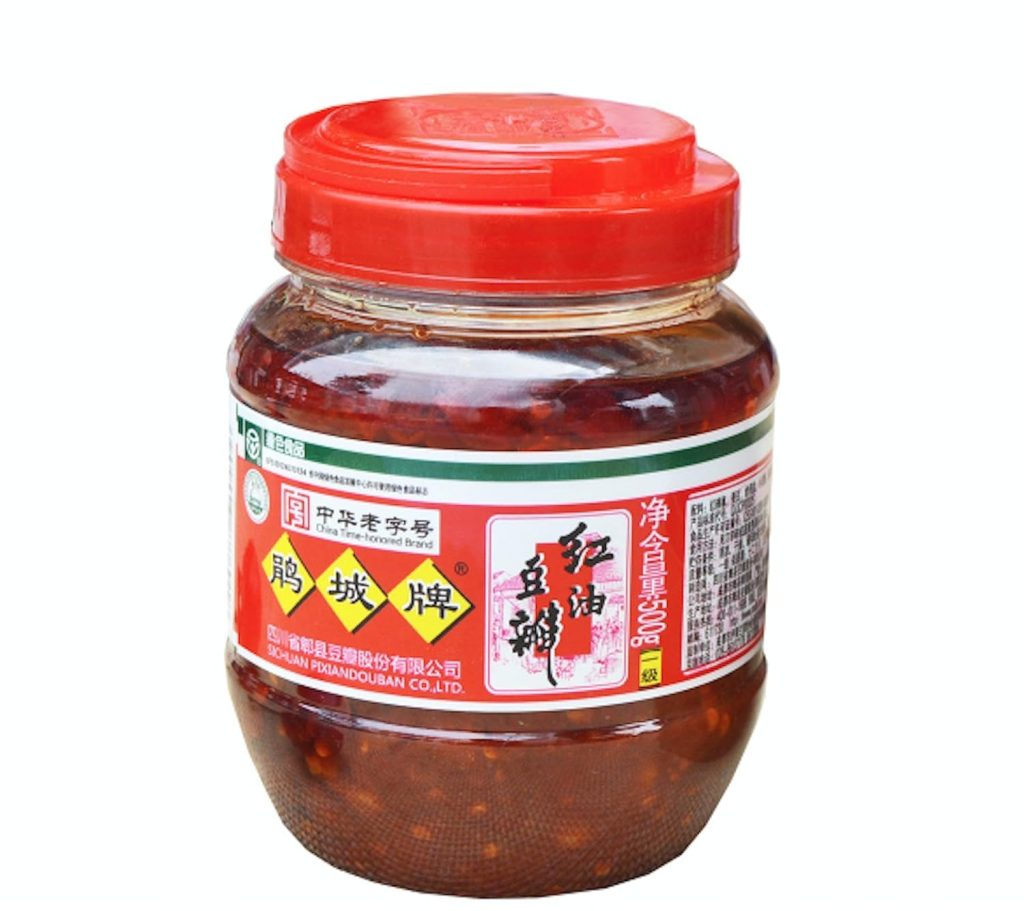
If you remember one buying tip, make it this: look for Pixian doubanjiang (郫县豆瓣 / 郫县豆瓣酱). Pixian (near Chengdu) is the most famous origin for the style used in classic Sichuan cooking. “Pixian” isn’t a single brand—it’s a regional indicator that usually correlates with the flavor profile you want: fermented depth, balanced chili aroma, and a rich red-brown color.
How to use doubanjiang (the technique that makes it taste “right”)
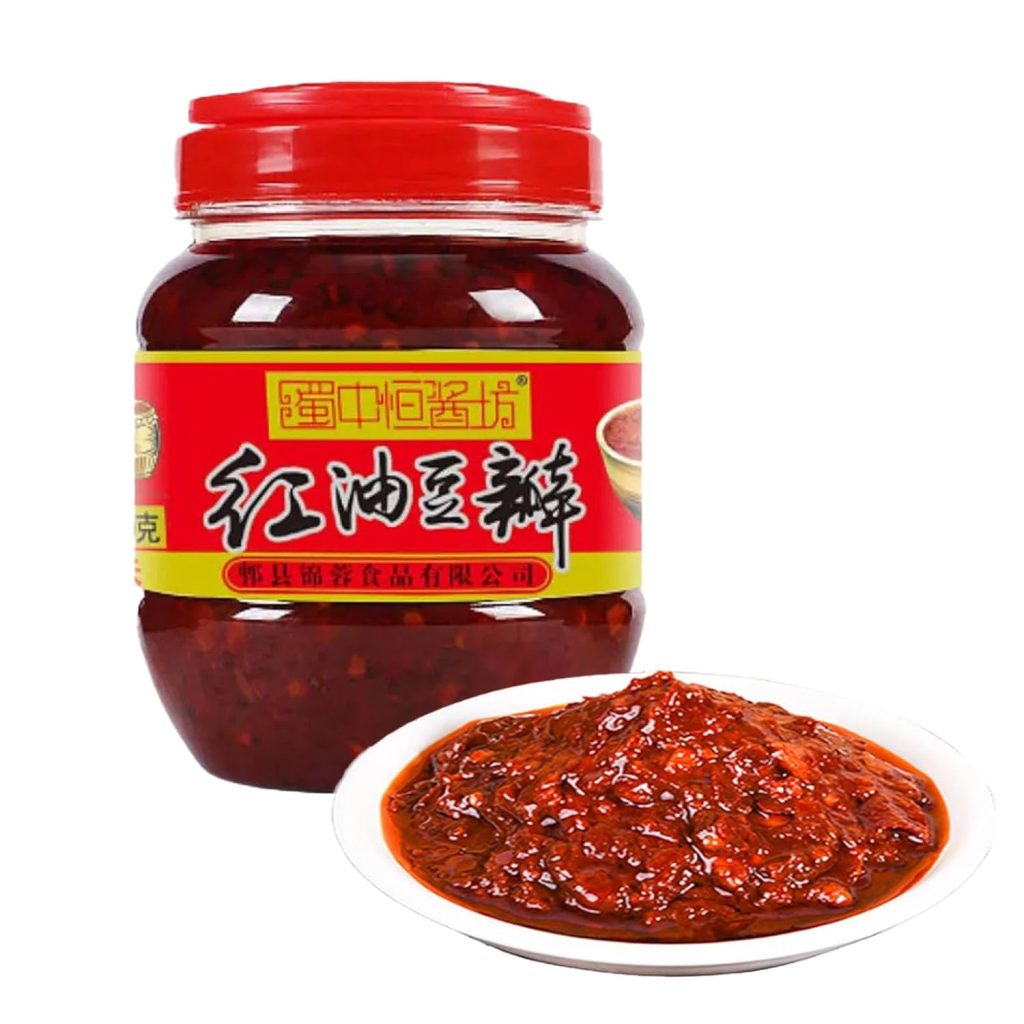
Doubanjiang is powerful. Using it well is less about quantity and more about how you cook it.
1) Fry it gently in oil to “wake it up”
Most Sichuan dishes start by heating oil and aromatics, then frying doubanjiang briefly over medium to medium-low heat. This step blooms its fragrance and deepens the color into the oil, which then carries flavor throughout the dish.
Key point: you’re looking for red oil and a toasted aroma, not scorching. Burnt doubanjiang turns bitter fast.
Aromatic partners that frequently appear alongside doubanjiang include garlic and ginger, and in many Sichuan flavor families, a finishing balance of salty, sweet, and sour can include ingredients like Chinese Black Vinegar or Chinkiang Vinegar—not to make the dish “vinegary,” but to brighten and round out the fermented richness.
2) Use it as a base for stir-fry sauces
Once fried into oil, doubanjiang becomes a foundation for stir-fries—especially with pork, beef, tofu, mushrooms, and hearty vegetables.
It pairs naturally with dishes that already lean spicy-savory, such as Chongqing Spicy Chicken, and it can anchor the chili-forward identity of Sichuan-style stir-fries where other ingredients (like vegetables or tofu) need a strong flavor backbone.
3) Add it to braises and stews for “slow-cooked” depth
Doubanjiang brings serious payoff in braised dishes, where its fermentation echoes the savoriness you’d normally build through long simmering. It’s especially effective with pork and tofu.
A classic example of doubanjiang doing exactly what it was born to do is Mapo Tofu—the sauce tastes meaty and complex even before the meat hits the pan. In pork dishes, doubanjiang can also amplify richness in recipes like Twice-Cooked Pork, where chili bean paste helps create that unmistakable Sichuan “restaurant aroma.”
4) Use it to build noodle sauces
Doubanjiang can be the backbone of a noodle sauce when you want savory heat and fermentation rather than sweetness. A small amount fried into oil, loosened with stock or water, and balanced with soy sauce creates a sauce that clings beautifully to noodles.
If you’re exploring noodle “sauce logic” more generally, it’s helpful to compare different fermented bases—doubanjiang (spicy, funky), versus Sweet Bean Sauce (wheaty, savory-sweet), or even seafood umami from Oyster Sauce (sweet-savory, glossy). Each produces a different style of depth.
Practical tips for cooking with doubanjiang
- Stir the jar well first. Oil can separate, and the solids carry much of the fermented flavor.
- Cook it over moderate heat. High heat can scorch the paste quickly and turn it bitter.
- Treat it as salt. Doubanjiang is salty. When it’s in a dish, reduce added salt and be conservative with soy sauce until you taste.
- Use Shaoxing wine strategically. A splash of Shaoxing Wine can soften harsh edges and deepen savory notes, especially with pork and beef.
- Finish with balance, not more paste. If the dish tastes heavy, brighten it with a small amount of Chinese Black Vinegar or Chinkiang Vinegar rather than adding more doubanjiang.
How to shop for doubanjiang
In Chinese markets, doubanjiang is easy to find, but not every jar is ideal for Sichuan cooking. Look for:
- Pixian / 郫县 on the label
- Chili pepper listed prominently in the ingredients
- A paste that looks red-brown and textured, not smooth like ketchup
Some products labeled “toban djan” or generic “chili bean sauce” can taste flat or overly salty without fermented complexity. If the aroma doesn’t smell fermented—slightly funky, fruity, aged—you’re unlikely to get that authentic Sichuan foundation.
Doubanjiang is also part of a broader “core sauces” pantry. If you’re building a set of staples that covers most Chinese home cooking, it pairs well with the fundamentals in Essential Chinese Sauces.
How to store doubanjiang
- After opening: keep it refrigerated, tightly sealed.
- Shelf life: because it’s heavily salted and fermented, it keeps well for many months; flavor is best within about a year of opening.
- Best practice: always use a clean, dry spoon to avoid introducing moisture or contaminants.
Unopened jars do best in a cool, dark cupboard.
Substitutes for doubanjiang (what works and what doesn’t)
Doubanjiang is difficult to substitute because it’s not only chili paste—it’s fermented bean paste plus chili fermentation. If you must approximate:
- Closest directionally: an earthy fermented bean paste plus chili, combined carefully.
- Not recommended: sweet Korean chili pastes that skew sugary; they rarely replicate the savory fermented depth needed for Sichuan dishes.
If doubanjiang is central to the identity of the dish, it’s worth buying the real thing. It’s the difference between “spicy” and “Sichuan.”
Dishes that showcase doubanjiang
If you want to taste what doubanjiang really does, try it in dishes where fermented chili-bean depth is part of the identity:
- Mapo Tofu — doubanjiang is the backbone of the sauce; frying it in oil first creates the signature red sheen and deep, savory heat that defines the dish.
- Twice-Cooked Pork — a small amount builds a bold, savory chili base that clings to pork belly and vegetables without tasting like plain “chili sauce.”
- Fish-Fragrant Pork — doubanjiang adds fermented depth under the sweet-sour-garlic profile; a touch of Chinkiang Vinegar helps keep the final sauce bright and balanced.
- Chongqing Spicy Chicken — doubanjiang reinforces the savory base so the dish tastes aromatic and layered, not just spicy-hot.
- Boiled Pork Slices — used early in the cooking to build the broth’s foundation, doubanjiang contributes the deep savory heat that makes the finished chili oil topping taste fuller and more “restaurant style.”












Leave a Reply