If you enjoy Chinese cooking at home, mastering a few core sauces will completely change the way you cook. These sauces are not complicated, and they do not rely on rare ingredients. What matters most is balance and proportion.

One important note before you start:
The size of the spoon does not matter. As long as you use the same spoon throughout, the ratios will always be correct. This is how many Chinese home cooks work every day.
Below are seven classic Chinese-style sauces, each tested, versatile, and easy to adapt to Western kitchens.
1. Korean-Style Sweet & Spicy Sauce
Ingredients
- ½ spoon white sesame seeds
- ½ spoon minced garlic
- 1 spoon Korean chili paste (gochujang)
- 1 spoon ketchup
- 2 spoons light soy sauce
- 1 spoon Chinese black vinegar
- 1 teaspoon sugar
Why This Sauce Works
This sauce layers sweetness, heat, and acidity. Gochujang provides fermented depth, while ketchup softens the spice and adds body. Black vinegar keeps the sweetness from becoming heavy.

Best Uses
- Bibimbap
- Korean mixed noodles
- Army stew (budae jjigae)
- Stir-fried rice cakes (tteokbokki)
2. Teriyaki Sauce
Ingredients
- 2 spoons light soy sauce
- ½ spoon dark soy sauce
- 1 spoon cooking wine
- 1 spoon honey
- 3 spoons water
Why This Sauce Works
Honey creates a natural glaze, while the mix of light and dark soy sauce balances saltiness and color. This combination produces a glossy finish without being overly sweet.

Best Uses
- Teriyaki chicken thighs
- Teriyaki tofu
- Teriyaki beef
- Teriyaki chicken wings
3. Kung Pao Sauce
Ingredients
- 2 spoons light soy sauce
- 2 spoons Chinese black vinegar
- 1 spoon oyster sauce
- 1 spoon sugar
- 1 spoon starch
- 4 spoons water
Why This Sauce Works
This is a classic sweet-and-sour base with savory depth. Starch allows the sauce to cling to ingredients quickly during high-heat stir-frying.
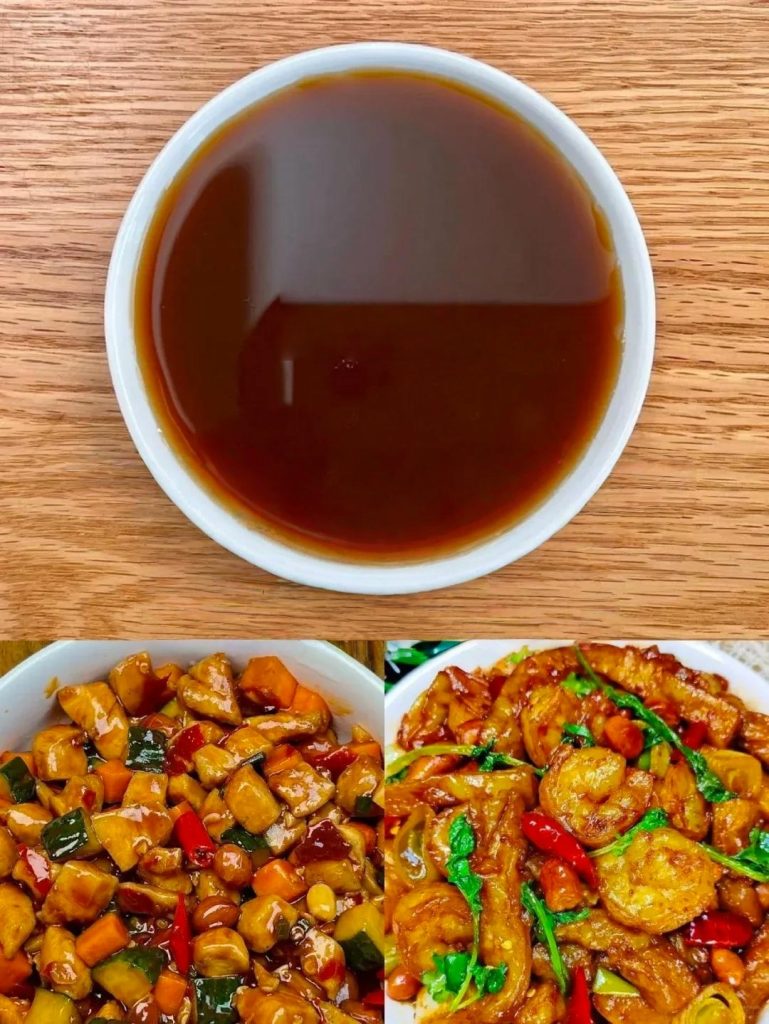
Best Uses
- Kung Pao chicken
- Kung Pao shrimp
- Kung Pao eggplant
- Kung Pao king oyster mushrooms
4. Sesame Paste Sauce
Ingredients
- 1 spoon white sesame seeds
- 1 spoon minced garlic
- 1 spoon chili powder
- 3 spoons hot oil
- 1 spoon light soy sauce
- 1 spoon Chinese black vinegar
- 1 teaspoon sugar
- A pinch of salt
- 1 spoon sesame paste (thinned with water)
Why This Sauce Works
Sesame paste creates richness, while garlic and chili oil add aroma. Vinegar cuts through the fat, keeping the sauce balanced rather than heavy.

Best Uses
- Sesame noodles
- Glass noodles
- Dumplings
- Wontons
5. Sweet and Sour Sauce
Ingredients
- 3 spoons ketchup
- 1 spoon light soy sauce
- 2 spoons Chinese black vinegar
- 2 spoons sugar
- 1 spoon starch
- 4 spoons water
Why This Sauce Works
Ketchup provides sweetness and color, while vinegar adds brightness. This sauce thickens quickly and coats fried foods evenly.

Best Uses
- Sweet and sour pork
- Sweet and sour shrimp
- Sweet and sour potatoes
- Sweet and sour lotus root
6. Fish-Fragrant Sauce (Yu Xiang)
Ingredients
- 2 spoons light soy sauce
- ½ spoon dark soy sauce
- 1 spoon Chinese black vinegar
- 1 spoon sugar
- 1 spoon starch
- 4 spoons water
Why This Sauce Works
Despite its name, there is no fish involved. The flavor comes from a precise balance of sweet, sour, and savory elements typical of Sichuan cuisine.

Best Uses
- Fish-fragrant shredded pork
- Fish-fragrant eggplant
- Fish-fragrant eggs
- Fish-fragrant mushrooms
7. Hot and Sour Sauce
Ingredients
- 1 spoon white sesame seeds
- 1 spoon minced garlic
- 1 spoon chili powder
- 3 spoons hot oil
- 2 spoons light soy sauce
- 2 spoons Chinese black vinegar
- 1 teaspoon sugar
- A pinch of salt
Why This Sauce Works
This sauce is sharp, bold, and refreshing. Vinegar stimulates appetite, while chili oil provides warmth without overwhelming the dish.
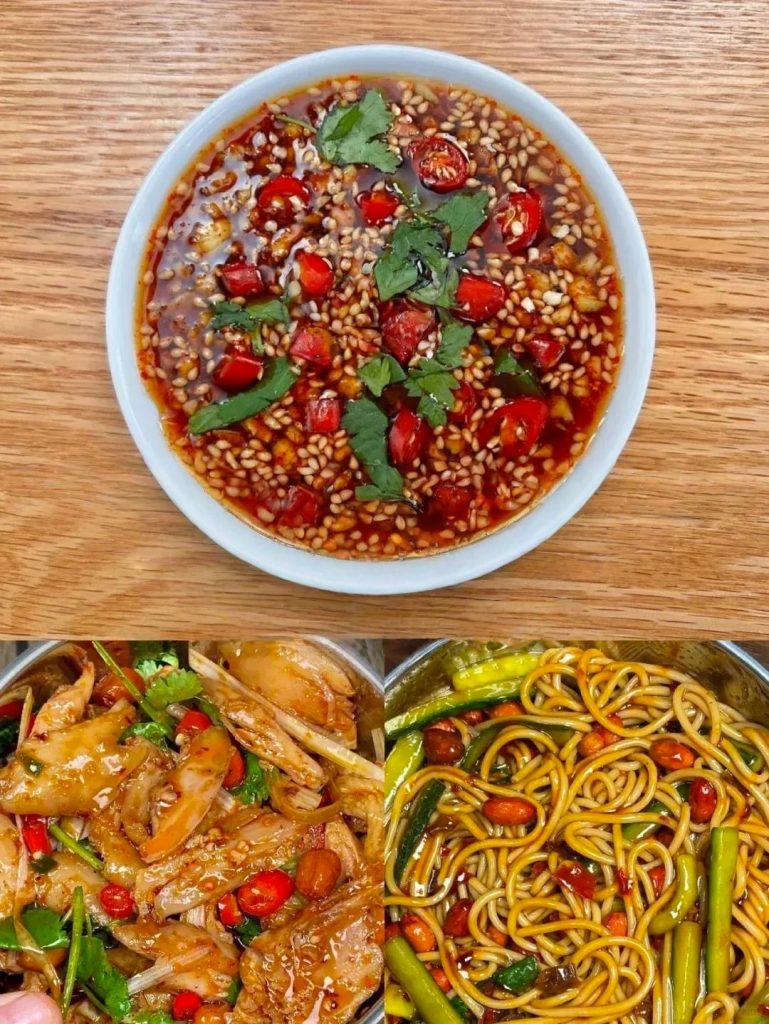
Best Uses
- Hot and sour shredded chicken
- Hot and sour noodles
- Hot and sour shrimp
- Cold mixed vegetable dishes
Storage & Practical Tips
- All sauces can be prepared in advance
- Store in airtight containers in the refrigerator
- Best used within 3–5 days
- Always stir before using, as starch may settle












Leave a Reply