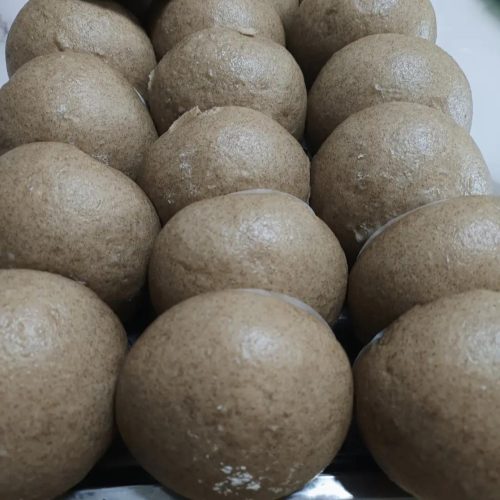
A basket of whole wheat multigrain steamed buns smells like a northern Chinese morning: faintly nutty, a little sweet, and warm enough to fog your glasses. These mantou take the plain white-flour bun everyone knows and swap in 30% whole wheat or rye flour, so you get the fiber and the deeper grain flavor without the hockey-puck texture that scares people away from whole grain baking. They are the kind of breakfast you can make once, freeze, and reheat all week.
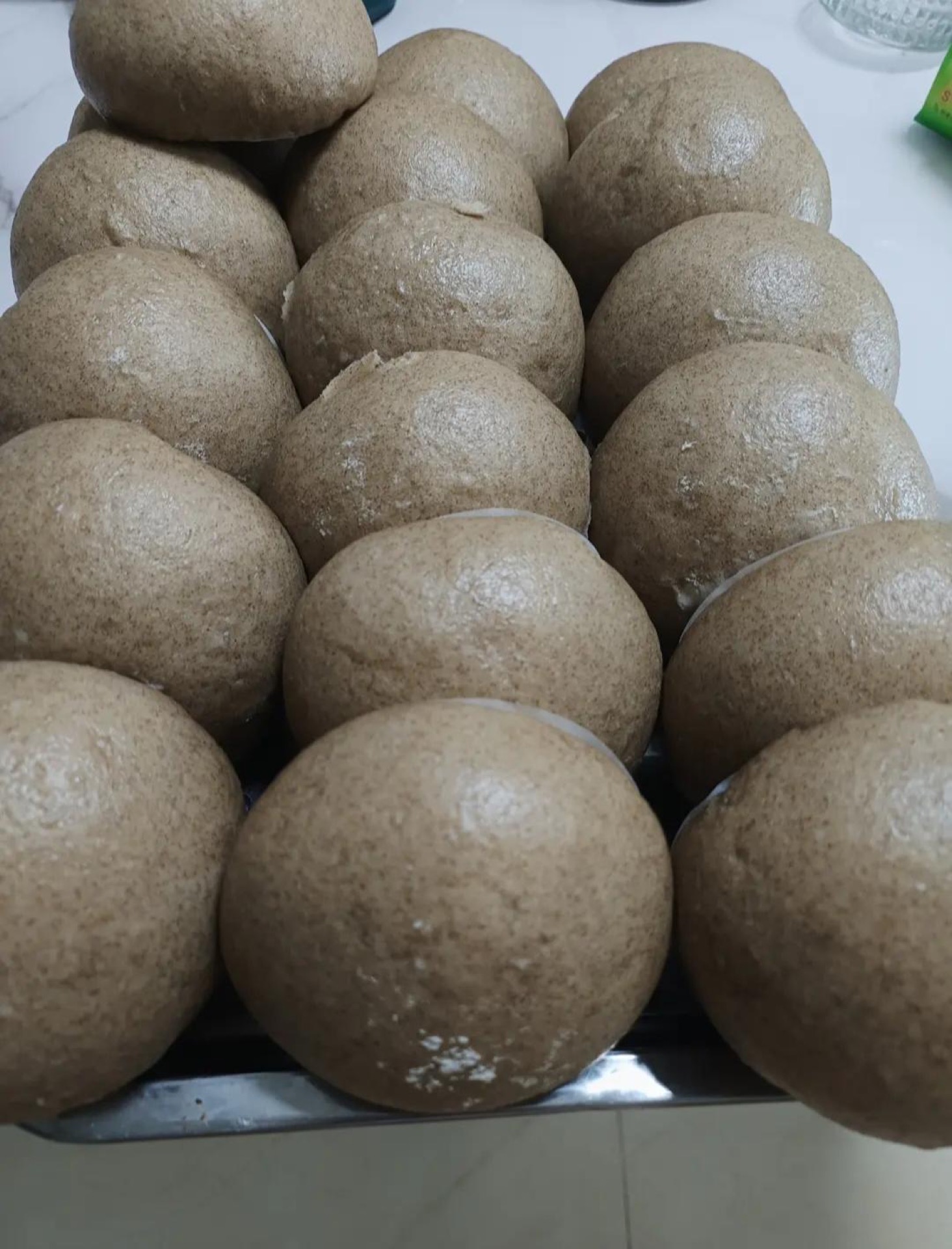
If you have ever pulled a tray of whole wheat buns out of the steamer and watched them collapse into dense little stones, you already know the two villains: too much whole grain flour and not enough kneading. This recipe fixes both on purpose. The whole grains stay at 30% or less, the dough is deliberately stiff, and the second knead gets a full 10 to 15 minutes so the crumb comes out even and the surface stays smooth.
The other half of the story is the rest and proof. Mantou is not a quick bread, but it is a forgiving one. Once the dough doubles, everything else is shaping, waiting, and 15 minutes of steam. No oven, no scoring, no steam pan in a hot kitchen — just a steamer basket and a lid you resist opening too early.
What Is Whole Wheat Multigrain Mantou?
Mantou (馒头) are plain steamed buns made from wheat flour, water, and yeast, and they are one of the oldest staple foods of northern China. Unlike baozi, they carry no filling. Unlike bread, they never see an oven — they rise twice and cook entirely in steam, which gives them a soft, fine, almost cake-like crumb and a smooth, glossy skin.
Whole wheat multigrain mantou is the modern home-kitchen version: part of the white flour is replaced with whole wheat, rye, or another whole grain, usually between 20% and 30% of the total. That ratio is the sweet spot. Whole grains bring bran and germ, which add fiber, B vitamins, and a toasted, slightly earthy flavor, but their bran particles cut through gluten strands and their germ adds fat that weakens structure. Push past 30% and the buns turn dense and crumbly; stay at or under it and you keep the fluff.
Whole grain flour behaves less like flour and more like a flour-plus-additive blend: the bran absorbs water slowly and physically interrupts gluten development, which is why whole grain doughs need more water, more kneading, and more patience than white ones.
Because mantou are unleavened by anything but yeast and steam, they are naturally low in fat and sugar — the 15 grams of sugar here exist to feed the yeast and add a whisper of sweetness, not to make dessert. That makes them a genuinely useful everyday staple: split one and stuff it with egg and scallion, or eat it plain alongside soup.
If you like the idea of whole grain Chinese buns but want a machine to do the kneading, these bread machine whole wheat buns use the same grain-forward logic with far less hands-on work.
1Quick Bread Machine Whole Wheat Buns (Quan Mai Bao Zi)Learn how to make authentic, fluffy whole wheat steamed buns (Quan Mai Bao Zi) using a bread machine for effortless kneading. A foolproof Chinese breakfast recipe perfect for sweet or savory fillings.Check out this recipe
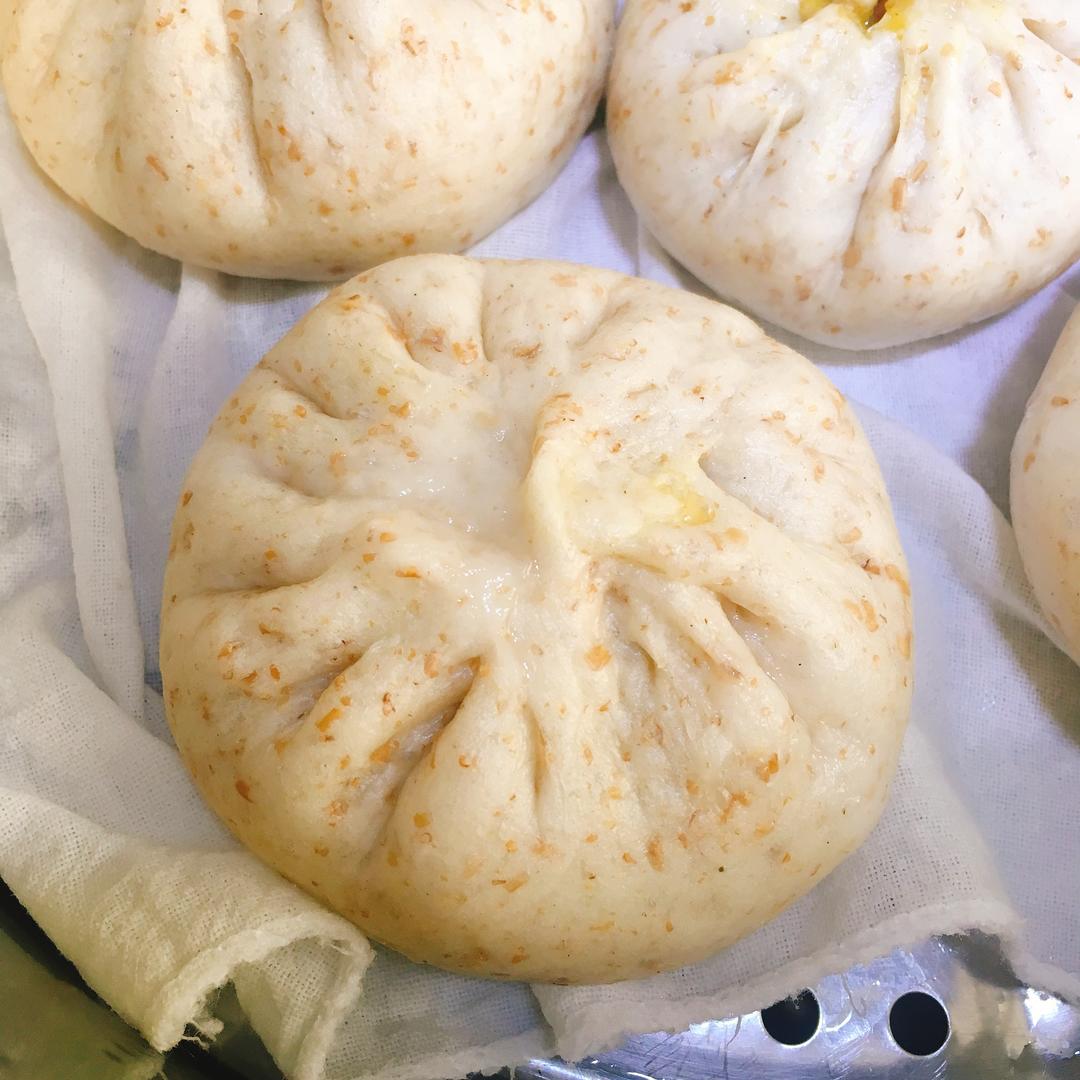
For a classic northern-style version with a chewier, more layered crumb, try these Shandong steamed buns, which show how much texture plain flour and hard kneading can deliver.
2Authentic Shandong Steamed Buns (Da Mantou)Learn the secrets to authentic, dense, and chewy Shandong Da Mantou. This recipe uses the traditional double-knead method and precise hand-shaping techniques for flawlessly smooth, wrinkle-free steamed buns.Check out this recipe
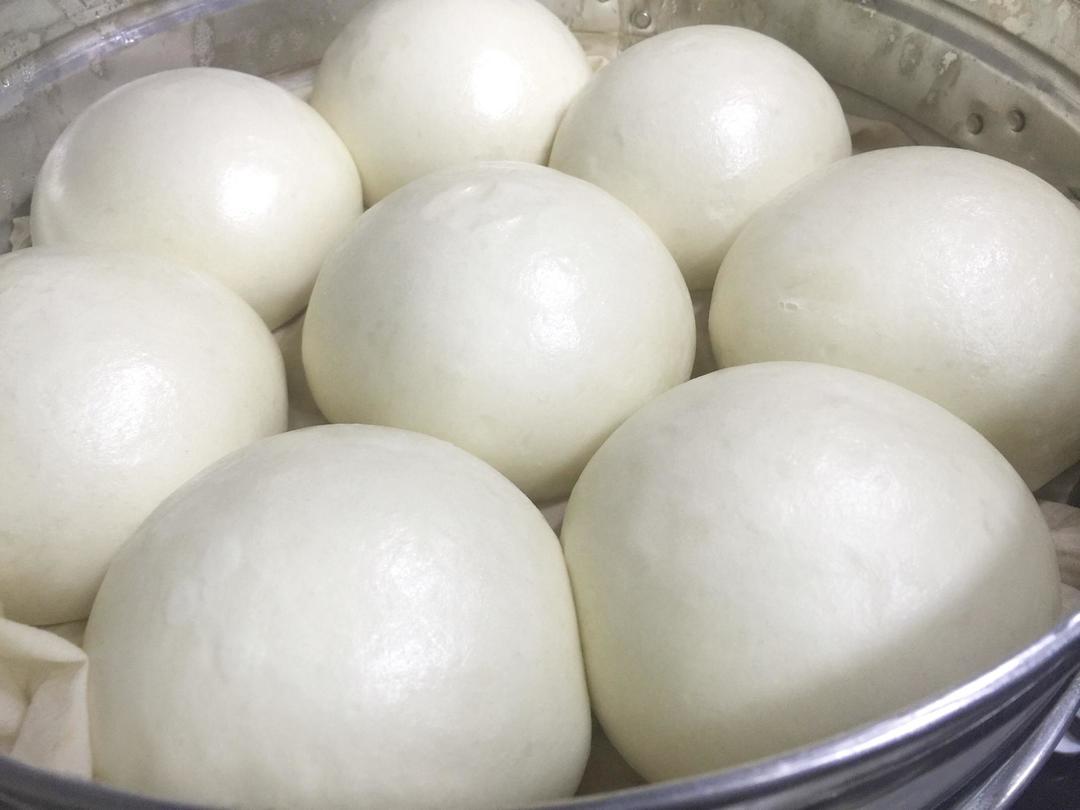
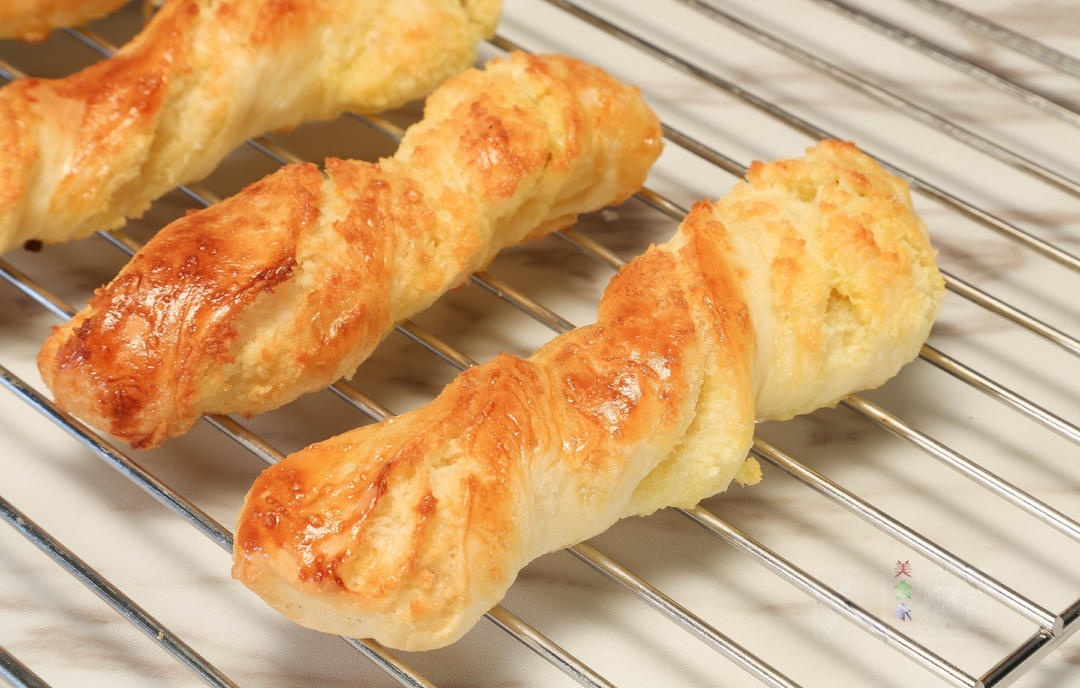
And if you want to see how soft a yeasted Chinese dough can get when it leans on enriched, sweet fillings instead of whole grains, these fluffy coconut bread strips are the pillow-soft counterpoint.
3Coconut Bread Strips (Ye Rong Mian Bao)These soft, fluffy Chinese coconut bread strips are filled with a sweet buttery coconut filling and twisted for a beautiful bakery-style look. Perfect for breakfast or a tea-time snack.Check out this recipe
Why This Recipe Works
Three decisions carry this recipe. The first is the flour ratio: 400 grams of bread flour to 100 grams of whole wheat, a clean 4:1 that keeps whole grains at 20% and leaves room to push to 150 grams if you want a coarser, more rustic bun. Bread flour’s higher protein gives the dough the strength that whole wheat alone cannot, so the buns rise instead of slumping.
The second is hydration. Whole wheat absorbs more water than white flour, so this dough uses 260 to 280 grams of warm water for 500 grams of flour — a stiff, almost clay-like dough by bread standards. Stiff dough holds its shape during the second proof, which is exactly what a round bun needs. Soft dough spreads; stiff dough stands up.
The third is the kneading. After the first rise, the dough gets a full 10 to 15 minutes of hard work, until a cut face shows no large air pockets and the surface is satin-smooth. This second knead is the single biggest difference between a bun with a smooth, shiny dome and one with a lumpy, wrinkled top. It is also where an optional gram of edible lye water goes in, an old northern trick that firms the crumb and adds a faint, nostalgic aroma.
Finally, the steam itself does the rest. A covered basket traps moisture so the skin never dries and cracks, and the 3-to-5-minute rest after the heat goes off lets the interior set before cold air hits it. Skip that rest and you will watch your beautiful buns deflate in real time.
Ingredients
Five ingredients, one optional sixth. Bread flour and whole wheat flour form the base, instant dry yeast does the rising, sugar feeds the yeast and rounds out the flavor, and warm water brings it together. Edible lye water, if you use it, goes in during the second knead.
Warm means 35 to 40°C, or 95 to 105°F — comfortably warm on your wrist, never hot. Water above about 50°C (122°F) starts killing yeast, and cold water slows the proof to a crawl. If you are unsure, a quick-read thermometer takes the guesswork out of the one measurement that matters most.
For the whole grain portion, whole wheat is the default, but rye flour works beautifully and pushes the flavor more toward dark, malty, and northern European. A blended multigrain mix — oats, barley, millet — also works if it is ground fine; coarse flakes will not hydrate properly and will leave dry pockets in the crumb.
Cooking Process
Step 1 — Mix, Knead, and Proof
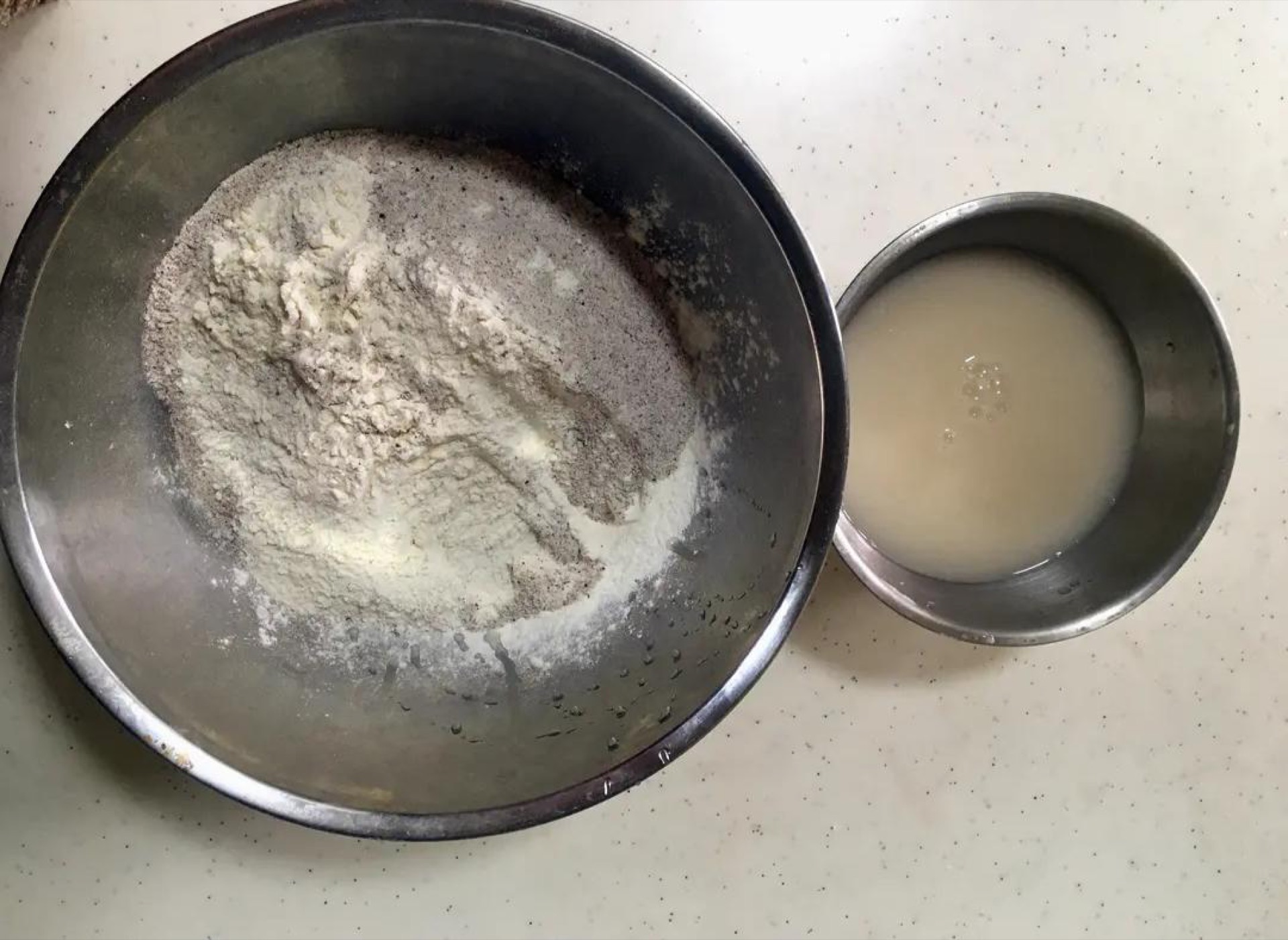
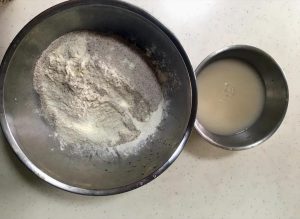
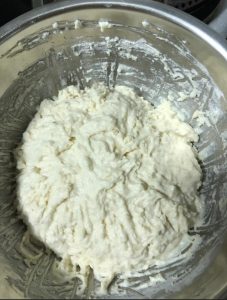
Whisk the yeast and sugar into the warm water and let it sit 3 minutes until foamy, then combine the bread flour and whole wheat flour, pour in the yeast water while stirring into shaggy flakes, and knead into a smooth, slightly firm dough that proofs covered at warm room temperature until doubled with a honeycomb interior, about 1 hour.
Step 2 — Stir Together and Begin Kneading
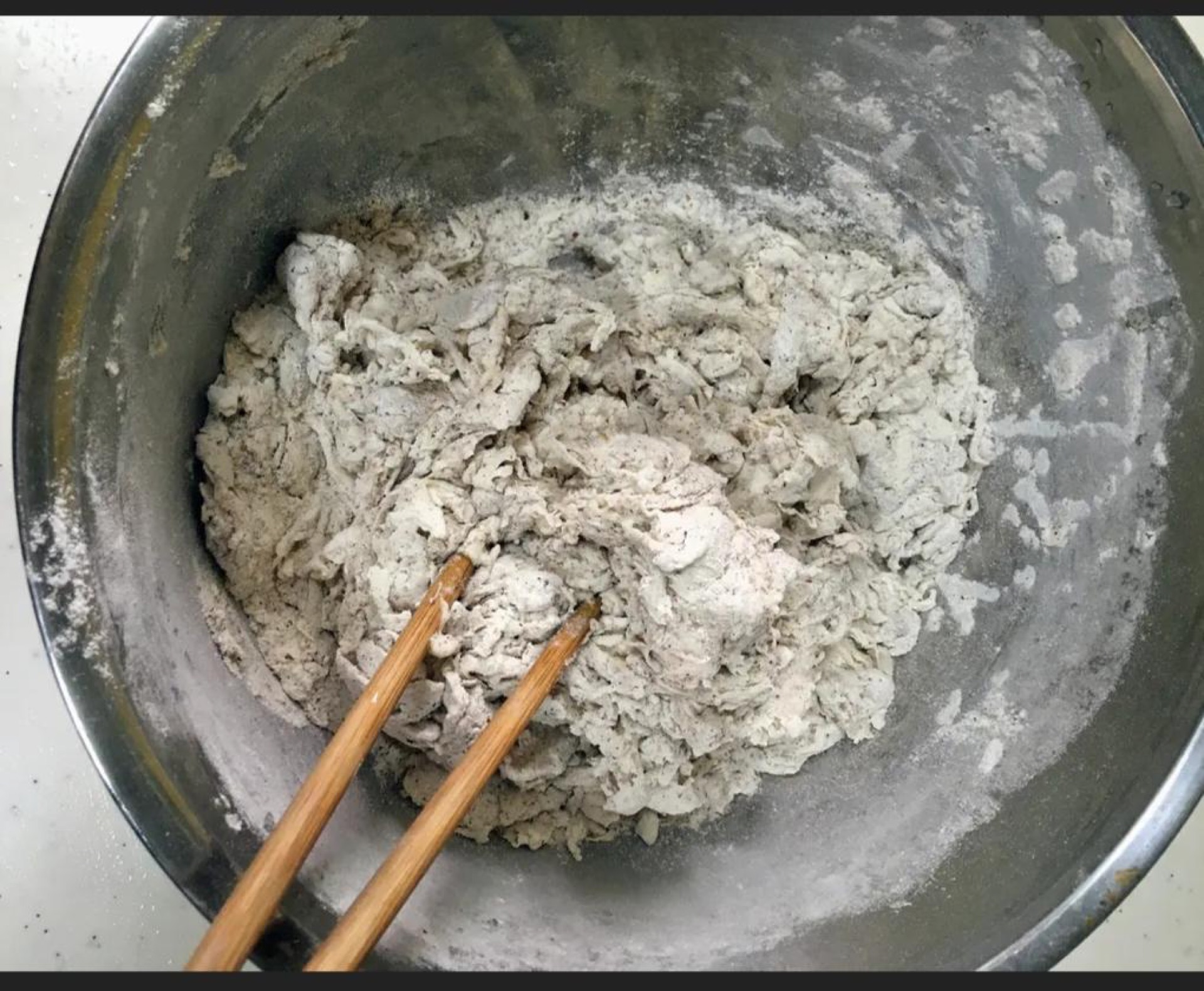
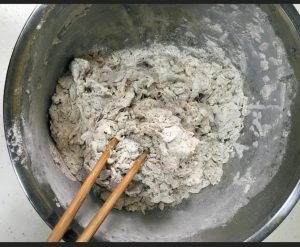
Stir the mixture until no dry flour remains, then turn it out and start kneading the shaggy mass into a cohesive ball.
Step 3 — Knead Smooth and Let It Rest
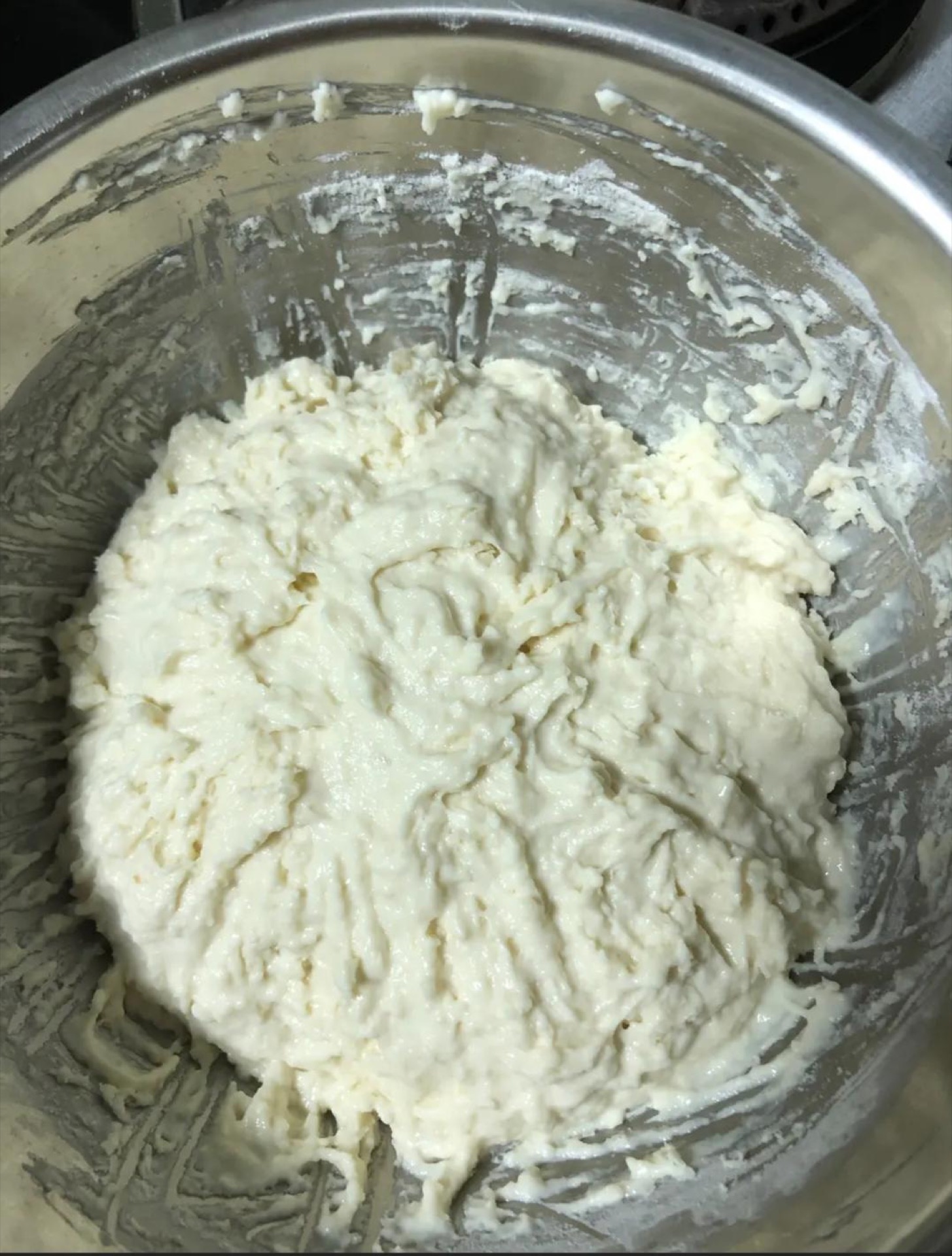
Keep kneading until the dough is smooth and elastic, then cover it and let it rest so the gluten relaxes and the dough rises.
Step 4 — Shape and Second Proof
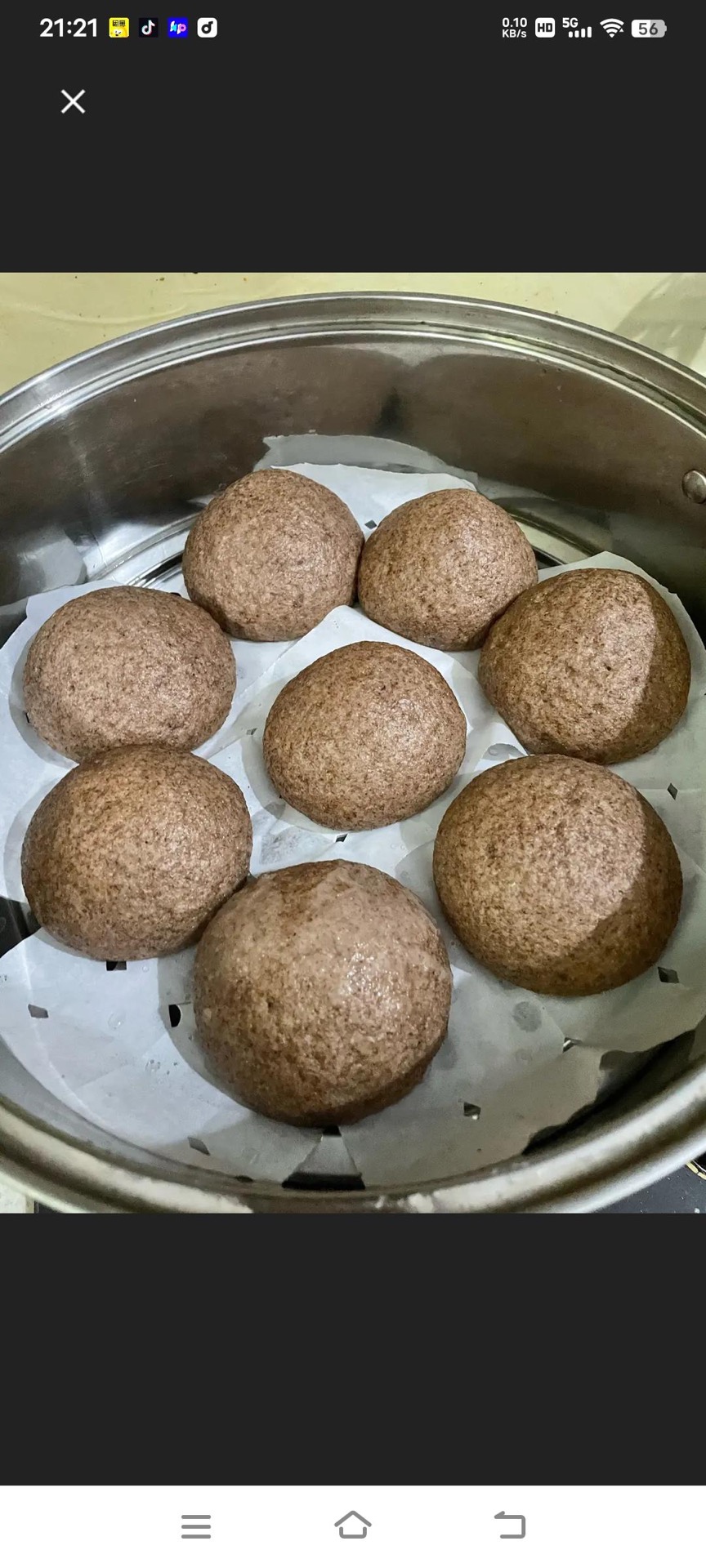
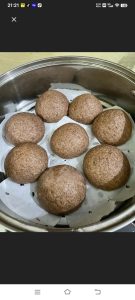
Divide and roll the risen dough into smooth round buns, set them on parchment in the steamer, and let them proof a second time until they feel light and spring back slowly.
Step 5 — Steam Over Boiling Water
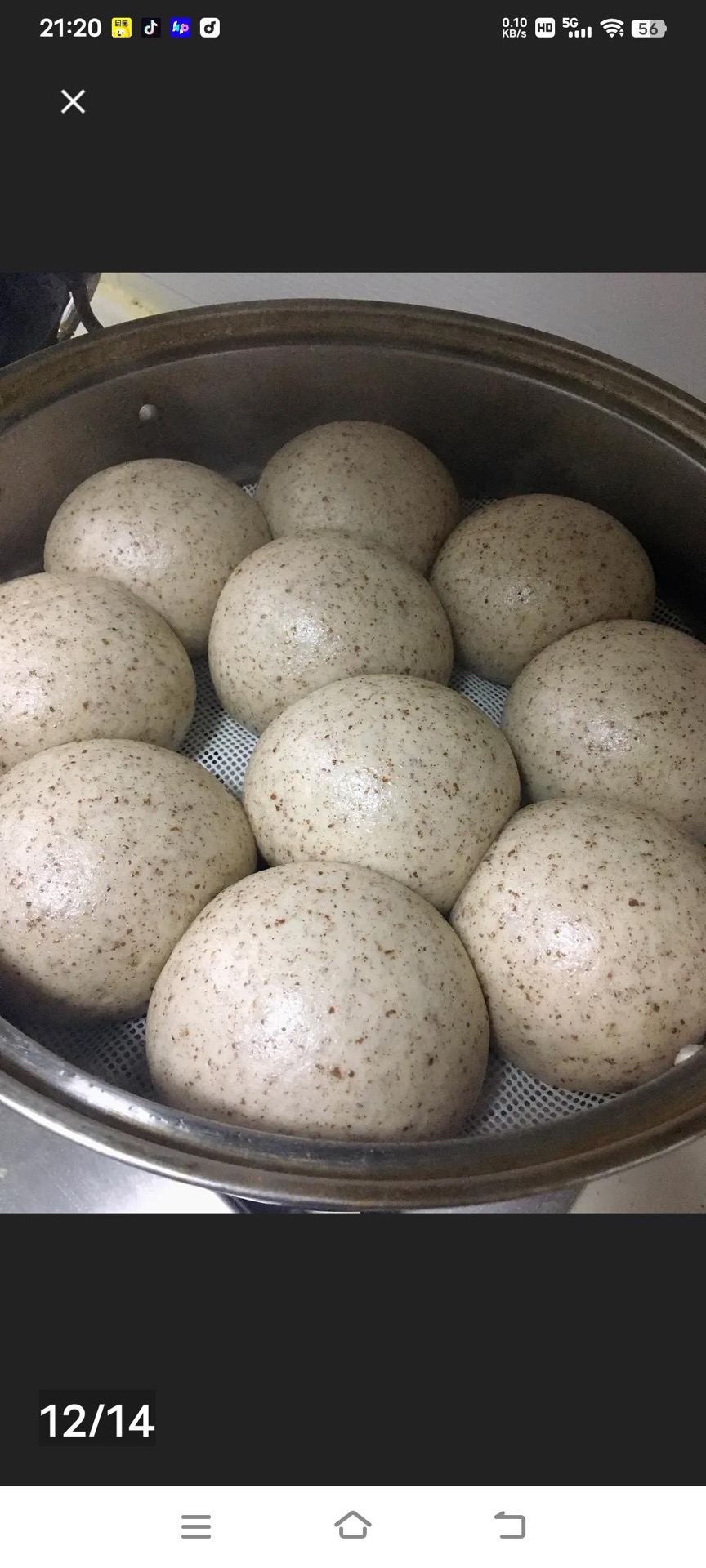
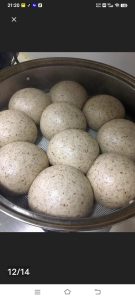
Bring the water to a rolling boil and steam the proofed buns over medium-high heat for 15 minutes.
Step 6 — Cool and Serve
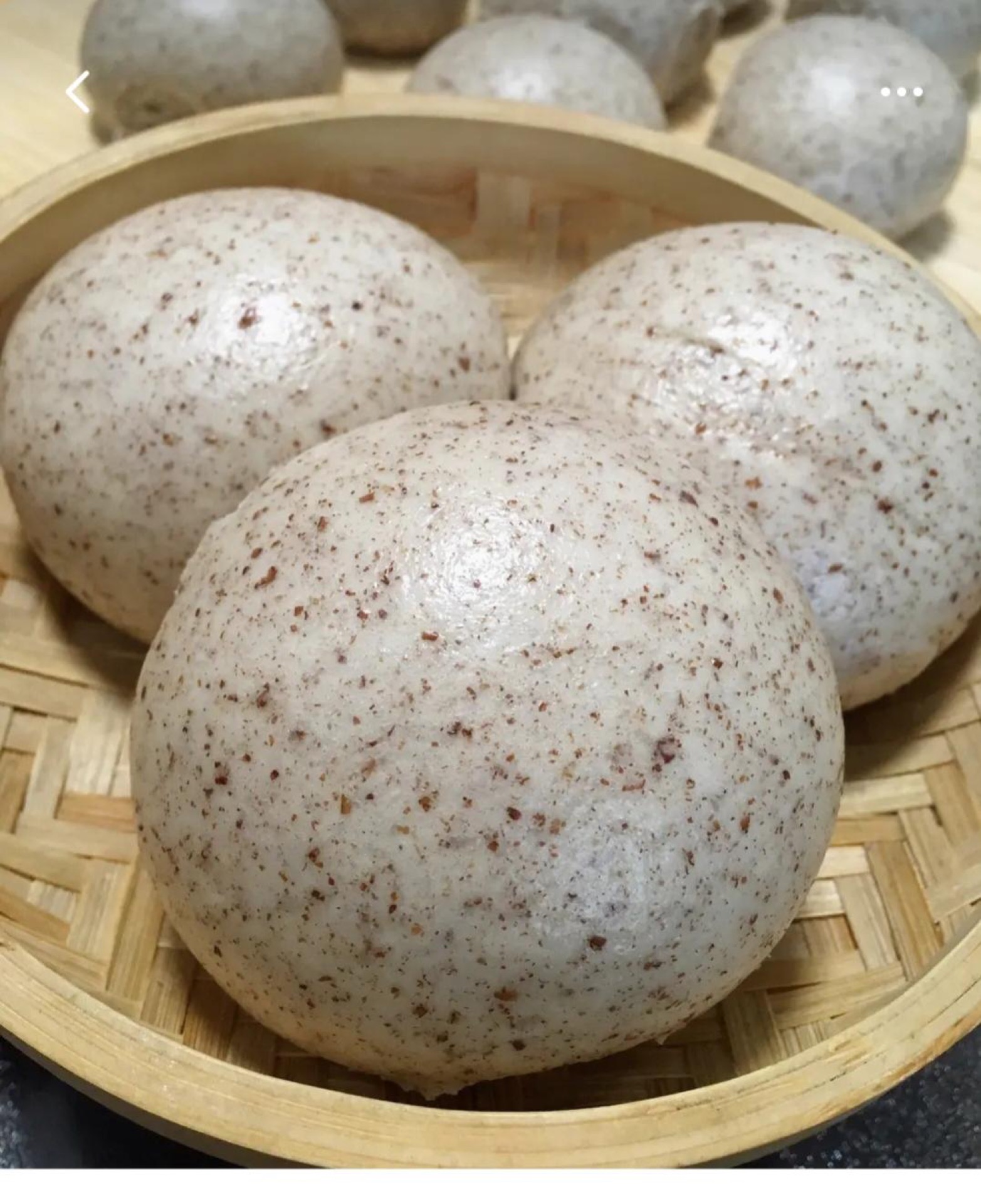
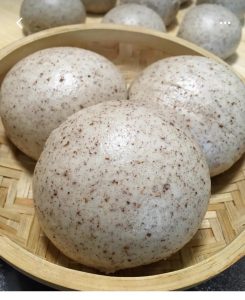
Turn off the heat, rest the covered steamer 3-5 minutes, then lift the lid and serve the buns warm as a sugar-free whole grain meal.
Common Mistakes When Making Whole Wheat Multigrain Mantou
1. Using too much whole grain flour. The cause is enthusiasm — more whole grains feels healthier — but whole wheat bran cuts gluten strands and the germ’s fat weakens structure, so the dough cannot trap gas properly. The fix is a hard ceiling: keep whole grains at 30% of total flour weight or less, which for this recipe means no more than 150 grams of whole wheat against 400 grams of bread flour.
2. Adding all the water at once. Whole wheat flours absorb water differently depending on brand, age, and how finely they are milled, so a recipe’s exact number can leave your dough either sticky or dry. The fix is to reserve 10 grams of the water and add it only if the dough feels crumbly after a few minutes of kneading. Aim for a dough that is smooth but noticeably firm, not soft and tacky.
3. Skipping the second knead. This is the mistake that shows up most visibly, as wrinkled tops and uneven, holey interiors. The cause is impatience after the first rise. The fix is to knead a full 10 to 15 minutes after degassing, until a knife cut through the dough shows no large air pockets and the surface is completely smooth.
4. Under-proofing or over-proofing the shaped buns. Buns that spring back instantly when pressed are under-proofed and will crack open in the steamer; buns that stay dented are over-proofed and will collapse. The fix is the poke test: press a fingertip gently into the side of a bun. It should leave a shallow dent that slowly, partially fills back in — roughly 20 to 30 minutes in a warm steamer.
5. Lifting the lid the moment the timer goes off. The cause is excitement, and the result is a dramatic collapse as hot buns hit cool air. The fix is a mandatory 3-to-5-minute rest with the heat off and the lid still on, then lifting the lid slowly, tilting it away from your face so the steam escapes to the side.
6. Steaming over a rolling boil the whole time. Violent boiling throws water up against the buns and can leave them soggy or dimpled. The fix is to bring the water to a boil first, then drop to medium-high so the water keeps steaming steadily without splashing the basket.
How to Serve
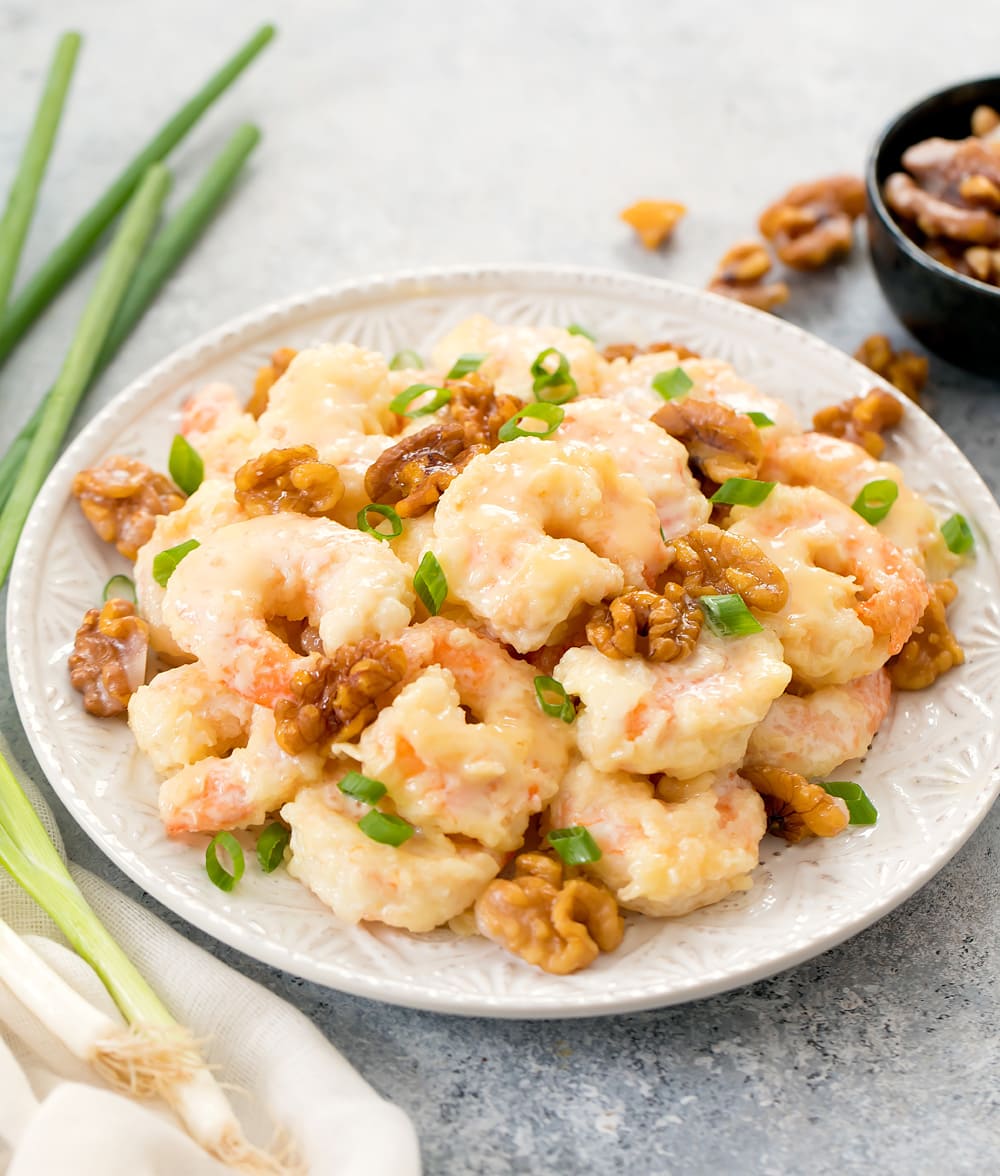
Mantou are the plain rice of northern China, which means they go with almost everything. Tear one open and dip it into the sauce of a braise, or split it and tuck in a fried egg, a smear of chili oil, or a few slices of leftover meat. For a full Chinese table, serve them next to a crisp, sweet-savory dish like honey walnut shrimp, where the soft bun balances the sticky glaze.
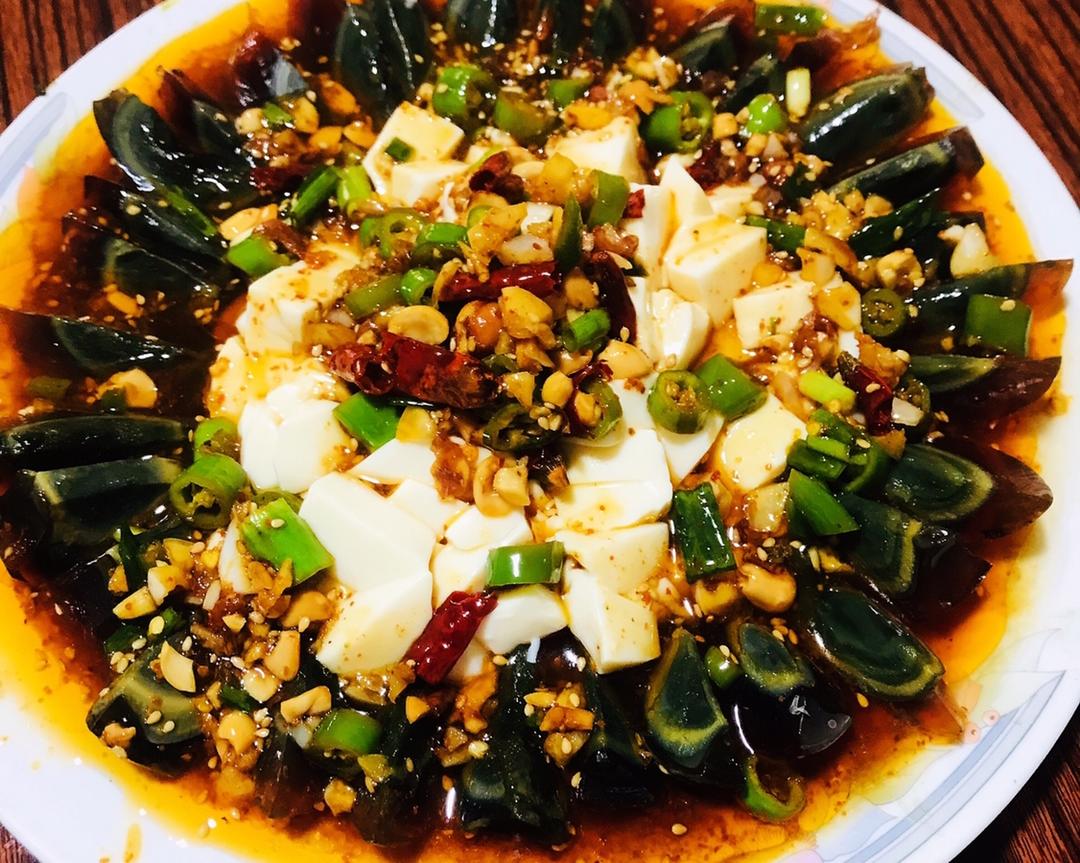
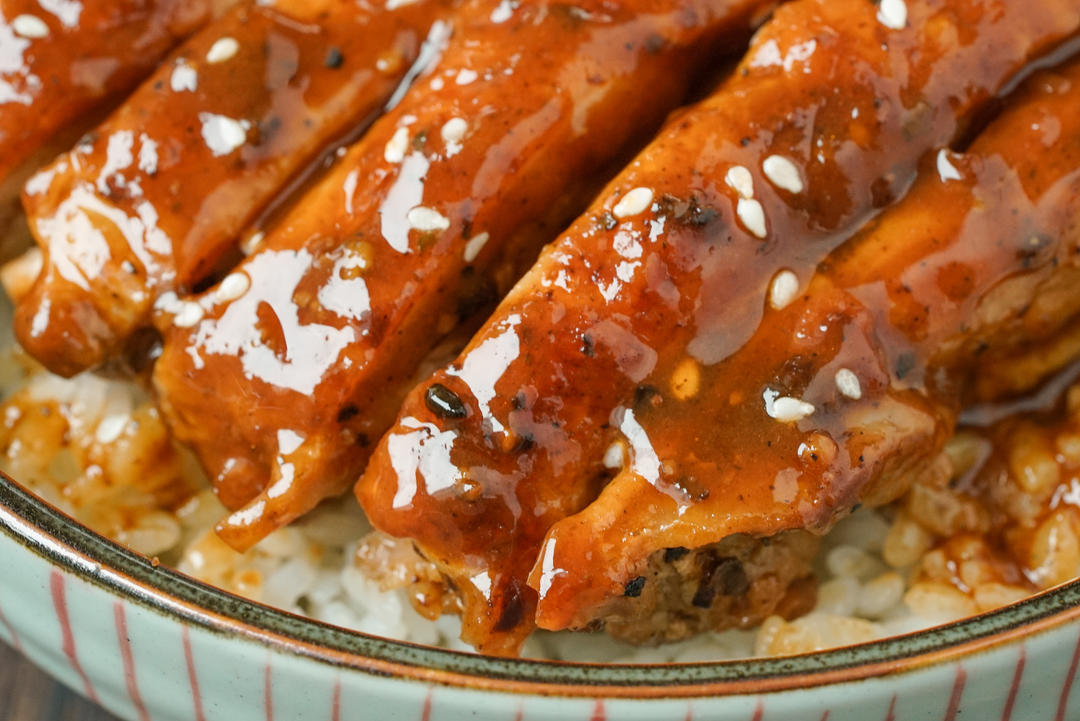
They are equally good alongside a cold dish. A plate of silken tofu with century egg brings a cool, creamy contrast to warm buns, and the combination makes a very fast lunch. If you want something more substantial, a bowl of black pepper chicken rice bowls turns the buns into a full meal, with the sauce from the chicken doing double duty as a dip.
At breakfast, keep it simple: a warm bun, a bowl of congee or soy milk, and a few pickles. That is the classic northern Chinese morning, and it takes about 4 minutes to assemble once the buns are steamed.
Storage & Reheat
Let the buns cool completely on a wire rack before storing, or trapped steam will make them soggy. Once cool, keep them in an airtight bag or container at room temperature for up to 2 days, in the refrigerator for up to 3 days, or in the freezer for up to 3 months.
To reheat, steam them again — this is the only method that restores the original texture. Frozen buns go straight into a steamer, no thawing needed, for 8 to 10 minutes over boiling water. Refrigerated buns need only 4 to 5 minutes. A microwave works in a pinch, but wrap the bun in a damp paper towel and heat in 20-second bursts, because microwaves turn bread rubbery fast.
If you have leftover buns that have gone a little stale, slice them and pan-fry the halves in a little oil until golden. The crisp edges are excellent with soup, and it is a good way to use up buns that are past their best.
Allergen Notice
This recipe contains wheat and therefore gluten. If you use rye flour in the multigrain blend, it also contains rye, which is a gluten-containing grain. Check your yeast and any add-ins for shared-facility warnings if you are baking for someone with a severe wheat allergy. For a gluten-free diet, this recipe is not suitable as written.
Nutrition Disclaimer
Nutrition information is calculated using an ingredient database and should be considered an estimate. In cases where multiple ingredient alternatives are given, the first listed is calculated for nutrition. Garnishes and optional ingredients are not included.
About the Author & Recipe Development
Lin grew up watching her grandmother knead mantou dough on a floured board, and the second knead in this recipe is her grandmother’s insistence, not a modern shortcut. She developed this whole wheat multigrain version after years of dense, disappointing whole grain buns, and the fix turned out to be simple arithmetic: keep the whole grains at 30% and let bread flour do the heavy lifting. Every recipe on Wok of Love is tested in a home kitchen with ingredients you can find at a normal grocery store.
If you are newer to Chinese cooking, the techniques here — blooming yeast, resting dough, and reading proof by touch — show up in almost every dough recipe on the site. Our guide to beginner mistakes in Chinese cooking and how to avoid them covers the broader habits that make dishes like this one click.
Authoritative References
For safe internal temperatures and food handling guidance, see the USDA safe minimum internal temperature chart and the FDA Food Code. For background on how whole grain bran and germ affect gluten development and dough hydration, the King Arthur Baking whole grain guide is a useful technical reference.
Whole Wheat Multigrain Steamed Buns (全麦杂粮馒头): Fluffy, Hearty

Equipment
- Wok
- Cutting Board
- Slotted Spoon
Ingredients
For the Dough
- 400 g bread flour plus extra for dusting, about 3 1/4 cups
- 100 g whole wheat flour or rye flour, up to 150 g for a coarser crumb
- 5 g instant dry yeast about 1 1/2 tsp
- 15 g granulated sugar about 1 tbsp, feeds the yeast
- 270 g warm water 35-40°C / 95-105°F, plus more as needed
- 1 g edible lye water optional, dissolved in a splash of water
Instructions
- Whisk the yeast and sugar into the warm water and let it sit 3 minutes until foamy, then combine the bread flour and whole wheat flour, pour in the yeast water while stirring into shaggy flakes, and knead into a smooth, slightly firm dough that proofs covered at warm room temperature until doubled with a honeycomb interior, about 1 hour.

- Stir the mixture until no dry flour remains, then turn it out and start kneading the shaggy mass into a cohesive ball.

- Keep kneading until the dough is smooth and elastic, then cover it and let it rest so the gluten relaxes and the dough rises.

- Divide and roll the risen dough into smooth round buns, set them on parchment in the steamer, and let them proof a second time until they feel light and spring back slowly.

- Bring the water to a rolling boil and steam the proofed buns over medium-high heat for 15 minutes.
- Turn off the heat, rest the covered steamer 3-5 minutes, then lift the lid and serve the buns warm as a sugar-free whole grain meal.













Leave a Reply