You’ve followed the recipe to a T, bought the high-end soy sauce, and even sharpened your cleaver. Yet, your stir-fry ends up as a soggy heap of grey meat and limp vegetables, or your sauce tastes like a salt bomb. It’s frustrating when the “quick and easy” 15-minute meal turns into a kitchen disaster.
In my experience, the difference between a restaurant-quality dish and a failed home experiment isn’t about expensive equipment or secret spices. It’s about understanding the mechanics of heat, moisture, and preparation. Most beginner frustrations stem from a few core errors that are easily fixed once you know what to look for.
Quick Answer: The Three Pillars of Success
To avoid most beginner mistakes in Chinese cooking, you must master Mise en Place (everything prepped before the heat is on), Heat Control (preheating your pan until it’s smoking), and Moisture Management (drying your ingredients and avoiding overcrowding). Success is found in the “why” behind the technique, not just the “how” of the recipe.
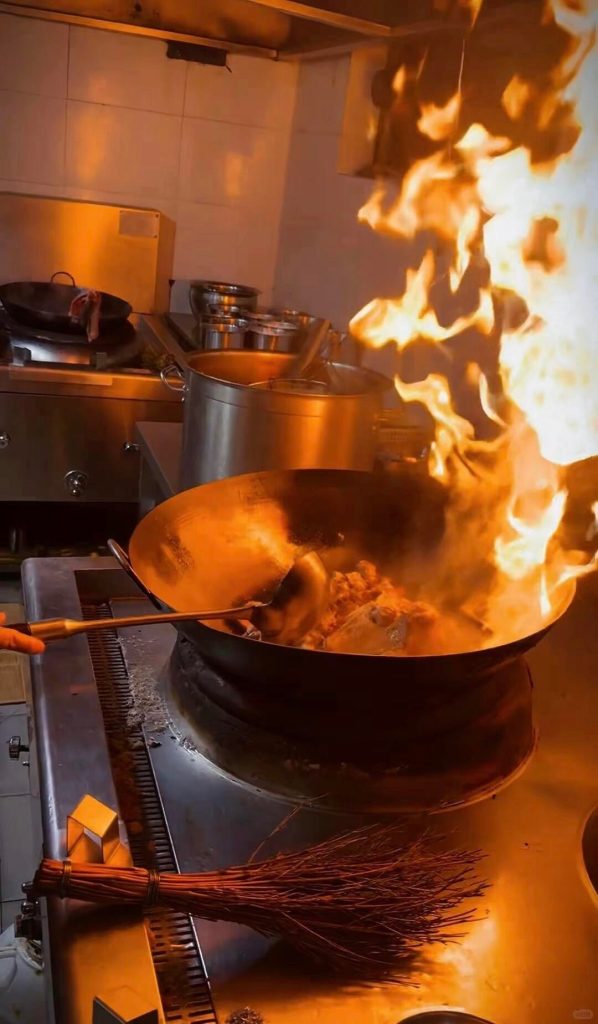
Why It Works: The Culinary Science of the Wok
Understanding the culinary science is key to consistent results. When you stir-fry, you are aiming for the Maillard Reaction—a chemical reaction between amino acids and reducing sugars that gives browned food its distinctive flavor. This requires surface temperatures between 285°F and 330°F (140°C to 165°C).
If your pan is too cold or overcrowded, moisture escapes from the ingredients and cannot evaporate fast enough. This creates a “steaming” effect rather than a “frying” effect. Proper heat recovery is essential; you want the oil temperature to stay within the 375–450°F (190–230°C) range to ensure the food sears instantly upon contact.
The Real Kitchen Insight: Restaurant vs. Home
What most beginners don’t realize is that the “Wok Hei” (breath of the wok) they crave is difficult to achieve on a Western home stove. In a restaurant kitchen, a wok burner can produce 80,000 to 120,000 BTUs. Your home gas stove likely tops out at 10,000 to 18,000 BTUs.
| Variable | Restaurant Kitchen | Western Home Kitchen |
|---|---|---|
| Burner Output | 80,000–120,000 BTU | 10,000–18,000 BTU |
| Oil Temperature Recovery | < 10 seconds | 30–60 seconds |
| Pan Material | Thin Carbon Steel | Cast Iron, Stainless, or Non-stick |
Because your stove lacks the raw power to recover heat quickly, you must compensate by cooking in smaller batches and allowing your pan to preheat longer than you think is necessary.
Essential Ingredients and Substitutions
Chinese cooking relies on a specific “pantry architecture.” If you are missing an item, don’t panic—here are Western-friendly alternatives:
- Shaoxing Wine: This is the backbone of deglazing. If you can’t find it, use a dry sherry. For those who don’t cook with alcohol, check out our guide on the best substitute for Shaoxing wine.
- Light Soy Sauce: For salt and depth. (Substitute: All-purpose soy sauce).
- Dark Soy Sauce: Primarily for color. (Substitute: 1 tsp light soy sauce + ½ tsp molasses).
- Cornstarch: Critical for “velveting” meat. (Substitute: Potato starch or Arrowroot).
Prep Strategy: The Rule of Uniformity
In a professional kitchen, we say “Prep is 90% of the work.”
- Cutting Size: Everything should be uniform. If your peppers are large and your onions are minced, one will be raw while the other burns.
- Grain Direction: Always slice meat against the grain to break up tough muscle fibers. Learning how to cut meat for stir fry is the single most important skill for tender results.
- Moisture Control: Pat your meat and vegetables dry with a paper towel. Water is the enemy of the sear.
Step-by-Step: The Perfect Stir-Fry Logic
- Preheat the Pan: Heat your skillet or wok over high heat for 2-3 minutes. You should see a faint wisp of smoke rising.
- The “Longyau” Technique: Add the best oil for stir fry (one with a high smoke point like peanut or canola) and swirl it to coat.
- Sear the Protein: Add your protein in a single layer. Don’t touch it for 30 seconds. You should hear a loud, aggressive sizzle. Remove meat when it’s 80% cooked.
- Aromatics: Add ginger, garlic, and scallion whites. They should become fragrant within 5-10 seconds. Do not let them turn dark brown or they will taste bitter.
- Vegetables: Add the hardest vegetables first (carrots/broccoli), then the softer ones.
- The Return: Add the protein back, pour the sauce around the edges of the pan (to caramelize it), and toss vigorously for 30-60 seconds.
Common Mistakes When Making Chinese Food
| Mistake | Why It Happens | The Fix |
|---|---|---|
| Watery/Soggy Dish | Overcrowding the pan or adding wet veggies. | Cook in batches; pat food dry. Read more on why your stir fry turns watery. |
| Tough, Dry Meat | Slicing with the grain or skipping the marinade. | Velvet your chicken with cornstarch and oil. |
| Burned Garlic | Adding aromatics too early into a dry pan. | Add garlic last in the aromatic stage with enough oil to buffer the heat. |
| Bland Sauce | Lack of acid or umami balance. | Ensure your sauce has a “Golden Ratio” of soy, sugar, and vinegar. |
Pro Tips for Home Cooks
- Wok vs. Skillet: If you have an electric stove, a heavy-bottomed stainless steel skillet is often better than a round-bottomed wok because it maintains more surface contact with the heat source.
- The Cornstarch Slurry: Never add dry cornstarch to a hot pan. Mix it with cold water first to prevent lumps.
- Layering Flavors: Add toasted sesame oil at the very end, off the heat. Its volatile oils dissipate quickly; cooking it ruins the aroma.
Mini Recipe: 10-Minute Garlic Bok Choy
This simple dish is the perfect way to practice heat control.
- Ingredients: 1 lb Baby Bok Choy (dried thoroughly), 3 cloves garlic (sliced), 1 tbsp oil, 1/2 tsp salt, 1/4 tsp sugar.
- Method: Heat oil until shimmering. Add bok choy. You should hear a loud “crack.” Stir-fry for 2 minutes. Add garlic, salt, and sugar. Toss for 30 seconds more. Serve immediately. This pairs beautifully with a protein-heavy dish like Authentic Mapo Tofu.
About the Author & Recipe Development
I’m Lin, and I’ve spent over a decade in professional Chinese kitchens, ranging from high-volume banquet halls to family-owned bistros. This guide was developed after testing hundreds of recipes on standard Western electric and gas ranges. My goal is to bridge the gap between “restaurant secret” and “home reality” by focusing on the physics of the kitchen rather than just the list of ingredients.
Sources & Standards Referenced
- USDA Food Safety and Inspection Service – Safe Minimum Internal Temperature Chart
- FDA Food Code – Cooking Temperature Guidelines
Frequently Asked Questions
Can I use Olive Oil for stir-frying?
It is not recommended. Extra virgin olive oil has a smoke point around 375°F, which is too low for the high-heat demands of stir-frying. Use peanut, avocado, or refined grapeseed oil instead.
Why does my meat stick to the pan?
This usually happens because the pan wasn’t hot enough when the meat was added, or the meat was too wet. Ensure the oil is shimmering and the meat is patted dry.
Is MSG safe to use?
According to the FDA, MSG is “generally recognized as safe” (GRAS). It provides a concentrated umami punch that is essential in many restaurant-style dishes.
How do I adjust the spice level?
Always start with less. You can add more chili oil at the end, but you can’t take it out once it’s incorporated.
How to Serve
A great stir-fry is best served immediately with steaming jasmine rice. For a complete family meal, I recommend balancing a spicy stir-fry with a mild side, such as Chinese stir-fried lettuce with garlic.
Storage & Reheat
- Storage: Store leftovers in an airtight container for up to 3 days in the refrigerator.
- Reheat: Do not use a microwave if possible; it makes the vegetables mushy. Instead, flash-fry in a hot skillet with a teaspoon of water to “re-steam” the fibers quickly.
Nutrition Disclaimer:
Nutrition information is an estimate and provided for informational purposes only. Factors such as specific ingredient brands and actual cooking times can vary the results.



Leave a Reply