Some soups earn their depth from hours of simmering. This one earns it in twenty minutes, and the trick is almost embarrassingly simple: you fry the eggs hard, then let them give everything back to the water. The result is a broth that tastes like it has been on the stove all afternoon, even though the whole pot comes together between homework checks and the last email of the day.
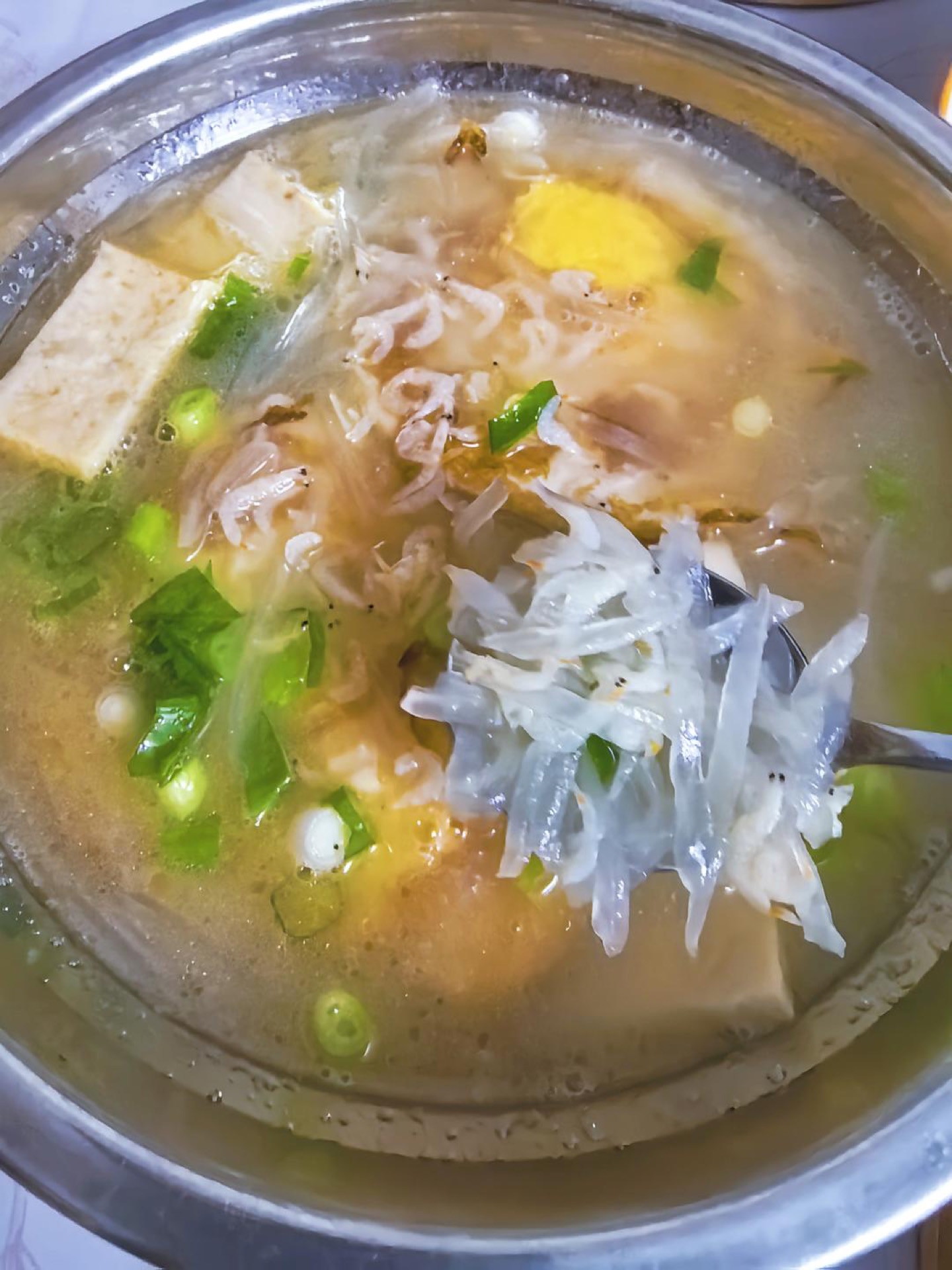
White radish egg soup, or 白萝卜丝汤, is one of those dishes that never makes it onto a restaurant menu and yet shows up on family tables all winter long. Shredded daikon goes sweet and tender, the egg turns golden and springy, and a spoonful of dried shrimp quietly does the work of a whole jar of stock powder. If you keep a Chaoshan pork cake in the freezer, it turns a light vegetable soup into something that eats like dinner.
I make this whenever the produce box hands me a daikon bigger than my forearm, and I make it the way my mother does — with the eggs fried until the edges are crisp and brown, because that is where the flavor hides. Nothing here is fussy. But a few small decisions, from how thin you shred the radish to when you add the water, decide whether you get a thin, watery bowl or a sweet, savory one.
What Is White Radish Egg Soup?
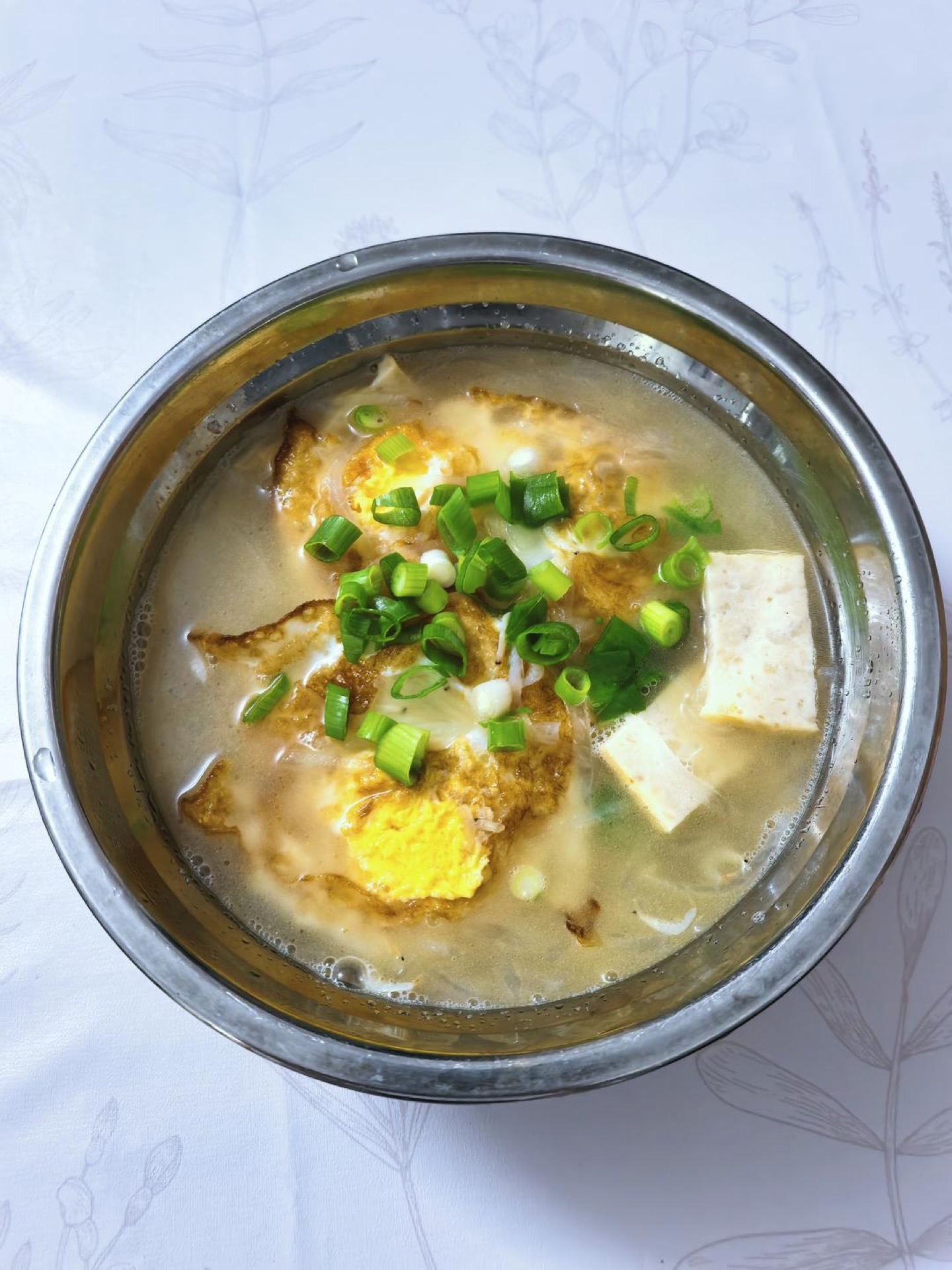
White radish egg soup is a home-style Chinese soup made by stir-frying shredded daikon (white radish, 白萝卜) with dried shrimp, then simmering it with pan-fried egg and boiling water. The name 白萝卜丝汤 literally means “white radish shred soup,” and the shredding matters: thin strands soften in minutes and release their sweetness into the broth, while chunks would still be crunchy when the eggs are ready.
It belongs to the same family as other light Chinese winter soups — quick, broth-forward bowls built on one vegetable and one protein rather than a long-simmered stock. In Chaoshan kitchens, a slice or two of pork cake (潮汕肉饼) often goes in for extra savoriness, and that is how I like it best.
If you have ever made a radish soup that tasted like hot water with vegetables floating in it, the fix is almost never more salt. It is a hard-fried egg and boiling water — the two things that turn a thin broth opaque and full.
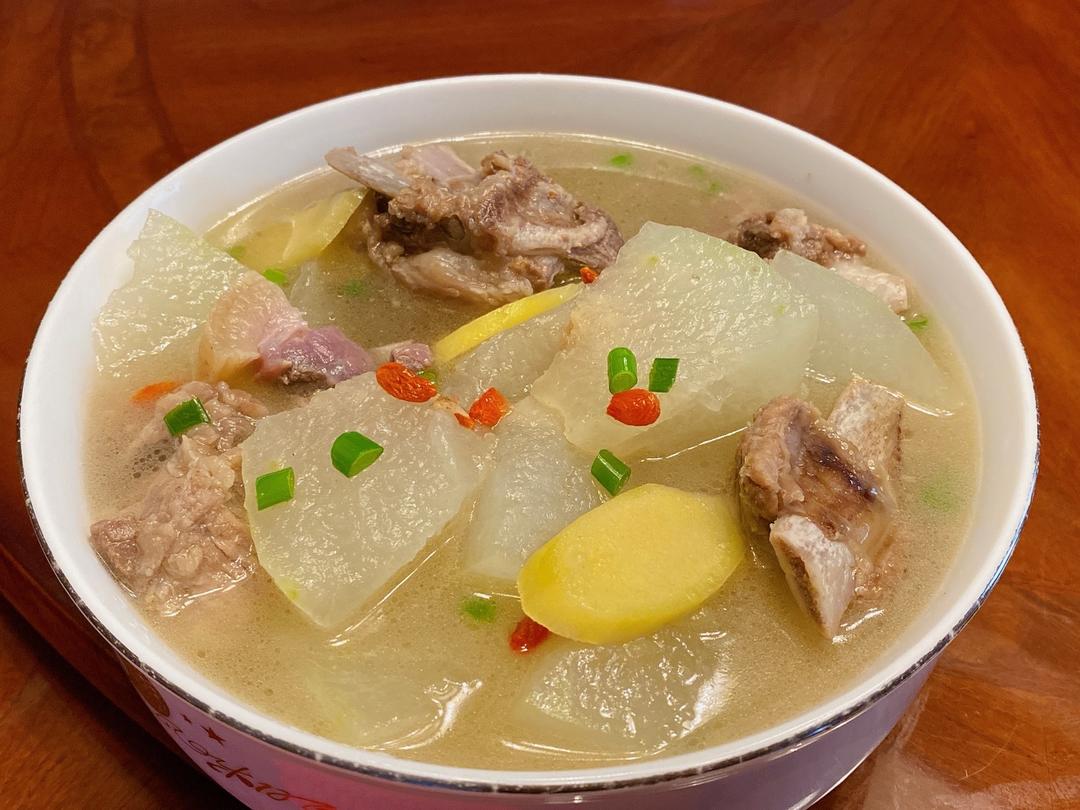
If you enjoy this style of clean, sweet winter soup, the winter melon pork rib soup is the summer cousin of this bowl, with the same gentle sweetness and a longer, richer simmer.
1Authentic Winter Melon Pork Rib Soup (Dong Gua Pai Gu Tang)A comforting, hydrating summer soup featuring tender pork ribs, savory salted pork, and melt-in-your-mouth winter melon. Authentic, simple, and naturally healthy.Check out this recipe
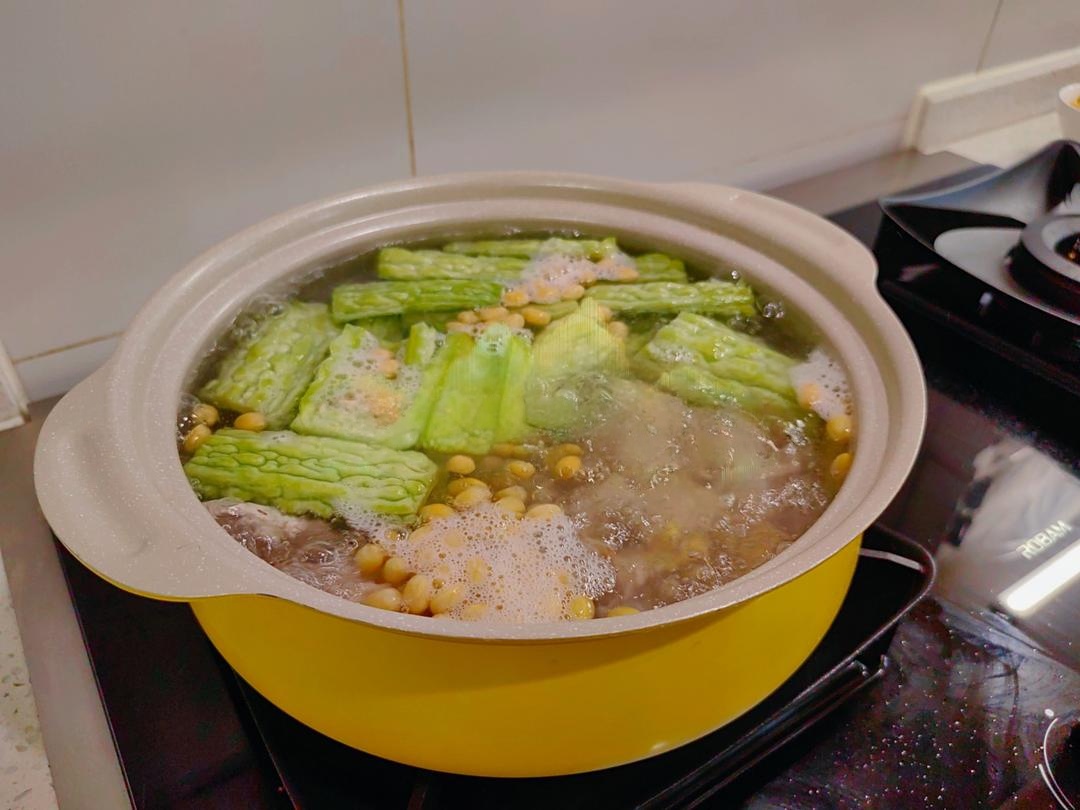
For anyone who likes a soup with a pleasant bitter edge and real depth, the bitter melon pork rib soup is worth the extra pot, and it uses the same dried-shrimp-and-broth logic in a heartier form.
2Bitter Melon Pork Rib Soup (Ku Gua Pai Gu Tang)A classic, cooling Cantonese soup featuring tender pork ribs, savory soybeans, and bitter melon. This recipe uses traditional techniques to reduce bitterness for a refreshing summer tonic.Check out this recipe
And when sweet corn is in season, the corn and pork rib soup is the version I make for kids, since the corn sweetens the broth the way daikon does here — just with a different kind of sugar.
3Corn and Pork Rib Soup with YamA comforting, homestyle Chinese soup featuring pork ribs, sweet corn, carrots, and Chinese yam. Simple to make, nutritious, and full of natural sweetness.Check out this recipe

Ingredient Notes
White radish (daikon): Look for a firm, heavy daikon with smooth skin and no soft spots. Smaller radishes tend to be sweeter and less pungent; a very large one can turn slightly bitter near the top, so trim generously and taste a raw strand before you commit. If the raw shred tastes sharp, a pinch of sugar in the wok softens it.
Eggs: Two large eggs is right for this volume of broth. Fry them thin and flat rather than scrambling them, so you get distinct golden pieces instead of egg crumbs that disappear into the soup.
Dried shrimp (虾皮): These tiny shrimp are the umami backbone of the soup. Rinse them briefly to remove grit and excess salt, then toast them in the wok for a minute — that step is what turns their flavor from “fishy” to “savory.” If you are avoiding shellfish, see the allergen section below for swaps.
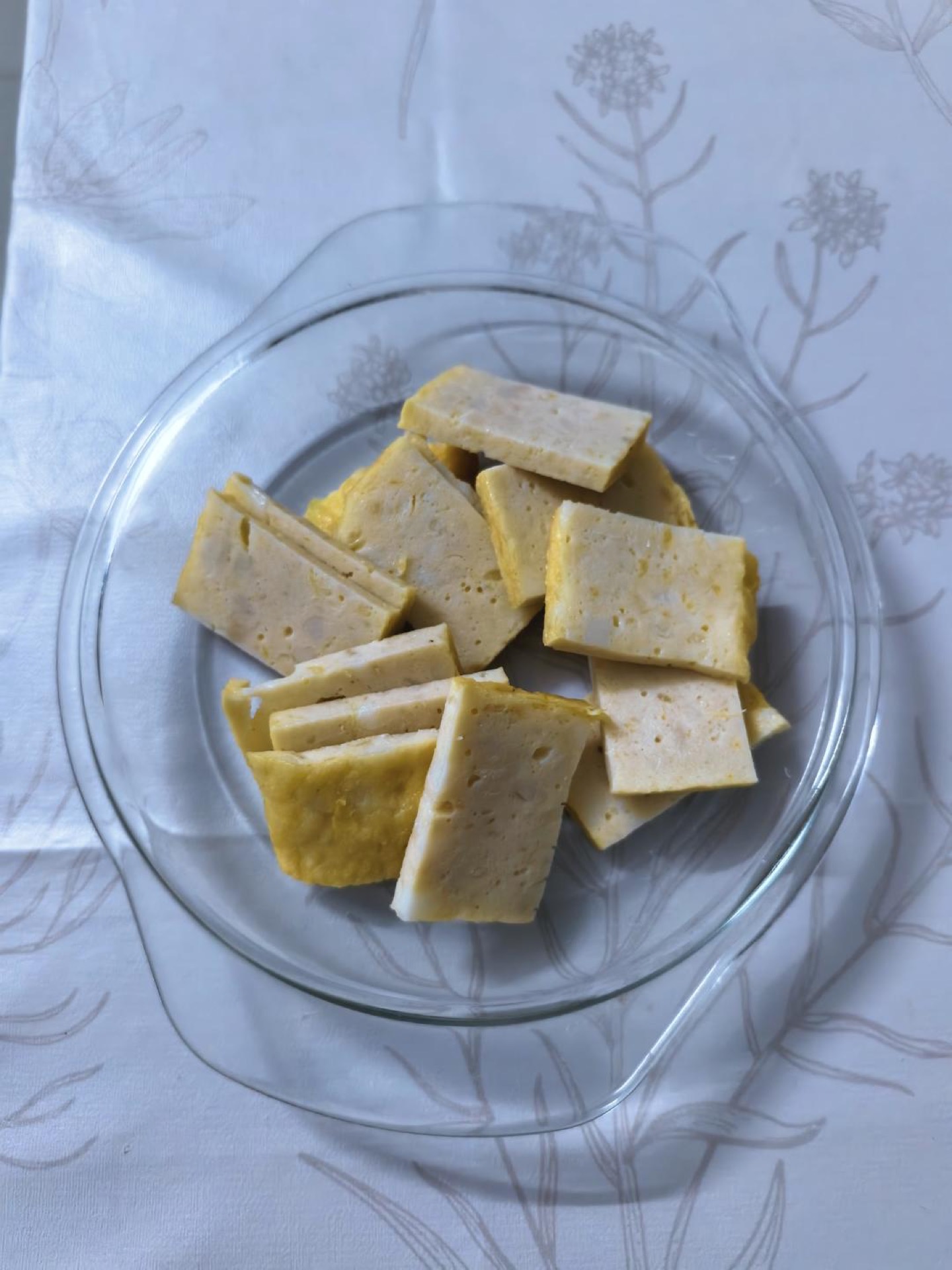
Chaoshan pork cake (潮汕肉饼): A dense, springy steamed pork loaf sold in Chinese markets, usually near the fish balls. It is optional but excellent: it adds a bouncy texture and a savory note that plain pork cannot match. Fish cake or a few slices of good sausage work as substitutes.
Water: Use boiling water from a kettle, not cold tap water. Cold water drops the wok temperature and gives you a thinner, less milky broth.
Ingredients
Here is everything you need for four servings. Exact amounts are in the recipe card at the bottom of this post.
- 1 lb daikon radish, peeled and shredded (about half a large one)
- 2 large eggs, beaten with a pinch of salt
- 2 tbsp vegetable oil
- 1 tbsp dried shrimp (虾皮), rinsed
- 4 oz Chaoshan pork cake (潮汕肉饼), sliced thin — optional
- 4 cups boiling water
- 1 tsp salt, to taste
- 1/2 tsp chicken or mushroom bouillon
- 2 scallions, finely chopped
- 1 tsp sesame oil, optional
Equipment Needed
A wok is ideal because its wide, sloped sides let the shredded radish cook down fast without steaming, and the same pan goes from frying to simmering without a single transfer. If you do not own one, a wide skillet or a Dutch oven works fine — just use the widest pan you have.
- Wok or a wide, heavy skillet
- Cutting board and a sharp knife, or a mandoline for the radish
- Slotted spoon for lifting the fried egg out of the oil
- Kettle for boiling water
- Box grater or julienne peeler (optional, for uniform shreds)
If you are still building out your Chinese kitchen, this guide on what you need to start cooking Chinese food covers the basics without the gadget sprawl.
Why This Recipe Works
The technique is a small piece of kitchen chemistry. When you fry eggs hard in hot oil, the proteins coagulate and brown, creating hundreds of tiny flavor compounds through the Maillard reaction, the same browning chemistry that gives seared meat and toast their aroma. Those browned egg pieces then sit in hot water and release some of that flavor back into the broth, which is why the soup tastes seasoned even before you add salt.
Meanwhile, the radish does its own work. Daikon is roughly 95 percent water and holds a mild, sweet flavor once cooked, so it dilutes the broth without flattening it, and its natural glutamates — the same compounds responsible for the savory taste in mushrooms and aged cheese — layer on top of the umami from the dried shrimp. The FDA’s food safety resources are a useful reference for handling and storing the fresh and dried ingredients here.
Finally, the boiling water matters more than it sounds. Adding hot water keeps the wok at a simmer, so the fat and egg particles stay emulsified in the broth and give it that pale, milky look. Cold water shocks the pan and the broth separates.
Prep & Mise en Place
This soup cooks in about ten minutes once the wok is hot, so do all your cutting first. Peel the daikon, then shred it — a box grater on the coarse side, a julienne peeler, or a mandoline all work. Aim for strands about the thickness of a matchstick; thinner than that and they dissolve into mush, thicker and they stay crunchy while the egg goes soft.
Beat the eggs with a pinch of salt until the yolks and whites are fully combined. Rinse the dried shrimp in a small bowl of water and drain them well — wet shrimp will spit in hot oil. Slice the pork cake into thin coins, about an eighth of an inch. Chop the scallions, keeping the whites and greens separate if you want to use the whites for fragrance. Put the kettle on so the water is boiling the moment you need it.
Set everything within arm’s reach of the stove. From the first egg hitting the oil to the last scallion going in, you will not have time to rummage.
Cooking Process
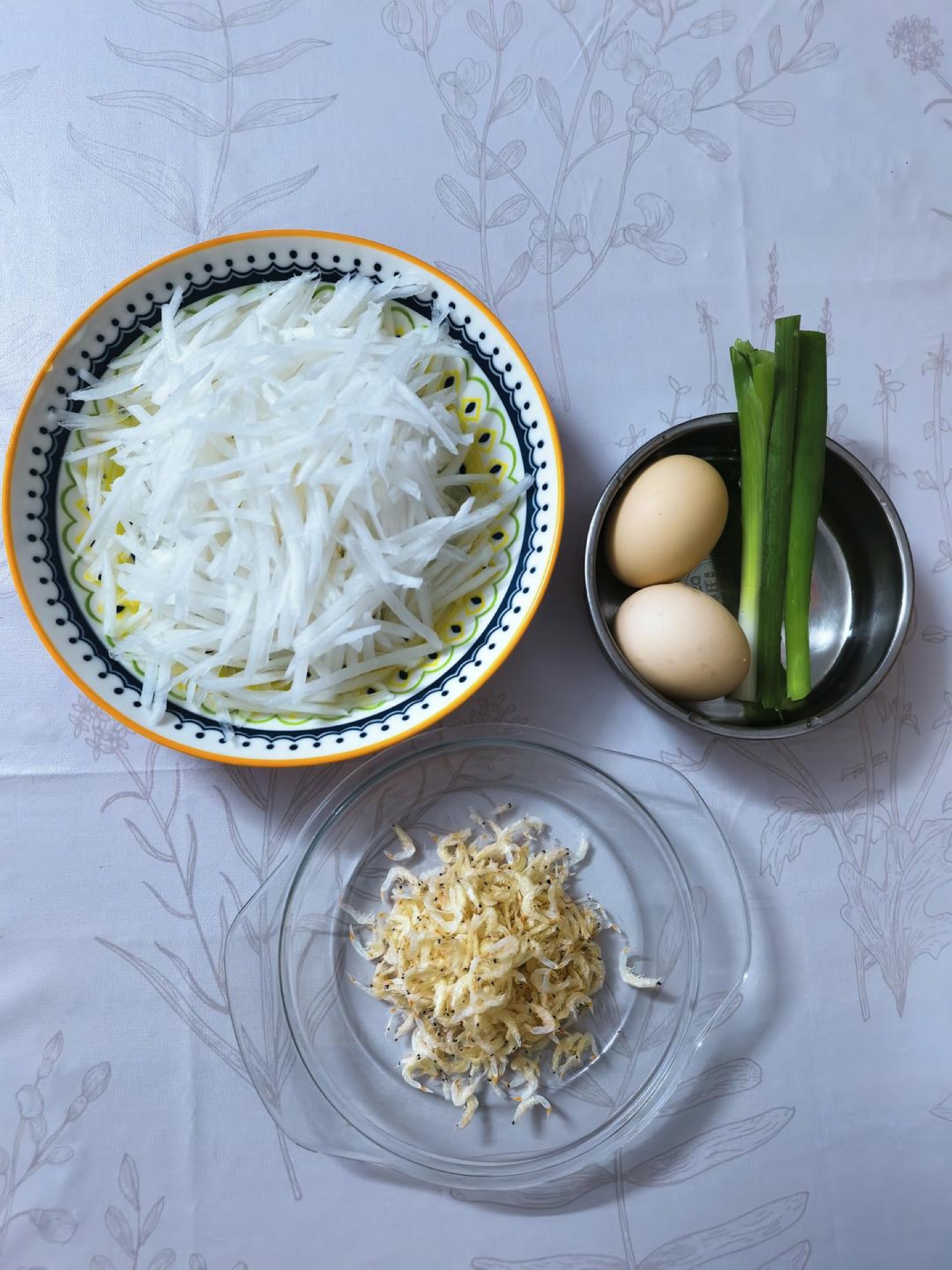
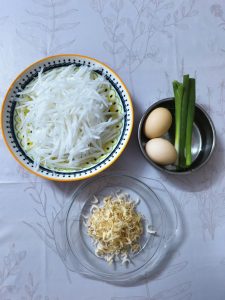
Step 1 — Prep the Radish, Eggs and Shrimp
Shred the peeled daikon, beat the eggs with a pinch of salt, and rinse the dried shrimp so everything is ready before the wok heats up.
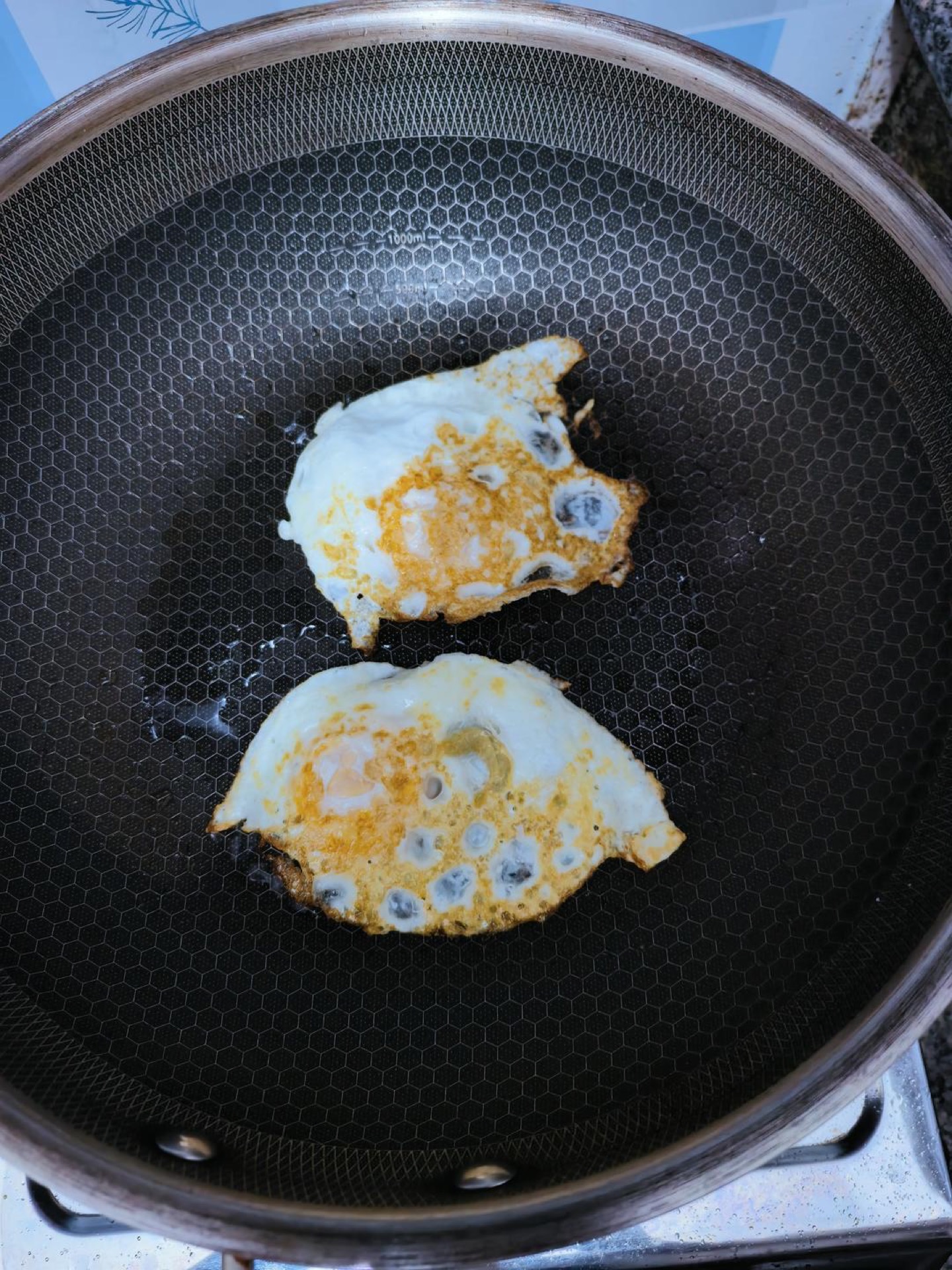
Step 2 — Fry the Eggs
Heat the oil in a wok over medium-high heat and fry the beaten eggs into a flat, golden omelette, then slide it onto a board and cut it into bite-sized pieces.
Step 3 — Soften the Radish
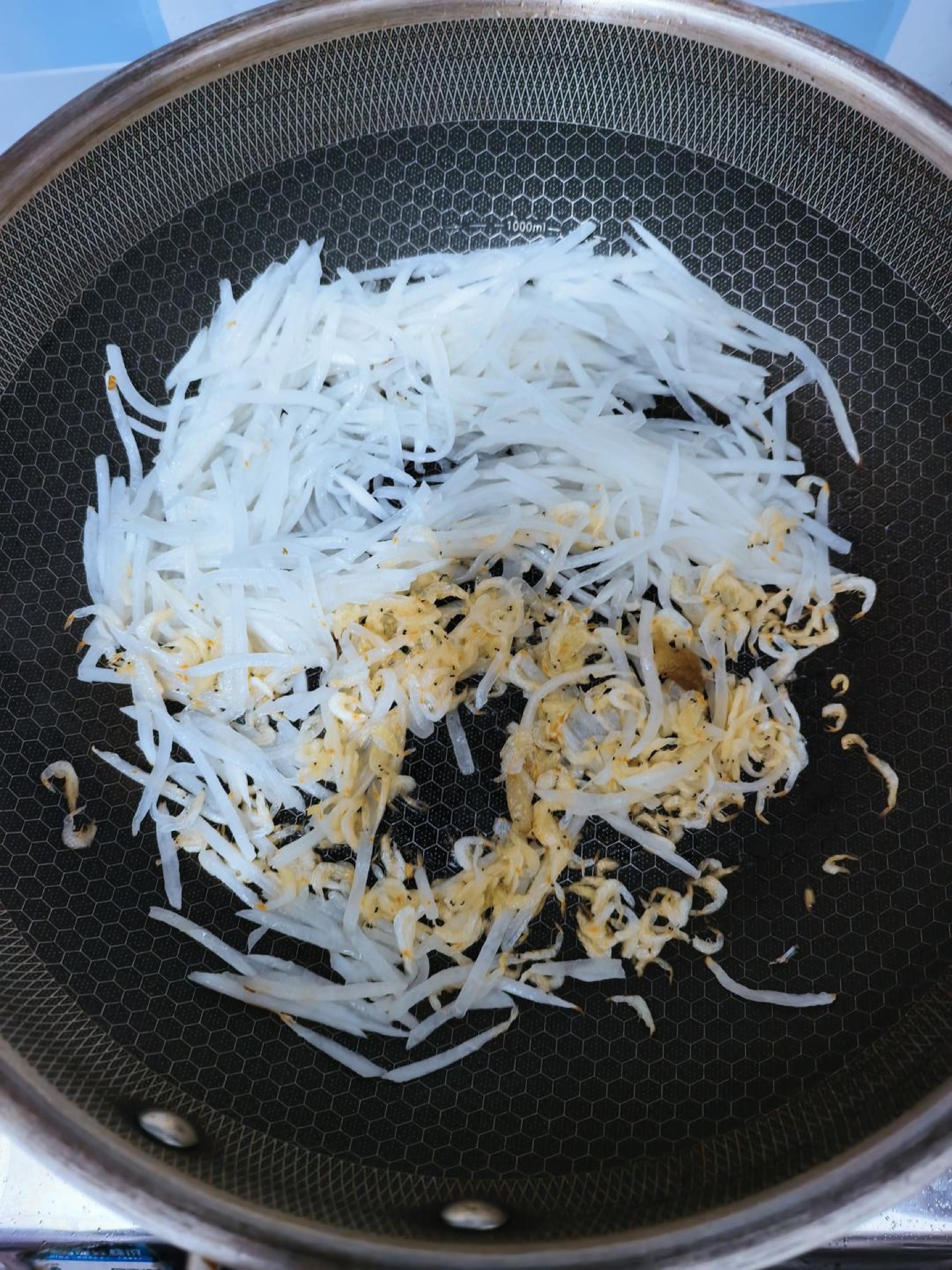
Add the shredded daikon to the same wok and stir-fry for 3 to 4 minutes until it turns translucent and collapses slightly.
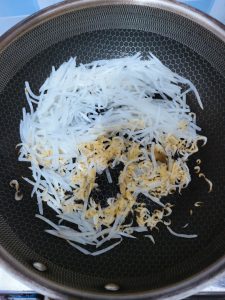
Step 4 — Add the Dried Shrimp
Scatter in the rinsed dried shrimp and stir-fry for another minute so they toast and perfume the radish.
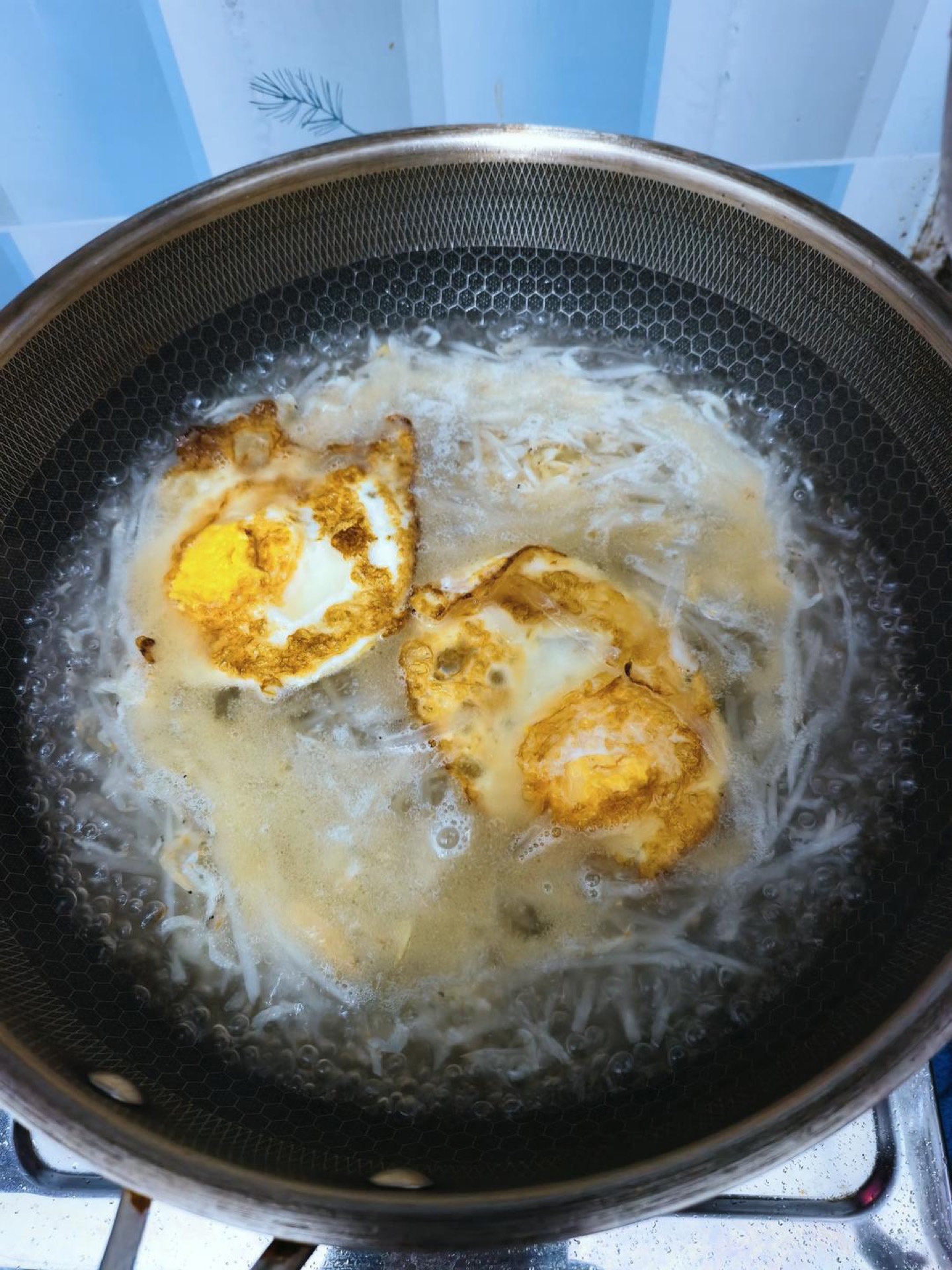
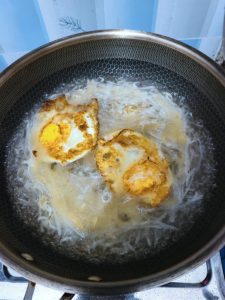
Step 5 — Pour in the Eggs and Boiling Water
Return the fried egg pieces to the wok, pour in the boiling water, and bring everything to a rolling simmer for 5 minutes.
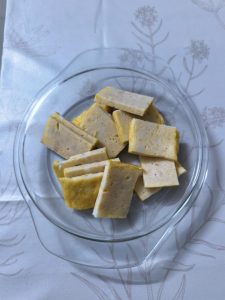
Step 6 — Add the Chaoshan Pork Cake
Slide in the sliced pork cake and simmer for 3 more minutes until it plumps and the broth tastes savory.
Step 7 — Season and Finish with Scallions
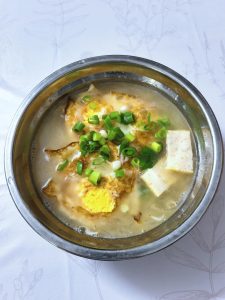
Season with salt and chicken bouillon, taste and adjust, then scatter the chopped scallions over the top and serve hot.
Common Mistakes When Making White Radish Egg Soup
1. Shredding the radish too thick. Thick shreds stay crunchy and release their sweetness slowly, so the soup tastes raw and the egg goes soggy waiting. Fix: shred to matchstick thickness, and if your shreds are uneven, stir-fry them a minute or two longer before adding water.
2. Adding cold water to the wok. This is the single most common reason for a thin, clear, flavorless broth. The cold water drops the pan temperature, the fat separates, and the soup never emulsifies. Fix: keep a kettle of boiling water ready and pour it in straight from the spout.
3. Under-frying the eggs. Pale, barely-set eggs add body but almost no flavor, and the soup ends up tasting flat. Fix: let the omelette go until the edges are deep golden and crisp, then cut it into pieces — those browned edges are the seasoning.
4. Skipping the toast on the dried shrimp. Dried shrimp straight from the bag taste briny and slightly raw. Fix: stir-fry them with the radish for a full minute so they sizzle and smell nutty before any liquid goes in.
5. Over-salting before the broth reduces. The soup loses volume as it simmers and the dried shrimp and pork cake are already salty, so early seasoning can push it over. Fix: add half the salt, simmer, taste, then finish the seasoning at the very end.
6. Boiling hard after the eggs go back in. A rolling boil for too long breaks the egg pieces apart and muddies the broth. Fix: keep it at a gentle simmer, just enough movement to see the surface tremble.
Variations
Vegetarian version: Skip the dried shrimp and pork cake, and build the umami with a handful of fresh shiitake slices or a teaspoon of mushroom bouillon. Fry the eggs the same way — they carry most of the flavor.
With vermicelli: Add a small bundle of soaked glass noodles in the last three minutes and you have a one-bowl meal. This is the version I make when the soup is dinner rather than a side.
Pork or fish cake swap: Any springy Chinese cake works — fish cake, beef ball slices, or even a few thin slices of leftover braised pork belly with oyster mushrooms stirred in at the end.
Tomato version: Add one sliced tomato with the radish and stir-fry until it collapses. The broth turns faintly pink and slightly tangy, which is a nice change when radishes are at their sharpest.
Spicier finish: A drizzle of chili oil or a few slivers of fresh chili at the table wakes the whole bowl up, especially in cold weather.
Frequently Asked Questions
Can I use other radishes instead of daikon? Yes, but the soup changes character. Red radishes are sharper and cook faster, so reduce the stir-fry time by a minute and expect a more peppery broth. Watermelon radish is the closest substitute in sweetness.
Why did my soup turn out watery? Almost always cold water or under-fried eggs. Use boiling water and fry the eggs until the edges brown, and the broth will come out opaque and full-bodied.
Do I have to peel the daikon? For this soup, yes. The skin is tough and slightly bitter, and it will not soften enough in a ten-minute simmer. Peel it generously, down to the translucent white flesh.
Can I make this ahead of time? You can prep everything up to a day ahead — shred the radish, slice the pork cake, chop the scallions — but cook the soup fresh. Reheated egg pieces lose their springy texture and the radish goes soft.
Is this soup gluten-free? It can be. Skip the soy sauce entirely, use a gluten-free bouillon, and check that your pork cake and dried shrimp brand are not processed with wheat-based additives.
How to Serve
Serve this soup as the first course of a Chinese meal, or as a light dinner with steamed rice. It pairs beautifully with a plate of shrimp green bean fried rice when you want something a little more substantial on the table.
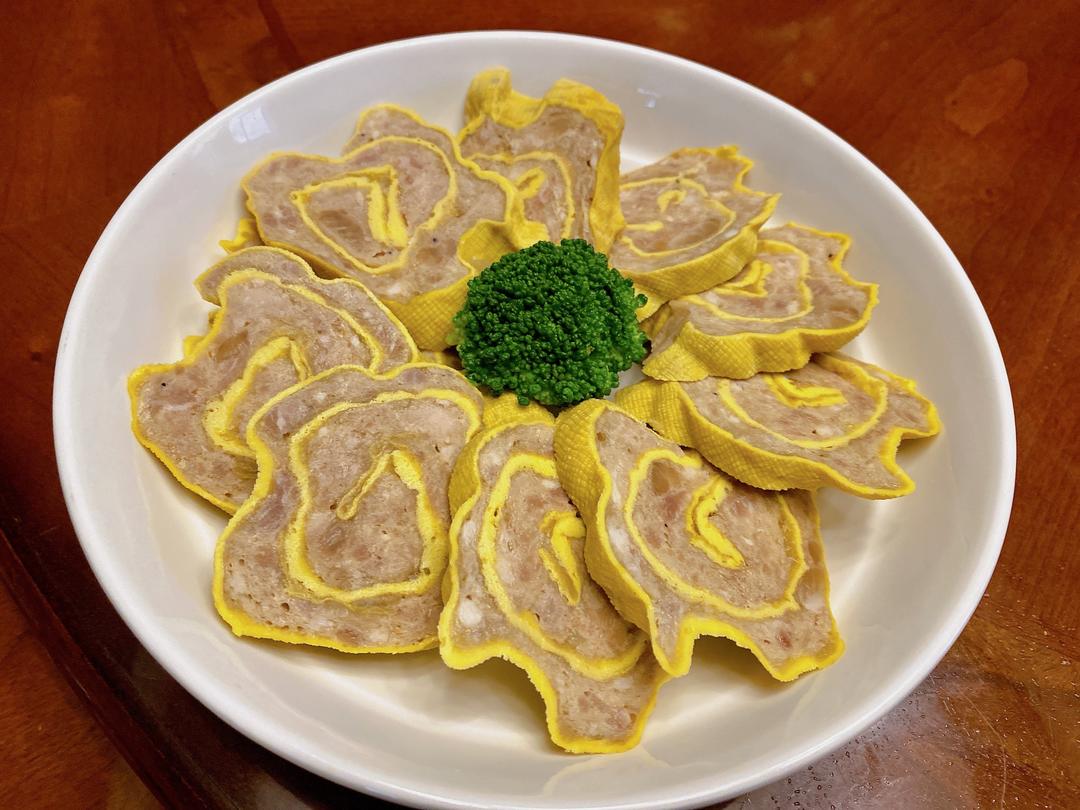
It is also a natural partner for steamed pork egg rolls, since the clean broth cuts through the richness of the rolled pork and egg.
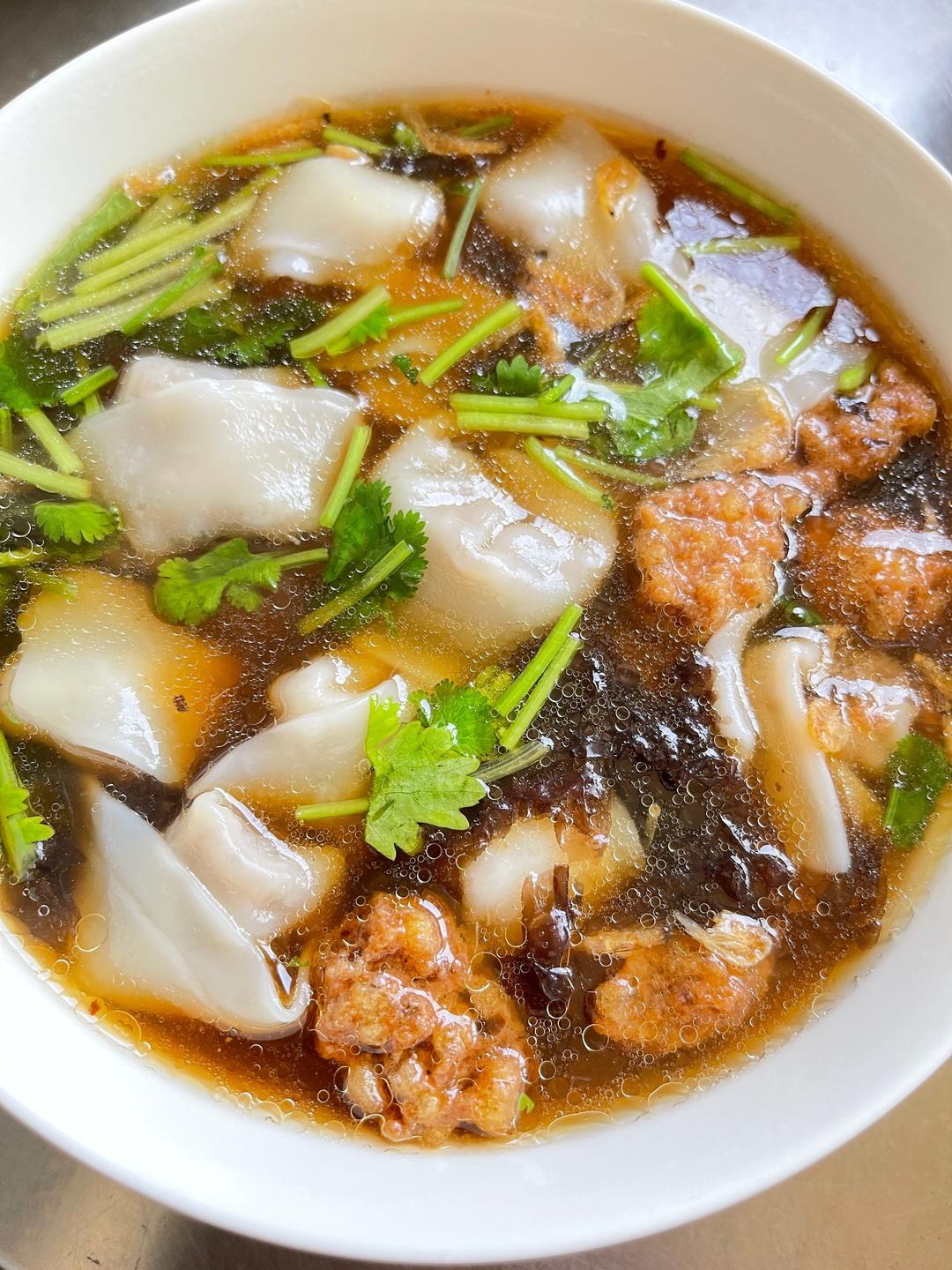
And if you are serving a bigger spread, a bowl of wonton soup broth alongside makes the meal feel like a proper banquet without much extra work.

Storage & Reheat
Cool the soup to room temperature within two hours, then transfer it to a shallow airtight container and refrigerate for up to three days. The radish will soften further overnight and the broth will taste even sweeter the next day, though the egg pieces will lose some of their springiness.
To reheat, warm gently on the stovetop over medium-low heat until steaming, or microwave in a covered bowl in one-minute bursts. Do not boil it hard, or the egg will break apart. If the broth has reduced, add a splash of water or stock to loosen it. I do not recommend freezing this soup — the radish turns spongy and watery once thawed.
Allergen Notice
This recipe contains eggs, shellfish (dried shrimp), soy and wheat (from the soy sauce and often from the pork cake), and pork. Dried shrimp and pork cake are frequently processed in facilities that also handle fish, so check labels if you have a severe shellfish or fish allergy. To make it shellfish-free, omit the dried shrimp and use mushroom bouillon instead; to make it vegetarian, also omit the pork cake. Always read the labels on your bouillon and pork cake, since both can hide gluten and MSG-based additives.
Nutrition Disclaimer
Nutrition information is calculated using an ingredient database and should be considered an estimate. In cases where multiple ingredient alternatives are given, the first listed is calculated for nutrition. Garnishes and optional ingredients are not included.
About the Author & Recipe Development
I am Lin, the cook and writer behind Woks of Love, where I have been documenting Chinese home cooking since 2015. I grew up watching my mother and grandmother cook Cantonese and Chaoshan dishes, and I learned this soup the way most people do — by standing in the kitchen while someone else made it, tasting as it went, and being told to shred the radish thinner.
This version is the one I make at home now, with the eggs fried a little harder than my mother’s because I like the browned edges, and with the pork cake included whenever I have one in the freezer. Every recipe on this site is tested in my own kitchen with ingredients you can find at a regular Chinese grocery, and I note substitutions whenever a swap genuinely works.
Authoritative References
For safe handling and cooking temperatures, see the FDA food safety guidance and the USDA’s safe minimum internal temperature chart. For more on the browning reactions that give fried eggs their flavor, the Serious Eats explainer on the Maillard reaction is a clear, practical read.
White Radish Egg Soup (白萝卜丝汤): Sweet Radish, Savory Egg Broth

Equipment
- Wok
- Cutting Board
- Slotted Spoon
Ingredients
For the Soup Base
- 2 tbsp vegetable oil for frying the eggs
- 2 large eggs beaten with a pinch of salt
For the Soup
- 1 lb daikon radish about half a large one, peeled and shredded
- 1 tbsp dried shrimp 虾皮, rinsed
- 4 oz Chaoshan pork cake 潮汕肉饼, sliced thin (optional)
- 4 cups boiling water plus more as needed
- 1 tsp salt to taste
- 1/2 tsp chicken bouillon or mushroom bouillon
To Finish
- 2 stalks scallion finely chopped
- 1 tsp sesame oil optional
Instructions
- Shred the peeled daikon, beat the eggs with a pinch of salt, and rinse the dried shrimp so everything is ready before the wok heats up.

- Heat the oil in a wok over medium-high heat and fry the beaten eggs into a flat, golden omelette, then slide it onto a board and cut it into bite-sized pieces.
- Add the shredded daikon to the same wok and stir-fry for 3 to 4 minutes until it turns translucent and collapses slightly.
- Scatter in the rinsed dried shrimp and stir-fry for another minute so they toast and perfume the radish.
- Return the fried egg pieces to the wok, pour in the boiling water, and bring everything to a rolling simmer for 5 minutes.
- Slide in the sliced pork cake and simmer for 3 more minutes until it plumps and the broth tastes savory.
- Season with salt and chicken bouillon, taste and adjust, then scatter the chopped scallions over the top and serve hot.













Leave a Reply