Walking into an Asian grocery store for the first time is often an exercise in sensory overload. You are met with fifty different bottles of soy sauce, dozens of mysterious dried roots, and an entire aisle of vinegars that all look identical to the untrained eye. Many beginners buy a “generic” stir-fry sauce from a Western supermarket, only to find their dinner tastes flat, overly sweet, and nothing like the vibrant dishes from their favorite local spot. This frustration usually stems from not knowing which few “mother” ingredients actually build the foundation of flavor.
To start cooking authentic Chinese food, you only need five core pantry staples and one reliable piece of hardware. By focusing on high-quality light soy sauce and a high-smoke-point oil, you can replicate 80% of classic home-style dishes without needing a professional high-BTU burner.
Why the Right Kit Matters
In Chinese cooking, flavor isn’t just about what you add; it is about how those ingredients react to heat. The “secret” to that restaurant-quality finish is often a combination of Maillard reaction (browning) and emulsification. When you use the correct fermented sauces, they don’t just coat the food—they caramelize against the hot surface of the pan.
Using a best oil for stir fry is critical because home stoves typically operate between 10,000 and 18,000 BTUs. To compensate for this lower heat compared to a restaurant’s 80,000 BTU burner, you must allow the oil to reach a shimmering 375°F–400°F (190°C–204°C) before adding ingredients. If your oil has a low smoke point, it will break down and taste bitter before the pan is hot enough to actually sear the meat.
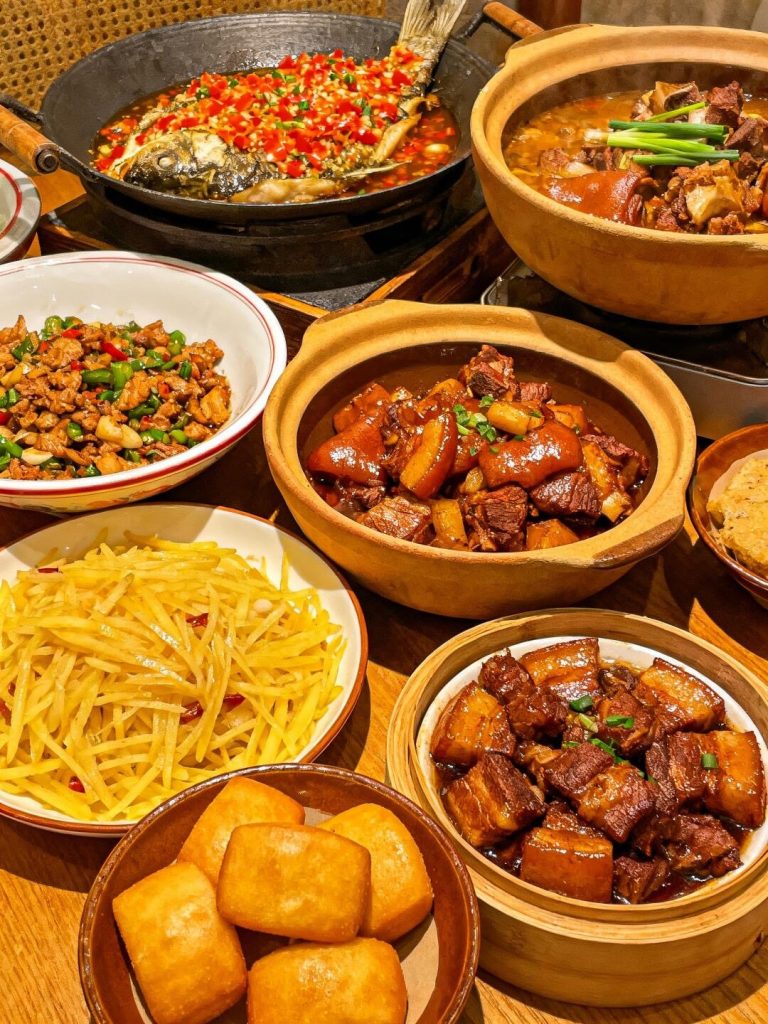
The Real Kitchen Insight
In my experience, the biggest hurdle for Western home cooks isn’t a lack of skill; it’s “pan-crowding.” In a professional kitchen, we have the luxury of immense heat that can recover the temperature in seconds. In a home kitchen, adding too much cold meat at once drops the temperature so low that the food begins to boil in its own juices. What most beginners don’t realize is that “stir-frying” often becomes “stir-steaming” if you don’t work in batches. If you hear a soft “hiss” instead of a violent “sizzle,” your pan isn’t hot enough.
The Essential Beginner Pantry
You don’t need a hundred bottles. Start with these “Big Four” to cover almost every regional style:
- Soy Sauce Duo: You need both Light Soy Sauce (for salt and umami) and Dark Soy Sauce (for that deep mahogany color).
- Shaoxing Wine: This is the soul of Chinese meat dishes. Shaoxing Wine removes “meaty” odors and adds a complex, nutty aroma. Substitute: Dry Sherry.
- Aromatic Oil: Toasted sesame oil is a finishing oil, not a cooking oil. It adds that unmistakable nutty fragrance at the very end.
- Cornstarch: Essential for “velveting” meat to keep it tender and for thickening sauces so they cling to your vegetables.
Equipment: Wok vs. Skillet
While you can use a heavy stainless steel skillet, nothing beats a carbon steel wok for heat distribution and “tossing” ability.
| Variable | Restaurant Wok | Home Wok (Carbon Steel) |
|---|---|---|
| Heat Output | 80,000–120,000 BTU | 10,000–18,000 BTU |
| Oil Recovery | < 5 seconds | 30–60 seconds |
| Technique | Continuous tossing | Batch cooking & searing |
| Surface | Round bottom (requires ring) | Flat bottom (best for home) |
For most, the best carbon steel wok for beginners is a 14-inch flat-bottom model. It sits securely on electric, induction, or gas ranges and provides enough surface area to sear 1/2 pound (225g) of meat at a time.
Prep Strategy: Mise en Place
Chinese cooking moves fast. Once the oil is hot, you won’t have time to mince garlic.
- Uniform Cutting: Slice meat across the grain into 1/8-inch (3mm) strips. This ensures quick cooking and tenderness.
- Dry Your Greens: Moisture is the enemy of a good sear. Use a salad spinner or paper towels to ensure vegetables are bone-dry before they hit the pan.
- The Sauce Bowl: Mix your fried rice sauce formula or stir-fry liquids in a small bowl beforehand. This prevents the aromatics (garlic/ginger) from burning while you’re fumbling with bottle caps.
The “Master” Stir-Fry Process
To practice your new setup, follow this universal logic:
- Preheat the Pan: Heat your dry wok over high heat until a drop of water evaporates instantly (approx. 380°F / 193°C).
- The Longyau: Add 2 tablespoons of high-smoke-point oil and swirl to coat.
- Sear the Protein: Add marinated meat in a single layer. Let it sit undisturbed for 60 seconds to develop a crust before moving. Remove and set aside.
- Aromatics: Add ginger and garlic. You should hear a vigorous sizzle immediately.
- Vegetables: Add the heartiest vegetables first, followed by leafy greens.
- The Return: Add the meat back in, pour the sauce around the edges of the wok (to heat it up before it hits the food), and toss for 30 seconds until the sauce glazes the ingredients.
Common Mistakes & Troubleshooting
| Mistake | Why it happens | The Fix |
|---|---|---|
| Soggy/Watery Dish | Too many veggies at once; pan lost heat. | Cook in batches; keep heat on maximum. |
| Bitter Garlic | Garlic added too early or chopped too fine. | Add garlic after the meat sear or use sliced cloves. |
| Tough Meat | Sliced with the grain or overcooked. | Slice across the grain; use cornstarch “velveting.” |
| Sticking to Wok | Pan wasn’t preheated or not enough oil. | Use the “hot pan, cold oil” (Longyau) method. |
Pro Tip: Achieving Wok Hei at Home
You might think “breath of the wok” is impossible on a standard stove, but you can learn how to get wok hei at home by utilizing the “searing” technique. By letting the food sit against the carbon steel without moving it for 30-45 seconds, you create localized charred spots that mimic the flavor of a professional flame.
Mini Recipe: The 3-2-1 Universal Stir-Fry Sauce
If you have your pantry basics, try this ratio for any pound of meat and vegetables:
- 3 tbsp Light Soy Sauce
- 2 tbsp Shaoxing Wine (or Sherry)
- 1 tsp Sugar
- 1 tsp Cornstarch (whisked in)
Mix this before you start the heat. It’s the perfect baseline for a quick weeknight dinner.
About the Author & Recipe Development
I am Lin, a chef with over a decade of experience in both bustling restaurant kitchens and my own family home. This guide was developed through years of adapting professional Cantonese and Sichuan techniques for Western kitchens. I have tested these “essential” lists on everything from high-end gas ranges to temperamental electric coil stoves to ensure that anyone, anywhere, can produce a bowl of noodles or a stir-fry they are proud of.
Authoritative References
- Harvard T.H. Chan School of Public Health – Guide to Cooking Oils and Smoke Points
- USDA Food Safety and Inspection Service – Safe Internal Temperatures for Meat and Poultry
Frequently Asked Questions
1. Can I use Olive Oil for stir-frying?
I don’t recommend extra virgin olive oil due to its low smoke point (approx. 325°F). For high-heat Chinese cooking, use grapeseed, canola, or peanut oil.
2. Do I really need two types of soy sauce?
If you only buy one, get Light Soy Sauce. Dark soy is primarily for color and a subtle sweetness; light soy provides the actual salt and flavor.
3. Is a non-stick pan okay?
It works for beginners, but you cannot use high heat (above 450°F) with non-stick coatings as they can release toxic fumes. A carbon steel wok is much safer for high-heat searing.
4. How do I store Shaoxing wine?
Because of its high salt content and alcohol, it is shelf-stable. Keep it in a cool, dark cupboard; there is no need to refrigerate it.
5. Why does my sauce never thicken?
Cornstarch must reach a simmering temperature (approx. 203°F / 95°C) to undergo “starch gelatinization.” If your sauce stays watery, ensure the liquid reaches a boil for at least 10 seconds.
Allergen & Nutrition Notice
Allergen Notice: Most Chinese sauces contain Soy, Wheat (Gluten), and Shellfish (in the case of Oyster sauce). Always check labels for “Gluten-Free” alternatives like Tamari if necessary.
Nutrition Disclaimer: Nutrition information is an estimate and provided for informational purposes only. Sodium content in Chinese cooking is often high due to fermented sauces; adjust soy sauce levels to meet your dietary needs.












Leave a Reply