There is a specific aroma that defines the street food stalls of my childhood in Sichuan. It’s that moment when hot oil hits minced garlic, ginger, and spices—an explosion of fragrance that instantly makes you hungry.
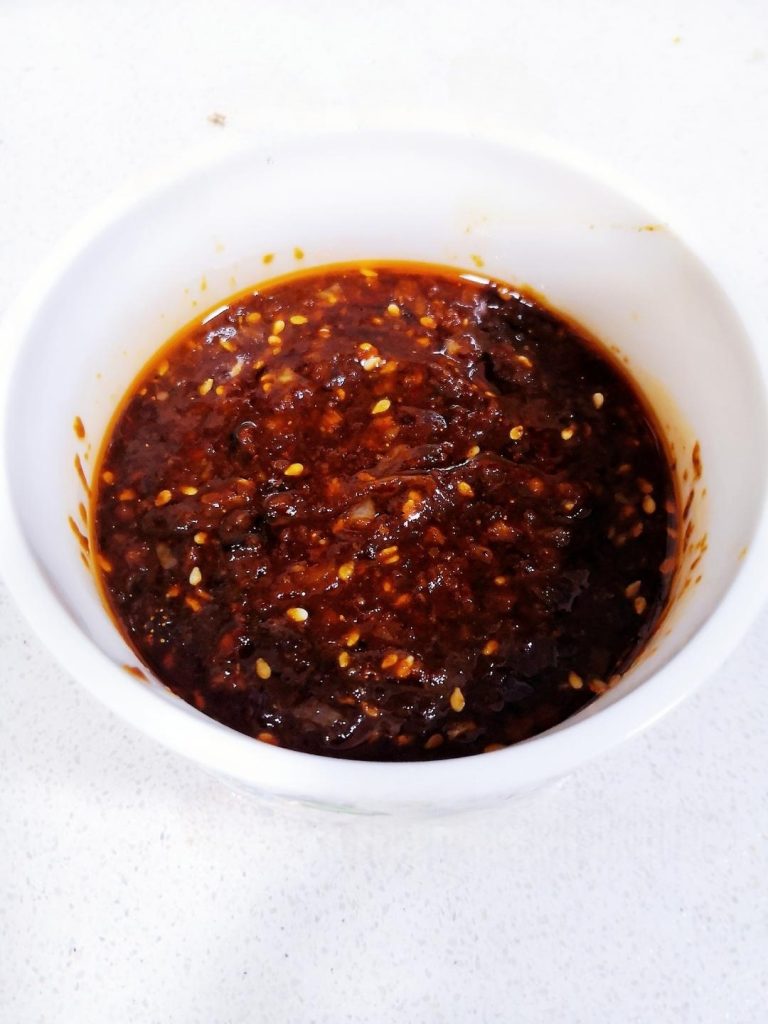
We call this Wanneng Jiang (万能酱), which literally translates to “Universal Sauce” or “All-Purpose Sauce.” Growing up with two chef parents, I learned that the secret to many “quick” meals wasn’t the main ingredient, but the master sauce kept in a jar on the counter.
This sauce is the soul of the famous Jiang Xiang Bing (Sauce Glazed Pancakes), but in my kitchen, it truly lives up to its “universal” name. I use it to toss with leftover rice, drizzle over steamed vegetables, or spread onto Sesame Paste Flatbread for a quick savory breakfast. It’s savory, slightly sweet, nutty, and packed with that signature “explosive” fragrance.
What is Wanneng Jiang?
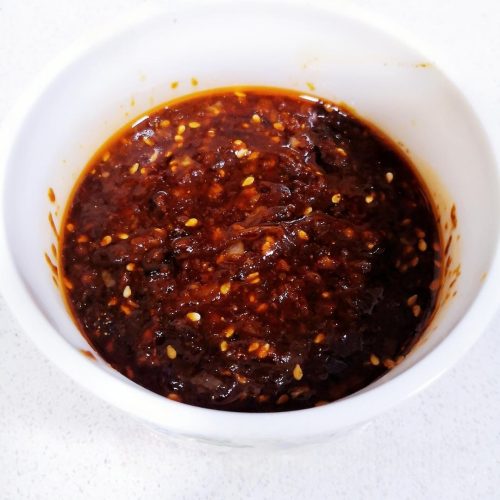
This sauce is a cooked condiment, not a raw dip. It bridges the gap between a chili oil and a thick gravy. It starts with a base of Doubanjiang (broad bean paste) for fermented depth, lifts it with tomato paste (a modern street food secret for color and tang), and rounds it out with a specific triad of spices: cumin, five-spice, and Sichuan peppercorn.
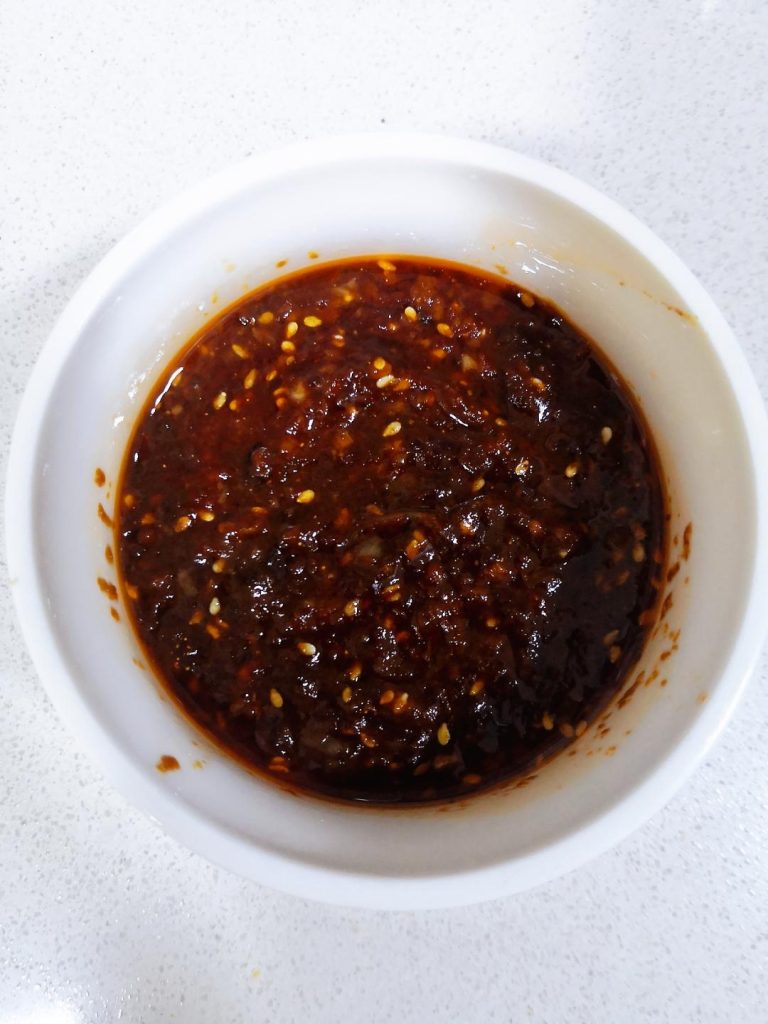
Unlike a simple soy sauce dressing, this sauce is cooked down to concentrate the flavors, resulting in a glossy, rich paste that clings beautifully to noodles or pancakes.
Why This Recipe Works
- Layered Aromatics: We don’t just dump everything in a bowl. We use a technique called Bao Xiang (爆香), or “explosive frying,” where we sauté the onion, ginger, and garlic in oil first to release their oils before adding the liquids.
- The Secret Thickener: Ground sesame powder. While many sauces use cornstarch, this recipe uses ground white sesame seeds. This adds a nutty creaminess and thickens the sauce without making it gloopy.
- Balanced acidity: The addition of tomato paste might seem unusual for traditional Chinese cooking, but it provides a necessary acidity and sweetness that cuts through the salty bean paste and rich oil.
Key Ingredients & Substitutions
- Doubanjiang (Spicy Broad Bean Paste): This is the backbone of the sauce. I recommend using the Pixian variety for the most authentic Sichuan flavor. Substitute: If you can’t find it, a mix of Sambal Oelek and Miso paste can approximate the salty-spicy profile, though the flavor will differ.
- Tomato Paste: Use the concentrated paste found in tubes or small cans, not ketchup (which is too sweet) or tomato sauce (which is too watery).
- Spices (Five-Spice, Cumin, Sichuan Peppercorn): This specific blend mimics the flavor of Chinese BBQ (Shao Kao).
- Sichuan Peppercorn Powder: Provides a citrusy, numbing finish. If you buy whole peppercorns, toast and grind them yourself for better flavor.
- White Sesame Powder: This creates the sauce’s body. Substitute: You can grind toasted white sesame seeds in a spice grinder, or use 1 teaspoon of Chinese sesame paste (or Tahini) as a liquid alternative.
- Aromatics: Purple or yellow onion works best here for sweetness.
Recipe Notes Before You Start
- Equipment: You will need a food processor or good knife skills to mince the aromatics finely. You’ll also need a small saucepan or frying pan.
- Safety: We will be pouring water into a hot oily paste. Be careful! The mixture will bubble vigorously. Lower the heat before adding water to prevent splattering.
- Mise en Place: This recipe moves fast once the heat is on. Mix your liquid sauces in a bowl and chop your aromatics before you turn on the stove.
Ingredients
The Aromatics
- 1 oz (35g) onion (about 1/4 small onion), roughly chopped
- 0.5 oz (15g) fresh ginger, peeled
- 5 cloves garlic
The Sauce Base
- 1 tbsp Doubanjiang (Pixian Broad Bean Paste)
- 1 tbsp oyster sauce
- 2 tsp (10g) tomato paste
- 2 tsp (10g) sugar
- 1/4 tsp (1g) five-spice powder
- 1/4 tsp (1g) ground cumin
- 1/4 tsp (1g) Sichuan peppercorn powder
- 1/2 tsp (2g) white sesame powder (ground white sesame seeds)
- 1/2 cup (120ml) water
To Finish
- 3 tbsp neutral oil (vegetable or canola)
- 1 tsp toasted white sesame seeds
How to Make Universal Street Food Sauce
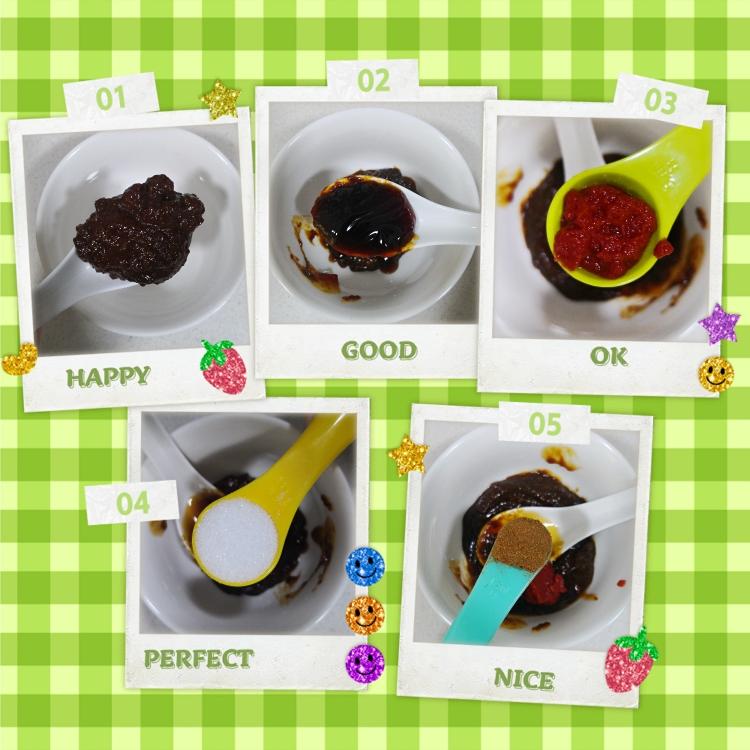
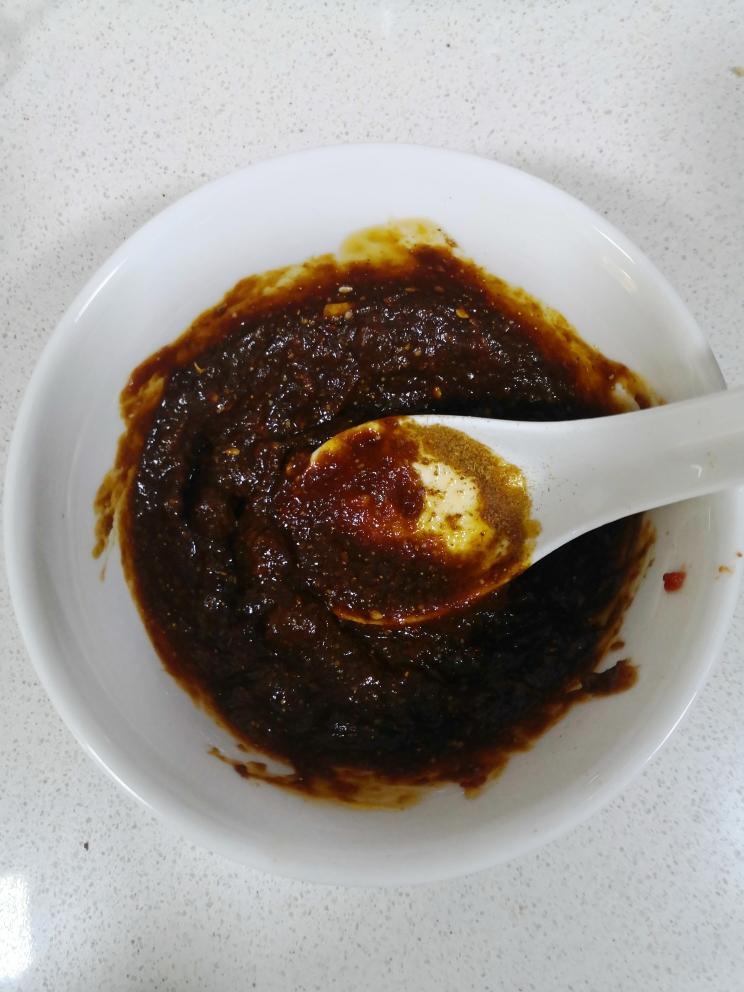
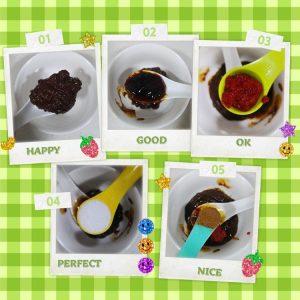
1. Prepare the Sauce Mix In a small bowl, combine the Doubanjiang, oyster sauce, tomato paste, sugar, five-spice powder, cumin, Sichuan peppercorn powder, and white sesame powder. Mix well with a spoon.
Why? Pre-mixing ensures the spices are evenly distributed and prevents the sugar from burning when added to the hot pan later.
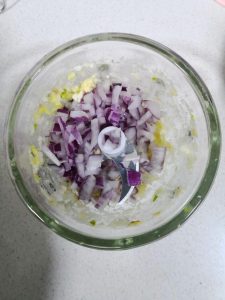
2. Blitz the Aromatics Place the onion, ginger, and garlic into a food processor. Pulse until finely minced (almost a paste). If you don’t have a processor, mince them by hand as finely as possible.
Note: The finer the mince, the smoother your final sauce will be.
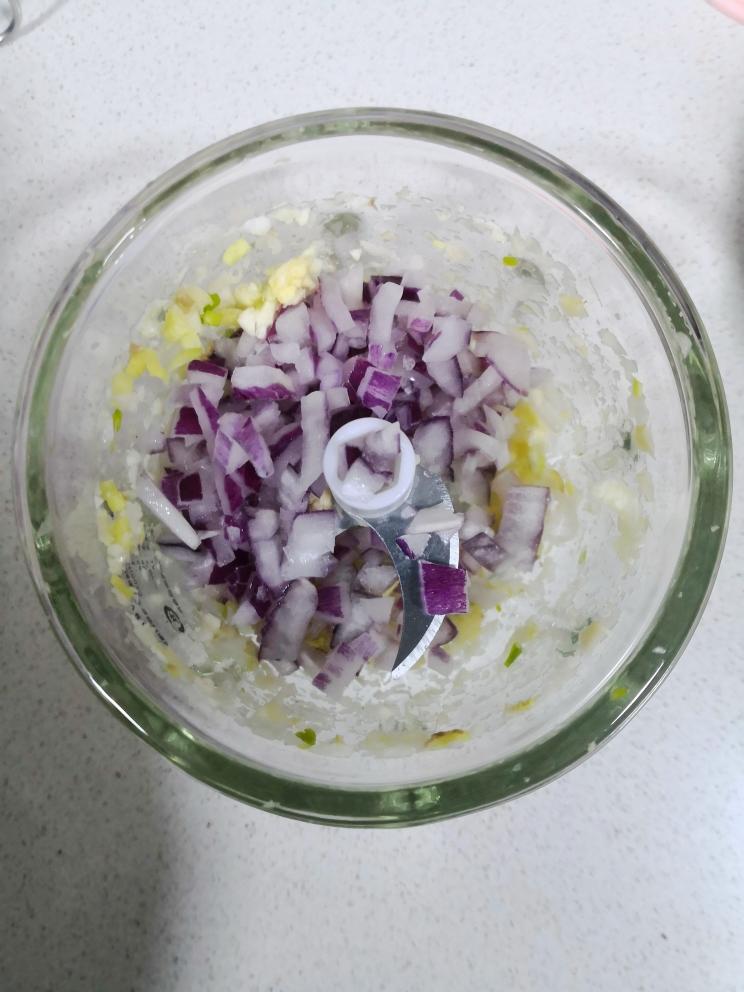
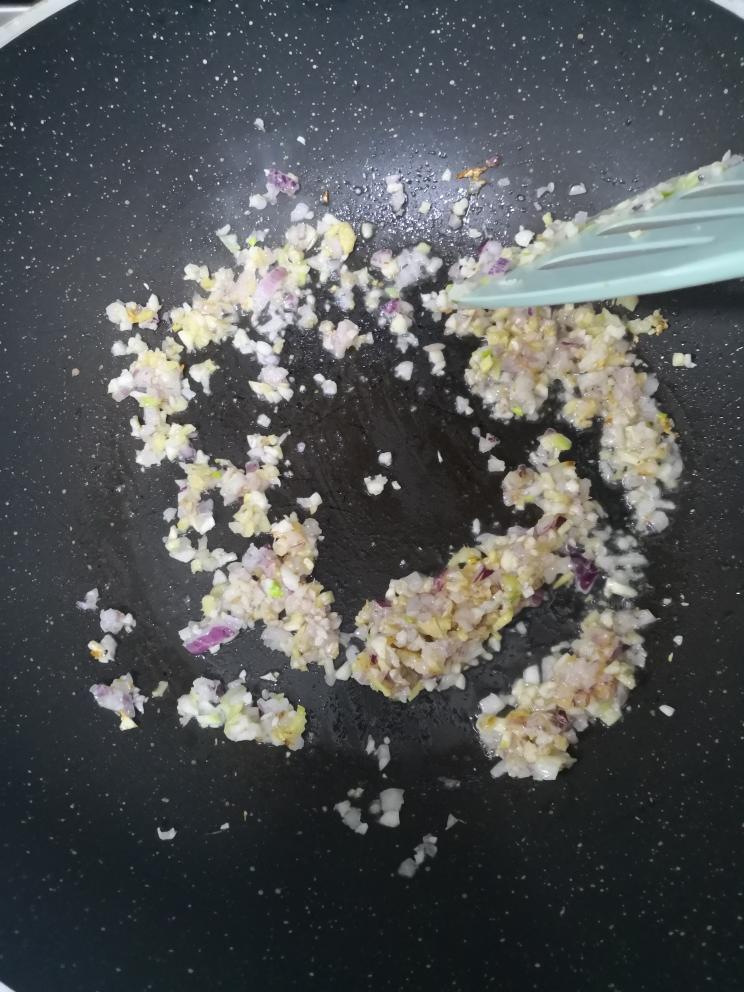
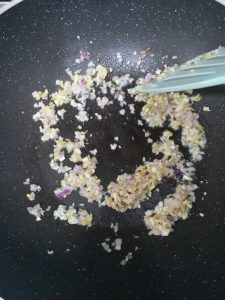
3. “Explode” the Aromatics (Bao Xiang) Heat the oil in a saucepan or wok over medium heat. Add the minced onion, ginger, and garlic mixture. Stir-fry for 2–3 minutes until the mixture turns golden and becomes incredibly fragrant.
Tip: You want the moisture from the onions to evaporate so the aromatics start to fry in the oil. This step is crucial for shelf life and flavor depth.
4. Cook the Sauce Add the bowl of pre-mixed sauce base into the pan. Stir constantly for 1 minute to cook out the raw taste of the bean paste and tomato paste. The oil should turn a vibrant red color.
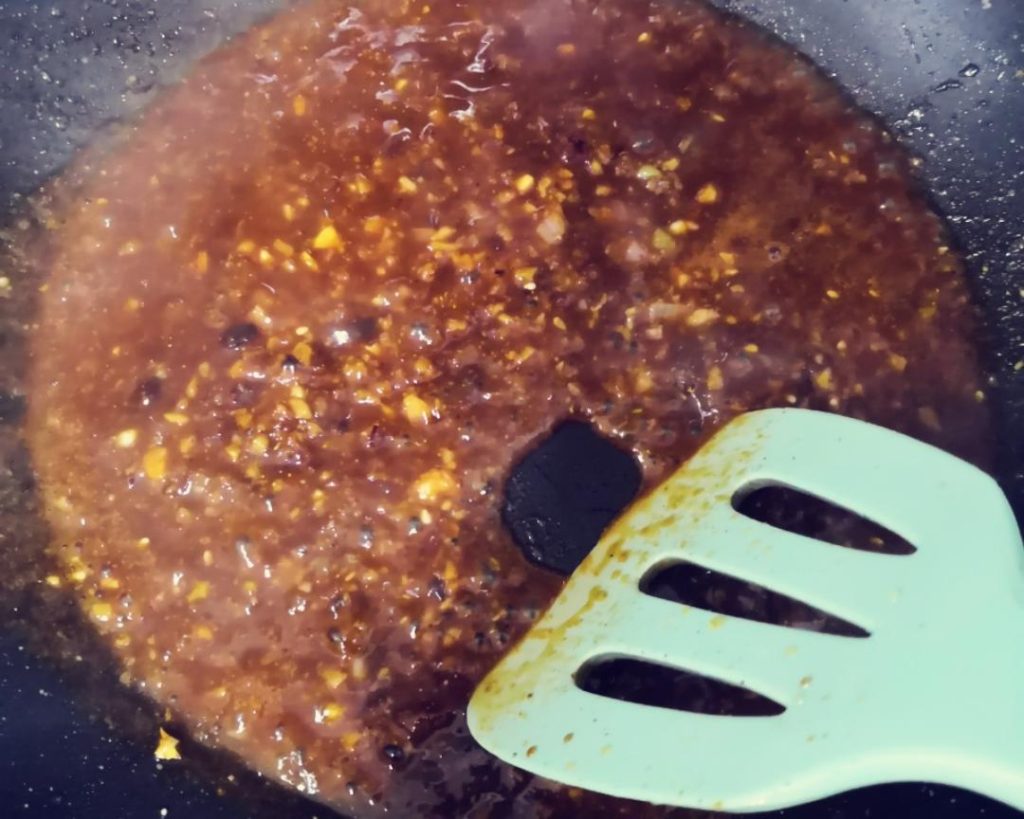
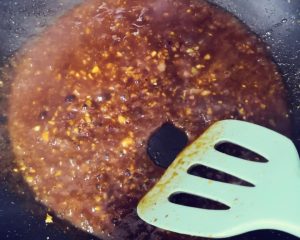
5. Simmer and Thicken Pour in the 1/2 cup of water. Turn the heat to medium-low. Stir and let it simmer for 2–3 minutes. The sauce will bubble and gradually thicken as the water evaporates and the sesame powder absorbs liquid.
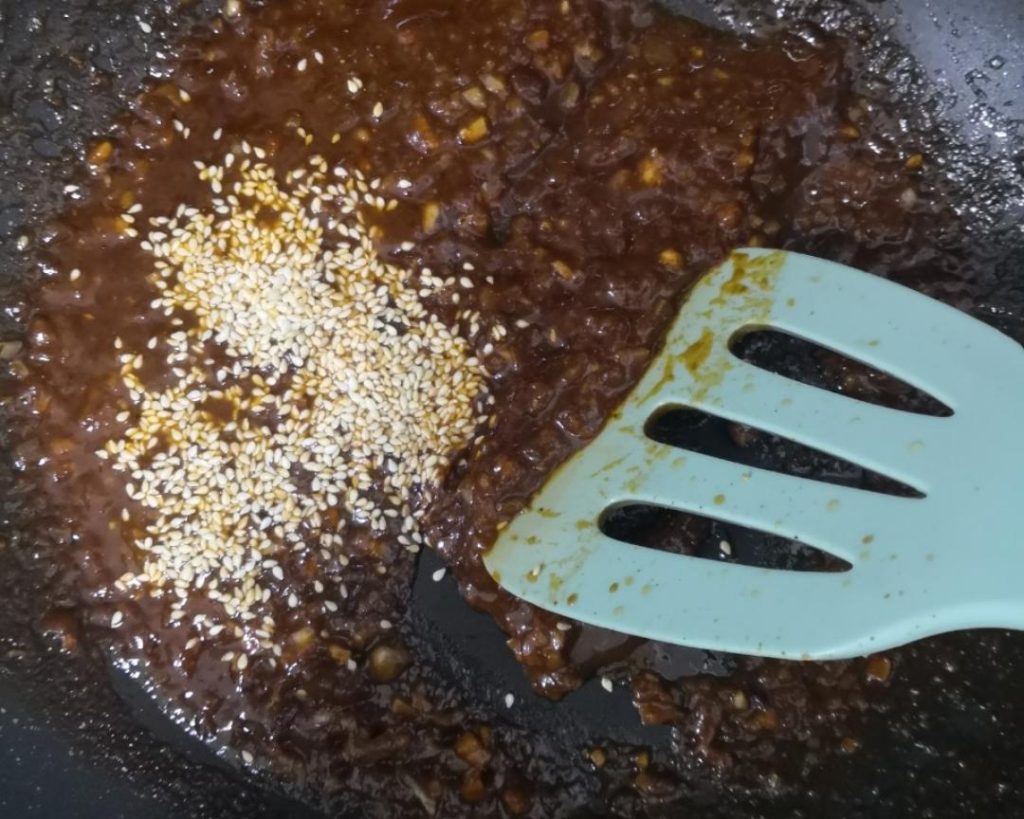
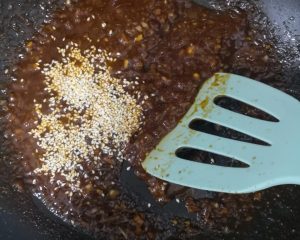
6. Finish Once the sauce reaches a consistency similar to heavy cream or a loose gravy, turn off the heat. Stir in the toasted white sesame seeds. Transfer to a heat-proof bowl or jar.
Tips for Success
- Control the Salt: Doubanjiang and oyster sauce are both salty. Do not add extra salt without tasting first. If you find it too salty, add a splash more water and a pinch more sugar.
- Oil Separation: It is normal for some oil to separate and float on top. This red oil helps preserve the sauce and is delicious brushed onto flatbreads.
- Texture: If you prefer a completely smooth sauce (like for a squeeze bottle), you can blend the final mixture, but I prefer the texture of the minced aromatics.
How to Serve
This “Universal Sauce” lives up to its name. Here are my favorite ways to use it:
- Pancakes: Brush it liberally over Scallion Pancakes or simple tortillas for a quick snack.
- Noodles: Use it as a topping for dry-tossed noodles. It has a similar savory profile to my Beijing Fried Sauce, but with a spicy kick.
- Rice Bowls: A spoonful over hot white rice with a fried egg is a classic “lazy” meal in China.
- Dipping: It’s an excellent dip for dumplings or raw vegetables like cucumbers and radishes.
Storage and Reheating
- Fridge: Store in an airtight glass jar in the refrigerator for up to 2 weeks. Always use a clean spoon to scoop it out to prevent spoilage.
- Reheating: The sauce thickens when cold. Microwave it for 20 seconds or stir it into hot noodles/rice directly to loosen it up.
FAQ
Q: Can I make this vegetarian? A: Yes! Simply swap the oyster sauce for vegetarian oyster sauce (made from mushrooms). The rest of the ingredients are plant-based.
Q: Is it very spicy? A: It has a medium heat. The sugar and tomato paste balance the spice significantly. If you are sensitive to spice, reduce the Doubanjiang to 1 teaspoon and add a little soy sauce for salinity.
Q: I can’t find white sesame powder. What can I do? A: You can easily make your own by pulsing toasted sesame seeds in a spice grinder or blender. Just be careful not to over-blend, or you will end up with sesame paste (tahini)!
Nutrition Information (Estimate)
- Calories: 75 kcal per tablespoon
- Sodium: 280 mg
- Sugar: 3 g
- Carbohydrates: 5 g
- Fat: 6 g
- Protein: 1 g
Disclaimer: Nutrition information is calculated using an ingredient database and should be considered an estimate. In cases where multiple ingredient alternatives are given, the first listed is calculated for nutrition. Garnishes and optional ingredients are not included.
Food Safety Note: This sauce contains cooked aromatics. Unlike pure chili oil, it contains moisture from onions and water, so it must be refrigerated. Do not leave it at room temperature for more than a few hours.
Authoritative References
- Bloom Ground Spices in Oil for Better Flavor https://www.seriouseats.com/blooming-frying-ground-spices-in-oil
- Learn more about the history of Sichuan Cuisine and its key ingredients.
Universal Chinese Street Food Sauce (Wanneng Jiang)

Equipment
- 1 Food processor Or a sharp knife for mincing
- 1 Small Saucepan Or small wok
Ingredients
The Aromatics
- 1 oz onion roughly chopped (approx 35g)
- 0.5 oz fresh ginger peeled (approx 15g)
- 5 cloves garlic peeled
The Sauce Base
- 1 tbsp Doubanjiang Pixian Broad Bean Paste
- 1 tbsp oyster sauce
- 2 tsp tomato paste
- 2 tsp sugar
- 1/4 tsp five-spice powder
- 1/4 tsp ground cumin
- 1/4 tsp Sichuan peppercorn powder
- 1/2 tsp white sesame powder ground white sesame seeds
- 1/2 cup water
To Finish
- 3 tbsp neutral cooking oil vegetable or canola
- 1 tsp toasted white sesame seeds
Instructions
- Combine the Doubanjiang, oyster sauce, tomato paste, sugar, five-spice powder, cumin, Sichuan peppercorn powder, and white sesame powder in a small bowl and mix well.

- Place the onion, ginger, and garlic into a food processor and pulse until finely minced. Alternatively, mince by hand.

- Heat the oil in a saucepan over medium heat. Add the minced onion, ginger, and garlic. Stir-fry for 2-3 minutes until golden and fragrant.
- Add the bowl of mixed sauces into the pan. Stir constantly for 1 minute to cook the pastes.

- Pour in the water. Reduce heat to medium-low and simmer for 2-3 minutes until the sauce thickens to a gravy consistency.
- Turn off the heat and stir in the toasted white sesame seeds. Serve or store in a jar.












Leave a Reply