Experience the magic of a single sauce that transforms noodles, rice, and tofu into a feast. This “Universal Fried Sauce” is a savory, umami-packed staple in my Sichuan kitchen.
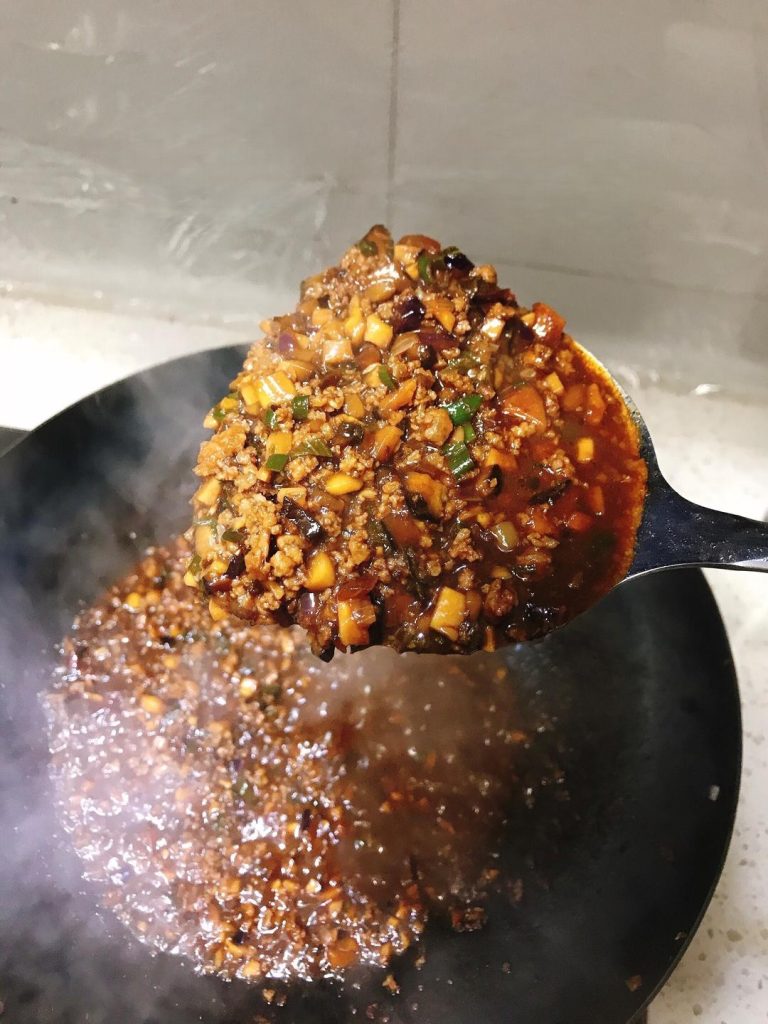
There is a secret weapon in my refrigerator that has saved dinner more times than I can count. Growing up in Sichuan, watching my father—a professional chef with over 20 years of experience—manage a busy kitchen, I learned the value of a “mother sauce.” He often told me that while fresh ingredients are the body of a dish, the sauce is its soul.
This Universal Chinese Meat Sauce, or Wanneng Zhajiang (万能炸酱), is my family’s version of that soul. It is a richer, more versatile cousin to the classic Zha Jiang Mian sauce. While “Zhajiang” literally translates to “fried sauce,” “Wanneng” means “universal” or “all-purpose.”
I make a large batch of this for my husband, Lao Wang, and our son. Whether we are tossing it over fresh noodles, stirring it into fried rice, or braising soft tofu with it, this sauce delivers a deep, complex flavor profile—salty, savory, slightly sweet, and earthy—that tastes like it simmered all day.
Why This Recipe Works
- Layered Umami: By combining Sweet Bean Sauce and Yellow Soybean Paste with fresh shiitake mushrooms, we create a “glutamate bomb” (umami) that meat alone cannot achieve.
- The “Frying” Technique: Unlike Western meat sauces where liquids are added quickly, this recipe relies on chao (stir-frying) the paste in oil. This activates the fermented bean flavors and removes the raw soy taste, a technique emphasized in professional Chinese kitchens.
- Versatility: As the name suggests, it works on everything. It is thick enough to cling to noodles but loose enough to flavor a stir-fry.
What is Universal Fried Sauce?
At its core, this is a meat-based sauce heavily seasoned with fermented soybean pastes. It shares DNA with the Beijing classic Zha Jiang Mian but includes more aromatics (onion and shiitake) for a broader flavor profile.
The texture is similar to a thick Bolognese, but the flavor profile is distinctly Chinese: savory from the soy paste, sweet from the wheat flour in the sweet bean sauce, and earthy from the mushrooms.
Chef’s Note: If you are a fan of spicy food like I am, adding a tablespoon of Hot Pot Base transforms this into a numbingly spicy Sichuan-style delight.
Key Ingredients & Substitutions
To get that authentic restaurant-quality taste, you need the right fermented sauces. However, I have tested this with accessible substitutes for my readers in the US and Europe.
- Sweet Bean Sauce (Tianmianjiang): This is a thick, dark brown paste made from fermented wheat flour. It provides the signature sweetness and dark color.
- Substitute: You can use Hoisin Sauce (which is sweeter and spicier) or check out my guide on [Sweet Bean Sauce].
- Yellow Soybean Paste (Huangdoujiang): This adds a salty, savory depth.
- Substitute: Korean Doenjang is the closest match. You can also read more about [Yellow Soybean Paste] here.
- Ground Meat: The original Chinese recipe calls for “1 bowl” of meat. I recommend using 1 lb (450g) of ground pork. Pork with a higher fat content (70% lean / 30% fat) yields the most tender sauce because the rendered fat fries the paste. Ground beef or chicken can also be used.
- Shiitake Mushrooms: Fresh are great for texture, but rehydrated dried shiitake mushrooms offer a more intense aroma.
- Aromatics: A mix of red onion (or shallots), scallion (white part), and ginger provides the fragrance.
- Hot Pot Base (Optional): For a spicy kick. If you skip this, the sauce is mild and kid-friendly.
Recipe Notes Before You Start
- Mise en Place: Chinese cooking happens fast. Have your onions diced, ginger minced, and sauces measured before you turn on the heat.
- Oil Quantity: You might notice this recipe uses a bit more oil than a standard sauté. This is intentional. The oil acts as a preservative (sealing the sauce) and is necessary to properly “fry” the fermented pastes so they aren’t sour. You can always skim excess oil off the top before serving.
- Wok vs. Pan: A wok is ideal for tossing, but a heavy-bottomed skillet (like a cast iron) works perfectly fine for this sauce.
Ingredients
- Meat & Produce:
- 1 lb (450g) Ground pork (fatty preferred)
- 8 Fresh Shiitake mushrooms, diced (about 1 cup)
- ¼ large Yellow or Red Onion, diced
- ½ stalk Leek or Scallion (white part), chopped
- 2 slices Ginger, minced
- The Sauces:
- 2 tbsp Sweet Bean Sauce (Tianmianjiang)
- 1 tbsp Yellow Soybean Paste (Huangdoujiang)
- 1 tbsp Spicy Hot Pot Soup Base (Optional, for heat)
- 2 tbsp Light Soy Sauce
- 1 tbsp Shaoxing Cooking Wine (or dry sherry)
- Seasonings & Liquid:
- ½ cup Water (or mushroom soaking liquid)
- ½ tsp Salt (adjust to taste—the pastes are salty!)
- ¼ tsp White Pepper powder
- 2 tbsp Vegetable Oil (for frying)
How to Make Universal Chinese Meat Sauce
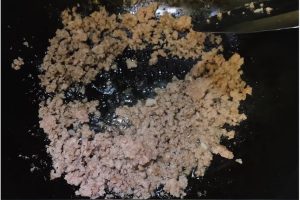
Step 1: Render the Meat
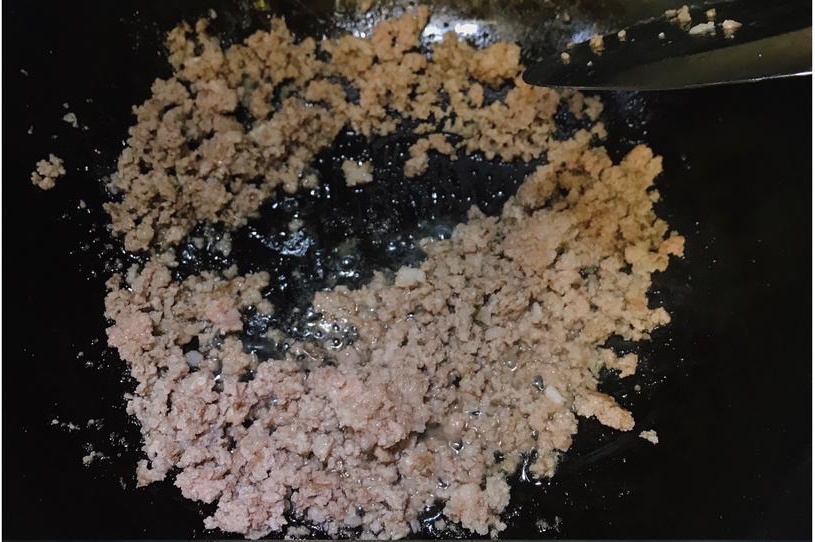
Heat your wok or skillet over medium-high heat. Add the oil. Once shimmering, add the ground pork.
Technique: Stir-fry the meat for about 3-4 minutes. You want to break up any clumps. Keep frying until the meat turns white and then starts to release clear oil (fat rendering). This step ensures the meat isn’t mushy.
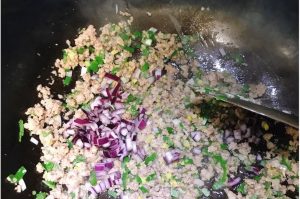
Step 2: Infuse Aromatics
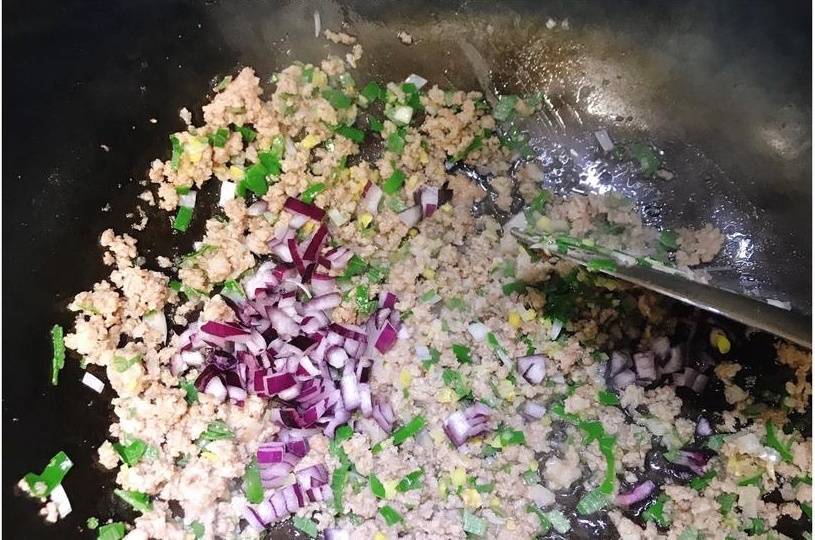
Push the meat to the side of the wok (or just add on top) and add the onions, scallions (or leeks), and ginger. Stir-fry for 1-2 minutes until the onions become translucent and fragrant.
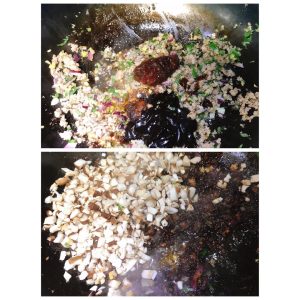
Step 3: Fry the Sauce (The Critical Step)
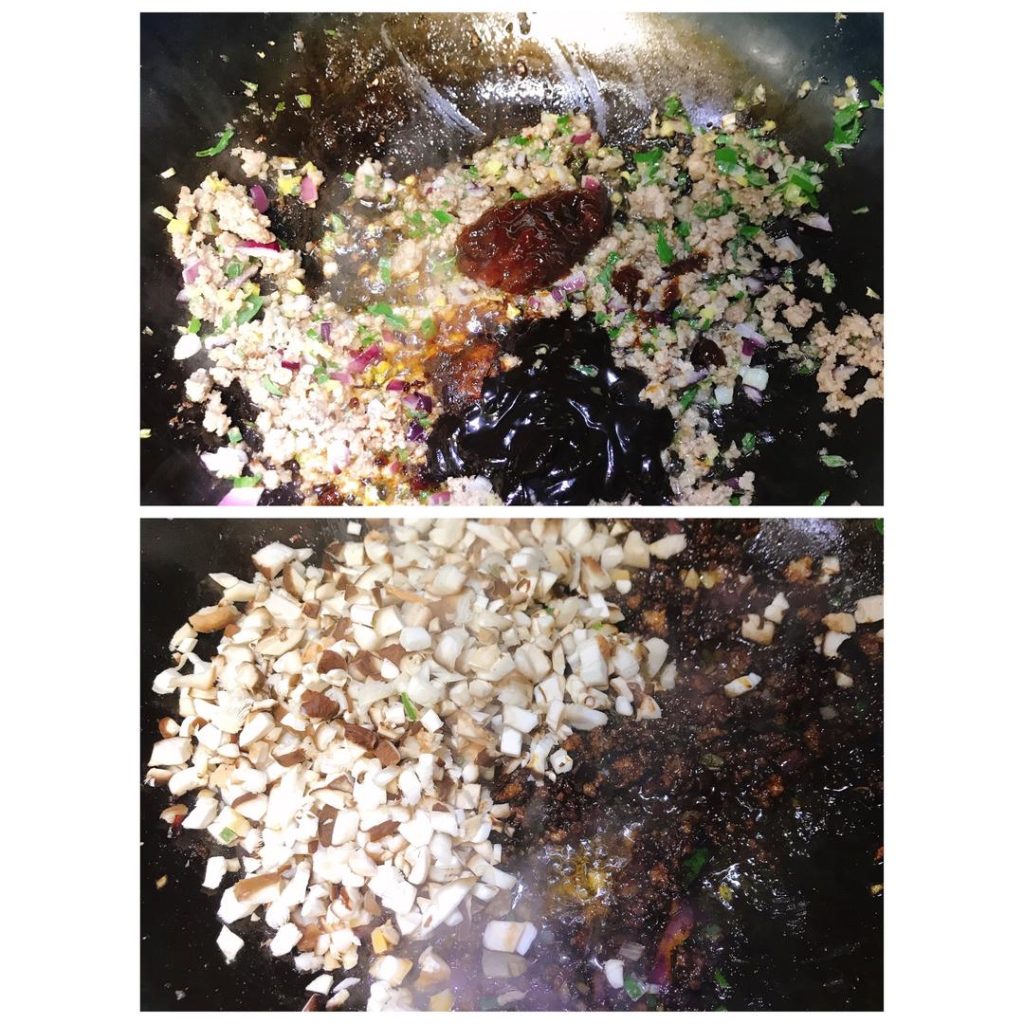
Turn the heat down to medium. Add the Yellow Soybean Paste, Sweet Bean Sauce, and Hot Pot Base (if using).
Why we do this: Stir-fry the meat and pastes together for at least 2 minutes. You must “fry the sauce” (chao jiang) to release the aromatics in the fermented beans. The oil should turn a vibrant red/brown color. Add the diced mushrooms and stir-fry for another minute.
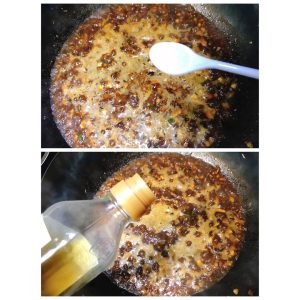
Step 4: Simmer and Season
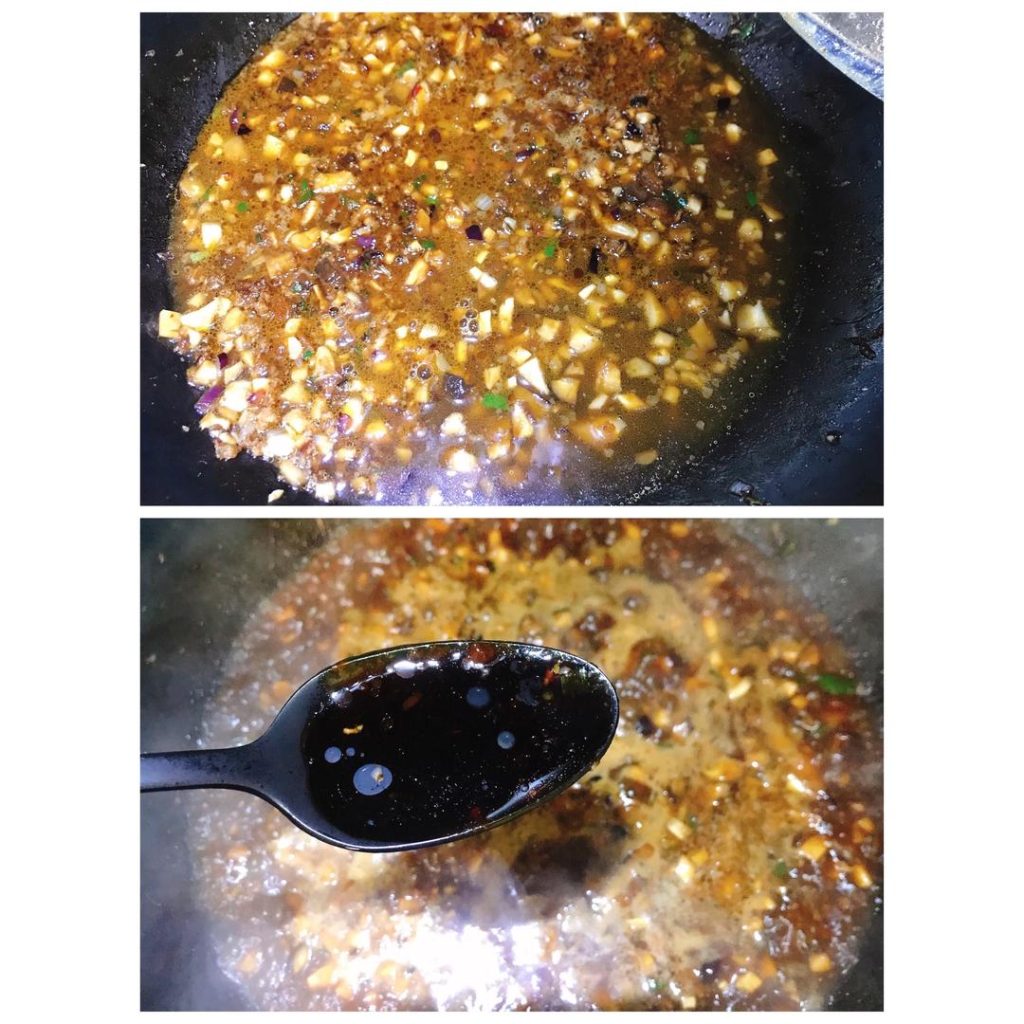
Pour in the Shaoxing wine to deglaze the pan, scraping up any browned bits. Add the light soy sauce and water. Bring the mixture to a gentle bubble.
Step 5: Final Adjustments
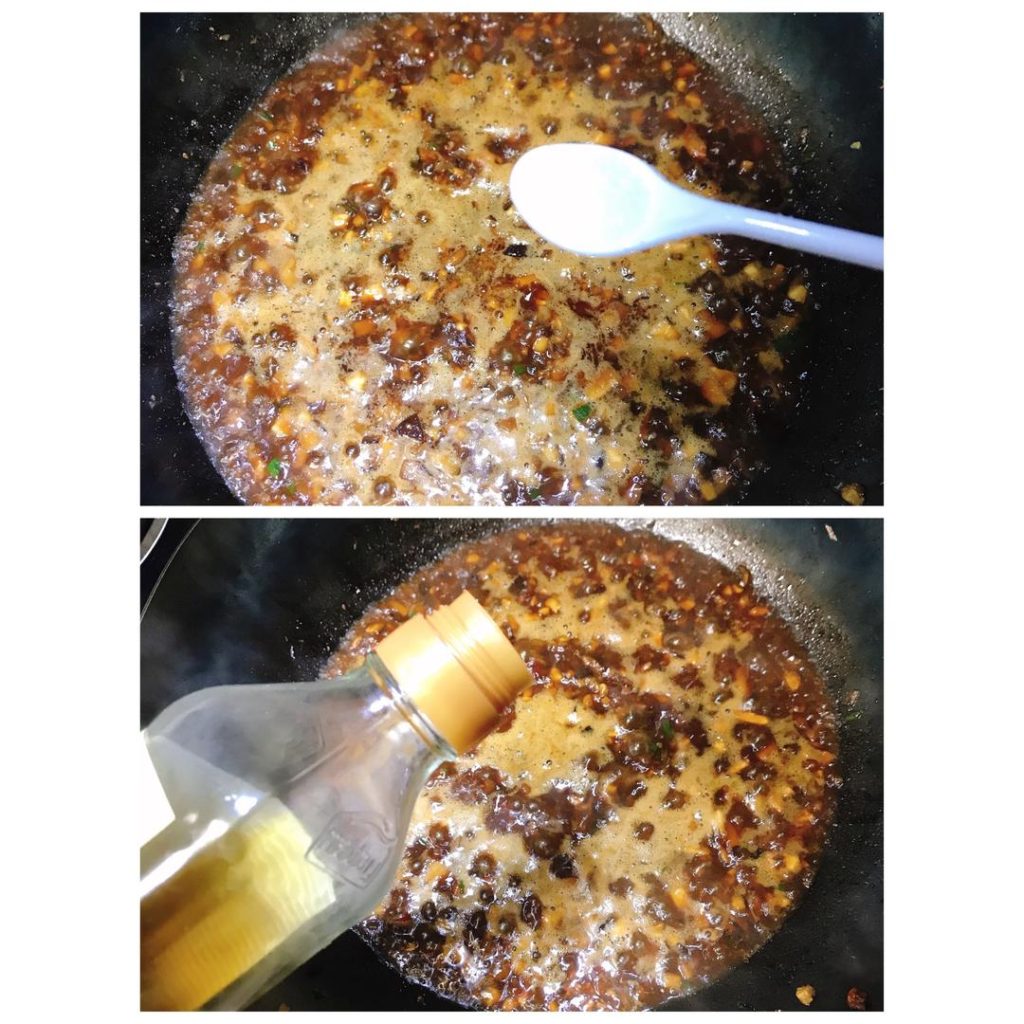
Add the white pepper and salt.
- Tip: Taste before adding salt! The soybean pastes vary significantly in salinity. Simmer on low heat for 5-10 minutes. You want the flavors to meld and the sauce to thicken naturally.
Step 6: Finish
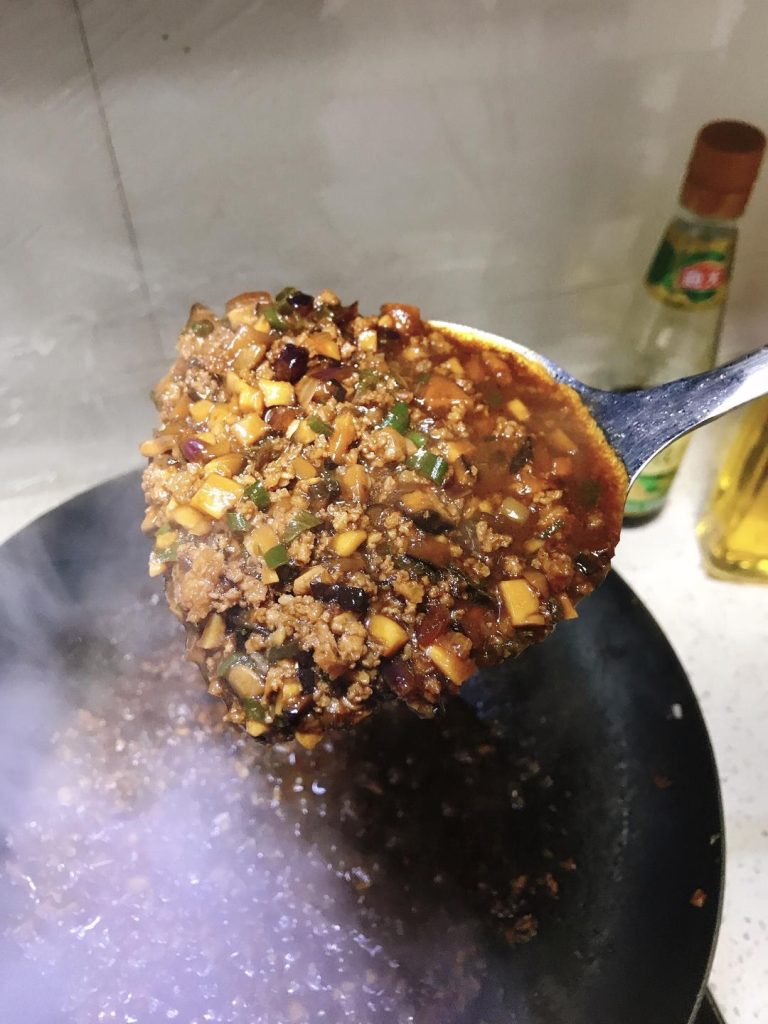
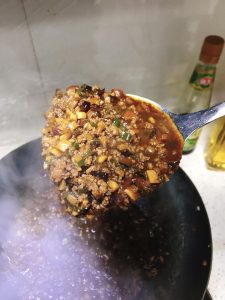
Cook until the sauce is thick, glossy, and the oil has slightly separated to the top. This indicates the water has evaporated and the flavors are concentrated.
Serving Suggestions
This sauce is truly “universal.” Here are a few ways my family eats it:
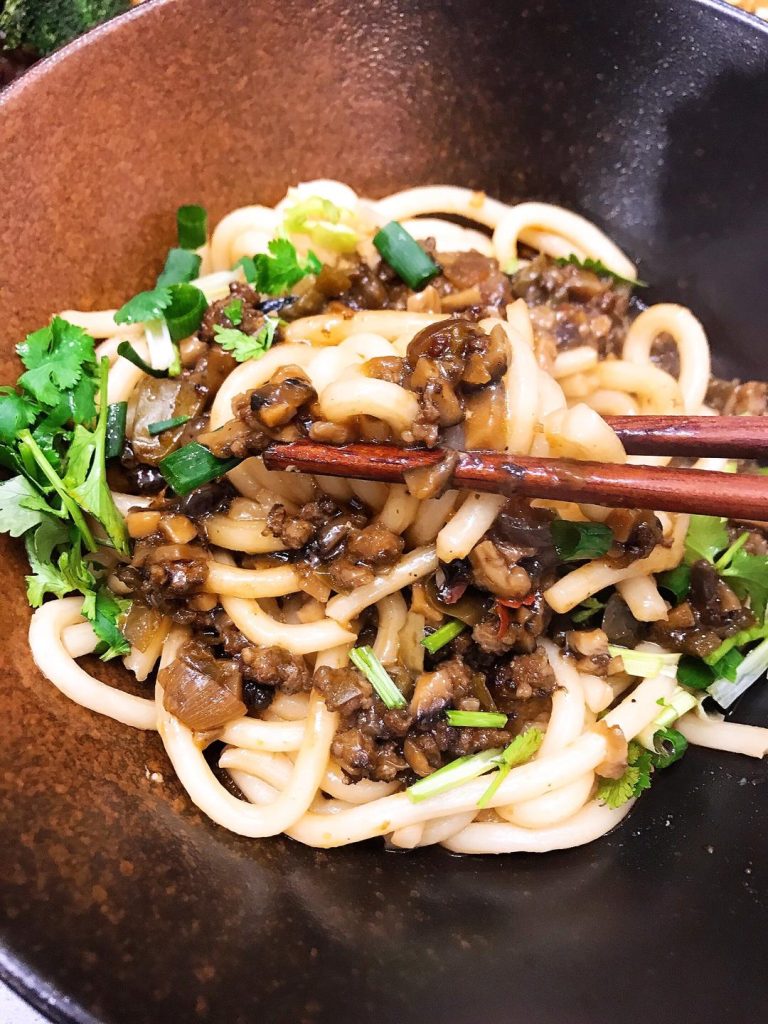
- Noodles: The classic choice. Boil wheat noodles, rinse them, and top with a generous ladle of this sauce and julienned cucumber. It’s similar to my [Minced Pork Noodles] recipe.
- Rice: Serve over steamed jasmine rice with a side of blanched bok choy.
- Tofu: Braise cubes of firm tofu in this sauce for 5 minutes for a quick savory dish.
- Lettuce Wraps: Use it as a filling for crisp lettuce cups.
How to Store
- Fridge: Store in an airtight container for up to 5 days. The layer of oil on top helps preserve it.
- Freezer: This freezes exceptionally well. Portion it into souper cubes or freezer bags for up to 3 months. Reheat in a pan or microwave.
Troubleshooting & FAQ
Q: My sauce tastes sour/bitter. Why? A: This usually happens if the fermented pastes (Sweet Bean Sauce/Soybean Paste) weren’t fried long enough in the oil. They need direct contact with hot oil to develop sweetness. You can fix this by adding 1 teaspoon of sugar.
Q: Can I make this gluten-free? A: Yes, but you must be careful. Traditional Sweet Bean Sauce contains wheat. You would need to use a Gluten-Free Hoisin Sauce or a GF Miso paste mixed with a little sugar as a substitute, and ensure your soy sauce is Tamari.
Q: It’s too salty! A: Fermented pastes are potent. If it’s too salty, add diced potatoes or tofu to the sauce and simmer for a few more minutes; they will absorb the excess salt. Alternatively, add a splash of water and a pinch of sugar.
Recipe Notes
- The “Frying” Technique: The most critical step in this recipe is chao jiang (frying the sauce). Do not rush adding the water. You must stir-fry the fermented bean pastes in the oil with the meat for at least 2-3 minutes. This process removes the raw, sour taste of the fermentation and unlocks the rich, savory aroma. You will know it is ready when the oil turns a reddish-amber color and smells nutty.
- Adjusting Salinity: Fermented soybean pastes can vary greatly in salt content between brands. Always taste the sauce before adding the final ½ teaspoon of salt. If you find the sauce too salty, peel and dice a small potato and simmer it in the sauce; the potato will absorb the excess salt and add a nice texture.
- Texture Tip: For a more authentic, rustic texture closer to what you find in Sichuan restaurants, hand-chop pork belly instead of using machine-ground pork. The uneven chunks provide a superior mouthfeel compared to the uniform grain of store-bought ground meat.
- Vegetarian Adaptation: To make this vegetarian, substitute the ground pork with firm pressed tofu (dougan) diced into small cubes, or use texturized vegetable protein (TVP) rehydrated in vegetable broth. The fermented sauces provide enough umami that you won’t miss the meat.
Food Safety & Preparation
- Internal Temperature: Ensure the ground pork reaches a minimum internal temperature of 160°F (71°C) to ensure it is safe to eat.
- Cross-Contamination: Wash hands, cutting boards, and knives thoroughly with hot soapy water after handling raw pork to prevent cross-contamination.
- Storage: Store leftovers in an airtight container in the refrigerator for up to 5 days. The layer of oil on top acts as a natural preservative.
- Reheating: Reheat thoroughly in a saucepan or microwave until piping hot before serving.
- Allergen Warning: This recipe contains soy and wheat (gluten) found in the fermented bean pastes and soy sauce.
Authoritative References
For more on the safety of fermented bean products and sodium intake, refer to the FDA Sodium Reduction Guidelines and the WHO Healthy Diet Fact Sheet.
Nutrition Information (Estimate)
(Per serving, assuming 6 servings per batch)
- Calories: 210 kcal
- Protein: 14g
- Carbohydrates: 8g
- Fat: 14g
- Sodium: 680mg (High due to fermented sauces)
Disclaimer: Nutrition information is calculated using an ingredient database and should be considered an estimate. In cases where multiple ingredient alternatives are given, the first listed is calculated for nutrition. Garnishes and optional ingredients are not included.

Universal Chinese Meat Sauce (Wanneng Zhajiang)

Equipment
- Wok or large skillet
- Chef’s knife
Ingredients
The Aromatics & Meat
- 1 lb ground pork 450g; 70% lean / 30% fat preferred
- 2 tbsp vegetable oil plus more if needed
- 8 shiitake mushrooms diced (approx 1 cup)
- 0.25 onion diced (red or yellow)
- 0.5 stalk leek or scallion white part only, chopped
- 2 slices ginger minced
The Sauce Base
- 2 tbsp Sweet Bean Sauce (Tianmianjiang)
- 1 tbsp Yellow Soybean Paste (Huangdoujiang)
- 1 tbsp Hot Pot Soup Base Optional, for spicy version
- 2 tbsp light soy sauce
- 1 tbsp Shaoxing cooking wine
- 0.5 cup water
- 0.5 tsp salt adjust to taste
- 0.25 tsp white pepper powder
Instructions
- Heat the oil in a wok or skillet over medium-high heat. Add the ground pork and stir-fry for 3-4 minutes until the meat turns white and the fat begins to render (the oil should look clear).

- Add the chopped onion, scallion (or leek), and minced ginger. Stir-fry for 1-2 minutes until fragrant and the onions are translucent.

- Reduce heat to medium. Add the Yellow Soybean Paste, Sweet Bean Sauce, and Hot Pot Base (if using). Stir-fry the mixture constantly for 2 minutes to “fry the sauce” and release the aromatics. Add the diced shiitake mushrooms and cook for another minute.

- Pour in the Shaoxing wine to deglaze the pan, followed by the light soy sauce and water. Stir to combine.
- Add the white pepper and salt. (Note: Taste the sauce before adding salt, as the bean pastes are naturally salty).
- Simmer on low heat for 5-10 minutes, stirring occasionally, until the sauce is thick, dark, and glossy. Serve over noodles, rice, or tofu.






Leave a Reply