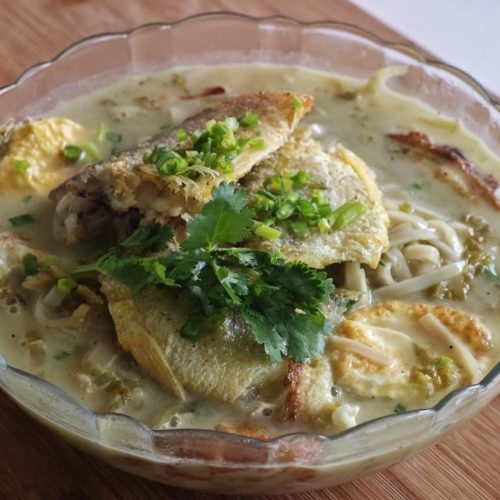
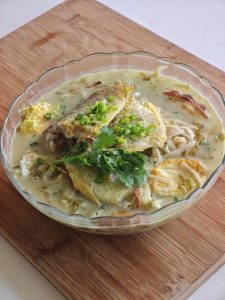
There is a bowl of noodles in Jiangnan that tastes like the coast in winter: pickled cabbage yellow croaker noodles, or suancai huangyu mian. The broth turns milky the moment boiling water hits a wok of sizzling fermented mustard greens, and the whole kitchen fills with that sharp, appetite-waking sour note that only good suancai can give. Golden pan-fried fish sits on top, a fried egg hides underneath soaking up the soup, and springy noodles wait at the bottom for the first slurp.
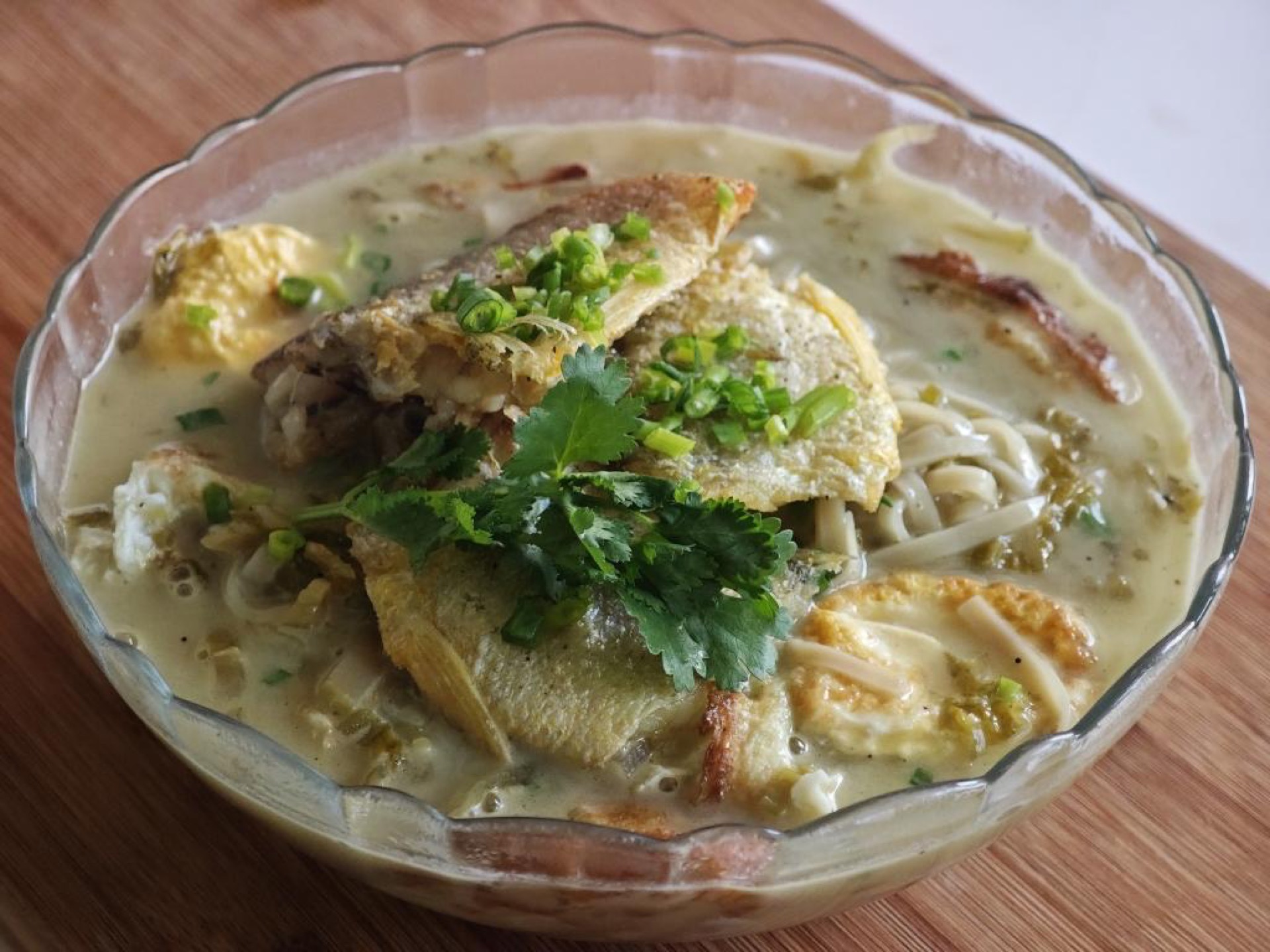
What makes this bowl special is the layering. You are not just boiling fish in water. You fry the fish first so the skin crisps and the oil takes on its sweetness, then you fry the eggs in that same oil, then you fry the pickled cabbage hard until its raw funk cooks off and only the clean tang remains. Every one of those steps builds the broth before a single drop of water goes in. Then boiling water hits the hot wok, the fat emulsifies, and the soup turns pale and creamy without a drop of cream or milk.
It is also a genuinely fast weeknight bowl once the fish is thawed. Prep is mostly slicing and rinsing, the frying takes minutes, and the noodles cook in the time it takes the broth to come back to a boil. If you keep pickled mustard greens and a bag of frozen yellow croaker in the house, this is a dinner you can decide on at 6 p.m. and be eating by 6:40. The flavors are bold enough that nobody will guess how little work went into it.
What Is Pickled Cabbage Yellow Croaker Noodles?
Pickled cabbage yellow croaker noodles is a Jiangnan noodle soup built on three pillars: suancai (fermented mustard greens), fresh yellow croaker, and wheat noodles. The fish is pan-fried first for texture and flavor, the pickled greens are stir-fried hard to concentrate their tang, and the two meet in a broth made by pouring boiling water into the hot, oiled wok. The result is a milky, sour-savory soup that is simultaneously light and deeply flavored.
Yellow croaker, called huangyu, is one of the most beloved fish in eastern China. It has sweet, fine, almost flaky flesh with few bones, which is exactly why it works so well here: it holds together through frying and a brief simmer, then falls apart softly against your chopsticks. In Ningbo and Shanghai, suancai and huangyu are a canonical pairing, and turning them into a noodle soup is one of the most satisfying ways to eat them together.
The trick that separates a home bowl from a restaurant bowl is the wok. Frying the fish, then the eggs, then the pickled cabbage in the same pan without washing it means every layer of flavor stays in the broth.
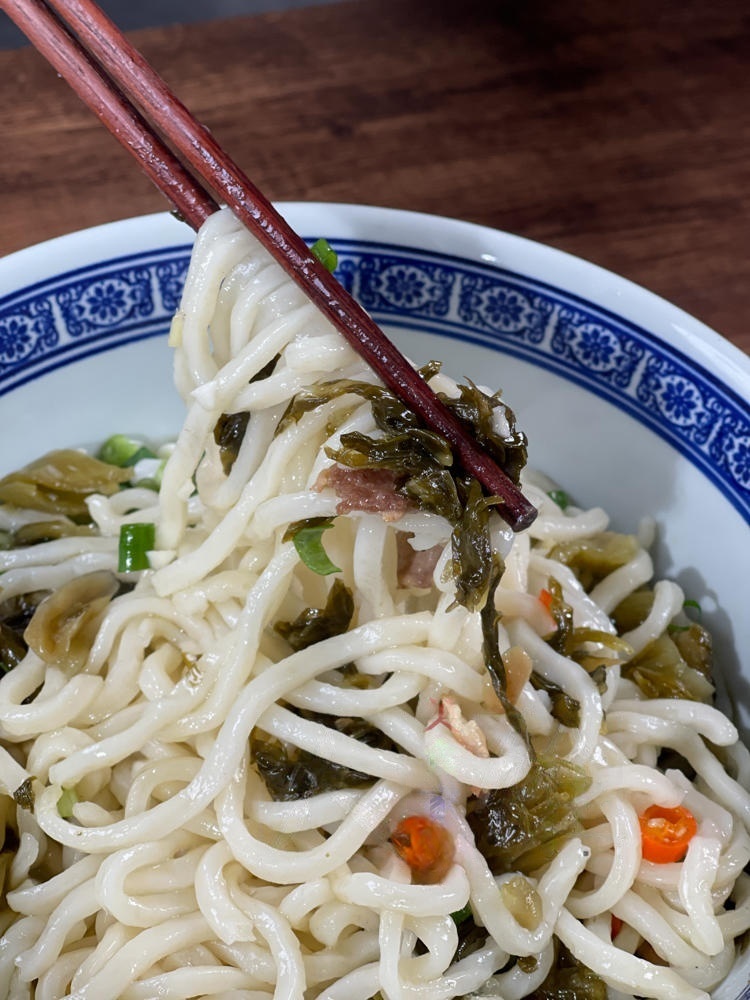
If you love noodle soups with a sour, fermented backbone, this dish belongs in the same rotation as pickled mustard green noodle soup, a pork-and-suancai classic that uses the same pantry staple in a completely different way.
1Pickled Mustard Green Noodle Soup with Pork (Suan Cai Rou Si Mian)A comforting, 15-minute staff meal favorite from Sichuan. This authentic noodle soup features savory rendered pork belly, tangy pickled mustard greens, and fresh noodles in a rich, appetizing broth.Check out this recipe
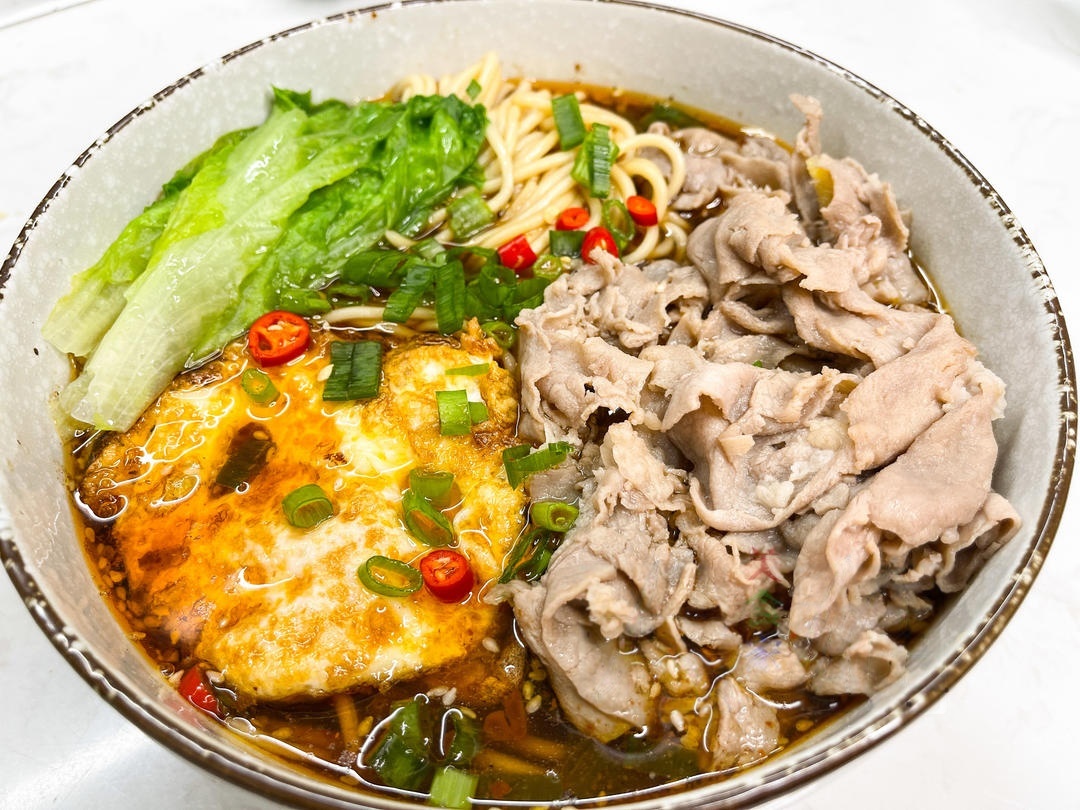
For a bowl with real heat behind it, sour and spicy beef noodle soup is the answer, with a chili-and-vinegar broth that hits the same sour note from a different direction.
2Sour and Spicy Beef Noodle Soup (Suan Tang Fei Niu Mian)This deconstructed 15-minute noodle soup features tender fatty beef and wheat noodles in a rich, vinegar-spiked broth created with a sizzling hot oil flash technique. It is the perfect quick winter warmer.Check out this recipe
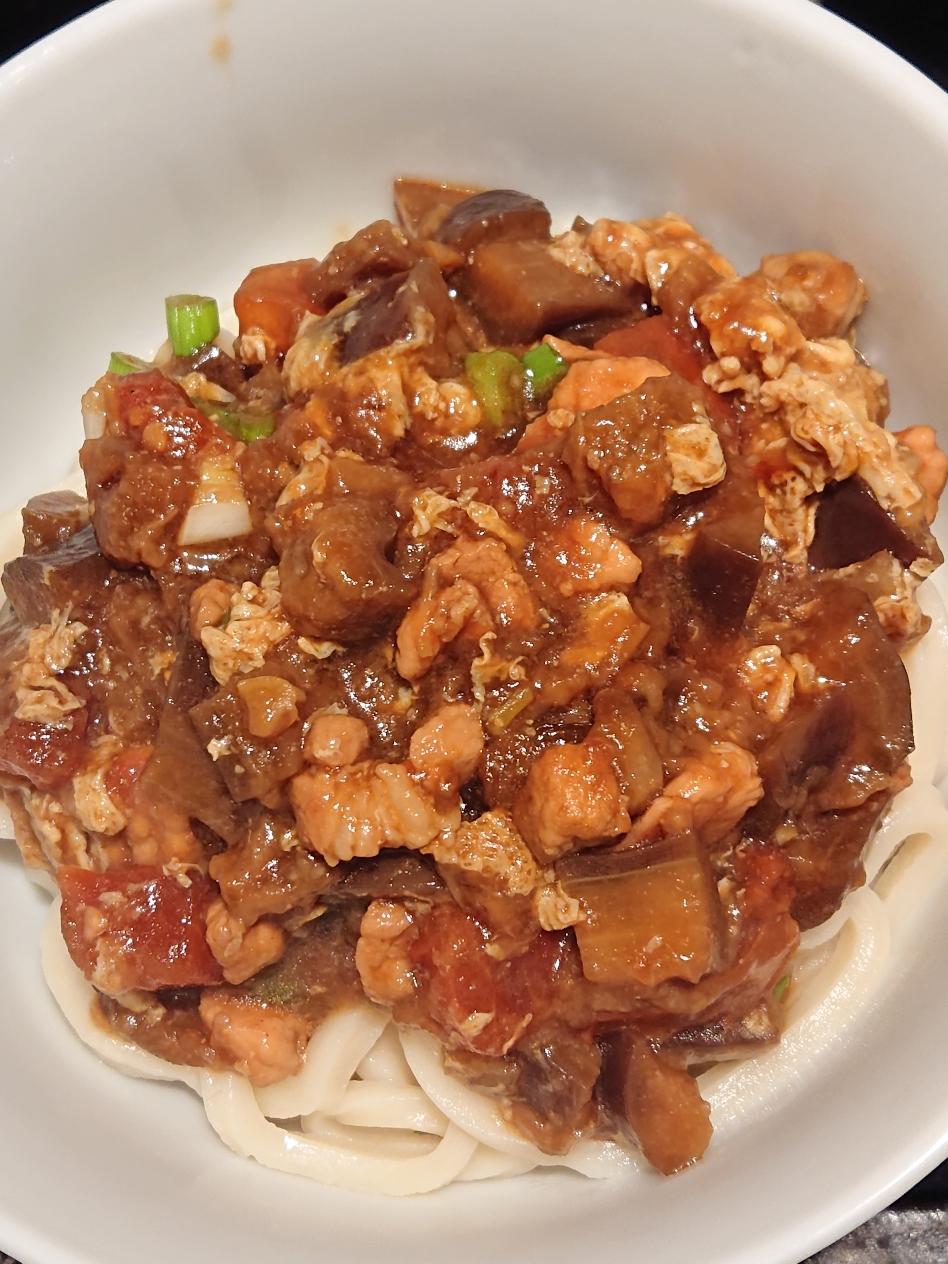
And if you like the idea of a thick, almost gravy-like noodle soup loaded with vegetables, Beijing eggplant noodle soup is a northern-style bowl worth trying next.
3Authentic Beijing Eggplant Noodle Soup (Qie Ding Da Lu Mian)A traditional Northern Chinese homestyle recipe passed down from grandma. This savory, thick gravy features diced eggplant, tomatoes, and pork infused with an aromatic star anise oil.Check out this recipe
Ingredient Notes
Pickled mustard greens (suancai). This is the soul of the dish, so buy the best you can find. Look for whole or halved stalks packed in brine, not the sweet or chili-spiked versions. Good suancai smells sharply sour and fermented, never musty. Two large stalks, about a cup once sliced, is right for four servings. If all you can find is pre-shredded, use the same volume and rinse it just as carefully.
Yellow croaker fillets. Frozen fillets are the practical choice almost everywhere outside China’s coast, and they work beautifully. Thaw them overnight in the refrigerator, never on the counter. Six small fillets, roughly a pound total, gives you a generous piece of fish per bowl plus a little extra for the pot. If you cannot find yellow croaker, see the Variations section below for substitutes.
Fresh wheat noodles. The recipe calls for fresh handmade noodles, which cook in about two minutes and have a lovely chewy bite. Dried wheat noodles or thin fresh noodles both work; just adjust the cooking time to the package and pull them a touch early so they finish in the hot broth. Avoid rice noodles here, since they do not carry the broth the same way.
Eggs. Two eggs, fried hard in the fish oil. They are not a garnish. They are a flavor sponge, and their fried edges give the broth a subtle toasted richness. Do not skip them, and do not fry them soft, or they will dissolve instead of soaking.
Aromatics and finishing. Ginger and garlic go in with the pickled cabbage. Scallion whites fry with the aromatics and scallion greens finish the bowl. Cilantro is the classic garnish, but if you are one of those people, flat-leaf parsley or extra scallion works fine. White pepper goes in at the very end, off the boil, where its floral heat stays bright.
Salt and pepper. Salt the fish before frying and sprinkle a pinch in the pan to prevent sticking. Black pepper goes on the fish as it comes out of the wok. Salt the broth only at the end, because suancai varies wildly in saltiness from brand to brand. This is the single most common place to ruin the bowl, so taste first.
Ingredients
- 6 small yellow croaker fillets (about 1 lb / 450g), thawed if frozen
- 1 tsp salt, for the fish and the pan
- 1/2 tsp freshly ground black pepper
- 2 tbsp neutral oil, for pan-frying
- 2 stalks pickled mustard greens (suancai), about 1 cup sliced
- 2 eggs
- 1 tbsp minced ginger
- 2 cloves garlic, minced
- 1 scallion, white and green parts separated
- 12 oz fresh wheat noodles (or 8 oz dried)
- 1/2 tsp ground white pepper
- 1 tsp salt, or to taste, added at the end
- 1 small handful cilantro, for garnish
- 4 cups boiling water, for the broth
Equipment Needed
A wok is the right vessel here, and not just for tradition. Its wide, sloped sides give you room to fry fish without crowding, then enough surface area to stir-fry the pickled cabbage hard and fast. A large skillet or deep sauté pan will work in a pinch, but you will need to fry the fish in batches and be careful when the boiling water goes in.
Beyond the wok, you need a cutting board and a sharp knife for shredding the pickled cabbage, a slotted spoon or spider for lifting noodles and fish out of the broth, and a large noodle bowl for serving. Have a plate lined with paper towels ready before you start frying, and keep a kettle of water heating so the boiling water is truly boiling when you need it. If you are still building out your kitchen, this guide to the best kitchen tools for Chinese cooking covers the essentials. A pair of tongs helps with turning delicate fillets, and a fine-mesh skimmer is useful if any stray fish bits end up in the broth.
Why This Recipe Works
Every step here exists for a reason, and skipping one changes the bowl. Drying the fish thoroughly before frying is what lets the skin crisp instead of steam. Frying over medium-low heat and resisting the urge to flip early is what keeps the fillets intact. Frying the eggs in the fish oil transfers that sweet, toasted fish flavor into the egg, and then the egg gives it back to the broth.
The pickled cabbage step is where most home cooks go wrong. Suancai straight from the jar is wet, and wet pickled cabbage will not brown. Stir-frying it over high heat until the moisture cooks off and the edges start to catch concentrates its flavor and drives off the raw, slightly stale fermentation note. What is left is pure, clean sourness that reads as savory rather than sharp.
Pouring boiling water into that hot, oiled wok is the chemistry that makes the broth milky. Fat and water, agitated together at high heat, form an emulsion, and the proteins and starch from the fish and pickled cabbage help stabilize it. Cold water would drop the temperature of the wok, stop the sizzle, and give you a thin, clear broth instead. This is the same principle behind any creamy-looking Chinese soup made without dairy.
Boiling water, not cold, is what turns the broth milky. The high heat keeps the fat emulsified with the water, so the soup looks creamy even though it contains no dairy at all.
Finally, the noodles are cooked directly in the broth rather than in a separate pot. This is a deliberate choice: the starch the noodles release thickens the soup slightly and helps it cling to every strand. The trade-off is that the broth gets a little cloudier, which is exactly what you want in this style of bowl.
Prep & Mise en Place
This dish moves fast once the wok is hot, so set everything up before you turn on the burner. Thaw the fish overnight in the refrigerator, then pat the fillets dry and leave them on a plate while you do the rest. Shred the pickled cabbage, rinse it two or three times in cold water, and squeeze it hard in your hands or in a clean towel until no more liquid drips out. That squeezed, dry pile is what will fry properly.
Mince the ginger and garlic, and split the scallion into white and green. Pick the cilantro leaves and leave them whole. Measure the white pepper and the finishing salt into small dishes so you are not fumbling with jars over a screaming wok. Heat a kettle of water and keep it at a rolling boil, and set a paper-towel-lined plate next to the stove for the fish and the eggs.
If you are using dried noodles, have them ready next to the stove but do not start cooking them separately. If you are using fresh noodles, loosen them with your fingers so they do not clump when they hit the broth. Everything on the counter should be within arm’s reach of the wok, because from the moment the oil goes in, you have about ten minutes of active cooking.
Cooking Process
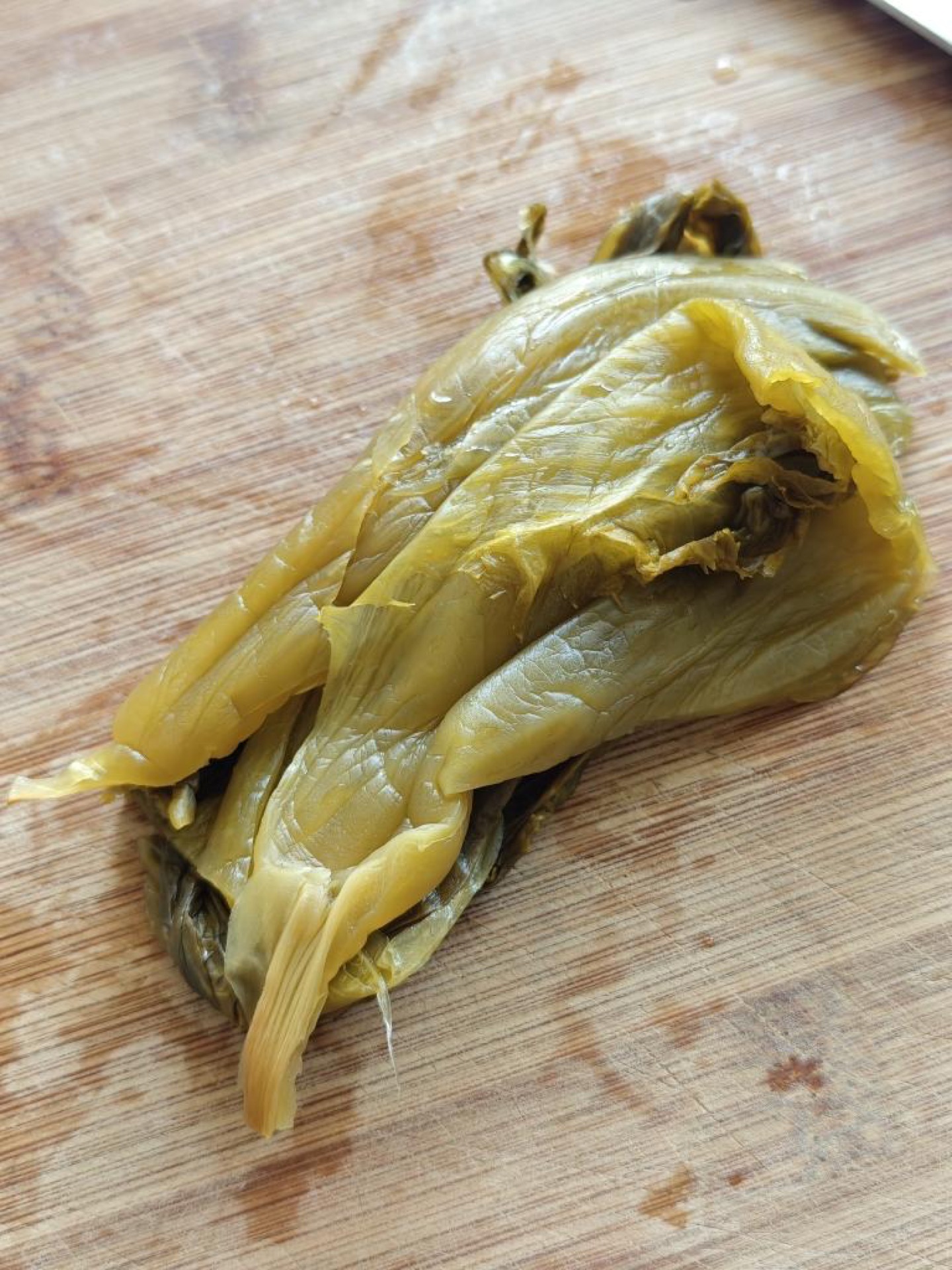
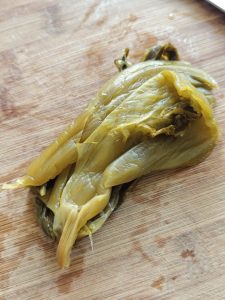
Step 1 — Slice the Pickled Cabbage
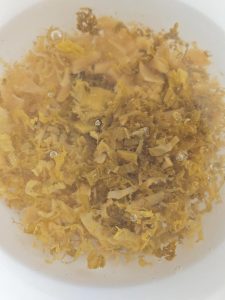
Take two stalks of pickled mustard greens and cut them into fine shreds.
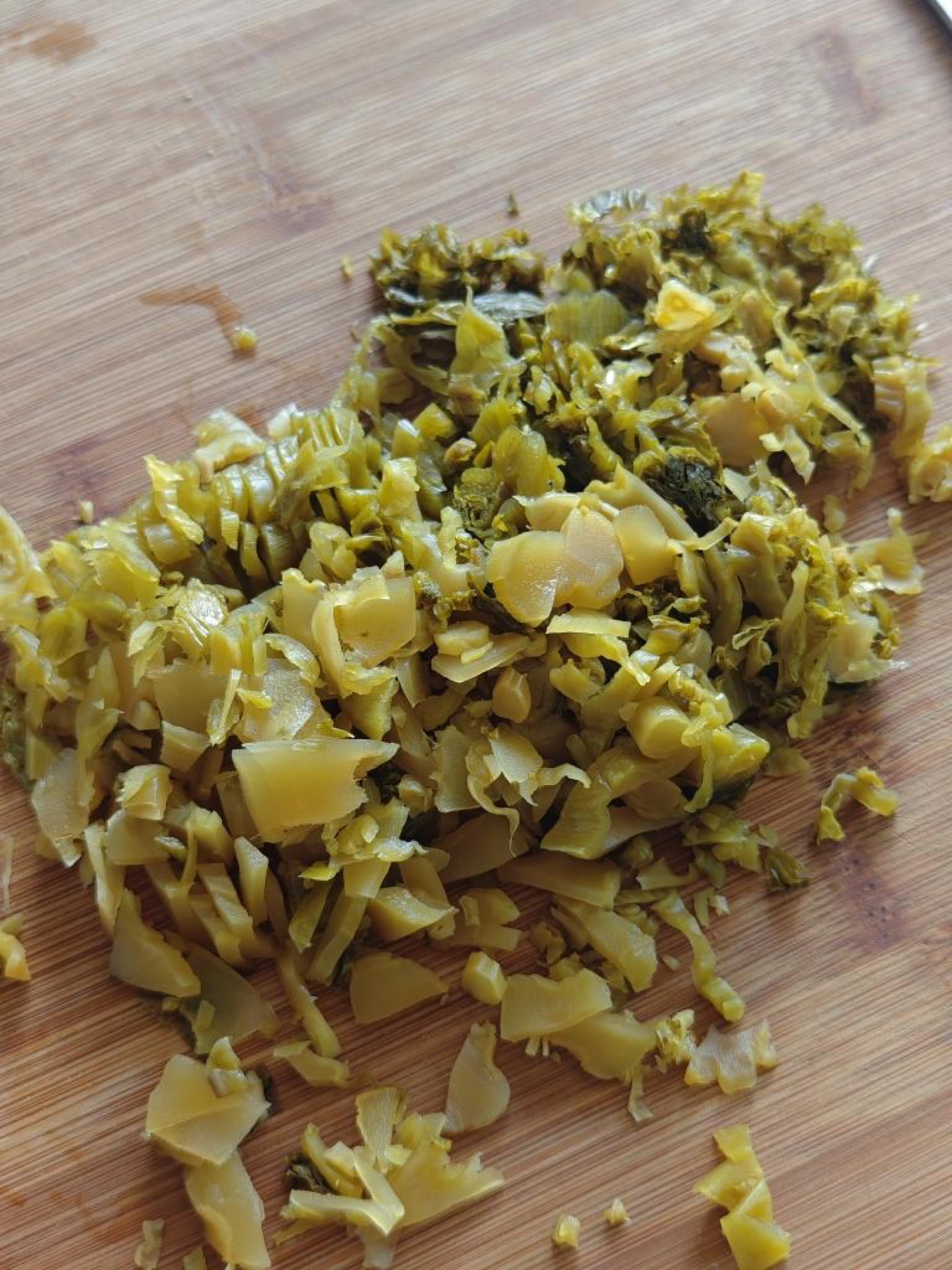
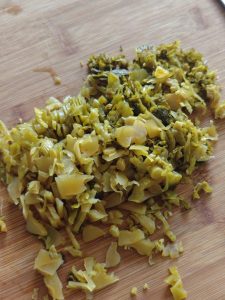
Step 2 — Shred Finely
Slice the pickled cabbage into thin, even strips so they melt into the broth instead of staying chewy.
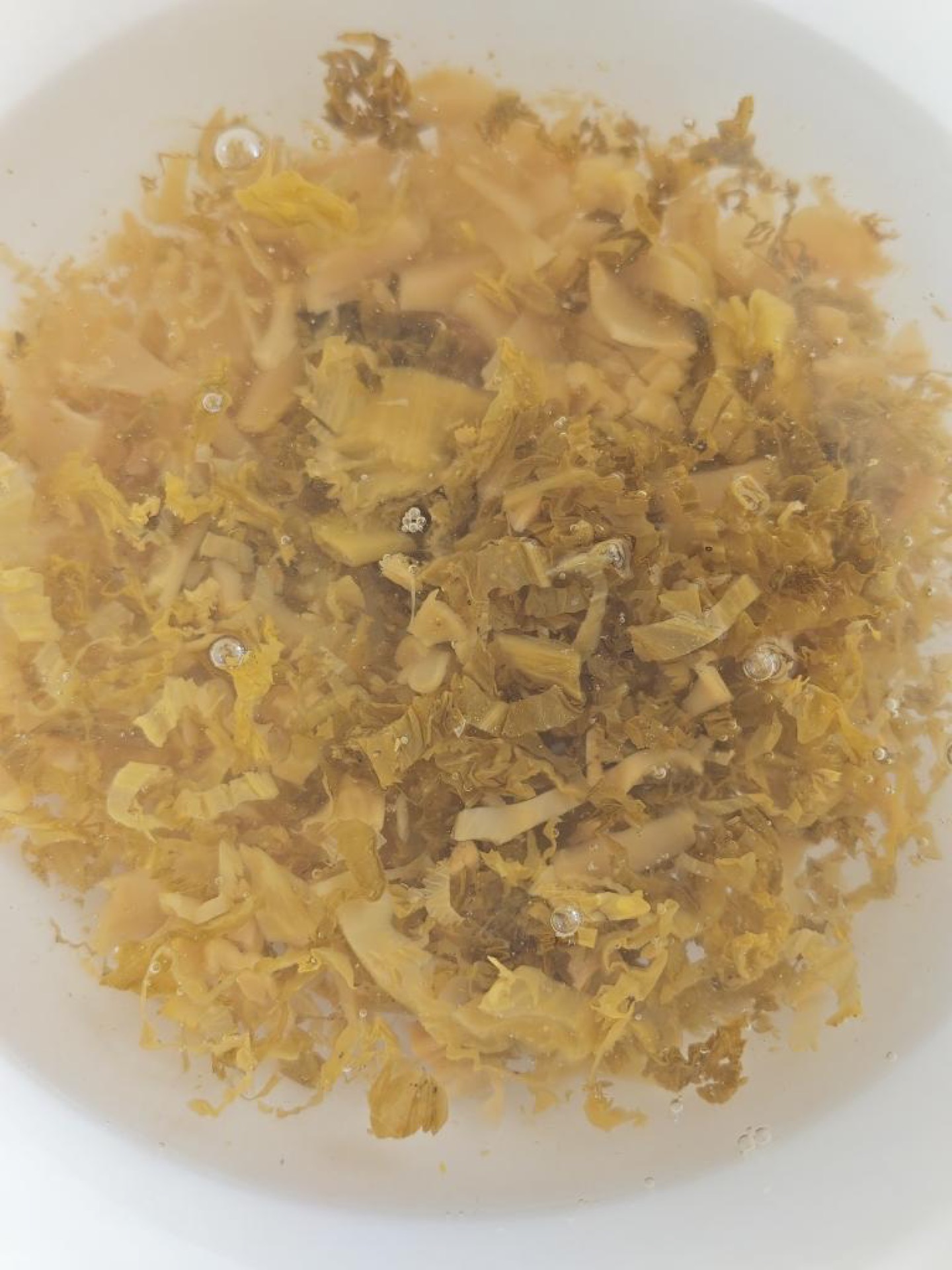
Step 3 — Rinse and Squeeze
Rinse the shredded pickled cabbage in clean water two or three times, then squeeze it dry; this washes away the stale, overly salty edge and leaves only the clean fermented tang.
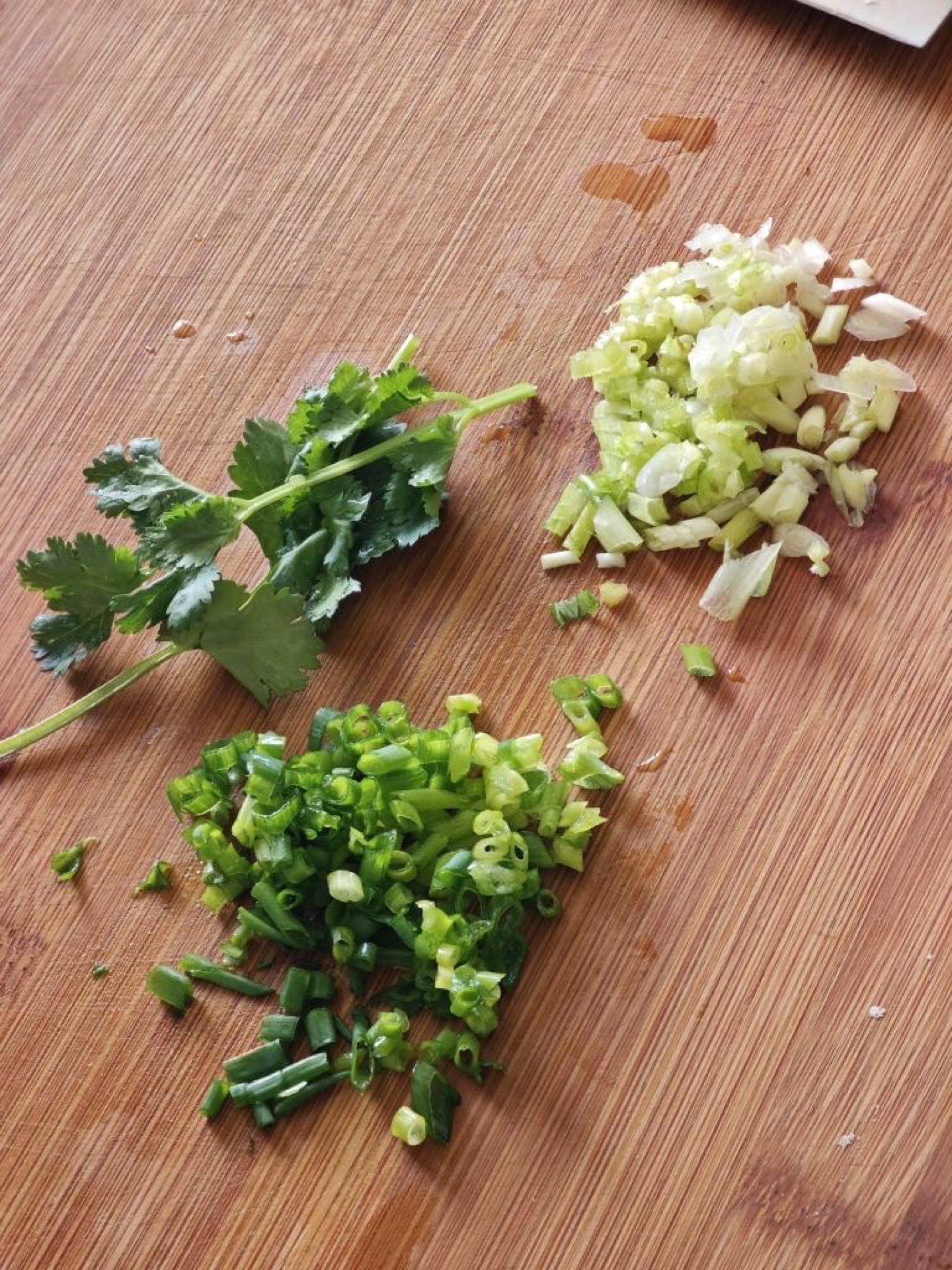
Step 4 — Separate Scallion and Cilantro
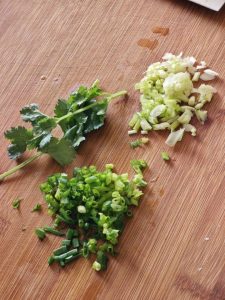
Split the scallion into white and green parts, and set the cilantro aside for garnish.
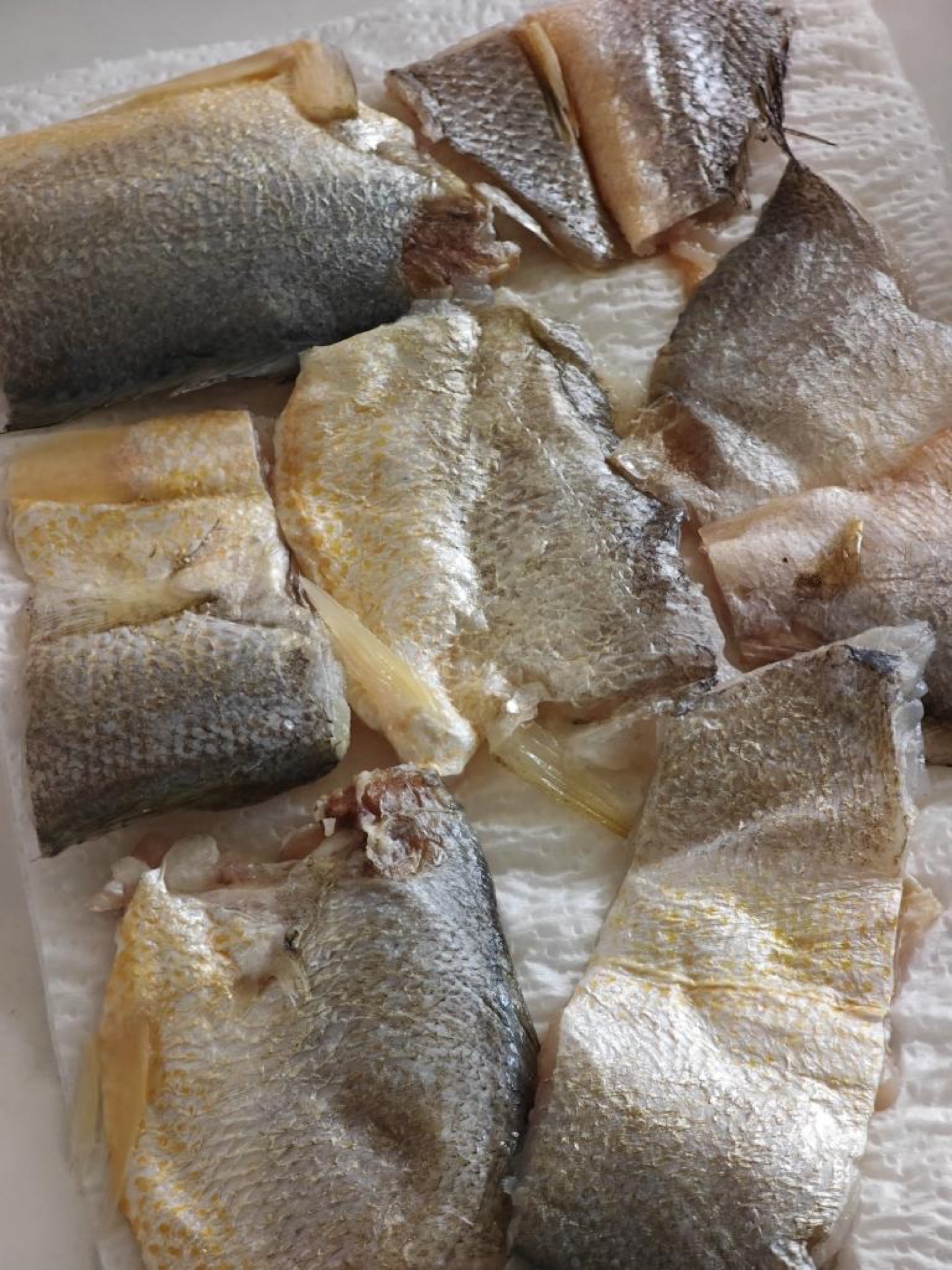
Step 5 — Dry the Fish
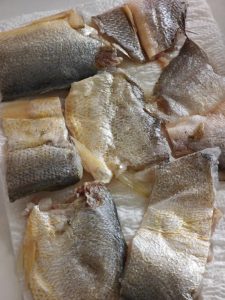
After the yellow croaker fillets thaw, pat them completely dry with paper towels; this is the key to pan-frying fish without tearing the skin.
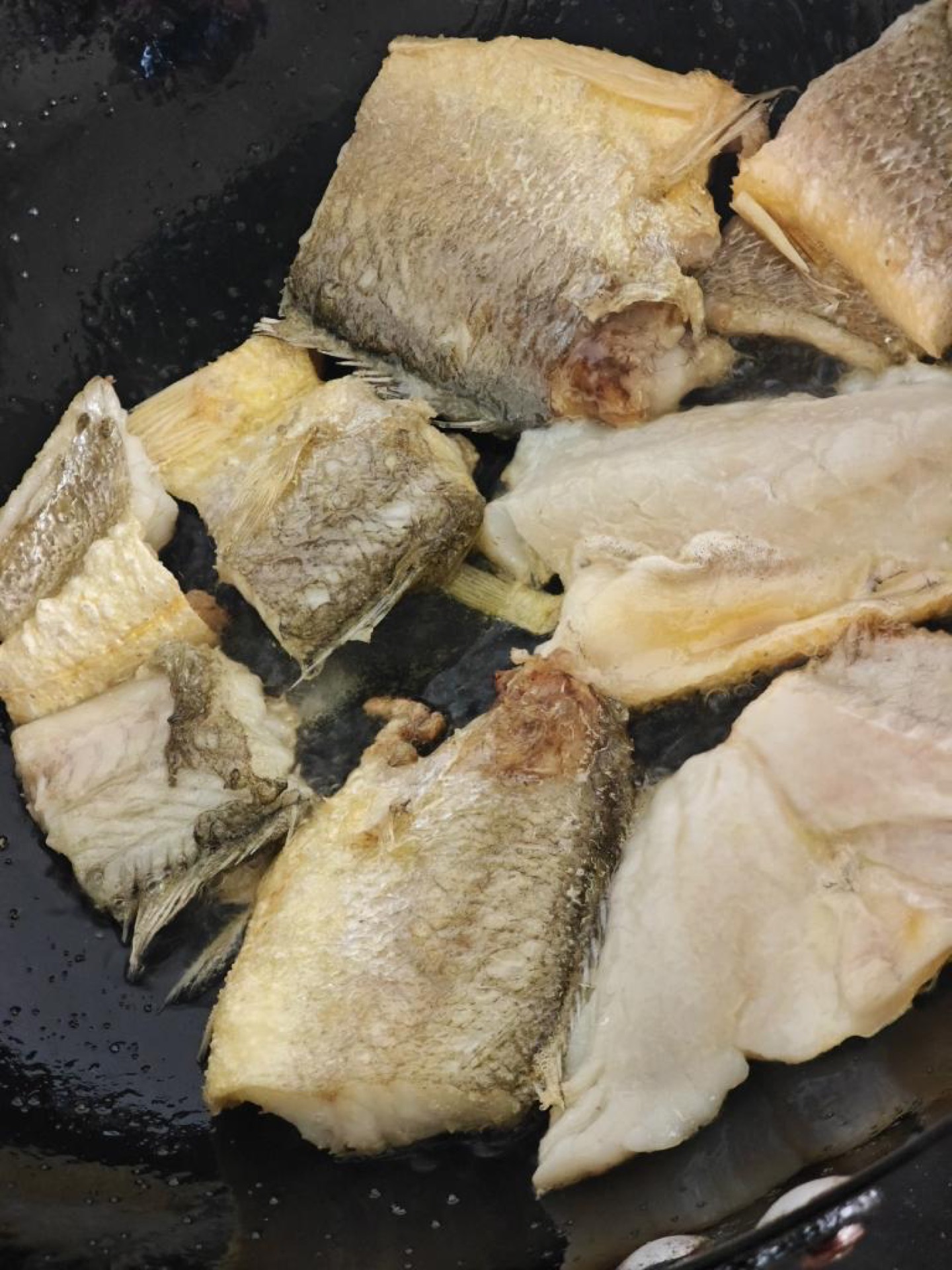
Step 6 — Fry the Fish
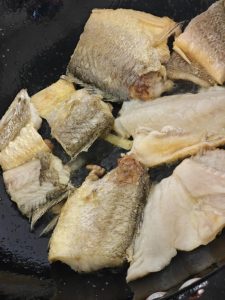
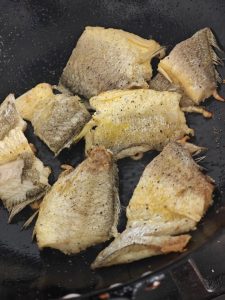
Heat the wok, add cool oil, sprinkle in a little salt to prevent sticking, and lay the fish pieces in to fry over medium-low heat.
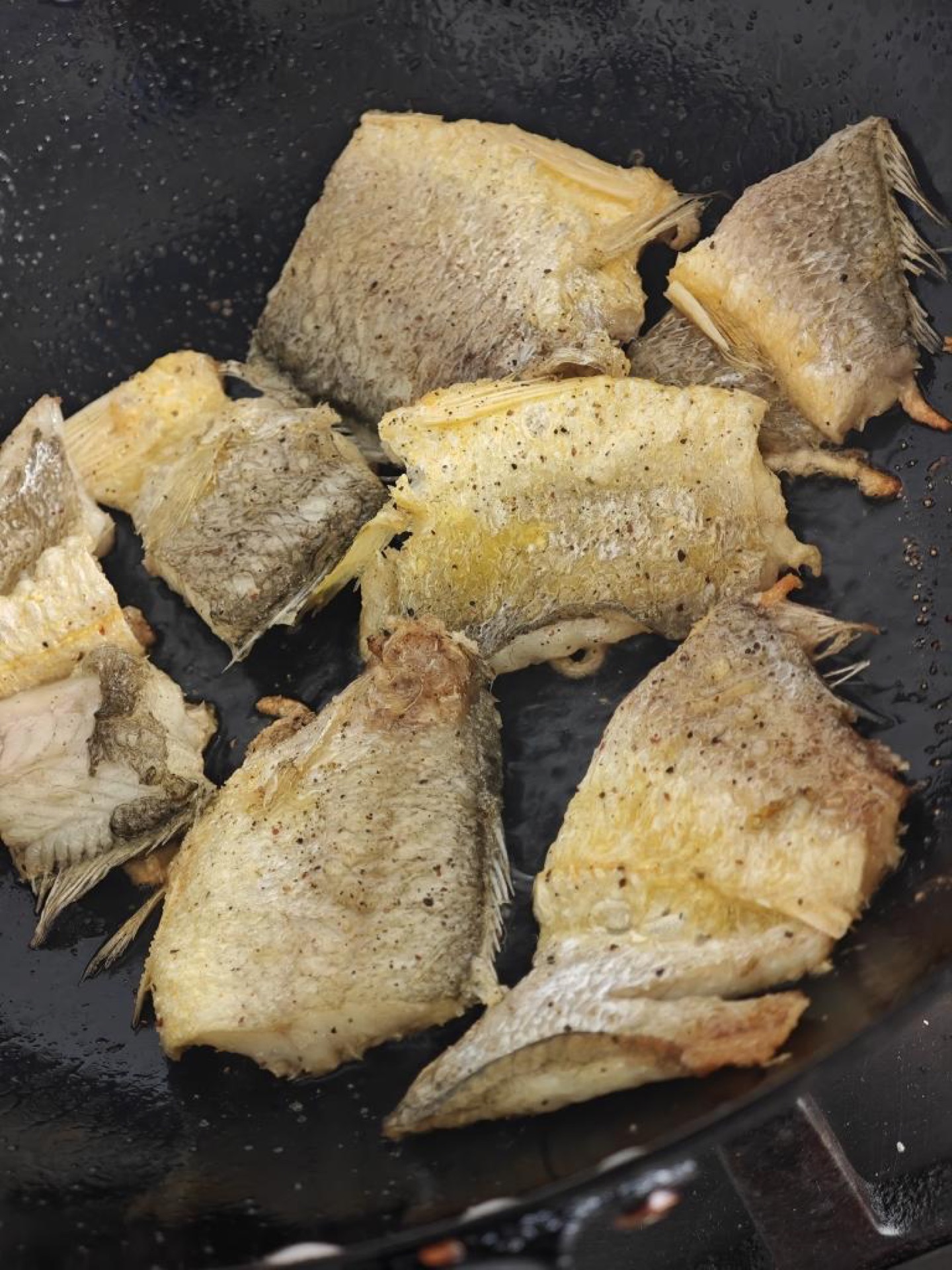
Step 7 — Do Not Flip Often
Do not move the fish around; wait until one side is golden and firm before turning it over.
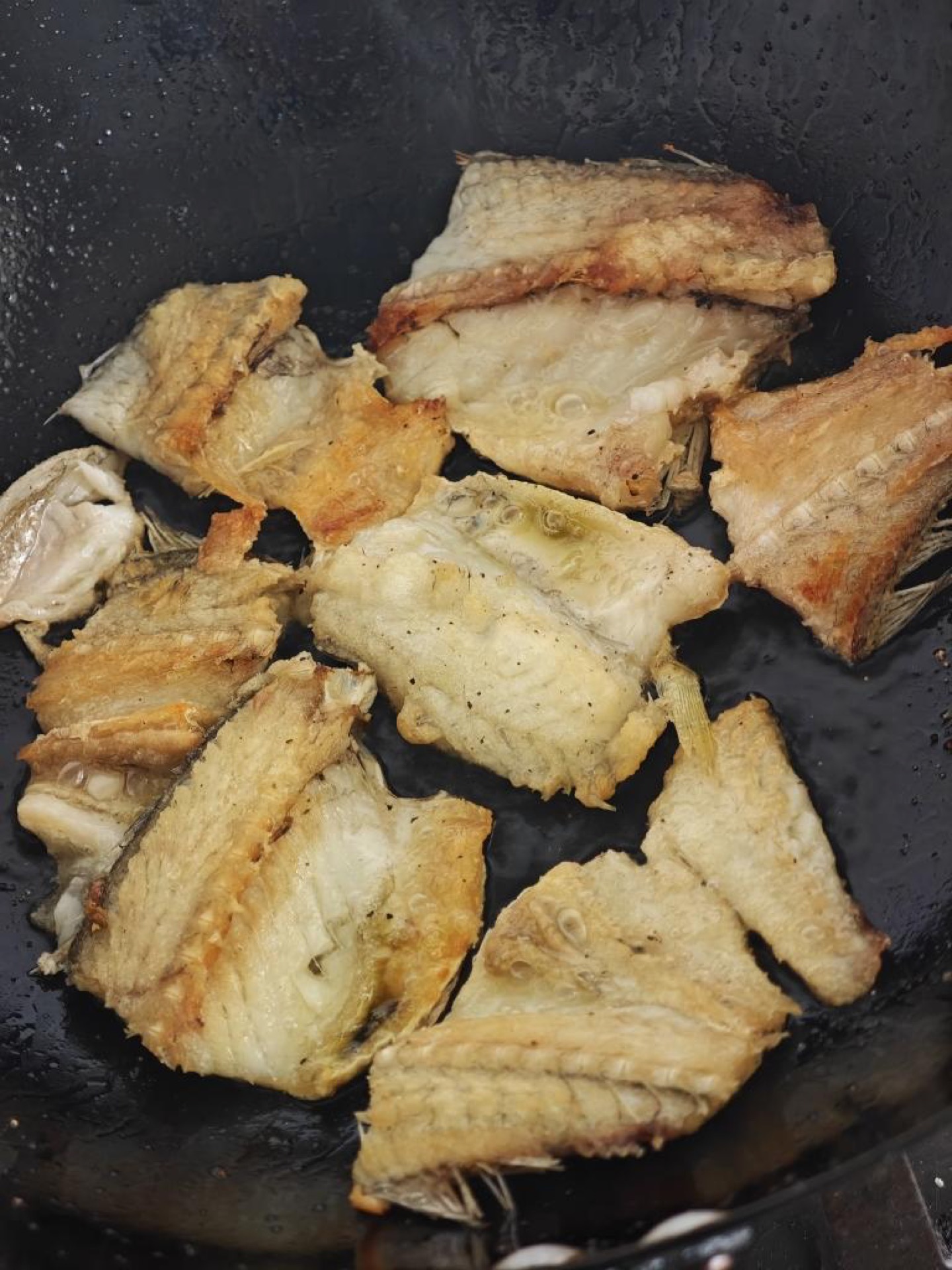
Step 8 — Season and Set Aside
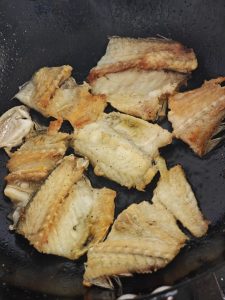
When both sides are golden brown, sprinkle on the black pepper and transfer the fish out; at this point it is crisp outside and tender inside, and it already smells wonderful.
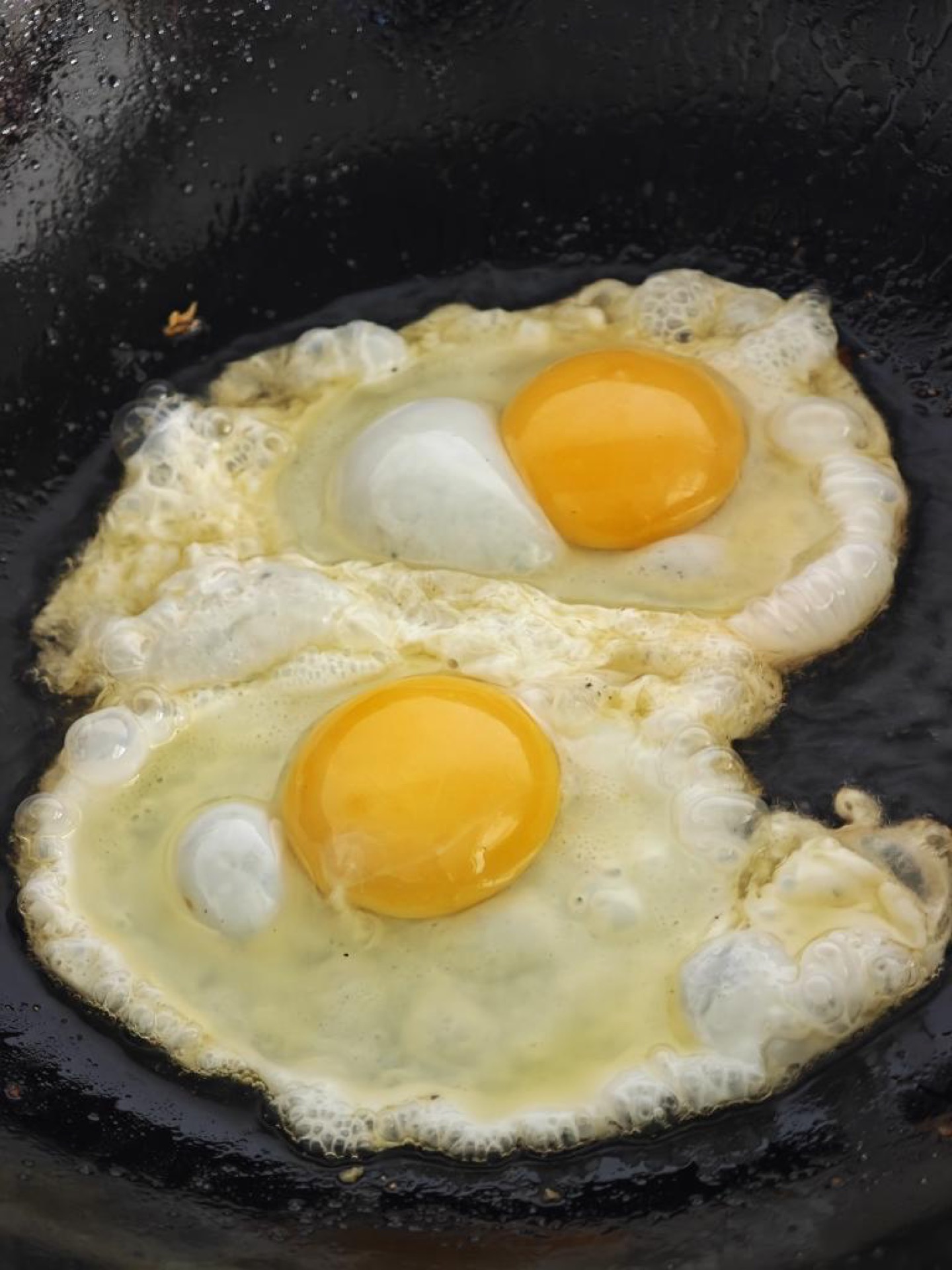
Step 9 — Fry the Eggs
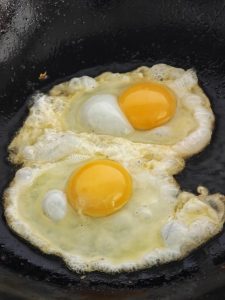
Without washing the wok, use the flavorful oil left from frying the fish to fry two eggs until the edges are crisp and the yolks are set, the “old fried egg” style that tastes best simmered in soup, then set them aside.
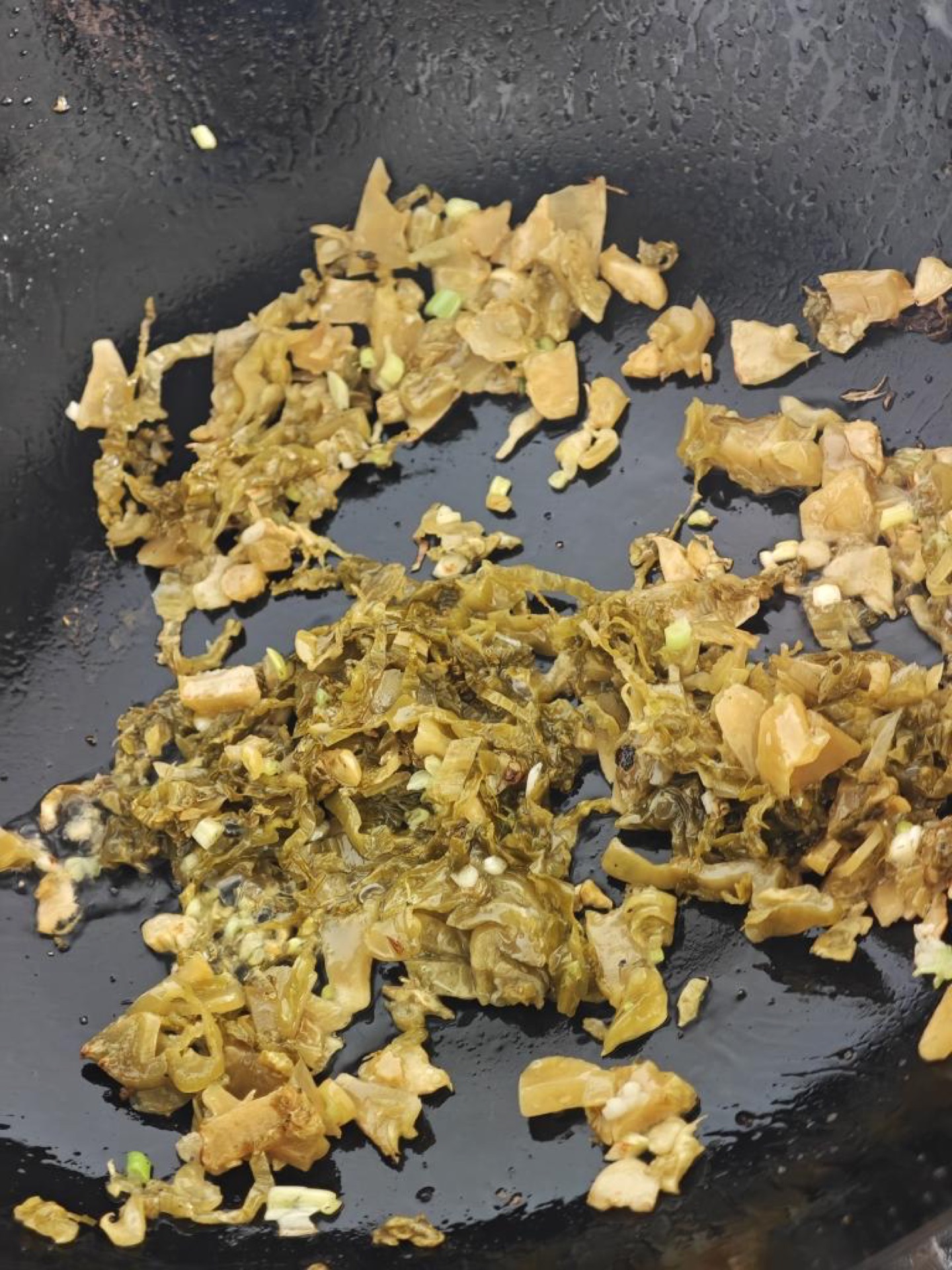
Step 10 — Stir-Fry the Pickled Cabbage
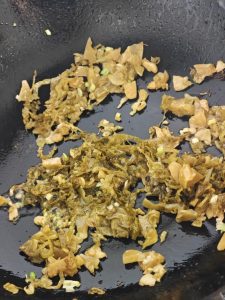
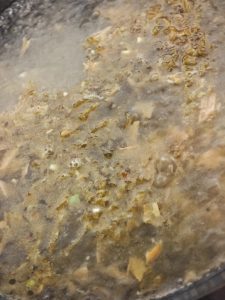
Leave the base oil in the wok, add the minced ginger and garlic to bloom, then tip in the prepared pickled cabbage; stir over high heat to drive off its moisture and release that sharp, mouth-watering sour aroma, which is the foundation of a rich broth.
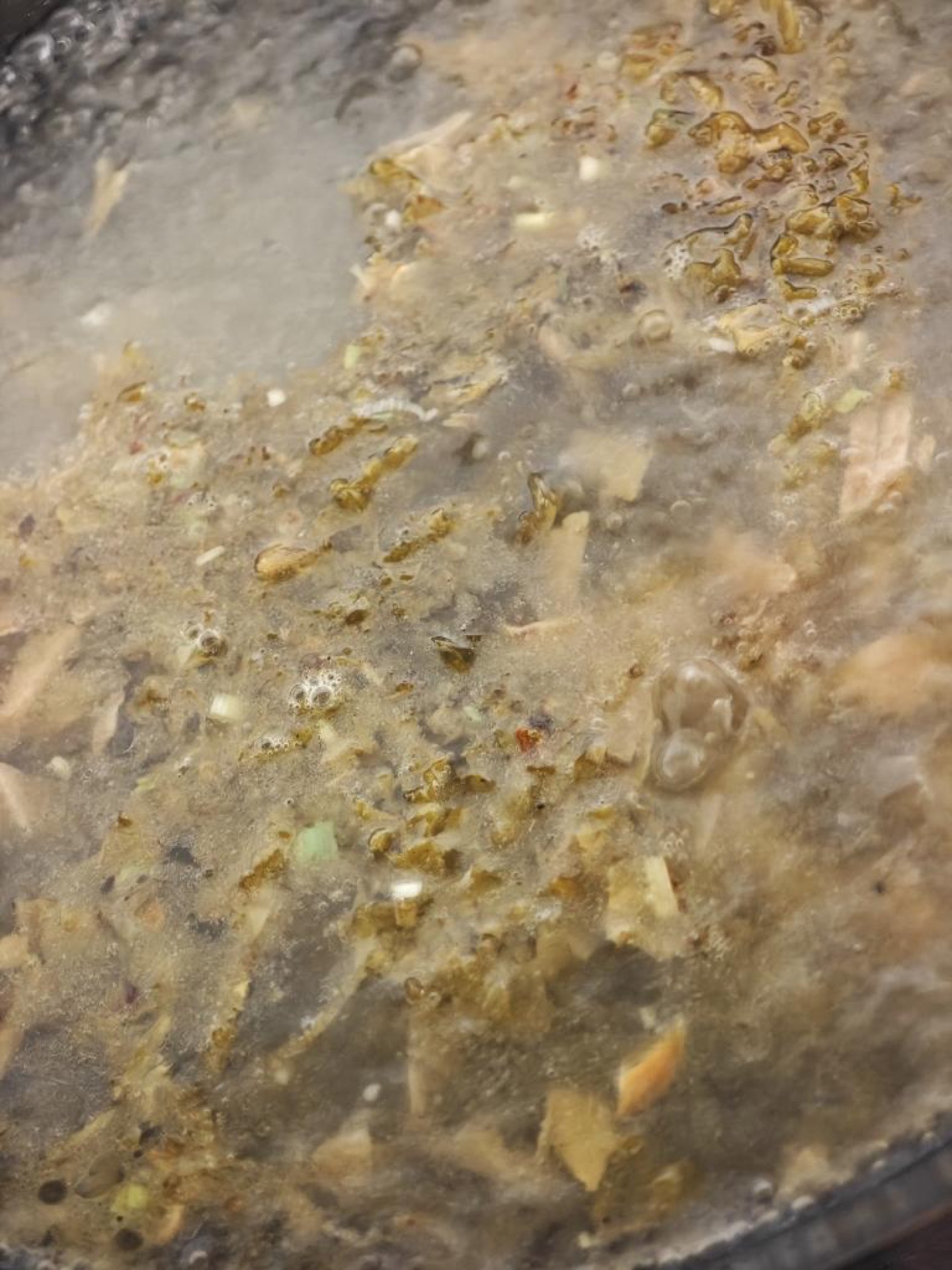
Step 11 — Add Boiling Water
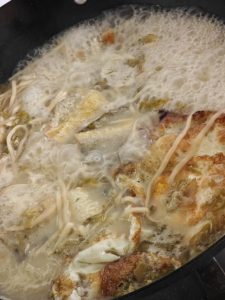
This is the most important step: keep the heat high and pour boiling water directly into the wok of fried pickled cabbage.
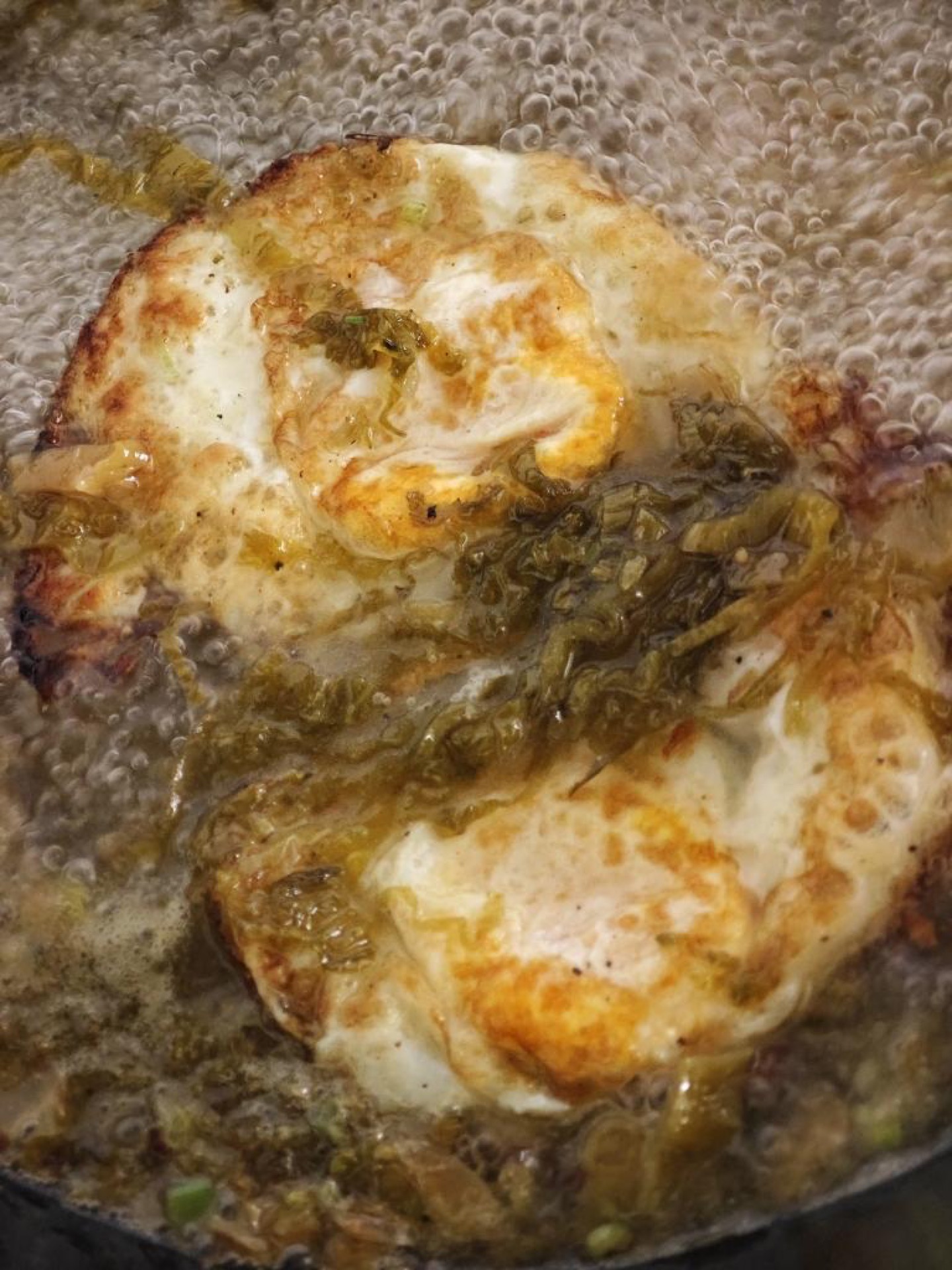
Step 12 — Simmer the Eggs
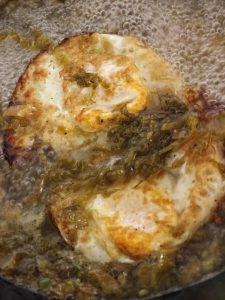
Next, drop the fried eggs into the broth and let them bubble for a while, so they soak up the sour, savory soup like sponges.
Step 13 — Add the Noodles
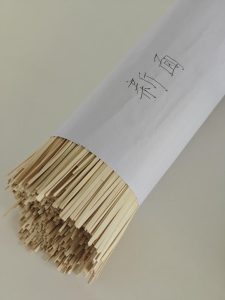
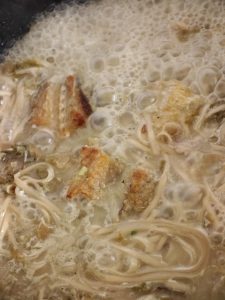
Once the water comes back to a boil, add the bundle of fresh handmade noodles.
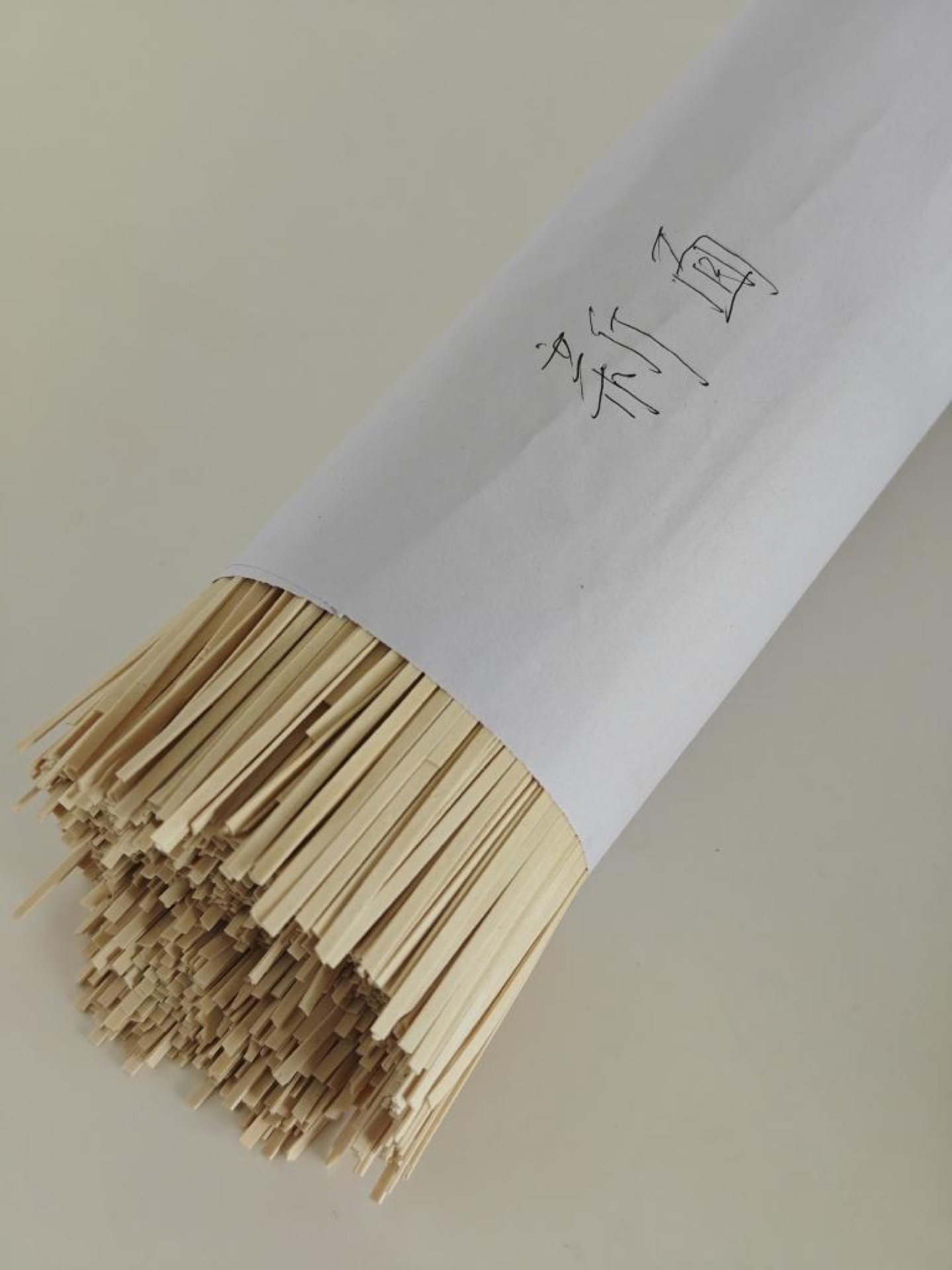
Step 14 — Cook Briefly
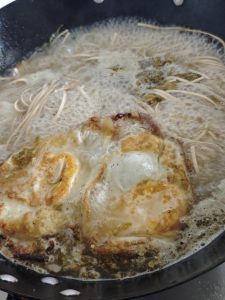
Fresh noodles cook quickly, so do not boil them too long; keep a little bite in the center so they stay springy.
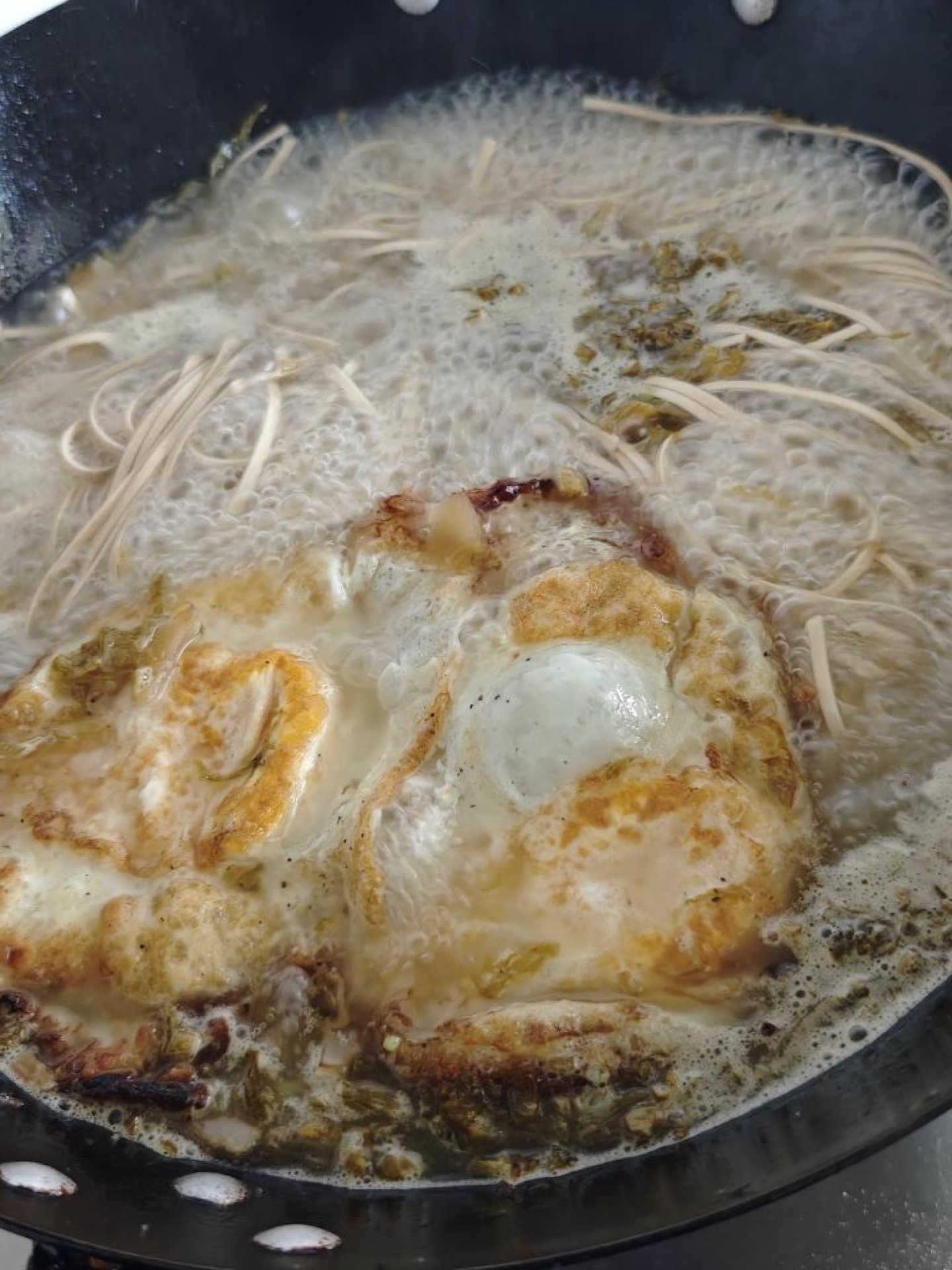
Step 15 — Return the Fish
Save the best fillets for plating, then slide the rest of the fried fish back into the wok and let the pieces soak briefly in the rich broth.
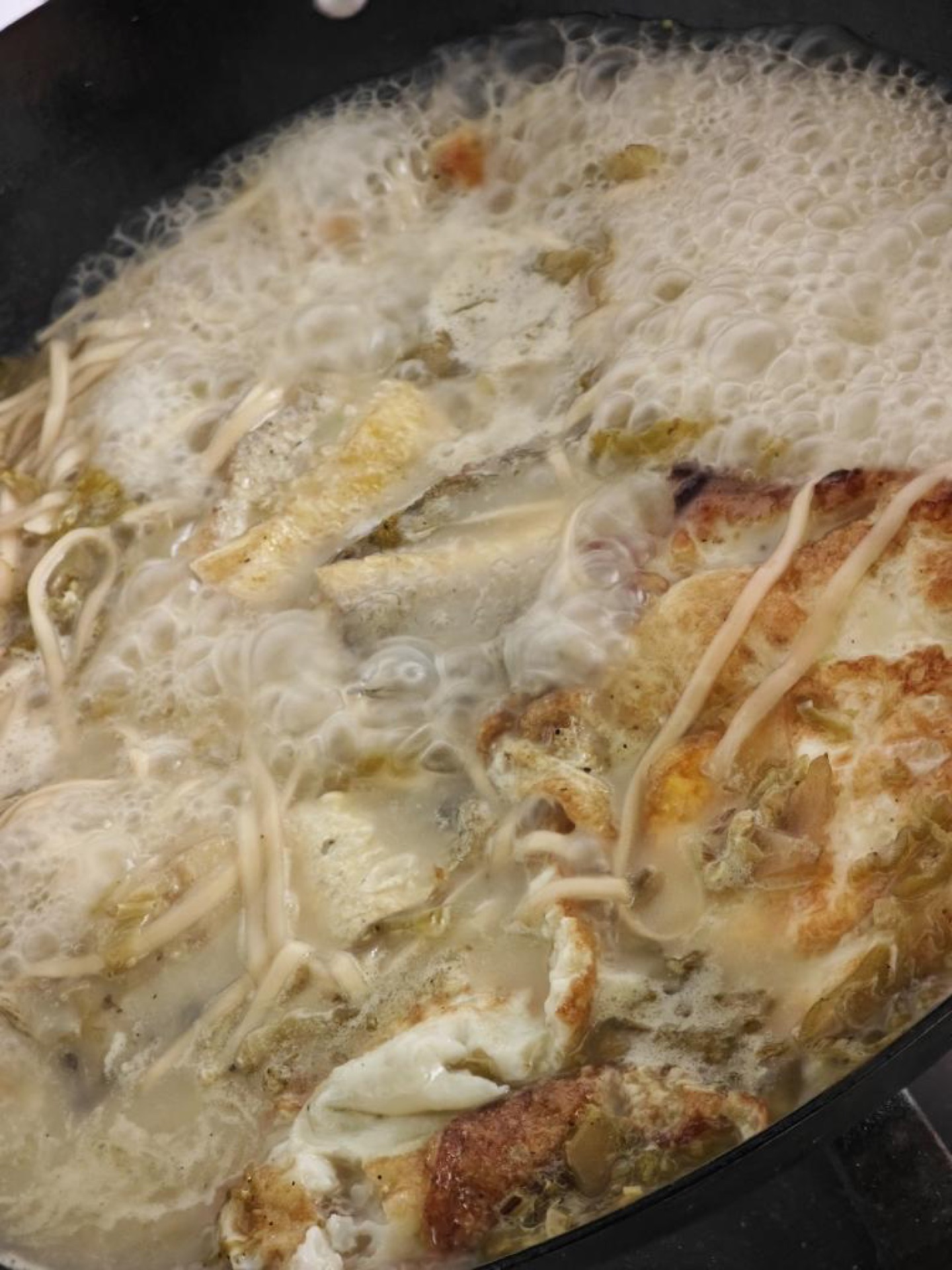
Step 16 — Season the Broth
Taste the broth and add a little salt as needed, going easy since the pickled cabbage is already salty, then stir in the white pepper.
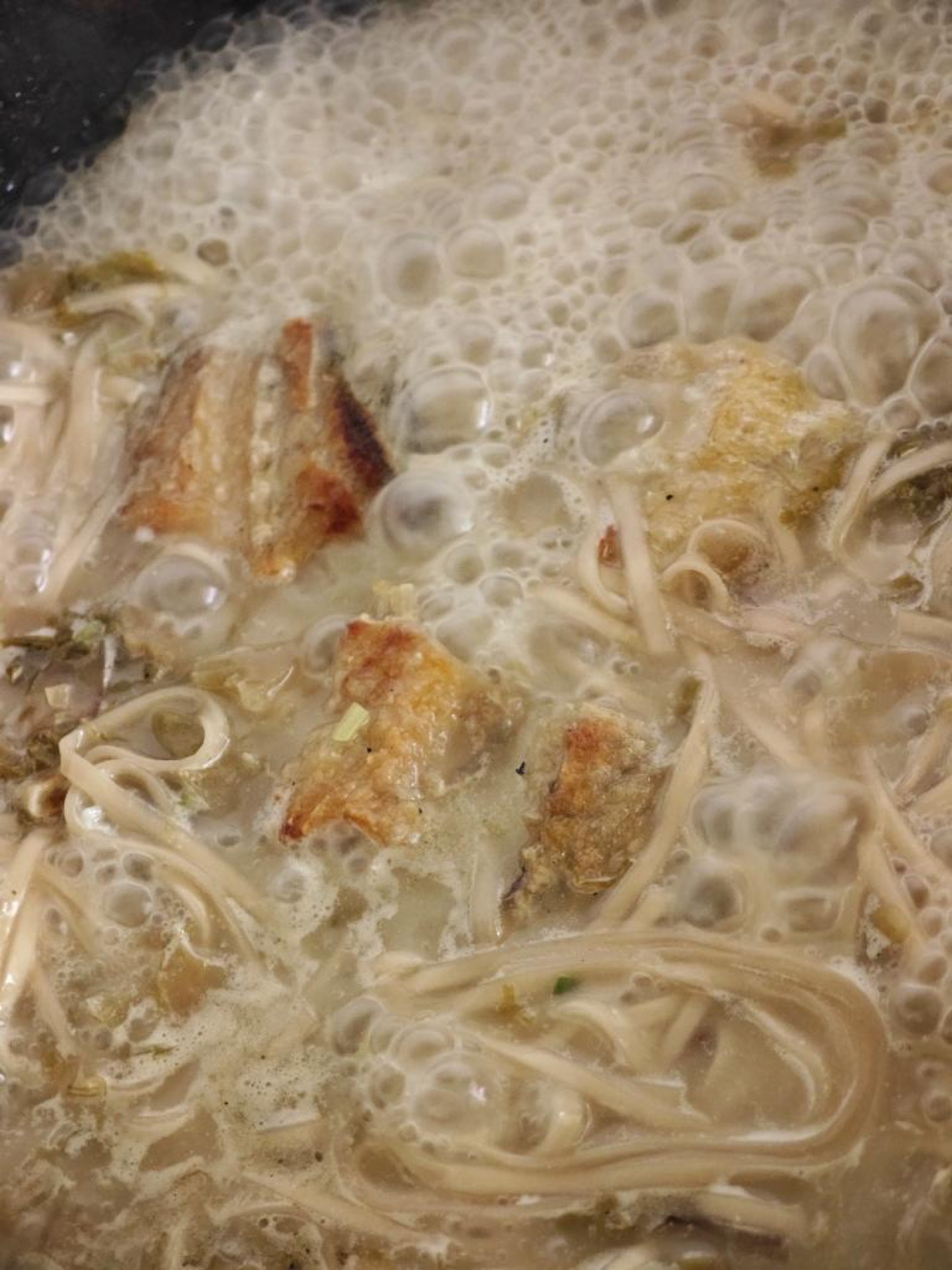
Step 17 — Bowl and Garnish
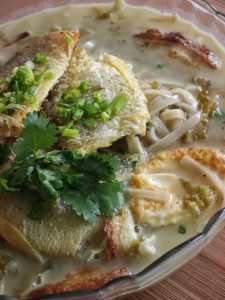
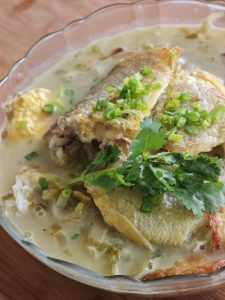
Pour the noodles and broth into a large bowl, arrange the reserved fish fillets on top, and finish with bright green scallion and cilantro.
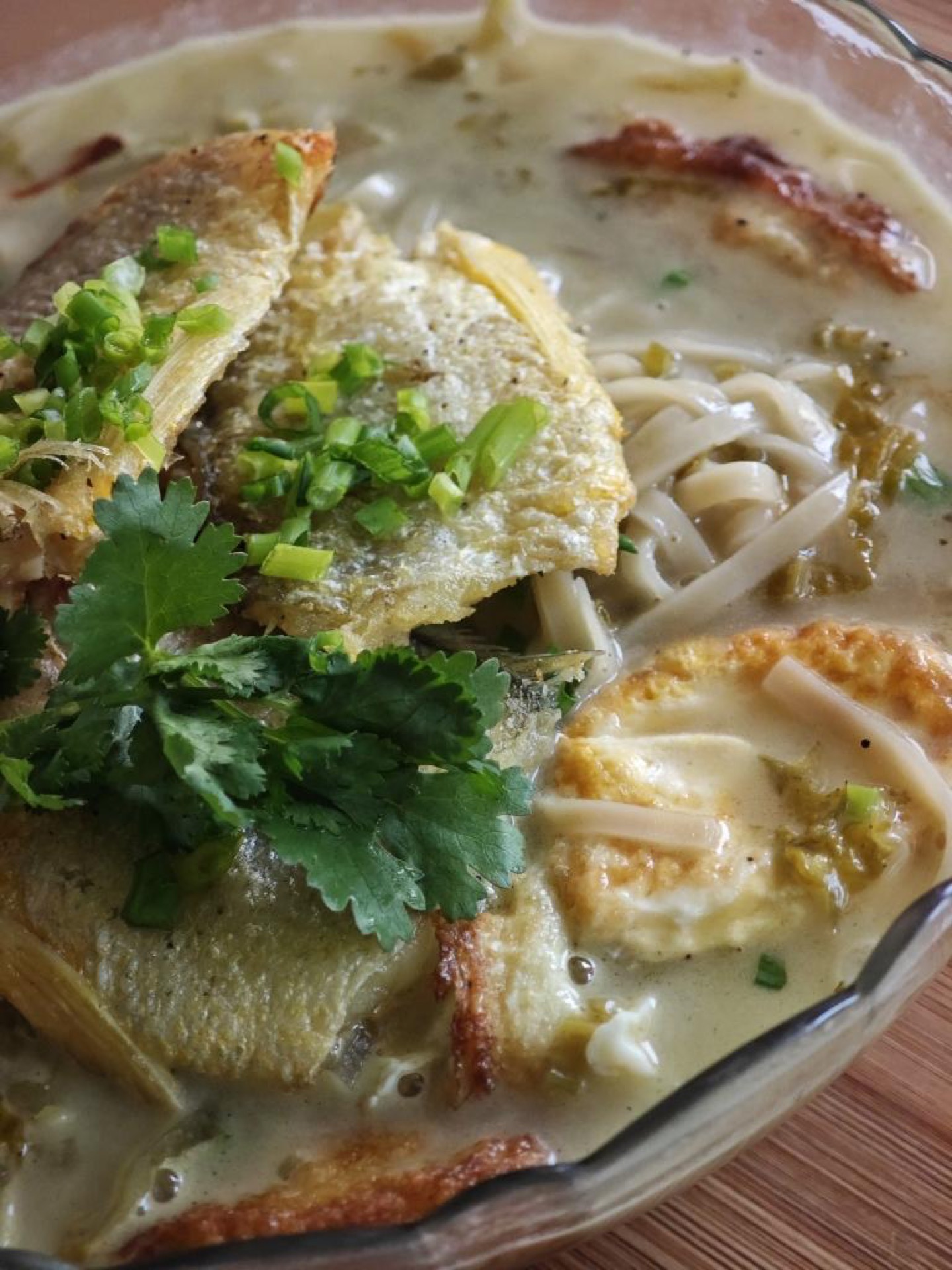
Step 18 — Serve at the Table
The moment it reaches the table, the milky broth is steaming, the golden fish rests on the noodles, and the green cilantro dots the surface.
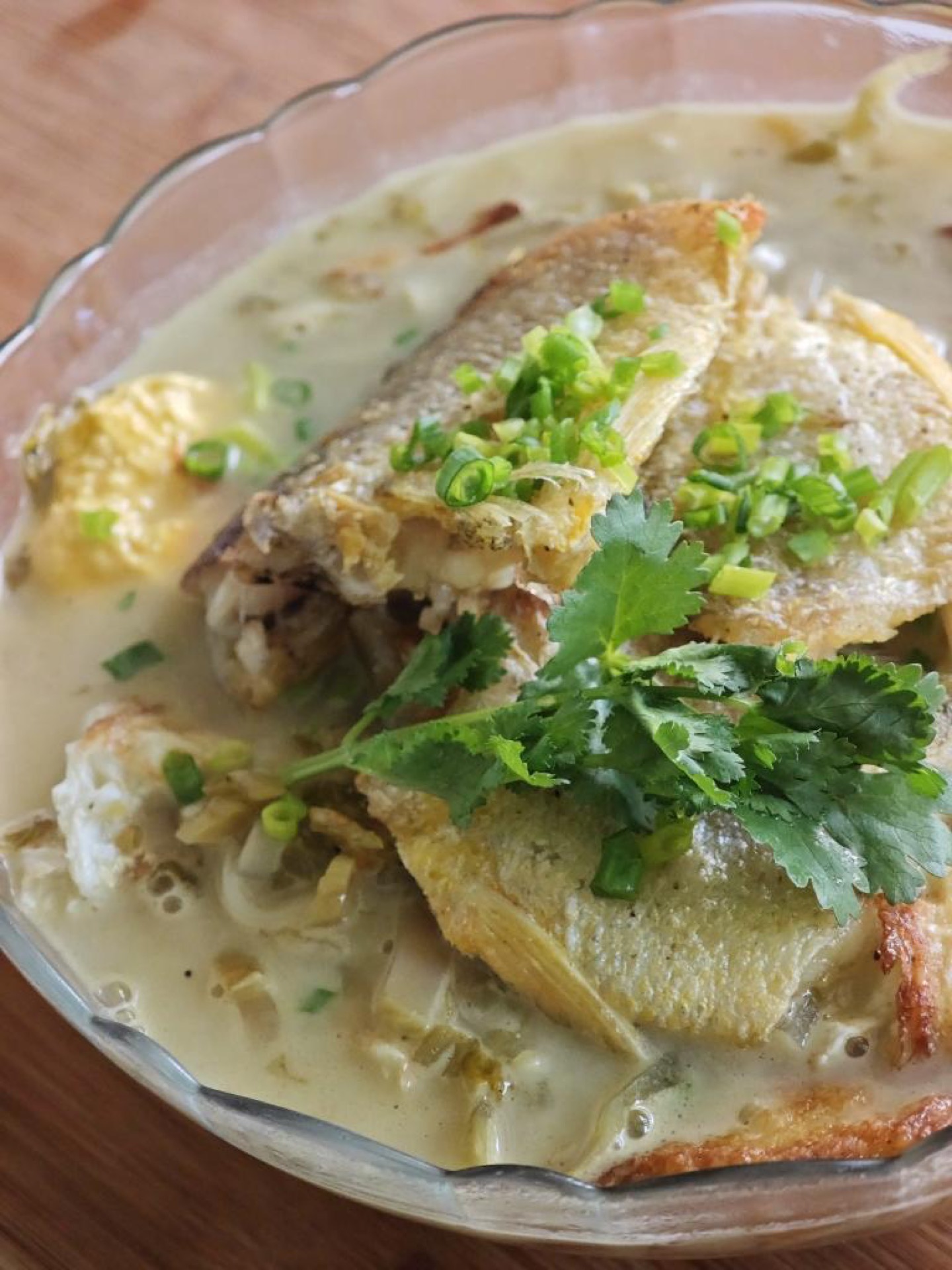
Step 19 — Eat and Enjoy
Sip the soup first, and the crunch of the pickled cabbage, the toasted aroma of the fried egg, and the sweetness of the fish all burst at once; then lift a piece of fish, chewy from the sear outside yet tender as tofu within, and finally slurp up the noodles coated in broth.
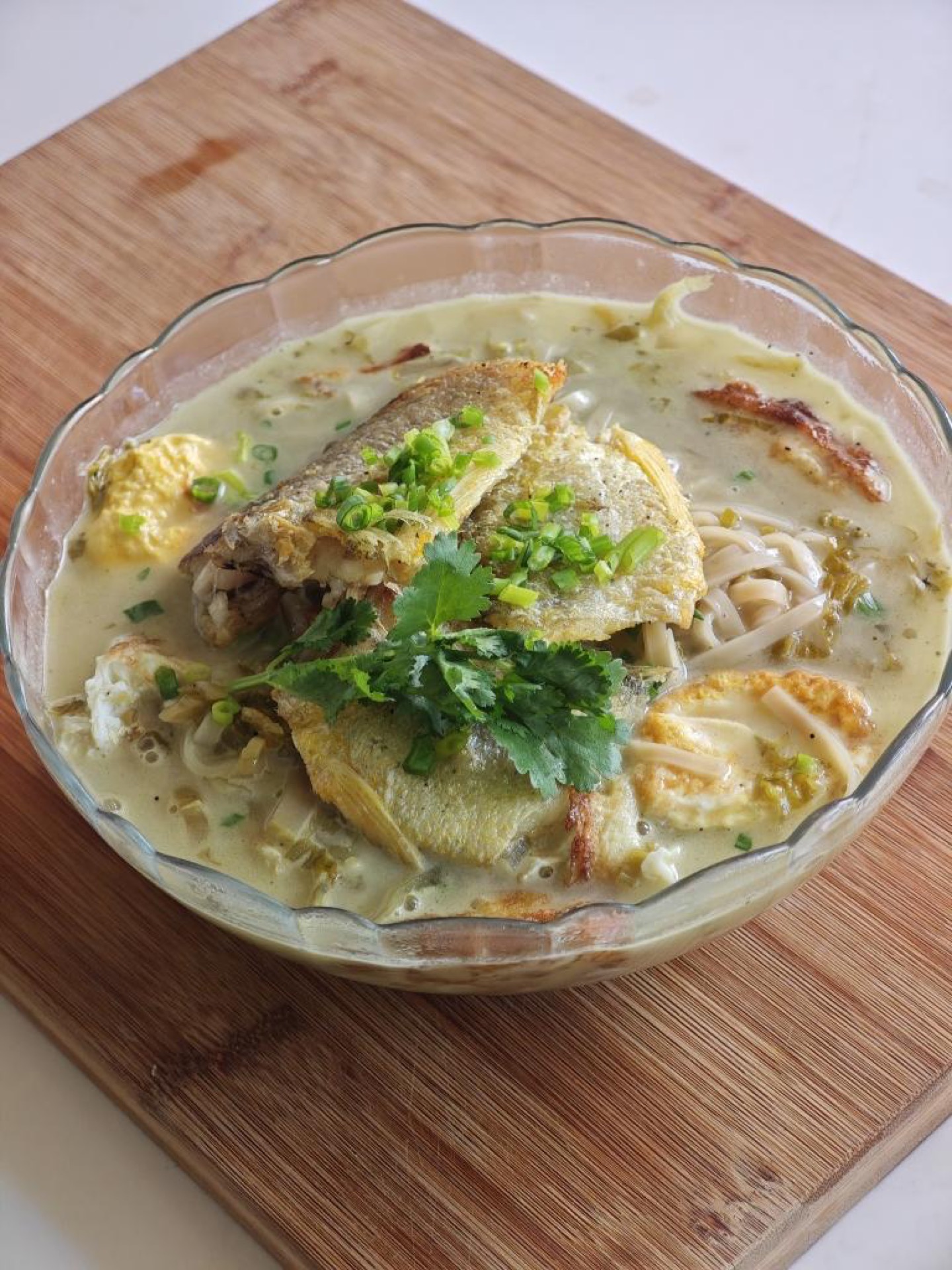
Common Mistakes When Making Pickled Cabbage Yellow Croaker Noodles
1. Frying wet fish. If the fillets still have surface moisture, they will steam and stick instead of crisping, and the skin will tear when you try to flip. The fix is simple: pat them dry, then pat them again, and let them sit uncovered for ten minutes while you prep everything else.
2. Flipping the fish too early or too often. Fish needs to form a crust before it releases from the pan. If you poke at it and it resists, it is not ready. Wait for the edges to turn opaque and golden, then slide a thin spatula underneath and turn once. One flip per side is the goal.
3. Not rinsing and squeezing the pickled cabbage. Straight-from-the-jar suancai is aggressively salty and can carry a stale, musty edge. Rinsing two or three times and squeezing it bone dry removes the excess salt and the off notes, leaving only the bright fermented tang. Skipping this is the fastest way to an inedibly salty bowl.
4. Crowding the wok. Six fillets in a small pan will drop the oil temperature and steam the fish. Fry in two batches if your wok is small, and leave space between pieces so the oil stays hot and the crust forms properly.
5. Using cold water for the broth. Cold water kills the sizzle and gives you a thin, clear soup. Keep a kettle at a full boil and pour it in from a height so it hits the hot wok hard and the emulsion forms immediately.
6. Overcooking the noodles. Fresh noodles go from perfect to mushy in under a minute. Taste one about thirty seconds before the package time and pull the wok off the heat while they still have a firm bite, since they keep softening in the hot broth.
Variations
With other white fish. If yellow croaker is unavailable, use any firm, mild white fish: cod, haddock, sea bass, or tilapia all work. Cut thicker fillets into smaller pieces so they cook through in the same time, and handle them gently since they are more fragile than croaker.
With pork for a richer bowl. A few thin slices of pork belly or shredded pork loin, browned in the wok before the pickled cabbage goes in, add a meaty depth that turns this into a heartier meal. This is closer to the classic suancai pork noodle soup style, and it is excellent on a cold night.
With tofu instead of egg. Pan-fry thick slabs of firm tofu in the fish oil in place of the eggs. They soak up the broth the same way and keep the dish lighter, though you lose the toasted egg flavor that makes the original so good.
Extra sour or extra spicy. A splash of rice vinegar at the end brightens the broth if your pickled cabbage is mild. For heat, add a few dried chilies or a spoonful of chili oil with the aromatics, or finish the bowl with a drizzle of chili crisp.
With rice instead of noodles. The same broth and fish spooned over steamed rice is a completely different but equally good meal. It is also a smart way to use up leftover broth when you have cooked more noodles than you needed.
Frequently Asked Questions
Can I use dried noodles instead of fresh? Yes. Use about 8 ounces of dried wheat noodles and cook them in the broth until just shy of al dente, usually two to three minutes depending on thickness. They release more starch than fresh noodles, so the broth will be slightly thicker, which is not a problem.
How do I keep the fish from falling apart? Dry it thoroughly, fry it over medium-low heat, and flip it only once, when the first side is golden and firm. Adding it back to the broth only for the last minute, just to warm through and soak up flavor, also helps it hold together.
Is this dish very sour? It is tangy rather than aggressively sour. Rinsing the pickled cabbage tames the sharpness, and the fish, egg, and noodles balance it. If you want more sourness, add a teaspoon of rice vinegar at the end rather than more pickled cabbage, which would also add salt.
Can I make it ahead? The broth and fish can be made a few hours ahead and stored separately, but the noodles should be cooked fresh. Reheat the broth to a boil, add the fish for the last minute, and cook the noodles just before serving so they do not go soft.
What if I cannot find pickled mustard greens? Sauerkraut or a good-quality kimchi can stand in in a pinch, though the flavor will be different. Rinse either one well and taste before adding salt, since both are salty and kimchi brings its own chili heat.
How to Serve
Pickled cabbage yellow croaker noodles is a complete meal in one bowl, so it needs very little alongside it. A small plate of quick-pickled cucumber or a simple cucumber salad cuts through the richness and adds crunch. If you want a second dish on the table, keep it light and cold so the soup stays the star.
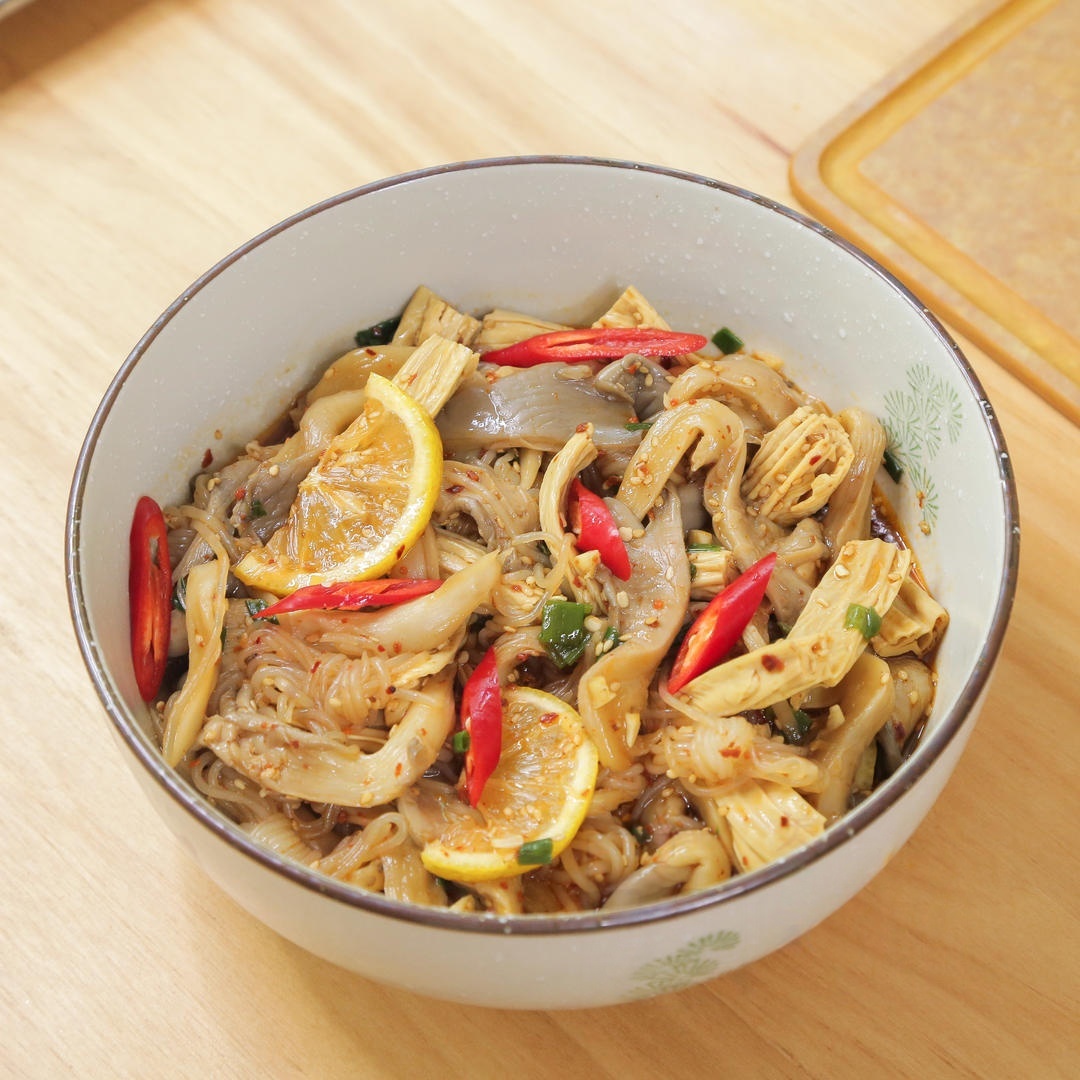
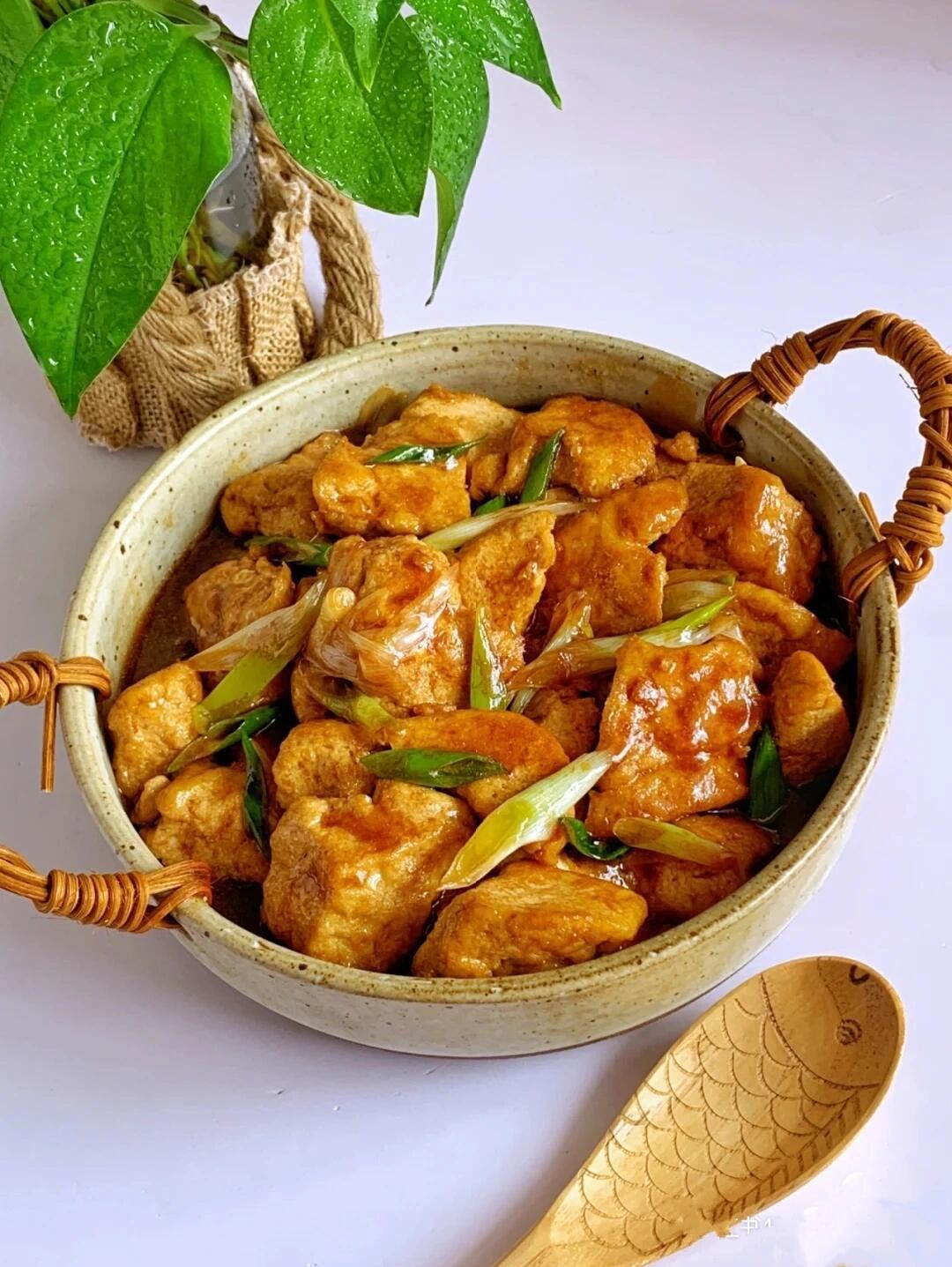
For a heartier spread, serve it with a side of spicy oyster mushroom and konjac salad, whose cool, slippery texture is a great contrast to the hot, milky broth. A plate of braised tofu with scallions also works well if you want something warm and gentle to round out the meal, and its sauce is excellent spooned over rice for anyone at the table who is not a noodle person.
Storage & Reheat
This is best eaten the day it is made, but leftovers keep reasonably well for a short time. Cool the soup completely, then transfer it to an airtight container and refrigerate for up to two days. Keep the noodles separate if you can, since they will absorb all the broth overnight and turn soft. If they are already mixed in, that is fine, just expect a thicker soup the next day.
To reheat, bring the broth and noodles gently to a simmer on the stovetop, adding a splash of water if it has thickened too much. Reheat until steaming hot all the way through, about 165°F (74°C). The fish will soften on the second day, so if you have any reserved fillets, add them at the very end just to warm through. Do not microwave the fish if you can avoid it, since it turns rubbery quickly.
Freezing is not recommended for the finished bowl. The noodles break down and the fish becomes grainy. If you want to plan ahead, freeze the broth and fish separately for up to one month, then cook fresh noodles when you reheat it.
Allergen Notice
This recipe contains fish (yellow croaker) and wheat (the noodles), so it is not suitable for anyone with a fish or gluten allergy. Depending on the brand of pickled mustard greens and the seasonings you use, it may also contain soy. Check the labels on your pickled cabbage, soy sauce if you add any, and your noodles. If you need a gluten-free version, use rice noodles or another certified gluten-free noodle and verify that your pickled greens are free of wheat-based additives.
Nutrition Disclaimer
Nutrition information is calculated using an ingredient database and should be considered an estimate. In cases where multiple ingredient alternatives are given, the first listed is calculated for nutrition. Garnishes and optional ingredients are not included.
About the Author & Recipe Development
This recipe was developed and tested in the Woks of Love kitchen by Lin, who grew up cooking Jiangnan home food and has spent years adapting coastal Chinese dishes for home cooks working with Western grocery stores. The goal here was to keep the soul of the original Ningbo-style bowl, the milky broth, the crisp fish, the sharp pickled greens, while making every step clear enough to follow on a weeknight.
Testing focused on two things: how to get a crisp, intact crust on frozen yellow croaker fillets, and how much rinsing the pickled cabbage actually needs before it stops tasting harsh. The answer to the second question turned out to be two or three rinses with a hard squeeze, which is reflected in the steps above. If you cook this and tweak it, we would love to hear how it turned out.
For another dish in the same spirit, stovetop cheesy baked rice is worth cooking next.
For another dish in the same spirit, scallion seafood pot is worth cooking next.
Authoritative References
For safe handling and cooking temperatures for fish, see the FDA guidance on selecting and serving fresh and frozen seafood. For general food safety and leftovers guidance, the FoodSafety.gov cold food storage charts are a useful reference. The USDA also maintains safe minimum internal temperature guidance that applies to the fish in this recipe.
Pickled Cabbage Yellow Croaker Noodles (酸菜黄鱼面): Tangy, Savory,

Equipment
- Wok
- Cutting Board
- Slotted Spoon
Ingredients
For the Fish
- 6 pieces yellow croaker fillets about 1 lb, thawed if frozen
- 1 tsp salt for the fish and the pan
- 1/2 tsp black pepper freshly ground
- 2 tbsp neutral oil for pan-frying
For the Broth and Noodles
- 2 stalks pickled mustard greens suancai, about 1 cup sliced
- 2 eggs
- 1 tbsp ginger minced
- 2 cloves garlic minced
- 1 scallion white and green parts separated
- 1 bunch fresh wheat noodles about 12 oz fresh or 8 oz dried
- 1/2 tsp white pepper ground
- 1 tsp salt to taste, added at the end
- 1 handful cilantro for garnish
- 4 cups boiling water for the broth
Instructions
- Take two stalks of pickled mustard greens and cut them into fine shreds.

- Slice the pickled cabbage into thin, even strips so they melt into the broth instead of staying chewy.
- Rinse the shredded pickled cabbage in clean water two or three times, then squeeze it dry; this washes away the stale, overly salty edge and leaves only the clean fermented tang.
- Split the scallion into white and green parts, and set the cilantro aside for garnish.
- After the yellow croaker fillets thaw, pat them completely dry with paper towels; this is the key to pan-frying fish without tearing the skin.
- Heat the wok, add cool oil, sprinkle in a little salt to prevent sticking, and lay the fish pieces in to fry over medium-low heat.
- Do not move the fish around; wait until one side is golden and firm before turning it over.
- When both sides are golden brown, sprinkle on the black pepper and transfer the fish out; at this point it is crisp outside and tender inside, and it already smells wonderful.
- Without washing the wok, use the flavorful oil left from frying the fish to fry two eggs until the edges are crisp and the yolks are set, the “old fried egg” style that tastes best simmered in soup, then set them aside.
- Leave the base oil in the wok, add the minced ginger and garlic to bloom, then tip in the prepared pickled cabbage; stir over high heat to drive off its moisture and release that sharp, mouth-watering sour aroma, which is the foundation of a rich broth.
- This is the most important step: keep the heat high and pour boiling water directly into the wok of fried pickled cabbage.
- Next, drop the fried eggs into the broth and let them bubble for a while, so they soak up the sour, savory soup like sponges.
- Once the water comes back to a boil, add the bundle of fresh handmade noodles.
- Fresh noodles cook quickly, so do not boil them too long; keep a little bite in the center so they stay springy.
- Save the best fillets for plating, then slide the rest of the fried fish back into the wok and let the pieces soak briefly in the rich broth.
- Taste the broth and add a little salt as needed, going easy since the pickled cabbage is already salty, then stir in the white pepper.
- Pour the noodles and broth into a large bowl, arrange the reserved fish fillets on top, and finish with bright green scallion and cilantro.
- The moment it reaches the table, the milky broth is steaming, the golden fish rests on the noodles, and the green cilantro dots the surface.
- Sip the soup first, and the crunch of the pickled cabbage, the toasted aroma of the fried egg, and the sweetness of the fish all burst at once; then lift a piece of fish, chewy from the sear outside yet tender as tofu within, and finally slurp up the noodles coated in broth.












Leave a Reply