There is something about the damp, chilling cold of winter that makes my bones ache for one specific flavor profile: suan la (sour and spicy). While I love the complexity of a slow-simmered Lanzhou Beef Noodle Soup, sometimes—especially on a busy weeknight—I need that comfort in under 20 minutes.

That is where this Sour and Spicy Beef Noodle Soup (Suan Tang Fei Niu Mian) shines. It’s a “deconstructed” soup that relies on a “bowl sauce” technique common in Chinese street food. You don’t simmer a stock for hours; instead, you build an explosion of flavor right in the serving bowl using fresh aromatics, spices, and a splash of hot oil to bloom them instantly.
Growing up in a restaurant family, my father taught me that “quick” doesn’t mean “lack of depth.” This recipe uses paper-thin fatty beef (the kind used for hot pot), which cooks in seconds and melts in your mouth. It is the ultimate fast food for the soul.
Why This Recipe Works
- The “Hot Oil Flash” (You Po): Pouring smoking hot oil over raw garlic, chili powder, and scallions instantly releases their volatile oils, creating a base flavor that tastes like it cooked for hours.
- The Golden Ratio: The balance of Chinkiang Vinegar and Light Soy Sauce creates a broth that is tart enough to whet your appetite but savory enough to drink.
- Fatty Beef: Using thinly sliced beef adds richness to the soup without requiring animal fat to be rendered slowly from bones.
What is Sour and Spicy Beef Noodle Soup?
In Chinese, Suan Tang means “Sour Soup,” Fei Niu refers to “Fatty Beef” (thinly sliced grain-fed beef, often brisket or ribeye), and Mian is noodles. This dish shares DNA with the famous Suan La Fen (Sour and Spicy Sweet Potato Noodles), but it’s heartier and often eaten as a main meal rather than a snack.
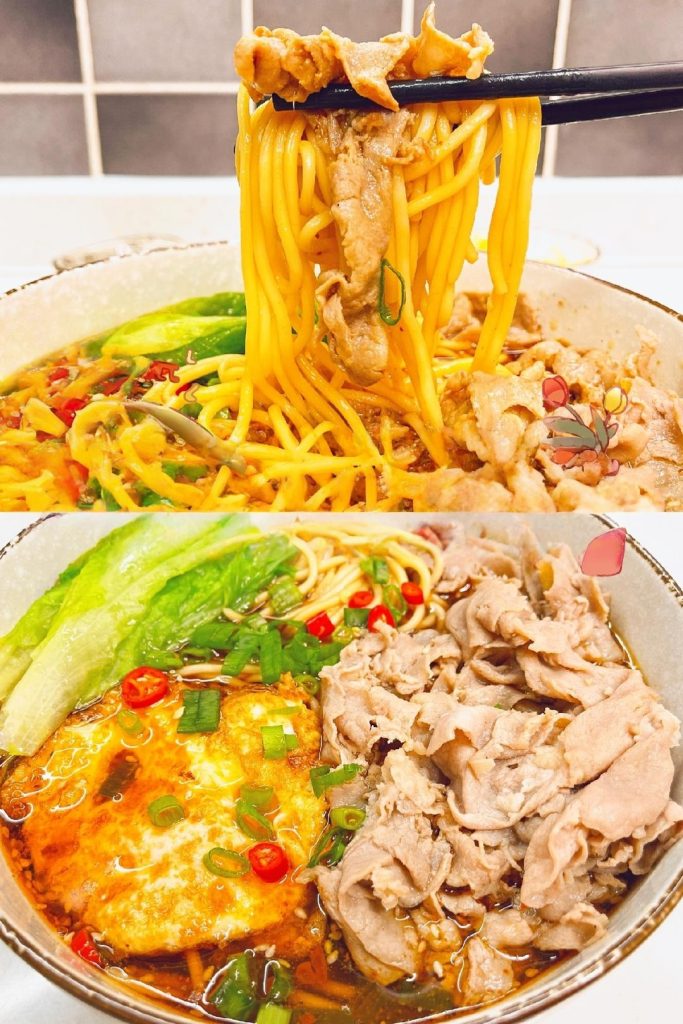
The “sour” comes from aged black vinegar, which provides a mellow, malty acidity, while the “spicy” comes from a mix of fresh Thai chilies and dried chili powder. It’s similar in spirit to our Sour Tomato Beef Soup, but this version is faster and relies on a clear, vinegar-forward broth rather than a tomato base.
About the Author & Recipe Development
Hi, I’m Lin. I grew up in a professional kitchen environment where efficiency was key. My father, a chef trained in traditional Sichuan and Henan cuisine, always emphasized the importance of Wok Hei and temperature control.
When developing this recipe for Woks of Love, I wanted to recreate the specific taste of the “Quick Lunch” counters found in Chinese office districts. I tested the vinegar-to-water ratio three times. I found that adding just a teaspoon of Sesame Oil at the very end is crucial—it emulsifies with the vinegar to coat the noodles, a trick I learned from observing noodle masters in Xi’an. I also adjusted the chili levels to be customizable; you can control the heat without losing the aromatic punch.
Key Ingredients & Substitutions
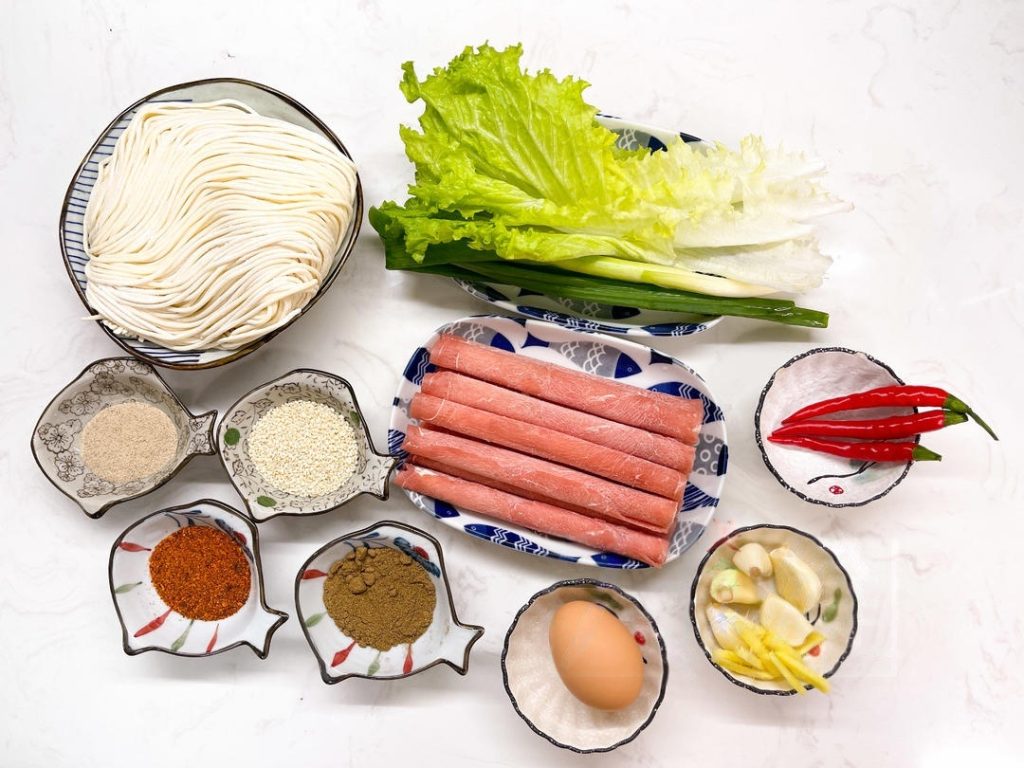
- Fatty Beef Slices (Fei Niu): You can find this in the frozen section of Asian grocery stores, labeled for “Hot Pot” or “Shabu Shabu.”
- Substitute: If you can’t find it, ask your butcher to shave ribeye steak paper-thin. Do not use thick stew meat; it will be tough.
- Noodles: I prefer thin, cylindrical wheat noodles or fresh ramen.
- Substitute: If you want a gluten-free option, this works wonderfully with sweet potato glass noodles or rice noodles.
- Chinkiang Vinegar: This is non-negotiable for the authentic “malty” sour taste.
- Substitute: If you absolutely must, mix balsamic vinegar with a little rice vinegar, but the flavor profile will change.
- Sichuan Peppercorn Powder: This provides the subtle ma (numbing) sensation.
- Note: See our guide on Sichuan Peppercorns for more info.
- Aromatics: Garlic, ginger, and scallions are the holy trinity here. Don’t use powdered versions.
Common Mistakes When Making This Noodle Soup
- Burning the Spices: When pouring the hot oil, if the oil is smoking too heavily, it can burn the chili powder, turning it bitter. Solution: Pour the oil over the garlic and scallions first, letting the oil flow onto the chili powder second.
- Overcooking the Beef: Fatty beef cooks in literally 10-15 seconds in boiling water. If you leave it in too long, it becomes rubbery.
- Soggy Noodles: Because the noodles sit in hot soup, cook them al dente (slightly firm). They will continue to soften in the bowl.
Recipe Notes Before You Start
- Mise en Place: This recipe moves fast. Have your “bowl sauce” assembled before you even turn on the stove to boil water.
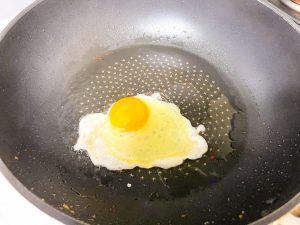
- The Egg: We fry the egg separately to give it a nice golden crust, which soaks up the sour soup deliciously. This is similar to how we serve the egg in our Chinese Noodle Soup.
- Spice Level: This recipe uses both fresh Thai chilies (millet peppers) and chili powder. If you have a low spice tolerance, omit the fresh chilies and reduce the powder.
How to Make Sour and Spicy Beef Noodles
Ingredients
The Main Components:
- 3.5 oz (100g) Fatty beef slices (hot pot beef)
- 7 oz (200g) Wheat noodles (dried or fresh)
- 1 large Egg
- 2-3 leaves Lettuce or Baby Bok Choy
- 2 slices Ginger
- 1 tbsp Cooking wine (Shaoxing Wine)
- 1 Scallion (green onion), white and green parts separated
The Bowl Seasoning (Aromatics):
- 2 cloves Garlic, minced
- 2 Fresh Thai chilies (Millet peppers), chopped (adjust to taste)
- 1 tbsp Scallion greens, chopped
- 1/2 tbsp Chili powder (Red pepper flakes)
- 1/2 tsp Sichuan peppercorn powder
- 1/2 tsp White pepper powder
- 1 tbsp Roasted sesame seeds
- 3 tbsp Neutral oil (for flashing)
The Sauce Base:
- 2 tbsp Light Soy Sauce
- 1/2 tbsp Dark Soy Sauce
- 2 tbsp Chinkiang Vinegar (Chinese Black Vinegar)
- 1/2 tsp Salt
- 1 tsp Sugar
- 1/2 tbsp Sesame Oil
- 1 cup Boiling water (or noodle cooking water)
Instructions
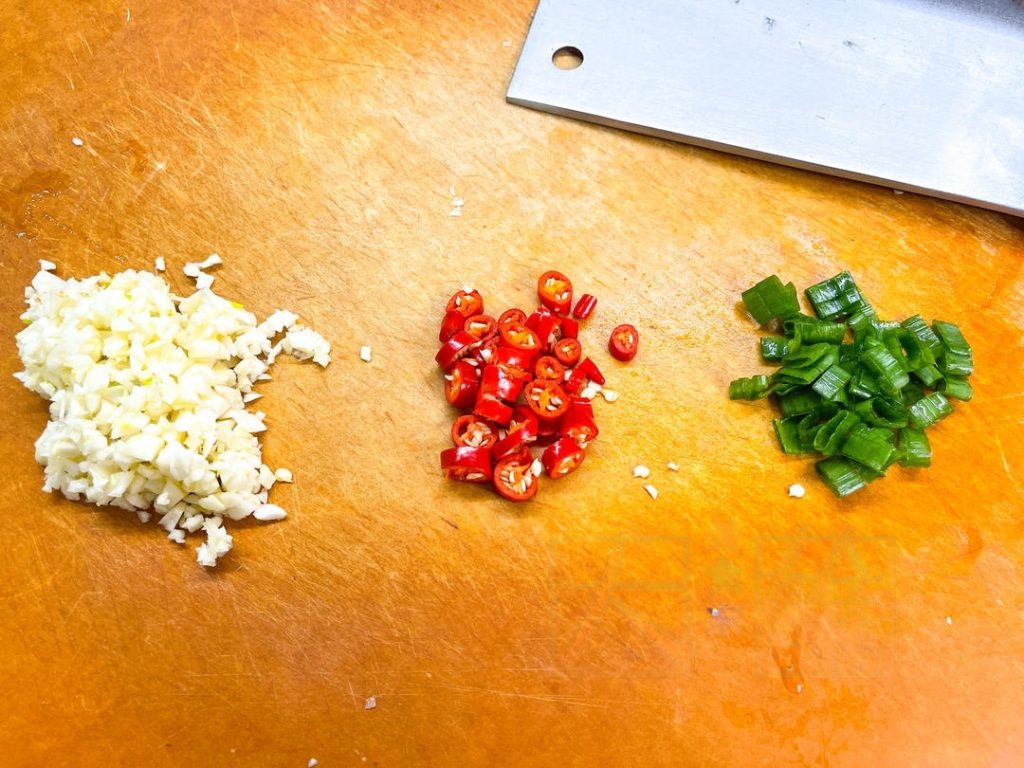
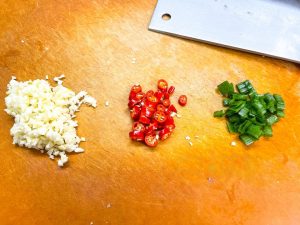
1. Prepare the Aromatics Finely chop the garlic and fresh Thai chilies. Separate the scallion whites (cut into segments) and greens (finely chopped). Slice the ginger.
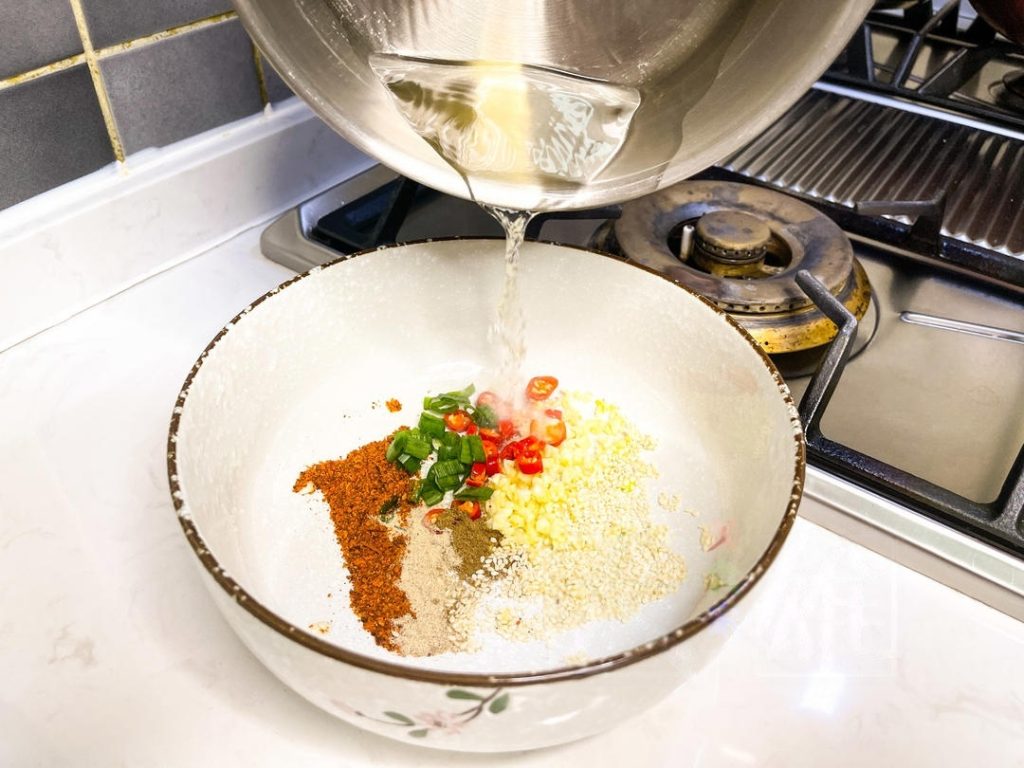
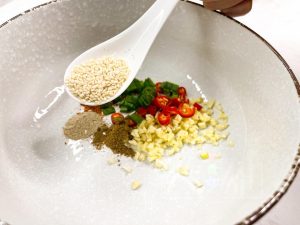
2. Assemble the Dry Base In your large serving bowl, combine the minced garlic, chopped Thai chilies, scallion greens, chili powder, Sichuan peppercorn powder, white pepper powder, and roasted sesame seeds.
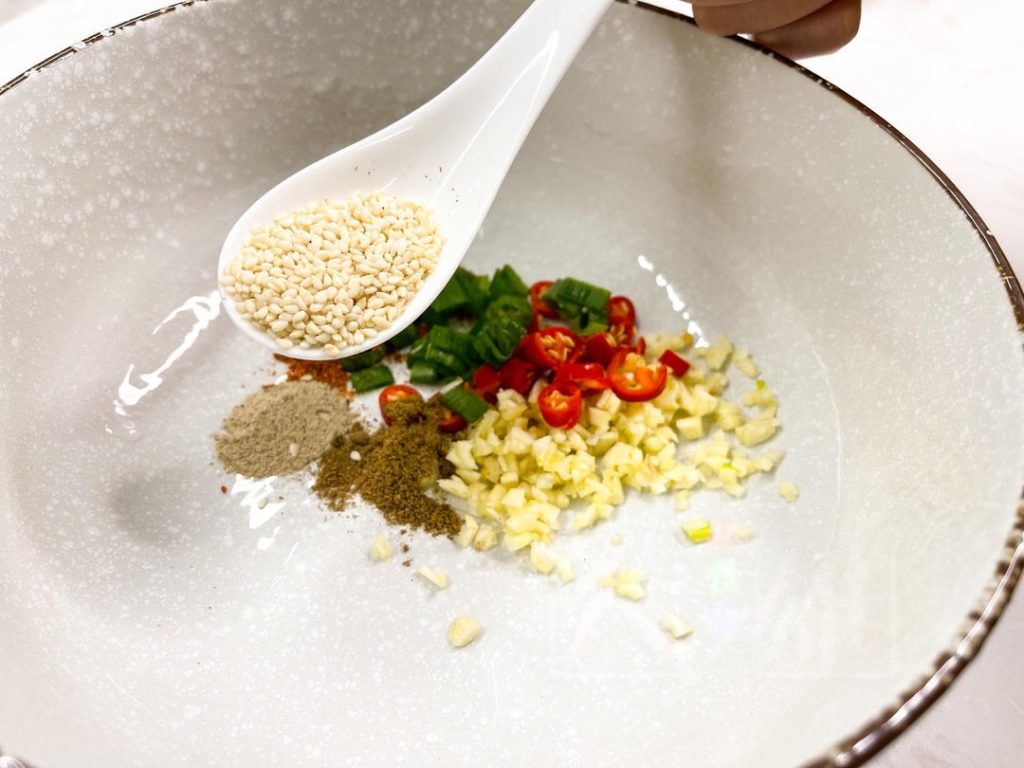
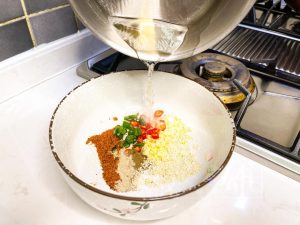
3. The Hot Oil Flash Heat 3 tablespoons of neutral oil in a small pan or ladle until it begins to smoke slightly. Carefully pour the hot oil evenly over the spices in the bowl. You should hear a satisfying sizzle and smell an intense aroma of garlic and chili. Stir immediately to prevent burning.
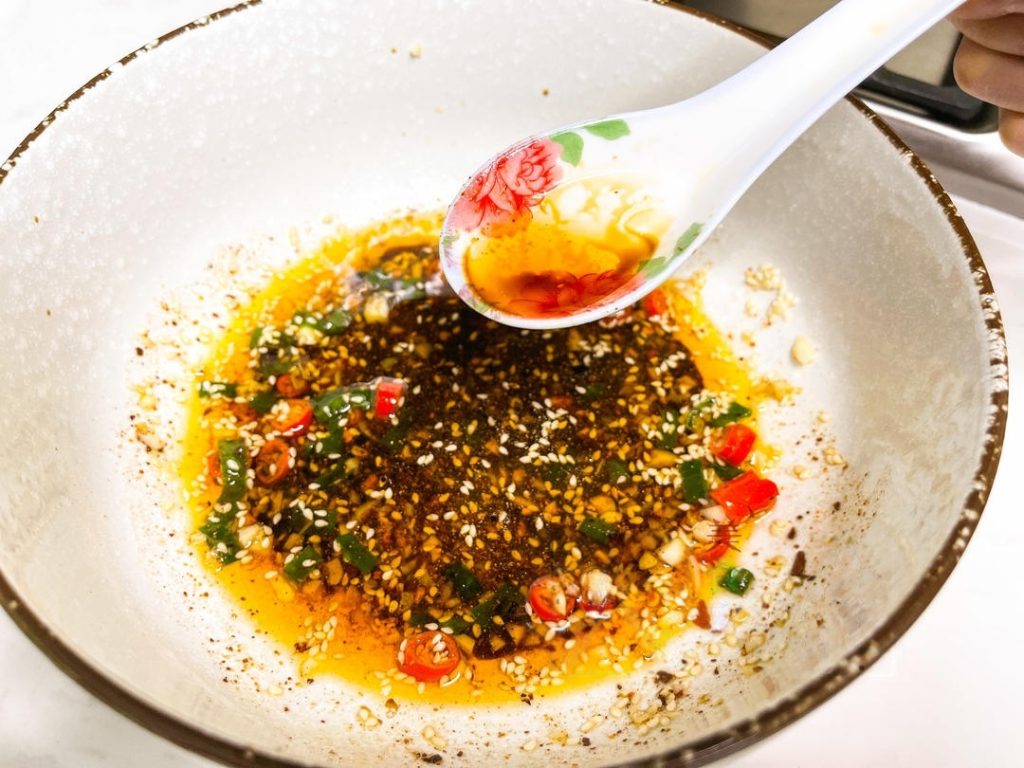
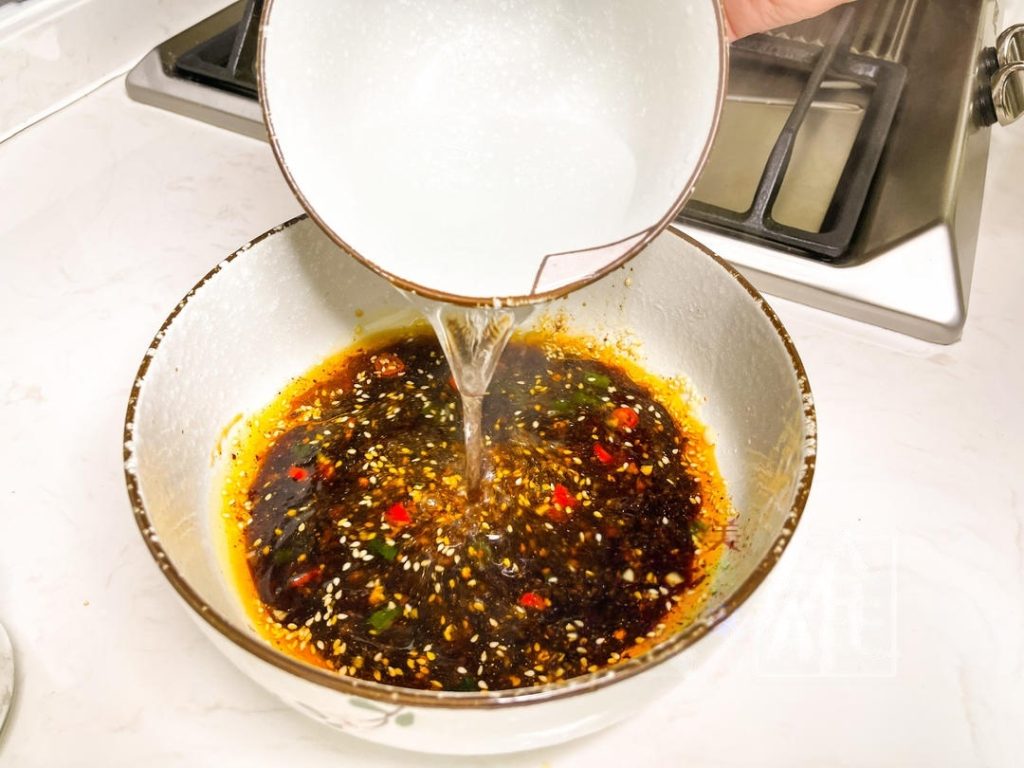
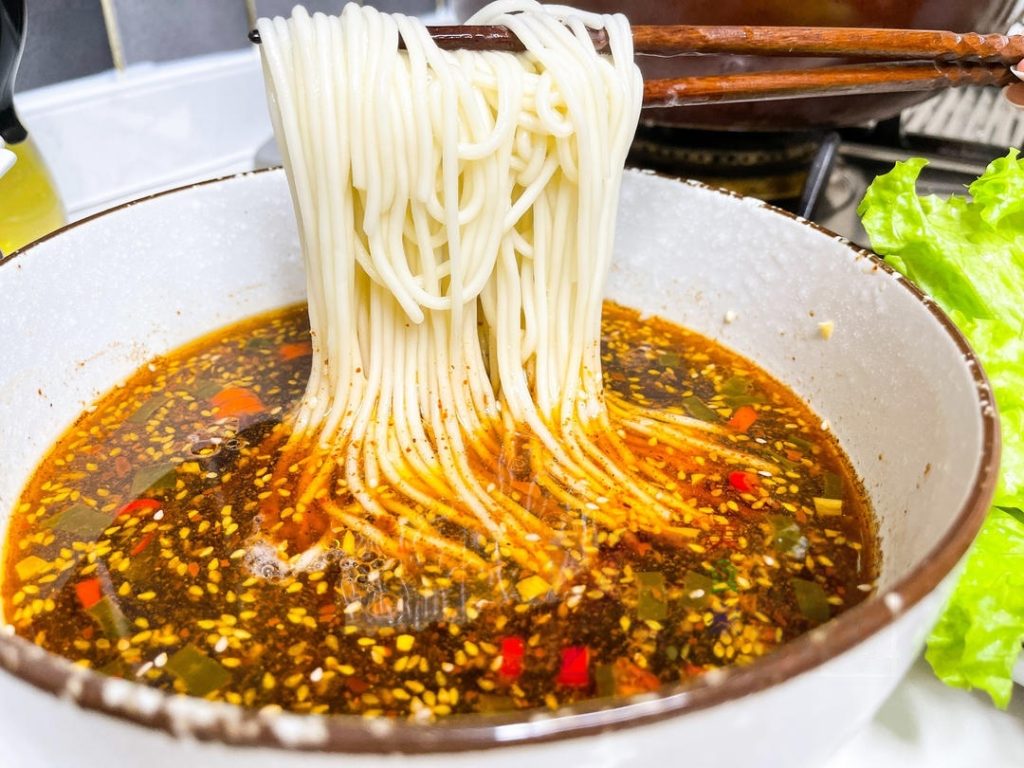
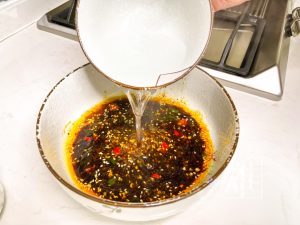
4. Mix the Sauce To the same bowl, add the Light Soy Sauce, Dark Soy Sauce, Chinkiang Vinegar, salt, sugar, and sesame oil. Pour in about 1 cup of boiling water (or you can use the hot water from boiling the noodles later for a thicker soup). Stir well to dissolve the sugar and salt. Taste and adjust—if you like it more sour, add a splash more vinegar.
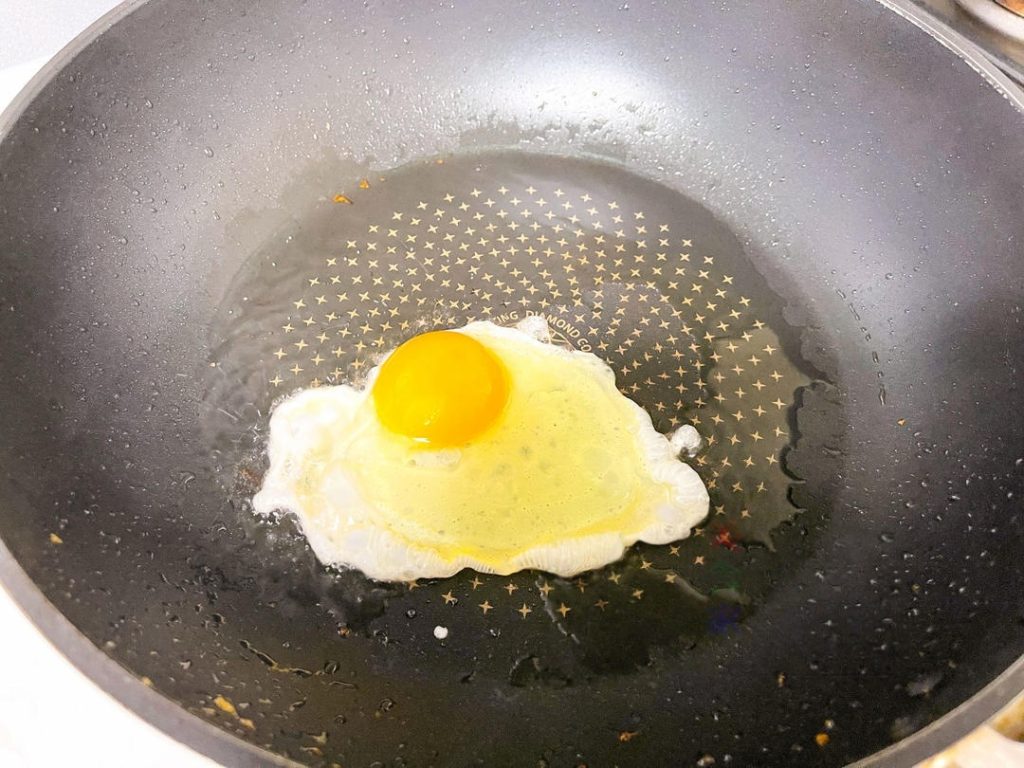
5. Fry the Egg Heat a little oil in a pan over medium heat. Crack the egg in gently. Tip: For a pretty shape, let it set for a moment, then cover with a lid and turn the heat to low. Fry until the yolk is done to your liking. Remove and set aside.
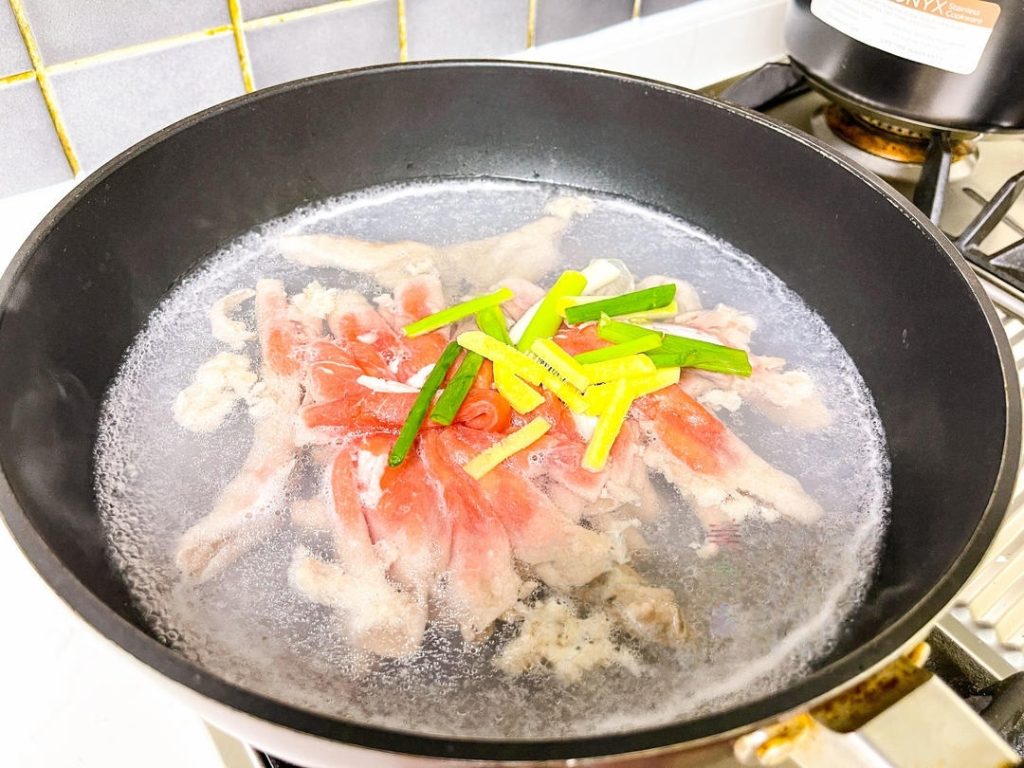
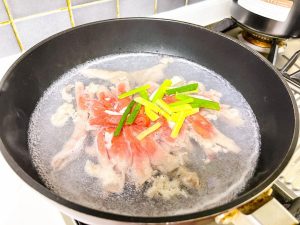
6. Blanch the Beef Bring a pot of water to a boil. Add the ginger slices, scallion whites, and Shaoxing wine (this removes any gamey taste). Add the fatty beef slices. Once they change color (about 10-20 seconds), skim off any foam and remove the beef immediately. Set aside. Note: This technique ensures the soup remains clear, similar to how we prep for Poached Pork Belly.
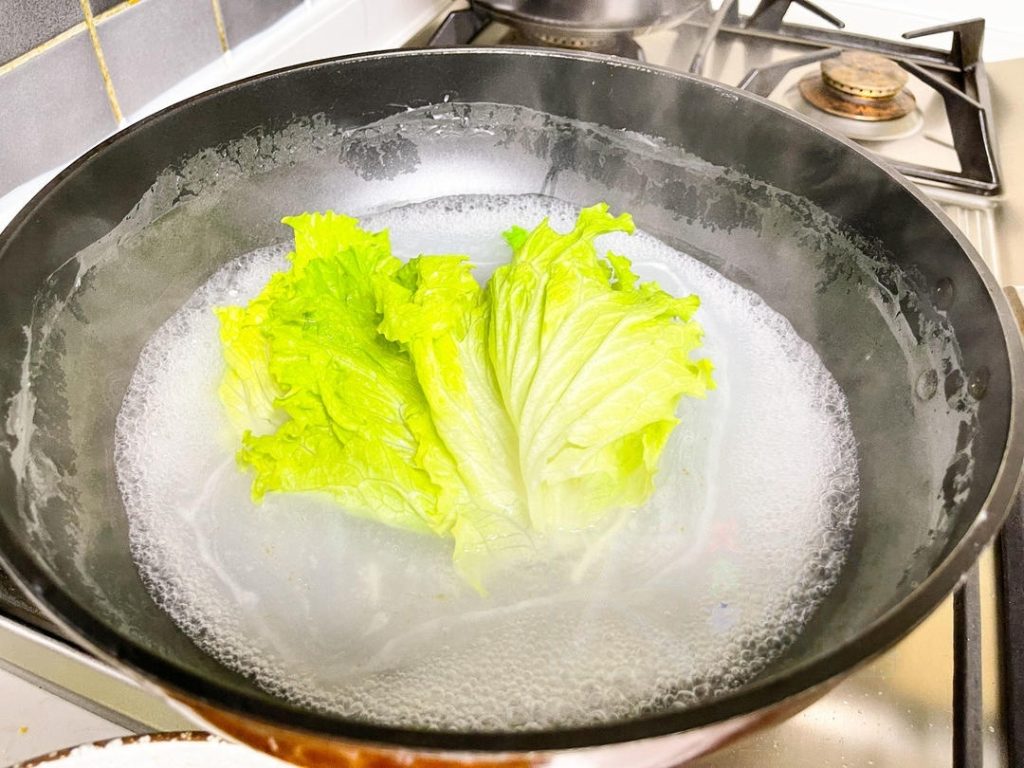
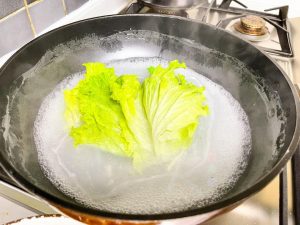
7. Cook Noodles and Greens In the same pot of boiling water (or fresh water if the beef made it too cloudy), cook the noodles according to package instructions. When the noodles are almost done, drop in the lettuce or greens and blanch for 30 seconds.
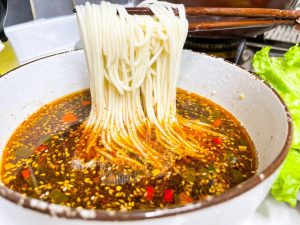
8. Assemble and Serve Transfer the drained noodles and greens into the serving bowl with the sour soup base. Top with the blanched fatty beef and the fried egg.
FAQ
Q: Can I use Homemade Chinese Chili Oil instead of the powder and hot oil step? A: Yes! If you have our homemade chili oil, you can skip the “Hot Oil Flash” step. Just add 1-2 tablespoons of the chili oil directly to the sauce ingredients.
Q: Is this dish very spicy? A: As written, it has a medium-high kick. To make it mild, omit the fresh Thai peppers and reduce the chili powder. The vinegar actually helps cut the heat slightly.
Q: Can I meal prep this? A: You can prep the sauce base and blanch the beef ahead of time. However, noodles should always be cooked fresh, or they will become soggy.
Serving Suggestions
This noodle soup is a complete meal, but if you want to create a larger spread, it pairs beautifully with a cooling side dish to balance the heat.
- Sides: Try our Smashed Cucumber Salad or the refreshing Wood Ear Mushroom Salad for a crunch that contrasts the soft noodles.
- Drink: A cold soy milk or a sweetened herbal tea works best to cut through the chili oil.
Food Safety & Preparation
- Beef Handling: Even though the beef is thin, ensure it is fully cooked until it is no longer pink. However, do not boil it for minutes on end, or it will toughen.
- Oil Safety: When heating oil for the “flash” step, be extremely careful. Water droplets in the bowl can cause the oil to splatter. Keep your face away from the bowl when pouring.
- Allergens: This recipe contains soy, wheat (gluten), and sesame. For a gluten-free version, use tamari, gluten-free vinegar, and rice noodles.
Authoritative References
For more information on the science of meat safety and cooking temperatures, please refer to the USDA Food Safety and Inspection Service. To understand the cultural significance of Sichuan flavor profiles like Ma La (numbing and spicy), the Chengdu UNESCO City of Gastronomy page offers excellent insights into regional culinary heritage.
Serves: 1 | Prep: 5 mins | Cook: 10 mins | Total: 15 mins
Nutrition Info (Estimate): Calories: 680kcal | Carbohydrates: 75g | Protein: 28g | Fat: 32g | Saturated Fat: 8g | Sodium: 2100mg | Fiber: 4g | Sugar: 6g (Disclaimer: Nutrition information is calculated using an ingredient database and should be considered an estimate. Garnishes and optional ingredients are not included.)
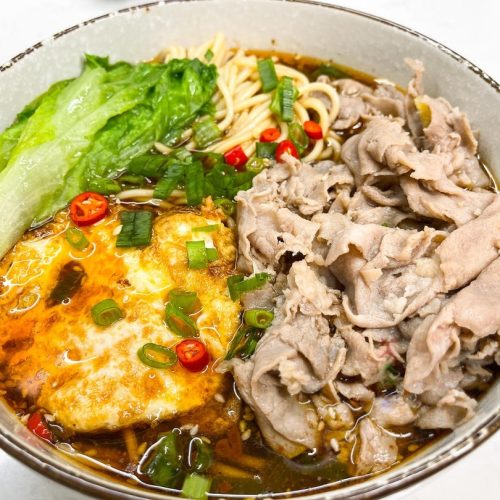
Sour and Spicy Beef Noodle Soup (Suan Tang Fei Niu Mian)

Equipment
- Small Frying Pan For heating oil
- Large Pot For boiling noodles and beef
Ingredients
Main Ingredients
- 3.5 oz fatty beef slices approx. 100g, hot pot style
- 7 oz wheat noodles approx. 200g, dried or fresh
- 1 egg
- 2 leaves lettuce or baby bok choy
- 1 scallion white part for boiling, green for garnish
- 2 slices ginger
- 1 tbsp Shaoxing wine for blanching beef
Bowl Seasoning (The Aromatics)
- 2 cloves garlic minced
- 2 Thai chili peppers minced (adjust to taste)
- 0.5 tbsp chili powder red pepper flakes
- 0.5 tsp Sichuan peppercorn powder
- 0.5 tsp white pepper powder
- 1 tbsp roasted sesame seeds
- 3 tbsp neutral oil vegetable or canola, for flashing
The Sauce Base
- 2 tbsp light soy sauce
- 0.5 tbsp dark soy sauce for color
- 2 tbsp Chinkiang vinegar Chinese black vinegar
- 0.5 tsp salt to taste
- 1 tsp sugar
- 0.5 tbsp sesame oil
- 1 cup boiling water
Instructions
- Prep ingredients: Finely chop garlic, scallion greens, and fresh chilies. Cut scallion whites into sections. Slice ginger.

- Prepare the bowl base: In a large serving bowl, add minced garlic, chopped fresh chilies, scallion greens, chili powder, Sichuan peppercorn powder, white pepper powder, and sesame seeds.
- Hot Oil Flash: Heat 3 tbsp neutral oil in a small pan until smoking. Pour evenly over the spices in the bowl to bloom the flavors. Stir immediately.
- Make the soup: To the bowl, add light soy sauce, dark soy sauce, vinegar, salt, sugar, sesame oil, and 1 cup boiling water. Mix well.
- Fry the egg: Heat oil in a pan, crack in the egg, cover, and fry until the yolk is done to your liking. Remove and set aside.
- Blanch the beef: Boil water in a pot. Add scallion whites, ginger, and Shaoxing wine. Add beef slices. Cook until color changes (approx 20 seconds). Remove immediately.
- Cook noodles: In boiling water, cook noodles according to package instructions. Add lettuce/greens in the last 30 seconds to blanch.
- Assemble: Transfer noodles and greens to the soup bowl. Top with beef and fried egg. Serve immediately.






Leave a Reply