Lately, I have been experimenting with what I like to call the “dumpling diet.” It sounds too good to be true, doesn’t it? But because dumplings are perfectly portion-controlled and can be packed with lean protein and veggies, they have actually been a great help in my fitness journey.
While I usually love them steamed or pan-fried, my wife recently had a massive craving for something tangy and warming. I decided to head into the kitchen to develop a version of Sour Soup Dumplings (Suan Tang Shui Jiao) that was simple enough for a weeknight but flavorful enough to feel like a treat.

The result was a total hit! By adding a few of my own secret ingredients like dried seaweed and papery shrimp, I managed to create a broth that is incredibly “Xiān” (鲜)—that elusive Chinese word for fresh, oceanic umami. Whether you are using handmade vegetable steamed dumplings or a bag of high-quality frozen ones, this method transforms them into a restaurant-level meal in under 15 minutes.
About the Author & Recipe Development
I’m Lin, and I grew up in the heart of a bustling Sichuan restaurant kitchen. My father, who was the head chef, taught me that the secret to a great soup isn’t always a long simmer—sometimes, it’s about the “blooming” of aromatics in hot oil.
This specific recipe has been tested in my home kitchen over four times to ensure the ratios of vinegar to soy sauce are perfectly balanced for the average Western palate. I’ve refined the “blooming” technique so that even those without a high-BTU restaurant burner can achieve that signature fragrant sizzle.
Why This Recipe Works
- The Sizzle Method: Pouring hot oil directly over the chili powder and aromatics “blooms” the fat-soluble flavors, creating a deeper aromatic profile than just stirring them into water.
- Starch-Enriched Base: Using the dumpling cooking water as the soup base provides a silky mouthfeel due to the residual starch from the dumpling wrappers.
- Umami Boosters: The inclusion of seaweed egg drop soup-style dried seaweed and papery shrimp adds layers of complexity without needing a 6-hour bone broth.
What are Sour Soup Dumplings?
Suan Tang Shui Jiao is a traditional comfort food most famous in Shaanxi province, particularly Xi’an. While Northern China is known for its hearty, dry-served dumplings, this version bathes them in a “sour soup.” The soup isn’t just about vinegar; it’s a complex mixture of fermented acidity, spicy chili oil, and aromatic garlic. In this home adaptation, we simplify the process while keeping the soul of the dish intact.
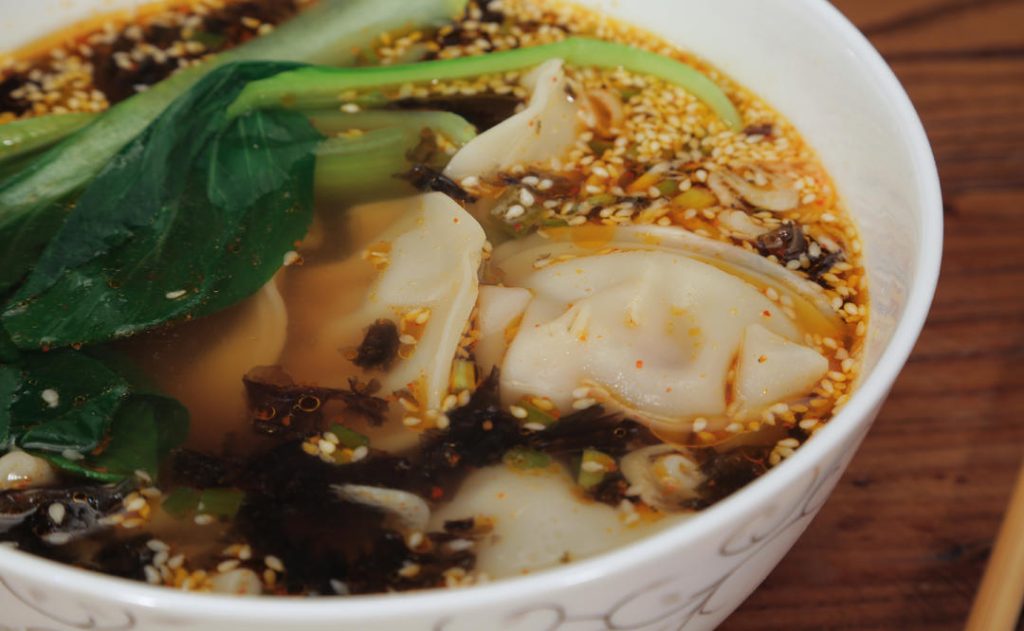
Key Ingredients & Substitutions
- Dumplings: You can use any filling you like. If you have time, I highly recommend using the secret to juicy pork filling for a truly authentic experience. For those with dietary restrictions, gluten-free dumplings work perfectly here as well.
- Chinkiang Vinegar: This is a black rice vinegar with a complex, malty flavor. If you can’t find Chinkiang vinegar, you can substitute it with a mix of 2 parts balsamic vinegar and 1 part Chinese rice vinegar.
- Dried Seaweed (Zicai): This is the thin, purple-black dried seaweed often found in round discs. It hydrates instantly and provides a massive umami punch.
- Papery Dried Shrimp (Xia Pi): These are tiny, skin-on shrimp that add saltiness and “sea flavor.” If you have a shellfish allergy, simply omit them.
Ingredients
Yields: 1 serving Prep time: 5 minutes | Cook time: 10 minutes
- 12 pieces water-boiled dumplings (fresh or frozen)
- 3 tbsp light soy sauce (Kikkoman or Pearl River Bridge)
- 3 tbsp Chinkiang vinegar (Black Vinegar)
- 1 tbsp Chili powder (Adjust to your heat preference)
- 1 tbsp Dried seaweed (shredded)
- 1 tsp Toasted sesame seeds
- 1 tsp Dried papery shrimp (Xia Pi)
- 3 tbsp Neutral cooking oil (Canola, Grapeseed, or rendered lard for extra richness)
- 1 stalk Scallion (finely chopped)
- 2 cloves Garlic (minced)
- 1 cup Leafy greens (Bok choy, spinach, or AA choy)
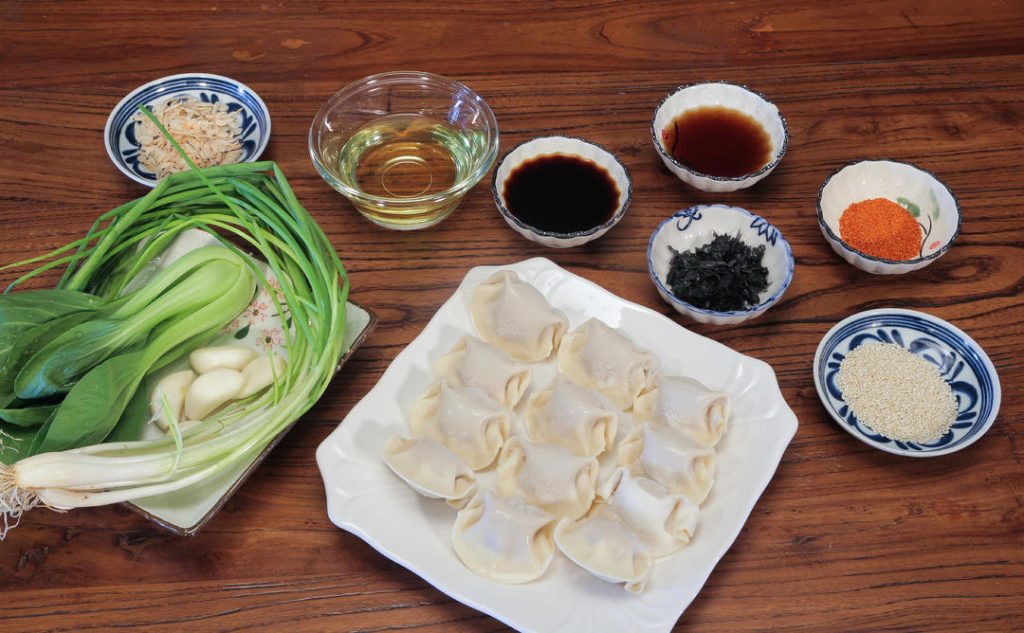
Recipe Notes Before We Begin
💡 Tip: Always prepare your soup bowl before the dumplings are finished cooking. Dumplings can become over-hydrated and lose their “bite” if they sit in the hot water for too long while you are still chopping garlic.
💡 Temperature Control: We are looking for “30% heat” for the oil (roughly 250°F / 120°C). If the oil is smoking, it is too hot and will burn the chili powder, turning the soup bitter.
Mise en Place / Prep
- Aromatics: Mince the garlic and chop the scallions. Place them in your serving bowl along with the chili powder and sesame seeds.
- Seasonings: Have your vinegar, soy sauce, seaweed, and shrimp ready on the counter.
- Vegetables: Wash your greens and set them aside.
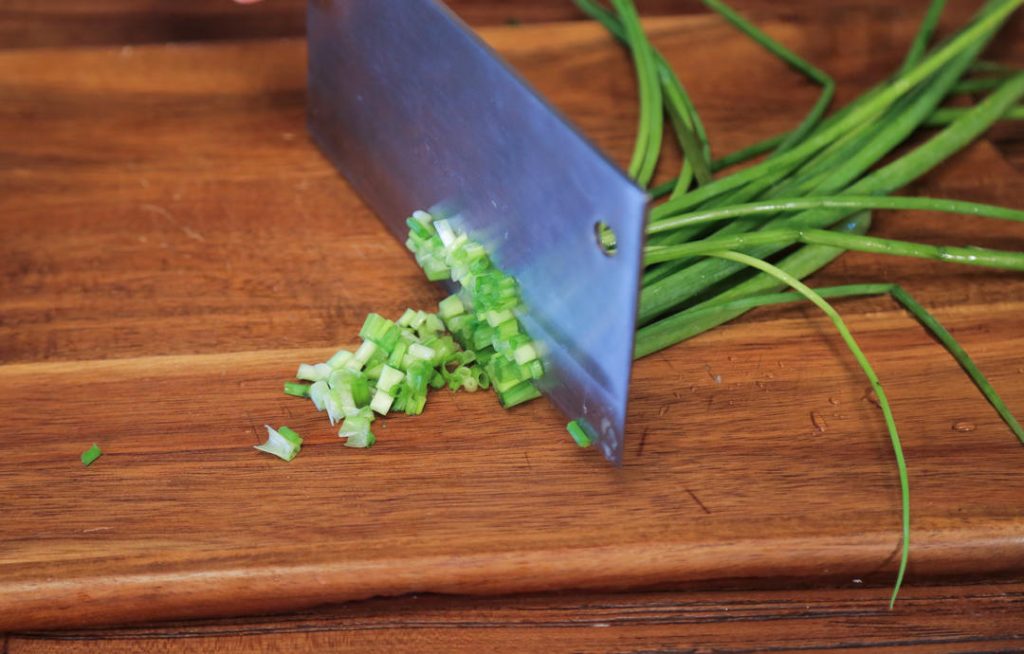
How to Make Sour Soup Dumplings
- Blooming the Spices: Heat 3 tablespoons of neutral oil in a small pan over low-medium heat for about 2–3 minutes. Once the oil is shimmering but not smoking, pour it directly over the garlic, scallions, chili powder, and sesame seeds in your serving bowl. You should hear a gentle sizzle.
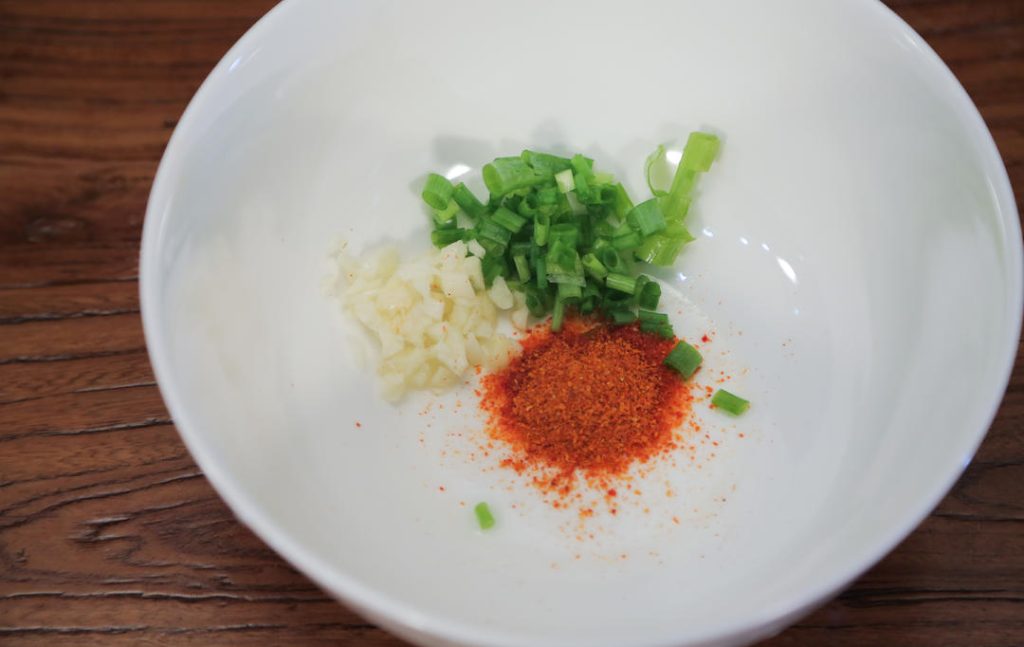
- The Base: Add the soy sauce, vinegar, dried seaweed, and papery shrimp to the bowl. Stir well to combine.
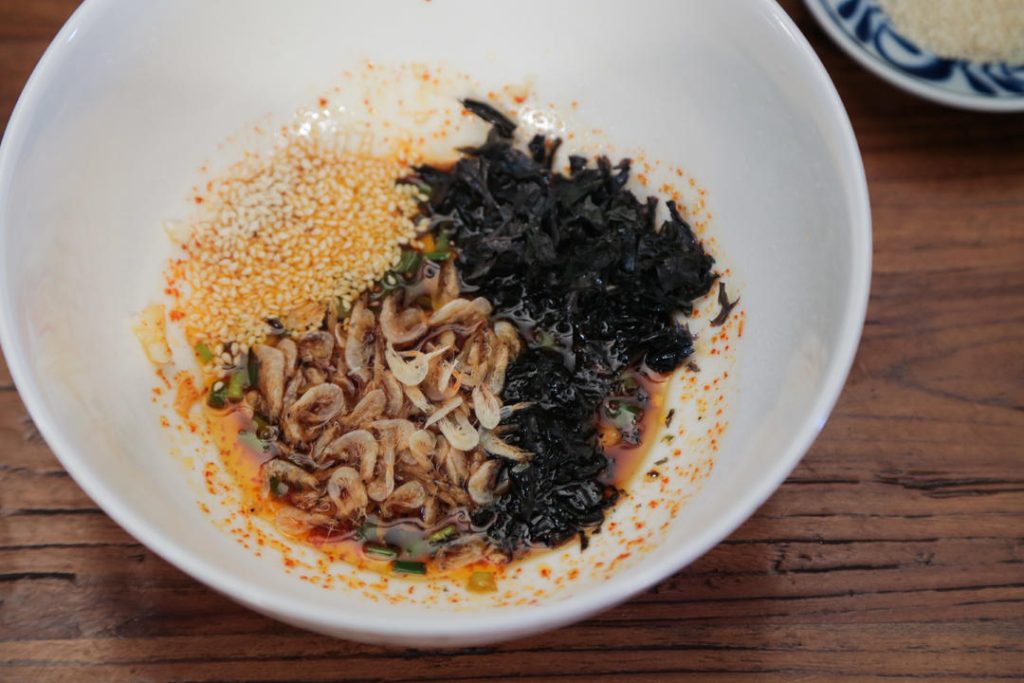
- Boiling the Dumplings: Bring a large pot of water to a boil. Add the dumplings. If they are frozen, they usually take about 8–10 minutes to cook through.
- Creating the Broth: Once the dumplings are floating and fully cooked (internal temperature should reach 165°F / 74°C per USDA food safety guidelines), ladle about 1 to 1.5 cups of the dumpling cooking water into your seasoning bowl. Stir to dissolve the seaweed and create the soup.
- Assembly: Gently transfer the cooked dumplings into the soup bowl.
- The Greens: Toss your leafy greens into the remaining boiling water. Blanch for 2–3 minutes until vibrant and tender. Add them to the bowl. Serve immediately while piping hot.
Common Mistakes When Making Sour Soup Dumplings
- Using Plain Water: Beginners often use plain boiling water for the soup. This results in a “thin” flavor. The dumpling water contains starch and wheat flavor that acts as a natural thickener and flavor bridge.
- Burning the Chili: If your oil is too hot (above 375°F), the chili powder will turn black instantly. If this happens, discard it and start over, as the bitterness will ruin the delicate acidity of the vinegar.
- Overcooking Dumplings: If the wrappers start to look translucent and “baggy,” they are overdone. They should be “Al Dente”—firm to the tooth.
FAQ / Troubleshooting
Q: Why isn’t my soup spicy enough? A: Chili powder varies wildly in heat. For a real kick, I recommend adding a spoonful of handmade chili garlic sauce at the very end.
Q: Can I use this for wontons? A: Absolutely. This sour soup base is incredibly versatile and works just as well with wontons or even plain noodles.
Q: My soup tastes too salty, what should I do? A: This can happen if your dumplings are heavily seasoned or if you use too many dried shrimp. Add a splash more of the cooking water to dilute the saltiness.
Serving Suggestions
This is a complete one-bowl meal, but if you are serving a crowd, a side of easy smashed cucumber salad provides a cooling contrast to the spicy, hot soup.
How to Store & Reheat
- Storage: I do not recommend storing cooked dumplings in the soup, as they will absorb all the liquid and become mushy. Store the soup base and the cooked dumplings in separate airtight containers in the fridge for up to 2 days.
- Reheating: Heat the soup on the stovetop until simmering, then drop the dumplings in for 30 seconds just to warm them through.
Authoritative References
- USDA Safe Minimum Internal Temperature Chart
- Health Benefits of Seaweed (Healthline)
- The Science of Blooming Spices (Serious Eats)
Nutrition Information (Estimate)
- Servings: 1 bowl (12 dumplings)
- Calories: 485 kcal
- Protein: 18g
- Fat: 22g
- Carbohydrates: 54g
- Sodium: 1450mg
- Fiber: 4g
Disclaimer: Nutrition information is calculated using an ingredient database and should be considered an estimate. Garnishes and optional items are not included. Actual values vary.












Leave a Reply