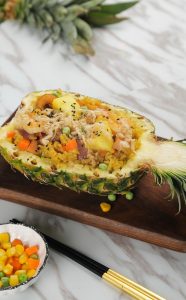
There is something undeniably festive about Pineapple Fried Rice (Boluo Chaofan). Whenever I served this in our family restaurant, the moment that hollowed-out pineapple bowl hit the table, eyes would light up—especially the kids. It is a classic example of how Chinese kitchens often adapt Southeast Asian flavors, blending the savory wok hei of a traditional stir-fry with the tropical sweetness of Thai cuisine.
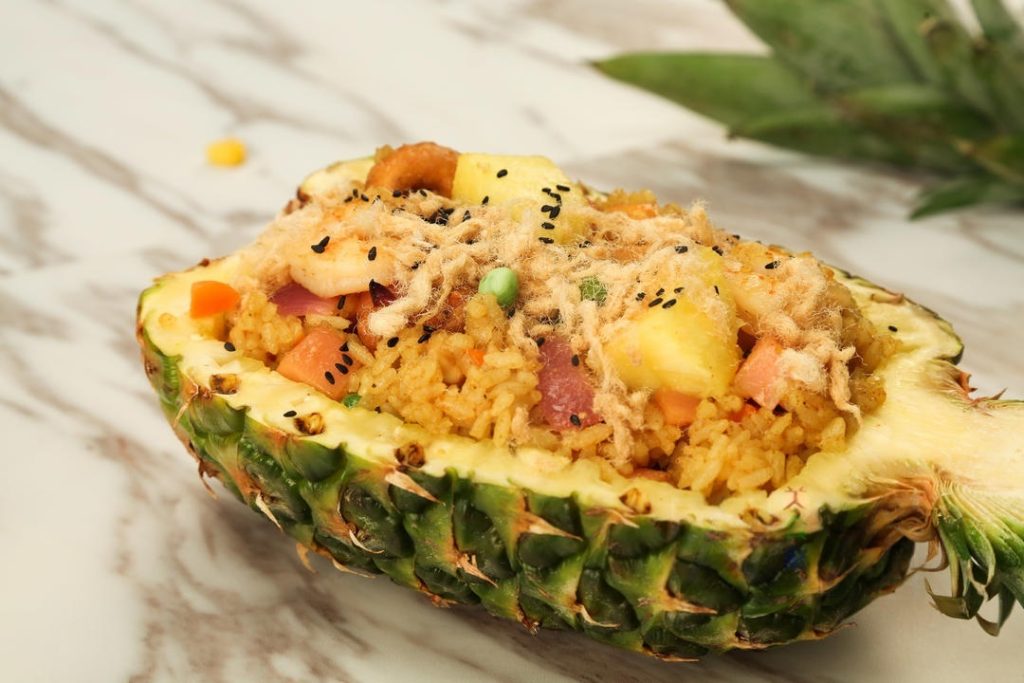
While many recipes simply toss cooked white rice with pineapple chunks, this version is special. We start by steaming the rice with coconut milk. This infuses every grain with a rich, creamy aroma before it even hits the wok. Combined with the crunch of cashews, the snap of sweet corn and peas, and the savory punch of curry, it creates a balance of sweet, salty, and umami that is hard to stop eating.
Why This Recipe Works
- Coconut Infusion: By cooking the rice in coconut milk (instead of just stirring it in later), the grains absorb the fat and flavor deeply without becoming mushy during the stir-fry process.
- Textural Contrast: We use a mix of “杂果粒” (mixed corn, peas, and carrots), crunchy cashews, and fluffy Homemade Meat Floss (Rousong) to ensure every bite has variety.
- Balanced Acidity: Using fresh pineapple provides a tart acidity that cuts through the richness of the coconut milk and curry.
What Is Pineapple Fried Rice?
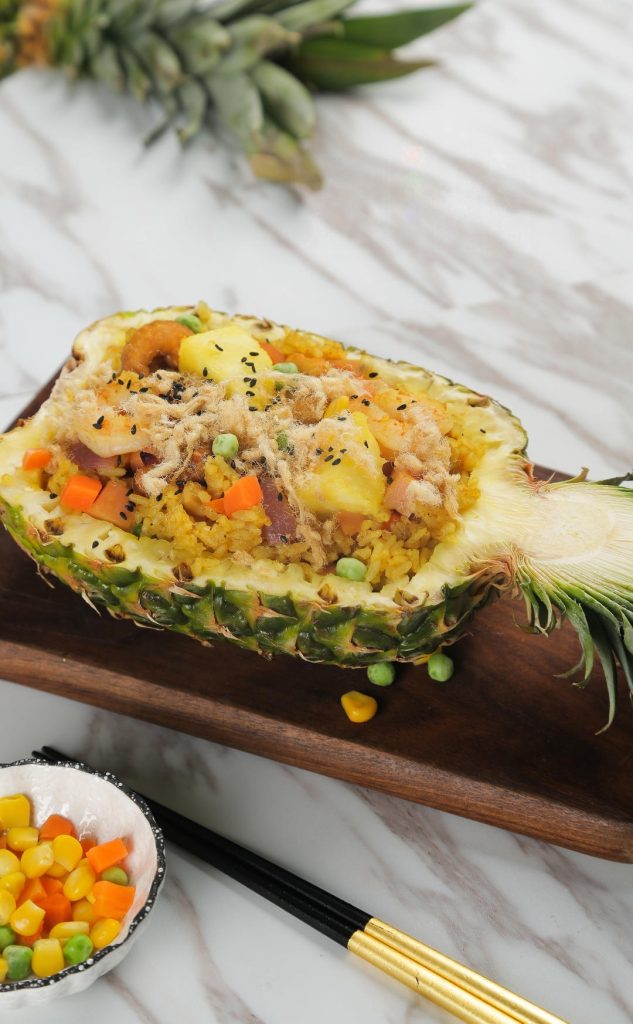
In China, this dish is often called “Thai-Style Pineapple Fried Rice,” though it has become a staple in Cantonese and fusion restaurants. Unlike a standard Yangzhou Fried Rice which relies on soy sauce and simple aromatics, this dish leans heavily on curry powder (or curry blocks) and coconut milk for its golden hue and distinctive aroma. It is a “one-dish meal” that is visually stunning and functionally complete with protein, carbs, and veggies.
Key Ingredients & Substitutions
- Rice: You must use long-grain Jasmine rice. Short-grain rice is too sticky.
- Coconut Milk: Use full-fat canned coconut milk for the best flavor.
- Pineapple: A fresh, ripe pineapple is essential if you want to use the shell as a serving bowl. If you don’t care about the presentation, canned pineapple (drained well) works for the stir-fry itself.
- Curry: This recipe uses Japanese-style curry blocks (chopped finely). This adds a rich, thick savoriness. However, you can substitute 2 teaspoons of high-quality yellow curry powder if you prefer a lighter texture.
- Protein: We use shrimp and ham. You could easily swap the ham for diced Chinese BBQ Pork (Char Siu) for a sweeter depth.
- Toppings: Meat Floss (Rousong) and roasted cashews are the traditional finishing touches.
Ingredients
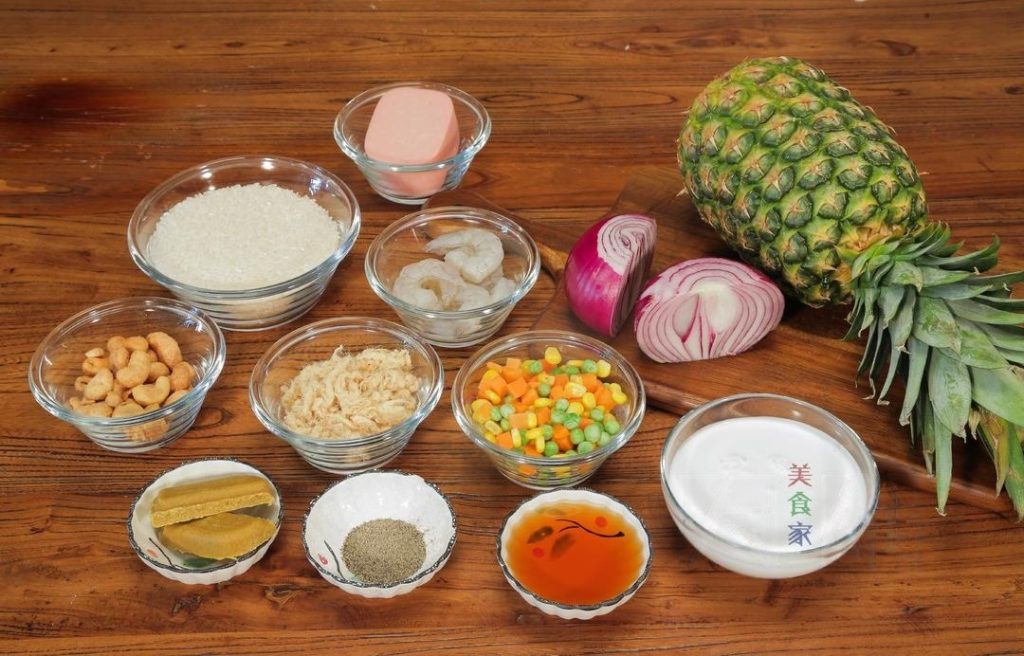
For the Coconut Rice:
- 1.5 cups (300g) Jasmine rice
- ¾ cup (200ml) Coconut milk (canned)
- Water (to complete the liquid ratio, see instructions)
For the Stir-Fry:
- 1/2 fresh Pineapple (fruit hollowed out)
- 12 medium Shrimp, peeled and deveined
- 2 oz (50g) Ham or sausage, diced
- ¼ onion, diced
- ½ cup Mixed vegetables (corn, peas, carrots)
- 2 tbsp Roasted Cashews
- 2 blocks Japanese Curry Roux (finely chopped) OR 2 tsp Curry Powder
- 2 tbsp Meat Floss (Rousong)
- 1 tsp Black sesame seeds
- 1 tbsp Cooking wine (Shaoxing wine)
- 1 tsp Black pepper (divided)
- 2 tbsp Neutral oil (for frying)
Recipe Notes Before You Start
- The Rice Consistency: Cooking rice with coconut milk makes it richer. Ensure you do not add too much liquid, or the fried rice will be clumpy.
- Curry Blocks: If using curry blocks, chop them very finely so they melt evenly into the hot rice. Large chunks will taste overly salty.
- Wok Heat: As with any stir-fry, high heat is your friend to prevent the pineapple from releasing too much juice and making the dish soggy.
Mise en Place / Prep
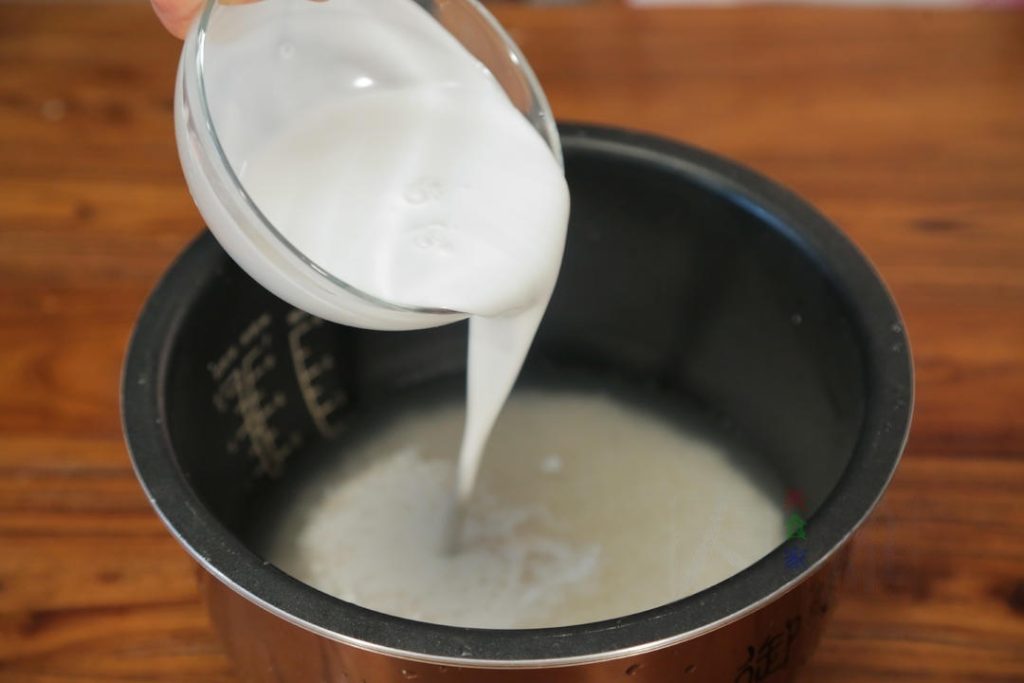
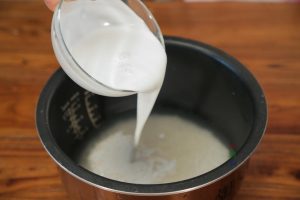
- Prep the Rice: Wash the rice until the water runs clear. Add the 200g coconut milk, then add just enough water to reach the appropriate level for your rice cooker (usually a 1:1 ratio of total liquid to rice). Cook and let cool. Pro Tip: Cold, day-old rice works best for frying.
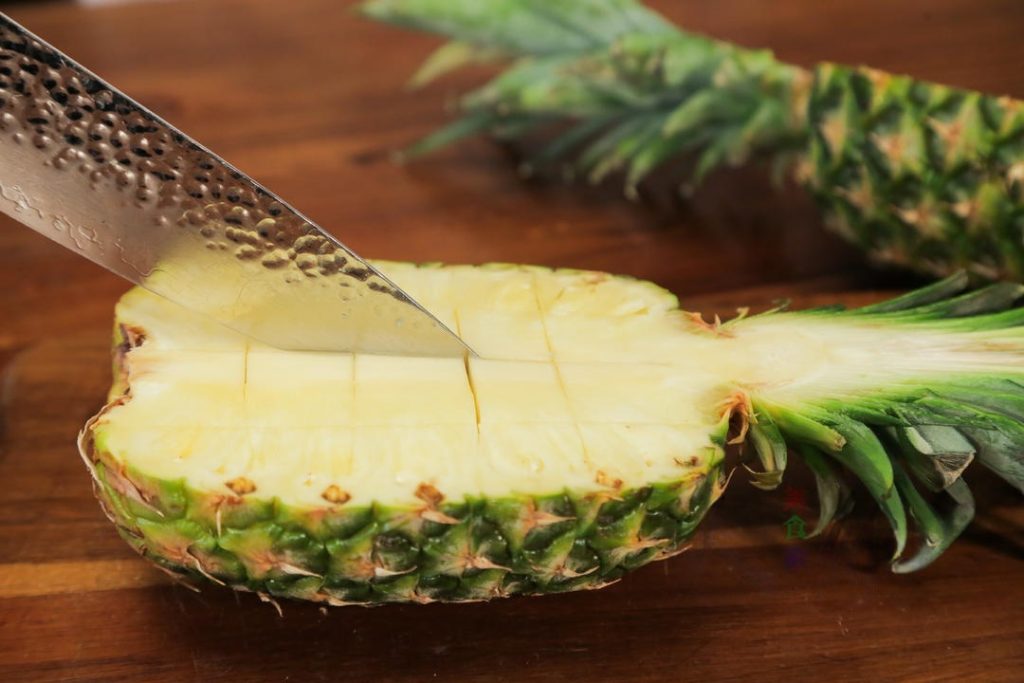
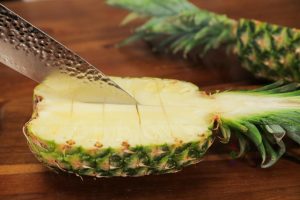
- Prep the Pineapple: Slice the pineapple in half lengthwise. Run a small knife around the edge of the flesh, then slice a grid pattern into the fruit. Use a spoon to scoop out the chunks. Dice the fruit and set aside. Pat the inside of the pineapple shell dry.
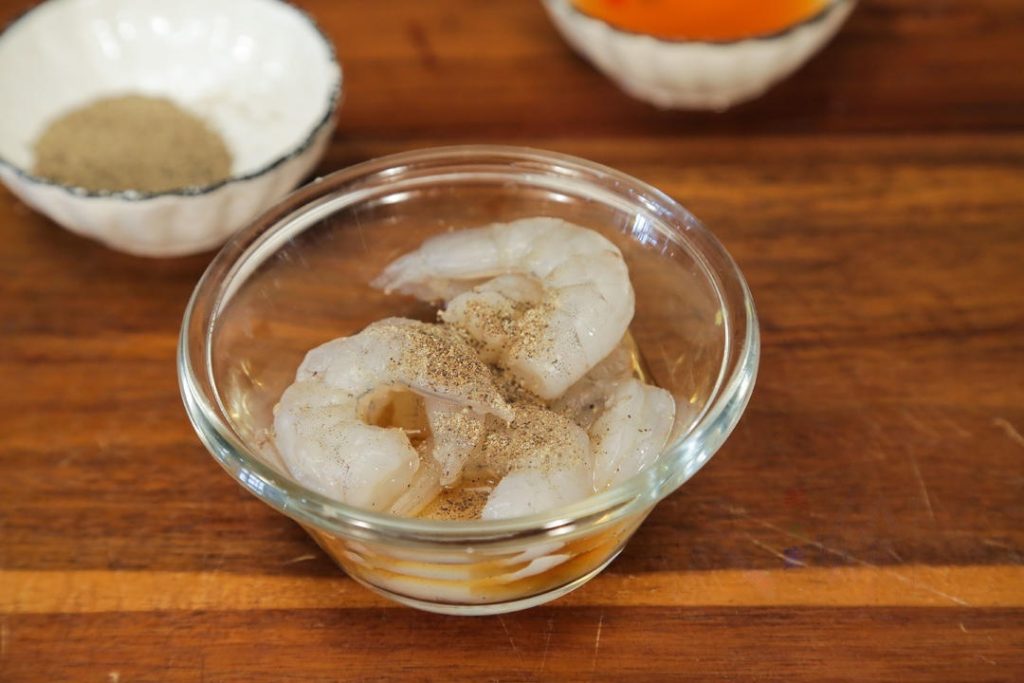
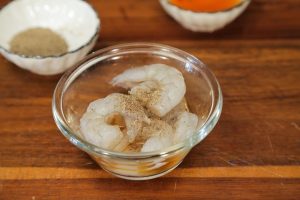
- Marinate Shrimp: Place shrimp in a bowl with 1 tbsp cooking wine and ½ tsp black pepper. Let sit for 20 minutes. This removes any fishy odor.
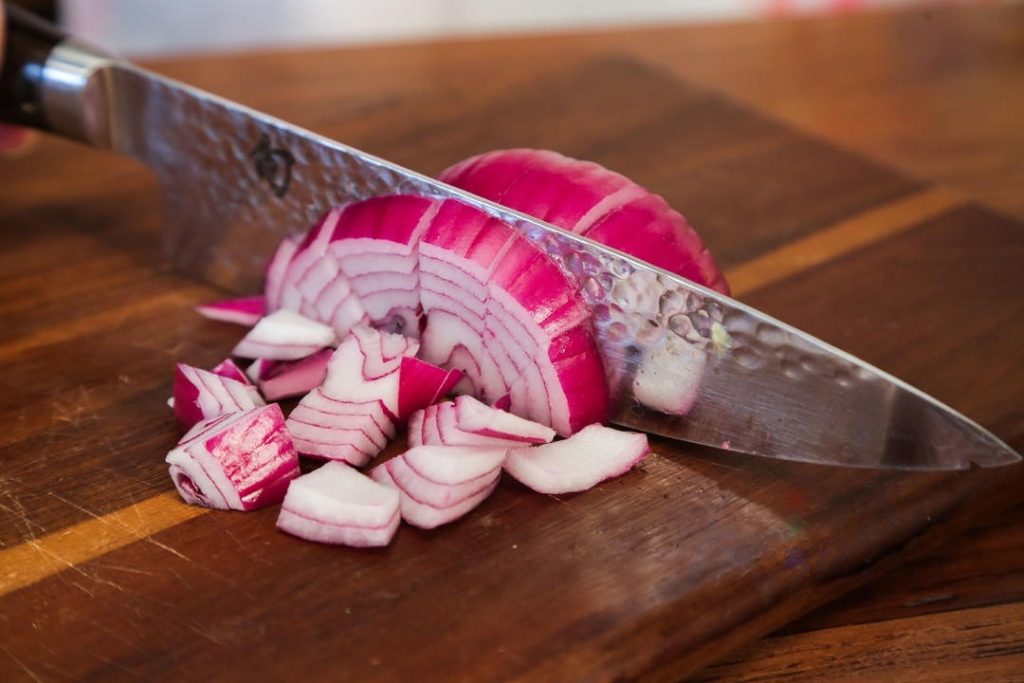
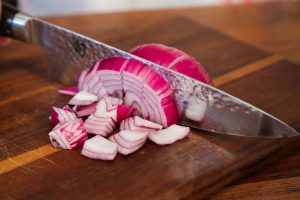
- Chop: Dice the onion and ham. If using curry blocks, mince them.
How to Make Pineapple Fried Rice
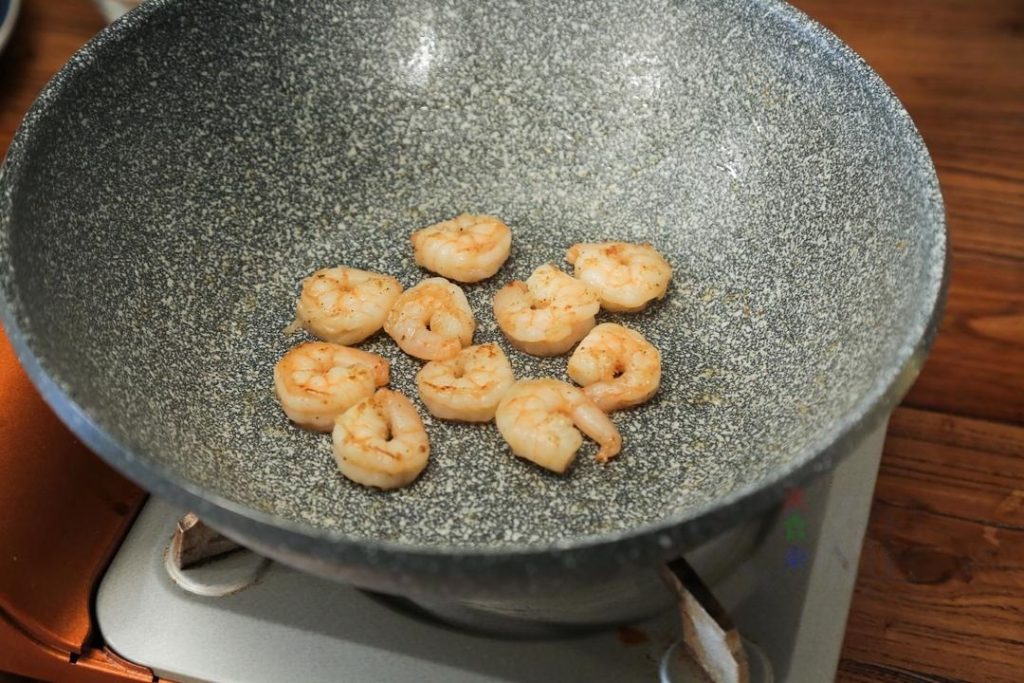
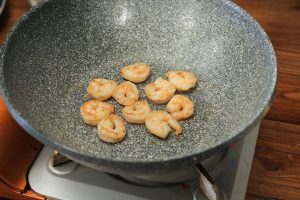
- Cook the Shrimp: Heat a wok or large skillet over medium-high heat with 1 tablespoon of oil. Add the marinated shrimp. Stir-fry just until they turn pink and curl up (about 2 minutes). Remove and set aside. Note: Similar to my Garlic Fried Shrimp, do not overcook them or they will become rubbery.
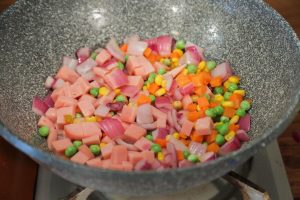
- Sauté Aromatics: Add another tablespoon of oil to the wok. Add the diced onion and stir-fry until fragrant and translucent (about 1 minute).
- Add Vegetables: Toss in the mixed vegetable corn/peas/carrot mix and the diced ham. Stir-fry for 2 minutes until the vegetables are tender.
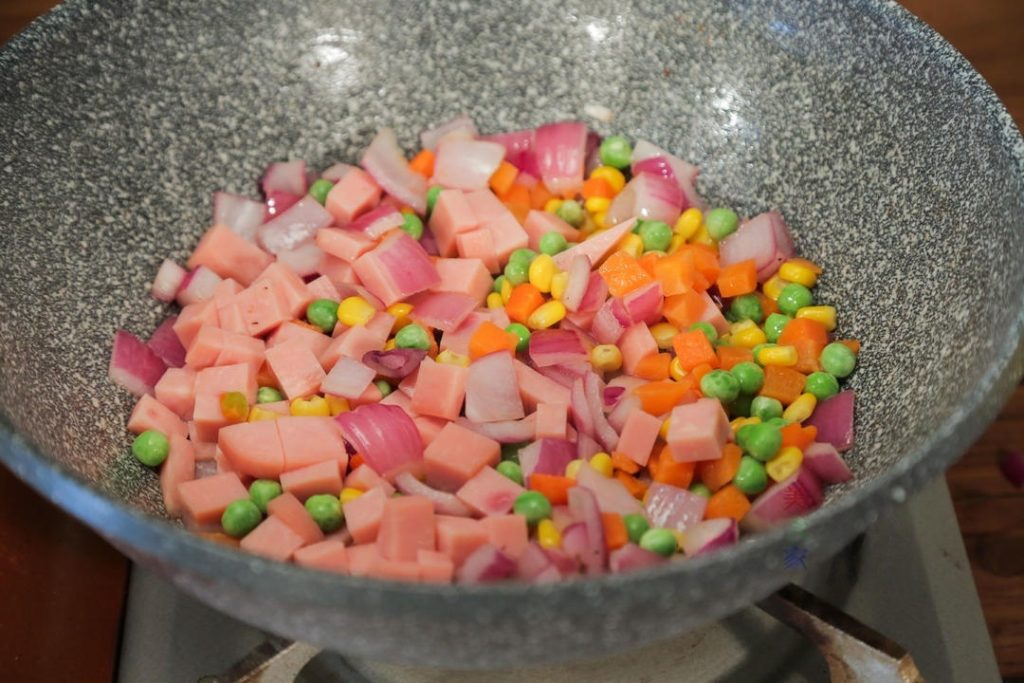
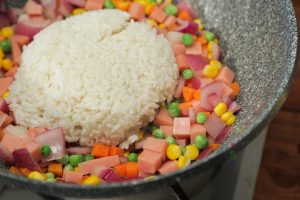
- Fry the Rice: Add the cooked coconut rice to the wok. Use your spatula to break up any clumps. This is easier if you follow my guide on How to Cook Perfect Rice.
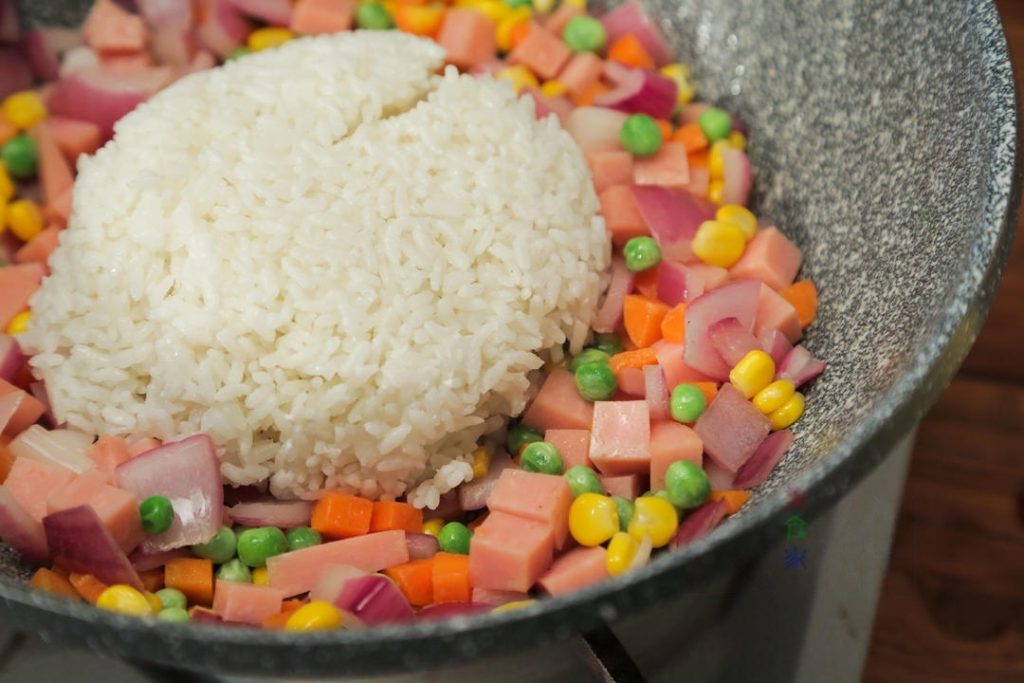
- Season: Sprinkle the finely chopped curry blocks (or powder) over the rice. Stir-fry vigorously until the curry is evenly distributed and the rice takes on a beautiful golden yellow color.
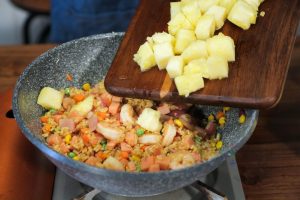
- Combine: Add the cooked shrimp back into the pan.
- Final Toss: Add the roasted cashews and the diced pineapple chunks. Crucial Step: Stir-fry quickly for only 30-60 seconds. You want the pineapple to warm through but not release all its juice, which would make the rice soggy.
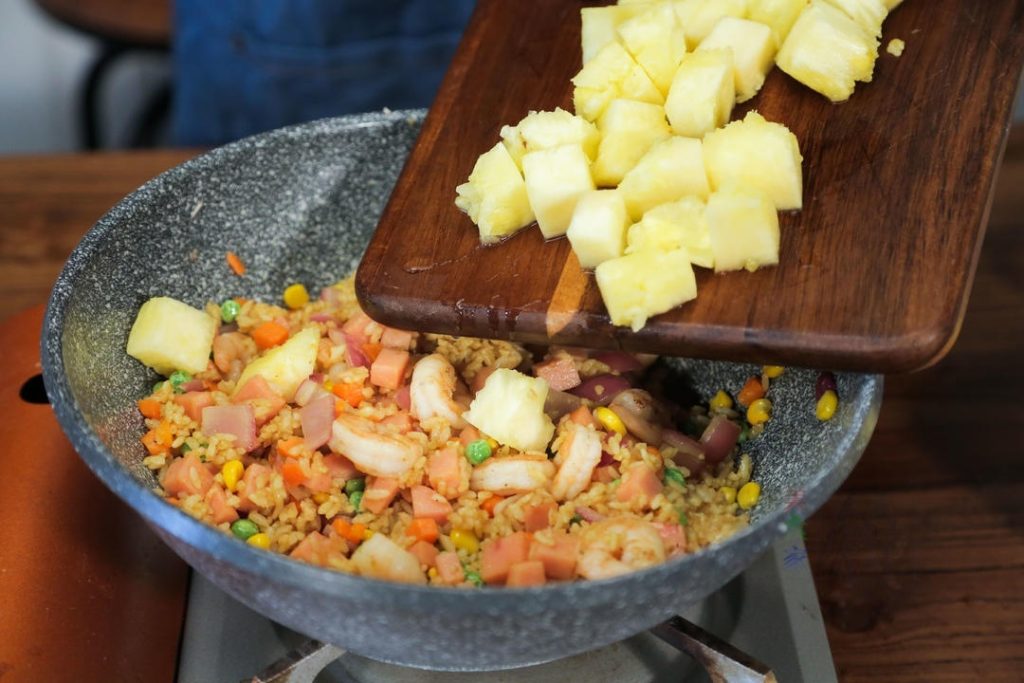
- Serve: Scoop the rice into the hollowed-out pineapple shell. Top generously with meat floss (Rousong) and sprinkle with black sesame seeds.
Common Mistakes When Making Pineapple Fried Rice
- Using Warm Rice: If you use fresh, hot rice, it will turn into a mushy paste when fried. Always cool your coconut rice completely, ideally in the fridge overnight.
- Overcooking the Pineapple: Adding the pineapple too early releases enzymes and moisture that destroy the texture of the fried rice. It should be the very last addition.
- Undissolved Curry: If using curry blocks, failing to chop them finely enough leads to intense salty pockets.
Authoritative References
- Rice Safety: When storing cooked rice for fried rice, it is vital to cool it quickly to prevent Bacillus cereus growth. Refer to the NHS Guidelines on Reheating Rice for safety protocols.
- Shrimp Preparation: For tips on safely handling and preparing raw shrimp, consult the USDA Food Safety and Inspection Service.
FAQ / Troubleshooting
- Can I use fresh curry paste instead of blocks? Yes. If you love the flavor profile of Beef Curry Rice, you can use a teaspoon of red or yellow curry paste, but fry it with the onions in Step 2 to release the aromatics.
- I don’t have meat floss. What else can I use? While unique, you can skip it. Toasted shredded coconut or fried shallots add a nice texture substitute.
- Is this spicy? The black pepper and curry give it a mild warmth, but it is generally kid-friendly.
About the Author & Recipe Development
I’m Lin, a chef born in Sichuan with over a decade of experience in professional kitchens. While my roots are in spicy Sichuan cuisine (like Kung Pao Chicken), my years working in diverse restaurants exposed me to the popularity of fusion dishes like this. I developed this recipe to replicate the “fancy” restaurant presentation of pineapple rice while ensuring the home cook can achieve that distinct grain separation using the coconut-steaming method.
Serving Suggestions
This dish is rich enough to be a main course. However, it pairs beautifully with refreshing sides like a Smashed Cucumber Salad to cut the sweetness, or a savory soup like Seaweed Egg Drop Soup.
Nutrition Information (Estimate)
- Calories: ~550 kcal per serving
- Carbohydrates: 65g
- Protein: 18g
- Fat: 24g
- Sodium: 680mg
- Allergens: Shellfish (shrimp), Tree Nuts (cashews), Soy (if in curry/ham), Gluten (if in curry/ham).
- Disclaimer: Nutrition information is calculated using an ingredient database and should be considered an estimate. Garnishes and optional items are not included. Actual values vary.
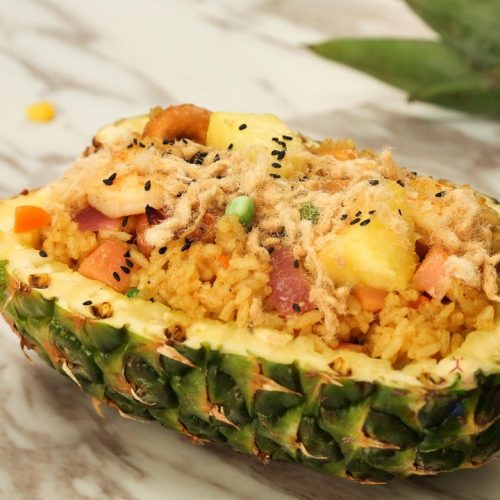
Pineapple Fried Rice (Boluo Chaofan)

Equipment
- Wok
- Rice Cooker
Ingredients
Coconut Rice Base
- 1.5 cups Jasmine rice uncooked
- 200 g Coconut milk canned, full fat
- Water to complete liquid ratio for rice cooker
Stir-Fry Ingredients
- 0.5 Pineapple hollowed out for bowl, flesh diced
- 12 Shrimp peeled and deveined
- 1 tbsp Shaoxing wine or dry sherry
- 1 tsp Black pepper divided usage
- 0.25 Onion diced
- 2 oz Ham or sausage, diced
- 0.5 cup Mixed vegetables corn, peas, carrots
- 2 blocks Japanese Curry Roux finely chopped (or 2 tsp curry powder)
- 2 tbsp Cashews roasted
- 2 tbsp Vegetable oil
Garnish
- 2 tbsp Meat Floss (Rousong)
- 1 tsp Black sesame seeds
Instructions
- Rinse the jasmine rice. Add the 200g coconut milk to the rice cooker pot, then add enough water to reach the correct level for cooking. Cook the rice and allow it to cool completely (refrigerate overnight for best results).

- Slice the pineapple in half. Use a knife to create a grid pattern in the flesh and scoop it out with a spoon to create a bowl. Dice the removed pineapple flesh.
- Marinate the shrimp with 1 tbsp Shaoxing wine and 1/2 tsp black pepper for 20 minutes.
- Dice the onion and ham. If using curry blocks, chop them very finely to ensure they melt evenly.
- Heat 1 tbsp oil in a wok. Stir-fry the shrimp until just cooked through. Remove and set aside.
- Add remaining oil to the wok. Sauté the diced onion until fragrant. Add the mixed vegetables (corn/peas/carrots) and ham. Stir-fry for 2 minutes.
- Add the cooled coconut rice. Stir-fry to break up clumps. Sprinkle the chopped curry (or powder) and remaining black pepper over the rice. Toss until the rice is evenly yellow and fragrant.
- Add the shrimp back to the wok. Add the roasted cashews and pineapple chunks. Stir-fry quickly for 30-60 seconds (do not overcook the pineapple).
- Serve the rice inside the hollowed pineapple shell. Top with meat floss and black sesame seeds.













Leave a Reply