There is a whole category of Chinese food that never shows up on a takeout menu, and salted duck gizzards (盐水鸭肫) sit right at the top of it. They are the cold appetizer that gets sliced paper-thin, fanned onto a plate, and set down before the real cooking begins — the thing everyone reaches for while the wok is still heating up. The texture is what hooks people: a clean, springy chew that gives way instead of fighting back, with a savory saltiness that tastes deep rather than sharp.
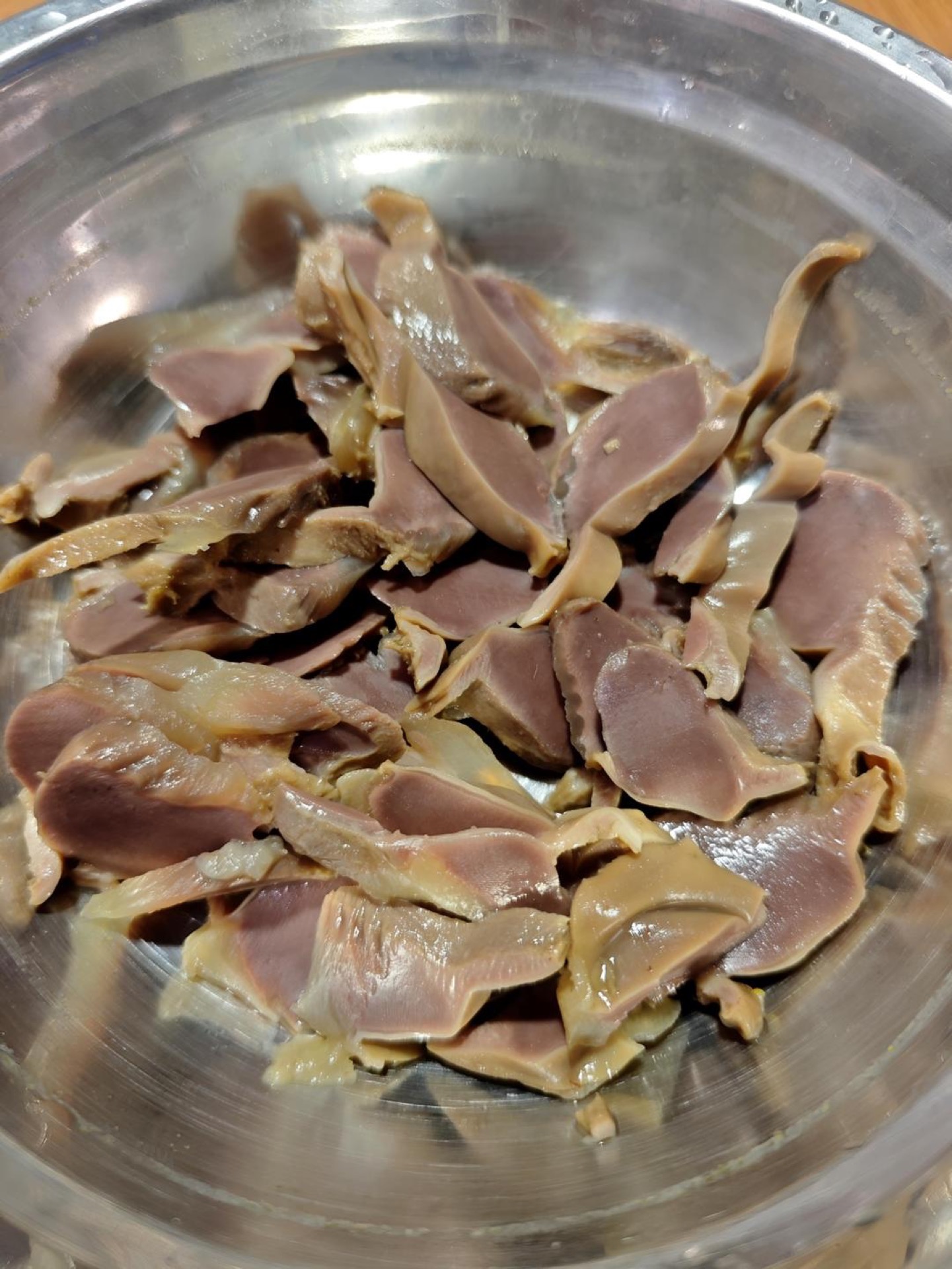
What surprises most people is how little is actually involved. There is no long list of aromatics to chase down, no tricky knife work, no sauce to reduce at the end. The entire dish rests on two moves: a toasted salt-and-peppercorn cure that sits overnight, and a gentle simmer in a fragrant broth. Get those two right and you have something that tastes like it came out of a Nanjing deli case.
It is also one of the most forgiving things you can make with offal. Duck gizzards are dense and muscular, which means they hold up to a long, lazy poach without turning to mush — and because the whole thing is served cold, you can make it two days ahead and slice it at the last minute. That makes it a genuinely useful dish for a holiday table, a dinner party spread, or a week of lunches you can pull from the fridge.
What Is Salted Duck Gizzards?
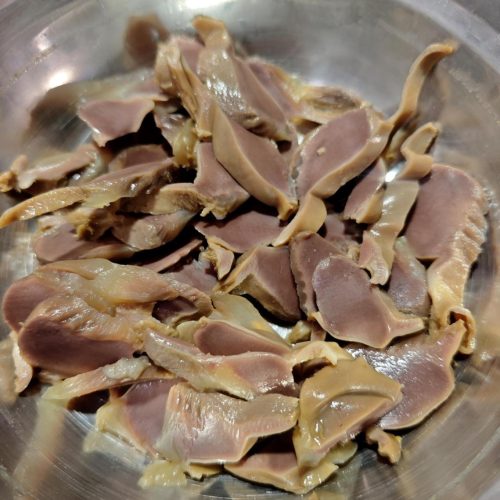
Salted duck gizzards are a Jiangnan cold dish made by curing duck gizzards in toasted salt and Sichuan peppercorn powder, then simmering them in a seasoned master broth (卤水) until tender. They are cooled in the broth, refrigerated, and sliced thin to serve. The name 盐水鸭肫 translates literally to “salt-water duck gizzard,” and it is the offal cousin of Nanjing’s famous 盐水鸭, salted duck.
The technique is a dry brine rather than a wet one. Instead of soaking the meat in salt water, you rub toasted salt directly onto the gizzards and let them sit overnight. The salt draws out moisture, seasons the dense muscle all the way to the center, and firms up the texture. The Sichuan peppercorn powder is not there to make the dish spicy — it is there for the citrusy, floral aroma that blooms when the salt hits a hot wok.
The reason a dry cure works so well on gizzards comes down to osmosis and diffusion. Salt on the surface dissolves into the meat’s own moisture, creating a concentrated brine that migrates inward over several hours; as the salt moves in, it partially denatures the muscle proteins, which helps the gizzard hold water during cooking instead of squeezing it out. That is why a cured gizzard tastes seasoned to the core rather than salty only at the edges — and why the overnight rest cannot be rushed.
Because the cure does the heavy seasoning, the broth can stay gentle. A braising spice packet, scallion, ginger, a splash of Shaoxing wine, and a modest amount of salt are enough. The gizzards poach in that liquid, absorb its aroma, and then rest in it as they cool, which is where a lot of the final flavor actually lands.
If you enjoy this style of salt-forward, aromatic Chinese cooking, the same instinct shows up in salt and black pepper shrimp, where a quick toss in seasoned salt keeps everything bright and clean.
1Easy Salt and Black Pepper Shrimp (5-Minute Recipe)This 5-minute Salt and Black Pepper Shrimp recipe uses a simple pan-searing technique for juicy, sweet, and bouncy shrimp. No deep-frying required!Check out this recipe
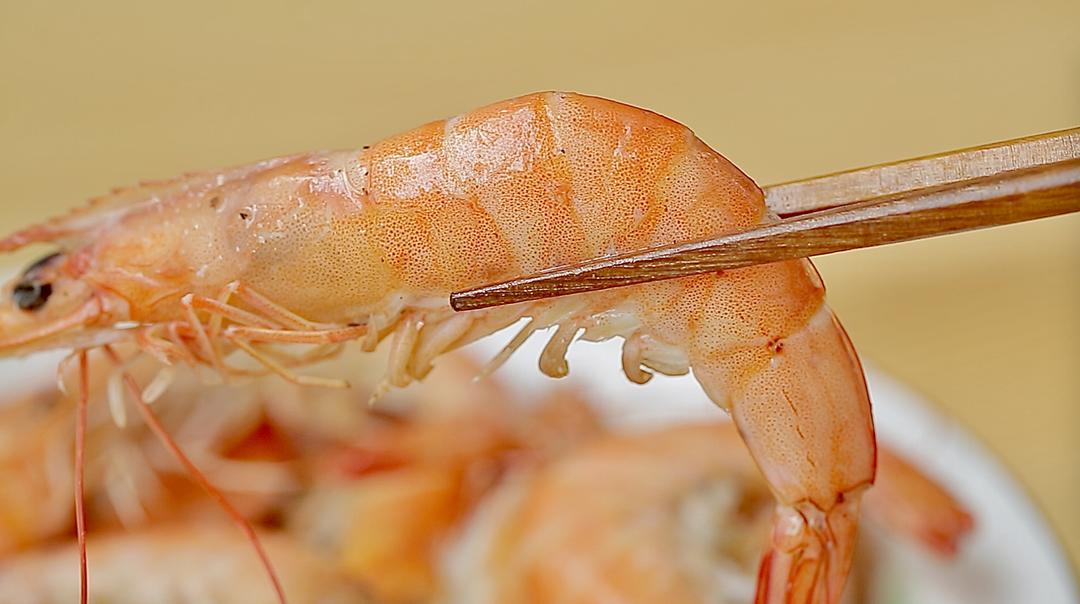
Squid takes to the same treatment beautifully — the salt and pepper squid recipe uses a seasoned coating and a fast fry for that same savory, peppery snap.
2Salt and Pepper Squid (Jiao Yan You Yu / 椒盐鱿鱼)This restaurant-style Salt and Pepper Squid features golden-crispy tentacles tossed with onion, chili, and scallion. Learn how to make this iconic Chinese seafood appetizer perfectly at home—light, crunchy, and bursting with wok aroma.Check out this recipe

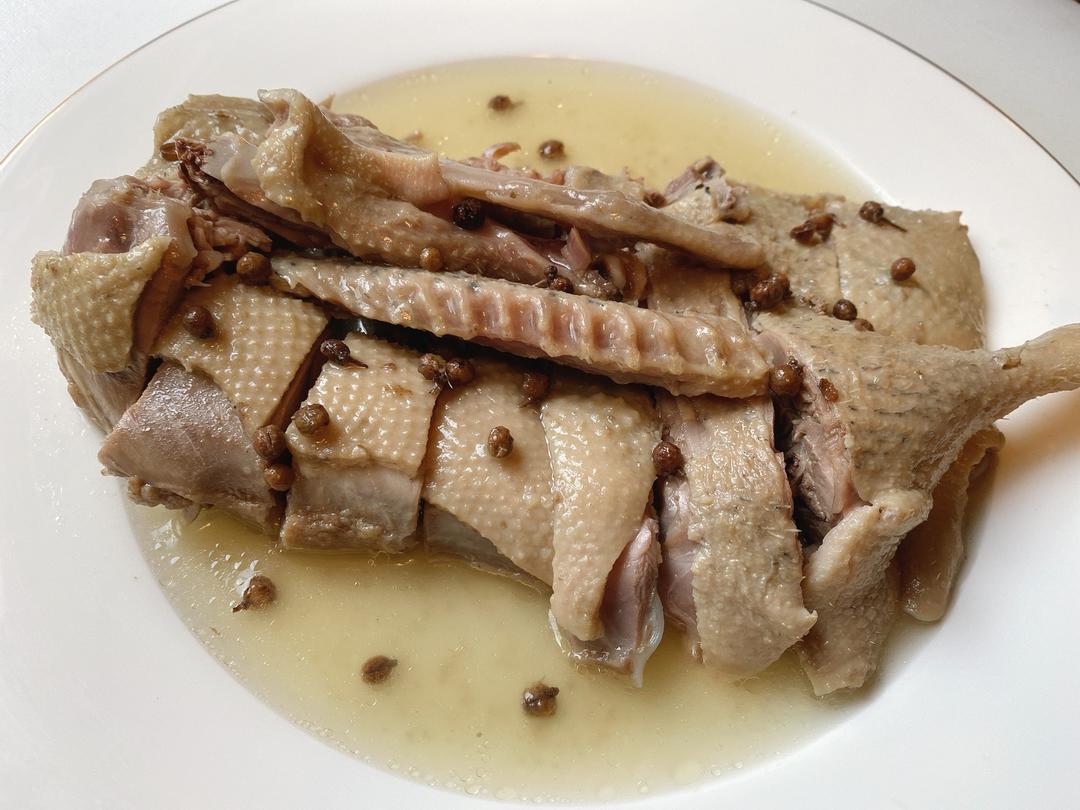
And if you want to see peppercorn doing the heavy lifting in a larger format, Sichuan peppercorn duck is the dish to look at next.
3Authentic Hua Jiao Ya (Sichuan Peppercorn Duck in 90 Mins)A traditional Shaoxing dish featuring tender duck infused with aromatic toasted Sichuan peppercorns and salt, finished with a skin-tightening ice bath for the perfect texture.Check out this recipe
Why This Recipe Works
Most home cooks who try gizzards for the first time either overcook them into rubber or under-season them into blandness. This recipe solves both problems with the same two-step logic.
First, the cure. Fifteen grams of salt for 400 grams of gizzards is a deliberate ratio — roughly 3.75 percent salt by weight, which is enough to season the meat through without turning it into jerky. Toasting the salt with the peppercorn powder before it touches the meat does two things: it drives off any residual moisture so the cure adheres better, and it blooms the volatile oils in the peppercorn so the aroma survives the long cook.
Second, the temperature control. Gizzards are pure muscle with very little intramuscular fat, so they have no built-in basting. A hard boil will wring them out. A bare simmer — the kind where you see a lazy bubble every second or two — keeps the muscle fibers relaxed and lets them gradually tenderize. The 30-to-50-minute window is not a suggestion; it is the difference between a snappy slice and a chewy one.
Finally, the cooling step. Leaving the gizzards in the broth as it comes to room temperature lets them reabsorb liquid and flavor as the muscle contracts. Skipping this and draining them immediately is the single most common reason home versions taste flat.
Equipment Needed
A wok is the right vessel for toasting the salt, because its wide, sloping sides let you toss the mixture constantly so nothing scorches. A cast iron or carbon steel wok works best — you want it to get properly hot. If you only have a skillet, use the widest one you own and keep the salt moving.
For the poach, a heavy clay pot or a Dutch oven is ideal. Both hold heat steadily, which means the broth stays at a gentle simmer without you babysitting the flame. A regular stockpot works too, but you may need to adjust the heat more often.
You will also want a zip-top bag for the cure (a reusable silicone bag is fine), a cutting board, a sharp slicing knife, and a slotted spoon for lifting the gizzards in and out of the broth. A fine-mesh strainer is helpful if you want to skim the broth, and a small kitchen scale makes the salt measurement exact — this is one recipe where eyeballing the salt is worth avoiding.
Ingredients
The ingredient list is short, which means each item carries weight. Here is what you are working with and why each one is there.
Duck gizzards (鸭胗). Look for plump, deep-red gizzards with no off smell. About 8 to 9 pieces make 400 grams. They usually come already trimmed of the hard inner lining, but you will still want to pull off any surface fat and silverskin.
Kosher salt. Fifteen grams for the cure, plus a little more for scrubbing. Use a scale here. Different salts have very different densities, and a tablespoon of flaky salt is not the same as a tablespoon of fine salt.
Sichuan peppercorn powder (花椒粉). Freshly ground is dramatically better than pre-ground. If you only have whole peppercorns, toast them briefly and grind them yourself — the aroma is the whole point of the cure.
White vinegar and flour. These are for scrubbing, not eating. The vinegar cuts through any lingering odor, and the flour acts as a mild abrasive that lifts off the sticky film on the surface of the gizzards.
Braising spice packet (卤料包). A standard Chinese braising mix — usually star anise, cinnamon, fennel, clove, and cardamom. One packet is plenty for this volume of water.
Scallion, ginger, and Shaoxing wine. The aromatic backbone of the broth. Use the white parts of the scallion if you have them; they hold up better to a long simmer.
Salt, white pepper, and optional chicken bouillon. The broth is seasoned separately from the cure, so taste it before the gizzards go in. Five grams of salt gives a light broth; ten grams gives a bolder one.
Ingredient Notes
The single biggest variable in this recipe is the salt. If you are working with table salt instead of kosher salt, reduce the cure to about 12 grams — table salt is much denser and will over-season the gizzards. Conversely, if you are using a coarse flaky salt, you may need closer to 18 grams to hit the same effect. Weighing is the only reliable way through this.
Sichuan peppercorn powder loses its punch fast. If your jar has been in the pantry for more than six months, taste a pinch before you commit — a flat, dusty powder will not give you the fragrant cure you are after. Toasting whole peppercorns and grinding them fresh takes two minutes and is worth it every time.
On the braising packet: not all brands are equal. Some are heavy on star anise, others lean toward cinnamon and clove. If yours smells strongly of clove, use it sparingly — clove can overwhelm a delicate broth. If you cannot find a packet, a homemade blend of two star anise, a small cinnamon stick, a teaspoon of fennel seed, and three cardamom pods will do the job.
Finally, the bouillon. It is entirely optional, but a teaspoon of chicken bouillon or a splash of chicken juice rounds out the broth and makes the finished gizzards taste fuller. Oyster sauce works as a substitute if you want a slightly deeper, glossier result. Leaving it out entirely is also fine — the cure and the aromatics carry the dish on their own.
Prep & Mise en Place
Do the cleaning first, because everything else depends on it. Tear away any surface fat and connective tissue from the gizzards, then soak them in cold water for a full hour. This soak pulls out blood and any lingering gaminess. After the soak, drain them and scrub with a tablespoon of white vinegar, two tablespoons of flour, and a pinch of salt, rubbing each gizzard between your palms for a few minutes. You will feel the surface go from slick to slightly tacky. Rinse thoroughly under cold running water and pat dry.
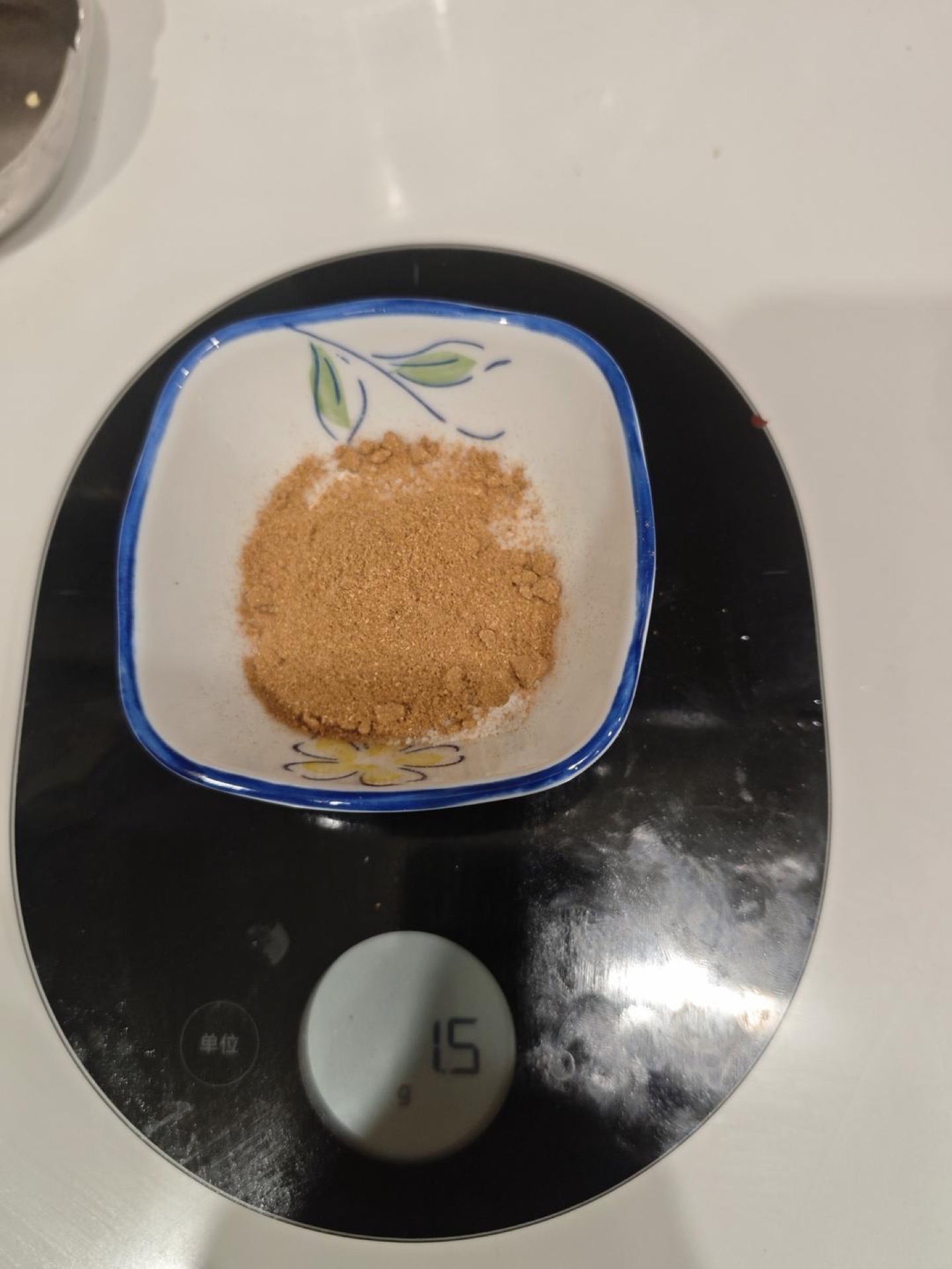
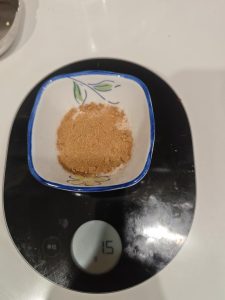
Next, measure your cure. Weigh out 15 grams of kosher salt and 1.5 grams of Sichuan peppercorn powder and set them aside together. This is also a good time to get the broth ingredients organized: slice the ginger, cut the scallions, and have the braising packet, Shaoxing wine, white pepper, and salt within reach.
Once the cure is toasted and the gizzards are bagged, the overnight rest is hands-off. That means the actual cooking day is short — maybe 45 minutes of active time. If you are serving these for a dinner party, cure the gizzards two nights ahead, cook them the day before, and slice them an hour before guests arrive. They genuinely improve with a night in the fridge.
One mise en place note that matters more than it sounds: have a separate pot ready for blanching before you start the broth. The blanch and the simmer happen back to back, and you do not want to be hunting for a pot while the broth is boiling.
Cooking Process
Step 1 — Clean and Soak the Gizzards
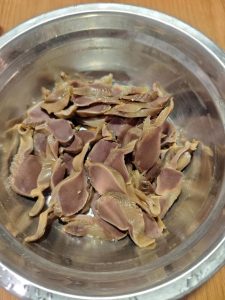
Tear off the surface fat from the duck gizzards, soak them in water for one hour, and scrub them clean with salt, white vinegar, and flour by rubbing for a few minutes before rinsing well; this batch is 400 grams, about 8-9 pieces.
Step 2 — Measure the Peppercorn Salt
Prepare 15 grams of salt and 1.5 grams of Sichuan peppercorn powder.
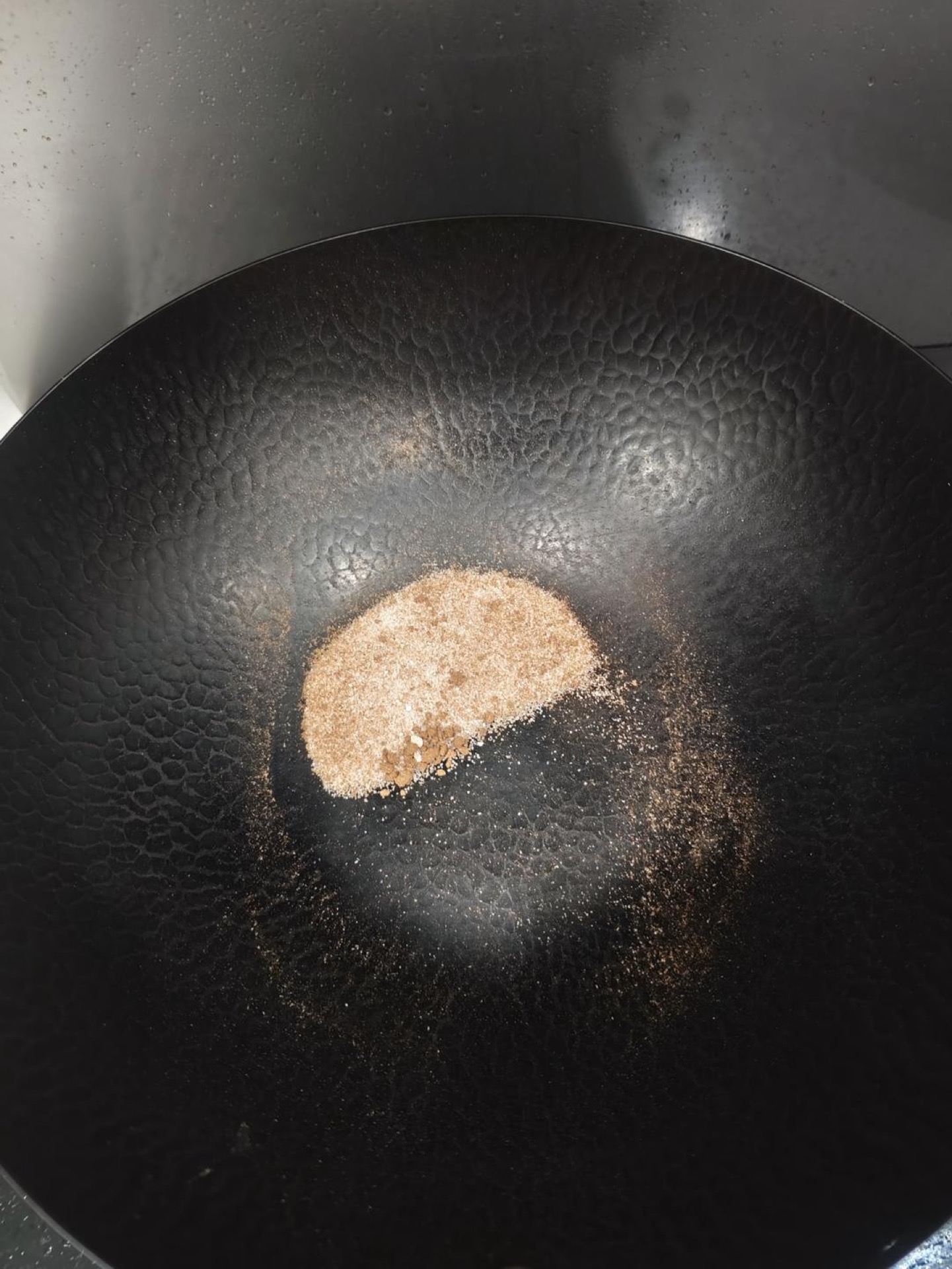
Step 3 — Toast the Salt in a Cold Wok
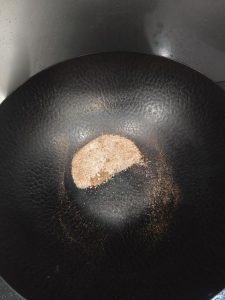
Add the peppercorn salt to a cold cast iron wok and heat until it smokes and smells fragrant, about one minute, then turn off the heat and keep tossing the peppercorn salt in the residual heat.
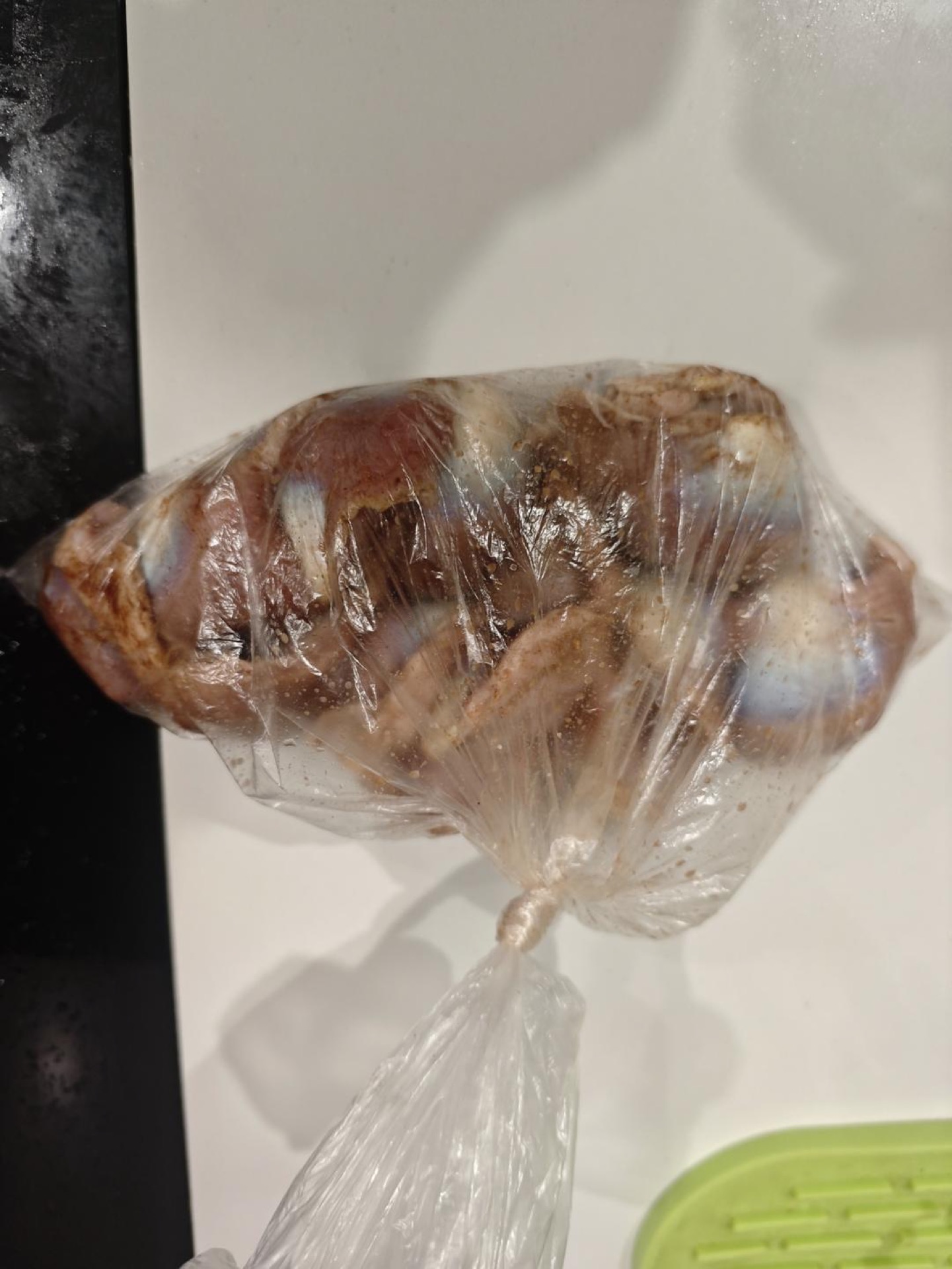
Step 4 — Bag and Cure Overnight
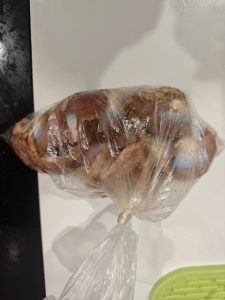
Put the duck gizzards in a zip-top bag, let the peppercorn salt cool slightly, pour it all in, seal the bag, rub everything evenly by hand, and refrigerate for 12 hours.
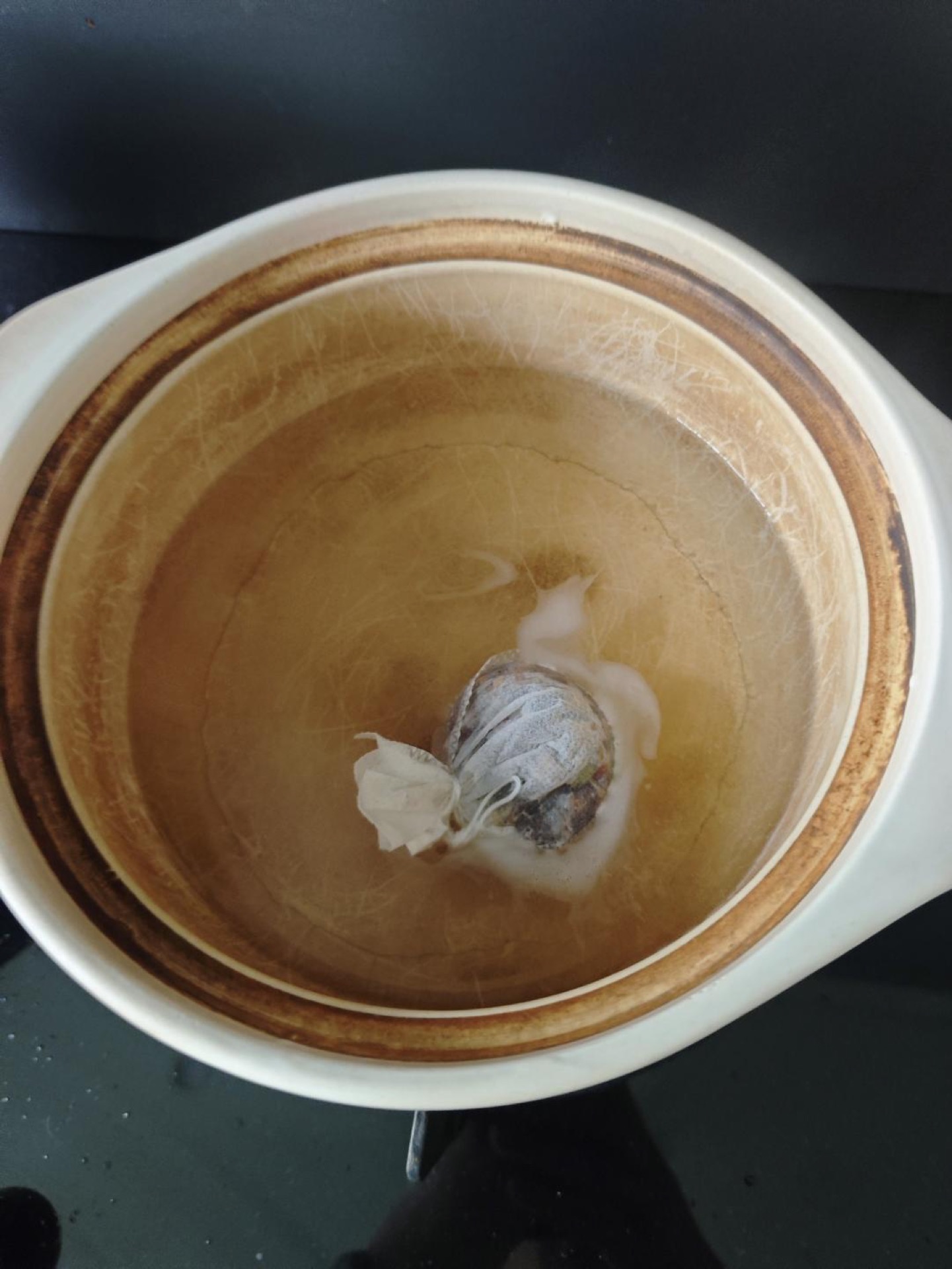
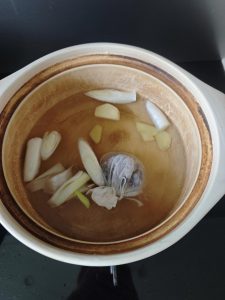
Step 5 — Start the Master Broth
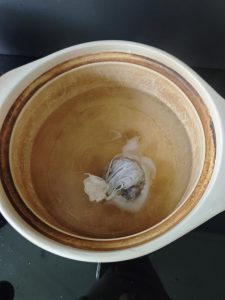
Prepare a clay pot, add enough water to cover the gizzards, and drop in one braising spice packet.
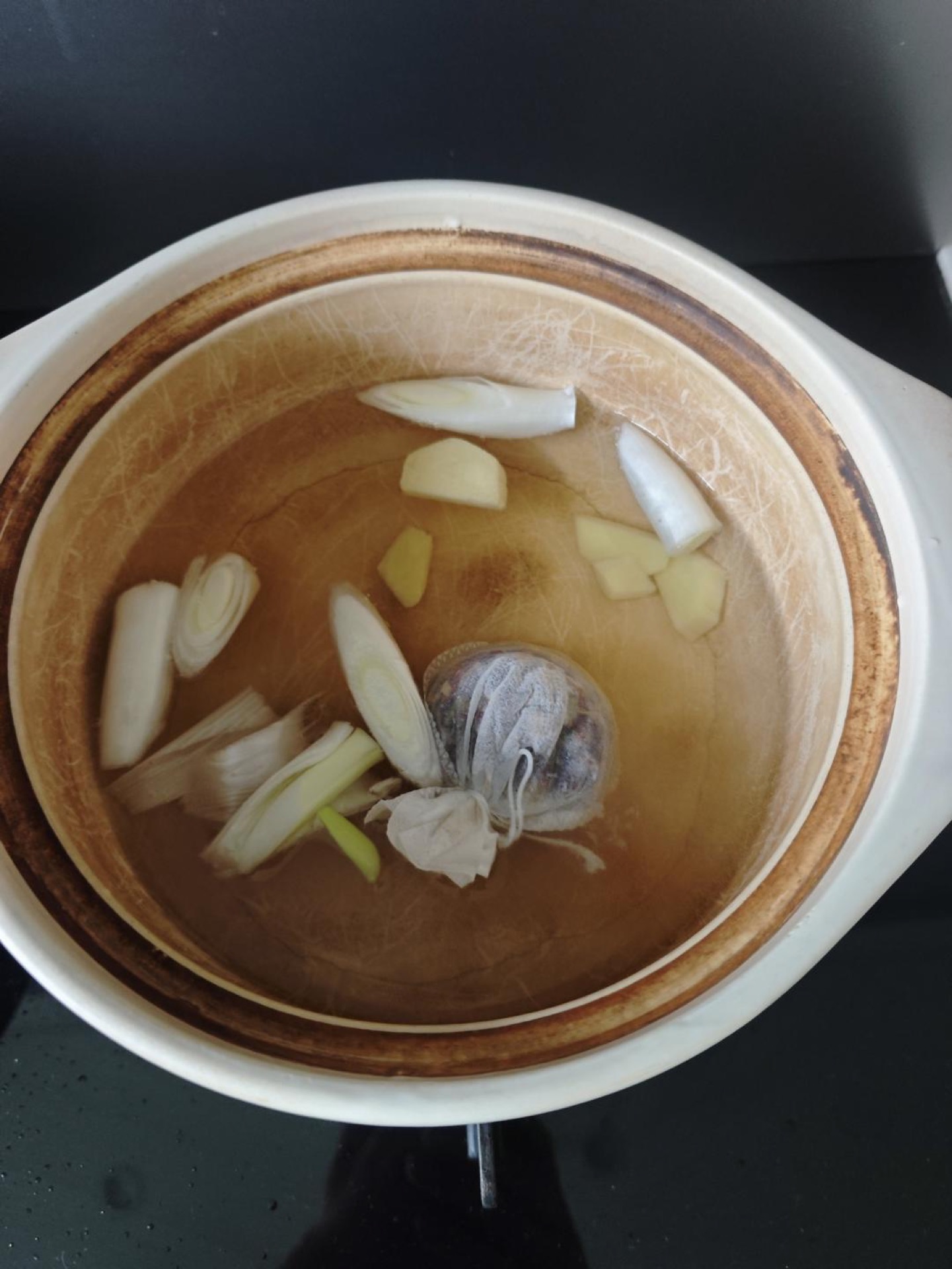
Step 6 — Season and Bring to a Boil
Add the scallions and ginger, 5 grams of Shaoxing wine, a few shakes of white pepper, 5-10 grams of salt (10 grams for a bolder taste, 5 grams for a lighter one), and a little MSG or chicken bouillon if you like, or oyster sauce, or nothing at all; bring the brine to a boil first.
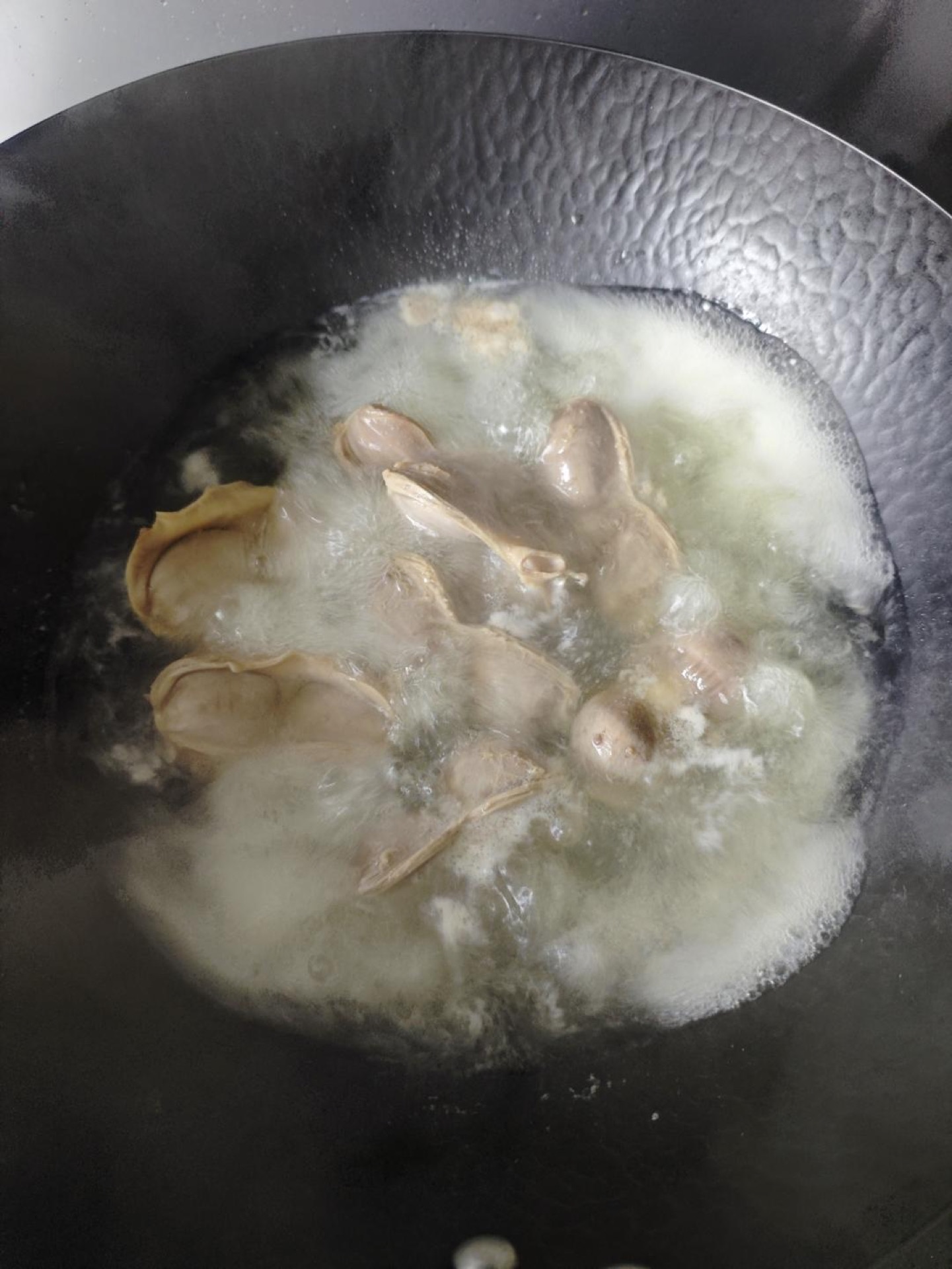
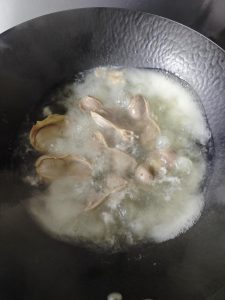
Step 7 — Rinse and Blanch the Gizzards
While the broth comes to a boil, rinse the cured gizzards, then blanch them in a separate pot for 1-2 minutes.
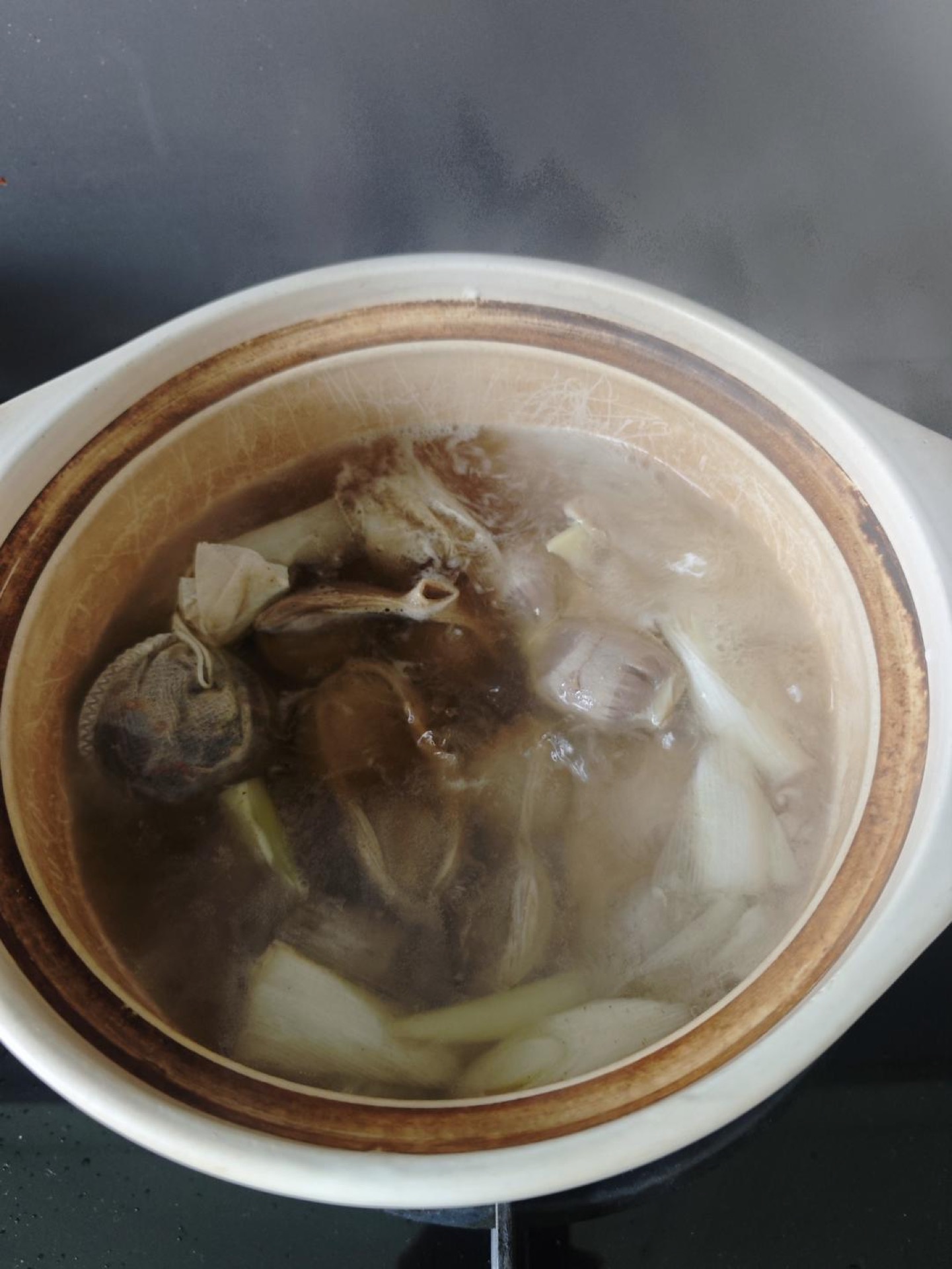
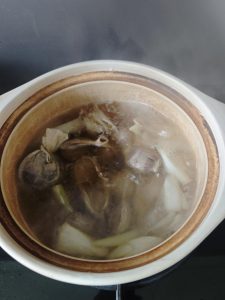
Step 8 — Simmer Low and Slow
Add the blanched gizzards to the broth, bring it to a boil, then reduce to the lowest heat, cover, and simmer for 30-50 minutes; 30 minutes for a crisp, firm bite, or 10-20 minutes longer for a softer, more tender result.
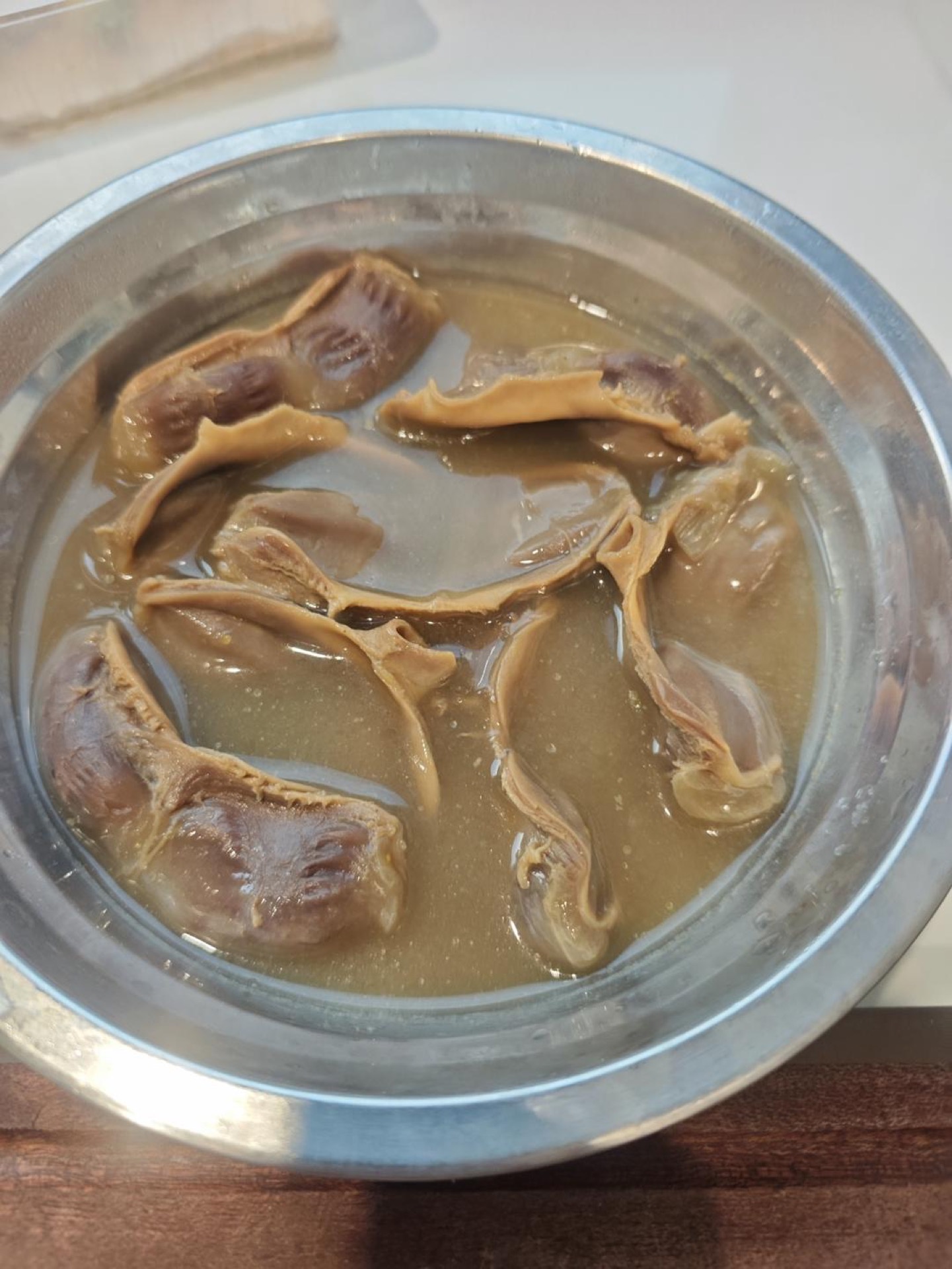
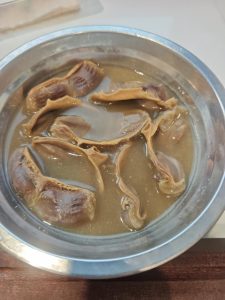
Step 9 — Cool in the Broth
Once cooked, leave the gizzards in the broth, let everything cool, then refrigerate.
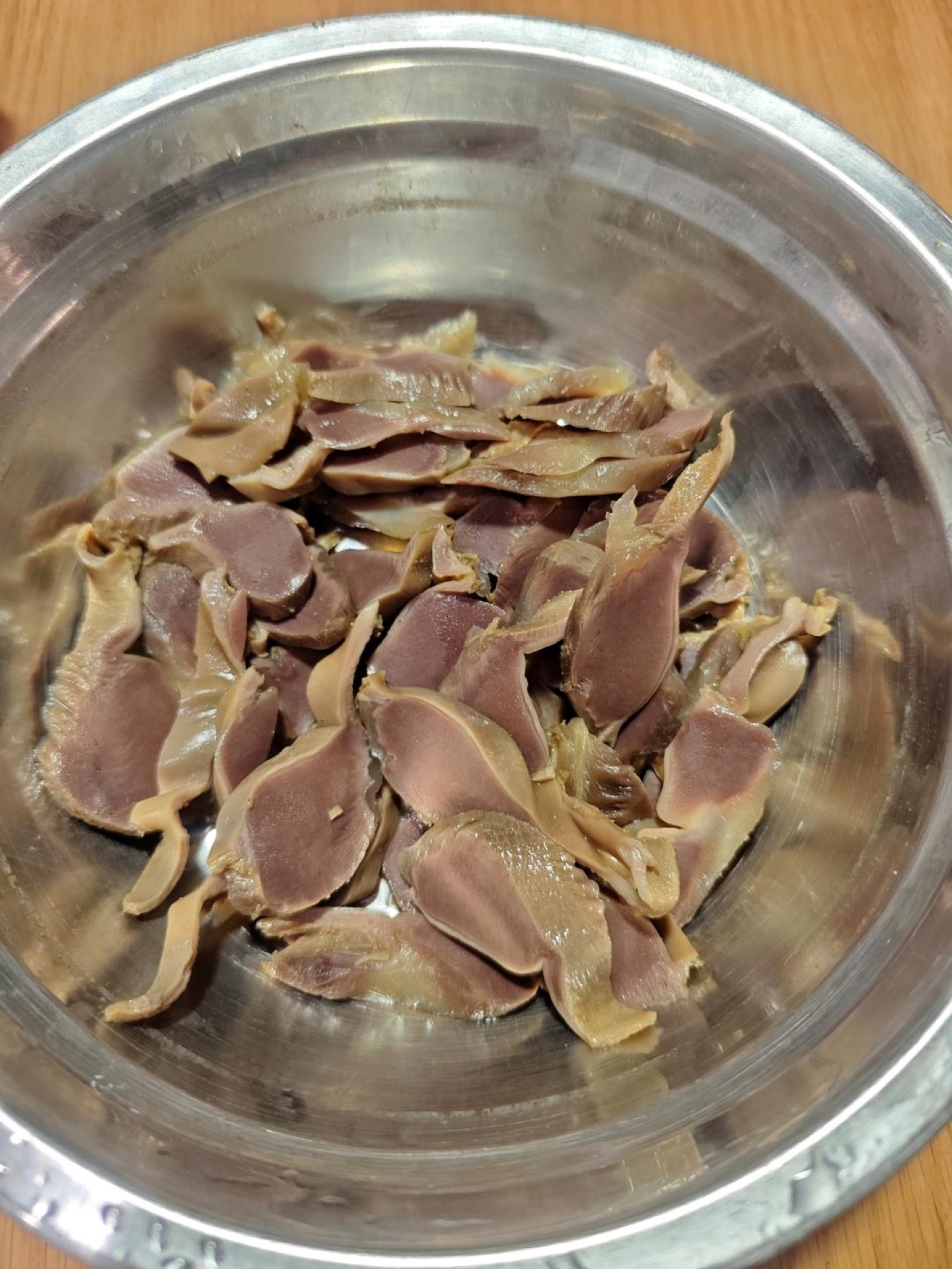
Step 10 — Slice and Serve
Take the gizzards out when you are ready to eat and slice them.
Common Mistakes When Making Salted Duck Gizzards
1. Using pre-ground peppercorn that has gone stale. The cure’s aroma is the dish’s signature, and old powder tastes like dust. Cause: buying a large bag and storing it for a year. Fix: grind fresh from whole peppercorns, or buy small quantities and replace every few months.
2. Skipping or shortening the cure. Two hours in the fridge is not a cure. Cause: deciding to make the dish the same day. Fix: give it the full 12 hours — overnight is easiest — so the salt reaches the center of the meat.
3. Boiling instead of simmering. A rolling boil tightens the muscle fibers and produces rubbery gizzards. Cause: leaving the burner on high after the broth comes up. Fix: drop to the lowest possible heat as soon as it boils, cover, and check that you see only occasional bubbles.
4. Over-salting the broth. The gizzards are already cured, so a heavily salted broth pushes the whole dish past pleasant. Cause: seasoning the broth by habit rather than tasting. Fix: start with 5 grams of salt, taste the broth, and add more only if it tastes flat.
5. Draining the gizzards right after cooking. You lose the flavor that the cooling broth would have given back. Cause: wanting to chill them quickly. Fix: let them cool completely in the broth, then refrigerate them in it.
6. Slicing them warm. Warm gizzards shred and crumble instead of cutting cleanly. Cause: impatience. Fix: chill them thoroughly first, then slice against the grain into thin, even pieces.
Variations
Spicier cure. Add a teaspoon of ground dried chili to the peppercorn salt before toasting. The heat blooms in the wok and gives the finished slices a warm backnote without overwhelming the salt.
Tea-smoked finish. After the gizzards are cooked and cooled, smoke them briefly over black tea leaves, rice, and brown sugar. This adds a lacquered, smoky edge that is excellent with beer.
Chicken gizzards instead of duck. The technique works identically, but chicken gizzards are smaller and cook faster — start checking at 20 minutes. The cure ratio stays the same by weight.
Five-spice cure. Swap half the peppercorn powder for five-spice powder. The result is warmer and more rounded, closer to a classic 卤味 profile.
Brine-poached with aromatics only. Skip the braising packet entirely and use a big handful of scallion, ginger, and a few star anise. The broth is cleaner and the gizzards taste more purely of duck.
Frequently Asked Questions
How do I know when the gizzards are done? Slice one open at the thickest point. It should be uniformly gray-brown with no pink, and the juices should run clear. If you have a thermometer, aim for 165°F (74°C). Texture is the other cue: a done gizzard feels firm but yields slightly when pressed.
Can I make these without Sichuan peppercorn? Yes, but the dish loses its signature aroma. A good substitute is a blend of toasted black pepper and a small pinch of ground fennel seed, which gives a similar floral warmth without the numbing quality.
Why are my gizzards still chewy after 40 minutes? They likely need more time, not less. Dense muscle can go through a firm stage before it relaxes. Add 10 to 15 minutes of gentle simmering and check again — the window between chewy and tender is wide for gizzards, so you have room.
How long do they keep? Three days in the refrigerator, stored in their broth in a sealed container. They actually taste best on day two, once the flavors have fully settled.
Can I freeze them? Yes. Freeze the sliced or whole gizzards submerged in a little broth for up to two months. Thaw overnight in the refrigerator; the texture holds up well because the cure helps the meat retain moisture.
How to Serve
Salted duck gizzards are almost always served cold or at room temperature as part of a spread of small dishes. Slice them thin against the grain, fan them onto a plate, and drizzle with a spoonful of the strained braising broth. A scattering of thinly sliced scallion and a few drops of sesame oil finish them nicely.
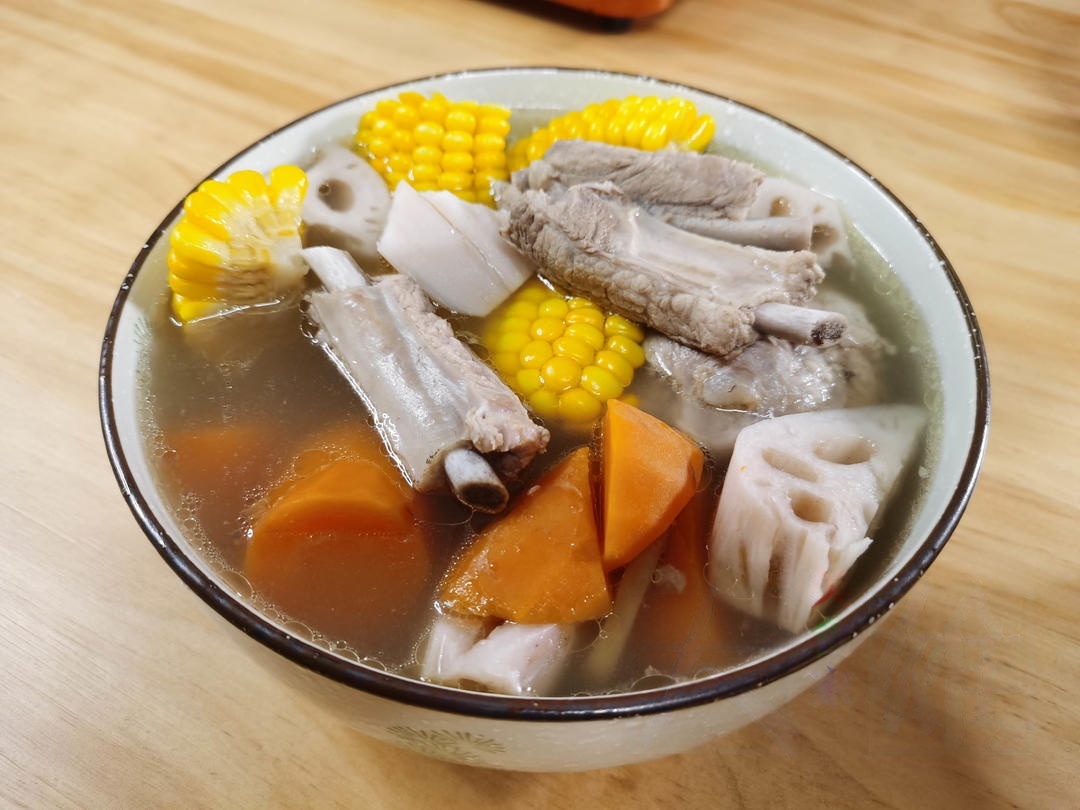
They pair well with plain steamed rice and a simple green vegetable, and they are excellent alongside a bowl of congee for breakfast. If you are building a cold-plate lineup, a bowl of lotus root and pork rib soup makes a soothing counterpart to the salty, springy slices.
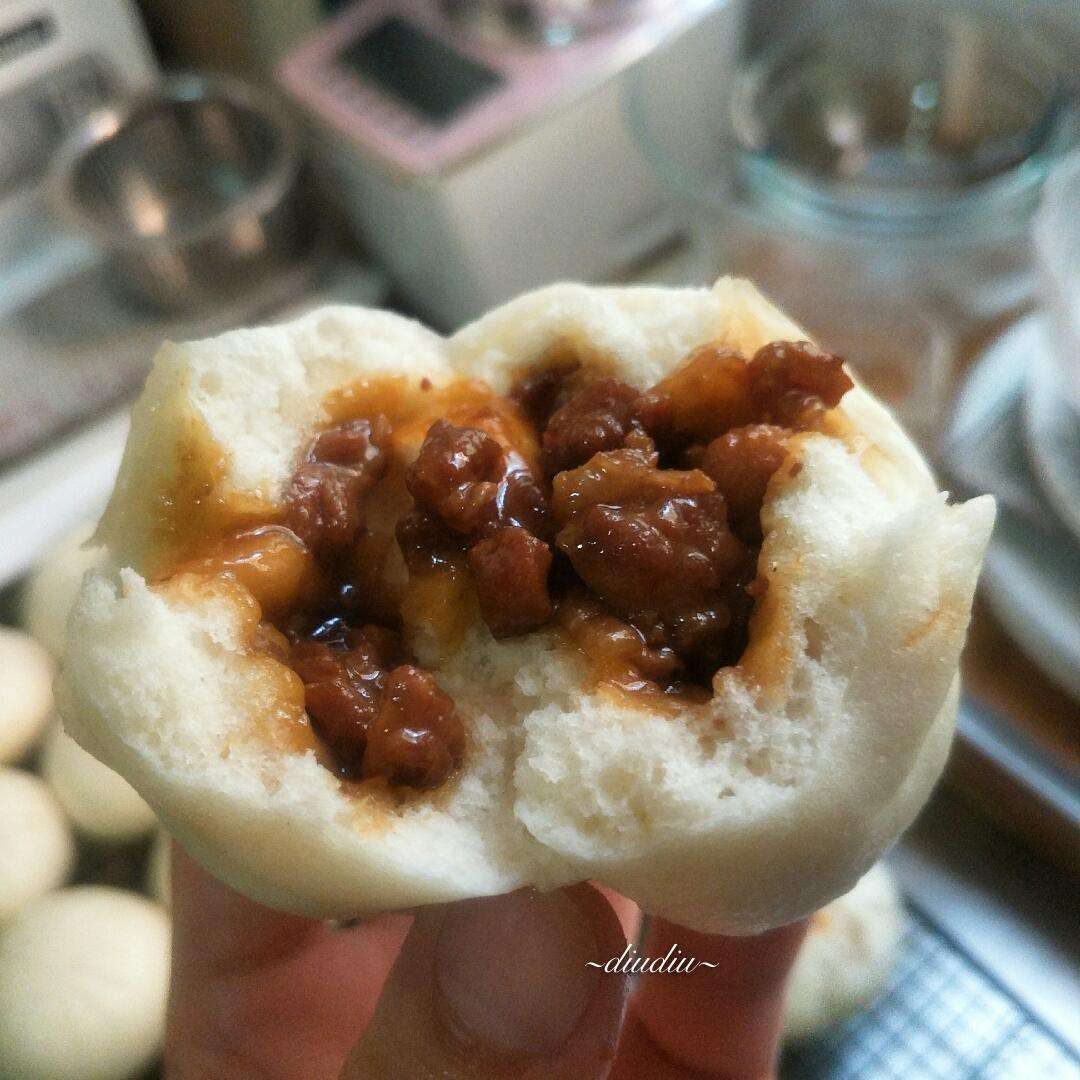
For a heartier table, serve them next to a plate of steamed BBQ pork buns — the sweet, saucy filling is a natural foil for the clean salt of the gizzards.
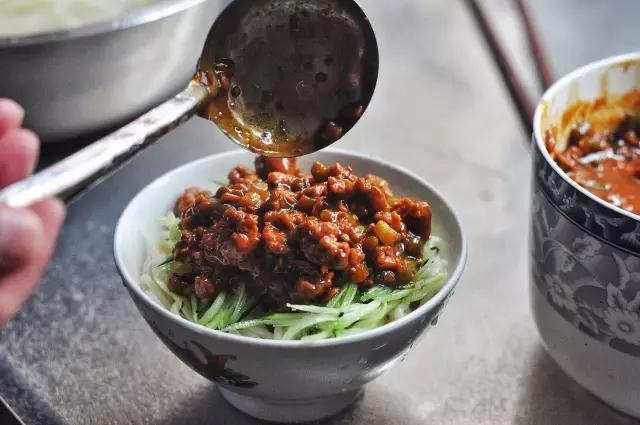
They also work as a topping for a bowl of zha jiang mian, sliced thin and piled over the noodles for a savory, textural contrast.
Storage & Reheat
Keep the gizzards in their braising broth — that is the key to keeping them moist. Transfer everything to a sealed container once cooled, and refrigerate for up to three days. If you are storing them longer than a day, strain the broth first so stray spices do not continue to infuse and turn bitter.
To reheat, bring a small amount of the broth to a bare simmer and slip the gizzards in for two to three minutes, just until warmed through. Do not microwave them — the dense muscle heats unevenly and turns rubbery at the edges. If you prefer them cold, which is traditional, simply pull them from the fridge and slice.
For freezing, submerge the gizzards in a little broth in a freezer-safe bag, press out the air, and freeze for up to two months. Thaw overnight in the refrigerator and slice cold.
Allergen Notice
This recipe contains soy and wheat if you use a standard soy sauce or a wheat-based Shaoxing wine in the broth. Braising spice packets sometimes contain wheat-derived ingredients, and some chicken bouillon and oyster sauce brands contain soy, wheat, and sometimes fish or shellfish. Check every packaged ingredient if you are cooking for someone with allergies. The dish itself is naturally dairy-free and egg-free.
Nutrition Disclaimer
Nutrition information is calculated using an ingredient database and should be considered an estimate. In cases where multiple ingredient alternatives are given, the first listed is calculated for nutrition. Garnishes and optional ingredients are not included.
About the Author & Recipe Development
Lin has been cooking Chinese food at home for decades, with a particular fondness for the cold dishes and braises of the Jiangnan region. This recipe grew out of a run of salted duck experiments and a stubborn question: could the same cure-and-poach logic work on gizzards? It can, and the result has become a regular in the rotation.
The development process here focused on ratio. The cure was tested at 2 percent, 3.75 percent, and 5 percent salt by weight; 3.75 percent won for flavor and texture. The simmer times were checked at 20, 30, 40, and 50 minutes, and the 30-to-50 window reflects what actually produced the best bite. The scrubbing method — vinegar, flour, and salt — came from a family habit and turned out to be the most effective way to clean the gizzards without damaging them.
For another dish in the same spirit, turmeric is worth cooking next.
For another dish in the same spirit, tomato basa fish is worth cooking next.
Authoritative References
Safe handling and cooking temperatures for poultry products are published by the FDA’s four basic steps to food safety, which covers the cooling and refrigeration guidance used here. For background on how salt curing affects meat texture and moisture, the science of dry brining is a useful primer. And for a deeper look at the Jiangnan salt-brine tradition that 盐水鸭肫 belongs to, see this overview of Nanjing salted duck.
Salted Duck Gizzards (盐水鸭肫): Tender, Savory, Perfectly Salted

Equipment
- Wok
- Cutting Board
- Slotted Spoon
Ingredients
For the Peppercorn Salt Cure
- 15 g kosher salt about 1 tbsp, plus more for scrubbing
- 1.5 g Sichuan peppercorn powder about 1 tsp, freshly ground
For the Gizzards
- 400 g duck gizzards about 8-9 pieces, fat trimmed
- 1 tbsp white vinegar for scrubbing
- 2 tbsp all-purpose flour for scrubbing
For the Master Broth
- 8 cups water enough to fully submerge the gizzards
- 1 packet braising spice mix lu liao bao, about 1 oz
- 3 stalks scallions cut into 2-inch lengths
- 4 slices ginger 1/4-inch thick
- 5 g Shaoxing wine about 1 tsp
- 1 pinch white pepper a few shakes
- 5 g kosher salt up to 10 g for a saltier broth
- 1 tsp chicken bouillon or chicken juice, optional
Instructions
- Tear off the surface fat from the duck gizzards, soak them in water for one hour, and scrub them clean with salt, white vinegar, and flour by rubbing for a few minutes before rinsing well; this batch is 400 grams, about 8-9 pieces.
- Prepare 15 grams of salt and 1.5 grams of Sichuan peppercorn powder.

- Add the peppercorn salt to a cold cast iron wok and heat until it smokes and smells fragrant, about one minute, then turn off the heat and keep tossing the peppercorn salt in the residual heat.
- Put the duck gizzards in a zip-top bag, let the peppercorn salt cool slightly, pour it all in, seal the bag, rub everything evenly by hand, and refrigerate for 12 hours.
- Prepare a clay pot, add enough water to cover the gizzards, and drop in one braising spice packet.
- Add the scallions and ginger, 5 grams of Shaoxing wine, a few shakes of white pepper, 5-10 grams of salt (10 grams for a bolder taste, 5 grams for a lighter one), and a little MSG or chicken bouillon if you like, or oyster sauce, or nothing at all; bring the brine to a boil first.
- While the broth comes to a boil, rinse the cured gizzards, then blanch them in a separate pot for 1-2 minutes.
- Add the blanched gizzards to the broth, bring it to a boil, then reduce to the lowest heat, cover, and simmer for 30-50 minutes; 30 minutes for a crisp, firm bite, or 10-20 minutes longer for a softer, more tender result.
- Once cooked, leave the gizzards in the broth, let everything cool, then refrigerate.
- Take the gizzards out when you are ready to eat and slice them.












Leave a Reply