There are days in the restaurant kitchen when I spend hours braising pork belly or folding hundreds of dumplings. Then, there are days at home when I want something spectacular but refuse to spend more than ten minutes cooking.

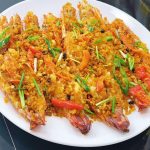
This recipe for Quick Salt and Black Pepper Shrimp (Kuai Shou Hu Jiao Xia) is for those days. It is deceptively simple—requiring just shrimp, salt, pepper, and oil—but the technique yields seafood that is incredibly sweet, “bouncy” (a texture we prize in Chinese cuisine called Q-tan), and full of savory punch.
Unlike the deep-fried versions you might find at Cantonese banquet halls, this is a homestyle pan-seared method. I’ve cooked shrimp in countless ways during my decade in professional kitchens, from Garlic Fried Shrimp to complex braises, but this specific method remains my “secret weapon” for impressing guests with zero stress.
About the Author & Recipe Development
I’m Lin, a Sichuan-born chef and culinary writer. My journey began in my family’s restaurant kitchen in Sichuan, followed by professional training at the Sichuan Culinary Institute and over 10 years of working in professional kitchens across China.
For this recipe, I drew inspiration from coastal Chinese home cooking, where the freshness of the ingredient is paramount. In testing this for Woks of Love, I experimented with three variables: shell-on vs. peeled shrimp, coarse vs. fine black pepper, and covered vs. uncovered cooking.
My tests confirmed that keeping the shell on protects the meat from drying out under high heat, and covering the pan creates a micro-steaming environment that cooks the shrimp rapidly while retaining moisture. This method is aligned with professional kitchen standards for retaining moisture in delicate proteins.
What is Quick Pepper Shrimp?
“Kuai Shou” (快手) translates to “quick hand” or “fast,” implying a dish that can be thrown together in minutes. In China, this dish is often made with live river shrimp, which offer a distinct sweetness and snap.
While traditional “Salt and Pepper Shrimp” usually involves a light batter and deep-frying, this version skips the batter entirely. It relies on the direct contact of the hot pan and the aggressive seasoning of freshly cracked black pepper to create a flavor crust. It is lighter, healthier, and significantly faster than the takeout version.
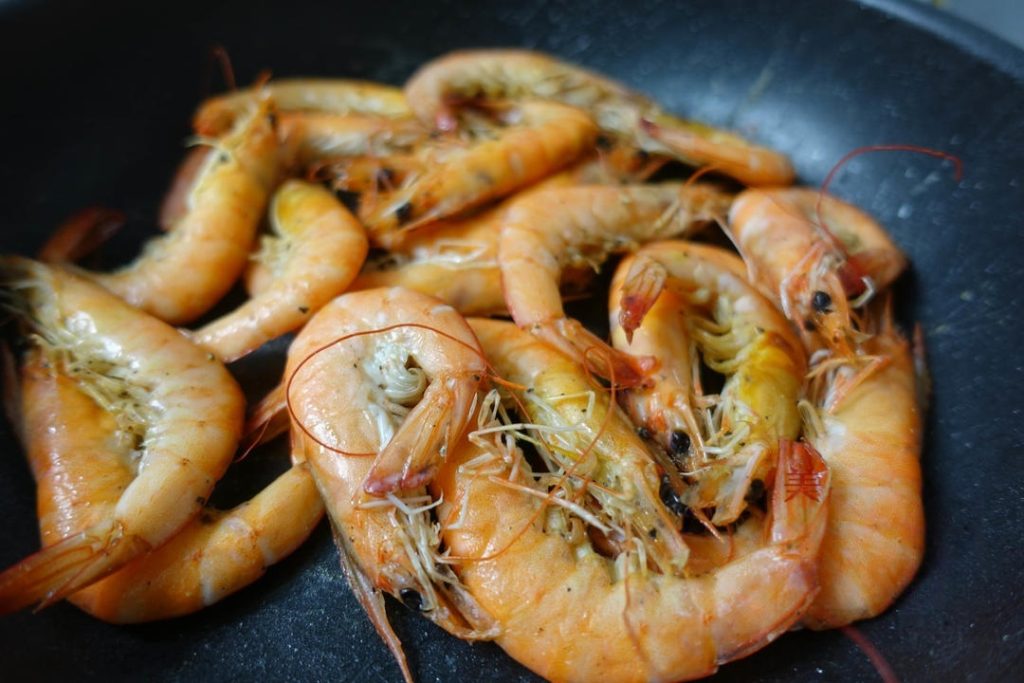
Why This Recipe Works
- Thermal Shock: By placing cold shrimp into a hot pan and covering it, we utilize both conductive heat (searing) and convective heat (steaming). This cooks the shrimp fast, preserving that coveted “bouncy” texture.
- Simplicity: With no aromatics like garlic or ginger to burn, you can use higher heat to get a nice char on the shells without bitterness.
- Shell-On Flavor: Cooking with the shell acts as a barrier, preventing the meat from becoming rubbery while infusing the dish with a deep, crustacean aroma that peeled shrimp simply lack.
Key Ingredients & Substitutions
- Shrimp: The original Chinese method calls for live shrimp. If you have access to live spot prawns or river shrimp, use them! However, for most of us in the West, high-quality frozen shrimp is the reality. Look for “shell-on, head-on” if possible, or “easy-peel” (shell-on, deveined).
- Size: I recommend large (21/25 count) or extra-large (16/20 count) shrimp.
- Black Pepper: You must use coarsely ground black pepper, preferably freshly ground. Pre-ground powder lacks the essential oils and spicy “kick” needed here.
- Salt: Use Kosher salt or sea salt. Table salt is too fine and easy to over-season with.
- Cooking Wine (Optional): If using frozen shrimp, a splash of Shaoxing Wine helps neutralize any fishy odors. If using fresh/live shrimp, you can skip this.
- Substitutions: Dry sherry or Japanese sake are safe alternatives.
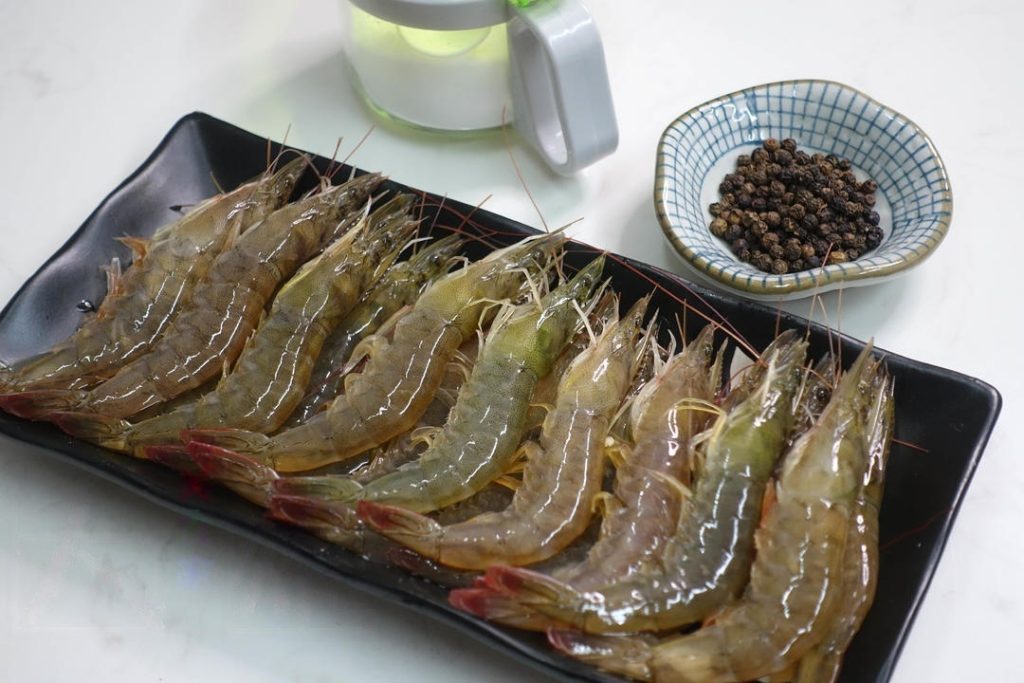
Recipe Notes Before You Start
- Temperature Matters: If you manage to find live shrimp, the original method suggests freezing them for 10 minutes. This “stuns” them for humane handling and makes deveining easier.
- Dryness is Key: Moisture is the enemy of a good sear. If your shrimp are wet, they will boil in their own juices. Pat them thoroughly dry with paper towels.
- Cookware: Use a wide skillet (12-inch) so the shrimp can lay in a single layer. A cast-iron skillet is excellent for heat retention, but a non-stick pan works well for ease of cleanup.
Ingredients
- 1 lb (450g) Shrimp (shell-on, preferably head-on)
- 1 tbsp Freshly ground black pepper (adjust to taste, be generous)
- 1 tsp Sea salt or Kosher salt
- 2 tbsp Neutral cooking oil (vegetable, canola, or grapeseed)
- 1 tbsp Shaoxing Wine (only if using frozen shrimp)
How to Make Quick Pepper Shrimp
1. Prep the Shrimp If using frozen shrimp, thaw them completely. If using live shrimp, place them in the freezer for 10 minutes to stun them.
- Cleaning: If the shrimp backs look clean, you can skip deveining to keep the juices intact. However, if they are gritty, use a toothpick to gently pull the vein out from the back segment, or use scissors to snip the back shell.
- Drying: Rinse the shrimp under cold water and pat them extremely dry with paper towels. This is crucial for that seared texture.
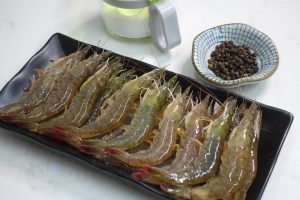
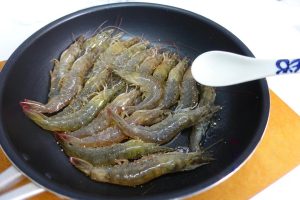
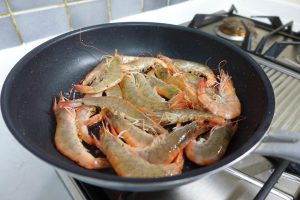
2. Arrange in the Pan Place the shrimp flat into your cold skillet in a single layer.
Why cold? This specific “fast” technique allows you to season them evenly before the heat starts, ensuring no spice burns before the shrimp are cooking.
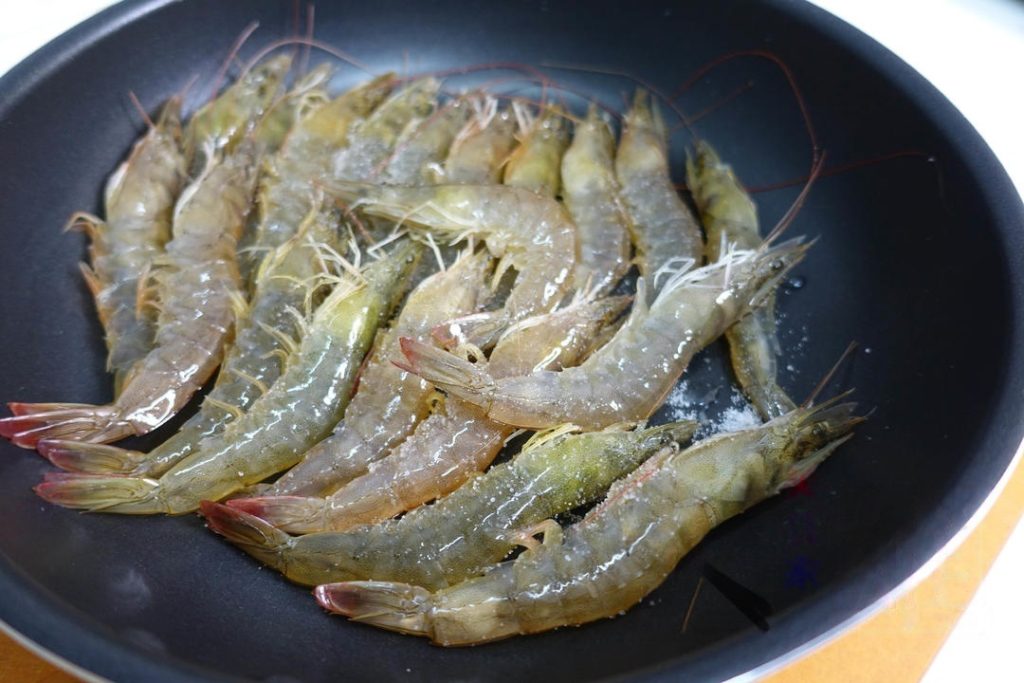
3. Season and Mix Add the salt and the generous amount of black pepper directly onto the shrimp in the pan. Pour over the cooking oil (and Shaoxing wine if using). Mix everything with your hands or a spatula until every shrimp is glossy and speckled with pepper.
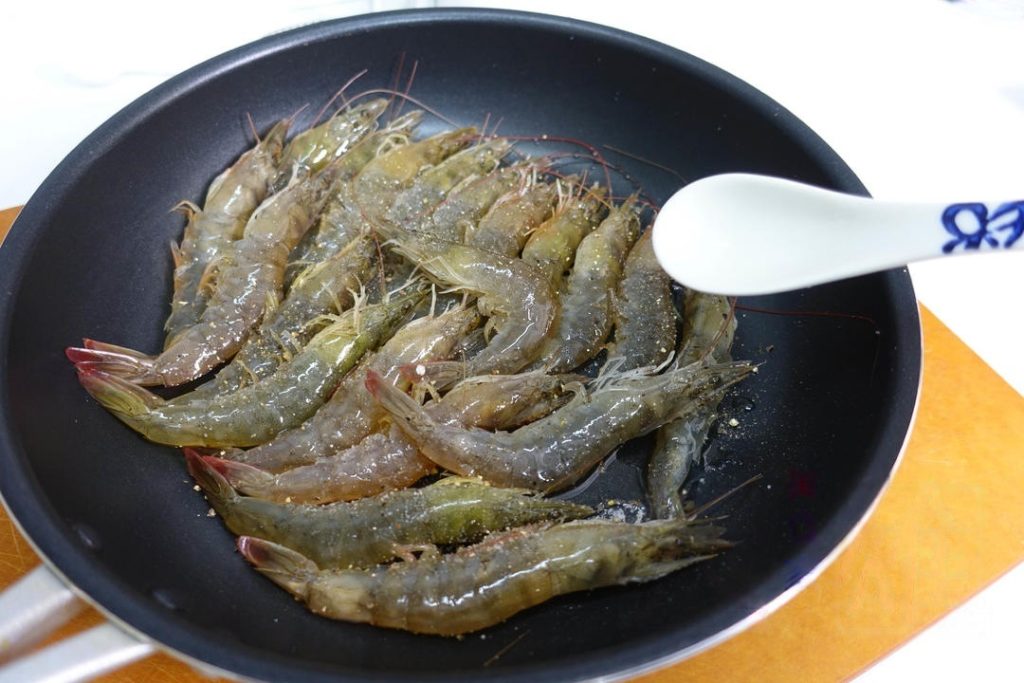
4. The High-Heat Sear Cover the pan with a lid. Turn the heat to High.
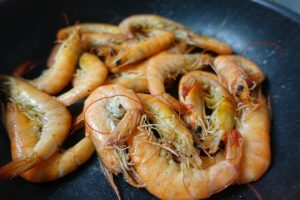
Visual Cue: Cook for about 2-3 minutes. You will hear sizzling. Look for the bottom of the shrimp turning bright red/orange and the top starting to change color.
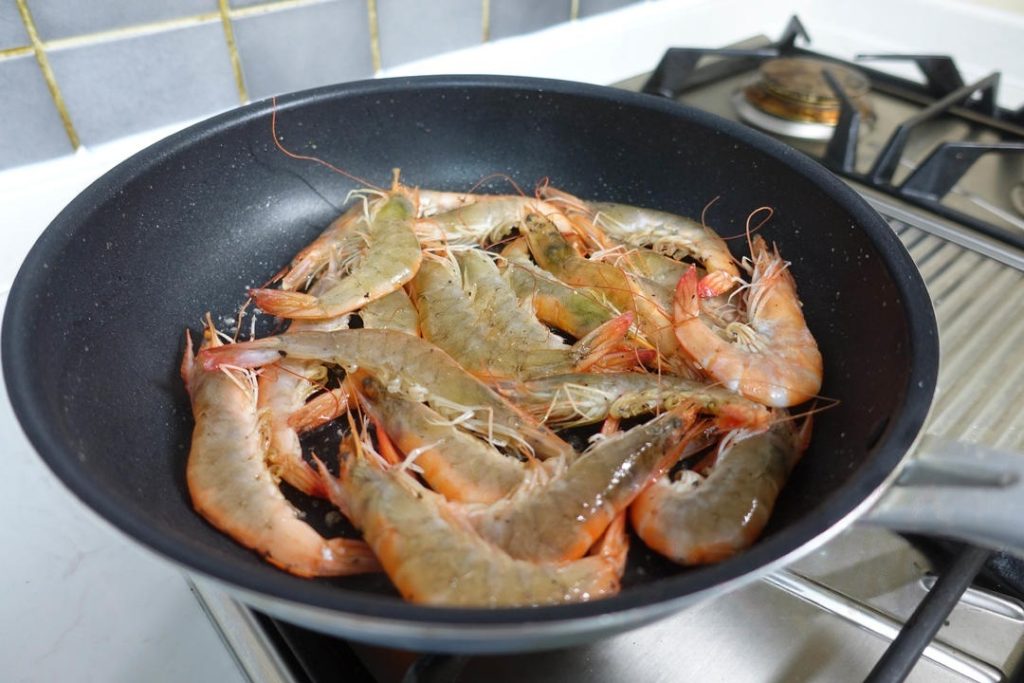
5. Flip and Finish Remove the lid. Flip the shrimp over individually or toss the pan. Do not put the lid back on.
- Why? We want the remaining moisture to evaporate now to crisp up the shells.
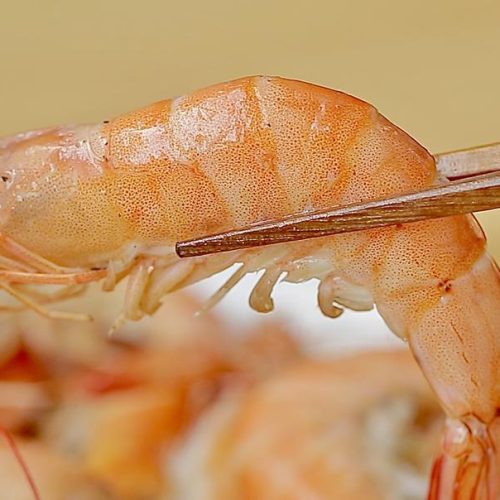
- Continue cooking on high heat for another 1-2 minutes until the shrimp are red all over and curled into a “C” shape. Serve immediately.
Common Mistakes When Making Pepper Shrimp
- Overcooking: Shrimp turn rubbery very fast. As soon as they form a “C” shape and are opaque, they are done. If they curl into an “O” shape, they are overcooked.
- Using Fine Pepper: Using dust-like table pepper will result in a harsh, sneezing spice level rather than a fragrant, textured heat. Use a grinder.
- Crowding the Pan: If you pile the shrimp on top of each other, they will steam and become soggy. Cook in two batches if your pan is small.
Our Systematic Test Kitchen Notes
- The “Live” Factor: I tested this with live prawns from a local Asian market versus frozen bagged shrimp. While live shrimp are sweeter, the frozen shrimp were still excellent provided they were fully thawed and dried well.
- The Lid Technique: We compared cooking with the lid off the whole time vs. the lid on. Starting with the lid on reduced the cooking time by about 90 seconds and resulted in juicier meat because the internal steam cooked them gently while the pan heat seared the bottom.
Serving Suggestions
This dish is intense in flavor, so it needs a neutral or refreshing partner.
- Rice: Steamed jasmine rice is essential to catch the salty, peppery oil.
- Vegetables: Balance the meal with something crisp. My Smashed Cucumber Salad or Hand-Torn Cabbage are perfect cooling sides.
- Soup: A gentle soup like Tomato Egg Drop Soup cleanses the palate between bites.
How to Store & Reheat
- Storage: These are best eaten fresh. If necessary, store in an airtight container in the fridge for up to 2 days.
- Reheating: Do not microwave; it will make the shrimp tough. Reheat briefly in a hot skillet for 1-2 minutes until warm.
Food Safety and Preparation
- Shrimp Safety: Ensure shrimp are cooked to an internal temperature of 145°F (63°C). The flesh should be pearly and opaque.
- Shells: While the shells are flavorful, be careful when eating. If they are very crisp (like deep-fried prawns), some people eat them, but for this pan-seared version, peeling as you eat is standard.
- Cross-Contamination: Always wash hands and surfaces thoroughly after handling raw seafood.
Authoritative References
- For safe minimum internal temperature requirements for seafood, refer to the USDA Food Safety and Inspection Service.
- For more on the benefits of seafood in your diet, see the FDA’s Advice about Eating Fish.
Nutrition Information (Estimate)
- Calories: 220 kcal
- Protein: 24g
- Fat: 14g
- Carbohydrates: 2g
- Sodium: 800mg
- Disclaimer: Nutrition information is calculated using an ingredient database and should be considered an estimate. Garnishes and optional items are not included. Actual values vary based on the size of shrimp and specific oil used.
Recipe Notes: If you enjoy spicy seafood, you might also want to try my Spicy Shrimp or the classic Shrimp and Broccoli Stir-Fry for a veggie-packed option. If you have leftover shrimp, they go great chopped up in Pan-Fried Tofu dishes.
Easy Salt and Black Pepper Shrimp (5-Minute Recipe)

Equipment
- 1 Large Skillet 12-inch, Non-stick or Cast Iron
- 1 Pepper Grinder Freshly ground is best for flavor
Ingredients
- 1 lb Shrimp shell-on, head-on preferred (450g)
- 1 tbsp Black Pepper coarsely ground
- 1 tsp Salt sea salt or kosher
- 2 tbsp Neutral Oil vegetable or canola
- 1 tbsp Shaoxing Wine optional, for frozen shrimp
Instructions
- If using live shrimp, place in freezer for 10 minutes to stun. Rinse shrimp under cold water and pat extremely dry with paper towels. Devein if desired, but keeping the shell intact is recommended for flavor and moisture.

- Place the shrimp flat into a cold skillet in a single layer. Add the salt, coarsely ground black pepper, cooking oil, and Shaoxing wine (if using). Toss well with your hands or a spatula to coat evenly.
- Cover the skillet with a lid. Turn the heat to High. Cook for 2-3 minutes. You should hear sizzling, and the bottom of the shrimp should turn red/orange while the top begins to change color.
- Remove the lid. Flip the shrimp over individually or toss the pan. Do not put the lid back on. Continue cooking on high heat for another 1-2 minutes until the shrimp are red all over and fully cooked. Serve immediately.




Leave a Reply