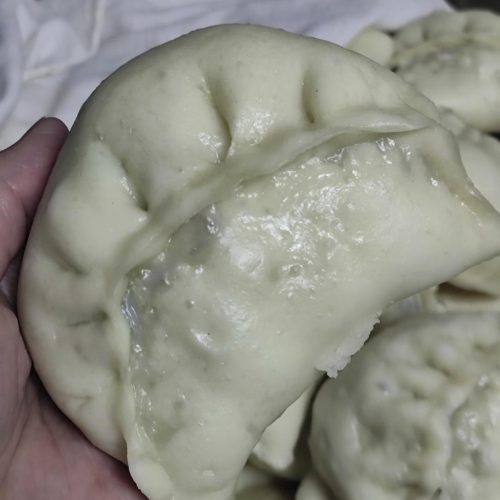
There’s something deeply comforting about a steamer basket full of plump, fluffy baozi. These radish tofu wood ear mushroom vermicelli buns are a staple in Northern Chinese homes, especially during the colder months when green radishes are at their sweetest. The filling is a clever mix of humble ingredients — shredded radish, crumbled tofu, chewy wood ear mushrooms, and silky vermicelli — all bound together with a touch of pork belly for richness. Each bite is savory, slightly peppery from the five-spice, and impossibly satisfying.
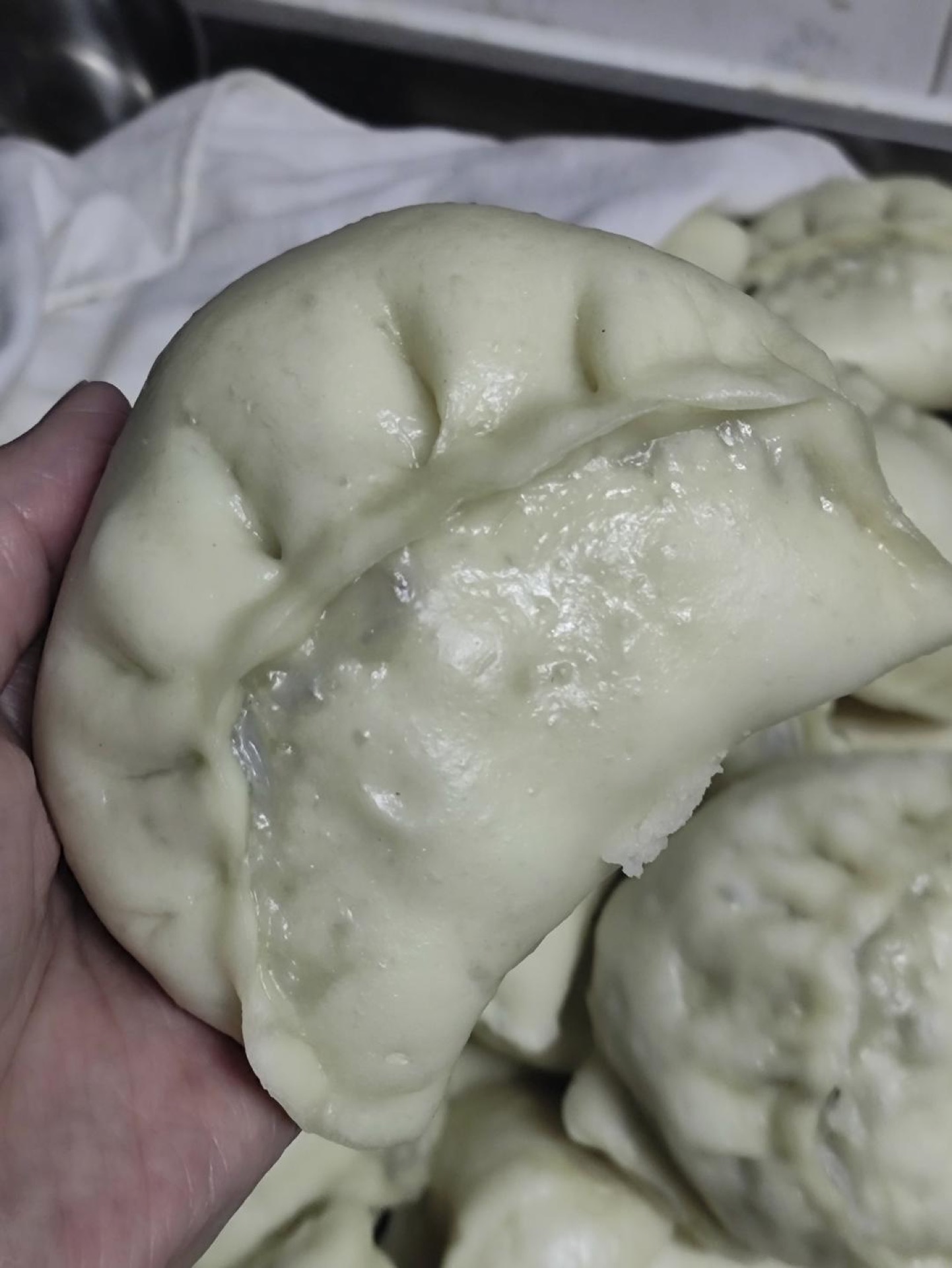
What I love most about this recipe is how it transforms everyday ingredients into something special. The dough is soft and pillowy, the filling is hearty and flavorful, and the whole process — from kneading to steaming — feels like a meditation. Whether you’re a seasoned baozi maker or trying your hand at steamed buns for the first time, this recipe is forgiving and rewarding.
What Is 萝卜豆腐木耳粉条包子?
萝卜豆腐木耳粉条包子 (luobo doufu muer fentiao baozi) is a traditional Chinese steamed bun filled with a savory mixture of shredded green radish, tofu, wood ear mushrooms, and vermicelli. The name literally translates to “radish tofu wood ear vermicelli buns.” It’s a popular home-style dish in Northern China, where radishes are abundant in winter and tofu is a staple protein. The filling is typically cooked beforehand, which gives it a deep, savory flavor that contrasts beautifully with the soft, neutral dough.
These buns are often made in large batches and enjoyed for breakfast, lunch, or as a snack. They’re also a common offering during Chinese New Year and other festive occasions, symbolizing abundance and family unity. The combination of ingredients might sound unusual to some, but it’s a classic example of Chinese culinary wisdom — using what’s available to create something nourishing and delicious.
If you love the savory, umami-packed flavors of Chinese braised dishes, you’ll also enjoy this braised tofu with fresh chilis and minced pork — it’s a fantastic way to use up any extra tofu and packs a spicy, satisfying punch.
1Fresh Chili Tofu with Minced Pork (鲜椒肉末豆腐)A fast, 15-minute Sichuan homestyle favorite. Silky tofu and savory minced pork braised with fresh chilis and tomatoes for a bright, ‘rice-killing’ flavor profile.Check out this recipe

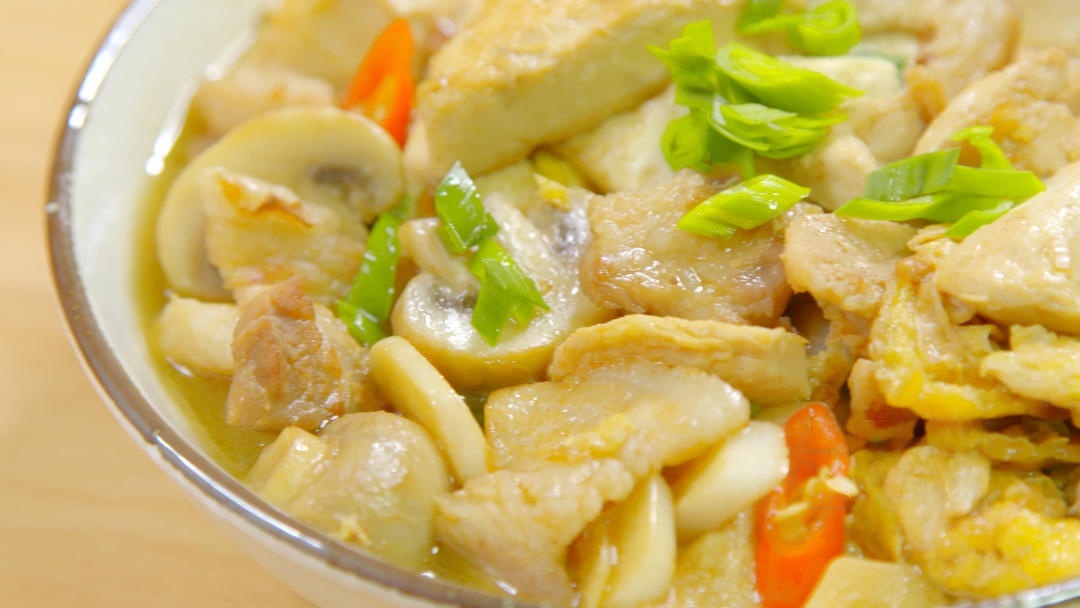
For another comforting tofu dish that pairs beautifully with steamed rice, try this braised tofu with mushrooms and pork. The earthy mushrooms and tender pork make it a weeknight favorite.
2Braised Tofu with Mushrooms and Pork (Rou Pian Kou Mo Shao Dou Fu)A savory, comforting dish featuring egg-coated silken tofu, sliced pork belly, and button mushrooms braised in a rich umami sauce. Perfect for a weeknight family meal.Check out this recipe
And if you’re looking for a fun, crispy appetizer to serve alongside your baozi, these crispy fried pork and tofu meatballs are absolutely irresistible — golden on the outside, juicy on the inside.
3Crispy Fried Pork and Tofu Meatballs (Ganzha Wanzi)Crispy on the outside and tender on the inside, these Chinese meatballs combine ground pork with tofu for a lighter, fluffier texture. Perfect as an appetizer or side dish.Check out this recipe

Why This Recipe Works
This recipe works because it balances textures and flavors perfectly. The radish provides a subtle sweetness and a pleasant crunch, while the tofu adds creaminess and protein. Wood ear mushrooms contribute an earthy, slightly chewy element, and the vermicelli soaks up all the savory juices from the filling. The pork belly, though optional, adds a rich, meaty depth that ties everything together.
Another reason this recipe is so reliable is that the filling is cooked before assembling the buns. This step not only develops the flavors but also ensures that the filling is fully cooked and safe to eat. The dough, made with a simple yeast-leavened mixture, is forgiving and easy to work with, even for beginners. And because the buns are steamed rather than baked, they stay incredibly moist and soft.
Equipment Needed
- Wok or large skillet: For cooking the filling. A wok’s high sides make stir-frying easy and prevent splatters.
- Cutting board and knife: For shredding the radish, chopping the mushrooms, and dicing the pork belly.
- Slotted spoon: Handy for removing the blanched radish from the boiling water and for stirring the filling.
- Steamer basket: A bamboo steamer or a metal steamer insert works well. If you don’t have one, you can use a large pot with a steamer rack.
- Mixing bowls: For the dough and the filling.
- Rolling pin: For rolling out the dough circles.
Ingredients
Here’s what you’ll need to make these radish tofu wood ear mushroom vermicelli buns. For the full list with measurements, see the recipe card at the bottom of this post.
- All-purpose flour: The base for the soft, fluffy dough.
- Active dry yeast: For leavening the dough.
- Warm water: To activate the yeast and bring the dough together.
- Green radish: Also known as daikon or Chinese radish. It’s mild, slightly sweet, and holds up well when cooked.
- Firm tofu: Crumbled and cooked until golden, it adds texture and protein.
- Wood ear mushrooms: Dried and rehydrated, they add a delightful chewy texture.
- Vermicelli: Soaked until soft, then cut into short segments.
- Pork belly: Optional but recommended for richness. You can omit it for a vegetarian version.
- Five-spice powder: A quintessential Chinese seasoning that adds warmth and complexity.
- Green onions and ginger: Aromatics that form the flavor base.
- Salt, soy sauce, and peanut oil: For seasoning and cooking.
Ingredient Notes
Green radish: Look for firm, heavy radishes with smooth skin. If you can’t find green radish, you can substitute daikon or even regular red radishes, though the flavor will be slightly different. Avoid radishes that are soft or have cracks.
Tofu: Use firm or extra-firm tofu. Silken tofu will release too much water and make the filling mushy. Press the tofu briefly to remove excess moisture before crumbling.
Wood ear mushrooms: These are sold dried and need to be soaked in warm water for at least 30 minutes until they expand and become pliable. They have a mild, earthy flavor and a unique crunchy-chewy texture.
Vermicelli: Also known as glass noodles or cellophane noodles. They’re made from mung bean starch and become translucent when cooked. Soak them in warm water until soft, then cut into 2-inch segments.
Pork belly: If you prefer a vegetarian version, simply omit the pork belly and add an extra tablespoon of oil. The filling will still be delicious.
Prep & Mise en Place
Before you start cooking, it’s important to have all your ingredients prepped and ready. This is called “mise en place,” and it makes the cooking process much smoother.
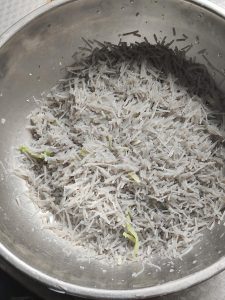
- Soak the mushrooms and vermicelli: Place the dried wood ear mushrooms in a bowl of warm water and let them soak for at least 30 minutes. Do the same with the vermicelli. Once softened, drain the mushrooms, remove any tough stems, and chop them into small pieces. Drain the vermicelli and cut into 2-inch segments.
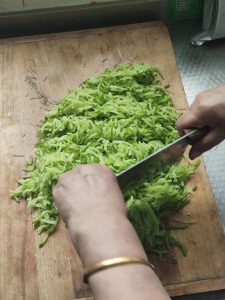
- Prepare the radish: Peel the green radish and shred it using a box grater or a food processor. Bring a pot of water to a boil, blanch the shredded radish for 1-2 minutes, then drain and immediately rinse with cold water. Squeeze out as much water as you can using your hands or a clean kitchen towel. This step is crucial to prevent a soggy filling.
- Crumble the tofu: Use your hands to crumble the firm tofu into small, bite-sized pieces. You can also press it with a fork.
- Chop the aromatics: Finely chop the green onions and mince the ginger.
- Dice the pork belly: If using, cut the pork belly into small dice. This will help it render quickly and evenly.
With everything prepped, you’re ready to cook the filling and assemble the buns.
Cooking Process
Step 1 — Make the Dough
In a large bowl, combine the flour and yeast. Gradually add warm water and mix until a shaggy dough forms. Knead until smooth, cover, and let rise in a warm place until doubled in size, about 2 hours.
Step 2 — Prepare the Filling
While the dough rises, soak the wood ear mushrooms and vermicelli in warm water until softened. Shred the radish, blanch it, and squeeze out excess water. Crumble the tofu, dice the pork belly, and chop the aromatics.
Step 3 — Cook the Filling
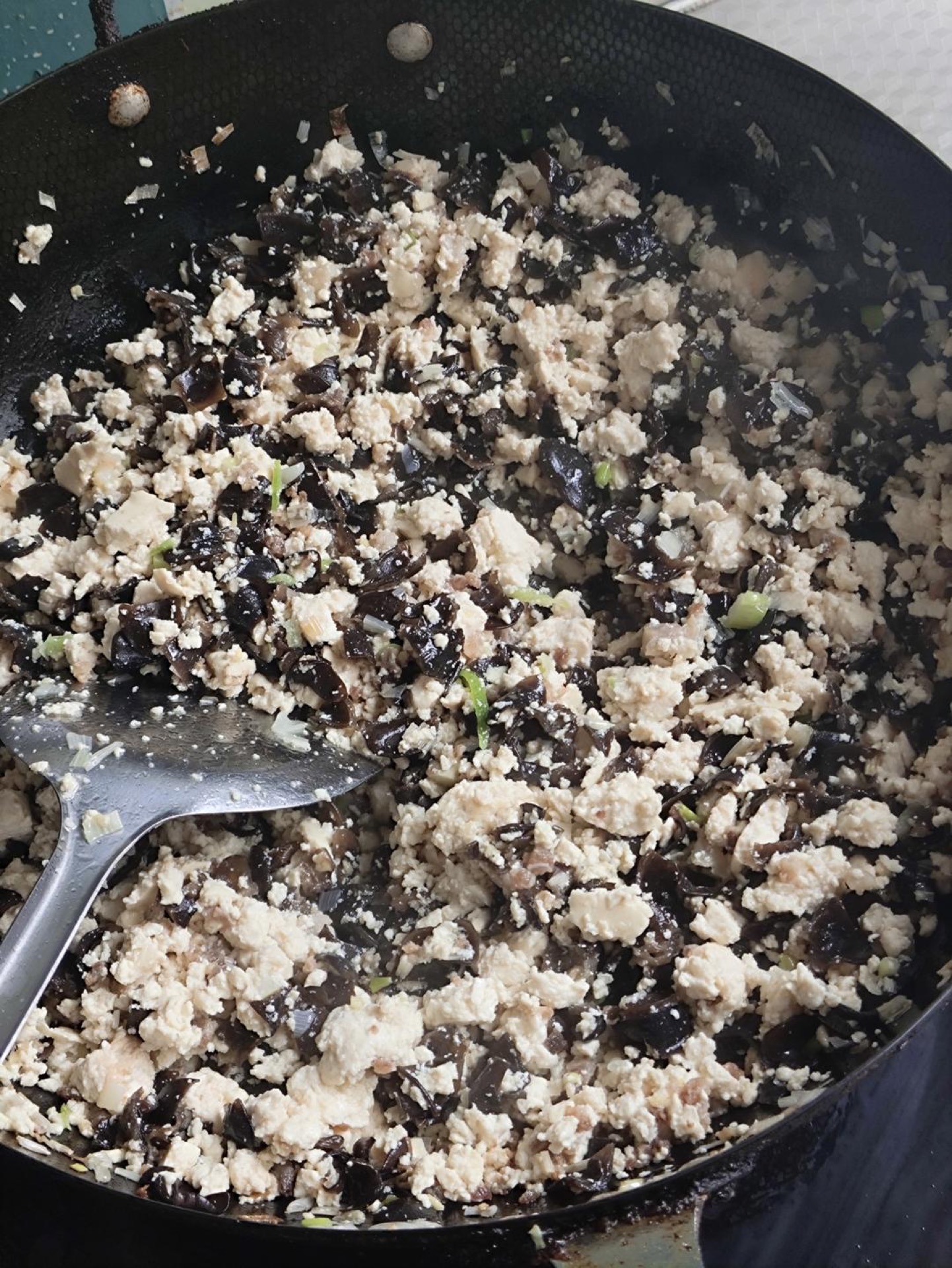
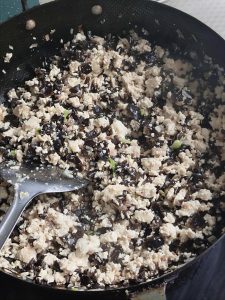
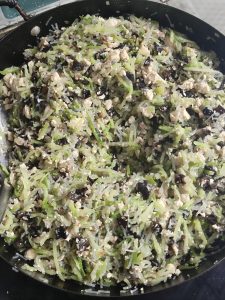
Heat a wok, add the pork belly, and render the fat. Add peanut oil, then sauté the green onions and ginger until fragrant. Add the crumbled tofu and cook until lightly browned, then stir in the chopped wood ear mushrooms.
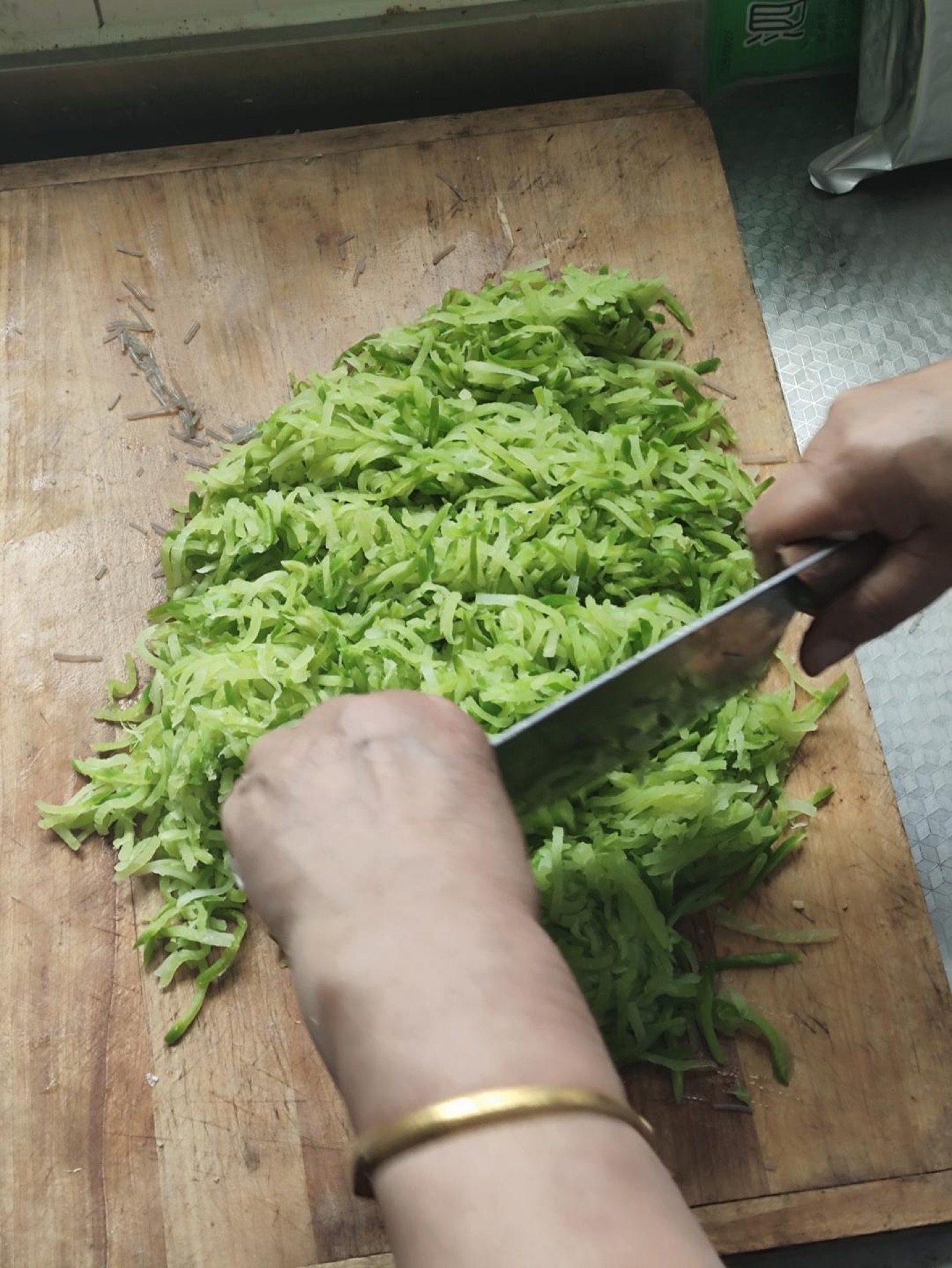
Step 4 — Season and Finish Filling
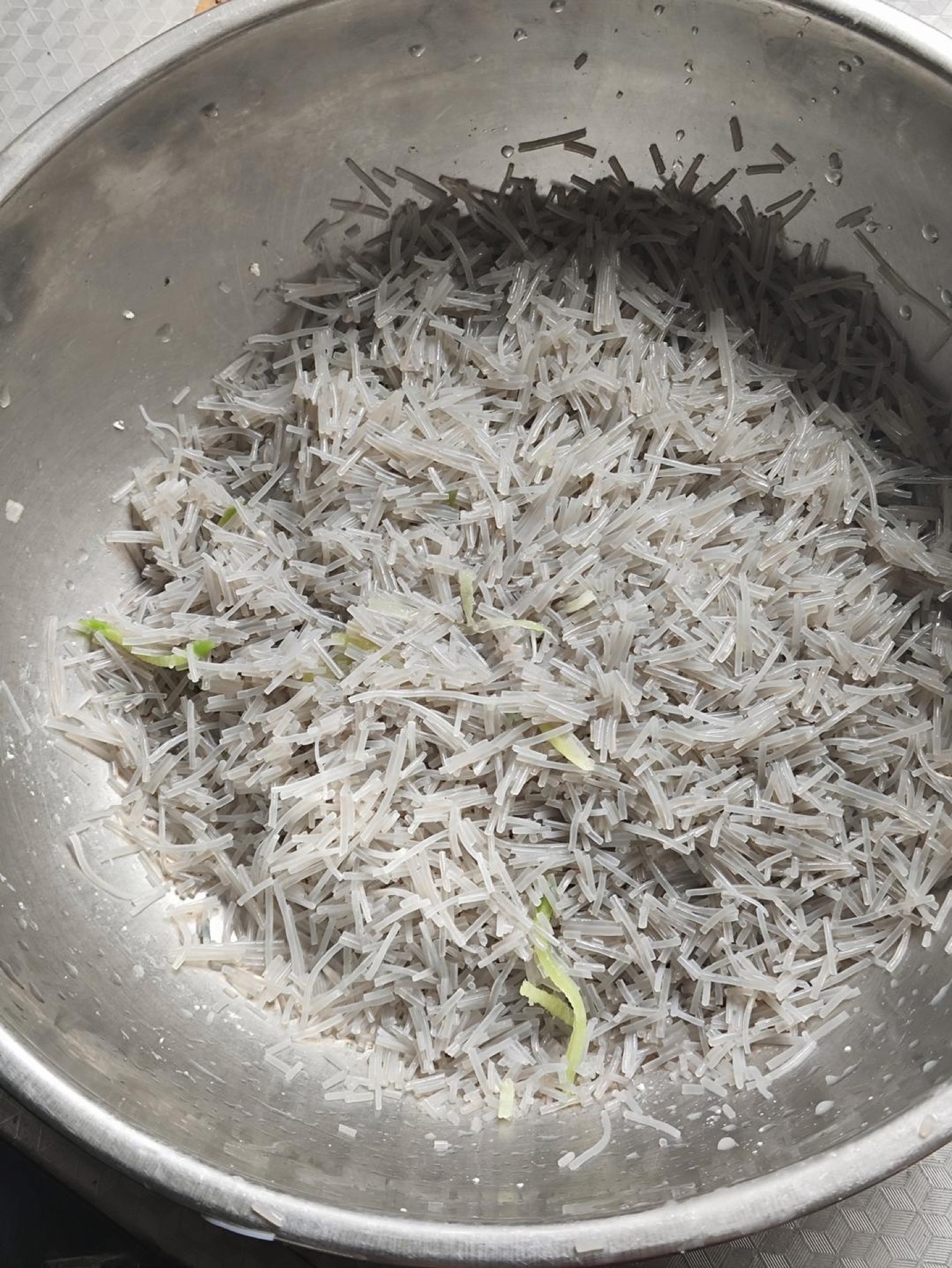
Add the vermicelli and shredded radish. Season with salt, five-spice powder, and soy sauce. Stir-fry until well combined. Taste and adjust seasoning — it should be slightly saltier than a normal stir-fry. Set aside to cool.
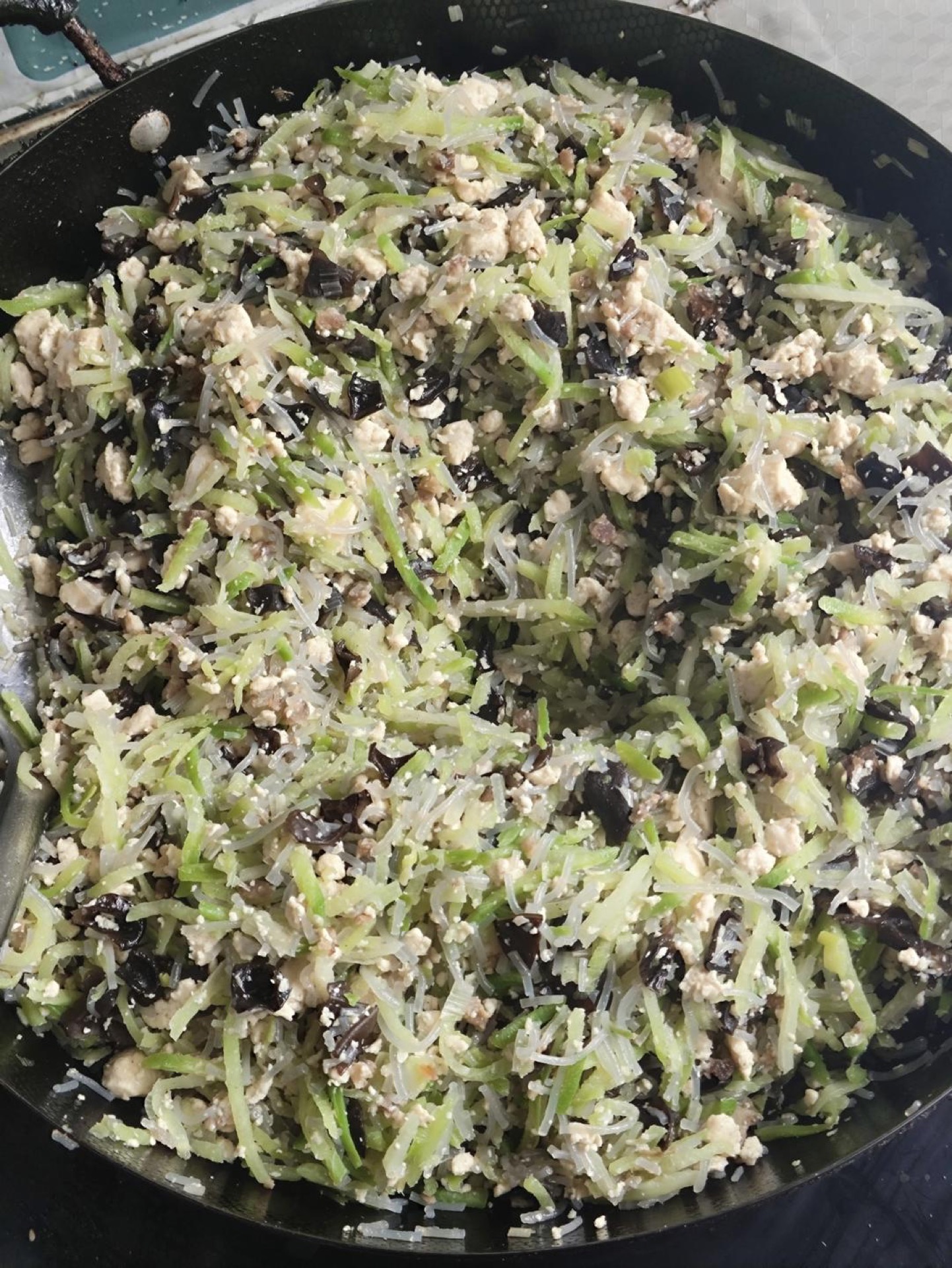
Step 5 — Assemble the Baozi
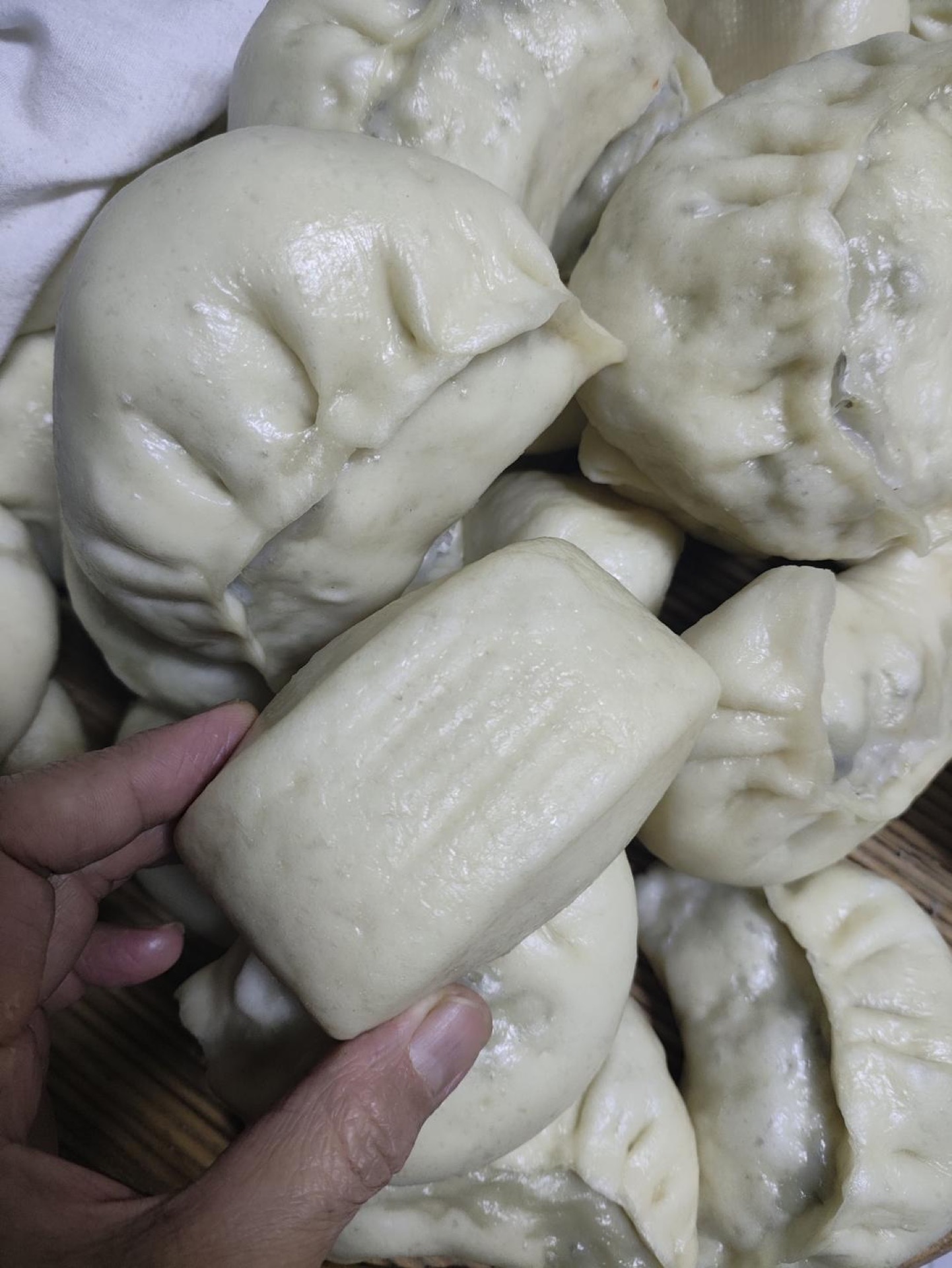
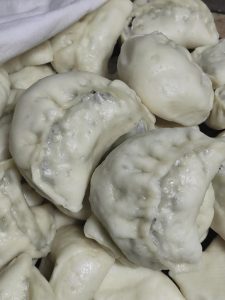
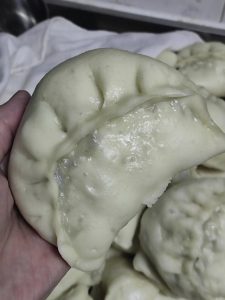
Punch down the risen dough and knead again. Divide into portions, roll each into a circle, and fill with a spoonful of filling. Pleat and seal the edges to form the buns.
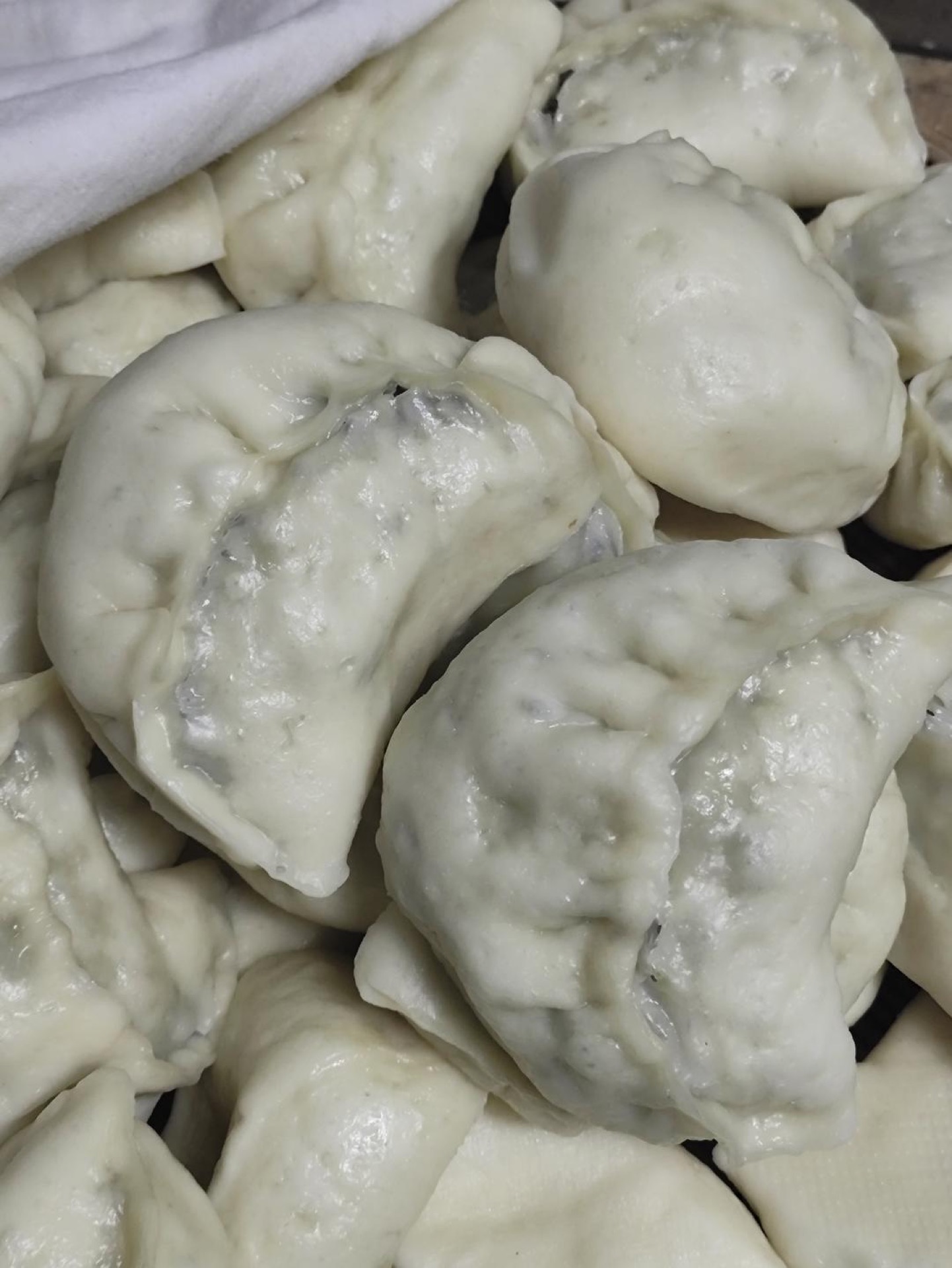
Step 6 — Steam the Baozi
Place the buns in a steamer lined with parchment. Steam over cold water, bringing to a boil over high heat, then steam for 15 minutes. Turn off the heat and let rest for 3-5 minutes before opening the lid.
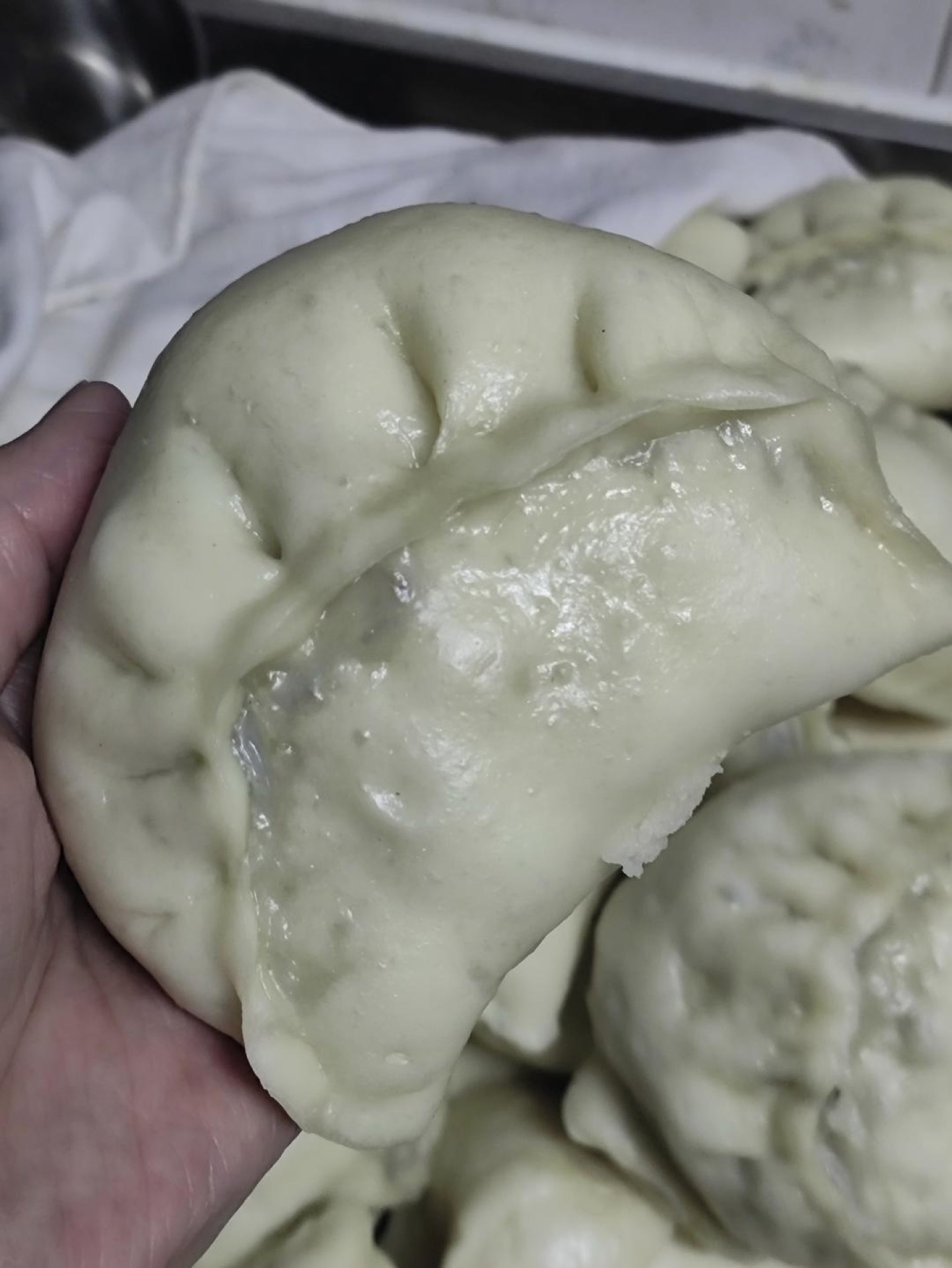
Step 7 — Make Extra Mantou
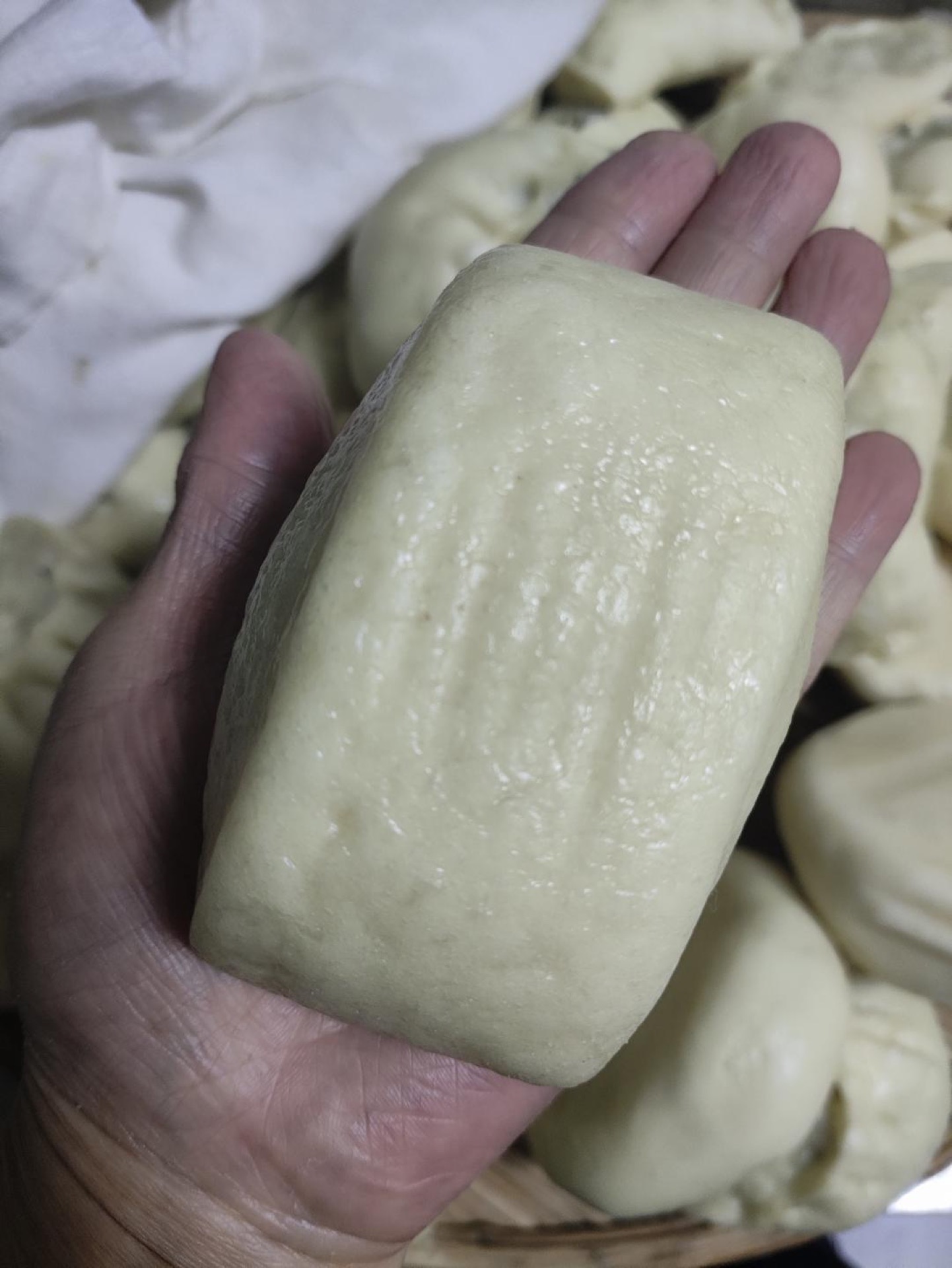
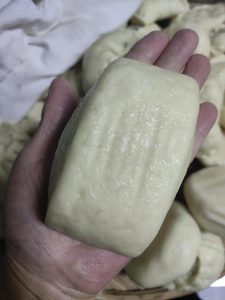
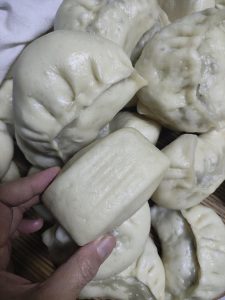
Any leftover dough can be shaped into small plain steamed buns (mantou) and steamed the same way.
Step 8 — Prepare the Dough (Alternative)
For a softer dough, mix 600g flour, 350-400g cold water, 5g salt, and 20g oil. Knead into a soft, slightly sticky dough. Coat with oil, cover, and rest for 1 hour before using.
Common Mistakes When Making 萝卜豆腐木耳粉条包子
Even though this recipe is straightforward, there are a few common pitfalls to avoid. Here are the most frequent mistakes and how to fix them.
- Not squeezing enough water out of the radish: If the shredded radish retains too much water, the filling will be soggy and the buns will tear. Fix: After blanching, let the radish cool slightly, then squeeze it in small handfuls until no more water drips out. You can also press it in a colander with a weighted plate for 10 minutes.
- Under-proofing the dough: If the dough doesn’t rise enough, the buns will be dense and tough. Fix: Make sure your yeast is fresh and your water is warm (not hot). Let the dough rise in a warm, draft-free place until it’s truly doubled in size — this can take 1.5 to 2 hours depending on the temperature.
- Overcooking the filling: The filling is cooked before it goes into the buns, so it doesn’t need to be fully cooked again during steaming. If you overcook it on the stove, it can become mushy. Fix: Stir-fry the filling just until the ingredients are well combined and heated through. Taste and adjust seasoning, then remove from heat.
- Not letting the buns rest after steaming: If you open the steamer lid immediately after turning off the heat, the sudden temperature change can cause the buns to deflate. Fix: Turn off the heat and let the buns rest in the steamer for 3-5 minutes before opening the lid. This allows them to set and stay fluffy.
- Rolling the dough too thin: If the dough wrapper is too thin, it can’t support the filling and will tear during steaming. Fix: Roll the dough into circles that are about 1/4-inch thick in the center and slightly thinner at the edges. This provides a sturdy base while still allowing for a good pleat.
Science note: Steaming is a gentle cooking method that relies on moist heat. According to the FDA Food Code, moist heat cooking like steaming is effective at killing bacteria when food reaches a safe internal temperature. For baozi, the internal temperature should reach 165°F (74°C) to ensure the filling is fully cooked.
Variations
One of the best things about this recipe is how adaptable it is. Here are a few variations to try:
- Vegetarian: Omit the pork belly and add an extra tablespoon of peanut oil. You can also add a handful of chopped shiitake mushrooms for extra umami.
- Spicy: Add a teaspoon of chili flakes or a drizzle of chili oil to the filling for a spicy kick.
- Different vegetables: Swap the green radish for shredded cabbage, carrots, or even zucchini. Just be sure to salt and squeeze out excess water from whatever vegetable you use.
- Whole wheat dough: For a healthier twist, substitute half of the all-purpose flour with whole wheat flour. Check out this whole wheat steamed buns recipe for tips on working with whole wheat dough.
- Pumpkin dough: For a fun, colorful variation, try making the dough with pumpkin puree. This pumpkin steamed buns recipe shows you how.
Frequently Asked Questions
Can I make these buns ahead of time? Yes! You can prepare the filling up to 2 days in advance and store it in the refrigerator. You can also assemble the buns and freeze them before steaming. Just place them on a parchment-lined tray, freeze until solid, then transfer to a freezer bag. Steam from frozen, adding a few extra minutes to the cooking time.
Can I use a different type of mushroom? Absolutely. While wood ear mushrooms provide a unique texture, you can substitute shiitake, oyster, or even button mushrooms. Just chop them finely and sauté them with the other ingredients.
How do I prevent the buns from sticking to the steamer? Line your steamer with parchment paper, cabbage leaves, or a thin layer of oil. Parchment paper is the easiest and most reliable option.
My dough didn’t rise. What went wrong? This usually happens if the yeast is expired or if the water was too hot (above 115°F), which kills the yeast. Always check the expiration date on your yeast and use a thermometer to ensure the water is warm, not hot.
Can I steam these in a regular pot? Yes, if you don’t have a steamer basket, you can use a large pot with a steamer rack or even a colander set over a pot of boiling water. Just make sure the buns don’t touch the water.
How to Serve
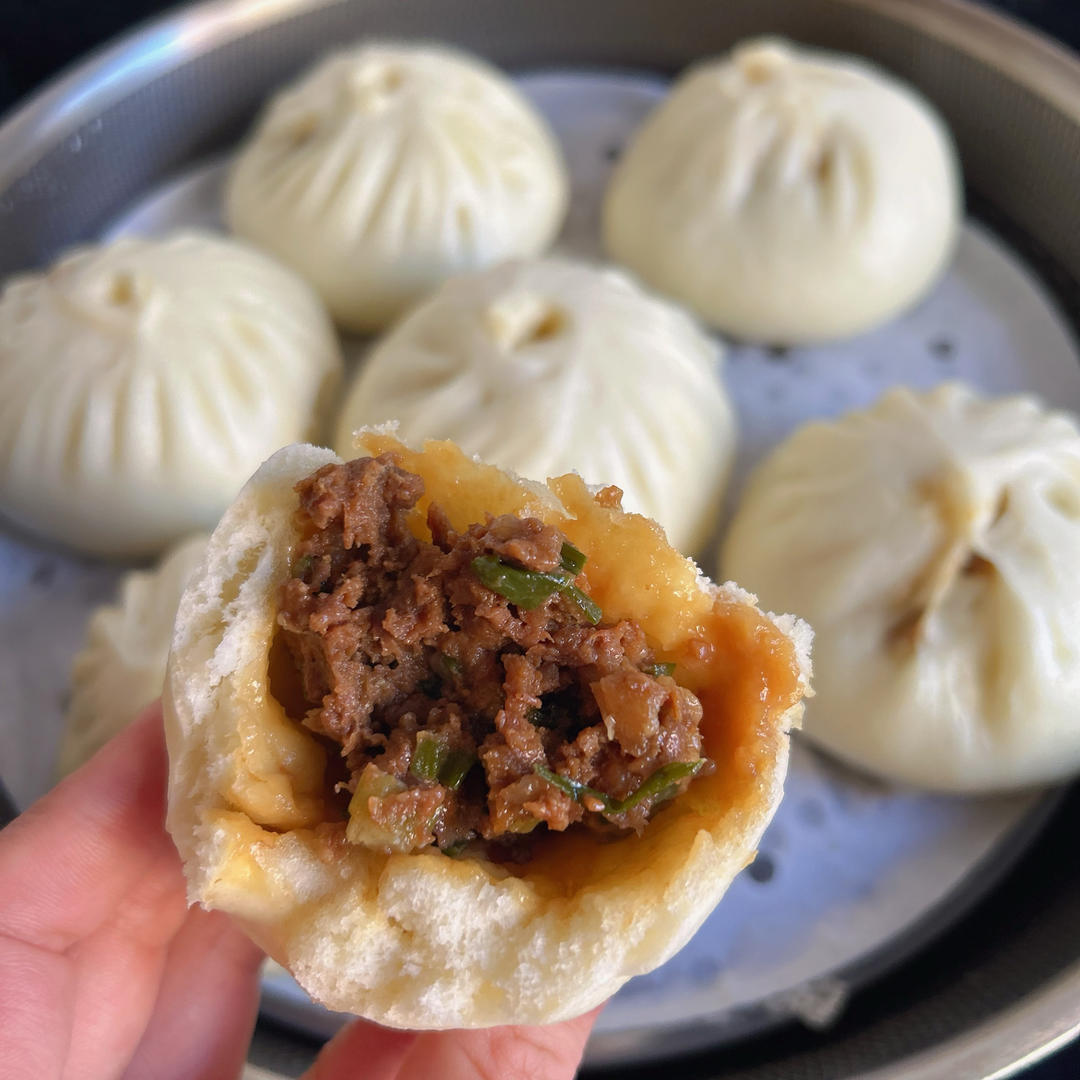
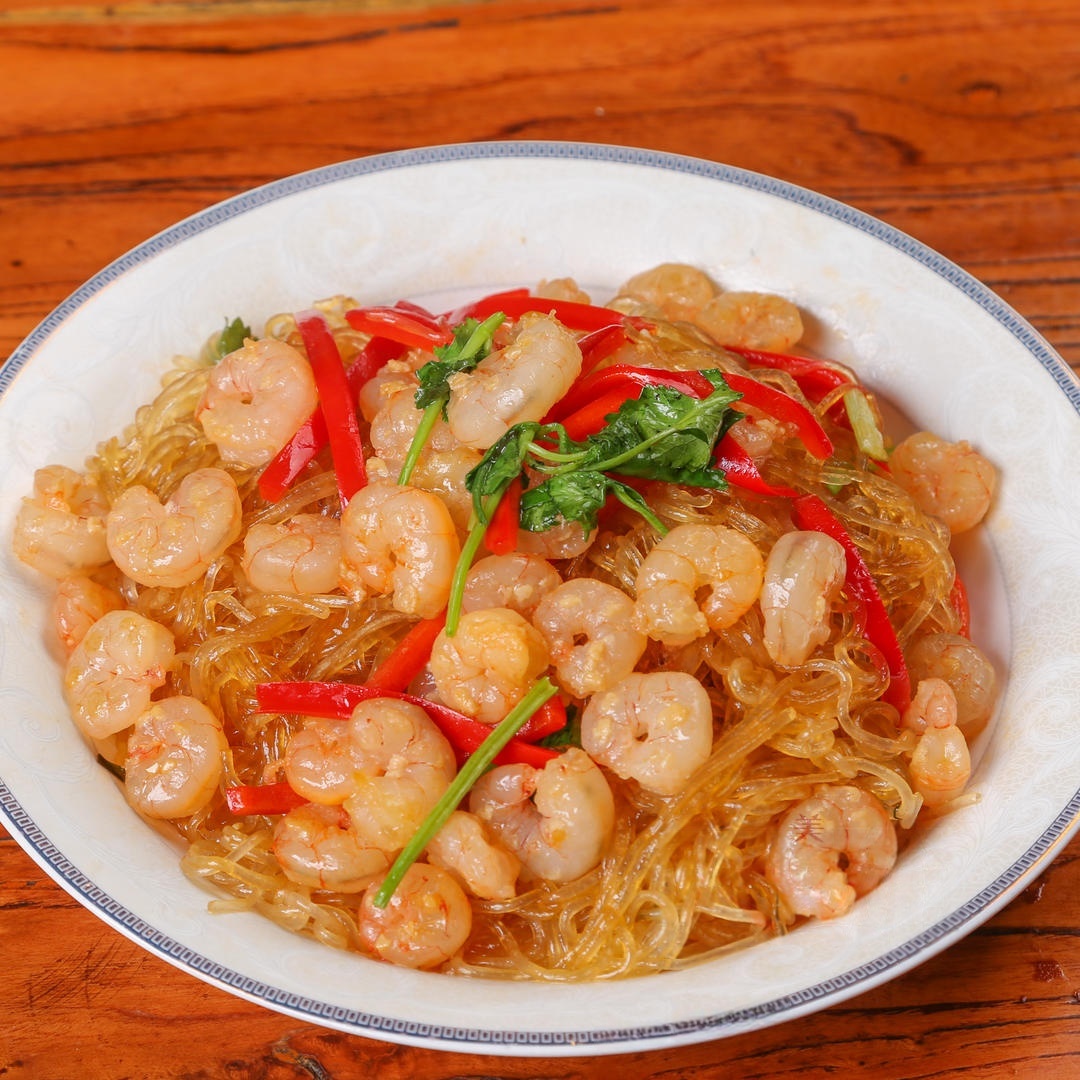
These radish tofu wood ear mushroom vermicelli buns are delicious on their own, but they also pair wonderfully with other dishes. For a complete meal, serve them alongside a bowl of hot soup or a light stir-fry. If you’re a fan of steamed buns, you might also enjoy these steamed BBQ pork buns — they’re a classic for a reason. And for a heartier option, these savory sauce pork buns are packed with flavor. If you’re looking for a noodle dish to round out the meal, this king prawn vermicelli clay pot is a fantastic choice.

Storage & Reheat
Store leftover baozi in an airtight container in the refrigerator for up to 3 days. To reheat, steam them again for 5-7 minutes, or until heated through. You can also microwave them, but they may become slightly chewy. For longer storage, freeze the buns in a freezer bag for up to 2 months. Reheat frozen buns by steaming for 10-12 minutes.
Allergen Notice
This recipe contains soy and wheat. If you have allergies to these ingredients, please adjust the recipe accordingly. For a soy-free version, use coconut aminos instead of soy sauce. For a gluten-free version, you’ll need to use a gluten-free flour blend, but note that the texture will be different.
Nutrition Disclaimer
Nutrition information is calculated using an ingredient database and should be considered an estimate. In cases where multiple ingredient alternatives are given, the first listed is calculated for nutrition. Garnishes and optional ingredients are not included.
About the Author & Recipe Development
Hi, I’m Lin, the creator behind Woks of Love. I grew up in a Chinese household where food was the center of everything. My mom taught me how to make baozi from scratch, and this recipe is inspired by her. I’ve spent years perfecting the dough and filling to make it accessible for home cooks everywhere. I hope you enjoy making these buns as much as I do!
Authoritative References
For more information on food safety and safe cooking temperatures, please refer to the FDA Food Code. Additionally, the USDA provides guidelines on safe food handling and storage.
Radish Tofu Wood Ear Mushroom Vermicelli Buns (萝卜豆腐木耳粉条包子): A Hearty Steamed Baozi

Equipment
- Wok
- Cutting Board
- Slotted Spoon
Ingredients
For the Dough
- 600 g all-purpose flour plus more for dusting
- 1 tbsp active dry yeast about 10g
- 350 ml warm water 105-115°F
- 1 tsp sugar optional, to help activate yeast
For the Filling
- 2 lbs green radish about 2 large, peeled and shredded
- 2 lbs firm tofu crumbled
- 1 cup wood ear mushrooms dried, soaked and chopped
- 8 oz vermicelli soaked and cut into segments
- 8 oz pork belly finely diced (optional)
- 1 tbsp five-spice powder
- 3 tbsp salt adjust to taste
- 2 tbsp light soy sauce
- 1 bunch green onions finely chopped
- 1 inch ginger minced
- 3 tbsp peanut oil or other neutral oil
Instructions
- In a large bowl, combine the flour and yeast. Gradually add warm water and mix until a shaggy dough forms. Knead until smooth, cover, and let rise in a warm place until doubled in size, about 2 hours.

- While the dough rises, soak the wood ear mushrooms and vermicelli in warm water until softened. Shred the radish, blanch it, and squeeze out excess water. Crumble the tofu, dice the pork belly, and chop the aromatics.
- Heat a wok, add the pork belly, and render the fat. Add peanut oil, then sauté the green onions and ginger until fragrant. Add the crumbled tofu and cook until lightly browned, then stir in the chopped wood ear mushrooms.
- Add the vermicelli and shredded radish. Season with salt, five-spice powder, and soy sauce. Stir-fry until well combined. Taste and adjust seasoning — it should be slightly saltier than a normal stir-fry. Set aside to cool.
- Punch down the risen dough and knead again. Divide into portions, roll each into a circle, and fill with a spoonful of filling. Pleat and seal the edges to form the buns.
- Place the buns in a steamer lined with parchment. Steam over cold water, bringing to a boil over high heat, then steam for 15 minutes. Turn off the heat and let rest for 3-5 minutes before opening the lid.
- Any leftover dough can be shaped into small plain steamed buns (mantou) and steamed the same way.
- For a softer dough, mix 600g flour, 350-400g cold water, 5g salt, and 20g oil. Knead into a soft, slightly sticky dough. Coat with oil, cover, and rest for 1 hour before using.












Leave a Reply