There is a particular pleasure in a bowl of pasta you made with your own hands — the dough pressed under your palms, the sheets rolled until you can almost see through them, the noodles slipping into boiling water and coming out glossy and whole. This handmade pasta with tomato meat sauce is exactly that kind of cooking: an Italian technique carried into a Chinese kitchen, where a wok of tangy-sweet tomato and beef sauce waits to be spooned over springy fresh egg noodles.
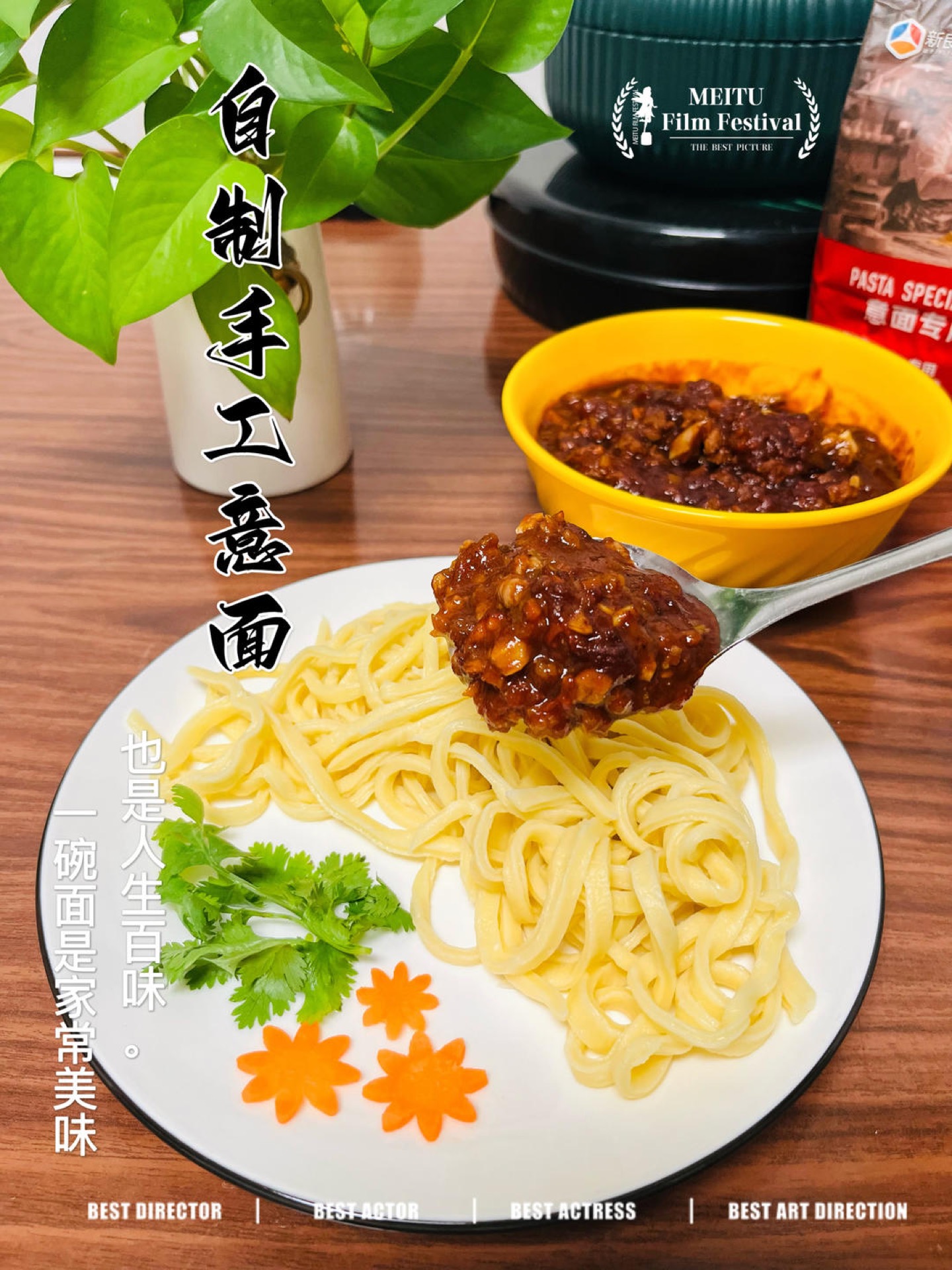
The dish sits at a lovely crossroads. The sauce is unmistakably Chinese in spirit — tomato, onion, carrot, celery, garlic, soy, a knob of butter for roundness — the same fanqie roujiang that home cooks ladle over noodles all over northern China. The pasta is unmistakably Italian in method: flour, egg, salt, nothing else. Put them together and you get something better than either tradition alone: noodles with real bite, sauce with real depth, and a plate that disappears before it cools.
What makes this version worth cooking is the flour. An Italian-style pasta flour — a finely milled, high-protein blend sold for exactly this purpose — gives the dough enough strength to roll thin without tearing and enough elasticity to survive a rolling boil intact. If you have ever watched homemade noodles dissolve into a pot of cloudy water, this is the fix.
What Is Handmade Pasta with Tomato Meat Sauce?
Handmade pasta with tomato meat sauce — 番茄肉酱意面, fanqie roujiang yimian — is fresh egg pasta rolled and cut by hand, then tossed with a slow-simmered tomato and ground meat sauce. In Italy the sauce would be a ragù; in China the sauce is fanqie roujiang, a homestyle tomato-meat topping found everywhere from school canteens to family dinner tables, usually spooned over wheat noodles rather than pasta.
The version here borrows the Italian noodle and the Chinese sauce. The pasta is a simple 2-ingredient dough (flour plus egg, with a pinch of salt) that rests twice before rolling. The sauce is built in a wok: beef browned in oil, aromatics and vegetables softened in, then seasoned with soy sauce, oyster sauce, ketchup, sugar, and a small piece of butter that melts in at the end and gives the whole thing a glossy, rounded finish.
Why does the sauce taste so much richer than its ingredient list suggests? Two reasons. First, the tomato, onion, carrot, and celery cook down into a natural sweetness that balances the soy and ketchup. Second, the butter added at the end emulsifies with the tomato acids and meat fats, thickening the sauce so it clings to the noodles instead of pooling at the bottom of the plate — the same principle behind finishing a pan sauce with cold butter in French cooking.
If you already love this style of sauce over noodles, you will recognize the family immediately. This savory tomato meat sauce pasta is the closest cousin, using the same flavor logic with a slightly different build.
1Savory Tomato Meat Sauce Pasta (Fan Qie Rou Jiang Mian)A 30-minute Chinese-style comfort meal featuring a savory-sweet tomato and meat gravy over tender pasta.Check out this recipe

Another branch of the same tree is chinese toon noodles with meat sauce, where the sauce meets the faintly herbal, spring-only flavor of toon shoots for a very different but equally satisfying bowl.
2Authentic Chinese Toon Noodles with Meat SauceDiscover the ultimate taste of spring with these savory Chinese Toon Noodles with Meat Sauce. A quick 15-minute recipe featuring fresh fragrant toon leaves, minced pork, and chewy noodles.Check out this recipe
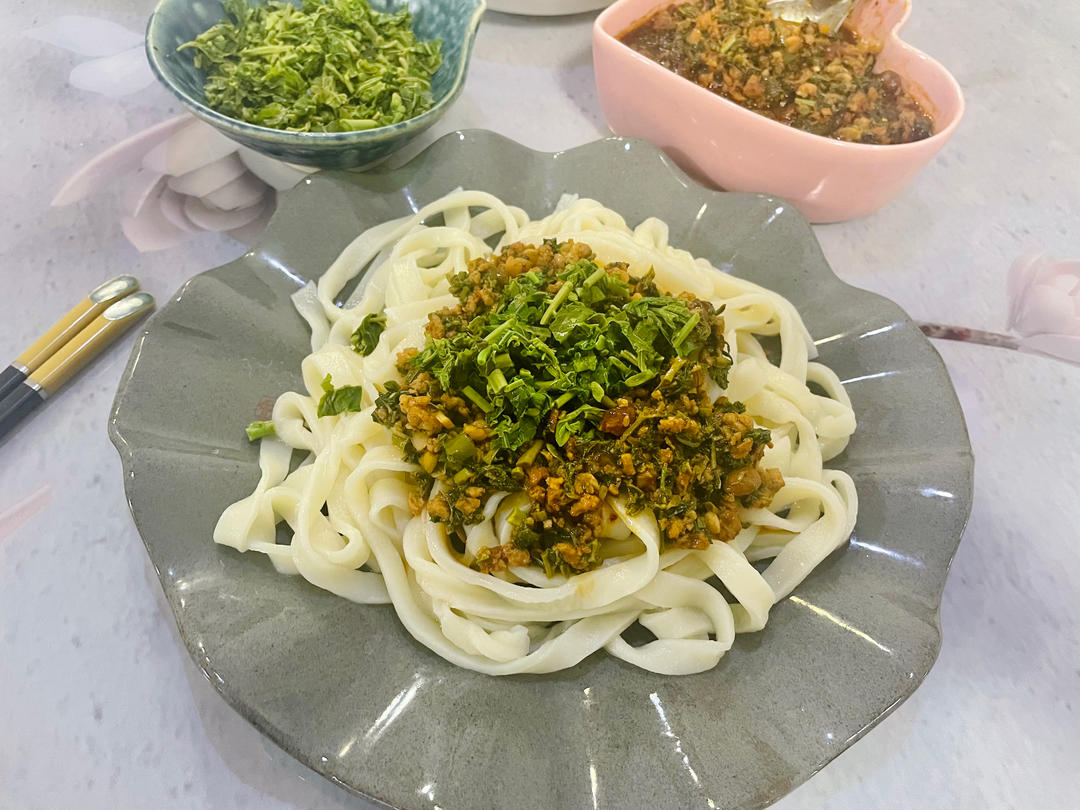
And if you like the idea of a deeply savory meat sauce tossed through noodles, zha jiang mian takes the concept in a fermented-bean direction that is worth trying next.
3Easy Zha Jiang Mian (Fried Sauce Noodles)A quick, homestyle version of the classic Chinese Zha Jiang Mian. This recipe features a savory pork meat sauce enriched with soybean paste, sweet bean paste, and a secret touch of tomato for balance. Perfect for a weeknight dinner.Check out this recipe
Why This Recipe Works
Three things carry this dish, and none of them are complicated.
The flour does the heavy lifting. Italian-style pasta flour is milled fine and blended for high protein, which means the gluten network develops quickly and holds. That is why the dough can be rolled thin enough to see light through and still survive being cut, lifted, and boiled without shredding. All-purpose flour will work in a pinch, but the noodles will be softer and more fragile.
The double rest builds silkiness. Resting the dough for 30 minutes, kneading it smooth, then resting it again for 2 hours lets the gluten relax completely and the flour fully hydrate. A relaxed dough rolls without fighting back and gives noodles their characteristic chew rather than a chalky snap.
The sauce thickens itself. There is no cornstarch slurry here. The sauce reaches a clinging consistency because the finely diced carrot and celery break down into the tomato, and because the butter at the end emulsifies everything into a glossy, coating texture. That is what makes it stick to fresh pasta instead of sliding off.
Equipment Needed
You do not need a pasta machine for this recipe — though if you have one, the rolling step goes faster.
- A wok or wide skillet. A wok is ideal for the sauce: the sloped sides let you stir-fry the beef without steaming it, then simmer the sauce down evenly.
- A large mixing bowl for the dough, plus a clean kitchen towel or plastic wrap to cover it during the two rests.
- A rolling pin. A long, heavy one is much easier on thin sheets than a short, light one.
- A cutting board or clean countertop with plenty of room — you will be rolling a sheet wider than you expect.
- A sharp knife or pastry wheel for cutting the noodles.
- A slotted spoon for lifting the fresh noodles out of the boiling water without breaking them.
- A large pot of boiling water for cooking the pasta, and a bowl or plate for serving.
Ingredients
Everything here is supermarket-friendly. The one item worth seeking out is the pasta flour — it is the difference between noodles that hold together and noodles that do not.
For the pasta: Italian-style pasta flour, salt, and two eggs. That is the whole dough.
For the sauce: neutral oil, ground beef (or pork), one tomato, half an onion, half a carrot, a couple of celery stalks, garlic, black pepper, mushroom seasoning, sugar, salt, light soy sauce, dark soy sauce, ketchup, oyster sauce, and a small piece of butter.
A note on quantities: this makes enough sauce for four generous servings of pasta, with a little left over. It freezes beautifully, so making a double batch is rarely a mistake.
Ingredient Notes
Italian-style pasta flour. Look for a finely milled, high-protein flour sold specifically for pasta — sometimes labeled “tipo 00” style or “pasta flour.” It hydrates differently from bread flour and gives a smoother, more extensible sheet. If you truly cannot find it, bread flour is a better substitute than all-purpose.
Ground beef. An 80/20 lean-to-fat ratio gives the best flavor. Leaner beef works but the sauce will taste flatter; add an extra half tablespoon of oil if you go lean. Ground pork is a fine swap and is closer to what many Chinese home cooks use.
Tomato. One ripe medium tomato is enough, but if tomatoes are out of season, use a good canned tomato and drain it lightly. The ketchup in the seasoning adds back the sweetness and acidity that a pale winter tomato lacks.
Mushroom seasoning. This umami-forward seasoning powder is common in Chinese kitchens and does the job of a bouillon cube without the heavy salt. Chicken bouillon or a pinch of MSG both work.
Butter. Do not skip it. It is the single ingredient that turns a thin, watery tomato-meat mixture into a sauce that coats a spoon. Add it at the very end, off a hard boil, and stir until it disappears.
Dark soy sauce. Used for color, not salt. Half a teaspoon is enough to give the sauce that deep, appetizing red-brown without making it taste of soy.
Prep & Mise en Place
This dish moves fast once the sauce hits the wok, so set yourself up before you start.
First, the dough. Whisk the flour and salt together in a wide bowl, make a well, and add the eggs. Mix with a fork until shaggy, then bring it together with your hands and knead until you have a firm, slightly stiff dough — firmer than a bread dough, closer to a dumpling dough. Wrap it tightly and let it rest 30 minutes.
Then knead and rest again. After the first rest the dough will have softened noticeably. Knead it for a minute or two until it feels smooth and elastic, then wrap it tightly again and rest it for 2 hours. Cover it properly — an exposed surface will dry into a skin that cracks when you roll.
Meanwhile, prep the sauce. Mince the meat. Dice the tomato, onion, carrot, and celery as finely as you can — this is not a chunky sauce, and small, even pieces break down into a thick, cohesive texture. Mince the garlic. Line up your soy sauce, dark soy, oyster sauce, ketchup, salt, sugar, and mushroom seasoning so you can add them in one motion.
Set up your rolling station. Clear a wide countertop, dust it lightly with pasta flour, and have more flour within reach. Have a pot of water heating so it boils the moment your noodles are cut.
Cooking Process
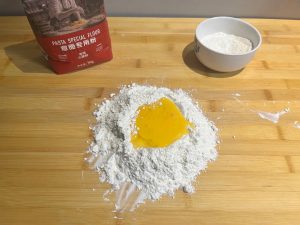
Step 1 — Mix Flour and Eggs
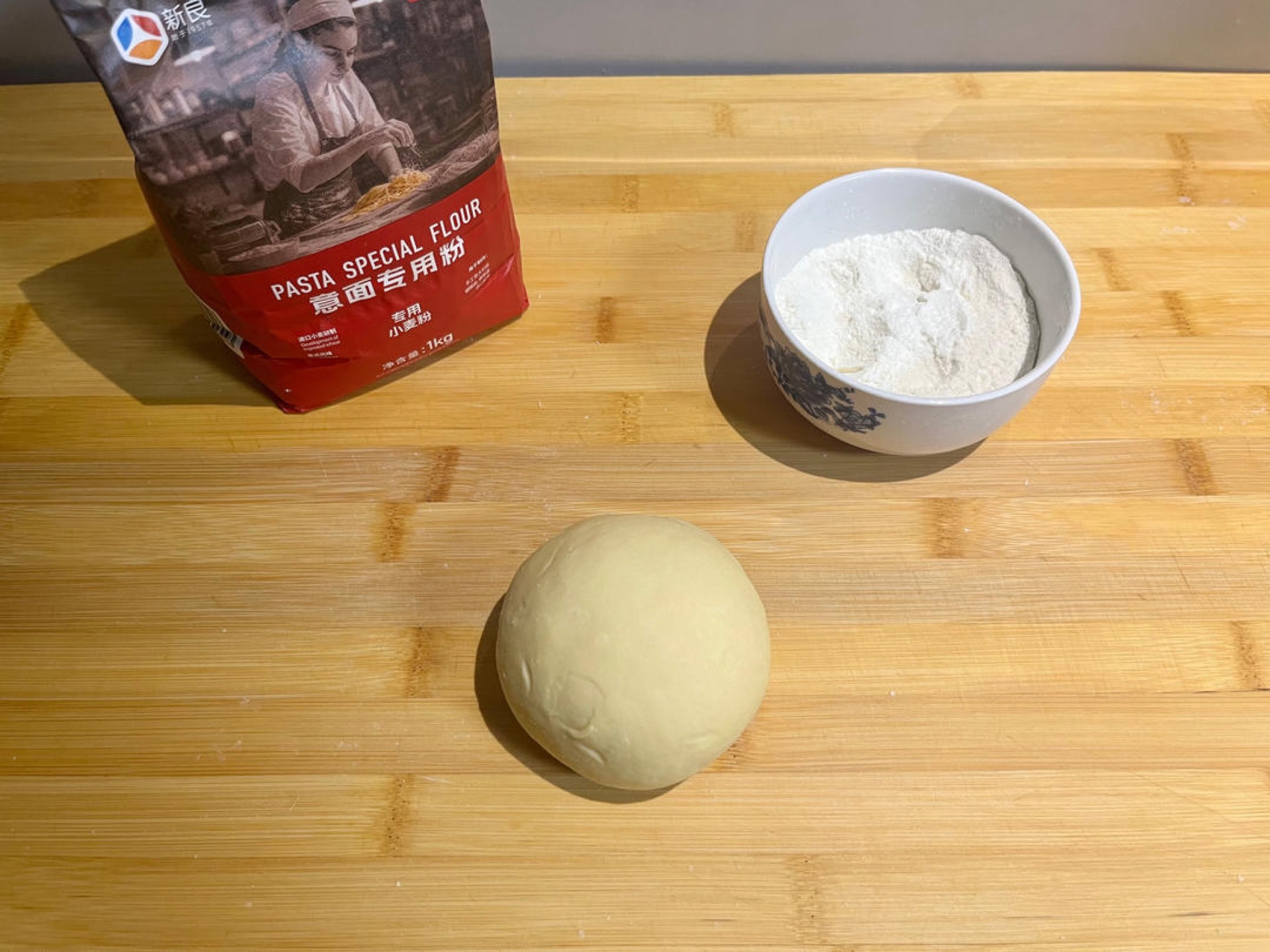
Mix the Italian-style pasta flour with the salt until evenly combined, then crack in the eggs.
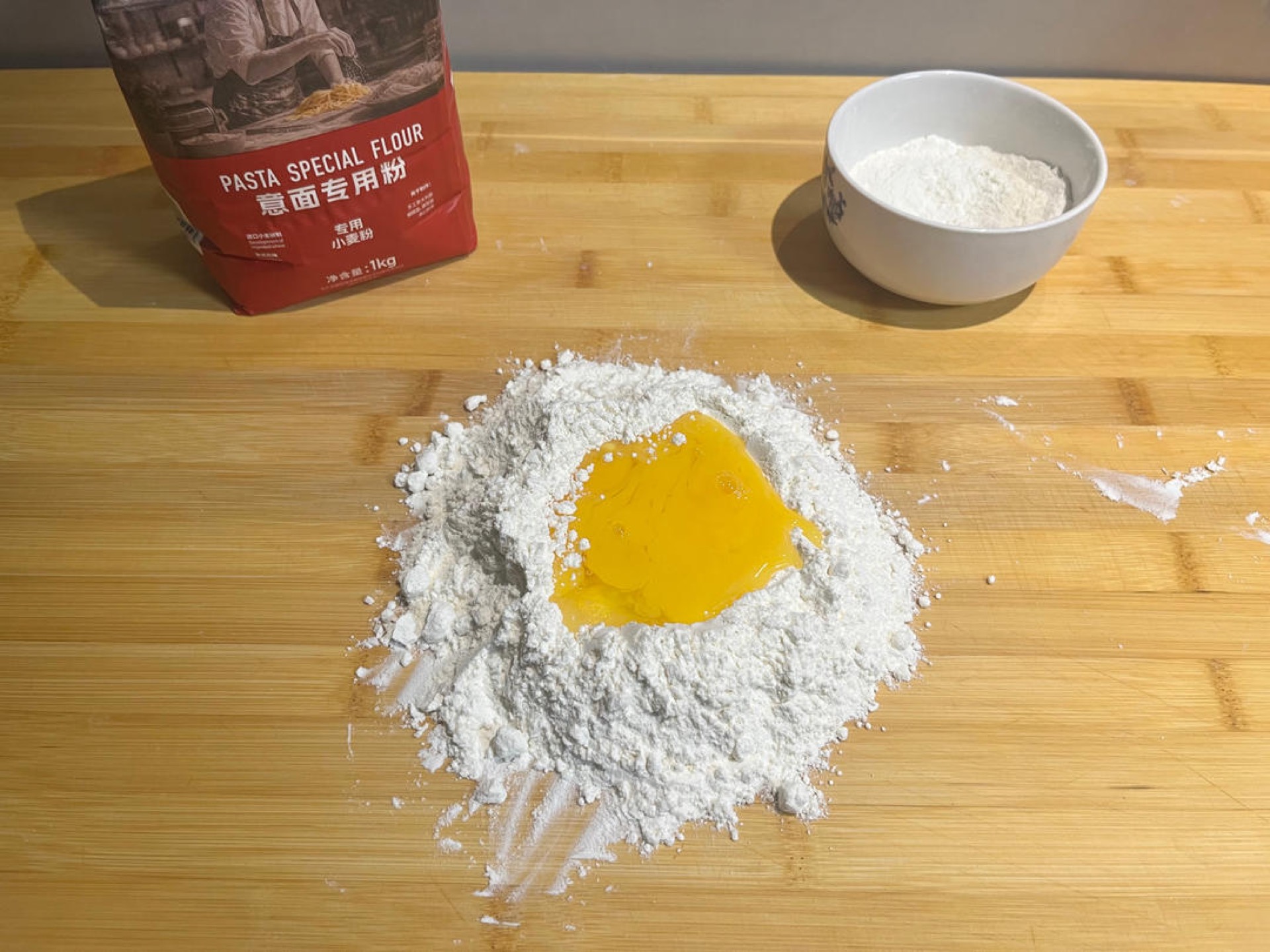
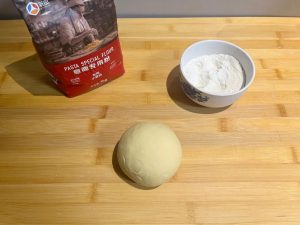
Step 2 — Knead and Rest Twice
Knead into a firm, slightly stiff dough, then rest it sealed for 30 minutes; knead again until smooth and rest it sealed for another 2 hours — always cover it well so the surface does not dry and crack.
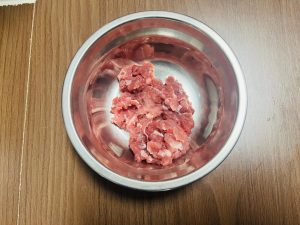
Step 3 — Mince the Meat
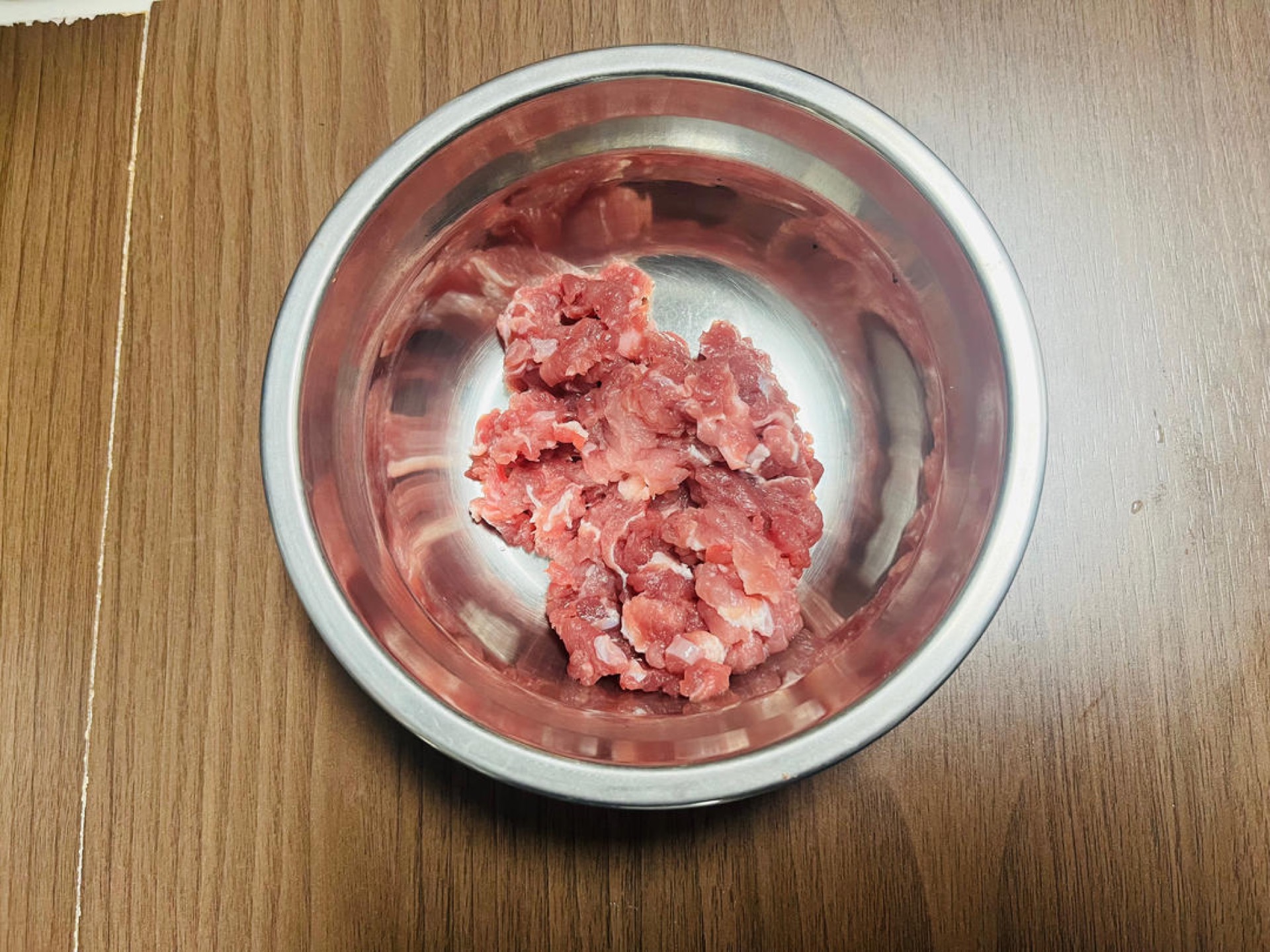
While the dough rests, make the sauce: mince the meat.
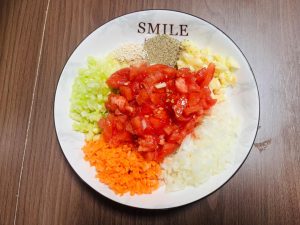
Step 4 — Chop the Vegetables
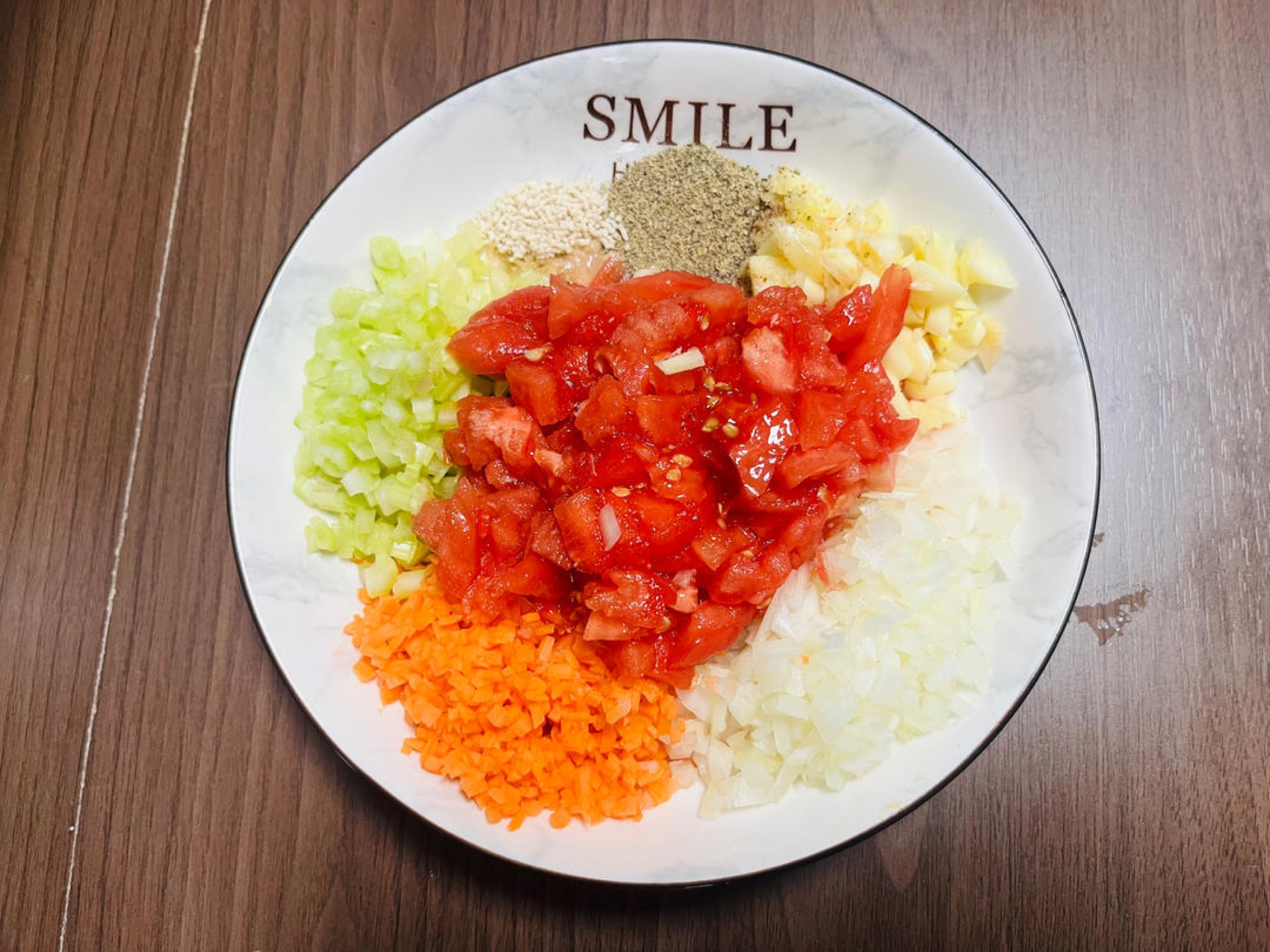
Finely chop the tomato, onion, carrot, celery, and garlic.
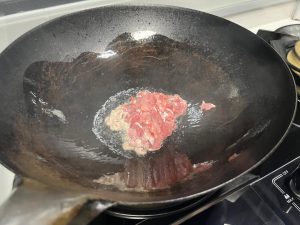
Step 5 — Brown the Beef
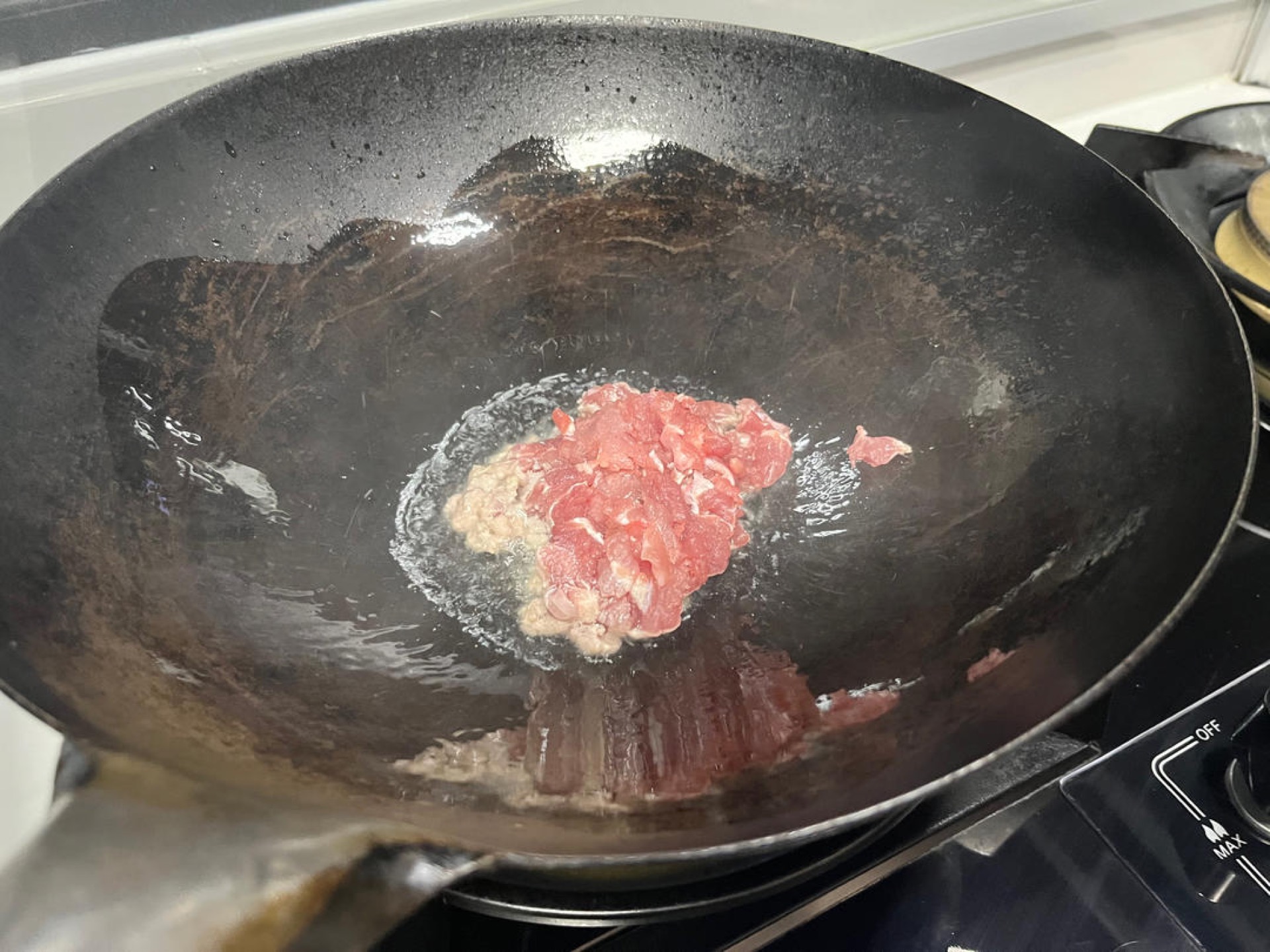
Heat oil in the wok and add the ground beef.
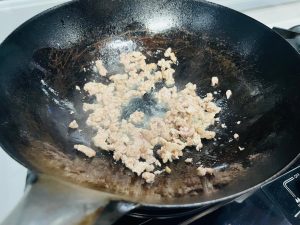
Step 6 — Cook Until It Changes Color
Stir-fry until the meat changes color.
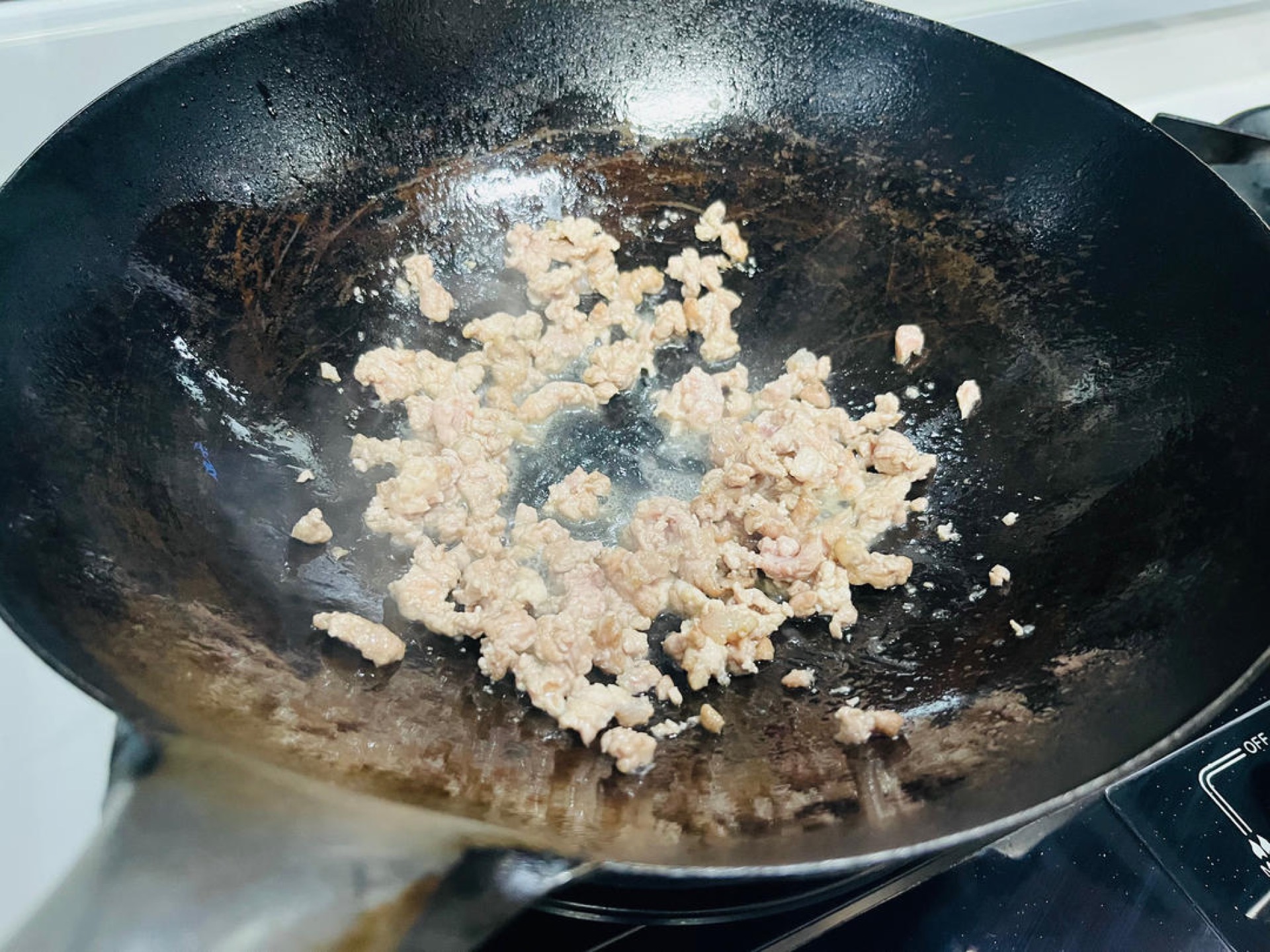
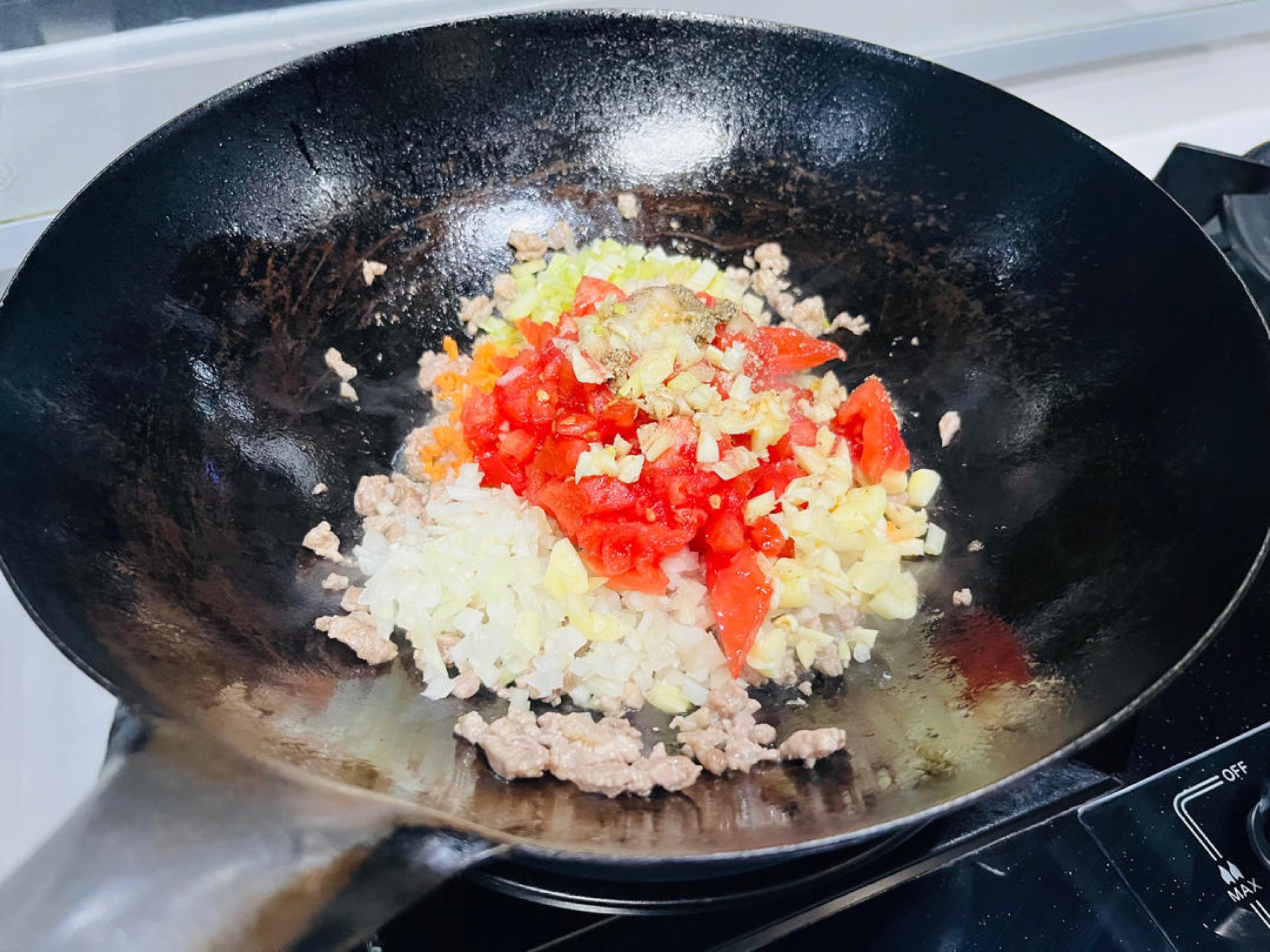
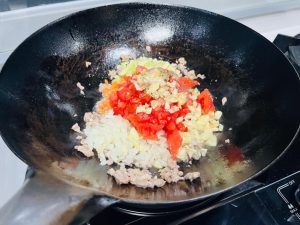
Step 7 — Add the Vegetables
Add the prepared vegetables.
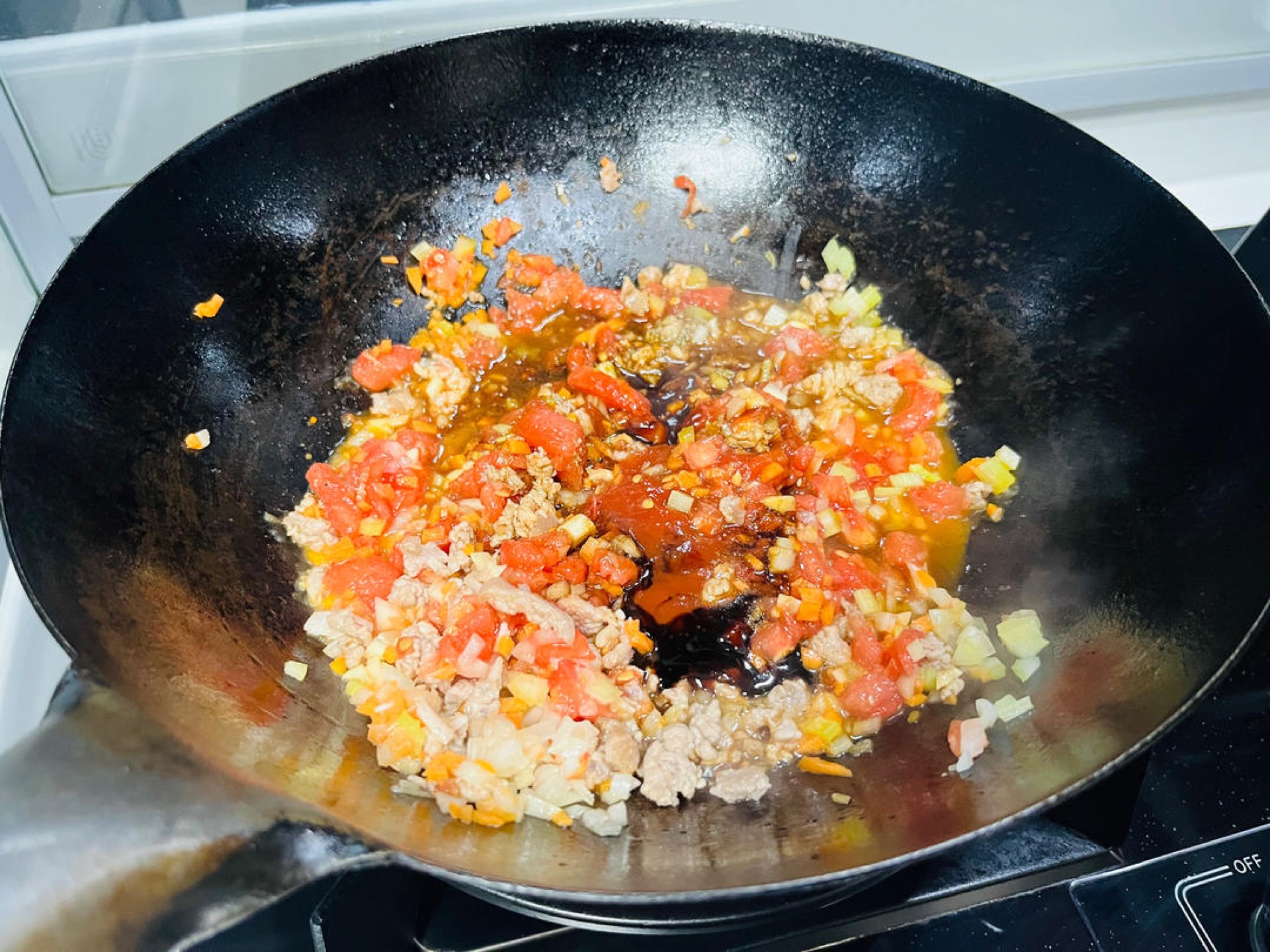
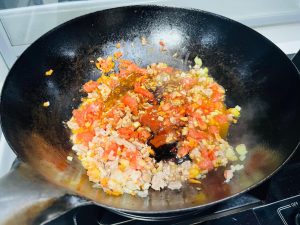
Step 8 — Season the Sauce
Add the light soy sauce, dark soy sauce, oyster sauce, ketchup, salt, and sugar to season.
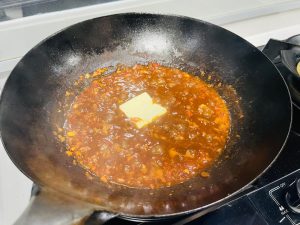
Step 9 — Melt in the Butter
Finally drop in the small piece of butter.
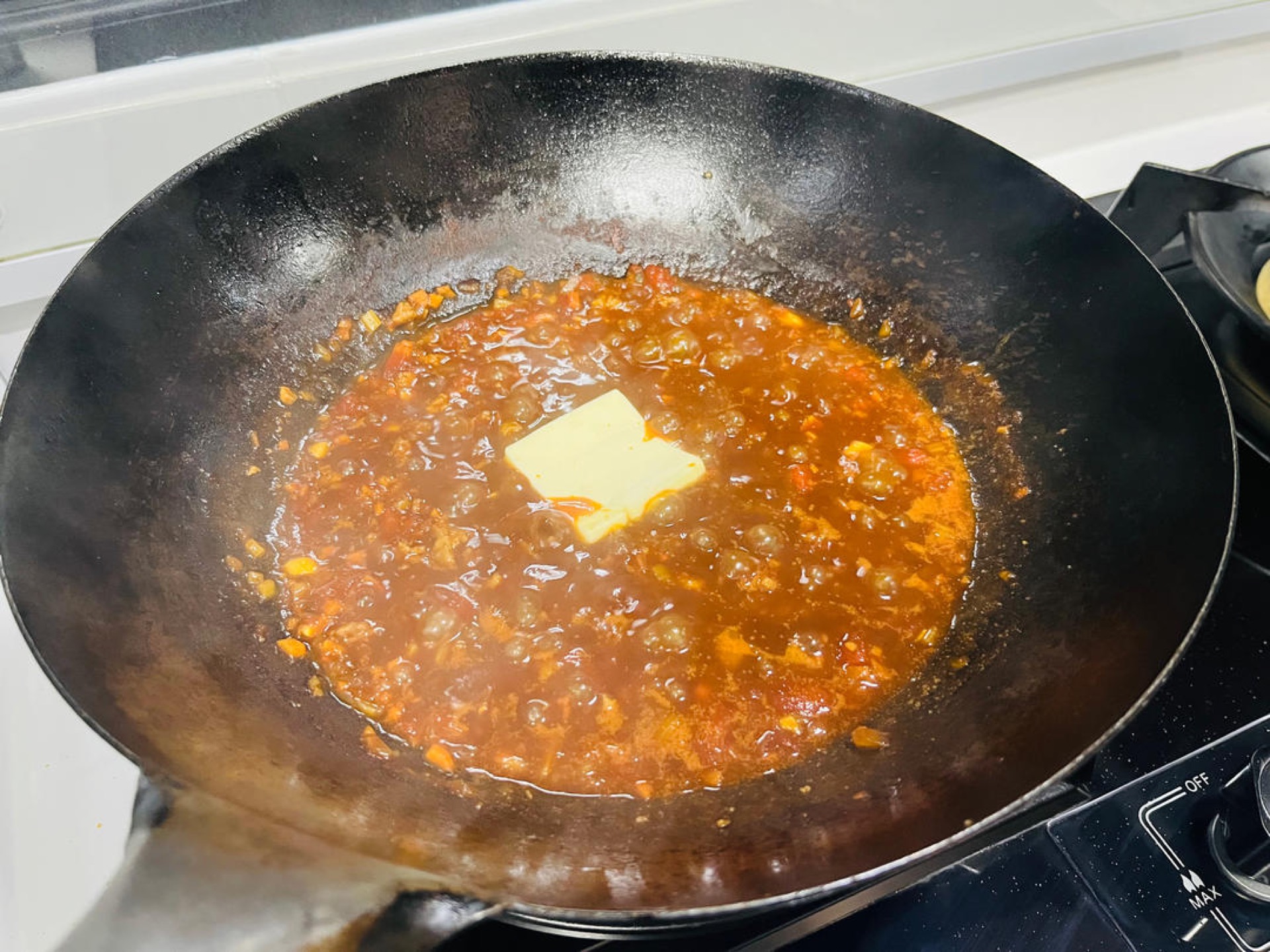
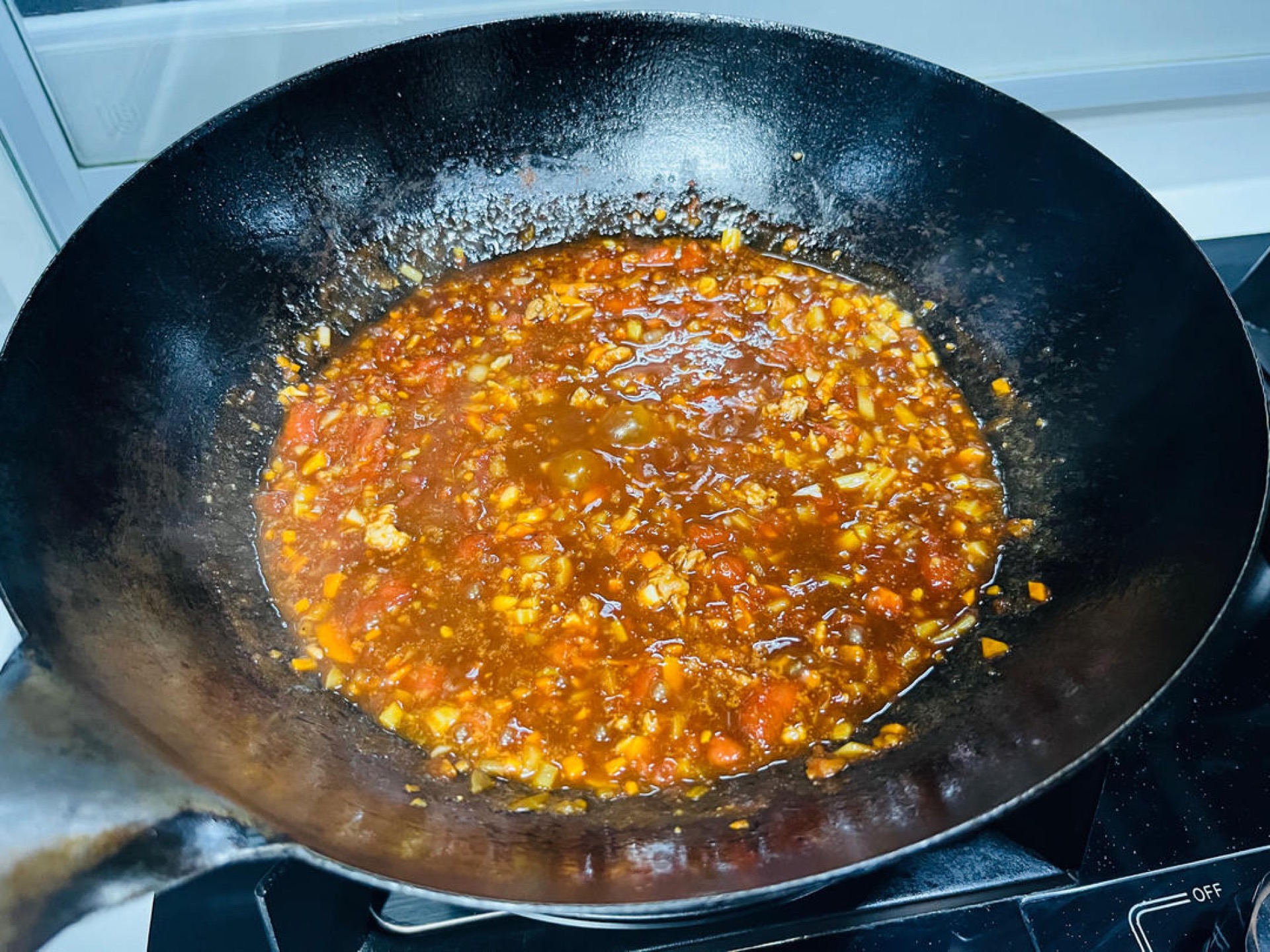
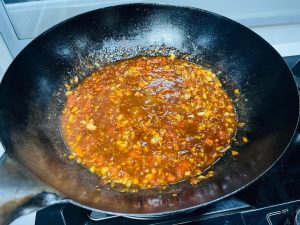
Step 10 — Simmer Until Thick
Simmer over low heat until the sauce is thick and clings to the side of the wok.
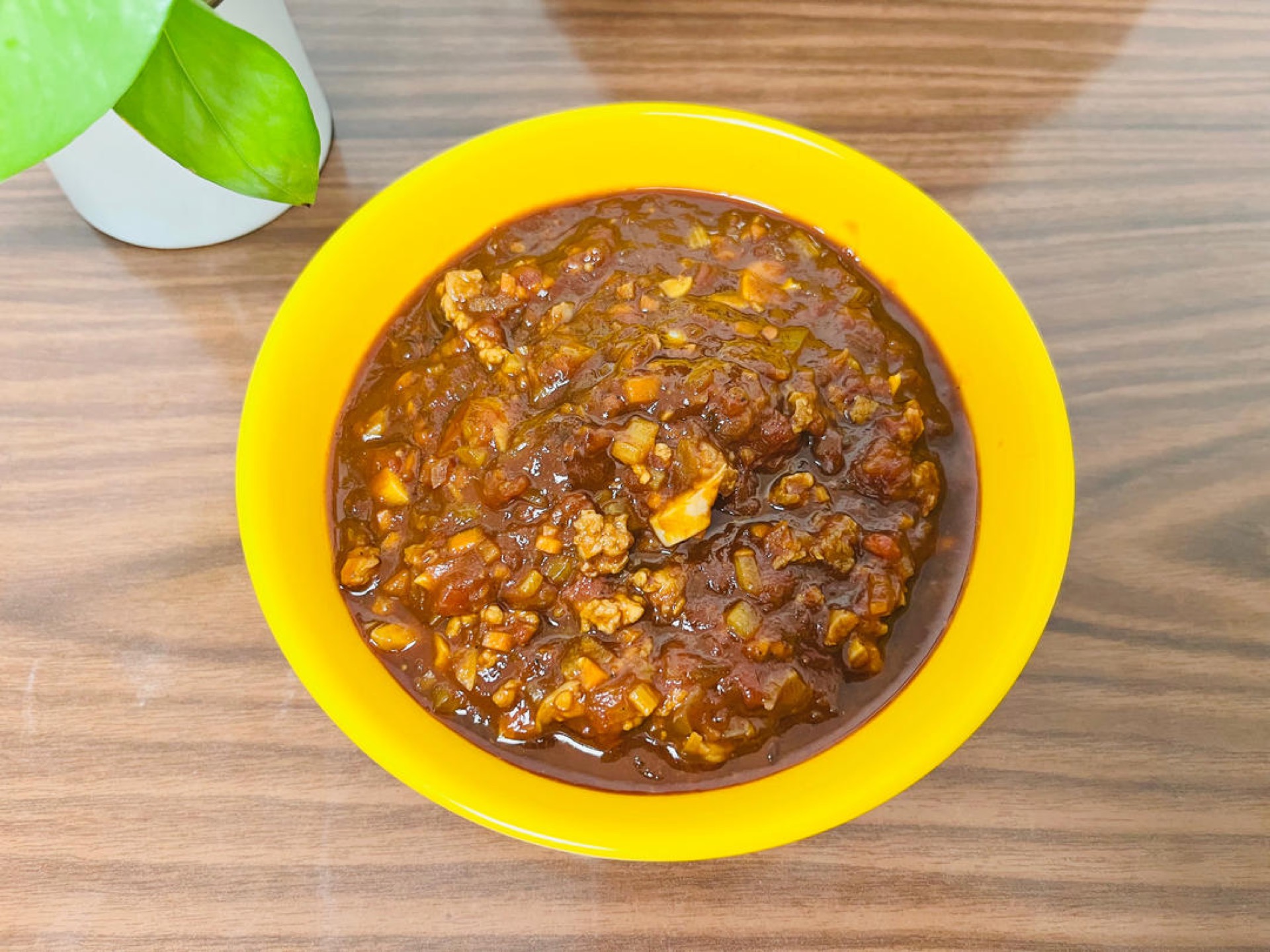
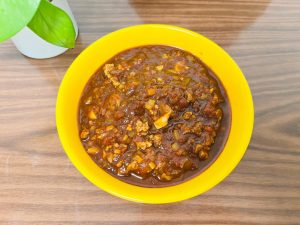
Step 11 — Transfer to a Bowl
Scoop the sauce into a bowl.
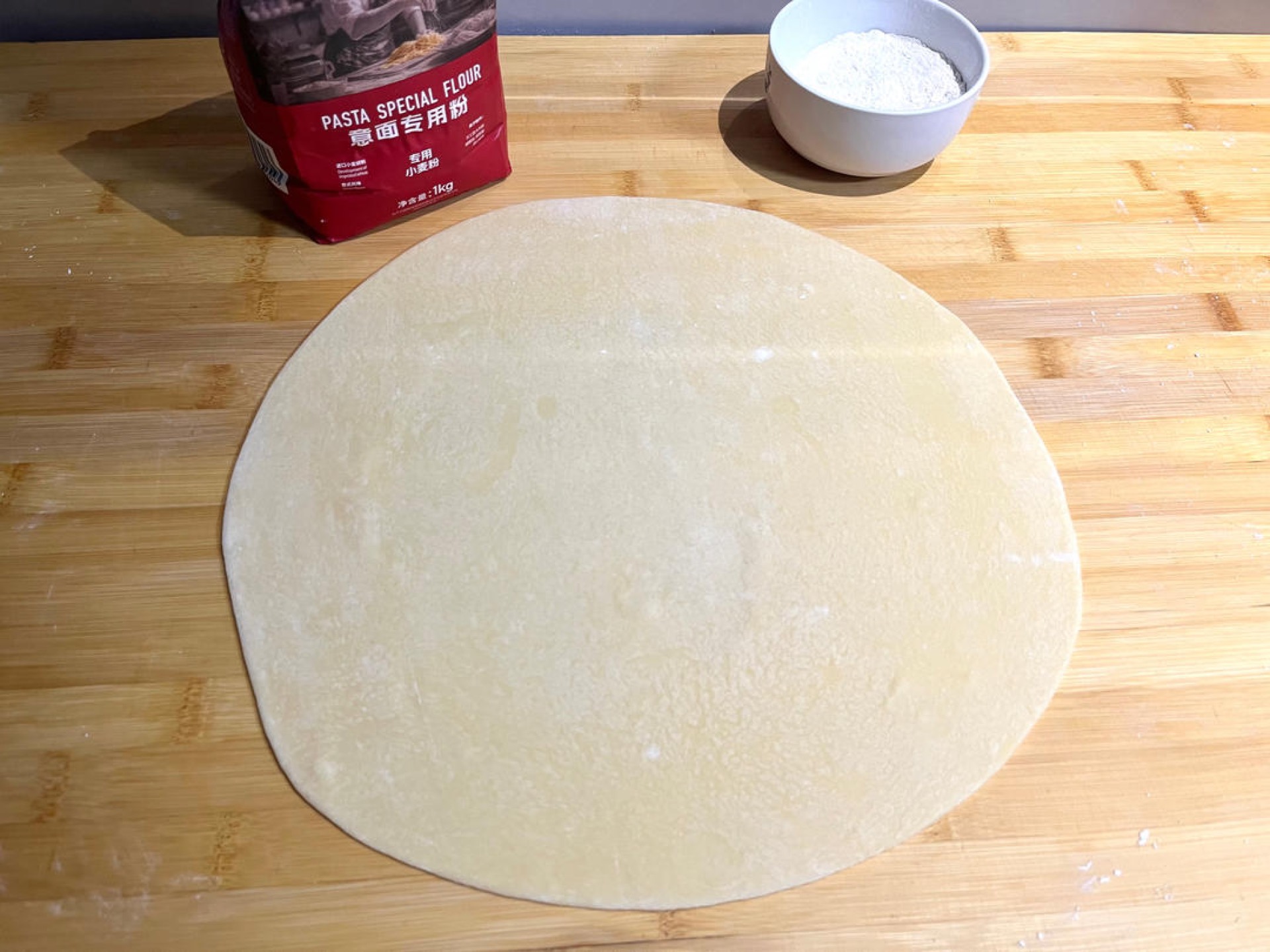
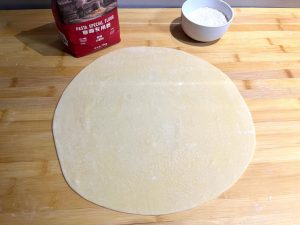
Step 12 — Roll the Dough Thin
Dust the rested dough with a little pasta flour and roll it into a thin sheet.
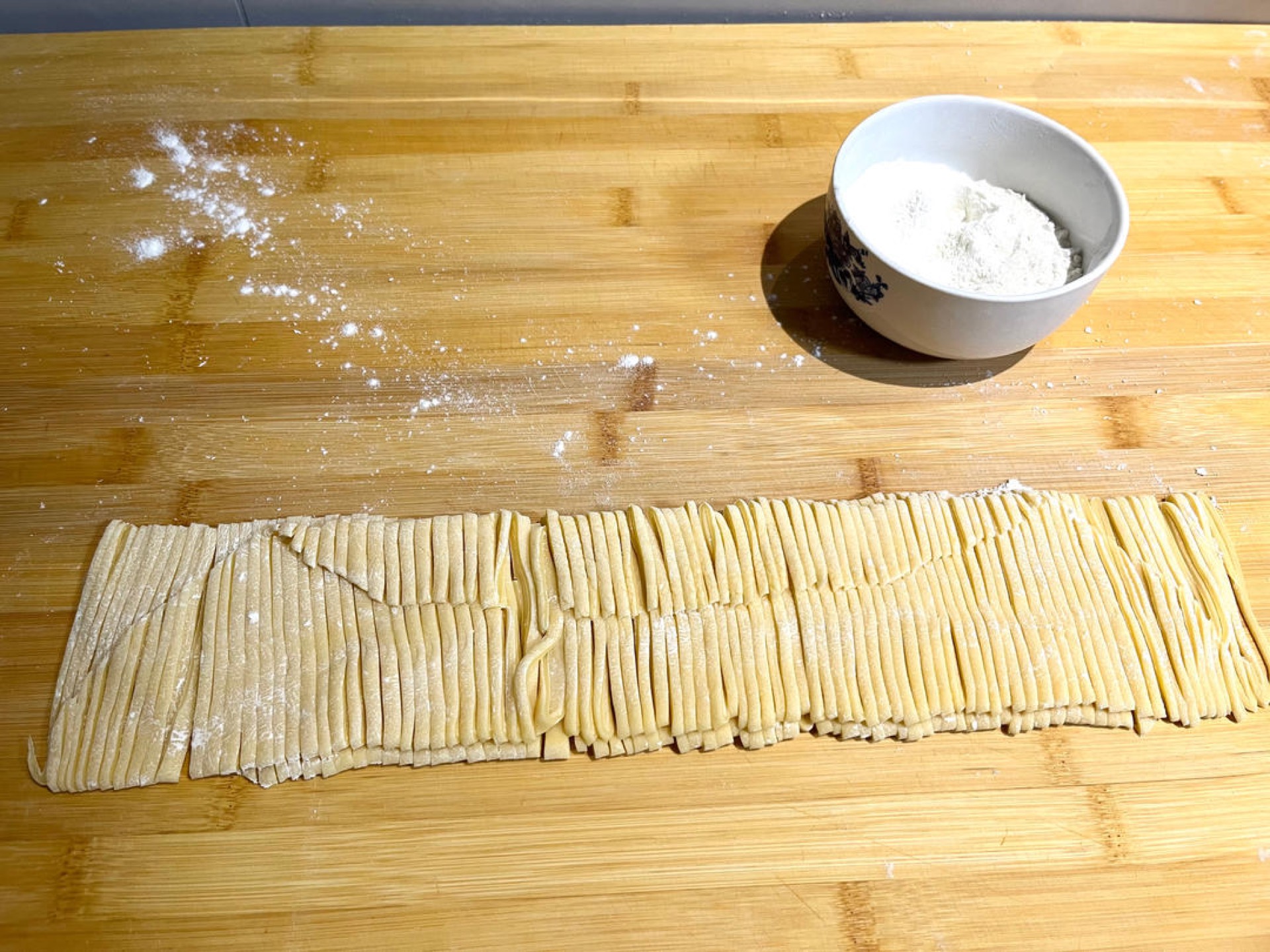
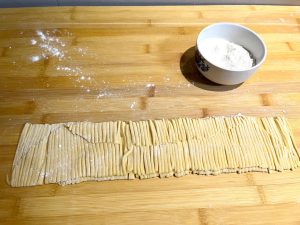
Step 13 — Cut into Noodles
Cut the sheet into pasta noodles.
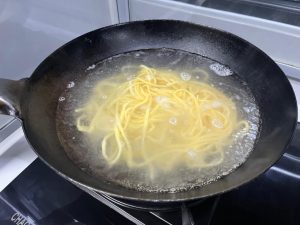
Step 14 — Boil the Noodles
Once the water boils, add the noodles.
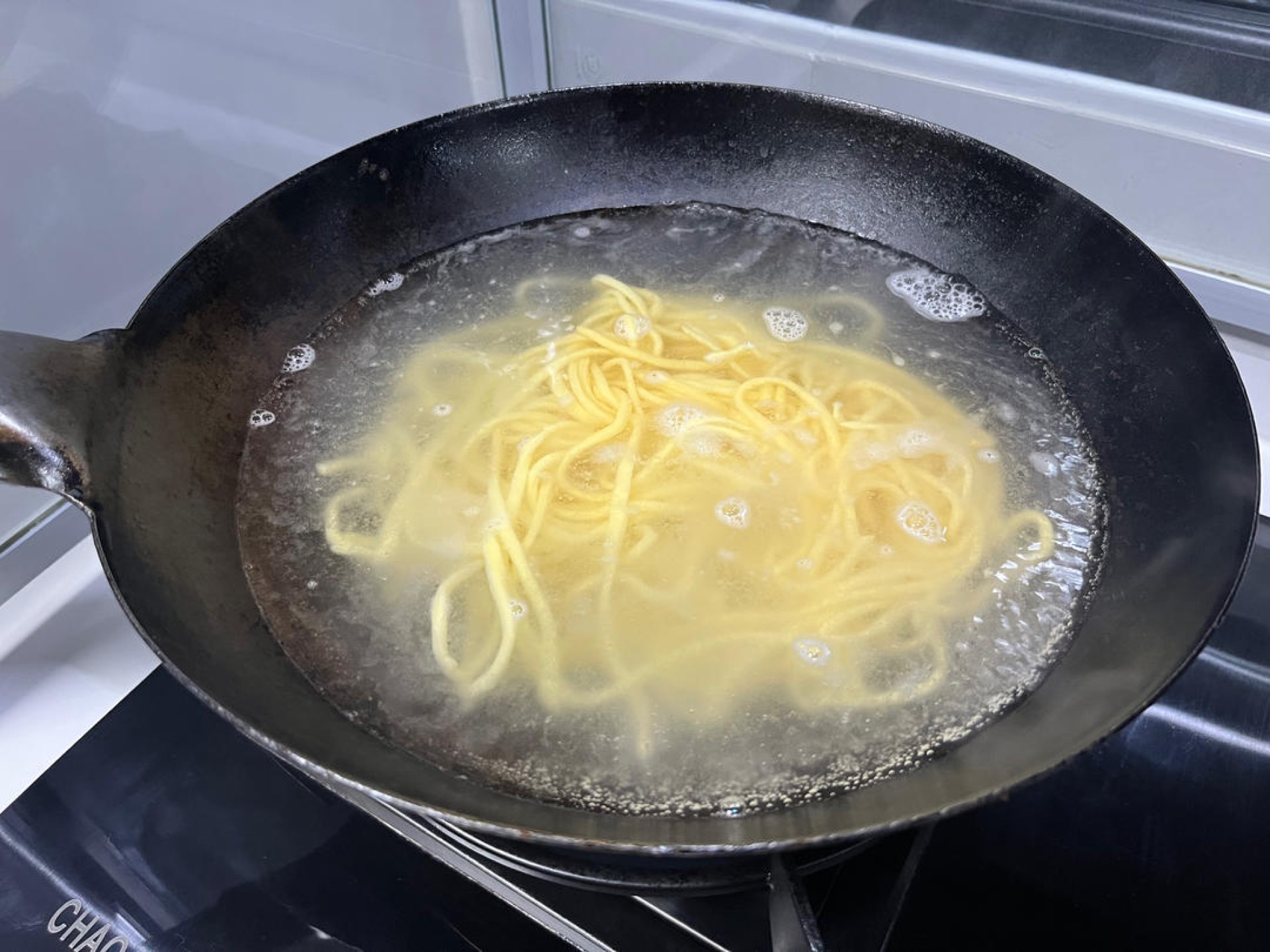
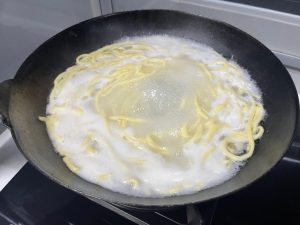
Step 15 — Cook Four Minutes
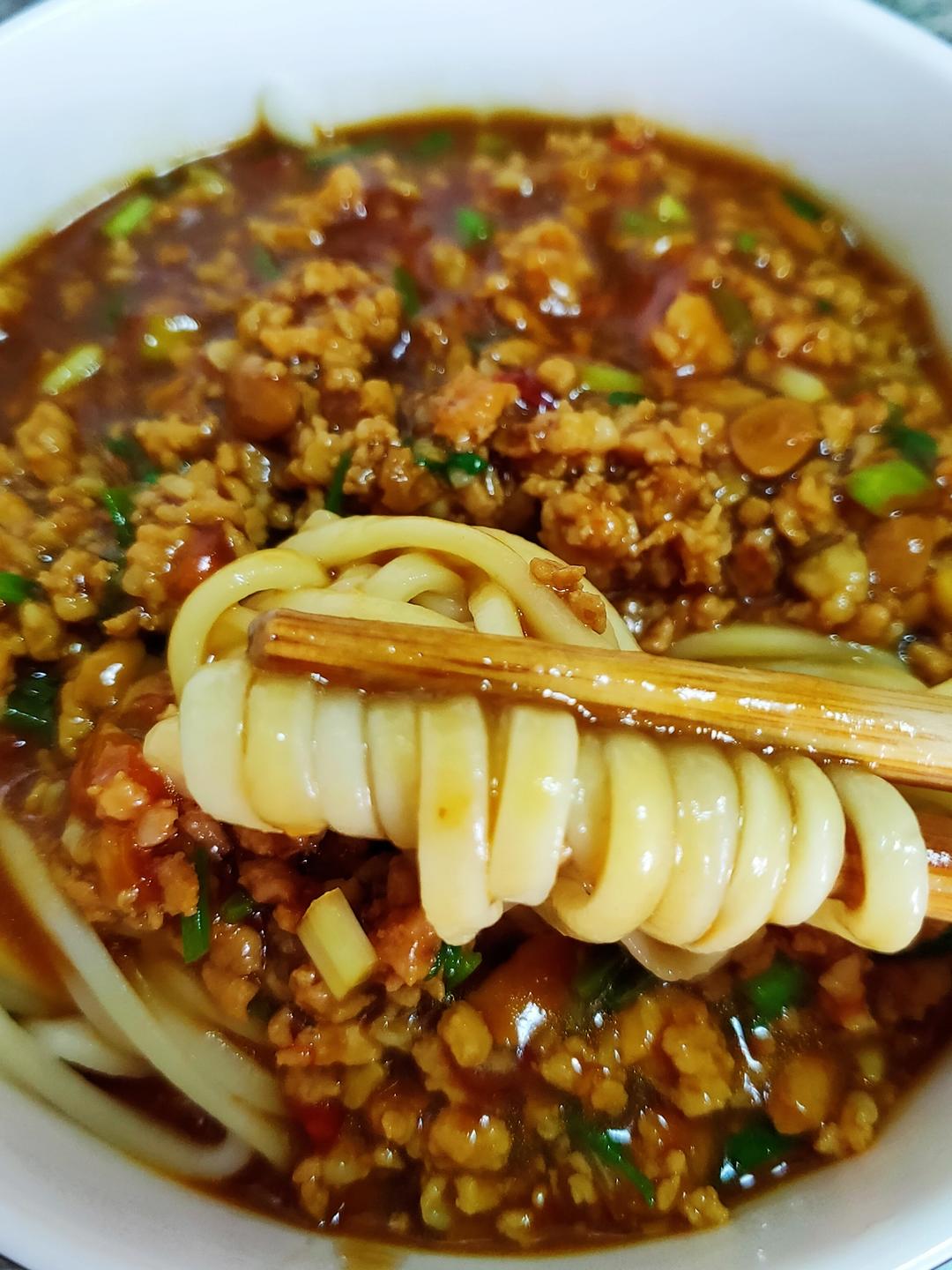
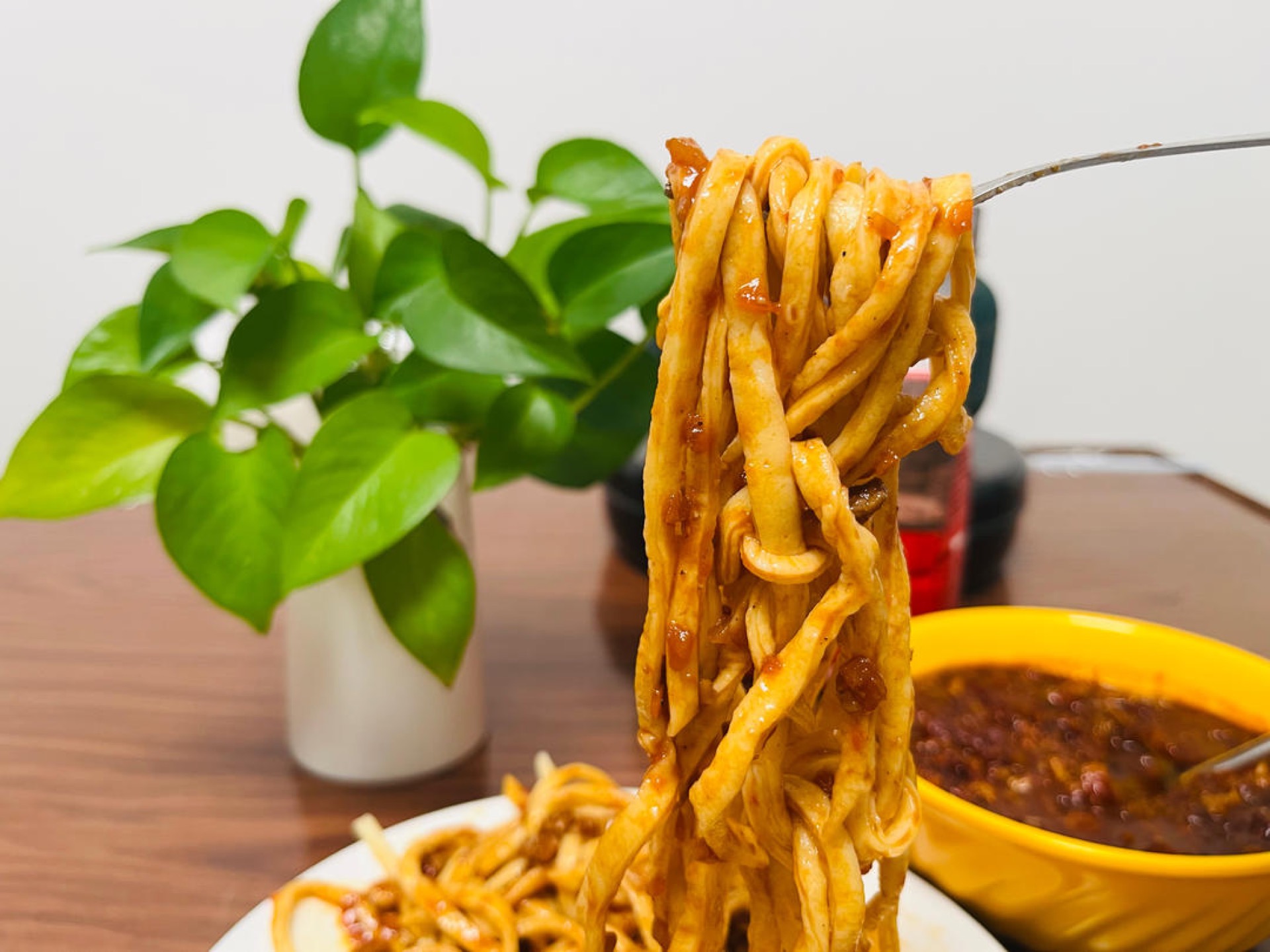
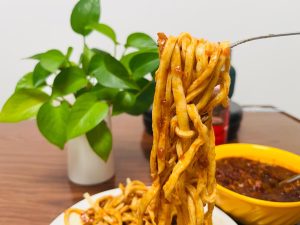
Fresh noodles need only 4 minutes — they stay completely unbroken as they cook and have a very smooth surface; noodles made with this pasta flour resist breaking and have a wonderfully chewy bite.
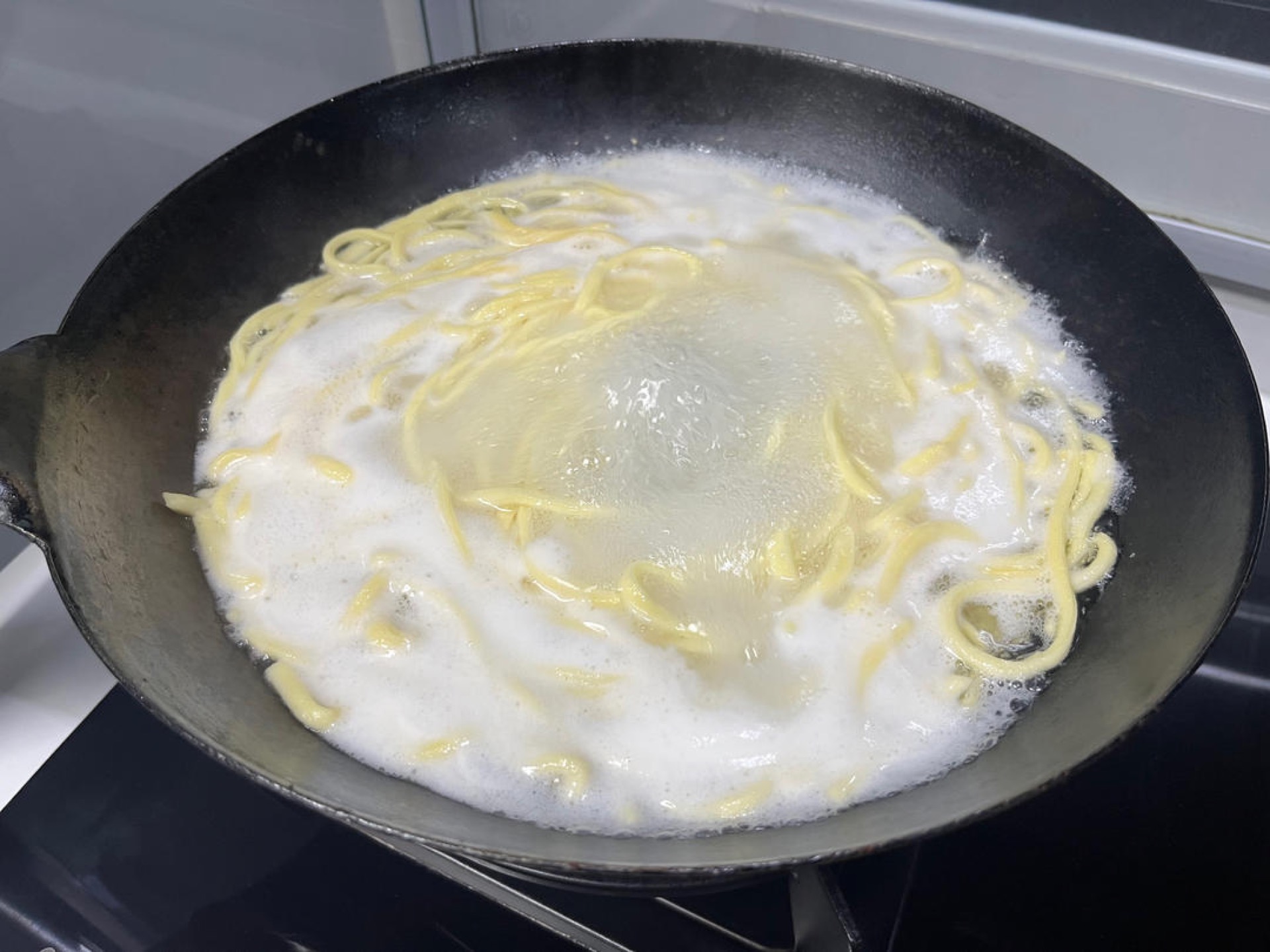
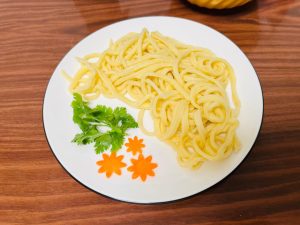
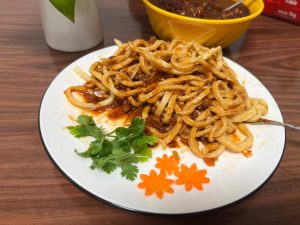
Step 16 — Plate the Noodles
Transfer the noodles to a plate.
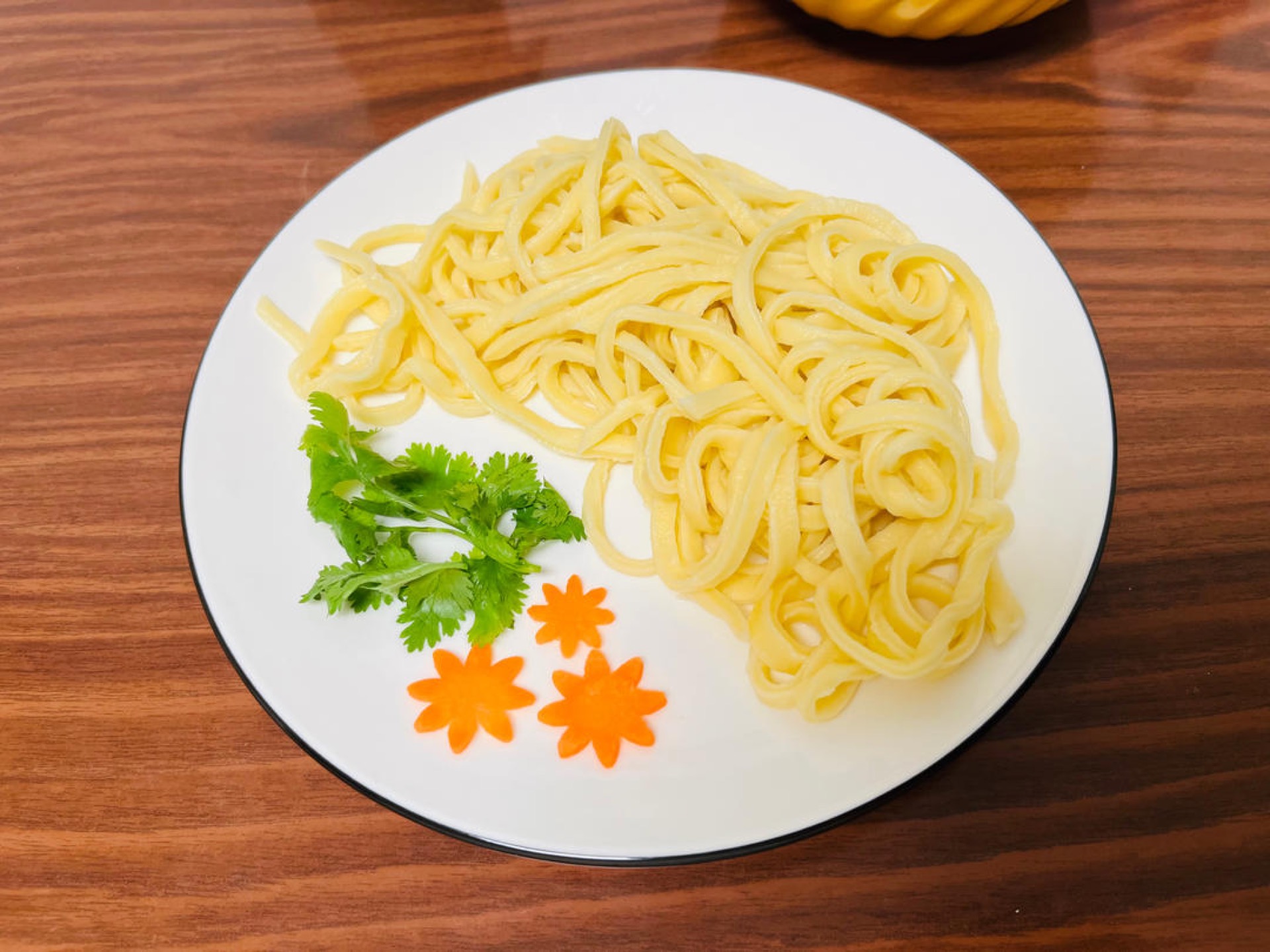
Step 17 — Toss with the Sauce
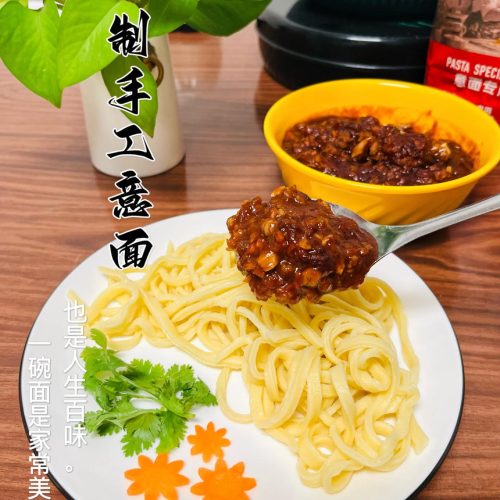
Toss the cooked handmade pasta with the meat sauce and dig in.
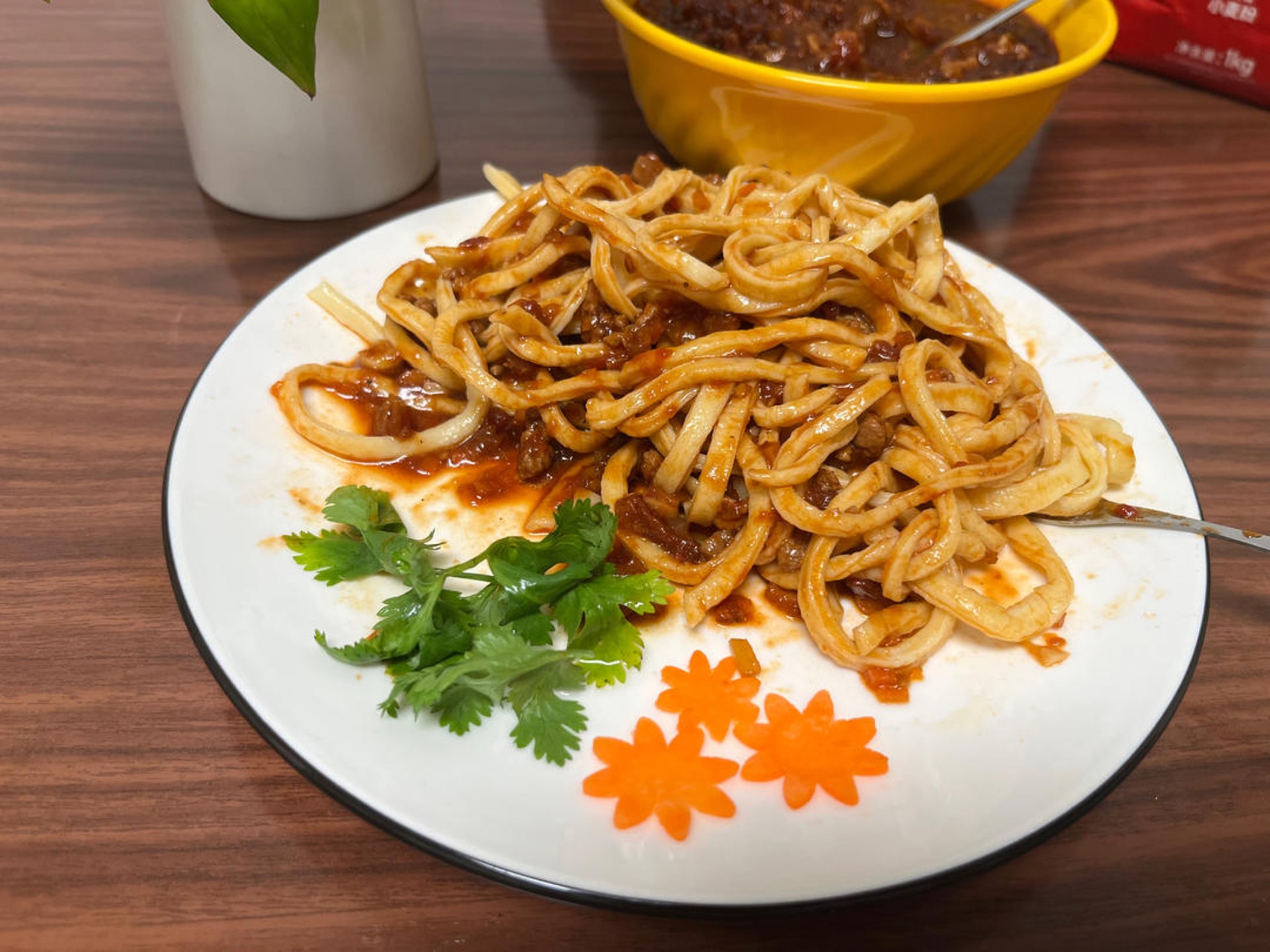
Step 18 — Serve and Enjoy
Homemade noodles are every bit as good as store-bought — hearty, springy, and tangy-sweet, and utterly delicious.
Common Mistakes When Making Handmade Pasta with Tomato Meat Sauce
1. Not covering the dough during the rest. An uncovered dough forms a dry skin within minutes, and that skin cracks and flakes as you roll, leaving ragged edges and weak spots in the sheet. Fix: wrap the dough in plastic or set it in a bowl under a damp towel, and check that the seal is complete at both rests.
2. Rolling the dough before it has fully relaxed. Dough that has not rested enough springs back the instant you lift the pin, so you end up fighting it and the sheet shrinks. Fix: give it the full 30 minutes and 2 hours. If it still resists, cover it and walk away for 15 more minutes.
3. Using too little flour when rolling. A sticky sheet tears when you lift it and glues itself to the counter. Fix: dust the surface and the top of the dough lightly but consistently, and lift and rotate the sheet as you go rather than rolling it into the counter.
4. Cutting the noodles too thick. Fresh egg pasta swells as it boils, so a strip that looks thin on the board becomes noticeably fatter in the pot. Fix: cut narrower than feels right — roughly 4–5 mm for a fettuccine-like noodle.
5. Crowding the pot. Drop all the fresh noodles into a small pot and the water temperature crashes; the noodles steam, stick together, and turn gummy. Fix: use a large pot of well-salted water at a rolling boil, and cook the noodles in one loose batch, stirring gently right after they go in.
6. Simmering the sauce on high heat. A hard boil scorches the tomato and drives off the sweetness, leaving a bitter, thin sauce. Fix: keep it at a low, lazy simmer and stir occasionally until it visibly thickens and pulls away from the wok’s sides.
7. Adding the butter too early. Butter added at the start of simmering just cooks into the oil and loses its emulsifying effect. Fix: stir it in at the very end, off the boil, and let the residual heat melt it into the sauce.
Variations
Pork instead of beef. Ground pork is slightly sweeter and fattier, and it makes the sauce taste more like a classic homestyle roujiang. Use the same weight and adjust salt at the end.
Spicier version. Add a teaspoon of doubanjiang (fermented chili bean paste) with the vegetables, or a pinch of dried chili flakes with the garlic. Both deepen the color and add heat without changing the structure of the sauce.
Hand-cut ribbons vs. machine-cut. If you have a pasta machine, roll the sheets to setting 6 or 7 and cut with the fettuccine attachment. The texture is slightly more uniform, but hand-cut noodles have a rougher surface that grips sauce better.
Whole-wheat blend. Swap up to 30% of the pasta flour for whole-wheat flour. The dough will need a splash more egg or water and will roll a little stiffer, but the nutty flavor works nicely with the tomato sauce.
Vegetarian sauce. Omit the beef and double the mushrooms, adding a tablespoon of soy sauce and a teaspoon of mushroom seasoning to compensate. The butter still does its job.
Frequently Asked Questions
Can I make the pasta dough ahead of time? Yes. Wrap the rested dough tightly in plastic and refrigerate it for up to 24 hours. Bring it to room temperature for 20 minutes before rolling, or it will be too stiff to roll thin.
Why did my fresh noodles break in the water? Almost always one of three things: the dough was too soft (too much egg or too little flour), the sheet was rolled too thin at the edges, or the noodles were dropped into water that was not at a full rolling boil. Keep the dough firm, roll evenly, and wait for a hard boil.
How thin should I roll the pasta? Thin enough that you can see the shadow of your hand through the sheet, but not so thin that it tears when lifted. For a fettuccine-style noodle, roughly 1 mm is ideal.
Can I use all-purpose flour instead of pasta flour? You can, but the noodles will be softer and more prone to breaking. Bread flour is a better substitute; the higher protein gives the sheet the strength it needs.
How long do fresh noodles take to cook? Four minutes in vigorously boiling water for this thickness. Taste one at 3 minutes — fresh pasta goes from perfect to mushy quickly, so stay close to the pot.
How to Serve
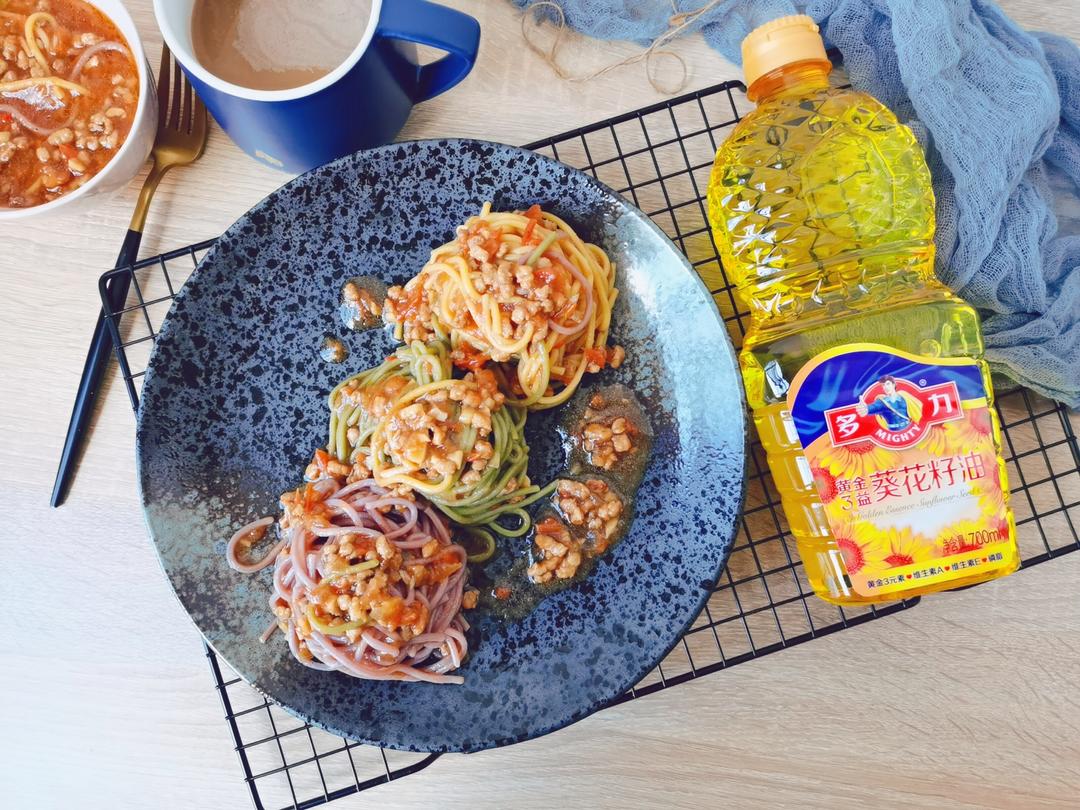
This pasta is a meal on its own, but it also plays well alongside other Chinese noodle-and-sauce dishes. If you want to round out the table, serve it with a lighter, broth-based bowl such as tomato meat sauce noodles, which shares the same flavor family in a soupier format.
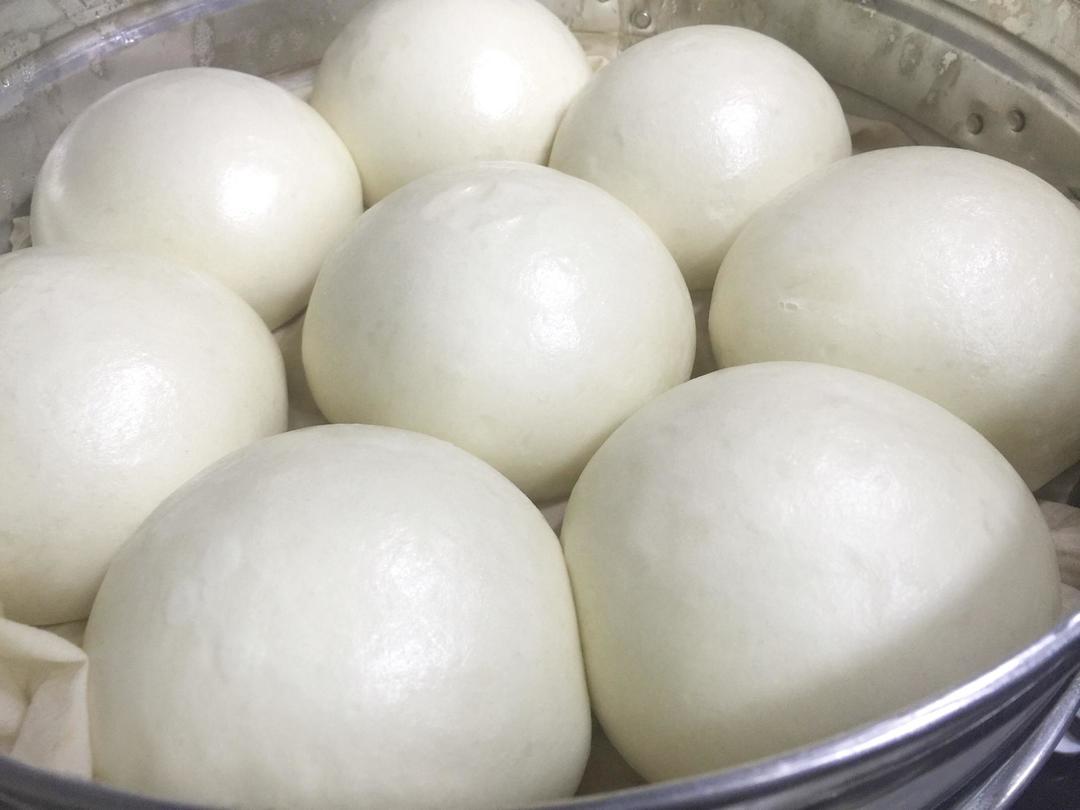
For a heartier spread, add a plate of Shandong steamed buns — plain, fluffy, and perfect for mopping up any sauce left in the bowl. And if you want to push the meal in a richer direction, golden crab roe noodles make a luxurious companion dish for a special-occasion table.

Storage & Reheat
The sauce keeps beautifully. Cool it completely, then store it in an airtight container in the refrigerator for up to 3 days, or freeze it for up to 2 months. Reheat gently in a wok or saucepan with a splash of water, bringing it back to 165°F (74°C).
Fresh pasta is best cooked the day it is made. If you need to hold it, toss the cut noodles with a little pasta flour and spread them on a tray so they do not clump, then refrigerate for up to 24 hours. For longer storage, dry the noodles at room temperature for several hours until brittle and keep them in a paper bag for up to a week.
Cooked leftovers — noodles already tossed with sauce — keep for up to 3 days refrigerated. Reheat in a covered pan over low heat with a tablespoon of water to loosen the sauce, or in the microwave in 30-second bursts. The noodles will soften slightly on reheating, but the flavor holds.
Allergen Notice
This recipe contains eggs and wheat/gluten. The soy sauce and oyster sauce contain soy; oyster sauce is also made from shellfish, so anyone with a shellfish allergy should substitute a vegetarian oyster sauce or omit it. Check the labels on your ketchup and mushroom seasoning if you are managing a specific allergy, as some brands include hidden thickeners or soy derivatives.
Nutrition Disclaimer
Nutrition information is calculated using an ingredient database and should be considered an estimate. In cases where multiple ingredient alternatives are given, the first listed is calculated for nutrition. Garnishes and optional ingredients are not included.
About the Author & Recipe Development
Hi, I’m Lin — the cook, writer, and photographer behind Woks of Love. I grew up in a Chinese household where noodles were a daily staple and a pot of tomato-meat sauce was always within reach, and I have spent years testing how classic Chinese home cooking translates into modern kitchens.
This recipe came out of a simple frustration: homemade noodles that broke apart in the pot. After testing different flours, rest times, and hydration levels, the Italian-style pasta flour plus a double rest proved to be the reliable combination — a firm dough that rolls thin and still holds together through a rolling boil. The sauce is the one my family has always made, with a knob of butter borrowed from Italian cooking because it genuinely makes the sauce better.
For another dish in the same spirit, tomato meat sauce noodles chinese is worth cooking next.
For another dish in the same spirit, tomato meat sauce noodles is worth cooking next.
Authoritative References
For safe handling and cooking temperatures, see the USDA safe minimum internal temperature chart, which lists 160°F (71°C) for ground beef. Storage guidance follows the FDA refrigerator and food safety guidance on how long cooked foods may be kept. For background on how gluten development affects pasta texture, see this explainer on gluten in dough.
Handmade Pasta with Tomato Meat Sauce (番茄肉酱意面): Chewy Fresh Pasta

Equipment
- Wok
- Cutting Board
- Slotted Spoon
- Rolling Pin
- Mixing Bowl
Ingredients
For the Fresh Pasta
- 160 g Italian-style pasta flour plus extra for dusting
- 1 g salt about 1/4 tsp
- 2 large eggs at room temperature
For the Tomato Meat Sauce
- 2 tbsp neutral oil for frying
- 200 g ground beef or ground pork
- 1 medium tomato diced small
- 1/2 medium onion finely diced
- 1/2 medium carrot finely diced
- 2 stalks celery finely diced
- 1 tbsp garlic minced
- 1 tbsp black pepper freshly ground
- 1 tbsp mushroom seasoning or 1 tsp chicken bouillon
- 1 tbsp sugar to balance acidity
- 1/2 tsp salt plus more to taste
- 2/3 tbsp light soy sauce
- 1/2 tsp dark soy sauce for color
- 3 tbsp ketchup or tomato paste
- 1 tbsp oyster sauce
- 1 small piece butter about 10 g
Instructions
- Mix the Italian-style pasta flour with the salt until evenly combined, then crack in the eggs.

- Knead into a firm, slightly stiff dough, then rest it sealed for 30 minutes; knead again until smooth and rest it sealed for another 2 hours — always cover it well so the surface does not dry and crack.
- While the dough rests, make the sauce: mince the meat.
- Finely chop the tomato, onion, carrot, celery, and garlic.
- Heat oil in the wok and add the ground beef.
- Stir-fry until the meat changes color.
- Add the prepared vegetables.
- Add the light soy sauce, dark soy sauce, oyster sauce, ketchup, salt, and sugar to season.
- Finally drop in the small piece of butter.
- Simmer over low heat until the sauce is thick and clings to the side of the wok.
- Scoop the sauce into a bowl.
- Dust the rested dough with a little pasta flour and roll it into a thin sheet.
- Cut the sheet into pasta noodles.
- Once the water boils, add the noodles.
- Fresh noodles need only 4 minutes — they stay completely unbroken as they cook and have a very smooth surface; noodles made with this pasta flour resist breaking and have a wonderfully chewy bite.
- Transfer the noodles to a plate.
- Toss the cooked handmade pasta with the meat sauce and dig in.
- Homemade noodles are every bit as good as store-bought — hearty, springy, and tangy-sweet, and utterly delicious.












Leave a Reply