There is a specific kind of luxury in Chinese cuisine that isn’t defined by truffles or caviar, but by time and patience. Crab Roe Noodles (Xie Huang Mian) are the pinnacle of this concept.

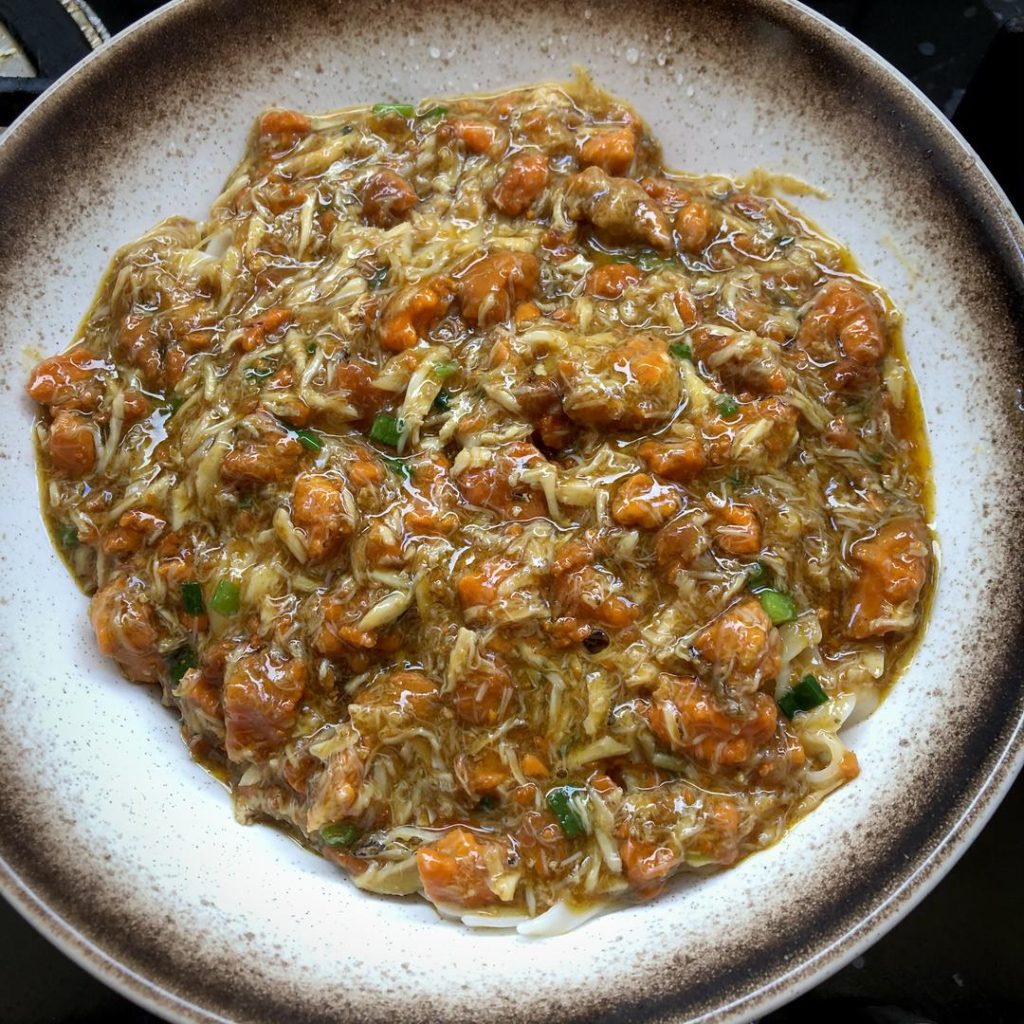
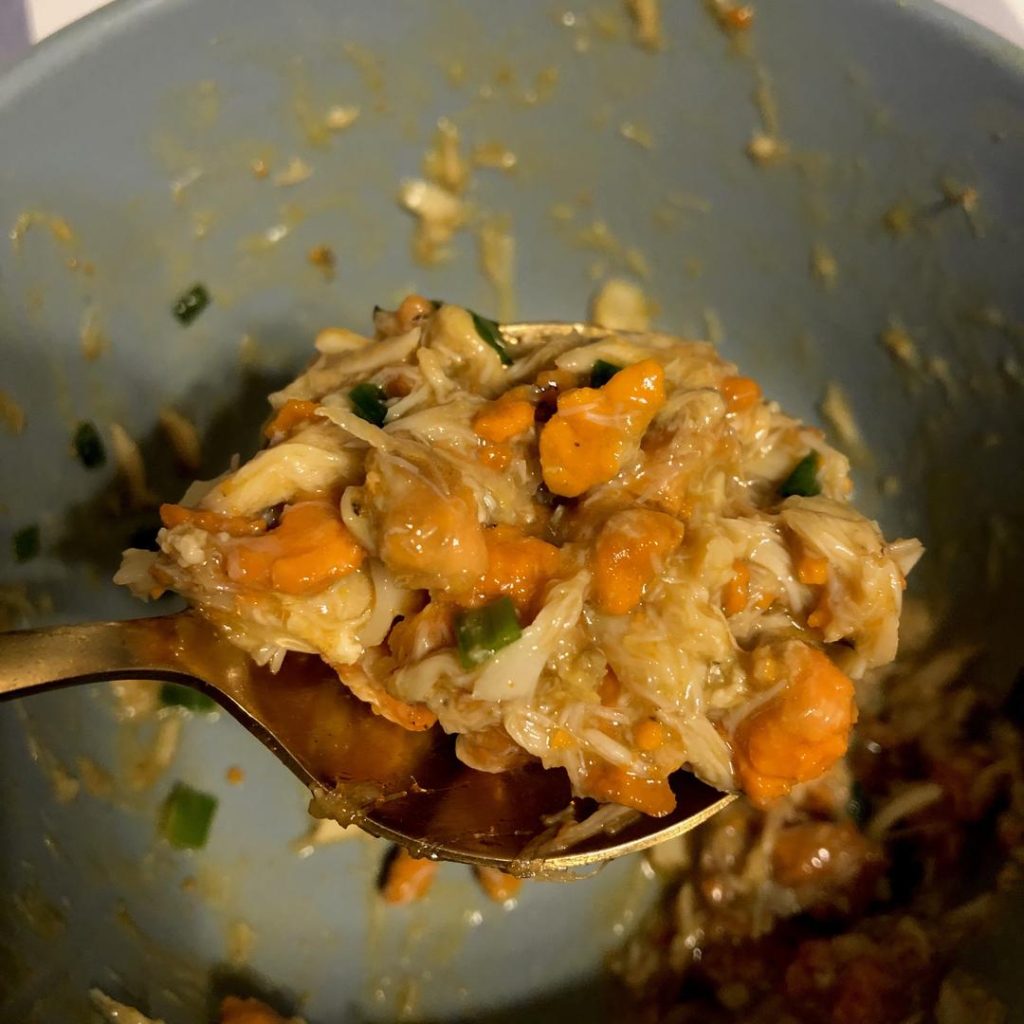
I remember my first time trying this dish in a high-end restaurant near the Bund in Shanghai. A small bowl cost a fortune, and while delicious, the crab meat was minced so finely it was almost unrecognizable. That’s when I realized: to get those satisfying, thumb-sized chunks of golden roe and sweet meat, you have to make it yourself.
This recipe is simple in its ingredient list—no complex spices, no cooking wine, and absolutely no salt—but it requires dedication. It calls for peeling ten female crabs. It’s a labor of love, but when you see that glistening, gold-hued sauce coating the strands of noodles, you’ll know it was worth every second.
If you enjoy rich, savory classics like our Braised Pork Belly, this dish offers that same level of deep satisfaction but with the unmatched umami of the sea.
Why This Recipe Works
- Pork Lard is Essential: Unlike vegetable oil, animal fat (lard) has a molecular structure that coats the tongue similarly to the crab’s natural fats. It bridges the flavor between the aromatics and the seafood, creating a richness that oil simply cannot replicate.
- No Cooking Wine: Traditional wisdom suggests cooking wine for seafood, but for fresh crab, wine can mask the delicate natural sweetness. We rely on ginger-infused oil to neutralize any fishiness while letting the crab shine.
- The “Velveting” Sauce: The cornstarch slurry doesn’t just thicken; it emulsifies the lard and soy sauce into a creamy gravy that clings to every noodle strand, ensuring flavor in every bite.
What is Xie Huang Mian?
Xie Huang Mian (蟹黄面) is a celebrated dish hailing from the Jiangnan region of China, particularly famous in Shanghai and Suzhou. “Xie” means crab, “Huang” refers to the yellow roe (and fat), and “Mian” is noodles.
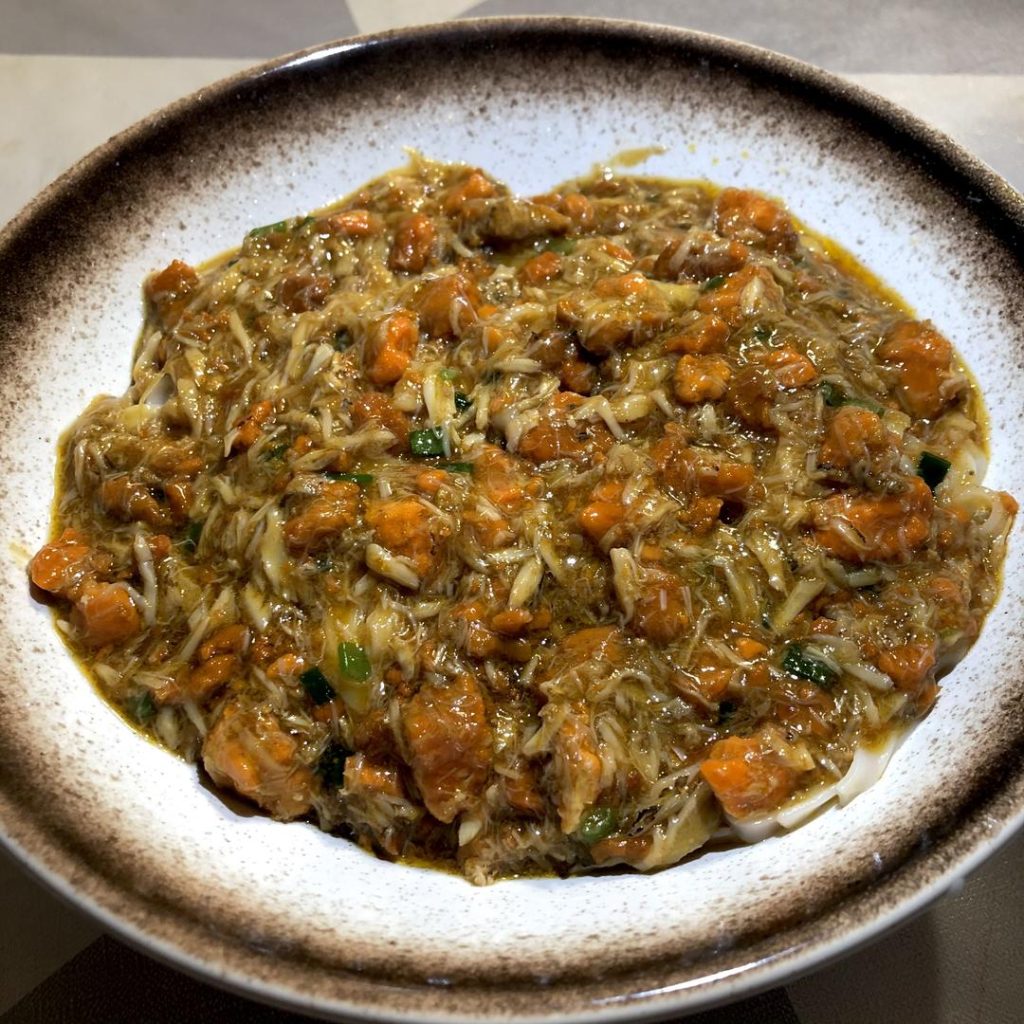
Traditionally served during the autumn months when freshwater hairy crabs are in peak season, it involves extracting all the meat and roe from the crabs and stir-frying them into a lush, golden topping. In the West, we might compare it to a very rich Lobster Bisque pasta, but with a more intense, concentrated savory flavor profile.
Key Ingredients & Substitutions
- Crabs: The original recipe calls for 10 female crabs (approx. 3.5-4.5 oz / 100-125g each).
- Traditional: Freshwater Hairy Crabs (often unavailable in the US/Europe due to regulations).
- Best Substitution: Live female Blue Crabs (common in the US and excellent for roe) or Dungeness Crab. If you use Dungeness, you may only need 2-3 crabs as they are much larger, though Blue Crabs offer a sweetness closer to the original.
- Frozen Option: You can buy frozen crab meat and roe packs in Asian supermarkets, but fresh is always superior.
- Pork Lard: This is the cooking medium. You can buy it or Render Lard yourself.
- Substitute: If you absolutely cannot eat pork, use chicken fat (schmaltz) or a high-quality butter (though butter changes the flavor profile to Western-style). Do not use vegetable oil; the result will lack body.
- Aromatics: Fresh ginger and scallions (green onions). The ginger is non-negotiable as it balances the “cooling” nature of the crab in Chinese medicine and removes fishiness.
- Noodles: Fresh, thin wheat noodles are best.
- Substitute: Dried thin noodles or even angel hair pasta can work in a pinch, but fresh noodles offer the best texture.
Recipe Notes Before You Start
- The “Movie” Method: Peeling ten crabs takes time. The original recipe creator (and I agree!) suggests queuing up two movies before you start. It took the creator three hours. Treat this as a meditative process.
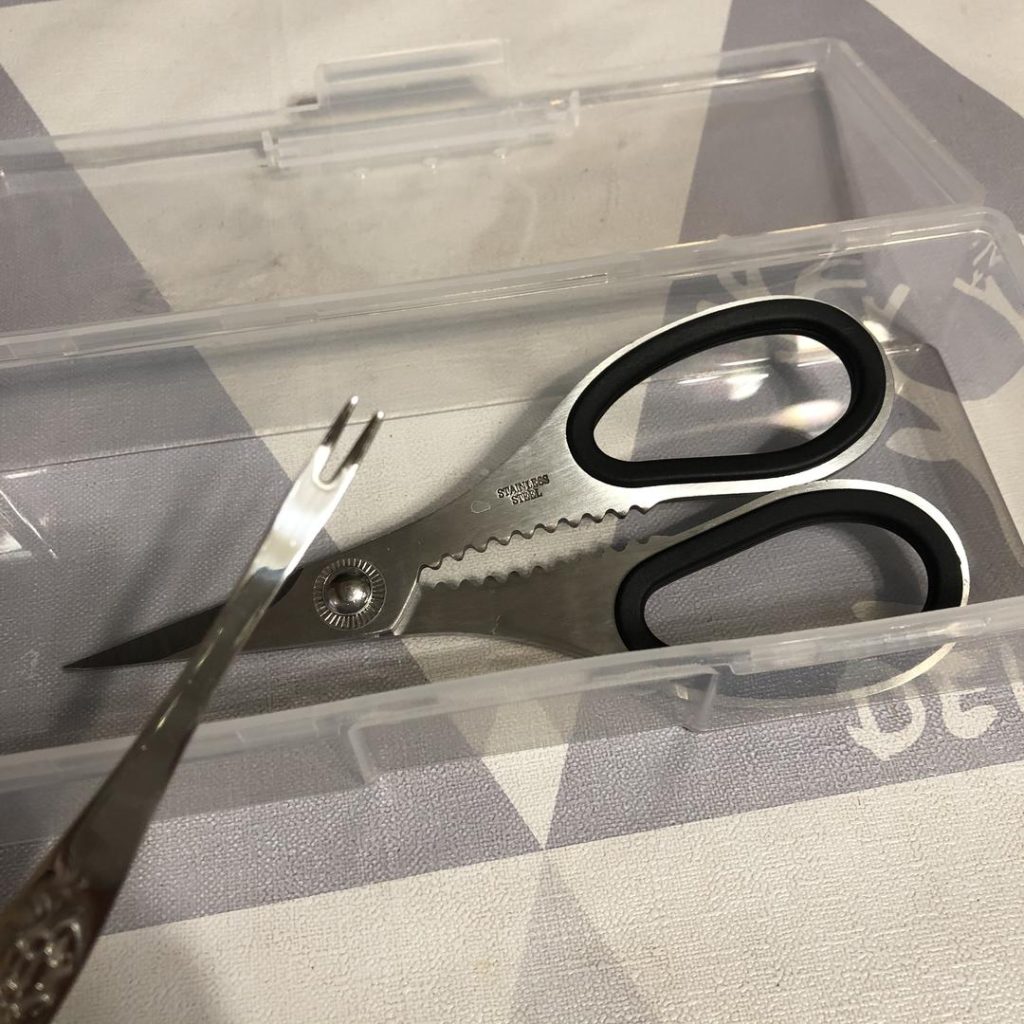
- The Tools: You don’t need fancy gadgets, but a good pair of kitchen scissors and a crab fork (or a dedicated crab peeling tool) are vital. Trying to do this with just your fingers or teeth is a recipe for frustration.
- Temperature Control: This dish requires low heat throughout the stir-frying process. Crab roe is protein-rich and delicate; high heat will make it grainy and pop, ruining the creamy texture.
Ingredients
The Crab Base:
- 10 whole Female Crabs (approx. 2.5 lbs / 1.1 kg total weight)
- Water for steaming
The Aromatics & Sauce:
- 3-4 tbsp Pork Lard (approx. 50g)
- 1-inch piece Ginger, sliced
- 2 stalks Scallions (Green Onions), white parts cut into sections, green parts chopped for garnish
- 2.5 tbsp Light Soy Sauce (Pearl River Bridge or Kikkoman)
- 1 tbsp Oyster Sauce
- Cornstarch Slurry (1 tbsp cornstarch mixed with 2 tbsp water)
To Serve:
- 10-12 oz (300-350g) Fresh Thin Wheat Noodles
Mise en Place (Prep)
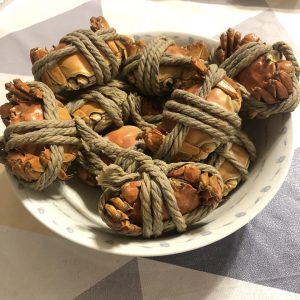
- Clean the Crabs: Scrub the crabs thoroughly under running water with a clean brush. Do not untie the strings if they are tied; this keeps them intact during steaming.
- Prepare Aromatics: Slice the ginger and cut the scallion whites into 1-inch sections. Finely chop the scallion greens and set aside for the final garnish.
- Mix Slurry: In a small bowl, combine the cornstarch and water. Stir until smooth and keep a spoon nearby (cornstarch settles quickly).
How to Make Golden Crab Roe Noodles
Step 1: Steam the Crabs
Place a steamer basket over a pot of water. Bring the water to a boil before placing the crabs in. Steam the crabs for approximately 15 minutes (adjust slightly for size; standard blue crabs take about 12-15 mins).
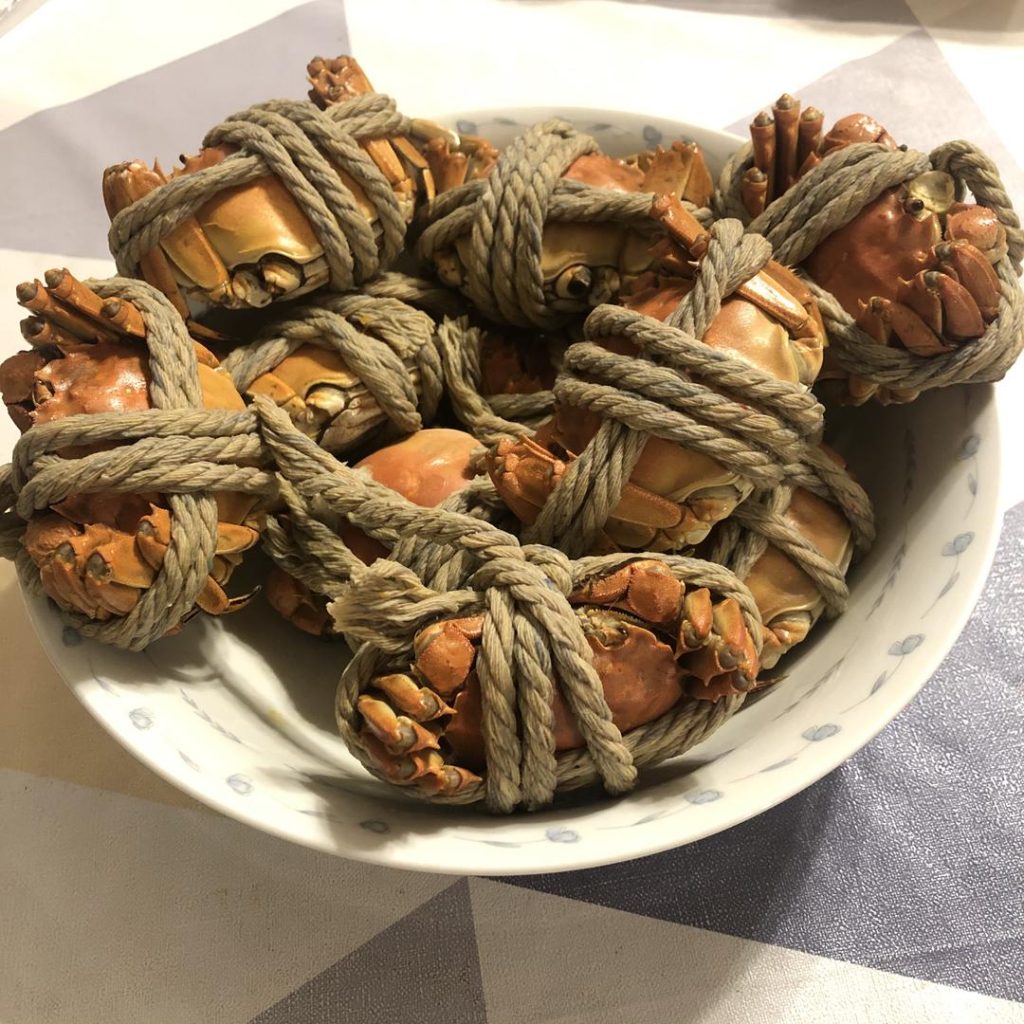
- Why Steam? Steaming preserves the flavor and juices inside the shell. Boiling would cause that precious umami to leak into the water.
- Once done, remove them and let them cool completely. Do not try to peel them while hot; you will burn your fingers, and the meat won’t separate as easily.
Step 2: The Great Extraction (Peeling)
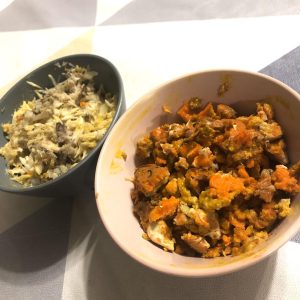
This is the longest step. Use scissors to cut the legs and main body. Use your crab fork to meticulously remove the meat and the orange/yellow roe.
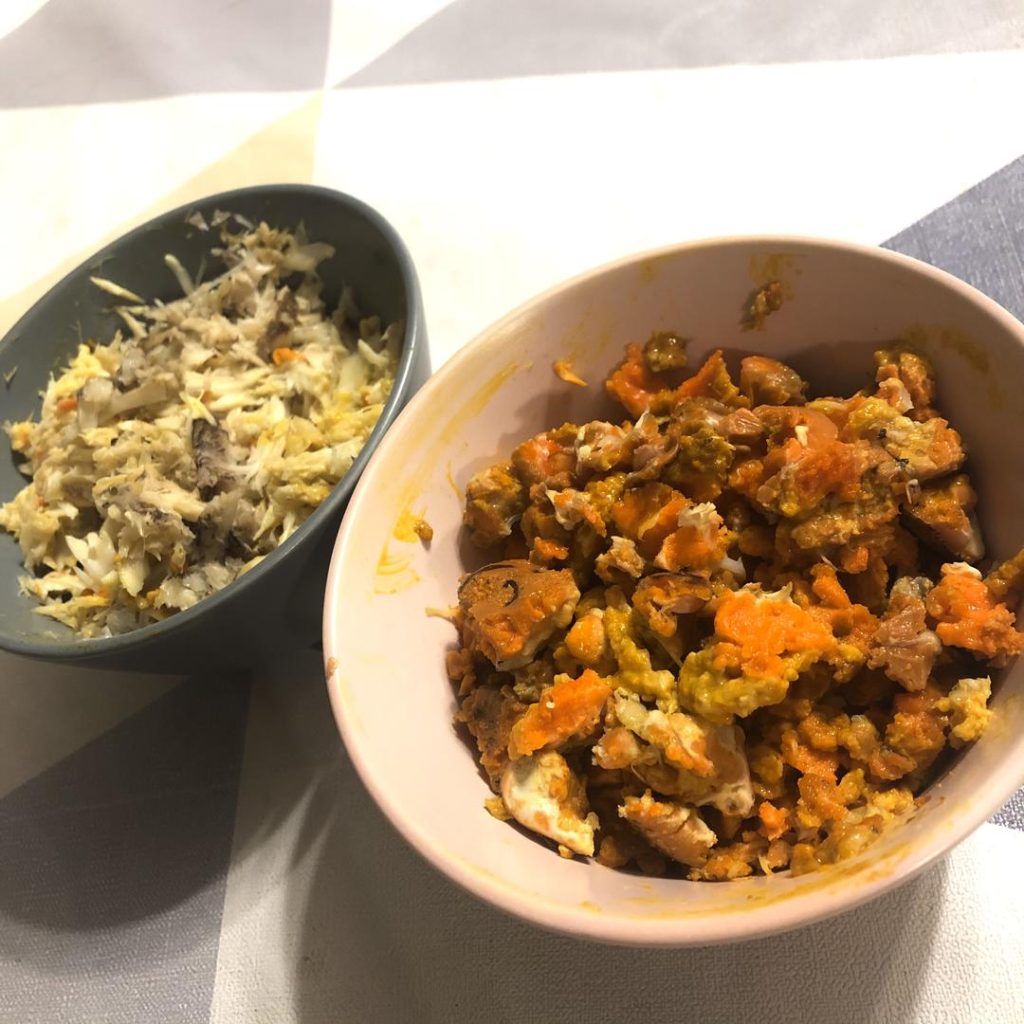
- Chef’s Tip: Keep the meat and roe in chunks as much as possible. We want texture, not a paste. Discard the lungs (feathery gills), stomach, and heart.
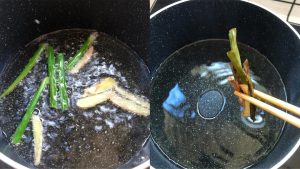
Step 3: Infuse the Lard
Heat a wok or non-stick pan over low heat. Add the pork lard. Be generous; we need enough fat to create a sauce.
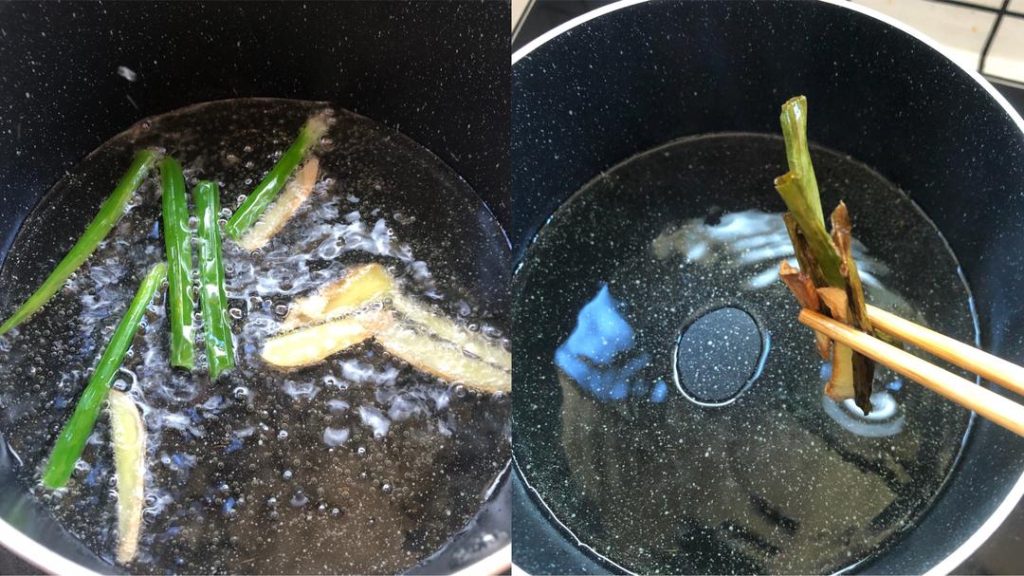
- Add the ginger slices and scallion whites.
- Fry slowly until the aromatics turn golden brown and release their fragrance.
- Remove and discard the ginger and scallions. We only want their flavor infused into the oil.
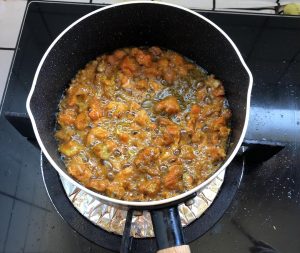
Step 4: Fry the Crab
Keep the heat on low. Pour the extracted crab roe into the infused lard first. Stir gently until the roe releases a vibrant orange oil and smells rich and savory.
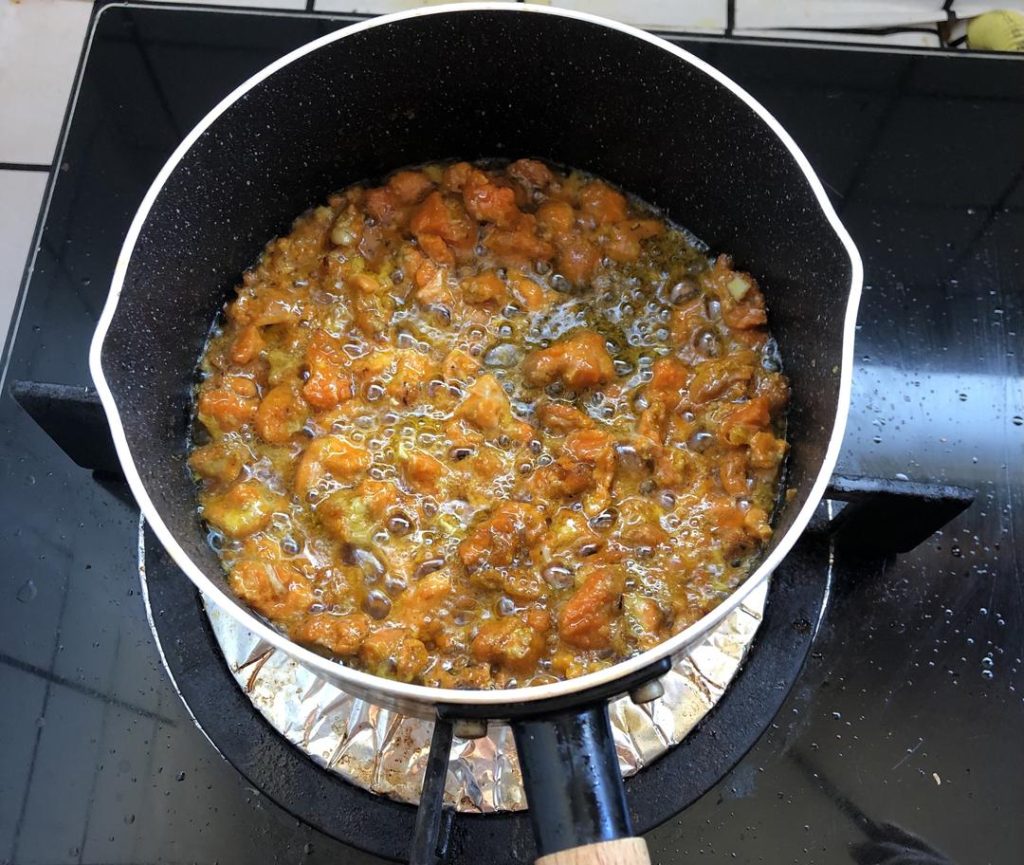
- Add the crab meat. Stir gently to combine.
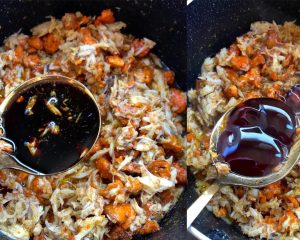
Step 5: Season and Thicken
Add 2.5 tablespoons of light soy sauce and 1 tablespoon of oyster sauce. Stir to coat the meat.
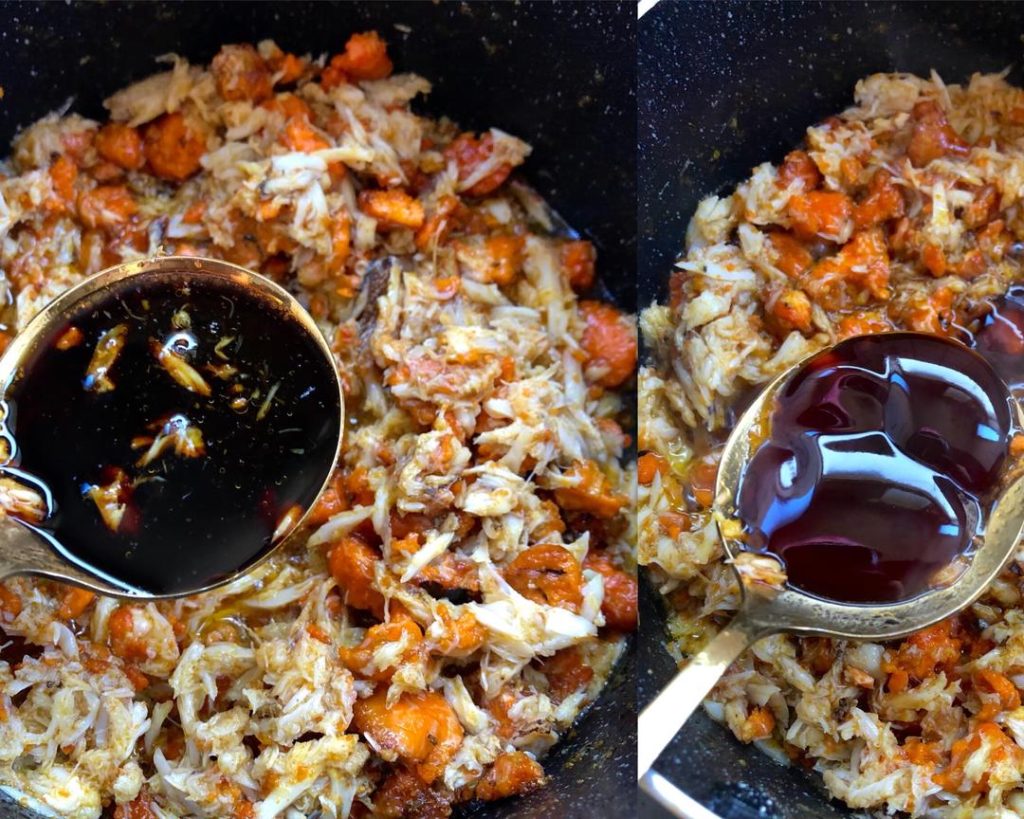
- Note: Do not add salt. The soy sauce and oyster sauce provide sufficient salinity, and extra salt will mask the natural fresh sweetness of the crab.
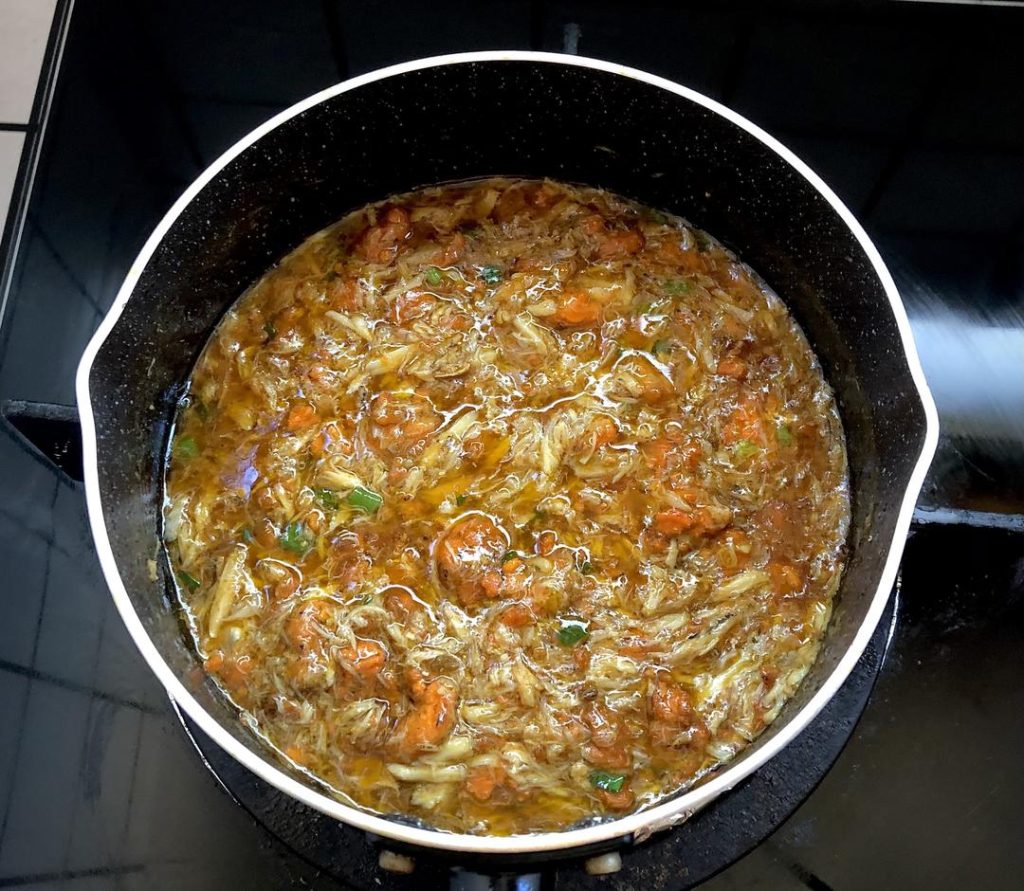
- Give the cornstarch slurry a quick stir and pour it slowly into the pan.
- Continue to stir gently until the sauce thickens into a glossy, somewhat dense gravy (羹, gēng). It should coat a spoon easily.
- Taste the sauce. It should be savory and rich. If it’s too thick, add a splash of water. If it’s too thin, simmer a moment longer. Sprinkle with chopped scallion greens. Turn off the heat.
Step 6: Cook the Noodles
In a separate large pot, bring water to a boil. Add the fresh noodles.
- Cook according to package instructions (fresh noodles usually take 2-3 minutes).
- Crucial Step: Drain the noodles and immediately rinse them under cold filtered water or dip them in an ice bath. This stops the cooking and removes excess surface starch, preventing the noodles from clumping (起坨).
- Drain the noodles well and place them in serving bowls.
Step 7: Assemble
Ladle a generous amount of the hot crab roe sauce over the noodles. The heat from the sauce will re-warm the noodles. Mix well and enjoy immediately.
Our Systematic Test Kitchen Notes
We tested this recipe with several variations to ensure the best flavor profile for home cooks.
- Oil Comparison: We tested Vegetable Oil vs. Pork Lard. The vegetable oil version felt thin and the flavors didn’t meld. The lard version was significantly creamier and carried the “crab” flavor to the back of the palate.
- The Wine Debate: We tried a batch with 1 tbsp of Shaoxing Wine. While standard for seafood, our testers found it slightly dulled the natural “sweetness” of the fresh crab. The ginger-infused lard was sufficient to handle any gamey odors.
- Cookware: We recommend a non-stick pan for the sauce. Crab roe is sticky and delicate; a cast iron or carbon steel wok, unless perfectly seasoned, risks burning the roe or sticking, leading to waste.
FAQ & Troubleshooting
- Q: Can I use store-bought crab meat?
- A: Yes, but ensure it includes the “lump” meat and ideally some “fat” or roe if available. If using only white meat, the flavor will be lighter. You might want to add a mashed salted egg yolk to mimic the richness of the roe.
- Q: My sauce is too salty.
- A: Different soy sauce brands vary in sodium. Start with 2 tablespoons and taste before adding the rest. If it’s already too salty, add a little water and cornstarch slurry to dilute it without losing texture.
- Q: Why did my noodles clump together?
- A: This happens if you skip the cold water rinse. Wheat noodles release starch; rinsing removes this sticky layer and gives the noodles a chewy, “al dente” bounce.
Serving Suggestions
This dish is incredibly rich, so it pairs best with a light, acidic, or refreshing side dish to cut through the fat.
- Acidic Side: A Smashed Cucumber Salad is perfect for cleansing the palate.
- Greens: Simple Stir-fried Lettuce with Garlic offers a nice crunch.
- Soup: A light Seaweed Egg Drop Soup complements the seafood theme without being heavy.
Food Safety & Storage
- Shellfish Safety: Ensure your crabs are alive before steaming. Dead crabs release toxins rapidly. The internal temperature of the crab meat should reach 145°F (63°C) according to USDA guidelines.
- Storage: We highly recommend eating this fresh. However, the sauce (without noodles) can be stored in an airtight container in the refrigerator for up to 2 days.
- Reheating: Reheat the sauce gently in a pan over low heat. Do not microwave on high, as the roe may “pop.” Cook fresh noodles when ready to serve.
Authoritative References
- USDA Shellfish Safety: For guidelines on selecting and cooking crab safely, refer to the USDA Food Safety and Inspection Service.
- Chinese Dietary Culture: The concept of “warming” and “cooling” foods is central to Traditional Chinese Medicine (TCM). Ginger is used here to balance the “cool” (Yin) nature of the crab.
Nutrition & Safety Information
Nutrition Information (Estimate per Serving)
- Calories: 685 kcal
- Carbohydrates: 68g
- Protein: 42g
- Fat: 34g
- Saturated Fat: 13g
- Cholesterol: 185mg
- Sodium: 1480mg
- Fiber: 3g
- Sugar: 2g
Mandatory Nutrition Disclaimer: Nutrition information is calculated using an ingredient database and should be considered an estimate. In cases where multiple ingredient alternatives are given, the first listed is calculated for nutrition. Garnishes and optional ingredients are not included. Actual values may vary depending on the specific size of crabs and brand of noodles used.
Food Safety & Preparation
- Live Shellfish Warning: Always ensure crabs are alive prior to steaming. Dead crabs decompose rapidly and release toxins that cooking cannot destroy. If a crab is limp or does not react when tapped, discard it immediately.
- Cooking Temperature: To ensure safety, the internal temperature of the crab meat should reach at least 145°F (63°C). Since we are steaming whole crabs and then stir-frying the meat, this double-cooking method ensures the meat is safe to eat.
- Allergen Alert: This dish contains Shellfish (Crab), Wheat (Gluten) from the noodles and soy sauce, and Soy.
- Traditional Wisdom: In Traditional Chinese Medicine (TCM), crab is considered “cooling” (Yin). This is why ginger is a mandatory ingredient in the sauce; its “warming” (Yang) properties balance the dish and aid in digestion. Avoid consuming this dish with persimmons or cold tea, as traditional wisdom suggests this combination may cause digestive discomfort.

Golden Crab Roe Noodles (Xie Huang Mian)

Equipment
- 1 Steamer basket For steaming the crabs
- 1 Crab Fork or Pick Essential for extracting meat
- 1 Kitchen Scissors For cutting crab legs
- 1 Non-stick Pan Best for cooking the sticky roe sauce
Ingredients
The Crab Base
- 10 female crabs approx. 2.5 lbs / 1.1 kg total; Blue crab or Dungeness recommended
The Sauce & Aromatics
- 4 tbsp pork lard essential for flavor and texture
- 1 inch fresh ginger sliced
- 2 stalks scallions (green onions) white parts cut into sections; green parts chopped for garnish
- 2.5 tbsp light soy sauce Pearl River Bridge or Kikkoman
- 1 tbsp oyster sauce
- 1 tbsp cornstarch mixed with 2 tbsp water for slurry
To Serve
- 12 oz fresh thin wheat noodles approx 350g
Instructions
- Clean the crabs thoroughly. Do not untie them. Bring steamer water to a boil, then place crabs in the basket. Steam for 15 minutes. Remove and let cool completely.

- Using scissors and a crab fork, extract all the roe (yellow/orange part) and meat from the bodies and legs. Keep the meat in chunks if possible. Discard shells, lungs, and stomach. This process takes time.
- Heat a non-stick pan over low heat. Add the pork lard. Add ginger slices and scallion whites. Fry slowly until aromatic and slightly browned, then remove and discard the aromatics.

- Keep heat on low. Add the crab roe to the infused lard first, stirring until the oil turns orange/gold. Then add the crab meat and stir gently.

- Add light soy sauce and oyster sauce. Stir to coat. Slowly pour in the cornstarch slurry while stirring until the sauce thickens into a rich gravy.

- Boil the fresh noodles in a separate pot until al dente. Drain and immediately rinse under cold water to remove starch and prevent clumping.
- Place noodles in bowls. Ladle the hot crab sauce generously over the noodles. Garnish with chopped scallion greens and serve immediately.
Notes
- Calories: 685 kcal
- Carbohydrates: 68g
- Protein: 42g
- Fat: 34g
- Saturated Fat: 13g
- Cholesterol: 185mg
- Sodium: 1480mg
- Fiber: 3g
- Sugar: 2g
- Live Shellfish Warning: Always ensure crabs are alive prior to steaming. Dead crabs decompose rapidly and release toxins that cooking cannot destroy. If a crab is limp or does not react when tapped, discard it immediately.
- Cooking Temperature: To ensure safety, the internal temperature of the crab meat should reach at least 145°F (63°C). Since we are steaming whole crabs and then stir-frying the meat, this double-cooking method ensures the meat is safe to eat.
- Allergen Alert: This dish contains Shellfish (Crab), Wheat (Gluten) from the noodles and soy sauce, and Soy.
- Traditional Wisdom: In Traditional Chinese Medicine (TCM), crab is considered “cooling” (Yin). This is why ginger is a mandatory ingredient in the sauce; its “warming” (Yang) properties balance the dish and aid in digestion. Avoid consuming this dish with persimmons or cold tea, as traditional wisdom suggests this combination may cause digestive discomfort.





Leave a Reply