There is a whole category of Chinese home cooking that never makes it onto restaurant menus: the dry-fried, chili-heavy, garlic-forward plates that show up on a Hunan family’s dinner table on a Tuesday. Double pepper pork ribs — 双椒排骨 — is one of them. The name tells you the whole story. Shuang jiao means “double pepper,” and it refers to green chilies and small red chilies used together, not as a garnish but as a real ingredient, stir-fried until their fragrance oils the entire wok.
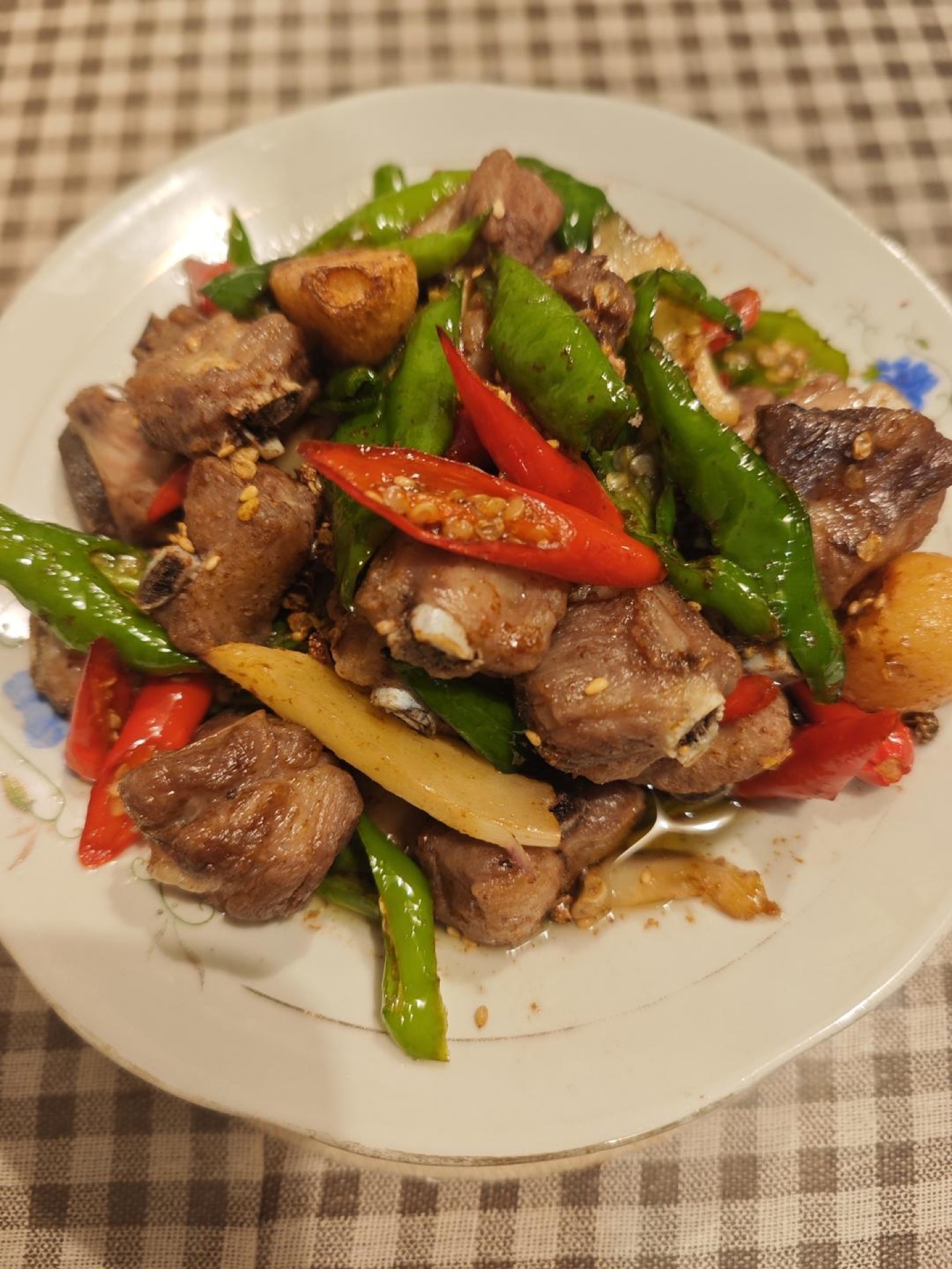
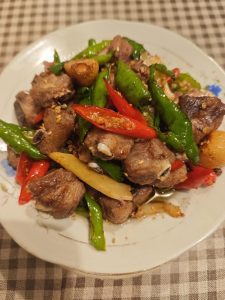
The ribs themselves are par-boiled first, which is the quiet trick behind the whole dish. Once they are fully cooked through, you can sear them hard in a hot wok without any anxiety about a pink center, and the surface gets that chewy, caramelized, almost jerky-like edge that makes people reach for a second piece before they have finished the first. The garlic goes in whole and turns soft and sweet. The chilies stay bright. Nothing is saucy; everything is concentrated.
If you have ever ordered a plate of ribs at a Hunan restaurant and wondered why yours at home taste flat by comparison, this is usually the answer: not more sauce, but more heat, more aromatics, and a longer, harder sear.
What Is Double Pepper Pork Ribs?
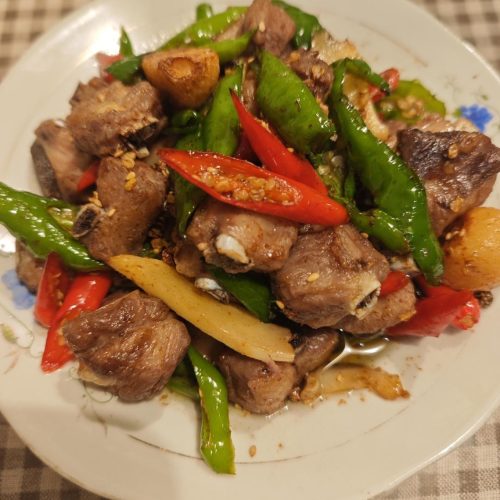
Double pepper pork ribs is a Hunan-style home dish of pork ribs that are blanched, pan-fried in oil with whole garlic cloves, then tossed with green chilies and small red chilies and finished with a short list of dry seasonings — sesame seeds, chicken bouillon, oyster sauce, light soy sauce, and salt. It belongs to the family of Chinese dishes often described as 干香 (gan xiang), literally “dry fragrant”: cooked without a pooling sauce so the flavors cling to the ingredients instead of sitting in liquid around them.
The “double pepper” in the name is not a brand or a gimmick. It is a technique. Green chilies — the long, mild-to-medium ones sold as 青椒 — give volume, sweetness, and that fresh green aroma that only appears when they hit hot oil. The small red chilies, often called 小米椒, give the sharp, direct heat. Used alone, the green ones are too gentle and the red ones are too aggressive. Together they land in the middle, which is exactly where a good home-cooked Hunan dish lives.
If you enjoy this style of cooking — meat seared hard, aromatics used generously, chilies treated as a vegetable rather than a spice — the same instinct shows up in pork and garlic scape stir fry, where garlic scapes play the role the chilies play here.
1Homestyle Pork and Garlic Scape Stir-fry (Suan Tai Chao Rou Si)A classic, homestyle Chinese stir-fry (蒜苔炒肉丝) featuring incredibly tender, velveted pork and crisp-tender garlic scapes in a savory, “rice-killer” (下饭) sauce. This quick and satisfying meal is ready in under 30 minutes.Check out this recipe

The other classic expression of this idea is twice-cooked pork, which also pre-cooks the pork before a hard, dry sear with aromatics and chili.
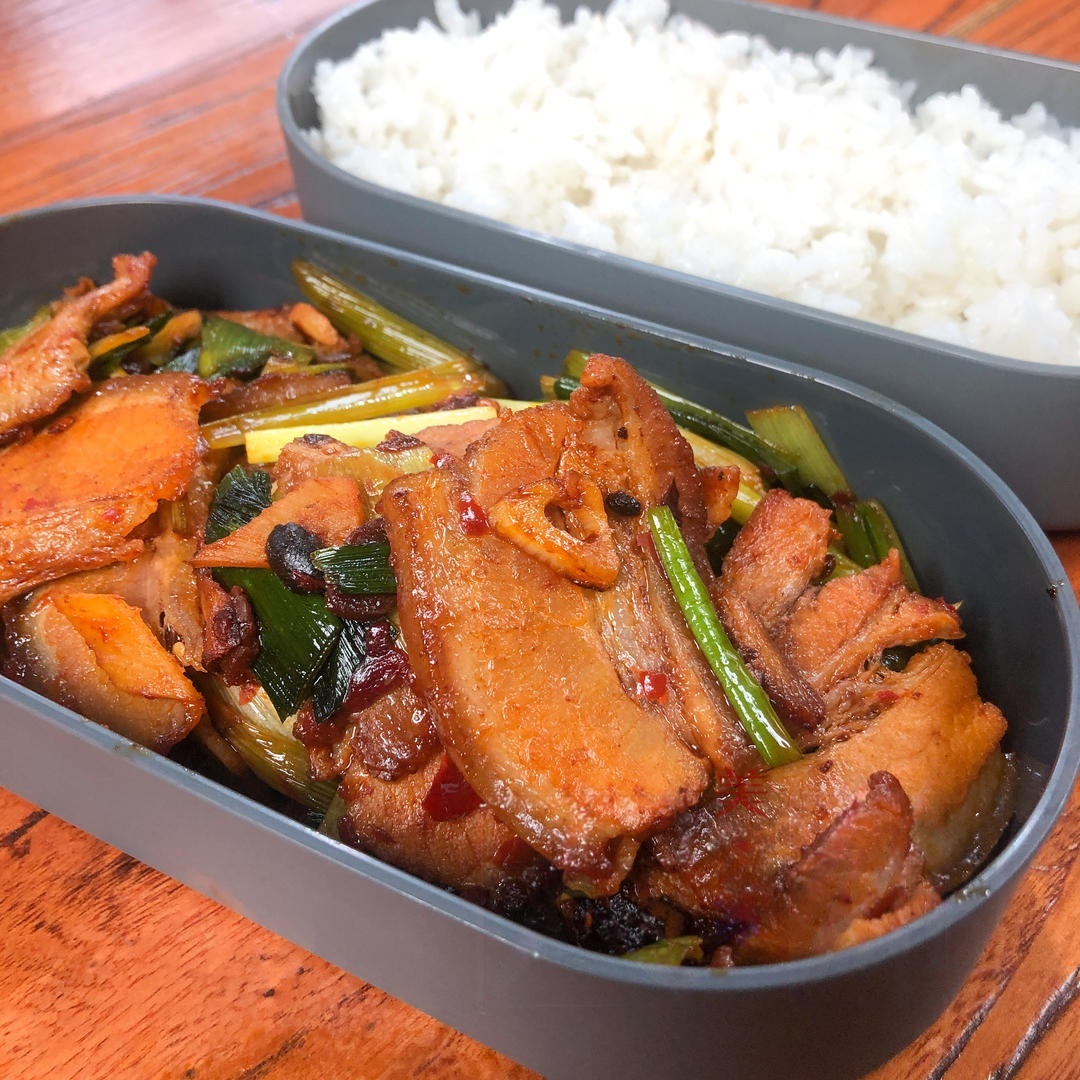
2Authentic Twice-Cooked Pork (Hui Guo Rou)This authentic Sichuan Twice-Cooked Pork recipe features tender pork belly slices seared to perfection and stir-fried with fresh green garlic in a savory, slightly spicy bean paste sauce. It’s a classic comfort food dish that brings the taste of a Chinese restaurant into your home kitchen.Check out this recipe
And if you like the combination of pork with a generous amount of green vegetable and chili, garlic minced pork with green beans is the same flavor logic applied to a different cut.
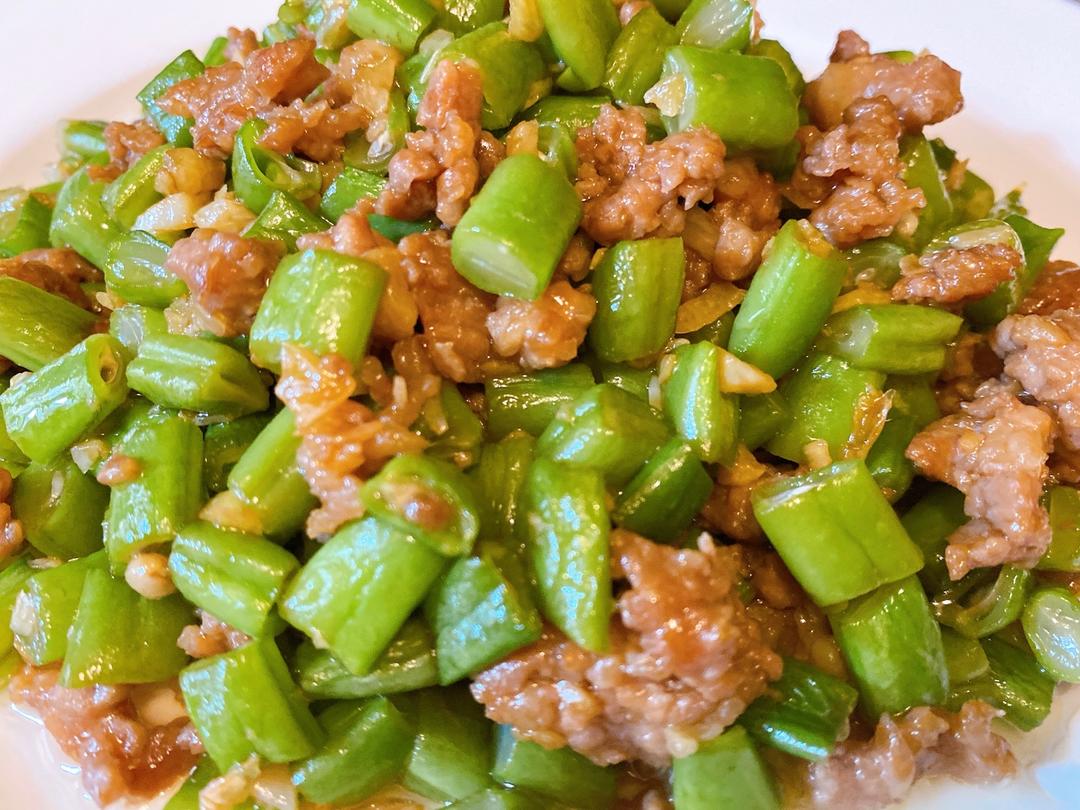
3Easy Garlic Minced Pork with Green BeansLearn how to make authentic Garlic Minced Pork with Green Beans. A 20-minute, foolproof Sichuan recipe featuring a crucial blanching step for food safety and crunch.Check out this recipe
Why This Recipe Works
Three decisions carry this dish, and none of them are complicated.
First, the ribs are boiled before they are fried. This is the step most people skip, and it is the one that makes the biggest difference. Ribs are bony, uneven, and full of connective tissue; searing them raw in a wok gives you a burnt exterior and a stubbornly pink interior. Boiling them in water with ginger and Shaoxing wine for a good long stretch does three things at once: it cooks them through, it pulls out the blood and gamey notes that make pork smell “piggy,” and it leaves the surface dry and slightly tacky, which is exactly the condition you want for browning. The source recipe for this dish notes that the cook boils them longer than usual precisely so a hot wok later cannot leave the middle underdone — that is the right instinct.
Second, the garlic goes in whole and early. Two whole heads of garlic sounds like a lot until you taste it. Whole cloves fried slowly in oil turn jammy and mellow, losing the sharp bite of raw garlic and gaining a nutty sweetness that pairs beautifully with pork. They also perfume the oil, which then flavors everything that follows. If you chop the garlic instead, it will burn in the time it takes the ribs to brown.
Third, the seasoning is dry. Oyster sauce, light soy sauce, chicken bouillon, sesame seeds, and salt — that is it. No stock, no cornstarch slurry, no sugar glaze. The point is for the seasoning to coat the ribs and chilies in a thin, glossy film, not to create a sauce. This is why the dish tastes so concentrated: every bit of flavor is on the surface of the food, not diluted in liquid at the bottom of the plate.
There is a real piece of food science behind the browning step too. The Maillard reaction — the cascade of reactions between amino acids and reducing sugars that creates browned, savory flavors — needs a dry surface and temperatures well above the boiling point of water. That is why a wet rib steams and a dry rib browns. It is also why crowding the wok is fatal: too many pieces release too much moisture, the pan temperature drops below 300°F, and you get gray, steamed ribs. The food-science explainer on the Maillard reaction is worth reading if you want the full picture.
Equipment Needed
A wok is the right vessel here, but not because of any mystique — because its curved sides give you a deep pool of oil in the center for frying the garlic and a wide, shallow area for spreading the ribs out to brown. A large skillet works if that is what you have; just work in batches so the pan never crowds.
- Wok or large heavy skillet — carbon steel or cast iron browns best.
- Cutting board — one for the chilies and aromatics, ideally a separate one for raw pork.
- Slotted spoon — for lifting the blanched ribs out of the water without carrying a cup of broth with them.
- Spider strainer or tongs — helpful for moving ribs around a hot wok.
- Small bowl — for mixing the seasoning so you can add it in one motion instead of scrambling at the stove.
Ingredients
Everything here is available at a Chinese grocery or a well-stocked supermarket. The only item you may need to seek out is the small red chili — look for 小米椒, sometimes labeled “facing heaven” or simply “small hot red chilies.” Thai bird chilies are a fine substitute.
- 1 lb pork ribs, cut into 1-inch pieces, bone in. Ask the butcher to cut them crosswise if you can; it saves a lot of work.
- 2 heads garlic, peeled, cloves left whole.
- 5 green chilies, cut into 1-inch lengths. Long mild chilies, not bell peppers.
- 6 small red chilies, sliced. Adjust to your heat tolerance.
- 1 thumb ginger, about 1 inch — half smashed for the blanch, half sliced thin for the fry.
- 2 tbsp Shaoxing wine for the blanching water.
- 1 tsp Sichuan peppercorns, optional but recommended.
- 3 tbsp neutral oil, plus more as needed.
- 1 tbsp oyster sauce, 1 tbsp light soy sauce, 1 tsp chicken bouillon, 1 tsp toasted sesame seeds, ½ tsp salt.
Ingredient Notes
Pork ribs. You want meaty ribs, not the thin, bony ends. St. Louis-cut or baby back ribs both work; baby backs are more tender, St. Louis are more flavorful. Cut them into pieces about an inch long so they cook quickly and eat easily with chopsticks. If your butcher sells “rib tips,” those are excellent here too.
Green chilies. The long, thin, light-green chilies sold in Chinese markets are ideal. They have a fresh, grassy flavor and moderate heat. If you can only find jalapeños, they will work, but the flavor is noticeably different — more vegetal, less bright. Do not substitute green bell peppers; they add water and no heat.
Small red chilies. These carry the real punch. Six is a moderate amount for most palates; if you are heat-shy, start with three and add more next time. Wear gloves when slicing them, and do not touch your face afterward.
Garlic. Two whole heads. Yes, really. Buy pre-peeled garlic if you want to save fifteen minutes, but check that the cloves are firm and dry, not slimy. Whole cloves are the point — do not chop them.
Sichuan peppercorns. Optional, but they add a citrusy tingle (麻) that makes the dish feel more layered. Toast them briefly in the dry wok first if you have thirty seconds to spare. Our guide to star anise covers the broader family of Chinese warming spices if you want to understand how these aromatics fit together.
Oyster sauce and light soy sauce. Together they provide the savory backbone. Use light soy sauce, not dark — dark soy is for color and would make the dish muddy. If you are vegetarian, mushroom oyster sauce is a reasonable swap, though it changes the profile.
Chicken bouillon. A small amount goes a long way and gives the ribs a rounded, restaurant-style savoriness. Powdered chicken bouillon is standard; if you prefer, a pinch of MSG works equally well and is entirely safe.
Prep & Mise en Place
This dish moves fast once the wok is hot, so everything should be ready before you turn on the burner. Total hands-on prep is about fifteen minutes.
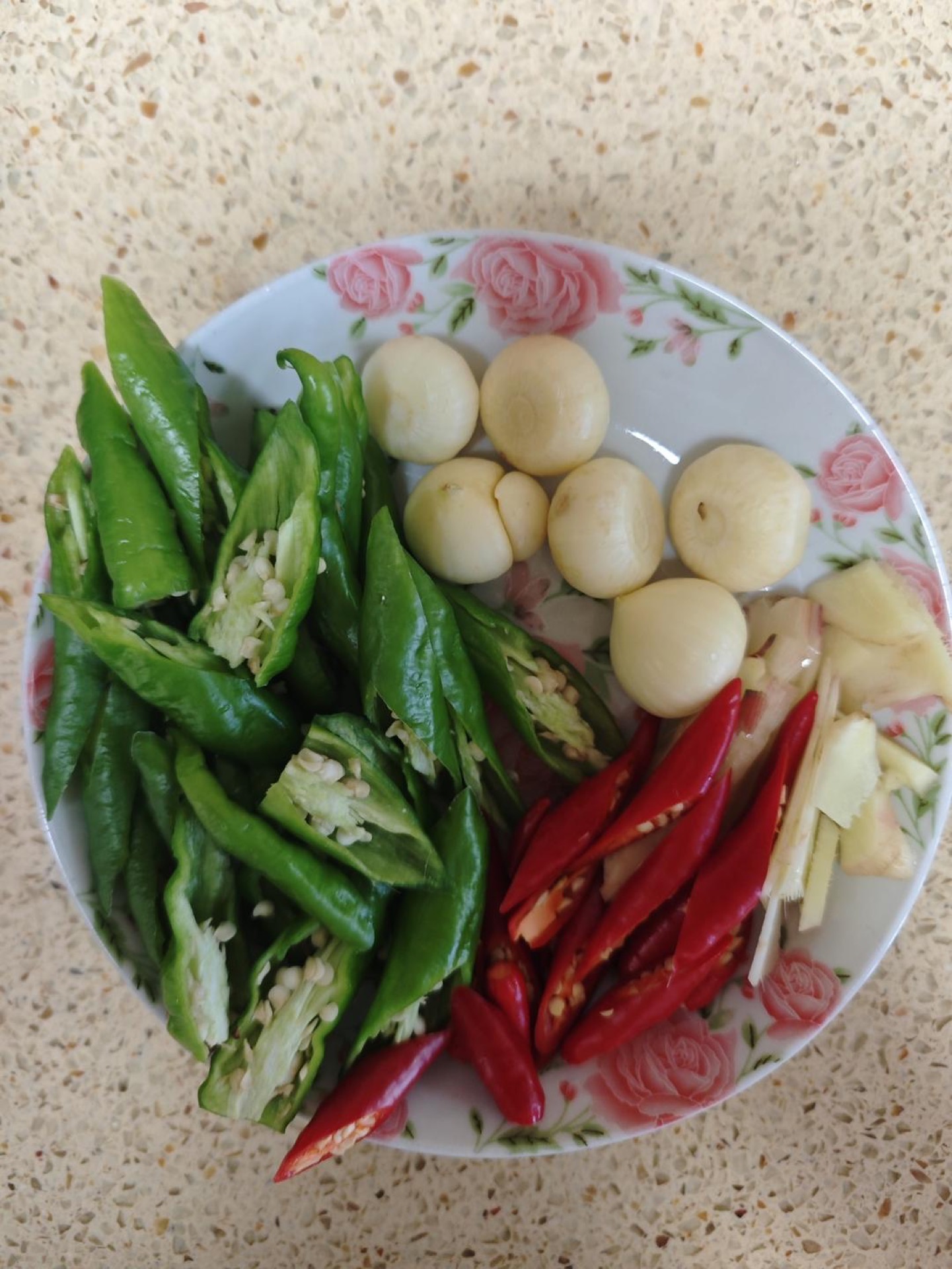
- Cut the aromatics. Cut the green chilies into 1-inch lengths and slice the small red chilies on a sharp diagonal. Peel the two heads of garlic. Smash half the ginger and slice the rest thin.
- Cut the ribs. If your butcher has not already done it, cut the rack between the bones into individual ribs, then cut each rib crosswise into 1-inch pieces. Trim any large flaps of fat but leave some — it renders and flavors the oil.
- Mix the seasoning. In a small bowl, combine the oyster sauce, light soy sauce, chicken bouillon, sesame seeds, and salt. Have it within arm’s reach of the stove.
- Set up the blanch. Fill a pot with about 6 cups of water, add the smashed ginger and the Shaoxing wine, and bring it to a boil.
One note on timing: the ribs can be blanched up to a day ahead and refrigerated. In fact, chilling them after boiling dries the surface even further and gives you an even better sear. If you have time, spread them on a plate, uncovered, in the fridge for a couple of hours.
Cooking Process
Step 1 — Prep the Peppers, Garlic, and Ginger
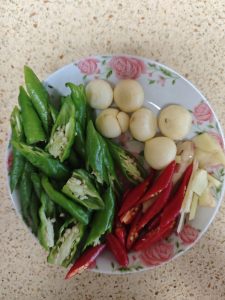
Cut the green and red chilies into short lengths and get the garlic and ginger ready.
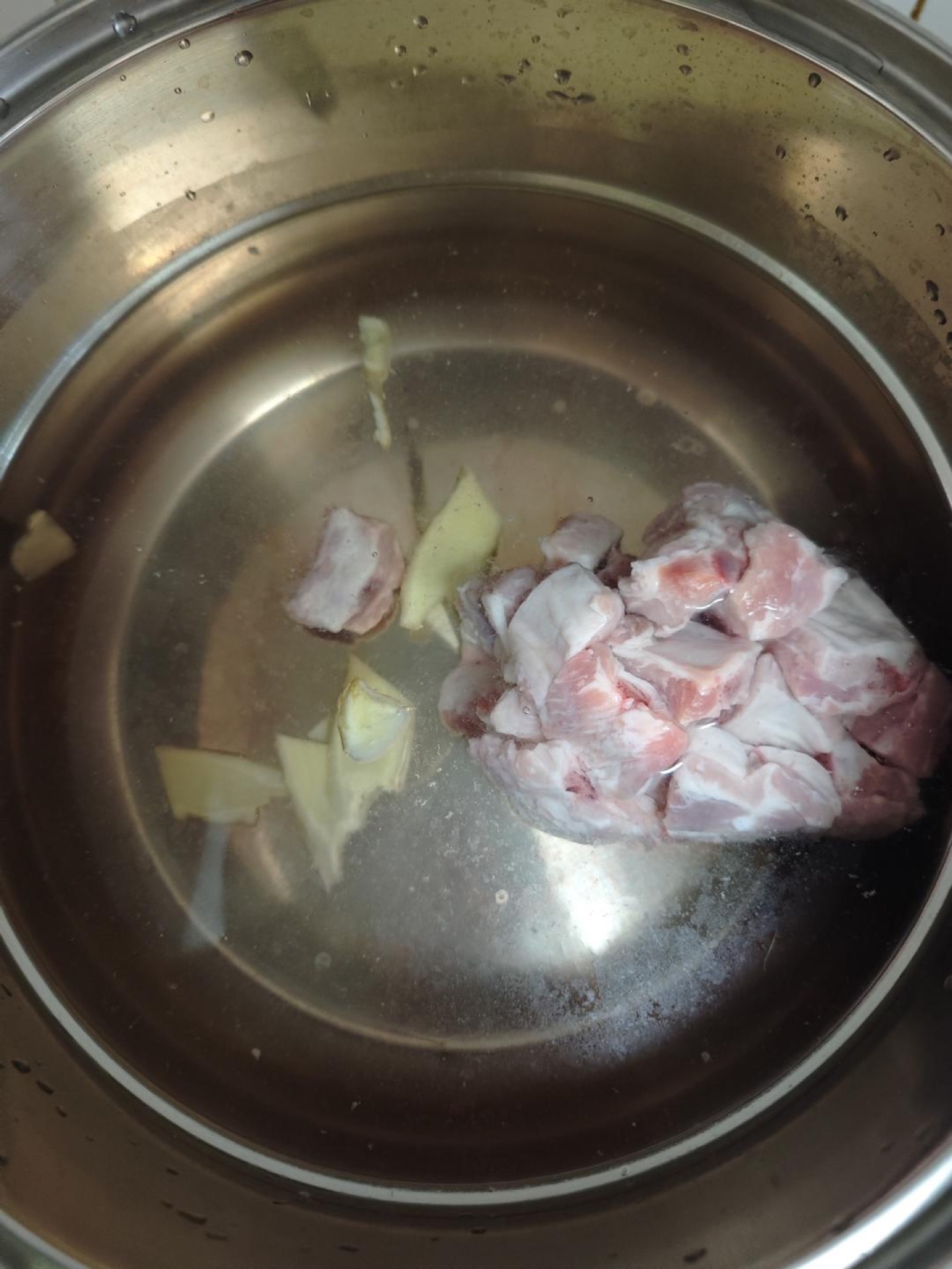
Step 2 — Blanch the Ribs
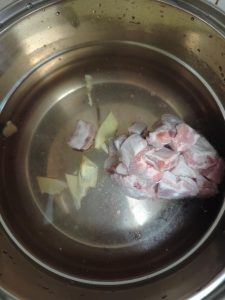
Blanch the ribs with ginger and Shaoxing wine — I boil them a little longer than usual, so there is no worry about the inside being undercooked when the wok is hot later.
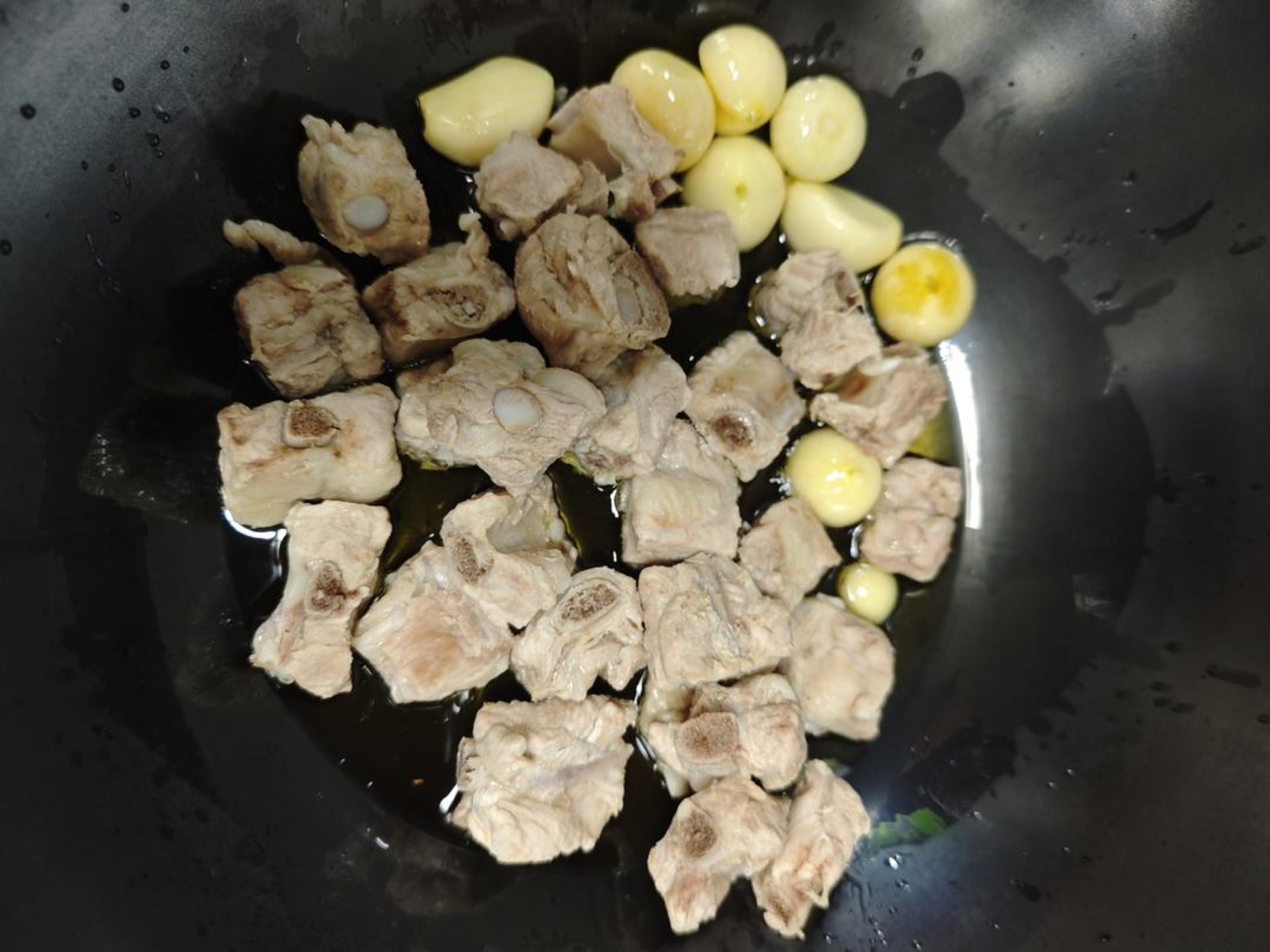
Step 3 — Start the Fry with Garlic
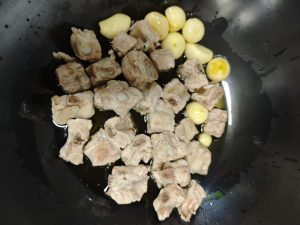
Heat oil in the wok and add the garlic, frying it along with the ribs.
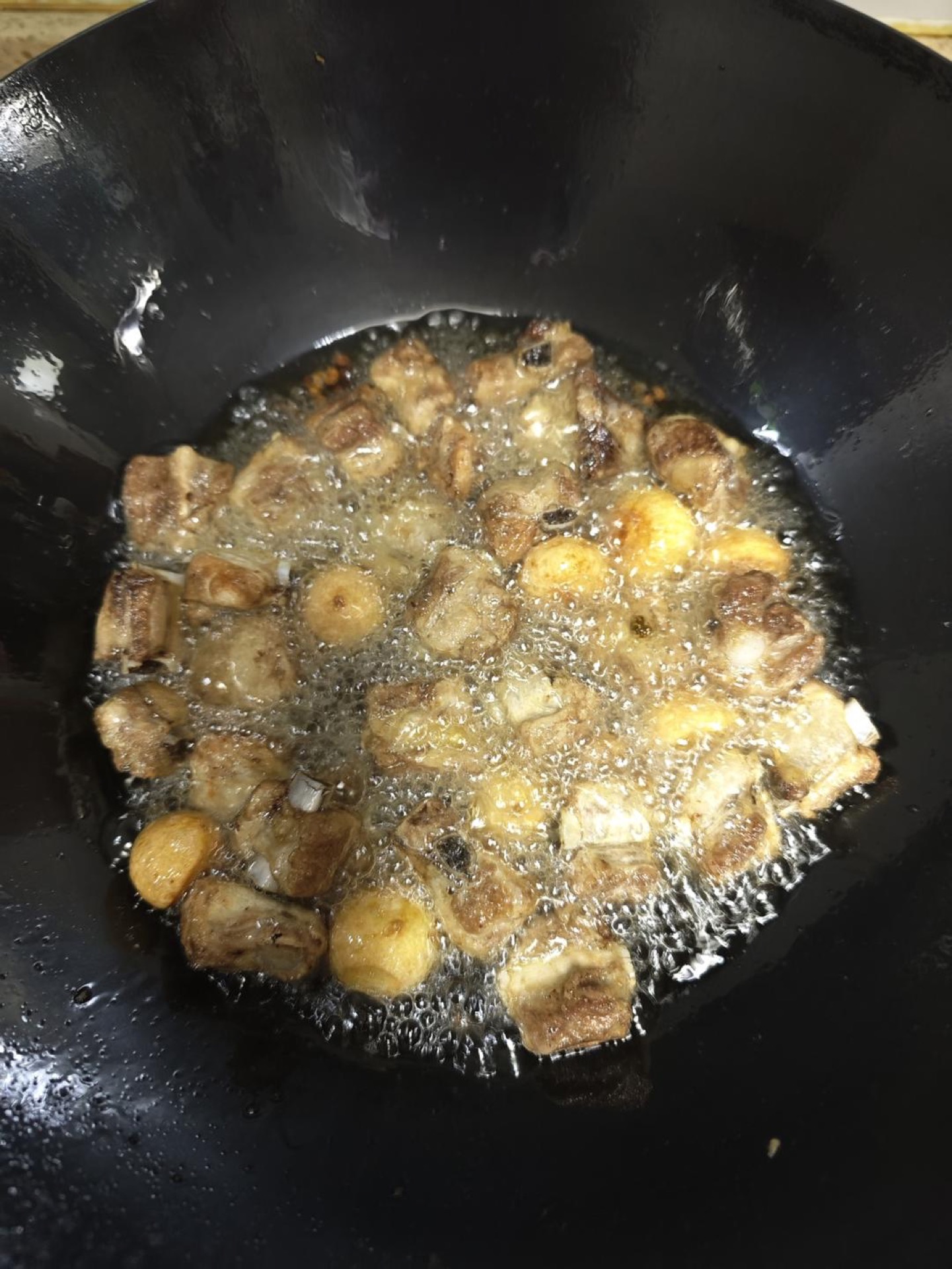
Step 4 — Fry Until Golden and Add Peppercorns
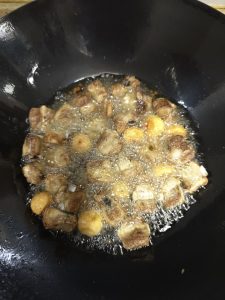
Fry until the ribs look like this, and at this point you can add a small pinch of Sichuan peppercorns.
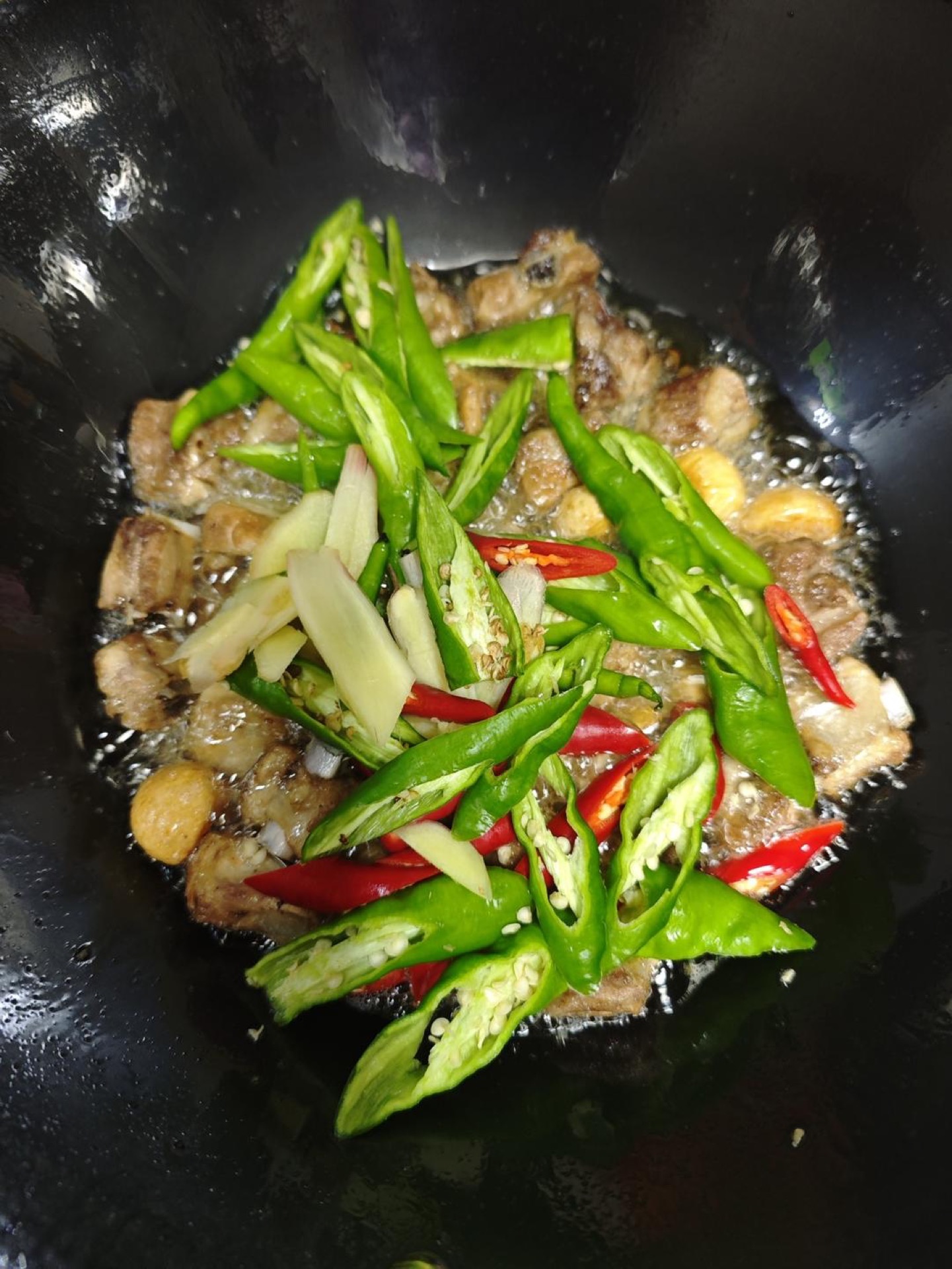
Step 5 — Add Ginger and Chilies
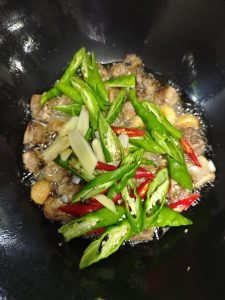
Add the ginger and the green and red chilies and stir-fry until the chili heat blooms.
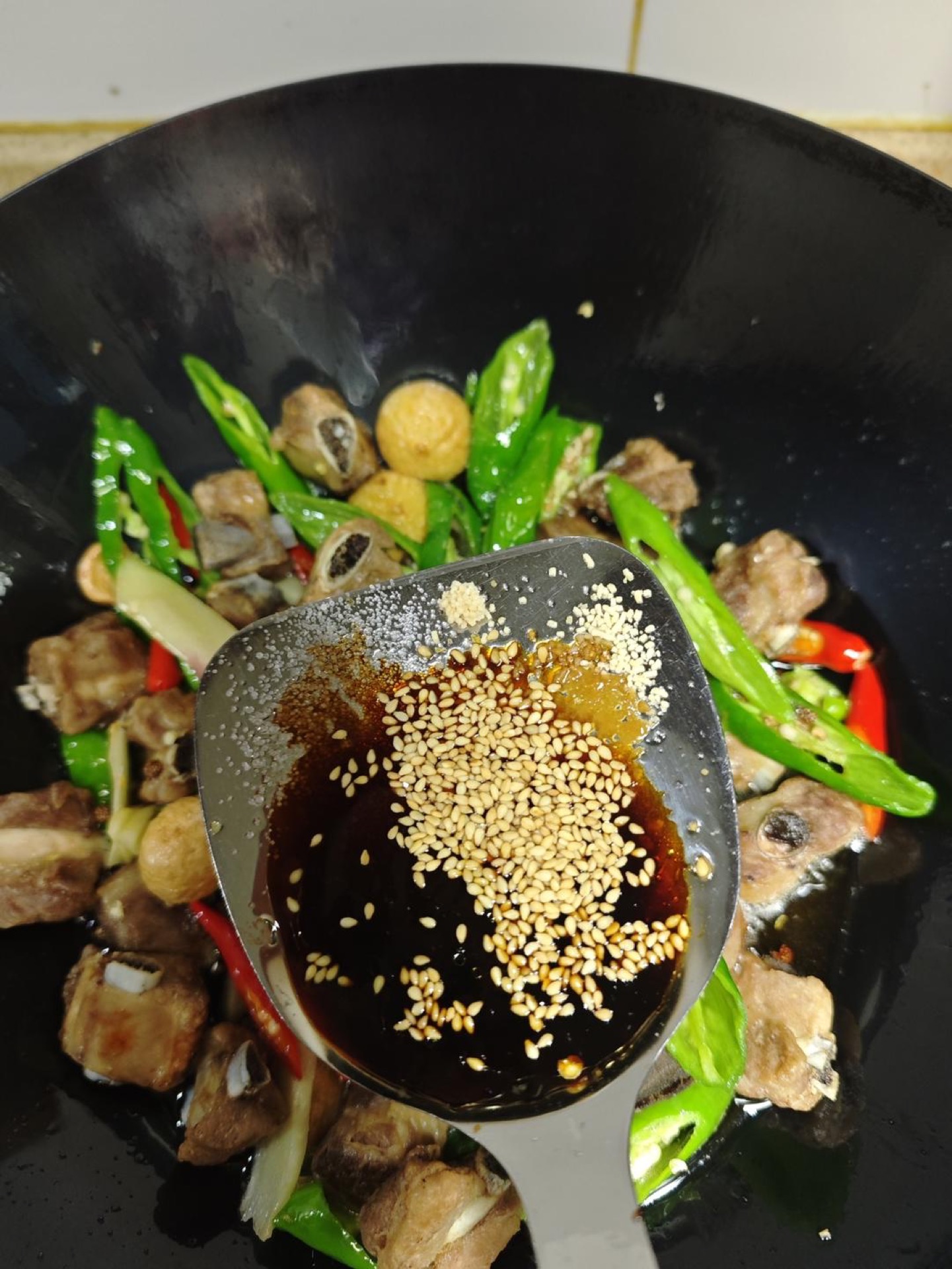
Step 6 — Season the Ribs
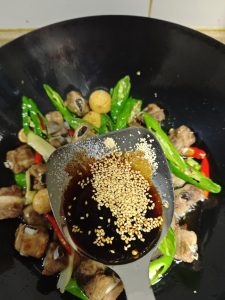
Add the seasonings: sesame seeds, chicken bouillon, oyster sauce, light soy sauce, and salt.
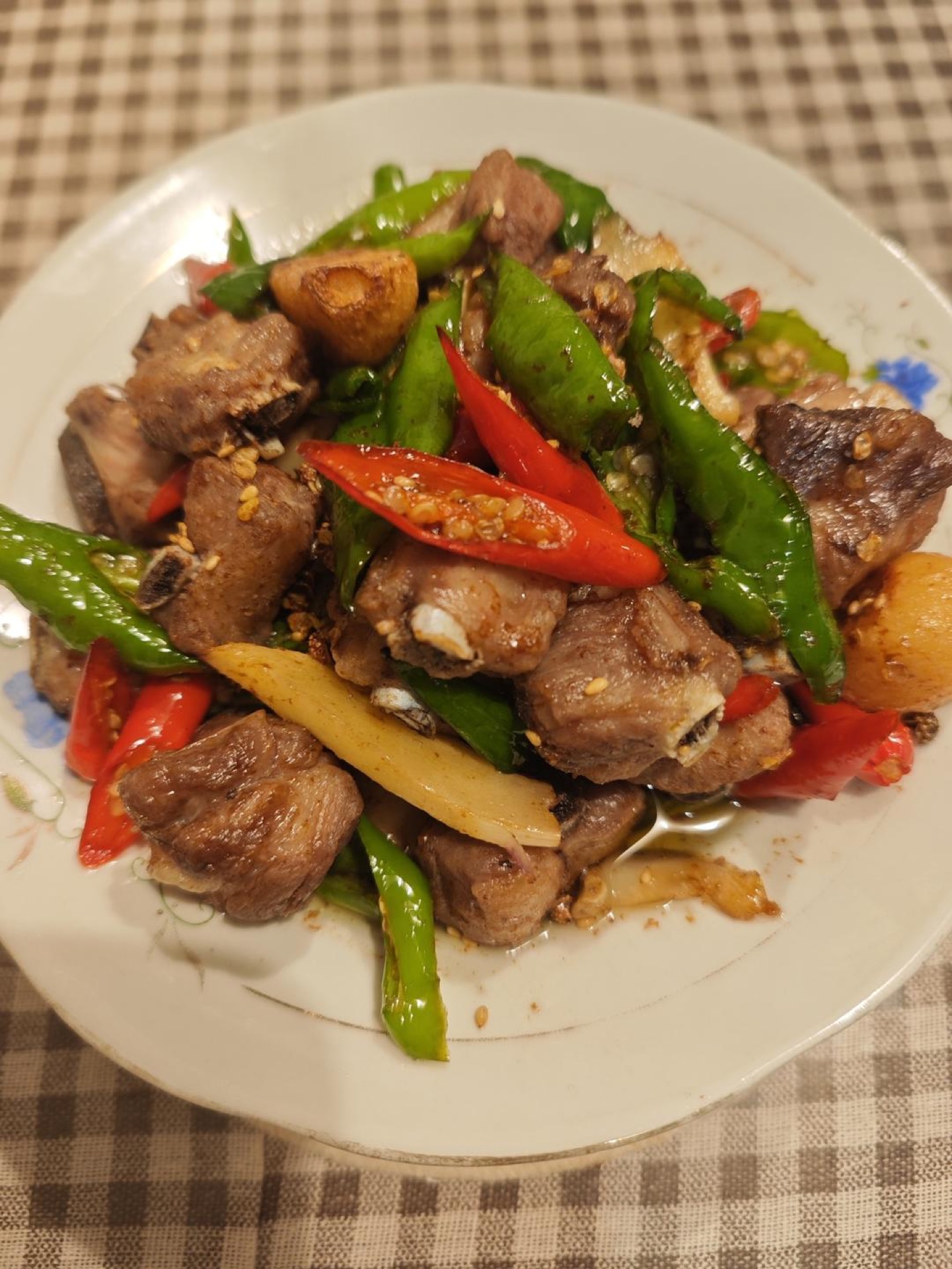
Step 7 — Toss and Plate
Give it a few more tosses and it is ready to come out of the wok — dry, fragrant, and deeply savory.
Common Mistakes When Making Double Pepper Pork Ribs
1. Skipping the blanch. Raw ribs dropped straight into a wok will release a startling amount of pinkish water, which then boils rather than fries. The meat ends up gray and the wok ends up wet. Cause: impatience. Fix: blanch first, always, and let the ribs drain well in a colander before they hit the oil.
2. Undercooking the blanch. If you pull the ribs out after two minutes, they will still be raw at the bone, and you will be forced to either overcook the outside or serve pink pork. Cause: treating the blanch as a quick rinse. Fix: simmer them properly — 20 to 30 minutes for meaty ribs — until the meat is cooked through and starting to pull back from the bone. Verify with an instant-read thermometer: pork is safe at 145°F (63°C) with a three-minute rest, per the USDA safe minimum internal temperature chart.
3. Crowding the wok. This is the single most common reason home versions taste steamed instead of seared. Cause: wanting to get it all done at once. Fix: fry the ribs in two batches if your wok is smaller than 12 inches, or use a very wide skillet. Each piece needs contact with hot metal.
4. Chopping the garlic. Minced garlic burns in seconds at searing temperatures, turning bitter and leaving black specks all over the dish. Cause: habit. Fix: leave the cloves whole, as the source recipe does. They will soften and sweeten instead of scorching.
5. Adding the chilies too early. If the chilies go in with the ribs at the start, they turn limp, gray, and bitter by the time the meat browns. Cause: treating everything as one step. Fix: add the ginger and chilies only after the ribs are properly browned, and stir-fry them for just a minute or two until fragrant.
6. Over-seasoning with salt before tasting. Oyster sauce, soy sauce, and chicken bouillon are all salty. Adding the full ½ teaspoon of salt on top without tasting can push the dish over the edge. Cause: following the list mechanically. Fix: add the liquid seasonings first, toss, taste, then add salt only if it needs it.
7. Stirring constantly. Constant motion prevents browning. Cause: nervousness about burning. Fix: spread the ribs in a single layer, leave them alone for 60 to 90 seconds, then flip. Repeat. The crust needs stillness to form.
Variations
Add fermented black beans. A tablespoon of rinsed, chopped 豆豉 added with the chilies gives the dish a deeper, funkier, more Cantonese-leaning flavor. It is a small change with a big effect.
Make it with pork belly instead. The technique transfers perfectly — blanch, sear, toss with chilies. Our pan grilled pork belly follows a similar logic and is a good reference point for how the fat behaves.
Swap in ground pork. If you want dinner on the table in fifteen minutes, use ground pork instead of ribs and skip the blanch entirely. Brown it hard, then proceed from the garlic step. The texture is completely different but the flavor is recognizably the same family — see eggplant with minced pork for a dish built on exactly this shortcut.
Dial the heat up or down. For a milder version, use all green chilies and add just one or two red ones for aroma. For a Hunan-level version, double the red chilies and add a teaspoon of chili oil at the end.
Add vegetables. Sliced onion, celery, or even potato wedges can go in with the chilies. If you add potato, par-boil it first so it cooks through in the time the wok allows.
Frequently Asked Questions
Can I skip the blanching step? You can, but the dish will be noticeably different. Without blanching, the ribs release moisture and blood into the wok, the oil spatters violently, and the meat is harder to brown. If you are short on time, blanch the ribs in the morning and refrigerate them until dinner.
How do I know when the ribs are done? After the blanch, the meat should be opaque all the way to the bone and should have pulled back slightly, exposing the bone ends. If you want to be certain, an instant-read thermometer inserted into the thickest part of the meat, away from bone, should read at least 145°F (63°C).
My ribs came out tough. What went wrong? Almost always the blanch was too short or the fry was too long. Ribs need time in the water to tenderize; they do not need long in the wok. If your ribs are still chewy, simmer them another 10 minutes in water next time before frying.
Can I make this ahead? Yes. Blanch the ribs up to 24 hours ahead and refrigerate. You can also complete the entire dish and reheat it gently in a wok over medium heat — the flavor actually deepens overnight, though the chilies will soften.
Is this dish very spicy? It is moderately spicy by Chinese standards and fairly spicy by most Western ones. The green chilies contribute aroma more than heat; the small red ones do the heavy lifting. You can halve the red chilies without losing the character of the dish.
How to Serve
Double pepper pork ribs are a main course, but they are intense enough that they work best alongside something plain. Steamed white rice is the classic pairing — the dry, salty, chili-flecked ribs against clean rice is the whole point of the dish. A simple stir-fried green vegetable or a cucumber salad rounds out the table.
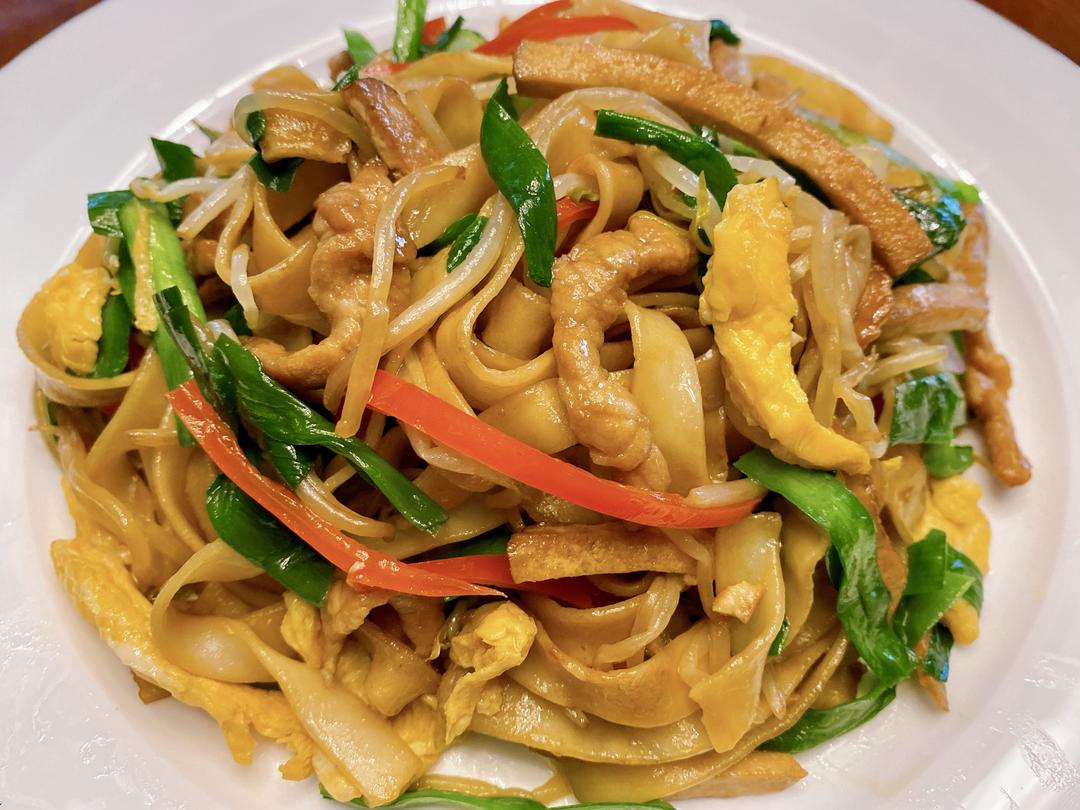
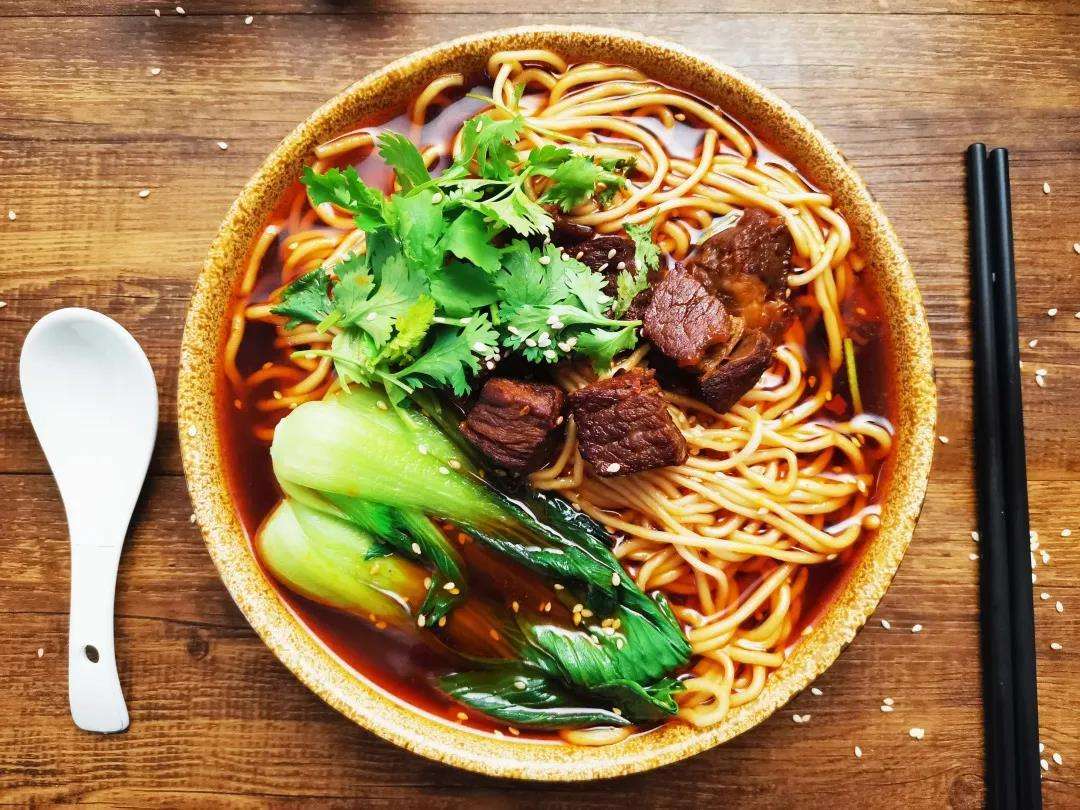
If you want a starch with more character than plain rice, chow mein is a good companion, and the chewy noodles stand up to the strong flavors without competing. For a lighter, broth-based option, braised beef noodle soup makes a substantial meal when served alongside a smaller portion of the ribs.
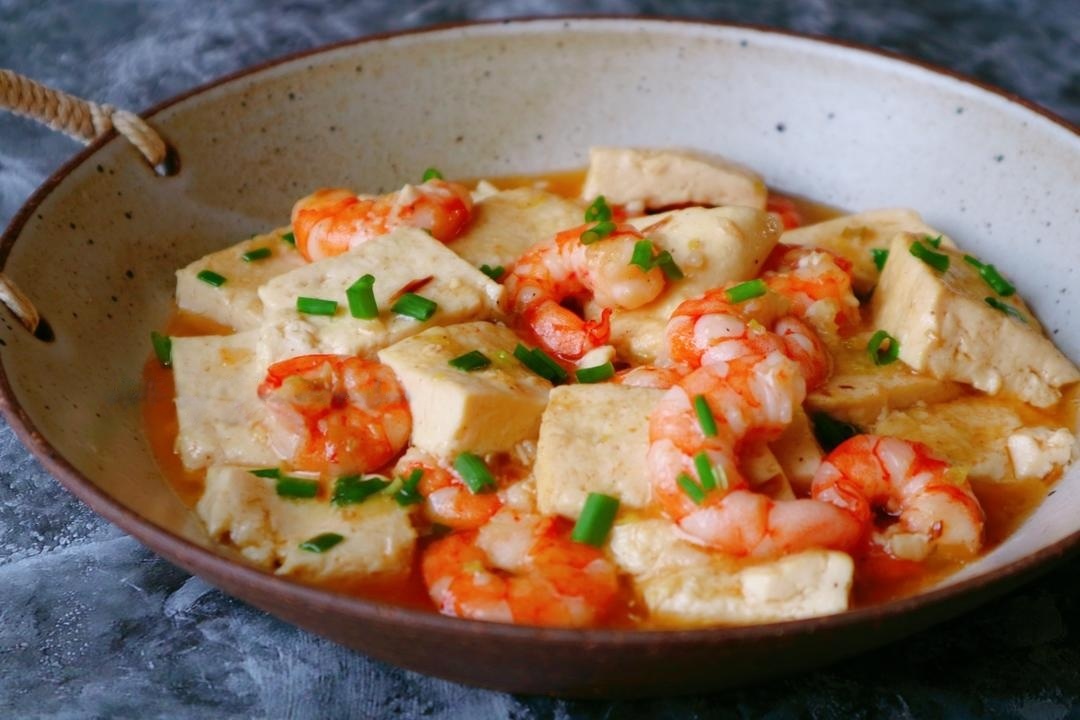
On the vegetable side, a quick shrimp and tofu stir fry adds a soft, mild counterpoint, and a bowl of quick kimchi on the table gives you the same sour-crunch contrast that Chinese home cooks get from pickles. If you want something more substantial, mushroom chicken clay pot rice is a full meal on its own and pairs well with a smaller serving of ribs.
For dessert or a snack later, thousand-layer scallion pancake is a completely different register but a good thing to have in the freezer for another day.
Storage & Reheat
Let the ribs cool to room temperature, then transfer them to an airtight container. They will keep in the refrigerator for up to 4 days. Because the dish is dry rather than saucy, it reheats unusually well — there is no sauce to break or separate.
To reheat, warm a wok or skillet over medium-high heat with a teaspoon of oil, add the ribs, and toss for 3 to 4 minutes until hot through and slightly re-crisped. The microwave works in a pinch but will soften the chilies and dull the texture. Reheat until the internal temperature reaches 165°F (74°C).
For longer storage, freeze the cooled ribs in a freezer-safe bag or container for up to 3 months. Thaw overnight in the refrigerator before reheating. The garlic cloves will become quite soft after freezing and reheating, which some people love and others do not — if you are particular about it, pick them out before freezing.
Do not leave the ribs at room temperature for more than two hours. Per the FDA guidance on refrigerator thermometers and cold storage, your refrigerator should hold at 40°F (4°C) or below to keep cooked leftovers safe.
Allergen Notice
This recipe contains soy (light soy sauce, oyster sauce) and sesame (toasted sesame seeds). Oyster sauce is made with shellfish, so anyone with a shellfish allergy should substitute mushroom oyster sauce or omit it. Chicken bouillon may contain trace amounts of gluten depending on the brand — check the label. If you are avoiding soy, use coconut aminos in place of both the soy sauce and the oyster sauce, and expect a slightly sweeter result. Always check the labels of every packaged ingredient you use, as formulations vary by brand and region.
Nutrition Disclaimer
Nutrition information is calculated using an ingredient database and should be considered an estimate. In cases where multiple ingredient alternatives are given, the first listed is calculated for nutrition. Garnishes and optional ingredients are not included.
About the Author & Recipe Development
Lin is the cook, writer, and photographer behind Woks of Love, a site devoted to the homestyle Chinese cooking she grew up with and the restaurant dishes she has spent years reverse-engineering in a home kitchen. Her approach is practical rather than precious: she tests each recipe until the technique is reliable for someone cooking on a Tuesday night with a single wok and a supermarket nearby.
This version of double pepper pork ribs was developed from a Hunan home recipe that calls for boiling the ribs longer than seems necessary before the fry. That single detail — a long, unhurried blanch — is what makes the dish forgiving for home cooks, and it is the change that made the biggest difference in testing. The recipe was tested with both baby back and St. Louis ribs, and with green chilies ranging from long mild Chinese varieties to jalapeños; the instructions reflect what worked consistently across all of them.
Authoritative References
Sources consulted for the food-safety and food-science guidance in this article:
- USDA Food Safety and Inspection Service — Safe Minimum Internal Temperature Chart
- U.S. Food and Drug Administration — Refrigerator Thermometers: Cold Facts About Food Safety
- Serious Eats — The Maillard Reaction, explained
Double Pepper Pork Ribs (双椒排骨): Tender Ribs with Bold Green and

Equipment
- Wok
- Cutting Board
- Slotted Spoon
Ingredients
For the Ribs
- 1 lb pork ribs cut into 1-inch pieces, bone in
- 1 thumb ginger about 1 inch, smashed
- 2 tbsp Shaoxing wine or dry sherry
- 6 cups water for blanching
For the Fry
- 3 tbsp neutral oil plus more if needed
- 2 heads garlic peeled, cloves left whole
- 1 tsp Sichuan peppercorns optional but recommended
- 5 green chilies cut into 1-inch lengths
- 6 red chilies small hot chilies, sliced
- 1 thumb ginger sliced thin
For the Seasoning
- 1 tbsp oyster sauce
- 1 tbsp light soy sauce
- 1 tsp chicken bouillon
- 1 tsp toasted sesame seeds
- 1/2 tsp salt or to taste
Instructions
- Cut the green and red chilies into short lengths and get the garlic and ginger ready.

- Blanch the ribs with ginger and Shaoxing wine — I boil them a little longer than usual, so there is no worry about the inside being undercooked when the wok is hot later.
- Heat oil in the wok and add the garlic, frying it along with the ribs.

- Fry until the ribs look like this, and at this point you can add a small pinch of Sichuan peppercorns.
- Add the ginger and the green and red chilies and stir-fry until the chili heat blooms.
- Add the seasonings: sesame seeds, chicken bouillon, oyster sauce, light soy sauce, and salt.
- Give it a few more tosses and it is ready to come out of the wok — dry, fragrant, and deeply savory.












Leave a Reply