There is an old saying in my hometown in Sichuan: “If you haven’t eaten Twice-Cooked Pork, you haven’t truly been to Sichuan.”
Growing up in my family’s restaurant kitchen, the scent of Twice-Cooked Pork (Hui Guo Rou / 回锅肉) was the signal that lunch was ready. It is arguably the “King of Sichuan Cuisine”—a dish so beloved that every household has its own version.

Today, I’m sharing a version that is incredibly rice-friendly and simple enough for a weeknight dinner. It combines tender pork belly with fresh green garlic (leeks) and a special savory sauce that balances the flavors perfectly. It’s rich but not greasy, savory, and slightly sweet—the ultimate comfort food.
What is Twice-Cooked Pork?
“Hui Guo” (回锅) literally translates to “return to the pot.” This describes the unique two-step cooking technique defining this dish. First, the pork belly is simmered until just cooked through. Then, it is sliced and returned to the wok to be stir-fried.
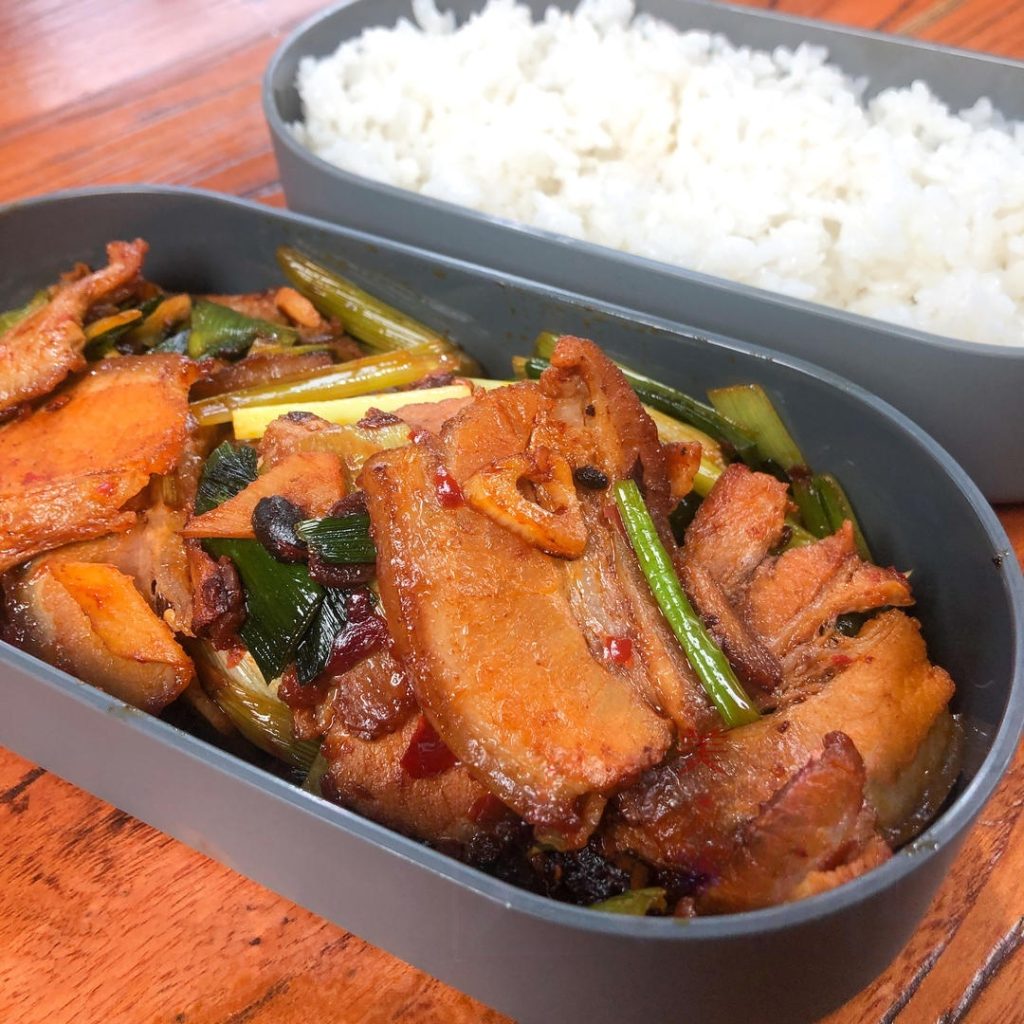
This process renders out the excess fat, creating a texture that is tender rather than oily, with edges that curl up into what we professional chefs call “lantern slices.” It’s often paired with green garlic (garlic sprouts), which adds a fresh, aromatic bite that cuts through the richness of the meat.
Why This Recipe Works
- Texture Contrast: Boiling the meat first creates a tender interior, while the second fry creates a slightly crispy, caramelized exterior.
- The “Mystery” Sauce: Unlike some versions that just rely on bean paste, this recipe uses a pre-mixed sauce of sugar, vinegar, and soy sauce to balance the saltiness of the fermented pastes.
- Fat Rendering: By slowly searing the boiled pork, we Render Lard from the belly, ensuring the dish isn’t greasy.
Key Ingredients & Substitutions
To get that authentic taste, sourcing the right ingredients is key, but I have listed accessible substitutions for home cooks in the US or Europe.
- Pork Belly (300g / ~11 oz): Look for a piece with skin on and even layers of fat and meat. If you can’t find skin-on, skinless works, but the texture will be less chewy.
- Green Garlic (青蒜 – Qing Suan): Also known as garlic sprouts or garlic leeks. They look like thick scallions but have a mild garlic flavor.
- Substitution: If you can’t find them at an Asian market, use small leeks or scallions. If using leeks, slice them thinly and wash thoroughly.
- Pixian Doubanjiang (郫县豆瓣酱): This is spicy fermented broad bean paste, the soul of Sichuan cooking. You can find brands like Juancheng at Asian markets or online. Doubanjiang provides the signature red oil and savory depth.
- Fermented Black Beans (Douchi): These add a distinct umami punch. Rinse them briefly before using.
- Ginger & Garlic: Fresh is best for aromatics.
- The Sauce Mix: A blend of sugar, MSG (optional), Light Soy Sauce, and vinegar.
Test Kitchen Note: Choosing the Right Pork
I tested this recipe with both pork butt and pork belly. Pork belly is superior because the fat renders out to crisp up the edges. If you strictly avoid fatty cuts, pork butt is a passable alternative, but be careful not to overcook it, or it will become dry.
Ingredients
The Main Items:
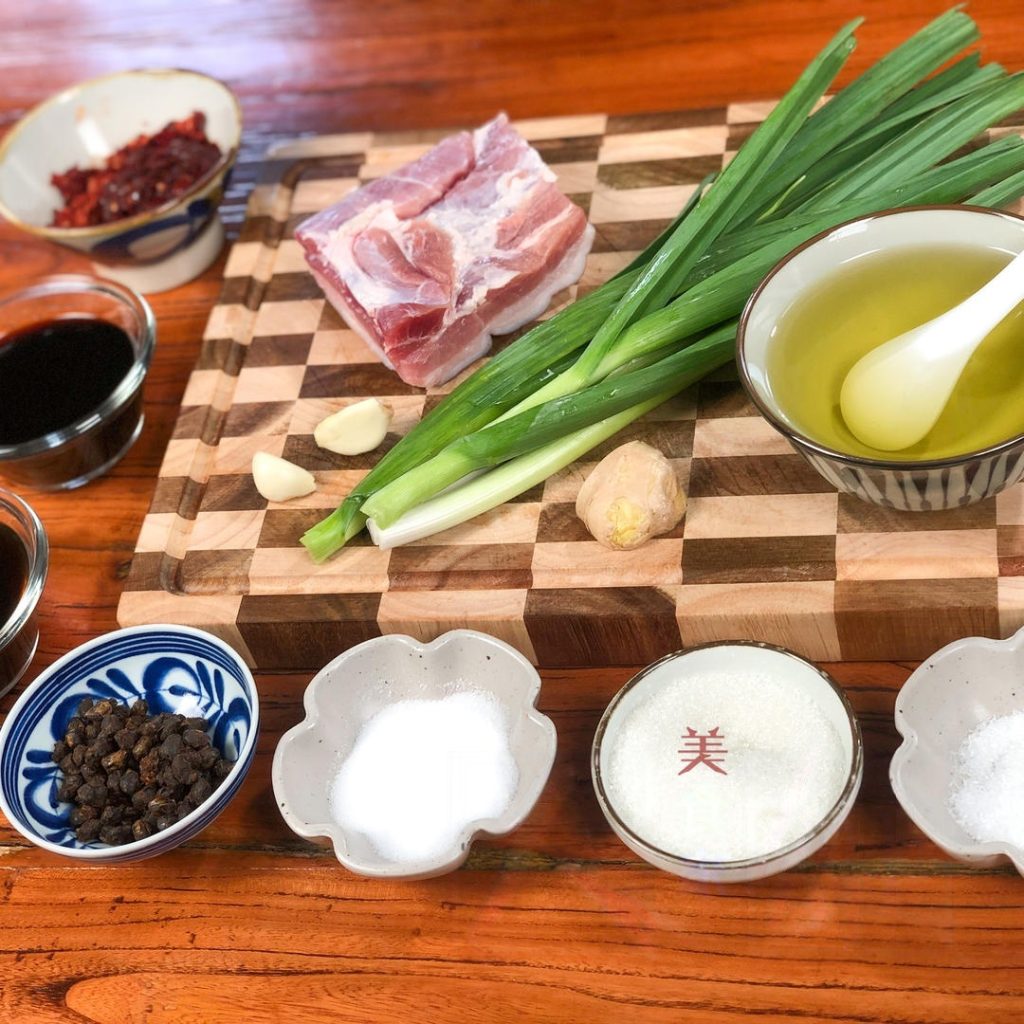
- 4-5 stalks Green Garlic (or substitute 2 medium Leeks)
- 11 oz (300g) Pork Belly, preferably skin-on
- 1-inch piece Garlic, sliced
- 2 slices Ginger
- 1 tbsp Fermented Black Beans (Douchi)
- 1 tbsp Cooking Oil (neutral oil like canola or vegetable)
The Seasonings:
- 1 tbsp Pixian Doubanjiang (Chili Bean Paste)
- Optional: 1/5 tbsp MSG (Chicken bouillon powder is a good substitute)
The “Mystery” Sauce (Mix in a bowl):
- 2 tbsp Water
- 1/5 tbsp MSG (or chicken bouillon)
- 1/2 tbsp Sugar (white sugar)
- 1 tbsp Light Soy Sauce (e.g., Kikkoman or Pearl River Bridge)
- 1/2 tbsp Black Vinegar (or Rice Vinegar)
Recipe Notes Before You Start
- Boiling Technique: Start the pork in cold water. This allows impurities to release slowly and ensures the meat cooks evenly from the outside in.
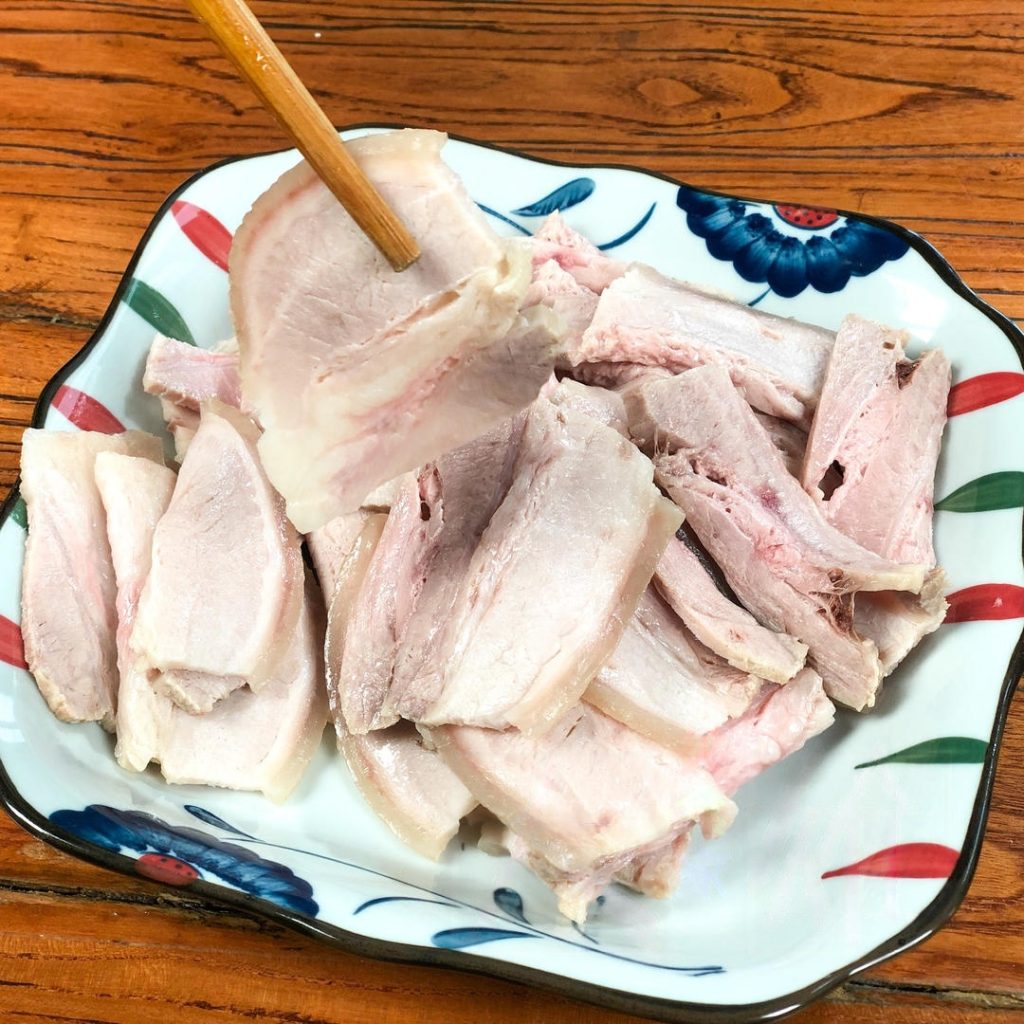
- Slicing: Let the boiled pork cool down completely (or stick it in the fridge for 20 minutes) before slicing. This allows you to cut thin, uniform slices (“matchstick thickness”) which curl up beautifully in the wok.
- Wok Temperature: You don’t need a blazing hot wok for the rendering step; medium heat allows the fat to render without burning the meat.
How to Make Authentic Twice-Cooked Pork
Step 1: Prepare the Aromatics
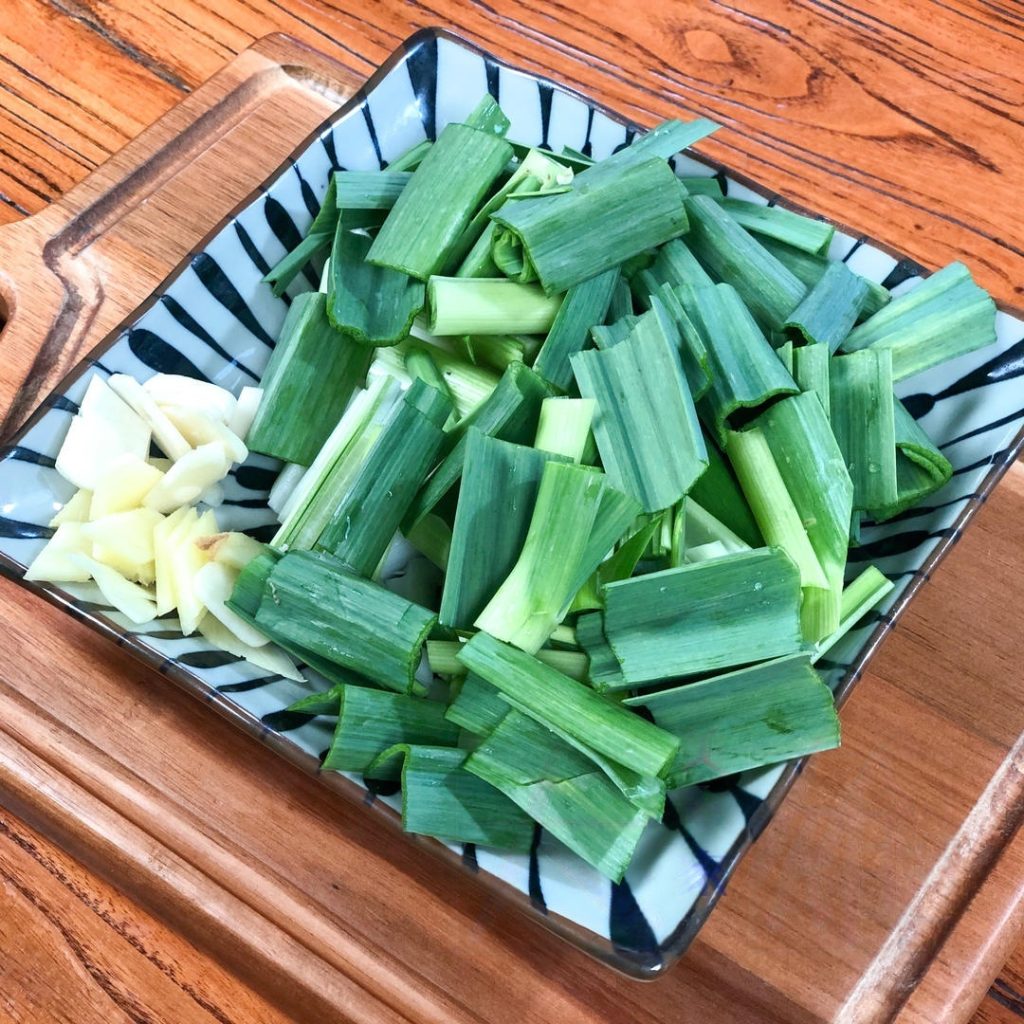
Wash the green garlic thoroughly to remove any grit. Cut the stems at a diagonal into 1.5-inch sections. Slice the ginger and garlic cloves thinly.
Step 2: Prepare the Sauce
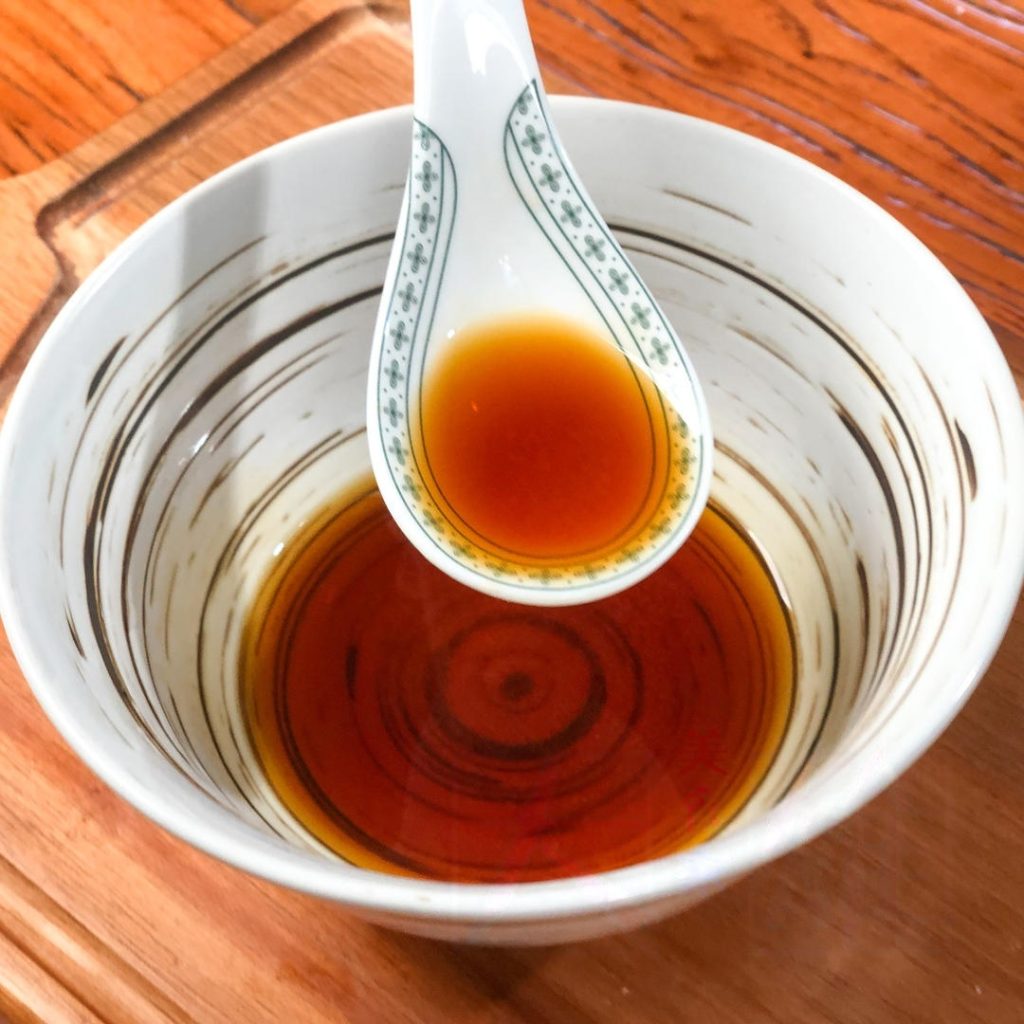
In a small bowl, mix the sauce ingredients: 2 tbsp water, 1/5 tbsp MSG, 1/2 tbsp sugar, 1 tbsp Light Soy Sauce, and 1/2 tbsp vinegar. Stir until the sugar dissolves.
Why pre-mix? Stir-frying moves fast. Having this ready ensures you don’t burn the meat while looking for bottles.
Step 3: Simmer the Pork
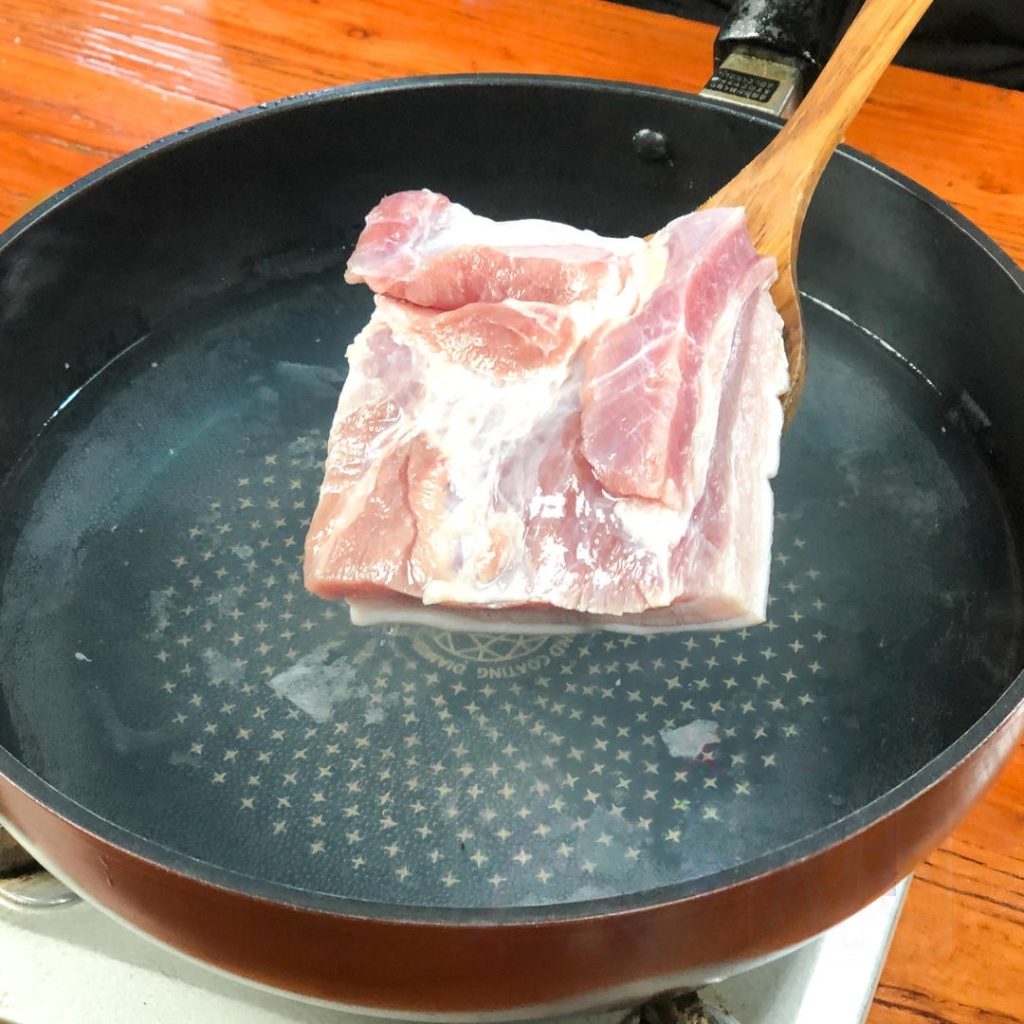
Place the pork belly into a pot and cover with cold water. Bring to a boil over high heat, then reduce to a simmer. Cook for about 15 minutes.
Visual Cue: The pork is done when a chopstick can pierce the skin and meat with little resistance. Do not overcook, or the skin will break apart.
Step 4: Slice the Pork
Remove the pork and rinse it under cold water to stop the cooking and wash off any scum. Pat dry. Slice the pork thinly, about the thickness of a matchstick or a coin (approx. 2-3mm).
Step 5: Render the Pork (The “Hui Guo” Step)
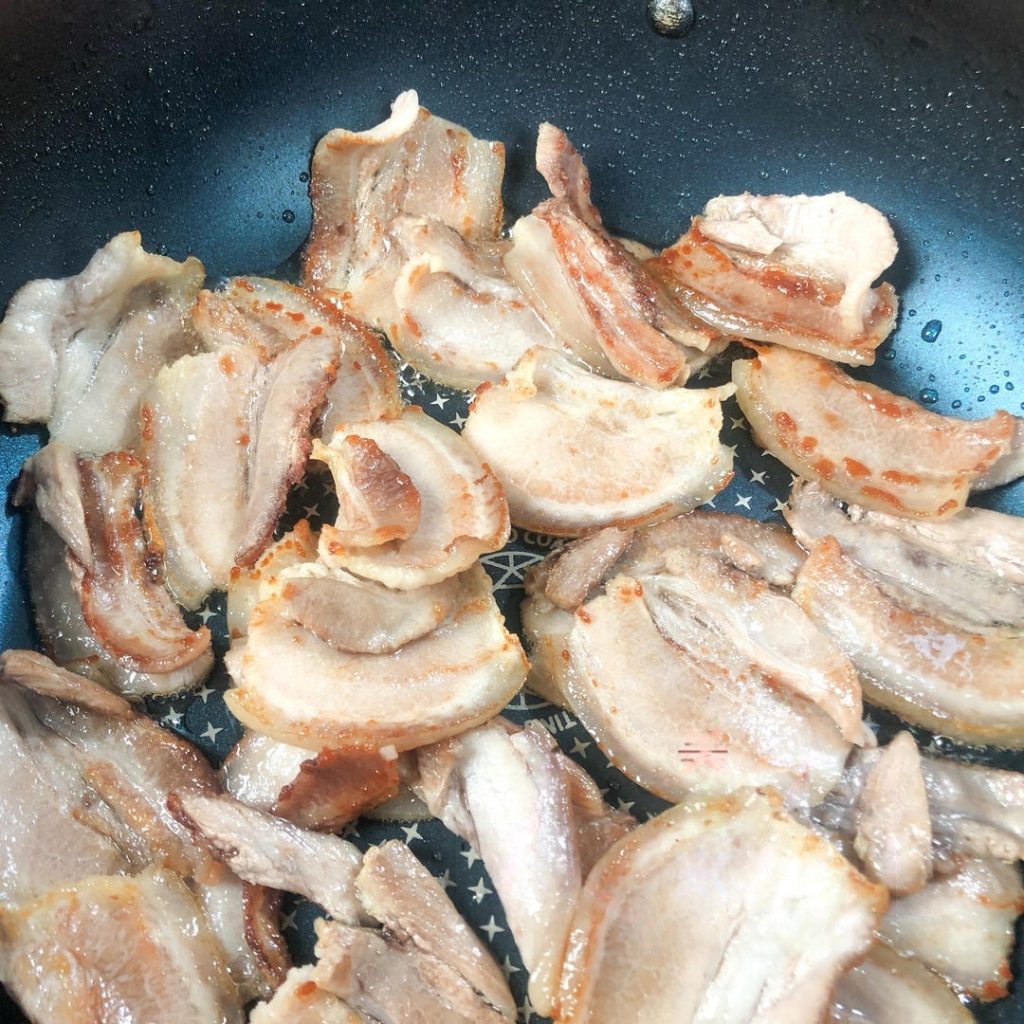
Heat your wok or large skillet over medium heat. Add 1 tbsp of oil. Add the sliced pork belly. Stir-fry gently until the fat turns transparent and the edges of the meat begin to curl up and turn golden (we call this “cherry blossom pork” due to the shape).
Safety Note: If the pork is not dry, the oil may splatter. Use a splatter screen if necessary.
Step 6: Fry the Aromatics
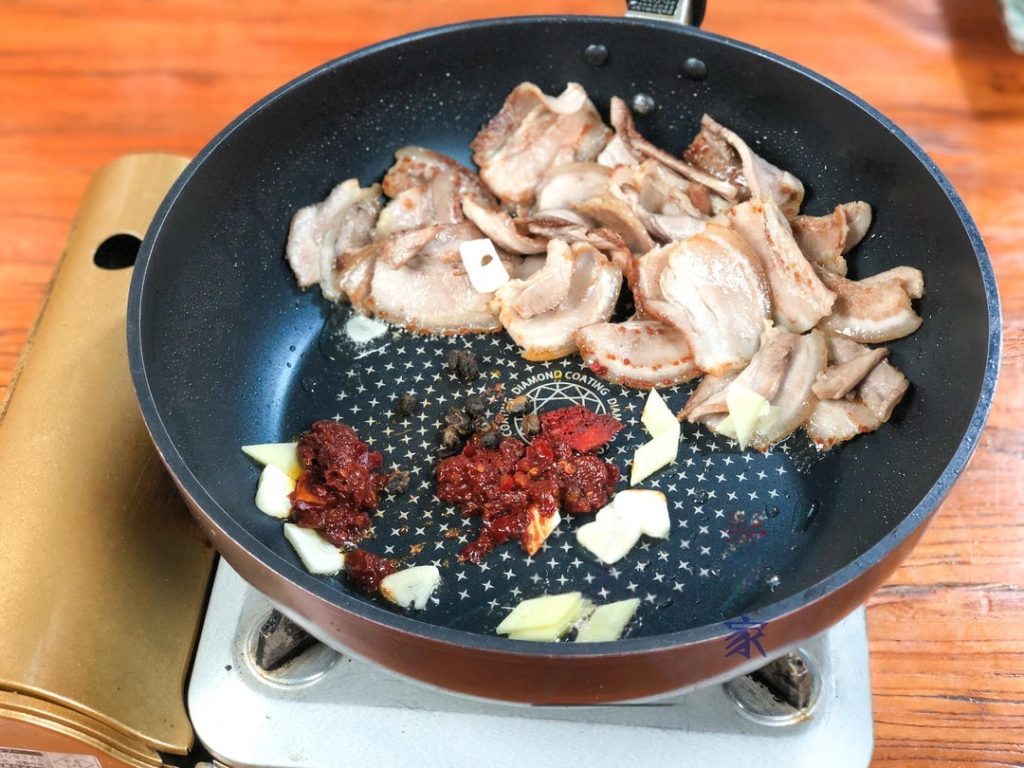
Push the meat to one side of the wok (or remove it temporarily if your wok is small). Into the oil pooling at the bottom, add the ginger and garlic slices, followed by 1 tbsp Doubanjiang and the fermented black beans. Stir-fry the paste in the oil until the oil turns red and smells fragrant. This releases the flavor from the chilies. Mix the meat back in with the paste.
Step 7: Final Stir-Fry
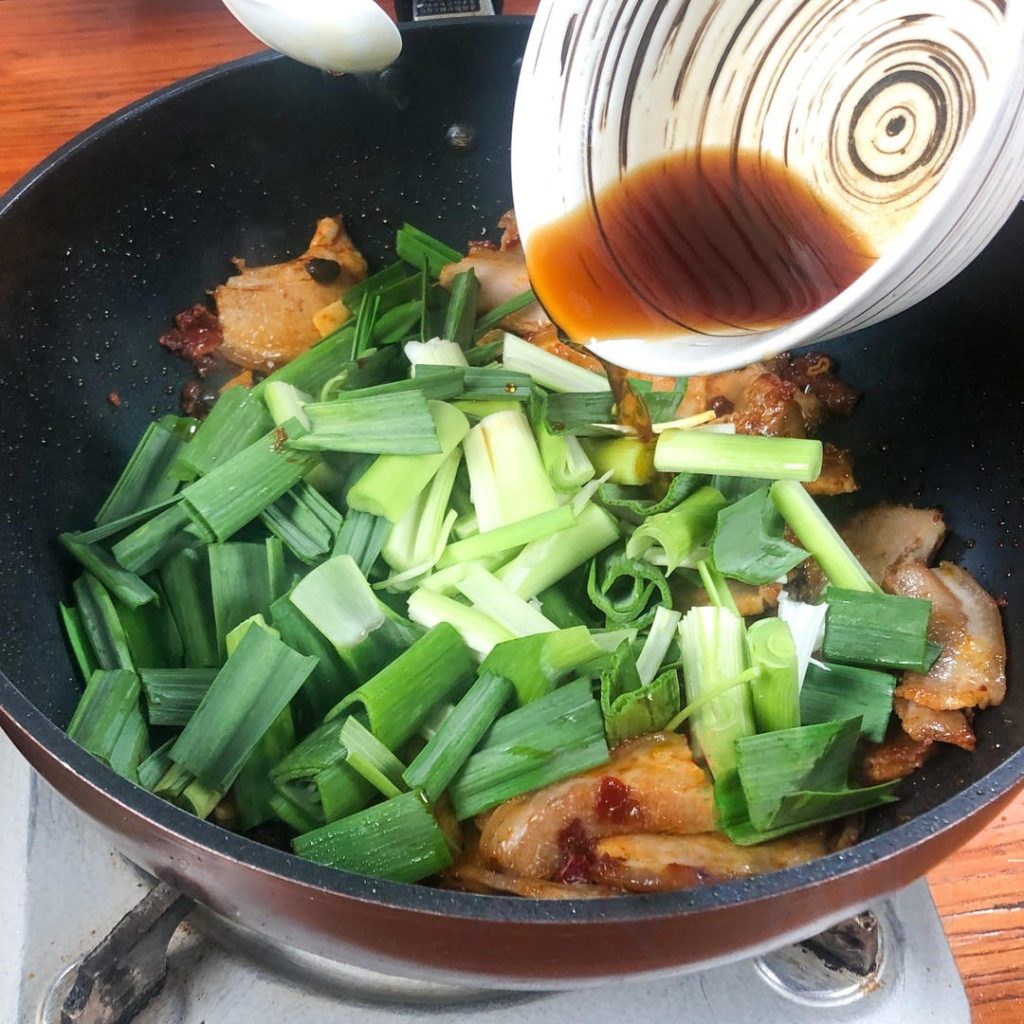
Add the green garlic stems (add the white parts first if they are thick, followed by the green leaves). Pour in the pre-mixed sauce. Turn the heat to high and stir-fry rapidly for 1 to 2 minutes until the green garlic is tender but still vibrant green.
Step 8: Serve
Transfer to a serving plate immediately. Serve hot with steamed white rice.
Tips for Success (FAQ)
Q: Why is my pork tough? A: You likely boiled it too long or sliced it too thick. 15 minutes is usually enough for a 300g piece. Thin slices ensure the fat renders quickly, keeping the lean meat tender.
Q: Can I make this less spicy? A: Yes. You can reduce the amount of Doubanjiang or buy a “mild” bean paste. However, the slight heat is characteristic of the dish.
Q: I don’t have green garlic. What now? A: Use scallions (green onions). Cut them into 2-inch lengths. Add them at the very end and cook for only 30 seconds so they don’t become mushy.
Q: Is this dish gluten-free? A: Traditionally, no, because soy sauce and bean paste contain wheat. To make it Gluten-Free Adaptable, use Tamari instead of soy sauce and source a gluten-free broad bean paste.
How to Store & Reheat
- Fridge: This dish stores excellently in an airtight container for up to 3 days. In fact, the flavors often meld better the next day, making it perfect for meal prep or bento boxes.
- Reheat: Microwave until hot, or stir-fry briefly in a pan. The pork skin may soften slightly upon reheating but remains delicious.
Nutrition Information (Estimate)
Serving Size: 1 serving (approx. 1/3 of the recipe) Calories: 450 kcal Total Fat: 35g
- Saturated Fat: 12g Cholesterol: 70mg Sodium: 850mg Total Carbohydrates: 8g
- Dietary Fiber: 1g
- Sugars: 4g Protein: 15g
Allergen Warning:
- Contains: Soy, Wheat (found in Soy Sauce and Doubanjiang/Bean Paste).
- Gluten-Free Note: This dish is not naturally gluten-free due to the wheat flour often used in fermented bean pastes and soy sauce. To make it gluten-free, use Tamari and a certified gluten-free broad bean paste.
Nutrition Disclaimer: Nutrition information is calculated using an ingredient database and should be considered an estimate. In cases where multiple ingredient alternatives are given, the first listed is calculated for nutrition. Garnishes and optional ingredients are not included. Actual nutritional values may vary depending on the specific brand of sauces and the fat content of the pork belly used.
Food Safety and Preparation
- Pork Cooking Temperature: Even though this is a “twice-cooked” dish, ensure the pork belly reaches a safe internal temperature of at least 145°F (63°C) during the initial boiling stage. This ensures the meat is safe to eat and handle before slicing.
- Oil Splatter Warning: When adding the sliced pork belly to the wok for the second frying step (rendering), the moisture remaining in the fatty meat can cause the hot oil to pop and splatter aggressively.
- Tip: Pat the boiled pork completely dry with paper towels before slicing. Stand back when adding the meat, or use a splatter screen to protect yourself from burns.
- Cross-Contamination: Always wash your hands, cutting boards, and knives thoroughly with hot soapy water after handling raw pork to prevent spreading bacteria to ready-to-eat ingredients like the green garlic.
- Fermented Ingredients: Fermented bean pastes (Doubanjiang and Douchi) have a high salt content. There is usually no need to add extra table salt to this dish. Taste your sauce before serving to avoid over-salting.
About the Author & Recipe Development
I am a Sichuan-born chef who spent over a decade working in professional kitchens in China before bringing my experience to Western home cooks. This recipe was developed to bridge the gap between restaurant-quality Hui Guo Rou and home convenience. I specifically tested the “pre-mixed sauce” method to simplify the seasoning process for beginners, ensuring you get that authentic “restaurant taste” without needing a dozen different ladles of condiments at the ready.
Authoritative References
For more on the history and cultural significance of Sichuan cuisine, I recommend reading works by Fuchsia Dunlop or consulting the UNESCO Creative Cities Network entry for Chengdu (Gastronomy). For pork cooking temperature guidelines, refer to the USDA Food Safety and Inspection Service.
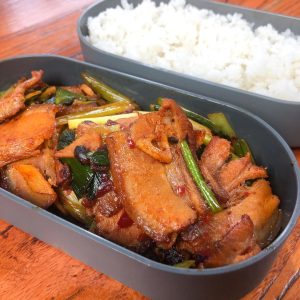
Authentic Twice-Cooked Pork (Hui Guo Rou)

Equipment
- Wok or large skillet
- Pot for boiling
Ingredients
Main Ingredients
- 300 g pork belly skin-on preferred (approx. 11 oz)
- 5 stalks green garlic can substitute with leeks or scallions
- 1 inch ginger sliced
- 3 cloves garlic sliced
- 1 tbsp fermented black beans douchi
- 1 tbsp Pixian Doubanjiang spicy broad bean paste
- 1 tbsp cooking oil neutral oil
The Sauce
- 2 tbsp water
- 0.5 tbsp sugar
- 1 tbsp light soy sauce
- 0.5 tbsp black vinegar or rice vinegar
- 0.2 tbsp MSG optional, or chicken bouillon
Instructions
- Prep the ingredients: Wash the green garlic and cut into 1.5-inch sections. Slice the ginger and garlic cloves.
- Make the sauce: In a small bowl, combine water, MSG (if using), sugar, light soy sauce, and vinegar. Stir well to dissolve the sugar.
- Boil the pork: Place the pork belly in a pot and cover with cold water. Bring to a boil and simmer for about 15 minutes until a chopstick can pierce the meat. Remove and let cool.
- Slice the pork: Once the pork is cool to the touch, slice it into thin, uniform pieces (about matchstick thickness).
- Sear the pork: Heat 1 tbsp oil in a wok over medium heat. Add the sliced pork and stir-fry until the fat renders and the edges curl up slightly (golden brown).
- Fry aromatics: Push the meat to the side. Add ginger, garlic, Doubanjiang (bean paste), and black beans to the oil. Fry until the oil turns red and fragrant. Mix with the meat.
- Finish the dish: Add the green garlic sections and pour in the pre-mixed sauce. Increase heat to high and stir-fry for 1-2 minutes until greens are tender. Serve hot.


Leave a Reply