A bag of frozen dumplings in the freezer is one of the best emergency dinners there is — but only if you know how to boil them without watching the wrappers split open and the filling leak into the water. The trick isn’t a longer cooking time or a lower flame; it’s the temperature you start at, and what you do every time the pot comes back to a boil.
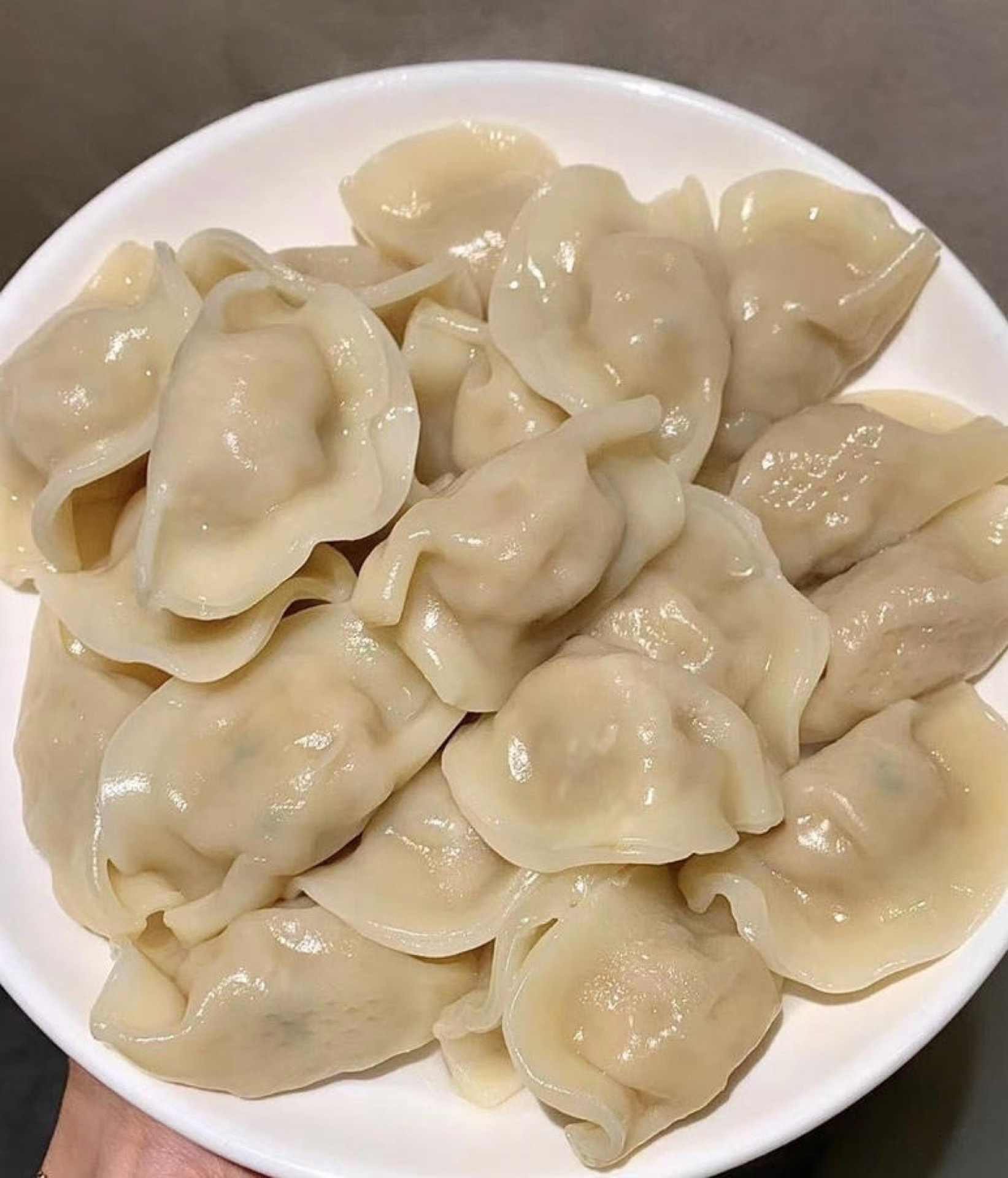
This is the method I use for the bags of jiaozi I keep stacked in my own freezer, and it’s the one I teach first to anyone who has ever fished a broken dumpling out of a pot and sighed. No thawing, no babysitting, no guessing — just warm water, a handful of salt, and three little bowls of cold water.
By the end you’ll have dumplings with skins that are tender but never mushy, fillings that are hot all the way through, and a garlic-and-vinegar dip that makes the whole plate disappear in about ten minutes.
What Are Boiled Frozen Dumplings?
Boiled frozen dumplings — 煮饺子 (zhǔ jiǎozi) — are Chinese dumplings cooked straight from the freezer in simmering water rather than being pan-fried, steamed, or thawed first. In northern China, boiled dumplings are the default: the dish served on Lunar New Year’s Eve, at family reunions, and on any cold night when someone wants dinner on the table fast.
Freezing changes the rules slightly. A fresh dumpling has a room-temperature filling and a pliable wrapper, so it can go into fully boiling water and cook in a few minutes. A frozen dumpling is a solid block of ice wrapped in fragile dough: hit it with a hard boil and the wrapper cooks and splits before the center has even begun to warm. That’s why the classic home method starts the dumplings in warm water and then manages the boil carefully with the “point water” technique.
Why warm water first? Wrapper dough is mostly starch, and starch gelatinizes and softens as it heats — the outer surface of a thin dumpling wrapper can go from firm to fragile in under a minute of hard boiling. Starting at roughly 70–80°C (158–176°F) lets heat move inward through the frozen filling at a similar rate to the wrapper’s own cooking, so the two finish at the same time instead of the skin failing first. The cold-water additions work the same way: each one knocks the pot back below a hard boil, buying the center a little more time before the outside overcooks.
If you’ve only ever made crispy egg skirt dumplings, boiled dumplings are the other half of the jiaozi story — softer, juicier, and the one that needs a really good dip to shine.
For the same dumpling family done with a lacy, golden egg skirt in a skillet, try crispy egg skirt dumplings — the pan-fried cousin that uses the same wrappers and the same filling, just a different cooking surface.
If you’d rather fold your own from scratch, juicy pork dumpling filling is the filling I keep coming back to — it’s the same juicy, soup-adjacent center you’re tasting in a good frozen dumpling, and it freezes beautifully.
And when you want a poached, sauce-forward plate in the same spirit, poached chicken wings with secret dipping sauce is the recipe to make next — it leans on the same “cook gently, then dip boldly” logic that makes boiled dumplings so good.
Ingredient Notes
The ingredient list here is short, which means each item matters more than usual.
Frozen dumplings. Any good store-bought bag works — pork and cabbage, chive and egg, shrimp, or a vegetarian mix. Don’t thaw them. A thawed dumpling has a soft, wet wrapper that sticks to itself and tears on contact with the water. If your dumplings are stuck together in the bag, knock the bag gently against the counter to separate them rather than prying them apart with your fingers.
Water. This is the ingredient people ignore, and it’s the one that decides whether you get whole dumplings. You need a big pot — 4 quarts or more for 30 dumplings — because the water volume is what keeps the temperature from collapsing when the frozen dumplings go in. A crowded pot means a long, lukewarm soak, and a long lukewarm soak means gluey, broken wrappers.
Salt. About a teaspoon in the cooking water is optional but worth it. It very slightly raises the boiling point and, more importantly, helps the wrapper proteins and starches firm up so the skins come out springy rather than limp.
Cold water for pointing. Keep a small bowl and a pitcher of cold water next to the stove. You’ll add roughly 100–150 ml each time, two or three times total.
Dipping sauce. Light soy sauce for salt and umami, aged black vinegar (Chinkiang) for the malty tang that cuts through pork fat, raw garlic for bite, a sliced bird’s eye chili if you want heat, and a few drops of toasted sesame oil for aroma. The 1:1 soy-to-vinegar ratio is the classic northern baseline — adjust from there.
One note on the vinegar: if you only have rice vinegar, use it, but add a little extra, since it’s milder than Chinkiang. And if you’re building a bigger sauce spread, my universal Chinese street food sauce is a good base to keep in the fridge for dumpling nights.
Ingredients
Everything you need for 4 servings of boiled frozen dumplings, plus the classic dip.
For the dumplings: 30 frozen dumplings, 4 quarts of water (plus more as needed), 1 teaspoon of salt, and about 3 cups of cold water for the point-water step.
For the classic dipping sauce: 3 cloves of garlic, minced; 2 bird’s eye chilies, thinly sliced; 3 tablespoons of light soy sauce; 3 tablespoons of aged black vinegar; and 1 teaspoon of toasted sesame oil.
That’s it. No oil in the cooking water, no bay leaf, no secret powder — boiling dumplings is deliberately plain so the filling and the dip do all the talking.
Equipment Needed
A large pot or a wok. Bigger than you think. A wide wok works beautifully here because the broad surface lets the dumplings move without piling up, and the flared sides make it easy to slide them in along the edge.
A slotted spoon. Use the back of it to nudge the dumplings in a slow circle right after they go in, and to lift them out at the end. Avoid anything with a sharp rim.
A small bowl and a pitcher. For the cold water you’ll add at each boil, and for mixing the dipping sauce.
A cutting board and knife. For mincing the garlic and slicing the chilies.
A serving plate or shallow bowl. Boiled dumplings are best served immediately, so have the plate ready before the last boil finishes.
Why This Recipe Works
It matches the cooking rates of wrapper and filling. A frozen dumpling is two very different materials — a thin starch shell and a dense frozen core — and they need to finish at the same moment. Starting in warm water and then managing the boil with cold-water additions keeps the wrapper from racing ahead of the center.
It respects the physics of a crowded pot. The single biggest cause of broken boiled dumplings isn’t technique, it’s volume. When frozen dumplings go into a small pot, the water temperature drops hard, the dumplings sit in tepid water, and the wrappers hydrate into paste before the water ever comes back up. Using 4–5 times their volume in water solves this before it starts.
The salt does quiet work. A teaspoon of salt in the cooking water helps the wrapper firm up slightly, which means a more resilient skin and a springier bite.
The float test is honest. A dumpling floats when its filling has cooked and released steam, and the wrapper puffs with it. It’s a reliable visual cue that doesn’t require a thermometer or a timer — though if you want the science, the FDA’s food safety guidance on cooking raw proteins is a useful reference for why the filling needs to be fully done, not just warm.
The dip is not optional. Boiled dumplings are intentionally bland on their own. The soy-vinegar-garlic trio is what turns them into a meal, and the 1:1 ratio is a centuries-old default for a reason.
Prep & Mise en Place
This whole dish takes about 25 minutes, and almost all of it is the boil. Set yourself up before the pot goes on.
Fill the pot first. Add your 4 quarts of water and put it on high heat before you do anything else. You want it at that dense-tiny-bubble stage right as you’re ready to cook.
Measure the cold water. Put about 3 cups of cold water in a pitcher and keep a small bowl nearby. You’ll use roughly 100–150 ml at a time, so having it pre-measured means you’re not fumbling with the tap while the pot is rolling.
Make the dip now, not later. Mince the garlic, slice the chilies, and stir together the soy sauce, vinegar, and sesame oil in a small bowl. Letting it sit for ten minutes while the dumplings cook lets the garlic mellow slightly and the flavors marry.
Get the plate out. Boiled dumplings wait for no one. Have a serving plate or shallow bowl ready and a slotted spoon within reach before the first dumpling floats.
Keep the dumplings frozen. Leave the bag in the freezer until the water is at temperature. If they sit on the counter while you prep, the outer layer thaws, gets tacky, and sticks to its neighbors.
Cooking Process
Step 1 — Warm-Water Start
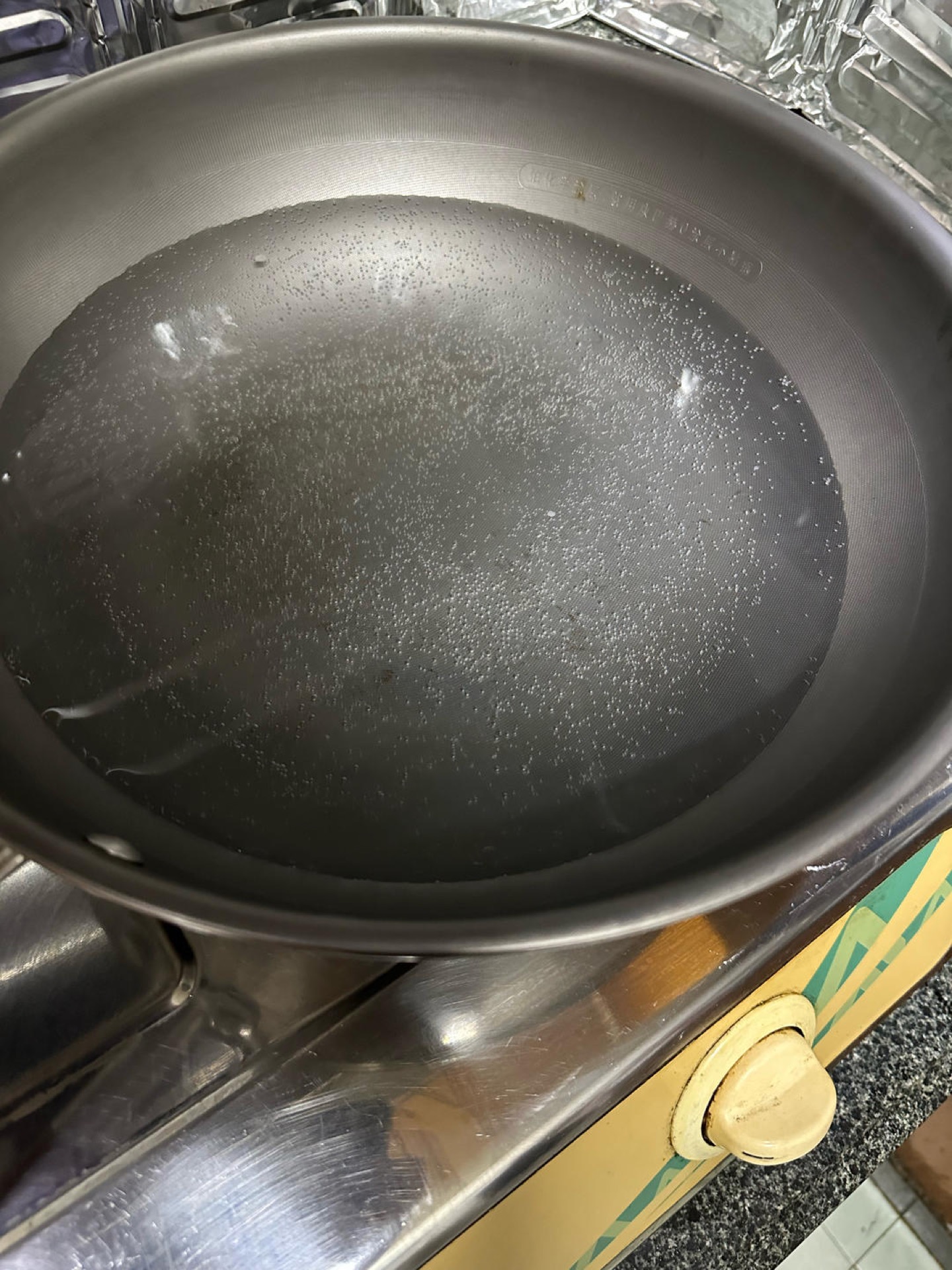
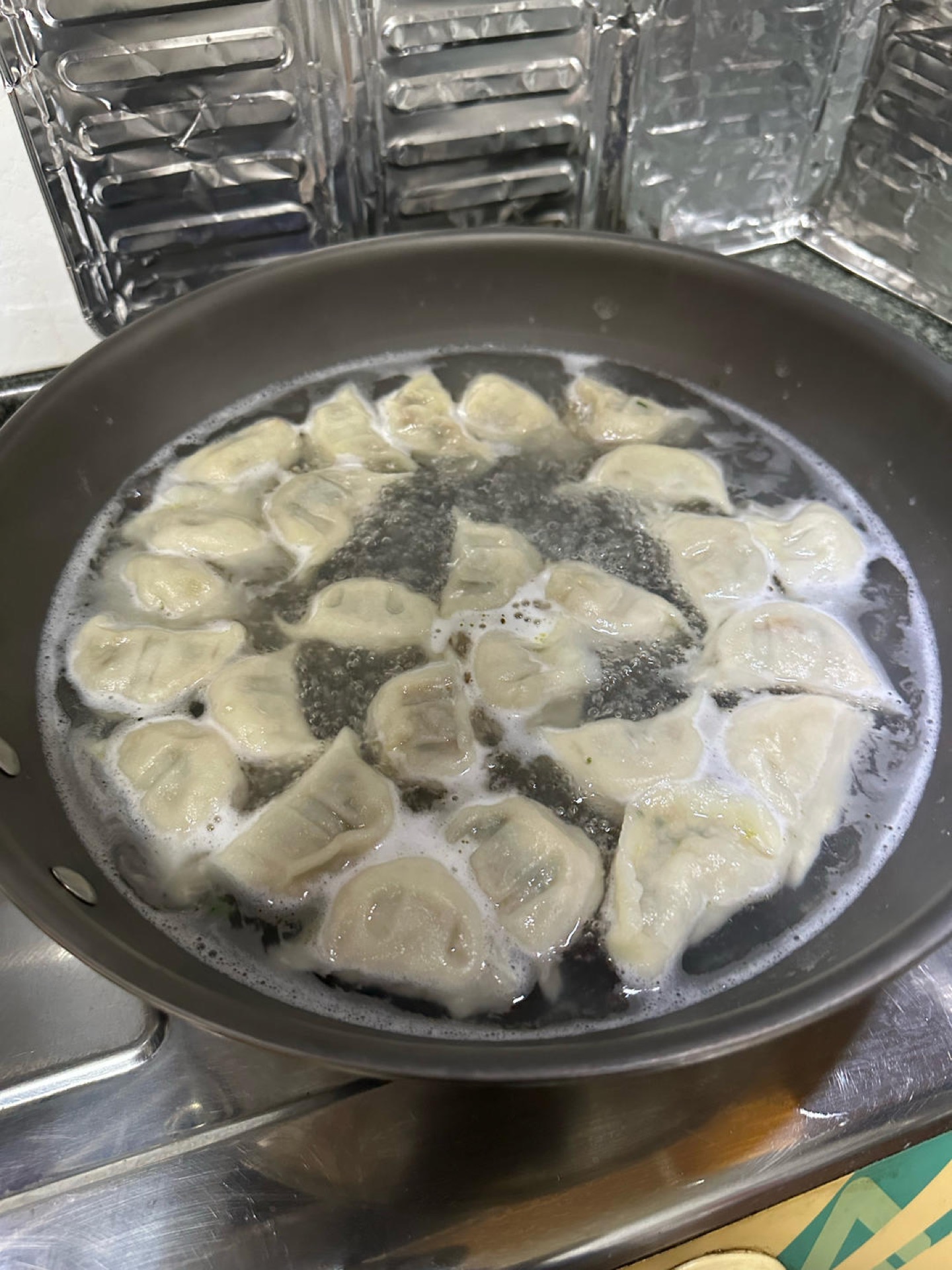
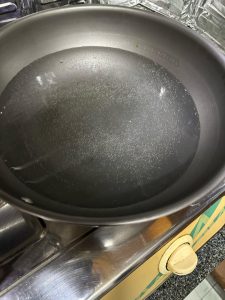
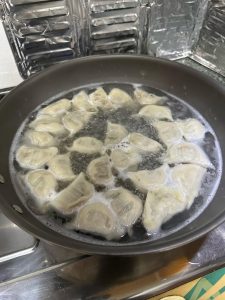
Bring a large pot with plenty of water to about 70–80°C (158–176°F) — the bottom of the pot should be covered with a dense cluster of tiny bubbles and the water should be making a soft hissing sound, not a rolling boil. This temperature keeps the wrappers from splitting instantly while giving the frozen filling enough time to thaw and cook through.
Step 2 — Salt the Water and Add the Dumplings
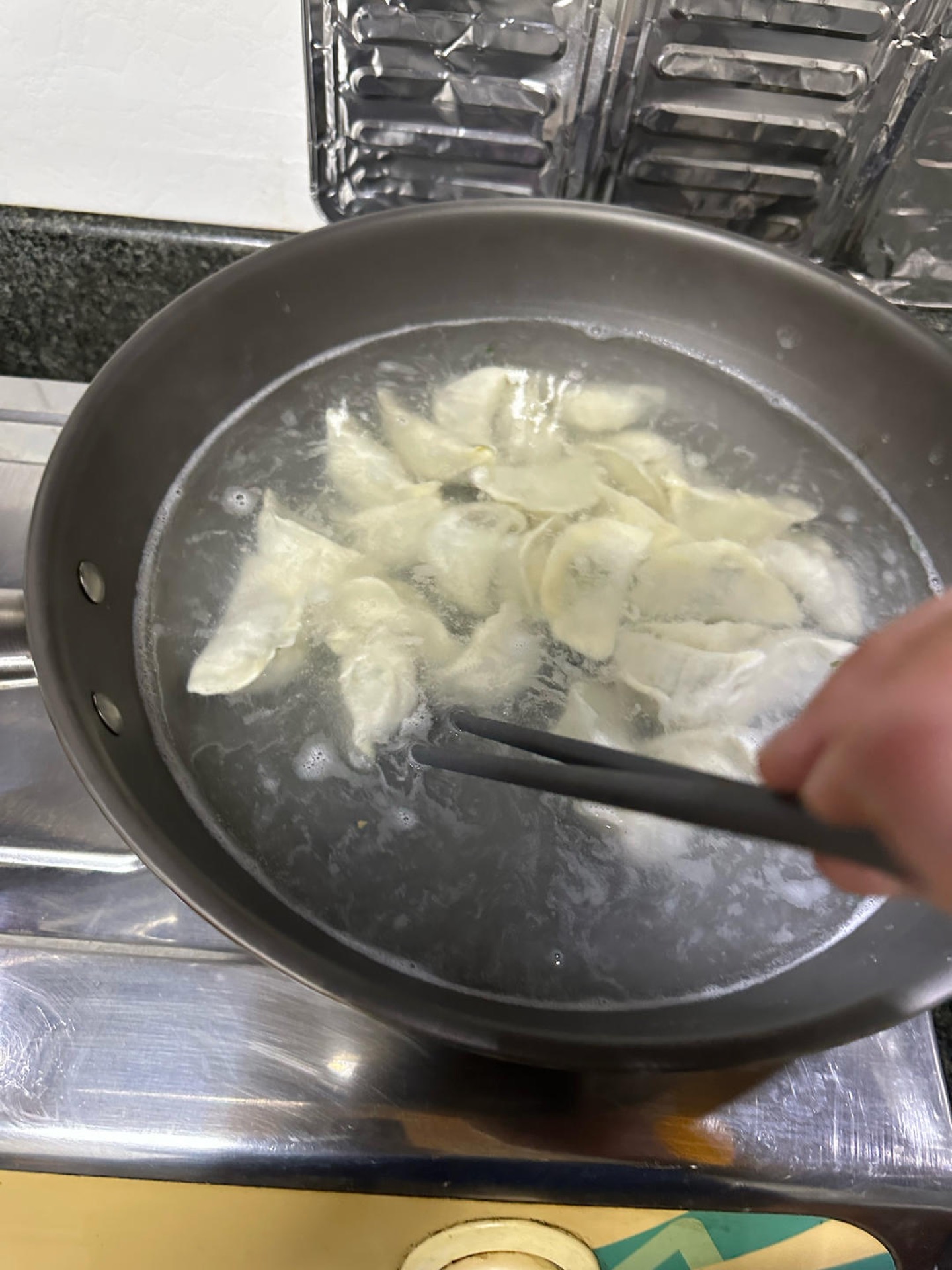
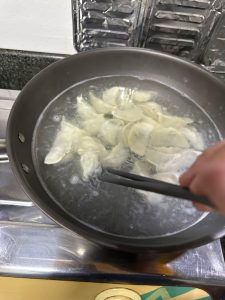
Add about 1 teaspoon (1–2 g) of salt to the warm water, then slide the frozen dumplings in directly from the freezer without thawing. Use at least 4–5 times the dumplings’ volume in water, so the temperature doesn’t drop sharply and the wrappers don’t sit in lukewarm water long enough to turn gluey and tear.
Step 3 — Slide, Don’t Dump
Do not tip the whole bag in at once — that splashes hot water and can crack the dumplings on impact. Slide them in one at a time along the edge of the pot, then immediately push them gently with the back of a slotted spoon or a long pair of chopsticks so they turn with the current and don’t stick to the bottom. Never stab or stir with the sharp edge of a spoon, which will pierce the wrappers.
Step 4 — Point the Water Until They Float
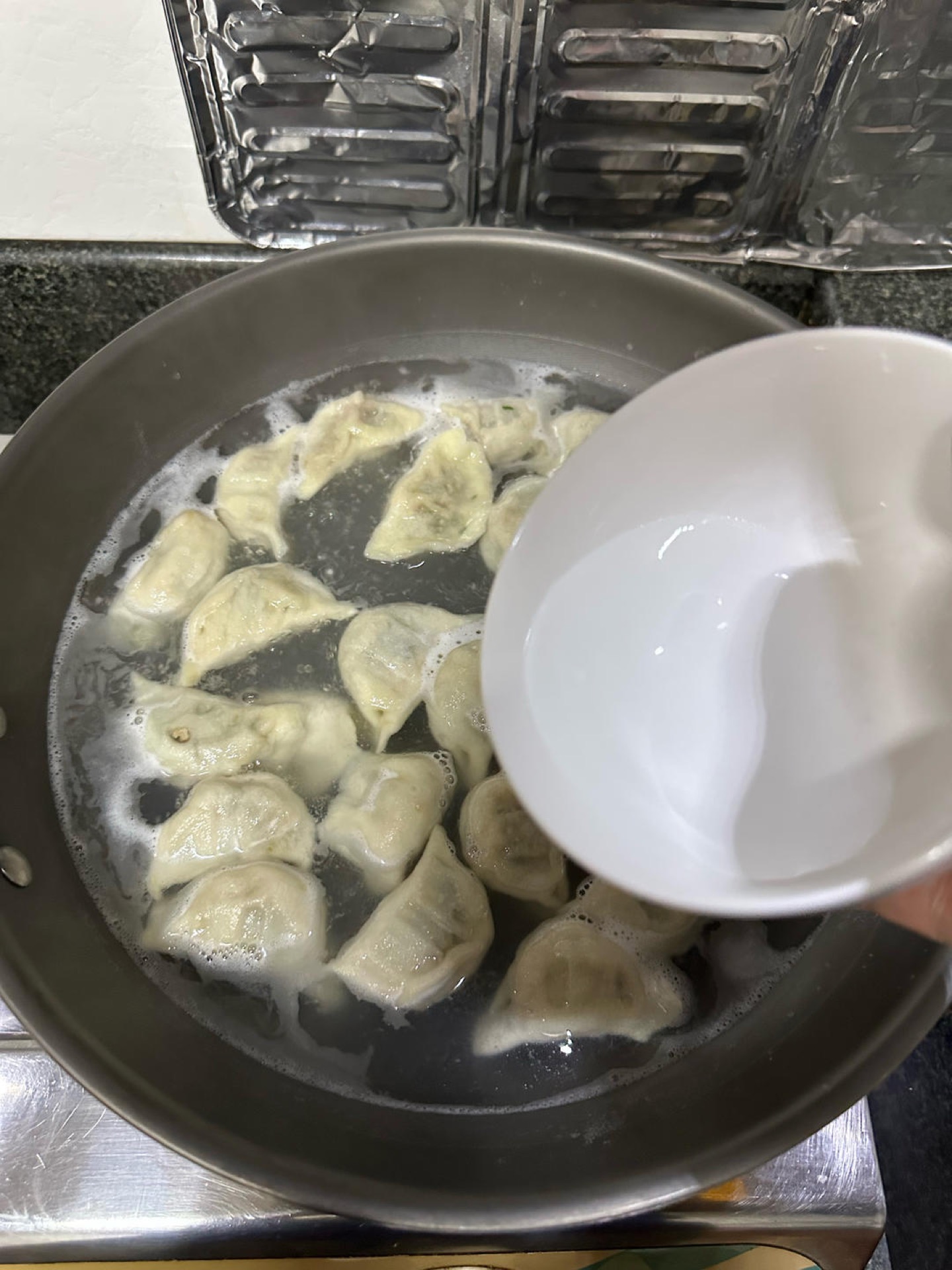
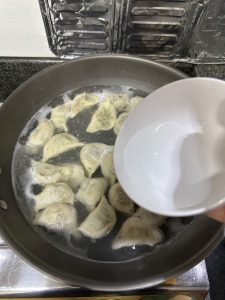
This is the step that makes the wrappers springy and cooks the filling through at the same time — a hard rolling boil cooks the skin to mush before the center is done. When the water comes to a full boil, pour in a small bowl of cold water (about 100–150 ml) to stop the boil; bring it back to a boil, add cold water again, and repeat 2–3 times in total (the old saying goes “three boils for dumplings, two for noodles”). They are done when every dumpling floats on the surface with a puffed, rounded belly.
Step 5 — Scoop Out Right Away
As soon as they’re cooked, lift the dumplings out with a slotted spoon and let them drain briefly before plating — don’t leave them sitting in the hot water. There’s no need to rinse them in cold water unless you’re chasing maximum chew, since rinsing washes off the starchy film that gives boiled dumplings their silky surface.
Step 6 — Mix the Dipping Sauce
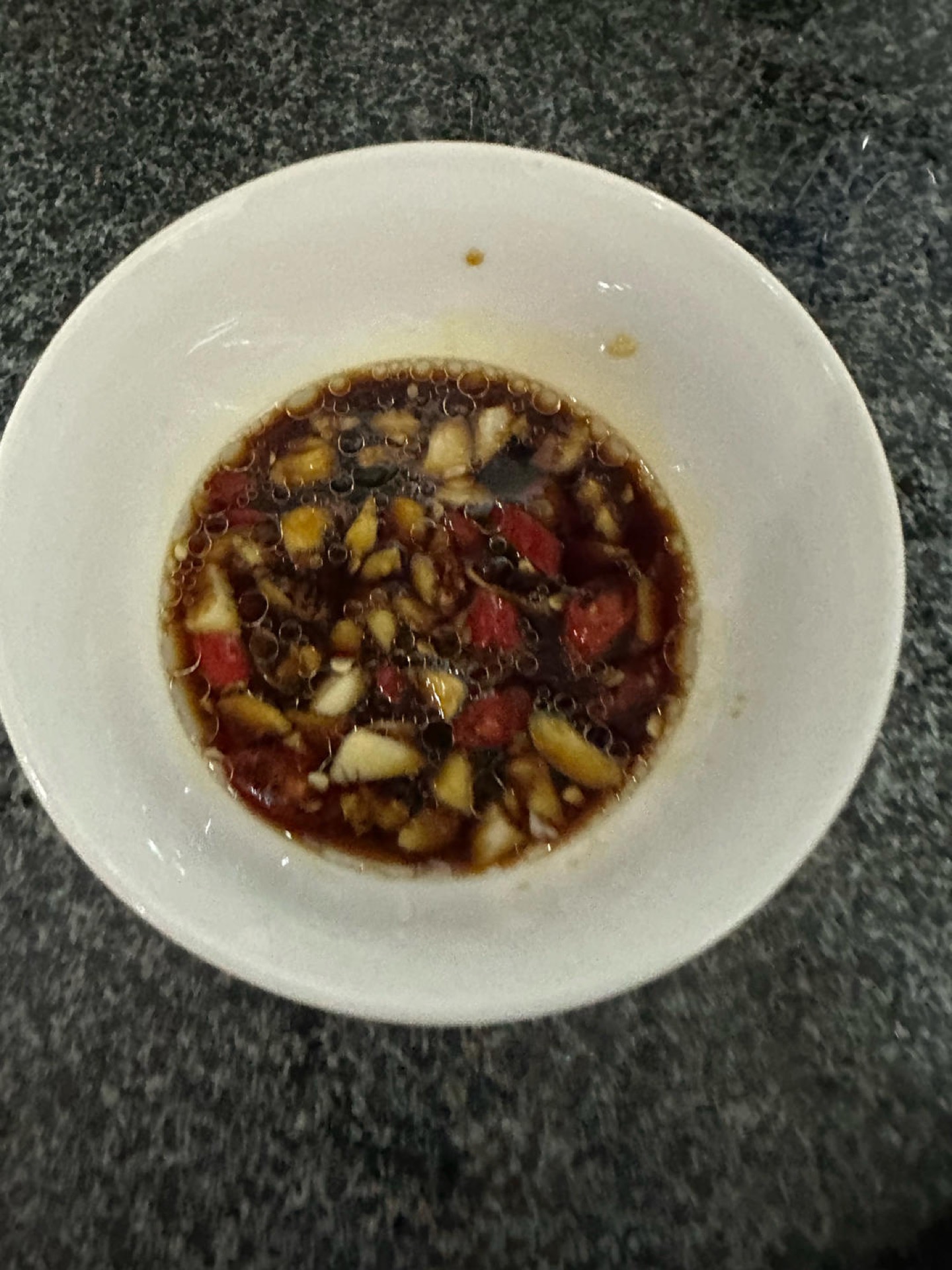
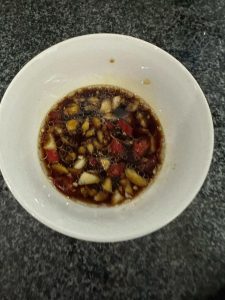
The dip is the soul of the plate: minced garlic, sliced bird’s eye chili, light soy sauce, aged black vinegar, and a few drops of toasted sesame oil, with the soy sauce and vinegar in roughly a 1:1 ratio. Stir and serve alongside the hot dumplings.
Common Mistakes When Making Boiled Frozen Dumplings
1. Thawing the dumplings first. It seems logical — softer dumpling, gentler cooking — but it’s the fastest way to a broken plate. A thawed wrapper is wet and weak, and it will tear as soon as it hits the water. Fix: Go straight from freezer to pot, every time.
2. Using too little water. A small pot with 30 dumplings drops to lukewarm the moment they go in, and the wrappers soak into mush before the water recovers. Fix: Use at least 4–5 times the dumplings’ volume in water, and if your pot can’t hold that, cook them in two batches.
3. Dropping them in at a hard rolling boil. A violent boil agitates the dumplings against each other and the pot, and the wrappers split on impact. Fix: Wait for the dense-bubble, soft-hiss stage at roughly 70–80°C (158–176°F), then slide them in along the edge.
4. Dumping the whole bag in at once. It splashes, it drops the temperature, and it slams the dumplings together. Fix: Slide them in one at a time along the side of the pot, then push them gently in a circle with the back of a slotted spoon so nothing sticks to the bottom.
5. Skipping the cold-water additions. If the pot boils hard the whole time, the wrappers cook to mush while the frozen centers are still cold. Fix: Add a small bowl of cold water at each boil, two to three times total, and only pull them when they float and look puffed.
6. Leaving them in the water after they’re done. Even off the heat, a hot pot keeps cooking the wrappers, and they go soft and waterlogged. Fix: Scoop them out with a slotted spoon the moment they float, drain briefly, and plate.
7. Rinsing them in cold water out of habit. Rinsing washes off the starchy surface film that gives boiled dumplings their silky finish, and it cools them down fast. Fix: Skip the rinse unless you specifically want a firmer, chewier skin — and if you do, use a quick dip, not a soak.
Variations
Make it a soup. Instead of plating the dumplings, ladle them into a bowl with some of the cooking water, a splash of soy sauce, a few drops of sesame oil, and a handful of chopped scallions or baby bok choy. This is the northern “dumpling soup” version, and it’s the most comforting way to eat them on a cold night.
Chili oil instead of vinegar-forward dip. Swap half the black vinegar for a spoonful of chili crisp or homemade chili oil, and add a pinch of sugar to round it out. This is the Sichuan-leaning version, and it’s excellent with pork fillings.
Pan-fry the leftovers. Boiled dumplings that don’t get eaten can be crisped the next day in a lightly oiled skillet over medium heat until the bottoms are golden — a nice halfway point between boiled and potsticker.
Vegetarian fillings. The method is identical for mushroom, cabbage, or tofu dumplings. Just check the package, since many vegetarian dumpling wrappers are egg-free but still contain wheat.
Serve with a bigger spread. If you’re feeding a crowd, pair the dumplings with something crisp and cold — a quick cucumber salad, or a plate of homemade thick cut fries if you’re going for a full table of snacks rather than a formal meal.
Frequently Asked Questions
Do I really not need to thaw frozen dumplings? Correct — no thawing. Frozen dumplings go straight into warm water. Thawing softens the wrapper and makes it far more likely to tear, and it also lets the filling warm up unevenly before cooking starts.
How do I know when boiled frozen dumplings are fully cooked? They float to the surface and their bellies look puffed and rounded, and the wrapper feels firm and springy rather than doughy. That usually happens after two to three cold-water additions. If you want to be certain with a pork or chicken filling, cut one open — the center should be steaming hot all the way through, at 165°F (74°C).
Why do my dumplings keep sticking to the bottom of the pot? Almost always because they weren’t nudged right after they went in, or because the pot was too small. Push them gently in a slow circle with the back of a slotted spoon for the first minute, and use plenty of water.
Should I add oil to the cooking water? No. Oil in the boiling water doesn’t prevent sticking — it just floats on the surface. The gentle stir and enough water do the real work.
Can I boil frozen dumplings in a wok? Yes, and it works very well. A wok’s wide surface gives the dumplings room to move, and its flared sides make sliding them in easy. Just make sure you have enough depth of water to cover them comfortably.
How to Serve
Boiled dumplings are best served the moment they come out of the pot, with the dipping sauce on the side and nothing else competing for attention. A small bowl of the cooking water, sometimes with a splash of soy sauce and sesame oil, is the traditional drink alongside them.
If you want to build the plate out a little, a crisp, cold vegetable dish is the right counterweight to the soft, rich dumplings. For a bigger table, shrimp chow mein makes a good second dish if you’re feeding people who want noodles too, and savory soybean paste chicken brings a deeper, fermented note that pairs well with the vinegar dip.
And if you’re planning a whole spread of Chinese takeout-style favorites at home, teriyaki chicken and crispy sweet and sour pork both round out a dumpling night nicely — though honestly, a plate of dumplings and a bowl of dip is a complete meal on its own.
For dessert after, something small and sweet like chinese jujube cake is a lovely finish, and if you’re curious about the cured meats that show up in northern Chinese cooking, my guide to Chinese dry cured ham is a good place to start.

Storage & Reheat
Boiled dumplings are at their best fresh, but they keep well if you handle them right.
Refrigerator: Cool them quickly and store in an airtight container for up to 3 days. Don’t stack them tightly while hot, or they’ll steam each other into a sticky block.
Freezer: Cooked dumplings can be frozen for up to 2 months. Freeze them in a single layer on a tray first, then transfer to a bag so they don’t clump.
Reheating: The gentlest method is a quick re-boil in simmering water for 1–2 minutes, or a steam over high heat for 3–4 minutes. A skillet with a splash of water and a lid works too — it re-crisps the bottoms while steaming the tops. Avoid the microwave if you can; it turns the wrappers rubbery.
Always reheat to 165°F (74°C) and never leave cooked dumplings at room temperature for more than 2 hours.
Allergen Notice
This dish contains wheat/gluten from the dumpling wrappers and soy from the light soy sauce. Many commercial dumpling fillings also contain sesame, egg, or shellfish, so check the package label if you’re cooking for someone with allergies. Toasted sesame oil is present in the dip. If you need a gluten-free version, look for rice-flour or gluten-free dumpling wrappers and use tamari in place of soy sauce.
Nutrition Disclaimer
Nutrition information is calculated using an ingredient database and should be considered an estimate. In cases where multiple ingredient alternatives are given, the first listed is calculated for nutrition. Garnishes and optional ingredients are not included.
About the Author & Recipe Development
I’m Lin, and I’ve been cooking and writing about Chinese home cooking on Woks of Love for years — mostly the dishes I grew up eating and the ones I’ve had to figure out the hard way in a Western kitchen. Boiled dumplings are one of those recipes that looks trivial and isn’t: I broke a lot of wrappers before I understood that the starting temperature and the water volume matter more than any trick.
This version is the one I actually use at home, tested with several brands of frozen dumplings and a few batches of my own frozen from-scratch jiaozi. The proportions, the salt, and the three-point water method are what consistently gave me whole dumplings with fully cooked centers — and the dip is the one my family reaches for first.
If you liked this, oven baked garlic ribs is worth cooking next.
If you liked this, Chinese dry cured ham is worth cooking next.
Authoritative References
For food safety guidance on cooking raw meat fillings to temperature, see the FDA’s food safety guidance. For safe minimum internal temperatures for pork and poultry, the USDA safe temperature chart is the standard reference. For background on Chinese dumplings and their role in northern Chinese cooking, see the Wikipedia entry on jiaozi.
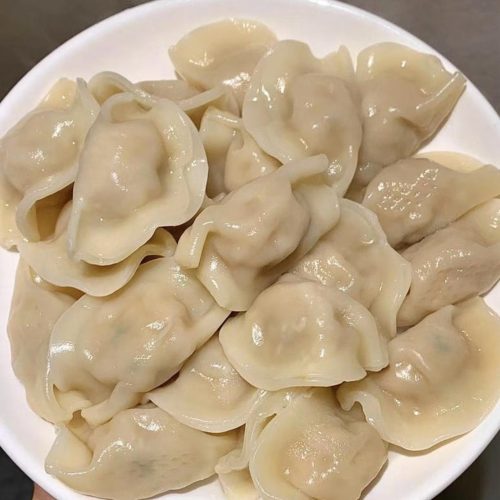
Boiled Frozen Dumplings (煮饺子): Crack-Free Wrapper, Fully Cooked

Equipment
- Large pot or wok
- Slotted Spoon
- Small Bowl
- Cutting Board
- Knife
Ingredients
For the Dumplings
- 30 pieces frozen dumplings straight from the freezer, do not thaw
- 4 quarts water plus more as needed; at least 4–5 times the dumpling volume
- 1 tsp salt about 1–2 g, optional but helps firm the wrappers
- 3 cups cold water for the “point water” step, added in small bowlfuls
For the Classic Dipping Sauce
- 3 cloves garlic minced
- 2 pieces bird’s eye chili thinly sliced, or to taste
- 3 tbsp light soy sauce
- 3 tbsp aged black vinegar Chinkiang vinegar
- 1 tsp toasted sesame oil a few drops
Instructions
- Bring a large pot with plenty of water to about 70–80°C (158–176°F) — the bottom of the pot should be covered with a dense cluster of tiny bubbles and the water should be making a soft hissing sound, not a rolling boil. This temperature keeps the wrappers from splitting instantly while giving the frozen filling enough time to thaw and cook through.

- Add about 1 teaspoon (1–2 g) of salt to the warm water, then slide the frozen dumplings in directly from the freezer without thawing. Use at least 4–5 times the dumplings’ volume in water, so the temperature doesn’t drop sharply and the wrappers don’t sit in lukewarm water long enough to turn gluey and tear.
- Do not tip the whole bag in at once — that splashes hot water and can crack the dumplings on impact. Slide them in one at a time along the edge of the pot, then immediately push them gently with the back of a slotted spoon or a long pair of chopsticks so they turn with the current and don’t stick to the bottom. Never stab or stir with the sharp edge of a spoon, which will pierce the wrappers.
- This is the step that makes the wrappers springy and cooks the filling through at the same time — a hard rolling boil cooks the skin to mush before the center is done. When the water comes to a full boil, pour in a small bowl of cold water (about 100–150 ml) to stop the boil; bring it back to a boil, add cold water again, and repeat 2–3 times in total (the old saying goes “three boils for dumplings, two for noodles”). They are done when every dumpling floats on the surface with a puffed, rounded belly.
- As soon as they’re cooked, lift the dumplings out with a slotted spoon and let them drain briefly before plating — don’t leave them sitting in the hot water. There’s no need to rinse them in cold water unless you’re chasing maximum chew, since rinsing washes off the starchy film that gives boiled dumplings their silky surface.
- The dip is the soul of the plate: minced garlic, sliced bird’s eye chili, light soy sauce, aged black vinegar, and a few drops of toasted sesame oil, with the soy sauce and vinegar in roughly a 1:1 ratio. Stir and serve alongside the hot dumplings.












Leave a Reply