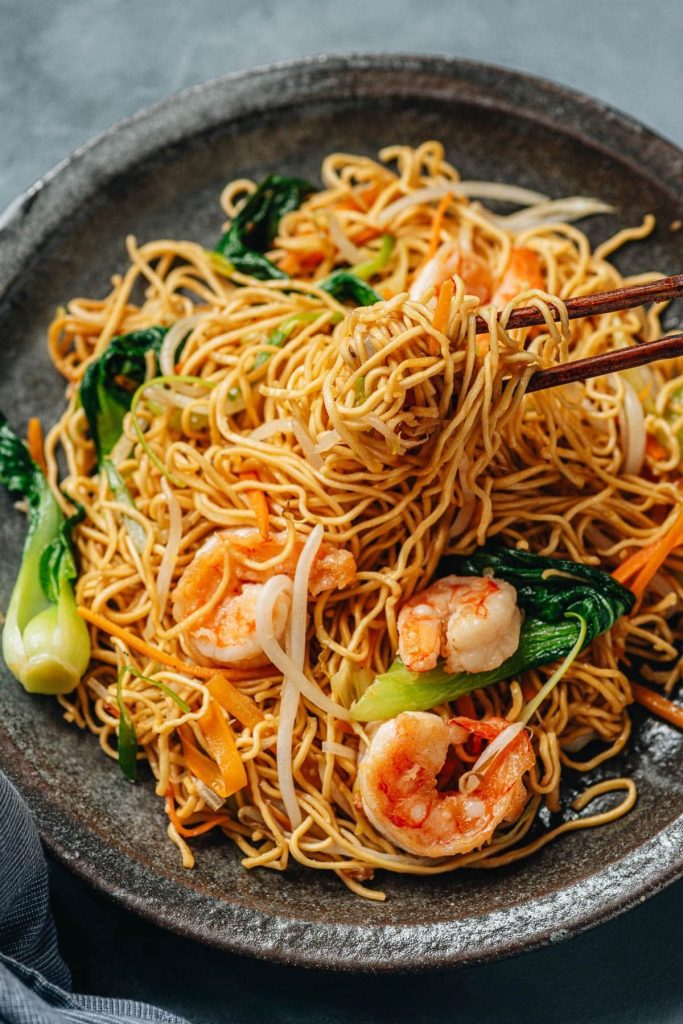
There is something deeply satisfying about the contrast of textures in a traditional Cantonese-style Shrimp Chow Mein. Unlike the soft, tossed noodles often found in takeout boxes, this version features a “noodle pancake” that is pan-fried until golden and brittle on the outside, yet remains tender in the middle. When you pour that savory shrimp and vegetable gravy over the top, the noodles soak up the sauce just enough to soften while retaining their addictive crunch.
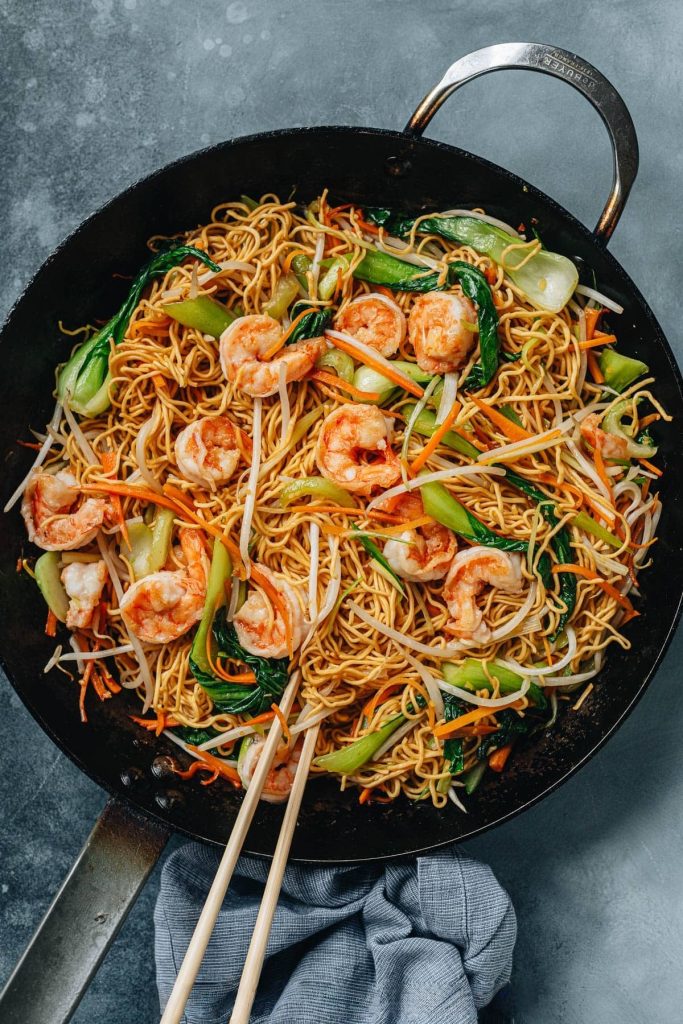
In my kitchen, this is a go-to weeknight savior. It’s fast, uses simple ingredients, and feels much more “gourmet” than a standard stir-fry. If you’ve ever struggled with soggy noodles, this method will be a total game-changer for your home cooking.
What Is Shrimp Chow Mein?
In Cantonese cuisine, Chow Mein (lit. “fried noodles”) refers to a specific preparation where thin egg noodles are fried until crispy. The dish is usually topped with a thick, glossy sauce containing protein and vegetables. This differs significantly from “Lo Mein,” where the noodles are simply boiled and tossed with the sauce.
If you enjoy the chewiness of wider noodles over the crunch of thin ones, you might also want to try my Vegetable Chow Fun or my classic Beef Chow Fun, which utilize a completely different stir-frying technique.
1Easy Vegetable Chow Fun (素炒河粉)A quick 15-minute recipe for restaurant-style Vegetable Chow Fun. Chewy rice noodles, crisp-tender vegetables, and a fluffy egg all tossed in a savory sauce.Check out this recipe2Beef Chow Fun (Gan Chao Niu He)A classic Cantonese stir-fried noodle dish featuring tender beef, chewy rice noodles, and a savory, dark soy-based sauce. This recipe uses a ‘dry-fry’ technique for authentic restaurant-style results at home.Check out this recipe

Ingredients
The Noodles & Protein
- 8 oz (225g) Thin Egg Noodles: Use fresh or “steam-cooked” Cantonese egg noodles.
- 1/2 lb (225g) Large Shrimp: Peeled and deveined.
- 2 tbsp Best Oil for Stir Frying: Such as grapeseed or peanut oil.
The Vegetables
- 1 cup Bean Sprouts: For that classic crunch.
- 2 cups Bok Choy or Cabbage: Sliced into bite-sized pieces.
- 2 stalks Green Onions: Cut into 2-inch lengths.
- 1/2 Carrot: Julienned.
The Savory Gravy (Sauce)
- 1 cup Chicken Broth: The base of the sauce.
- 1 tbsp Light Soy Sauce: For essential saltiness and umami.
- 1/2 tsp Dark Soy Sauce: Primarily for that rich, amber color.
- 1 tbsp Oyster Sauce: Provides depth and sweetness.
- 1/4 tsp White Pepper & 1/2 tsp Sugar.
- 1 tbsp Cornstarch: Mixed with 2 tbsp water (slurry).
Equipment Needed
- A well-seasoned carbon steel wok (or a large non-stick skillet).
- High-heat burner to achieve proper wok hei.
Prep & Mise en Place
- Prepare the Noodles: If using dried noodles, boil them until just al dente, drain, and pat dry. If using fresh/steamed noodles, loosen them by hand.
- Marinate Shrimp: Pat the shrimp dry. If you have extra time, you can follow my method for garlic fried shrimp to prep them, but for this recipe, a simple pinch of salt and white pepper is enough.
- Mix the Sauce: Combine broth, soy sauces, oyster sauce, sugar, and pepper in a bowl.
Cooking Process
1. The Noodle Pancake
Heat 1 tablespoon of oil in your wok over medium-high heat. Spread the noodles into an even layer, forming a “pancake.” Let them fry undisturbed for 3–5 minutes.
The browning of the noodles is caused by the Maillard reaction, a chemical reaction between amino acids and reducing sugars that gives browned food its distinctive flavor. This occurs most effectively between 285°F to 330°F (140°C to 165°C).
Flip the noodle cake and fry the other side for another 3 minutes until both sides are golden and crispy. Remove and place on a serving platter.
2. Stir-fry the Shrimp and Veggies
Add another tablespoon of oil to the wok. Turn the heat to high. Add the shrimp and stir-fry for 2 minutes until they turn pink.
According to USDA Food Safety guidelines, shrimp should reach an internal temperature of 145°F (63°C) to be safe for consumption.
Add the carrots, bok choy, and green onions. Toss for 1 minute until the vegetables are slightly softened but still vibrant.
3. Thickening the Gravy
Pour in the sauce mixture. Bring to a boil. Stir in the cornstarch slurry and cook for 30–60 seconds until the sauce thickens into a glossy gravy. Finally, fold in the bean sprouts for just 10 seconds to keep them crisp.
4. Assembly
Pour the piping hot shrimp and vegetable mixture directly over the crispy noodle pancake. Serve immediately!
Common Mistakes When Making Shrimp Chow Mein
- Wet Noodles: If your noodles are too wet when they hit the pan, they will steam rather than fry. Always pat boiled noodles dry.
- Overcrowding the Wok: If you double the recipe, fry the noodles in two batches. Overcrowding drops the temperature and leads to soggy results.
- Using the Wrong Noodles: Not all noodles are created equal. If you are unsure what to buy, read my guide on the different types of Chinese noodles.
Why This Recipe Works
- Textural Contrast: The crispiness of the pan-fried noodles against the silky gravy.
- Balanced Umami: The combination of light and dark soy sauce with oyster sauce creates a restaurant-quality flavor profile.
- Quick Cooking: High-heat stir-frying preserves the nutrients and “snap” of the vegetables.
Frequently Asked Questions
- Can I substitute the shrimp? Absolutely. Chicken or sliced pork work great; just ensure the chicken reaches 165°F (74°C).
- How do I make it spicier? Add a teaspoon of homemade chili garlic sauce into the gravy mixture.
- Can I make this ahead of time? You can prep the ingredients, but this dish is best eaten immediately to enjoy the crispy texture.
About the Author & Recipe Development
I’m Lin, and I’ve spent years refining my wok techniques in both professional and home kitchens. This Shrimp Chow Mein recipe was tested multiple times to ensure that a standard home stove could produce the same “crunch” usually reserved for high-powered restaurant burners. My goal is to bridge the gap between “takeout cravings” and “authentic home cooking” with accessible techniques.
Storage & Reheat
- Storage: Store leftovers in an airtight container for up to 2 days in the fridge.
- Reheat: The noodles will lose their crunch once refrigerated. For best results, reheat in a skillet over medium heat with a splash of water to loosen the sauce.
Authoritative References
Allergen Notice & Nutrition Disclaimer
Allergens: This recipe contains Shellfish (shrimp), Gluten (wheat noodles), Soy (soy sauce), and Mollusks (oyster sauce).
Nutrition information is an estimate and provided for informational purposes only. Based on standard ingredients, one serving contains approximately 450 calories, 25g protein, and 12g fat.
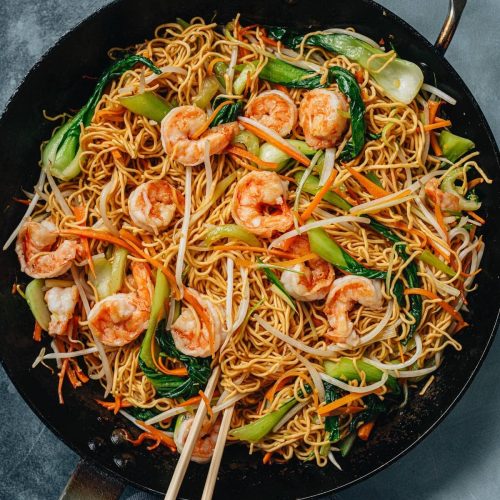
Authentic Shrimp Chow Mein (Crispy Noodles)

Ingredients
- 8 oz Thin Cantonese Egg Noodles Fresh or steamed
- 0.5 lb Large Shrimp Peeled and deveined
- 2 tbsp Cooking Oil High smoke point
- 1 cup Chicken Broth
- 1 tbsp Light Soy Sauce
- 1 tbsp Oyster Sauce
- 0.5 tsp Dark Soy Sauce
- 1 cup Bean Sprouts
Instructions
- Pan-fry the noodles in a wok with 1 tbsp oil for 3-5 minutes per side until golden and crispy. Remove to a plate.
- Stir-fry the shrimp until pink (internal temp 145°F). Add vegetables and toss for 1 minute.
- Add the sauce mixture and thicken with cornstarch slurry.
- Pour the gravy over the crispy noodles and serve immediately.



Leave a Reply