Welcome back to Woks of Love! I’m Lin, and I’m so glad you’re here. My culinary story started in a place that was loud, chaotic, and always smelled incredible: my parents’ Sichuan restaurant in Chengdu. After spending the next ten years working as a professional chef, I learned that some of the greatest flavors in Chinese cuisine can’t be rushed.
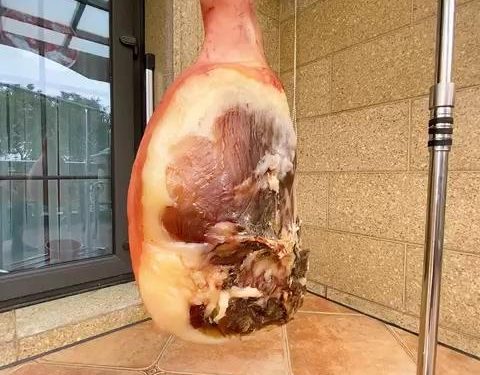
Right now, alongside sharing recipes with you here, I’m pouring all of that knowledge and passion into writing my very first cookbook, which is currently in preparation! Today, I want to share a recipe that requires patience but yields the ultimate reward: traditional Chinese dry-cured ham, or Yan Huo Tui. Every winter, it is a tradition in my family to salt a whole leg of pork. By early summer, we are rewarded with a deeply savory, aromatic ham that elevates everything from broths to stir-fries.
What Is Yan Huo Tui?
Yan Huo Tui (腌火腿) translates simply to cured ham. While regions across China have their own specific methods—with Jinhua and Xuanwei being the most famous—the fundamental process remains similar. It involves heavily salting a fresh pork leg, allowing it to cure, washing away the excess salt, and hanging it to air-dry and ferment over several months.
If you love the deep, savory notes of cured meats but are looking for a project that takes weeks instead of months, I highly recommend checking out my guide on Homemade Chinese Cured Pork Belly. It uses a similar curing logic but is ready much faster and is perfect for everyday stir-fries.

Ingredients
- 1 Whole Fresh Pork Leg (Ham): Bone-in, skin-on. Make sure it is incredibly fresh. A standard leg usually weighs between 15 to 20 lbs (7 to 9 kg).
- 4.4 lbs (2 kg) Coarse Sea Salt: Avoid iodized table salt, as it can introduce metallic flavors. You want pure, coarse salt to safely draw out the moisture.
Equipment Needed
- A Large Tub or Basin: Large enough to catch draining liquids.
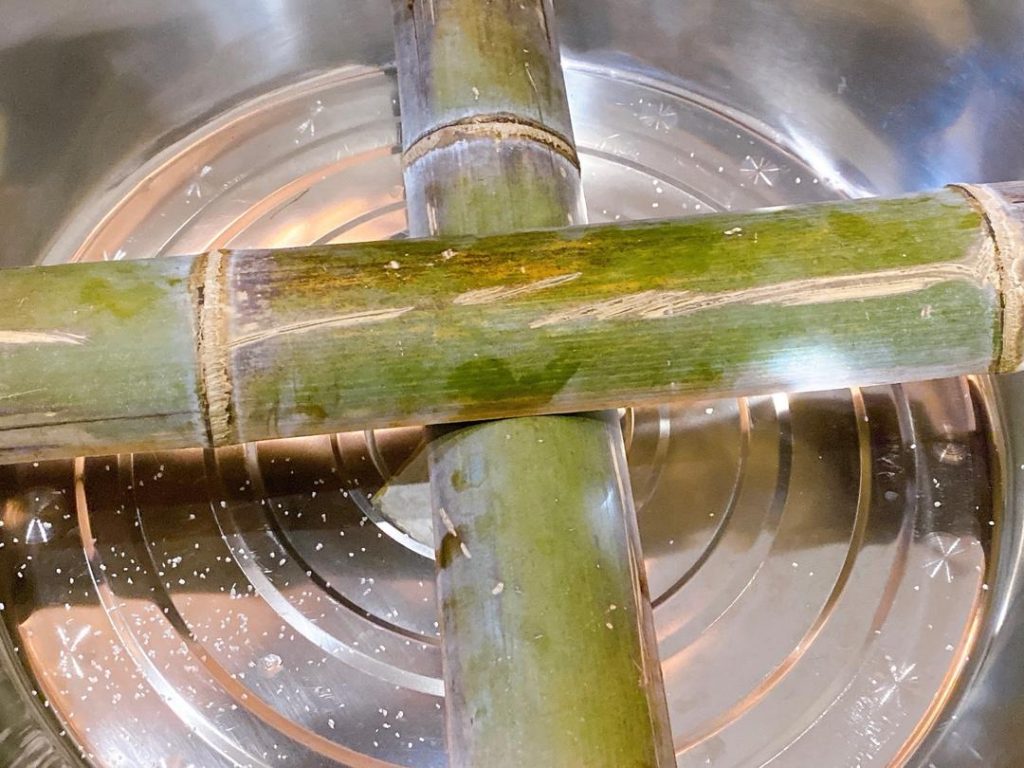
- Wooden or Bamboo Boards: To elevate the ham inside the tub so it doesn’t sit in its own juices.
- Kitchen Twine and a Heavy-Duty Meat Hook: For hanging the ham.
- A Culinary Blowtorch: Essential for cleaning the fermented exterior before eating.
Prep & Mise en Place
- Rest the Meat: Place the fresh ham in a cool, well-ventilated area for 24 hours. This allows the surface moisture to evaporate. Do not wash the ham with water before salting.
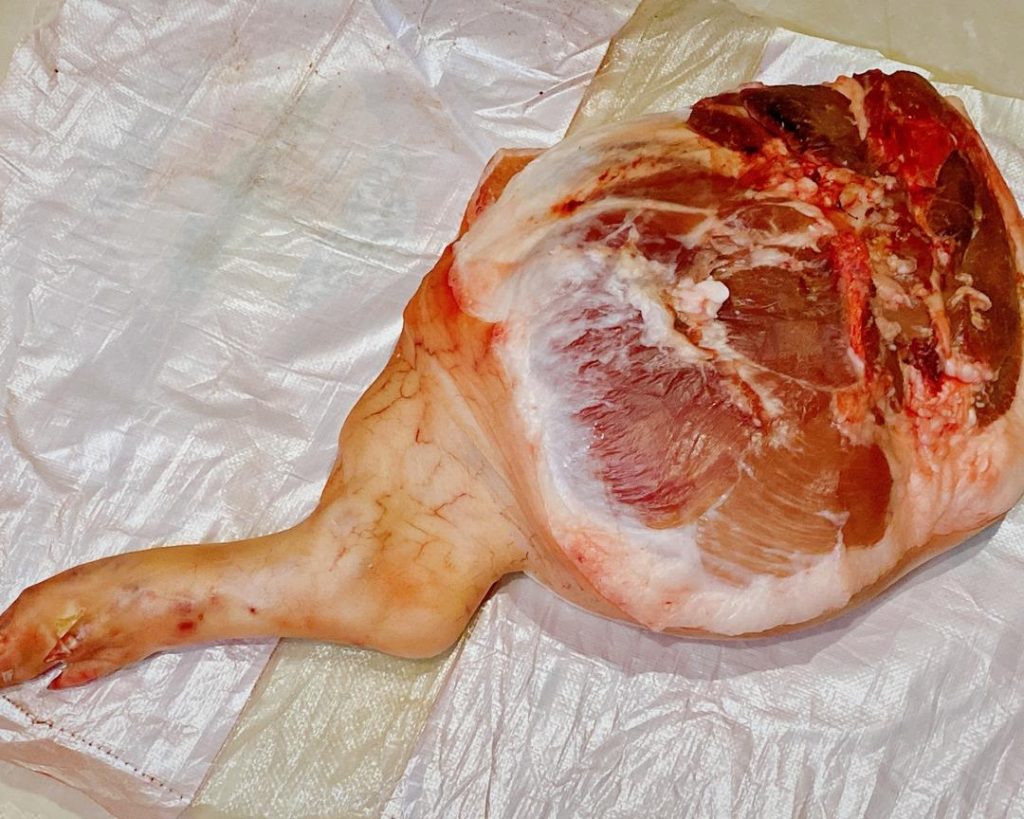
- Squeeze the Blood: Press firmly along the veins and the cut end of the leg to squeeze out any residual blood. Remaining blood can cause the meat to spoil during the long fermentation process.
The Curing Process
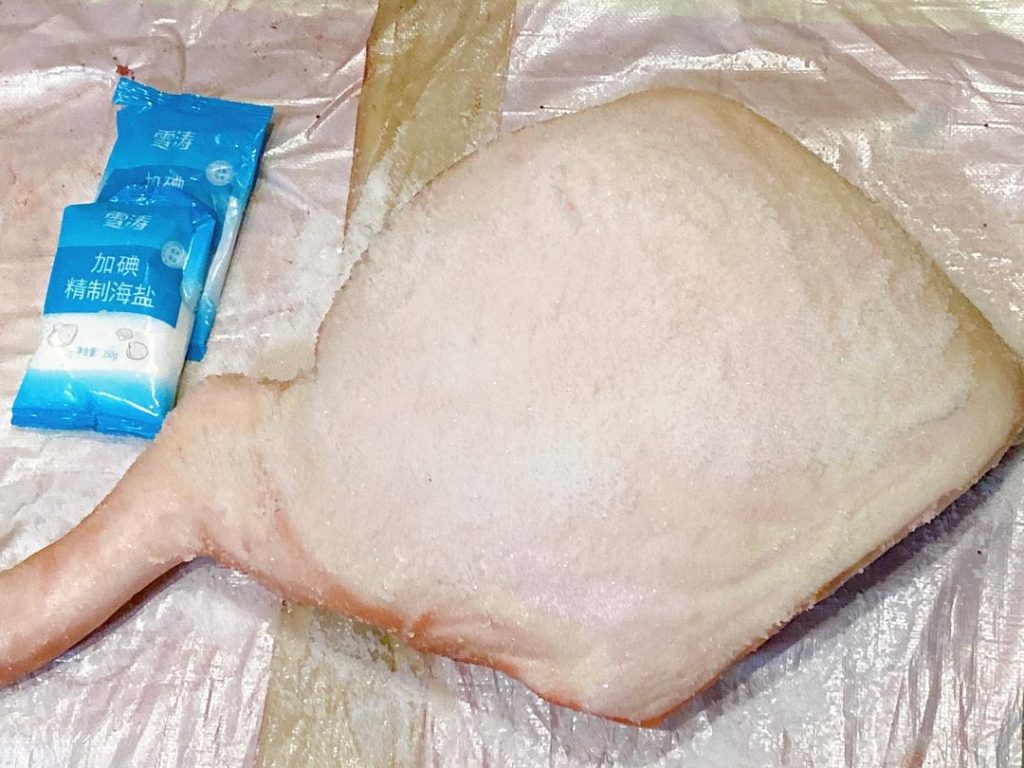
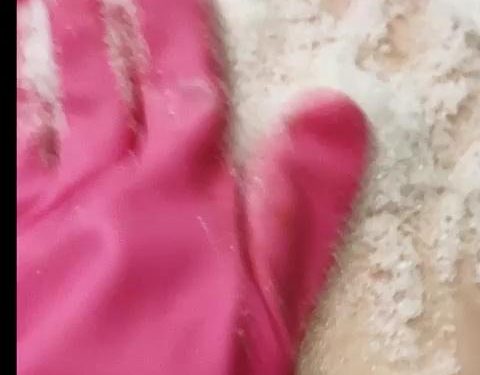
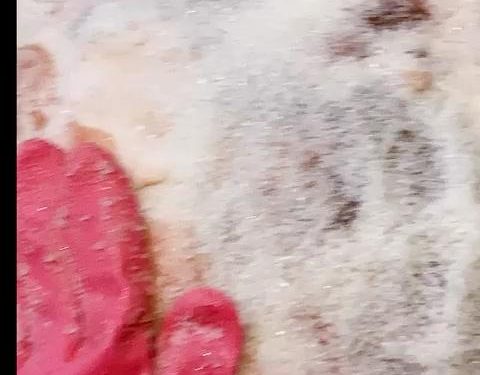
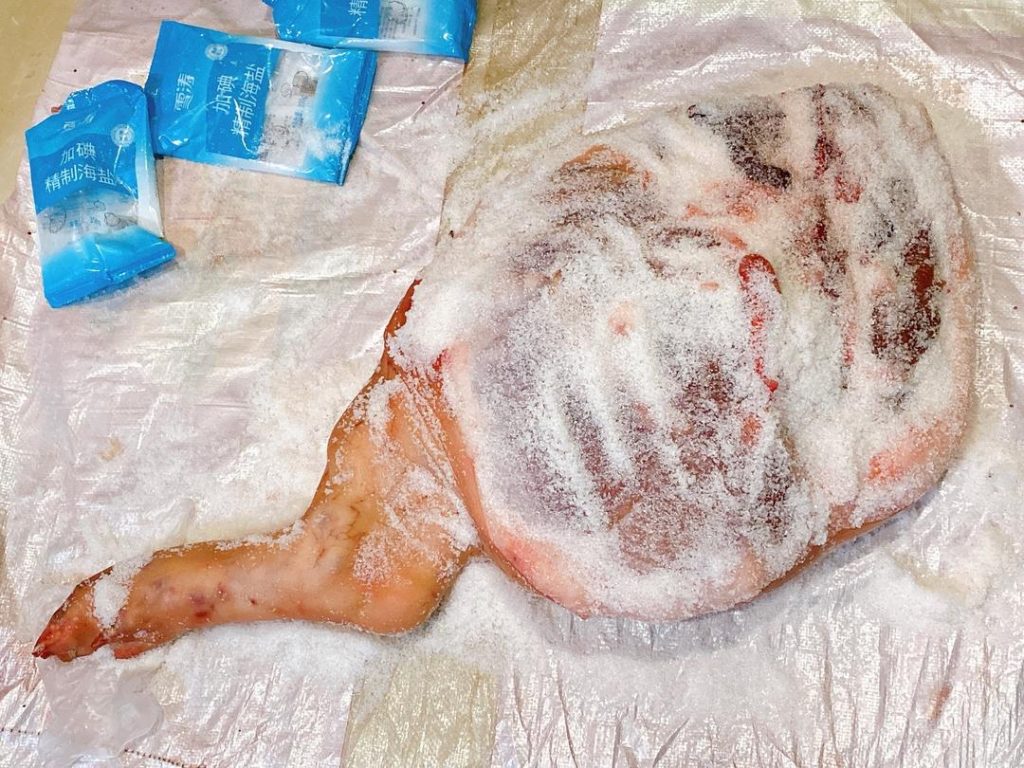
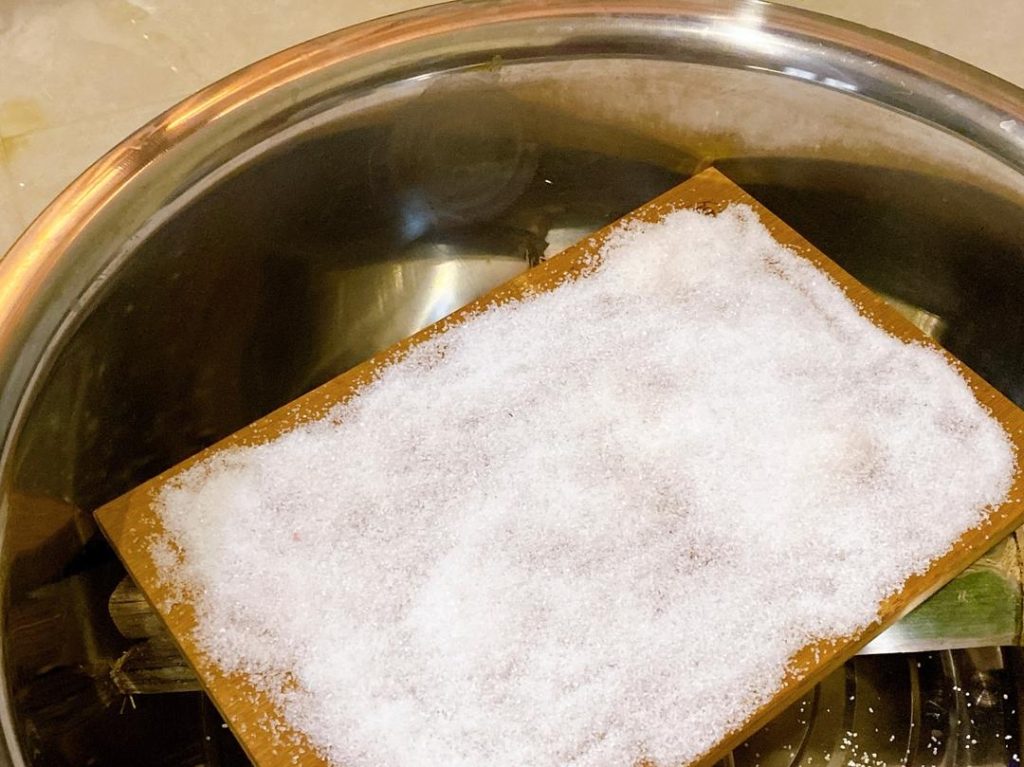
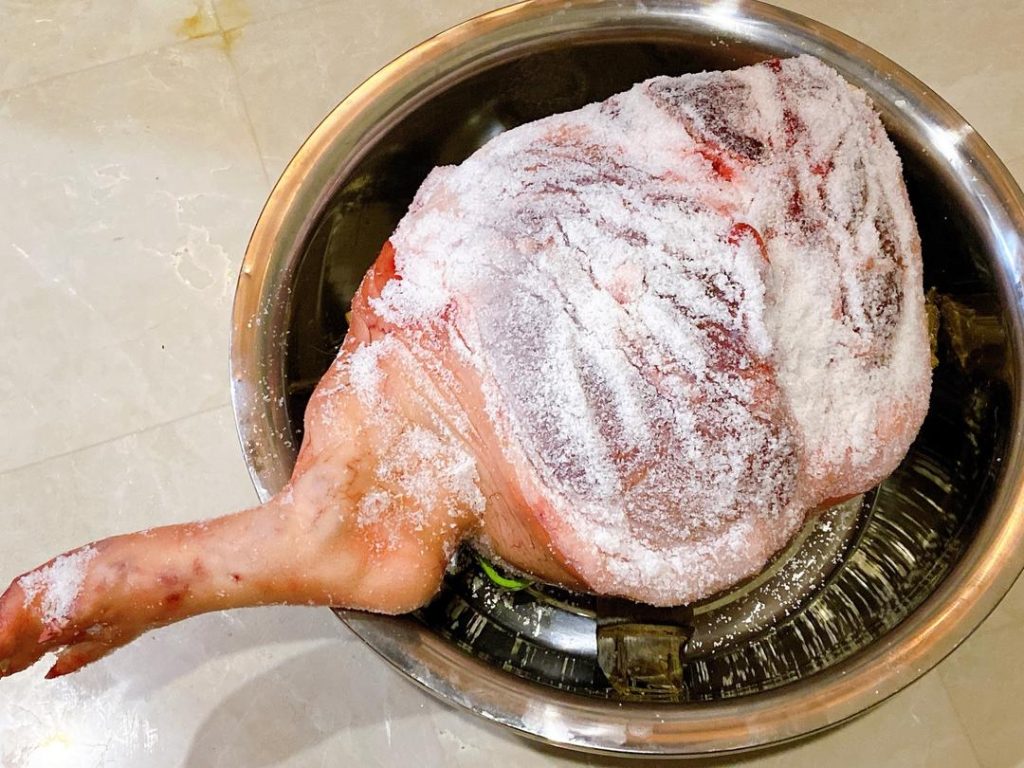
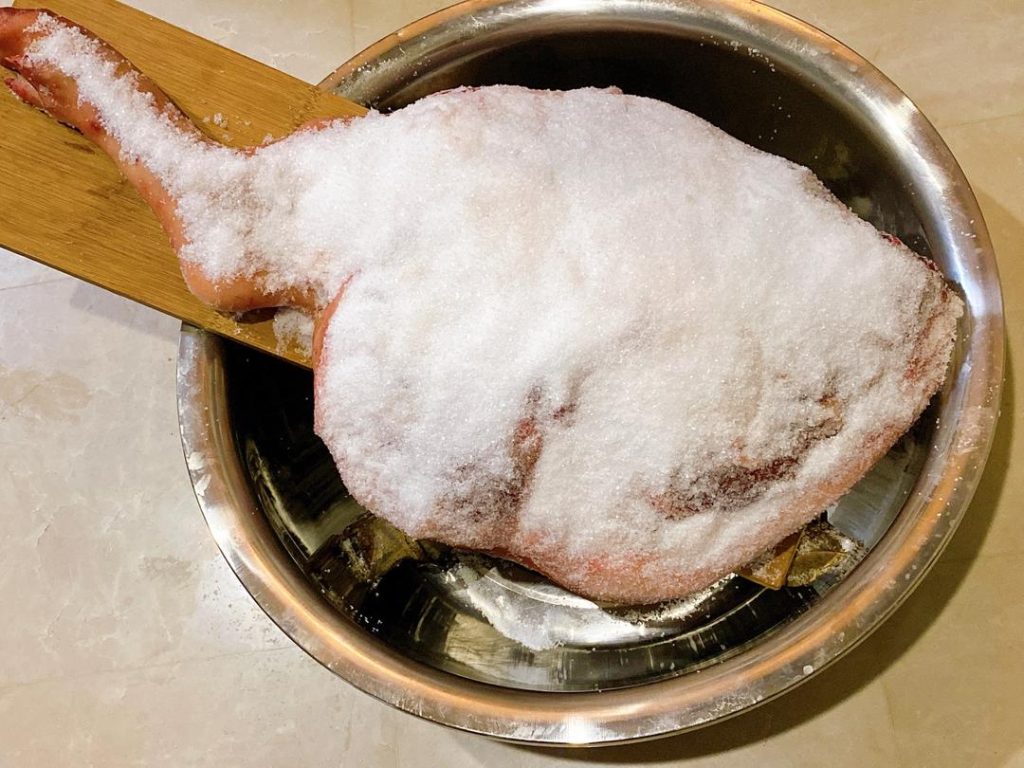
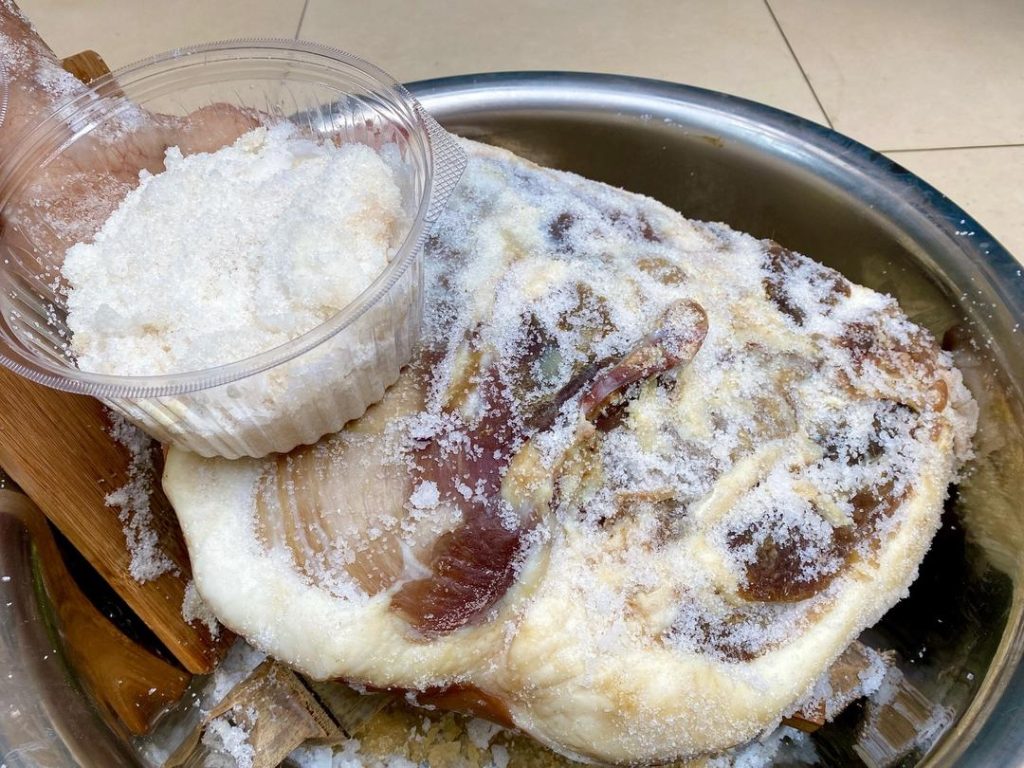
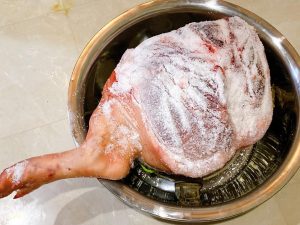
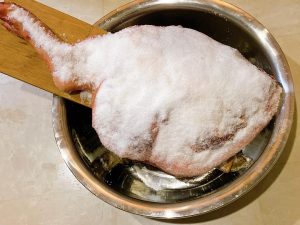
Step 1: The Salt Rub (Curing Phase) Time: 30 to 40 Days | Temperature: Under 50°F (10°C) Place the wooden boards inside your large basin and lay down a thick, even layer of salt. Place the ham on top. Begin rubbing the remaining salt aggressively into every inch of the pork, paying special attention to the exposed meat and around the bone. Cover the entire ham completely in salt. Over the next month, check the ham periodically. If you notice areas where the salt has dissolved into liquid, apply fresh salt to those spots.
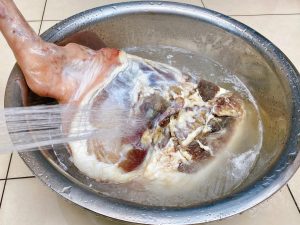
Step 2: Desalination and Washing Time: 10 Hours After 30 to 40 days, the ham will be noticeably firmer. Submerge the ham entirely in clean, cold water with the meat side facing down for about 10 hours. This softens the exterior and draws out the harsh surface salt. Scrub the ham completely clean of all salt crystals and hang it to drain.
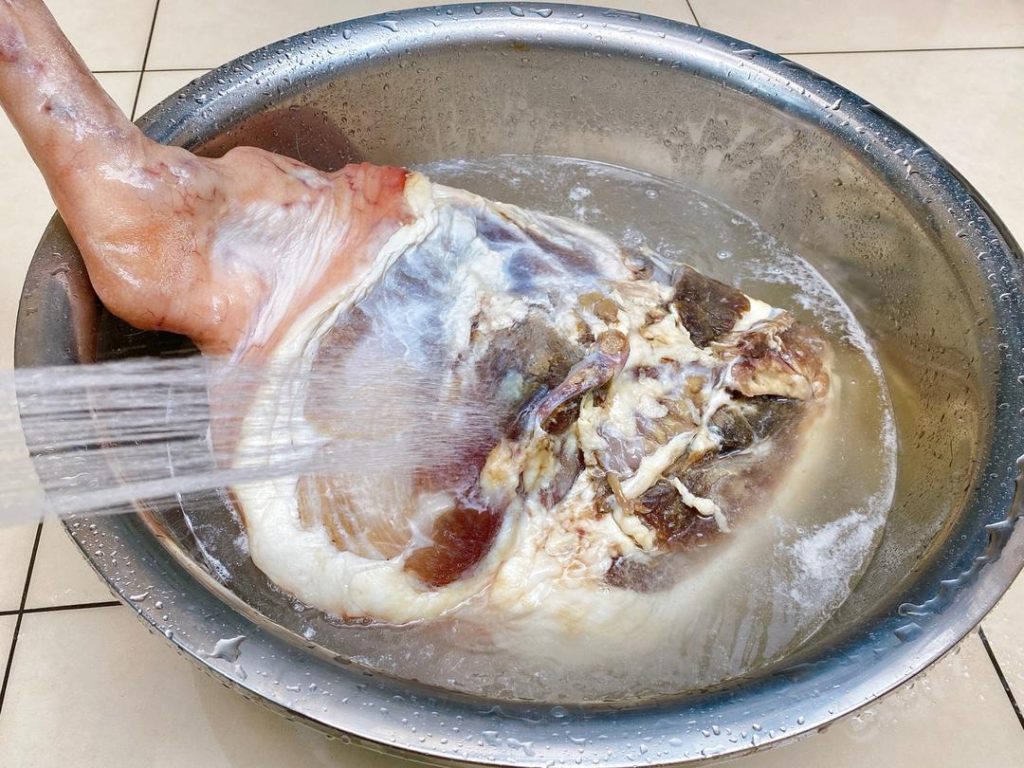
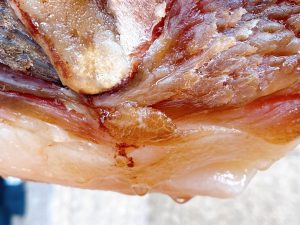
Step 3: Sun-Drying Time: 5 to 7 Days Hang the ham outdoors in direct sunlight. Leave it for 5 to 7 days until the skin turns a deep reddish-brown and the exposed meat begins to glisten and drip with oil. Place a pan underneath to catch the drippings so you don’t stain your floor!
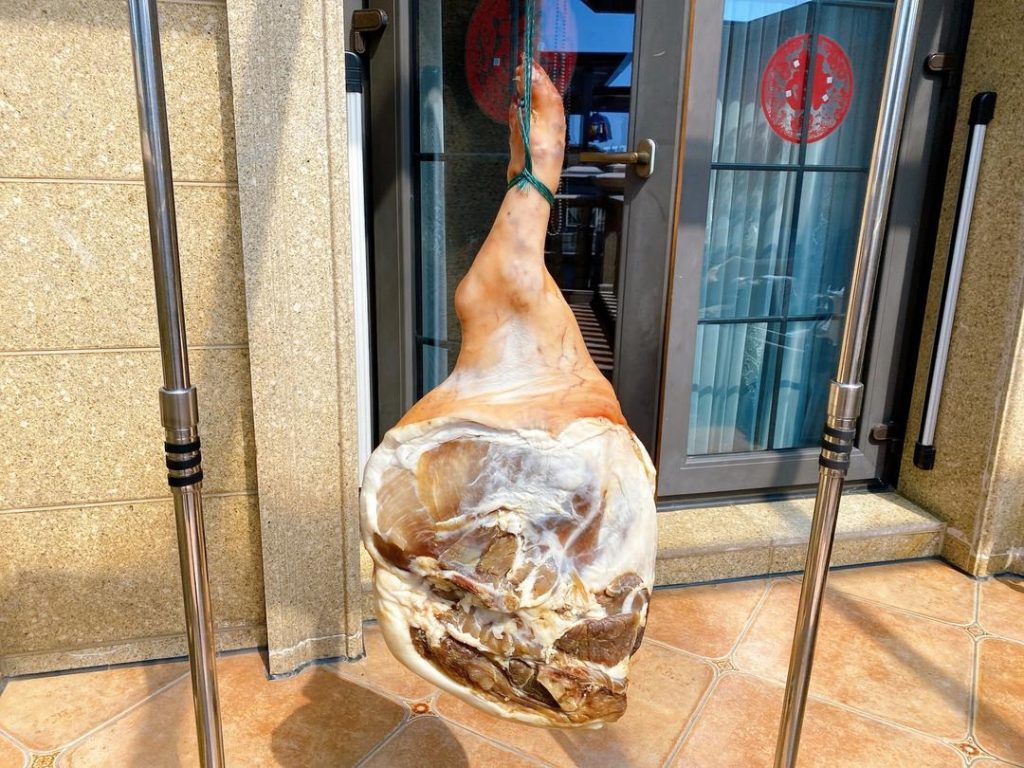
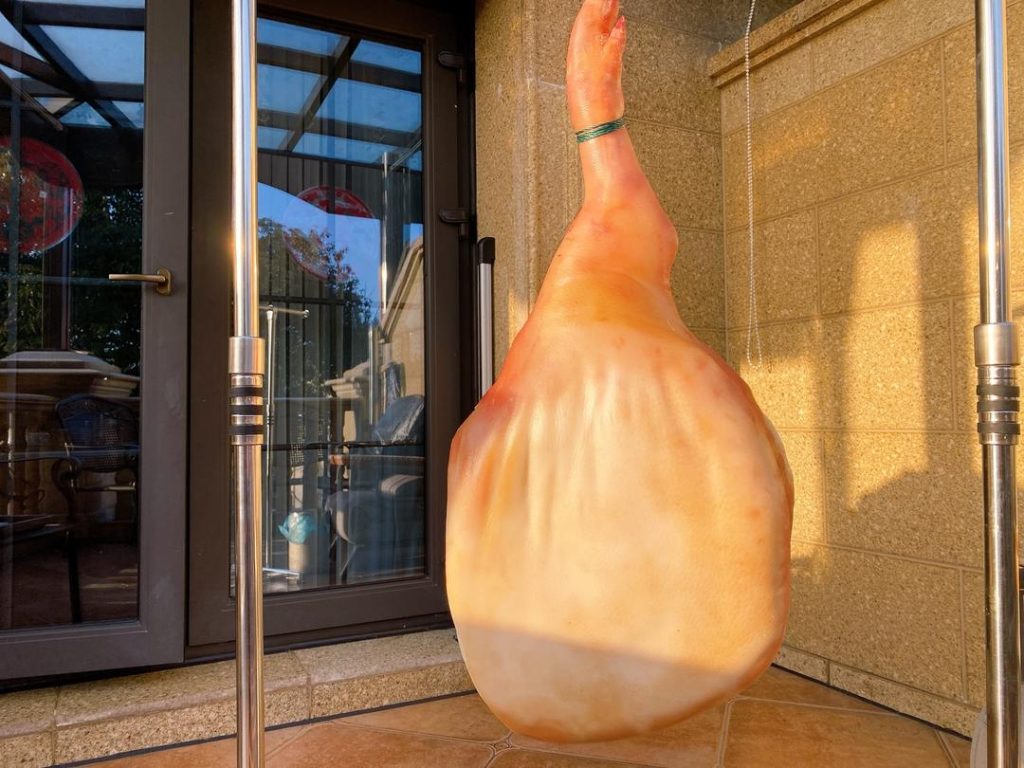
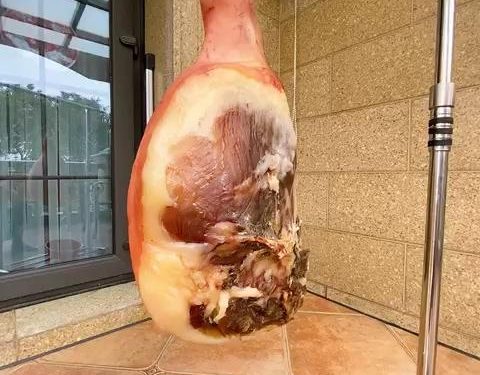
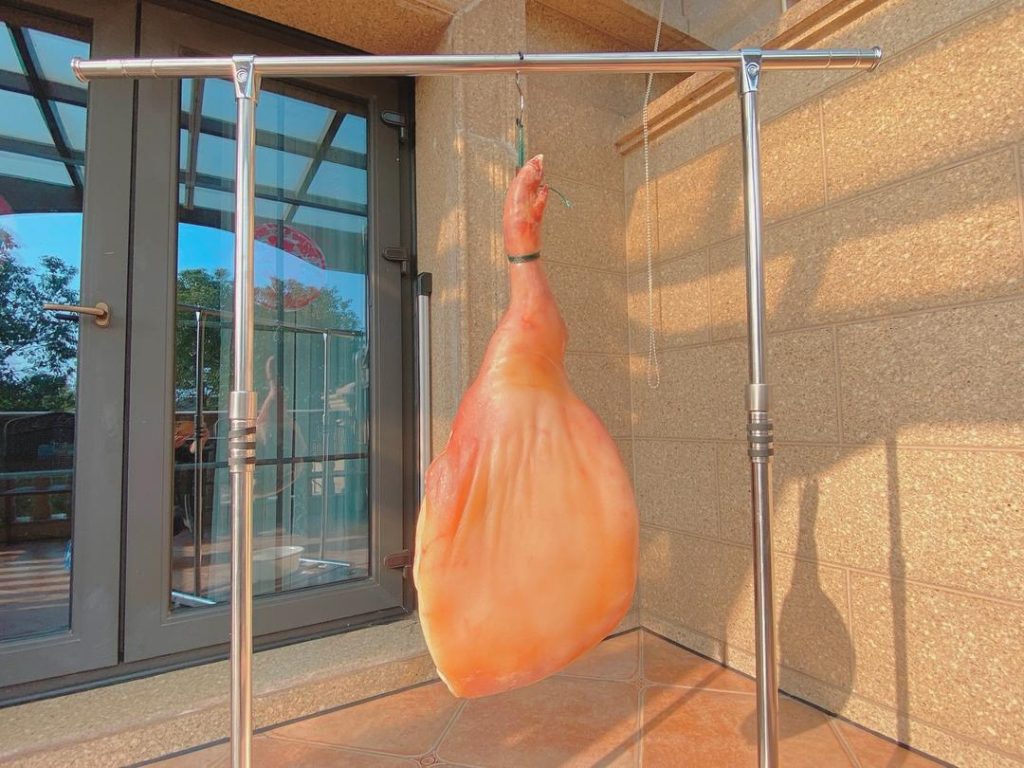
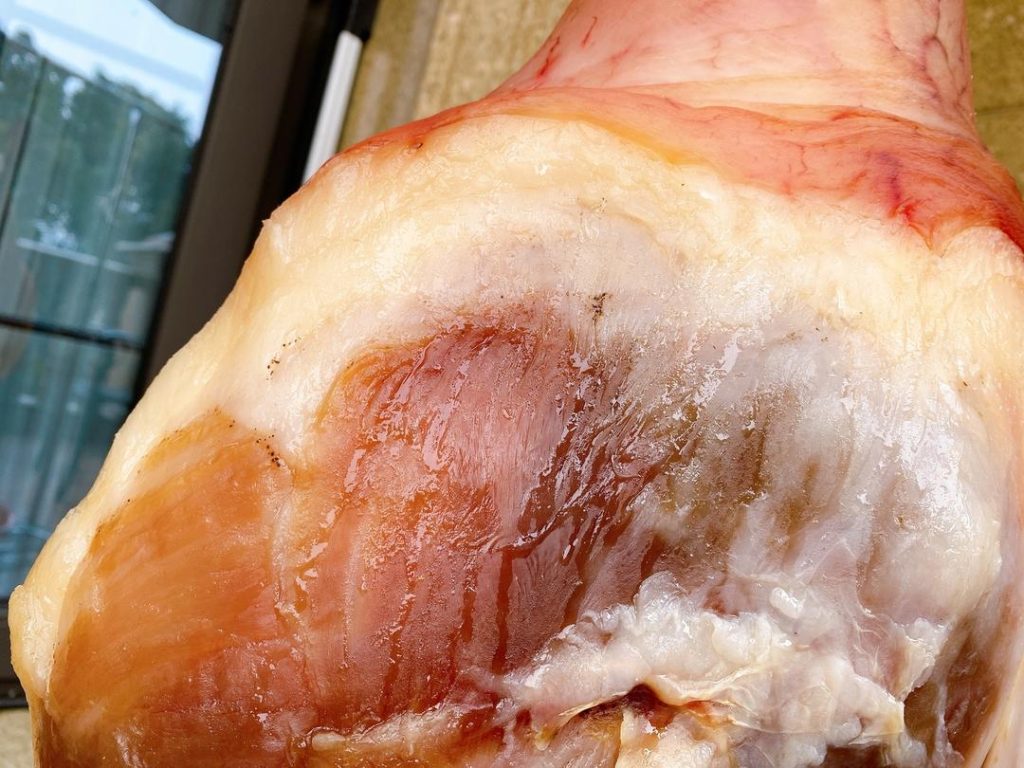
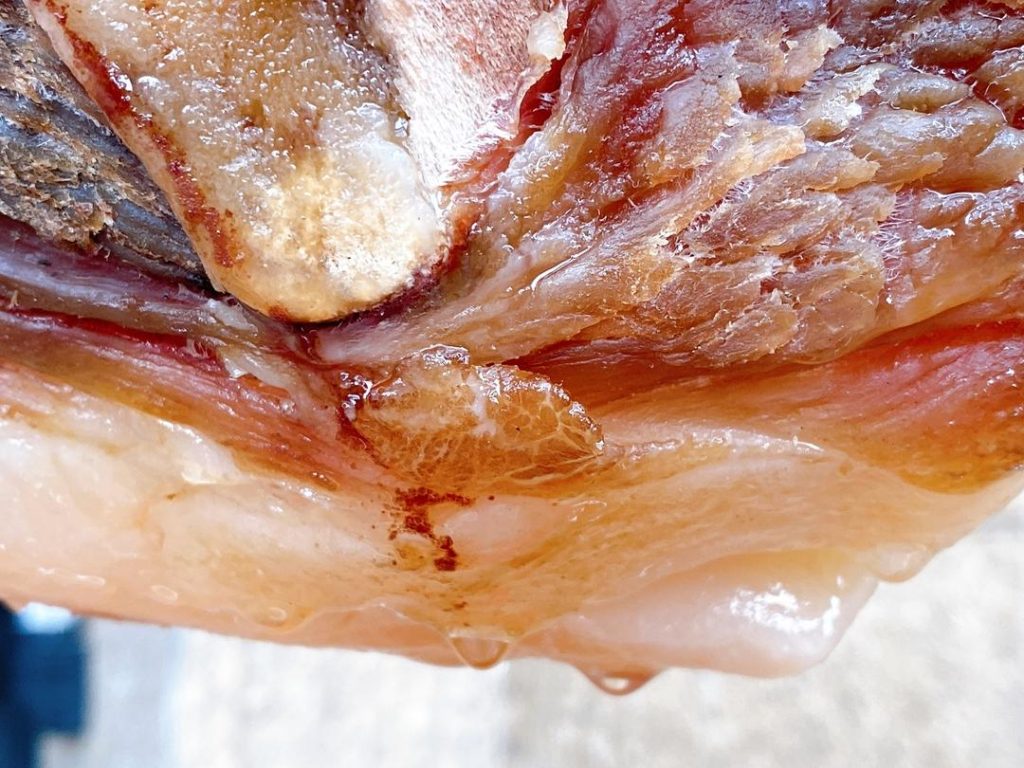
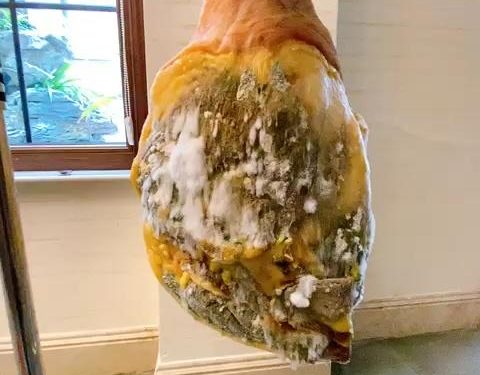
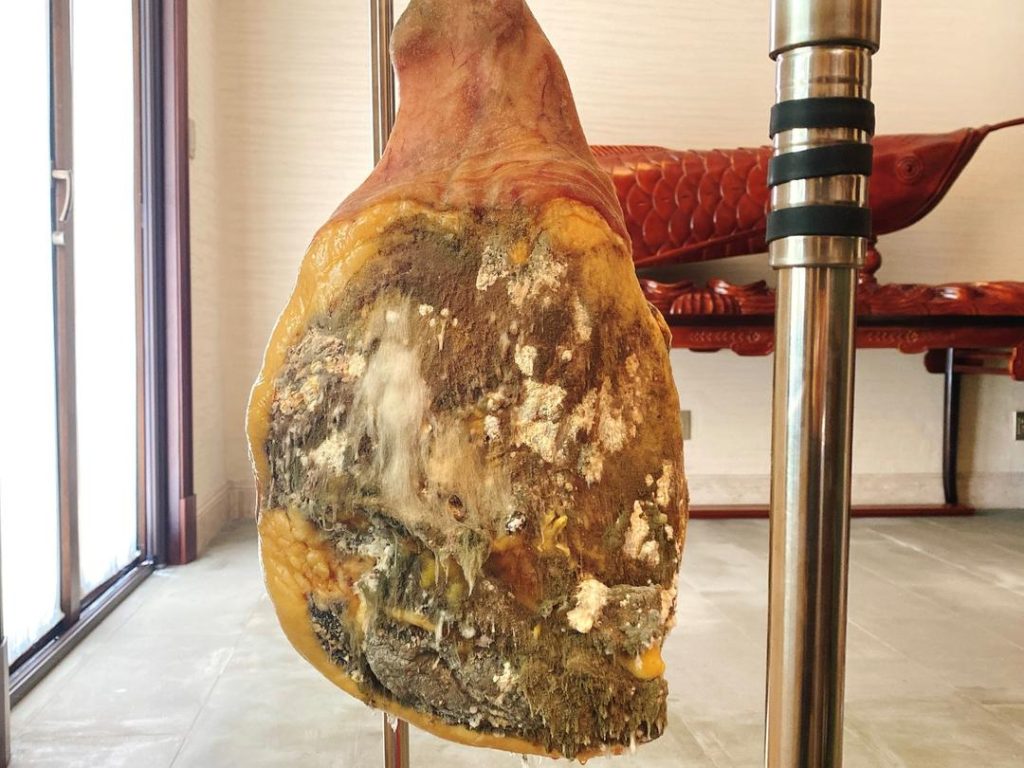
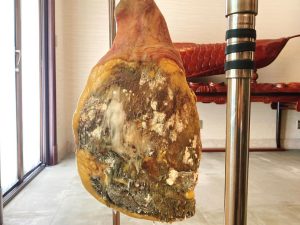
Step 4: Fermentation and Aging Time: 3 to 6 Months Move the ham to a cool, dry, and well-ventilated indoor space. As the weather warms up through spring and summer, the ham will begin to ferment naturally.
💡 Chef’s Note on Fermentation: You will see white, green, and even gray-green mold growing on the exterior. Do not panic! Many beneficial molds inhibit the growth of spoilage bacteria. This flora prevents the ham from over-oxidizing and going rancid during the long aging process.
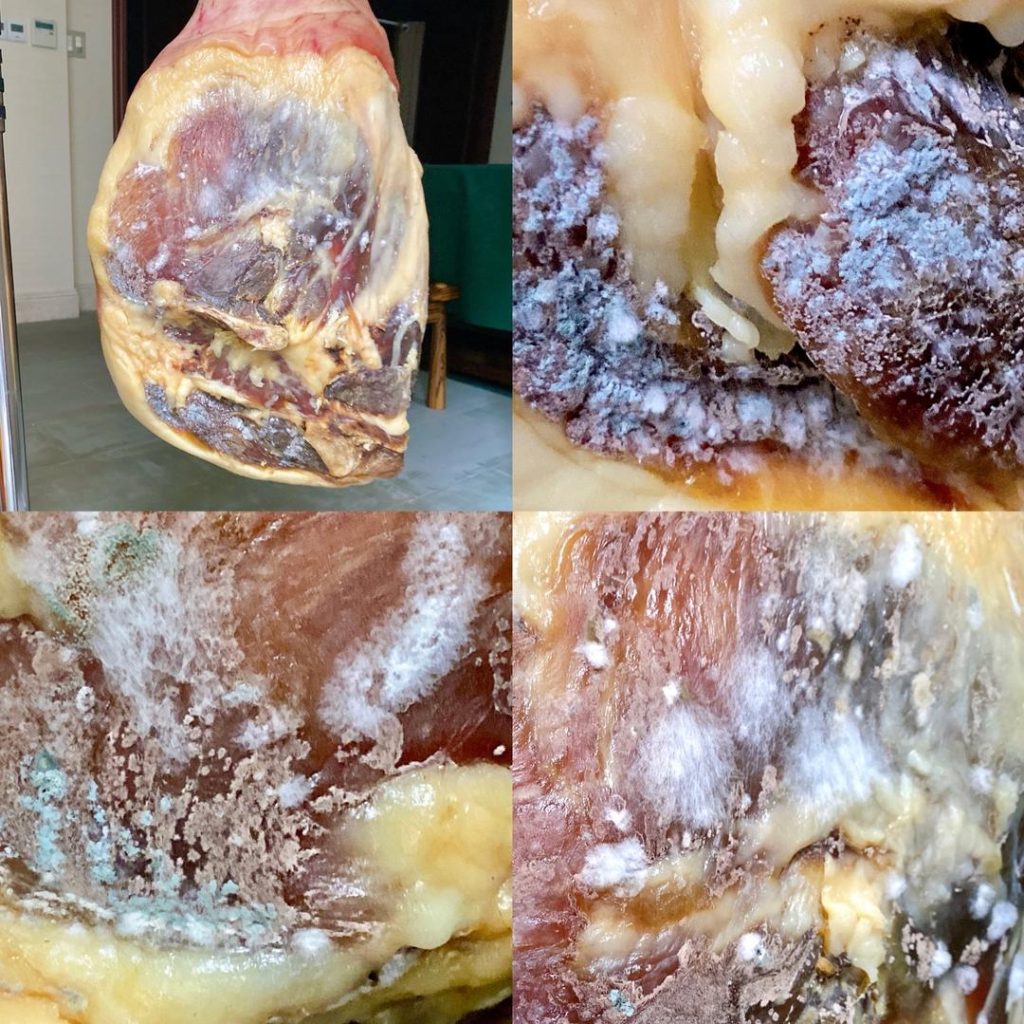
Common Mistakes When Making Cured Ham
- Mistake: The ham develops a harsh, rancid smell (哈喇味).
- Cause: The fats have oxidized due to insufficient salting, incomplete curing, or storing in an environment that is too hot and humid.
- Solution: Always ensure the salt thoroughly covers the meat and that the curing takes place in a consistently cold environment. Rely on your nose to monitor the aging process.
- Mistake: Washing the fresh pork with water before salting.
- Cause: Introducing tap water to raw meat before long-term curing introduces bacteria that leads to rot.
- Solution: Only air-dry the raw meat and press out the blood. Water is only used after the initial 40-day salt cure is complete.
Why This Recipe Works
- Osmotic Dehydration: The massive quantity of salt safely draws out moisture, creating an environment where harmful bacteria cannot survive.
- Enzymatic Breakdown: Over the months of aging, the proteins and fats break down into amino acids, which is what gives the ham its intense, melt-in-your-mouth umami flavor.
- Protective Mold: The natural mold casing acts as a breathable barrier against oxygen, protecting the interior meat.
Frequently Asked Questions
Is this authentic? Yes, this is the traditional, homestyle method used in many Chinese households, relying purely on salt, time, and climate, without the use of added nitrates.
Can I substitute the cut of meat? For a true ham, you must use the hind leg. If you want to experiment with smaller cuts using this method, a pork shoulder can work, though the aging time will be significantly shorter.
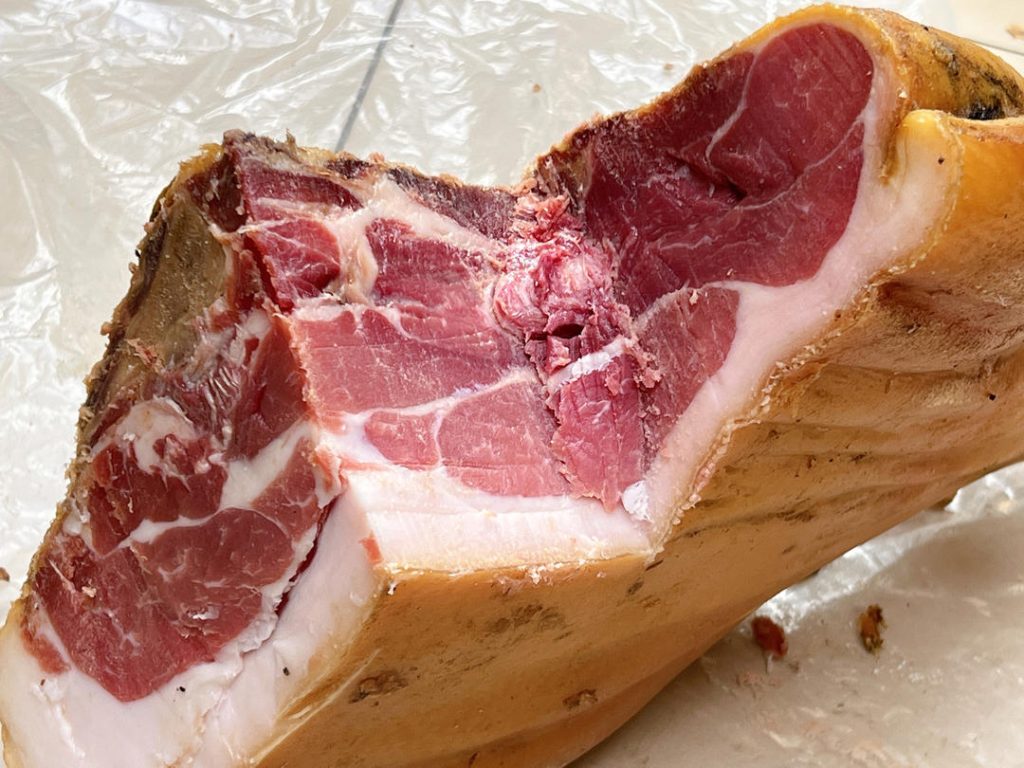
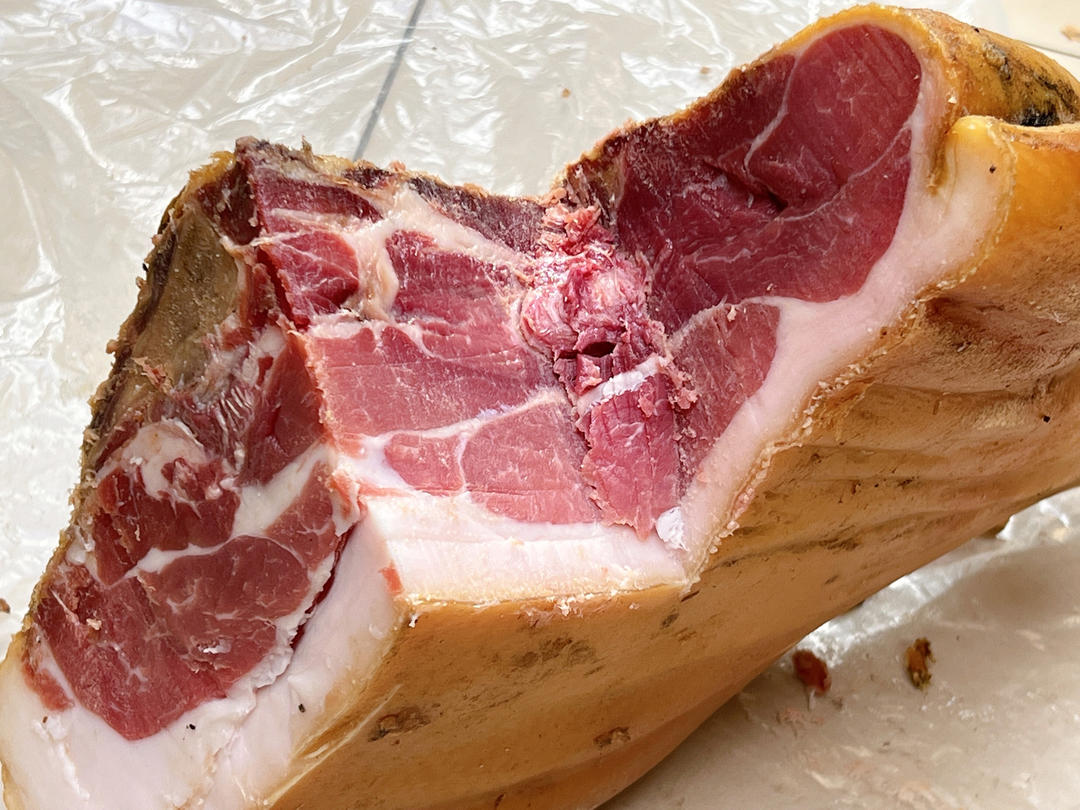
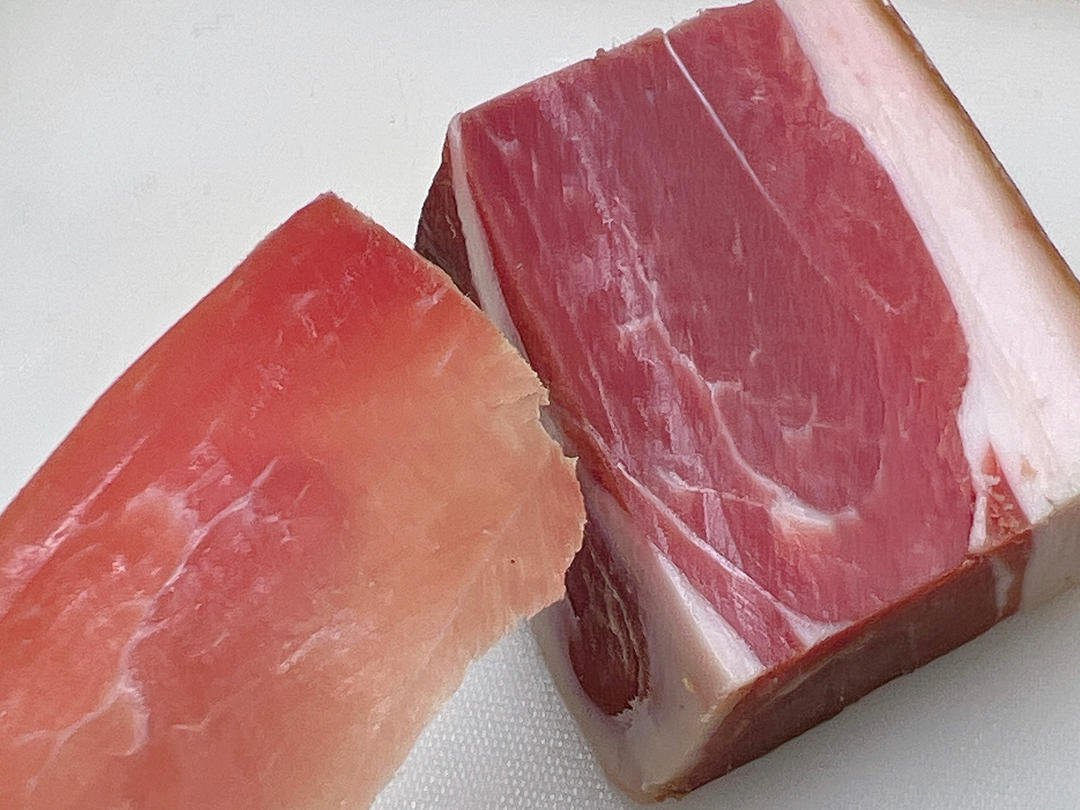
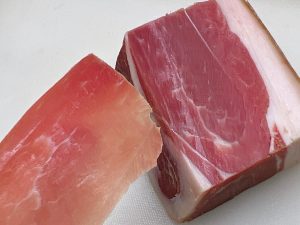
How do I prepare the ham for eating once it’s aged? Take your culinary blowtorch and scorch the moldy exterior of the ham completely. Scrape away the charred bits, wash it, and trim off the outermost layer of oxidized meat to reveal the ruby-red, fragrant ham underneath.
How to Serve
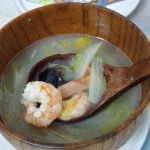
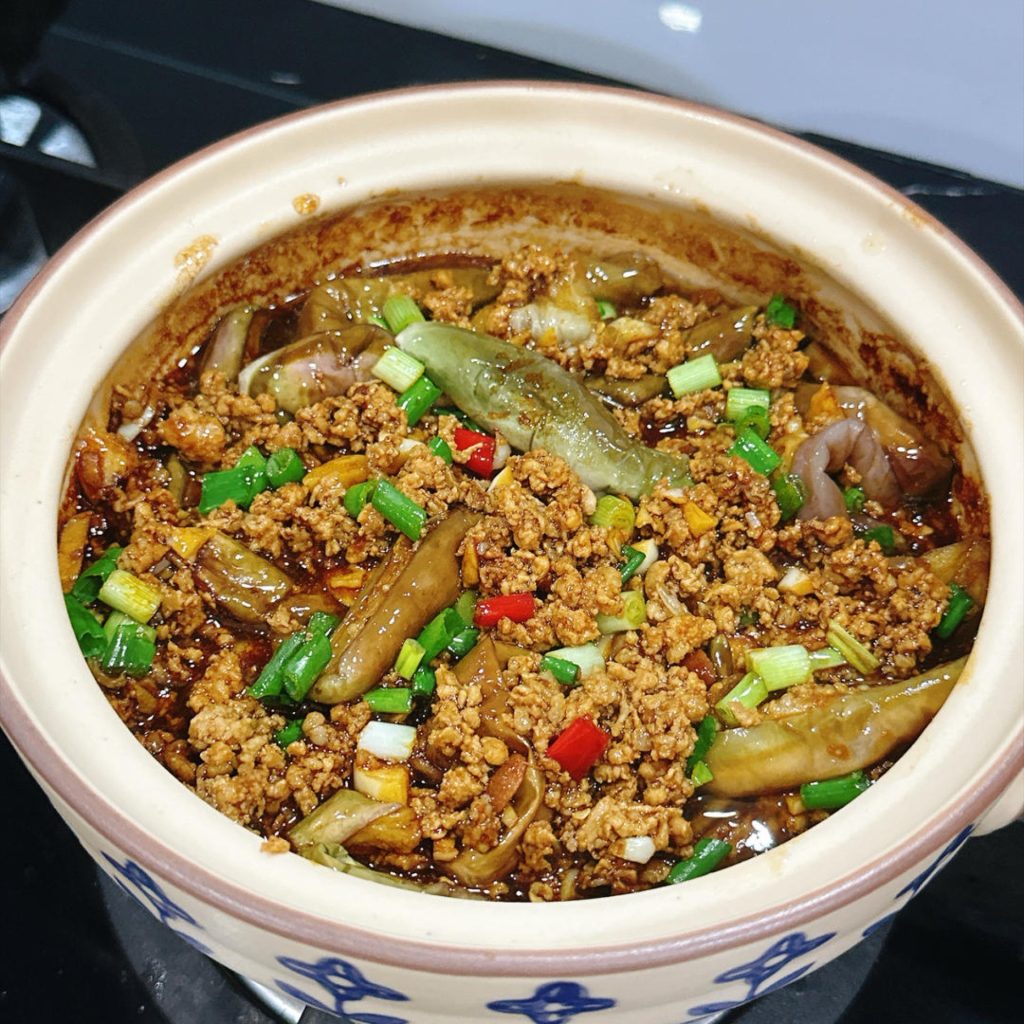
You can slice it incredibly thin and eat it raw, much like a Spanish Jamón. In traditional Chinese cooking, it is used to build massive flavor profiles. I highly recommend using thick slices to elevate a wonton soup broth , or steaming it directly over an authentic Cantonese clay pot rice. It is also phenomenal diced up to add a savory punch to Yangzhou fried rice.
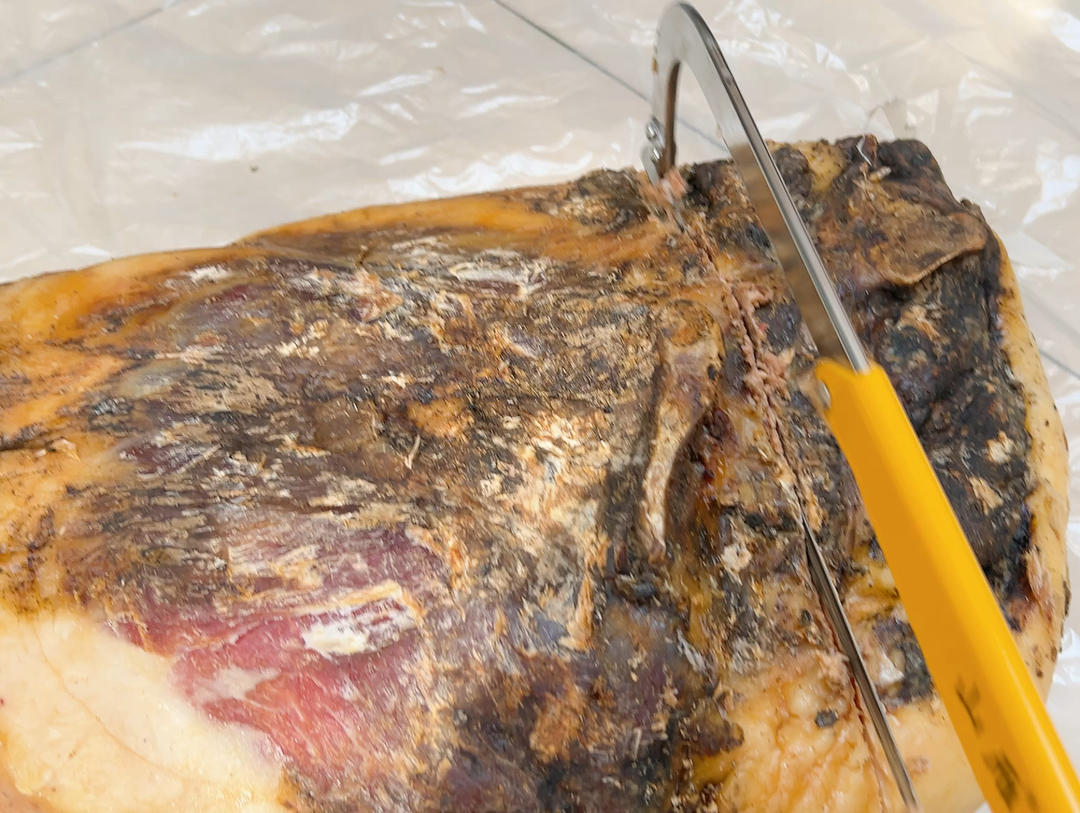
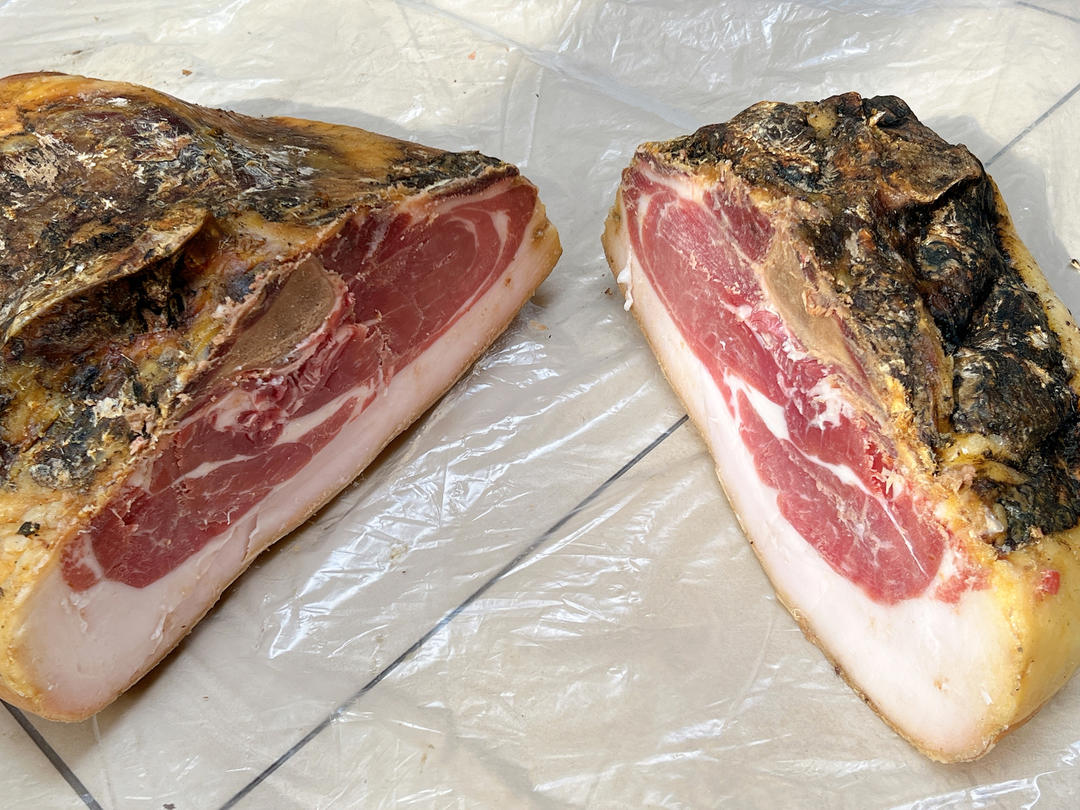
If you are using the bones left over after you carve the ham, do not throw them away! Save them to simmer alongside standard pork bones for a masterful soup base.
Storage
Once you have cut into the ham, you can vacuum seal the portions and keep them in the refrigerator for up to a year. If you leave it hanging whole in a cool, dry place, it will continue to age and the flavor will only deepen.
Allergen Notice
This recipe is naturally dairy-free, gluten-free, soy-free, and nut-free.
About the Author & Recipe Development
This recipe stems from my childhood observations in our family restaurant and has been refined through my 10 years of professional kitchen experience. Curing meat requires respect for temperatures, hygiene, and the transformative power of time. The method outlined here ensures a safe, reliable cure for a home environment provided the temperature guidelines are strictly followed. As always, my family and my little 5-year-old daughter are my ultimate taste-testers when it comes to the final product!
Authoritative References
For more detailed scientific guidelines on the safety and temperatures required for curing meats at home, I highly recommend reviewing the United States Department of Agriculture (USDA) guidelines on Ham and Food Safety.
Authentic Chinese Dry-Cured Ham (Yan Huo Tui)

Equipment
- Large Tub or Basin
- Culinary Blowtorch
- Meat Hook
Ingredients
Curing Ingredients
- 1 whole Fresh Pork Leg (Ham), bone-in and skin-on 15-20 lbs (7-9 kg)
- 4.4 lbs Coarse Sea Salt
Instructions
- Rest the fresh ham in a cool, well-ventilated area for 24 hours to evaporate surface moisture. Squeeze out any residual blood from the veins.

- Place a wooden board inside a large basin. Lay down a bed of salt, place the ham on top, and vigorously rub the remaining salt all over the ham until completely coated.

- Allow the ham to cure in a cool environment (under 50°F/10°C) for 30 to 40 days. Reapply salt to any areas where it dissolves into liquid.
- After curing, soak the ham meat-side down in clean water for 10 hours. Scrub away all salt crystals and wash clean.
- Hang the ham outdoors in direct sunlight for 5 to 7 days until the skin turns red and the meat drips oil.
- Move the ham indoors to a cool, dry, well-ventilated space to ferment for 3 to 6 months. Natural mold will grow on the exterior; this is normal.
- To serve, use a blowtorch to scorch the surface mold, scrape clean, and trim away the outermost layer of oxidized meat before slicing.




Leave a Reply