Packing a week of school lunches that a child will actually eat is one of the quiet, daily puzzles of parenting. You want something warm, something that travels well, and something that covers a grain, a protein, a vegetable, and a little soup — all before the morning rush swallows your last ten minutes. This plan solves that puzzle with five real lunchbox menus, each built around a different protein so nothing feels like a repeat by Friday.
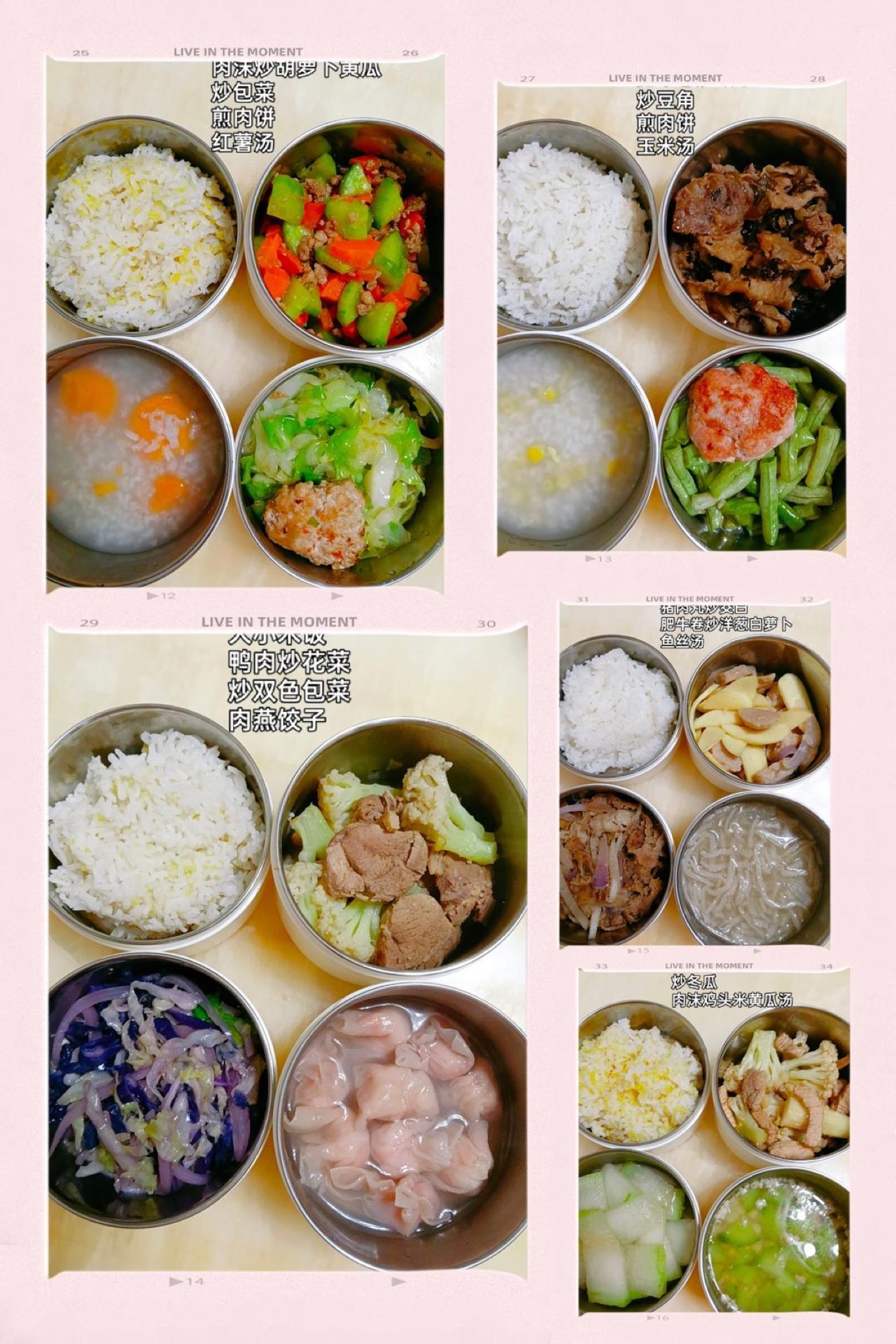
In China, the school lunchbox — 午餐 — is less a single recipe than a small daily system. A base of rice (often a mixed-grain blend for extra fiber), a protein stir-fry or patty, one or two vegetables, and a light soup are packed together so the meal is balanced by construction rather than by calculation. Once you understand that template, feeding a child well for a week stops being a scramble and becomes a rhythm.
This guide walks through the whole week: what goes in each box, why the rotation works, how to prep ahead, and how to keep food safe from the kitchen to the classroom. It draws on the same stir-fry logic we use across the site, including our stir fry sauce ratio formula for seasoning on the fly.
What Is a Week of School Lunches?
A week of school lunches is a planned rotation of five packed meals, each combining a grain, a protein, a vegetable, and usually a soup, so that a child eats a complete and varied lunch every day without the parent reinventing the menu each morning. In Chinese households this is often called 小学生午餐 — the primary-school lunch — and it is packed in a compartmented lunchbox or a stacked thermal container.
The genius of the format is repetition with variation. The structure stays the same: rice, a protein, a green, a soup. What changes is the protein (pork, beef, duck, pork again, then a lighter finish) and the vegetables, which keeps the week interesting while the cooking stays familiar and fast.
A school lunchbox works best when it reads as a tiny balanced plate: half grain, a quarter protein, a quarter vegetables, plus a small soup to warm the whole thing through.
If you already cook Chinese home food, you are most of the way there. The same techniques that make a quick weeknight stir-fry also make a lunchbox filling: high heat, a splash of sauce, and vegetables kept just crisp. Our pork and green bean stir fry is a good example of the kind of dish that packs beautifully.
If your child is new to this style of lunch, start with the milder menus — the pork patty and cucumber days — and introduce the duck and fish soups once the format feels familiar. The goal is a lunch that gets eaten, not one that looks impressive and comes home untouched.
For families who want a similar rice-and-protein template in a single bowl, our oyakodon japanese chicken and egg rice bowl shows how far a simple grain-plus-protein pairing can go, and it is easy to adapt into a lunchbox portion.
If you like this kind of cooking, my beef and king oyster mushroom fried rice is the closest recipe on the site — the same technique and the same pantry.
1Beef and King Oyster Mushroom Fried RiceA savory, homestyle fried rice featuring the meaty texture of King Oyster mushrooms, sweet carrots, and ground beef. A balanced one-bowl meal ready in 25 minutes.Check out this recipe
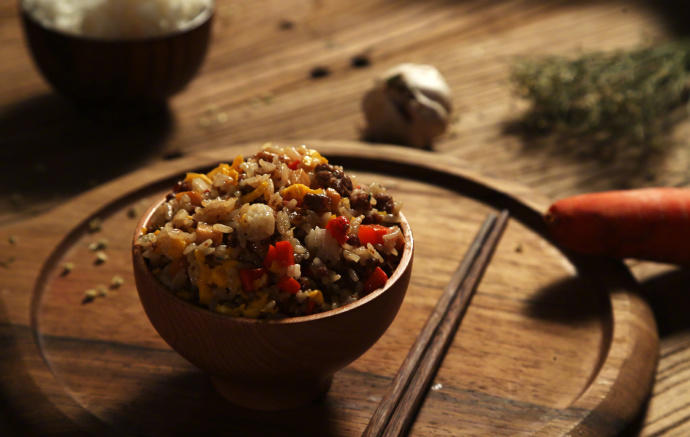
Cooked this way once, you will want the next one too: beef brisket fried rice starts from the same base and the same pan.
2Beef Brisket Fried Rice (Niu Nan Chao Fan)A savory, soy-sauce-rich fried rice featuring tender diced beef brisket and the ‘gold-over-silver’ egg technique. A quick, nutritious meal perfect for using leftover rice.Check out this recipe
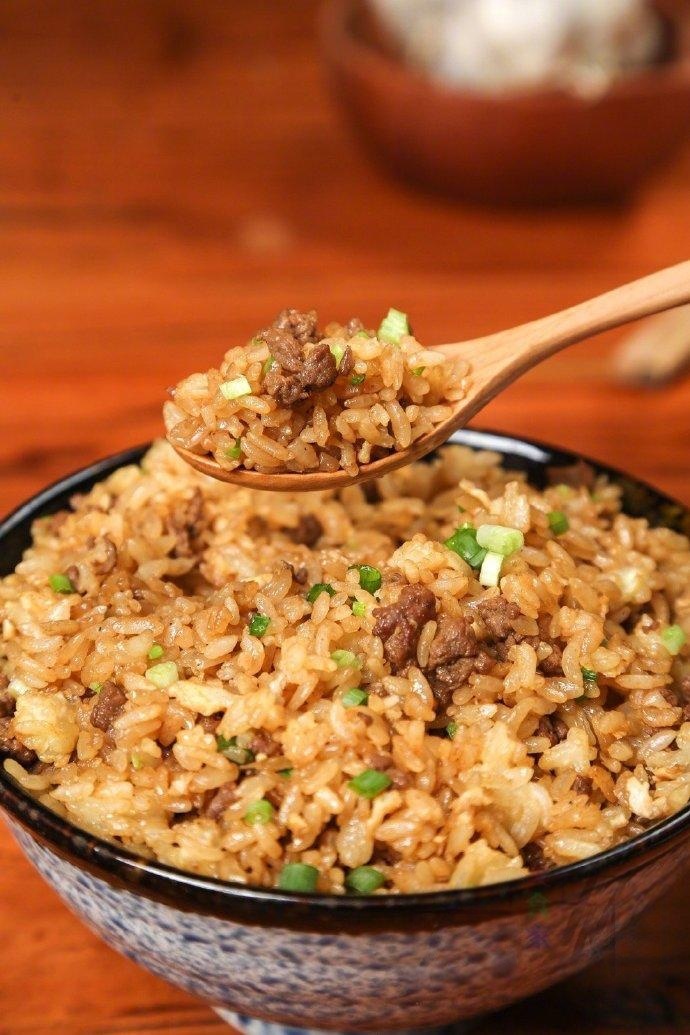
For the next cook from the same playbook, black truffle beef fried rice is the recipe I point people to.
3Black Truffle Beef Fried RiceThis Black Truffle Beef Fried Rice is a quick luxury meal that uses the natural fat from beef patties to flavor the rice, combined with the earthy aroma of truffle sauce and savory mushrooms. Ready in under 20 minutes!Check out this recipe

Why This Recipe Works
This plan works because it separates the parts that need cooking from the parts that need assembling. The rice and the soups can be made in advance; the stir-fries are five to ten minutes each; and the patties and dumplings can be batch-cooked and reheated. Nothing in the week requires more than one wok at a time.
It also works because the protein rotates. Pork, beef, and duck each bring a different flavor and texture, and rotating them prevents the palate fatigue that makes kids leave food behind. The vegetables shift too — green beans, cabbage, cauliflower, cucumber, winter melon — so the box stays colorful, which reliably increases how much gets eaten.
Finally, the soup is doing real work. A small warm soup makes a packed lunch feel like a meal rather than a snack, and it is an easy place to slip in extra vegetables and broth. Keep it in a separate leak-proof jar and the rice stays fluffy instead of turning soggy.
Ingredients
The ingredient list is deliberately short and repeatable, because a weekly plan only works if the shopping list is manageable. Here is what the week calls for.
- Rice and grains: white rice plus a mixed-grain blend (millet or brown rice) for the 大小米饭 days.
- Proteins: ground or sliced pork, thinly sliced beef (hot pot rolls work well), and boneless duck.
- Vegetables: green beans, cabbage, cauliflower, cucumber, carrot, and winter melon.
- Soup bases: chicken or pork stock, corn, and sweet potato.
- Seasonings: light soy sauce, a little sugar, and aromatics. A spoon of chili garlic sauce is optional for the adults’ portions.
Everything here is available at a standard Asian grocery or a well-stocked supermarket. Buy the beef already sliced if you can — it saves real time on a weekday.
Cooking Process
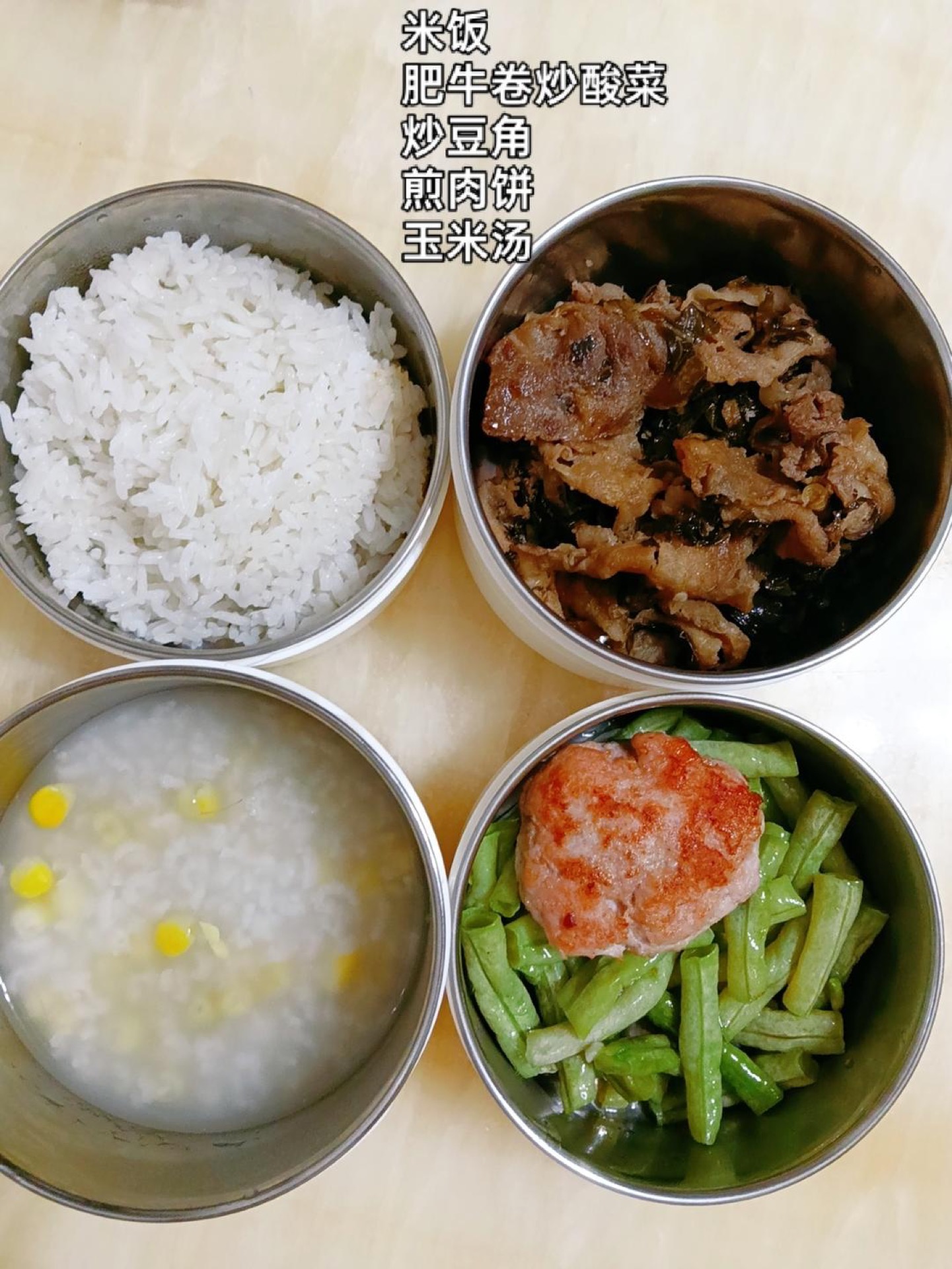
Step 1 — Monday: Beef, Beans & Corn Soup
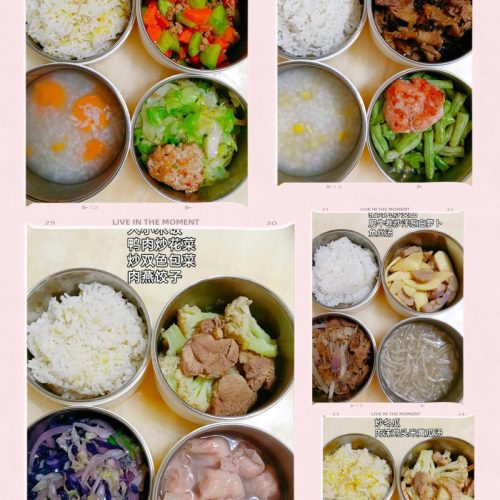
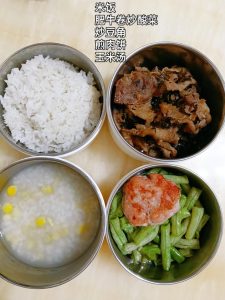
Pack steamed rice with stir-fried beef rolls and pickled mustard greens, stir-fried green beans, a pan-fried pork patty, and a corn soup on the side.
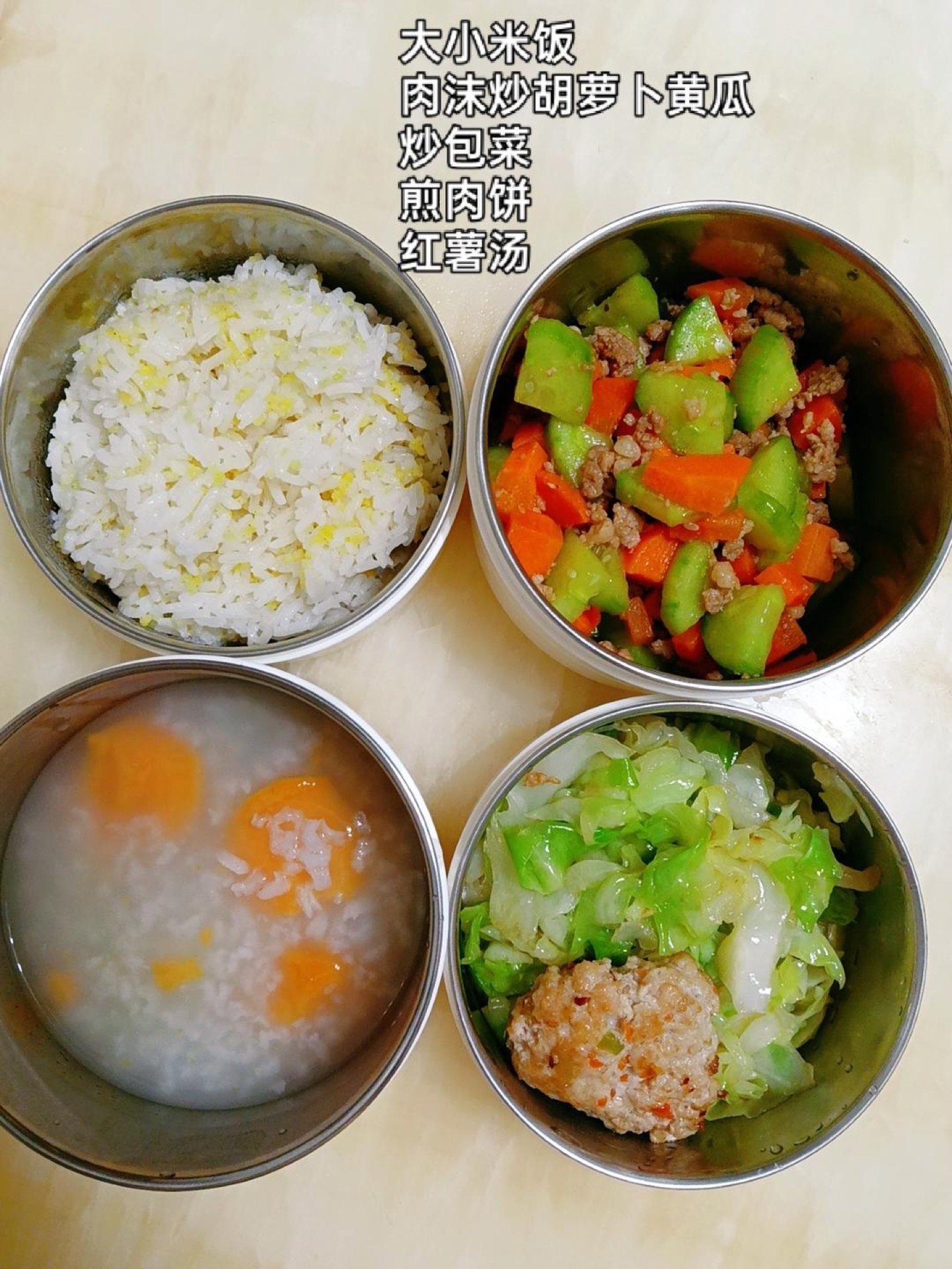
Step 2 — Tuesday: Pork, Cucumber & Sweet Potato Soup
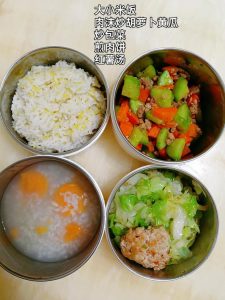
Pack a mixed grain rice, stir-fried minced pork with carrot and cucumber, stir-fried cabbage, a pan-fried pork patty, and a sweet potato soup alongside.
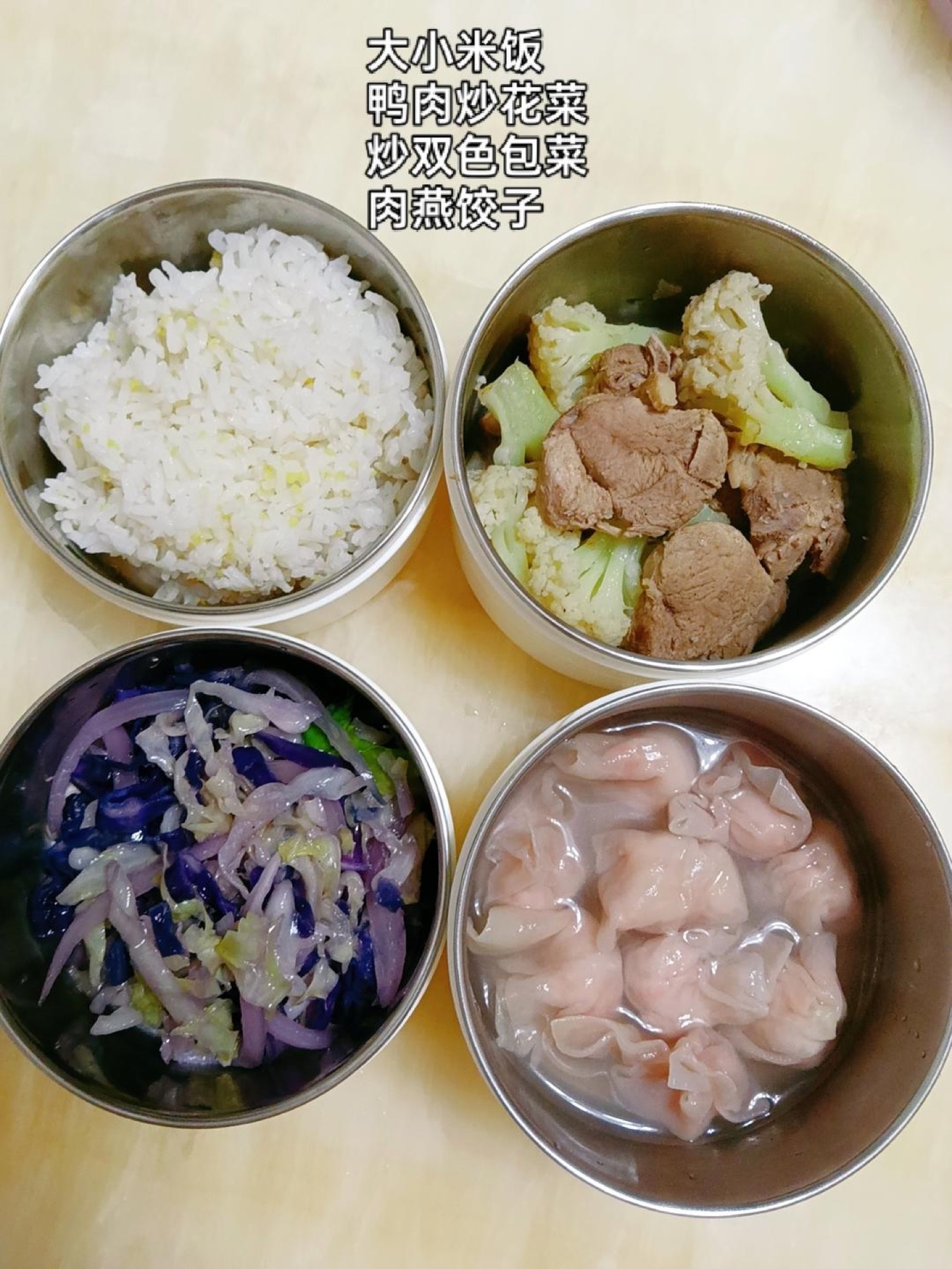
Step 3 — Wednesday: Duck, Cauliflower & Dumplings
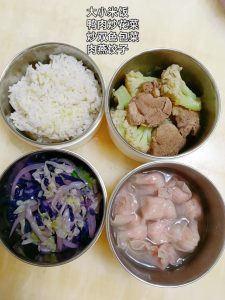
Pack a mixed grain rice with stir-fried duck and cauliflower, stir-fried two-color cabbage, and a few meat dumplings to round out the box.
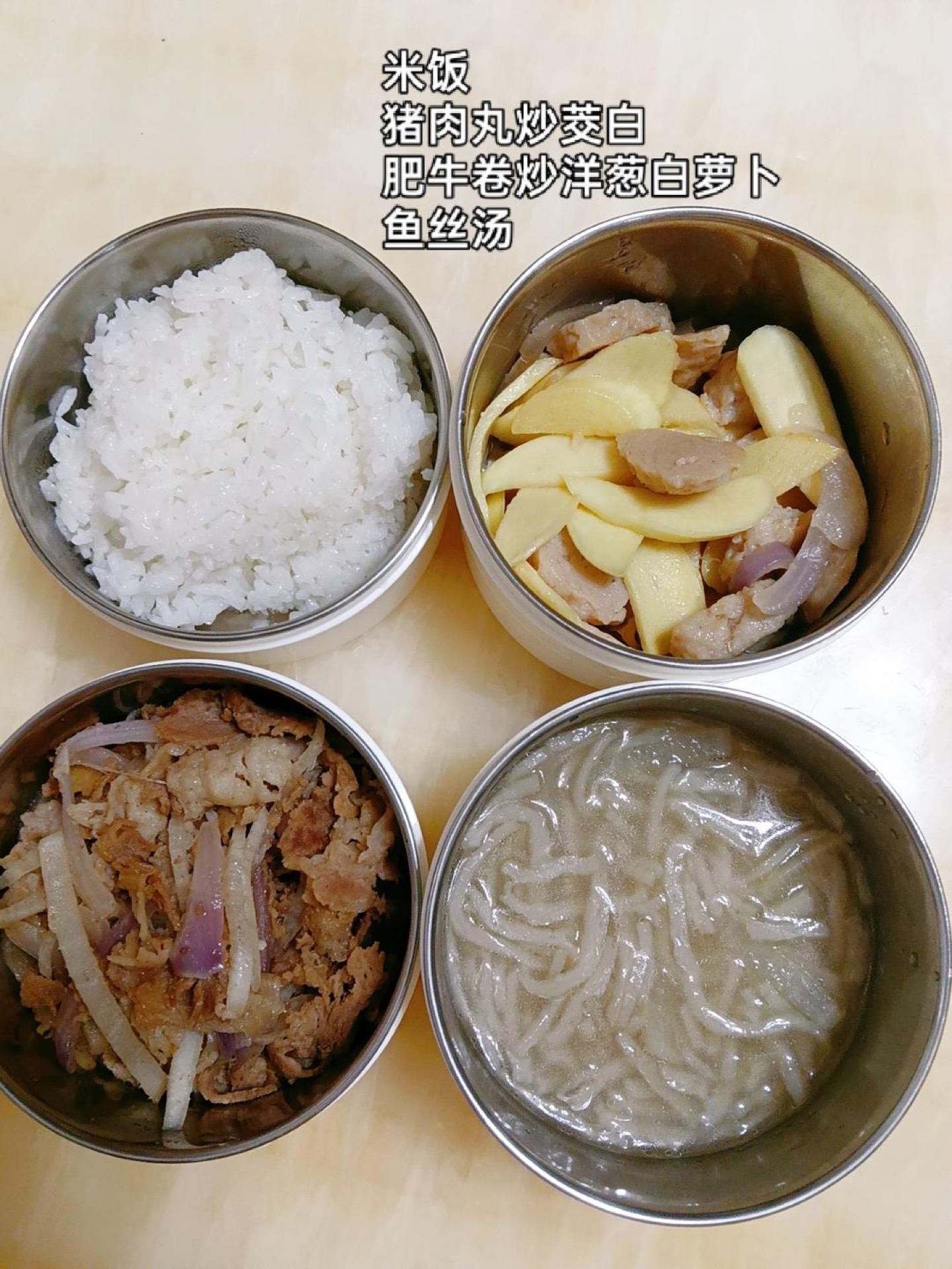
Step 4 — Thursday: Pork Meatballs & Radish
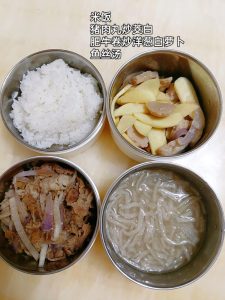
Pack steamed rice with stir-fried pork meatballs and water bamboo, stir-fried beef rolls with onion and white radish, and a shredded fish soup on the side.
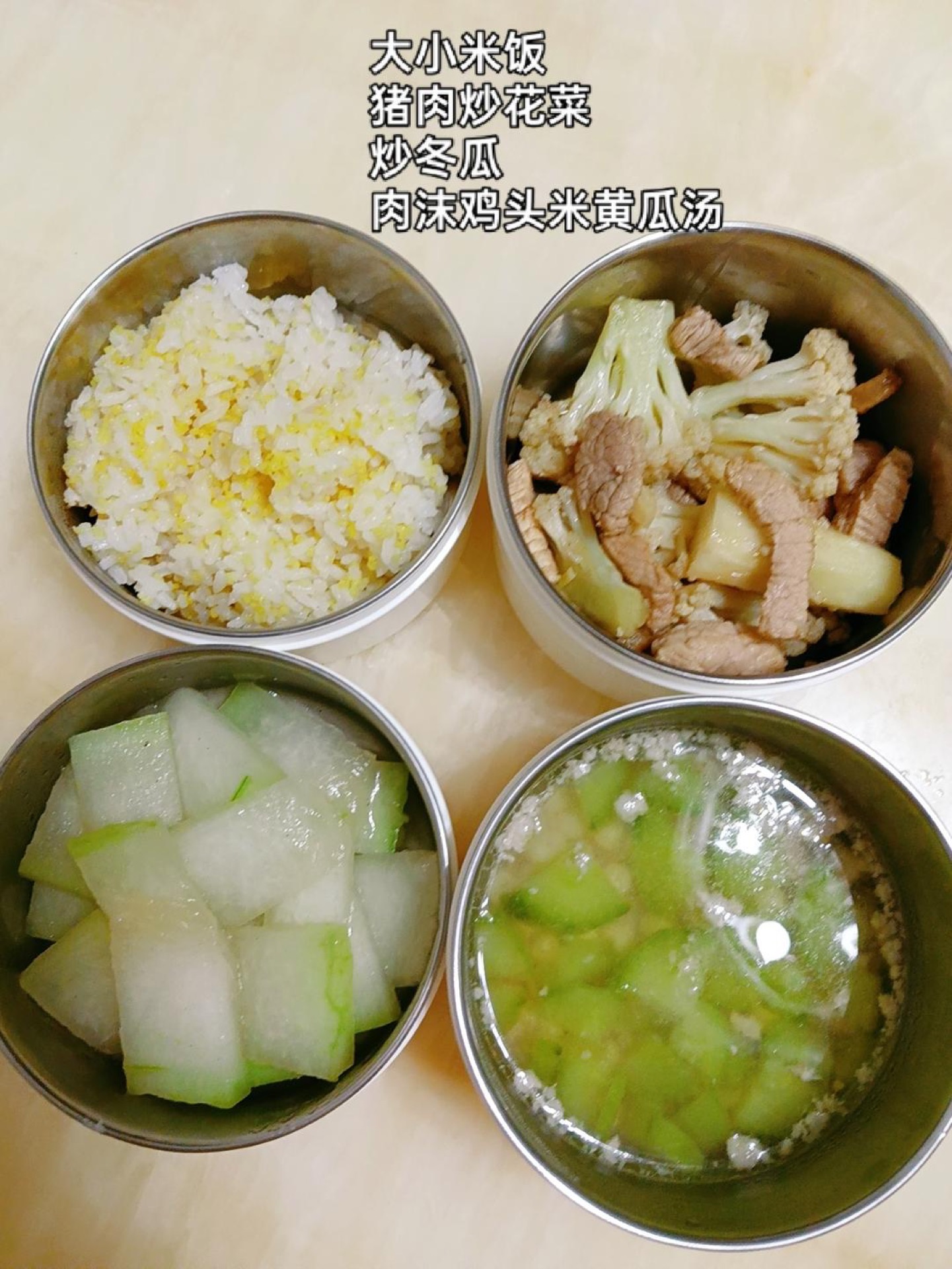
Step 5 — Friday: Pork, Winter Melon & Soup
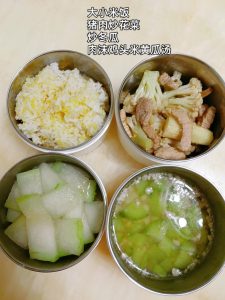
Pack a mixed grain rice with stir-fried pork and cauliflower, stir-fried winter melon with minced pork, and a cucumber soup with fox nuts to finish the week.
Common Mistakes When Packing School Lunches
1. Packing everything hot and sealing it immediately. Steam condenses inside the box and turns rice and fried food soggy. Let each component cool for five minutes, and pack the soup in a separate jar so its moisture never reaches the rice.
2. Over-seasoning the stir-fries. A lunchbox dish is eaten cold or just warm, and salt reads stronger at those temperatures. Season lightly, and if you want heat, add it to the adult portions only rather than the whole wok.
3. Cutting vegetables too large. Big chunks do not cook through in a five-minute stir-fry and are hard for a child to eat with a spoon. Cut everything into small, even pieces — julienne the cucumber and carrot, and keep cauliflower florets bite-sized.
4. Skipping the mixed-grain soak. Brown rice and millet cooked straight from dry will be tough next to the white rice. Soak them for about 30 minutes, or cook them separately and fold them in.
5. Reheating the same dish all week. Reheating the same protein five days running is the fastest way to get a lunchbox back untouched. Rotate pork, beef, and duck as the plan does, and change the vegetable alongside it.
6. Forgetting the soup lid. A leaky soup jar ruins the whole box. Test the seal over the sink before it goes into the bag, and pack the jar upright.
7. Making lunch the same morning with no prep. Without Sunday prep, a weekday lunchbox becomes a twenty-minute job. Thirty to sixty minutes of advance work is what makes the five-minute morning possible.
How to Serve
These lunches are complete on their own, but a few of our recipes slot in neatly as a component or a change of pace. If you want a crisp, packable side to add to any day, our crispy pork and chive spring rolls reheat well and are popular with children.
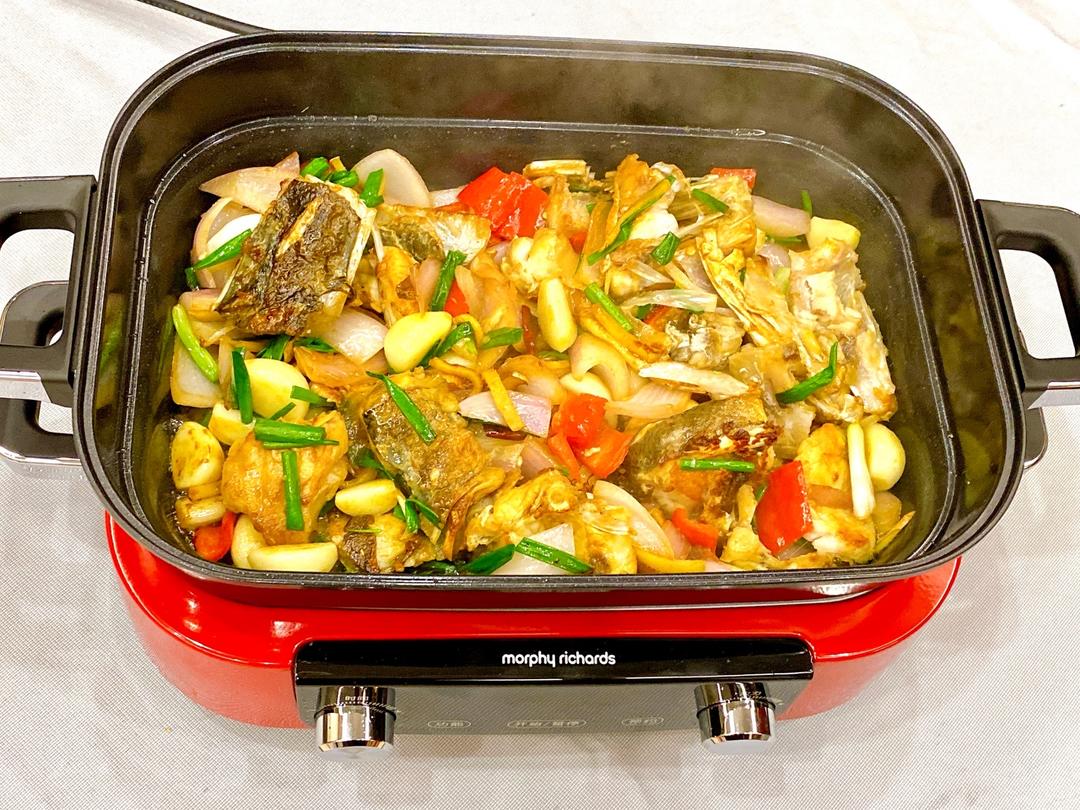
For a heartier protein day, our sizzling dry pot fish head is a dinner dish that can be portioned into a lunchbox the next day if your child enjoys fish.
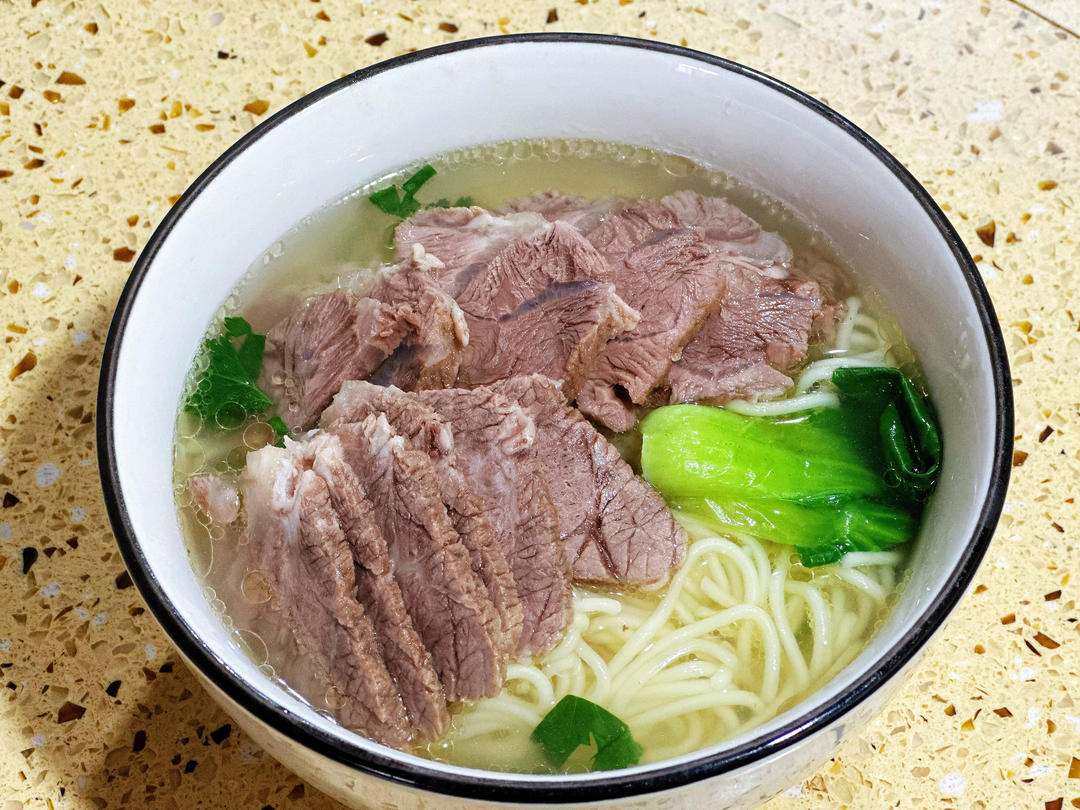
And when you want a soup-forward lunch that still feels like a full meal, our clear beef noodle soup is a gentle, kid-friendly bowl that travels well in a thermos.

Storage & Reheat
Store cooked rice, proteins, and vegetables in separate airtight containers in the refrigerator for up to three to four days. Soups keep the same length of time and often taste better the next day as the flavors settle.
Reheat rice and stir-fries in a skillet over medium heat with a splash of water, or in the microwave covered, until steaming hot. Reheat soups in a small saucepan until they come to a gentle simmer, then let them cool for a minute before pouring into a thermos.
Do not reheat the same portion more than once. If you are packing from a batch, portion out what you need and reheat only that, keeping the rest cold for the following day.
Freeze cooked patties and dumplings for up to two months. Thaw overnight in the refrigerator and reheat until hot all the way through.
Allergen Notice
This week of lunches can contain soy, wheat, egg, and fish, depending on the soy sauce, dumplings, meatballs, and fish-based soups you choose. Soy sauce and most dumpling wrappers contain wheat; fish balls and fish soups contain fish. Check labels carefully if anyone in the household has an allergy, and substitute tamari for soy sauce and gluten-free wrappers where needed.
Nutrition Disclaimer
Nutrition information is calculated using an ingredient database and should be considered an estimate. In cases where multiple ingredient alternatives are given, the first listed is calculated for nutrition. Garnishes and optional ingredients are not included.
About the Author & Recipe Development
This plan was developed by Lin for Woks of Love, drawing on the everyday Chinese school-lunchbox tradition of packing a grain, a protein, a vegetable, and a soup together. Each of the five menus was tested for how well it survives a few hours in a lunchbox and how reliably it gets eaten by primary-school children.
The rotation of pork, beef, and duck was chosen deliberately: it keeps the week varied without expanding the shopping list, and it matches the way Chinese home cooks plan a week of meals around one or two proteins at a time.
Authoritative References
For safe cooking temperatures for pork, beef, and duck, see the USDA safe minimum internal temperature chart. For guidance on holding and reheating packed food, see the FDA Food Code. For general food safety principles on leftovers and storage, see the WHO food safety fact sheet.
Week of School Lunches (一周午餐): A Week of Balanced School Lunches

Equipment
- Wok
- Cutting Board
- Slotted Spoon
- Lunchbox
- Rice Cooker
Ingredients
For the Base
- 4 cups cooked rice white or a mixed grain rice blend
- 1 cup mixed grains millet or brown rice, soaked and cooked with the rice
For the Protein Rotation
- 1 lb pork ground or thinly sliced
- 1 lb beef thinly sliced hot pot rolls
- 1 lb duck boneless, sliced
For the Vegetables
- 1 lb green beans trimmed
- 1 lb cabbage shredded
- 1 lb cauliflower cut into florets
- 1 whole cucumber julienned
- 1 whole carrot julienned
- 1 lb winter melon peeled and sliced
For the Soup
- 6 cups stock chicken or pork
- 1 whole corn cut into segments
- 2 whole sweet potato peeled and cubed
Instructions
- Pack steamed rice with stir-fried beef rolls and pickled mustard greens, stir-fried green beans, a pan-fried pork patty, and a corn soup on the side.

- Pack a mixed grain rice, stir-fried minced pork with carrot and cucumber, stir-fried cabbage, a pan-fried pork patty, and a sweet potato soup alongside.
- Pack a mixed grain rice with stir-fried duck and cauliflower, stir-fried two-color cabbage, and a few meat dumplings to round out the box.
- Pack steamed rice with stir-fried pork meatballs and water bamboo, stir-fried beef rolls with onion and white radish, and a shredded fish soup on the side.
- Pack a mixed grain rice with stir-fried pork and cauliflower, stir-fried winter melon with minced pork, and a cucumber soup with fox nuts to finish the week.












Leave a Reply