There are recipes you cook for sustenance, and then there are recipes you cook for pure, unadulterated pleasure. Tu Huang You (秃黄油), or Crab Roe Sauce, falls squarely into the latter category.

Growing up in Sichuan, while we were famous for our chilies, we held a deep respect for the ingredient-forward dishes of the Jiangnan region. I remember my father telling me that this dish is the ultimate expression of “decadence.” In Chinese, Tu (秃) in this context means “only” or “bald,” implying that there are no fillers—no vegetables, no tofu—just pure crab roe and meat preserved in rich fat.
It is essentially a Chinese crab confit. When a spoonful of this golden, buttery sauce melts over a bowl of hot white rice or noodles, the aroma is intoxicating. It is a labor of love to pick the meat, but I promise you, the result is liquid gold.
About the Author & Recipe Development
I’m Lin, a professionally trained chef born in Sichuan with over a decade of experience in restaurant kitchens. My culinary training emphasized not just flavor, but the science of food preservation and texture.
For this recipe, I spent days testing the ratios of fat to crab. In traditional restaurants, we might use pure lard for the richest flavor, but for the home kitchen, I’ve adjusted the formula to use a blend of lard and vegetable oil. This ensures the sauce remains luscious and scoopable even when chilled, without sacrificing that traditional savory depth. I have also adapted the seasoning timing to ensure the “fishy” notes are neutralized while the crab’s natural sweetness shines.
What Is Tu Huang You?
Tu Huang You is a traditional delicacy originating from Suzhou. It was originally created as a way to preserve the fleeting abundance of crab season (autumn) to be enjoyed throughout the winter.

The concept is simple but profound: extract the creamy roe and sweet meat from steamed crabs and slowly fry them in oil and lard until the moisture evaporates and the flavor concentrates. The fat acts as a sealant, preserving the crab.
It is most famously served as a topping. If you have ever tried our Golden Crab Roe Noodles (Xie Huang Mian), you know the flavor profile we are aiming for. However, while that noodle dish often includes broth, Tu Huang You is the concentrated butter/sauce base itself.
Why This Recipe Works
- The Fat Blend: We use a mix of neutral oil and Render Lard (or pork fat). Lard provides the necessary creamy mouthfeel and savory aroma that vegetable oil lacks, while the vegetable oil prevents the sauce from becoming too waxy when not piping hot.
- Moisture Control: By frying the roe slowly, we evaporate the water content. This intensifies the umami (savory flavor) and extends the shelf life of the sauce.
- Aromatic Infusion: We infuse the oil with scallions first, similar to the technique used in our Universal Scallion Oil, before discarding them. This gives the oil a base layer of flavor without ruining the smooth texture of the final sauce.
Key Ingredients & Substitutions
- Crabs: The original recipe calls for 6 crabs. In China, we strictly use Steamed Hairy Crab (Chinese Mitten Crab). However, in the US and Europe, Hairy Crabs can be hard to find.
- Substitution: You can use female Blue Crabs (common in the US) or Dungeness Crab. If using Dungeness, 1 large crab might yield the same meat as 6 small hairy crabs. Aim for about 1 to 1.5 cups of total picked meat and roe.
- Lard (Pork Fat): This is crucial for authenticity. If you cannot find it, you can render your own using leaf lard or pork belly fat.
- Ginger: We use ginger puree (finely grated). This is essential to balance the “cooling” nature of the crab (in TCM) and neutralize fishiness.
- Shaoxing Wine: Adds depth and removes gaminess. Shaoxing Wine is the gold standard, but dry sherry is an acceptable substitute.
- Oil: Use a neutral oil like canola, grapeseed, or vegetable oil.
Ingredients
- 6 whole Female Crabs (Hairy crabs, or sub with Blue/Dungeness to equal approx. 300g-400g total meat/roe)
- 3 tbsp Lard (pork fat)
- 4 tbsp Neutral Salad Oil (vegetable or canola)
- 3-4 stalks Scallions (green onions), white and green parts separated
- 1 tbsp Ginger, grated into a puree (approx. 15g)
- 2 tbsp Shaoxing Wine
- ¼ tsp Salt (adjust to taste)
- ⅛ tsp White Pepper powder
Recipe Notes Before You Start
- The Labor: Picking crab meat takes patience. Put on some music or a podcast. It is best to do this step when the crabs are freshly steamed and cool enough to handle.
- The Equipment: You will need a wok or a small saucepan. Because we are “frying” the roe, a smaller vessel helps the oil cover the ingredients without needing to use gallons of fat.
- Hygiene: Since this is a preservation dish, ensure your storage jar is sterilized (boiled in water and completely dried).
Mise en Place (Prep)
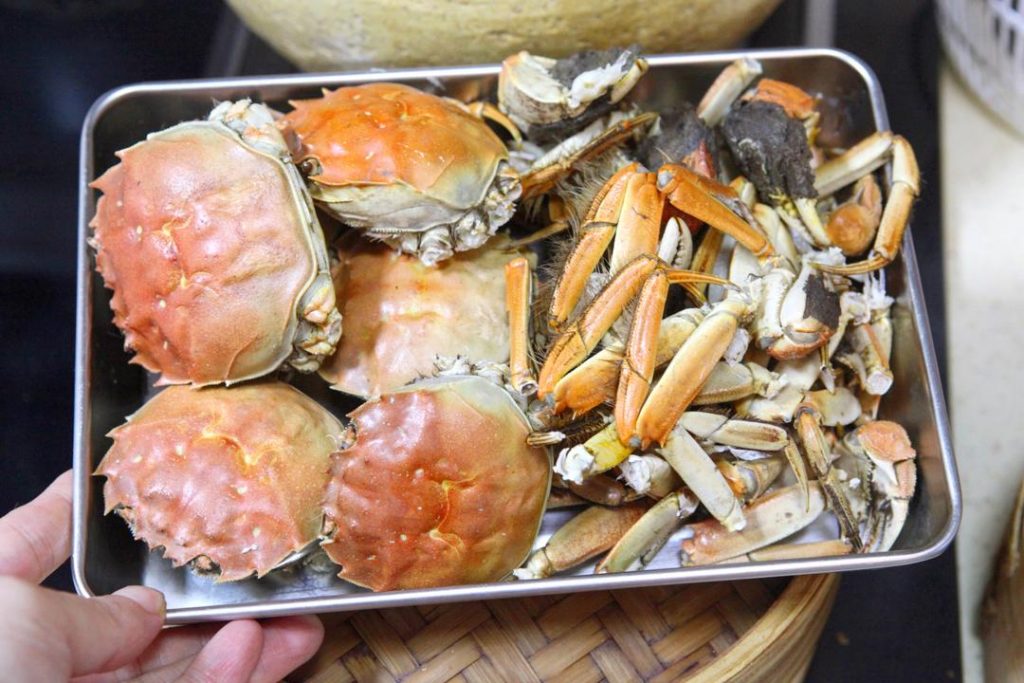
- Steam the Crabs: Wash the crabs thoroughly. Steam them until fully cooked (usually 15-20 minutes depending on size). Let them cool.

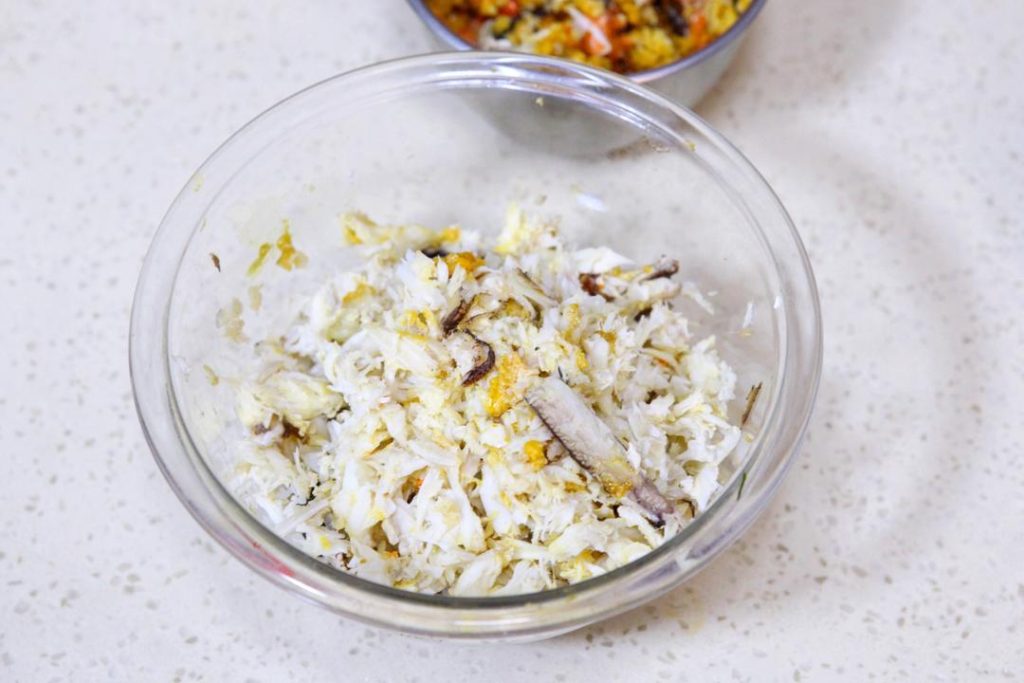
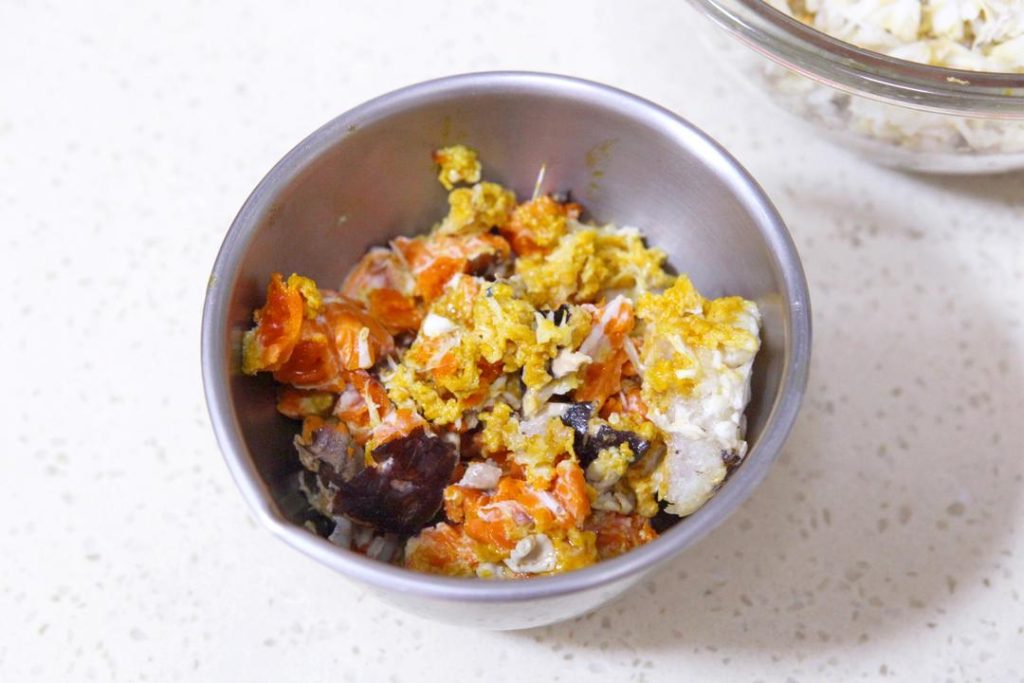
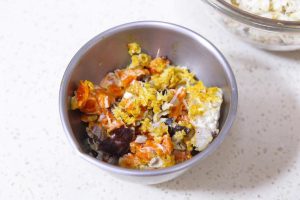
- Pick the Meat: This is the most critical step. Separate the creamy roe (orange/yellow) from the white meat. Keep them in separate bowls if possible, or combine if you prefer a rustic texture. Tip: Be extremely careful to remove all shell fragments.
- Grate Ginger: Peel and grate your ginger into a fine puree.
- Cut Scallions: Cut scallions into 2-inch lengths.
How to Make Tu Huang You
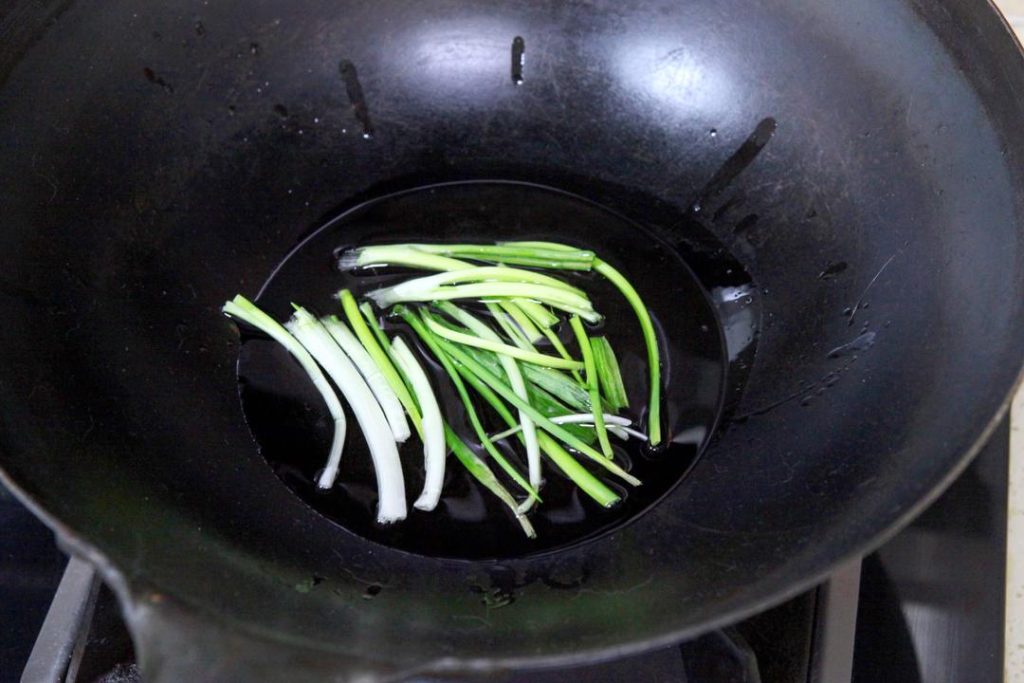
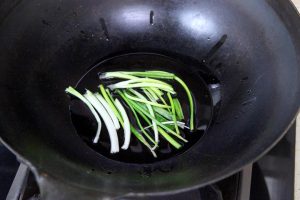
Step 1: Infuse the Oil Heat your wok or small pot over medium heat. Add the 4 tablespoons of salad oil. Add the scallion segments. Fry them slowly until they turn golden brown and dry out. This infuses the oil with onion flavor. Use chopsticks to remove and discard the scallions, leaving the aromatic oil behind.
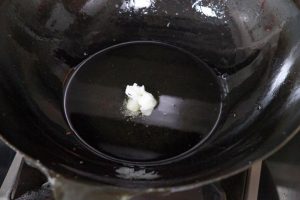
Step 2: Melt the Lard Add the 3 tablespoons of lard to the hot scallion oil. Stir until fully melted and combined.
- Why? Layering fats creates a complex flavor profile that single-oil cooking cannot achieve.
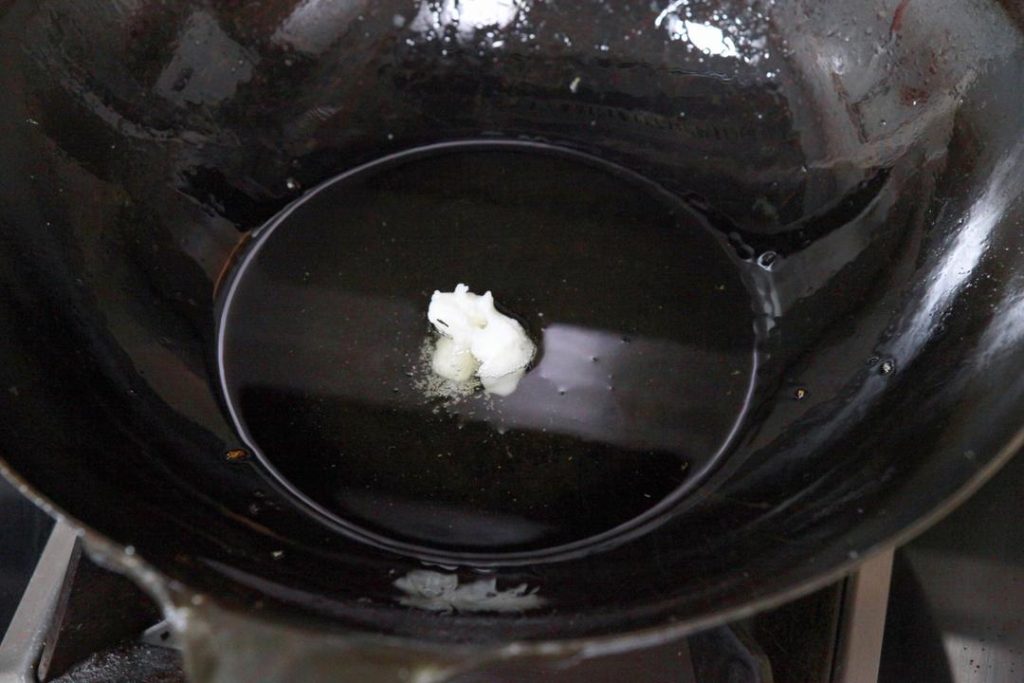
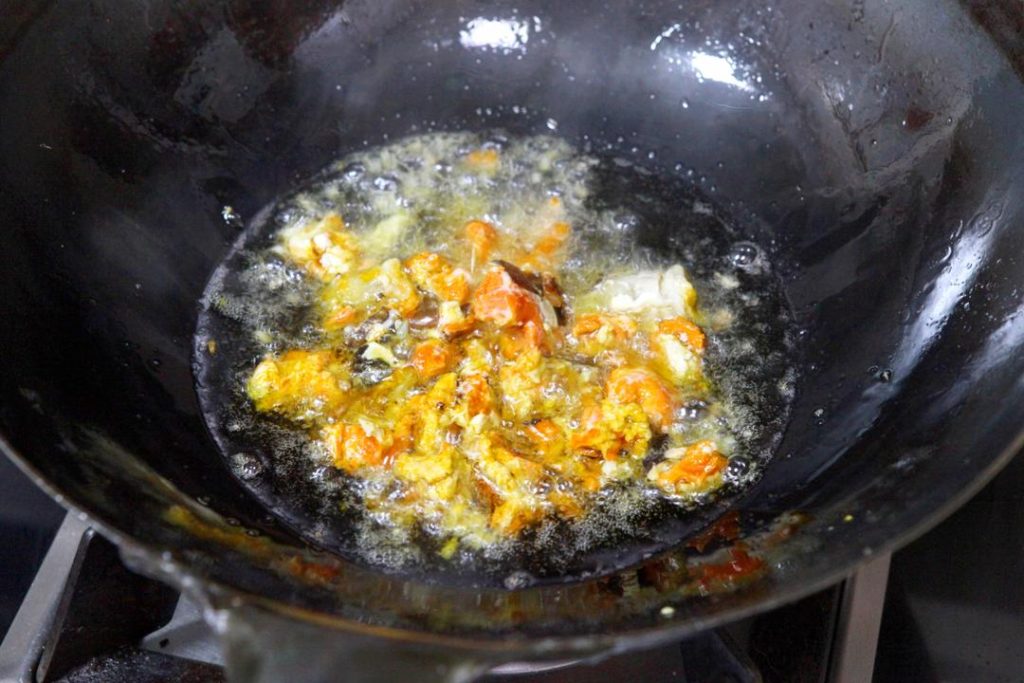
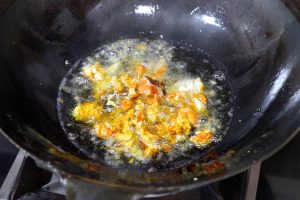
Step 3: Fry the Roe (The “Explosion”) Lower the heat to low-medium. Gently slide in the crab roe (and paste).
- Visual Cue: The oil should gently bubble around the roe. It should turn a vibrant orange-gold color.
- Technique: Stir gently and continuously for about 5 minutes. The oil level must submerge the roe. If it looks dry, add a little more melted lard. You want to see small bubbles evaporating—this is the moisture leaving the roe.
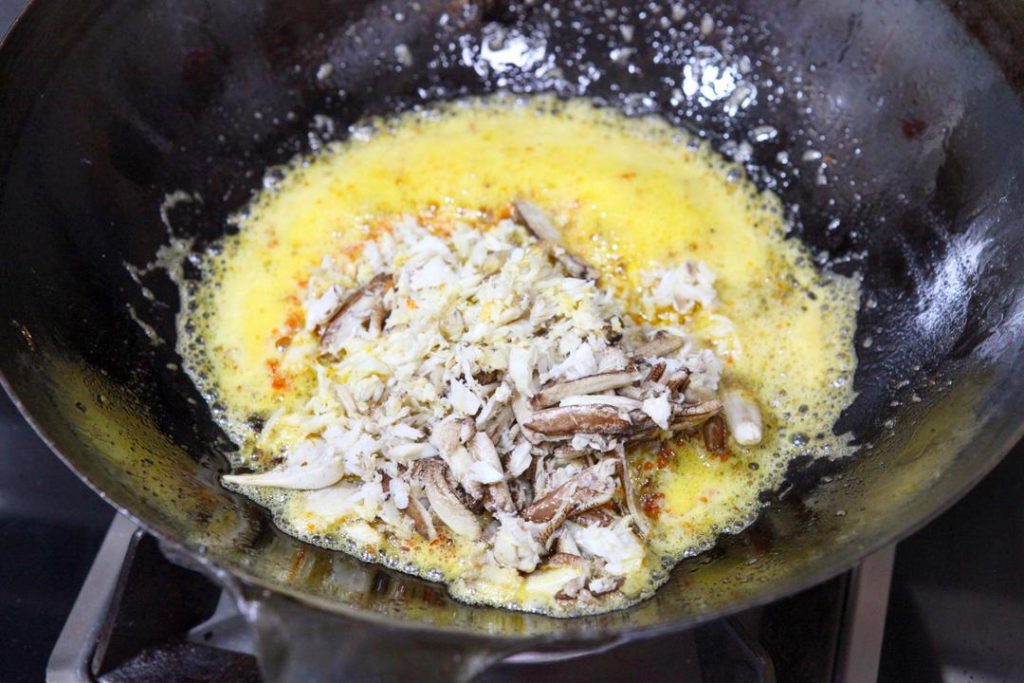
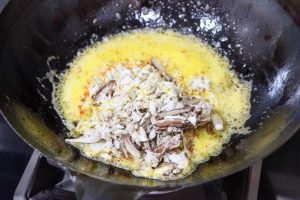
Step 4: Add the Meat Add the picked white crab meat to the pot. Use your spatula to gently break up any large clumps, ensuring the meat is coated in the golden fat. Continue to simmer on low heat for another 2 to 3 minutes.
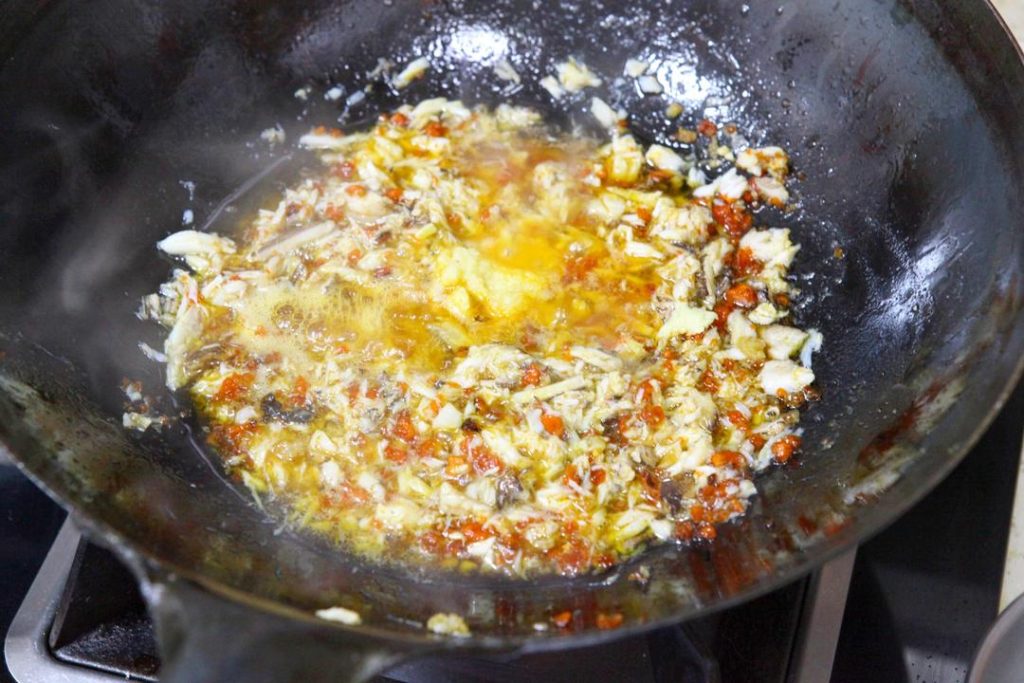
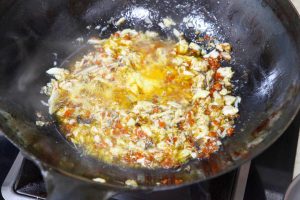
Step 5: Season and Finish Pour the Shaoxing wine around the perimeter of the wok (this helps the alcohol evaporate quickly, leaving the aroma). Stir in the ginger puree. Finally, season with salt and white pepper. Stir for 30 more seconds to combine.
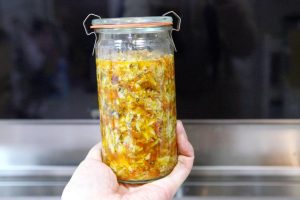
Step 6: Potting Turn off the heat. While the mixture is still hot (but not boiling), pour it into your sterilized glass jar. Ensure the solid meat is submerged under a layer of the golden oil. Let it cool completely before sealing.
Common Mistakes When Making Tu Huang You
- High Heat: If the heat is too high, the crab roe will burn and become bitter and hard. You are confit-ing (slow cooking in fat), not deep frying. Keep it gentle.
- Wet Ginger: If your ginger puree is very watery, squeeze it slightly. Too much water introduced at the end can shorten the shelf life.
- Shells: There is nothing worse than biting into a piece of shell in a luxurious sauce. Double-check your meat picking!
Food Safety and Storage
- Storage: Store the jar in the refrigerator. Because of the high fat content and removal of moisture, it can last for up to 2 weeks in the fridge. Ideally, consume within a week for best flavor.
- Freezing: You can freeze Tu Huang You in small airtight containers for up to 2 months.
- Reheating: Always use a clean, dry spoon to scoop out what you need. Reheat the portion in a microwave or small pan until the fat melts and the crab is hot. Ensure the crab reaches 165°F (74°C) if reheating leftovers.
Serving Suggestions
This sauce is incredibly versatile and can elevate simple ingredients into a banquet-level meal.
- Classic: Spooned over hot Yangzhou Fried Rice (I recommend making a simpler egg fried rice base to let the crab shine).
- Wonton Topping: Add a spoonful on top of Shanghai Wonton Soup for a burst of richness.
- Vegetables: Pour it over Braised Tofu with Scallions to transform a humble tofu dish.
- Simplicity: Simply stirred into hot white rice or tossed with plain boiled wheat noodles.
Authoritative References
For more information on the safety of handling shellfish and crab, please refer to the FDA’s Guide on Selecting and Serving Fresh and Frozen Seafood.
To understand the science behind fat preservation (confit), ScienceDirect offers excellent resources on food science.
Nutrition Information (Estimate)
- Calories: 320 kcal (per serving)
- Fat: 28g
- Protein: 12g
- Carbohydrates: 2g
- Cholesterol: 110mg
- Sodium: 350mg
(Disclaimer: Nutrition information is calculated using an ingredient database and should be considered an estimate. Garnishes and optional ingredients are not included. The high fat content is due to the lard and oil required for preservation.)
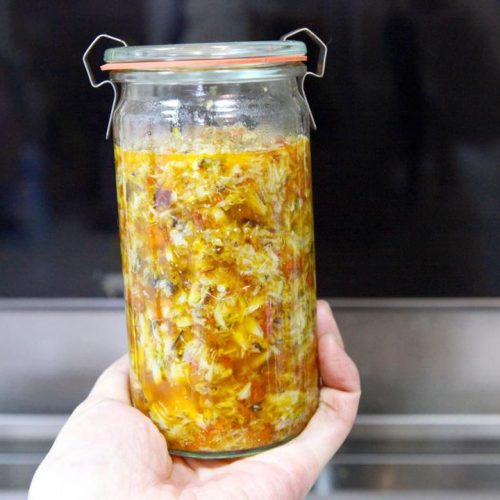
Rich Crab Roe Sauce (Tu Huang You)

Equipment
- Wok or Small Saucepan For frying the roe
- Sterilized Jar For storage
Ingredients
The Crab
- 6 whole female crabs Hairy crabs, or sub with 3-4 Blue crabs to get ~1.5 cups meat/roe
The Fat & Aromatics
- 3 tbsp lard pork fat, for flavor
- 4 tbsp neutral salad oil canola or vegetable
- 3 stalks scallions cut into 2-inch pieces
- 1 tbsp ginger finely grated/pureed
Seasoning
- 2 tbsp Shaoxing wine can substitute with dry sherry
- 0.25 tsp salt to taste
- 0.125 tsp white pepper
Instructions
- Prep the Crab: Steam the crabs until fully cooked. Once cool enough to handle, carefully pick out the crab meat and the crab roe/paste. Keep them separate if possible. Ensure no shell fragments remain.

- Infuse Oil: In a wok or small pot, heat the salad oil over medium heat. Add the scallion segments and fry until golden brown and aromatic. Remove and discard the scallions.
- Add Lard: Add the lard to the hot scallion oil and stir until melted.
- Fry the Roe: Reduce heat to low-medium. Add the crab roe. Slowly fry/simmer for about 5 minutes. The oil should cover the roe; if not, add a little more lard. The roe should turn vibrant orange and bubbles should appear (moisture evaporating).
- Add Meat: Add the picked crab meat to the pot. Gently break up clumps and fry for another 2-3 minutes.
- Season: Pour the Shaoxing wine around the edges of the pot. Stir in the ginger puree, salt, and white pepper. Cook for 30 more seconds.
- Store: Turn off heat. Transfer the sauce into a clean, sterilized jar. Let cool completely before sealing. Store in the fridge.












Leave a Reply