There is a particular pleasure in a dumpling that tastes of two things at once: the deep, savory richness of pork and the sweet, almost briny snap of fresh shrimp. Pork shrimp fennel dumplings — 茴香猪肉虾饺 — are exactly that, and they are one of the most satisfying fillings in the northern Chinese dumpling repertoire. Fennel is the quiet hero here. Its feathery green fronds carry a gentle anise-like perfume that cuts through pork fat and lifts the sweetness of the shrimp, so every bite feels bright rather than heavy.
What makes this filling special is the way the shrimp is handled. Rather than leaving the shrimp whole, they are chopped into a rough paste and folded into the pork, so the two proteins meld into one juicy, cohesive filling. A long soak of scallion, ginger, star anise, Sichuan peppercorns, and bay leaves becomes the aromatic water that gets beaten into the meat — the single most important step for a filling that stays moist after cooking. The fennel and scallions go in last, along with sesame oil, so their fragrance stays fresh.
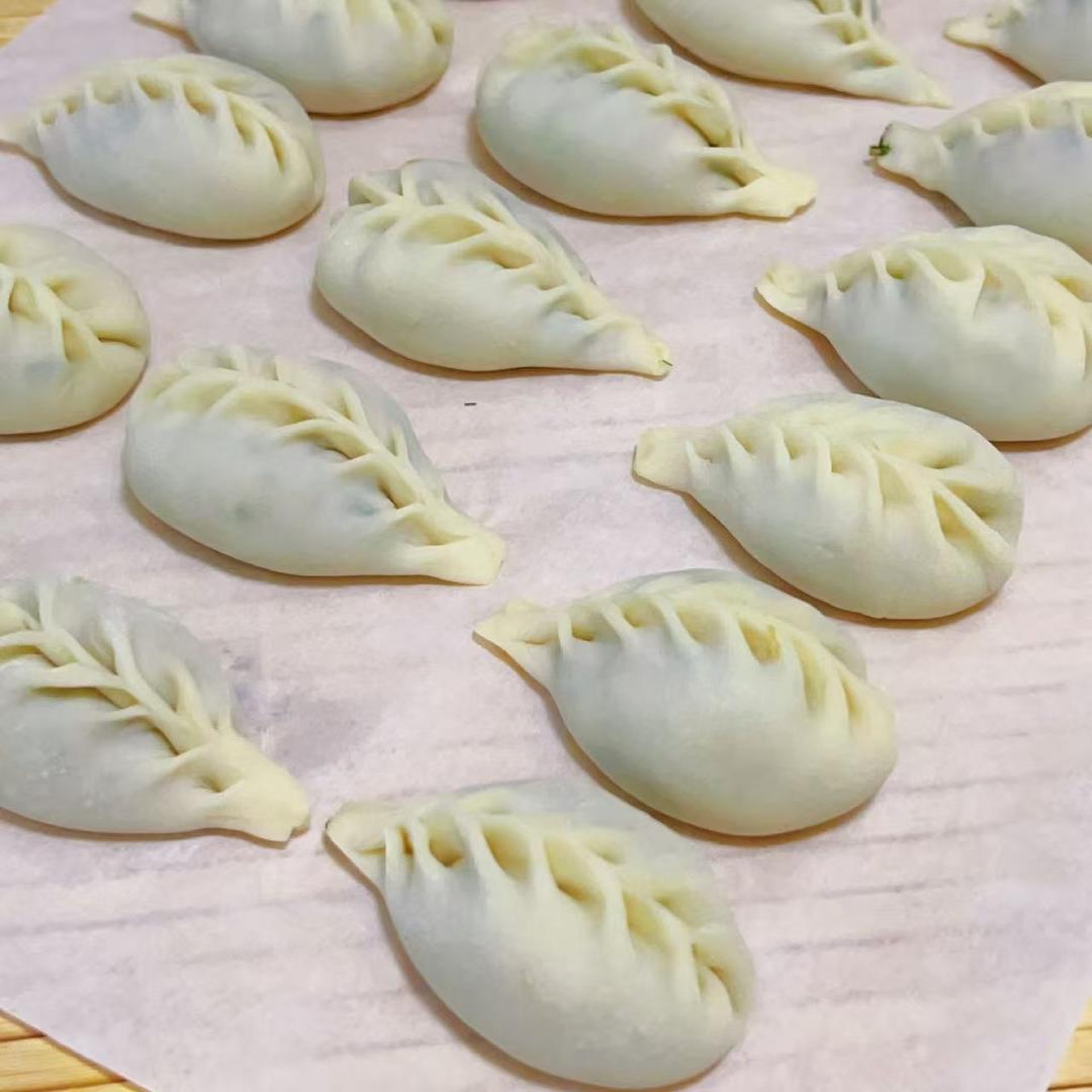
This is a filling that rewards a little patience and a lot of mixing. Once it comes together, you can wrap it three ways: the tiger-mouth pinch for boiling, a flat pleated row for potstickers, or the willow-leaf fold for steaming. A big batch freezes beautifully, which means one afternoon of wrapping can stock your freezer for weeks of quick dinners.
If you love the combination of pork and shrimp in a dumpling, our san xian dumplings take the same idea in a chive-forward direction — a great next project once you have this filling mastered.
For a pan-fried variation with a crisp, lacy skirt, try our shishito pepper pork potstickers, which use the same pleating and searing technique with a peppery green filling.
The juiciness in this recipe comes from a technique explained in detail in our guide to juicy dumpling filling — read it once and your fillings will never be dry again.
What Is Pork Shrimp Fennel Dumplings?
Pork shrimp fennel dumplings are a northern Chinese dumpling, or jiaozi, filled with ground pork, chopped shrimp, and fresh fennel. The name 茴香猪肉虾饺 translates roughly to “fennel pork shrimp dumpling.” Fennel (茴香, huíxiāng) is a cool-season vegetable with feathery fronds and a mild, sweet licorice note; in Chinese cooking it is most often paired with pork, because its aroma balances the richness of the meat.
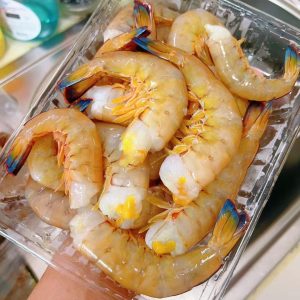
The shrimp in this recipe are wild-caught red-leg and blue-tail shrimp, both small and sweet. They are peeled, deveined, and chopped into a paste rather than left whole, which lets them bind with the pork and distribute their sweetness evenly through the filling. The result is a dumpling that is juicy, aromatic, and just a little bit sweet.
You can cook these dumplings three ways: boiled (水饺, shuǐjiǎo), steamed (蒸饺, zhēngjiǎo), or pan-fried as potstickers (锅贴, guōtiē). The filling is sturdy enough for all three, and the wrapper folds change depending on which method you choose.
Fennel’s aroma comes largely from anethole, the same compound responsible for the scent of anise and star anise. That is why fennel pairs so naturally with the star anise and Sichuan peppercorns in the scallion-ginger water — the aromatic compounds reinforce one another rather than competing. For a broader look at how aromatic compounds behave in cooking, see this food-science explainer on aromatics.
Fennel is at its sweetest and most tender in late fall and early spring. If the fronds are limp or the bulbs are bolting, the flavor will be sharper and more grassy — still good, but you may want a touch more sesame oil to round it out.
If you like this kind of cooking, my san xian dumplings is the closest recipe on the site — the same technique and the same pantry.
1San Xian Dumplings (Pork, Shrimp & Chive)These authentic San Xian (Three Treasures) Dumplings feature a juicy filling of pork, shrimp, and garlic chives. This recipe uses a traditional water-infusion technique to ensure restaurant-quality juiciness without excessive additives.Check out this recipe
Cooked this way once, you will want the next one too: shishito pepper pork potstickers starts from the same base and the same pan.
2Pan-Fried Shishito Pepper Pork PotstickersA unique twist on traditional potstickers: mild Shishito peppers stuffed with savory ground pork, wrapped in a crispy dumpling skin, and pan-fried to perfection. Crunchy, juicy, and fun to eat!Check out this recipe

For the next cook from the same playbook, juicy dumpling filling is the recipe I point people to.
3The Secret to Juicy Pork Filling for Dumplings & Buns (万能肉馅)Learn the restaurant secret to a juicy, flavorful pork filling (万能肉馅) for any dumpling or bun. This all-purpose recipe is tender, delicious, and foolproof, perfect for potstickers, steamed buns, and shumai.Check out this recipe

Ingredient Notes
Pork belly (五花肉): Use skin-on pork belly if you can find it, cut into 1-inch cubes and ground at home or by your butcher. The fat-to-lean ratio of belly keeps the dumplings juicy. If you prefer a leaner filling, use pork shoulder with about 20 percent fat.
Wild-caught shrimp: Red-leg and blue-tail shrimp are small, sweet, and widely available frozen. Thaw them overnight in the refrigerator. If you can only find one type, use 14 oz of that. Avoid pre-cooked shrimp — they turn rubbery when the dumplings cook.
Fennel (茴香): Look for bright green, feathery fronds with thin stems. The whole plant is used here, stems and all. Wash it well and dry it thoroughly; excess water will make the filling weep. If you cannot find Chinese fennel, dill is the closest substitute, though the flavor will be more herbaceous.
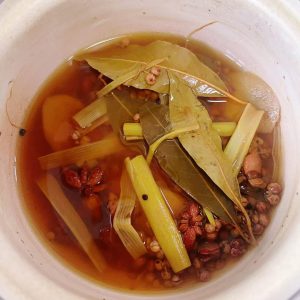
Scallion-ginger water: This is the key to a juicy filling. Simmering scallion, ginger, star anise, Sichuan peppercorns, and bay leaves in water extracts their aroma into a liquid you can beat into the meat. Make it ahead and chill it.
Thirteen-spice powder (十三香): A blend of thirteen spices including star anise, cinnamon, fennel seed, and cloves. If you do not have it, five-spice powder works as a substitute, though it is less complex.
Light soy sauce: Use light soy sauce for seasoning, not dark soy sauce, which is thicker and mostly for color. Tamari is a good gluten-free substitute.
Toasted sesame oil: Adds a nutty finish. Add it last, after the salt, so its aroma stays intact.
Ingredients
Here is what you need to make pork shrimp fennel dumplings. This makes enough filling for about 300 dumpling wrappers, depending on how full you wrap them.
- 2.5 lb (1200 g) pork belly, skin on, cut into 1-inch cubes
- 7 oz (200 g) red-leg shrimp, wild-caught, peeled and deveined
- 7 oz (200 g) blue-tail shrimp, wild-caught, peeled and deveined
- 1.75 lb (800 g) fennel, finely chopped
- 1 small bunch scallions, finely chopped
- 2 pieces scallion, cut into 2-inch lengths (for the water)
- 20 g ginger, thinly sliced
- 4 whole star anise
- 2 tsp Sichuan peppercorns
- 4 leaves bay leaves
- 1 cup water, plus more if needed
- 4 tsp light soy sauce
- 3 tsp thirteen-spice powder
- 2 tsp ginger powder
- 4 tsp toasted sesame oil
- Kosher salt, to taste
- Up to 300 dumpling wrappers
Equipment Needed
You do not need much to make these dumplings, but a few tools make the work easier.
- Wok or large skillet: For simmering the scallion-ginger water and for pan-frying potstickers.
- Cutting board: A large, sturdy board for chopping the fennel, shrimp, and scallions.
- Slotted spoon: For lifting boiled dumplings out of the water without tearing them.
- Large bowl: For mixing the filling — use one big enough to stir without spilling.
- Disposable gloves: For mixing the filling by hand; the mixture is sticky.
- Baking sheet or tray: For holding wrapped dumplings before cooking.
- Steamer basket: If you plan to steam the dumplings.
Why This Recipe Works
Three things make this filling work: the aromatic water, the chopped shrimp, and the order in which the ingredients go in.
First, the scallion-ginger water. Beating liquid into ground meat is a classic Chinese technique for keeping fillings moist. The meat proteins absorb the water and hold it through cooking, so the filling stays juicy instead of dry. The aromatics in the water — star anise, Sichuan peppercorns, bay leaves, ginger, and scallion — season the meat from the inside out.
Second, the shrimp are chopped into a paste rather than left whole. This does two things: it lets the shrimp bind with the pork so the filling holds together, and it distributes the shrimp’s sweetness evenly through every bite. Whole shrimp would create pockets of uneven texture.
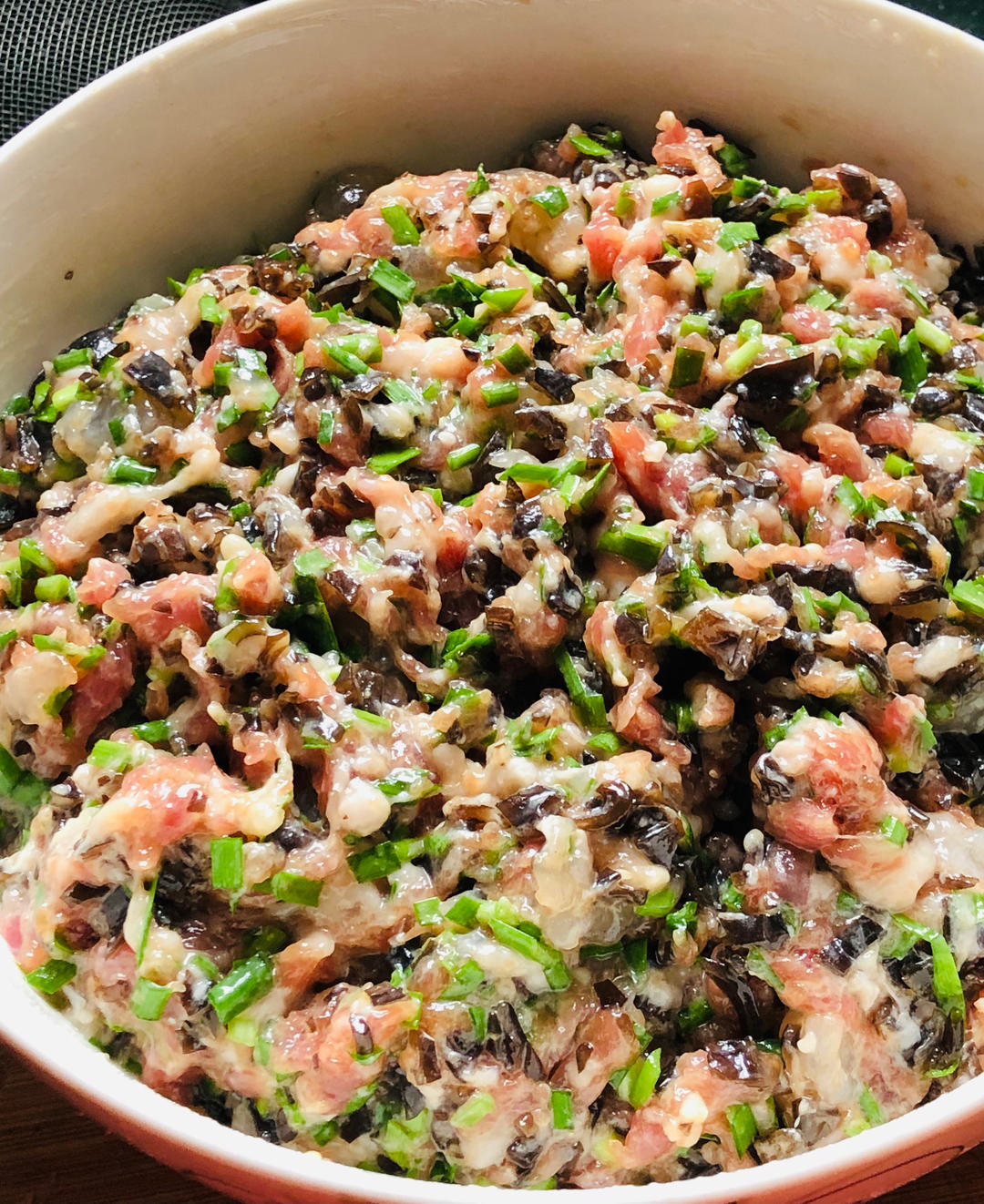
Third, the order of mixing matters. The water goes in first, then the soy sauce and spices, then the fennel and scallions, then the salt, and finally the sesame oil. Salt draws moisture out of vegetables, so adding it after the fennel is mixed in limits how much liquid the fennel releases. Sesame oil goes last because its aroma is volatile and heat-sensitive.
For guidance on safe internal cooking temperatures for meat and seafood, see the USDA safe temperature chart.
Prep & Mise en Place
Dumpling making goes quickly once you start wrapping, so set everything up before you begin.
Make the scallion-ginger water first. Combine 2 pieces of scallion, 20 g sliced ginger, 4 star anise, 2 tsp Sichuan peppercorns, 4 bay leaves, and 1 cup of water in a small saucepan or wok. Simmer until fragrant and the liquid turns brown, about 10 minutes. Turn off the heat and let it cool completely. You can make this a day ahead and refrigerate it.
Prep the shrimp. Twist off the heads of the red-leg and blue-tail shrimp, pulling gently so the head and digestive tract come away together. Peel the tails. Chop the shrimp into a fine paste with a cleaver and set aside.
Prep the vegetables. Wash and dry the fennel thoroughly, then chop it finely. Chop the scallions. Keep them separate from the meat until you are ready to mix.
Set up your wrapping station. Have your wrappers, a small bowl of water for sealing, a tray for finished dumplings, and a damp towel to cover the wrappers so they do not dry out.
Cooking Process
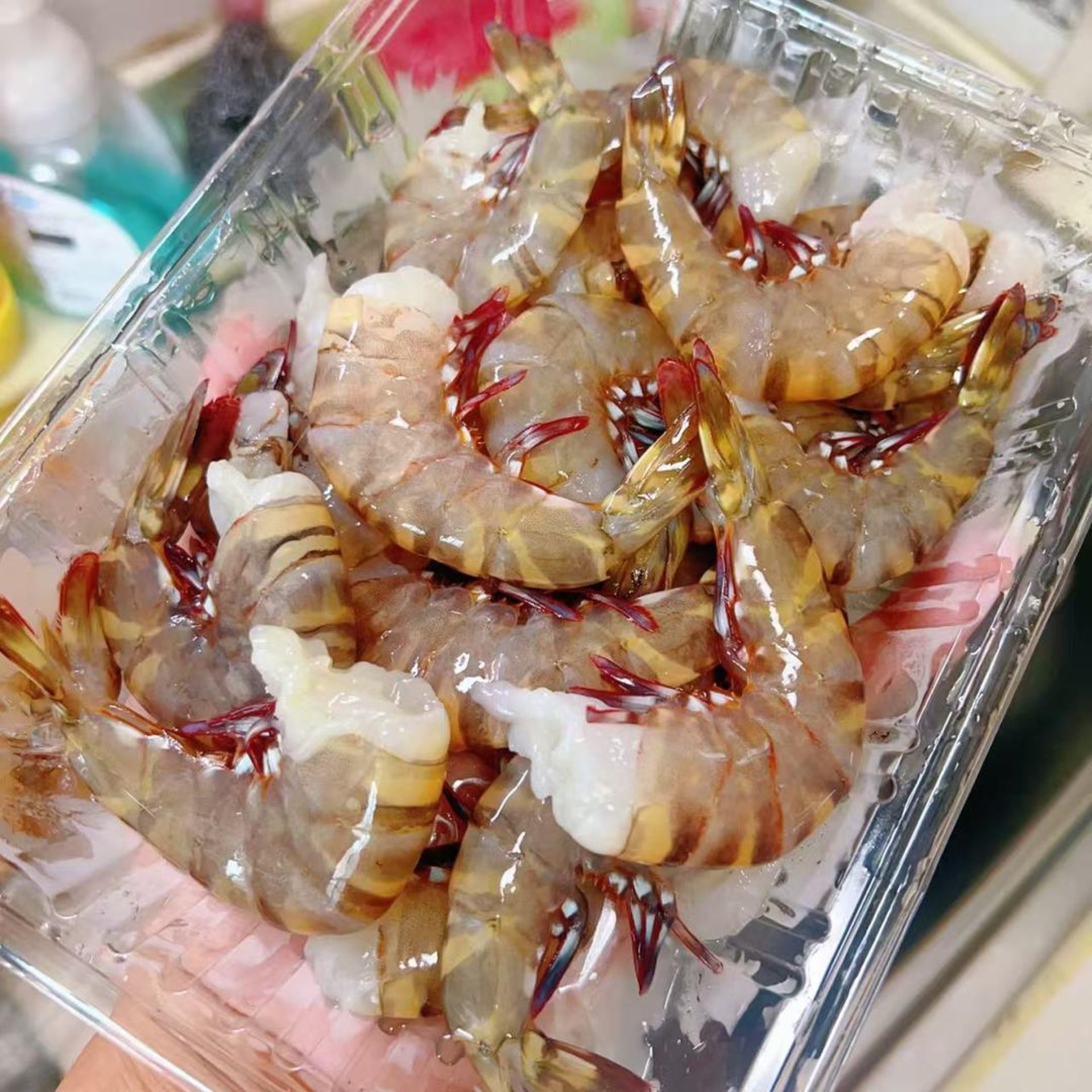
Step 1 — Peel the Shrimp Heads
Twist the head off each red-leg shrimp and pull gently so the head and the digestive tract come away together.
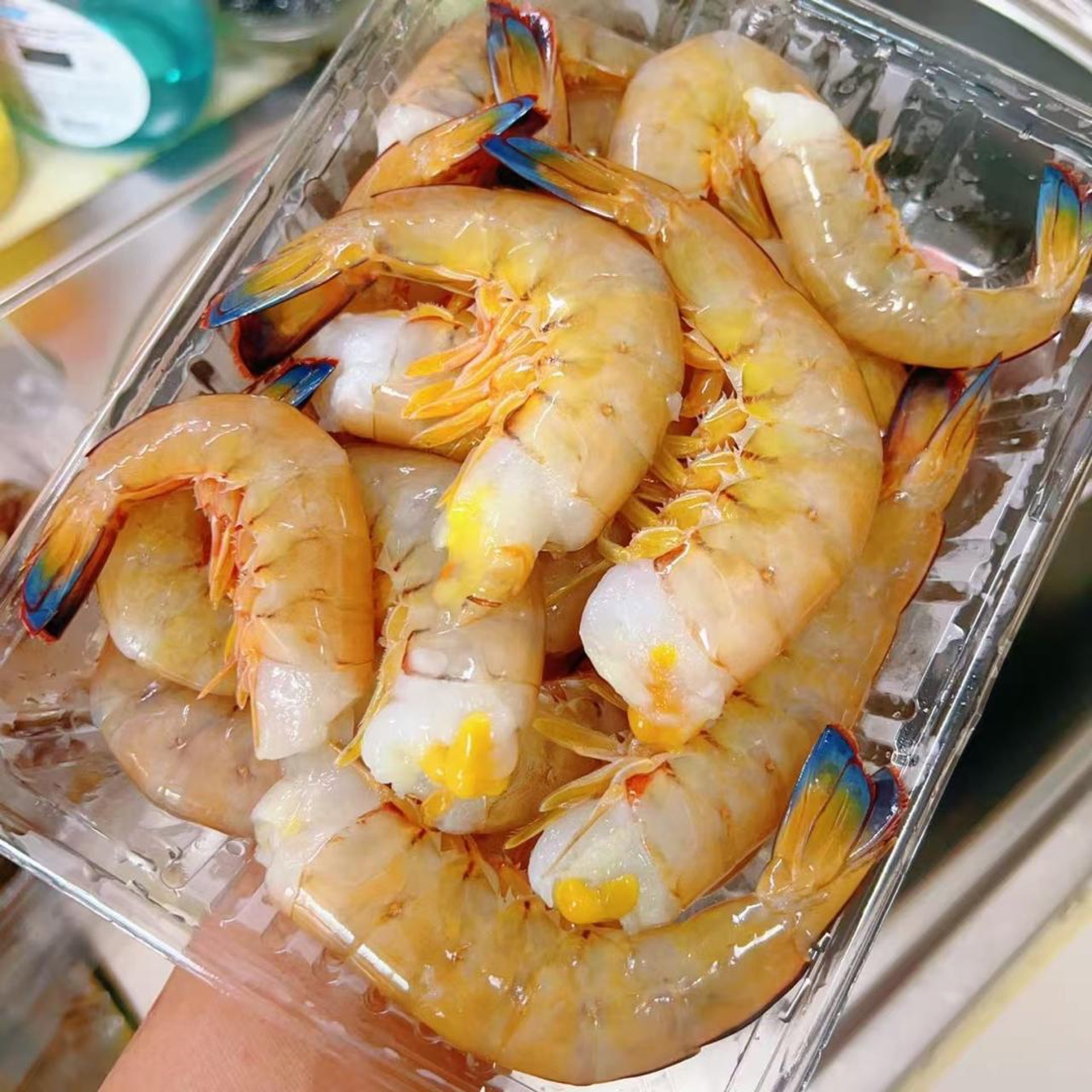
Step 2 — Peel the Blue-Tail Shrimp
Twist the head off each blue-tail shrimp and pull gently so the head and the digestive tract come away together.
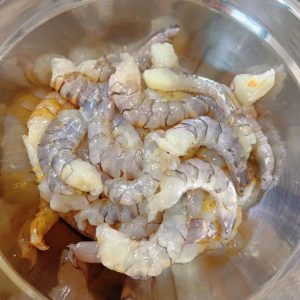
Step 3 — Shell the Tails
Remove the shells from the remaining shrimp tails.
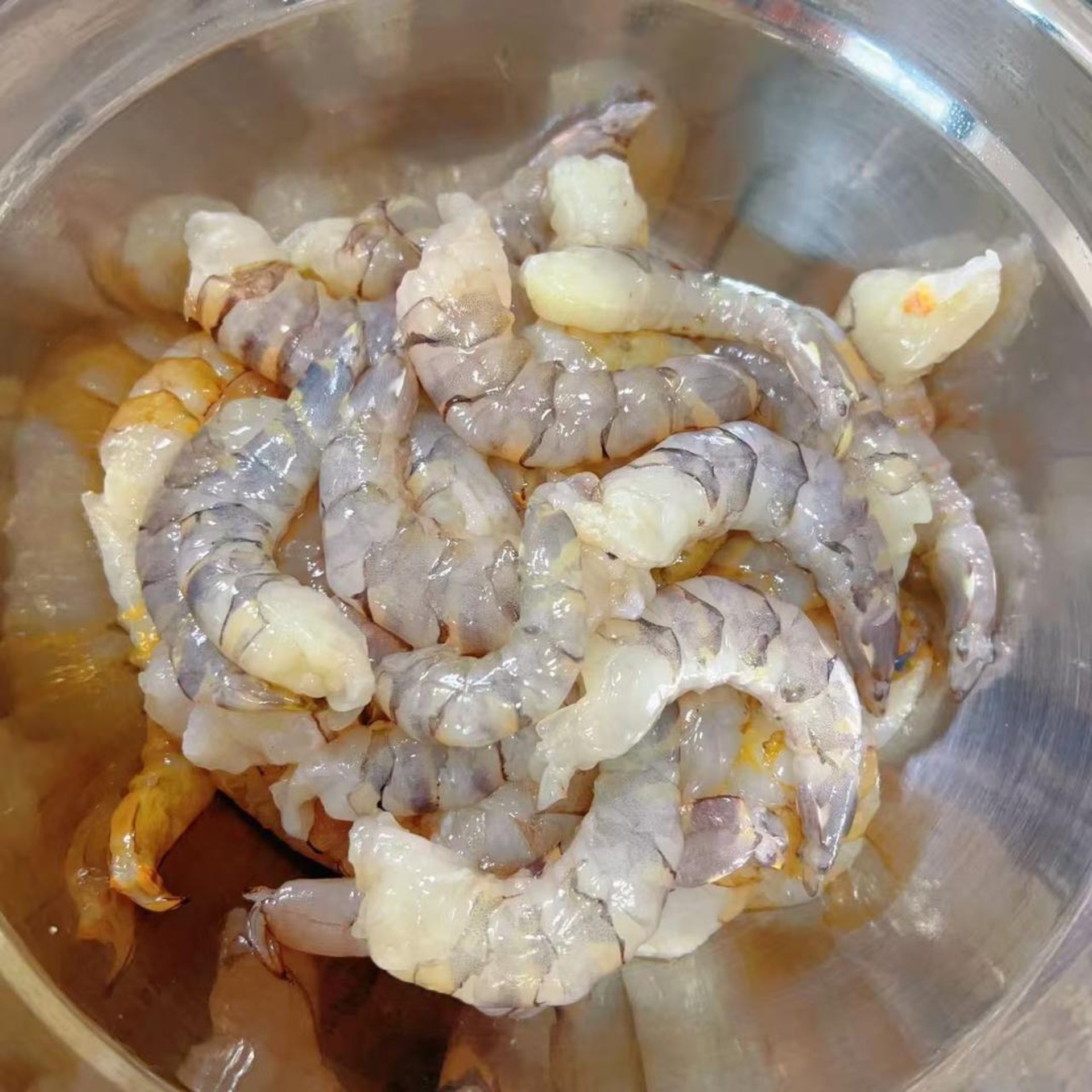
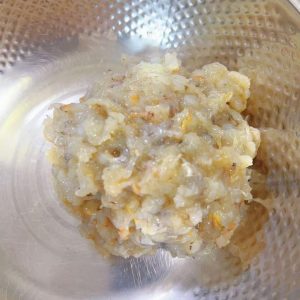
Step 4 — Mince the Shrimp
Chop the peeled shrimp into a fine paste with a cleaver.
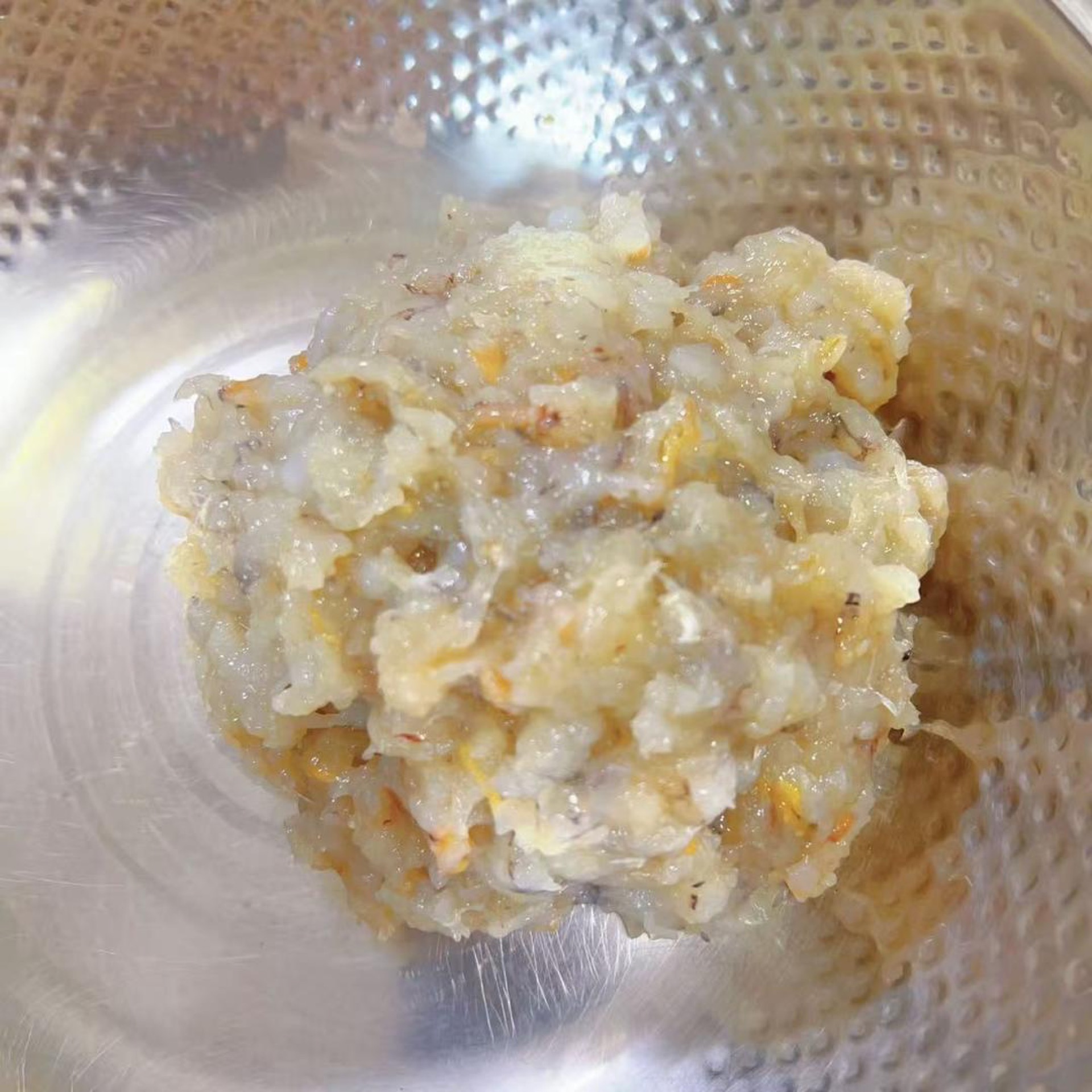
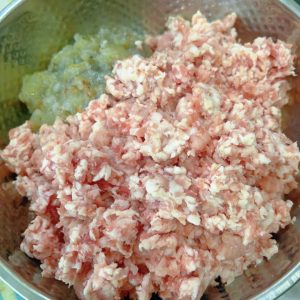
Step 5 — Combine Shrimp and Pork
Add the minced shrimp to the seasoned pork filling and mix together.
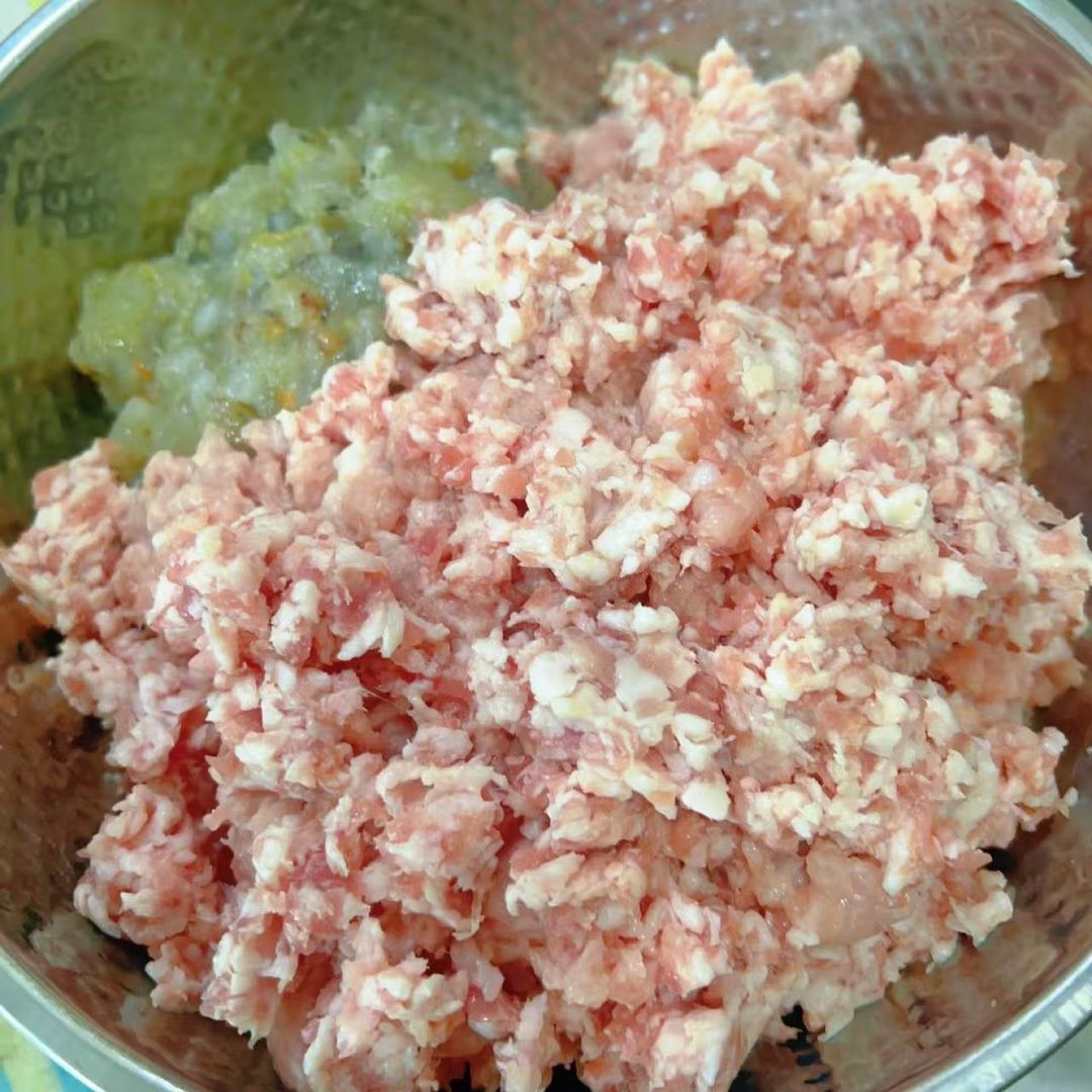
Step 6 — Make the Scallion-Ginger Water
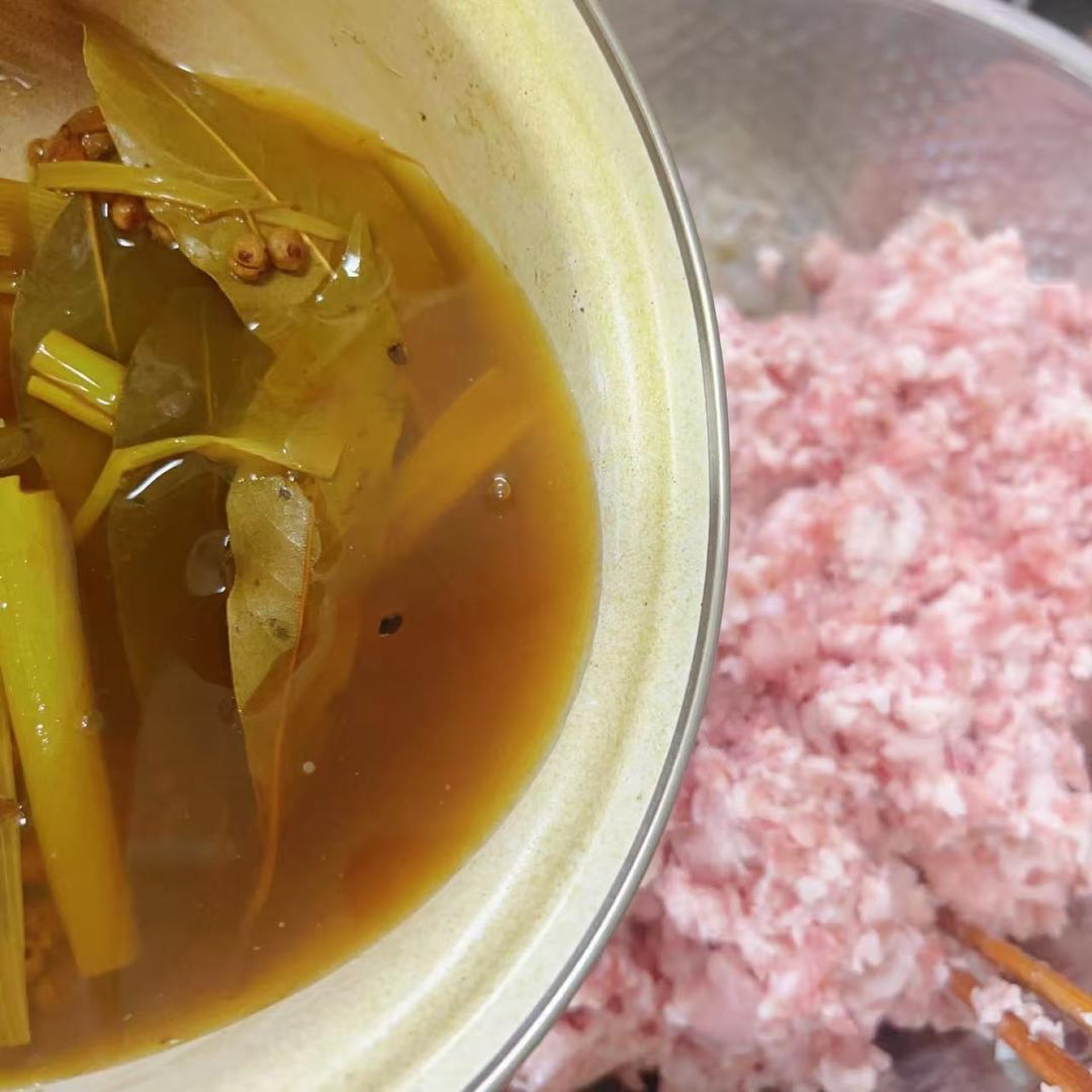
Simmer 2 pieces of scallion, 20 g sliced ginger, 4 star anise, 2 tsp Sichuan peppercorns, 4 bay leaves, and water until fragrant and the liquid turns brown; turn off the heat and let it cool.
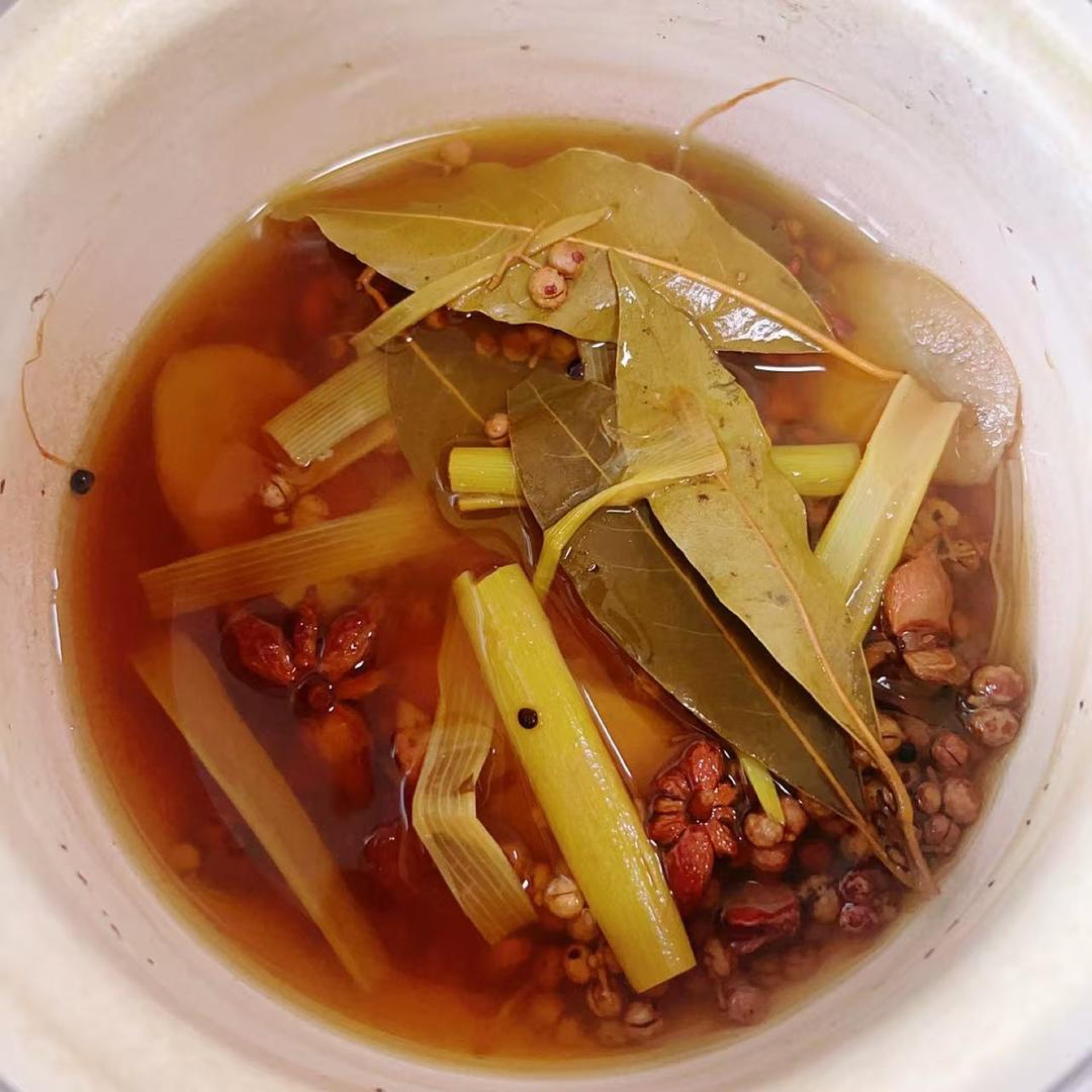
Step 7 — Work the Water into the Filling
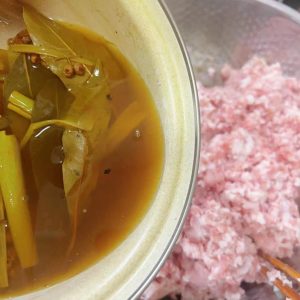
Once cool, add the water to the meat in small additions, stirring clockwise after each one, until the filling is sticky, moist, and no longer dry or weeping liquid.
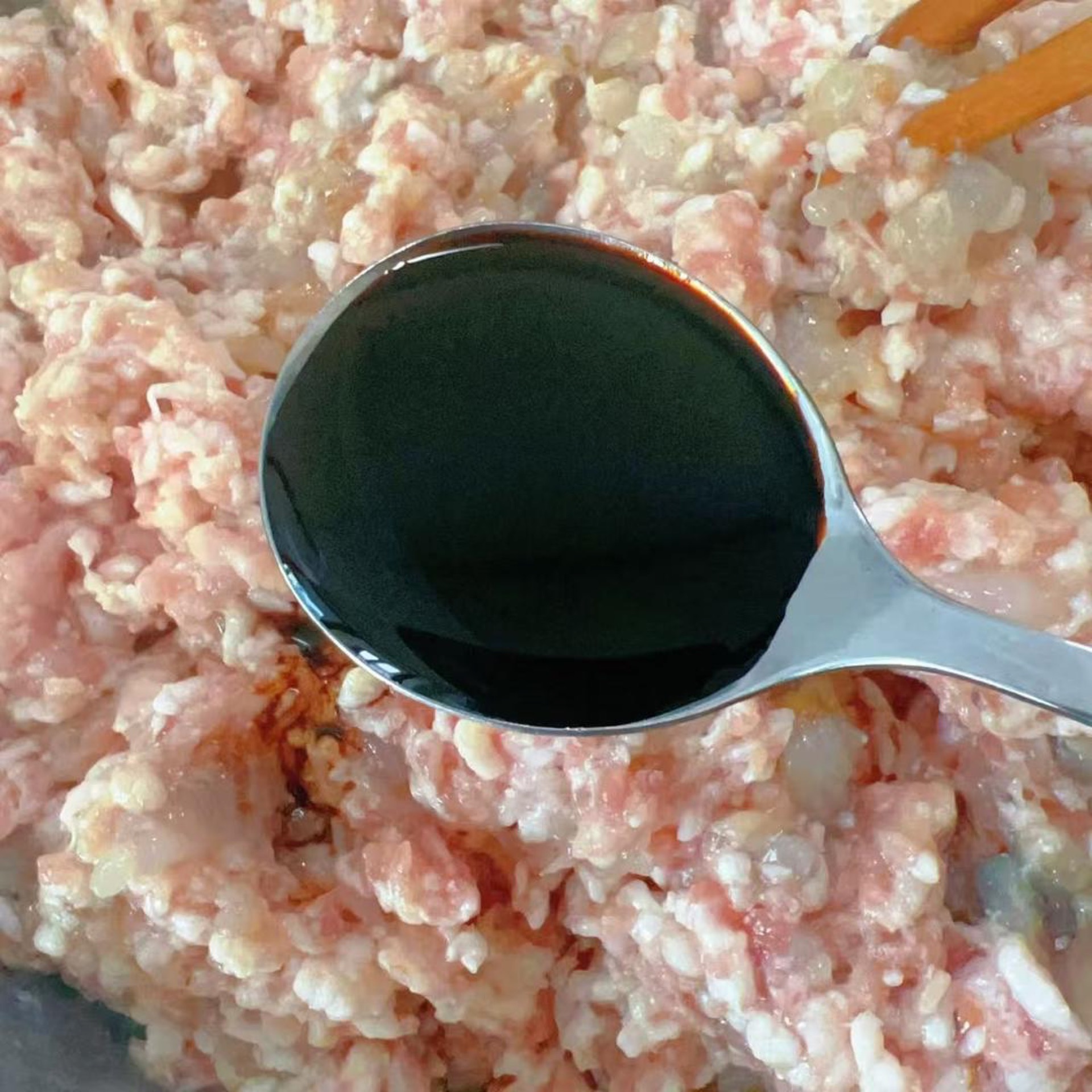
Step 8 — Add Soy Sauce
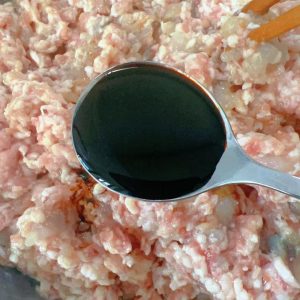
Stir in 4 tsp of light soy sauce.
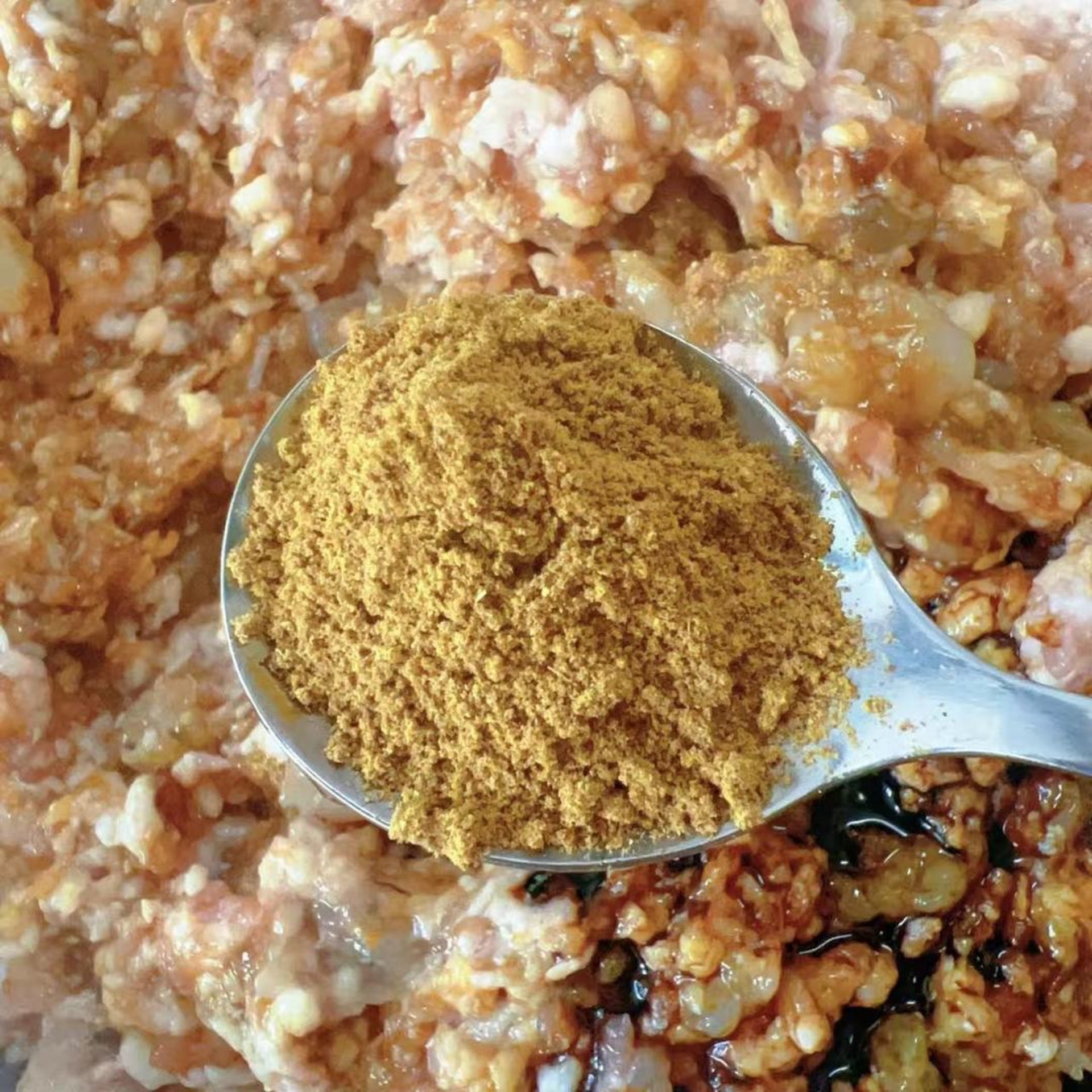
Step 9 — Season with Spices
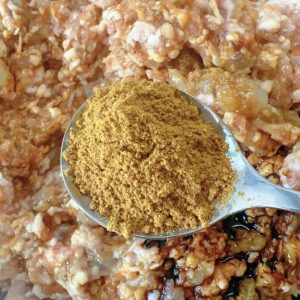
Add 3 tsp thirteen-spice powder and 2 tsp ginger powder, then stir clockwise until evenly combined.
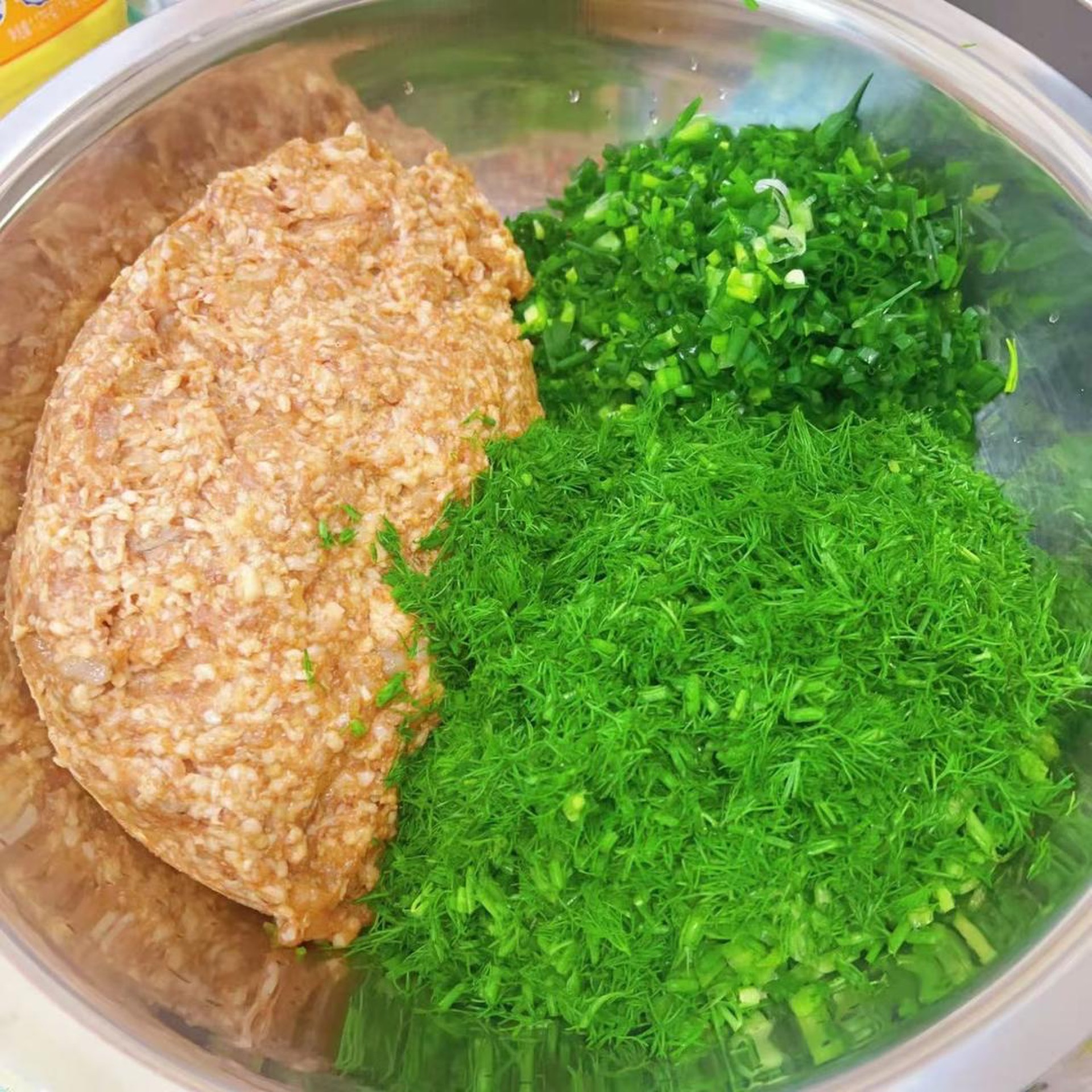
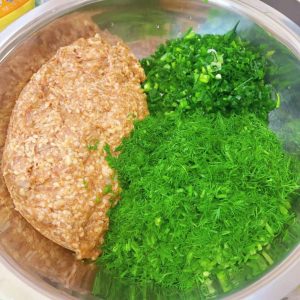
Step 10 — Add Fennel and Scallions
Chop the fennel and scallions, then add both to the meat mixture.
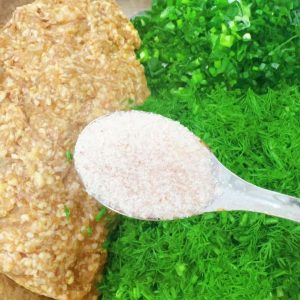
Step 11 — Salt the Filling
Add kosher salt to taste.
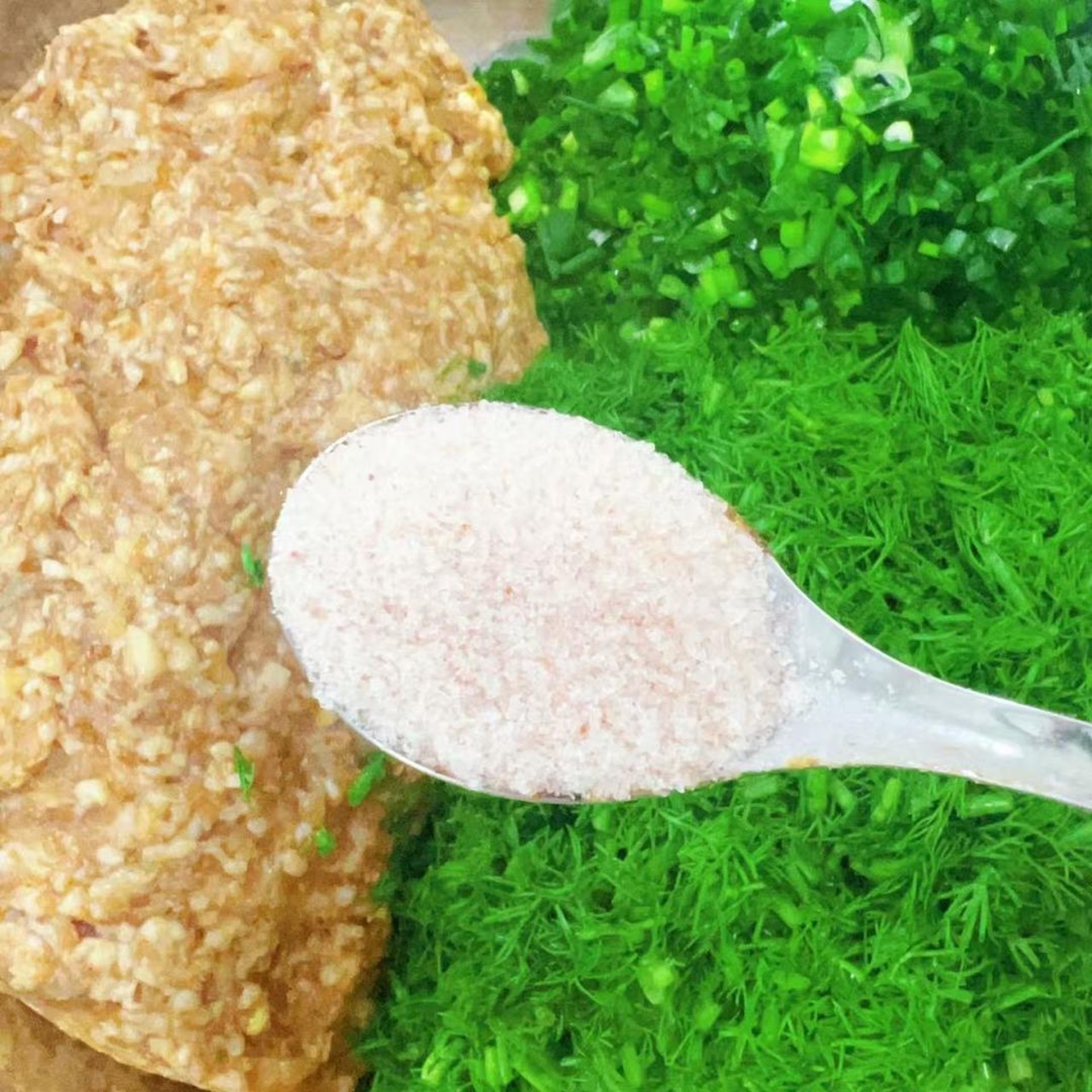
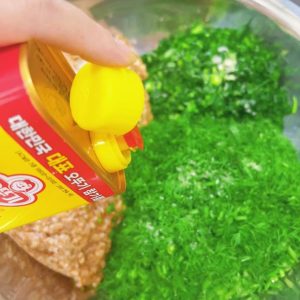
Step 12 — Add Sesame Oil
Add 4 tsp of toasted sesame oil.
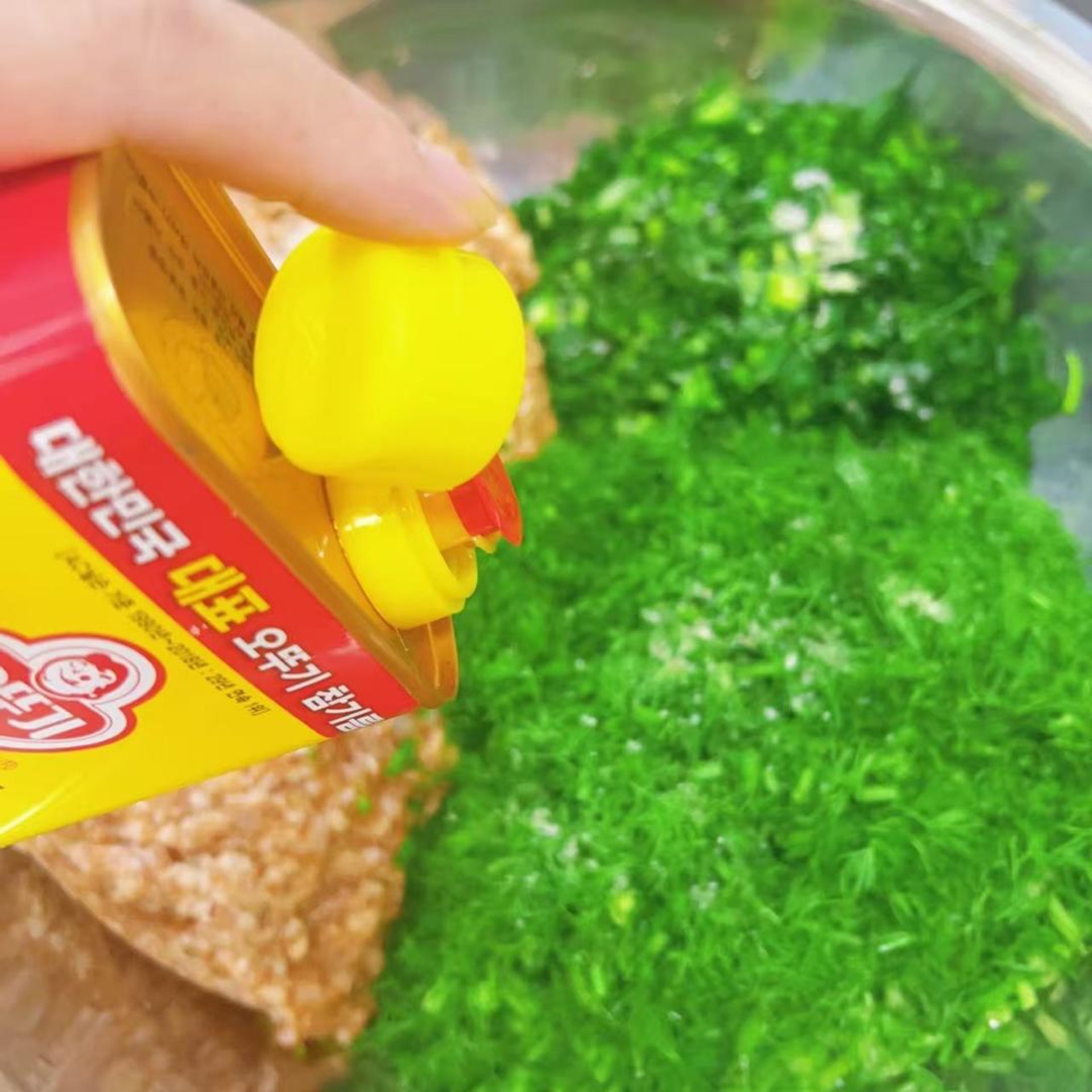
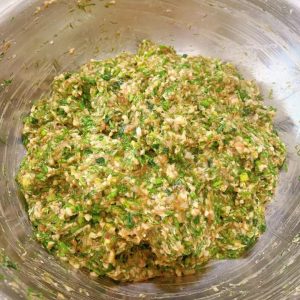
Step 13 — Mix the Filling
Wearing disposable gloves, stir the filling clockwise until it is uniform and ready to wrap.
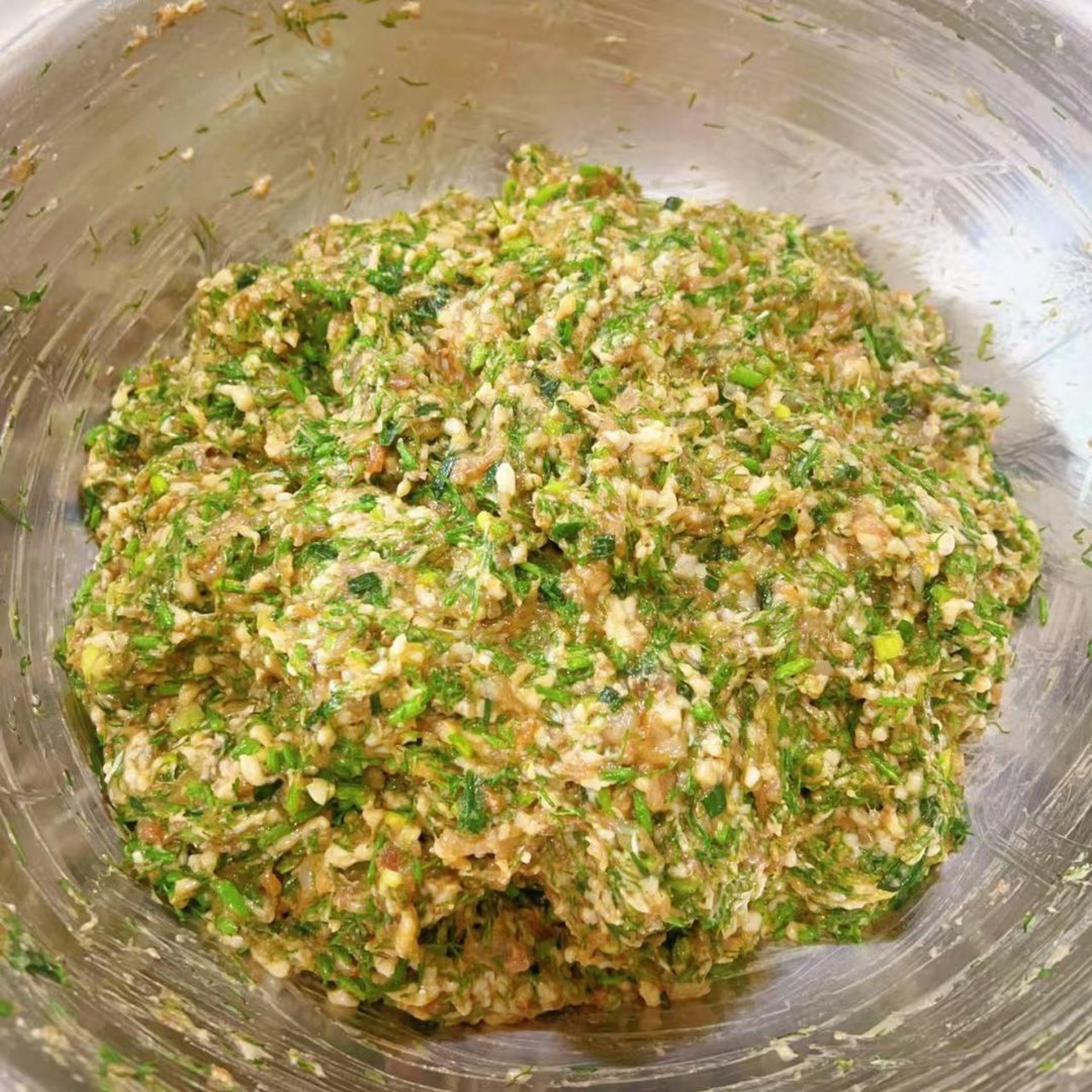
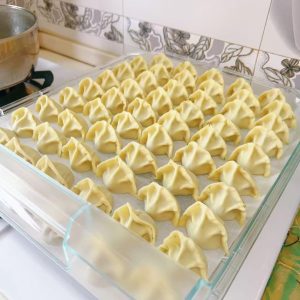
Step 14 — Wrap the Tiger-Mouth Dumplings
Pinch the wrapper closed with the tiger-mouth method for dumplings that can be boiled.
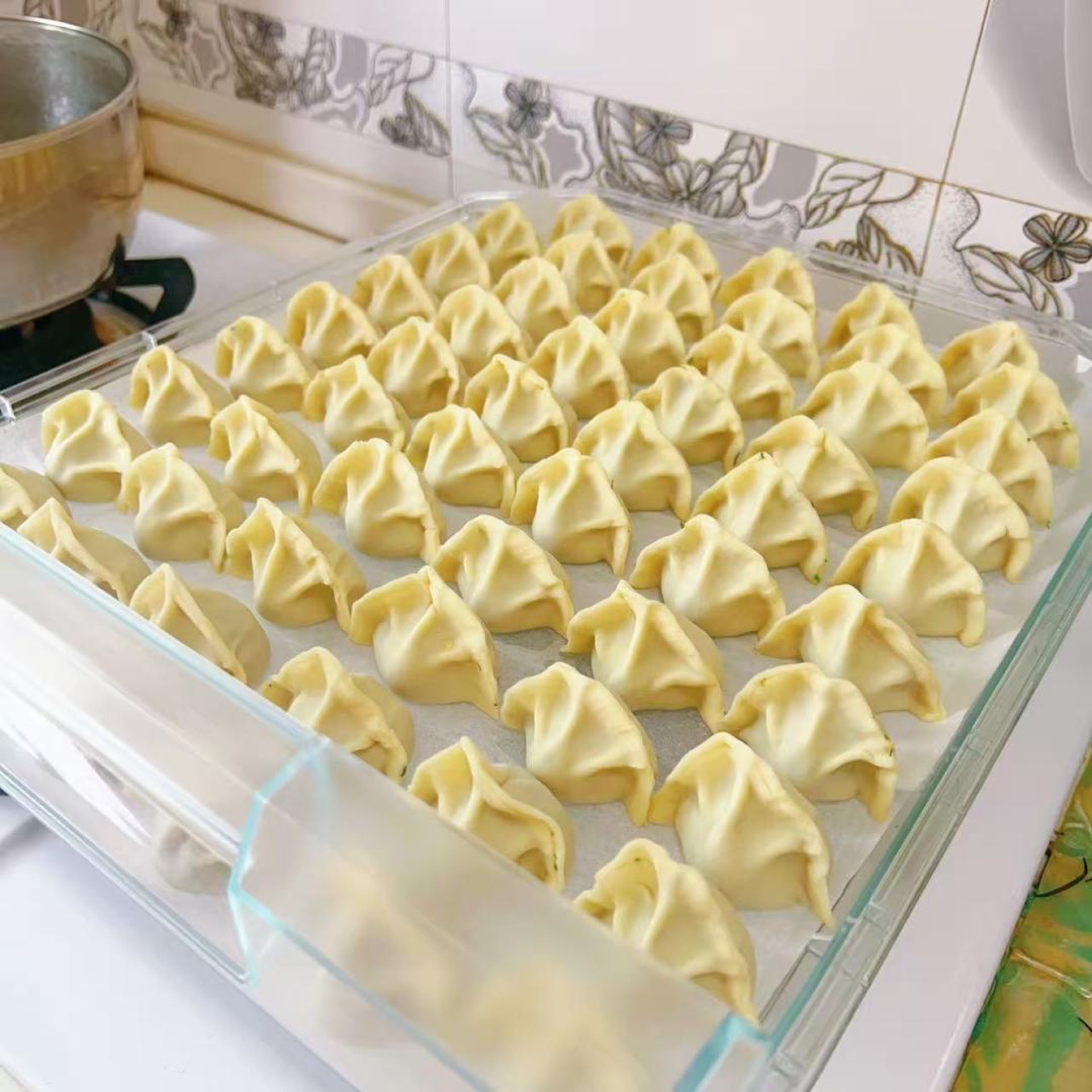
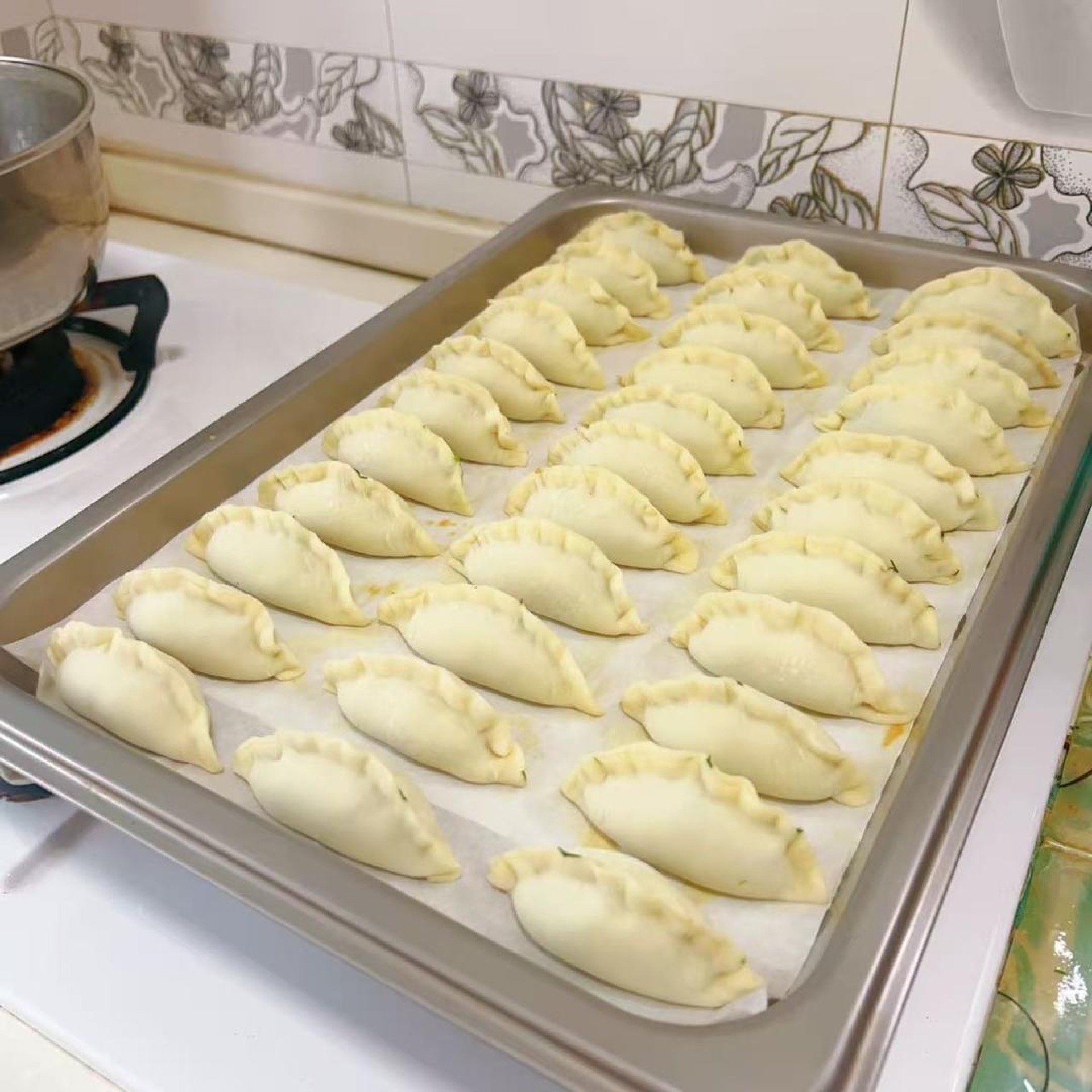
Step 15 — Fold the Flat-Row Dumplings
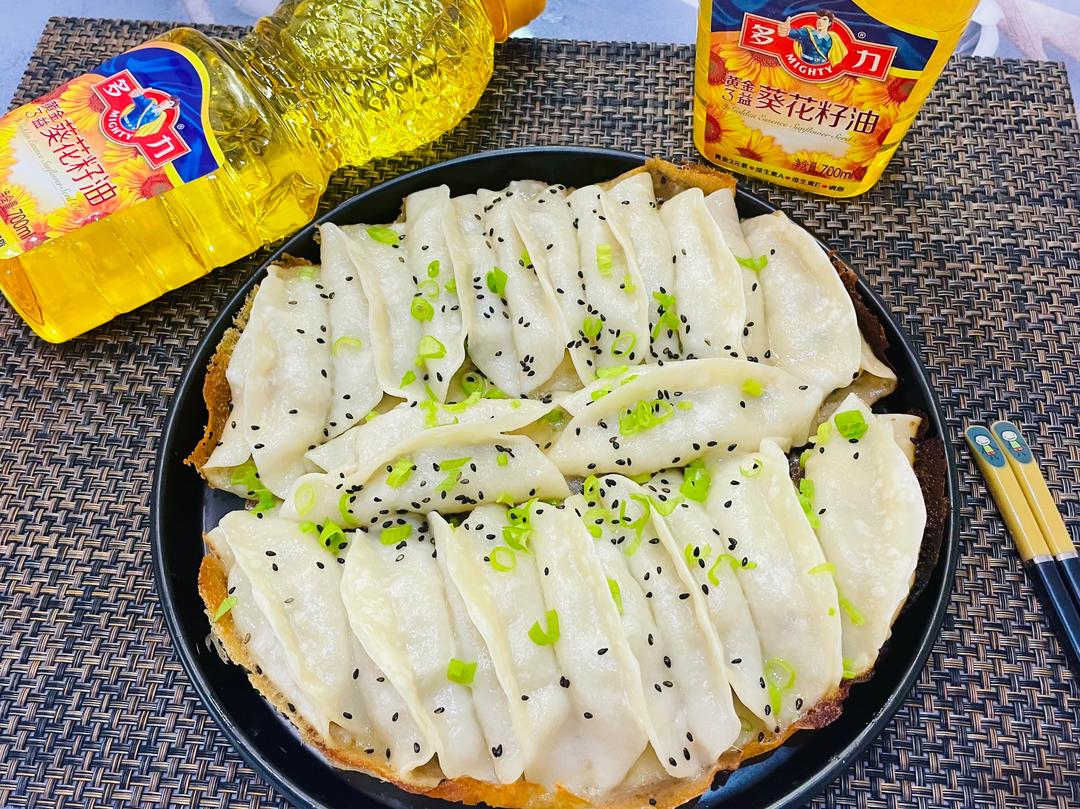
Fold a flat, pleated row for potstickers, steamed dumplings, or pan-fried dumplings, or leave both ends open and pinch only the middle for potstickers.
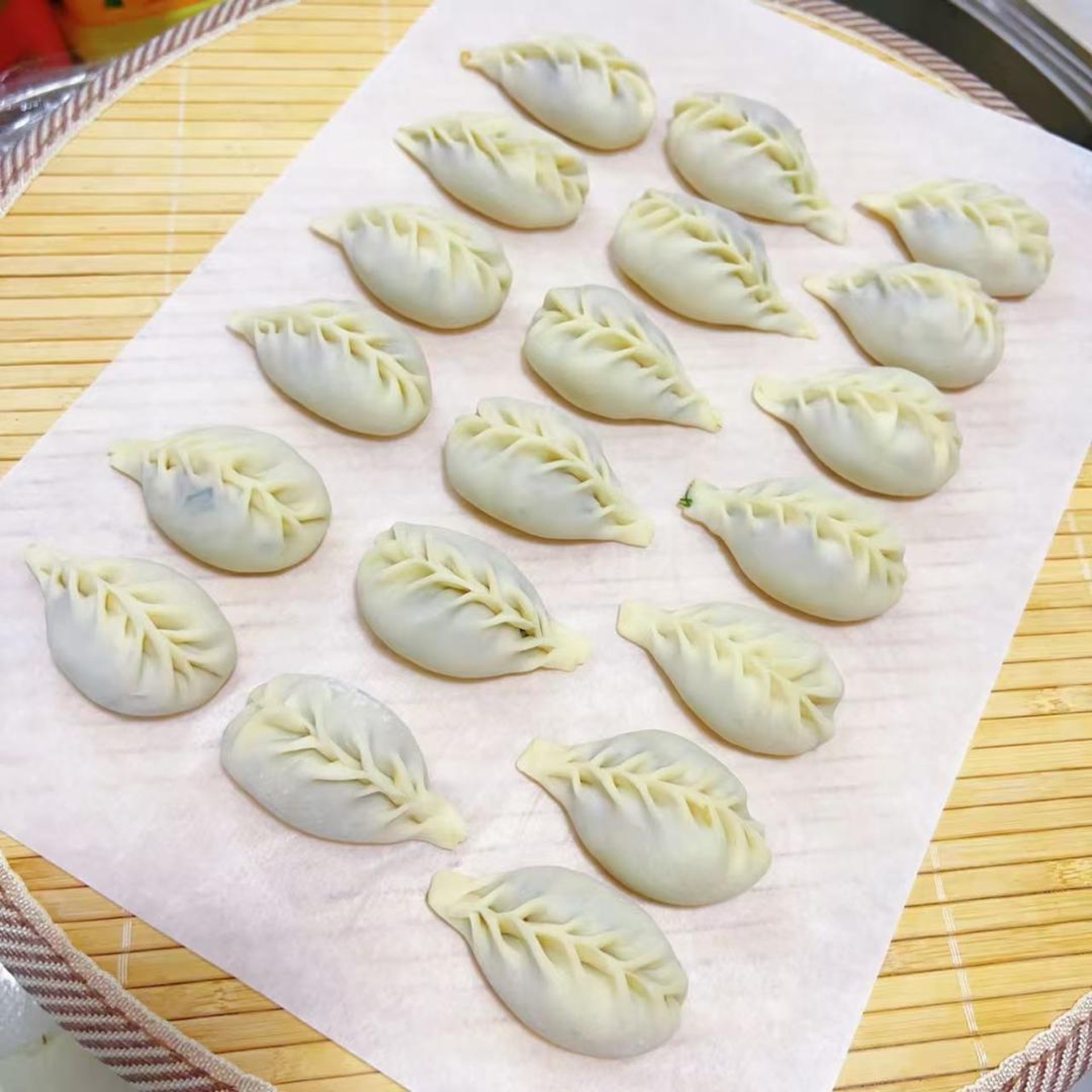
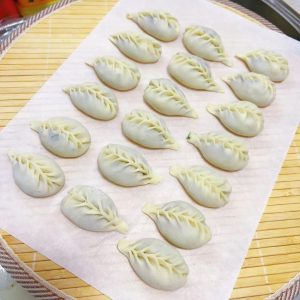
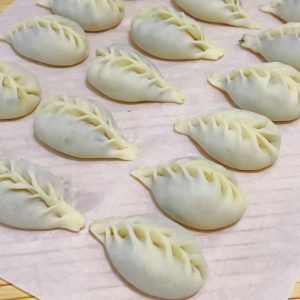
Step 16 — Fold the Willow-Leaf Dumplings
Fold willow-leaf, or wheat-ear, dumplings for steamed dumplings, potstickers, or pan-fried dumplings.
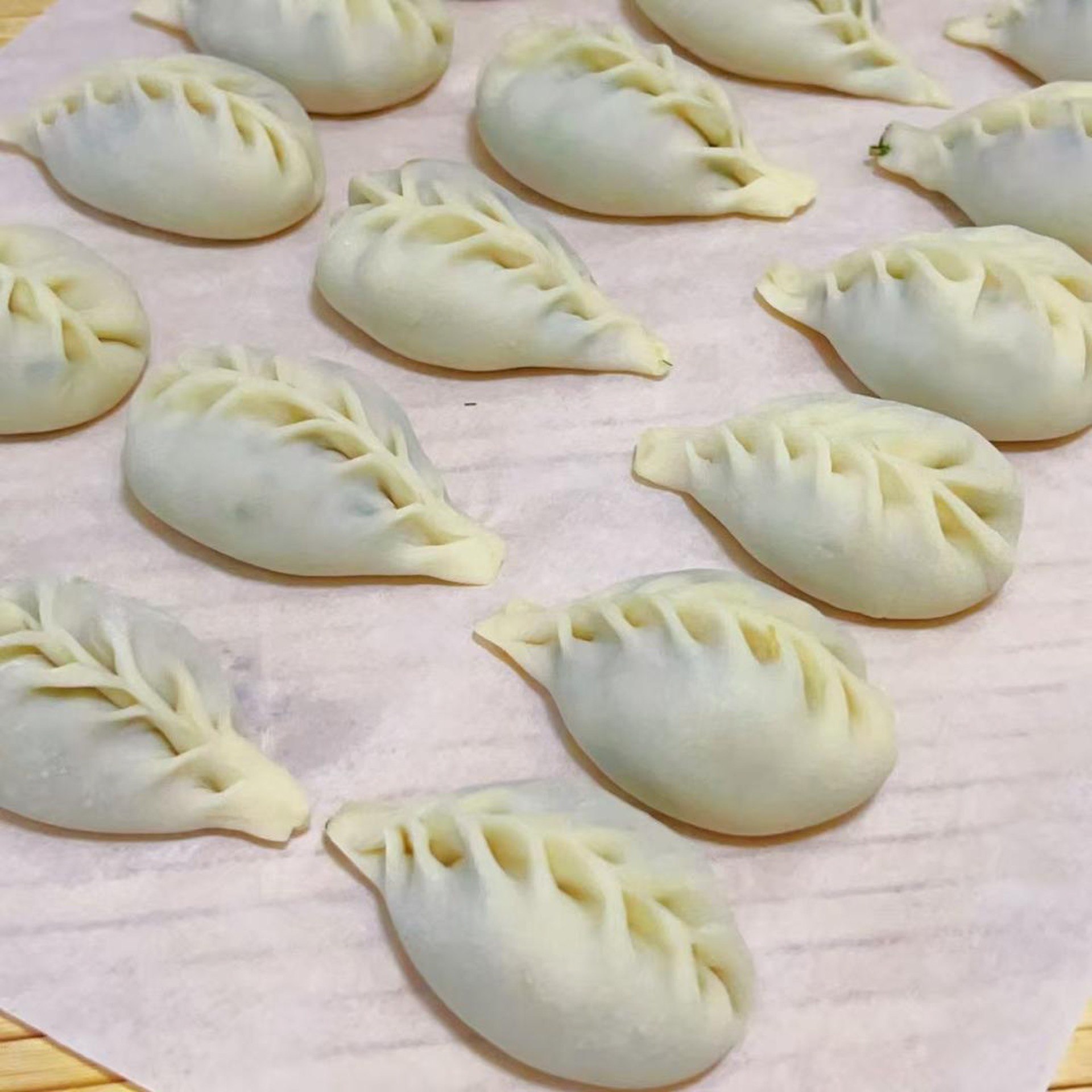
Step 17 — Shape Big or Small
The large ones are called baozi and the small ones are called jiaozi — either way, they are delicious.
Common Mistakes When Making Pork Shrimp Fennel Dumplings
1. Adding the water all at once. If you pour the scallion-ginger water into the meat in one go, the meat will not absorb it and the filling will be soupy. Add it in small additions, stirring clockwise after each one, until the meat is sticky and the water is fully absorbed.
2. Not drying the fennel. Fennel holds a lot of water. If it is wet when it goes into the filling, it will release that water during cooking and the dumplings will leak. Wash it, dry it thoroughly in a salad spinner or with towels, and only then chop it.
3. Adding salt too early. Salt draws moisture out of vegetables. Add the salt after the fennel and scallions are mixed in, not before, and mix just until combined.
4. Using pre-cooked shrimp. Cooked shrimp are already firm; when the dumplings cook, they turn rubbery and lose their sweetness. Always use raw shrimp.
5. Overfilling the wrappers. A too-full wrapper will not seal and will burst during cooking. Use about 1 tablespoon of filling per wrapper, or less for smaller wrappers.
6. Skipping the chill. Chilling the filling for 30 minutes before wrapping makes it easier to handle and helps the juices stay inside the dumpling. If your filling is warm or loose, chill it.
Variations
Boiled dumplings (水饺): Use the tiger-mouth pinch to seal the wrapper. Boil in salted water until the dumplings float, then add a cup of cold water and bring back to a boil. Repeat once more, then remove with a slotted spoon.
Steamed dumplings (蒸饺): Use the willow-leaf fold. Steam over high heat for 8 to 10 minutes, until the wrapper is translucent and the filling is cooked through.
Potstickers (锅贴): Use the flat pleated row or leave both ends open and pinch only the middle. Pan-fry in a little oil until the bottoms are golden, add a splash of water, cover, and steam until the water evaporates.
Leaner filling: Substitute pork shoulder for pork belly. The dumplings will be less rich but still juicy if you use the full amount of scallion-ginger water.
Dill instead of fennel: If Chinese fennel is unavailable, dill is the closest substitute. Use the same amount and adjust the salt to taste.
Add cabbage: For a lighter, more vegetable-forward filling, replace half the fennel with finely chopped napa cabbage that has been salted and squeezed dry.
Frequently Asked Questions
Can I make the filling ahead of time? Yes. The filling can be made up to 24 hours ahead and stored covered in the refrigerator. Chill it thoroughly before wrapping.
Can I freeze these dumplings? Yes. Freeze wrapped dumplings in a single layer on a tray, then transfer to a freezer bag. They keep for up to 3 months. Cook from frozen, adding 2 to 3 minutes to the cooking time.
How do I know when the dumplings are cooked? Boiled dumplings float and the wrapper turns slightly translucent. Steamed dumplings take 8 to 10 minutes. For potstickers, the filling should reach 165°F (74°C) internally. A meat thermometer is the most reliable check.
Can I use store-bought ground pork? Yes, but choose a blend with at least 20 percent fat. Lean ground pork will produce a drier filling.
Why is my filling watery? The most common causes are wet fennel, adding salt too early, or adding the scallion-ginger water too quickly. Dry the fennel, salt late, and add the water in small additions.
How to Serve
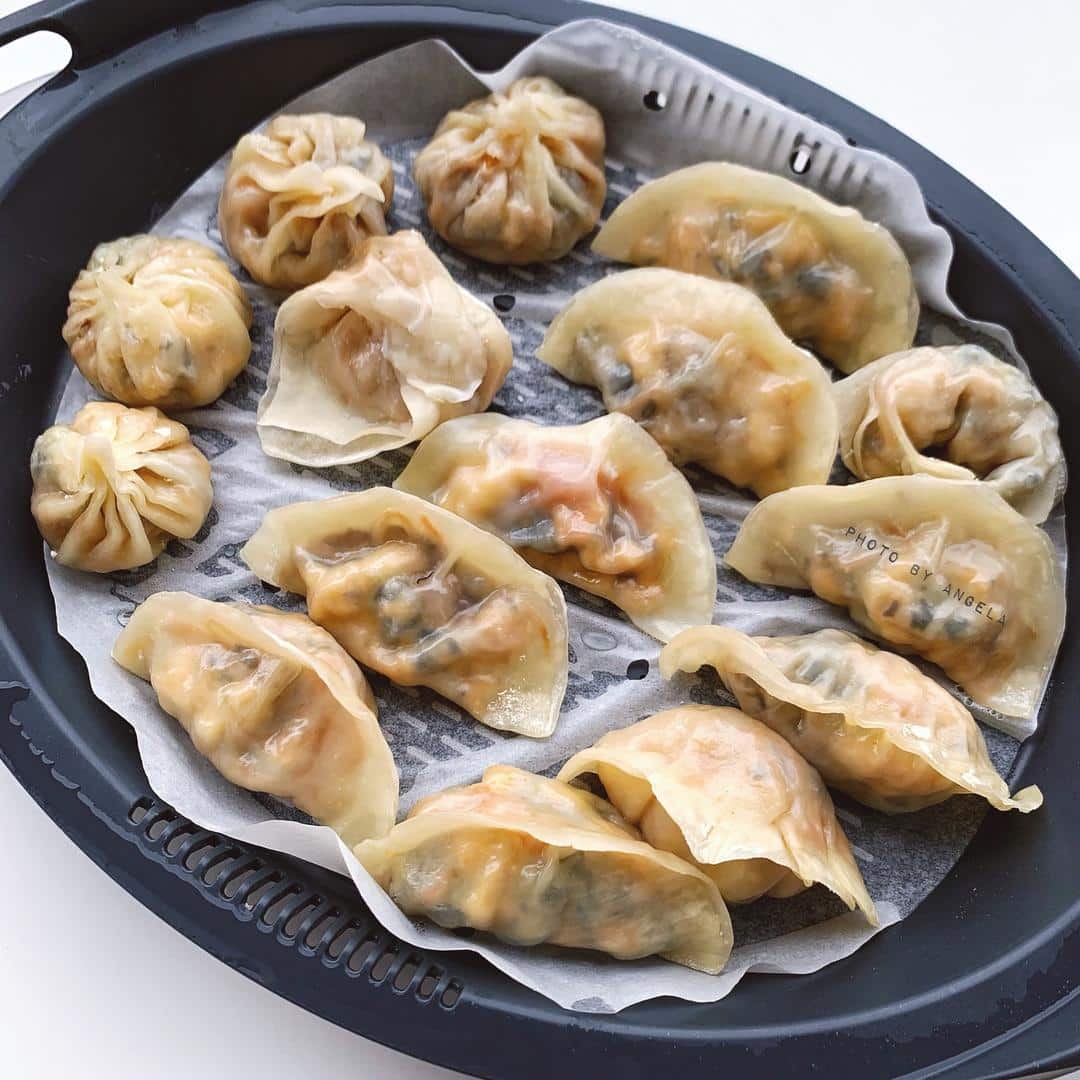
These dumplings are a meal on their own, but they pair beautifully with a few of our other recipes. For a vegetable-forward plate, serve them alongside our vegetable steamed dumplings, which balance the richness of the pork and shrimp.
If you want a crisp, contrasting texture, our crispy pork and chive potstickers make a great second dumpling on the table, especially for a dumpling party.
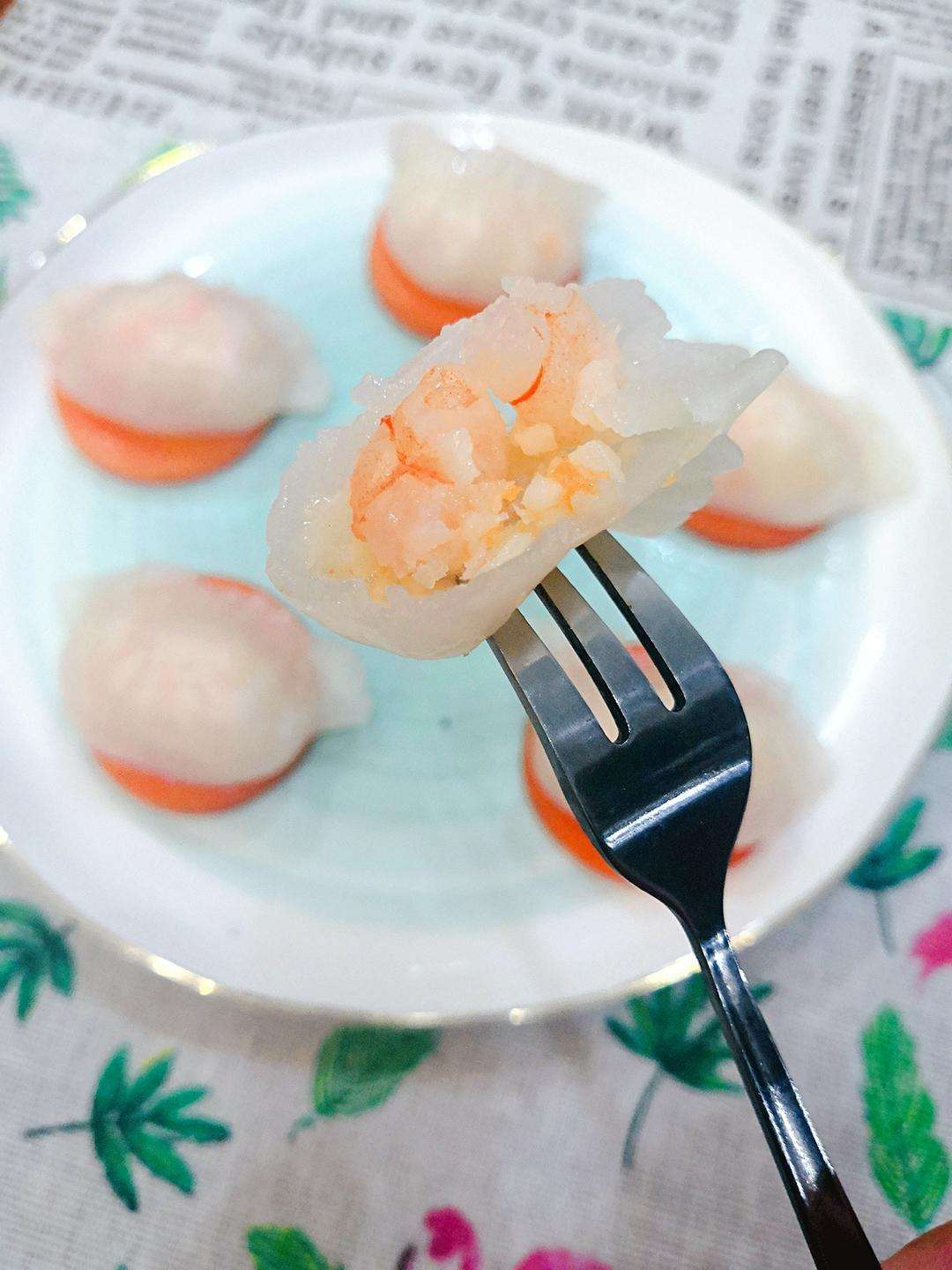
And for a seafood-forward alternative, our crystal shrimp dumplings are a lovely lighter companion, with a translucent wrapper that shows off the shrimp inside.
Storage & Reheat
Refrigerator: Cooked dumplings keep in an airtight container for up to 3 days. Uncooked wrapped dumplings keep for up to 2 days in the refrigerator; arrange them in a single layer so they do not stick together.
Freezer: Freeze uncooked wrapped dumplings in a single layer on a tray until firm, then transfer to a freezer bag. They keep for up to 3 months. Cook from frozen without thawing.
Reheating: Reheat cooked dumplings in a steamer for 5 to 6 minutes, or pan-fry them in a little oil until heated through. Avoid the microwave, which makes the wrappers tough and chewy.
Food safety: Refrigerate leftovers within 2 hours of cooking. Reheat until steaming hot throughout, and check that the filling reaches 165°F (74°C).
Allergen Notice
This recipe contains wheat and gluten from the dumpling wrappers and soy from the soy sauce. If you are gluten-free, use gluten-free dumpling wrappers and tamari instead of soy sauce. Check the labels of your thirteen-spice powder and sesame oil for additives. If you have a shellfish allergy, omit the shrimp and increase the pork to 3 lb (1360 g).
Nutrition Disclaimer
Nutrition information is calculated using an ingredient database and should be considered an estimate. In cases where multiple ingredient alternatives are given, the first listed is calculated for nutrition. Garnishes and optional ingredients are not included.
Pork Shrimp Fennel Dumplings (茴香猪肉虾饺): Juicy Pork, Sweet Shrimp

Equipment
- Wok
- Cutting Board
- Slotted Spoon
Ingredients
For the Scallion-Ginger Water
- 2 pieces scallion cut into 2-inch lengths
- 20 g ginger thinly sliced
- 4 whole star anise
- 2 tsp Sichuan peppercorns
- 4 leaves bay leaves
- 1 cup water plus more if needed
For the Filling
- 2.5 lb pork belly skin on, cut into 1-inch cubes
- 7 oz red-leg shrimp wild-caught, peeled and deveined
- 7 oz blue-tail shrimp wild-caught, peeled and deveined
- 1.75 lb fennel finely chopped
- 1 small bunch scallions finely chopped
- 4 tsp light soy sauce or tamari
- 3 tsp thirteen-spice powder or five-spice powder
- 2 tsp ginger powder ground ginger
- 4 tsp toasted sesame oil plus more for serving
- 1 tsp kosher salt to taste
- 300 pieces dumpling wrappers or as needed
Instructions
- Twist the head off each red-leg shrimp and pull gently so the head and the digestive tract come away together.

- Twist the head off each blue-tail shrimp and pull gently so the head and the digestive tract come away together.
- Remove the shells from the remaining shrimp tails.
- Chop the peeled shrimp into a fine paste with a cleaver.
- Add the minced shrimp to the seasoned pork filling and mix together.
- Simmer 2 pieces of scallion, 20 g sliced ginger, 4 star anise, 2 tsp Sichuan peppercorns, 4 bay leaves, and water until fragrant and the liquid turns brown; turn off the heat and let it cool.
- Once cool, add the water to the meat in small additions, stirring clockwise after each one, until the filling is sticky, moist, and no longer dry or weeping liquid.
- Stir in 4 tsp of light soy sauce.
- Add 3 tsp thirteen-spice powder and 2 tsp ginger powder, then stir clockwise until evenly combined.
- Chop the fennel and scallions, then add both to the meat mixture.
- Add kosher salt to taste.
- Add 4 tsp of toasted sesame oil.
- Wearing disposable gloves, stir the filling clockwise until it is uniform and ready to wrap.
- Pinch the wrapper closed with the tiger-mouth method for dumplings that can be boiled.
- Fold a flat, pleated row for potstickers, steamed dumplings, or pan-fried dumplings, or leave both ends open and pinch only the middle for potstickers.
- Fold willow-leaf, or wheat-ear, dumplings for steamed dumplings, potstickers, or pan-fried dumplings.
- The large ones are called baozi and the small ones are called jiaozi — either way, they are delicious.

Notes
About the Author & Recipe Development
Lin is the cook and writer behind Woks of Love, where she shares the home-style Chinese recipes she grew up with and the ones she has learned along the way. This recipe comes from a family dumpling session: two kinds of wild-caught shrimp, a big bunch of fennel, and a filling mixed by hand until it was sticky and fragrant. The scallion-ginger water technique is one she learned from her mother and uses in nearly every dumpling filling she makes.
Recipe development notes: the filling was tested with both pork belly and pork shoulder, and with fennel from two different markets. The scallion-ginger water ratio was adjusted so the filling stays juicy without becoming wet. Wrapper counts are approximate; the exact number depends on wrapper size and how full you wrap each dumpling.
For another dish in the same spirit, pan fried mussel and chive potstickers is worth cooking next.
For another dish in the same spirit, san xian dumplings is worth cooking next.
Authoritative References
For safe cooking temperatures and food handling guidance, see the USDA safe temperature chart and the FDA Food Code. For more on the aroma compounds in fennel and other aromatics, see this food-science explainer.












Leave a Reply