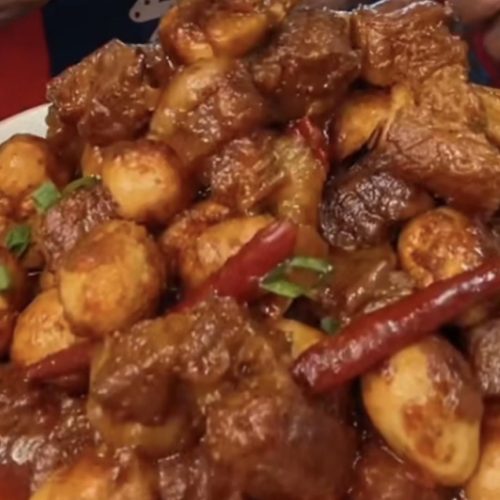
Home-style braised beef is the kind of dish that fills a kitchen with the smell of star anise and bean paste long before anyone sits down to eat. Beef ribs go into a wok with doubanjiang and yellow bean sauce, then simmer low and slow until the meat gives way under a spoon, and just before serving, chewy tofu skin knots and blistered quail eggs join the pot. It is rich, glossy, deeply savory, and built almost entirely from pantry staples.
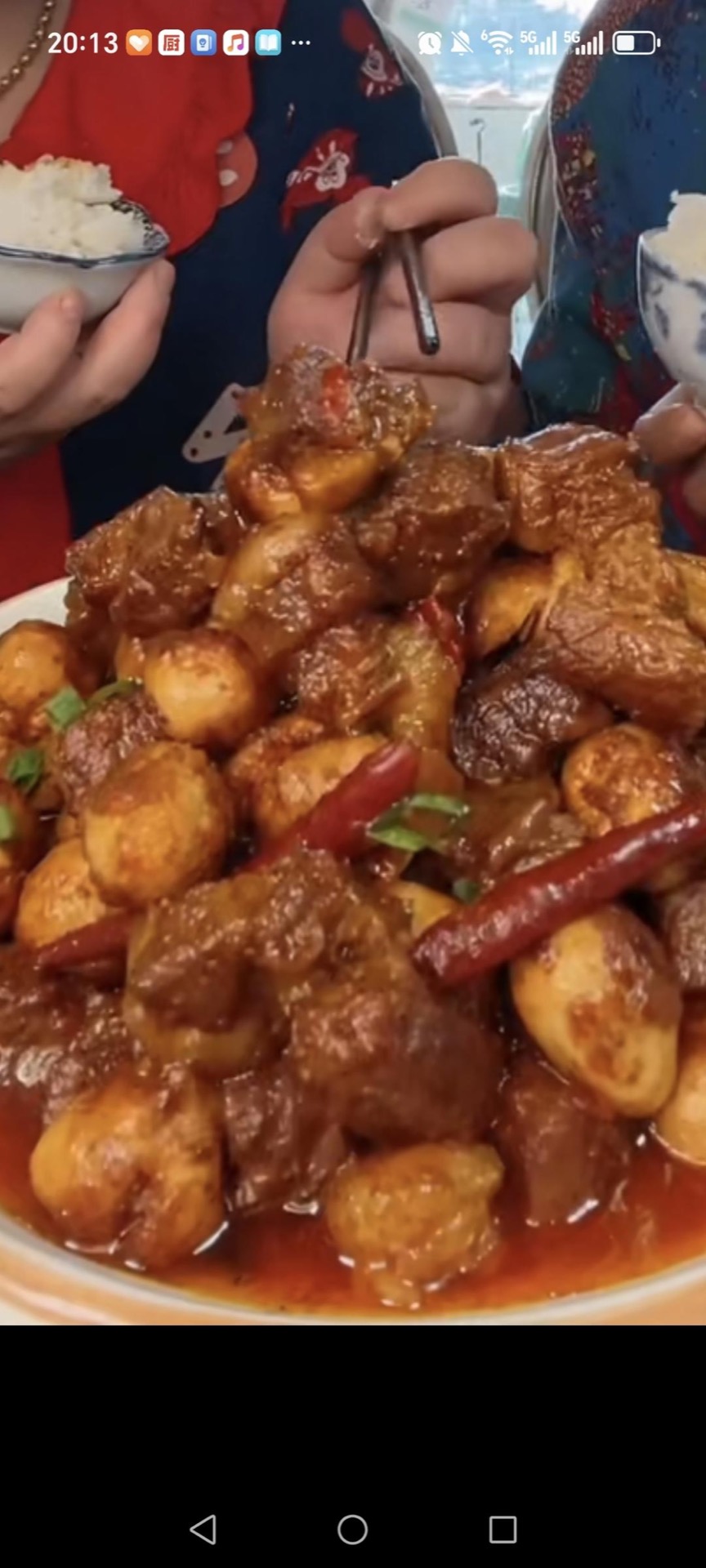
What makes this version stand out is the balance: the doubanjiang brings a gentle fermented heat, the yellow bean sauce brings a round, almost sweet depth, and the soy sauce trio handles color and salt. Nothing here is fussy, and nothing needs a special trip to the store. If you have ever ordered a beef braise at a Sichuan restaurant and wondered why yours never tastes quite as deep, this is the recipe that closes that gap.
What Is Home-Style Braised Beef?
Home-style braised beef — 家常炖牛肉 in Chinese — is a slow-simmered beef dish from the home kitchens of Sichuan and northern China. “家常” literally means “everyday home-style,” and that is exactly what this is: a braise built from a short list of fermented sauces and aromatics that most Chinese households keep on hand, cooked until the beef is tender enough to fall apart under gentle pressure.
The defining move is layering two fermented bean pastes. Sichuan doubanjiang (Pixian broad bean paste) gives the braise its savory backbone and a low, humming warmth, while yellow bean sauce (huang dou jiang) rounds it out with a mellow, slightly sweet depth. Together they create a sauce that tastes far older and more complex than the twenty minutes of active work it takes to build.
Unlike a red-braised dish like braised beef noodle soup, this braise is not about a broth — it is about a concentrated, clinging sauce that coats the meat and soaks into rice. The tofu skin knots and quail eggs are not garnish; they are the point, absorbing sauce and adding two completely different textures to every bite.
If you like the deep, layered flavor of Chinese braised dishes, you’ll love this braised egg tofu with shrimp and tomato — a softer, brighter braise that comes together in a fraction of the time.
For a meatless braise with the same savory depth, this braised tofu and mushrooms is a wonderful weeknight companion to the beef version.
And if you want a little heat with your braise, this braised tofu with fresh chilis and minced pork delivers the same glossy, sauce-soaked satisfaction.
If you like this kind of cooking, my braised egg tofu with shrimp and tomato is the closest recipe on the site — the same technique and the same pantry.
1Braised Egg Tofu with Shrimp and TomatoThis easy 20-minute clay pot style dish combines silky Japanese egg tofu, juicy shrimp, and crunchy broccoli in a savory and tangy tomato sauce. It is a perfect weeknight dinner that pairs beautifully with steamed rice.Check out this recipe
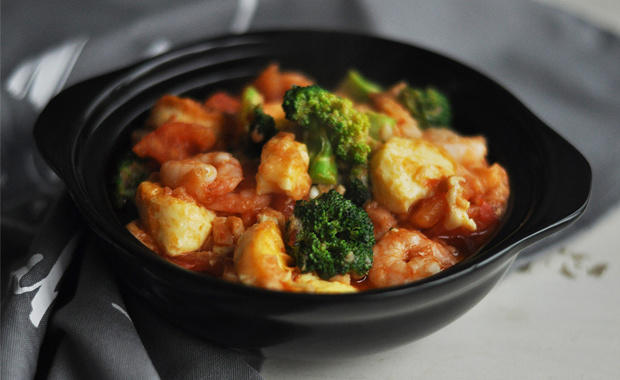
Cooked this way once, you will want the next one too: braised tofu and mushrooms starts from the same base and the same pan.
2Braised Tofu and MushroomsA rich, savory vegetarian dish featuring pan-fried tofu and mushrooms braised in a chef-secret Spare Rib sauce. Tastes better than meat!Check out this recipe
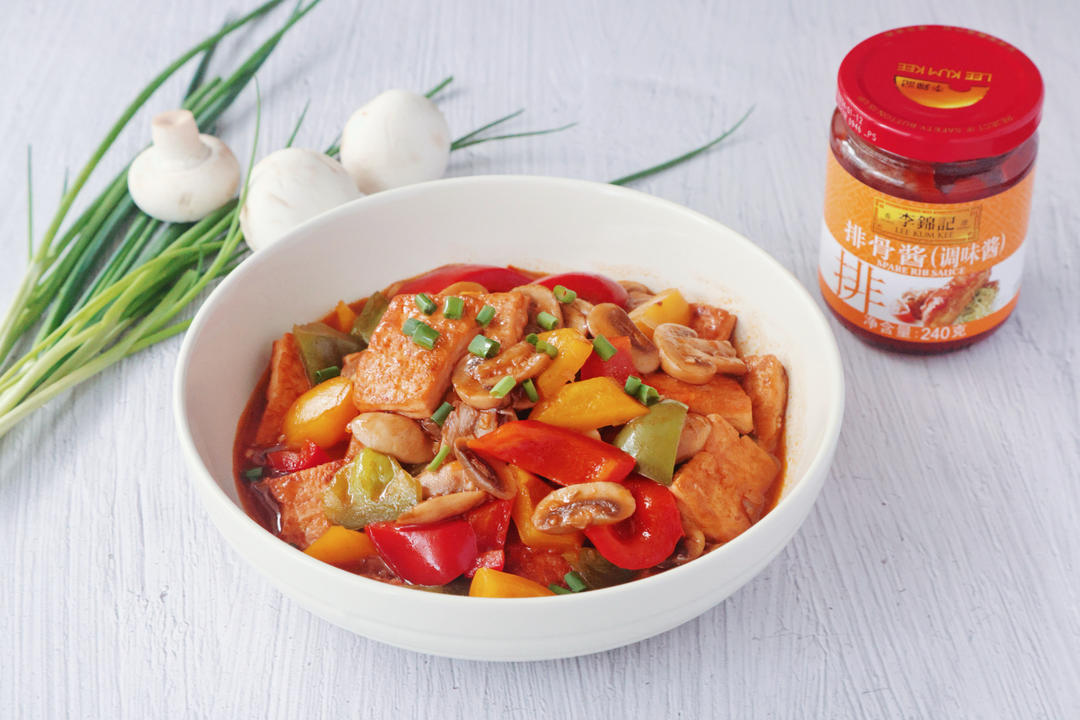
For the next cook from the same playbook, braised tofu with fresh chilis and minced pork is the recipe I point people to.
3Fresh Chili Tofu with Minced Pork (鲜椒肉末豆腐)A fast, 15-minute Sichuan homestyle favorite. Silky tofu and savory minced pork braised with fresh chilis and tomatoes for a bright, ‘rice-killing’ flavor profile.Check out this recipe
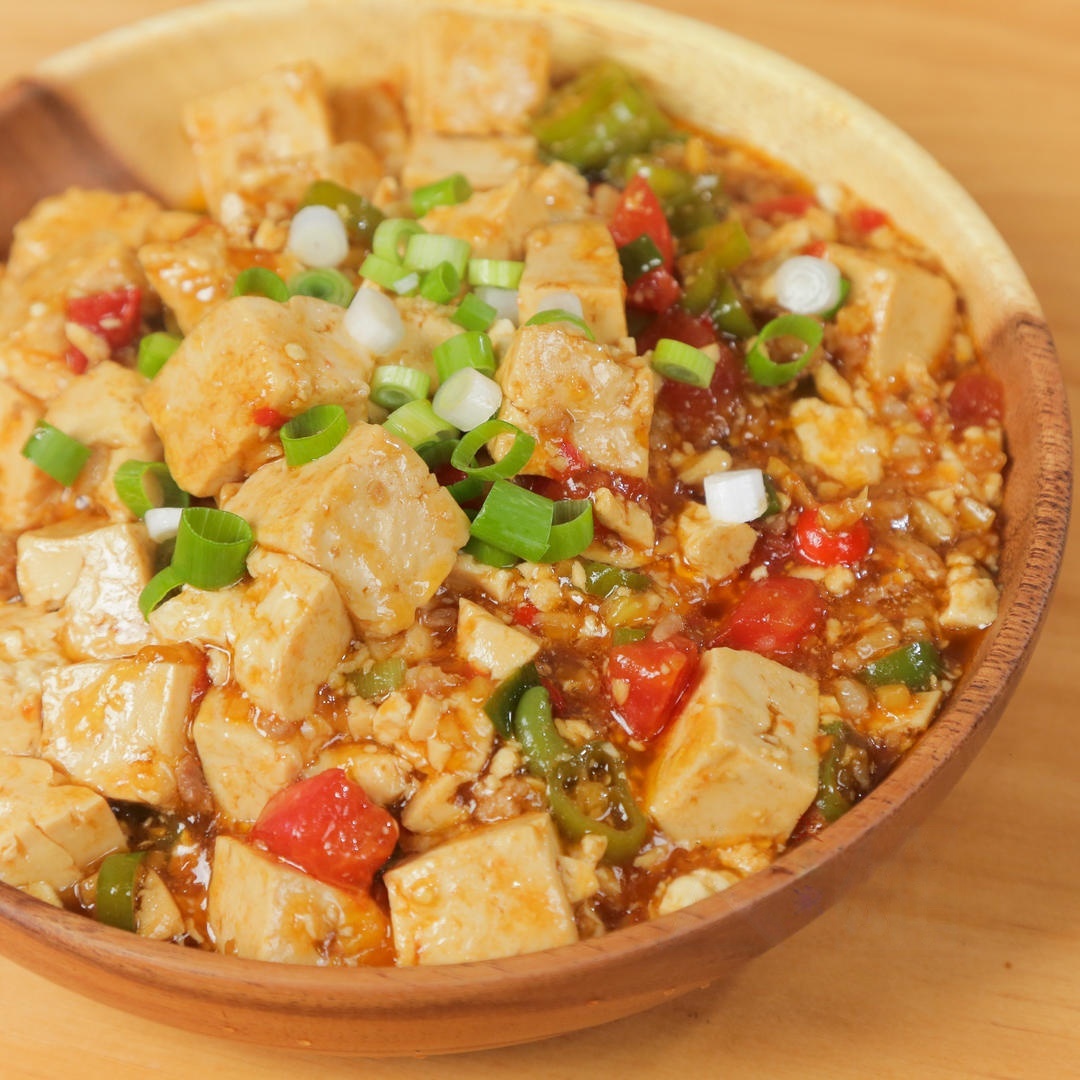
Why This Recipe Works
Three things make this braise reliable. First, the beef is cut into large chunks. Small cubes overcook and turn stringy; big pieces stay juicy and give the sauce something to cling to. Second, the beef is blanched in cold water with Shaoxing wine before it ever hits the wok, which pulls out the impurities that would otherwise cloud the sauce and leave a gamey note. Third, the braising liquid is hot water, not cold — cold water shocks the meat fibers and can make even a long braise turn tough.
The sauce itself is built in stages: bloom the pastes in oil, brown the beef in that flavored oil, then add the aromatics and liquid soy sauces. Each stage adds a layer rather than dumping everything in at once. The result is a sauce that tastes built rather than stirred together.
Finally, the add-ins go in late. Tofu skin and quail eggs only need the last twenty minutes; adding them at the start would dissolve the tofu skin into the sauce and turn the eggs rubbery. Timing them correctly is what gives you three distinct textures in one pot.
Why blanch the beef first? According to food science explainers on Serious Eats, blanching meat in cold water and skimming the foam removes coagulated proteins and impurities that would otherwise muddy a braise and mute its flavor.
Equipment Needed
A wok is ideal for the stir-frying stages because its wide, sloped sides let the beef brown without steaming, and it holds enough liquid for the braise itself. If you don’t have a wok, a heavy Dutch oven or a wide, deep skillet with a lid works just as well — you just want something with enough surface area to sear and enough depth to simmer.
You’ll also want a cutting board for the beef and aromatics, a slotted spoon for lifting the blanched beef out of the pot without carrying over scum, and a lid that fits your cooking vessel snugly. A small bowl for the sauce mixture keeps the seasoning stage quick and prevents the soy sauces from scorching while you hunt for the bottle.
Nothing here is specialty equipment. This is a home-style dish in the truest sense — it was designed for an ordinary kitchen with ordinary tools.
Ingredients
The full ingredient list with exact amounts is in the recipe card at the bottom of this post. Here is what each component is doing:
Beef ribs are the best cut here — they have enough intramuscular fat and connective tissue to turn silky after an hour of simmering. Boneless short rib, chuck, or brisket all work, but avoid lean cuts like sirloin, which will dry out.
Sichuan doubanjiang is the fermented broad bean and chili paste that gives the dish its savory depth and gentle heat. Use Pixian if you can find it; it is worth seeking out. Yellow bean sauce (huang dou jiang) is milder and slightly sweet, and it balances the doubanjiang beautifully.
Light soy sauce seasons, dark soy sauce colors, and oyster sauce adds body and a subtle brininess. Do not substitute one for another — they do different jobs.
Tofu skin knots (dou fu pi) are dried bean curd sheets tied into knots. They are chewy, soak up sauce like a sponge, and are the reason people fight over the last one in the pot. Quail eggs add a creamy, rich counterpoint once they are fried golden and simmered in the sauce.
Ingredient Notes
If you cannot find Sichuan doubanjiang, a good Korean gochujang is not a substitute — it is too sweet. Instead, look for a plain fermented chili bean paste, or use an extra tablespoon of yellow bean sauce plus a pinch of dried chili flakes. The flavor will be milder but still correct in spirit.
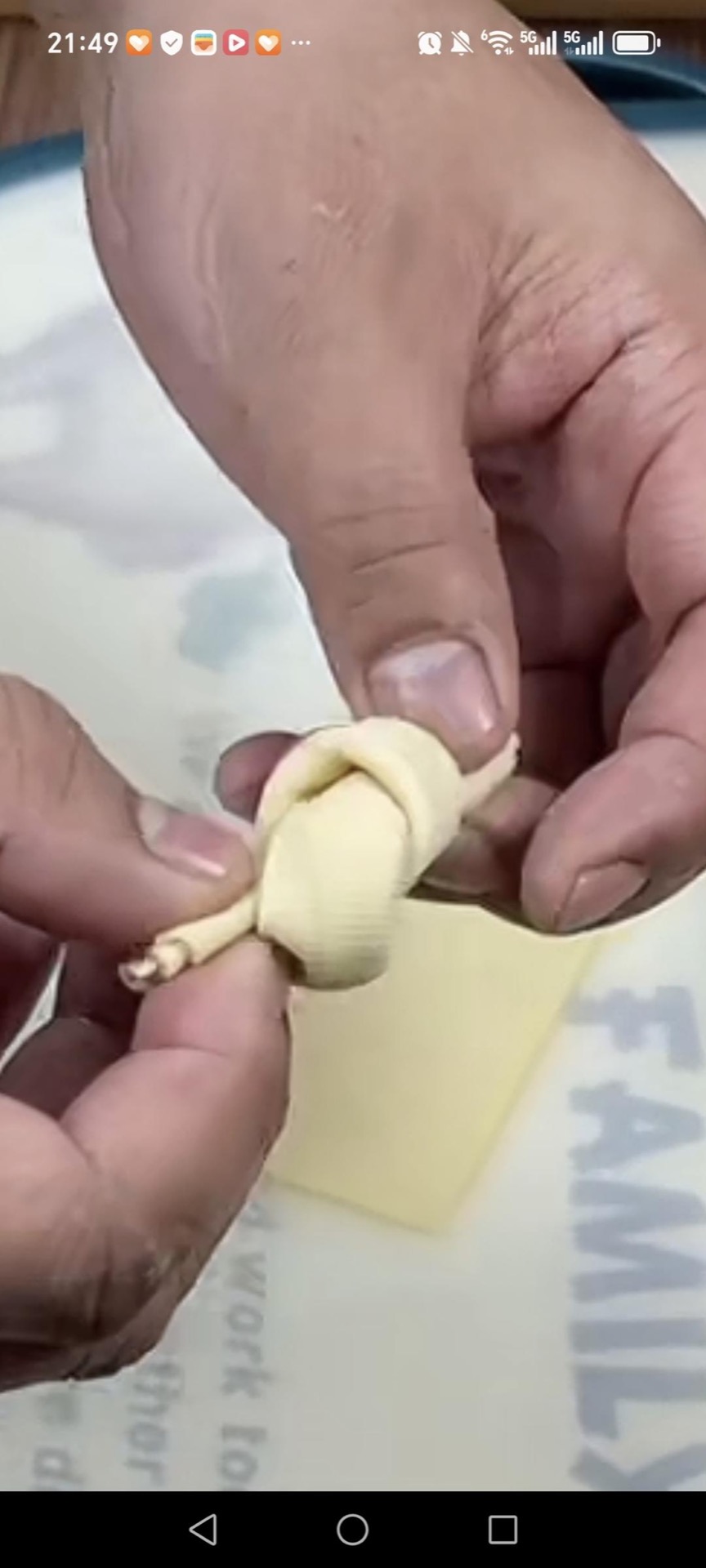
Tofu skin knots are sold dried in Asian grocery stores and online. If you can only find flat dried tofu skin, cut it into strips and tie each strip into a loose knot yourself — it takes a few minutes but the texture is worth it. Fresh tofu skin (the kind sold in the refrigerated section) can be used too, but reduce the final braise to 10 minutes so it doesn’t fall apart.
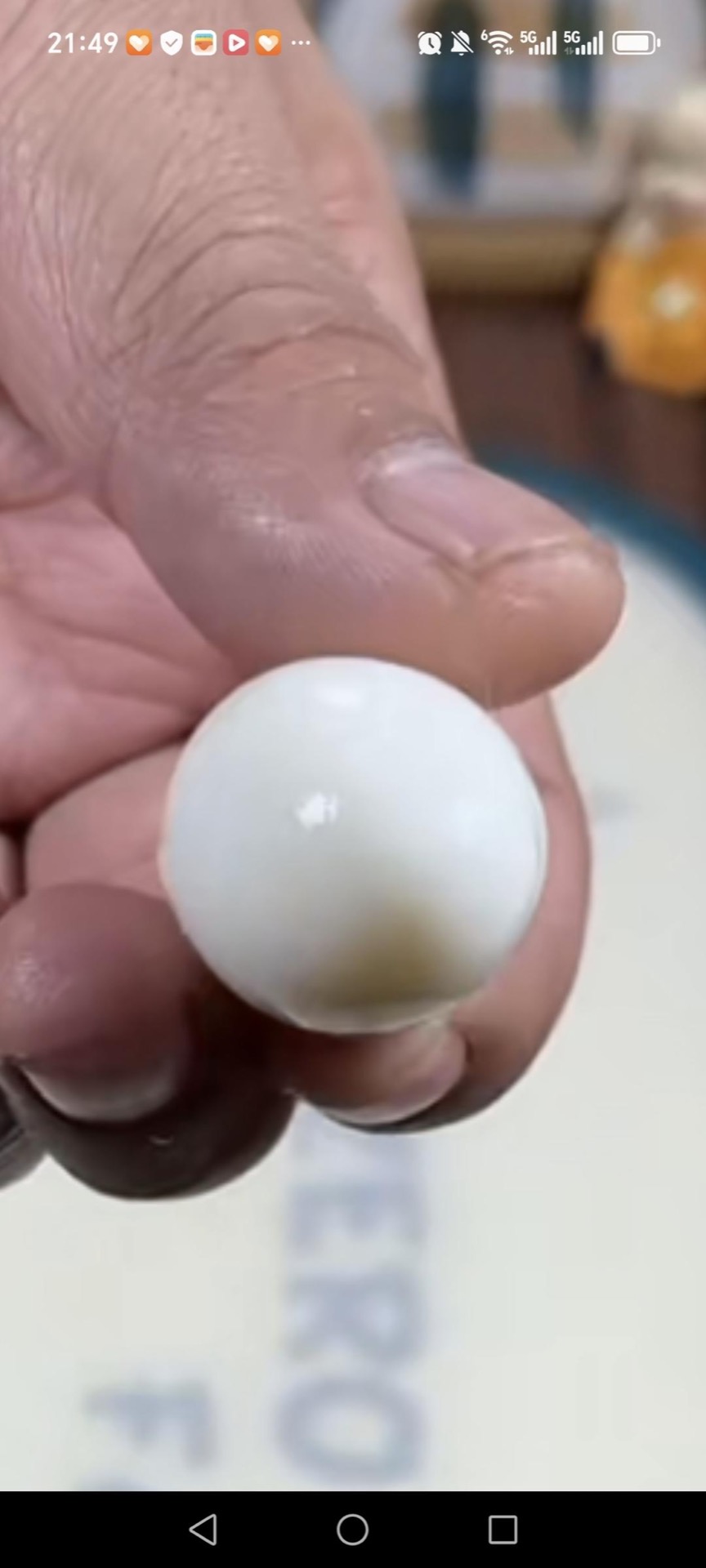
Quail eggs are usually sold canned or fresh. Canned ones are already peeled and ready to go; fresh ones need about 4 minutes in boiling water, then a quick ice bath before peeling. Either way, pat them dry before frying so they blister rather than steam.
For the beef, ask your butcher for boneless short rib or chuck cut into large chunks. If you are using bone-in ribs, increase the braising time by about 20 minutes and check for tenderness before adding the add-ins.
Prep & Mise en Place
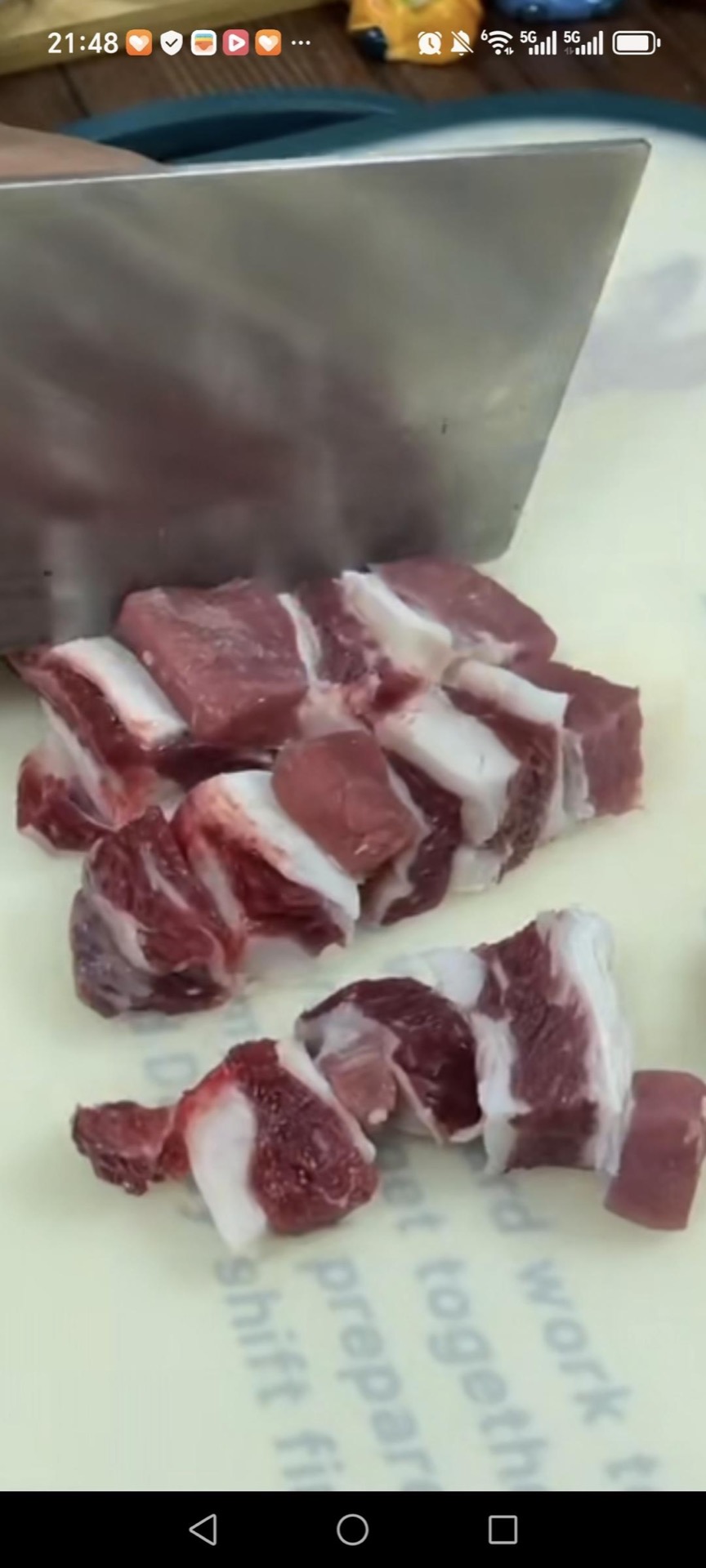
This dish moves quickly once you start cooking, so set everything up before the wok gets hot. Cut the beef into 2-inch chunks and leave them out at room temperature for 15 minutes while you prep the rest. Tie the tofu skin into knots and set them aside in a bowl.
Boil and peel the quail eggs, then pat them completely dry. Cut the scallions into 2-inch segments, slice the ginger, smash the garlic cloves, and measure out the dried chilis and star anise into a small dish. In a separate small bowl, stir together the light soy sauce, dark soy sauce, and oyster sauce so you can pour them in one motion later.
Measure the doubanjiang and yellow bean sauce into two small dishes — they go into the wok at the same time, but keeping them separate lets you adjust if one paste is saltier than expected. Put a kettle of water on to boil; you’ll need hot water for the braise, and having it ready means you never have to add cold water to a hot pot.
Cooking Process
Step 1 — Cut the Beef
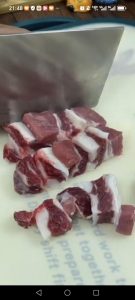
Cut the beef ribs into large chunks.
Step 2 — Tie the Tofu Skin
Tie the tofu skin into knots.
Step 3 — Peel the Quail Eggs
Peel the quail eggs.
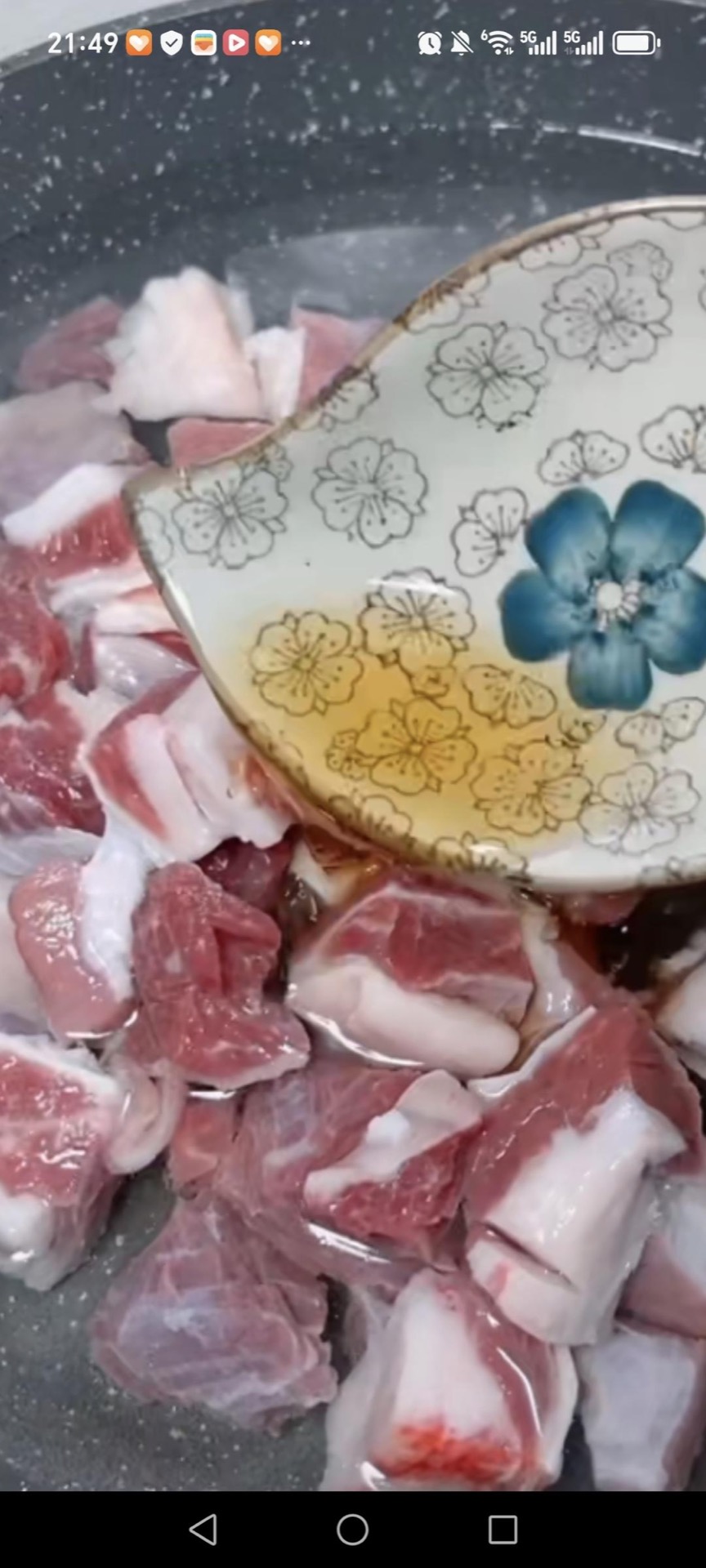
Step 4 — Blanch the Beef
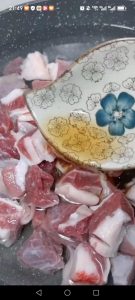
Put the beef in a pot of cold water, pour in the Shaoxing wine, and bring to a boil for 5 minutes. Rinse the beef with warm water.
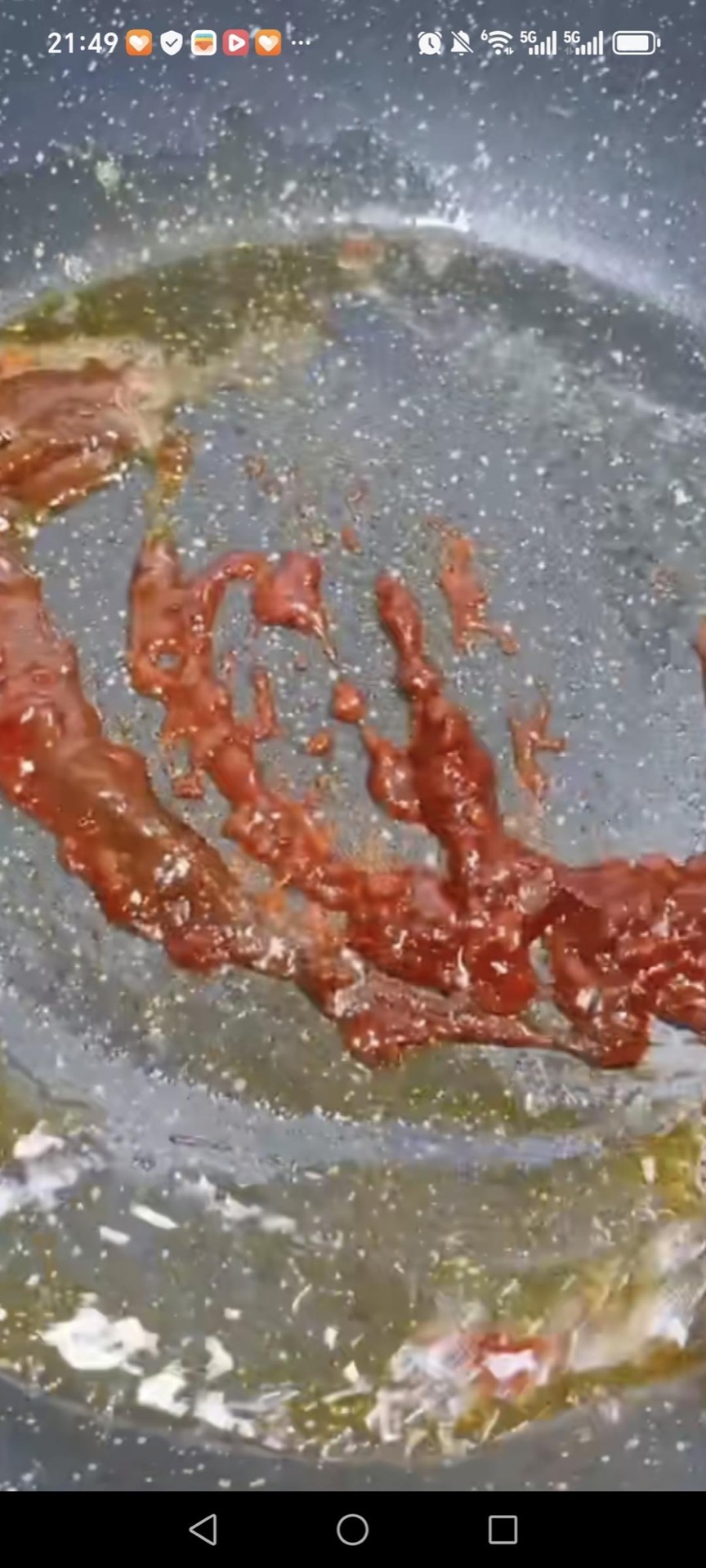
Step 5 — Bloom the Sauces
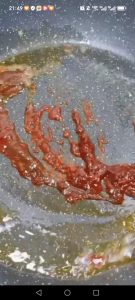
Heat oil in a separate wok. Add 1 tablespoon of Sichuan doubanjiang and 1 tablespoon of yellow bean sauce and stir-fry until fragrant.
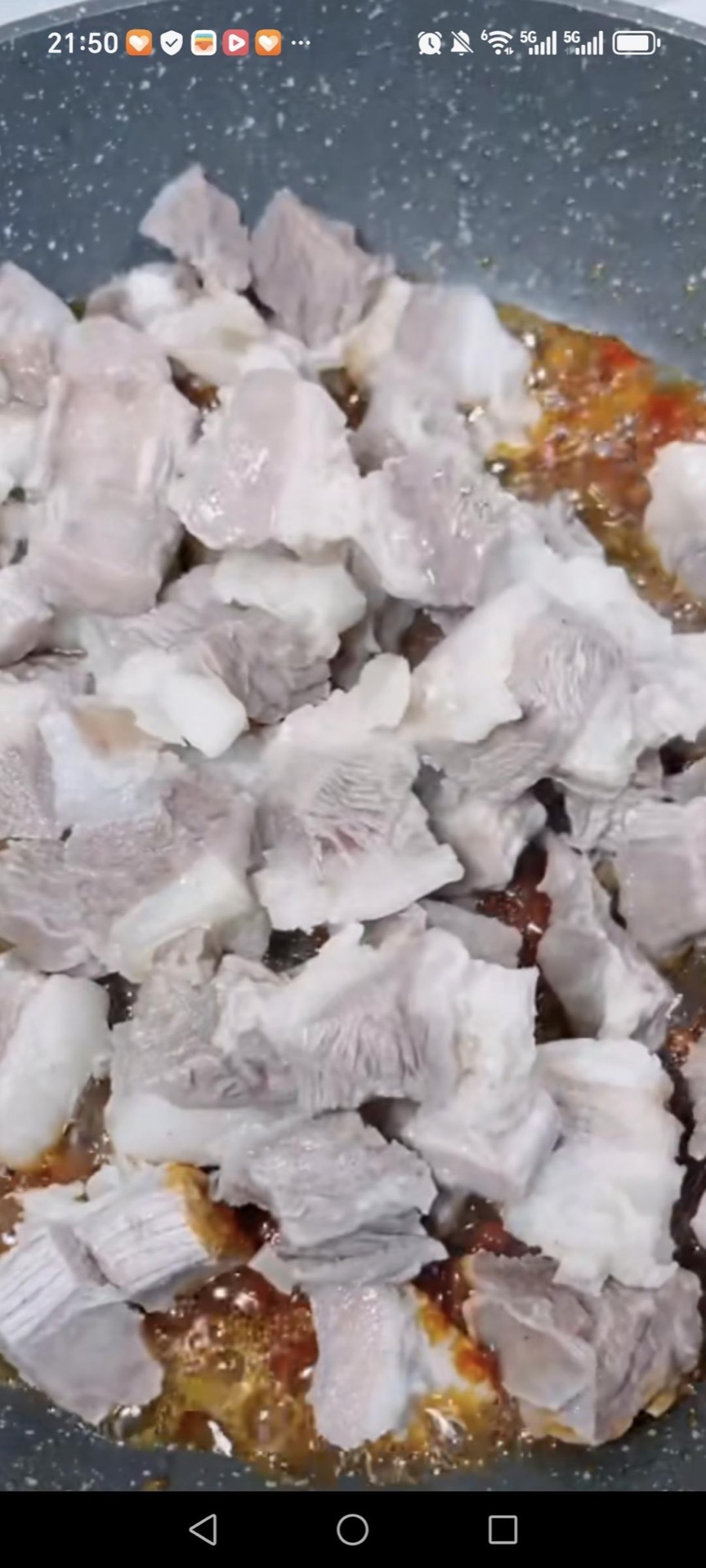
Step 6 — Stir-Fry the Beef
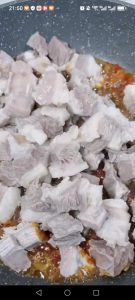
Add the beef and stir-fry.
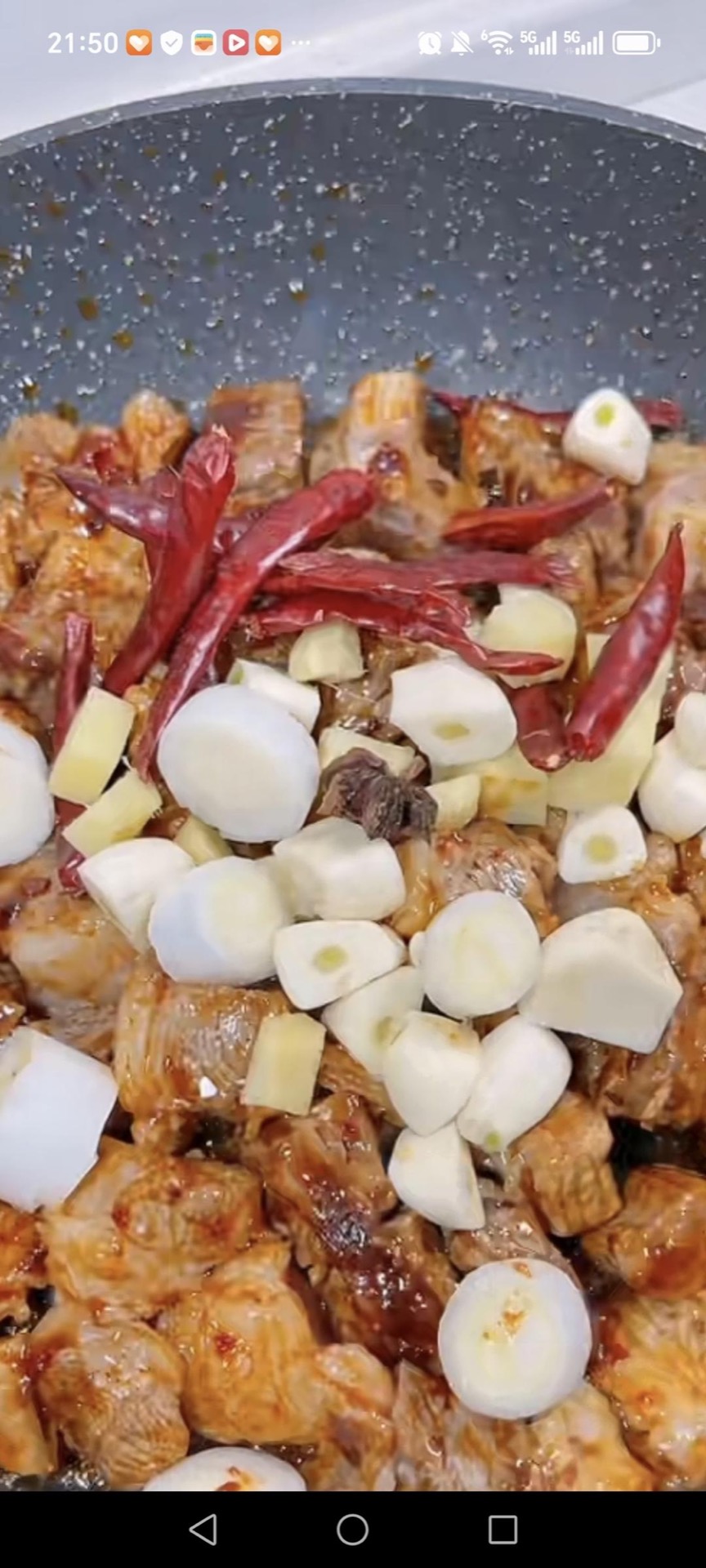
Step 7 — Add the Aromatics
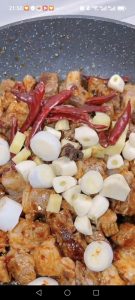
Add the scallions, ginger, garlic, dried chilis, and star anise and stir-fry until evenly combined.
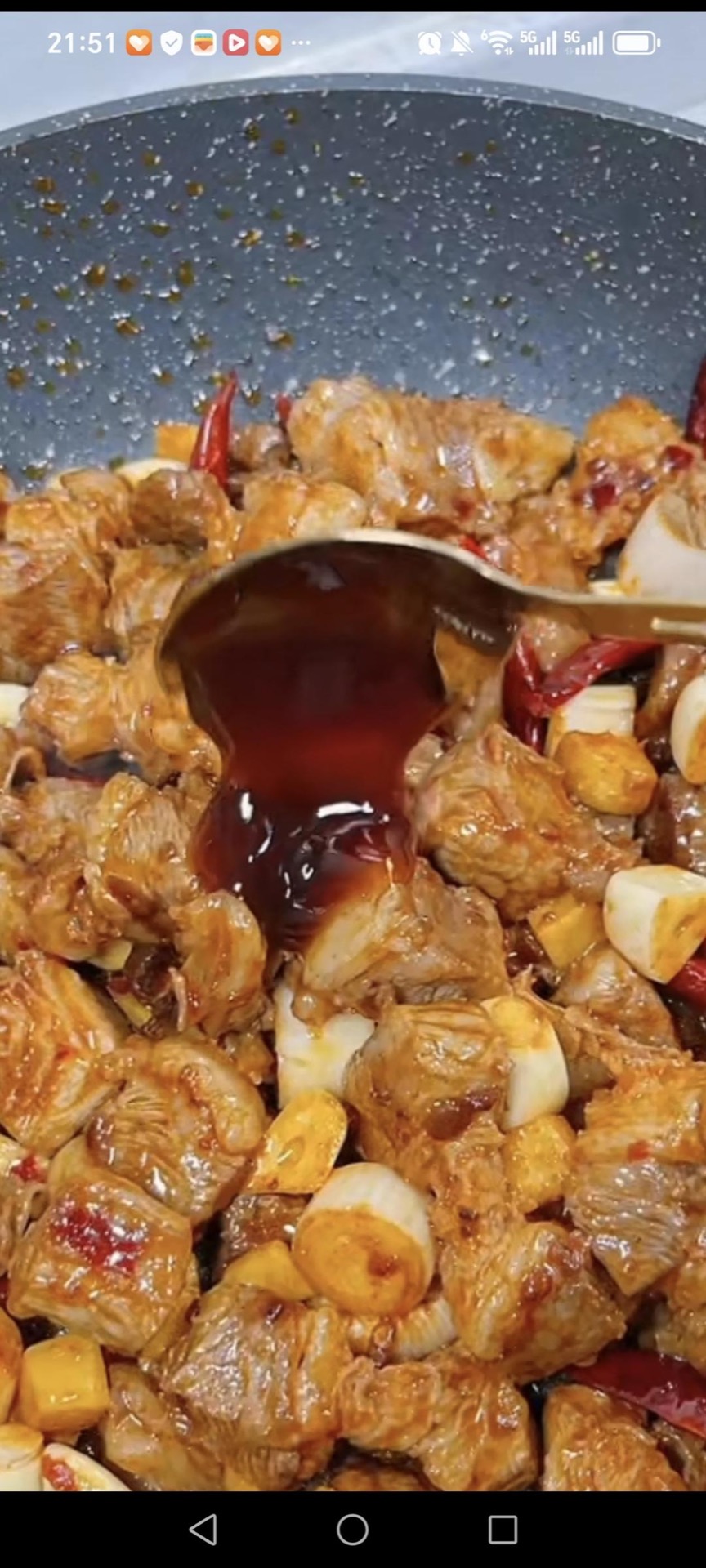
Step 8 — Season the Braise
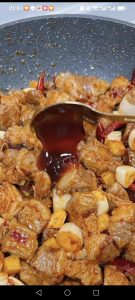
Add 2 tablespoons of light soy sauce, 1 tablespoon of dark soy sauce, and 1 tablespoon of oyster sauce.
Step 9 — Add Water
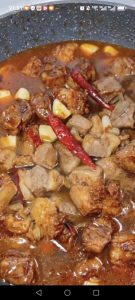
Add boiling water.
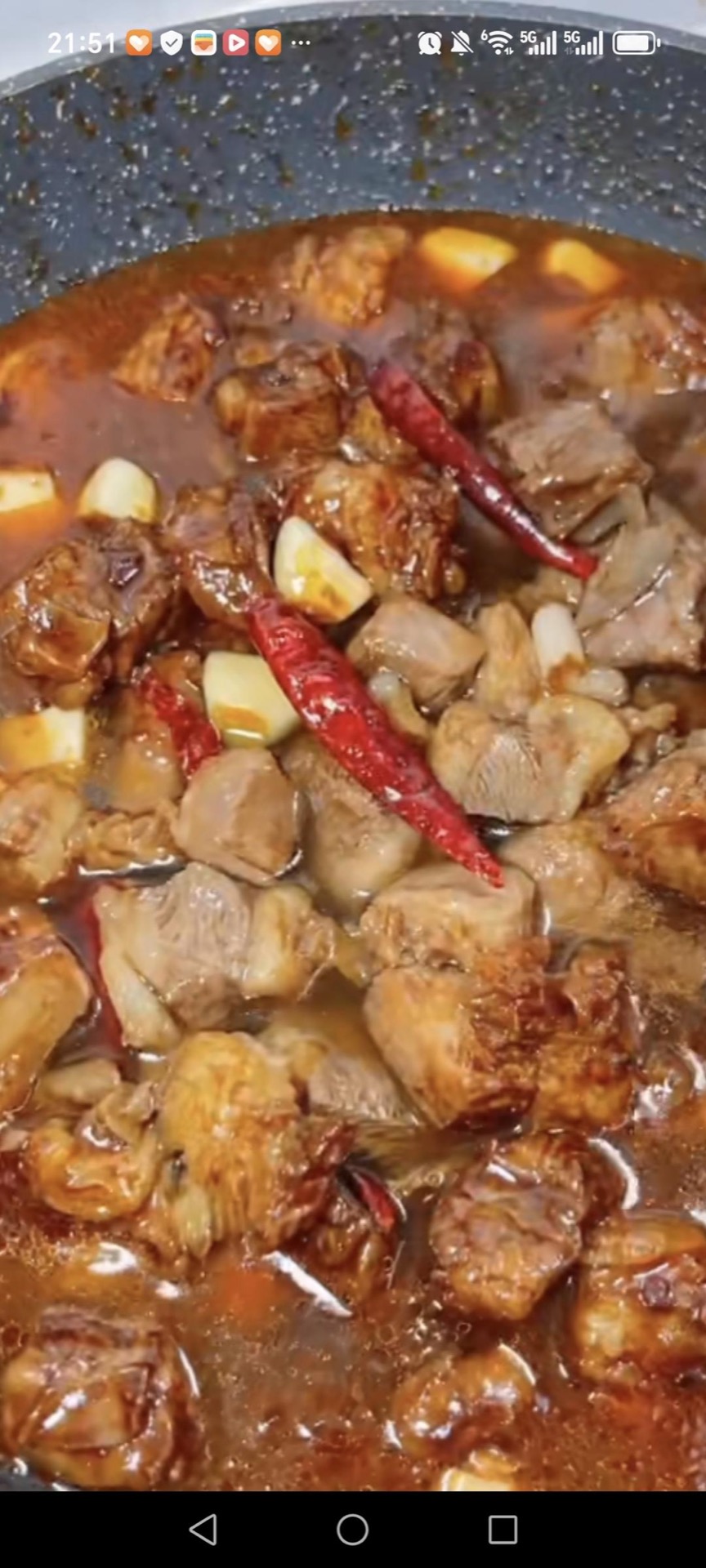
Step 10 — Braise the Beef
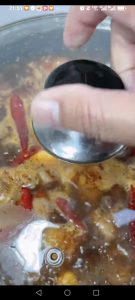
Cover with a lid and braise for 1 hour.
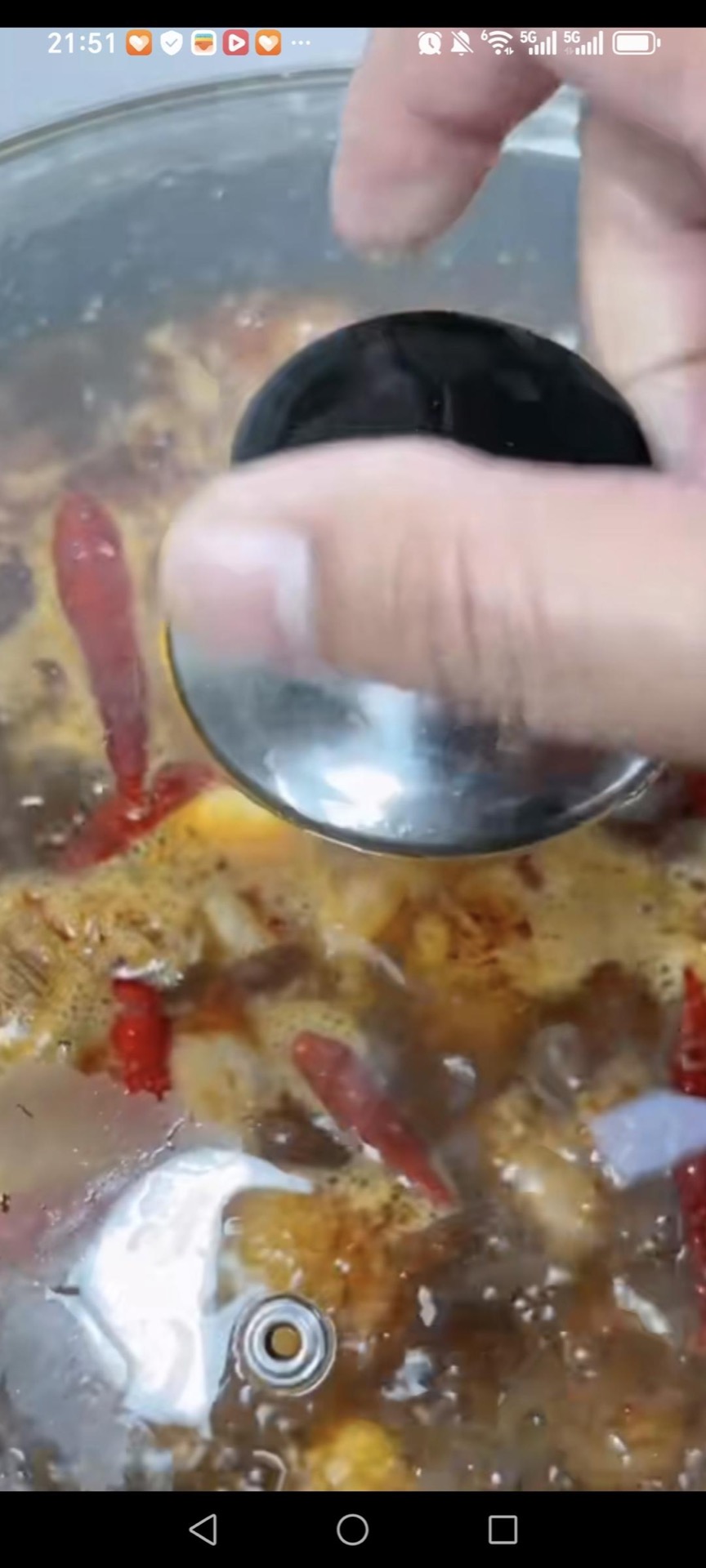
Step 11 — Fry the Quail Eggs
Fry the quail eggs in hot oil until golden.
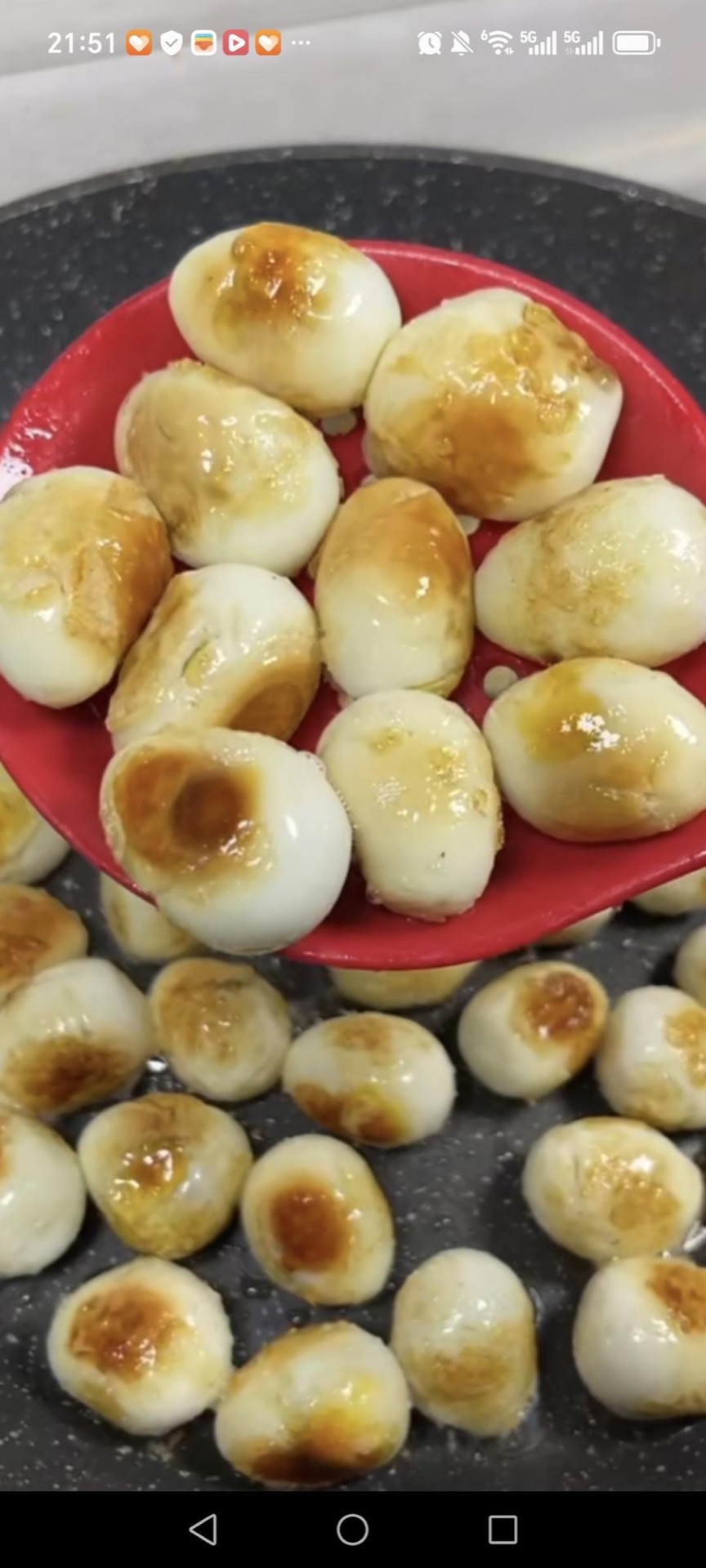
Step 12 — Add the Add-Ins
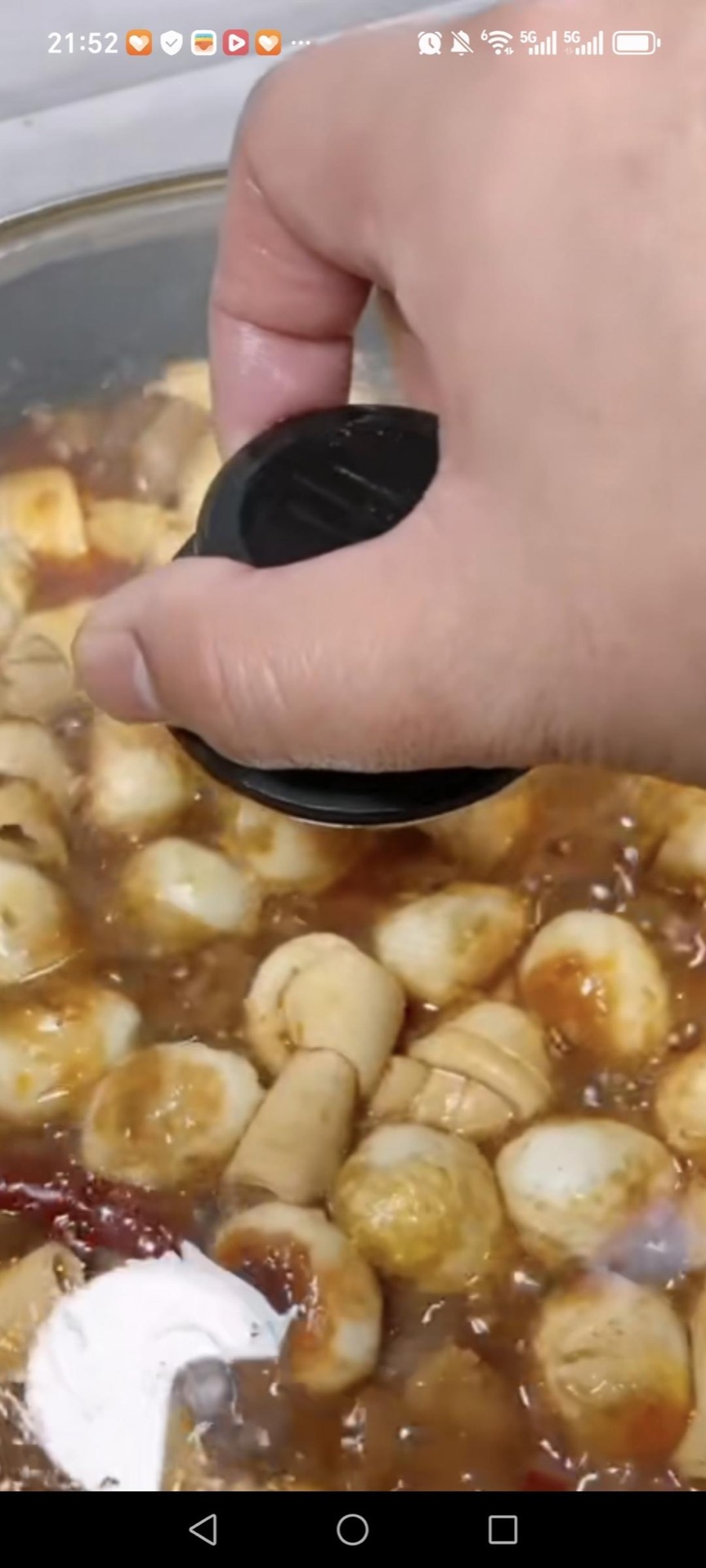
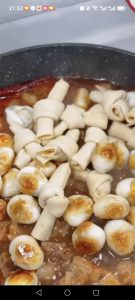
Add the tofu skin and quail eggs. Add the chicken bouillon, sugar, and white pepper. Stir to combine evenly.
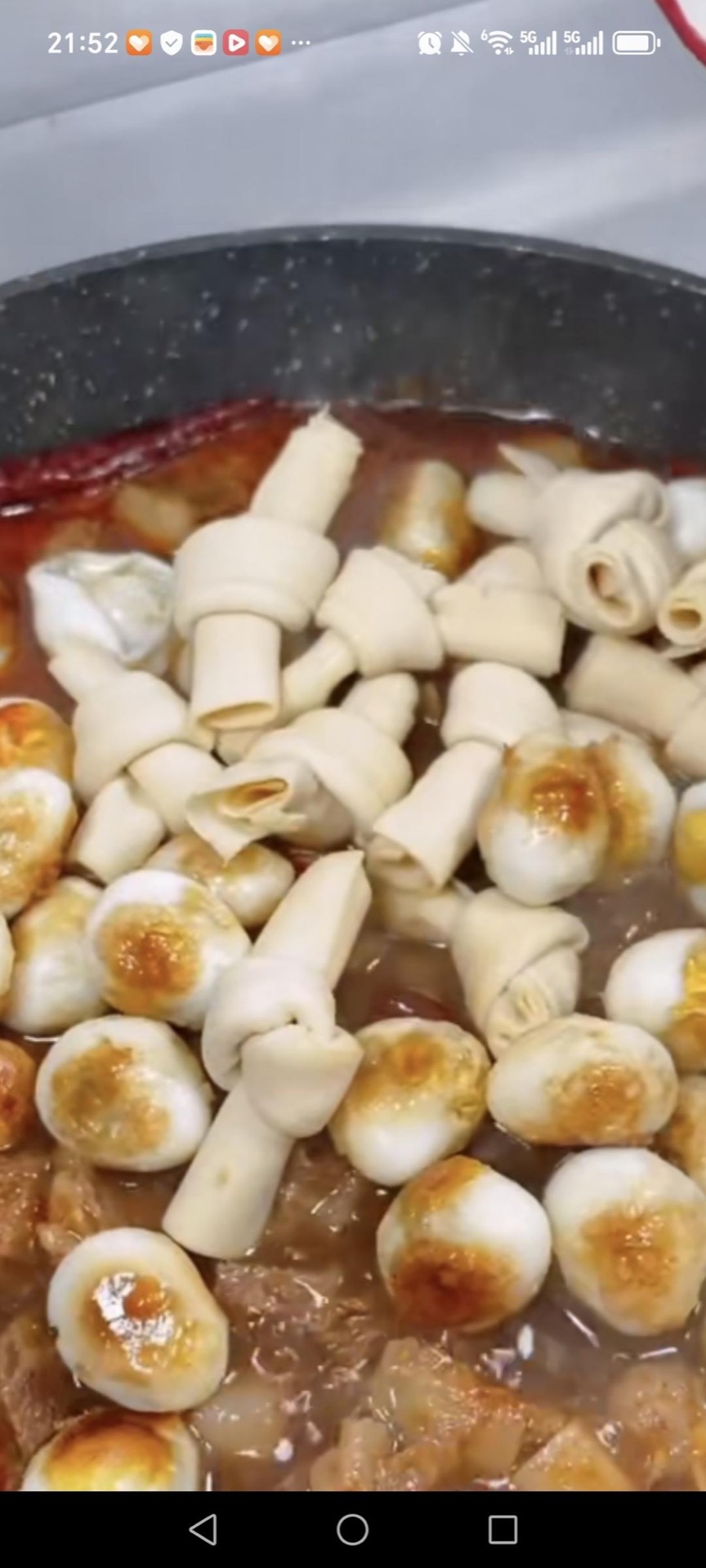
Step 13 — Finish Braising
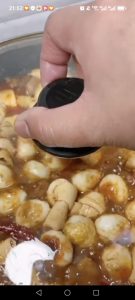
Cover with a lid. Braise for 20 minutes.
Step 14 — Serve
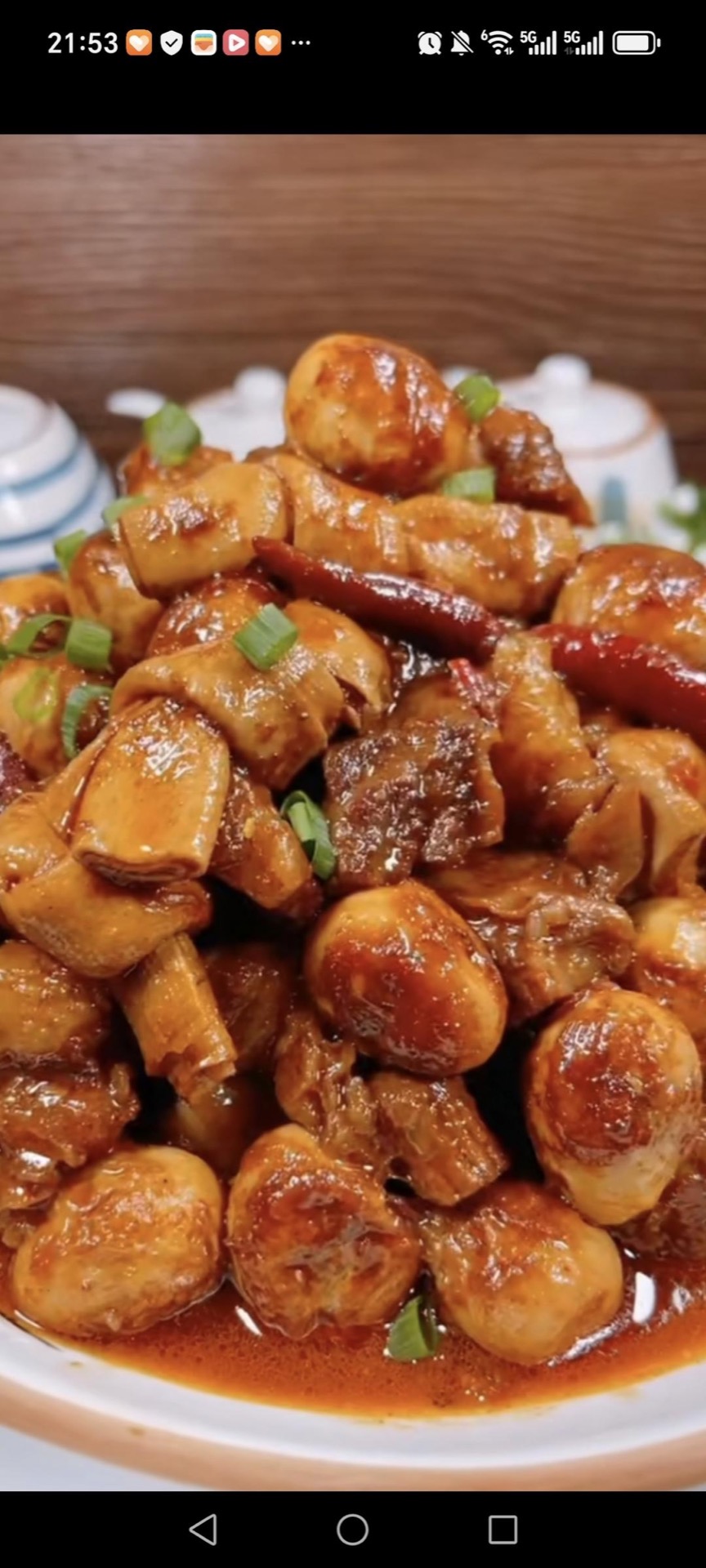
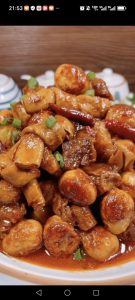
Home-style braised beef is ready.
Common Mistakes When Making Home-Style Braised Beef
1. Cutting the beef too small. Small cubes seem like they’ll cook faster, but they dry out and turn stringy during a long braise. The cause is surface area — more of it means more moisture loss. The fix is simple: keep the chunks at least 2 inches across so the interior stays juicy while the exterior takes on sauce.
2. Skipping the blanch. Some cooks rinse the beef and go straight to searing. The cause is wanting to save a step, but the result is a cloudy, gamey sauce. The fix is to blanch in cold water with Shaoxing wine, bring it to a boil for 5 minutes, and rinse with warm water before proceeding. It takes ten minutes and changes the whole dish.
3. Adding cold water to the braise. When the pot runs low, reaching for the cold tap is instinctive. The cause is convenience, but cold water shocks the meat fibers and can make them contract and toughen. The fix is to keep a kettle of hot water nearby and top up with that instead.
4. Adding the tofu skin and eggs too early. Tofu skin knots and quail eggs need only the last 20 minutes. The cause is treating them like the beef, but if they go in at the start, the tofu skin dissolves and the eggs turn rubbery. The fix is to braise the beef alone for the first hour, then add the add-ins for the final 20 minutes.
5. Not frying the quail eggs first. Dropping raw peeled eggs straight into the braise leaves them pale and soft. The cause is skipping a step, but the fix — a quick fry in hot oil until golden and blistered — gives them a chewy skin that holds up in the sauce and a nutty flavor that plain boiled eggs lack.
6. Over-seasoning early. Doubanjiang, yellow bean sauce, soy sauce, and oyster sauce are all salty. The cause is tasting the sauce before it has reduced and adding more salt, but the fix is to wait until the last 10 minutes of braising, taste, and only then adjust. The sauce concentrates as it cooks.
Variations
Spicier version: Add an extra tablespoon of doubanjiang and a teaspoon of chili oil with the aromatics. The heat will build slowly and land at the back of your throat rather than the front.
With daikon: Swap the tofu skin for chunks of daikon radish added in the last 30 minutes. The radish turns translucent and absorbs the sauce beautifully. For a similar effect in a different braise, see this braised beef brisket with daikon radish.
With dried bamboo shoots: Soak dried bamboo shoots overnight, then add them with the beef at the start of the braise. They bring an earthy, chewy texture that pairs beautifully with the fermented sauces. This braised beef brisket with dried bamboo shoots uses the same idea.
Red wine twist: Replace half the braising water with red wine for a fusion take that still respects the Chinese aromatics. The result is richer and slightly fruitier — closer to a red wine braised beef than a classic jiachang braise, but delicious in its own right.
Tomato-forward: Add two chopped tomatoes with the aromatics for a brighter, tangier sauce. This moves the dish toward a tomato beef stew with fatty beef profile, which is a wonderful cold-weather variation.
Frequently Asked Questions
Can I make this in a pressure cooker? Yes. After the stir-fry stages, transfer everything to a pressure cooker, add the hot water, and cook at high pressure for 25 minutes. Release naturally, then add the tofu skin and fried quail eggs and simmer uncovered for 10 minutes to reduce the sauce.
What if I can’t find tofu skin knots? Use flat dried tofu skin cut into strips and tied into loose knots, or substitute fried tofu puffs. Both will soak up the sauce, though the texture will be softer than traditional knots.
How do I know when the beef is done? A fork should slide in with almost no resistance, and the meat should pull apart with gentle pressure from a spoon. If it still feels springy, add 15 more minutes and check again — the exact time depends on the cut and the size of your chunks.
Can I make this ahead? Absolutely — it tastes even better the next day. Cool it completely, refrigerate overnight, and reheat gently on the stovetop with a splash of water. The flavors meld and the sauce thickens as it sits.
Is this dish very spicy? Not particularly. The doubanjiang brings warmth rather than heat. If you want more spice, add extra dried chilis or a drizzle of chili oil at the end.
How to Serve
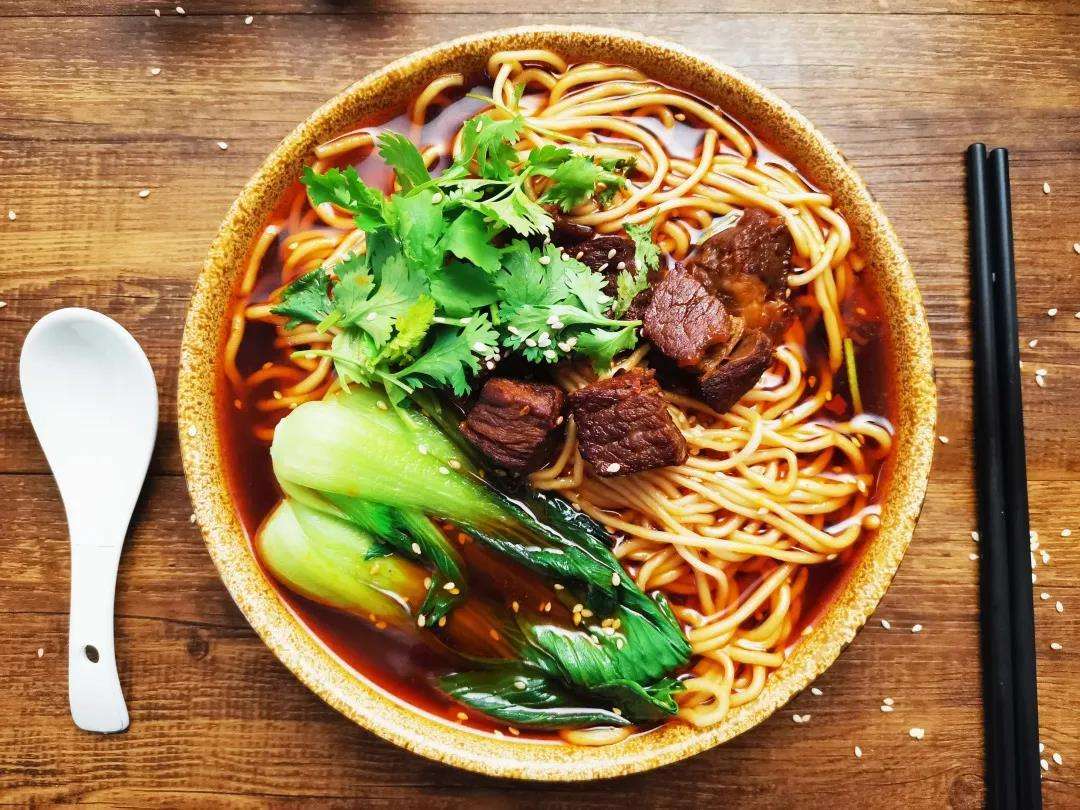
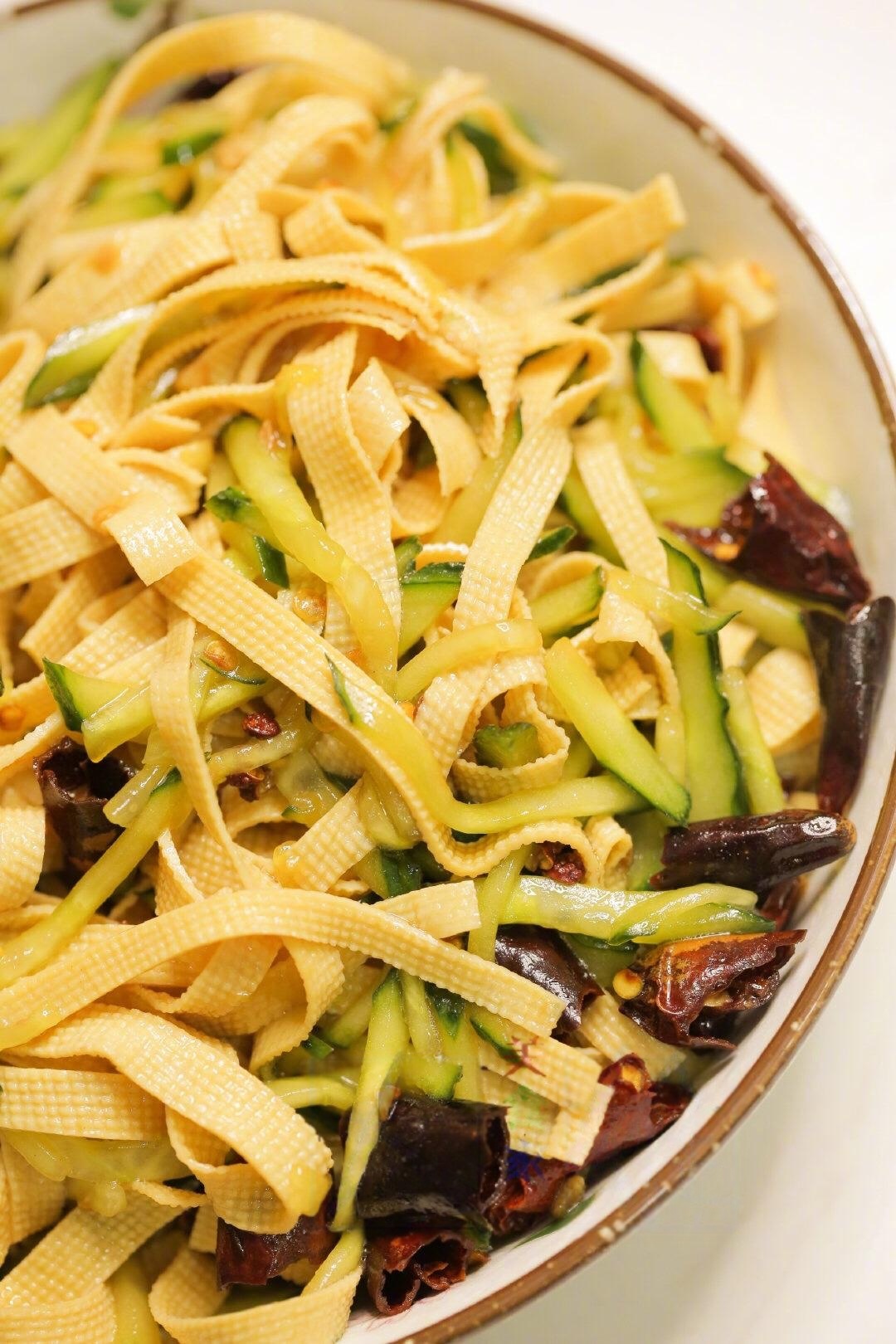
Home-style braised beef is at its best over a bowl of plain steamed rice, with the sauce spooned generously over the top so it soaks in. A simple stir-fried green vegetable on the side — garlic bok choy, water spinach, or blanched gai lan — balances the richness. For a heartier meal, serve it alongside a bowl of braised beef noodle soup for a beef-on-beef feast, or pair it with a spicy cold tofu skin salad to cut through the richness with something cool and tangy.
Storage & Reheat
Store leftovers in an airtight container in the refrigerator for up to 4 days. The flavors deepen overnight, and the sauce will thicken into a soft gel — this is normal and desirable. Reheat gently on the stovetop over medium-low heat with a splash of water to loosen the sauce, or in the microwave in 30-second bursts, stirring between each.
To freeze, cool completely, then transfer to a freezer-safe container and freeze for up to 3 months. Thaw overnight in the refrigerator before reheating. Note that the tofu skin will soften further after freezing; if you plan to freeze, consider adding fresh tofu skin when you reheat rather than freezing the original batch.
Reheat all leftovers to an internal temperature of 165°F (74°C). Do not leave the braise at room temperature for more than 2 hours.
Allergen Notice
This dish contains soy (soy sauce, doubanjiang, yellow bean sauce, oyster sauce), wheat (soy sauce and the bean sauces), and egg (quail eggs). Oyster sauce is not a shellfish allergen concern for most people, but check the label if you have a shellfish allergy, as some brands contain oyster extract. To make it soy-free, substitute coconut aminos for the soy sauces and use a soy-free bean paste.
Nutrition Disclaimer
Nutrition information is calculated using an ingredient database and should be considered an estimate. In cases where multiple ingredient alternatives are given, the first listed is calculated for nutrition. Garnishes and optional ingredients are not included.
About the Author & Recipe Development
Lin is the recipe developer and writer behind Woks of Love, where she shares the Chinese home cooking she grew up with and the dishes she has spent years perfecting. This home-style braised beef comes from the everyday repertoire of Sichuan and northern Chinese home cooks — a braise built from pantry sauces, a long simmer, and the kind of patient layering that makes simple ingredients taste like something much more.
The recipe was tested with boneless beef short ribs and dried tofu skin knots, and the timing was adjusted so the beef, tofu skin, and quail eggs all reach their best texture at the same moment. If you make it, the sauce should be glossy enough to coat a spoon but loose enough to soak into rice.
Authoritative References
For safe internal temperatures and storage guidance, see the USDA safe temperature chart. For food safety and handling standards, see the FDA Food Code. For general food safety guidance, see the WHO food safety fact sheet. For a deeper look at why blanching meat improves braises, see the food science coverage at Serious Eats.
Home-Style Braised Beef (家常炖牛肉): Tender Beef, Rich Savory Sauce

Equipment
- Wok
- Cutting Board
- Slotted Spoon
Ingredients
For the Beef
- 2 lb beef ribs boneless, cut into 2-inch chunks
- 2 tbsp Shaoxing wine or dry sherry
For the Aromatics and Sauces
- 2 tbsp cooking oil
- 1 tbsp Sichuan doubanjiang Pixian broad bean paste
- 1 tbsp yellow bean sauce huang dou jiang
- 3 scallions scallions cut into 2-inch segments
- 4 slices ginger
- 4 cloves garlic smashed
- 4 whole dried red chilis
- 2 whole star anise
For the Sauce
- 2 tbsp light soy sauce
- 1 tbsp dark soy sauce
- 1 tbsp oyster sauce
For the Add-Ins
- 6 oz tofu skin tied into knots
- 12 whole quail eggs boiled and peeled
- 1 tsp chicken bouillon or chicken stock powder
- 1 tsp sugar
- 1/2 tsp white pepper
For Serving
- 2 cups steamed rice
Instructions
- Cut the beef ribs into large chunks.

- Tie the tofu skin into knots.
- Peel the quail eggs.
- Put the beef in a pot of cold water, pour in the Shaoxing wine, and bring to a boil for 5 minutes. Rinse the beef with warm water.
- Heat oil in a separate wok. Add 1 tablespoon of Sichuan doubanjiang and 1 tablespoon of yellow bean sauce and stir-fry until fragrant.
- Add the beef and stir-fry.
- Add the scallions, ginger, garlic, dried chilis, and star anise and stir-fry until evenly combined.
- Add 2 tablespoons of light soy sauce, 1 tablespoon of dark soy sauce, and 1 tablespoon of oyster sauce.
- Add boiling water.
- Cover with a lid and braise for 1 hour.
- Fry the quail eggs in hot oil until golden.
- Add the tofu skin and quail eggs. Add the chicken bouillon, sugar, and white pepper. Stir to combine evenly.
- Cover with a lid. Braise for 20 minutes.
- Home-style braised beef is ready.















Leave a Reply