While black cardamom (Cao Guo) reigns supreme in many traditional Chinese braises, Green Cardamom holds a special, albeit different, place in the global pantry. Known as the “Queen of Spices” (with Black Pepper being the King), this aromatic pod is the third most expensive spice in the world, trailing only saffron and vanilla.
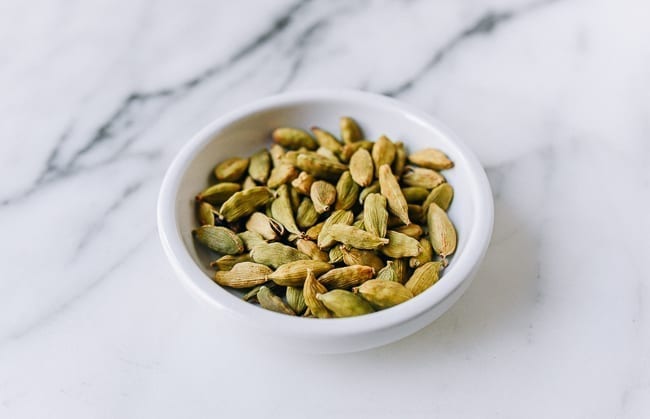
But don’t let the price tag scare you. Its flavor is so potent and complex that a single pod can transform a simple pot of rice or a heavy stew into a fragrant masterpiece. Whether you are exploring Indian curries or looking to add a unique twist to your fusion dishes, green cardamom is a must-have ingredient.
What Is Green Cardamom?
Green cardamom (Scientific name: Elettaria cardamomum) is a perennial plant in the Zingiberaceae family, making it a cousin to ginger and turmeric. Native to the lush, humid forests of southern India and Sri Lanka, it is now also widely cultivated in Guatemala.
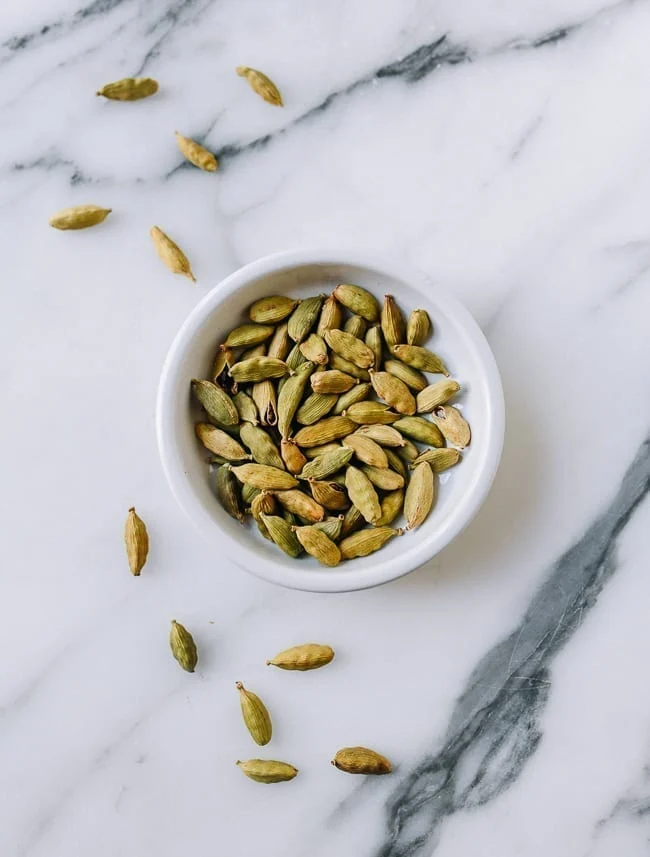
The spice consists of small, spindle-shaped seed pods with a papery, pale green outer shell. Inside, you will find tiny, sticky, dark brown seeds. These seeds are the powerhouse of flavor, containing the essential oils that give cardamom its signature aroma.
Green vs. Black Cardamom: What’s the Difference?
For those familiar with Chinese cooking, confusion often arises between Green Cardamom and the larger Black Cardamom (Cao Guo). It is crucial to distinguish between them as they are rarely interchangeable.
- Green Cardamom: Harvested before maturity. It has a bright, floral, eucalyptus-like aroma with hints of citrus and pine. It works beautifully in both sweet desserts and savory curries.
- Black Cardamom: Harvested at maturity and dried over fire. It has a strong, smoky, camphor-like flavor. It is the backbone of heavy, savory dishes like Braised Beef Noodle Soup and is rarely used in sweets.
Flavor Profile
Green cardamom offers a complex olfactory experience. It is intensely aromatic, characterized by a cooling sensation similar to mint or menthol, balanced by sweet, floral, and lemon-like notes. This unique “warm yet cooling” profile allows it to cut through rich, fatty meats while simultaneously brightening up heavy cream-based sauces.
Culinary Applications
1. The Heart of Curries and Stews
Green cardamom is a staple in Indian and Middle Eastern cuisine, often forming the base of Garam Masala. However, it’s also fantastic in Chinese-style fusion curries. If you are making a rich Curry Beef Brisket, adding a few bruised green cardamom pods will elevate the coconut milk sauce, adding a layer of sophistication that curry powder alone cannot achieve.
Similarly, for a quicker weeknight meal, you can toss a pod into the pot when making Beef Curry Rice. The spice infuses the beef with a floral note that makes the dish taste like it came from a high-end restaurant.
2. Elevating Meat Dishes
Cardamom pairs exceptionally well with lamb and beef. Its citrusy undertones help neutralize the gaminess of lamb. Try adding a pinch of ground cardamom to the spice rub for Roasted Lamb Chops. The result is a fragrant, exotic crust that is incredibly appetizing.
For slow-cooked beef dishes, like a Red Wine Braised Beef, green cardamom can act as a secret ingredient. Just one or two pods simmered in the sauce will add a mysterious depth that complements the fruity acidity of the wine.
3. Infusions and Oils
You can also use green cardamom to aromatize oils. While traditional Homemade Chinese Chili Oil relies heavily on star anise and cinnamon, introducing green cardamom creates a lighter, more fragrant oil perfect for cold appetizers or dipping sauces.
4. Sweets and Baking
Unlike other savory spices, green cardamom is a superstar in desserts. It is commonly used in Scandinavian baking (like cardamom buns) and Indian sweets. You can even add a pinch to your morning coffee or tea for a “Masala Chai” vibe.
Buying and Storing Guide
Whole vs. Ground
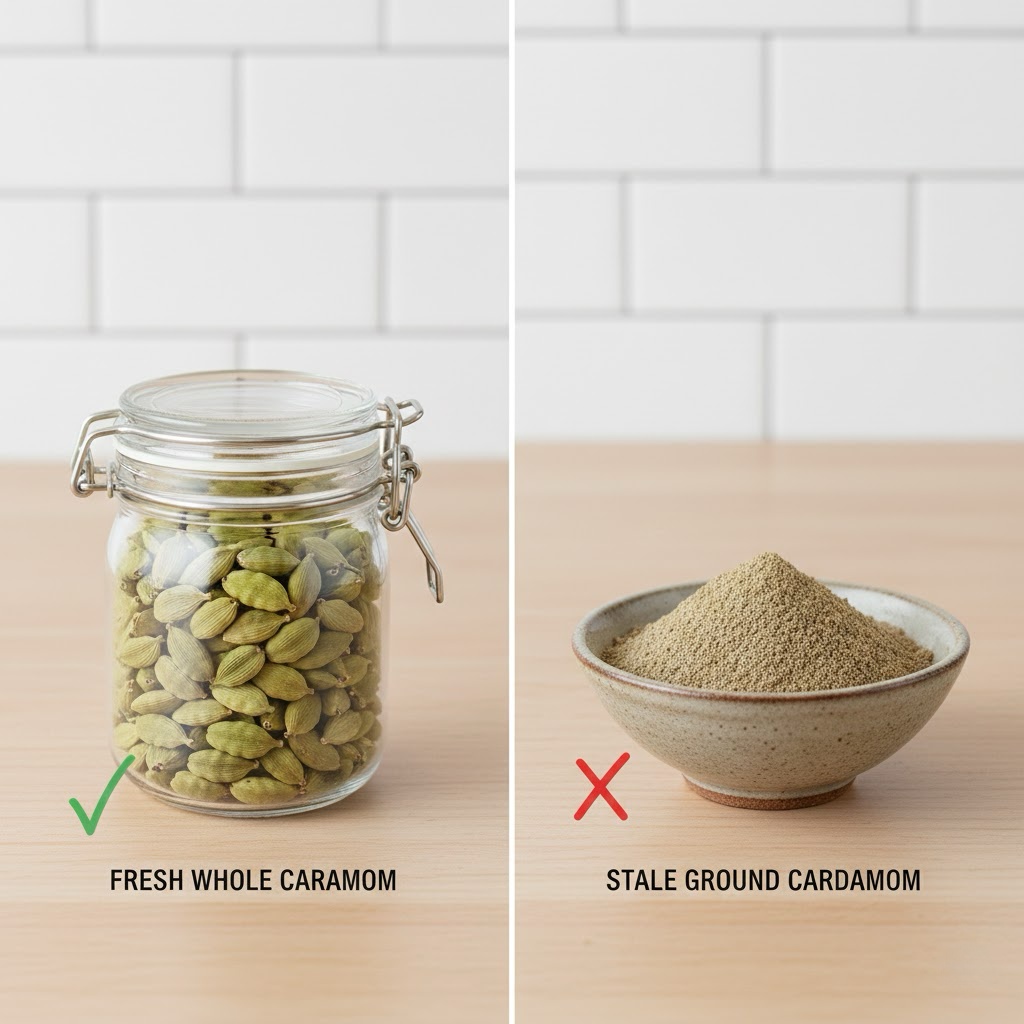
Always buy whole green cardamom pods if possible. Ground cardamom loses its potent volatile oils very quickly—often within weeks of grinding.
- Whole Pods: When stored in an airtight container in a cool, dark place, they can last for 2-3 years.
- Ground Powder: Best used within 6 months.
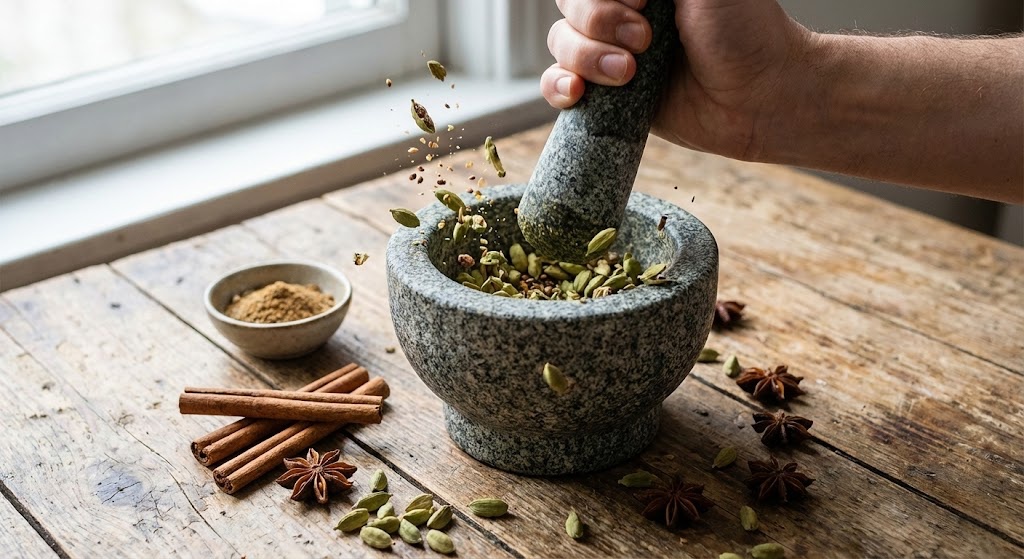
Tip: When a recipe calls for seeds, simply crack the pods open with the flat side of a knife or a mortar and pestle to release the black seeds, then grind them fresh.
Substitutions
If you find yourself without green cardamom, it is hard to replicate its unique flavor perfectly, but you can try:
- Cinnamon and Nutmeg: Mix equal parts. This mimics the warmth and sweetness but lacks the citrus/floral notes.
- White Cardamom: This is simply bleached green cardamom. It has a milder flavor and can be used as a direct substitute, though you may need to use slightly more.
Note: Do not substitute with Black Cardamom for sweet dishes, as the smoky flavor will be overpowering and unpleasant.
Authoritative References
For further reading on the botanical and health properties of cardamom, please refer to these trusted sources:
- Taxonomy and Botany: Kew Royal Botanic Gardens – Elettaria cardamomum
- Health Benefits and Compounds: National Institutes of Health (NIH) – Cardamom potential health benefits
- General Spice Information: Encyclopedia Britannica – Cardamom
Green cardamom is a small pod with a massive impact. Whether you are simmering a comforting bowl of Beef Vegetable Rice Bowl or baking a holiday treat, this spice adds a layer of elegance that is hard to beat. Next time you are at the spice market, grab a bag of these green gems—your palate will thank you.












Leave a Reply