In the vast pantry of Chinese ingredients, few items bridge the gap between savory main courses and delicate desserts as effortlessly as Sesame Seeds (芝麻, zhī ma). While they often appear as a simple garnish in Western cuisine, in Chinese cooking, they are a fundamental building block of flavor. From the rich, nutty aroma of toasted seeds sprinkled over cold dishes to the dense, obsidian filling of sweet rice balls, sesame seeds provide texture, aroma, and a distinct richness that defines many of our favorite comfort foods.
What Are Sesame Seeds (Zhima)?
Botany and Origins
Sesame (Sesamum indicum) is a flowering plant that produces pods containing tiny, oil-rich seeds. While native to Africa and India, sesame traveled the ancient Silk Road to reach China thousands of years ago. In ancient texts, it was referred to as Hu Ma (foreign hemp), indicating its imported origins before becoming a staple of Chinese agriculture.
Appearance and Varieties
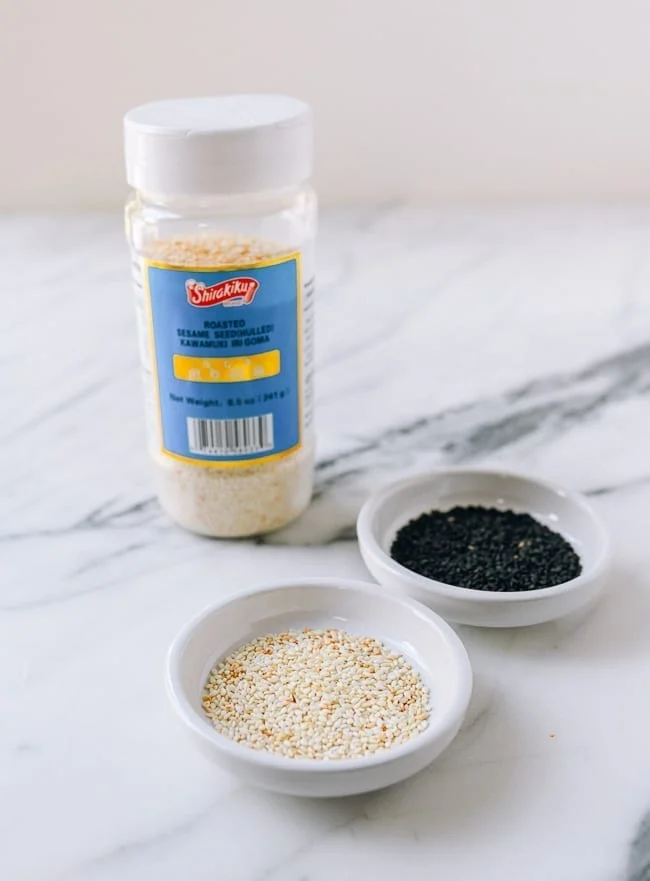
The seeds are flat, pear-shaped, and incredibly small. In the Chinese kitchen, we primarily use two distinct varieties:
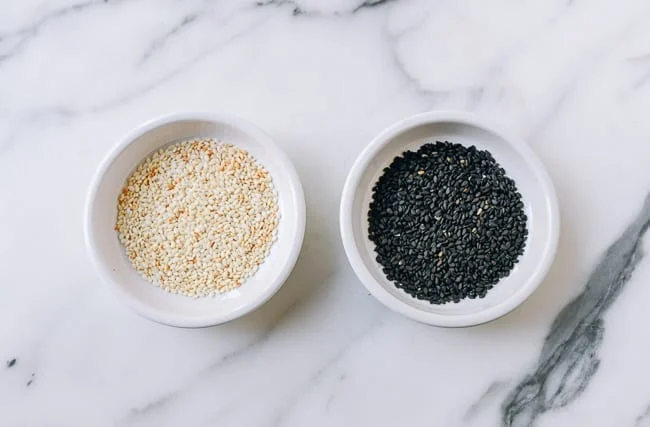
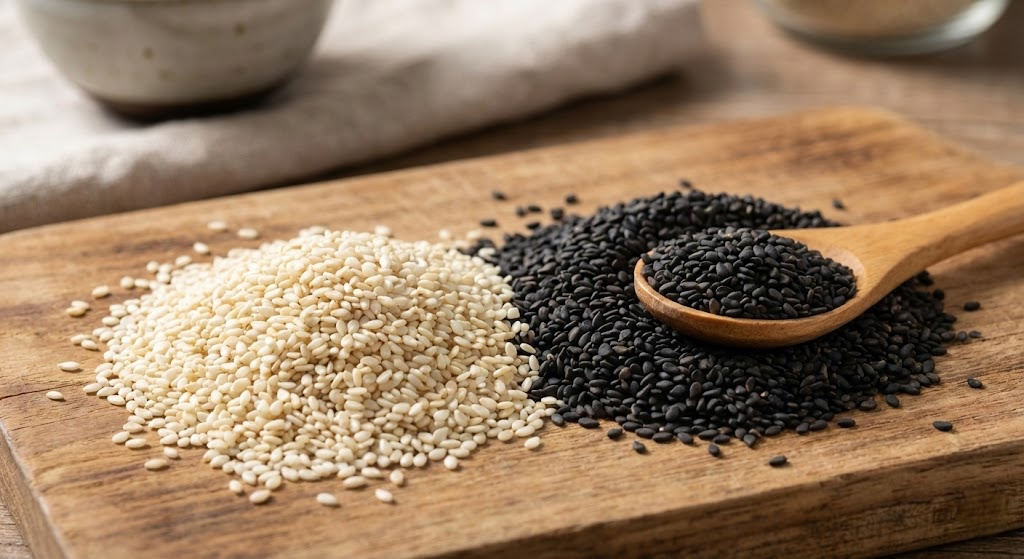
- White Sesame Seeds (白芝麻, Bái Zhīma): These are usually hulled (outer shell removed), revealing a creamy, off-white interior. They are prized for their high oil content and nutty sweetness.
- Black Sesame Seeds (黑芝麻, Hēi Zhīma): These seeds retain their hulls. They are jet black, slightly crunchier, and possess a more robust, earthier flavor profile.
Fun Fact: In Traditional Chinese Medicine (TCM), black sesame seeds are believed to nourish the kidneys and keep hair dark and lustrous, which is why you see them featured so heavily in health-focused soups and desserts.
Flavor Profile
The magic of the sesame seed lies in its transformation when heated.
- Raw: Raw seeds are somewhat bland and waxy.
- Toasted: Once heat is applied, they release a powerful, aromatic nuttiness. White seeds tend to be sweeter, creamier, and milder, making them perfect for garnishes and pastes. Black seeds offer a deeper, earthier complexity with a hint of bitterness from the hull, which cuts through sugar in desserts remarkably well.
Compared to Western Tahini (which is often made from raw or lightly toasted seeds), Chinese sesame applications almost always demand a deep, golden toast to unlock the savory oils.
Cooking Applications
Sesame seeds are incredibly versatile in Chinese cuisine, used in specific ways depending on the region and the dish.
1. The Art of Toasting
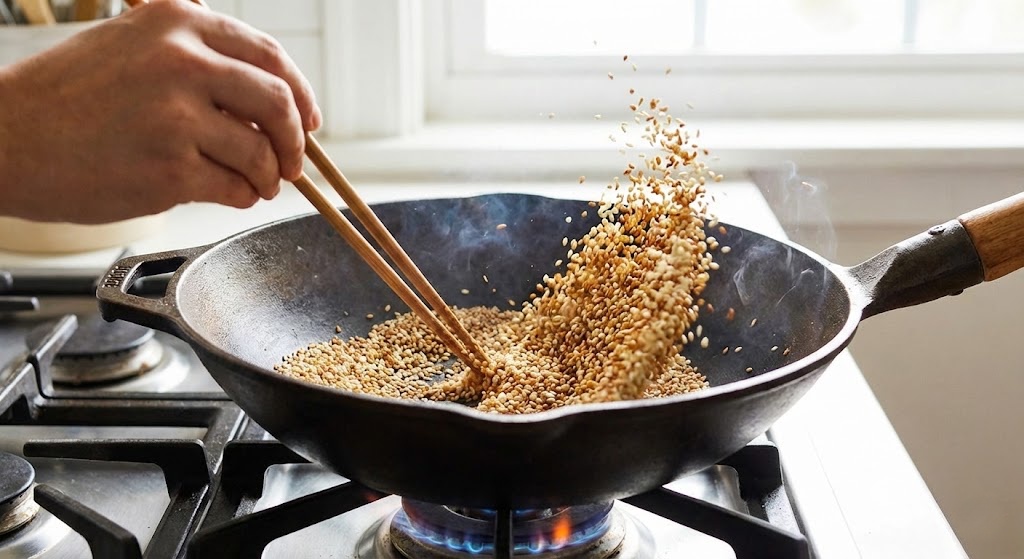
Before using sesame seeds in any recipe—whether as a garnish or an ingredient—you must toast them.
- Method: Place seeds in a dry pan over medium-low heat. Stir constantly.
- Visual Cue: White seeds will turn golden; black seeds are harder to judge visually, so rely on your nose—when they smell intensely nutty and start to pop slightly, they are ready.
2. Savory Dishes & Garnishes
Toasted white sesame seeds are the finishing touch that adds crunch and visual contrast. They are essential in cold appetizers. For example, a generous sprinkle of seeds is crucial for the texture of Sesame Noodles. The seeds cling to the sauce-coated noodles, providing a pop of texture in every bite.
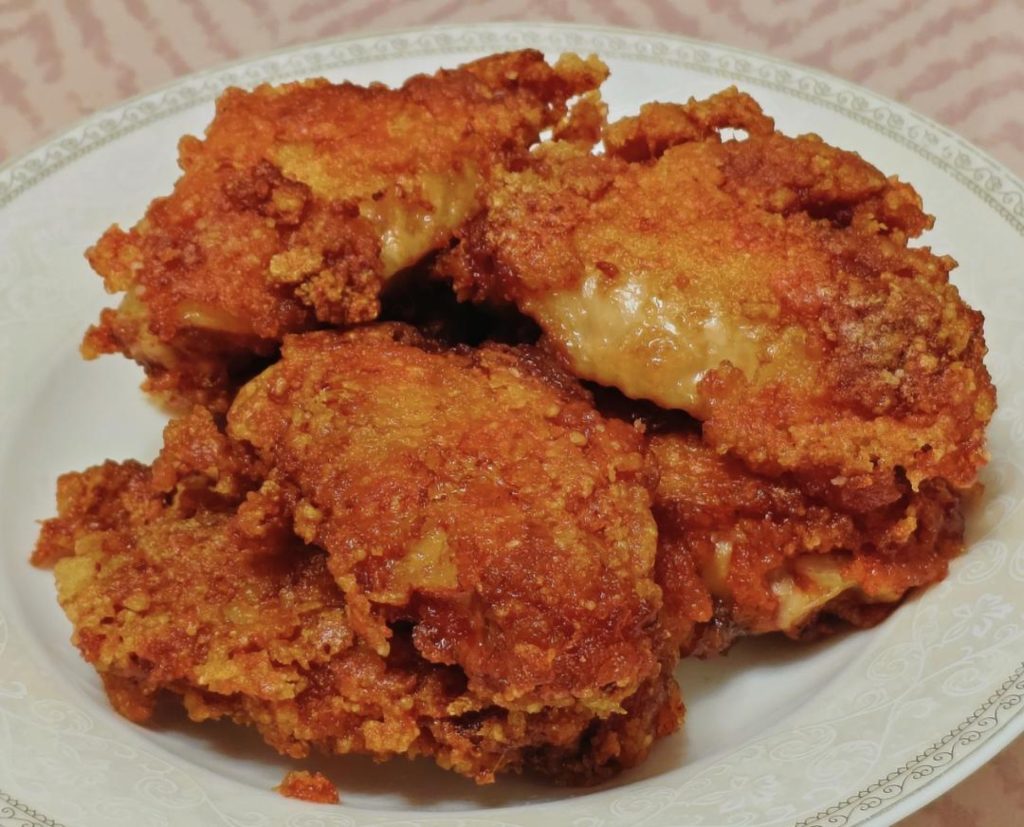
They also form a crust for fried foods. In dishes like Sesame Chicken Bites, the seeds create a crispy, aromatic exterior that protects the meat while frying.
3. Pastes and Sauces
While whole seeds are great, ground sesame is where the flavor becomes concentrated.
- Chinese Sesame Paste (Zhima Jiang): Unlike Middle Eastern tahini, Chinese sesame paste is made from heavily roasted white seeds (sometimes mixed with peanuts). It is thick, dark brown, and intensely savory. It serves as the backbone for hot pot dipping sauces and the dressing for Bang Bang Chicken.
- Sesame Oil: Made from pressed, toasted seeds. It is almost exclusively used as a finishing oil, not a cooking oil, due to its low smoke point and strong flavor.
4. Sweets and Baking
Black sesame seeds shine in the dessert world. Ground into a powder and mixed with lard and sugar, they become the molten filling for Tang Yuan (sticky rice balls). For baked goods, seeds are often incorporated into the dough or coated on the outside. A classic example is Kai Kou Xiao (Smiling Sesame Cookie Balls), where the heavy coating of seeds toasts in the hot oil as the cookie fries, creating a double-crunch effect.
Flavor Pairings: What Goes Well with Sesame?
For those new to using sesame seeds beyond a burger bun topping, here are the classic Chinese flavor combinations:
- Scallions (Green Onions): This is the holy grail of pairings. The fresh, sharp onion flavor cuts through the rich oiliness of the sesame. You will find this duo in Flaky Scallion Pancakes and almost every savory bread in Northern China.
- Chili Oil: Sesame paste or seeds mixed with spicy chili oil creates a creamy, spicy, savory profile famous in Sichuan cuisine.
- Cucumber: The cool, watery crunch of cucumber needs the rich earthiness of sesame to make it a complete dish, as seen in a classic Smashed Cucumber Salad.
- Garlic & Vinegar: For cold tossed dishes (Liangban), a dressing of black vinegar, minced garlic, soy sauce, and toasted sesame oil/seeds is the universal standard.
Buying and Storing Guide
Where to Buy
You can find small jars of sesame seeds in the spice aisle of any grocery store, but for the best value and quality, visit an Asian grocery store. Look for:
- Packaging: Clear bags so you can check for moisture or pests.
- Bulk: You can buy 8oz or 16oz bags for the same price as a tiny jar in a Western supermarket.
- Product: Look for brands like Wang Zhi He for pastes, or simply unbranded bulk bags for seeds.
Storage: The Rancidity Trap
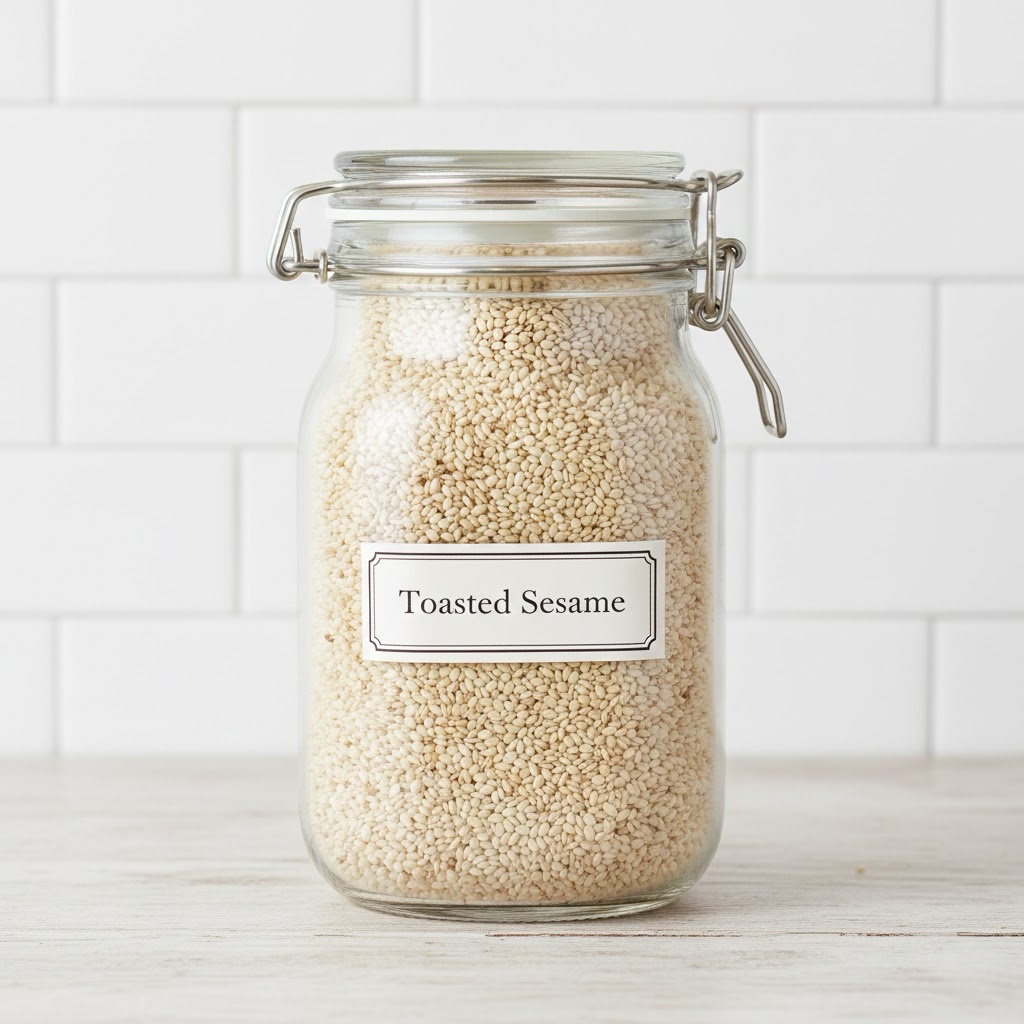
Sesame seeds are approximately 50% oil. This means they can go rancid (oxidize) quickly if left in a warm cupboard.
- Pantry: Good for 1-2 months if the container is airtight and the room is cool.
- Refrigerator: Recommended. They will last 6 months without losing flavor.
- Freezer: The best option for bulk purchases. They will last up to a year. Tip: You can toast them straight from frozen.
How to tell if they are bad: Smell them. Fresh sesame smells nutty or neutral. Rancid sesame smells like old paint, play-dough, or sour cardboard.
Authoritative References
When using sesame seeds, it is helpful to understand their nutritional profile and safety standards. Sesame is considered a major food allergen in many countries.
- Nutritional Data: According to the U.S. Department of Agriculture (USDA), sesame seeds are an excellent source of copper, manganese, calcium, and magnesium. View USDA FoodData Central for Sesame Seeds
- Allergen Information: The FDA has designated sesame as the 9th major food allergen effective January 1, 2023. It is vital to label dishes containing sesame clearly. Read FDA Sesame Allergen Guidance
Essential Recipes Using Sesame Seeds
Ready to start cooking? Here are 6 recipes from our kitchen that highlight the versatility of Zhima:
- Sesame Noodles (Ma Jiang Liang Mian) – A 10-minute lunch where sesame paste and seeds create a rich, creamy sauce.
- Crispy Sesame Chicken Bites – Better than takeout, these bite-sized pieces are coated in seeds for extra crunch.
- Kai Kou Xiao (Smiling Sesame Cookie Balls) – A traditional fried dessert that is essentially a ball of dough rolled in sesame seeds.
- Flaky Scallion Pancakes – Sesame seeds are often pressed into the dough before frying for a nutty crust.
- Bang Bang Chicken – Tender shredded chicken smothered in a spicy, savory sesame sauce.
- Smashed Cucumber Salad – A refreshing side dish where toasted seeds add a necessary contrast to the crisp cucumber.
About Woks of Love
We are passionate about demystifying Chinese ingredients and helping you bring authentic flavors into your home kitchen. Whether it’s understanding the difference between soy sauces or perfecting the toast on your sesame seeds, we’re here to guide your culinary journey.



Leave a Reply