In the vast landscape of Chinese condiments, few packets pack as much specific cultural history and flavor punch as Salt Baked Chicken Powder (盐焗鸡粉). While its name suggests a complicated baking process involving hot coarse salt, this unassuming little packet is actually the modern home cook’s shortcut to achieving one of the most beloved dishes in Hakka cuisine. It transforms a plain bird into a golden, aromatic masterpiece with minimal effort.

What Is Salt Baked Chicken Powder?
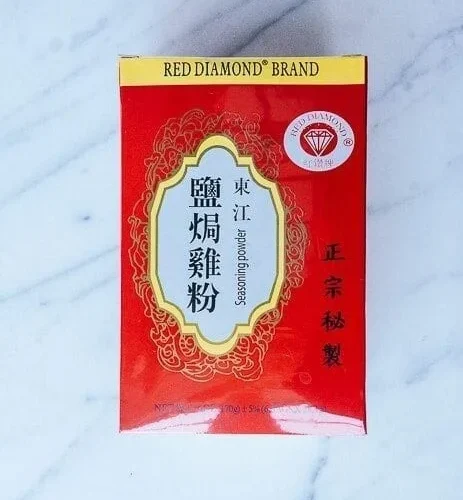
Salt Baked Chicken Powder, known in Mandarin as Yán jú jī fěn (pinyin provided for clarity) and in Cantonese as Yim gook gai fen, is a compound seasoning mix designed to replicate the flavor profile of traditional Salt Baked Chicken.
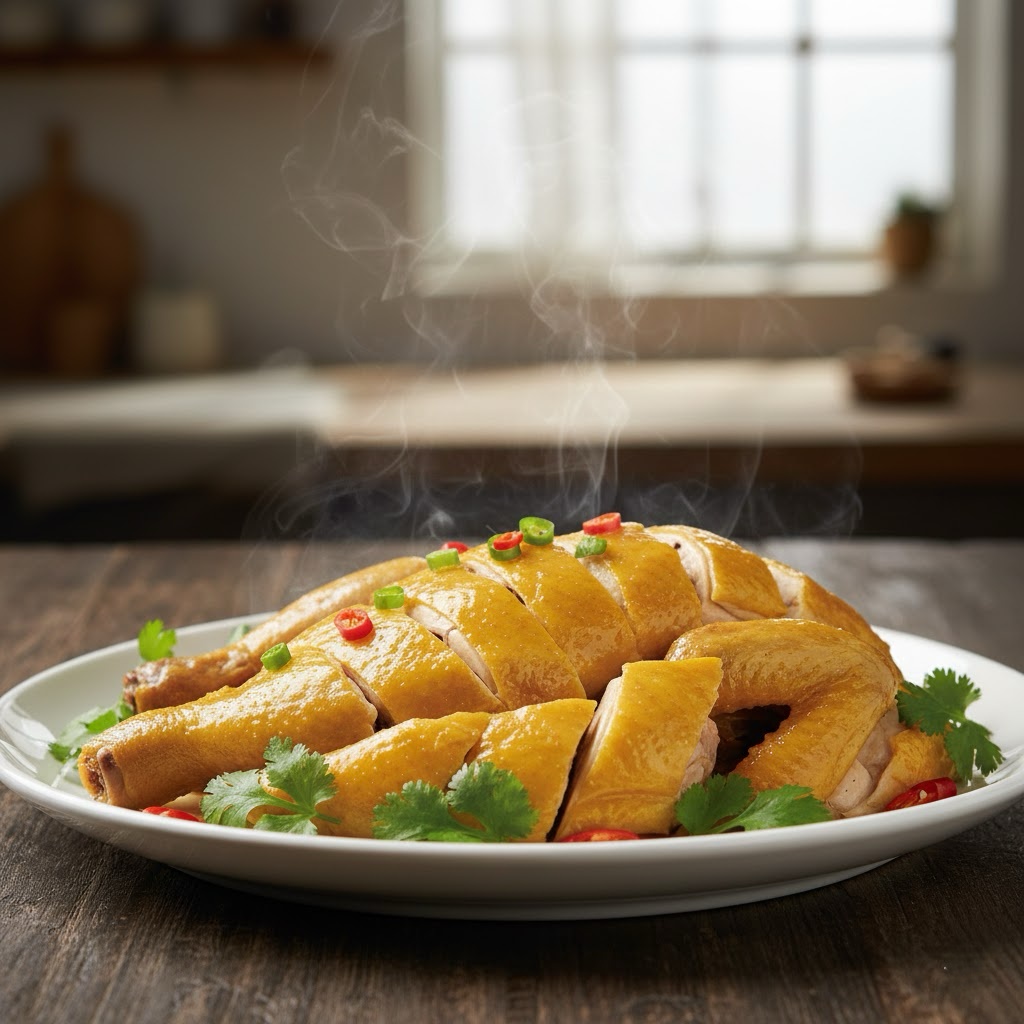
Historically, the traditional Hakka method involved wrapping a whole marinated chicken in paper and burying it in a wok filled with scorching hot coarse salt. This technique trapped heat and moisture, resulting in incredibly tender meat. However, because this method is labor-intensive and requires pounds of salt, modern food science created this powder to mimic the flavor without the heavy lifting.
Key Ingredients & Botanical Source
The soul of this powder isn’t just salt; it is Sand Ginger (Kaempferia galanga), also known as aromatic ginger or Sha Jiang (沙姜). unlike common ginger (Zingiber officinale), sand ginger has a unique peppery, camphor-like aroma that defines the “authentic” salt-baked taste. Most commercial powders also contain:
- Salt & MSG: For the deep savory base.
- Star Anise & White Pepper: For warming spice notes.
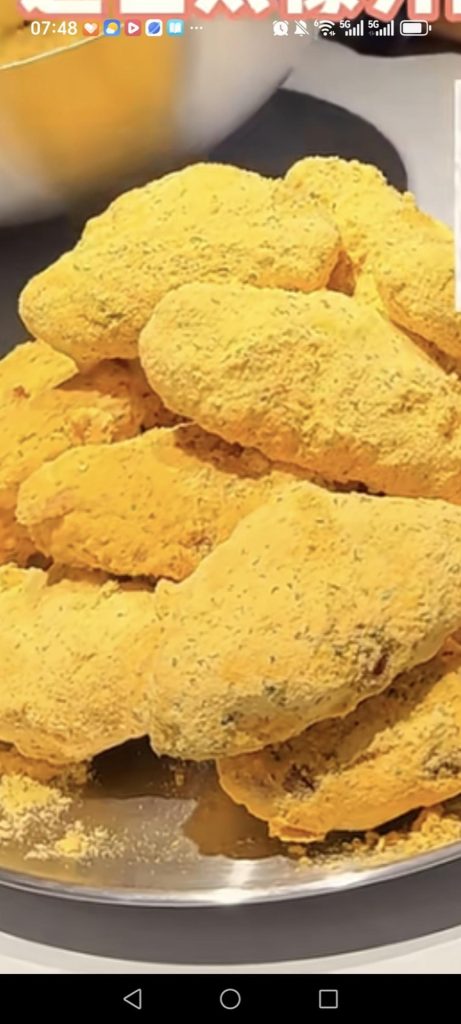
- Turmeric: Often added to give the chicken that signature appetizing golden-yellow skin.
Note on EEAT: The inclusion of Sand Ginger is what separates this specific powder from generic seasoning salts. According to botanical data from Kew Gardens, Kaempferia galanga is distinct from ginger and galangal, offering a specific medicinal and culinary profile essential to this dish.
Flavor Profile: More Than Just Salty
If you taste the raw powder, it is intensely salty—it is a curing agent, after all. However, once cooked into the meat, the flavor profile blooms.
- Aroma: The dominant scent is earthy and slightly medicinal (in a pleasant, herbal way) due to the sand ginger. It lacks the sharp heat of chili but possesses a warming, lingering fragrance.
- Taste: It delivers a powerful umami kick. It highlights the natural sweetness of the chicken while providing a savory depth that penetrates the bone.
- Comparison: Unlike the numbing spice of Sichuan seasonings used in dishes like Mapo Tofu, Salt Baked Chicken powder is subtle, savory, and aromatic, focusing on enhancing the ingredient’s natural taste rather than masking it.
Cooking Applications: How to Use It
While the name says “Baked,” this powder is incredibly versatile. It is primarily used as a dry rub or marinade.
1. The Classic: Steam or Bake
The most common usage is for “Salt Baked” Chicken that is actually steamed or air-fried. You simply rub the powder over a clean, dry chicken, let it marinate, and cook.
- Marination is Key: For the best results, mix the powder with a little vegetable oil to create a paste. Rub it inside and outside the bird. Let it sit for at least 30 minutes, or overnight for deeper flavor penetration.
- If you enjoy the ease of one-pot poultry dishes, this powder is a perfect alternative seasoning for our popular Rice Cooker Whole Chicken, giving it a yellow hue and Hakka flavor profile.
2. Beyond Chicken: Seafood and Pork
This powder is a “umami bomb” that works wonders on other proteins.
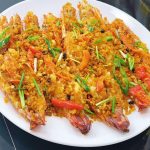
- Seafood: Sprinkle a little powder over squid or shrimp before stir-frying. It creates a flavor similar to Salt and Pepper Squid, but with that distinct sand-ginger twist.
- Pork: It is excellent on pork belly. You can use it as the primary seasoning for Air Fryer Crispy Pork Belly to give the crackling skin a savory, golden finish.
3. As a Dipping Salt
In Cantonese dining, a small saucer of sand ginger powder mixed with hot oil is often served alongside Scallion Oil Chicken to dip the meat in.

Pairing with Other Seasonings
Because Salt Baked Chicken Powder is already high in salt and MSG, you must be careful not to over-salt your dish when combining it with other ingredients.
- Avoid: Do not add extra table salt or heavy amounts of light soy sauce.
- Best Friends:
- Sesame Oil: Brush this on after cooking for a glossy finish.
- Cooking Wine: A splash of Shaoxing Wine during the marinating process helps remove any raw poultry smell.
- Scallions and Ginger: Stuff the cavity of the chicken with fresh green onions and ginger slices to steam from the inside out.
For a complete meal, serve your salt-baked chicken with a refreshing vegetable side to cut through the savoriness, such as a crisp Smashed Cucumber Salad.
Buying and Storage Guide
- Where to Buy: You can find this in almost any Asian grocery store, usually in the spice aisle near the curry powders and white pepper. Popular brands include “East Boat” (Dong Jiang) or “Hai Tian.”
- Selection: Look for packets that explicitly list “Sand Ginger” or “Kaempferia Galanga” in the ingredients. This ensures the authentic flavor.
- Storage: The powder usually comes in small, single-use sachets (20g-30g). If you don’t use the whole packet, fold it tightly and store it in an airtight container in a cool, dark place. Humidity is the enemy—it will cause the powder to clump and lose potency.
Homemade Alternative
If you cannot find the pre-made packet or prefer to avoid MSG, you can make a scratch version. As mentioned in our other guides, Judy often prefers controlling her own spice blends. A simple homemade ratio involves:
- Sand Ginger Powder (2 parts)
- Salt (1 part)
- White Pepper (0.5 part)
- Turmeric Powder (0.5 part) – strictly for color.
This mix is perfect if you are making delicate dishes like Crystal Shrimp Dumplings where you want to control the salt levels precisely.
Authoritative References
For further reading on the ingredients and cultural history mentioned in this article, please refer to these sources:
- Kaempferia Galanga (Sand Ginger): For botanical identification and distinction from common ginger, see the Plants of the World Online database.
- Umami and MSG: For scientific context on why ingredients like this powder are so savory, refer to the Umami Information Center.
Conclusion
Chinese Salt Baked Chicken Powder is a testament to culinary ingenuity—capturing the essence of an ancient, difficult cooking method in a simple, accessible packet. Whether you are rubbing it on a whole bird or experimenting with seafood, it offers a distinct, aromatic window into Hakka flavors.
Next time you are at the market, grab a packet and try it. Serve your golden chicken with a bowl of steaming rice and perhaps some Stir-fried Lettuce with Garlic for a balanced, restaurant-quality meal at home.


Leave a Reply