If you have ever pulled a tray of roasted broccoli from the oven only to watch it go limp and olive-drab within minutes, this garlic oyster sauce broccoli is the fix. It is the Cantonese home-kitchen answer to that problem: a quick blanch, a cold-water shock, and a glossy garlicky oyster sauce glaze that clings to every floret. The broccoli stays snappy and emerald green, the sauce tastes deep and savory, and the whole thing comes together in about the time it takes to cook a pot of rice.
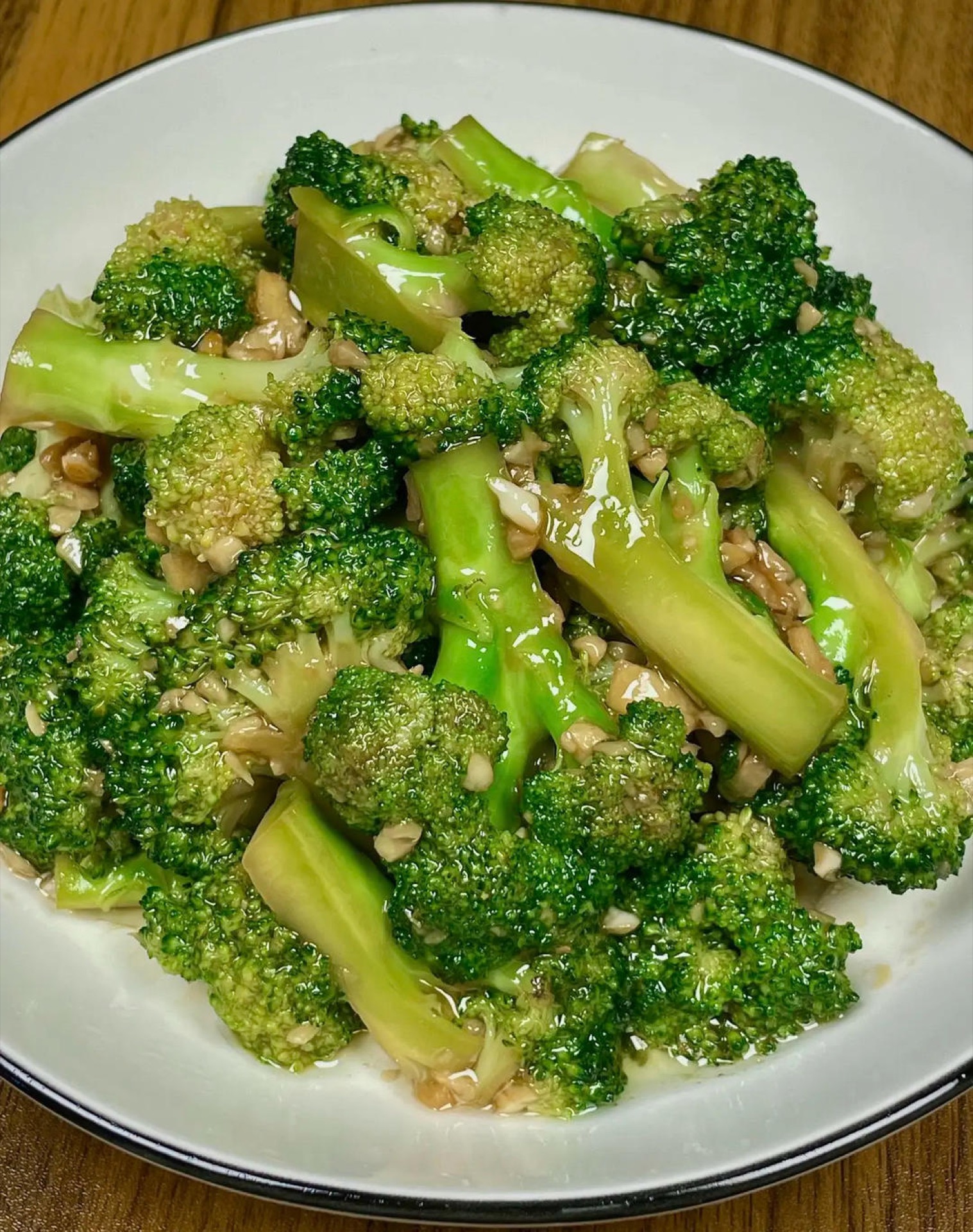
What makes this version different from a plain stir-fry is the two-stage cooking method. Instead of throwing raw broccoli straight into the wok and hoping it cooks evenly, we blanch it first to set the color and soften the stems, then finish it in the sauce for just a few seconds. That small pause is the difference between broccoli that is cooked through and broccoli that is either raw in the middle or mush on the outside. It is the same logic behind a good shrimp and broccoli stir fry, where timing keeps both elements tender instead of tired.
The sauce itself is built on oyster sauce and light soy, two pantry staples that do most of the heavy lifting in southern Chinese cooking. A pinch of sugar rounds off the saltiness, a little cornstarch gives the glaze its shine, and a generous amount of garlic perfumes the oil before anything else hits the wok. If you have made our garlic oyster sauce broccoli before, you already know the appeal: it is a vegetable dish that eats like a treat, and it works just as well as a weeknight main over rice as it does beside a bigger spread.
What Is Garlic Oyster Sauce Broccoli?
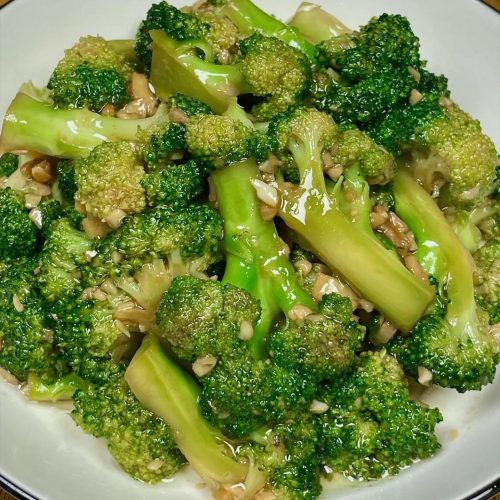
Garlic oyster sauce broccoli is a Cantonese-style vegetable dish in which broccoli is blanched until tender-crisp, then tossed in a wok with minced garlic and a savory sauce made from oyster sauce, light soy sauce, a touch of sugar, water, and cornstarch. The name in Chinese, 蒜蓉蚝油炒西兰花, translates literally as “garlic minced oyster sauce stir-fried broccoli,” and it belongs to the same family of quick vegetable stir-fries that show up on every Cantonese dinner table.
Unlike a Western broccoli casserole, there is no cream, no cheese, and no long bake. The cooking is fast and high-heat, and the sauce is deliberately thin enough to coat the florets without drowning them. The dish is usually served as a side to rice and a protein, but many families eat a full plate of it on its own with a bowl of steamed rice, especially when they want something light and clean-tasting.
One thing worth knowing: oyster sauce is not just “salty brown sauce.” A good brand is thick, slightly sweet, and deeply savory, and it is what gives the dish its glossy, almost caramel-like finish. Because the sauce is so concentrated, a single tablespoon is enough to season an entire head of broccoli. If you keep a bottle in the fridge, this dish becomes a ten-minute default whenever you need a green vegetable on the table.
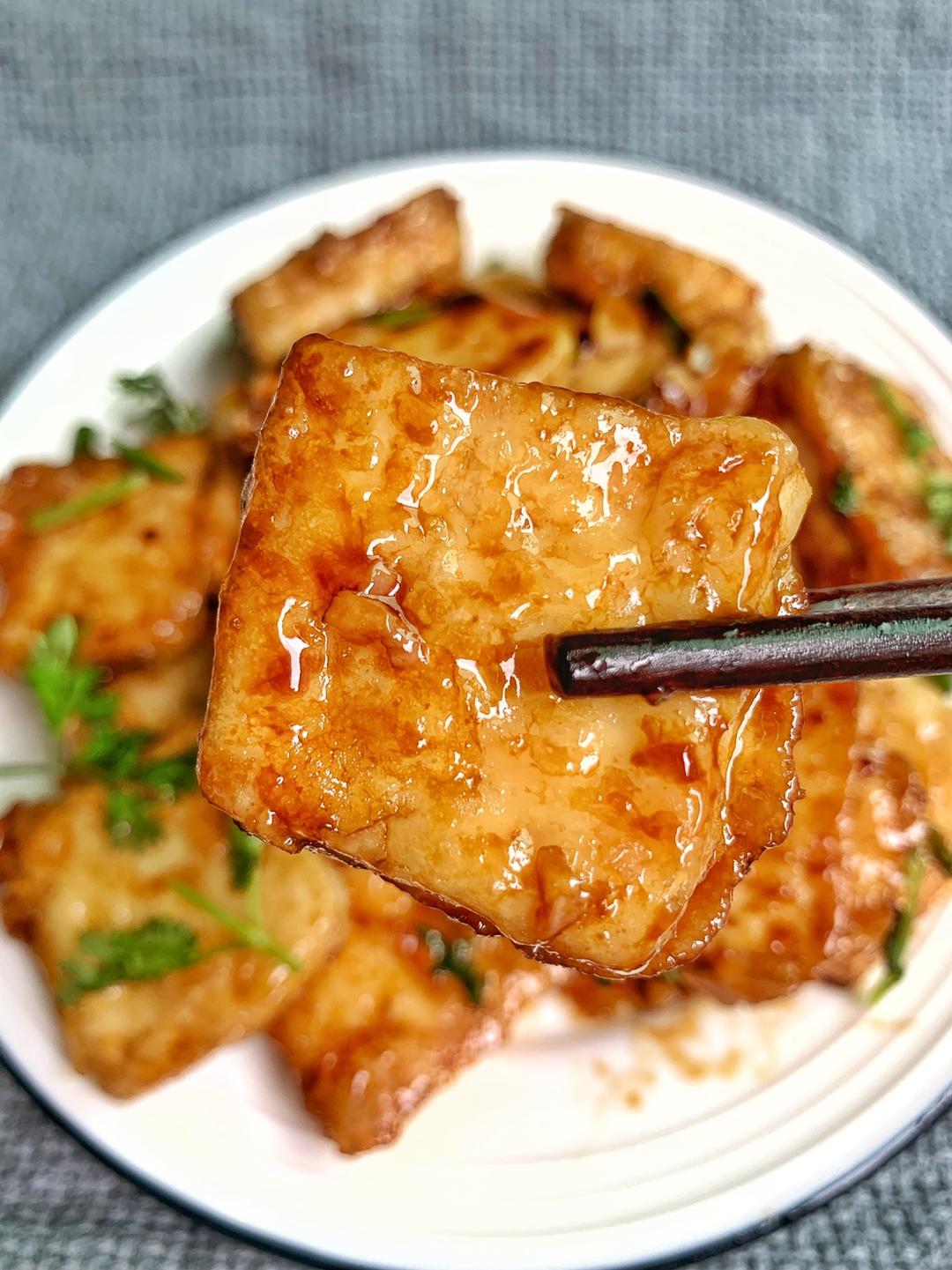
If you like this style of garlicky, sauce-glazed vegetable cooking, our pan fried tofu with garlic sauce uses the same flavor logic on crispy tofu — savory, garlic-forward, and ready in minutes.
1Easy Pan-Fried Tofu with Garlic Sauce (香煎豆腐)This 15-minute recipe creates unbelievably crispy pan-fried tofu cubes tossed in a rich, savory, and glossy garlic soy sauce. It’s a homestyle Chinese dish that’s fast, easy, and better than takeout.Check out this recipe
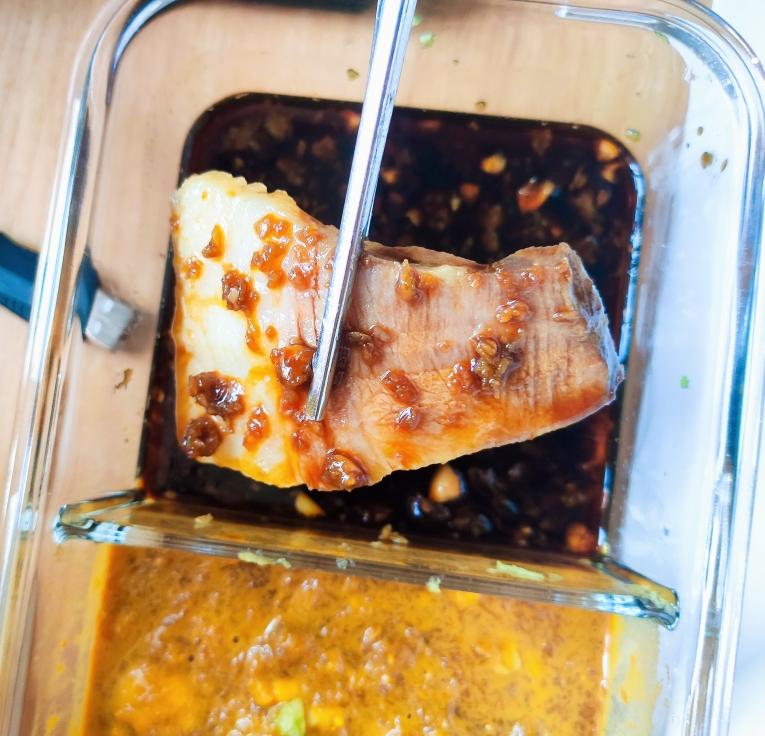
The same garlic sauce treatment also shines on richer cuts, as in our poached pork belly with garlic sauce, where cool tender pork meets a punchy garlic dip.
2Easy Poached Pork Belly with Garlic Sauce (蒜泥白肉)Discover the easiest, most comforting version of the Sichuan classic, Suan Ni Bai Rou. Tender, poached pork belly is served with a fiery, savory garlic-chili dipping sauce.Check out this recipe
And if you would rather make the sauce from scratch, our chili garlic sauce is a great homemade condiment to keep on hand for this and dozens of other stir-fries.
3Homemade Chili Garlic Sauce (蒜蓉辣酱)Learn how to make authentic Homemade Chili Garlic Sauce (蒜蓉辣酱) with this easy family recipe! A versatile, aromatic, and savory condiment for any dish.Check out this recipe

Why This Recipe Works
The first reason is the blanch-then-stir-fry method. Broccoli florets and stems cook at different rates, and the stems are usually the last to soften. By blanching everything briefly in salted, lightly oiled water, we give the dense stems a head start while the florets stay intact. The oil in the water helps the broccoli hold its color, and the salt seasons it from the inside out.
The second reason is the cold-water shock. When you pull the broccoli from boiling water and plunge it into ice water, you stop the cooking process almost instantly. This is not a gimmick — it is the same principle used for green beans and asparagus. The heat that would otherwise keep softening the cell walls is removed, so the broccoli keeps its snap and its bright chlorophyll-green color instead of turning dull and floppy.
The third reason is the sauce ratio. One tablespoon of oyster sauce, one of light soy, a pinch of sugar, three tablespoons of water, and half a teaspoon of cornstarch gives you a glaze that is savory but not overwhelming, and thick enough to cling without turning gluey. Cornstarch needs to be fully dissolved in cold water before it hits the hot wok, otherwise you get lumps instead of a smooth glaze.
There is real food science behind the cold-water shock: rapid cooling halts enzyme activity that would otherwise break down chlorophyll and pectin, which is why blanched-and-shocked green vegetables stay vivid and firm. The same principle is described in food-science references on blanching and shocking vegetables, and it is the single most useful technique in this recipe.
Finally, the garlic is bloomed on low heat rather than high. Garlic burns fast, and burnt garlic tastes acrid and bitter, which ruins the whole dish. Cooking it gently in oil extracts its aroma without scorching it, and then the broccoli goes in over high heat so it warms through without losing texture.
Equipment Needed
You do not need much for this dish, but a few tools make it easier. A wok is ideal because its high, sloped sides let you toss the broccoli without flinging it across the stove, but a large skillet works fine too. Just make sure whatever pan you use is wide enough to hold the broccoli in a single layer — crowding it steams the vegetable instead of stir-frying it.
You will also want a large pot for blanching, a colander or slotted spoon for scooping the broccoli out, a bowl of ice water ready before you start, a cutting board and a sharp knife for the stems, and a small bowl for mixing the sauce. A garlic press is optional; mincing by hand gives you more control over the texture, and slightly uneven pieces of garlic are actually welcome here because they distribute flavor unevenly in a good way.
One more useful item: a clean kitchen towel or a salad spinner. Drying the broccoli well after blanching matters more than people expect, because excess water in the wok will steam the vegetable and thin out the sauce. If the broccoli goes in wet, the glaze will slide right off.
Ingredients
Here is what you need for four servings as a side dish. The list is short, and most of it is probably in your pantry already if you cook Chinese food at home.
- Broccoli — 1 head, about 1.5 lb / 680 g. Look for tight, dark-green florets and firm stems. If the stems are woody and hollow, the broccoli is old.
- Garlic — 4 cloves, minced. More is fine; this dish is called garlic broccoli for a reason.
- Oyster sauce — 1 tbsp. Use a good brand; the cheap ones are mostly sugar and starch.
- Light soy sauce — 1 tbsp. Light soy is thinner and saltier than dark soy; do not substitute dark soy here or the sauce will turn muddy.
- Sugar — a pinch, about 1/4 tsp, to balance the salt.
- Water — 3 tbsp cold, for the sauce.
- Cornstarch — 1/2 tsp, for the glossy finish.
- Vegetable oil — 2 tbsp for stir-frying, plus a little for the blanching water.
- Salt — 1 tsp for the blanching water.
That is it. No Shaoxing wine, no sesame oil, no chili. The dish is meant to be clean and savory, and adding too many liquids will dilute the glaze. If you are out of light soy, a Shaoxing wine substitute guide is useful for other Chinese recipes, but for this one just use tamari or a low-sodium soy sauce and adjust the salt.
Ingredient Notes
Broccoli. Fresh broccoli is best, but if you are using a bag of pre-cut florets, skip the soaking step and blanch for a slightly shorter time, since the pieces are already small. Frozen broccoli can work in a pinch, but it will never be crisp — it has already been blanched and frozen, so it releases water and turns soft. If you must use frozen, do not thaw it; blanch it straight from frozen for about 1 minute.
Oyster sauce. This is the backbone of the dish. A good oyster sauce is thick, dark, and tastes of the sea with a caramel sweetness. Vegetarian oyster sauce made from mushrooms is a solid substitute if you avoid shellfish. Do not confuse oyster sauce with hoisin sauce — hoisin is sweeter, thicker, and more like a barbecue glaze.
Light soy sauce. Light soy is the standard all-purpose soy sauce for Chinese cooking. It is saltier and thinner than dark soy, which is used mainly for color. If you only have dark soy, use half the amount and add a splash of water.
Cornstarch. Cornstarch gives the sauce its sheen and body. Potato starch works too, and it is actually the more traditional thickener in many Cantonese kitchens. Either way, dissolve it in cold water first — hot liquid will make it seize into lumps.
Garlic. Fresh garlic only. Jarred minced garlic is convenient but tastes flat and slightly sour. If you are short on time, smash the cloves with the flat of your knife and chop roughly; the irregular pieces release more aroma than a fine paste.
Prep & Mise en Place
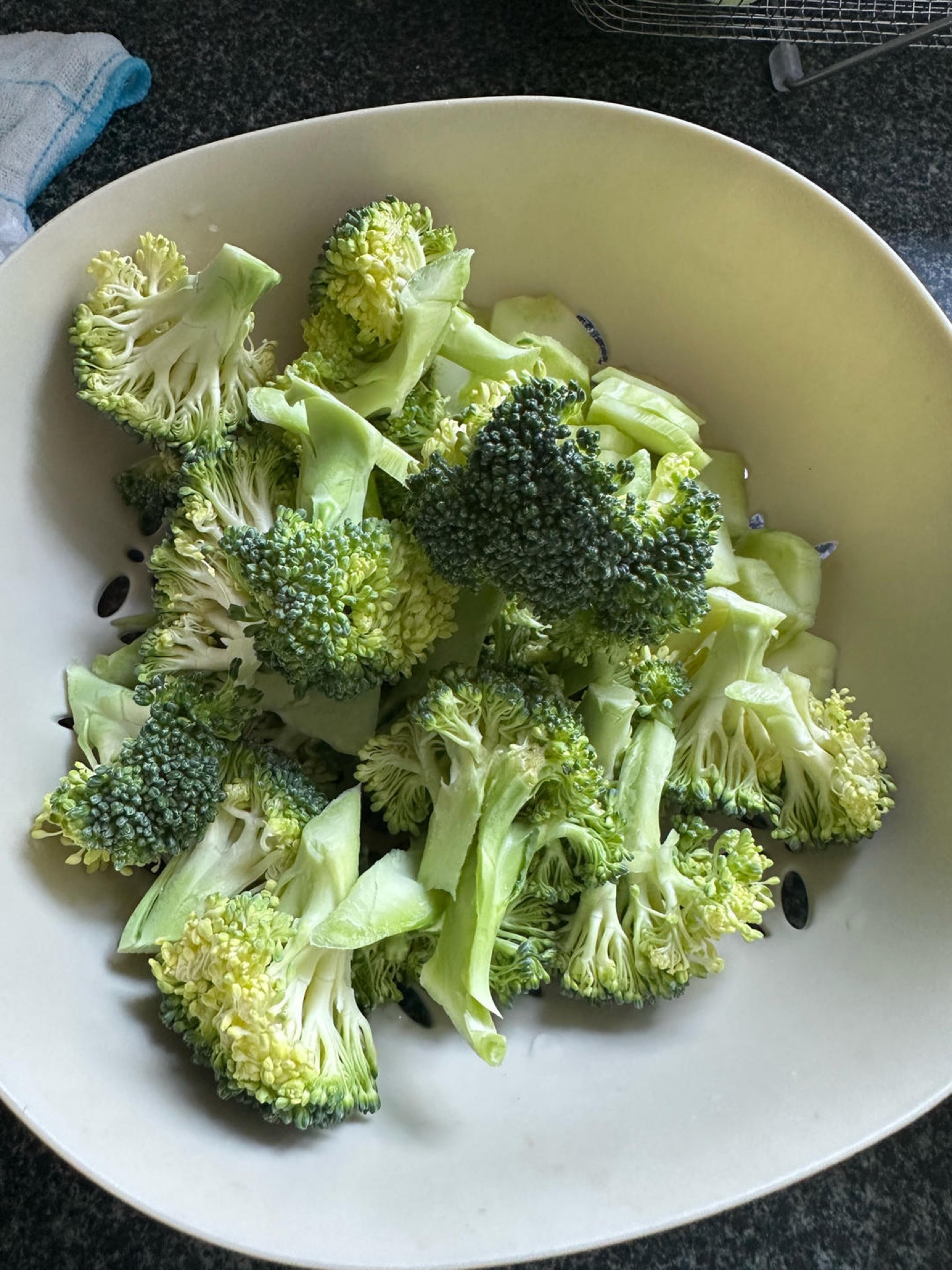
This dish moves fast once the wok is hot, so do all your prep before you turn on the stove. Start by breaking the broccoli into small, even florets, then soak them in lightly salted water for about 10 minutes to loosen any grit or insects, and rinse well. Drain thoroughly and pat dry.
Next, deal with the stems. The thick main stalk is often discarded, but it is the sweetest, crunchiest part of the vegetable. Peel off the tough outer layer with a vegetable peeler or a knife, then slice the pale inner stem into thin coins or batons so it cooks in the same time as the florets. Add these slices to the florets and set the whole pile aside.
Mince the garlic and set it in a small pile. In a separate small bowl, whisk together the oyster sauce, light soy sauce, sugar, cold water, and cornstarch until the starch is completely dissolved and no dry pockets remain. Set a large bowl of ice water in the sink and put a colander next to it. Now you are ready to cook.
Cooking Process
Step 1 — Prep the Broccoli
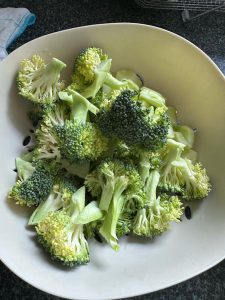
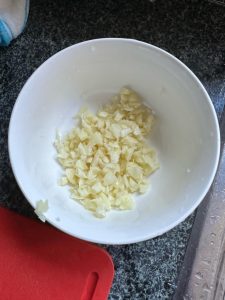
Break the broccoli into small florets, soak them in lightly salted water for 10 minutes, then rinse and drain well; peel the tough outer skin from the thick stems and slice them thin so they cook alongside the florets, and mince plenty of garlic.
Step 2 — Blanch
Bring a pot of water to a boil, add a few drops of oil and a pinch of salt, then blanch the broccoli for 1.5–2 minutes, just until the stems turn translucent.
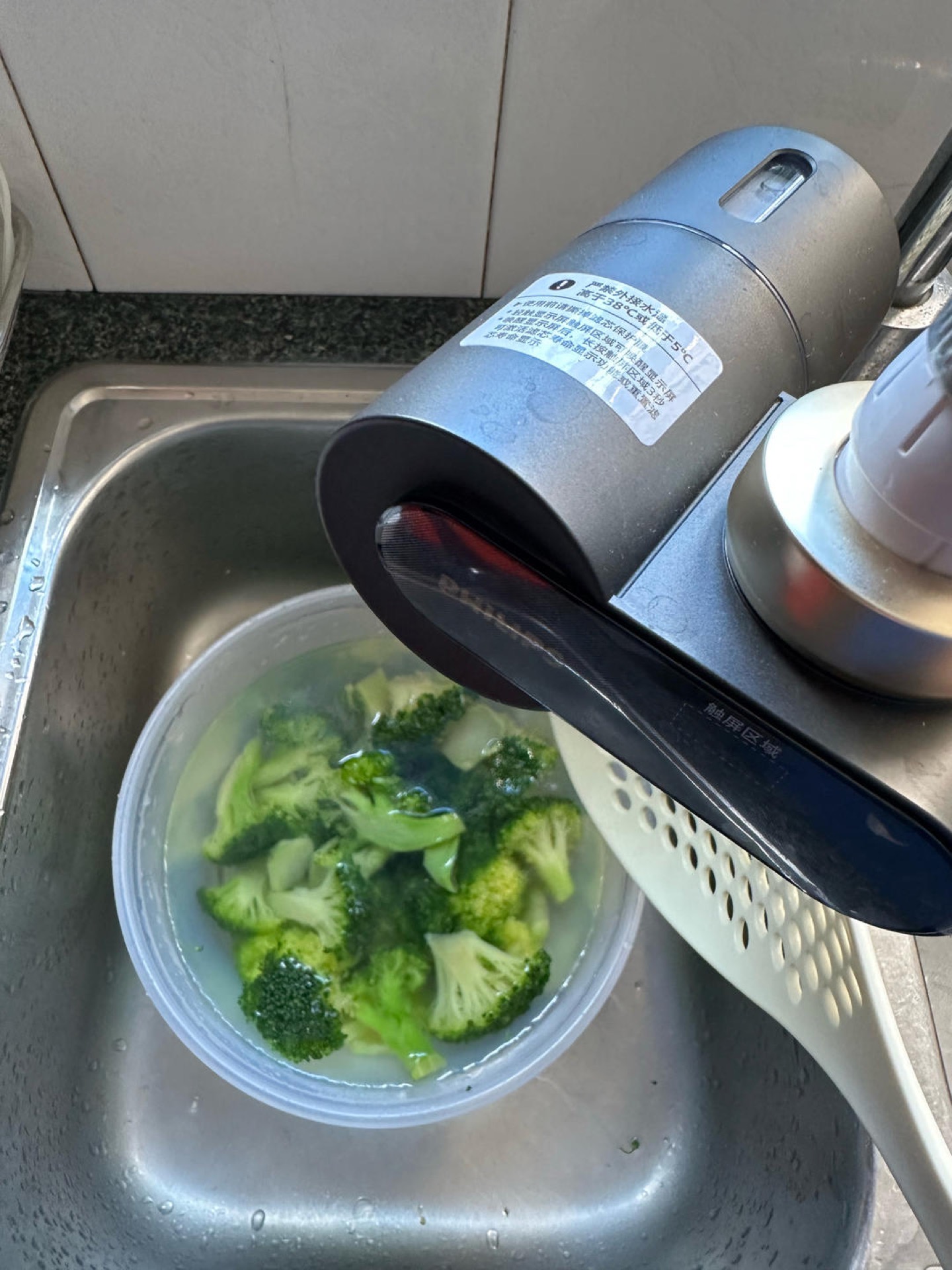
Step 3 — Shock in Cold Water
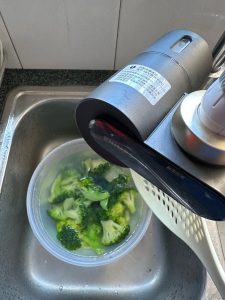
Scoop the broccoli out and plunge it straight into cold or ice water, then drain well — this is the key to keeping it bright green and crisp.
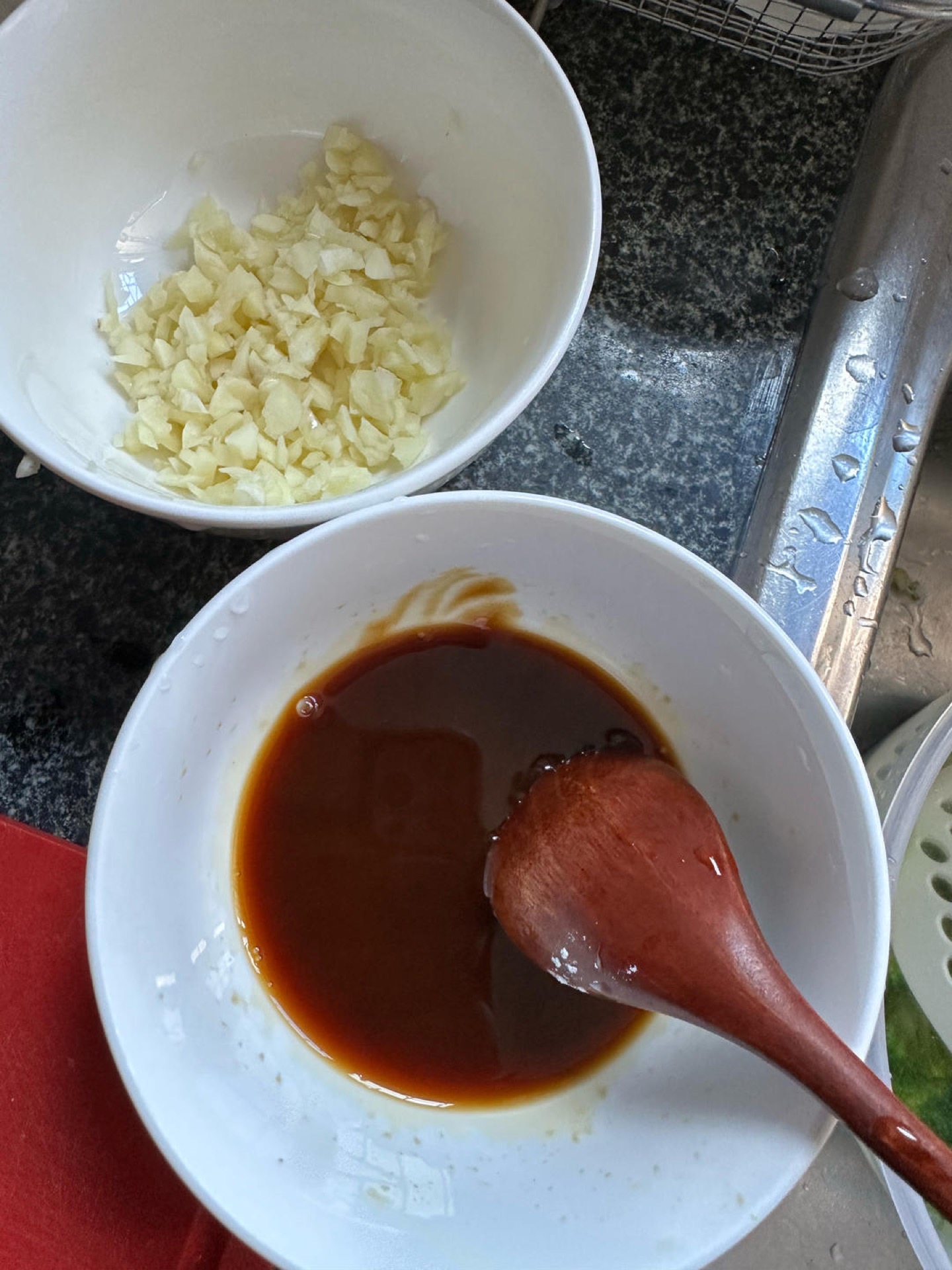
Step 4 — Mix the Sauce
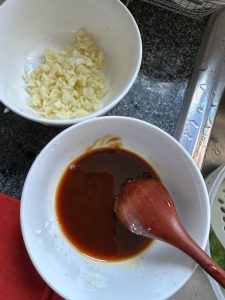
In a small bowl, stir together 1 tbsp oyster sauce, 1 tbsp light soy sauce, a pinch of sugar, 3 tbsp water, and 1/2 tsp cornstarch until smooth.
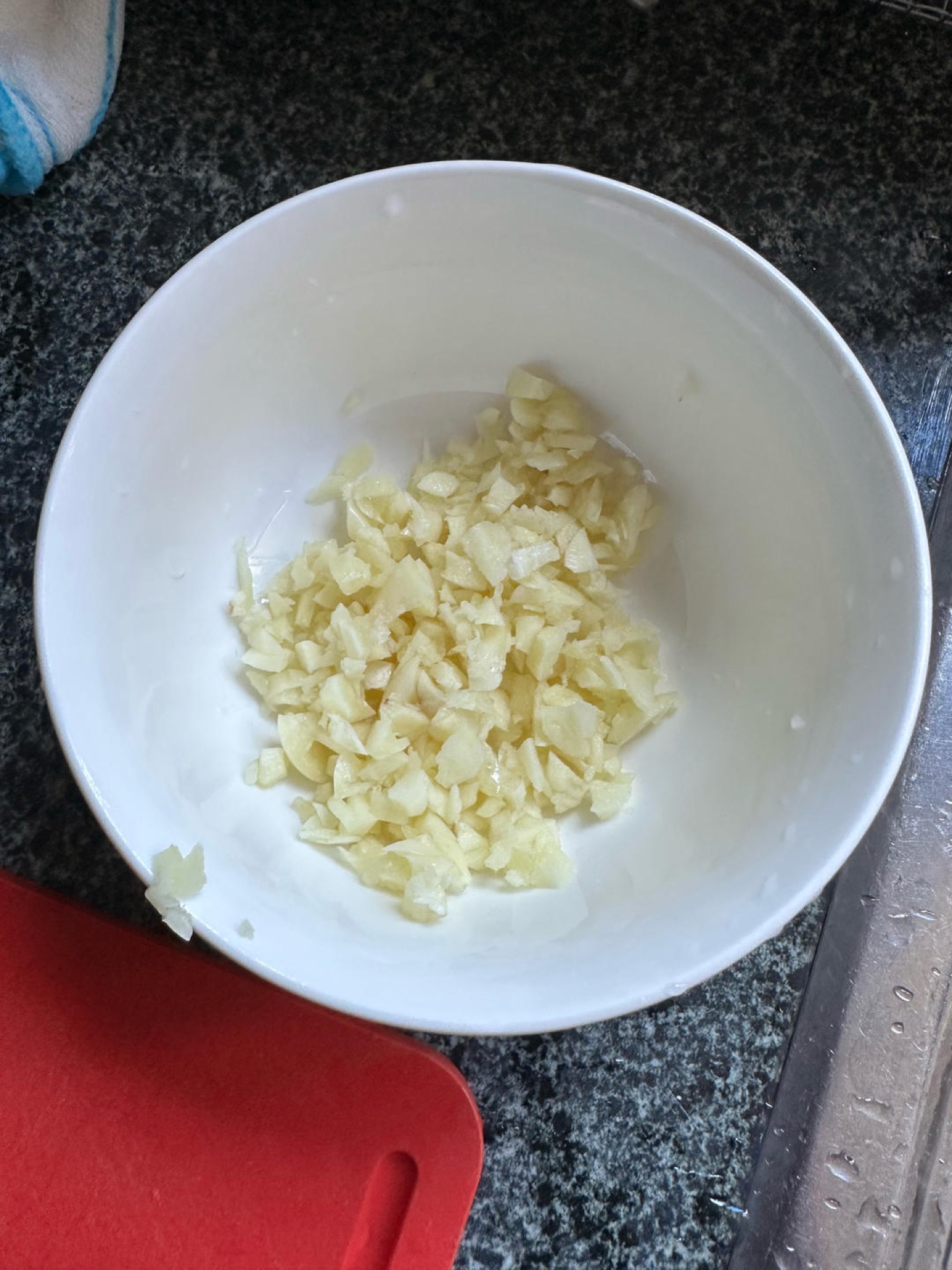
Step 5 — Bloom the Garlic
Heat oil in a wok over low heat and gently fry the minced garlic until fragrant — do not let it brown or it will turn bitter.
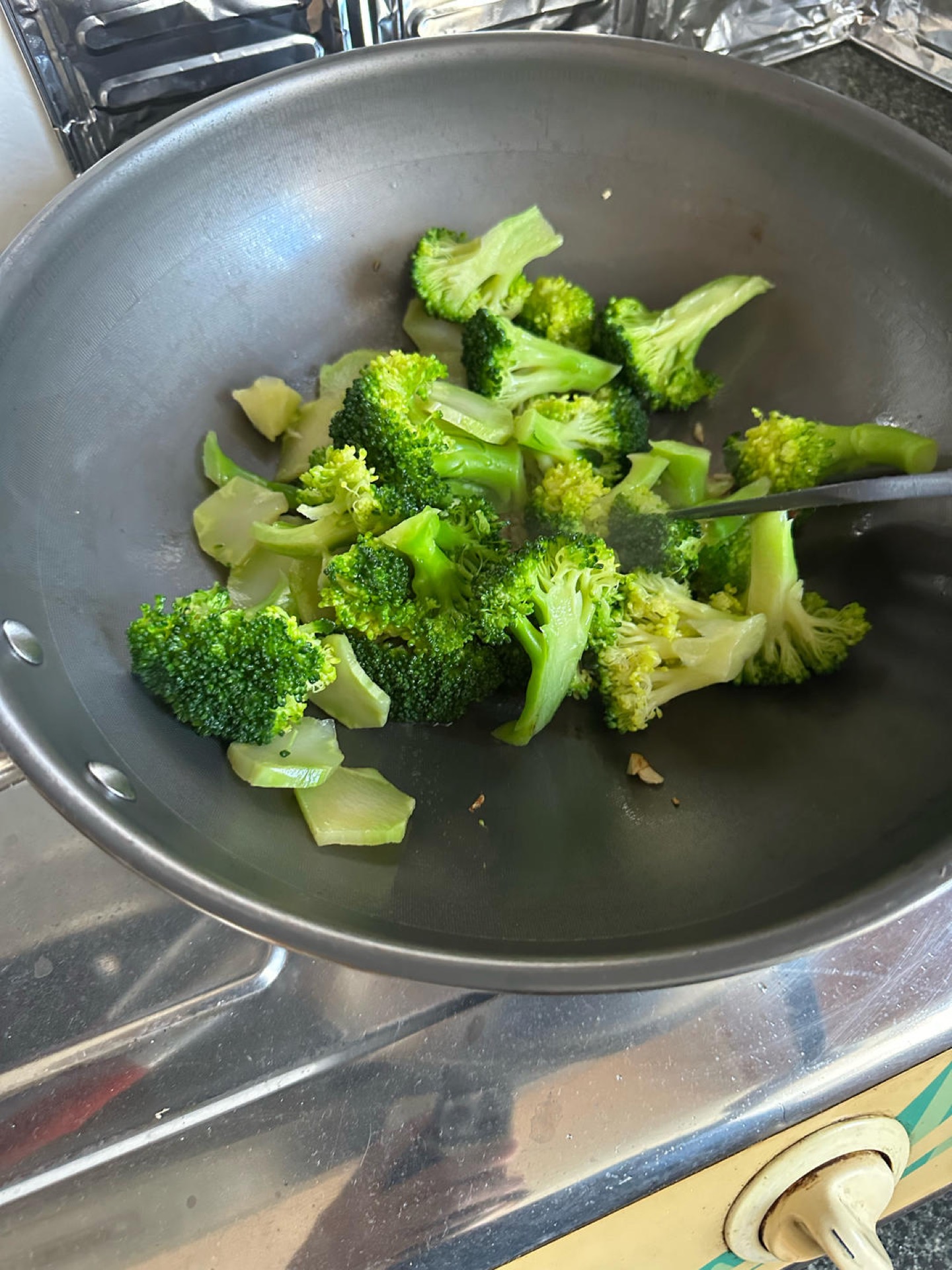
Step 6 — Stir-Fry
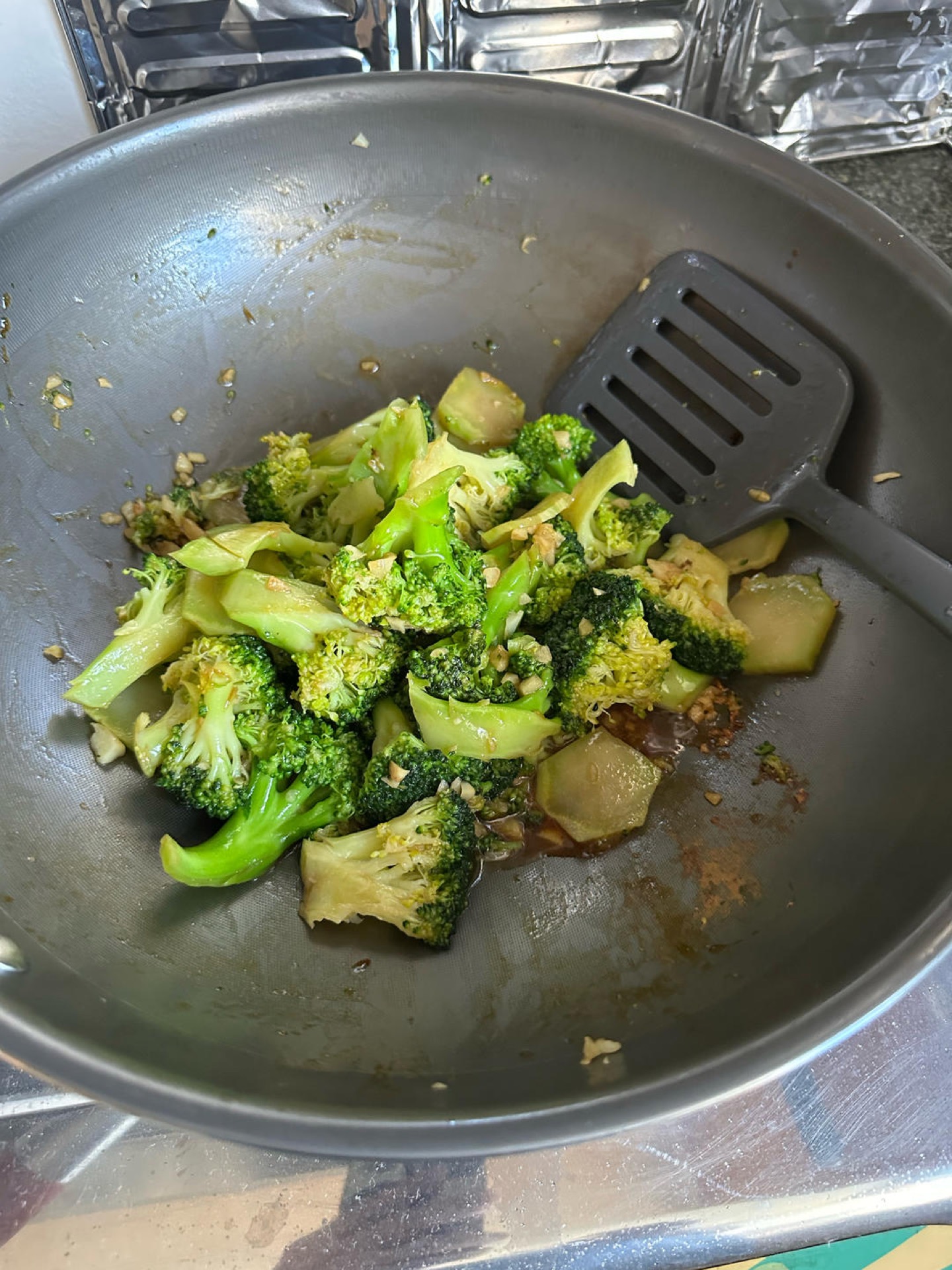
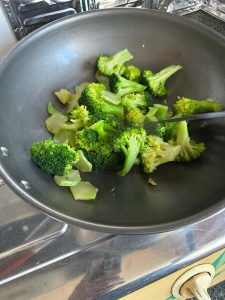
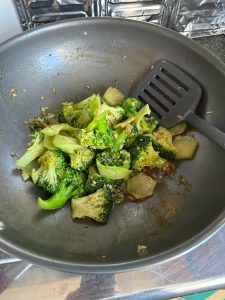
Add the drained broccoli to the wok, turn the heat to high, and toss quickly for a few seconds.
Step 7 — Finish with Sauce
Pour in the sauce and stir-fry fast until it thickens and clings glossily to the broccoli, then serve immediately.
Common Mistakes When Making Garlic Oyster Sauce Broccoli
1. Overcooking the blanch. The most common mistake is leaving the broccoli in the boiling water too long. Once the stems turn translucent, it is done — usually 1.5 to 2 minutes. Beyond that, the florets soften and start to fall apart, and no amount of sauce will bring back the texture. Set a timer and pull it early rather than late.
2. Skipping the ice bath. Many cooks drain the broccoli and move on. But without the cold shock, the residual heat keeps cooking the vegetable on the counter, and it goes limp and dull within minutes. Have the ice water ready before you blanch, not after, and plunge the broccoli in immediately.
3. Burning the garlic. Garlic goes from fragrant to bitter in seconds. If your oil is smoking when the garlic hits the pan, it will burn before it flavors the oil. Start the garlic in warm, not screaming-hot, oil over low heat, and stir constantly until it smells sweet and looks pale gold.
4. Adding the sauce to a wet wok. If the broccoli is still dripping after the ice bath, the water will thin the sauce and turn your glaze into a puddle. Drain well, shake off the excess, and if you have time, spin it dry in a salad spinner or pat it with a clean towel.
5. Using too much sauce. Oyster sauce and soy sauce are both very salty. One tablespoon of each is plenty for a whole head of broccoli. Doubling the sauce does not make the dish richer; it makes it salty and mud-colored. If you want more sauce, add water, not more oyster sauce.
6. Crowding the wok. If the broccoli is piled deep, it steams instead of fries, and the sauce never caramelizes onto the surface. Use the biggest pan you have, or cook in two batches if your wok is small.
Variations
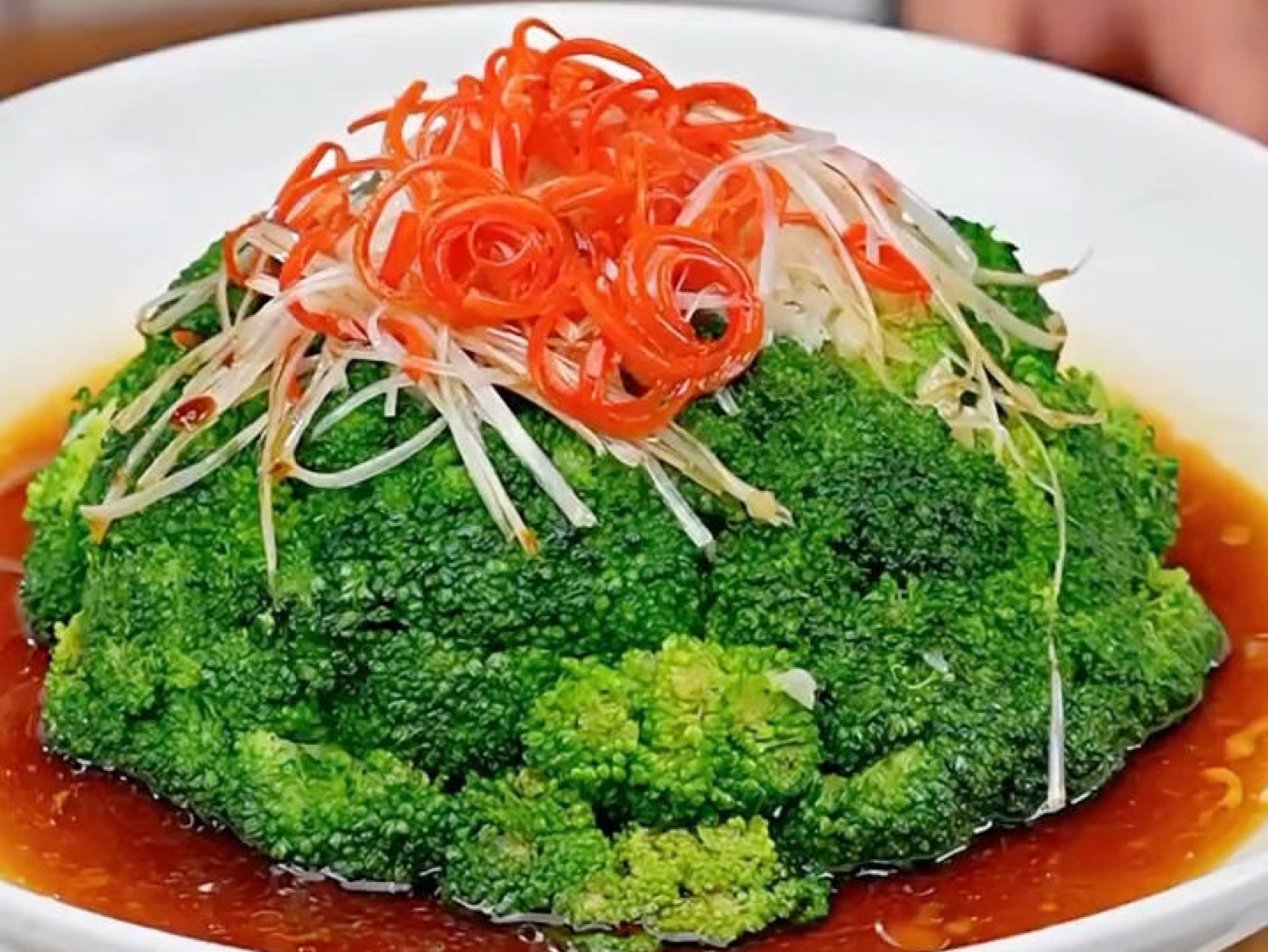
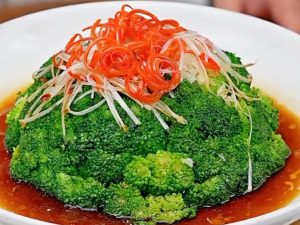
White-blanched lazy version. If you want the cleanest, most nutrient-preserving version, skip the wok entirely. Blanch the broccoli, arrange it on a plate, and mix a quick sauce of 1 tbsp oyster sauce, 1 tbsp light soy sauce, a pinch of sugar, and 2 tbsp hot water. Microwave the sauce for 20 seconds, pour it over the broccoli, then top with minced garlic and shredded scallion. Heat 2 tbsp of oil until it shimmers and pour it over the garlic with a sizzle. This “white-blanched” version is lighter, less oily, and keeps the broccoli at its brightest.
Add protein. Thin slices of beef, chicken, or shrimp can turn this into a full meal. Sear the protein first, remove it, then stir-fry the broccoli and sauce, and return the protein at the end. A splash of the shrimp and glass noodle stir fry method of pre-cooking the protein is a good model to follow.
Make it spicy. A teaspoon of chili oil or a few dried chilies added with the garlic gives the dish a gentle heat. If you like it hotter, a spoonful of chili garlic sauce stirred into the oyster sauce works beautifully.
Add mushrooms or carrots. Sliced shiitake or carrot coins can be blanched with the broccoli or stir-fried first, since they take a little longer. Just keep the total volume in the wok manageable so everything stays crisp.
Frequently Asked Questions
Can I make this dish ahead of time? You can blanch and shock the broccoli up to a day ahead and keep it covered in the fridge. Stir-fry it just before serving, because the sauce is best when it is freshly made and still glossy. Reheating the finished dish works, but the broccoli will soften slightly.
Do I have to blanch the broccoli? For the crispest, greenest result, yes. Blanching sets the color and cooks the stems evenly. If you skip it, you will need to stir-fry longer, which usually means unevenly cooked florets and a duller color.
Is oyster sauce the same as fish sauce? No. Oyster sauce is thick, sweet, and made from oyster extracts, while fish sauce is thin, very salty, and made from fermented fish. They are not interchangeable, though a small amount of fish sauce can add depth if you are out of oyster sauce — use half the amount.
How do I keep the broccoli from going yellow? The cold-water shock is the main defense. Also avoid overcooking and avoid covering the dish while it is hot, since trapped steam continues to cook the vegetable and dulls the color.
Can I use frozen broccoli? It works in a rush but will be softer and release more water. Blanch it briefly from frozen, drain very well, and use a slightly larger pinch of cornstarch to thicken the extra moisture.
How to Serve
Garlic oyster sauce broccoli is at its best alongside steamed white rice and a simple protein. It pairs beautifully with a plate of silky steamed egg with milk and pork floss, where the soft custard balances the crisp, savory broccoli. For a lighter meal, a bowl of restaurant-style egg drop soup on the side makes a complete, comforting dinner in under half an hour.
It also works as part of a larger Chinese spread, sitting happily next to braised meats, fried rice, or noodles. If you are feeding a crowd, double the recipe and keep the finished dish warm in a low oven — just don’t cover it tightly, or the steam will soften the broccoli.


Storage & Reheat
Leftover garlic oyster sauce broccoli keeps in an airtight container in the refrigerator for 3 to 4 days. It is best eaten cold or gently reheated, because high heat will soften the florets further. To reheat, warm it in a skillet over medium heat for 2 to 3 minutes with a splash of water, or microwave it in short bursts. Do not boil it or the sauce will separate.
This dish does not freeze well. The blanched broccoli becomes watery and mushy after thawing, and the sauce loses its glossy texture. If you want to plan ahead, freeze the blanched, shocked broccoli on its own and make the sauce fresh when you are ready to eat.
For food safety, refrigerate any leftovers within 2 hours of cooking, and keep the container at 40°F (4°C) or below. When reheating, bring the dish to 165°F (74°C) throughout. The USDA’s leftovers and food safety guidance is a good reference for storage times and reheating temperatures.
Allergen Notice
This recipe contains shellfish, because oyster sauce is made from oysters. It also contains soy, since both oyster sauce and light soy sauce are soy-based. Depending on the brands you use, the sauces may also contain wheat or gluten, so check the labels if you are cooking for someone with celiac disease or a wheat allergy. To make the dish shellfish-free, substitute a vegetarian mushroom “oyster” sauce. To make it gluten-free, use tamari and a gluten-free oyster sauce.
Nutrition Disclaimer
Nutrition information is calculated using an ingredient database and should be considered an estimate. In cases where multiple ingredient alternatives are given, the first listed is calculated for nutrition. Garnishes and optional ingredients are not included.
About the Author & Recipe Development
This recipe was developed and tested in the Woks of Love kitchen by Lin, who grew up watching Cantonese home cooks turn a single head of broccoli into a glossy, garlicky side dish in minutes. The version here follows the family method: a quick blanch to set the color, an ice-water shock to keep the snap, and a simple oyster-soy-cornstarch sauce finished in a hot wok. Every measurement was tested with a standard 1.5 lb head of broccoli, and the timing reflects a home stove rather than a restaurant burner.
If you try this recipe, we would love to hear how it turned out. Adjust the garlic to your taste, tell us whether you went with the stir-fried or the white-blanched version, and tag your photos so we can see your bright green results.
Authoritative References
For safe handling and storage of cooked vegetables and leftovers, see the USDA Food Safety and Inspection Service guidance on leftovers. For the science behind blanching and cold-water shocking green vegetables, see this explainer on blanching vegetables. General food-safety temperatures and cold-storage guidance are also covered by the FDA refrigerator and food safety page.
Garlic Oyster Sauce Broccoli (蒜蓉蚝油炒西兰花): Crisp, Green, Savory

Equipment
- Wok
- Cutting Board
- Slotted Spoon
- Small Bowl
Ingredients
For the Broccoli
- 1 head broccoli about 1.5 lb / 680 g, cut into small florets, thick stems peeled and sliced
- 1 tsp salt for the blanching water
- 1 tsp vegetable oil for the blanching water
For the Sauce
- 1 tbsp oyster sauce plus 1 tsp if you like it richer
- 1 tbsp light soy sauce or tamari
- 1 pinch sugar about 1/4 tsp
- 3 tbsp water cold
- 1/2 tsp cornstarch or potato starch
For the Stir-Fry
- 2 tbsp vegetable oil for frying
- 4 cloves garlic minced, more if you love garlic
Instructions
- Break the broccoli into small florets, soak them in lightly salted water for 10 minutes, then rinse and drain well; peel the tough outer skin from the thick stems and slice them thin so they cook alongside the florets, and mince plenty of garlic.

- Bring a pot of water to a boil, add a few drops of oil and a pinch of salt, then blanch the broccoli for 1.5–2 minutes, just until the stems turn translucent.
- Scoop the broccoli out and plunge it straight into cold or ice water, then drain well — this is the key to keeping it bright green and crisp.
- In a small bowl, stir together 1 tbsp oyster sauce, 1 tbsp light soy sauce, a pinch of sugar, 3 tbsp water, and 1/2 tsp cornstarch until smooth.
- Heat oil in a wok over low heat and gently fry the minced garlic until fragrant — do not let it brown or it will turn bitter.
- Add the drained broccoli to the wok, turn the heat to high, and toss quickly for a few seconds.
- Pour in the sauce and stir-fry fast until it thickens and clings glossily to the broccoli, then serve immediately.













Leave a Reply