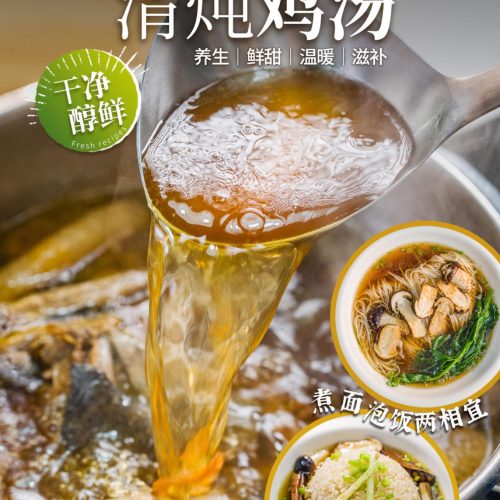
There is a kind of soup in Chinese home cooking that isn’t really about dinner at all. 清炖鸡汤 — clear simmered chicken soup — is what you make when someone in the house is tired, or recovering, or has been eating too much takeout for a week. It is the quietest thing in the repertoire: chicken, a few aromatics, water, and time. Nothing browns, nothing sizzles, and nothing is hidden behind a sauce.
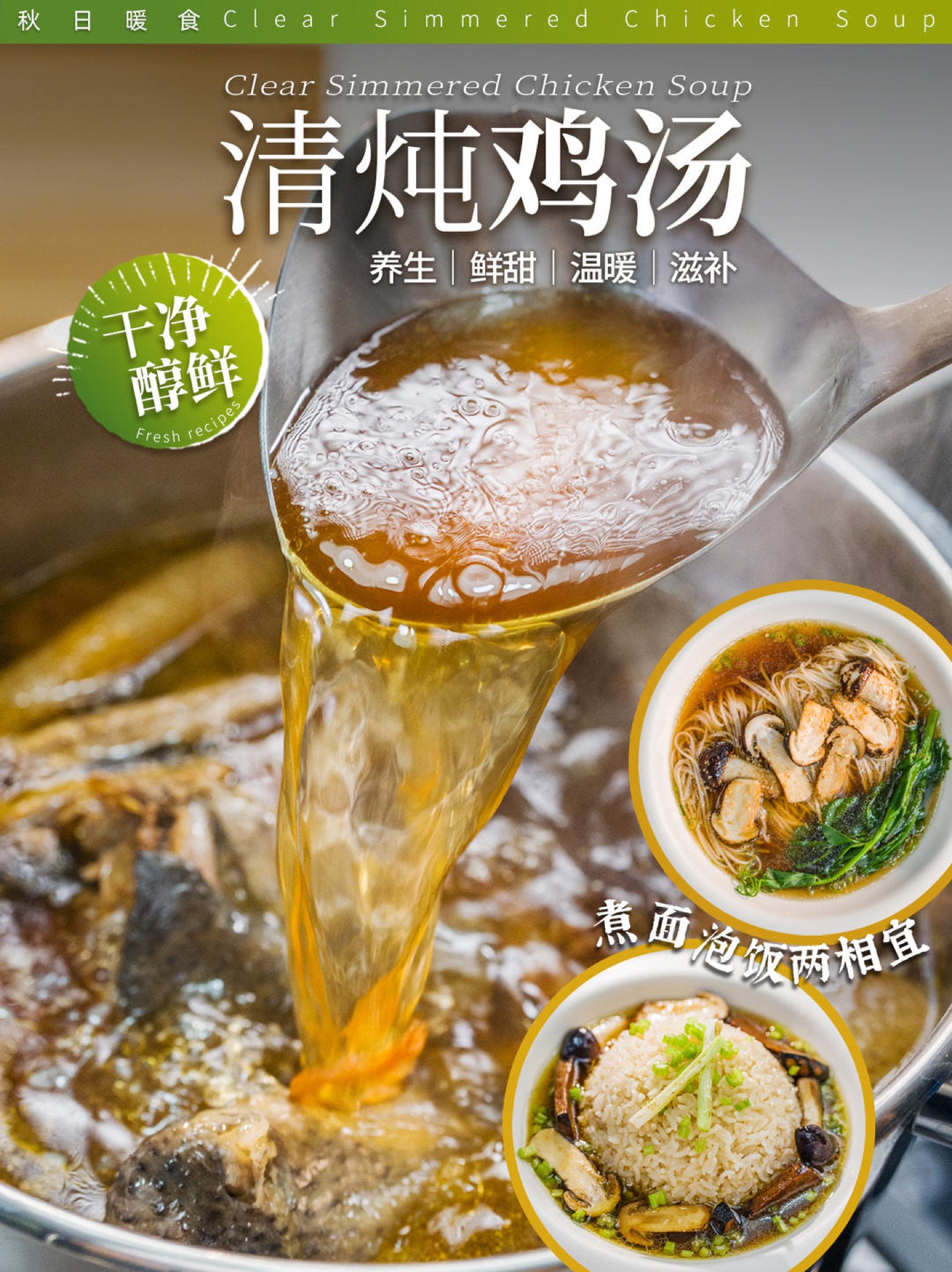
What surprises people is how much flavor comes out of so little. The broth turns pale gold, the chicken stays tender enough to pull apart with chopsticks, and the dried mushrooms push a deep, almost sweet aroma through the whole pot. It tastes clean — that’s the word Chinese cooks use, 清 — and it feels like something you’re doing for yourself rather than to yourself.
The method here is the shortcut version: a proper cold-water blanch, then a pressure cooker, then fifteen minutes at pressure. That’s it. You can absolutely make this on the stovetop in a clay pot over two hours, and I’ll tell you how below, but on a weeknight the pressure cooker gets you 90 percent of the way there with a fraction of the attention.
What Is Clear Simmered Chicken Soup?
清炖鸡汤 (qīng dùn jī tāng) is a Chinese clear-simmered chicken soup — the character 炖 means to stew or simmer gently, and 清 means clear, both in the sense of the broth’s appearance and in the sense of the flavor being uncluttered. Unlike a Western chicken soup, there is no mirepoix, no bay leaf, no browning step, and no thickener. The broth is meant to taste of chicken first and everything else second.
The aromatics are chosen for gentleness rather than punch. Ginger warms the broth without sharpening it. Red dates and longan add a faint, round sweetness that reads as body rather than sugar. Dried mushrooms — usually a mixed 菌菇料包 of shiitake, oyster and sometimes porcini — contribute glutamates that make the broth taste like it simmered all day even when it didn’t.
It’s a soup that sits between food and tonic in the Chinese imagination. New mothers drink it. Students drink it during exam weeks. Anyone who has been sleeping badly drinks it. That reputation is not really about medicine; it’s about the fact that a clear, unsalted, low-fat broth is easy on a tired body in a way that a heavy stew isn’t.
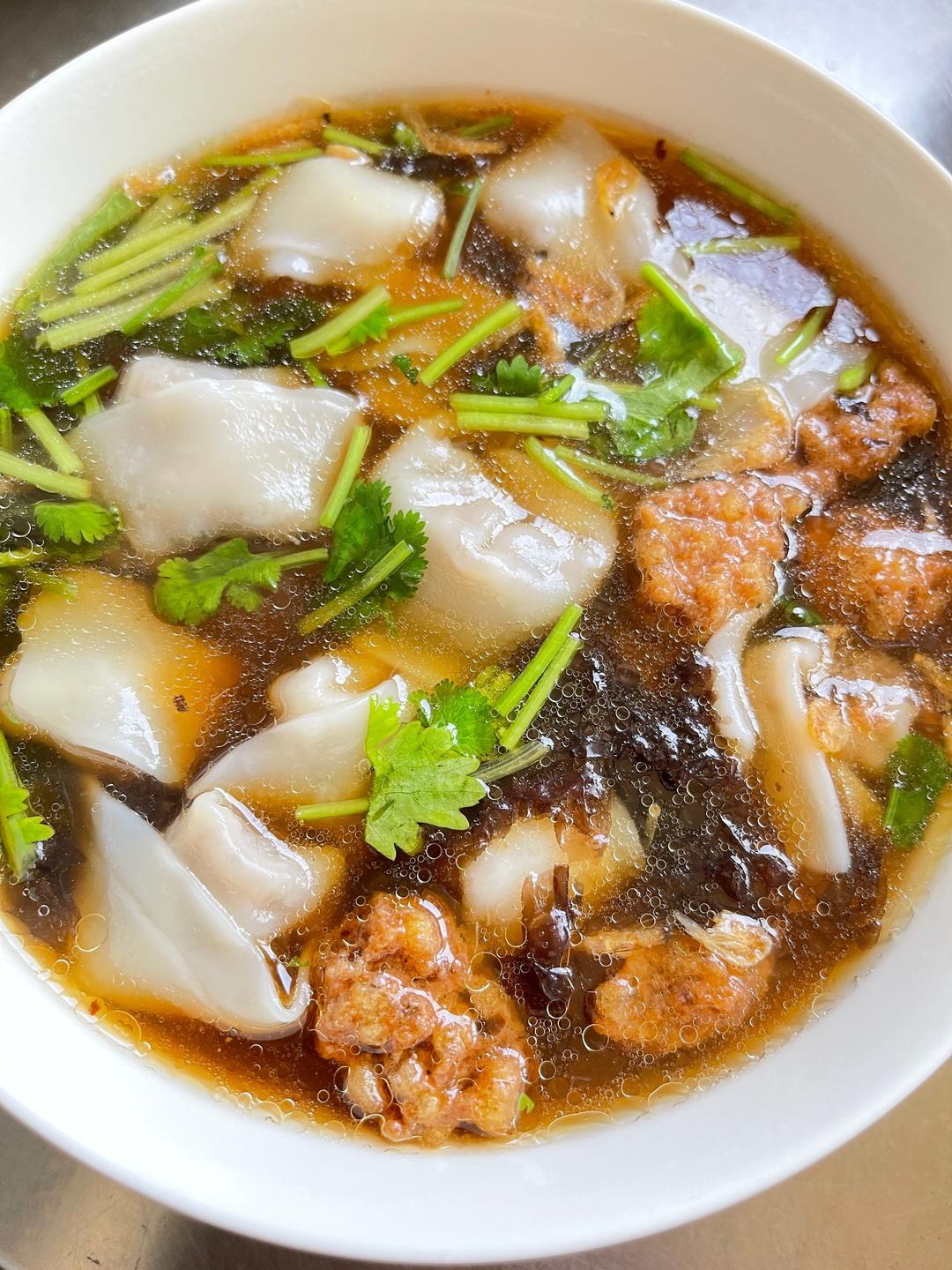
If you like this style of clean, slow-built broth, the same logic shows up in a wonton soup broth, where a light, savory base does all the work and the dumplings just ride on top of it.
15-Minute Wonton Soup Broth (Restaurant Secret)Learn the 5-minute restaurant secret to an amazing Wonton Soup Broth! This quick, “in-the-bowl” recipe uses pantry staples like dried shrimp, lard, and seaweed to create a rich, savory soup base in seconds. Tastes just like your favorite takeout!Check out this recipe
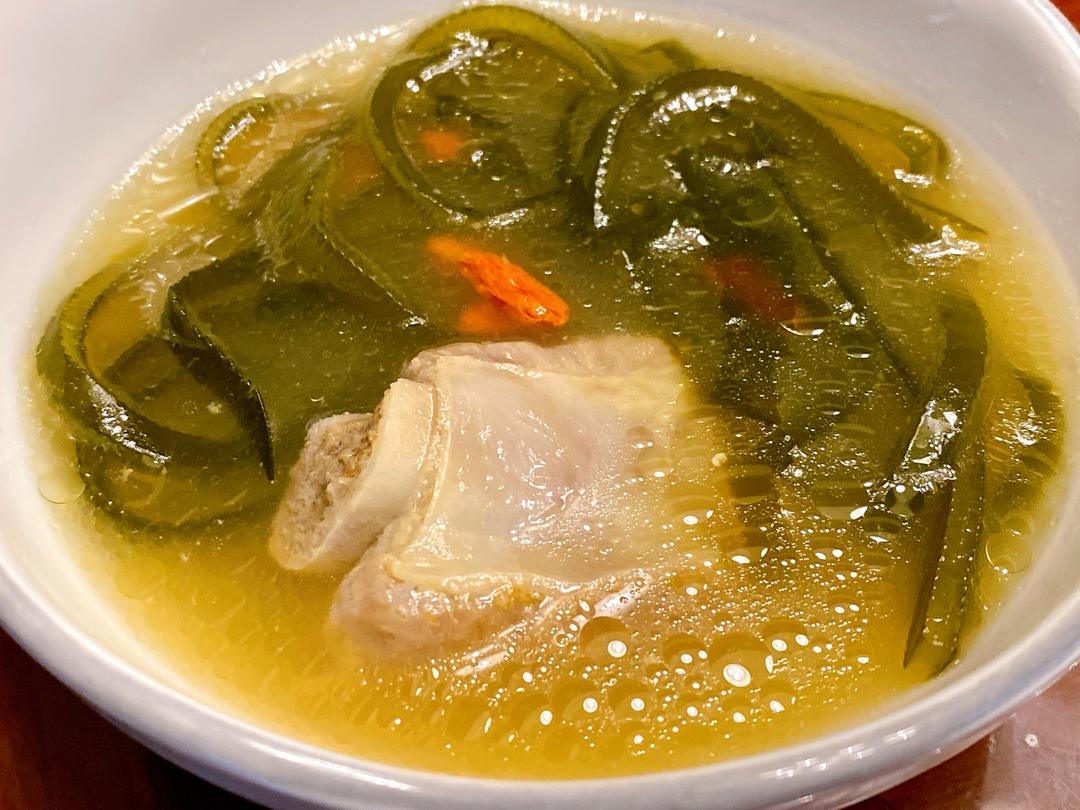
And if you want to see how dried sea vegetables and pork ribs produce the same clean, mineral depth, my nourishing kelp and pork rib soup is built on exactly the same principle.
2Nourishing Kelp and Pork Rib SoupA classic, comforting Chinese home-style soup that balances the rich, savory notes of pork with the subtle, oceanic flavor of kelp.Check out this recipe
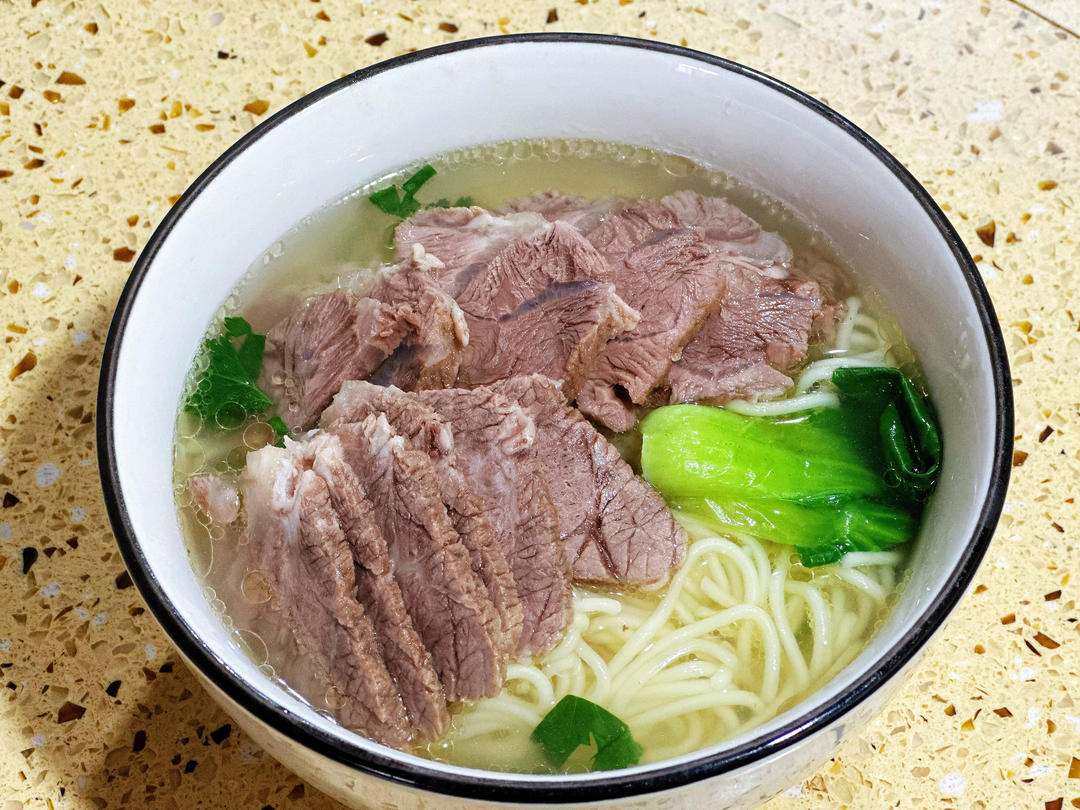
For a beef version of the same idea — clear broth, no shortcuts, nothing to hide behind — the clear beef noodle soup is worth reading next.
3Simple Clear Beef Noodle Soup (清汤牛肉面)A simple, homestyle recipe for Clear Beef Noodle Soup (Qing Tang Niu Rou Mian). This recipe focuses on a “cook and steep” method and an overnight soak to create a crystal-clear, aromatic broth and perfectly tender, sliceable beef.Check out this recipe
Why This Recipe Works
The single most important thing in a clear chicken soup is the blanch, and most recipes get it wrong by boiling hard. When you drop chicken into rapidly boiling water, the proteins on the surface contract violently and seal in the blood and impurities that would otherwise leach out. You end up with chicken that tastes fine and a broth that stays cloudy no matter how long you skim.
Starting in cold water and bringing it up slowly over medium-low heat does the opposite. The impurities release gradually and rise as a grey scum you can simply pour off. Twenty minutes at a bare simmer — not a rolling boil — is enough to clean the meat without cooking it through.
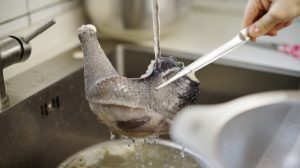
Rinsing with hot water rather than cold matters too. Cold water shocks the surface proteins and can leave a film; hot water rinses the scum away cleanly and keeps the meat relaxed. It’s a small detail that shows up directly in the final bowl.
The other reason this works is the pressure cooker. Because the chicken is already clean and the aromatics are gentle, fifteen minutes at pressure is enough to extract flavor without emulsifying fat into the broth. Long stovetop simmers can actually go the other way — the more you agitate a broth, the more fat droplets stay suspended and the less clear it becomes. A pressure cooker, by contrast, barely moves the liquid at all.
Here’s the food science behind it: the cloudiness in a cloudy chicken broth is mostly emulsified fat and coagulated protein held in suspension by agitation. Gentle, still heat lets those particles either rise to the surface or settle, which is why a broth that is never stirred comes out clear while one that simmers hard for hours turns opaque.
Equipment Needed
A pressure cooker is the engine of this recipe, and it’s worth using one you trust. A stovetop model gives you the most control because you can hear and feel when it comes to pressure, but a modern electric one works fine — just add a few minutes to the timing and let it release naturally.
Beyond that you need very little. A heavy cutting board and a cleaver or sturdy chef’s knife for breaking down the hen, since old hen bones are tough. A large pot for the blanch. A fine-mesh skimmer or slotted spoon for lifting the chicken out of the blanch water. A strainer for the soaked mushrooms. And a small wok or skillet if you’re pan-frying mushrooms for the serving bowls.
If you’re new to pressure cooking, my 14 pressure cooker recipes collection covers the timing conventions across different proteins, which helps you calibrate your own pot.
Ingredients
Every ingredient here is doing a job, and there are only six of them plus water. That’s the point — a clear soup has nowhere to hide. Buy the best chicken you can find and the rest takes care of itself.
Old hen (母鸡) is the traditional choice and it matters. A mature bird has more connective tissue and more flavor in the bones, which is exactly what you want when the broth is the product. A young broiler will give you a paler, thinner broth. If you can only find a regular supermarket chicken, use it — the soup will still be good, just less deep.
The aromatics are deliberately restrained. Three slices of ginger, three red dates, two longan. More than that and the broth starts tasting like a sweet tonic rather than a soup.
Ingredient Notes
Old hen (母鸡). Also sold as stewing hen or laying hen. Ask at a Chinese market — they usually have them frozen and will cut them for you. If you’re using a regular chicken, reduce the pressure time to 12 minutes so the meat doesn’t shred.
Ginger. Smash it with the flat of your knife rather than slicing it. Smashing ruptures more cells and releases more of the aromatic oils, and the pieces are easier to fish out at the end.
Red dates (红枣). Pitted is easier, but unpitted is more traditional and holds up better over long cooking. Three is the right number for this volume of water — they should be a background note, not a flavor.
Dried longan (桂圆). Two pieces only. Longan is sweeter and more floral than red dates and it can easily take over. If you can’t find it, add one more red date and skip it.
Dried mushroom pack (菌菇料包). These mixed packs are sold in Chinese groceries and usually contain shiitake, oyster mushrooms and sometimes porcini or wood ear. Soak them in warm water for at least 30 minutes — this is the 8-hour soak noted in the recipe card if you’re soaking cold. Keep the soaking liquid, strain it, and add it to the pot. It’s the most flavorful thing in the recipe.
Water. Use hot water, not cold, when it goes into the pressure cooker. Cold water on hot chicken tightens the meat and lengthens the time to pressure. Add it all at once — topping up mid-cook dilutes the broth and is one of the most common reasons a soup tastes thin.
Prep & Mise en Place
Get everything ready before the pot goes on, because once the pressure cooker is sealed you can’t adjust anything.
Rinse the hen inside and out, pull off any excess fat from the cavity (keep it — it renders beautifully and can be used for the mushroom pan-fry), and cut the bird into large chunks: legs, thighs, wings, and the breast split into two or three pieces. Leave the bones in. Cut through the breastbone if your knife is sturdy enough.
Soak the dried mushroom pack in warm water for 30 minutes, or cold water for 8 hours if you’re planning ahead. Drain, reserving the liquid, and squeeze the mushrooms gently. Trim any tough stems.
Smash the ginger, count out your dates and longan, and set the hot water going in a kettle. Chop the scallion and cilantro for serving and set them aside in the fridge so they stay crisp.
If you’re serving this with a side, a simple vegetable works best. Something like stir fried winter bamboo shoots gives you a clean, slightly sweet contrast that doesn’t compete with the broth.
Cooking Process
Step 1 — Clean and Cut the Hen
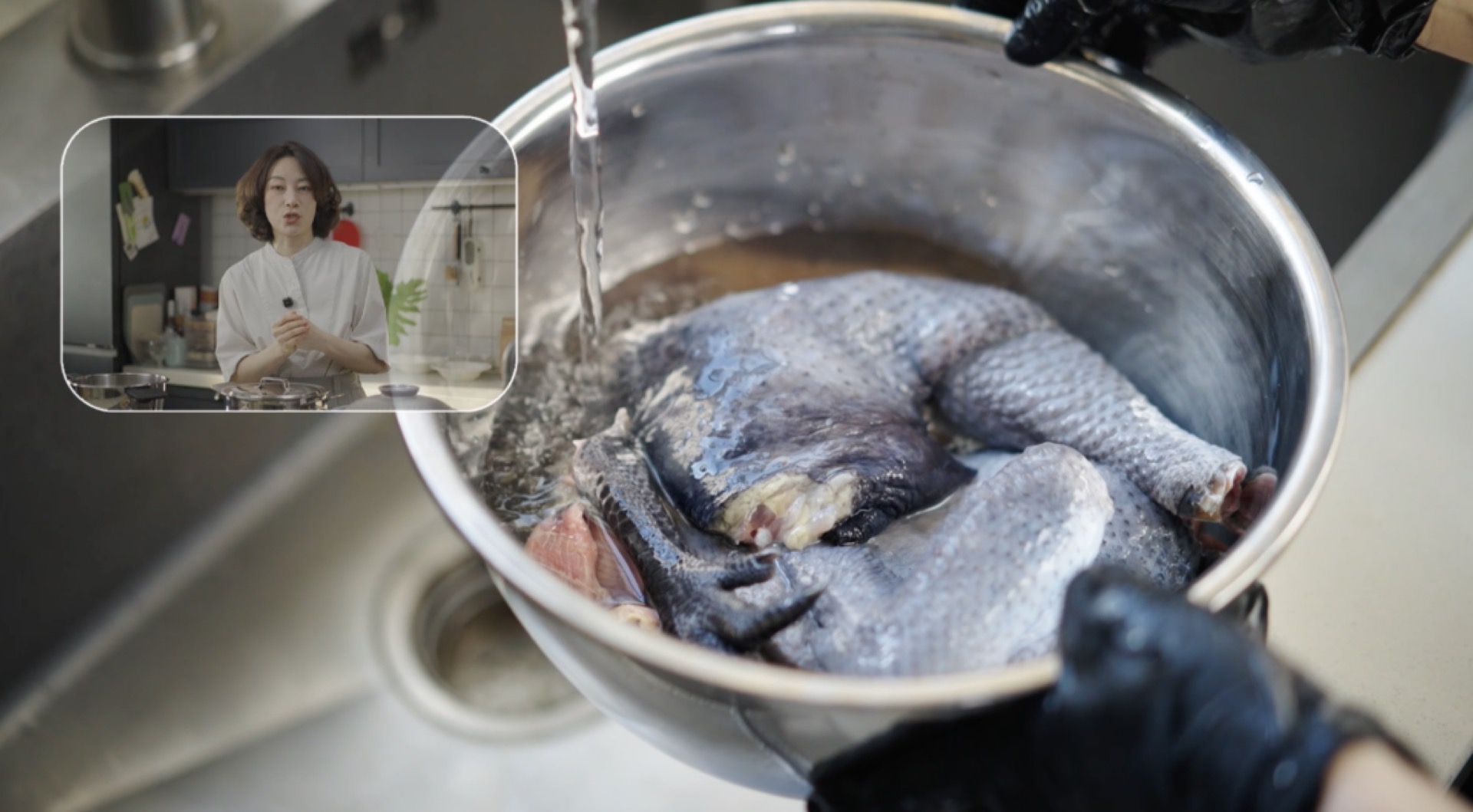
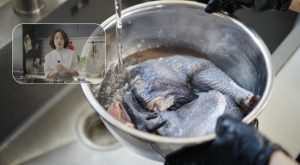
For soup, use an old hen. We rinse it clean, remove the parts we won’t use, and cut it into large chunks.
Step 2 — Cold-Water Blanch
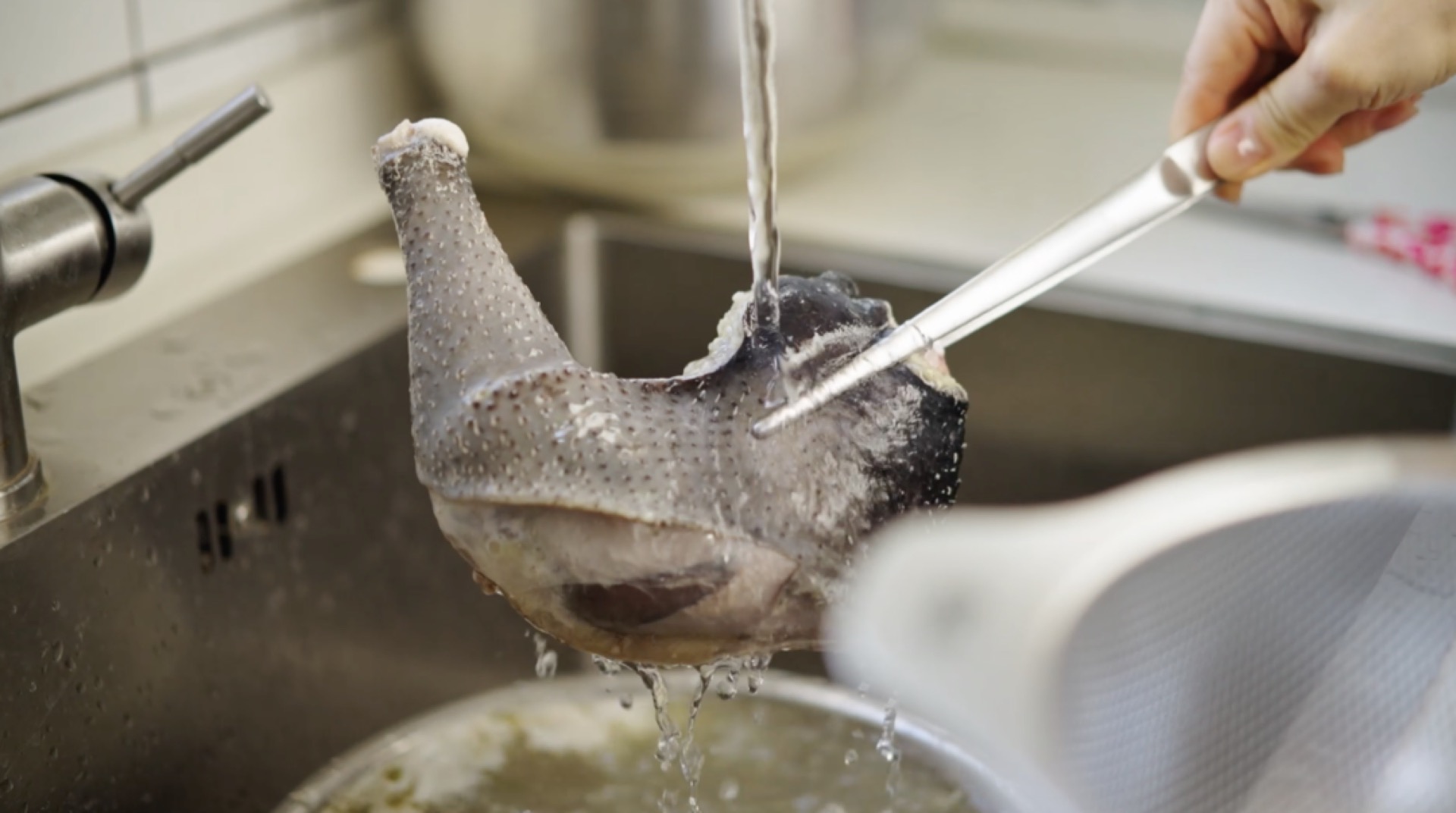
Blanch in cold water over medium-low heat for about 20 minutes — it does not need to come to a full boil — then rinse clean under hot water.
Step 3 — Pressure Cook the Soup
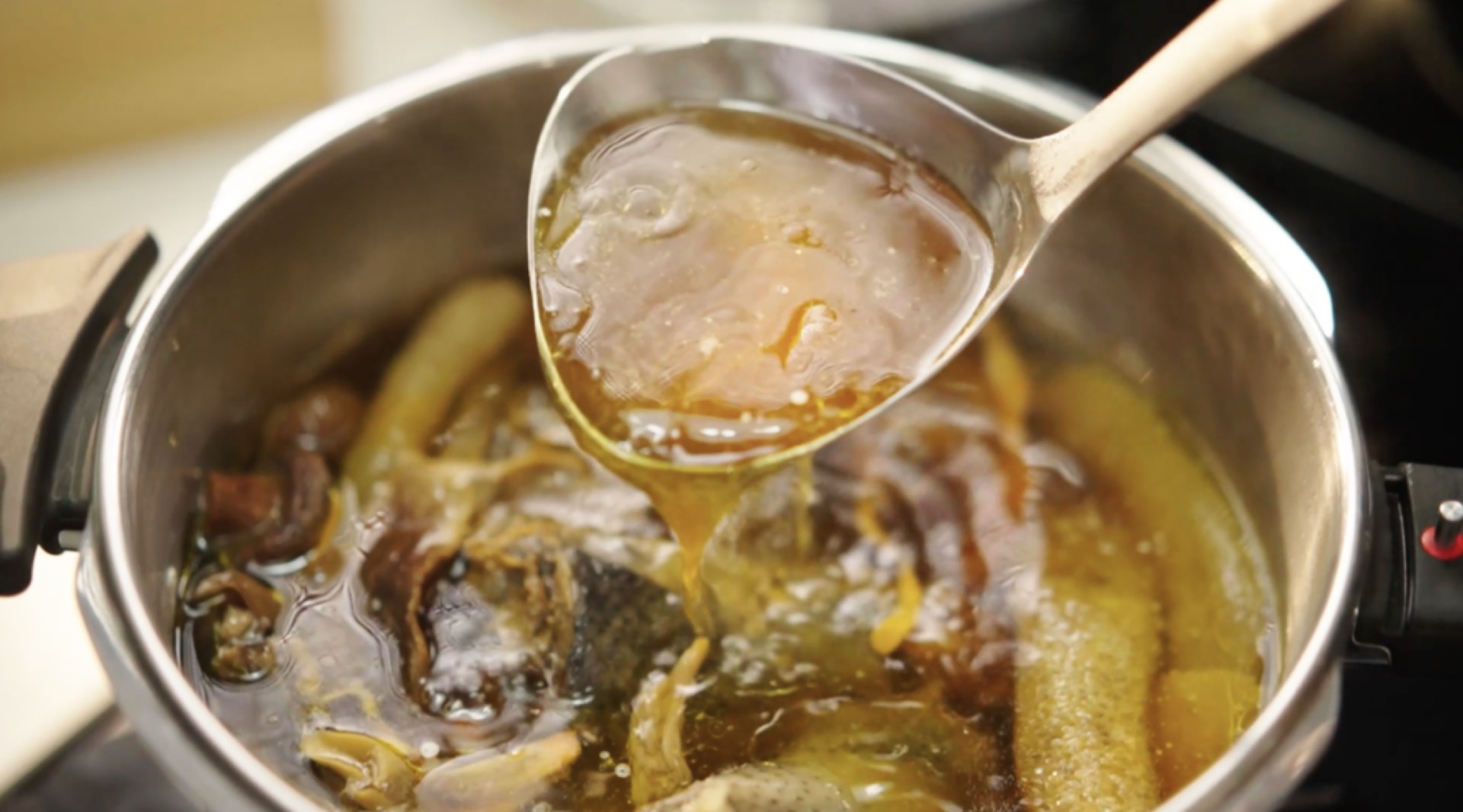
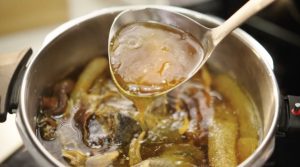
Find a safe, reliable pressure cooker and add the chicken, smashed ginger, 3 red dates, 2 longan, and the dried mushroom pack. Pour in hot water, enough in one go, and cook over medium heat for 15 minutes once it comes to pressure.
Step 4 — Make a Broth Noodle Bowl
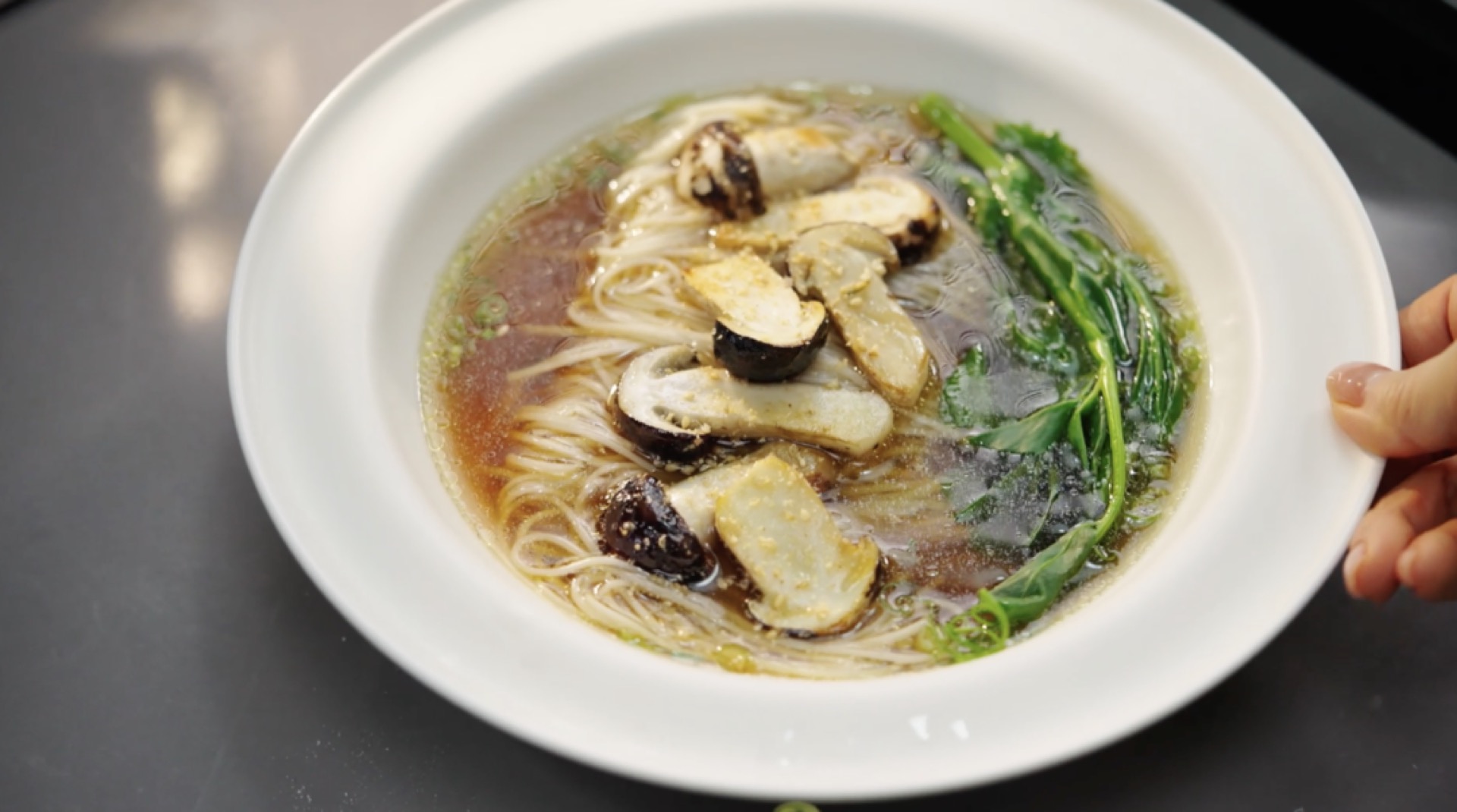
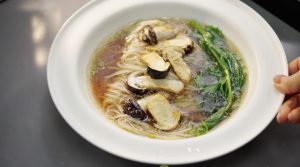
Pan-fry a few mushrooms as a topping, season the bottom of a bowl with scallion and salt, pour in the hot chicken broth, and cook some noodles in a separate pot — that’s your broth noodle bowl.
Step 5 — Make the Chicken Soup Rice Bowl
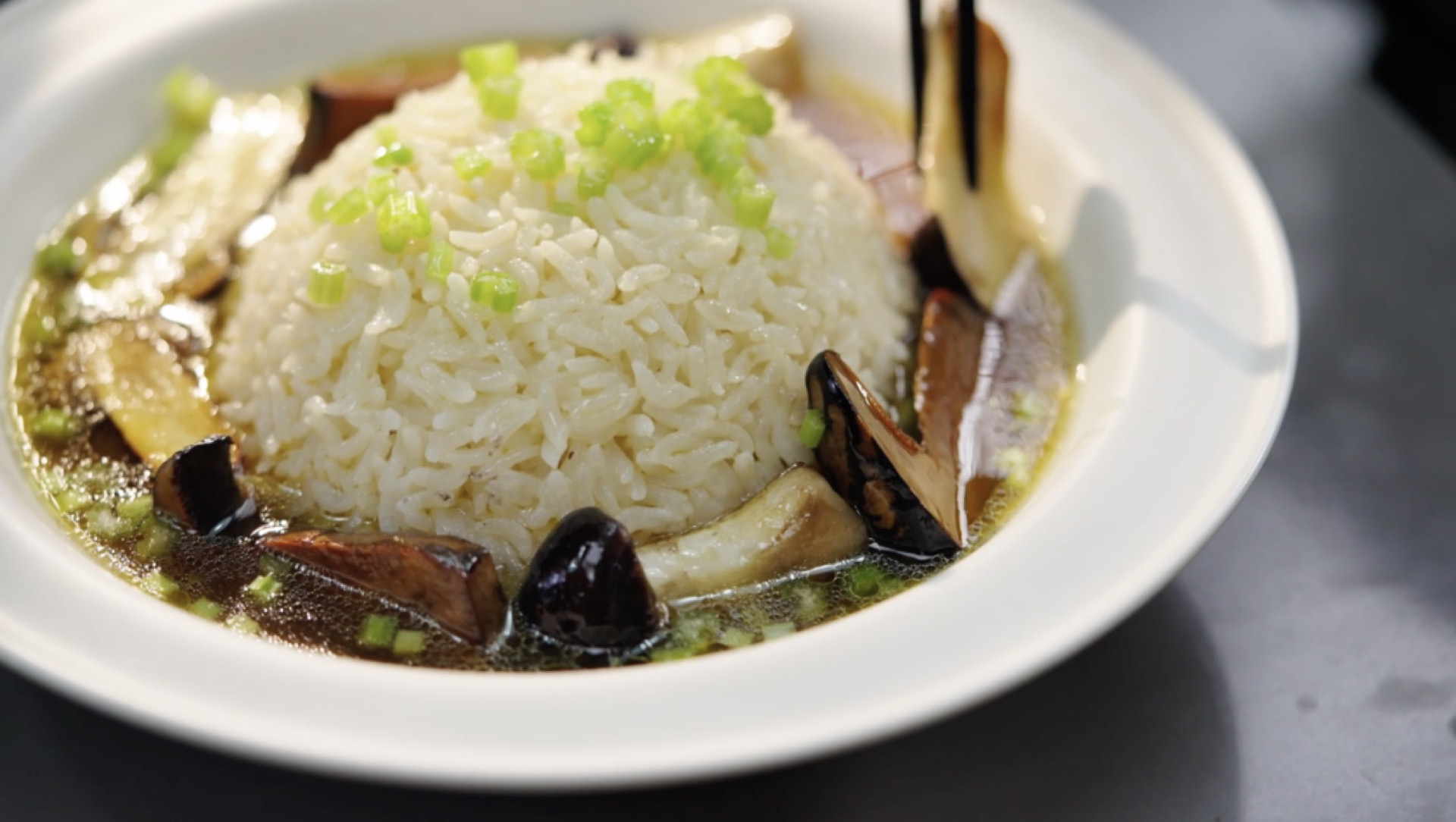
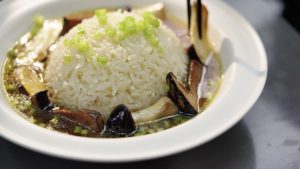
Steaming hot rice, a scattering of cilantro, a ladle of chicken broth over the top, and the fried mushrooms arranged on it — that’s a bowl of chicken soup rice that comforts the heart.
Common Mistakes When Making Clear Simmered Chicken Soup
1. Boiling the blanch water hard. This is the number one cause of cloudy broth. The fix is to start in cold water and hold it at a bare simmer — small bubbles at the edge of the pot, no rolling action in the middle — for the full 20 minutes. If it starts boiling, pull the pot half off the heat.
2. Rinsing the blanched chicken under cold water. Cold water shocks the surface and leaves a greasy film that will cloud the final broth. Always rinse with hot water, and rinse thoroughly — get into the crevices where scum collects.
3. Adding cold water to the pressure cooker. Cold water slows the come-up time and tightens the meat. Use hot water from a kettle, and add enough in one go that you won’t need to top up. The liquid should cover the chicken by about an inch.
4. Overloading the aromatics. More dates, more longan, more ginger does not make a better soup — it makes a sweeter, busier one. Three dates and two longan for eight cups of water is the balance point. If you double the recipe, don’t quite double the sweet aromatics.
5. Discarding the mushroom soaking liquid. That brown water is where most of the mushroom flavor lives. Strain it through a fine sieve or a coffee filter to remove grit, then add it to the pot with the mushrooms. Throwing it out is throwing out the best part of the soup.
6. Salting the pot instead of the bowl. Salt the individual bowls at serving time, not the whole pot. Salted broth that sits overnight concentrates and can turn slightly bitter, and unsalted broth is far more versatile — you can use it as a base for noodles or rice the next day.
7. Skipping the natural pressure release. Quick-releasing a chicken broth agitates the liquid and stirs up sediment. Let the pressure come down on its own, which takes about 10 to 15 minutes, and the broth will settle clear.
Variations
Stovetop clay pot version. Skip the pressure cooker entirely. After the blanch, put everything in a clay pot or heavy Dutch oven, bring to a bare simmer, and cook covered for 2 to 2.5 hours. Check the level occasionally and top up with hot water only if needed. The broth will be slightly deeper in color and marginally less clear, but the flavor is wonderful.
Add lotus root. A handful of peeled lotus root chunks added with the chicken turns this into something closer to a lotus root and pork rib soup in spirit — starchier, more filling, and a meal in itself. Add 10 minutes to the pressure time.
Mushroom-forward. Double the mushroom pack and skip the longan. The broth gets earthier and more savory, closer to a chinese mushroom soup. Good in winter when you want something that feels substantial.
Herbal (药膳) version. Add a small piece of dried angelica (当归), two slices of codonopsis (党参), and a few goji berries in the last 5 minutes. This pushes the soup firmly into tonic territory — delicious, but distinctly medicinal. Start with half the amounts if you’re unsure.
Ginger-forward cold-weather version. Double the ginger and add a small piece of smashed scallion white. Sharper, warmer, and very good if you’re cooking for someone with a cold.
Frequently Asked Questions
Can I use a regular supermarket chicken instead of an old hen? Yes, and it will still be good — just less intensely chickeny. Reduce the pressure time to 12 minutes, because a younger bird’s meat will shred if cooked as long. The broth will be paler and lighter-bodied.
Why is my chicken soup cloudy? Almost always the blanch. Either the water boiled hard, or the chicken was rinsed in cold water afterward, or the pressure was released quickly instead of naturally. All three agitate proteins and fat into the liquid. The soup is still perfectly safe and tasty — it just won’t be 清.
How do I keep the chicken from drying out? Old hen meat is naturally firmer, and 15 minutes at pressure is calibrated for that. If you’re using a younger chicken, cut the time. Also, don’t remove the skin before cooking — it protects the meat and contributes body to the broth. You can skim the fat off the surface afterward if you want a leaner soup.
Can I make this in an electric pressure cooker? Yes. Use the soup or manual setting on high for 15 minutes, then let it release naturally for 15 minutes before opening the valve. Electric models take longer to come to pressure, so the total time will be closer to 45 minutes than 35.
Do I have to soak the dried mushrooms for 8 hours? No — 30 minutes in warm water is enough to soften them for cooking. The longer cold soak is for people who want maximum flavor extraction and firmer texture. Either works; just don’t skip soaking entirely, or the mushrooms will stay leathery.
How to Serve
The most traditional way is simply a bowl of the broth with a few pieces of chicken, a scatter of chopped scallion, and salt added at the table. That’s the version you’d drink as a restorative, and honestly it’s the one I make most often.
For something more substantial, ladle the hot broth over steamed rice, top with pan-fried mushrooms and cilantro, and you have chicken soup rice — a complete, comforting meal in one bowl. The rice absorbs the broth and turns the whole thing into something between a soup and a risotto.
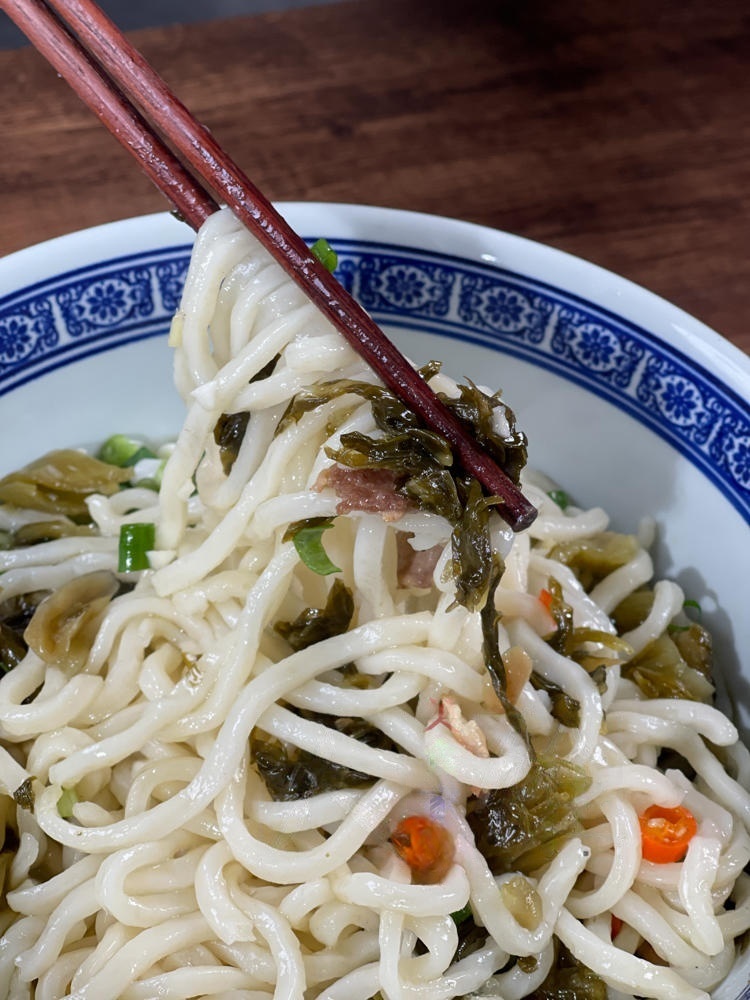
Or cook a portion of noodles separately, season the bowl with scallion and salt, and pour the broth over. That’s the broth noodle bowl, and it’s the fastest dinner you can make from a pot of this soup. If you want a heartier noodle version with more going on, a pickled mustard green noodle soup is a good next stop.
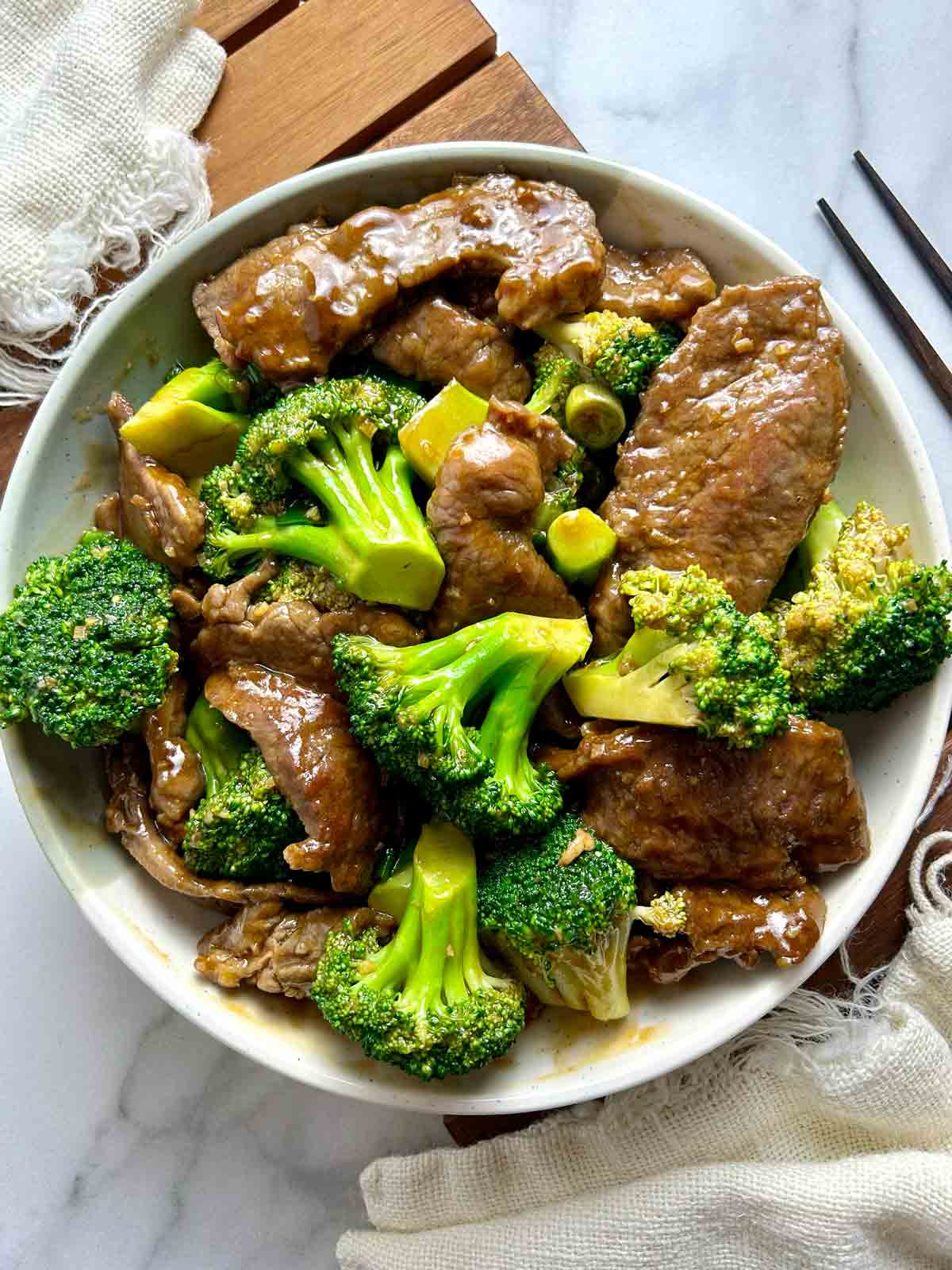
On the side, keep it simple and vegetable-forward. Something like beef and broccoli or a Korean beef bibimbap works if you’re feeding a crowd and want the soup to be one part of a larger table rather than the whole meal.

Storage & Reheat
Cool the soup within 2 hours of cooking, then refrigerate in a sealed container for up to 4 days. Because the broth is unsalted, it keeps better than a seasoned one and is more flexible when you reheat it.
The fat will rise and set into a solid layer on top once chilled. You can lift it off in one piece with a spoon and discard it, or leave it in for richness. If you’re storing the chicken in the broth, the meat will continue to absorb liquid and soften — that’s fine, but it means the chicken is best eaten within 2 days while the broth itself lasts 4.
To reheat, bring to a gentle simmer on the stovetop or heat in short bursts in the microwave. Reheat to 165°F (74°C) and don’t boil hard, which will cloud the broth you worked so hard to keep clear. The soup freezes well for up to 3 months; freeze the broth and chicken separately if you want to use the broth for other purposes later.
Allergen Notice
This recipe as written contains no major allergens beyond the chicken itself. If you add soy sauce at the table, note that soy is a top allergen. Some commercial dried mushroom packs are treated with sulfites, which can affect sulfite-sensitive individuals — check the label if that’s a concern. Dried longan and red dates are sometimes processed in facilities that handle tree nuts and peanuts.
Nutrition Disclaimer
Nutrition information is calculated using an ingredient database and should be considered an estimate. In cases where multiple ingredient alternatives are given, the first listed is calculated for nutrition. Garnishes and optional ingredients are not included.
About the Author & Recipe Development
I’m Lin, and I’ve been cooking Chinese food at home for as long as I can remember — first in my family’s kitchen, then in a series of small apartments with increasingly questionable stovetops. Woks of Love is where I write down the recipes I actually make, tested until they work reliably in a normal home kitchen.
This version of 清炖鸡汤 came out of a conversation with my mother about why her chicken soup always tasted better than mine. The answer, it turned out, was the blanch — she’d been doing the cold-water, low-heat method for forty years without ever calling it a technique. It was just what you did. I’ve since tested the recipe with old hen, regular chicken, and a supermarket rotisserie bird (don’t), and the cold-water blanch is the one step that never fails to make a difference.
The pressure cooker timing was developed across three different pots, and 15 minutes at pressure is the point where an old hen’s meat is tender but still sliceable. If you’re using a different bird or a different pot, adjust and let me know how it goes.
Authoritative References
For safe internal temperatures and storage guidance, see the USDA safe minimum internal temperature chart, which lists 165°F (74°C) for poultry. The FDA Food Code covers cooling and refrigeration timelines for cooked foods. For background on how protein coagulation affects broth clarity, Serious Eats’ explainer on clear chicken stock walks through the science in plain language.
Clear Simmered Chicken Soup (清炖鸡汤): Clean, Fresh, Nourishing

Equipment
- Pressure cooker
- Wok
- Cutting Board
- Slotted Spoon
Ingredients
For the Soup
- 1.5 lb old hen about 1.5 斤, cleaned, cut into large chunks
- 3 slices ginger about 1 inch, smashed
- 3 pieces red dates jujube, pitted
- 2 pieces longan dried longan flesh
- 1 pack dried mushroom mix 菌菇料包, soaked and drained
- 8 cups hot water added all at once
For Serving
- 1 tsp salt to taste, for the bowl
- 2 stalks scallion chopped, for the bowl
- 1 handful cilantro 香芹 or cilantro, chopped
- 2 cups cooked rice for the soup-rice bowl
- 4 oz noodles optional, for the broth noodle bowl
Instructions
- For soup, use an old hen. We rinse it clean, remove the parts we won’t use, and cut it into large chunks.

- Blanch in cold water over medium-low heat for about 20 minutes — it does not need to come to a full boil — then rinse clean under hot water.

- Find a safe, reliable pressure cooker and add the chicken, smashed ginger, 3 red dates, 2 longan, and the dried mushroom pack. Pour in hot water, enough in one go, and cook over medium heat for 15 minutes once it comes to pressure.

- Pan-fry a few mushrooms as a topping, season the bottom of a bowl with scallion and salt, pour in the hot chicken broth, and cook some noodles in a separate pot — that’s your broth noodle bowl.
- Steaming hot rice, a scattering of cilantro, a ladle of chicken broth over the top, and the fried mushrooms arranged on it — that’s a bowl of chicken soup rice that comforts the heart.













Leave a Reply