As a chef who regularly prepares Asian cuisines at home, I often turn to Bibimbap when I crave something balanced, hearty, and deeply comforting. This Korean beef stone pot bibimbap (often called Dolsot Bibimbap) is a perfect canvas for fresh vegetables, savory marinated beef, and that addictive spicy-sweet Gochujang sauce.

When my family asks for a quick yet satisfying dinner, this is my go-to. Best of all, achieving that signature crispy rice bottom is easier than you think, even without a traditional stone pot! We will build layers of flavor step by step, ensuring each component shines.
What Is Korean Beef Bibimbap?
Bibimbap literally translates to “mixed rice” in Korean. It is a quintessential Korean comfort food consisting of a bowl of warm white rice topped with namul (sautéed and seasoned vegetables), gochujang (chili pepper paste), soy sauce, or doenjang (a fermented soybean paste). A raw or fried egg and sliced meat (usually beef) are common additions.
The “Dolsot” version is served in a sizzling hot stone pot, which toasts the rice at the bottom to a golden, crispy perfection called nurungji.
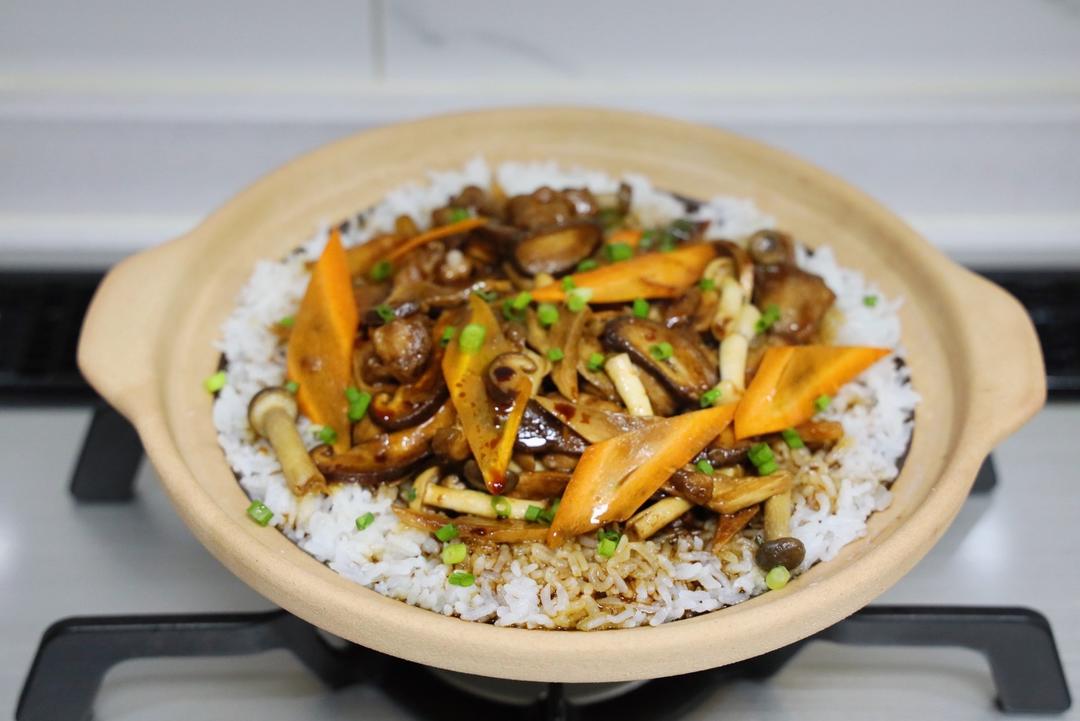
If you love the crispy rice texture found in traditional Chinese Clay Pot Rice, you will absolutely adore the scorched rice at the bottom of a proper Dolsot Bibimbap. It shares that same irresistible, crunchy finish.
1Mushroom Chicken Clay Pot Rice (Bao Zai Fan)A classic Cantonese one-pot meal featuring tender marinated chicken and earthy mushrooms steamed over fluffy jasmine rice. The highlight is the golden, crispy rice crust formed at the bottom of the pot. A complete, healthy dinner ready in 45 minutes.Check out this recipe
Ingredients
The Base:
- 1 bowl cooked white rice (approx. 1.5 cups / 300g)
- 1 large egg
- 1 tbsp cooking oil (for frying)
- 6 slices fatty beef (about 7 oz / 200g)
- 1 tbsp Dark Soy Sauce
- 1 tbsp minced garlic
- 2 tbsp Korean BBQ sauce (or Japanese yakiniku sauce)
- 1 tbsp Sesame Oil
- 1 tsp toasted sesame seeds
- 4 fresh shiitake mushrooms, thinly sliced
- 1/2 medium zucchini, thinly sliced
- 1 medium carrot, julienned
- 1 cup soybean sprouts (about 3.5 oz / 100g)
- 1 cup fresh spinach (about 3.5 oz / 100g)
- 1/4 cup Napa cabbage kimchi, lightly chopped
- 1 tbsp minced garlic
- 2 tbsp Gochujang (Korean chili paste)
- 2 tbsp Sprite (lemon-lime soda)
- 1 tbsp Sesame Oil
- 1 tbsp Light Soy Sauce
- 1 tsp toasted sesame seeds
The Beef & Marinade:
The Vegetables:
The Bibimbap Sauce:
Ingredient Notes
- Gochujang: This fermented chili paste is the soul of the dish. I highly recommend using a quality brand like Chung Jung One.
- Sprite: This is a fantastic home-cooking secret for the sauce. The lemon-lime soda adds the perfect amount of sweetness and acidity to balance the heavy, savory notes of the Gochujang, while helping to thin it to a pourable consistency.
Equipment Needed
- A wide skillet or a traditional Dolsot (stone pot) or cast iron pan.
- A pot for blanching vegetables.
Prep & Mise en Place
Proper preparation is the secret to a smooth cooking process:
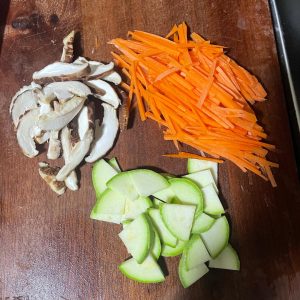
- Julienne your carrots and slice your zucchini into uniform pieces. This ensures they cook evenly and look beautiful in the bowl.
- Mix your Gochujang sauce ahead of time so the flavors have a few minutes to meld together.
- Marinate your beef slices right at the beginning. Even just 10 minutes of marinating makes a huge difference in tenderizing the meat and infusing it with flavor.
Cooking Process
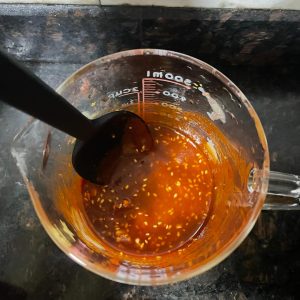
- Prepare the Sauce: In a small bowl, combine 1 tbsp minced garlic, 2 tbsp Gochujang, 2 tbsp Sprite, 1 tbsp sesame oil, 1 tbsp light soy sauce, and 1 tsp sesame seeds. Whisk until smooth and set aside.
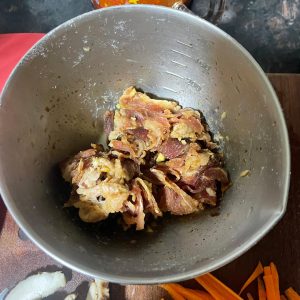
- Marinate the Beef: In another bowl, gently toss the 6 slices of fatty beef with the dark soy sauce, garlic, Korean BBQ sauce, sesame oil, and sesame seeds. Let it rest for 10 minutes.
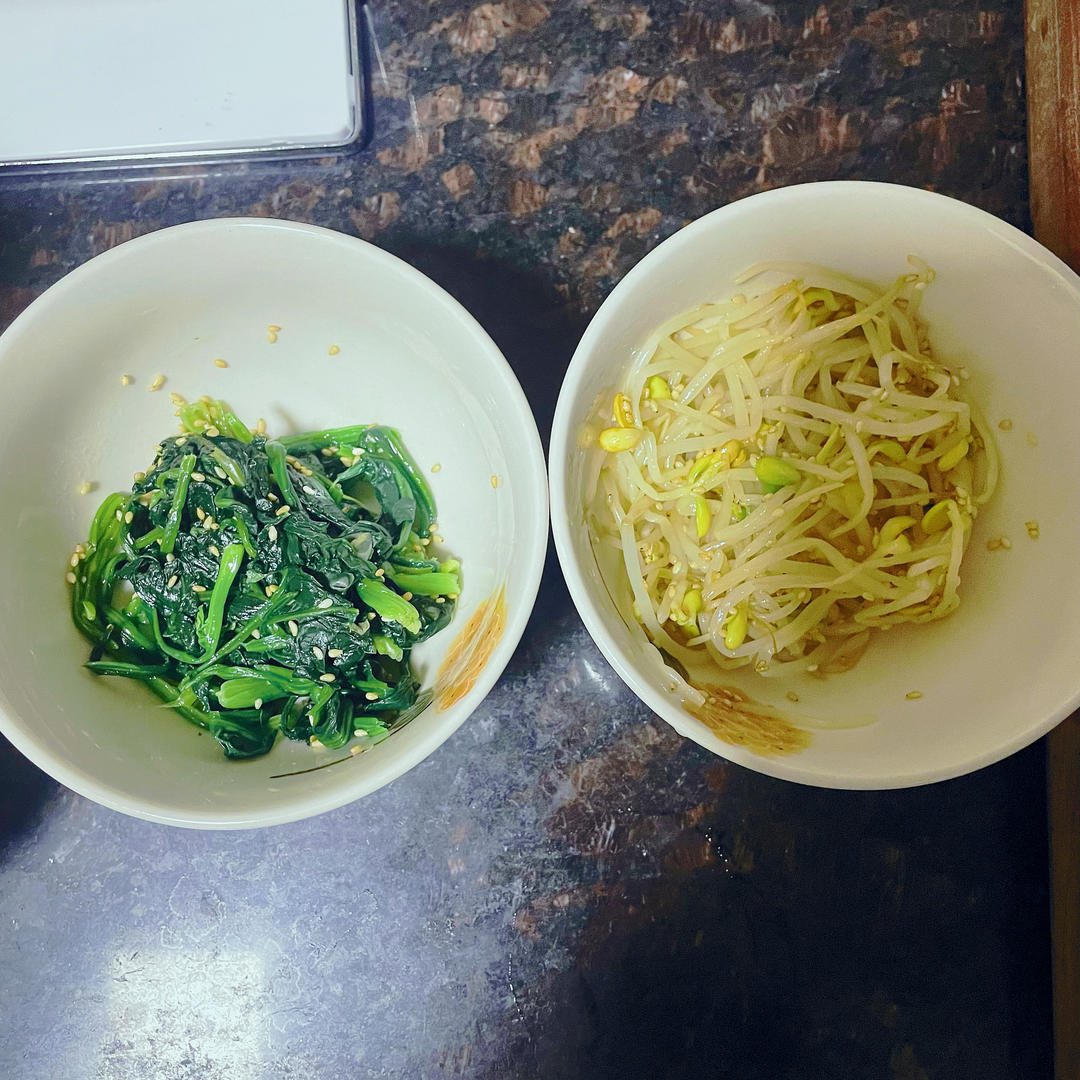
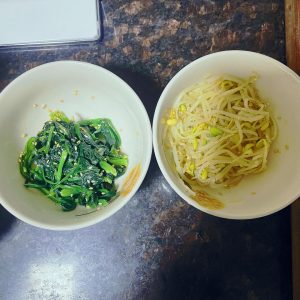
- Blanch the Greens (3-4 minutes): Bring a pot of water to a boil. Blanch the soybean sprouts for 2 minutes, remove, and immediately plunge into cold water. Repeat for the spinach (blanch for just 1 minute). Squeeze out all excess water from both. Toss them lightly in a few drops of sesame oil and sesame seeds.
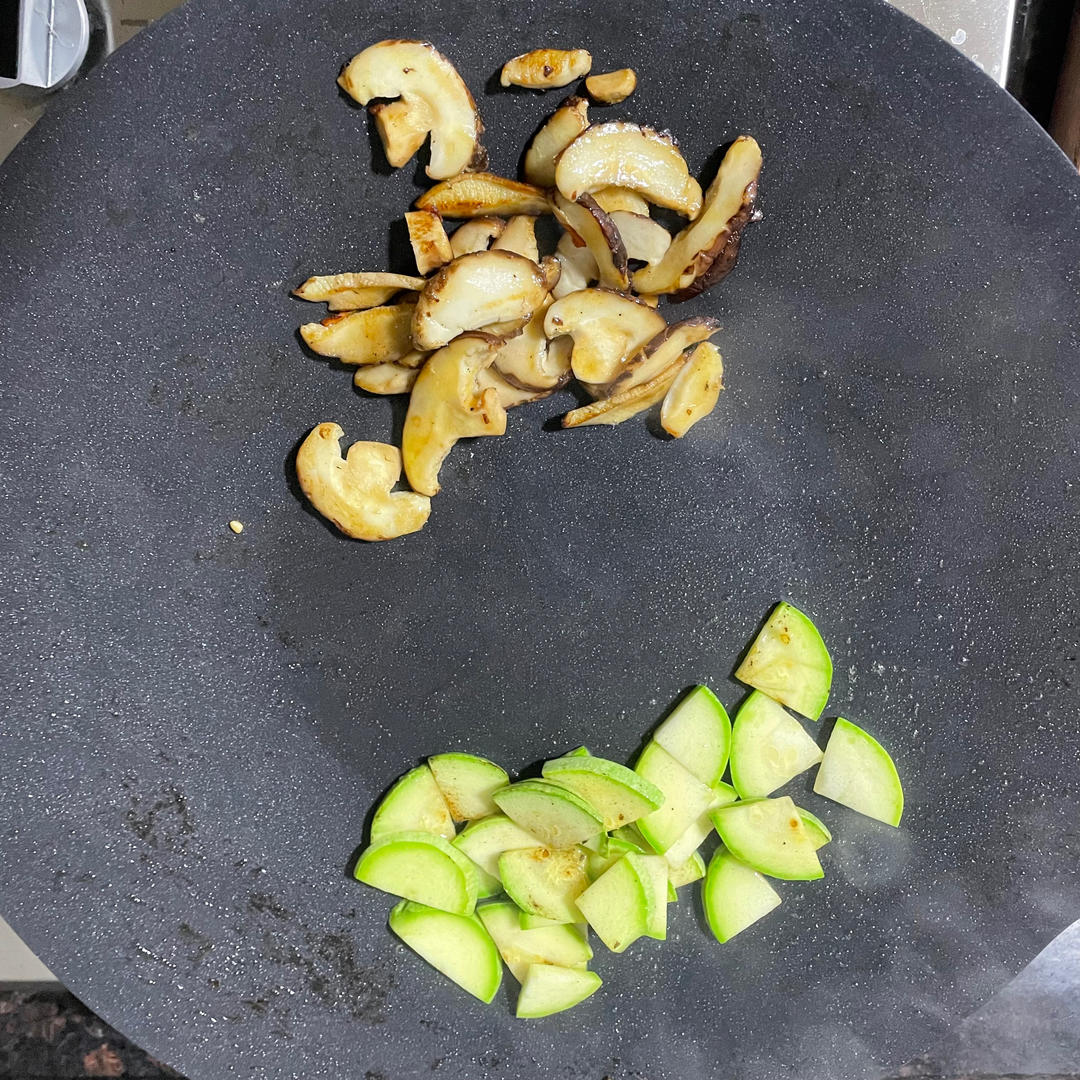
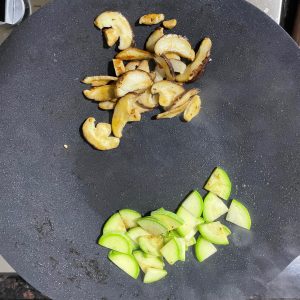
- Sauté the Vegetables (5-7 minutes): Heat a small amount of oil in a skillet over medium-high heat. Sauté the shiitake mushrooms, zucchini, and carrots separately until just tender (about 2 minutes per vegetable). Briefly stir-fry the kimchi for 1 minute to release its aromatics. Remove all vegetables and set aside.
- Cook the Beef (3-4 minutes): In the same skillet over high heat (around 400°F / 200°C), add the marinated beef. Cook quickly until browned and fully cooked through.
- Fry the Egg (2-3 minutes): Fry the egg sunny-side up, or to your preferred doneness. (Note: Consuming raw or undercooked eggs may increase your risk of foodborne illness).
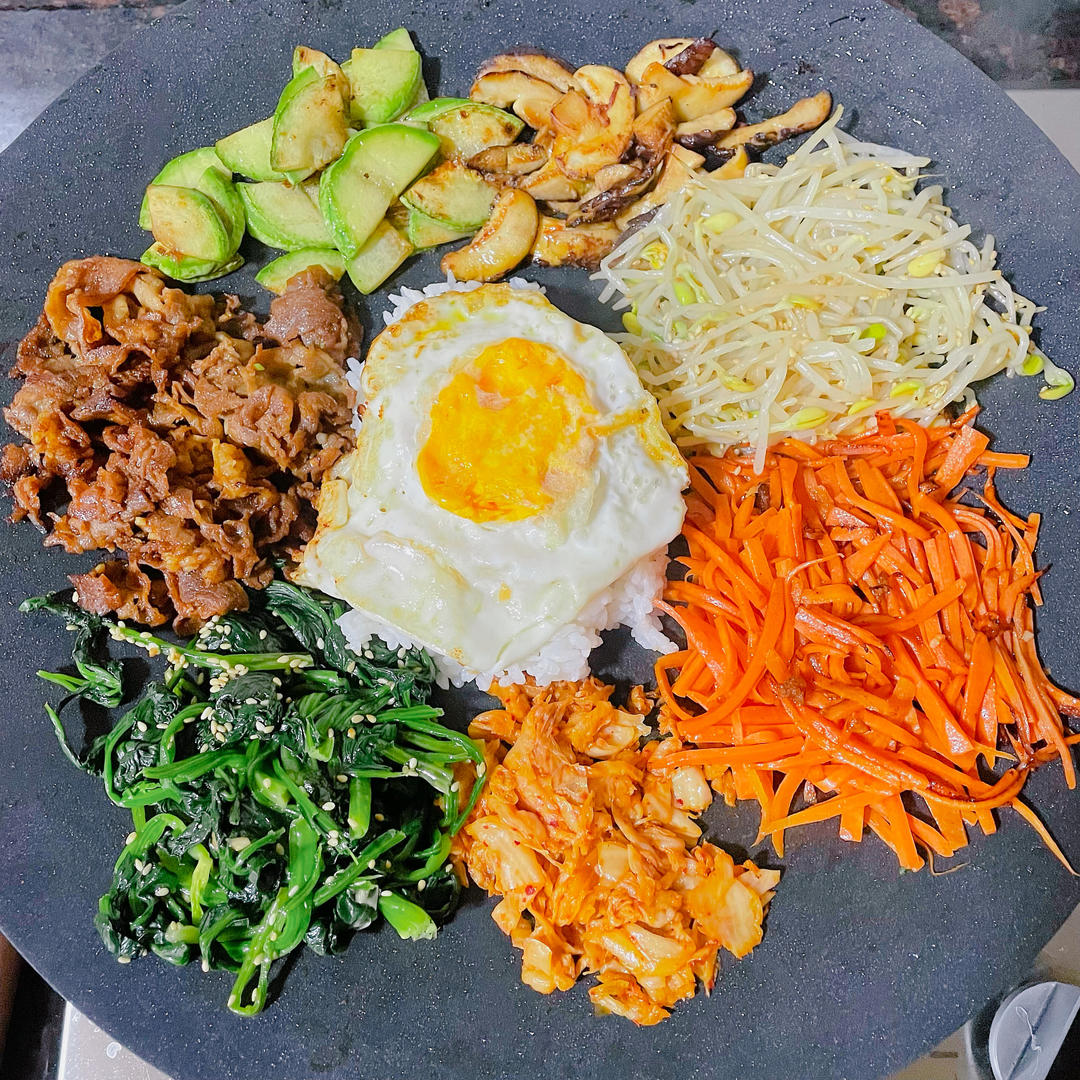
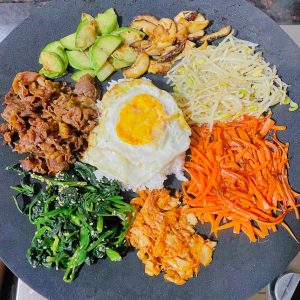
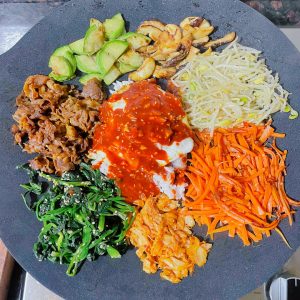
- Assemble and Crisp the Rice (5-8 minutes): Lightly coat the bottom of a wide cast iron pan (or stone pot) with oil. Add the cooked rice to the center and arrange the prepared vegetables and beef in a colorful circle around the edges. Turn the heat to medium-low and let it cook undisturbed for 5-8 minutes until a crispy crust forms on the bottom of the rice.
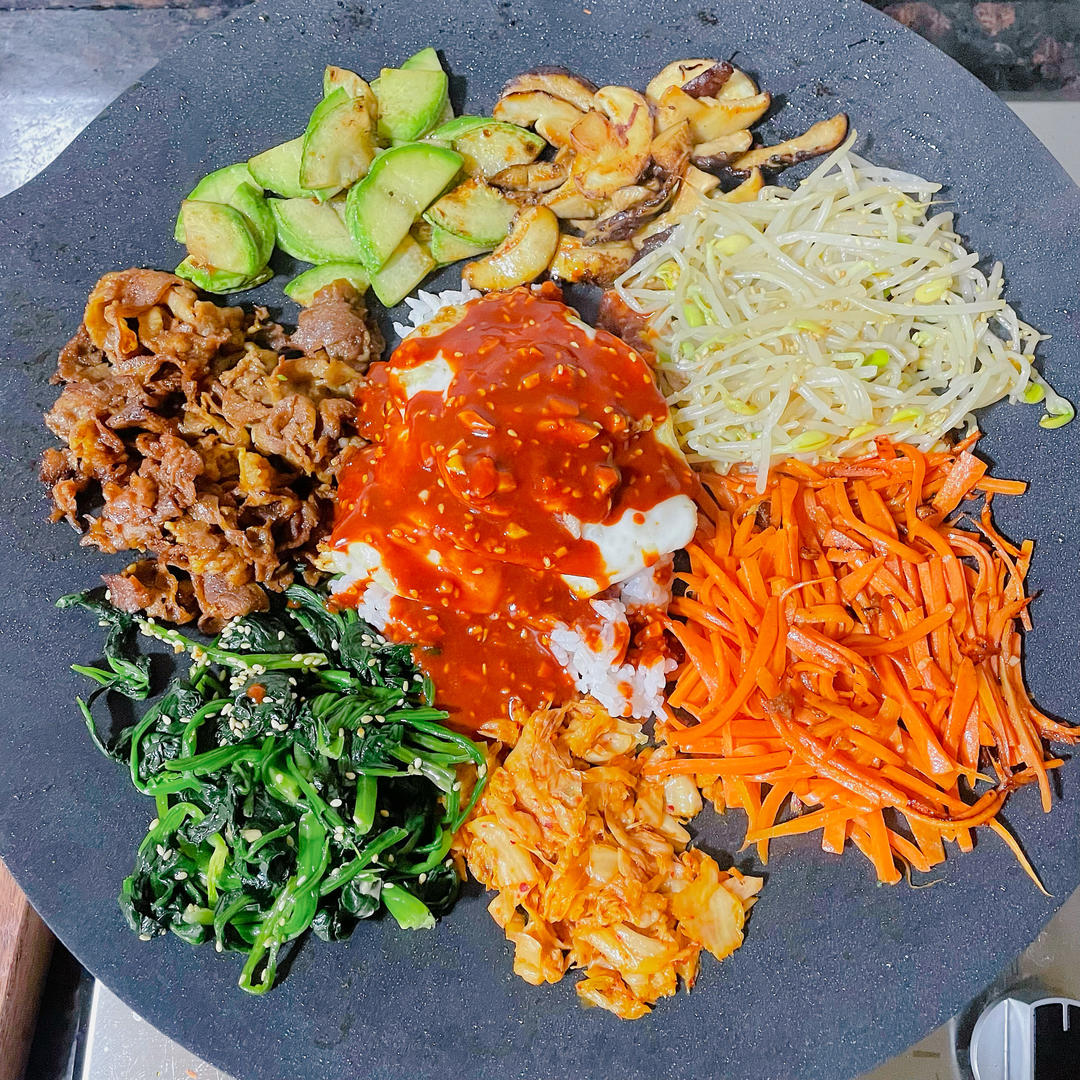
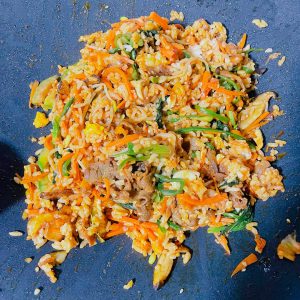
- Serve: Top with the fried egg and drizzle the prepared Gochujang sauce over everything. Mix thoroughly right before eating!
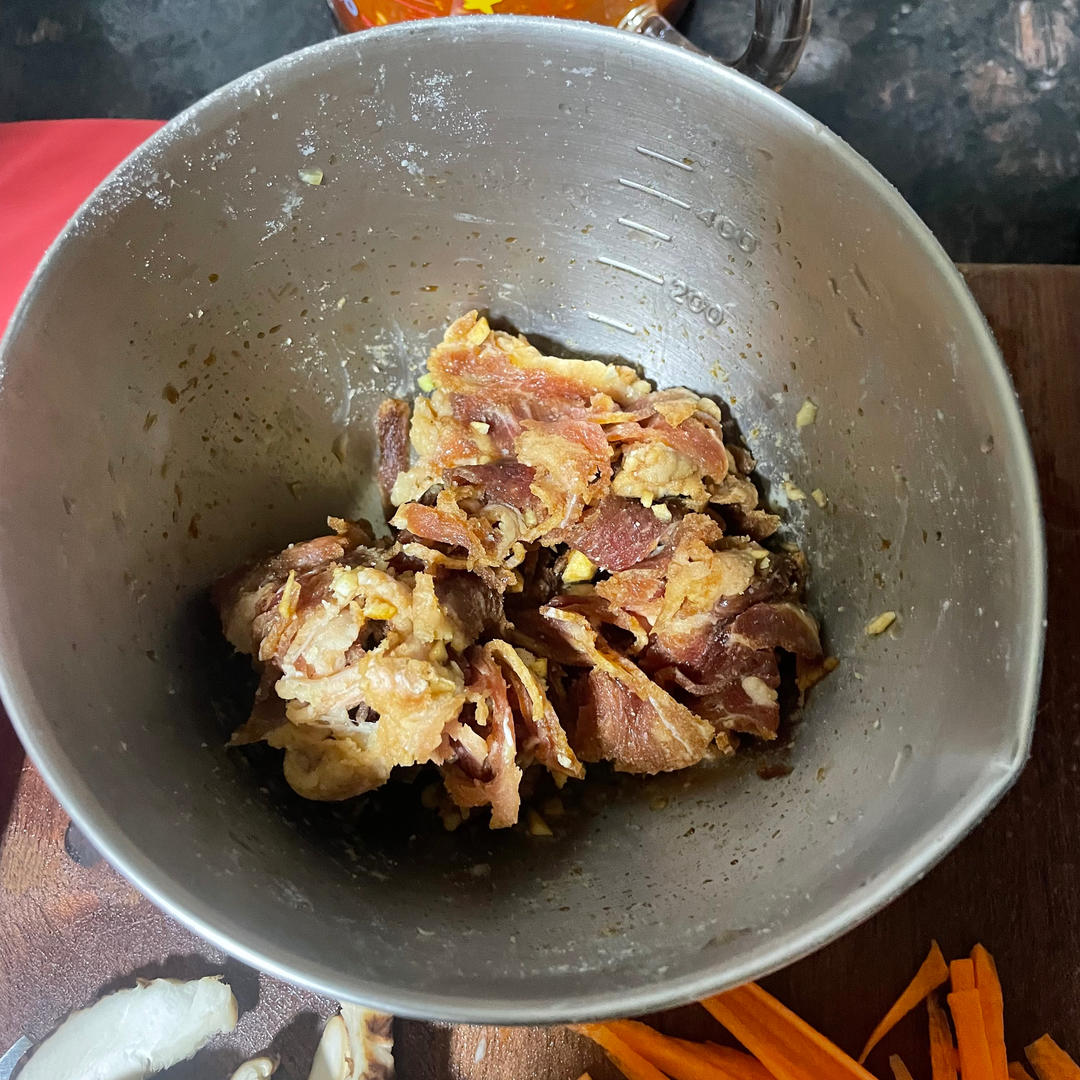
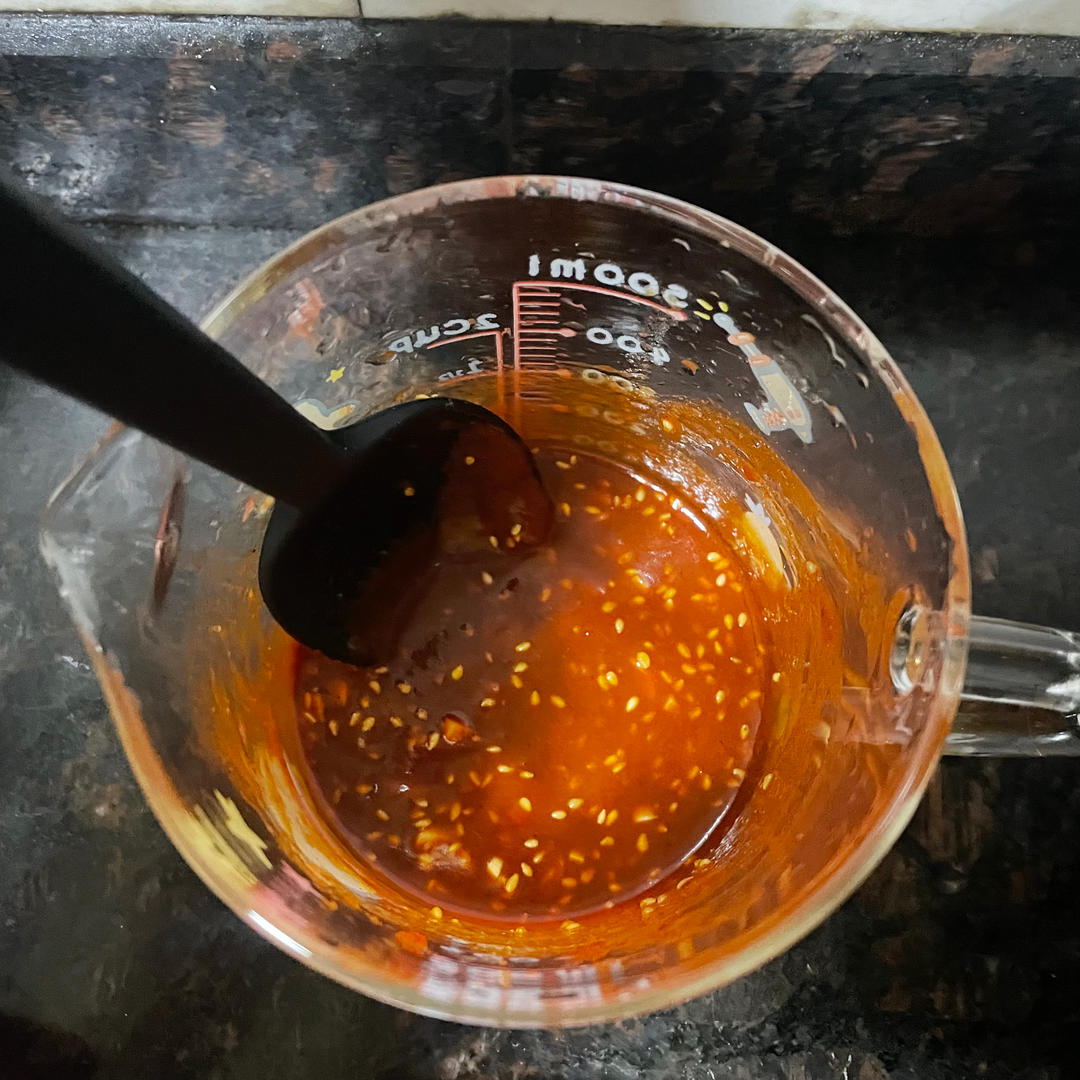
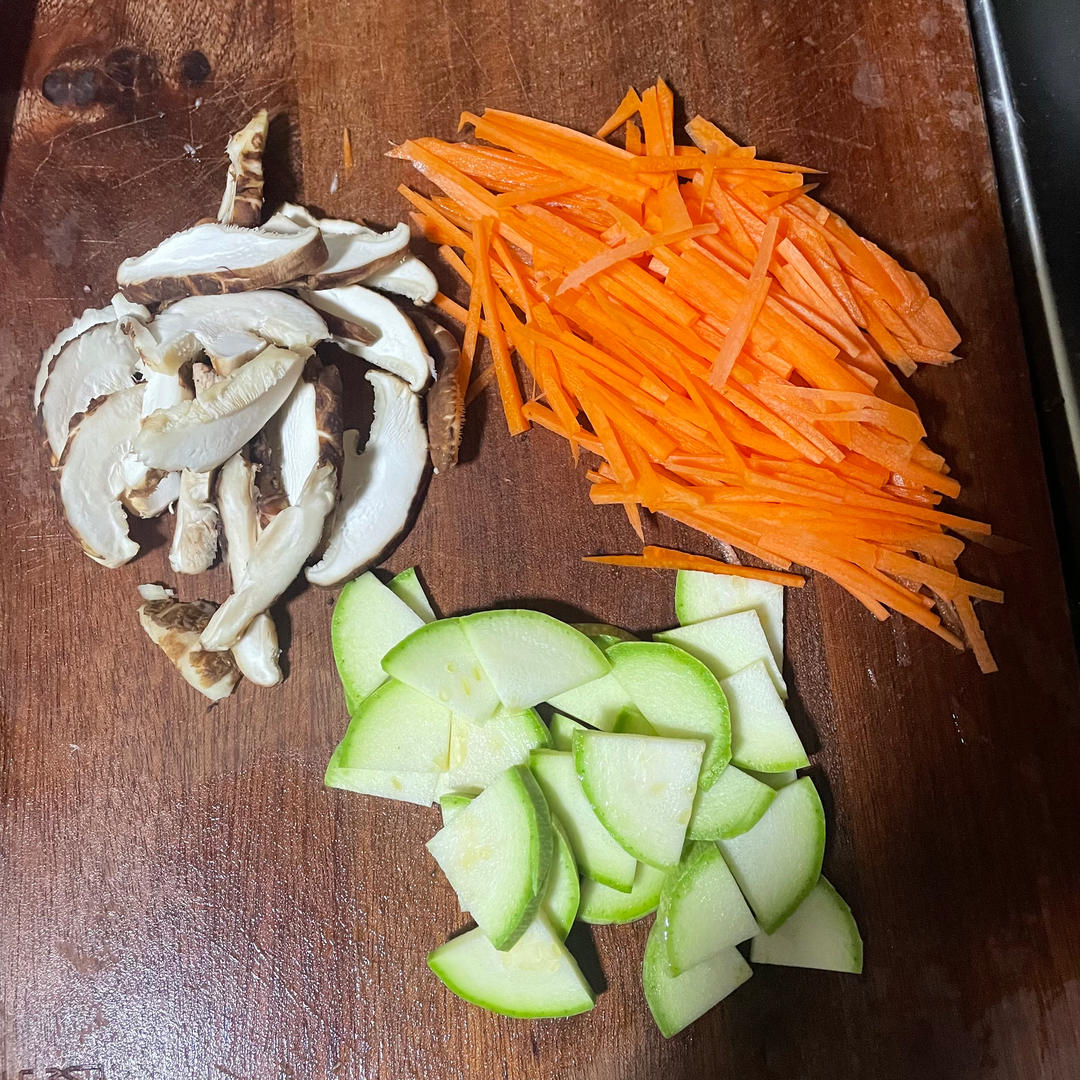
“Cooking the beef rapidly over high heat triggers the Maillard reaction—a chemical reaction between amino acids and reducing sugars that gives browned food its distinctive, complex flavor, locking in the juices before the thin slices can dry out.”
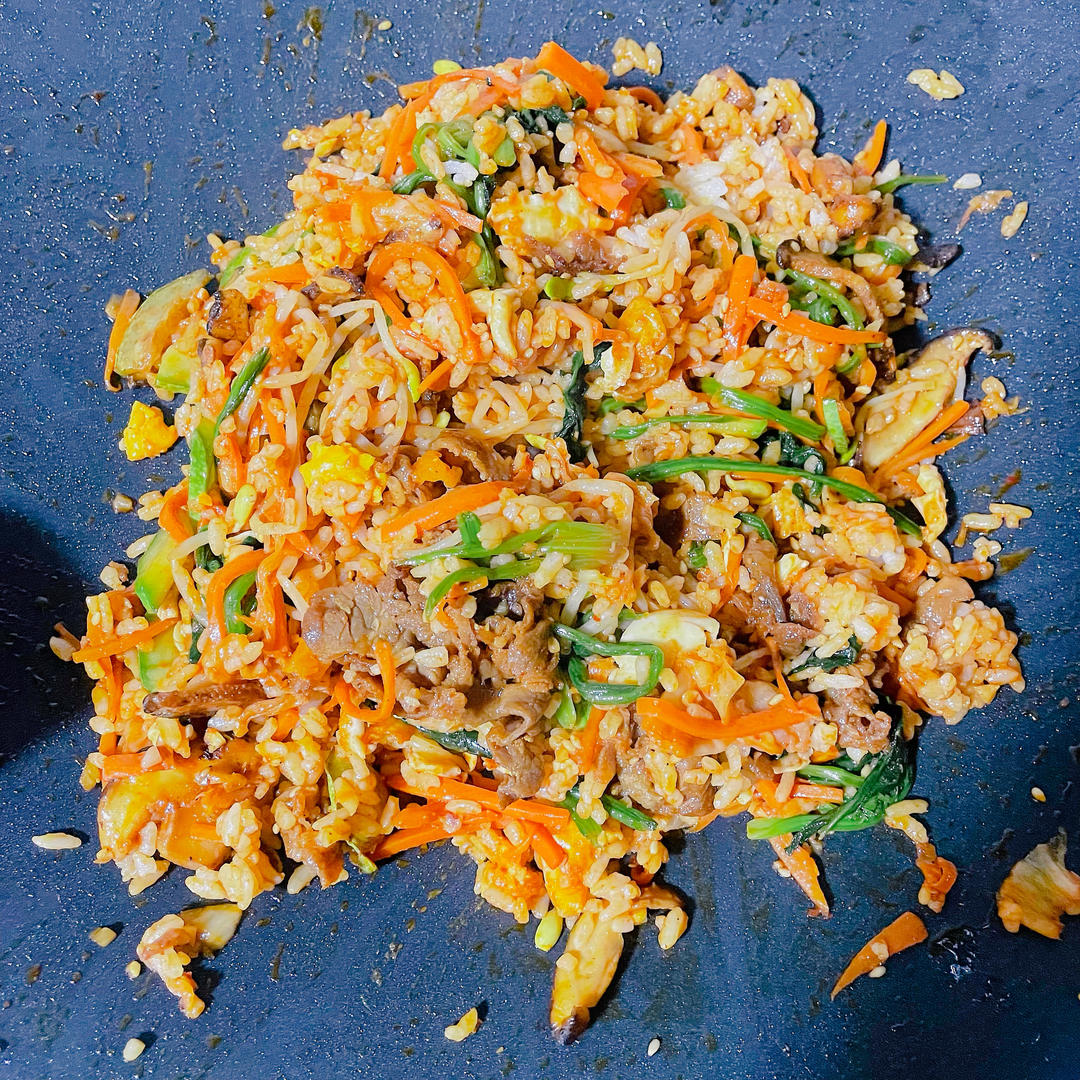
Why This Recipe Works
- Flavor Balance: The sweetness of the Sprite in the sauce cuts perfectly through the rich, fatty beef and the earthy vegetables.
- Textural Contrast: Soft vegetables and tender beef contrast beautifully with the crunchy, scorched rice at the bottom.
- Efficiency: By cooking the vegetables sequentially in the same pan, you save on cleanup while layering the flavors from the oil.
Common Mistakes When Making Korean Beef Bibimbap
- Mistake: Mushy Rice.
- Cause: Using freshly cooked, overly wet rice.
- Solution: Use slightly drier rice. For the best crispy base, check out my guide on how to Cook rice in cast iron.
- Mistake: Soggy Vegetables.
- Cause: Not squeezing the water out of the blanched spinach and bean sprouts.
- Solution: Always plunge blanched greens into ice water to stop the cooking, then squeeze them firmly with your hands to remove excess moisture before seasoning.
Variations
- Vegetarian: Skip the beef and add extra mushrooms (like King Oyster or Enoki) or pan-fried firm tofu.
- Spicy Level: Adjust the Gochujang in the sauce. For extra heat, add a pinch of Korean chili flakes (Gochugaru).
Frequently Asked Questions
- Can I substitute the fatty beef? Yes, thinly sliced pork belly or chicken thigh works wonderfully.
- Can I make this ahead of time? You can prep all the vegetables and the sauce up to 2 days in advance. Cook the meat, crisp the rice, and fry the egg fresh when you are ready to serve.
- What if I don’t have Sprite? You can substitute it with 1 tablespoon of sugar mixed with 1 tablespoon of water, plus a tiny splash of rice vinegar for acidity.
How to Serve
Bibimbap is a meal in itself, but it pairs wonderfully with a warm, comforting broth on the side. If you want a full Korean banquet feel, serve this alongside a steaming bowl of Korean Beef Hot Pot Noodle Soup.
Storage & Reheat
- Storage: Store leftover mixed bibimbap in an airtight container in the refrigerator for up to 2 days.
- Reheat: To get the best texture out of your leftovers, see my tips on How to Reheat Fried Rice Properly—the same pan-frying principles apply to revive the crispy rice texture of Bibimbap.
Allergen Notice
- Soy (Soy sauce, Gochujang)
- Gluten (Soy sauce, some Gochujang brands)
- Eggs
- Sesame
Nutrition Disclaimer
Nutrition information is an estimate and provided for informational purposes only. Variables such as the exact fattiness of the beef and the amount of oil absorbed by the rice will alter the final caloric count.
About the Author & Recipe Development
I’m Lin, the voice and recipe developer behind Woks of Love. My approach to cooking blends traditional Asian techniques with practical home-kitchen setups. For this recipe, I tested various sauce consistencies and found that the modern Korean home-cooking hack of using Sprite perfectly balanced the Gochujang without needing to simmer complex syrups. Every recipe here is rigorously tested in my own kitchen to ensure it works flawlessly in yours.
Authoritative References
- For guidelines on safe minimum internal temperatures for cooking beef and eggs, refer to the USDA Safe Minimum Internal Temperature Chart.
- To understand the science behind browning meat, see the culinary breakdown of the Maillard Reaction by the Institute of Food Technologists.
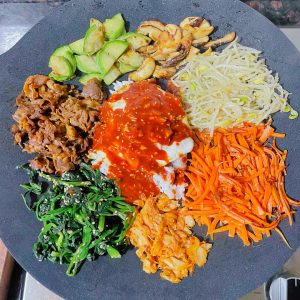
Authentic Korean Beef Bibimbap (Han Shi Niu Rou Shi Guo Ban Fan) in 30 Mins
Equipment
- Cast Iron Skillet or Stone Pot
Ingredients
The Base
- 1 bowl cooked white rice about 1.5 cups
- 1 large egg
- 1 tbsp cooking oil
The Beef & Marinade
- 6 slices fatty beef thinly sliced
- 1 tbsp Dark Soy Sauce
- 1 tbsp minced garlic
- 2 tbsp Korean BBQ sauce or Japanese yakiniku sauce
- 1 tbsp Sesame Oil
- 1 tsp toasted sesame seeds
The Vegetables
- 4 whole fresh shiitake mushrooms thinly sliced
- 0.5 medium zucchini thinly sliced
- 1 medium carrot julienned
- 1 cup soybean sprouts
- 1 cup fresh spinach
- 0.25 cup kimchi roughly chopped
The Bibimbap Sauce
- 1 tbsp minced garlic
- 2 tbsp Gochujang Korean chili paste
- 2 tbsp Sprite lemon-lime soda
- 1 tbsp Sesame Oil
- 1 tbsp Light Soy Sauce
- 1 tsp toasted sesame seeds
Instructions
- In a small bowl, mix 1 tbsp minced garlic, 2 tbsp Gochujang, 2 tbsp Sprite, 1 tbsp sesame oil, 1 tbsp light soy sauce, and 1 tsp sesame seeds until smooth.

- In another bowl, toss the fatty beef with dark soy sauce, garlic, Korean BBQ sauce, sesame oil, and sesame seeds. Rest for 10 minutes.
- Blanch soybean sprouts for 2 minutes and spinach for 1 minute. Plunge into cold water, squeeze out excess water completely, and lightly toss with a little sesame oil and seeds.
- Heat oil in a skillet over medium-high heat. Sauté the mushrooms, zucchini, and carrots separately until tender (about 2 mins each). Briefly stir-fry the kimchi for 1 min. Set aside.
- In the same skillet over high heat, quickly brown the marinated beef for 3-4 minutes until fully cooked.
- Fry the egg sunny-side up, or to your preferred doneness.
- Lightly oil a wide cast iron pan. Add the cooked rice, arrange the vegetables and beef on top, and cook over medium-low heat for 5-8 minutes until a crispy crust forms on the bottom of the rice.
- Top with the fried egg, drizzle with the Gochujang sauce, mix thoroughly, and serve warm.












Leave a Reply