There is a particular kind of magic that happens when eggplant, pork, and rice cook together in one pot. The eggplant collapses into something silky and almost custardy, the minced pork melts into every grain, and at the very bottom of the pot a golden, crackling layer of rice forms that might be the best part of the whole meal. This braised eggplant and minced pork rice—茄子肉末焖饭—is the kind of dish that fills a kitchen with the smell of soy and garlic and makes everyone wander in asking when it will be ready.
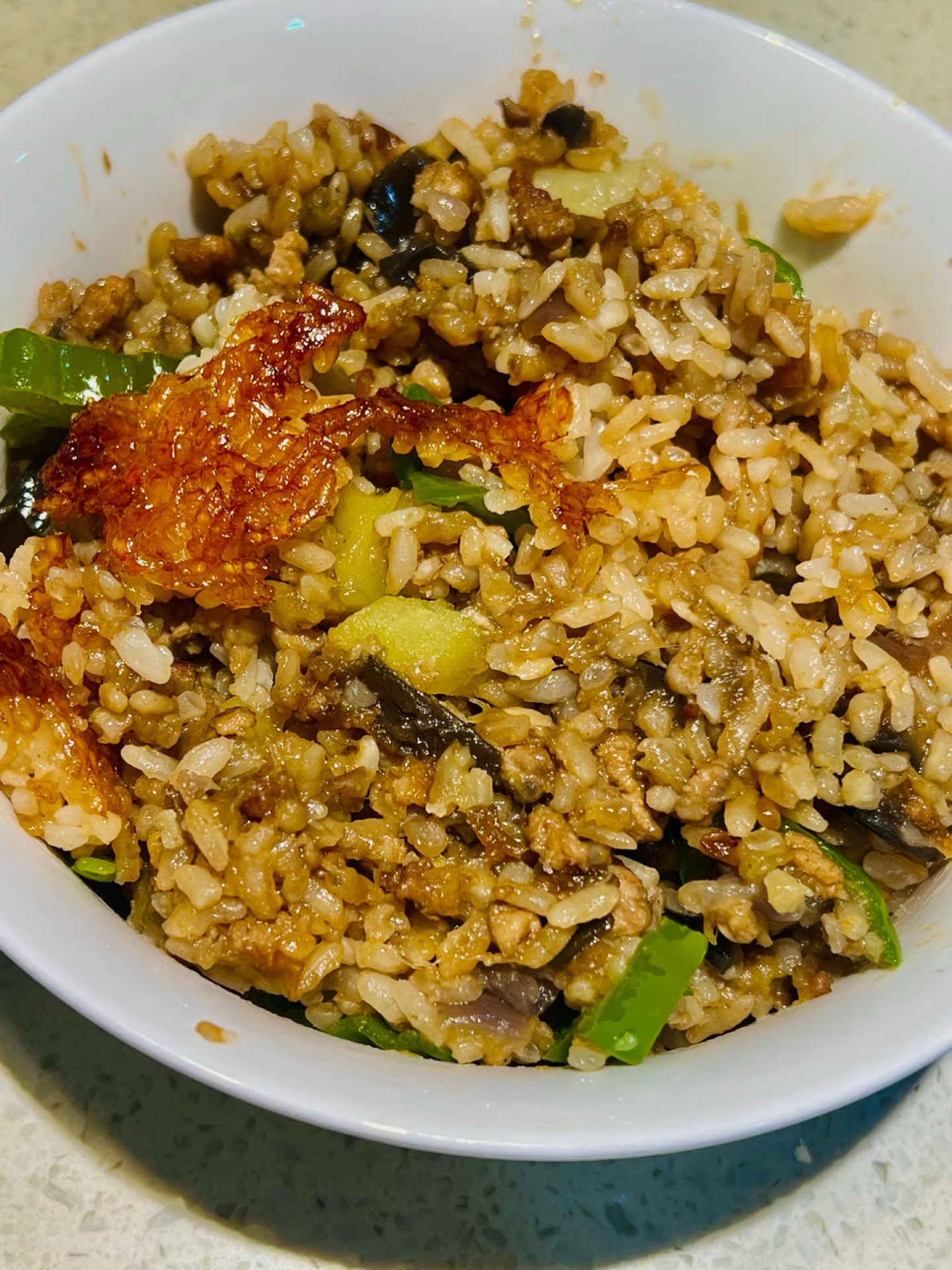
What makes this dish so satisfying is how little effort it takes for how much flavor comes out. You brown pork, soften eggplant in a savory sauce, and let the whole thing steam over rice until the grains drink up the braising liquid. The rice at the bottom turns crisp and nutty without any special equipment—just a heavy pot and a little patience. It is weeknight cooking that tastes like a weekend project.
I first learned to make this style of one-pot rice from my mother, who would layer whatever vegetables were in the fridge over a pot of rice and let the stove do the rest. The eggplant version was always my favorite because the eggplant turns so soft and sweet against the salty pork. If you have ever ordered clay pot rice at a Cantonese restaurant and loved the crunchy rice at the bottom, this is the home-kitchen version of that same pleasure.
What Is Braised Eggplant and Minced Pork Rice?
Braised eggplant and minced pork rice is a one-pot Chinese dish from the home kitchens of southern and eastern China, where rice is cooked with a savory topping so that the grains absorb the flavors of the sauce. The eggplant is braised with ground pork, soy sauce, garlic, ginger, and onion until it becomes tender and glossy, then spooned over partially cooked rice and steamed until everything comes together. The signature of a good version is the socarrat—the crispy, golden crust of rice that forms at the bottom of the pot.
The name 茄子肉末焖饭 breaks down simply: 茄子 means eggplant, 肉末 means minced meat, and 焖饭 means rice cooked by covering and steaming. It belongs to the same family of dishes as clay pot rice and other one-pot rice meals, where the rice and the topping cook together rather than being prepared separately. That single-pot approach is what gives the rice its deep, savory character—it is not plain rice with something on top, but rice that has been seasoned from the inside out.
Unlike a stir-fry, where everything is cooked fast over high heat, this dish relies on a covered pot and gentle steam. The eggplant releases its juices into the sauce, the pork renders its fat, and the rice absorbs it all. The result is a dish that is simultaneously comforting and complex, with soft eggplant, chewy pork, and crunchy rice all in the same spoonful.
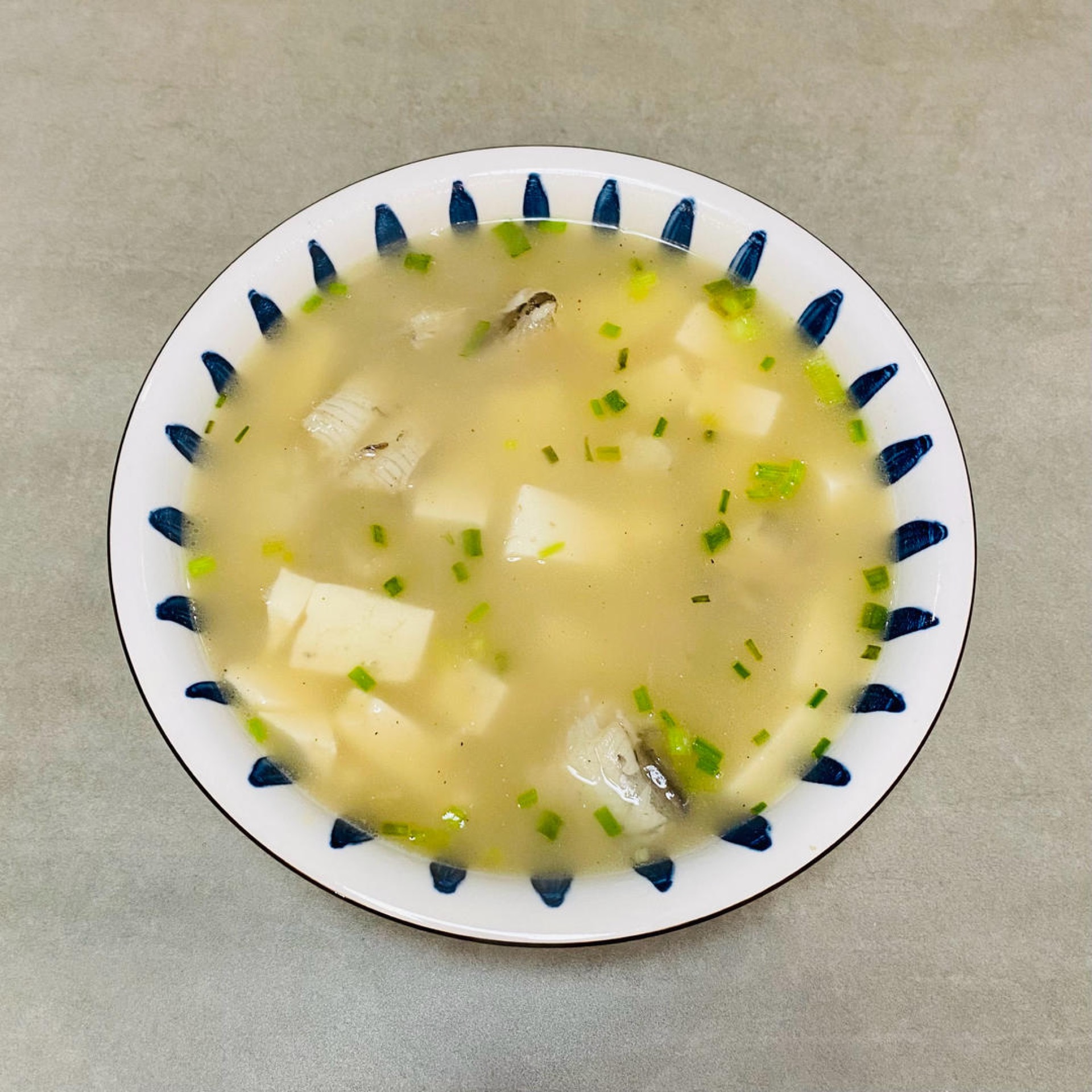
If you enjoy the deep, savory comfort of one-pot rice dishes, you should also try our Bombay Duck and Tofu Soup, a similarly warming and umami-rich dish that comes together in a single pot.
1Bombay Duck and Tofu Soup (龙头鱼豆腐汤): Silky Tofu, Tender Fish inThis Bombay duck and tofu soup pairs soft, custardy tofu with delicate fish in a clean, peppery broth. The result is a light, comforting bowl that tastes far richer than its short ingredient list suggests.Check out this recipe
Ingredient Notes
Eggplant is the heart of this dish, and the type you choose matters. Chinese or Japanese eggplant—the long, slender, thin-skinned varieties—is ideal because it has fewer seeds, a creamier texture, and does not need to be peeled. If you can only find the large globe eggplant, that works too, but cut it into smaller strips and consider salting it for 15 minutes first to draw out excess water. Soaking the cut eggplant in lightly salted water for about 8 minutes before cooking is a step I always take: it keeps the flesh from browning, helps it hold its shape during braising, and reduces the amount of oil it soaks up.
Ground pork is the savory backbone. Look for a ratio around 70/30 lean-to-fat if you can, because the fat carries the flavor of the soy sauce and aromatics into the rice. If you only have lean ground pork, add an extra teaspoon of oil when browning it. You can also substitute ground chicken or turkey, though the dish will be a little less rich—add a splash more soy sauce to compensate.
The sauce is a simple balance of dark soy sauce for color, light soy sauce for salt and umami, a touch of regular soy sauce for depth, and sugar to round everything out. Dark soy sauce is thicker and less salty than light soy sauce, and it is what gives the eggplant that deep mahogany sheen. Do not swap one for the other without adjusting the salt. A pinch of chicken bouillon is optional but adds a rounded savoriness that makes the rice taste like it came from a restaurant.
Garlic, ginger, and scallion whites form the aromatic base, and they are added in two stages—half at the beginning to flavor the oil and half at the end to keep their brightness. Onion adds sweetness as it softens, and green pepper goes in at the very end for a fresh crunch and a little bitterness to cut through the richness.
Ingredients
Here is everything you need for four generous servings. The full measurements are in the recipe card below.
- Jasmine rice — 1½ cups, rinsed until the water runs clear
- Ground pork — 1 lb (250g), preferably with some fat
- Chinese eggplant — 1 whole, cut into strips
- Onion — ½, sliced
- Garlic — 5 cloves, minced and divided
- Ginger — 3 slices, minced and divided
- Scallion whites — 1 stalk’s worth, chopped and divided
- Green pepper — 1 whole, sliced
- Dark soy sauce — 1 tbsp
- Light soy sauce — 2 tbsp
- Soy sauce — ½ tbsp
- Sugar — 1 tbsp
- Salt — ½ tsp, plus more for the eggplant soak
- Chicken bouillon — ½ tsp, optional
- Water — ½ cup for the sauce, plus more for soaking and cooking the rice
- Cooking oil — 1 tbsp for the rice pot, plus more for the wok
Equipment Needed
One of the best things about this recipe is how little equipment it requires. You need a heavy-bottomed pot or a rice cooker for the rice, and a wok or skillet for the pork and eggplant. A heavy pot—cast iron, enameled cast iron, or a thick stainless steel pot—is the key to getting that crispy rice crust, because it distributes heat evenly and holds it long enough to toast the bottom layer of rice without burning it.
- Wok or large skillet — for browning the pork and braising the eggplant
- Heavy-bottomed pot or Dutch oven — for cooking the rice and forming the crust
- Cutting board and knife — for prepping the vegetables
- Slotted spoon — for lifting the pork and eggplant out of the wok
- Small bowl — for mixing the sauce
- Measuring cups and spoons
If you have a clay pot, this is a wonderful place to use it—the porous clay conducts heat gently and produces an especially crisp bottom layer. If you do not, a Dutch oven works beautifully. I have also made this in a regular nonstick pot with good results, though the crust is a little less pronounced.
Why This Recipe Works
The genius of this dish is that it uses the rice itself as a flavor sponge. By cooking the rice partway and then covering it with the braised eggplant and pork, you create a situation where the seasoned liquid from the topping seeps down into the rice as it finishes steaming. The rice does not just sit under the topping—it becomes part of the sauce.
Adding a tablespoon of oil to the rice pot at the start is a small step with a big payoff. The oil coats the grains and helps them separate, and more importantly it is what allows the bottom layer of rice to fry against the hot pot and form a crust. Without it, the rice at the bottom steams rather than crisps. This is the same principle behind the crispy rice in cantonese clay pot rice, where a thin film of oil or fat at the bottom of the pot is essential to the signature crust.
The two-stage addition of aromatics is another detail that matters. The first half of the garlic, ginger, and scallion goes into the hot oil to build a flavor base. The second half goes in at the very end, after the heat is off, so their sharp, fresh notes survive. If you added everything at the start, the aromatics would cook down into a single muted note. This way you get both depth and brightness.
There is real food science behind why eggplant turns so silky when braised. Eggplant flesh is full of tiny air pockets, and when it is heated in liquid, those pockets collapse and the cell walls soften, which is why the texture goes from spongy to creamy. The salt in the soaking water helps draw out some of the water in the cells first, so the eggplant absorbs sauce rather than turning to mush. This is also why eggplant dishes like braised eggplant with tomato rely on a good sauce to carry the flavor.
Prep & Mise en Place
This dish moves quickly once you start cooking, so it pays to have everything ready before the wok gets hot. Start by rinsing the rice in cold water two or three times, until the water runs mostly clear. This removes surface starch that would otherwise make the rice gluey. Drain it well and set it aside.
Cut the eggplant into strips about the size of your finger—roughly 2 inches long and ½ inch thick. As you cut, drop the strips into a bowl of cold water with a pinch of salt. Let them soak for about 8 minutes while you prepare everything else, then drain them well and pat them dry. This step keeps them from browning and helps them hold their shape.
Mince the garlic and ginger, and chop the scallion whites. Divide each into two portions—one for the beginning of cooking and one for the end. Slice the onion and the green pepper, and set them aside separately. Measure out the sauce ingredients into a small bowl: dark soy sauce, light soy sauce, regular soy sauce, sugar, salt, chicken bouillon, and ½ cup of water. Stir to dissolve the sugar and set the bowl next to the stove.
Have your ground pork ready in a bowl, and put a slotted spoon and a clean serving dish within reach. Once the wok is hot, you will not have time to go looking for things. This kind of setup—called mise en place—is standard in Chinese home cooking, and it is the difference between a smooth dish and a frantic one.
Cooking Process
Step 1 — Prep the Aromatics and Vegetables
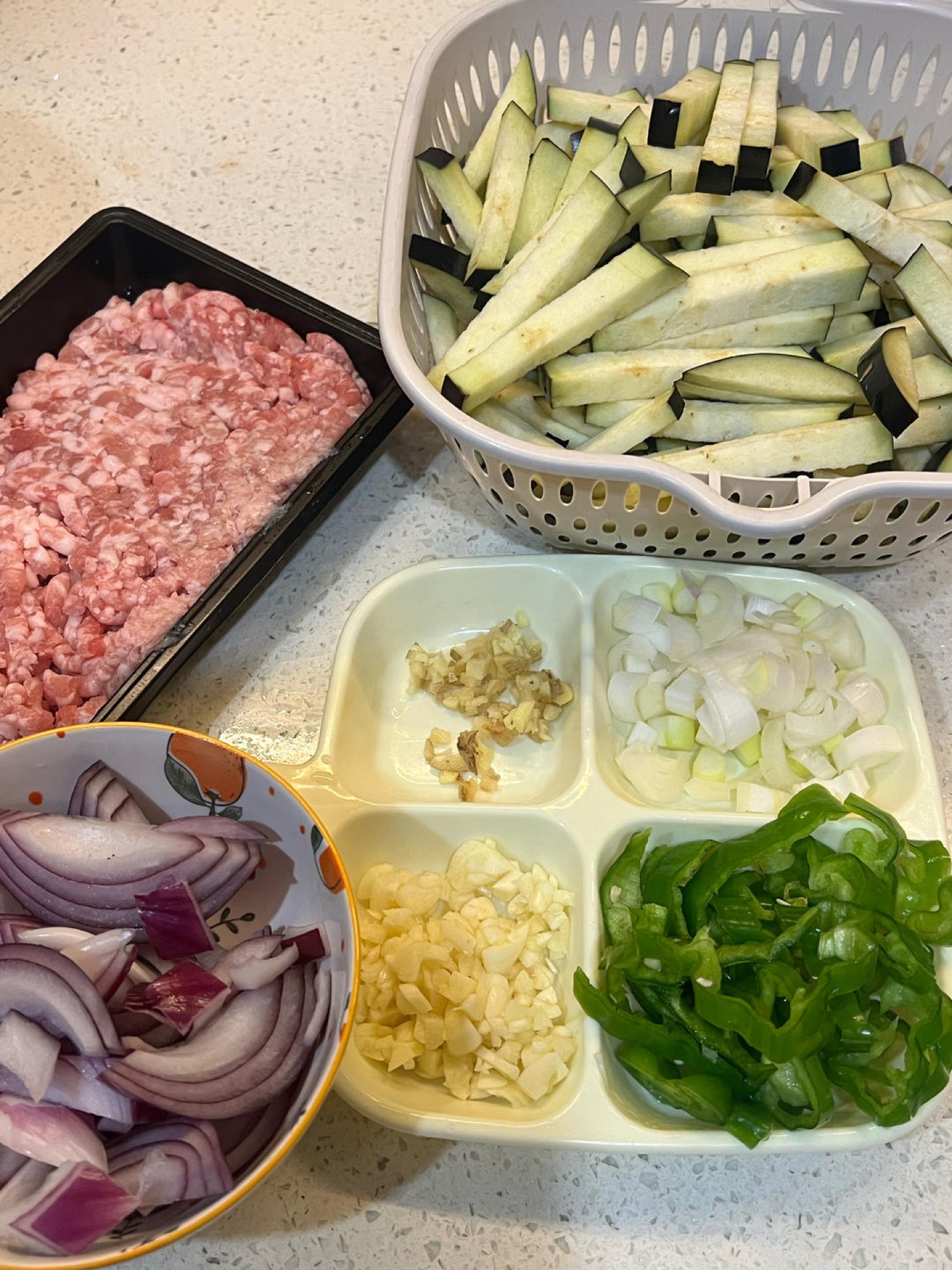
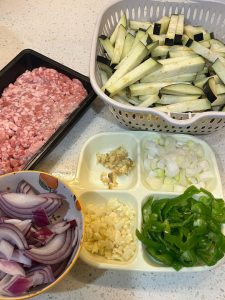
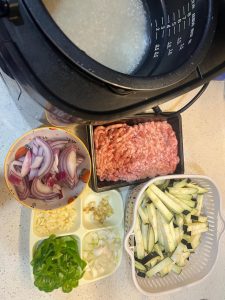
Prepare the minced pork, scallion, ginger, garlic, green pepper, onion, and eggplant, cutting the eggplant into even strips.
Step 2 — Add Oil to the Rice Pot
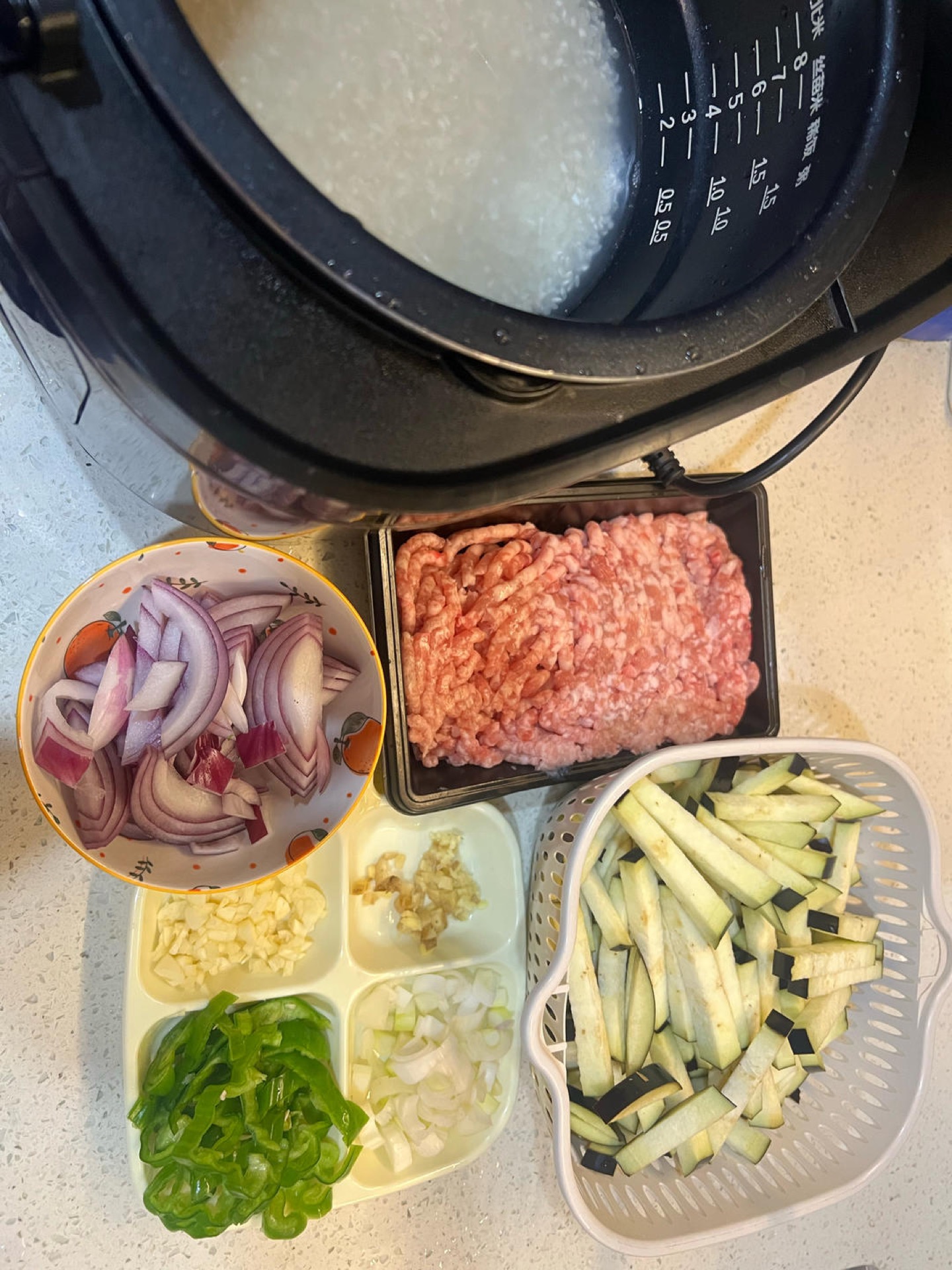
When cooking the rice, add one tablespoon of cooking oil to the pot.
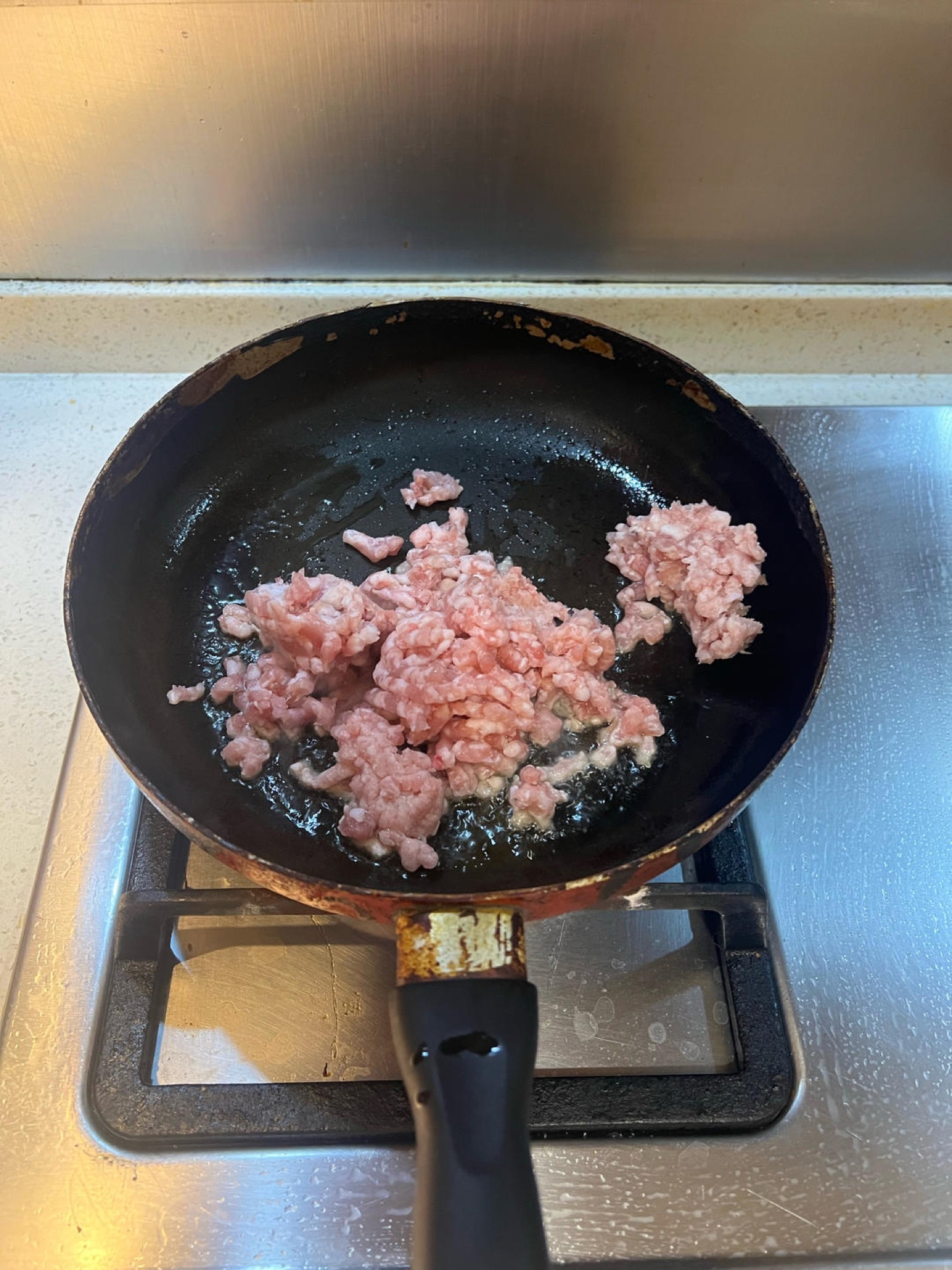
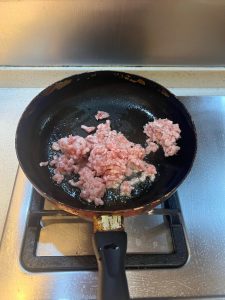
Step 3 — Brown the Minced Pork
Heat oil in a wok and add the minced pork, breaking it apart as it cooks.
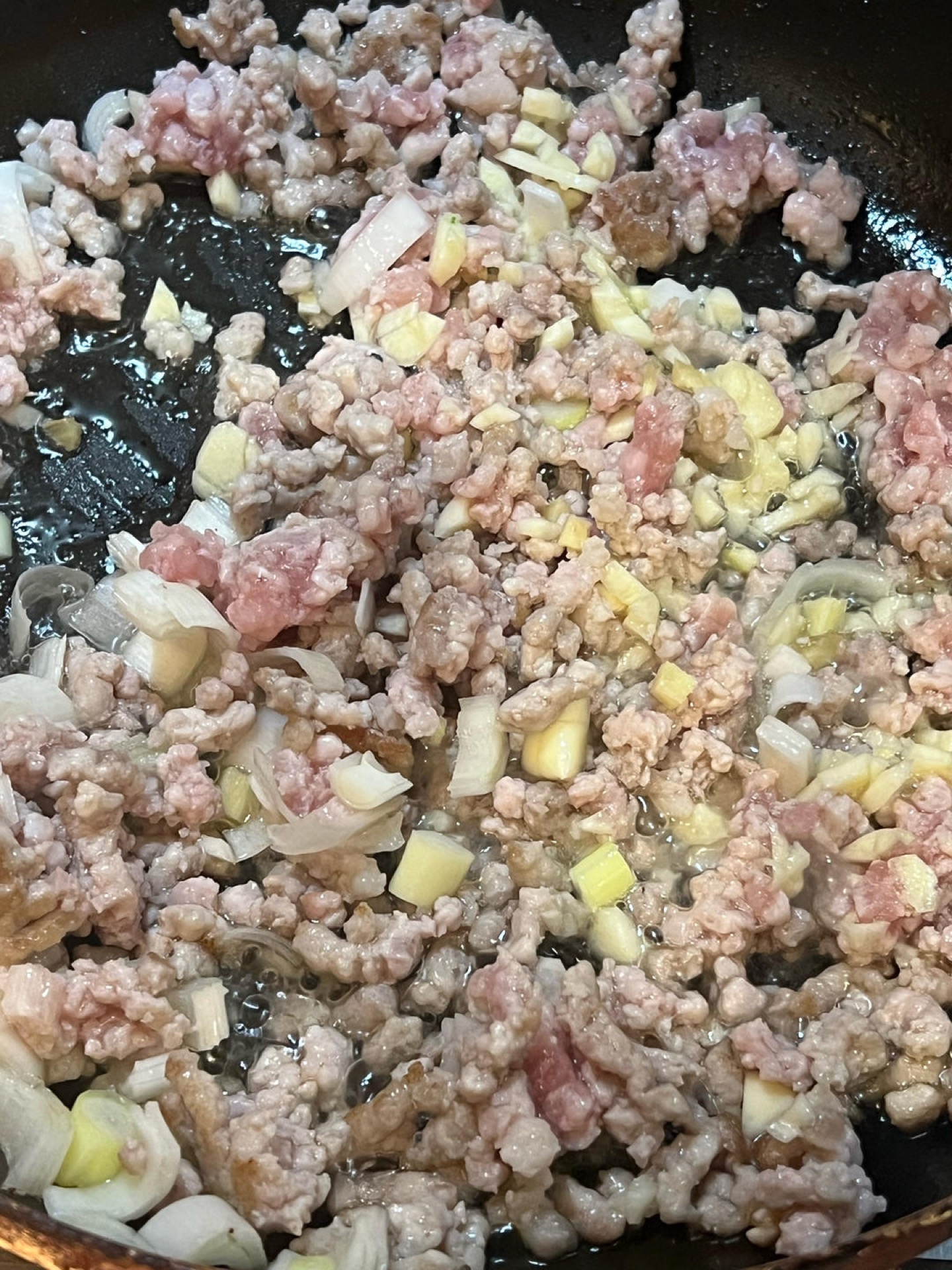
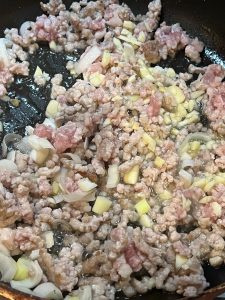
Step 4 — Add Half the Aromatics
Once the pork changes color, add half of the scallion, ginger, and garlic.
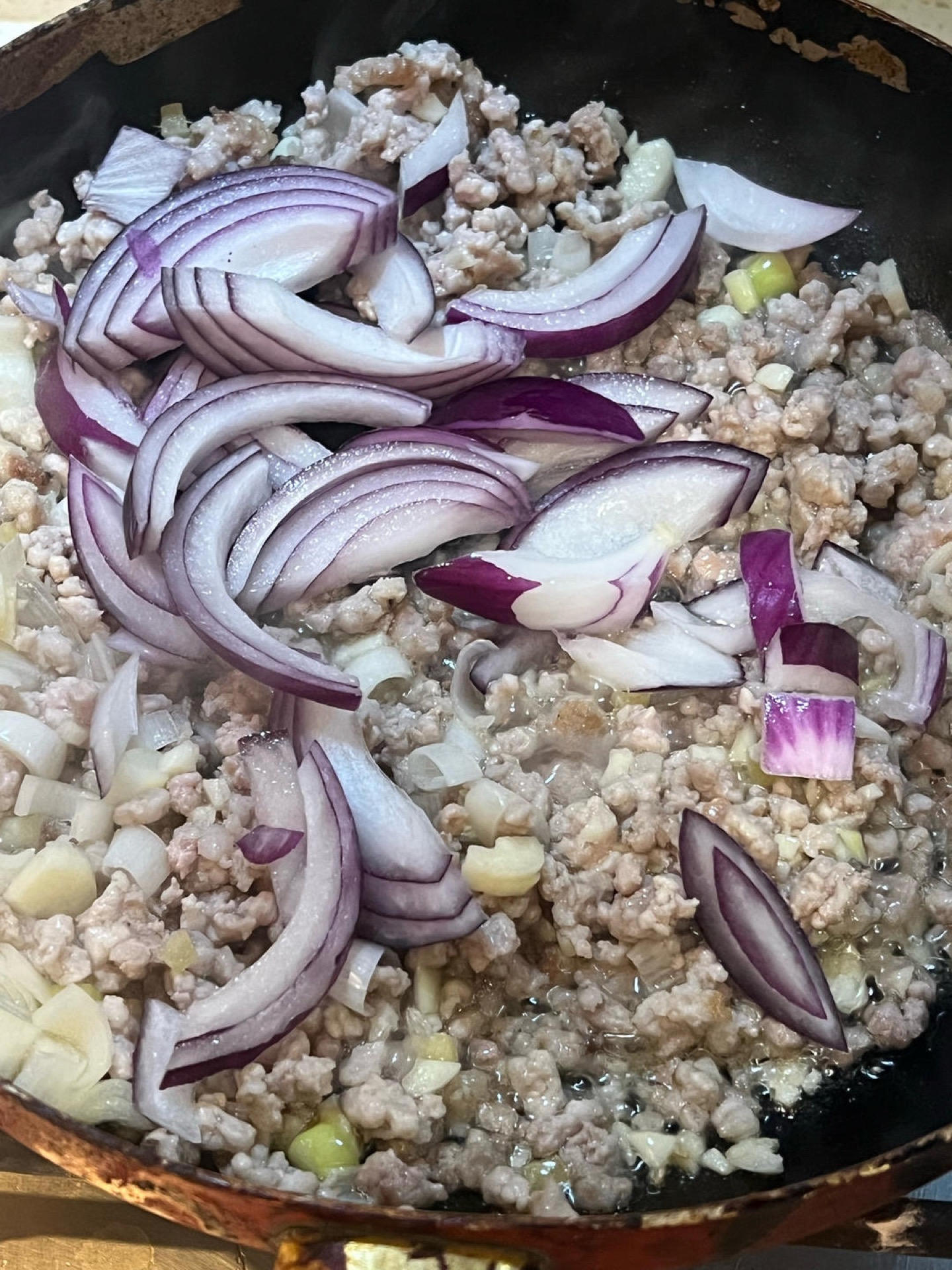
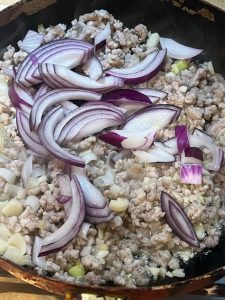
Step 5 — Add the Onion
Cook until fragrant, then add the onion.
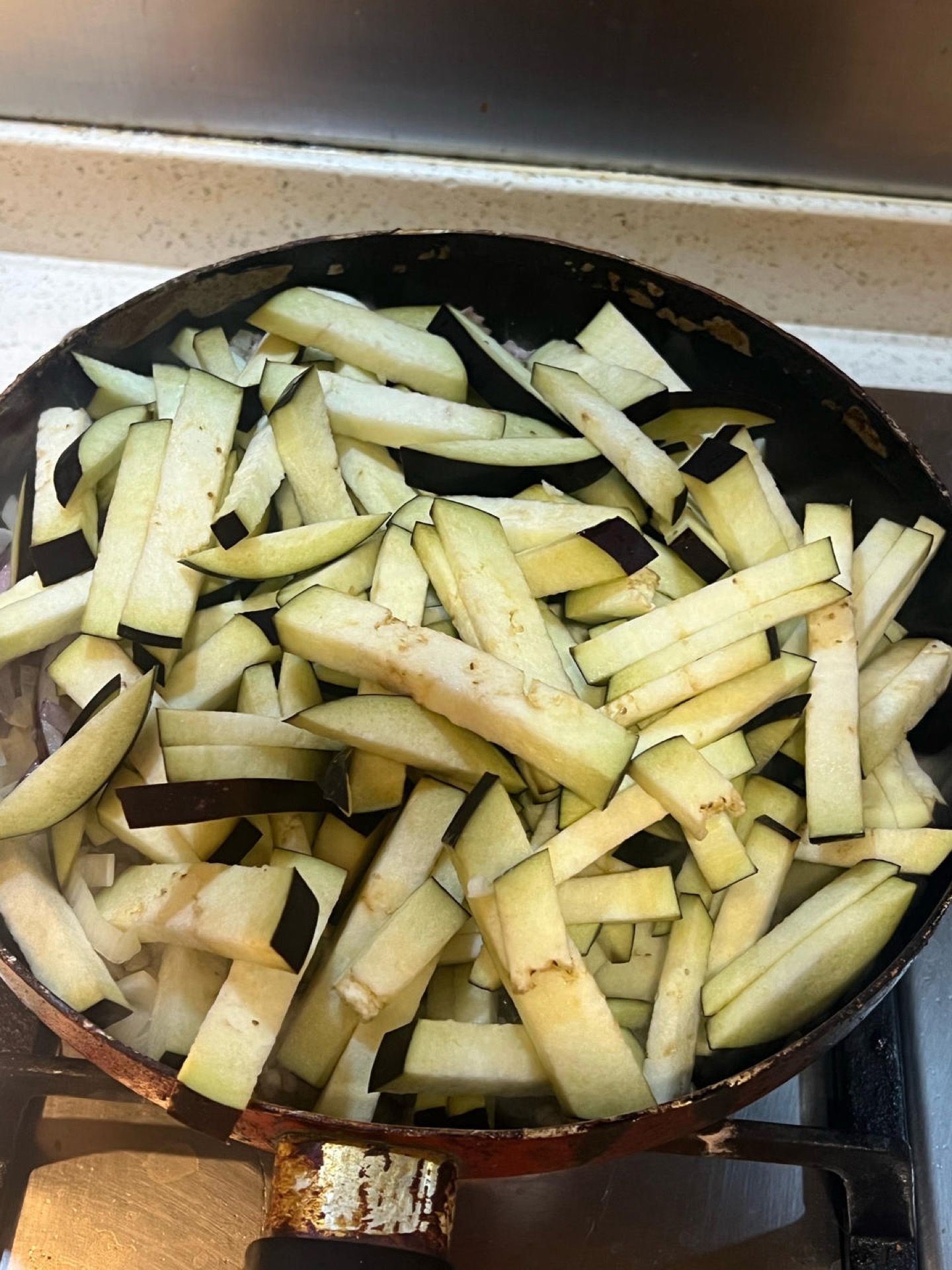
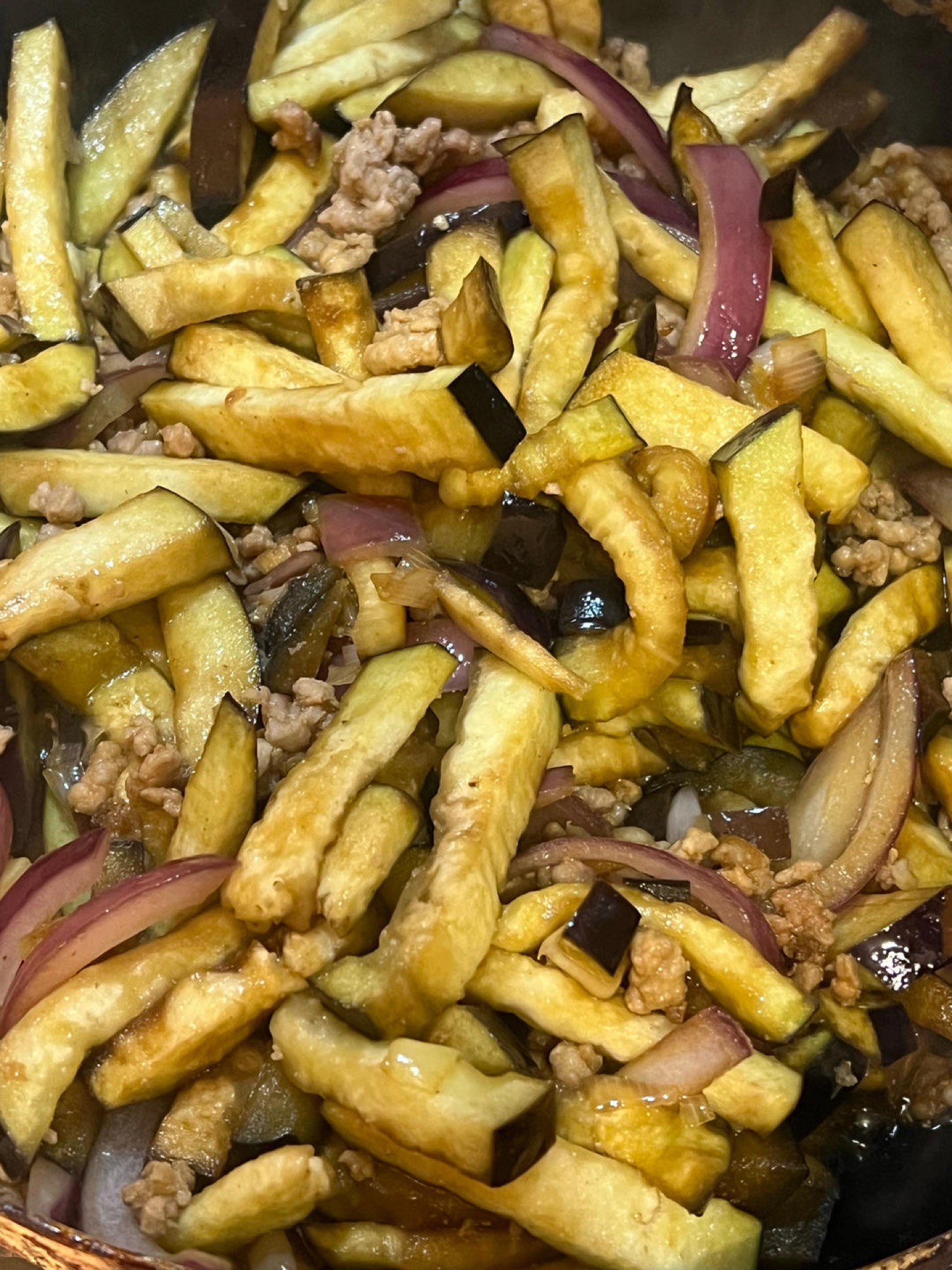
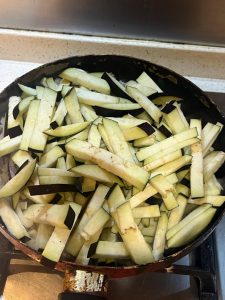
Step 6 — Add the Eggplant Strips
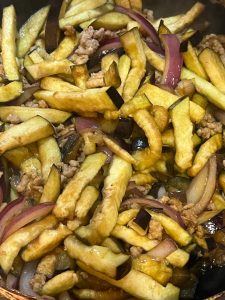
Add the eggplant strips to the wok.
Step 7 — Pour in the Sauce
Stir everything evenly, then pour in the bowl of sauce made from the seasonings plus half a bowl of water.
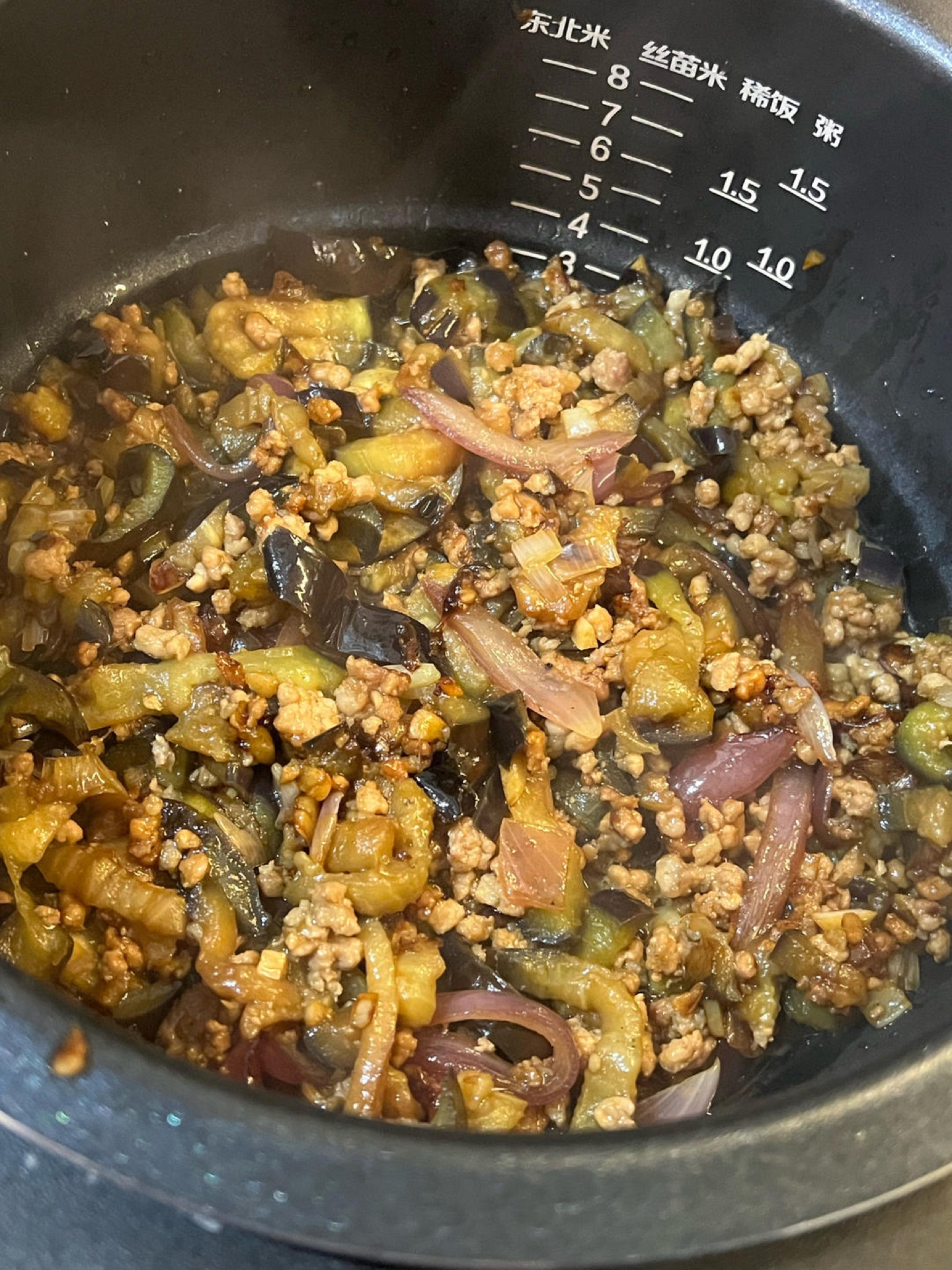
Step 8 — Cover the Rice
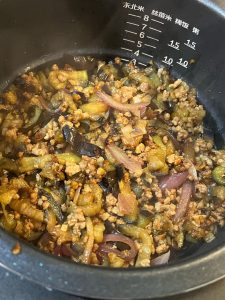
When the rice has about ten minutes left, cover it with the eggplant and pork mixture.
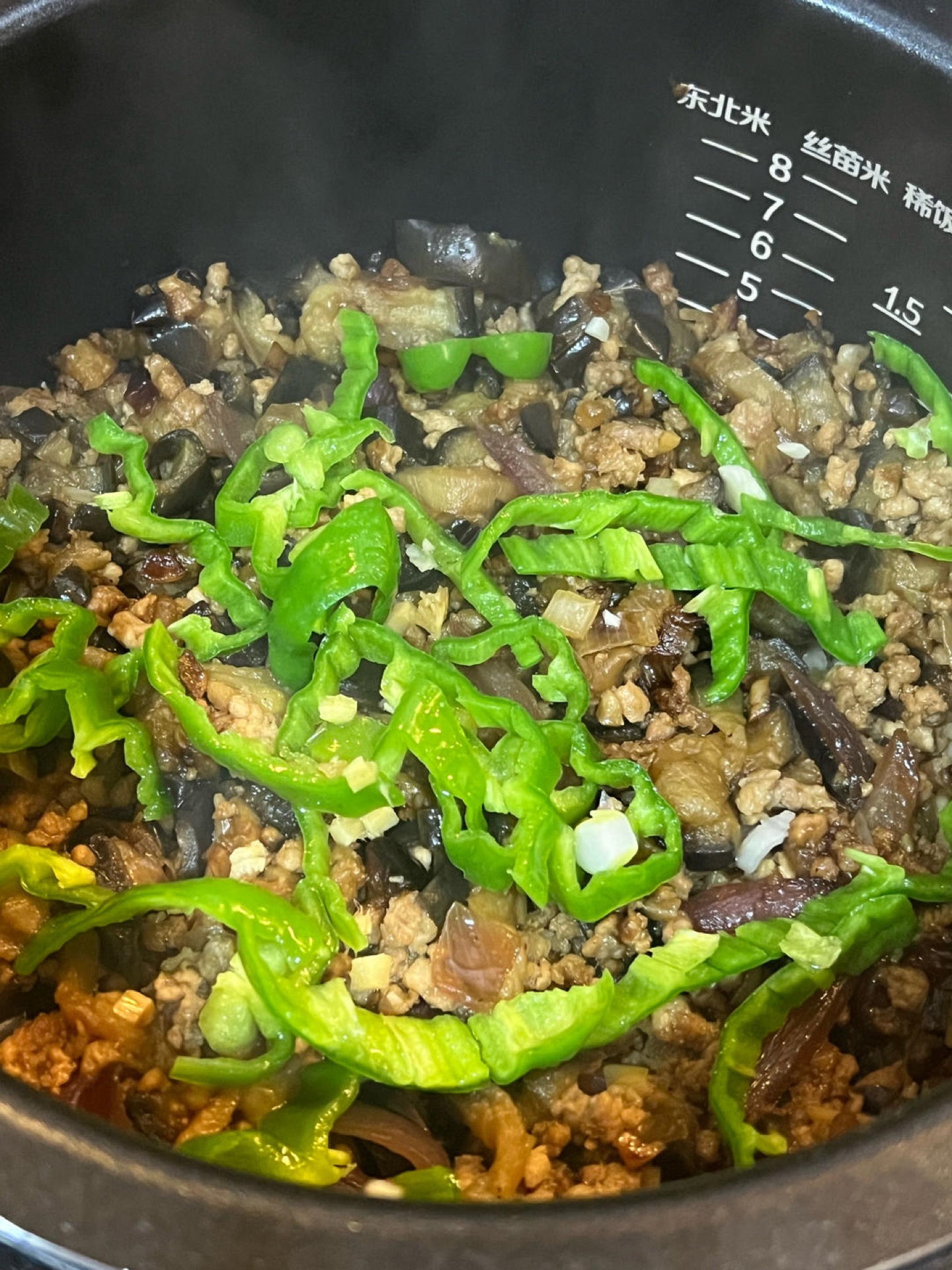
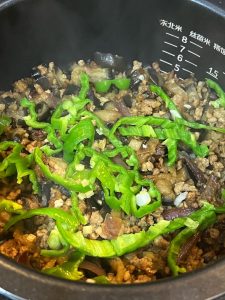
Step 9 — Finish with Green Pepper
Steam for another ten minutes, then add the green pepper and the remaining scallion, ginger, and garlic, and stir to combine.
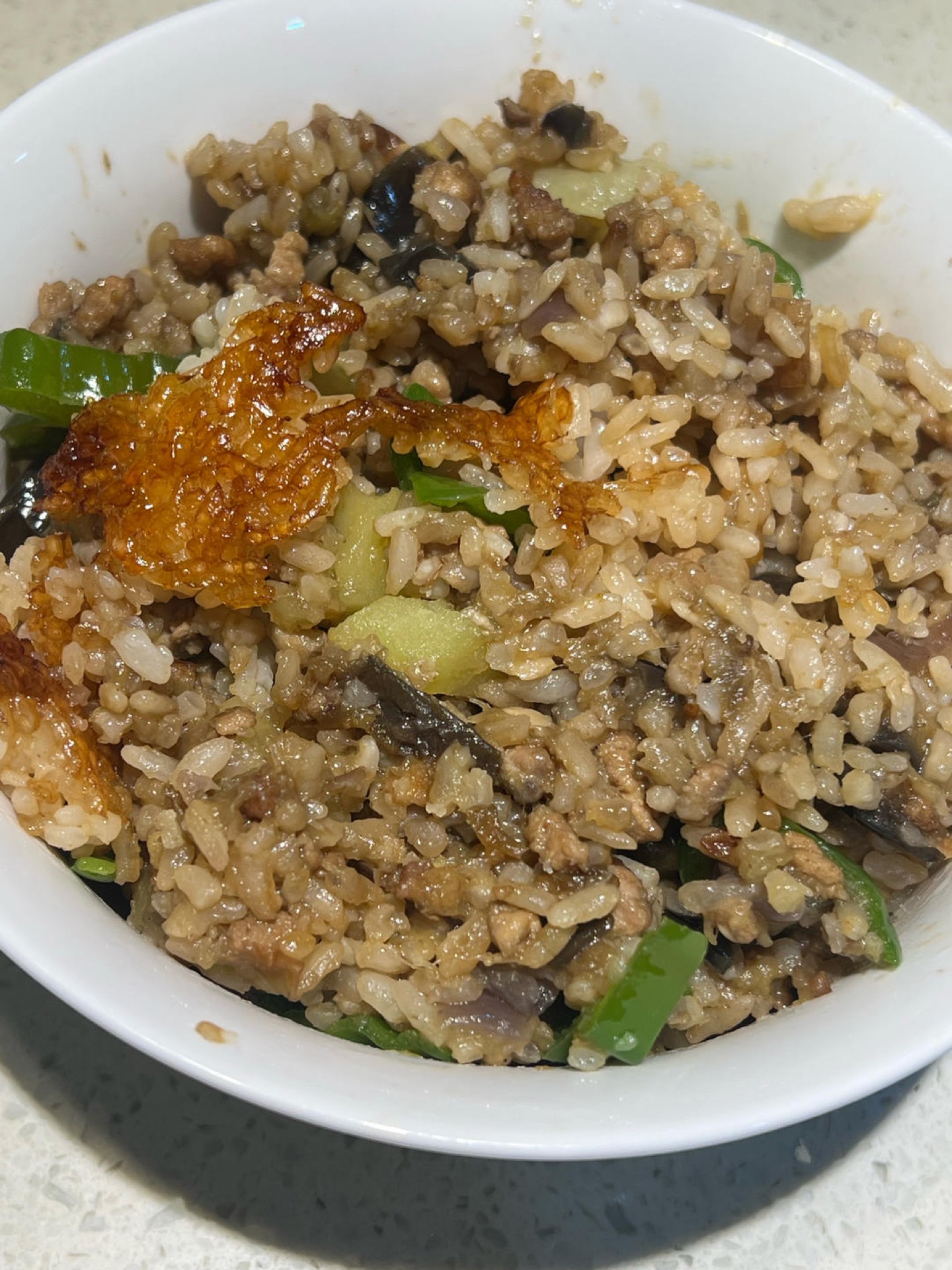
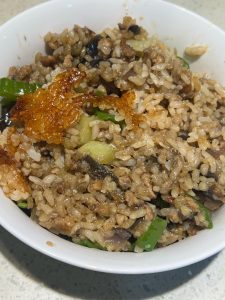
Step 10 — Serve the Crispy Rice
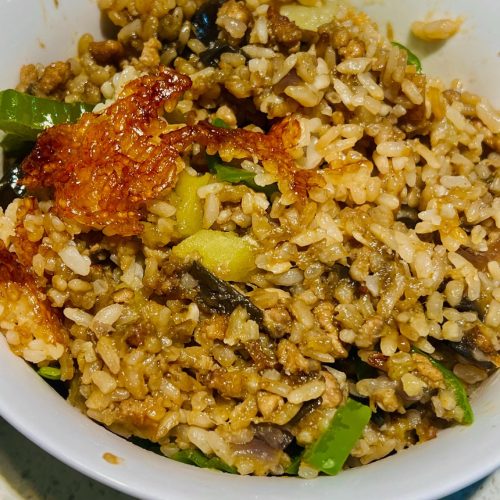
Scoop out the eggplant braised rice with its crispy bottom crust and serve.
Common Mistakes When Making Braised Eggplant and Minced Pork Rice
- Not soaking the eggplant. Eggplant cut and left exposed to air browns quickly and can turn bitter. Cause: skipping the soak because it seems unnecessary. Fix: soak the strips in lightly salted water for 8 minutes, then drain and pat dry before cooking.
- Stirring the rice after adding the topping. The crust forms only if the bottom layer of rice stays in contact with the hot pot without being disturbed. Cause: the instinct to stir everything together for even cooking. Fix: spread the eggplant and pork over the rice and leave it alone until the timer goes off.
- Using too little fat. Ground pork with very little fat will not carry the flavor of the sauce into the rice, and the dish will taste flat. Cause: choosing 90/10 or leaner ground pork. Fix: use a 70/30 ratio, or add an extra teaspoon of oil when browning lean pork.
- Adding all the aromatics at once. Garlic, ginger, and scallion added only at the start lose their brightness and can burn. Cause: convenience. Fix: divide them in half and add the second half at the very end, off the heat.
- Overcooking the eggplant before it goes on the rice. The eggplant will continue to soften as it steams over the rice. Cause: cooking it until fully tender in the wok. Fix: braise it just until it starts to soften—about 3 to 4 minutes—then let the steam finish the job.
- Using the wrong soy sauce. Dark soy sauce and light soy sauce are not interchangeable. Cause: grabbing whatever bottle is closest. Fix: use dark soy for color and light soy for salt, and taste the sauce before it goes in.
- Opening the lid too often. Every time you lift the lid, steam escapes and the cooking time stretches. Cause: impatience. Fix: set a timer and trust it—the rice needs those 10 minutes of covered steam to finish.
Variations
This dish is forgiving, and there are several ways to make it your own. One of my favorite variations is to swap the ground pork for ground chicken or turkey, which makes it a little lighter while keeping the same savory profile. Add an extra splash of soy sauce and a teaspoon of oil to make up for the leaner meat.
For a vegetarian version, replace the pork with finely chopped shiitake mushrooms and a tablespoon of soy sauce, and use vegetable bouillon instead of chicken. The mushrooms give a similar meaty texture and absorb the sauce beautifully. You could also add diced firm tofu for protein.
If you like heat, add a teaspoon of chili bean paste or a chopped fresh chili with the aromatics. A drizzle of toasted sesame oil at the end adds a nutty finish. Some cooks add a handful of frozen peas or diced carrots along with the green pepper for extra color and sweetness.
For a different but equally delicious one-pot rice meal, try our one pot rice cooker pork ribs and rice, which follows the same layering principle with a different protein. If you love eggplant in all forms, our braised eggplant and green beans is a classic stir-fry take on the same vegetable.
Frequently Asked Questions
Can I make this in a rice cooker? Yes. Cook the rice with the tablespoon of oil as usual. Brown the pork and braise the eggplant in a wok, then when the rice cooker switches to warm, open it and spread the topping over the rice. Close the lid and let it sit on warm for 10 minutes. You will not get the same crispy crust, but the flavor will be excellent.
Why did my rice turn out mushy? The most common cause is too much water. The eggplant releases liquid as it cooks, so reduce the water you use for the rice by about 2 tablespoons if your eggplant is very fresh and juicy. Also make sure you rinse the rice well and drain it thoroughly before cooking.
How do I get a crispy crust without burning it? Use a heavy-bottomed pot and keep the heat at medium-low during the final 10 minutes of steaming. The oil at the bottom of the pot is what fries the rice, so do not skip it. If you smell the rice toasting strongly, move the pot off the heat and let it sit—the residual heat will finish the crust.
Can I use a different vegetable instead of eggplant? Absolutely. Zucchini, mushrooms, or even diced potatoes work well. Adjust the cooking time accordingly—potatoes need a few extra minutes in the wok before going over the rice.
Is this dish spicy? No, as written it is savory and mild. The green pepper adds a gentle freshness but not heat. If you want spice, add chili bean paste or fresh chilies with the aromatics.
How to Serve
This braised eggplant and minced pork rice is a complete meal on its own, but it pairs beautifully with a light soup or a simple cold vegetable dish to balance the richness. A bowl of clear broth or a cucumber salad cuts through the savory depth perfectly. If you want to round out the table with another one-pot rice dish, our mushroom chicken clay pot rice is a wonderful companion—it shares the same clay pot tradition and the same irresistible crispy rice at the bottom.
For a heartier spread, serve it alongside savory minced pork rice bowl or a simple plate of Yunnan small pot rice noodles. And if you are feeding a crowd, a second rice dish like one pot rice cooker pork ribs ensures everyone gets a generous scoop of that crispy bottom layer.
Serve it alongside Chicken Thigh Multigrain Rice Bowl for a two-dish table.
Storage & Reheat
Leftover braised eggplant and minced pork rice keeps well in the refrigerator for up to 3 days. Store it in an airtight container, and press a piece of plastic wrap directly onto the surface if you want to keep the rice from drying out. The crispy crust will soften in storage, but the flavor actually deepens overnight as the rice continues to absorb the sauce.
To reheat, the best method is a covered skillet over medium-low heat with a splash of water. The steam warms the rice through and the direct heat helps it crisp up again slightly. You can also microwave it in a covered bowl, though the texture will be softer. If you have a large batch, reheat only what you plan to eat and keep the rest cold.
I do not recommend freezing this dish. The eggplant becomes watery and mushy when thawed, and the rice loses its texture. It is best enjoyed fresh or within a few days of cooking.
Allergen Notice
This recipe contains soy, as it uses dark soy sauce, light soy sauce, and regular soy sauce. If you are sensitive to gluten, check your soy sauce labels—many standard soy sauces contain wheat. Tamari is a good gluten-free substitute. The chicken bouillon may also contain allergens depending on the brand, so read the label carefully. If you are serving this to someone with dietary restrictions, always confirm the ingredients in your specific brands.
Nutrition Disclaimer
Nutrition information is calculated using an ingredient database and should be considered an estimate. In cases where multiple ingredient alternatives are given, the first listed is calculated for nutrition. Garnishes and optional ingredients are not included.
About the Author & Recipe Development
Hi, I’m Lin, the cook and writer behind Woks of Love. I grew up in a Chinese household where the wok was always on the stove and dinner was rarely just one dish. But the one-pot meals were always my favorite—the ones where rice, meat, and vegetables cooked together and the whole house smelled like soy sauce and ginger. This braised eggplant and minced pork rice is based on the version my mother made on busy weeknights, and I have tested it many times to get the ratio of sauce to rice just right and to make sure that crispy bottom layer forms reliably in a home kitchen.
Every recipe on this site is tested in my own kitchen with ingredients you can find at a regular grocery store or Asian market. I write the steps the way I actually cook them, including the small details—like soaking the eggplant and splitting the aromatics—that make a real difference in the final dish. If you make this recipe, I would love to hear how it turned out.
If you liked this, one pot rice cooker pork ribs and rice is worth cooking next.
If you liked this, one pot rice cooker pork ribs is worth cooking next.
Authoritative References
For safe handling and cooking temperatures for ground pork, see the USDA safe minimum internal temperature chart. For general food safety guidance on storage and reheating, refer to the FDA Food Code.
Braised Eggplant and Minced Pork Rice (茄子肉末焖饭): Savory Eggplant

Equipment
- Wok
- Cutting Board
- Slotted Spoon
Ingredients
For the Sauce
- 1 tbsp dark soy sauce for color
- 2 tbsp light soy sauce or tamari
- 1/2 tbsp soy sauce for depth
- 1 tbsp granulated sugar balances the salt
- 1/2 tsp salt adjust to taste
- 1/2 tsp chicken bouillon optional
- 1/2 cup water for the sauce mixture
For the Dish
- 1.5 cups jasmine rice rinsed and drained
- 1 tbsp cooking oil for the rice pot
- 1 lb ground pork 250g, fatty ratio preferred
- 1 whole eggplant cut into strips
- 1/2 whole onion sliced
- 5 cloves garlic minced, divided
- 3 slices ginger minced, divided
- 1 stalk scallion whites chopped, divided
- 1 whole green pepper sliced, for finishing
Instructions
- Prepare the minced pork, scallion, ginger, garlic, green pepper, onion, and eggplant, cutting the eggplant into even strips.

- When cooking the rice, add one tablespoon of cooking oil to the pot.
- Heat oil in a wok and add the minced pork, breaking it apart as it cooks.
- Once the pork changes color, add half of the scallion, ginger, and garlic.
- Cook until fragrant, then add the onion.
- Add the eggplant strips to the wok.
- Stir everything evenly, then pour in the bowl of sauce made from the seasonings plus half a bowl of water.
- When the rice has about ten minutes left, cover it with the eggplant and pork mixture.
- Steam for another ten minutes, then add the green pepper and the remaining scallion, ginger, and garlic, and stir to combine.
- Scoop out the eggplant braised rice with its crispy bottom crust and serve.












Leave a Reply