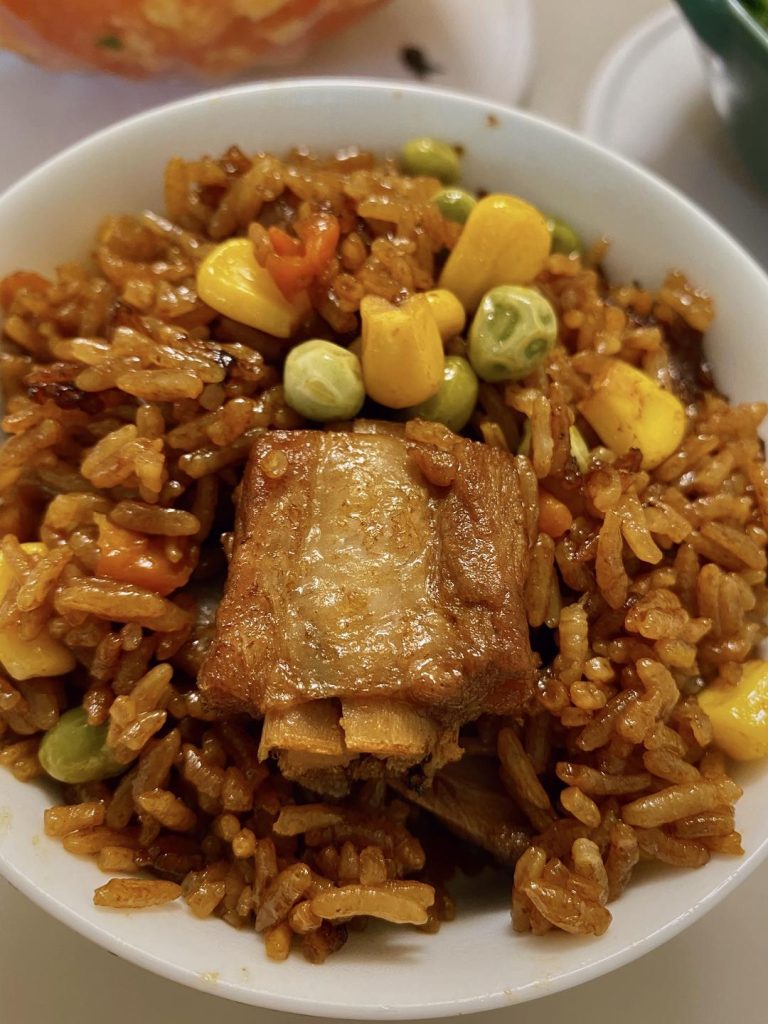
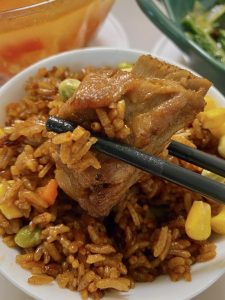
Weekends are usually when I spend hours in the kitchen testing elaborate recipes, but sometimes, even I succumb to a craving for something effortlessly comforting. This One Pot Rice Cooker Pork Ribs and Rice (known as Pai Gu Men Fan or 排骨焖饭 in Chinese) is exactly that.

It is a dish I grew up eating; my mom would often make it when she wanted a nutritious meal on the table without washing a mountain of pots. The magic happens inside the rice cooker: the savory juices from the braised pork ribs drip down into the rice grains as they cook, seasoning every bite with soy sauce, oyster sauce, and the sweetness of the pork.
It is savory, slightly sweet from the corn and carrots, and incredibly satisfying. If you are looking for a “set it and forget it” meal that tastes like you spent hours braising, this is it.
What is Pai Gu Men Fan(One Pot Rice Cooker Pork Ribs and Rice)?
In Chinese, Men (焖) refers to a braising technique where ingredients are cooked in a covered pot with a small amount of liquid. Fan simply means rice. So, this dish is literally “Ribs Braised Rice.”

Unlike a stir-fry where ingredients are cooked separately, this is a composite dish. You start the ribs in a pan to develop flavor (the Maillard reaction), but the rice cooker does the heavy lifting, tenderizing the meat and cooking the rice simultaneously. It is similar in concept to Clay Pot Rice, but much more forgiving for home cooks.
Why This Recipe Works
- Flavor Infusion: By using the braising liquid from the ribs as part of the water for the rice, the rice absorbs the deep umami flavors of the pork, soy sauce, and aromatics.
- Texture Contrast: The ribs become tender and succulent, while the vegetables (corn, peas, carrots) add a pleasant pop of sweetness and crunch against the soft, fluffy rice.
- One-Pot Efficiency: Once the prep is done, the rice cooker manages the temperature and timing, making it virtually fail-proof.
Key Ingredients & Substitutions
- Pork Ribs: You want pork spare ribs or baby back ribs.
- Tip: Ask your butcher to cut the rack of ribs across the bone into 1-inch (2.5cm) strips. Then, you can easily slice between the bones at home to get small, bite-sized pieces. This ensures they cook through perfectly in the rice cooker.
- Rice:Jasmine rice is the gold standard here. It’s fragrant and holds its shape well.
- Comparison: Short-grain (sushi) rice can get too sticky and mushy with this method. Brown rice takes too long to cook and requires different water ratios, which might result in overcooked ribs.
- Frozen Mixed Vegetables: A classic trio of corn, peas, and carrots. They are accessible, add vibrant color, and require zero chopping. Fresh diced carrots and corn kernels work too.
- The Sauce Trio: You need Light Soy Sauce (for saltiness), Dark Soy Sauce (essential for that rich, amber color), and Oyster Sauce (for umami).
- Aromatics: Ginger, scallions (green onions), and garlic are non-negotiable for neutralizing any “pork funk” and adding fragrance.
Recipe Notes Before You Start
- Soak the Rice: I highly recommend washing your rice and letting it soak in water for about 20 minutes before draining. This hydrates the grain slightly, ensuring it cooks evenly even when mixed with the salty, savory sauce.
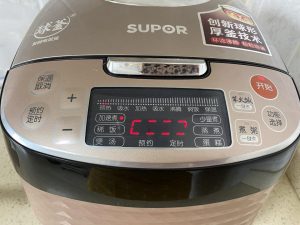
- Rice Cooker vs. Stovetop: This recipe is designed for a standard electric rice cooker. If using a pot on the stove, you will need to watch the heat carefully to prevent the bottom from burning before the ribs are tender.
- Salty/Sweet Balance: The sauce might taste slightly saltier than you expect before it goes into the pot. This is normal! It needs to be strong enough to season all that plain white rice.
Mise en Place / Prep
Cooking Chinese food is all about preparation. Have everything ready before you turn on the heat.

- Rice: Wash 1 cup of rice until the water runs clear. Soak for 20 minutes, then drain completely.
- Ribs: Soak the ribs in cold water for 20-30 minutes to draw out blood and impurities. Drain and pat dry.
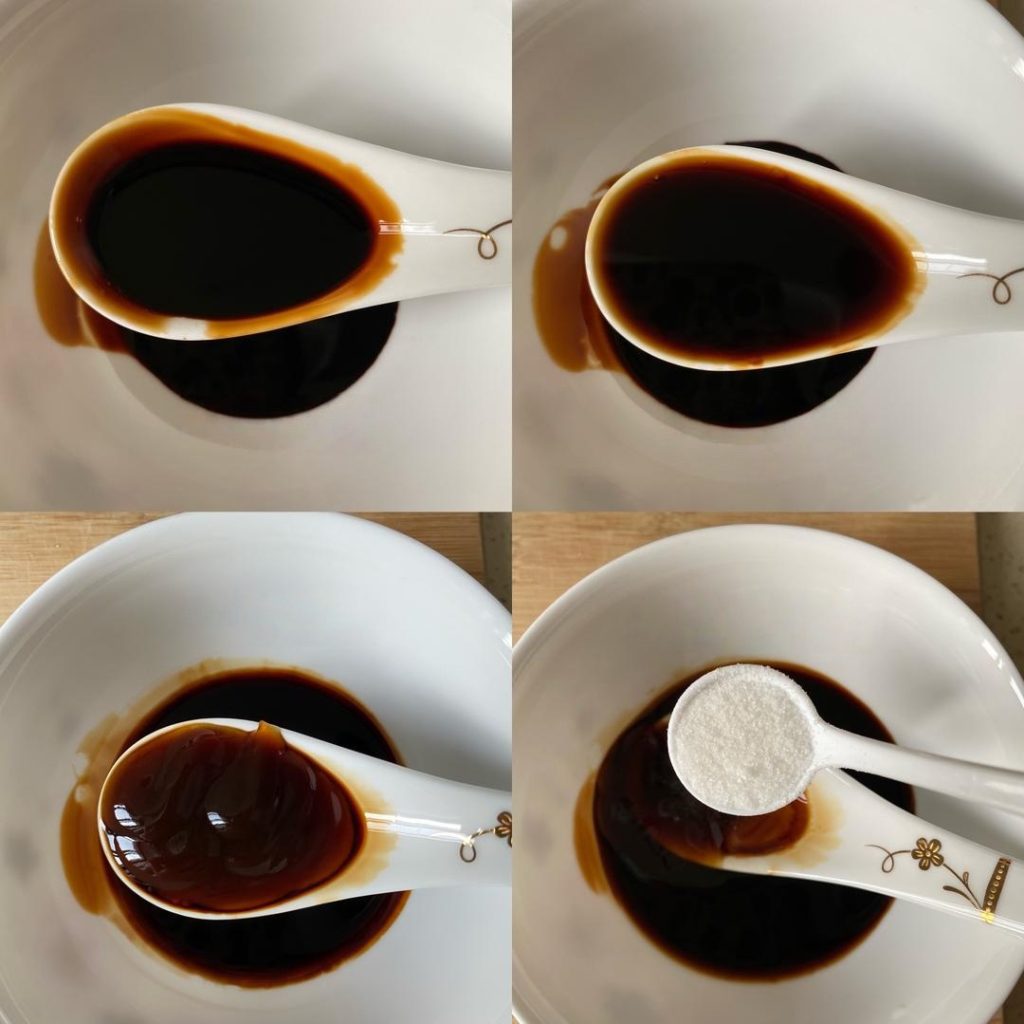
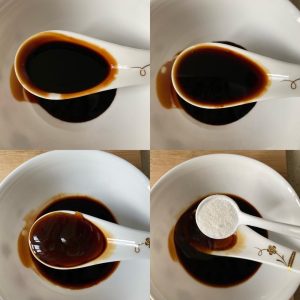
- Sauce: In a small bowl, mix the light soy sauce, dark soy sauce, oyster sauce, salt, and sugar.
- Aromatics: Slice the ginger, chop the scallions (separate whites and greens), and peel the garlic.
How to Make Rice Cooker Pork Ribs
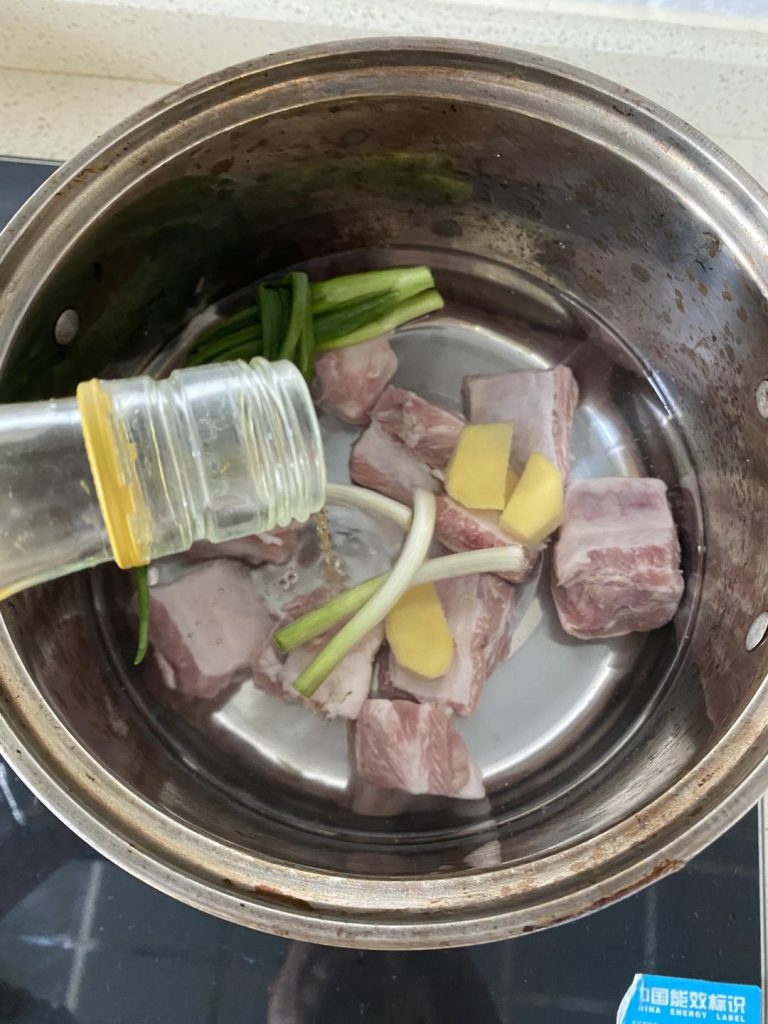
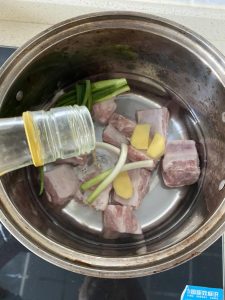
Step 1: Blanch the Ribs Place the clean ribs in a pot of cold water. Add a splash of Shaoxing wine (or cooking wine), a few slices of ginger, and scallion knots. Bring to a boil. Skim off the gray foam (scum) that floats to the top. Boil for 2-3 minutes, then remove the ribs. Rinse them under warm water and drain well.
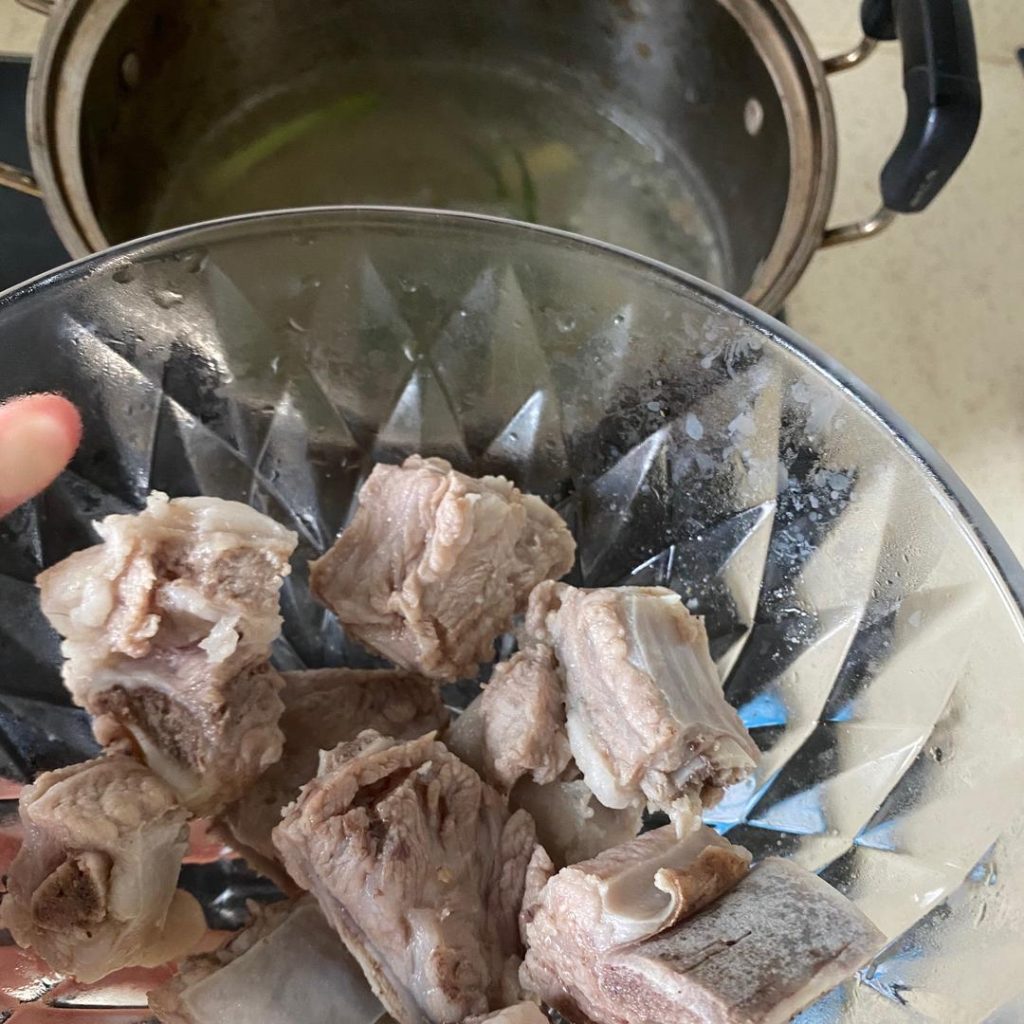
Why? This removes the gamey odor and ensures the final rice dish has a clean, appetizing flavor profile.
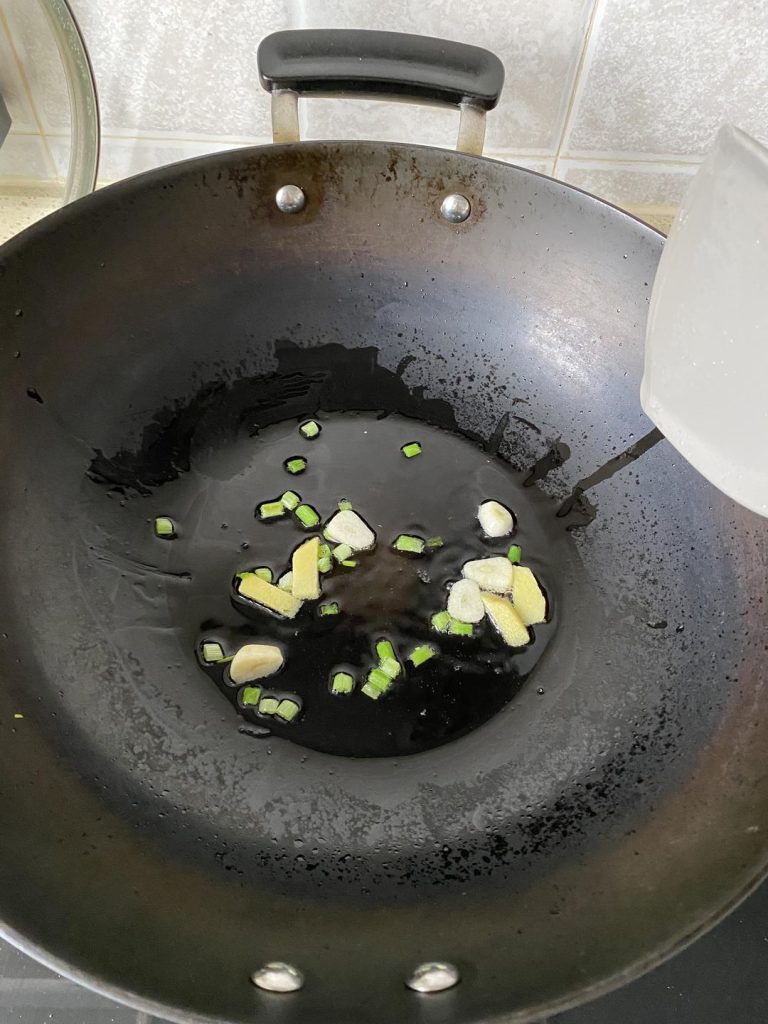
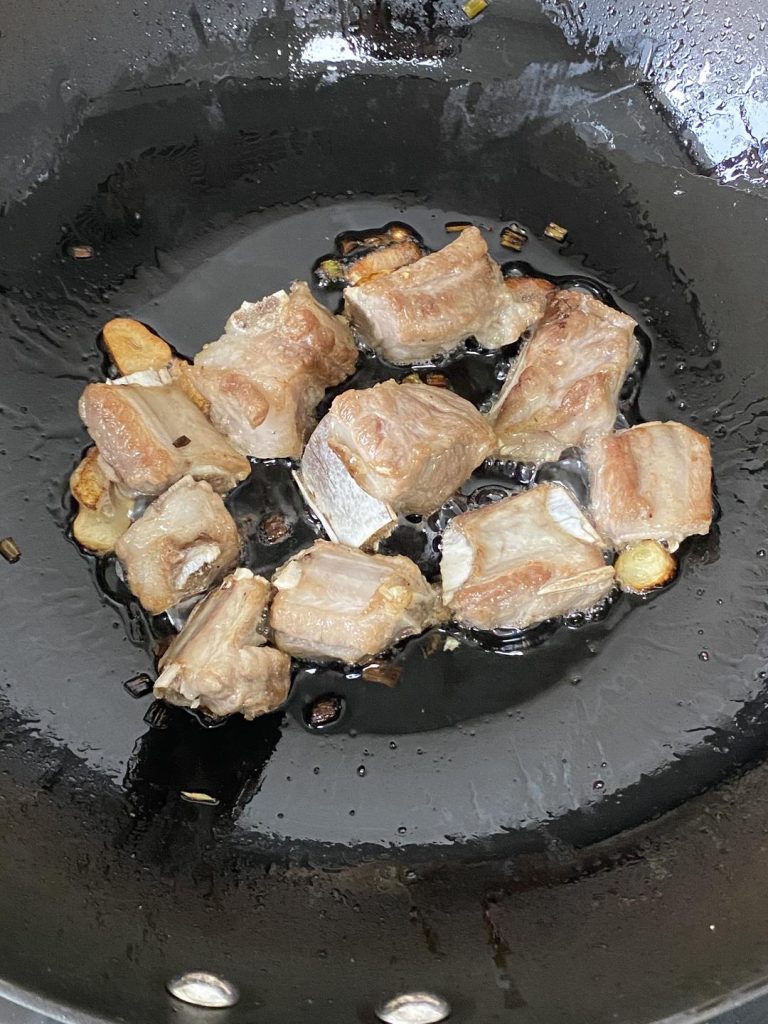
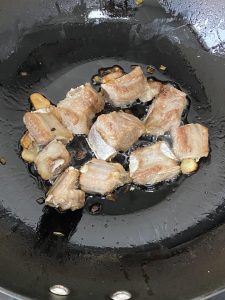
Step 2: Sear the Ribs Heat oil in a wok or pan over medium-high heat. Add the ginger, garlic, and scallion whites. Stir-fry until fragrant (about 30 seconds). Add the blanched ribs. Pan-fry until the surface is golden brown and slightly charred.
- Why? This searing step creates flavor depth that boiling alone cannot achieve.
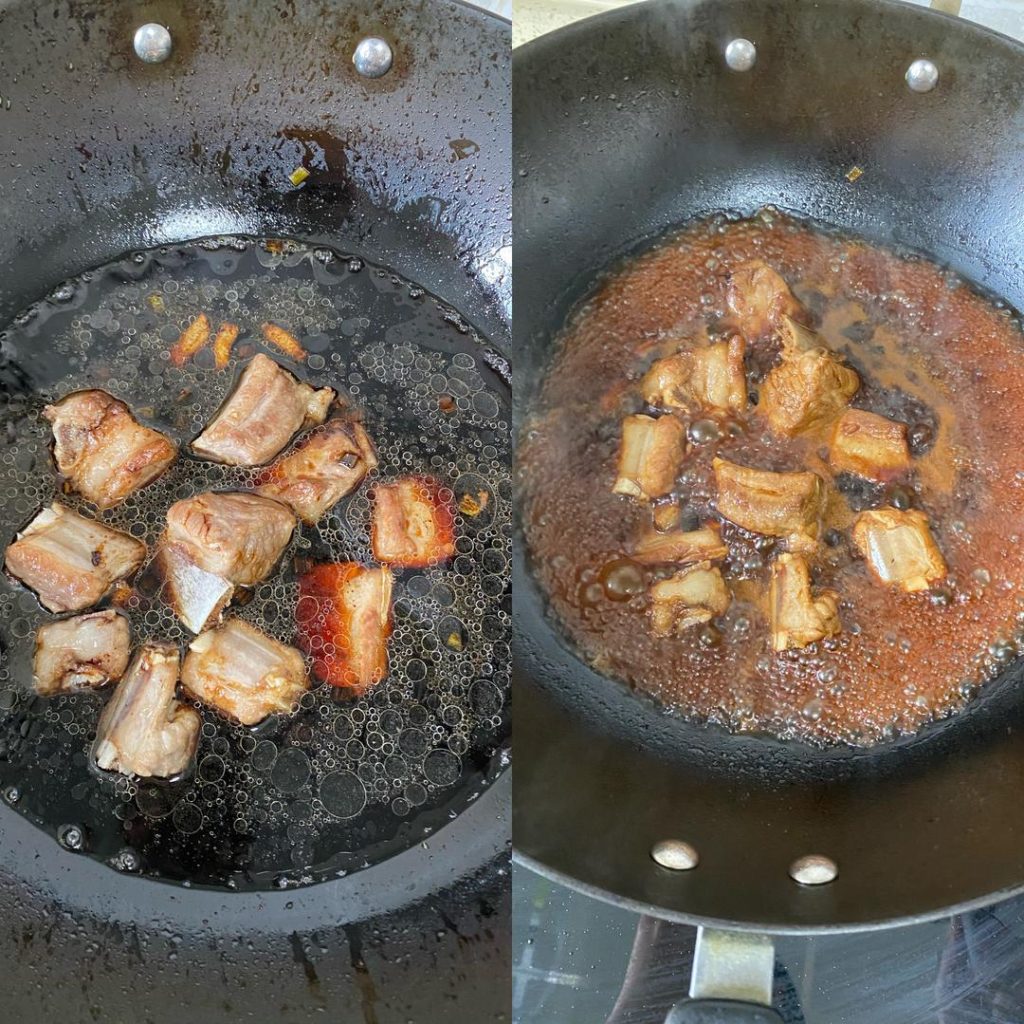
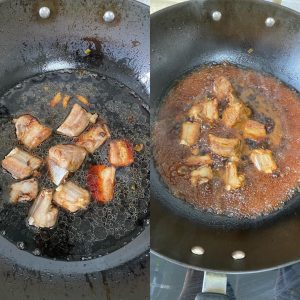
Step 3: Braise Briefly Pour the prepared sauce mixture (soy sauces, oyster sauce, sugar, salt) over the ribs. Stir to coat evenly. Pour in a large bowl of water (enough to just cover the ribs). Cover and simmer on low heat for 15-20 minutes.
- Note: Taste the broth. It should be slightly saltier than a normal soup, as it will be diluted by the rice.
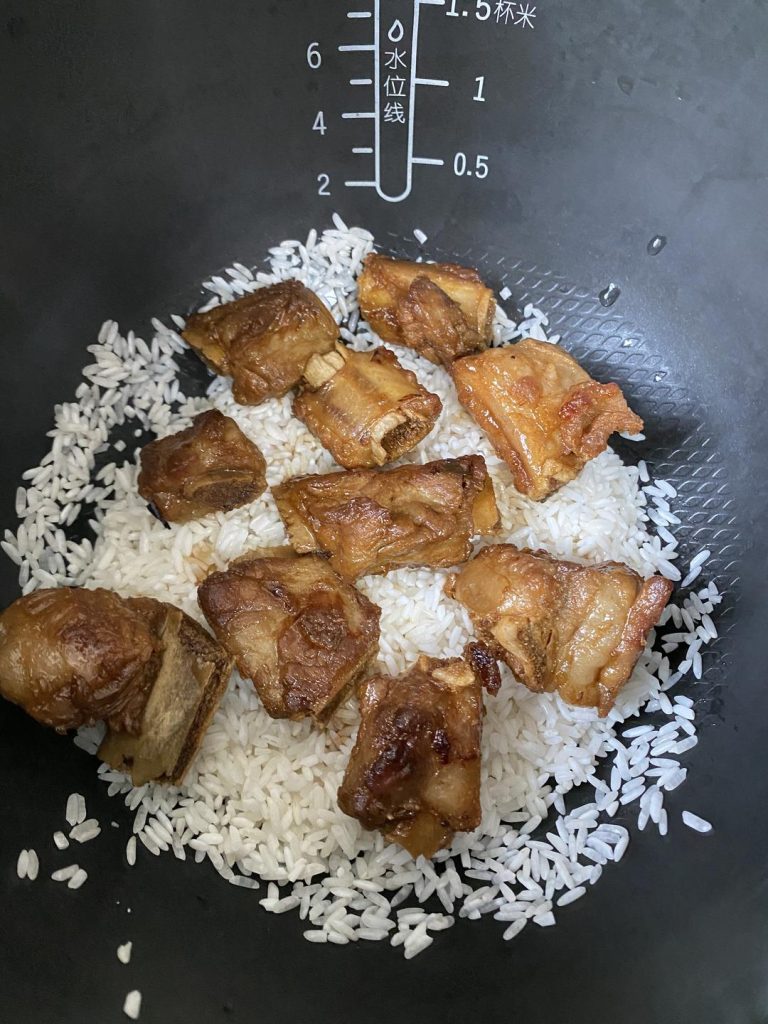
Step 4: Combine in Rice Cooker Transfer the drained, soaked rice into the rice cooker pot. Do not add plain water. Instead, pour the ribs and all the braising liquid into the rice cooker.
- Liquid Level: The liquid should cover the rice by about ½ inch (roughly the first knuckle of your index finger). If there isn’t enough braising liquid, add a little water. If there is too much, ladle some out. Too much liquid leads to soggy rice; too little leads to undercooked rice.
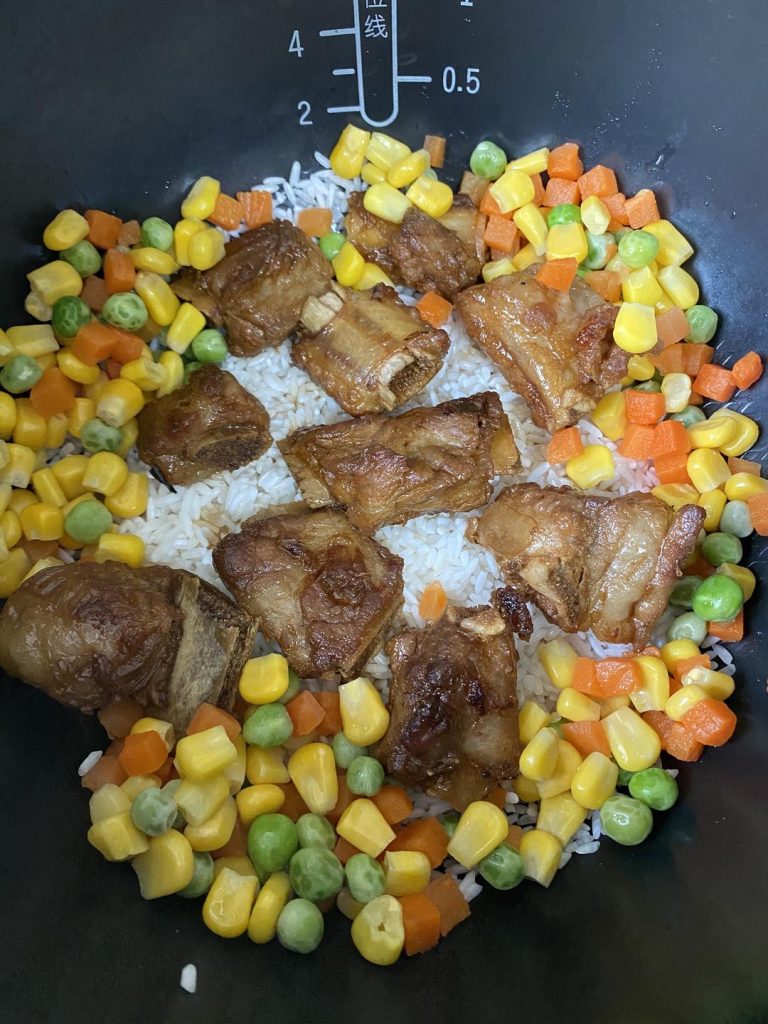
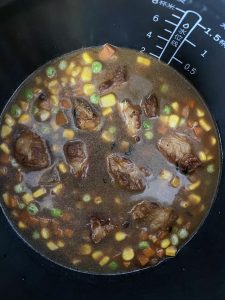
Step 5: Add Veggies & Cook Spread the frozen corn, peas, and carrots on top. Close the lid and press the “Cook” or “White Rice” button.
- Tip: There is no need to thaw or sauté the frozen veggies beforehand; the steam in the pot will cook them perfectly.
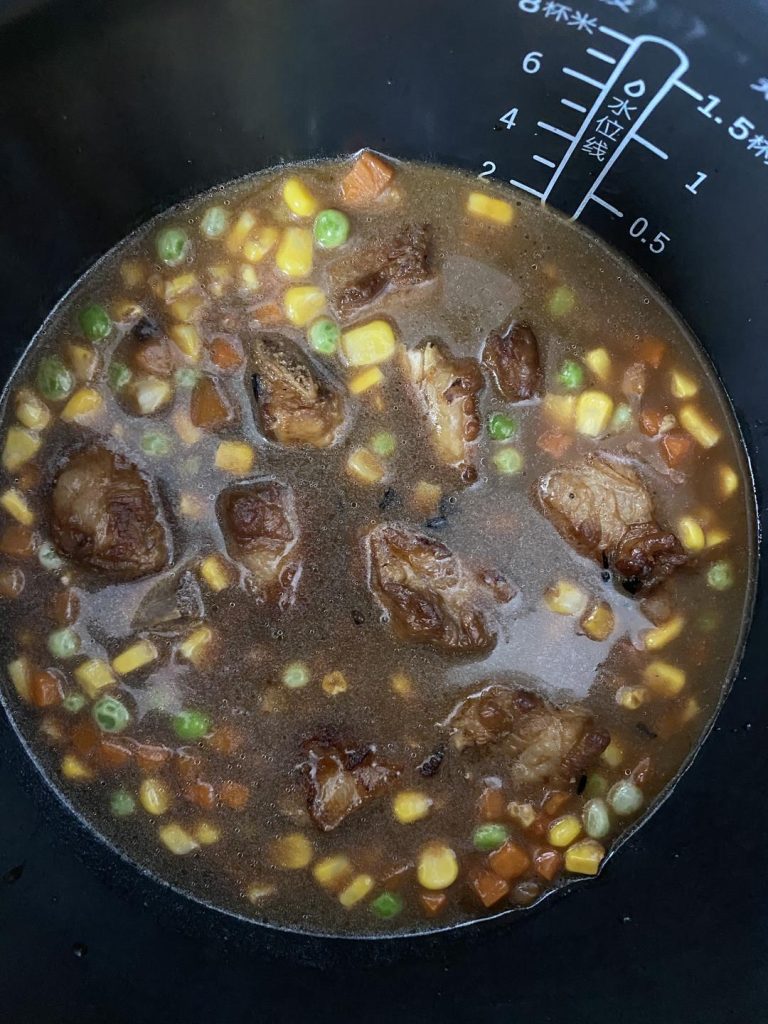
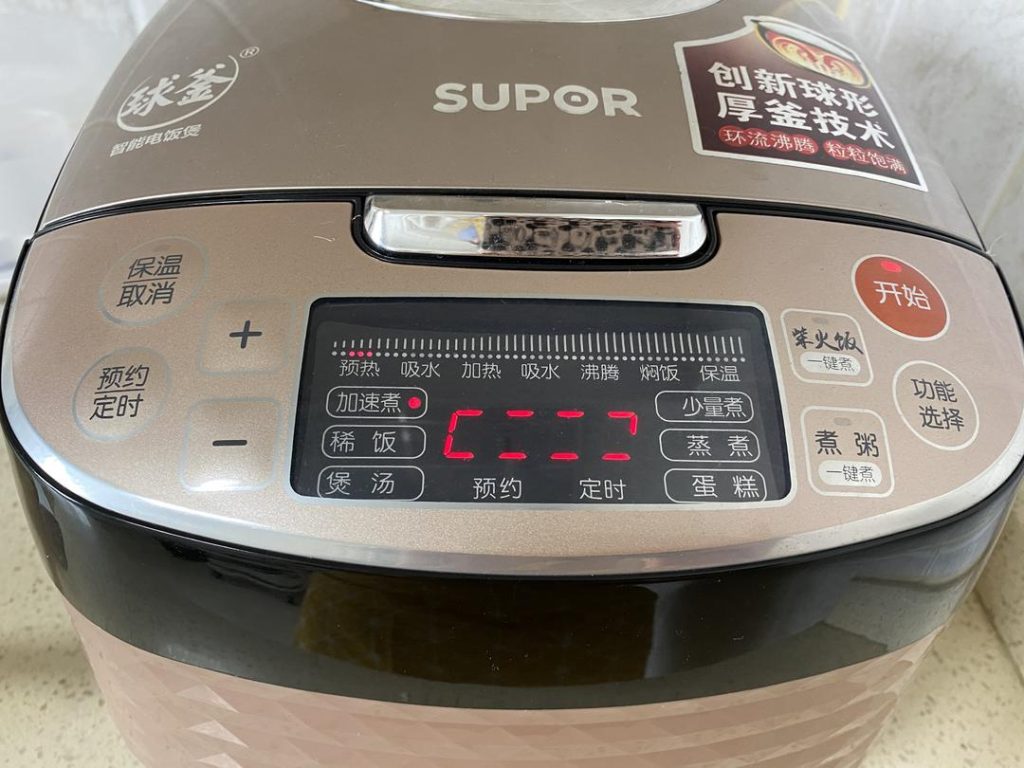
Step 6: Fluff and Serve When the rice cooker beeps, open the lid immediately. You will be hit with an incredible savory steam! Use a rice paddle to mix everything together, distributing the ribs and veggies evenly. Serve hot.
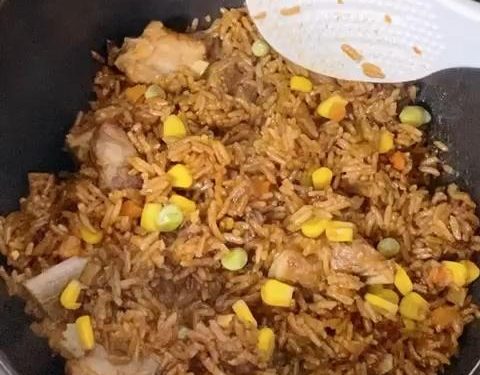
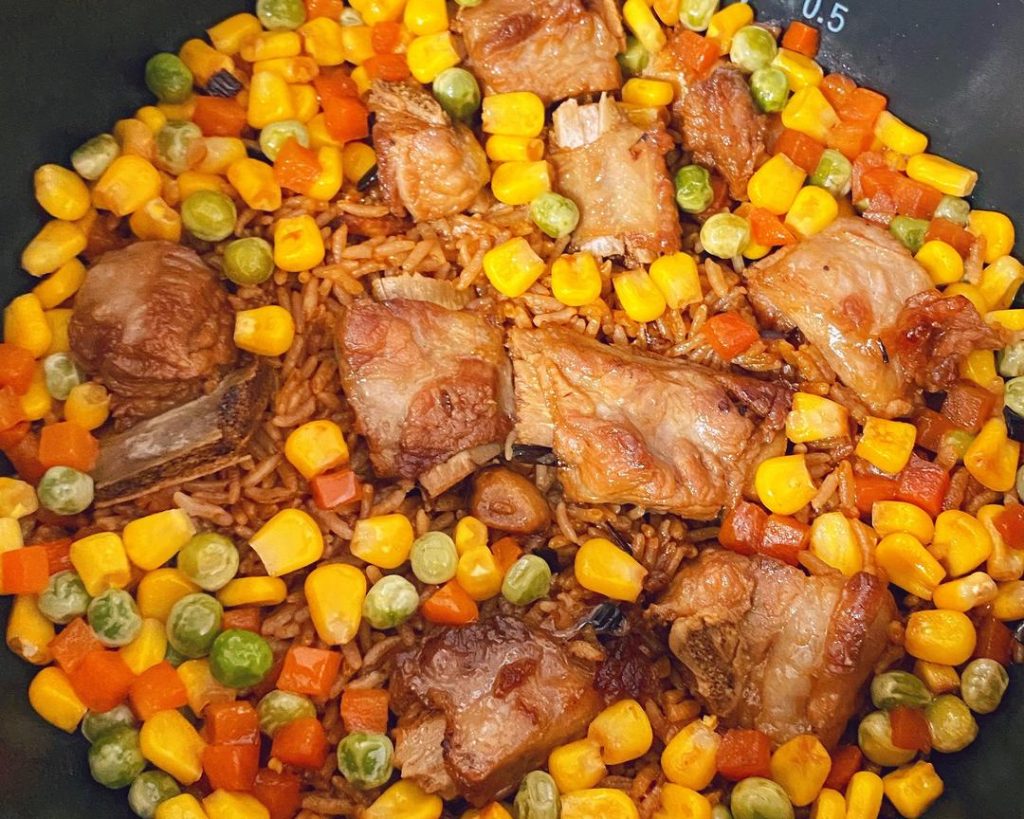
Serving Suggestions
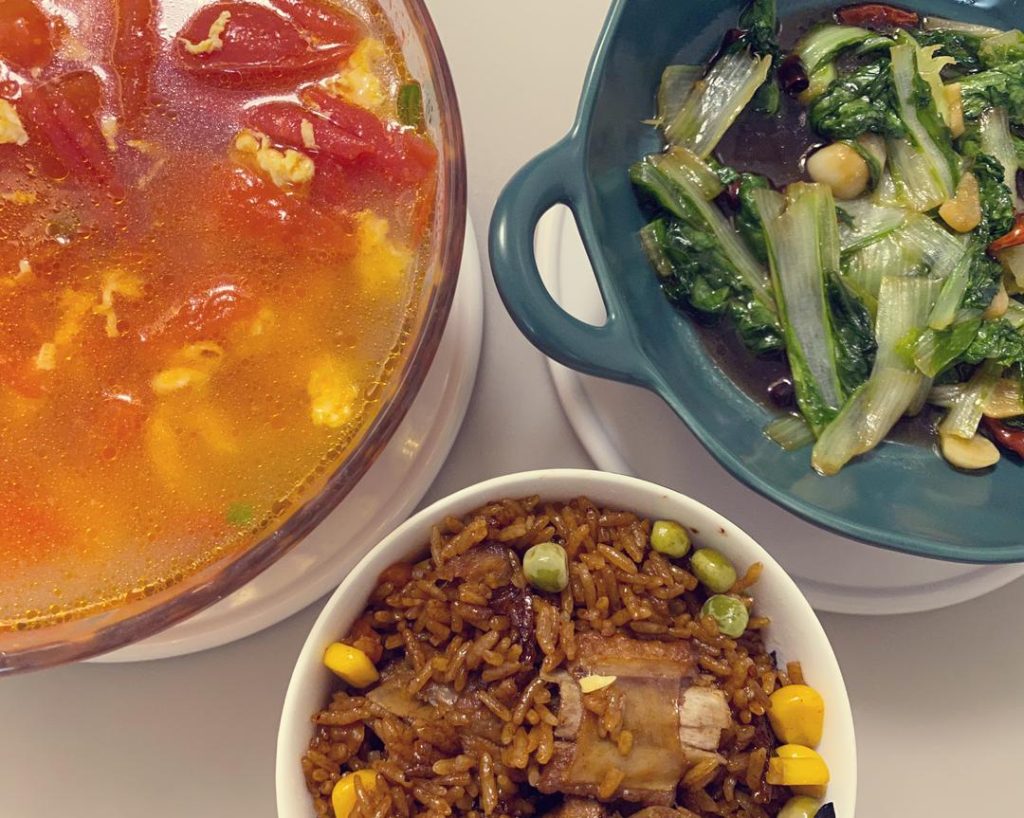
Since this dish has protein, carbs, and veggies, it is a complete meal on its own. However, to balance the richness of the ribs, I love pairing it with a simple soup or some greens:
- Tomato Egg Drop Soup: The acidity of the tomatoes cuts through the savory pork fat perfectly.
- Garlic Green Beans: A crunchy texture contrast.
- Smashed Cucumber Salad: A refreshing, cold side dish.
Troubleshooting & FAQ
Q: Can I use brown rice? A: I don’t recommend it for this specific recipe. Brown rice requires significantly more water and a longer cooking time, which might result in the ribs becoming too dry or falling apart completely into the rice mash.
Q: My rice turned out too mushy/wet. A: This usually happens if too much liquid was added. Remember, frozen vegetables also release a small amount of water. Next time, reduce the liquid slightly. The liquid should just barely cover the ingredients.
Q: Can I use chicken instead? A: Yes! Bone-in chicken thighs chopped into small pieces work great. Reduce the initial braising time in Step 3 to 5-10 minutes since chicken cooks faster than ribs.
Food Safety & Storage
- Cooking Temperature: Ensure the pork ribs reach an internal temperature of at least 145°F (63°C), though for tenderness, they will likely cook well beyond this.
- Storage: Store leftovers in an airtight container in the refrigerator for up to 3-4 days.
- Reheating: Reheat in the microwave with a damp paper towel over the top to steam the rice and prevent it from drying out.
NNutrition Information (Estimate per serving):
- Calories: 550 kcal
- Carbohydrates: 65g
- Protein: 25g
- Fat: 20g
- Saturated Fat: 6g
- Cholesterol: 60mg
- Sodium: 900mg
- Fiber: 3g
- Sugar: 4g
Food Safety & Health Reminders:
- Internal Temperature: According to USDA guidelines, pork should be cooked to an internal temperature of at least 145°F (63°C) followed by a 3-minute rest time. In this braising method, the ribs will cook well past this point to become tender.
- Bone Hazard: This recipe uses bone-in spare ribs or baby back ribs chopped into small pieces. Be mindful of small bone fragments when eating.
- Allergen Warning: This dish contains Soy and Wheat (found in traditional soy sauce) and Mollusks (in oyster sauce). For a gluten-free version, use Tamari and gluten-free oyster sauce.
Important Recipe Notes:
Seasoning: The braising liquid might taste slightly saltier than a regular soup. This is intentional, as it needs to season the plain white rice as it cooks.ternatives are given, the first listed is calculated for nutrition. Garnishes and optional ingredients are not included.
Rib Size Matters: Ask your butcher to cut the rack of ribs across the bone into 1-inch strips so you can easily slice them into small bite-sized pieces at home. Large ribs will not cook thoroughly or tenderize sufficiently in the standard rice cooker cycle.
Rice Texture: For the best texture, rinse the jasmine rice until the water runs clear and let it soak for 20 minutes before cooking. This ensures the grains remain distinct and fluffy rather than becoming mushy.
Liquid Ratio: The sauce and water mixture should just slightly cover the rice and ingredients (about ½ inch or to the first knuckle of your index finger). Do not add the standard amount of water you usually use for white rice, as the frozen vegetables and pork will release additional moisture.
One Pot Rice Cooker Pork Ribs and Rice (Pai Gu Men Fan)

Equipment
- Rice Cooker
- Wok or large skillet
Ingredients
Main Ingredients
- 1 lb pork spare ribs cut into 1-inch pieces across the bone
- 1.5 cups jasmine rice rinsed and soaked
- 1 cup frozen mixed vegetables corn, peas, carrots
The Sauce & Aromatics
- 2 tbsp light soy sauce
- 1 tbsp dark soy sauce for color
- 1 tbsp oyster sauce
- 1 tbsp Shaoxing wine for blanching
- 3 slices ginger
- 3 stalks scallions whites and greens separated
- 1 tsp sugar
- 0.5 tsp salt adjust to taste
Instructions
- Rinse the jasmine rice until the water runs clear. Soak in clean water for 20 minutes, then drain completely. Soak the ribs in cold water for 20 minutes to draw out impurities, then drain.
- Place ribs in a pot of cold water with Shaoxing wine, ginger slices, and scallion knots. Bring to a boil, skim off the foam, boil for 2-3 minutes, then rinse ribs under warm water and drain well.

- In a small bowl, mix light soy sauce, dark soy sauce, oyster sauce, sugar, and salt.

- Heat oil in a wok over medium-high heat. Stir-fry scallion whites, ginger, and garlic until fragrant. Add ribs and sear until golden brown.
- Pour the sauce mixture over the ribs and add enough water to just cover them. Simmer on low heat for 15-20 minutes.
- Transfer the drained rice into the rice cooker pot. Pour the ribs and the braising liquid over the rice. The liquid level should cover the rice by about 1/2 inch. Spread the frozen vegetables on top.
- Close the lid and start the standard cooking cycle (usually 30-45 minutes).

- Once the cycle finishes, open the lid, fluff the rice to mix the ingredients evenly, garnish with scallion greens, and serve immediately.
Notes
- Rib Size: Ensure ribs are cut into small 1-inch pieces so they cook through and become tender within the rice cooker cycle.
- Liquid Ratio: Do not use the standard rice-to-water ratio. The braising liquid should just barely cover the ingredients (about 1/2 inch above rice) to prevent sogginess.
- Food Safety: Ensure pork reaches an internal temperature of 145°F (63°C). Be mindful of small bone fragments.
- Nutrition Disclaimer: Nutrition information is calculated using an ingredient database and should be considered an estimate. Garnishes and optional ingredients are not included. Actual values vary based on specific brands used.












Leave a Reply