There is a special kind of magic that happens inside a rice cooker. Growing up in Sichuan, where the kitchen was the heart of our family life, I watched my chef parents create elaborate banquets. But on busy days, the most comforting meals were often the simplest. This One Pot Rice Cooker Pork Ribs and Rice, or Pai Gu Men Fan (排骨焖饭), is one of those nostalgic treasures.

It is the ultimate “lazy” gourmet meal. By braising the ribs briefly before letting the rice cooker finish the job, the rice absorbs the rich, savory meat juices, becoming incredibly flavorful—similar to the famous Cantonese Clay Pot Rice, but with softer, fluffier grains and much less active cooking time.
What is Pai Gu Men Fan?
In Chinese, Men (焖) refers to a braising or smothering technique, and Fan (饭) means rice. Unlike fried rice which uses day-old grain, this dish cooks raw rice and meat together. The steam and pressure of the rice cooker tenderize the pork ribs while the rice grains plump up, soaking in the soy sauce, aromatics, and pork fat. It’s a complete meal in a bowl that reminds me of the simple, hearty staff meals we used to eat behind the scenes in the restaurant.

Why This Recipe Works
- The Maillard Reaction: Unlike many “dump-and-go” recipes, we sear the ribs and aromatics first. This caramelization creates a depth of flavor that boiling alone cannot achieve.
- Two-Stage Cooking: Ribs are tough. By simmering them for 15 minutes in the wok before adding them to the rice cooker, we ensure they are fork-tender by the time the rice is done.
- Precision Hydration: We use the cooking liquid from the ribs to cook the rice. Because this liquid is rich in fat and collagen, it coats every grain, preventing them from becoming mushy while delivering maximum umami.
Key Ingredients & Substitutions
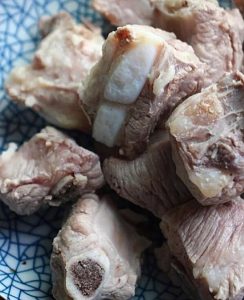
- Pork Ribs: Ask your butcher for riblets or cut the spare ribs into small, 1-inch (2.5cm) bite-sized pieces. This ensures they cook through evenly.
- Rice: Short-grain or Jasmine rice works best. I prefer Jasmine for its fragrance.
- Dark Soy Sauce: This is crucial for that appetizing, deep amber color.
- 13 Spice Powder (Shi San Xiang): A complex Chinese spice blend. If you cannot find it, a mix of Five Spice Powder and a pinch of white pepper is a safe substitution.
- Vegetables: The recipe uses peas, corn, and carrots. You can use a frozen mix for convenience, or fresh diced vegetables.
Recipe Notes Before You Start
- Soak the Rice: Do not skip soaking the rice for 20 minutes. Since the cooking liquid is salty and oily, it takes longer for the rice to absorb moisture. Soaking ensures the rice cooks evenly without a hard center.
- Liquid Ratios: The “Finger Joint Method” is traditional, but if you prefer precision, aim for a 1:1.1 ratio of soaked rice to liquid.
- Equipment: You need a standard wok or frying pan and a rice cooker.
Mise en Place / Prep
- Rice: Wash the rice until the water runs clear, then soak it in fresh water for 20 minutes. Drain thoroughly.
- Ribs: Cut ribs into 1-inch pieces.
- Aromatics: Slice the green onion, ginger, and garlic.
- Sauce Base: In a small bowl, mix the dark soy sauce, light soy sauce, cooking wine, sugar, oyster sauce, chicken essence, and 13 spice powder.
How to Make Rice Cooker Pork Ribs and Rice
Step 1: Blanch the Ribs Place the ribs in a pot of boiling water. Boil until the surface turns white and foam floats to the top (about 2-3 minutes). Drain and rinse the ribs under warm water to remove any scum. Pat dry. Chef’s Tip: Rinsing with warm water prevents the meat from tightening up.
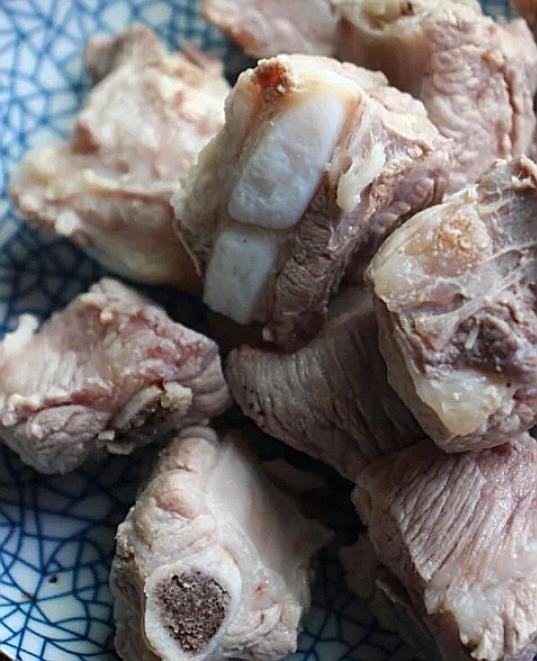
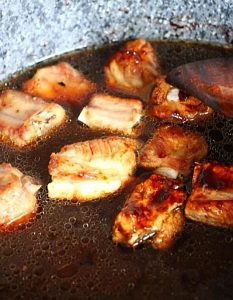
Step 2: Sear and Braise Heat oil in a wok over medium heat. Add the green onion, ginger, and garlic. Stir-fry until fragrant, then remove the aromatics (optional, but keeps the final rice cleaner). Add the ribs and stir-fry until both sides are golden brown.
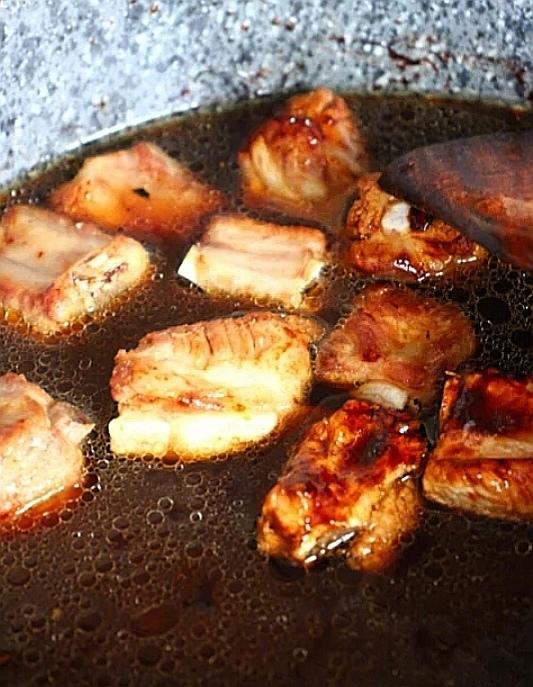
Step 3: Simmer Pour the sauce mixture over the ribs and stir to coat. Pour in a large bowl of hot water—enough to just cover the ribs. Bring to a boil, then reduce heat to medium-low and simmer for 15 minutes. Note: We are building the flavor foundation here.
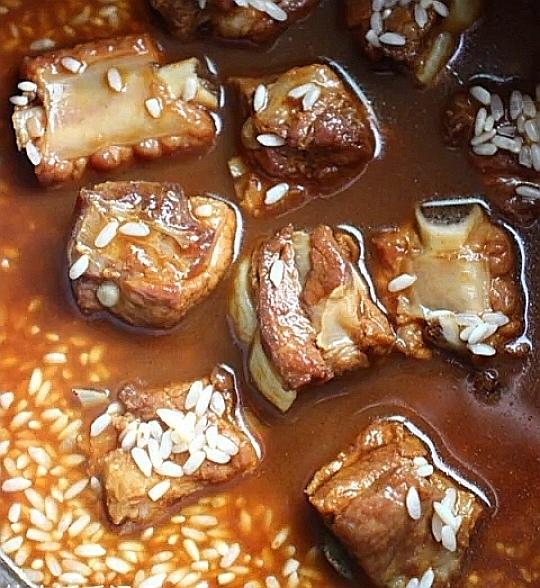
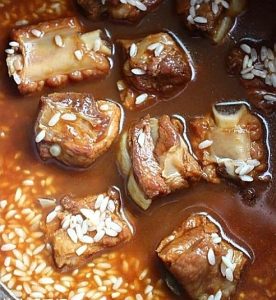
Step 4: Combine in Rice Cooker Transfer the drained rice into the rice cooker pot. Pour the ribs and all the soup from the wok over the rice.
- The Liquid Level: The soup should barely cover the rice (about one finger joint or 1cm above the rice surface).
- Adjustment: If there isn’t enough soup, add hot water. If there is too much, ladle some out. Too much liquid will result in mushy rice; too little will mean hard rice.
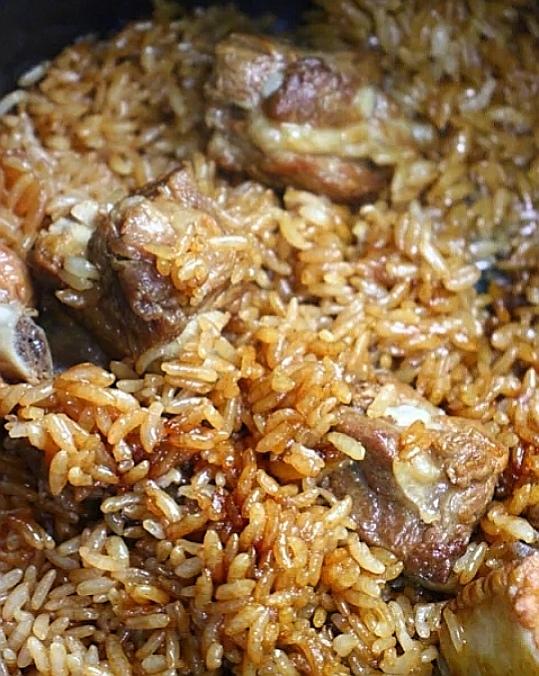
Step 5: Cook Close the lid and press the “Cook” (or standard white rice) button. When the cycle finishes, do not open the lid immediately. Let it rest on the “Keep Warm” setting for 10 minutes. This steaming period is crucial for fluffy rice.
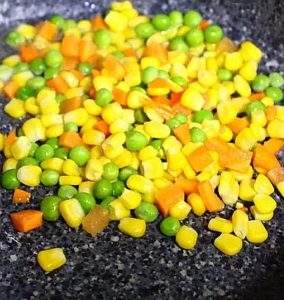
Step 6: Handle the Vegetables While the rice rests, blanch the peas, corn, and carrots in boiling water until tender. Drain.
- Comparison Guide: You can throw the veggies into the rice cooker at the start, but they will turn yellow and soft. For the best texture and vibrant color (like in professional kitchens), I recommend stir-frying them quickly in a pan with a little oil and salt for 1 minute, or simply blanching them as described.
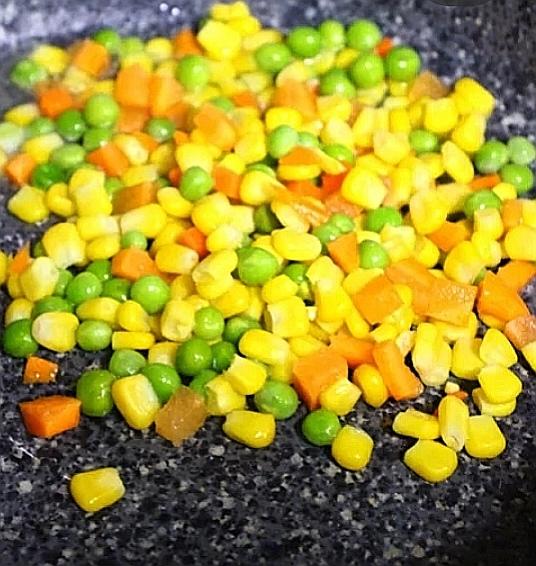
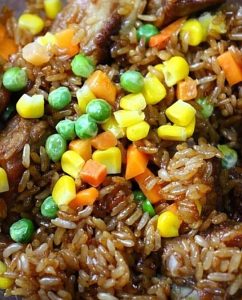
Step 7: Finish and Serve Open the rice cooker—be careful of the fragrant steam! Add the cooked vegetables. Fluff the rice gently with a paddle to mix everything evenly. Serve hot.
Tips for Success
- Don’t burn the sugar: When frying the ribs, keep the heat manageable so the sugar in the sauce doesn’t carbonize and turn bitter.
- Leftover Ribs? If you bought a large pack of ribs, you can use the extras to make a comforting Corn and Pork Rib Soup for later in the week.
FAQ / Troubleshooting
Q: My rice turned out hard. What happened?
- A: You likely didn’t soak the rice long enough, or you didn’t add enough liquid. Salty broths slow down water absorption. Ensure you soak for the full 20 minutes next time.
Q: Can I use brown rice?
- A: Yes, but brown rice requires more water and a longer cooking time. You may need to simmer the ribs for 30 minutes in the wok first to ensure they are tender enough to match the longer rice cycle.
How to Store & Reheat
- Fridge: Store leftovers in an airtight container for up to 3 days.
- Reheat: Microwave with a splash of water to rehydrate the rice, or stir-fry it in a pan. Safety Note: Ensure the pork is reheated to an internal temperature of 165°F (74°C).
Nutrition Information
- Serving Size: 1 large bowl (approx. ½ of the recipe)
- Calories: 680 kcal
- Carbohydrates: 115g
- Protein: 28g
- Fat: 22g
- Saturated Fat: 7g
- Cholesterol: 70mg
- Sodium: 1450mg
- Potassium: 450mg
- Fiber: 4g
- Sugar: 8g
- Vitamin A: 2500 IU
- Vitamin C: 12mg
- Calcium: 60mg
- Iron: 4mg
Disclaimer: Nutrition information is calculated using an ingredient database and should be considered an estimate. Garnishes and optional items are not included. Actual values may vary depending on the specific brand of sauces and the fat content of the ribs.
Food Safety & Preparation
- Pork Cooking Temperature: While pork is safe to eat at an internal temperature of 145°F (63°C), for ribs to be tender in this braised format, they are typically cooked well past this point. Ensure the meat pulls away slightly from the bone.
- Rice Safety (Bacillus cereus): Uncooked rice can contain spores of Bacillus cereus, a bacteria that can cause food poisoning. The spores can survive cooking. To ensure safety, serve the rice as soon as it is cooked. Do not leave it at room temperature for more than 2 hours.
- Reheating: If you have leftovers, refrigerate them promptly in an airtight container. When reheating, ensure the rice is steaming hot all the way through (165°F / 74°C). Do not reheat rice more than once.
- Allergen Warning: This recipe contains Soy (soy sauces), Wheat (often found in soy sauce and oyster sauce), and Mollusks (oyster sauce). Use gluten-free tamari and gluten-free oyster sauce if you have a gluten intolerance.
Recipe Notes
Chef’s Tips for Perfection:
- Why Soak the Rice? In professional Chinese kitchens, we always soak the rice (typically for 20–30 minutes) before making Men Fan (braised rice). Because the cooking liquid contains salt and oil, it creates an osmotic pressure that makes it harder for the rice grains to absorb water quickly. Without soaking, you risk having rice that is flavorful on the outside but hard and undercooked in the center.
- The “Golden” Ratio: The traditional “finger joint” method for measuring water is reliable, but if you want to be scientific, the ratio of liquid (rib stew + extra water) to soaked rice should be approximately 1.1 to 1. Since the rice is already hydrated from soaking, you need slightly less liquid than steaming dry rice.
- Vegetable Timing: Many home cooks throw the peas and corn in with the raw rice. I strongly advise against this. The long cooking time turns green peas into mushy, yellowish spheres. For that “restaurant-quality” pop of color and crisp texture, blanch them separately and mix them in at the end.
- The Crispy Bottom: If you enjoy the crispy rice layer (Guoba) at the bottom of the pot, you can drizzle a teaspoon of sesame oil around the edge of the rice 5 minutes before the cooking cycle ends.
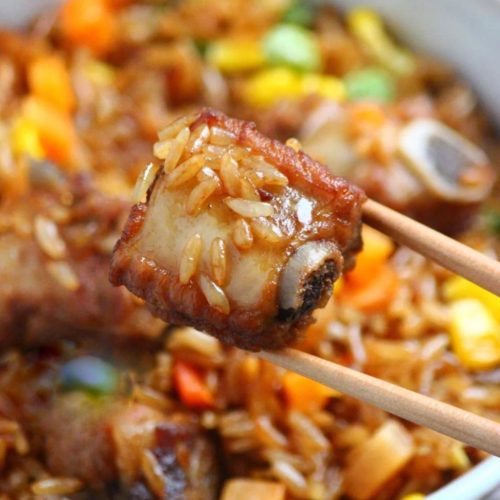
One Pot Rice Cooker Pork Ribs and Rice (Pai Gu Men Fan)

Equipment
- Rice Cooker Standard electric rice cooker
- Wok or large skillet For braising ribs
Ingredients
- 200 g pork ribs cut into 1-inch pieces (approx 7 oz)
- 300 g short-grain or jasmine rice approx 1.5 cups
Marinade & Sauce
- 1 tbsp dark soy sauce Lao Chou
- 3 tbsp light soy sauce Sheng Chou
- 2 tbsp Shaoxing cooking wine Liao Jiu
- 1 tbsp sugar
- 1 tbsp oyster sauce
- 0.5 tsp chicken essence or chicken bouillon powder
- 0.5 tsp 13 spice powder Shi San Xiang (or substitute Five Spice)
Aromatics & Vegetables
- green onion, ginger, garlic sliced
- 0.5 cup mixed vegetables peas, corn kernels, diced carrots
- 1 tbsp cooking oil
Instructions
- Rinse the rice under cold water until the water runs clear. Soak the rice in clean water for 20 minutes. This step is crucial for even cooking.

- Place ribs in a pot of boiling water and cook until the surface turns white and foam appears (about 2-3 mins). Drain, rinse off any scum with warm water, and pat dry.

- Mix the sauce ingredients (dark soy sauce, light soy sauce, cooking wine, sugar, oyster sauce, chicken essence, 13 spice) in a small bowl until combined.

- Heat oil in a wok over medium heat. Stir-fry green onion, ginger, and garlic until fragrant. Remove aromatics if you prefer a cleaner rice. Add ribs and stir-fry until golden brown on both sides.
- Pour the sauce mixture over the ribs and stir to coat. Add enough hot water to just cover the ribs. Bring to a boil, then reduce heat and simmer for 15 minutes.
- Drain the soaked rice and transfer it to the rice cooker pot. Pour the ribs and all the braising liquid over the rice. The liquid level should be about 1 finger joint (approx. 1cm) above the rice. Add hot water if needed, or ladle some out if there is too much.

- Close the lid and start the standard rice cooking cycle. Once the cycle finishes, let it rest on the ‘Keep Warm’ setting for 10 minutes to finish steaming.
- While rice rests, blanch the peas, corn, and carrots in boiling water until tender. Alternatively, stir-fry them in a pan with a pinch of salt for 1 minute for better flavor.

- Open the rice cooker, add the cooked vegetables, and fluff the rice gently with a paddle to mix everything evenly. Serve hot.


Notes
- Soaking Rice: Do not skip soaking the rice for 20 minutes. The salty broth makes it harder for rice to absorb water; soaking ensures the center of the grain cooks through.
- Liquid Ratio: Use the ‘Finger Joint Method’ or aim for a 1.1:1 ratio of liquid to soaked rice. Too much liquid will result in mushy rice.
- Vegetables: Cook the vegetables separately and add them at the end to maintain their bright color and crisp texture.
- Refrigerate leftovers within 2 hours.
- Reheat to an internal temperature of 165°F (74°C).
- Contains Soy, Wheat, and Mollusks.












Leave a Reply