Growing up in Sichuan, “burgers” were a distant, exotic concept that we mostly saw in movies. That was until my father, a professional chef, decided to bridge the gap between Western curiosity and Chinese comfort. He didn’t just slap ground meat on a grill; he treated the pork with the same respect as a dumpling filling.
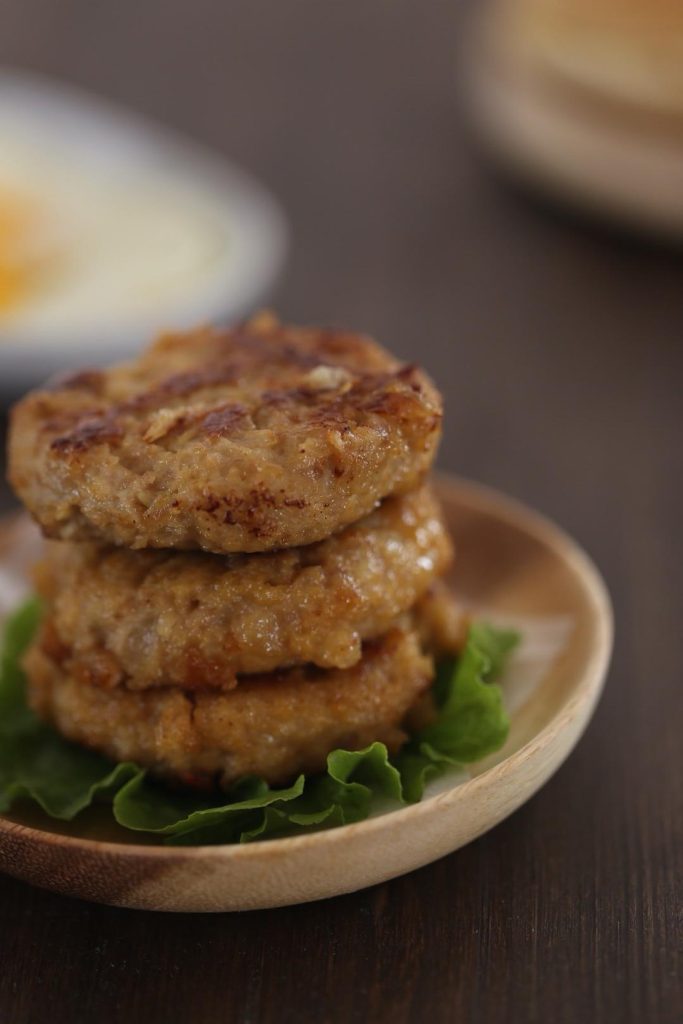
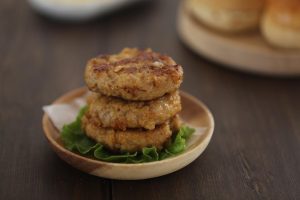
The result? These Chinese Pork Burger Patties, or a fusion style Rou Bing (肉饼).
Unlike a typical Western beef burger that crumbles, these pork patties have a distinct, irresistible “bounciness”—a texture we call “Q-tan” in Chinese. They are savory, incredibly juicy, and seasoned with soy sauce and caramelized onions.
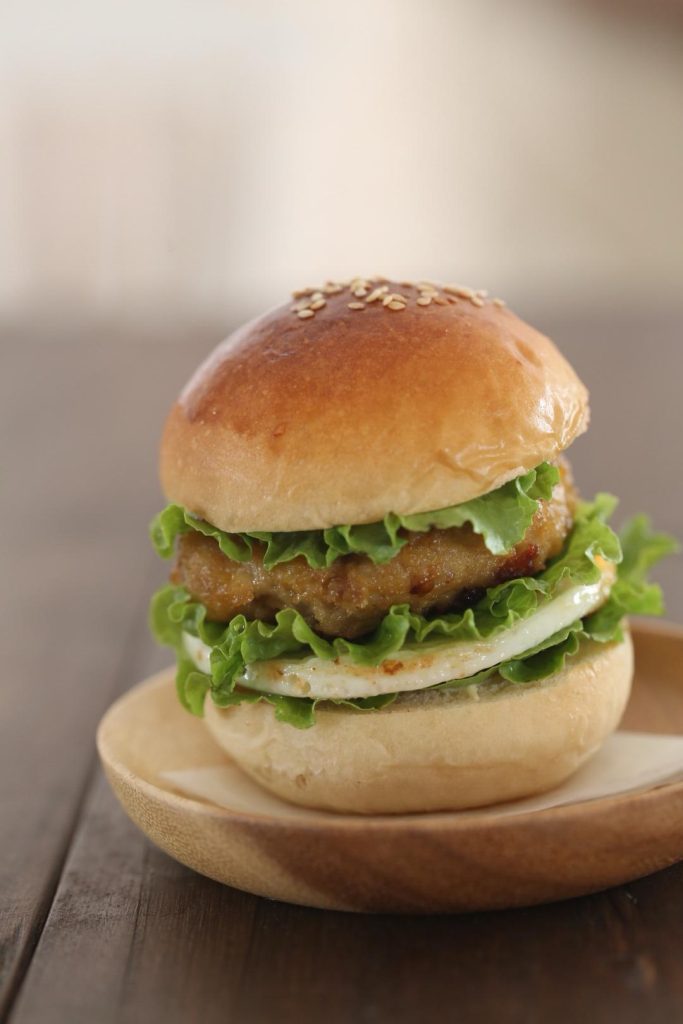
I’ve made these countless times in my own kitchen now. Whether you sandwich them between soft buns with cheese for a fusion dinner or serve them over a bowl of steaming white rice, they offer a comforting richness that beats any fast-food takeout.
What Are Chinese Pork Burger Patties?
At their core, these patties are a hybrid. They take the form of a Western hamburger patty but utilize traditional Chinese meat-handling techniques.
In Chinese cuisine, when we work with ground meat (like for Pork Dumpling Filling), we don’t just mix it; we vigorously stir it in one direction and “throw” the meat. This develops the protein structure (myosin), allowing the meat to hold onto moisture and fat.
This recipe uses ground pork instead of beef, which is naturally sweeter and pairs beautifully with the soy sauce and caramelized onion base.
Why This Recipe Works
- The Panade Technique: By mixing breadcrumbs (panko) with milk, we create a panade. This starch-liquid mixture prevents the protein fibers in the pork from tightening up too much, ensuring the patty remains tender even if slightly overcooked.
- Pre-cooked Aromatics: We sauté the onions first. Raw onions can release too much water and steam the meat from the inside. Caramelizing them first removes excess moisture and adds a deep, natural sweetness that balances the salty soy sauce.
- Directional Stirring: As mentioned in our “Test Kitchen Notes” below, stirring the meat in one direction creates a cohesive, springy texture that distinguishes this from a meatloaf.
Key Ingredients & Substitutions
- Ground Pork: I recommend a 80/20 lean-to-fat ratio. If the pork is too lean (like 90/10), the patties will be dry. The fat renders out and keeps the burger juicy.
- Onion: Yellow or white onions work best. They provide sweetness and moisture.
- Breadcrumbs: I prefer Panko for a lighter texture, but regular plain breadcrumbs work too.
- Light Soy Sauce: This provides the salty, savory “umami” base. You can use brands like Kikkoman or Pearl River Bridge.
- Eggs: These act as a binder.
- Milk: Whole milk creates the richest texture, but 2% is acceptable.
- Seasonings: A simple mix of salt, sugar, and black pepper. The sugar is crucial—it doesn’t make the burger sweet, but it enhances the savory notes of the pork (a classic Chinese seasoning technique).
💡 Comparisons: Pork vs. Beef While beef burgers are prized for a loose, crumbly texture and mineral taste, pork burgers are naturally milder, sweeter, and denser. Because pork must be cooked thoroughly (unlike medium-rare beef), we use the milk and egg binder to ensure it stays juicy at higher internal temperatures.
Equipment You Will Need
- Frying Pan: A heavy-bottomed cast iron skillet is ideal for getting a good sear (Maillard reaction). A non-stick pan works well for beginners to prevent sticking.
- Mixing Bowl: Large enough to vigorously mix the meat.
- Scale: Optional, but helpful for dividing the patties evenly.
Recipe Notes Before We Begin
- Chill the Meat: If you have time, let the mixed meat mixture sit in the fridge for 20 minutes before shaping. Cold fat holds its shape better, making the patties easier to form.
- Don’t Skip the “Throw”: You will see a step about “throwing” or slapping the meat between your hands. This isn’t just for fun—it removes air pockets and tightens the surface, preventing cracks during frying.
How to Make Chinese Pork Burger Patties
Step 1: Sauté the Onions
Finely dice the onion. Heat a small amount of oil in a pan over medium heat. Sauté the onions until they are soft, translucent, and slightly golden.
- Why? This removes the sharp, raw bite of the onion and brings out sugars that pair perfectly with the savory pork.
- Tip: Let the onions cool down slightly before adding them to the raw meat so they don’t start cooking the proteins prematurely.
Step 2: Create the Base
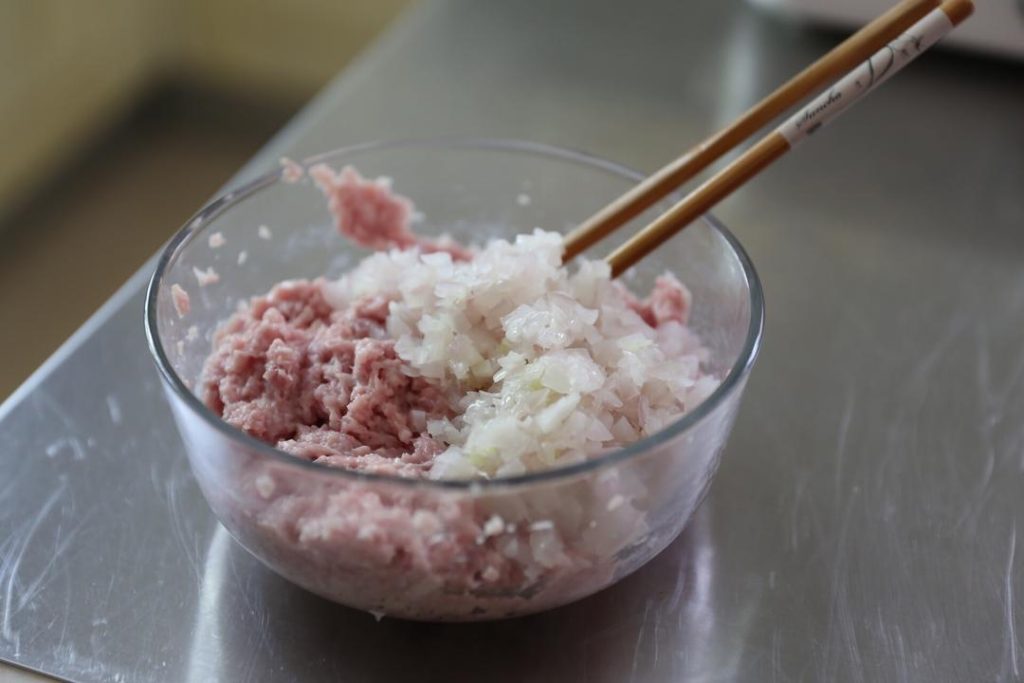
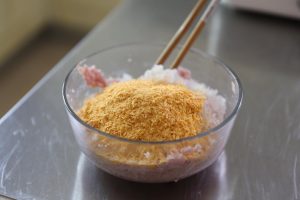
In a large mixing bowl, combine the ground pork and the cooled sautéed onions. Add the breadcrumbs and milk.
Step 3: Season and Mix (The Most Important Step!)
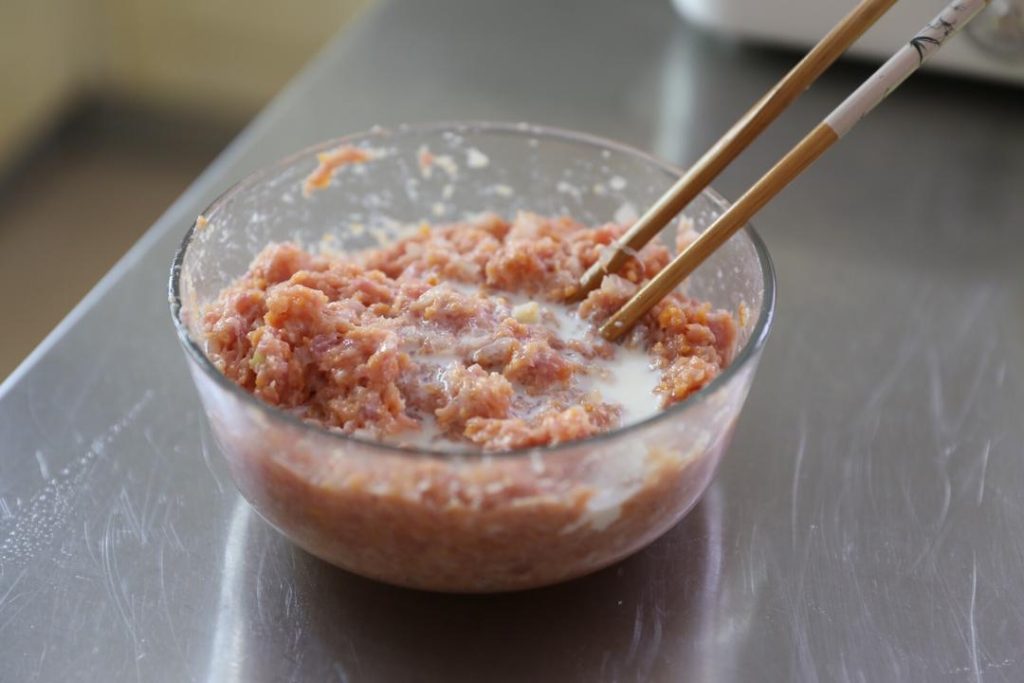
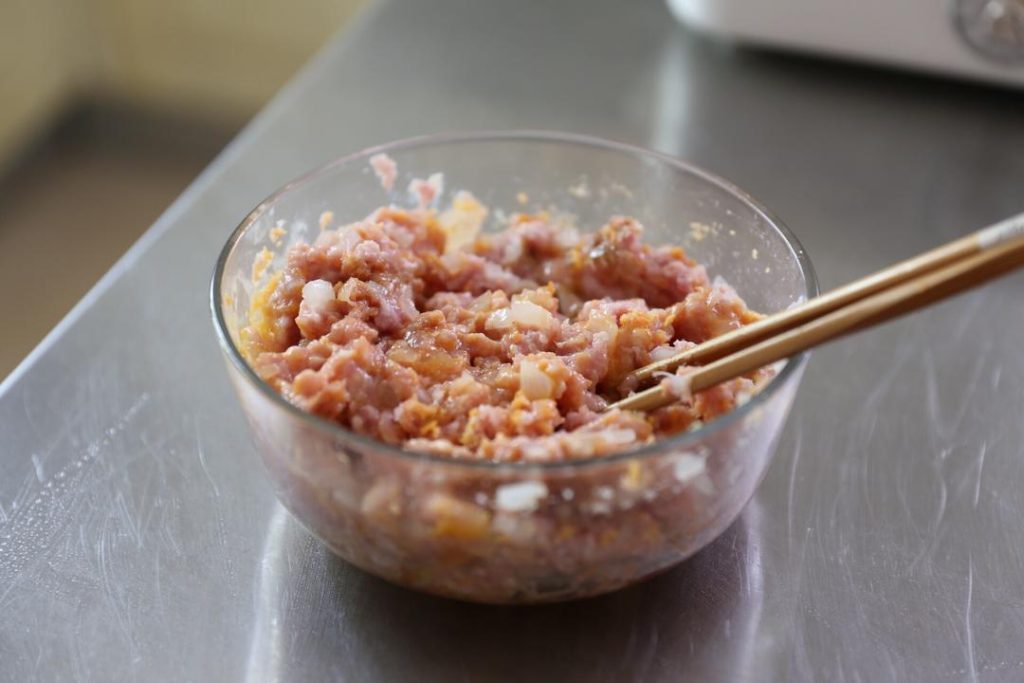
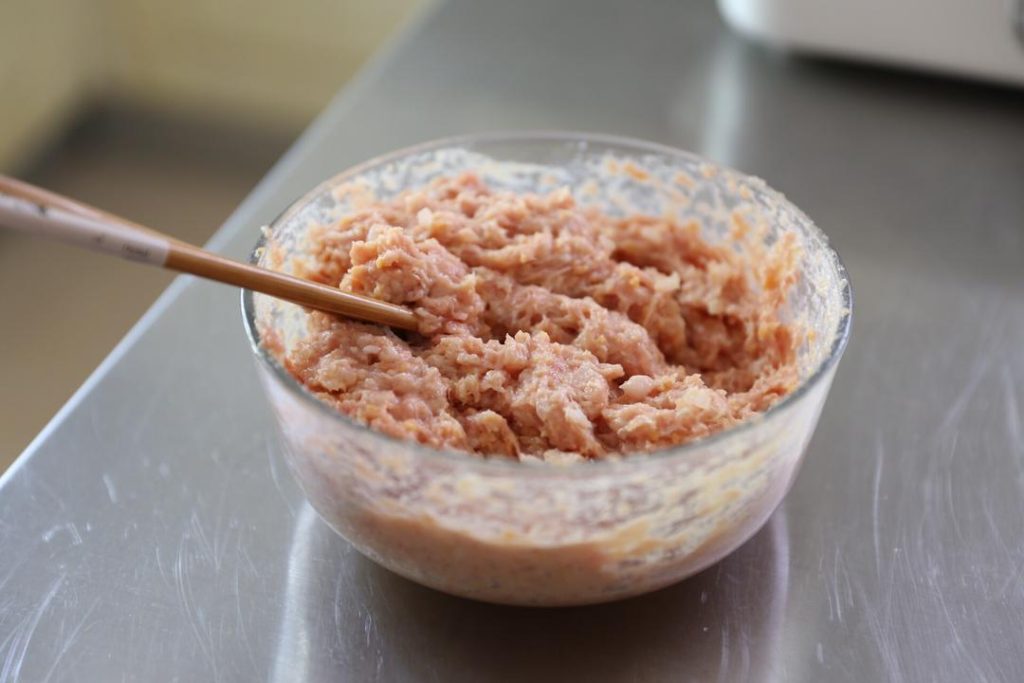
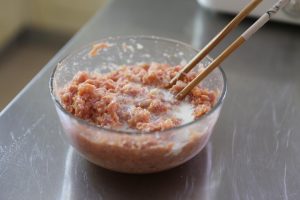
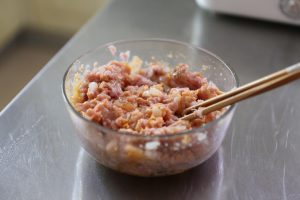
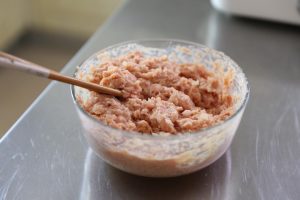
Add the eggs, salt, light soy sauce, black pepper, and sugar to the bowl. Now, using your hand or a pair of chopsticks, stir vigorously in one direction (clockwise or counter-clockwise, just don’t switch).
- Visual Cue: You want to stir until the meat becomes sticky and develops a fibrous, paste-like texture. This usually takes 2-3 minutes. This is called Shang Jing (上劲) in Chinese cooking.
Step 4: Chill and Shape
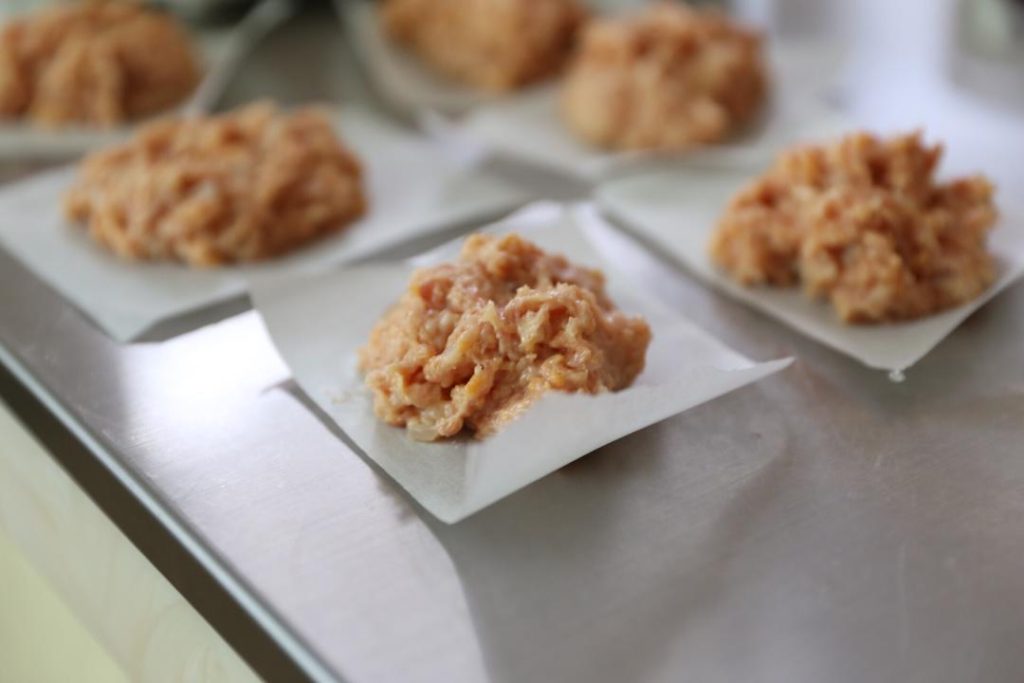
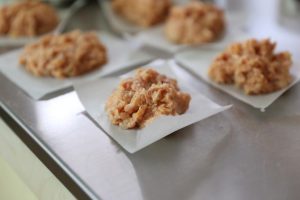
Cover the bowl and refrigerate for 15-20 minutes to firm up the fat. Divide the mixture into equal portions.
- Note: This recipe makes about 10 slider-sized patties (2.5 oz / 70g each) or 4-5 large dinner-sized patties.
Step 5: The “Slap” Technique
Take one portion of meat. Pick it up and throw it forcefully into your other hand. Repeat this “slapping” motion about 50-60 times.
- Why? This forces out air bubbles and creates a smooth, tight surface that won’t crumble in the pan. Press the ball into a flat, round patty.
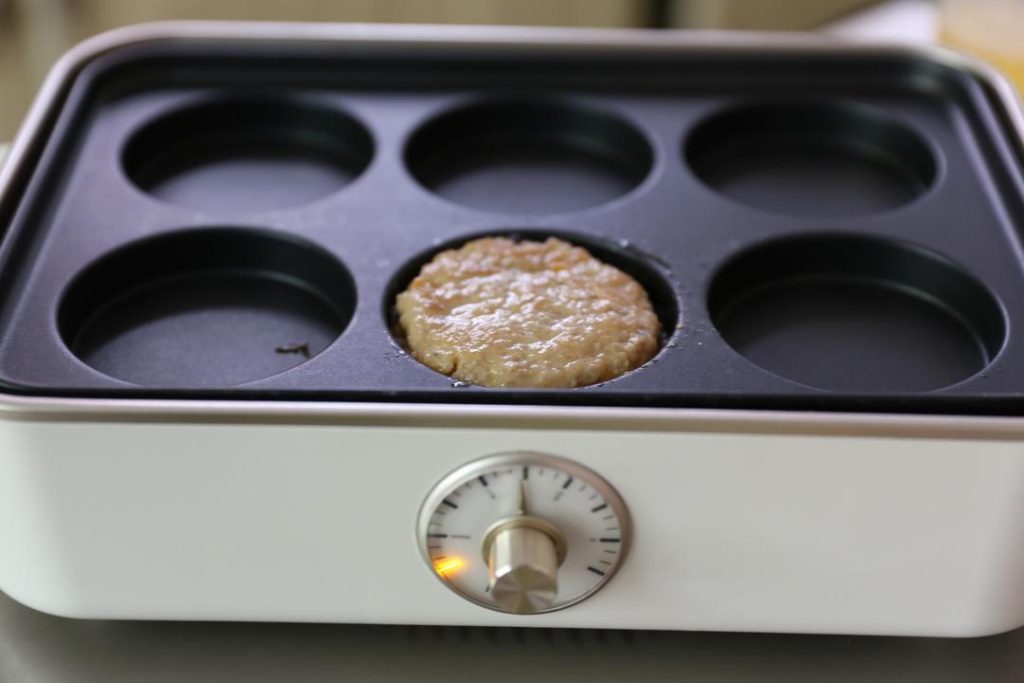
Step 6: Pan-Fry
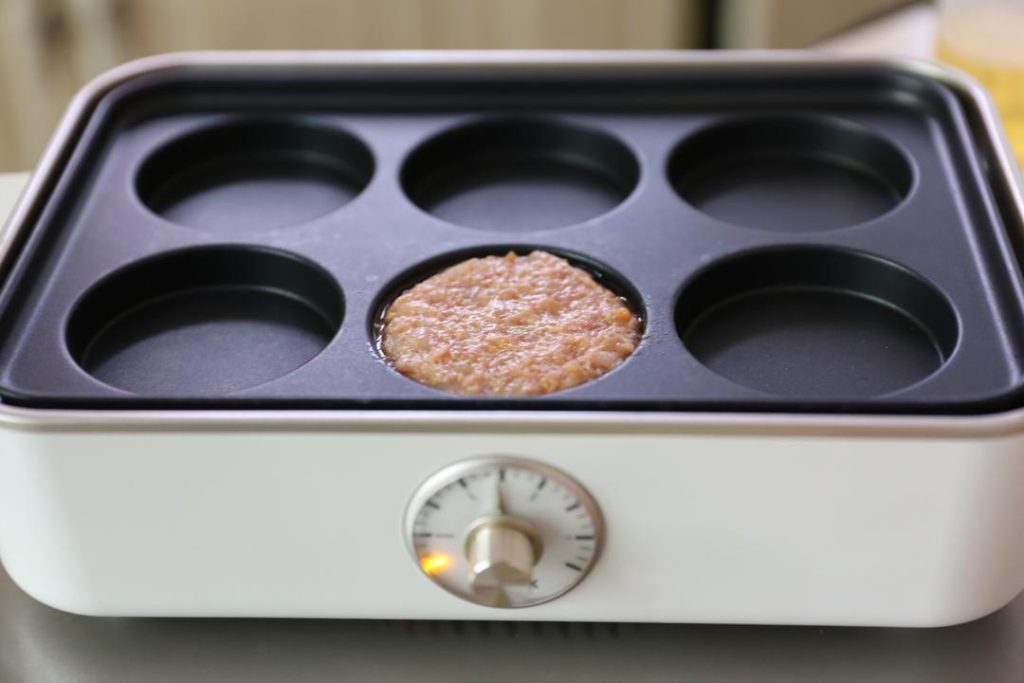
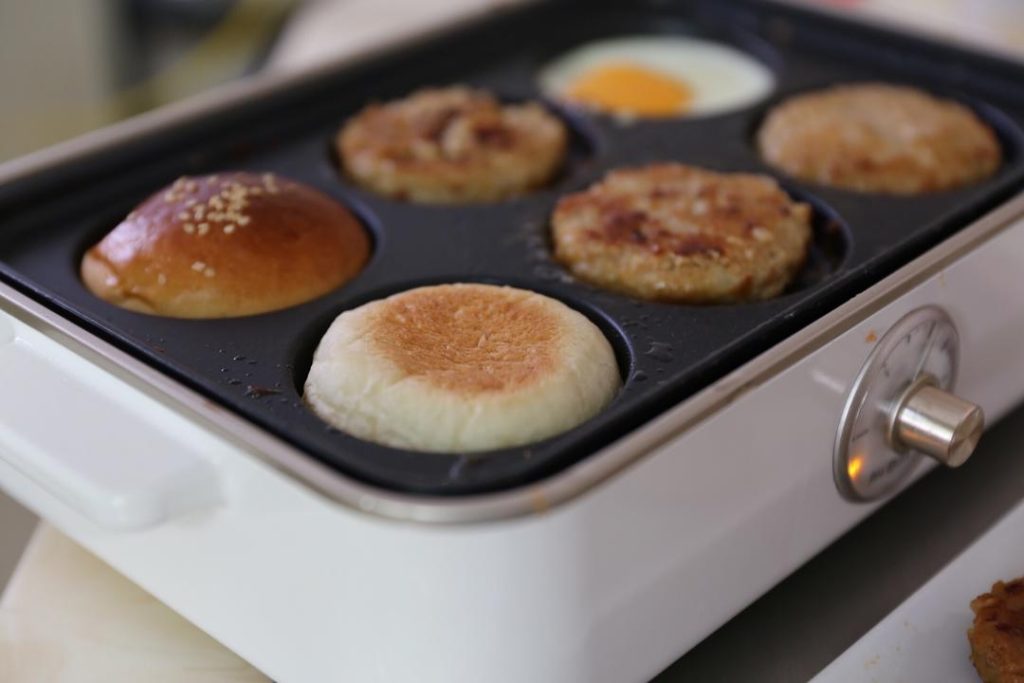
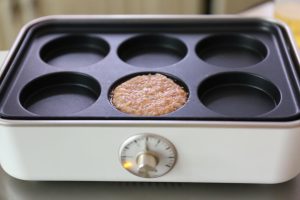
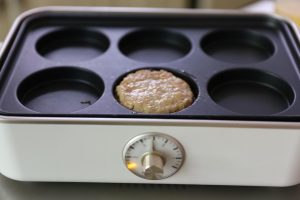
Preheat your skillet over medium heat and brush with a thin layer of oil. Place the patties in the pan. Cook slowly until the bottom is browned and set (about 3-4 minutes). Flip and cook the other side until golden brown and cooked through.
- Safety Check: Pork should reach an internal temperature of 160°F (71°C).
Step 7: Assemble
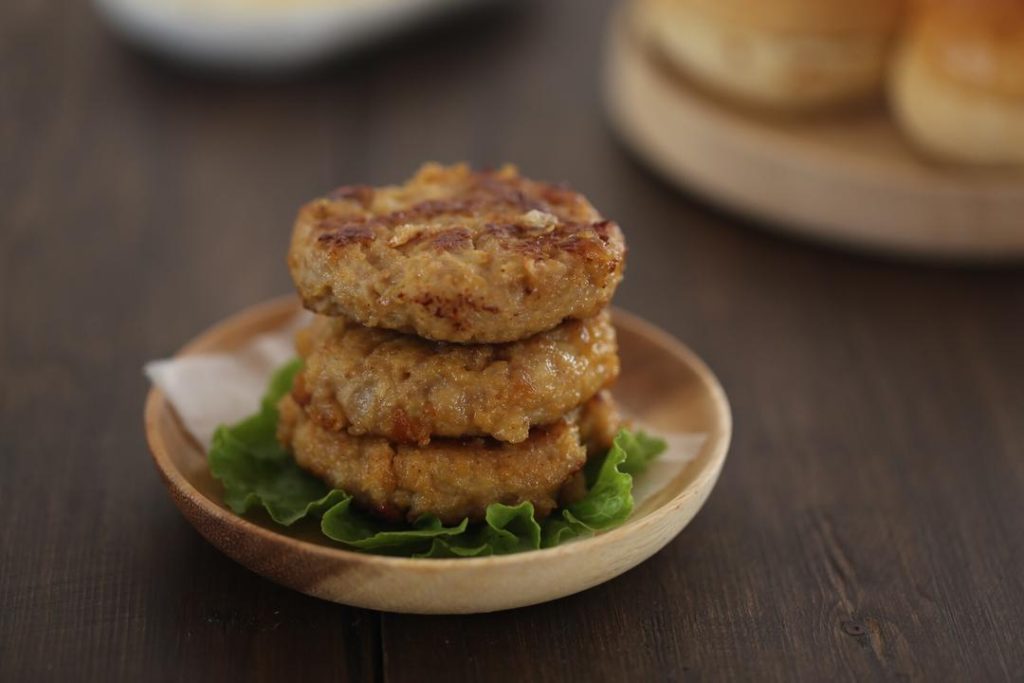
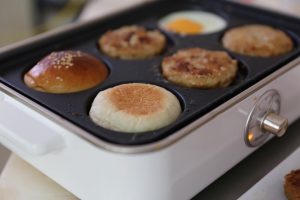
Serve immediately! You can serve these on toasted buns with lettuce, cheese, mayo, and ketchup, or go traditional and serve with rice and a side of Smashed Cucumber Salad.
Our Systematic Test Kitchen Notes
We tested this recipe using different variables to ensure consistency:
- Raw vs. Cooked Onion: We tried mixing raw onions directly into the meat. The result was watery, and the onions crunched unpleasantly against the soft pork. Verdict: Always sauté the onions first.
- Binding Agents: We tested without breadcrumbs. The patties shrank significantly and were much denser. The breadcrumb/milk combo is essential for that tender bite.
- Pan Choice:
- Cast Iron: Gave the best crust but required careful heat management to avoid burning before the center was cooked.
- Non-Stick: Easier for flipping, but produced a lighter, less flavorful crust.
- Recommendation: Use Cast Iron if you are experienced; Non-stick if you want a foolproof method.
Common Troubleshooting & FAQ
Q: Why were my patties tough/dry?
A: You likely used lean pork (like pork loin grind). Pork patties need fat. Ensure you use at least 20% fat content. Also, avoid overcooking—use an instant-read thermometer to pull them off right at 160°F.
Q: The mixture is too wet to shape. What do I do?
A: Egg sizes vary. If your mixture is too loose, add a tablespoon more of breadcrumbs and let it sit for 5 minutes to absorb the moisture. Also, chilling the mixture is mandatory if it feels sticky.
Q: Can I freeze these?
A: Yes! Freeze the raw, shaped patties on a baking sheet first, then transfer to a bag. Thaw in the fridge overnight before pan-frying.
Serving Suggestions & Pairings
These patties are incredibly versatile.
- Fusion Burger: Serve on a brioche bun with a slice of melting cheddar and a dollop of our Homemade Chili Garlic Sauce for a spicy kick.
- The “Bento” Style: Serve the patty plain over Japanese short-grain rice, topped with a fried egg and a side of Japanese Potato Salad.
- Side Dish: Since the burger is rich, pair it with something light and acidic, like Spicy Cold-Tossed Pork Tenderloin (as a contrasting cold dish) or simple stir-fried greens.
Food Safety and Preparation
- Internal Temperature: Unlike beef, ground pork must be cooked through. Ensure the center reaches 160°F (71°C).
- Cross Contamination: Wash hands thoroughly after handling raw pork and eggs.
- Allergen Note: This recipe contains gluten (breadcrumbs), soy (soy sauce), eggs, and dairy (milk). For a gluten-free version, use GF breadcrumbs and Tamari instead of soy sauce.
References (Authority)
- USDA Food Safety and Inspection Service: Safe Minimum Internal Temperature Chart (rel=nofollow)
- Serious Eats: The Science of Mixing Meat
What do you think? I love this recipe because it reminds me of my dad’s creativity in the kitchen. It’s simple, humble ingredients transformed into something luxurious. If you try it, let me know in the comments below!
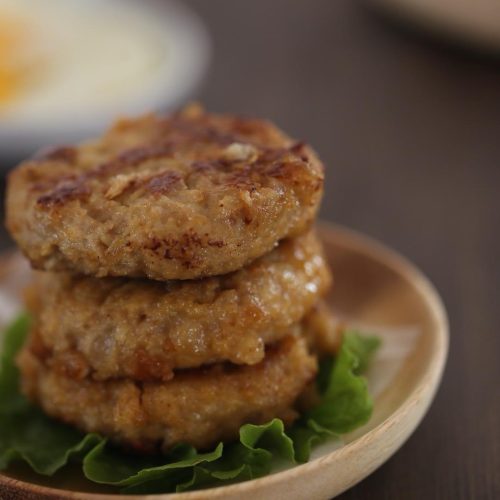
Juicy Chinese Pork Burger Patties (Rou Bing)

Equipment
- Cast Iron Skillet or Non-stick Pan For frying the patties
- Large Mixing Bowl For mixing the meat filling
Ingredients
- 1 lb ground pork approx. 470g; use 80% lean / 20% fat ratio
- 1/2 onion finely diced (yellow or white onion)
- 1/2 cup panko breadcrumbs approx. 45g
- 1 tbsp milk approx. 20g; plus 1 tsp if needed
- 2 small eggs or 1 US Large egg
- 1 tsp salt approx 4.5g; adjust to taste
- 1 tbsp light soy sauce approx. 20g; plus 1 tsp
- 1/4 tsp black pepper freshly ground
- 1/2 tsp sugar to balance flavor
- 2 tbsp cooking oil for frying (vegetable or canola)
Instructions
- Finely dice the onion. Heat a small amount of oil in a skillet over medium heat. Sauté the onion until translucent and soft. Remove from heat and let cool completely.
- In a large mixing bowl, combine the ground pork and the cooled onions.

- Add the breadcrumbs and milk to the bowl.
- Add the eggs, salt, light soy sauce, black pepper, and sugar. Using your hand or chopsticks, stir the mixture vigorously in ONE direction (clockwise or counter-clockwise). Continue stirring for 2-3 minutes until the meat becomes sticky and fibrous (Shang Jing).
- Cover the bowl and refrigerate for 15-20 minutes. This helps the fat solidify and makes shaping easier.
- Divide the meat mixture into 10 equal portions (about 70g or 2.5oz each) for sliders, or 4-5 portions for full-sized burgers.
- Take one portion and ‘throw’ it firmly back and forth between your hands about 50-60 times. This removes air pockets and creates a springy texture. Press into a round, flat patty.
- Preheat your skillet over medium heat and brush with oil. Place patties in the pan. Do not crowd the pan.
- Pan-fry for about 3-4 minutes on the first side until golden brown. Flip and cook the other side until browned and the internal temperature reaches 160°F (71°C).
- Remove patties from the pan and let rest for a minute.
- Serve on toasted buns with lettuce, cheese, and your favorite condiments (mayonnaise and ketchup work great!).












Leave a Reply