Xinjiang lamb pilaf, known in Chinese as 羊肉手抓饭, is the kind of dish that fills a kitchen with the smell of lamb, onions, and sweet carrots long before it reaches the table. It is a one-pot rice dish from China’s far northwest, where lamb is the star protein and rice is treated as a vessel for all the savory juices the meat releases. The name shouzhua fan literally means “hand-grabbed rice,” a nod to how it was traditionally eaten: with clean hands, straight from a shared platter.
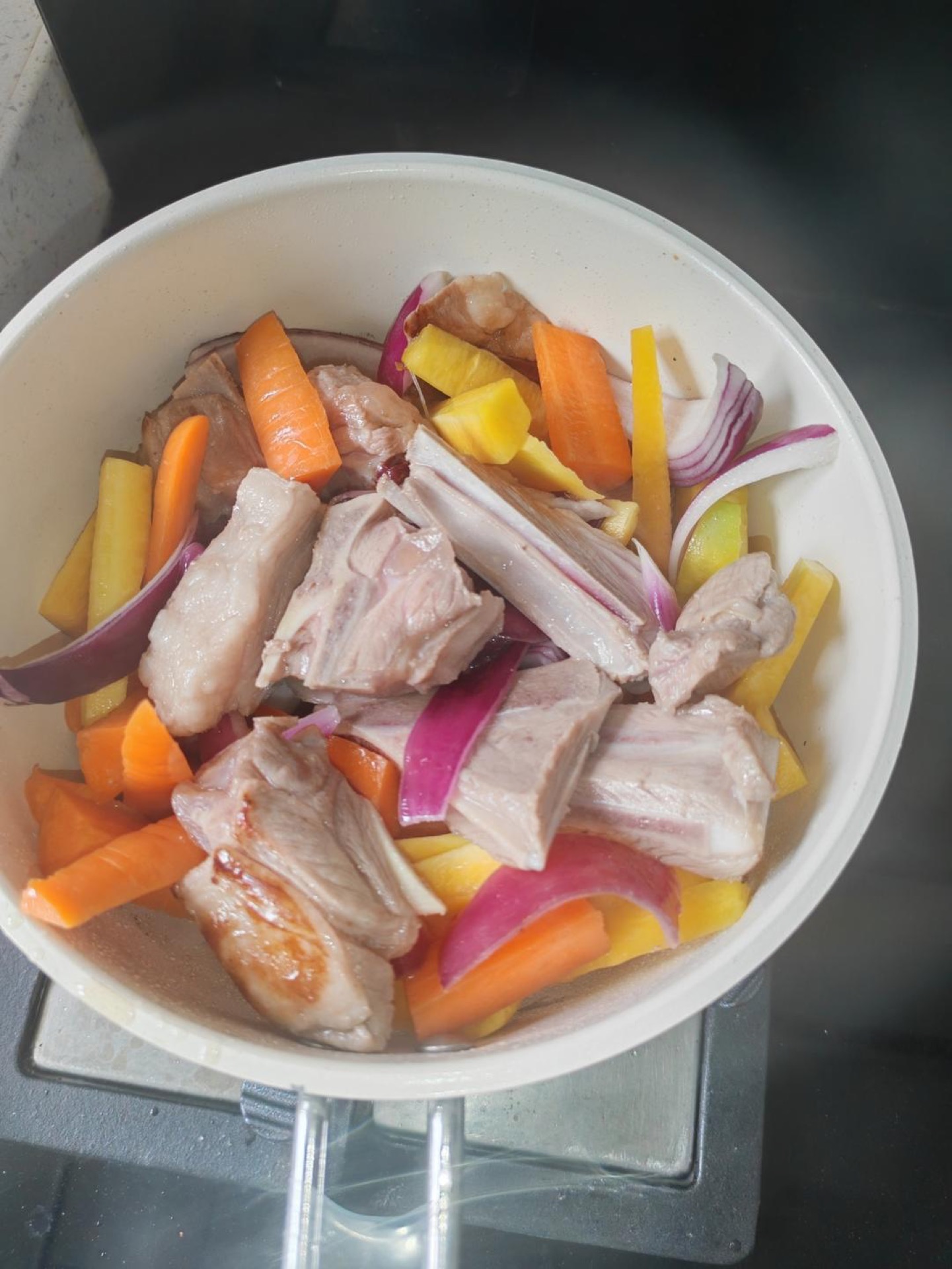
What makes this version so satisfying is how little work it asks of you once the lamb hits the wok. The meat sears until golden, the vegetables soften into sweetness, and the rice steams right on top of everything, soaking up a broth that is already rich with lamb fat and onion. There is no separate pot of rice, no sauce to whisk at the end, and no last-minute plating. You build the flavor in layers, cover the wok, and let time do the rest.
If you have ever ordered this dish at a Xinjiang restaurant and wondered why the rice tastes so much deeper than ordinary pilaf, the answer is in the fat and the broth. The lamb renders its fat into the oil, the carrots melt into sweetness, and the raisins plump up and burst with a gentle tang. Every grain of rice ends up coated in that savory-sweet richness.
What Is Xinjiang Lamb Pilaf?
Xinjiang lamb pilaf is a rice dish from the Xinjiang Uyghur Autonomous Region in northwest China, where it is known as shouzhua fan. It belongs to the same broad family as Central Asian pilafs and Indian biryanis: rice cooked together with meat, fat, and vegetables in a single pot, so the grains absorb everything the other ingredients give off. What sets the Xinjiang version apart is its short ingredient list. Lamb, carrots, onions, rice, raisins, salt, and a little sugar are usually all it takes.
The dish has strong roots in Uyghur home cooking and in the food culture of the Silk Road, where rice, lamb, and dried fruit traveled together along the trade routes. In Xinjiang it is a celebration dish, served at weddings, holidays, and large family gatherings, often from a wide platter that everyone eats from together. The carrots in the dish are not a garnish; they are essential, and cooks there often use both orange carrots and the paler yellow carrots for a fuller sweetness. The raisins are added toward the end so they stay plump rather than dissolving into the rice.
At home, this is one of the most forgiving one-pot meals you can make. You do not need a special rice cooker or a clay pot, just a wok or a heavy pot with a tight lid. The technique is simple: sear the lamb, soften the vegetables, add hot liquid, mound the rice on top, and steam. If you have made a chestnut chicken rice before, you already know the rhythm of building a rice dish this way.
The reason the rice tastes so rich is that the lamb fat coats each grain before the water is added, and fat carries flavor compounds that water alone cannot. This is why the recipe insists on lamb with some fat left on and why the onion is fried in the oil first: those steps build the flavor base that the rice will later absorb.
If you enjoy the deep, savory character of lamb in rice dishes, the lamb liver fried rice is another Xinjiang-style favorite that uses the same bold, aromatic approach with a different cut of meat.
1Lamb Liver Fried Rice (Yang Gan Chao Fan)This savory Lamb Liver Fried Rice uses the ‘Golden Fried Rice’ technique to coat every grain in egg, creating a fluffy texture that pairs perfectly with tender, velvety lamb liver and sweet vegetables. A nutritious, homestyle meal ready in 20 minutes.Check out this recipe

For a noodle-based take on the same regional flavors, the Xinjiang fried rice noodles bring the same cumin-and-lamb energy to a chewy rice noodle instead of grains of rice.
2Xinjiang Fried Rice Noodles (Xinjiang Chao Mifen)A spicy, saucy, and chewy rice noodle dish from Western China featuring a rich tomato and bean paste sauce, beef, and crisp vegetables. It is a bold ‘flavor bomb’ that perfectly bridges the gap between a stir-fry and a comforting pasta dish.Check out this recipe
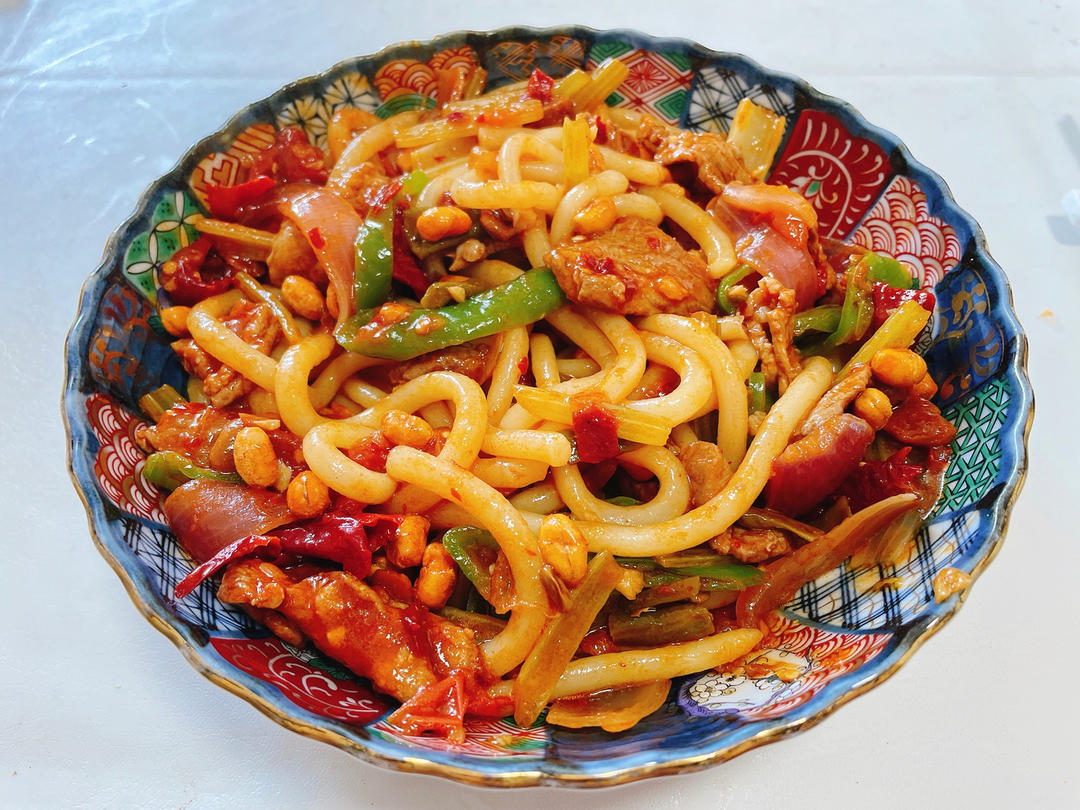
And if you love the idea of rice cooked with meat in one pot, the cantonese clay pot rice is a southern Chinese cousin that shows how different regions approach the same comforting idea.
3Authentic Cantonese Clay Pot Rice (Bao Zai Fan)This authentic Clay Pot Rice recipe creates a complete meal with savory Chinese sausage, cured pork, and a signature crispy rice bottom (Guoba). Even if you don’t have a clay pot, you can make this in a Dutch oven!Check out this recipe

Ingredient Notes
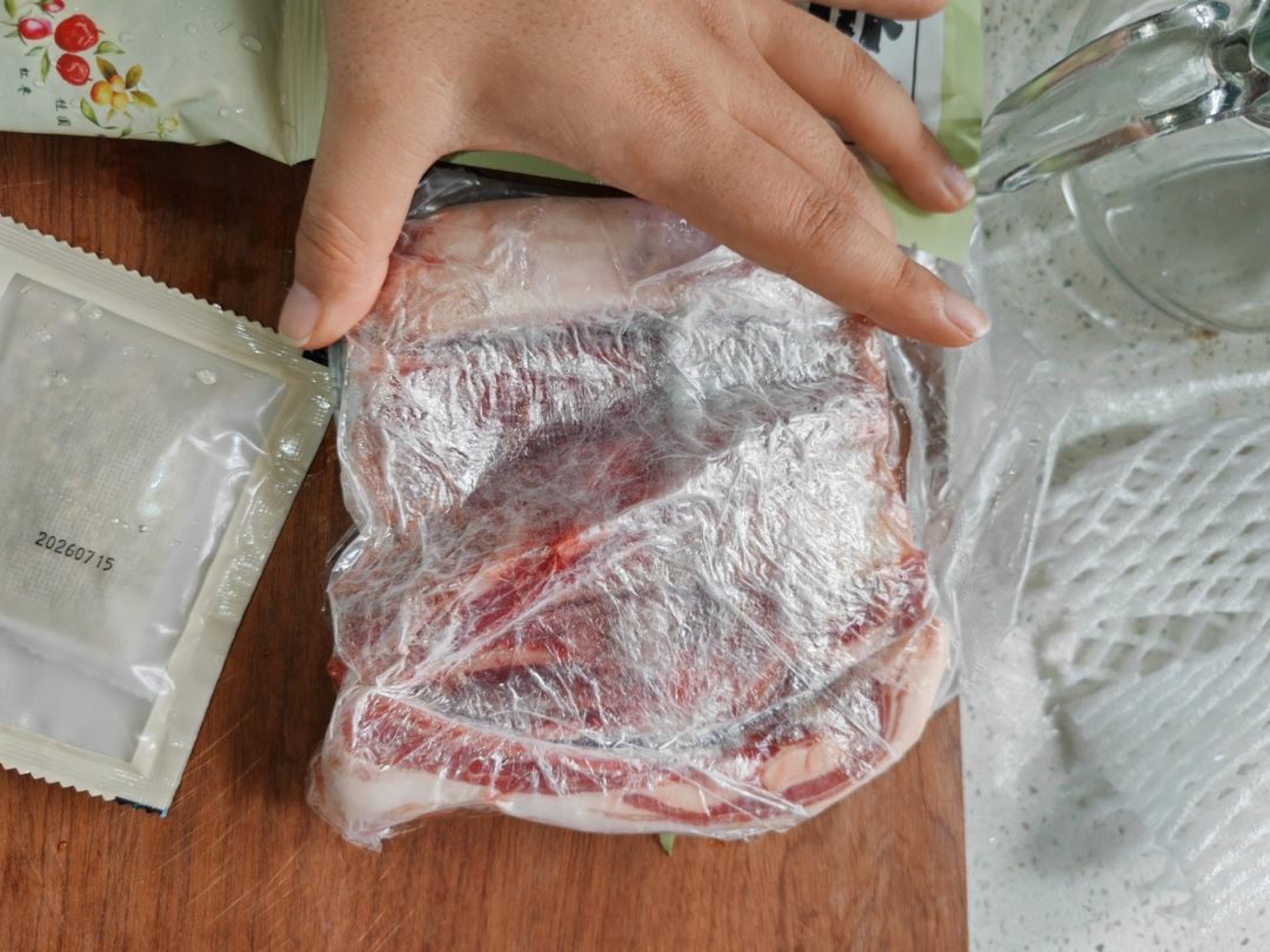
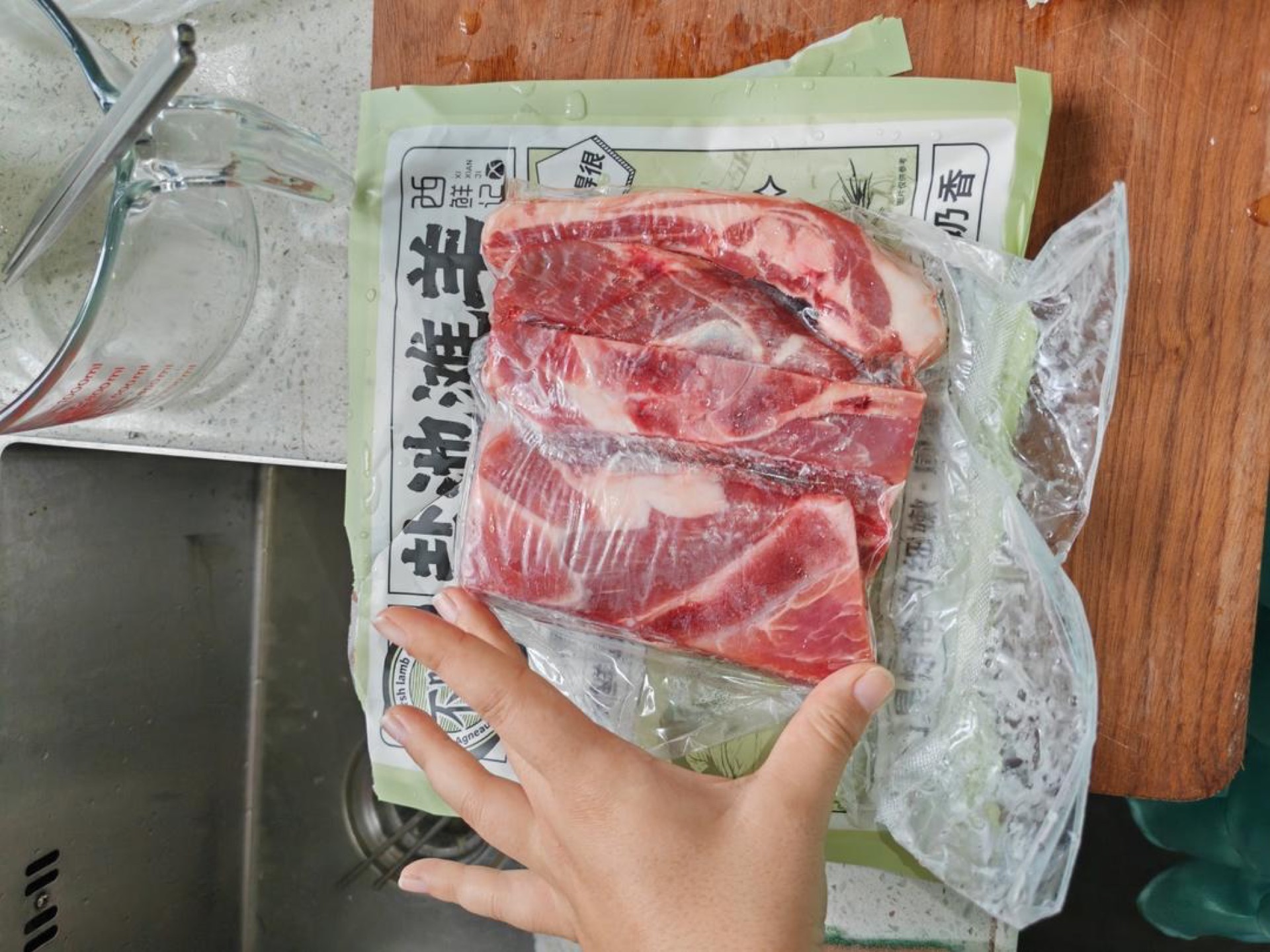
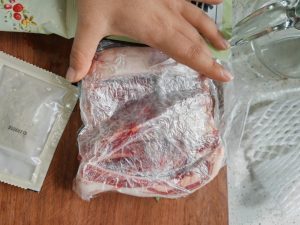
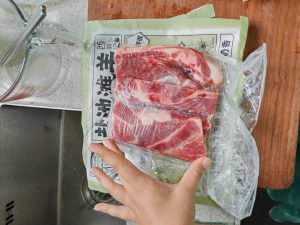
Lamb ribs. Choose ribs with very little bone and a generous layer of fat. The fat is what makes the rice taste rich, so do not trim it all away. If you only have lean lamb, add an extra tablespoon of oil and expect a slightly less fragrant result. Frozen lamb should thaw in the refrigerator for a full day; a fast thaw in hot water or on the counter changes the texture and can make the meat smell stronger.
Carrots and yellow carrots. The recipe uses both orange carrots and pale yellow carrots, which are common in Xinjiang cooking. Yellow carrots are sweeter and slightly less earthy, and together they give the rice its signature golden color. If you cannot find yellow carrots, use four orange carrots and add a pinch more sugar.
Onion. The onion is used in two stages: a small portion fried first to perfume the oil, then the rest added with the lamb. This two-step approach is what gives the dish its layered sweetness. Yellow or white onions both work well; red onions are sharper and better saved for raw applications.
Rice. A medium-grain or jasmine rice works best here. Rinse it until the water runs almost clear, which removes surface starch and keeps the grains separate. Do not skip this step, especially if you want fluffy rice rather than a sticky mound.
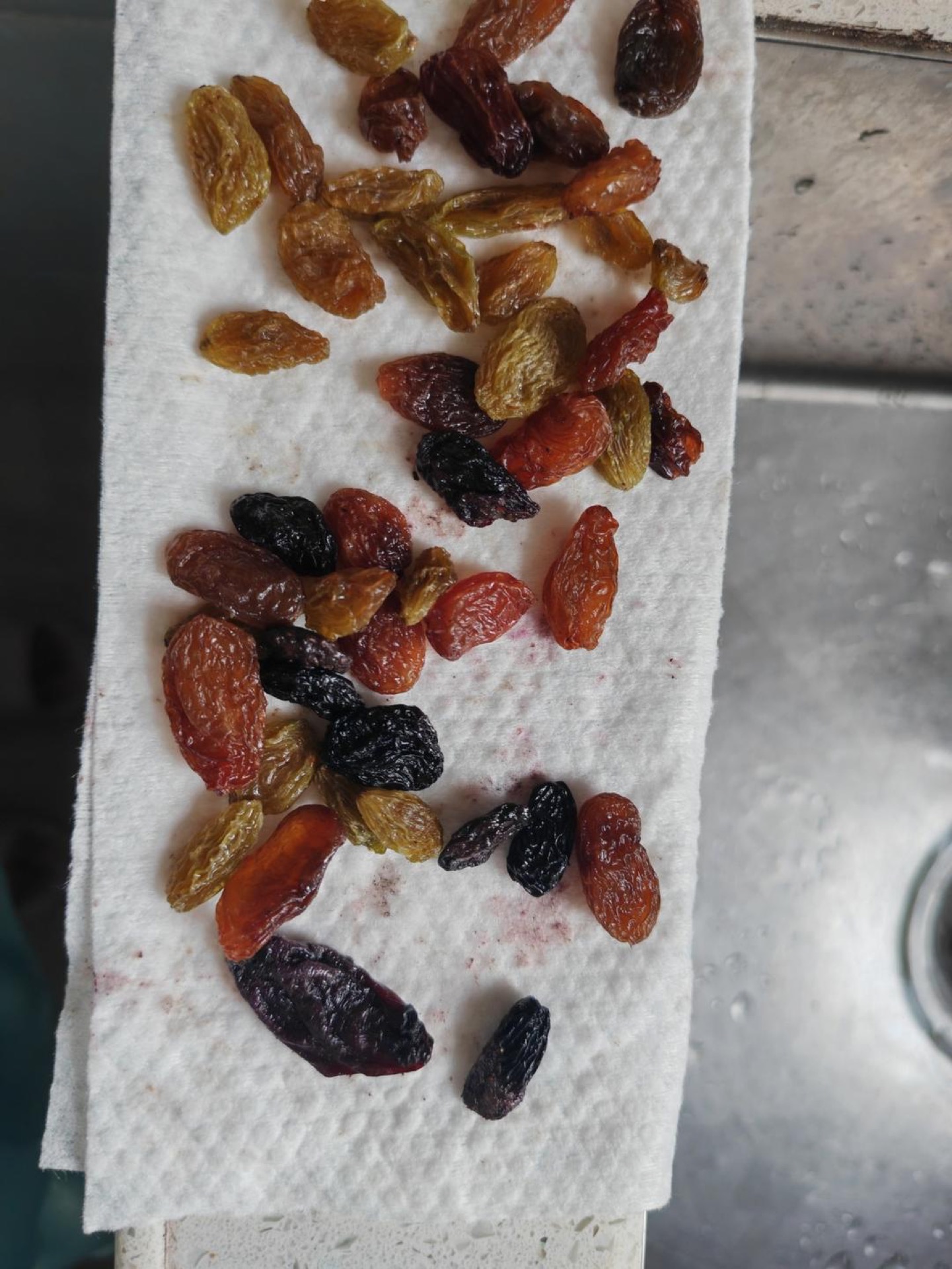
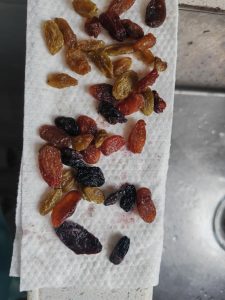
Raisins. Any small raisin works, though golden raisins are closest to what is used in Xinjiang. Rinse them and pat them dry so they do not water down the dish. They go in with the liquid, not at the very end, so they have time to plump.
Cumin. Optional but traditional in many homes. A teaspoon of ground cumin adds a warm, earthy note that pairs beautifully with lamb. If you have whole cumin seeds, toast and crush them for a fresher flavor.
Ingredients
Here is everything you need for four generous servings. The full amounts are listed in the recipe card at the bottom of this post.
- 500 g lamb ribs, bone-in, cut into small pieces with the fat left on
- 5 tbsp cooking oil
- 1/4 cup sliced onion, for infusing the oil
- 3/4 cup sliced onion, for the main cook
- 2 carrots, cut into thick strips
- 2 yellow carrots, cut into thick strips
- 1 cup jasmine rice, rinsed until the water runs clear
- 1 handful raisins, rinsed and patted dry
- 2 tsp salt, plus more to taste
- 2 tsp sugar
- 1 tsp cumin, optional
- 2 cups hot water or lamb stock
Equipment Needed
A wok or a heavy-bottomed pot with a tight-fitting lid is the most important piece of equipment here, because the rice steams in the same vessel the lamb cooks in. A lid that traps steam is what allows the rice to cook evenly without drying out at the edges. If your lid does not fit well, cover the pot with a sheet of foil before putting the lid on.
You will also want a cutting board and a sharp knife for the lamb and vegetables, a slotted spoon for removing the fried onion and for stirring, and a fine-mesh strainer for rinsing the rice. A kitchen towel or paper towels for drying the lamb and raisins will help the sear and keep the dish from turning watery. Finally, a small bowl for reserving the half cup of broth makes the final step easy to execute.
Why This Recipe Works
The technique here is built around three ideas that each do real work. First, the lamb is not blanched. Instead, it is rubbed with starch and washed several times until the water runs clear, which removes the impurities and the strong gamey smell without cooking away the flavor. This is a common approach in Xinjiang cooking and it keeps the meat juicy.
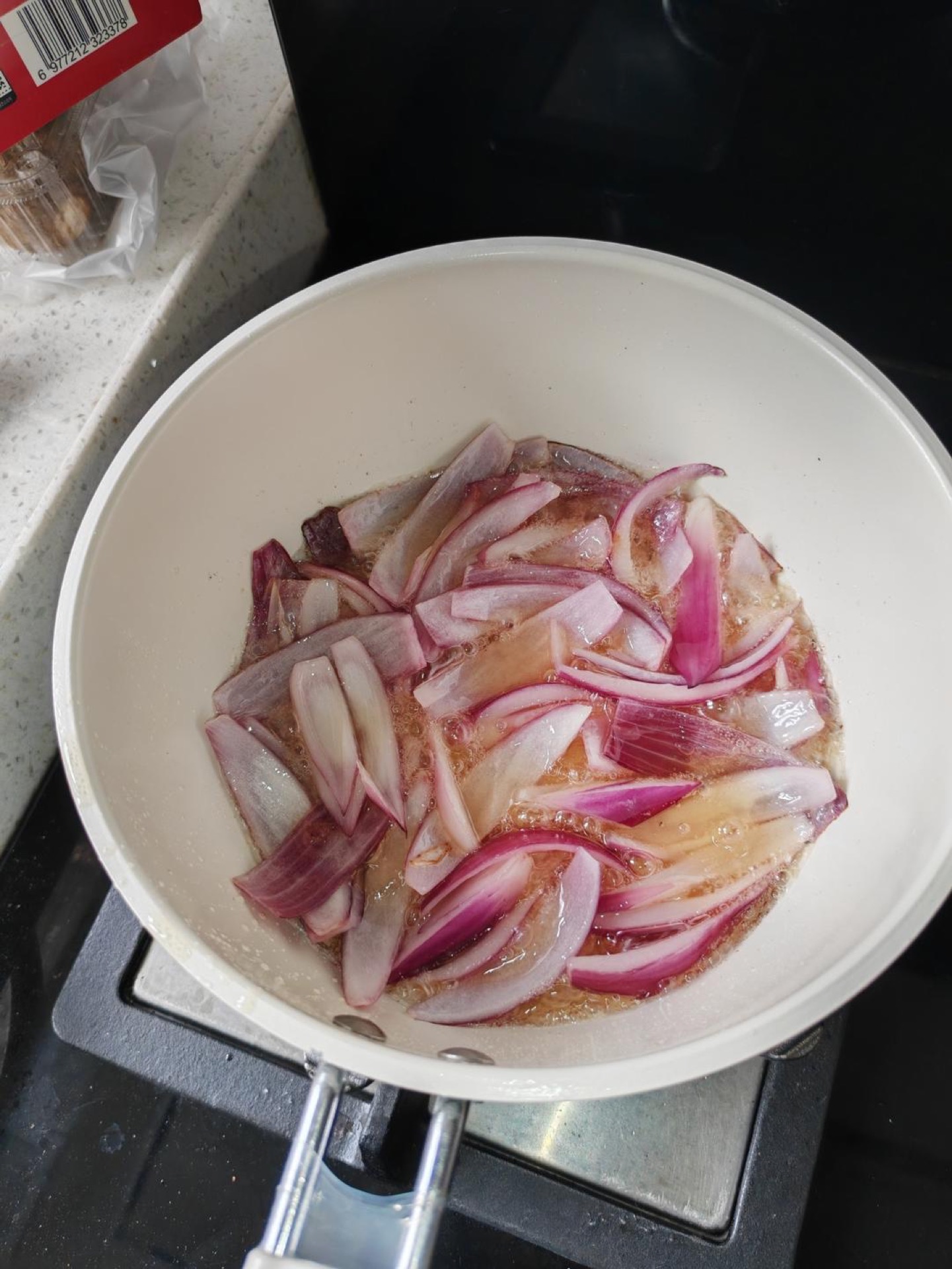
Second, the onion is fried in two stages. A small amount goes into the oil first and is discarded after it has perfumed the oil, which gives the dish a clean, sweet onion base without any burnt or bitter pieces. The rest of the onion goes in with the lamb, where it softens and melts into the sauce.
Third, the rice is steamed directly on top of the lamb and vegetables, with the edges left slightly open and a few holes poked in the middle. This lets steam circulate evenly and prevents the rice from turning gluey. Reserving part of the broth and pouring it back over the rice halfway through keeps the top layer moist while the bottom layer absorbs the richest liquid. The result is rice that is fluffy, golden, and deeply savory, with lamb that is tender enough to pull apart with a spoon.
Prep & Mise en Place
Good prep makes this dish almost hands-off once the cooking starts, so take a few minutes to get everything ready before you turn on the heat. Start with the lamb. If it is frozen, thaw it in the refrigerator overnight. Cut it into small pieces, rub the pieces with a little starch, and wash them under cold running water several times until the water is fairly clear and the raw smell has faded. Pat the pieces completely dry with kitchen paper; any surface water will steam the meat instead of searing it.
Next, rinse the raisins and spread them on a kitchen towel to dry. Rinse the rice in a fine-mesh strainer under cold water, swishing the grains with your fingers, until the water runs almost clear. Drain it well and set it aside. Cut the carrots and yellow carrots into thick strips, about the size of your finger, and slice the onion into wide shreds. Measure out your salt, sugar, and cumin into small bowls so you can add them quickly. Finally, put a kettle on for the hot water, or warm some lamb stock in a small pot. Having hot liquid ready means the wok temperature will not drop when you pour it in.
Cooking Process
Step 1 — Choose and Thaw the Lamb
Pick lamb ribs with very little bone and a good amount of fat; if the lamb is frozen, thaw it in the refrigerator a day ahead instead of using hot water or leaving it at room temperature.
Step 2 — Rinse and Dry the Raisins
Rinse the raisins under water, then spread them on a kitchen towel to dry.
Step 3 — Wash the Lamb Clean
Since the lamb is not blanched, cut it into small pieces, rub with starch, and wash it several times until the water runs fairly clear and the gamey smell is gone, then pat it dry with kitchen paper.
Step 4 — Cut the Vegetables
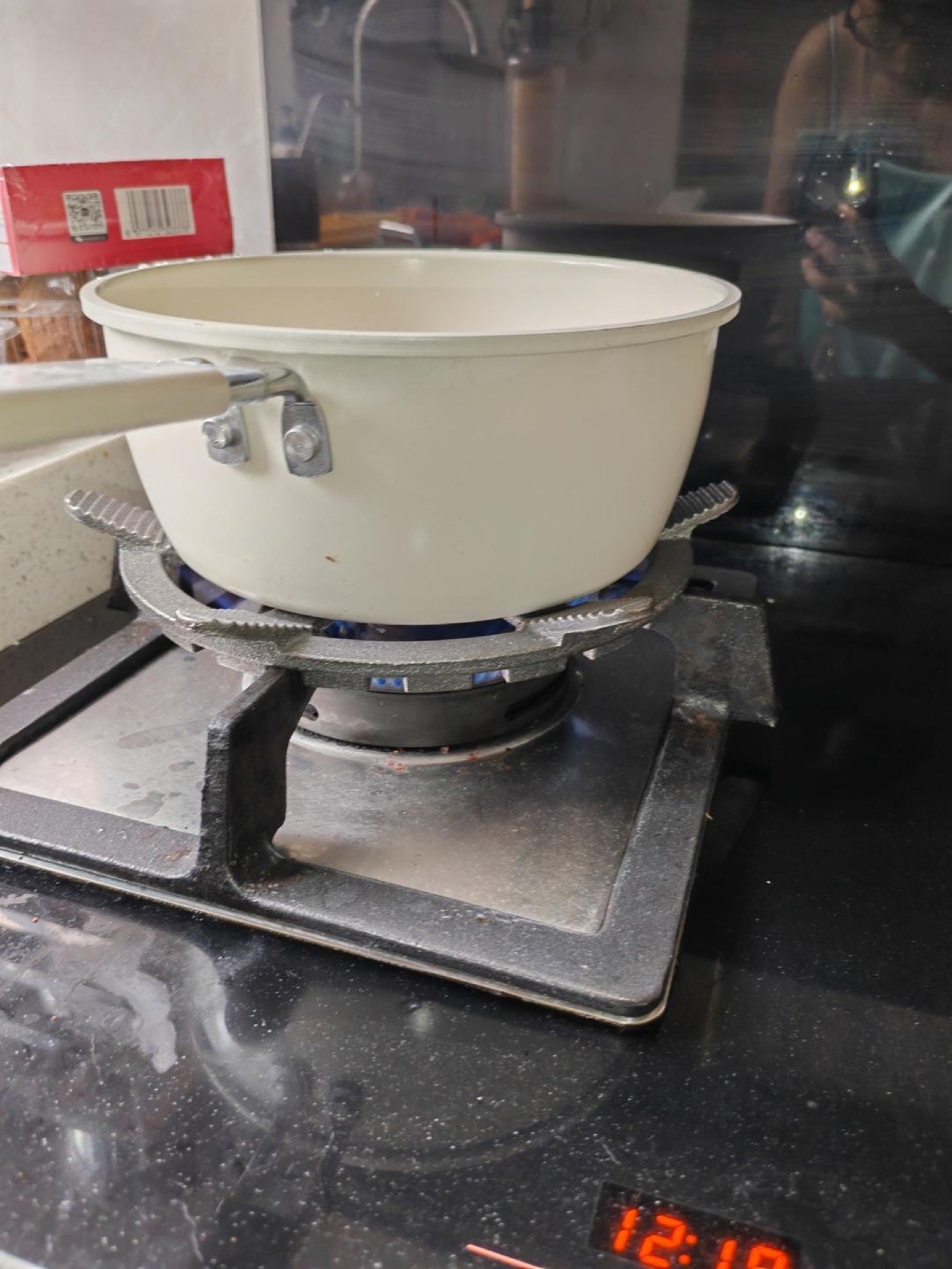
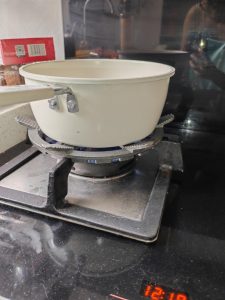
While the oil heats over low heat, cut two yellow carrots and two carrots into strips, and slice the onion into wider shreds.
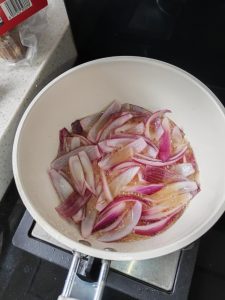
Step 5 — Infuse the Oil with Onion
Add one quarter of the onion to the wok first and slowly fry it until the oil smells fragrant, then discard that onion.
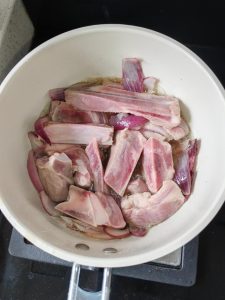
Step 6 — Sear the Lamb
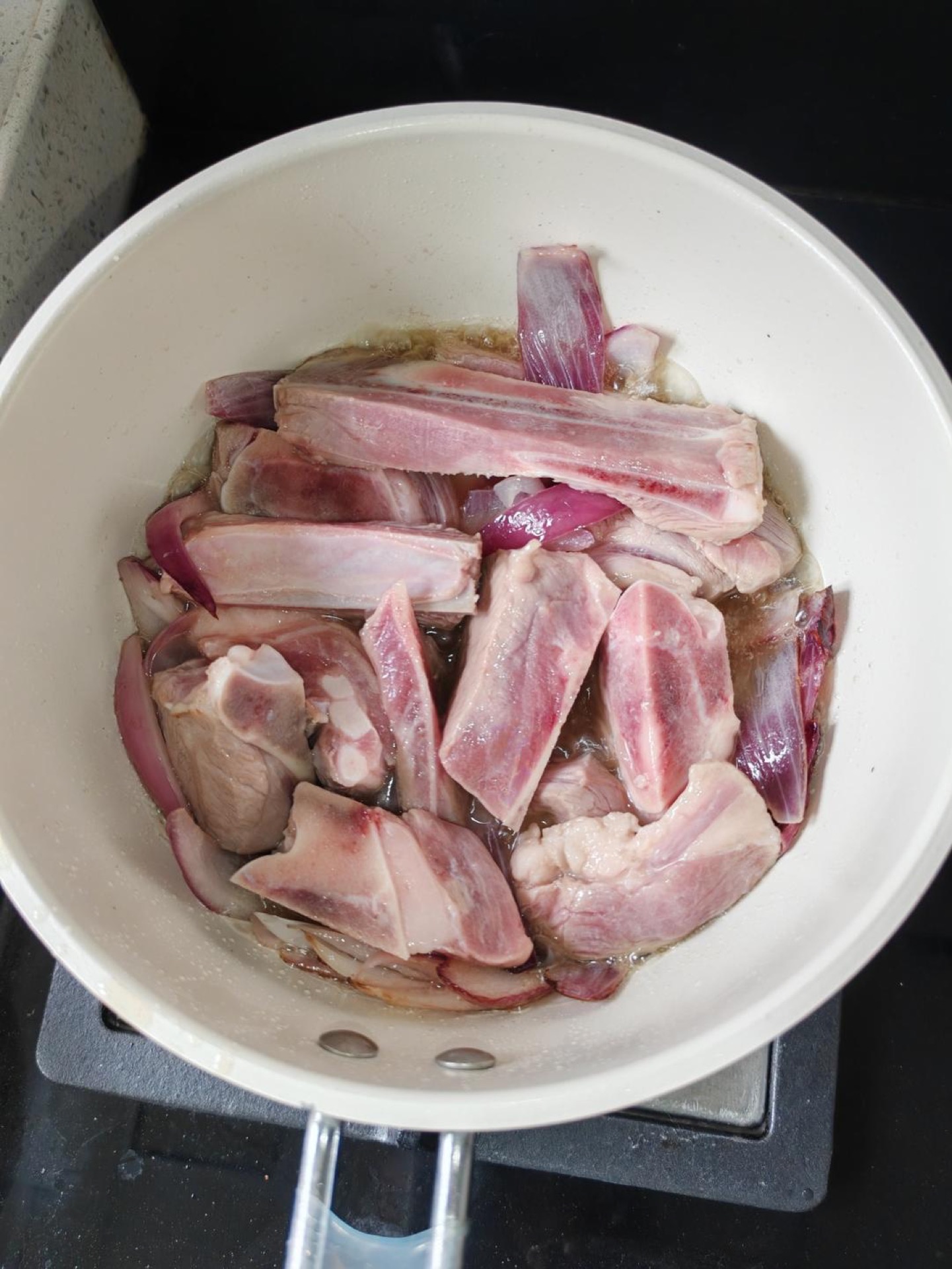
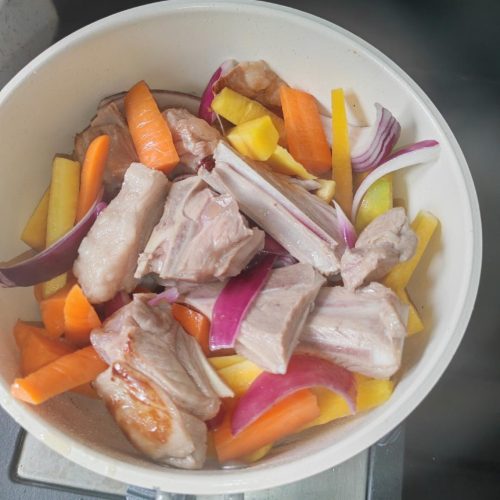
Turn the heat to high and sear the lamb in the onion-infused oil until the surface is golden brown, then add the remaining three quarters of the onion.
Step 7 — Fry the Vegetables
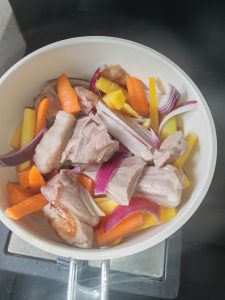
Add all the cut vegetables and stir-fry until fragrant, then season with a little salt and sugar, and add cumin if you like the flavor.
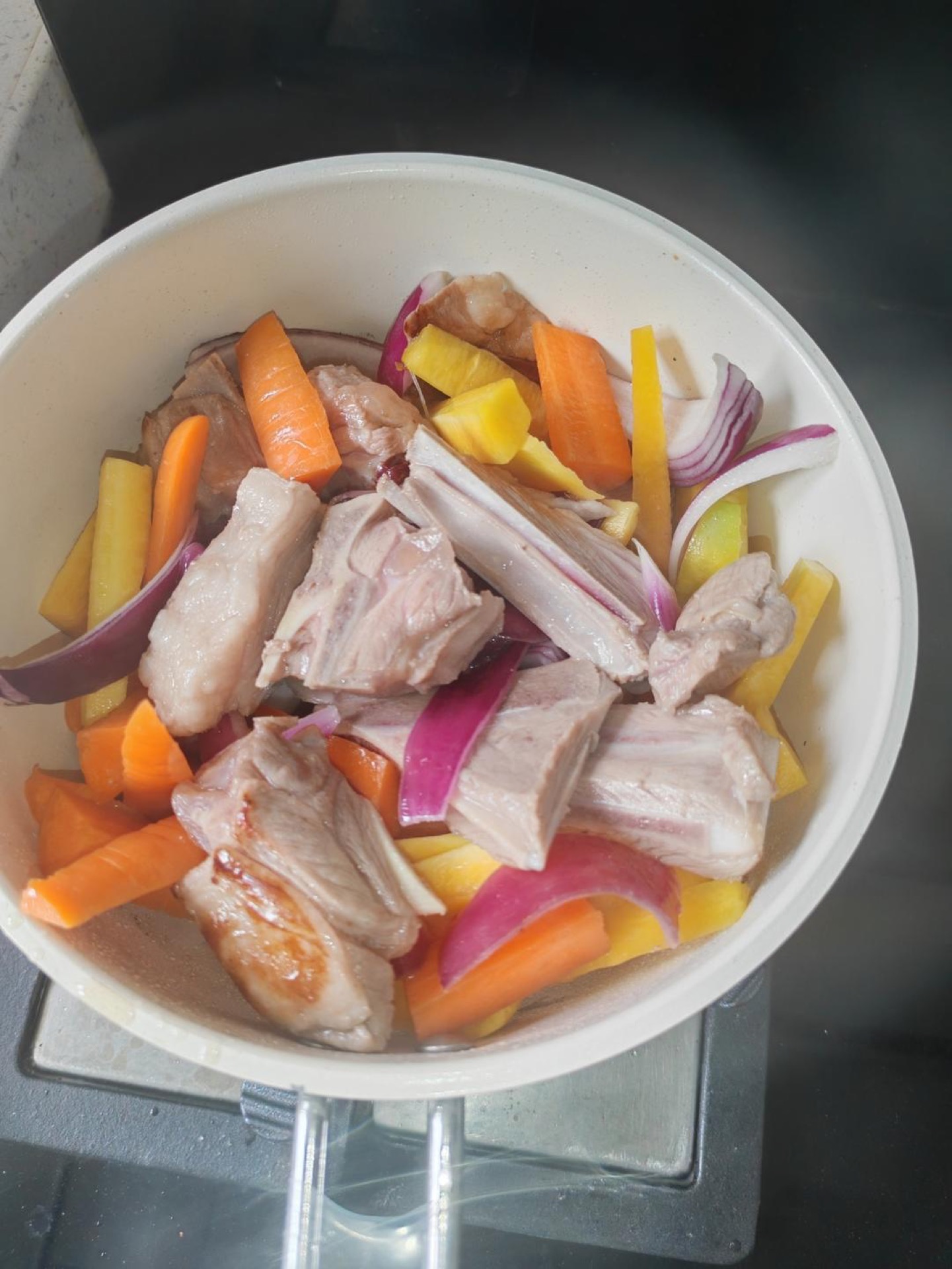
Step 8 — Add Water and Raisins
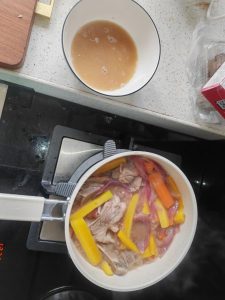
Pour hot water into the wok until it just covers the lamb, stir well, then scoop out about half a bowl of the liquid and add the raisins.
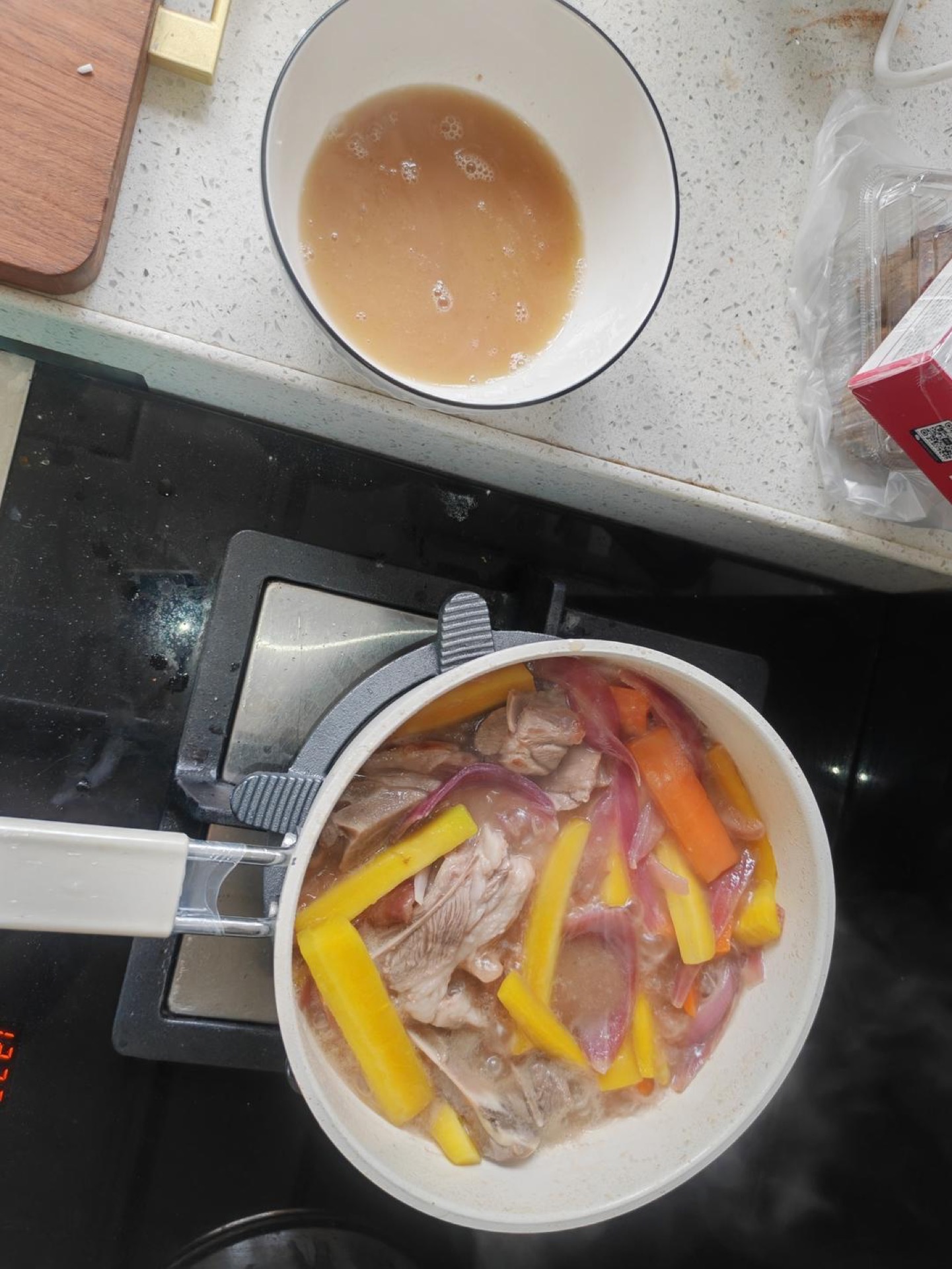
Step 9 — Steam the Rice
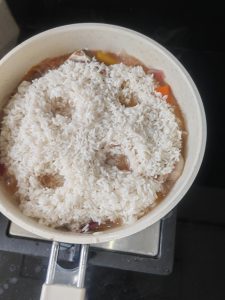
Spread the rinsed rice over the top, leaving the edges slightly open for steam to escape, poke a few holes in the middle, and after 15 minutes pour the reserved half bowl of broth back over the rice, turn to low heat for ten minutes, then turn off the heat and let it rest for five minutes.
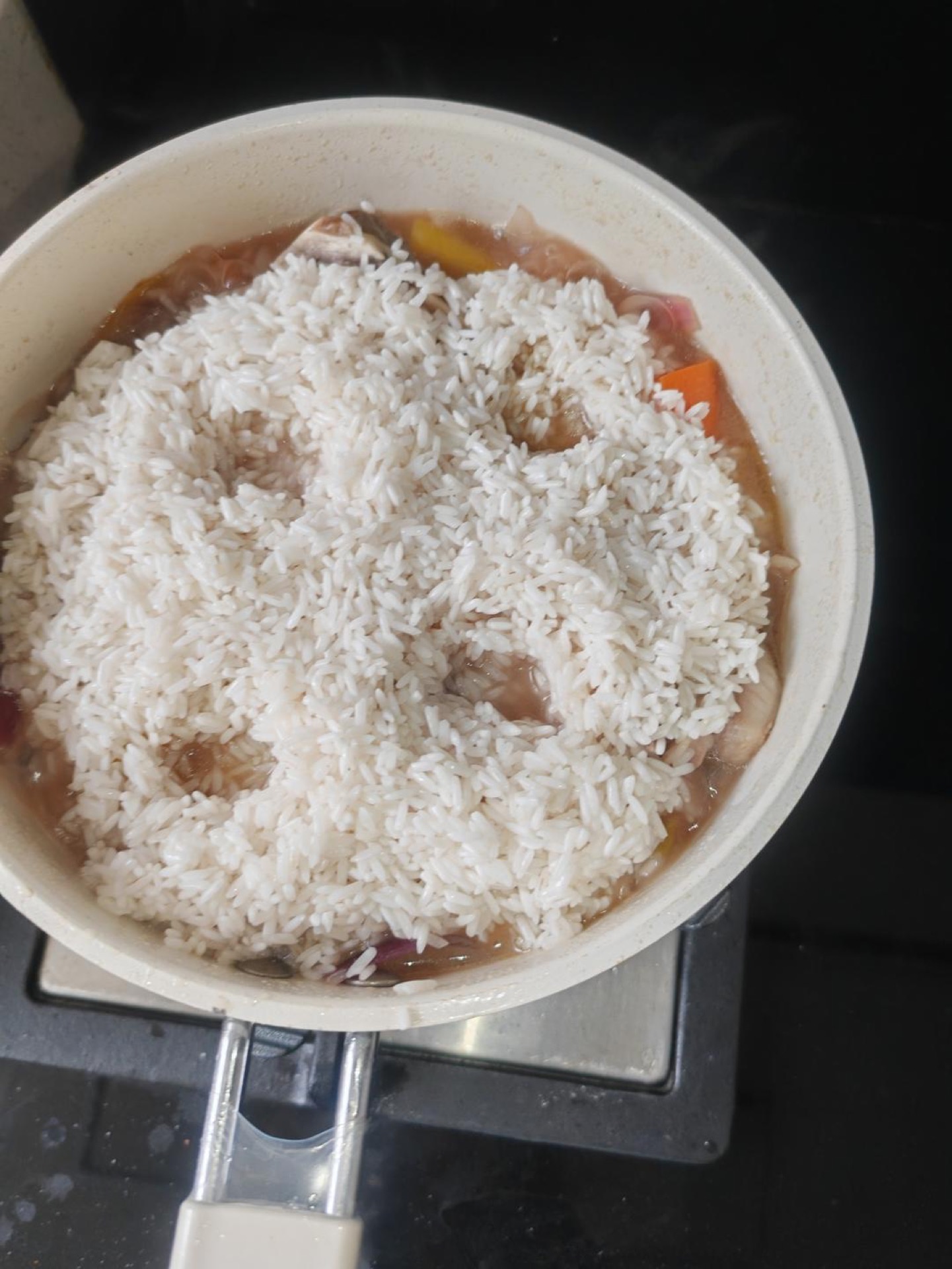
Common Mistakes When Making Xinjiang Lamb Pilaf
1. Using lamb with too much bone or too little fat. The fat is what carries the flavor into the rice, so a very lean cut gives a bland result. Choose ribs with a good fat layer and only a little bone, and do not trim the fat away.
2. Skipping the starch wash. Rinsing the lamb with starch and water is what removes the gamey smell. If you skip it, the dish can taste heavy and strongly of mutton. Wash until the water is fairly clear, then dry the meat well.
3. Adding cold water to the wok. Cold liquid drops the temperature and can make the lamb tough. Always use hot water or hot stock so the cooking stays steady and the meat stays tender.
4. Crowding the rice. If the rice is packed down or the edges are sealed tight, steam cannot escape and the grains turn sticky. Spread the rice in a loose mound, leave the edges slightly open, and poke a few holes in the middle.
5. Forgetting to reserve the broth. The half bowl of liquid set aside at the start is poured back over the rice halfway through cooking. Without it, the top layer of rice stays dry while the bottom finishes. Do not skip this step.
6. Cooking on high heat after the rice goes in. Once the rice is added, the heat must come down to low. High heat will scorch the bottom of the pot and dry out the rice before it is fully cooked.
Variations
With cumin and dried chili. Add a teaspoon of ground cumin and a pinch of dried chili flakes with the vegetables for a warmer, slightly spicier version. This is common in homes that like a stronger Xinjiang-style flavor profile.
With dried apricots. Swap half the raisins for chopped dried apricots. The tartness balances the richness of the lamb and adds a different kind of sweetness.
With chicken or beef. Lamb is traditional, but bone-in chicken thighs or beef short rib also work. Chicken will cook faster, so reduce the initial searing time and check the rice a few minutes earlier.
Vegetarian version. Use mushrooms and a good vegetable stock in place of the lamb, and add an extra tablespoon of oil to make up for the missing lamb fat. The result is lighter but still fragrant with onion and carrot.
With a clay pot. If you have a clay pot, cook the lamb and vegetables in it and finish the rice the same way. The clay retains heat gently and gives the rice a slightly toasted bottom layer.
Frequently Asked Questions
Can I make this dish ahead of time? Yes. It reheats well and many cooks say the flavor deepens overnight. Cool it completely, store it in the refrigerator, and reheat with a splash of water so the rice does not dry out.
Do I have to use lamb ribs? Lamb ribs are traditional because their fat and bone give the rice the best flavor, but lamb shoulder cut into small pieces also works. Just make sure there is some fat left on the meat.
Why is my rice sticky instead of fluffy? The usual causes are not rinsing the rice enough, using too much water, or sealing the pot so tightly that steam cannot escape. Rinse until the water is almost clear, measure the liquid carefully, and leave the edges of the rice mound slightly open.
Can I use a rice cooker? You can finish the rice in a rice cooker after searing the lamb and vegetables in a wok, but the stovetop method gives you more control over the texture and the toasted bottom layer.
Is this dish spicy? No. As written it is savory and gently sweet, not spicy. If you want heat, add dried chili flakes with the vegetables.
How to Serve
Xinjiang lamb pilaf is a complete meal on its own, but it pairs beautifully with a few simple sides. A crisp, vinegary vegetable dish cuts through the richness of the lamb, and a light soup or salad rounds out the table. Because the rice is already seasoned and rich, keep the sides simple and fresh.
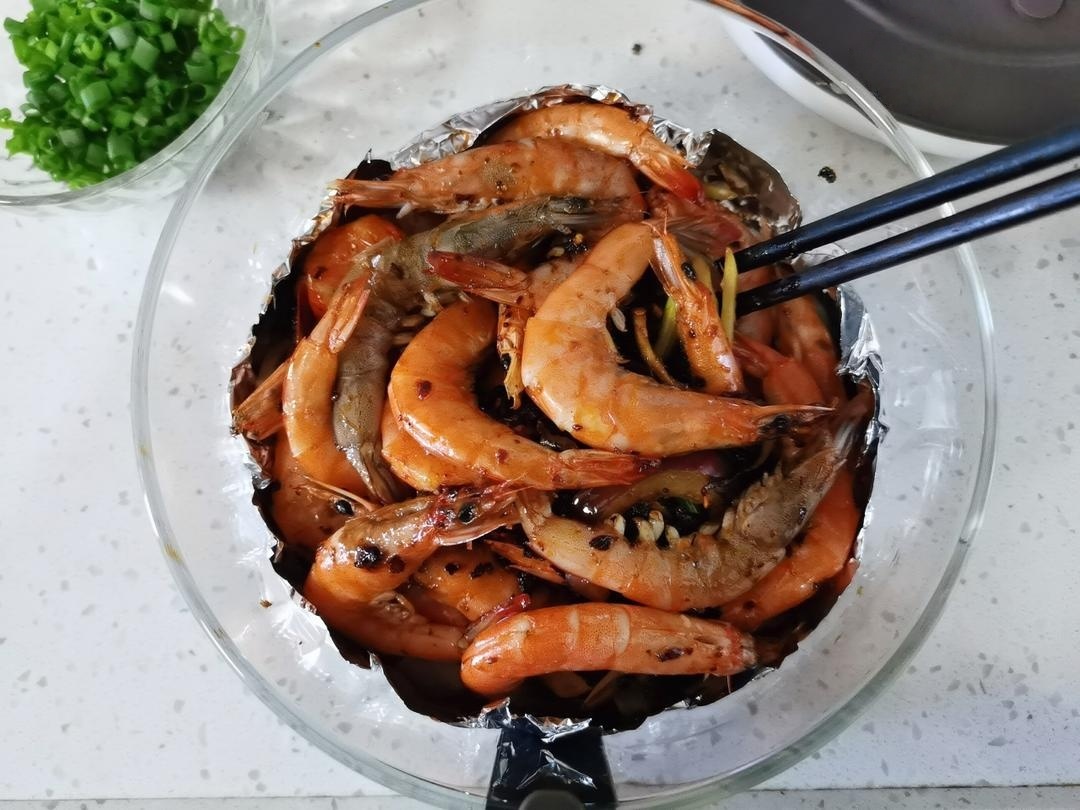
For a bright, spicy contrast, serve it with hot and sour shredded potatoes, whose crunch and acidity balance the soft, savory rice. If you want another vegetable-forward plate, spicy air fryer shrimp adds a quick, punchy protein that comes together while the pilaf rests. And for a lighter accompaniment, poached chicken wings with secret dipping sauce brings a gentle, savory note that lets the lamb stay the centerpiece.
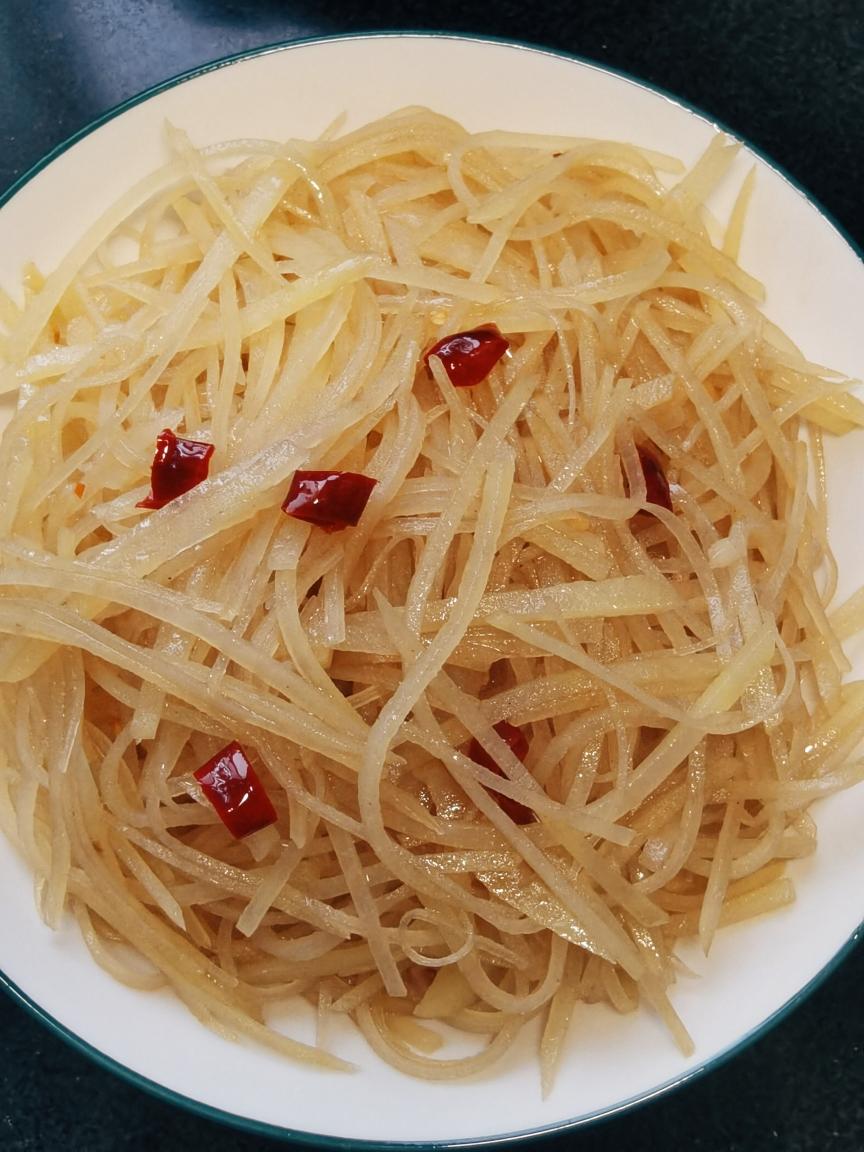

Storage & Reheat
Let the pilaf cool to room temperature within two hours of cooking, then transfer it to an airtight container and refrigerate for up to three days. The lamb and rice store together, and the flavors continue to meld. For longer storage, freeze portions in freezer-safe containers for up to two months; thaw overnight in the refrigerator before reheating.
To reheat, place the pilaf in a covered pan over low heat with a tablespoon or two of water, stirring occasionally, until it is steaming hot all the way through. You can also reheat individual portions in the microwave, covered, in one-minute bursts. Reheat leftovers to 165°F (74°C) and do not reheat more than once, as repeated heating dries out the rice and can compromise food safety.
Allergen Notice
This recipe is naturally free of the major allergens when made with plain rice, fresh lamb, carrots, onions, and raisins. If you add soy sauce or a wheat-based seasoning, the dish will contain soy and wheat, so check labels if you are cooking for someone with those allergies. Always confirm the ingredients in any stock or prepared broth you use, since some commercial stocks contain wheat or soy derivatives.
Nutrition Disclaimer
Nutrition information is calculated using an ingredient database and should be considered an estimate. In cases where multiple ingredient alternatives are given, the first listed is calculated for nutrition. Garnishes and optional ingredients are not included.
About the Author & Recipe Development
Lin is the cook and writer behind Woks of Love, where she shares the Chinese home cooking she grew up with and the dishes she has learned from home cooks, restaurant chefs, and long conversations around the table. This Xinjiang lamb pilaf comes from the Uyghur tradition of cooking rice and lamb together in one pot, a method that appears in many homes across Xinjiang and along the old Silk Road. Lin developed this version to be approachable for a home wok, keeping the traditional two-stage onion technique and the reserved-broth step that gives the rice its even, fluffy texture.
Every recipe on the site is tested in a home kitchen with ingredients that are easy to find, and the notes reflect the questions readers ask most often. If you make this dish, the comments are open, and hearing how it turned out in your kitchen is always welcome.
Authoritative References
For safe handling and cooking temperatures for lamb, see the USDA safe minimum internal temperature chart. For guidance on cooling and storing cooked rice and meat dishes, see the FDA food safety guidance on refrigeration. For background on the culinary traditions of Xinjiang and the Silk Road, see the Britannica entry on Xinjiang.
Xinjiang Lamb Pilaf (羊肉手抓饭): Fragrant Rice with Tender Lamb

Equipment
- Wok
- Cutting Board
- Slotted Spoon
Ingredients
For the Lamb and Aromatics
- 500 g lamb ribs bone-in, cut into small pieces, fat left on
- 5 tbsp cooking oil for frying the aromatics
- 1/4 cup onion sliced, for infusing the oil
- 3/4 cup onion sliced, for the main cook
- 2 carrots cut into thick strips
- 2 yellow carrots cut into thick strips
For the Rice and Seasoning
- 1 cup jasmine rice rinsed until the water runs clear
- 1 handful raisins rinsed and patted dry
- 2 tsp salt plus more to taste
- 2 tsp sugar to balance the carrots
- 1 tsp cumin optional, for a warm aroma
- 2 cups hot water or lamb stock, to cook the rice
Instructions
- Pick lamb ribs with very little bone and a good amount of fat; if the lamb is frozen, thaw it in the refrigerator a day ahead instead of using hot water or leaving it at room temperature.

- Rinse the raisins under water, then spread them on a kitchen towel to dry.

- Since the lamb is not blanched, cut it into small pieces, rub with starch, and wash it several times until the water runs fairly clear and the gamey smell is gone, then pat it dry with kitchen paper.
- While the oil heats over low heat, cut two yellow carrots and two carrots into strips, and slice the onion into wider shreds.
- Add one quarter of the onion to the wok first and slowly fry it until the oil smells fragrant, then discard that onion.
- Turn the heat to high and sear the lamb in the onion-infused oil until the surface is golden brown, then add the remaining three quarters of the onion.
- Add all the cut vegetables and stir-fry until fragrant, then season with a little salt and sugar, and add cumin if you like the flavor.
- Pour hot water into the wok until it just covers the lamb, stir well, then scoop out about half a bowl of the liquid and add the raisins.
- Spread the rinsed rice over the top, leaving the edges slightly open for steam to escape, poke a few holes in the middle, and after 15 minutes pour the reserved half bowl of broth back over the rice, turn to low heat for ten minutes, then turn off the heat and let it rest for five minutes.












Leave a Reply