Some of the best meals in a Chinese home kitchen are not recipes at all — they are assemblies. A pot of rice is already going, there is a bundle of greens in the crisper drawer that needs using, and someone pulls out the jar of scallion oil and a spoonful of pork lard. That is vegetable mixed rice, and it comes together in the time it takes the rice to finish steaming.
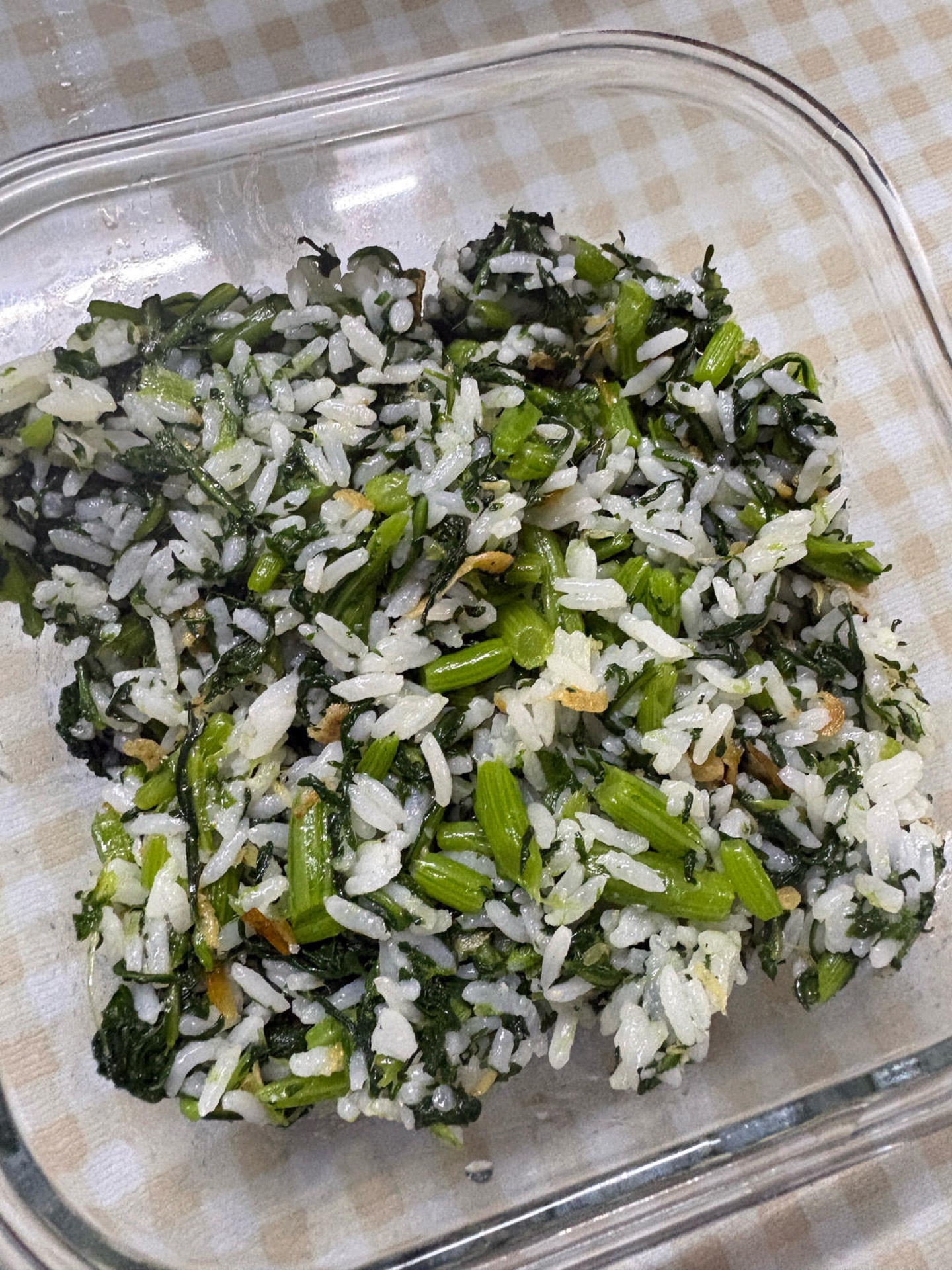
If you have eaten bibimbap, you already understand the pleasure of rice tossed with seasoned vegetables and a slick of fragrant fat. This version skips the stone bowl and the array of toppings and keeps only what matters most: greens that have been blanched, squeezed bone-dry, and dressed until they are savory and glossy. The result is a bowl that tastes far richer than its short ingredient list suggests, and it is the kind of thing you will make again the next time you have half a pound of spinach going limp in the fridge.
I like this dish most on nights when cooking a full meal feels like too much. The greens do all the work, the rice does the rest, and a spoonful of lard and a splash of scallion oil turn two humble things into something you would happily order. It is also endlessly forgiving — change the greens, change the fat, add a little heat, and it still works.
What Is Vegetable Mixed Rice?
Vegetable mixed rice — 蔬菜拌饭, or shucai banfan — is a Korean-Chinese home dish in which blanched leafy greens are seasoned and then folded through hot cooked rice. The word ban means to mix or toss, and fan means rice, so the name describes the technique exactly: everything is dressed first, then combined. It sits in the same family as bibimbap, but where bibimbap is a composed bowl with many separate toppings, this is a single tossed dish built around whatever greens you have.
The seasoning is where the character comes from. Dried shrimp (xiapi) bring a deep, briny savoriness, pork lard brings body and aroma, and scallion oil or garlic oil brings that perfumed allium note that makes Chinese home cooking smell like itself. Salt does the rest. Because the greens are squeezed dry before dressing, the fat and seasonings cling to them instead of sliding off into a puddle at the bottom of the bowl.
If you like the idea of a savory, vegetable-forward rice bowl, our beef vegetable rice bowl takes the same one-bowl logic in a heartier direction, with thinly sliced fatty beef and a glossy sauce soaking into the rice.
1Easy Beef Vegetable Rice Bowl (Fatty Beef Rice)A quick, nutritious, and savory beef bowl featuring thinly sliced fatty beef, onions, carrots, and celery in a cumin-soy sauce. Better than takeout and ready in 20 minutes.Check out this recipe

For a softer, gentler bowl built on the same principle of rice plus vegetables plus a savory lift, the mediterranean shrimp vegetable congee simmers everything into a comforting porridge instead of tossing it.
2Mediterranean Shrimp & Vegetable CongeeA fusion-style rice porridge combining silky Chinese congee techniques with Mediterranean garlic and herb-marinated shrimp.Check out this recipe

And if you want the porky, deeply savory end of the rice-bowl spectrum, our savory pork and bean curd skin rice bowl is the one to bookmark — same format, richer topping.
3Savory Pork and Bean Curd Skin Rice Bowl (Fu Zhu Rou Pian)A nostalgic Beijing-style comfort dish featuring tender pork and sauce-absorbing bean curd sticks (yuba) served over rice.Check out this recipe
Why This Recipe Works
Three things make this bowl taste better than the sum of its parts, and all three are about controlling water and fat.
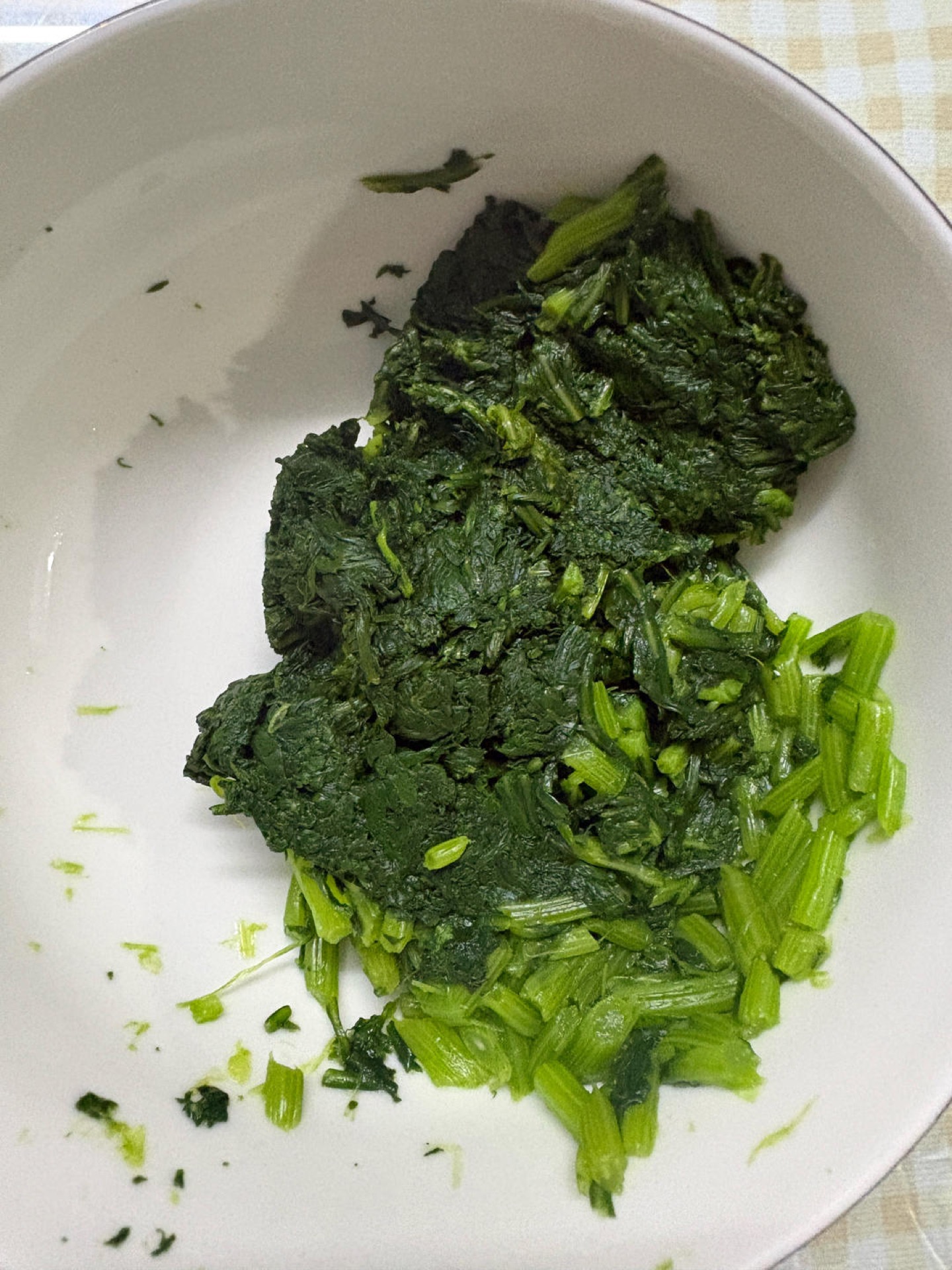
Squeezing the greens twice. Blanched greens hold an enormous amount of water. If you dress them wet, the salt draws that water out and you end up with a watery bowl where the seasoning sits at the bottom instead of on the vegetables. Squeezing once before chopping and once after gets the greens to a state where fat and seasoning actually adhere.
Seasoning the greens, not the rice. Salt and lard distributed through a bowl of plain rice taste uneven. Seasoning the greens first means every bite of rice that touches a piece of green picks up salt and aroma, and the whole bowl tastes seasoned even though you never touched the rice itself.
Using two fragrant fats. Pork lard gives richness and that unmistakable roasted-pork aroma; scallion oil or garlic oil gives a bright, perfumed top note. Using both is what makes the bowl smell like a restaurant rather than a refrigerator. If you only have one, use more of it.
Fat carries aroma compounds that are soluble in oil but not in water — which is why a spoonful of lard or scallion oil makes a bowl of greens smell so much more intense than plain steamed vegetables. The same principle explains why toasted sesame oil and chili oil are added at the end of so many Chinese dishes rather than during cooking. For a deeper look at how cooking fats carry flavor, see this explainer on fat and flavor from Serious Eats.
Ingredients
Every ingredient here is a pantry or fridge staple, which is exactly the point. The one thing worth sourcing properly is the dried shrimp, because it does a lot of heavy lifting for its small volume.
Leafy greens. Chrysanthemum greens (tonghao) are the classic choice and take about 40 seconds in boiling water. Spinach, water spinach, bok choy, napa cabbage, or even a mix of whatever is wilting in the drawer all work. Heartier greens need a slightly longer blanch; tender ones need less.
Dried shrimp (虾皮). These tiny shrimp are intensely savory and slightly salty. Rinse them and pat them dry so they do not add grit or excess moisture. If you cannot find them, a teaspoon of fish sauce or a few minced anchovies will get you in the neighborhood.
Pork lard. The traditional fat and the one that makes this taste like home cooking. Rendered chicken fat or bacon fat are good substitutes. If you want a vegetarian bowl, use toasted sesame oil plus a neutral oil instead.
Scallion oil or garlic oil. Both are infused oils that carry a huge amount of aroma. Use generously — this is the ingredient that makes the bowl smell irresistible, and more is genuinely better here.
Short-grain rice. Freshly cooked and still hot, so it absorbs the dressing and stays glossy. Day-old rice works but will not cling to the greens the same way.
Cooking Process
Step 1 — Cook the Rice
Rinse the rice until the water runs mostly clear, then cook it in your rice cooker or on the stovetop so it is hot and fluffy right when the greens are ready.
Step 2 — Blanch the Greens
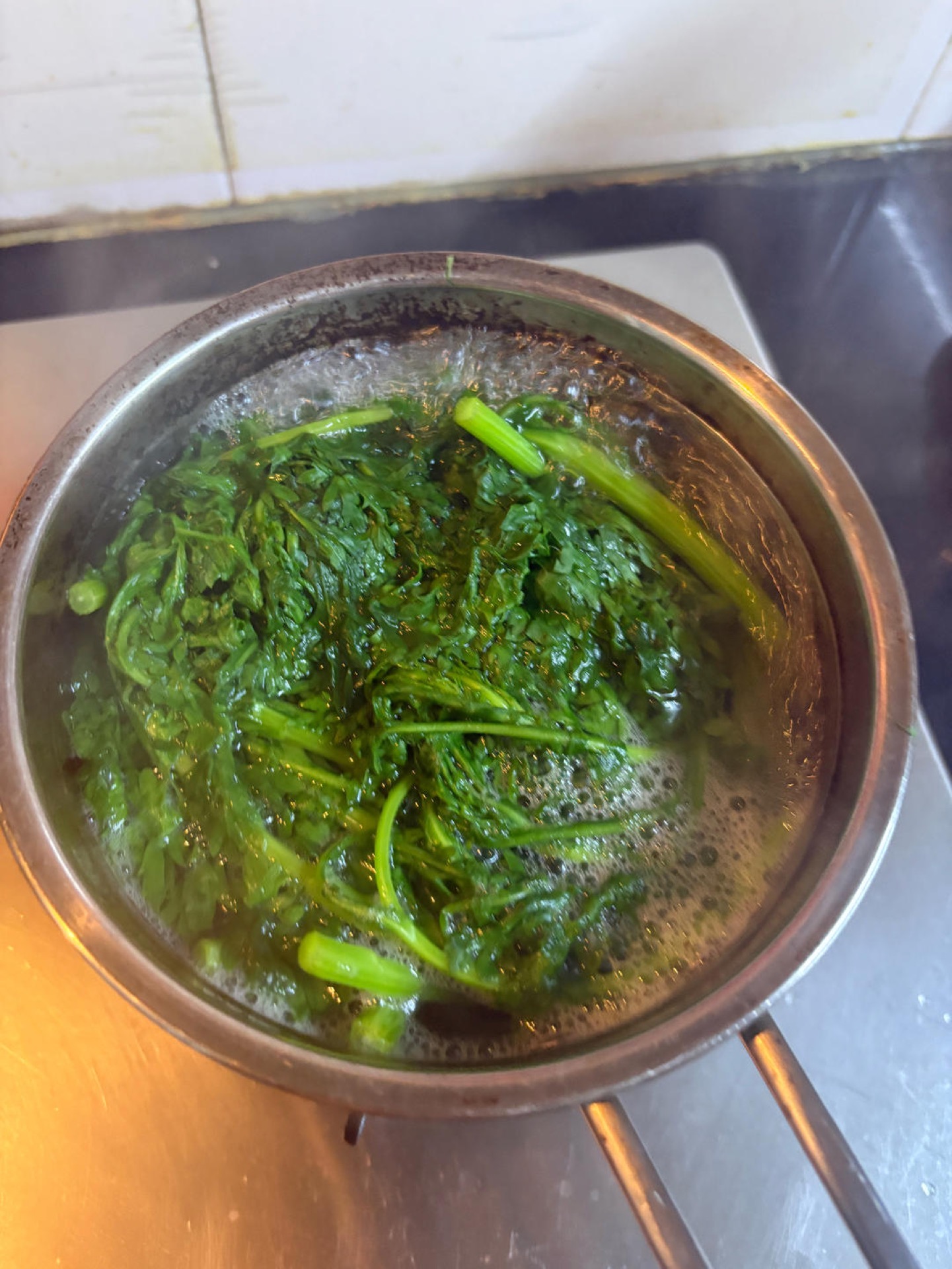
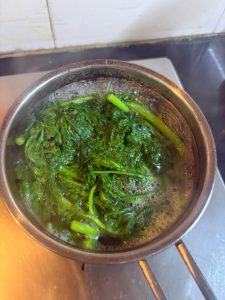
Bring a large pot of water to a rolling boil, add the salt, and cook the greens until just tender — chrysanthemum greens take about 40 seconds from the moment the water returns to a boil.
Step 3 — Shock and Cool
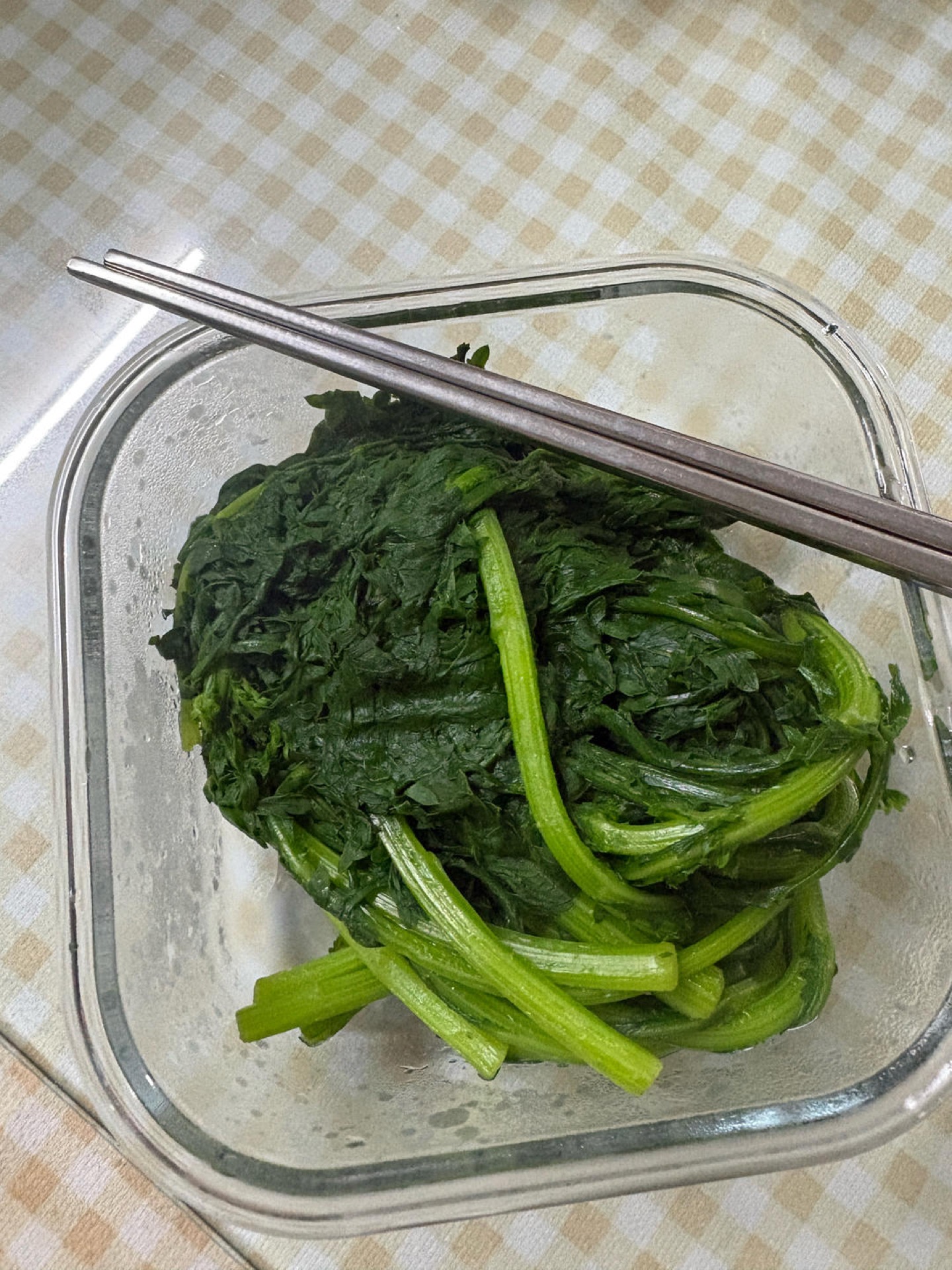
Lift the greens out with a slotted spoon and plunge them into cold water, or spread them on a tray to cool until you can handle them comfortably.
Step 4 — Squeeze and Chop
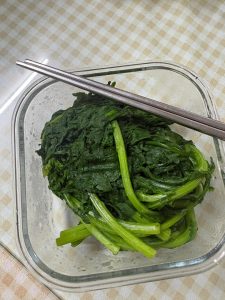
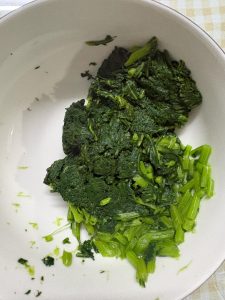
Squeeze the cooled greens firmly in your hands to press out the water, chop or snip them into small pieces, then squeeze them dry a second time.
Step 5 — Build the Dressing
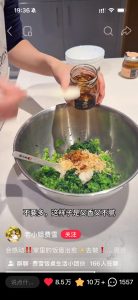
Add the pork lard, dried shrimp, salt, and scallion oil or garlic oil to the chopped greens, going generous with the fragrant oil.
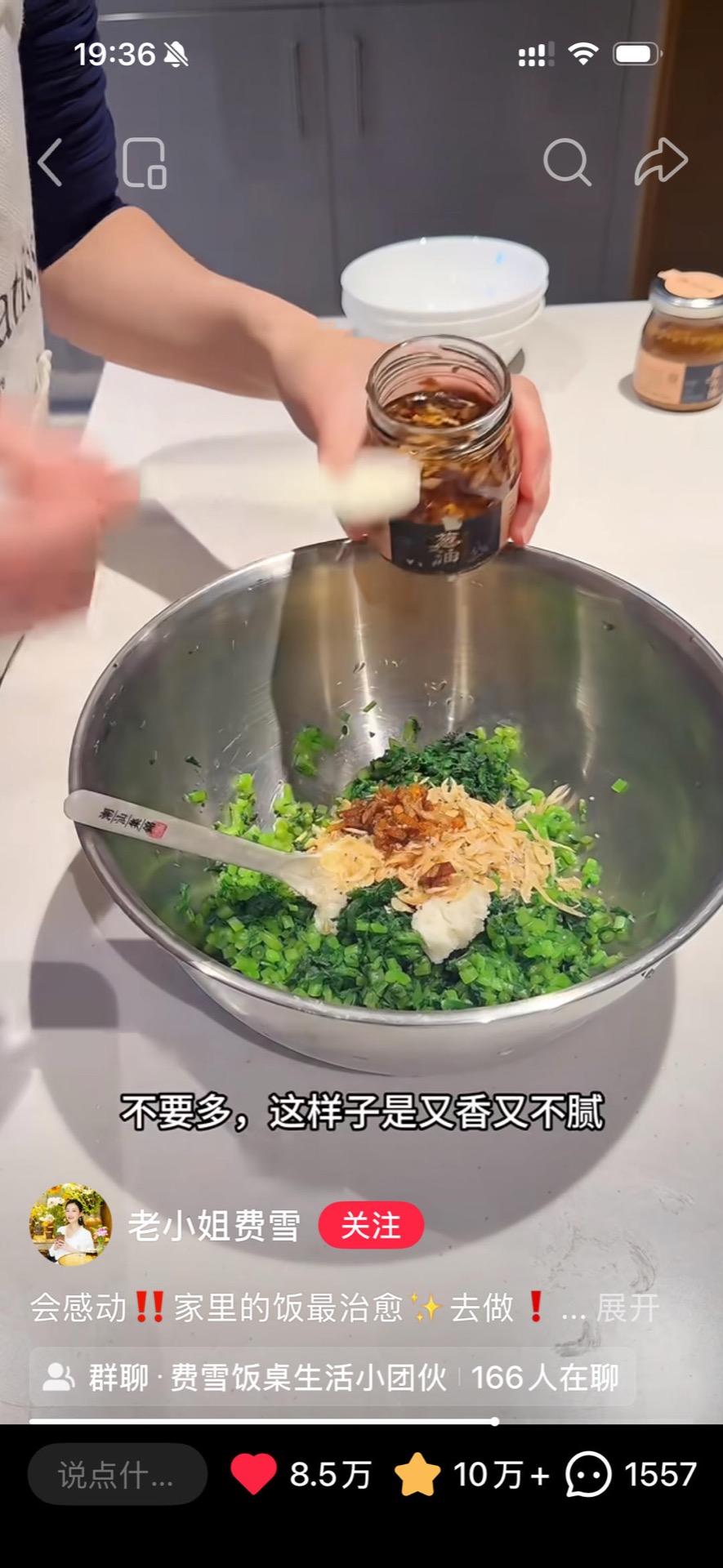
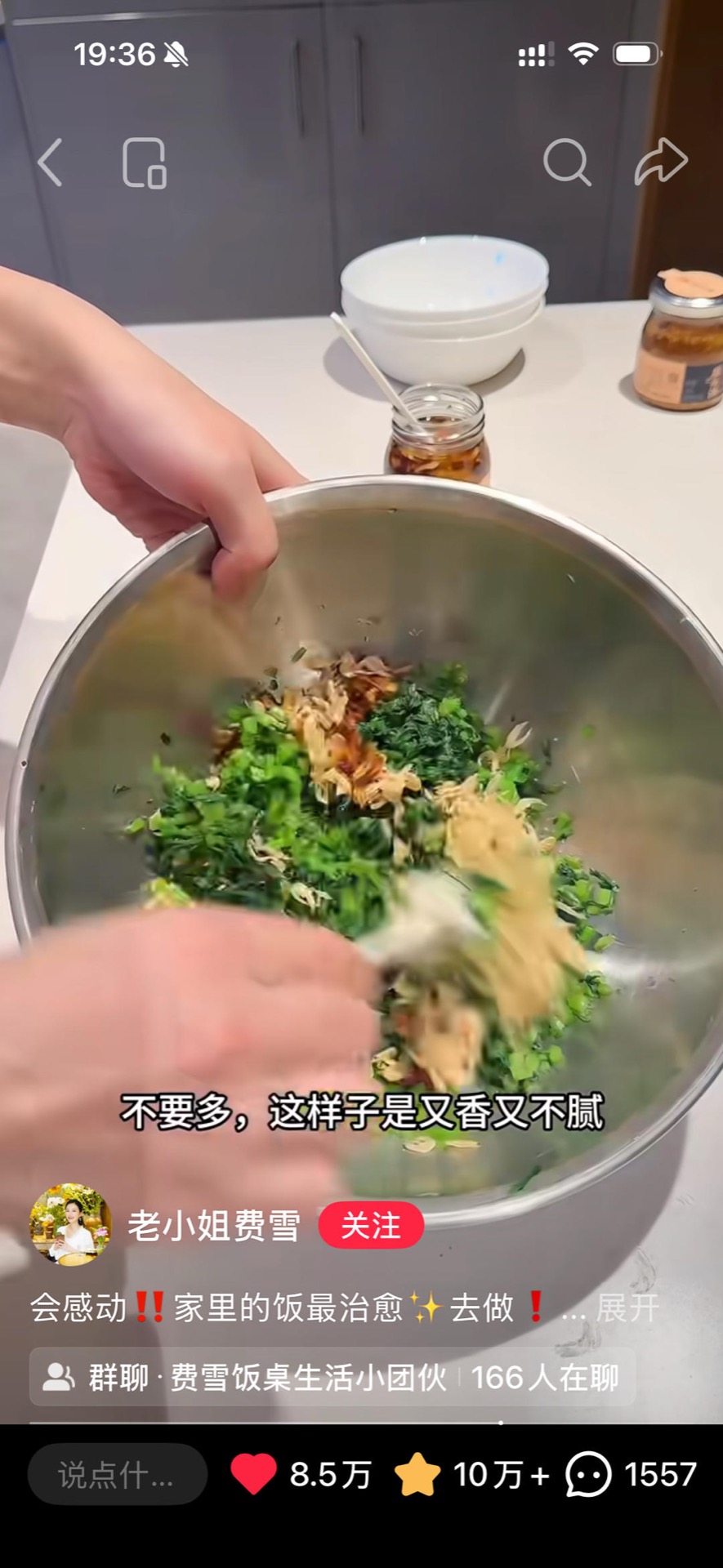
Step 6 — Toss and Taste
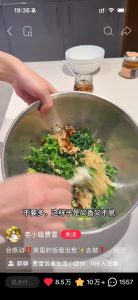
Mix everything together thoroughly, then taste a spoonful — it should be seasoned to the saltiness of a normal stir-fry, since the rice will dilute it.
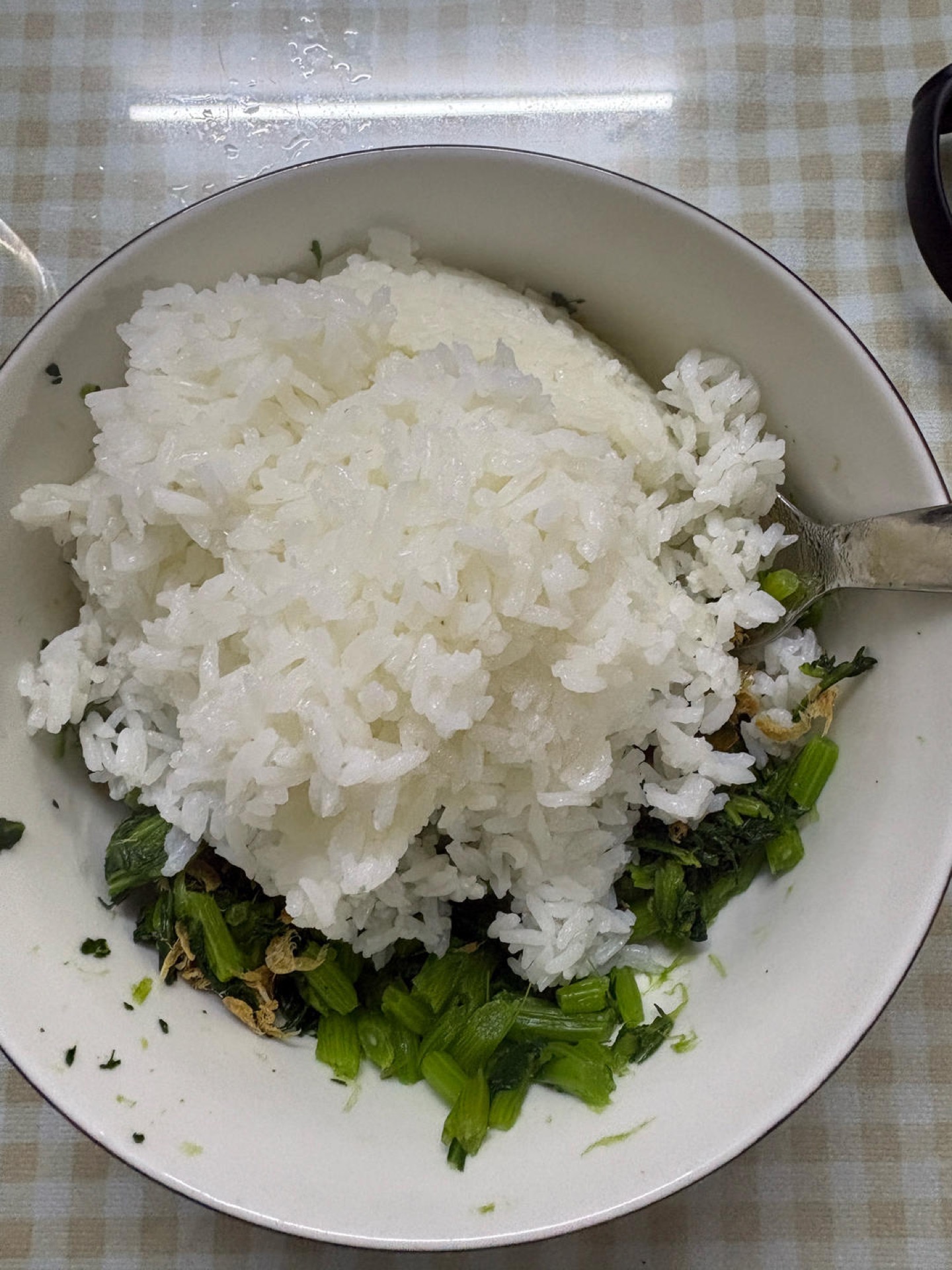
Step 7 — Fold in the Rice
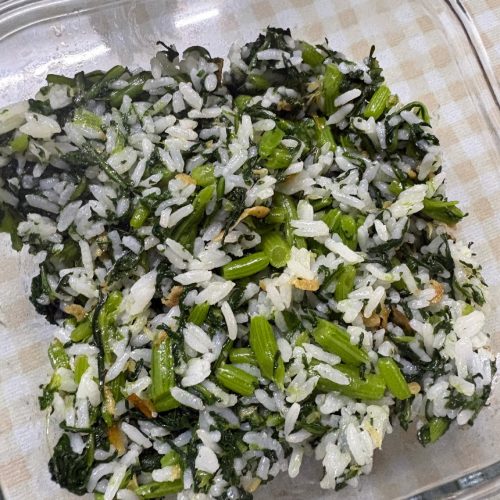
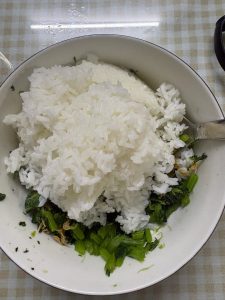
Add the hot cooked rice to the bowl and fold it through the dressed greens until every grain is coated and glossy.
Step 8 — Adjust and Serve
Give it one final mix, and if the bowl tastes a little flat at the end, stir in another pinch of salt and serve right away.
Common Mistakes When Making Vegetable Mixed Rice
1. Not squeezing the greens hard enough. This is the number one reason a bowl of mixed rice turns out watery and bland. The cause is simply that blanched greens are mostly water, and salt pulls even more out of them. The fix is to squeeze in handfuls, chop, then squeeze again — you should be surprised by how much liquid comes out the second time.
2. Skipping the ice-water or cooling step. Greens pulled straight from boiling water keep cooking from their own residual heat, which turns them dull and olive-colored. The cause is carryover cooking; the fix is to shock them in cold water or spread them out to cool before you squeeze them.
3. Seasoning the rice instead of the greens. If you add salt and lard directly to the rice, you get uneven pockets of seasoning and a bowl that tastes flat overall. The cause is that rice does not distribute seasoning well once cooked. The fix is to dress the greens thoroughly first, taste them, and only then fold in the rice.
4. Being shy with the fragrant oil. A teaspoon of scallion oil disappears into four cups of rice. The cause is habit — most recipes train us to use oil sparingly. The fix is to be generous: two tablespoons is not too much, and the greens should look glossy and smell strongly of scallion or garlic before the rice goes in.
5. Using cold or day-old rice. Cold rice clumps and refuses to coat evenly, so you end up with dry pockets and greasy patches. The cause is that chilled rice has retrograded starch that sticks to itself. The fix is to use freshly cooked hot rice, or to reheat cold rice with a splash of water until it is steaming before folding it in.
6. Overcooking the greens. Past a certain point, greens lose their structure and turn to mush, and no amount of squeezing fixes that. The cause is leaving them in the water too long, especially tender greens like spinach. The fix is to pull them the moment they are just tender — for chrysanthemum greens, about 40 seconds after the water returns to a boil.
How to Serve
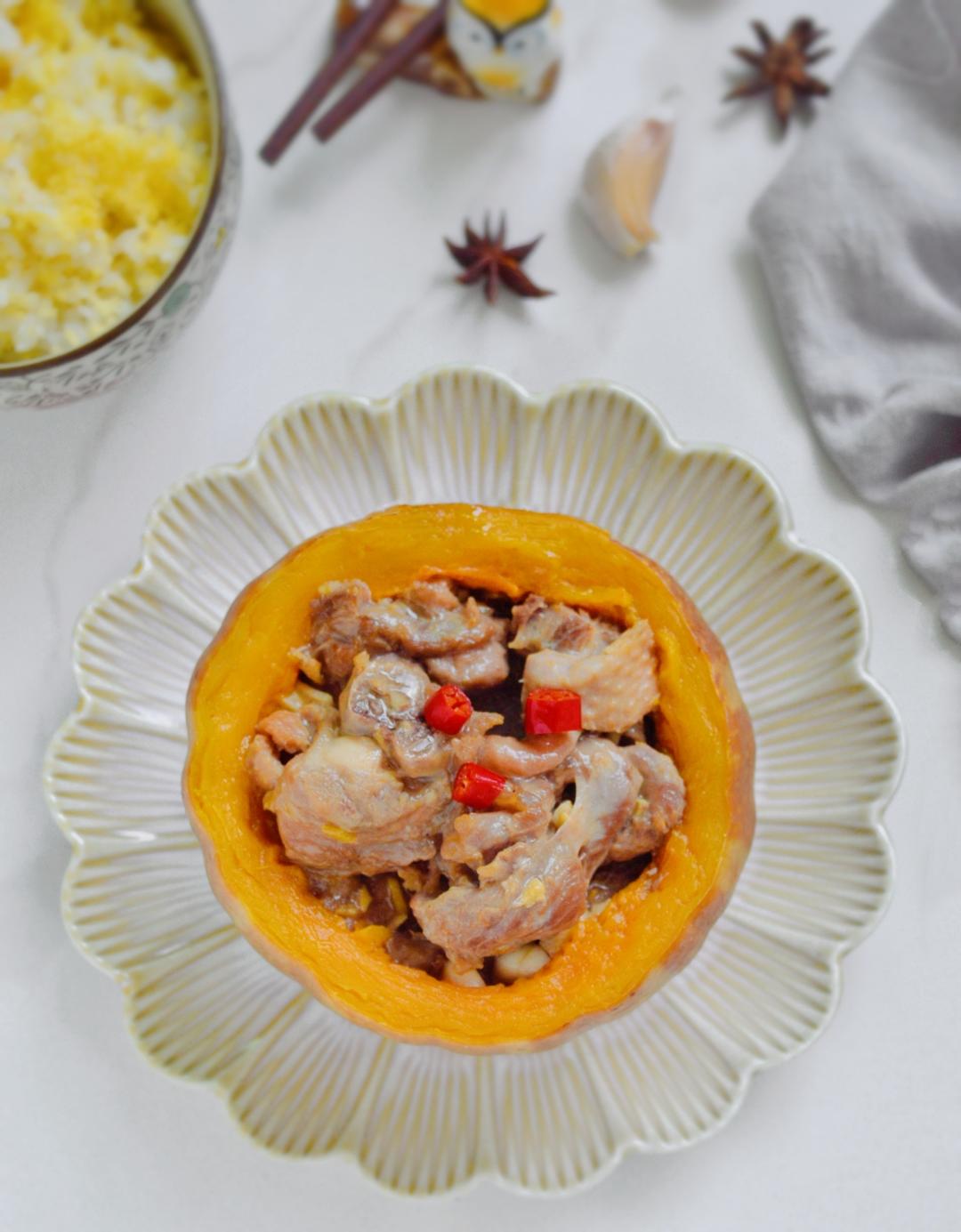
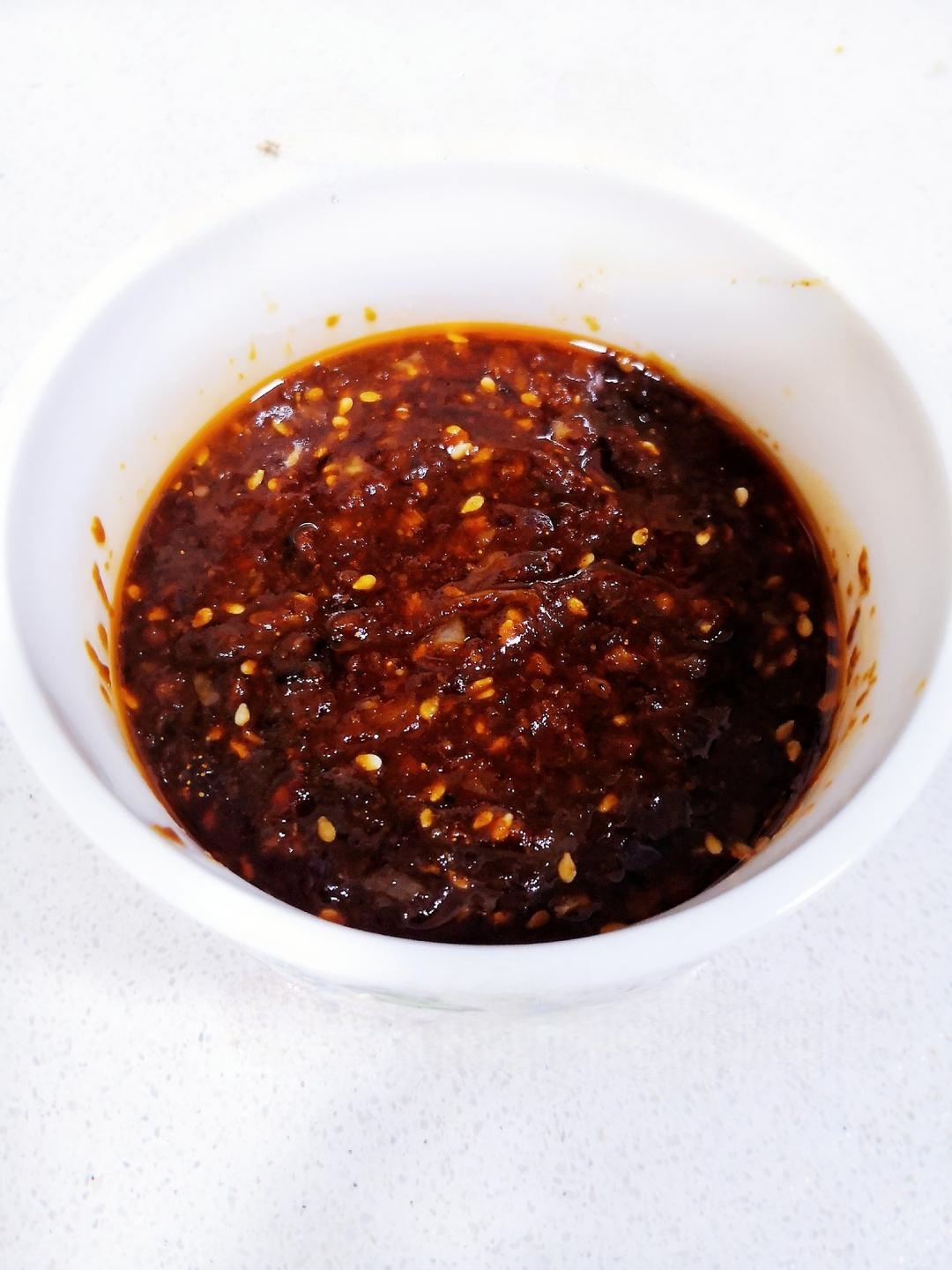
Vegetable mixed rice is a meal on its own, but it also works as a side dish at a larger Chinese table. Serve it alongside a steamed duck in pumpkin bowl for a cold-weather spread, or with a plate of Chinese meat pies when you want something hearty to dip into the same flavors. A spoonful of universal Chinese street food sauce on the side is a nice shortcut if you want to add heat without changing the bowl itself.

Storage & Reheat
Mixed rice is best eaten the day it is made, while the rice is hot and the greens still have a little bite. That said, leftovers keep reasonably well. Cool the bowl quickly, transfer it to a shallow airtight container, and refrigerate within two hours.
It will keep for 3 to 4 days in the refrigerator. Reheat in a covered bowl in the microwave with a splash of water, or in a wok over medium heat with a tablespoon of water to steam it back to life. Reheat until steaming hot all the way through — 165°F (74°C) is the target for cooked rice. You can also eat it cold straight from the fridge, which is a genuinely good snack, though the greens will have softened.
Do not freeze this dish. The greens become mushy and watery after thawing, and the rice texture suffers badly.
Allergen Notice
This recipe contains shellfish (dried shrimp). Depending on the brands you use, it may also contain soy and wheat from commercially prepared soy sauce or scallion oil. If you are cooking for someone with a shellfish allergy, omit the dried shrimp and use one of the substitutes listed above. Always check the labels on your lard, infused oils, and any prepared sauces.
Nutrition Disclaimer
Nutrition information is calculated using an ingredient database and should be considered an estimate. In cases where multiple ingredient alternatives are given, the first listed is calculated for nutrition. Garnishes and optional ingredients are not included.
About the Author & Recipe Development
Hi, I am Lin, the cook and writer behind Woks of Love. I grew up watching my grandmother make dishes like this one — not from a recipe card, but from memory and feel, tasting as she went and adjusting with a pinch of this or a splash of that. Vegetable mixed rice is one of the dishes I make most often in my own kitchen because it is fast, forgiving, and tastes like the food I grew up with.
I developed this version by testing it the way I actually cook: with whatever greens are in the fridge, a jar of homemade scallion oil on the counter, and a rice cooker that is almost always warm. The measurements here are a starting point — taste the greens before the rice goes in, and adjust from there. That is the whole recipe, really.
If you liked this, green cardamom is worth cooking next.
If you liked this, Shaoxing wine substitutes is worth cooking next.
Authoritative References
For safe handling and reheating of cooked rice and leftovers, I rely on the FDA guidance on refrigerator thermometers and food safety and the USDA guidance on leftovers and food safety. Both are worth bookmarking if you cook rice in large batches the way I do.
Vegetable Mixed Rice (蔬菜拌饭): Savory Greens Tossed with Fragrant

Equipment
- Wok
- Cutting Board
- Slotted Spoon
Ingredients
For the Greens
- 1 lb leafy greens chrysanthemum greens, spinach, or water spinach
- 1 tsp salt for the blanching water
For the Dressing
- 2 tbsp pork lard or rendered chicken fat
- 2 tbsp dried shrimp xiapi, rinsed and patted dry
- 1 tsp salt plus more to taste
- 2 tbsp scallion oil or garlic oil, plus more to taste
For the Bowl
- 4 cups cooked short-grain rice hot, freshly cooked
Instructions
- Rinse the rice until the water runs mostly clear, then cook it in your rice cooker or on the stovetop so it is hot and fluffy right when the greens are ready.
- Bring a large pot of water to a rolling boil, add the salt, and cook the greens until just tender — chrysanthemum greens take about 40 seconds from the moment the water returns to a boil.

- Lift the greens out with a slotted spoon and plunge them into cold water, or spread them on a tray to cool until you can handle them comfortably.
- Squeeze the cooled greens firmly in your hands to press out the water, chop or snip them into small pieces, then squeeze them dry a second time.
- Add the pork lard, dried shrimp, salt, and scallion oil or garlic oil to the chopped greens, going generous with the fragrant oil.

- Mix everything together thoroughly, then taste a spoonful — it should be seasoned to the saltiness of a normal stir-fry, since the rice will dilute it.
- Add the hot cooked rice to the bowl and fold it through the dressed greens until every grain is coated and glossy.
- Give it one final mix, and if the bowl tastes a little flat at the end, stir in another pinch of salt and serve right away.












Leave a Reply