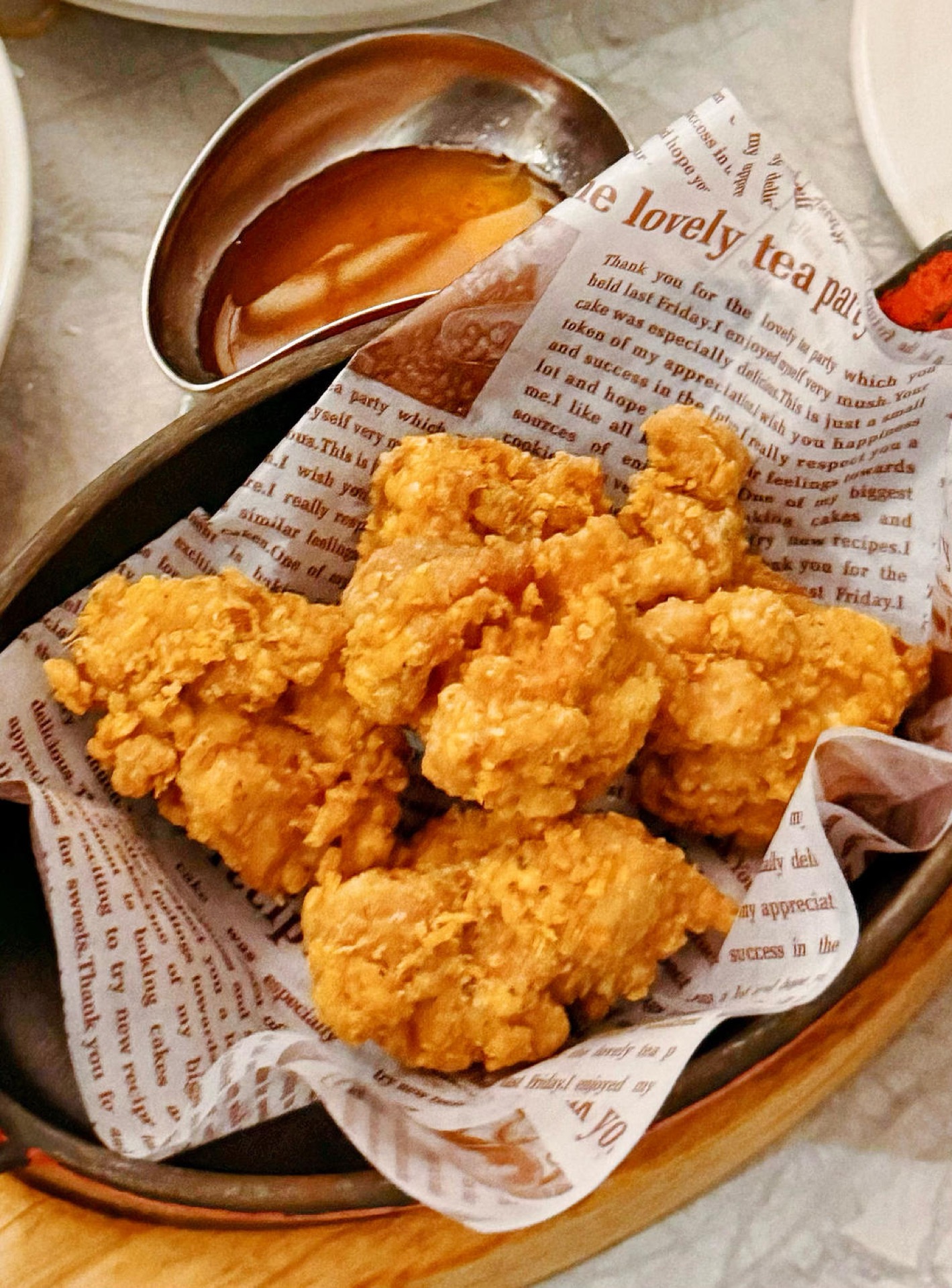
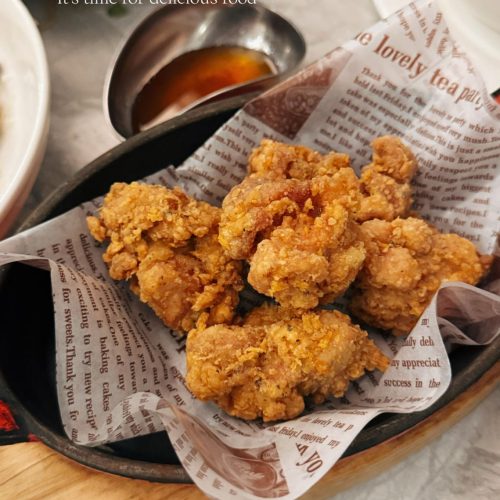
There is a specific sound that tells you Taiwanese salt and pepper chicken is right: a crackle you can hear from across the table. In Taiwan it is called 盐酥鸡, yán sū jī — literally “salt-crisp chicken” — and it is the single most ordered item at any night market stall, handed over in a paper bag with a skewer and a snow of pepper salt. This version is the one I keep coming back to: a five-spice and garlic marinade that keeps the thigh meat juicy, a coarse sweet potato starch coating that fries into shaggy, crunchy shards, and a double fry that locks in the crunch. It is a quick recipe — 15 minutes of prep, 20 minutes at the wok — but the payoff tastes like a Taipei street corner at 10 p.m.
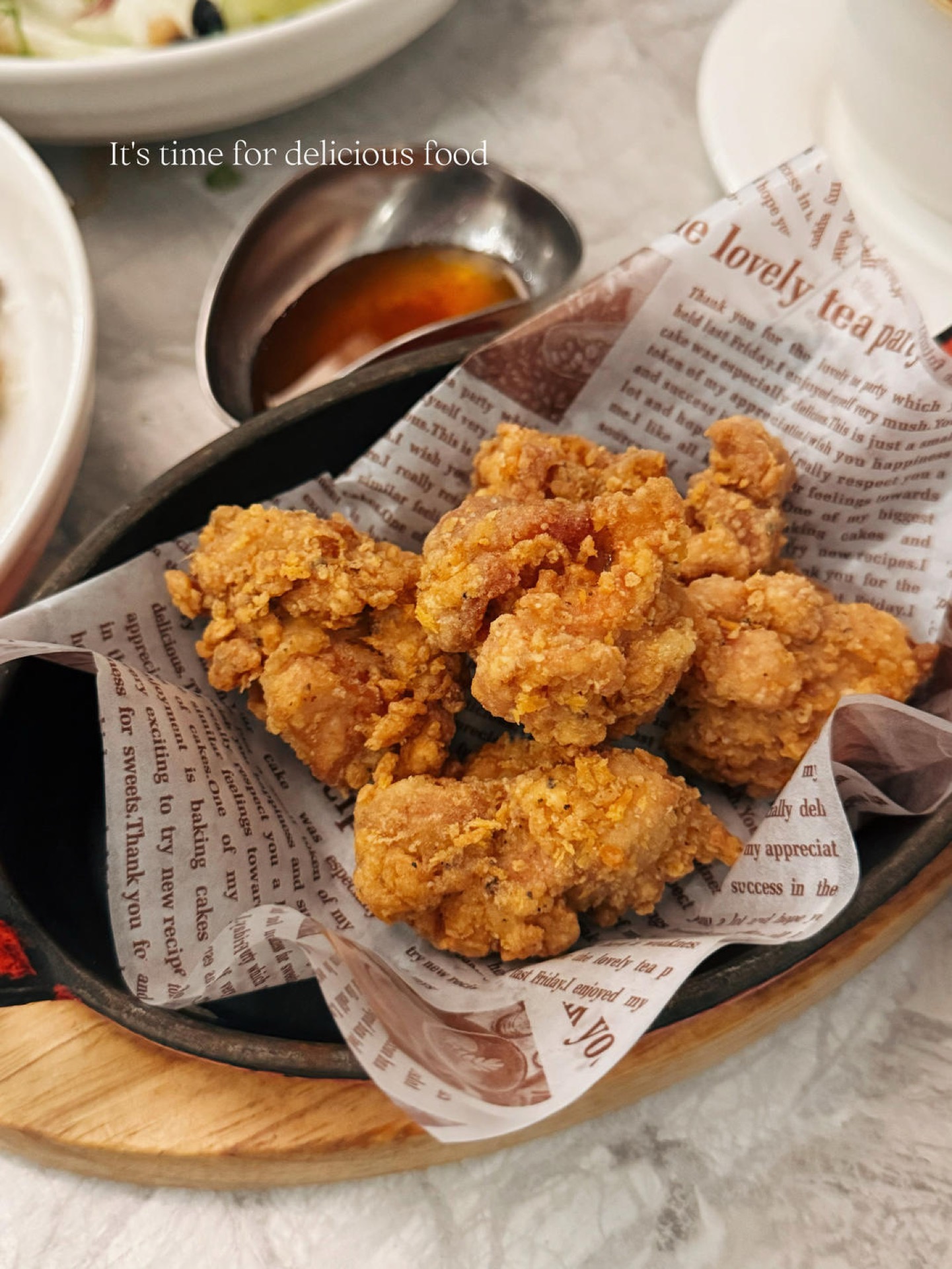
What makes this dish different from ordinary fried chicken is not the seasoning but the starch. Sweet potato starch, coarse and slightly sandy, swells and blisters in hot oil in a way that wheat flour never does, giving each piece a lacy, ridged crust that stays crisp even after it cools. That crust is why the recipe needs two trips through the oil, and why the resting step before frying matters more than any single ingredient. Get those two things right and the rest is forgiving.
What Is Taiwanese Salt and Pepper Chicken?
Taiwanese salt and pepper chicken is a night market fried chicken made from bite-sized pieces of marinated chicken thigh, coated in sweet potato starch, fried twice until deeply crisp, then tossed with fried Thai basil and a peppery salt blend. Despite the name, the “salt and pepper” refers to the finishing seasoning — usually a mix of white pepper, black pepper, salt, and sometimes five-spice or a little msg — rather than to the marinade. The chicken itself is mildly seasoned, aromatic with garlic and five-spice, and the heat comes from the pepper salt showered over the top.
It is related to, but distinct from, popcorn chicken. Taiwanese popcorn chicken (盐酥鸡块) is essentially the same dish cut smaller and often sold with a skewer; the version here keeps the pieces larger so the meat stays juicy and the crust has room to shatter. Both belong to the same family of Taiwanese fried snacks that includes crispy sesame chicken bites and Sichuan-style fried chicken, and all of them live or die by the starch and the oil temperature.
If you only take one thing from this recipe, take this: coarse sweet potato starch, not cornstarch and not flour, is what gives salt and pepper chicken its signature bubbled, shattering crust.
If you enjoy this style of crisp, aromatic chicken, our crispy sesame chicken bites take the same frying technique in a sweeter, sesame-forward direction.
1Crispy Sesame Chicken BitesThese fragrant, golden-fried chicken bites feature a crunchy sesame-infused batter encasing juicy, tender thigh meat. A double-fry technique ensures they stay crispy, better than any takeout!Check out this recipe
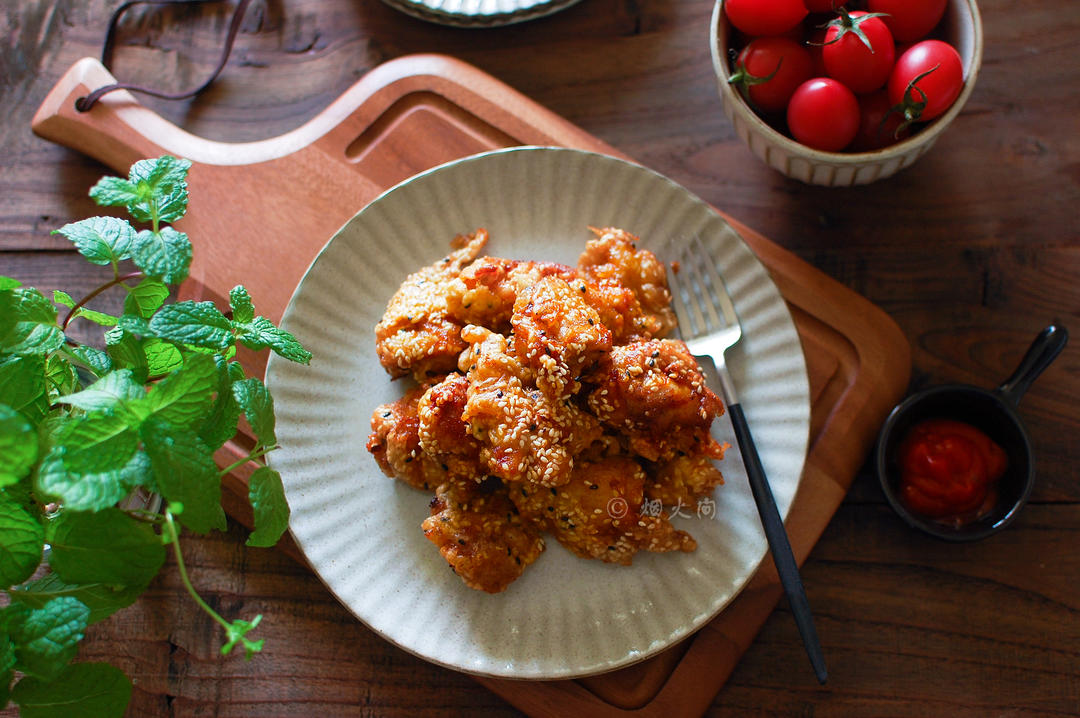
For a version with real Sichuan heat, our Sichuan crispy fried chicken uses a breast-meat cut and a numbing spice blend that plays well against this pepper salt.
2Sichuan Crispy Fried Chicken (Xiao Su Rou) – Chicken Breast VersionA lighter twist on the Sichuan classic. Juicy chicken breast strips coated in a crispy beer and sweet potato starch batter, infused with toasted Sichuan peppercorns. Double-fried for extra crunch.Check out this recipe

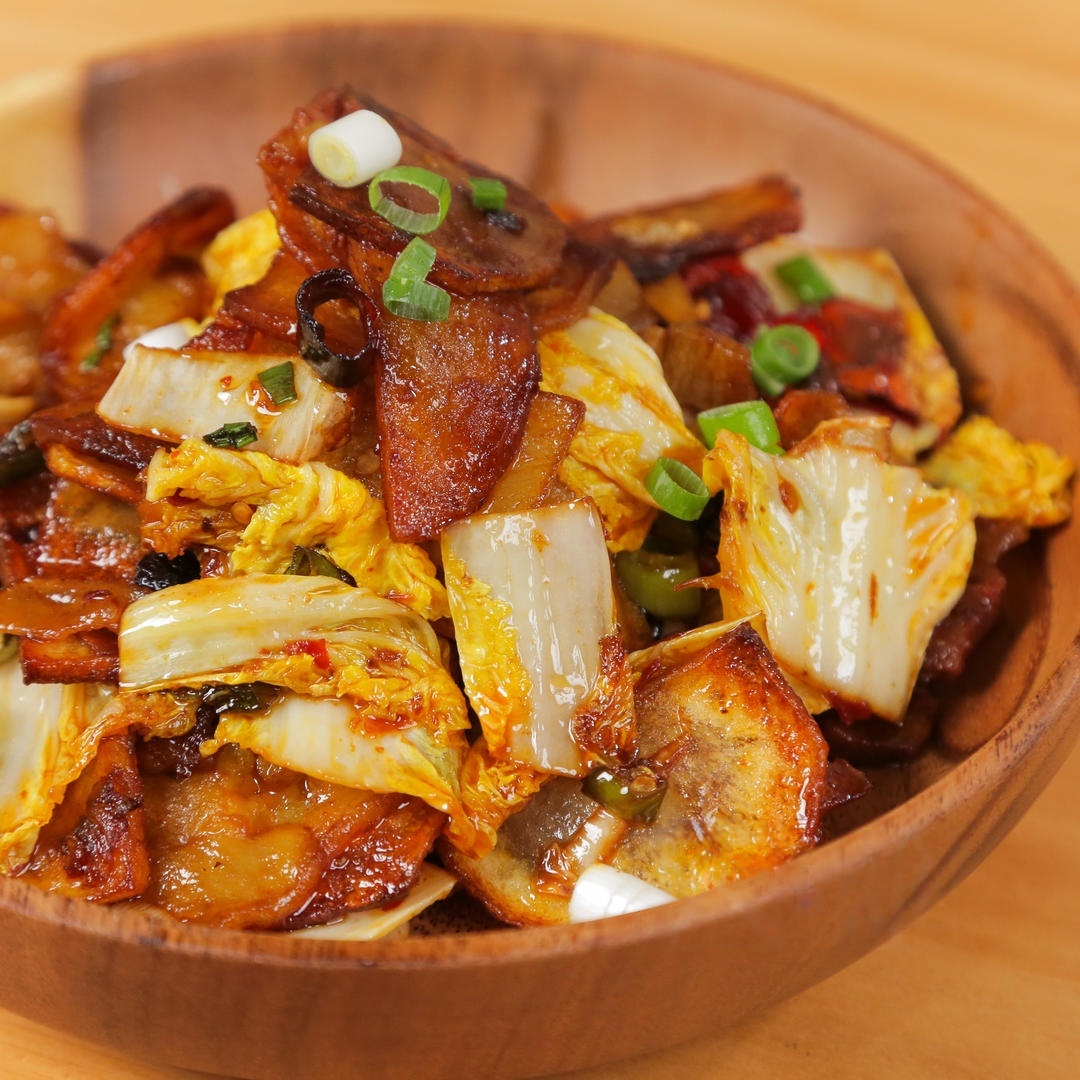
And if you want a vegetable side with the same crunch, our stir fried baby napa cabbage with crispy potato brings crisp potato slices and pork to the table alongside the chicken.
3Stir-Fried Baby Napa Cabbage with Crispy Potato Slices and PorkAn authentic Sichuan canteen-style stir-fry featuring sweet baby Napa cabbage, crispy-edged potatoes, and tender pork belly seasoned with spicy bean paste.Check out this recipe
Why This Recipe Works
Three decisions do most of the work here. First, the marinade includes a small amount of sugar and rice wine, which seasons the meat and helps it brown; the garlic and five-spice are the flavor backbone of every night market version. Second, the chicken is coated in coarse sweet potato starch and then rested for five minutes. During that rest the starch absorbs surface moisture from the marinade and turns slightly tacky, so it grips the meat instead of sliding off into the oil. Third, the chicken is fried twice — a gentle first pass at 160°C (320°F) to cook the meat through and set the coating, then a fast, hot second pass at 180°C (355°F) to drive off remaining moisture and build the final crunch.
That second fry is the difference between chicken that is crisp for two minutes and chicken that is crisp for twenty. When the crust is fried hot and fast, the surface dehydrates, and a dry crust stays crunchy far longer than a moist one. The basil goes in at the very end, for ten seconds at most, so it crisps without turning bitter, and the pepper salt is sprinkled after draining so it clings to the hot, slightly oily surface rather than dissolving into the oil.
Finally, using boneless thigh rather than breast matters more than most people expect. Thigh meat has more intramuscular fat and collagen, so it tolerates the double fry without drying out, and it stays juicy even if you leave it in the oil thirty seconds too long. If you prefer breast meat, brine it for 20 minutes in lightly salted water first and shorten the first fry slightly.
Ingredients
Every ingredient here is supermarket-accessible, and the only one worth a special trip is the sweet potato starch. Look for it in Asian groceries labeled as sweet potato starch or 地瓜粉; it is usually sold in coarse granules, which is exactly what you want. Fine sweet potato flour will work but produces a smoother, less craggy crust. The rest — chicken thighs, soy sauce, rice wine, garlic, five-spice, white pepper, sugar, salt, basil, and oil — are pantry staples in most Chinese home kitchens.
Quantities for four servings are below. If you are feeding a crowd, double the chicken and the starch but keep the batches small; the wok should never be more than about one-third full of chicken at a time.
Cooking Process
Step 1 — Prep the Chicken and Coating
Cut 500g boneless chicken thighs into 3-4cm pieces, pat them dry, and set out the marinade ingredients, the coarse sweet potato starch, and the basil and pepper salt for serving.
Step 2 — Marinate
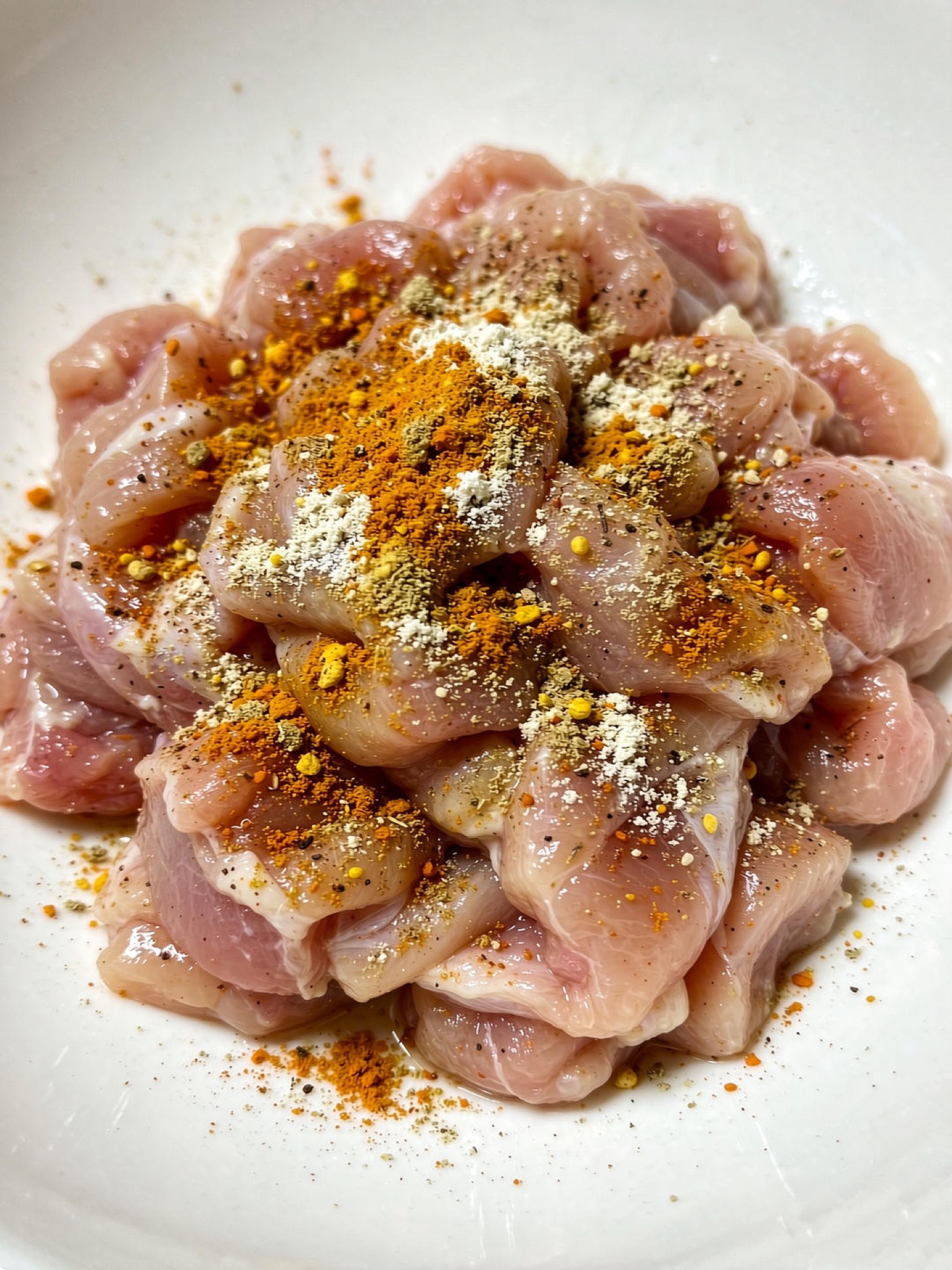
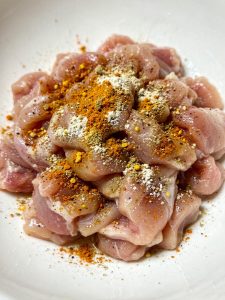
Wash and dry the chicken pieces, add the marinade, and massage until slightly sticky; refrigerate at least 30 minutes, or overnight for deeper flavor.
Step 3 — Coat and Rest
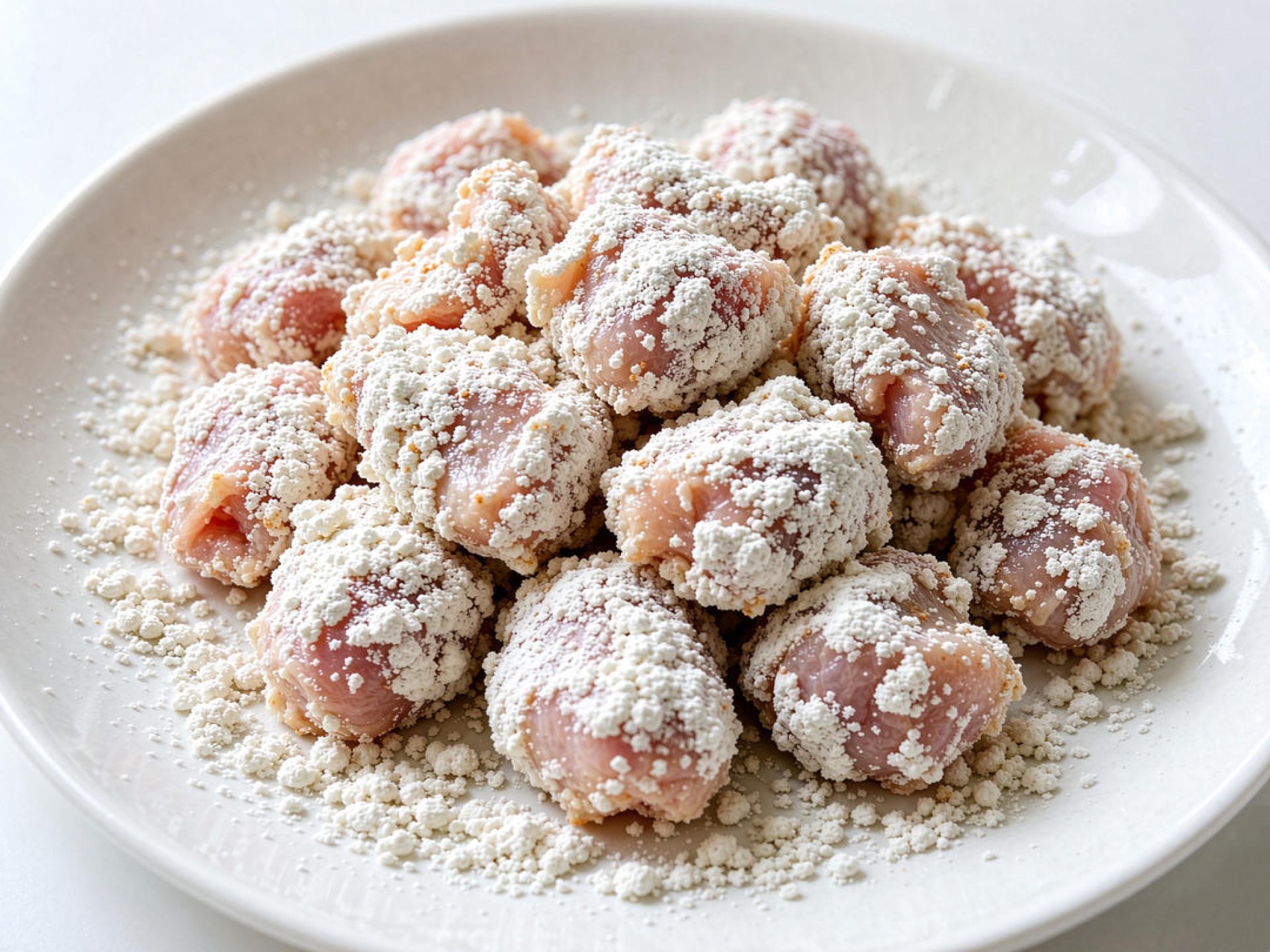
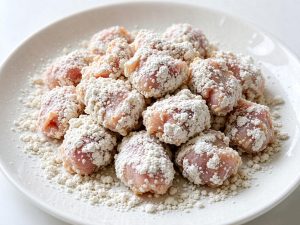
Press each marinated piece into the coarse sweet potato starch, shake off the excess, and lay the pieces flat to rest for 5 minutes so the coating hydrates and clings.
Step 4 — First Fry
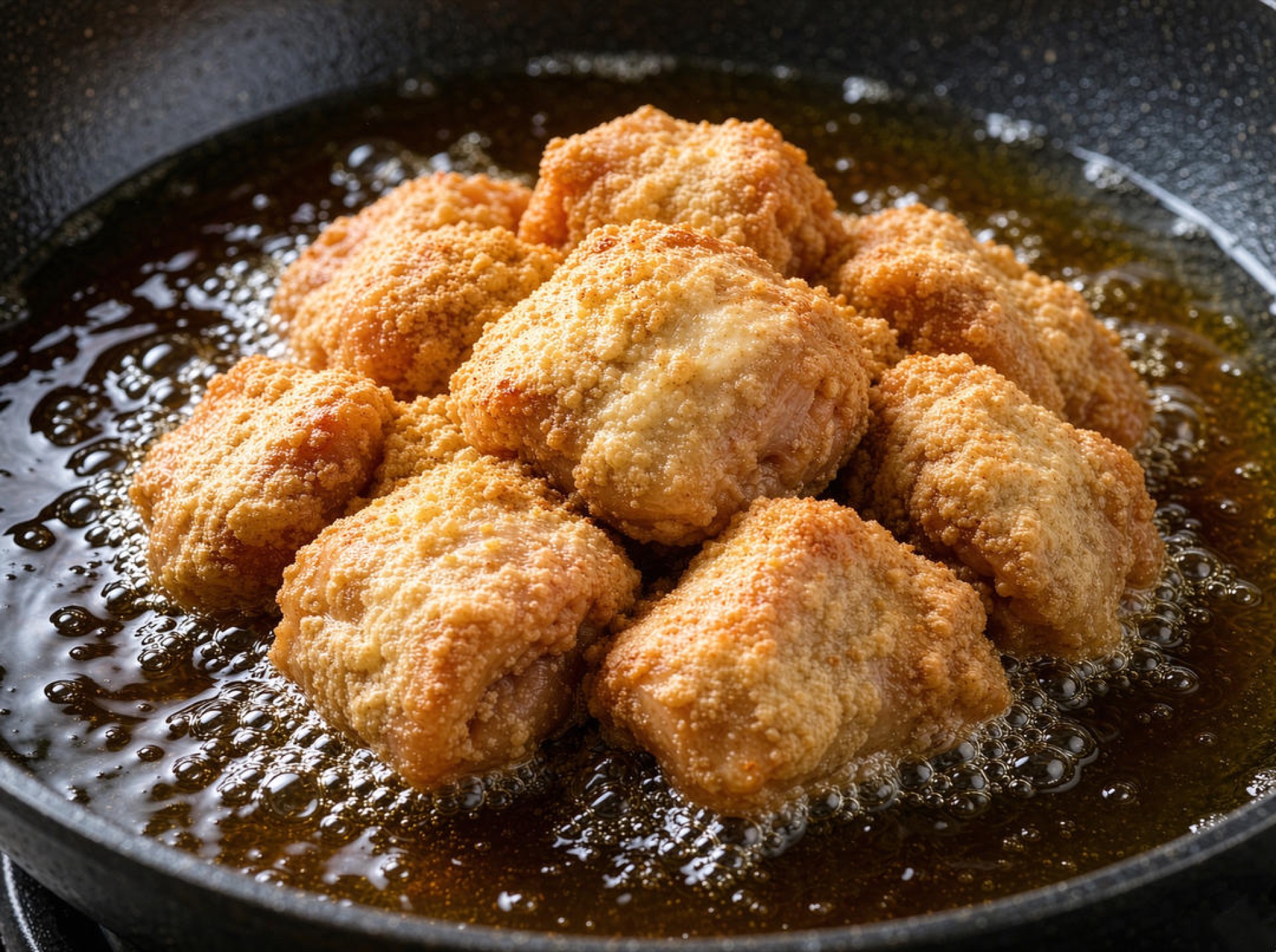
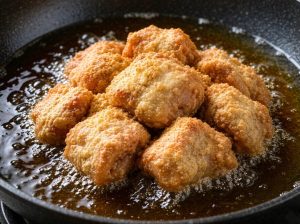
Heat the oil to 160°C (320°F), fry the chicken in batches over medium-low heat for 3-4 minutes until pale gold and set, then drain.
Step 5 — Second Fry
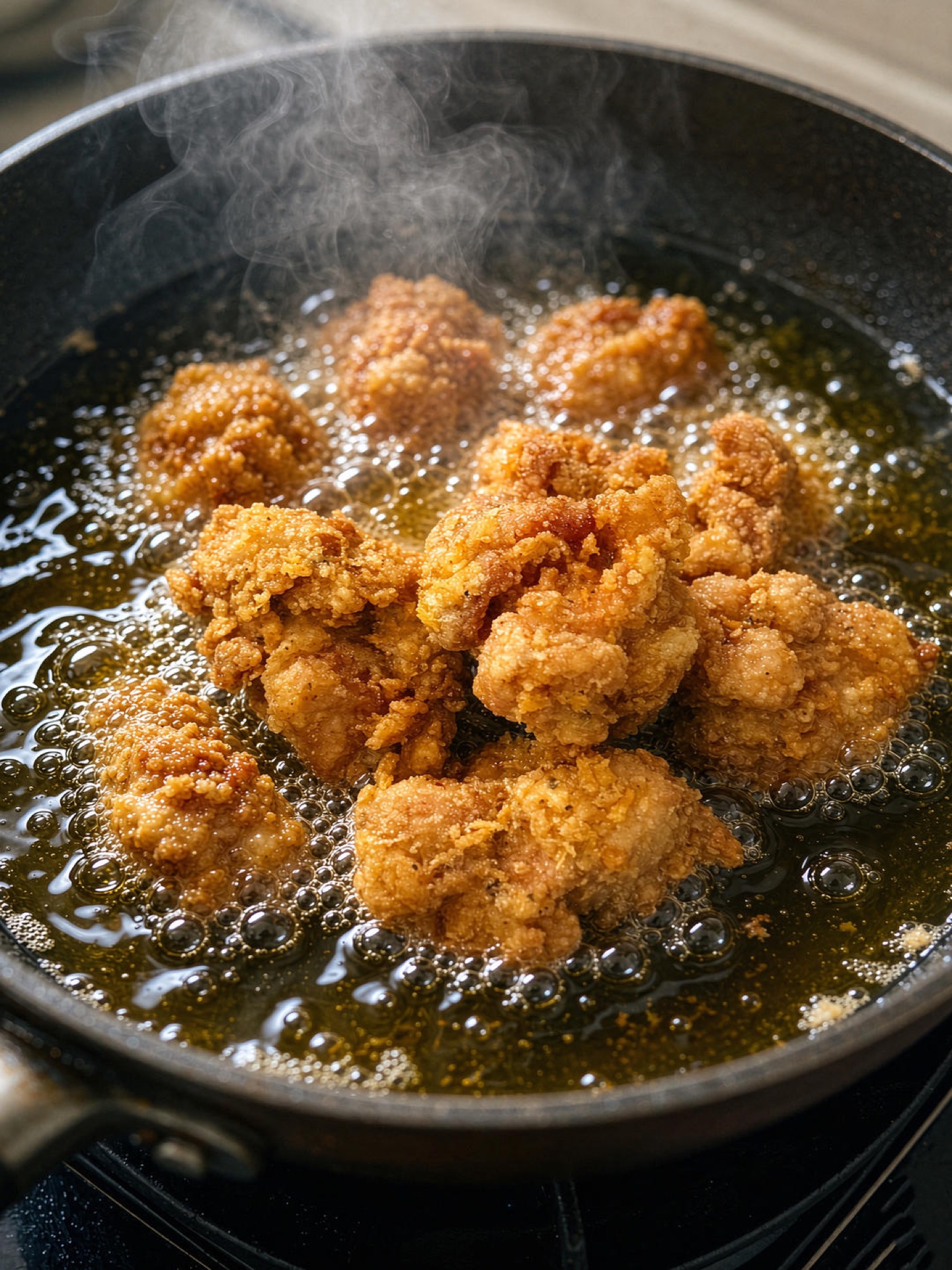
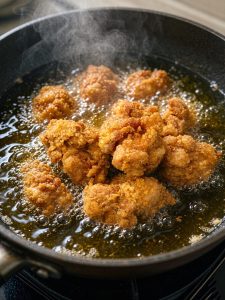
Raise the oil to 180°C (355°F), fry the chicken again for 40-60 seconds until golden and crisp, flash-fry the basil for 10 seconds, and drain.
Step 6 — Plate and Serve
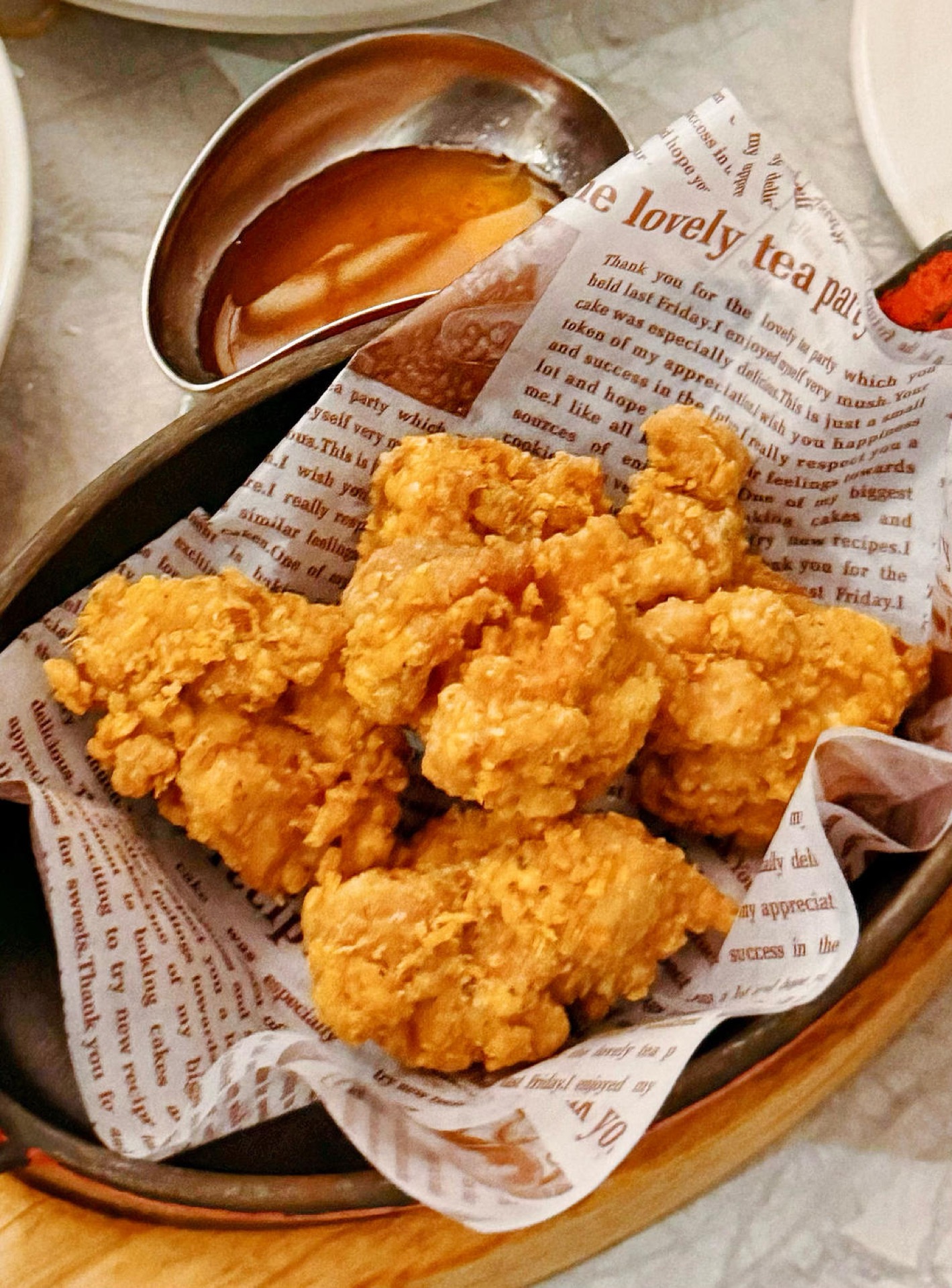
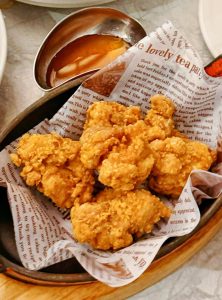
Line a plate with paper towels or newsprint, pile on the chicken, dust with pepper salt, and serve with sweet chili sauce or ketchup for dipping.
Common Mistakes When Making Taiwanese Salt and Pepper Chicken
1. Using the wrong starch. Cornstarch, potato starch, and flour all behave differently from coarse sweet potato starch. The result is a crust that is either too thin, too soft, or too smooth. The fix is simple: buy sweet potato starch, ideally coarse, and keep it in an airtight jar for the next batch.
2. Skipping the rest after coating. If you coat the chicken and drop it straight into the oil, the starch sits loosely on the surface and much of it falls away, leaving bare patches that fry tough. The cause is that the starch has not had time to hydrate and adhere. Let the coated pieces sit on a rack for five minutes before frying, and you will see the coating turn from powdery white to slightly translucent and damp.
3. Oil that is too cool or too crowded. When the oil drops below about 150°C (300°F), the chicken steams rather than fries, absorbing oil and turning greasy. This usually happens because too much cold chicken went into too little oil. Fry in batches of six to eight pieces, let the oil return to temperature between batches, and keep the thermometer in the wok the whole time.
4. Frying the basil too early. Basil leaves are thin and burn in seconds. If you add them at the start, they turn black and bitter and flavor the oil. Add them in the final ten seconds of the second fry, or fry a small handful separately and scatter them over the finished chicken.
5. Seasoning before frying instead of after. Salt in the coating draws moisture to the surface and softens the crust. Season the chicken in the marinade, then dust with pepper salt only after it comes out of the oil, while the surface is still hot and slightly shiny.
6. Draining on paper towels. Paper towels trap steam under the chicken, and steam is what turns a crisp crust soggy. Drain on a wire rack so air circulates underneath. If you must use paper, use it only for a few seconds to blot surface oil, then move the pieces to a rack.
How to Serve
Salt and pepper chicken is a snack first and a main dish second, and it is happiest when it has something cold, crisp, or tangy next to it. Serve it with a sweet chili dipping sauce, a wedge of lemon, and plenty of fried basil. A cold beer or an iced barley tea is the traditional drink.
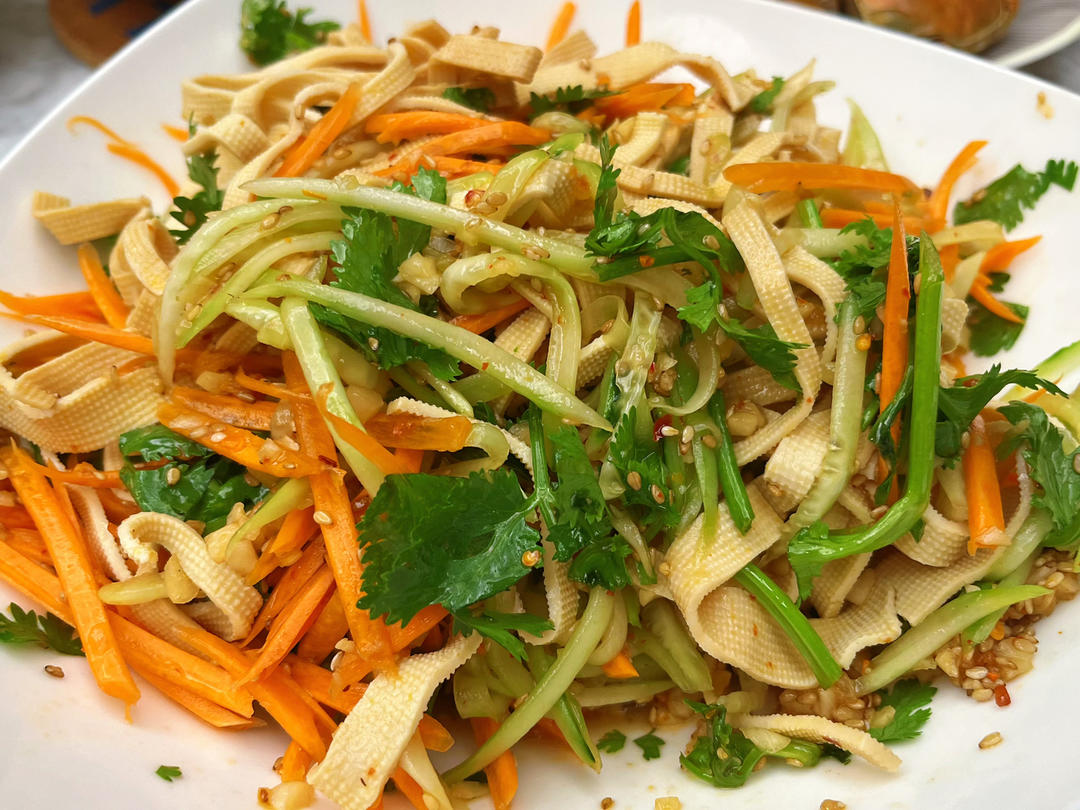
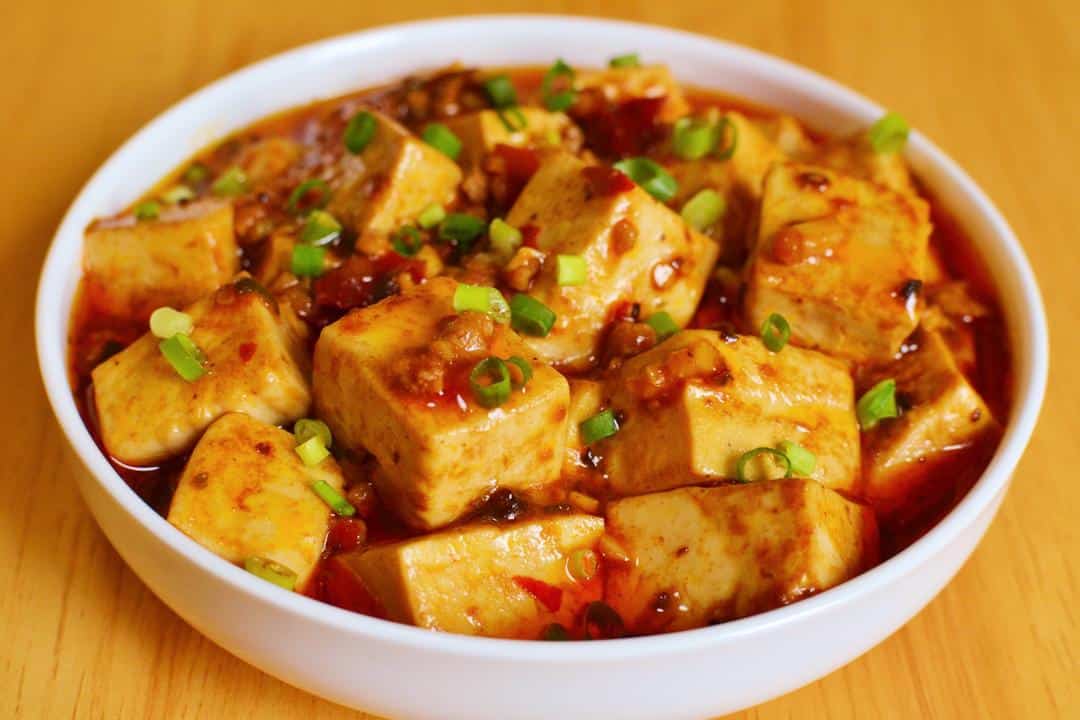
For a full Taiwanese-style table, pair it with spicy cold tofu skin salad, whose cool, sesame-chili dressing is the perfect counterpoint to hot fried chicken. If you want a heartier plate, mapo tofu brings numbing heat and a saucy contrast that soaks up well with steamed rice.
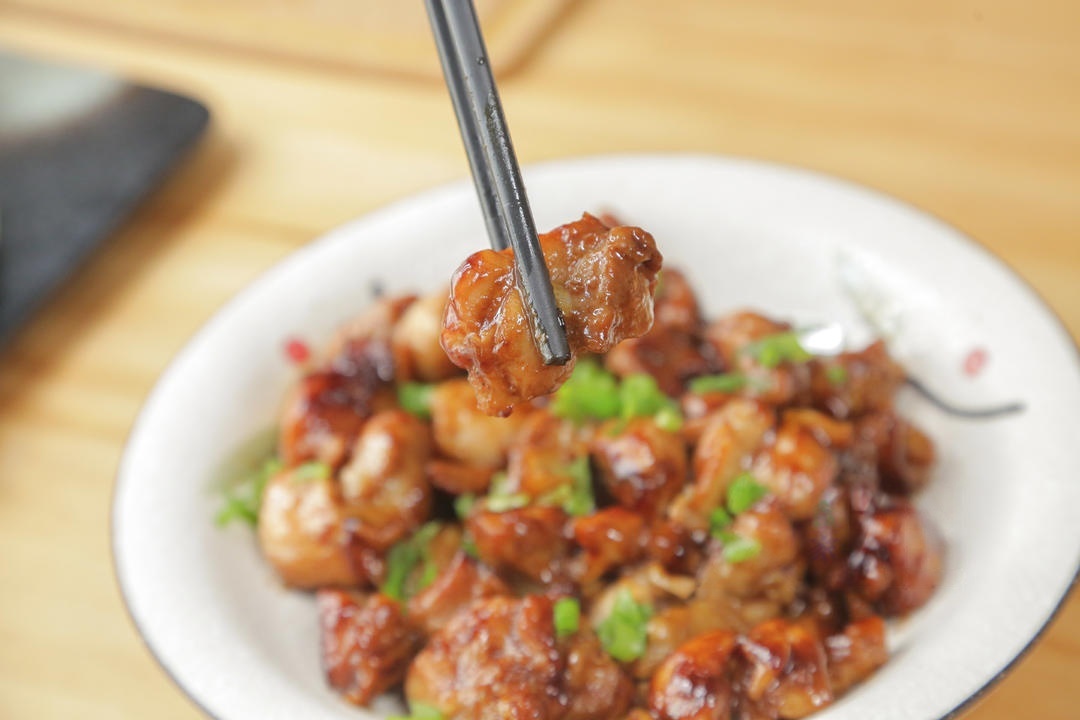
And for a softer, aromatic side that balances the fry, scallion oil braised chicken is a gentle, savory dish that rounds out the meal without competing for crunch.
Storage & Reheat
Fried chicken is at its best within 20 minutes of the second fry, but leftovers keep well if you store them properly. Let the chicken cool completely at room temperature — no more than an hour — then transfer it to an airtight container lined with a paper towel and refrigerate for up to 3 days. Do not seal it while hot, or the trapped steam will soften the crust.
To reheat, spread the pieces on a wire rack over a sheet pan and bake at 190°C (375°F) for 8 to 10 minutes, or air fry at 180°C (355°F) for 5 to 6 minutes, until the crust re-crisps and the chicken is steaming hot throughout. Avoid the microwave, which turns the coating rubbery. If you want to get ahead, fry the first pass, cool, refrigerate for up to a day, then do the second fry just before serving.
Fresh basil should be fried to order; it does not keep. If you have leftover fried basil, discard it rather than storing it, as it loses its crunch immediately.
Allergen Notice
This recipe contains soy, from the soy sauce in the marinade. If you are cooking for someone with a soy allergy, substitute coconut aminos, which will change the color slightly but not the flavor much. The coating is sweet potato starch and is naturally gluten-free, but check your rice wine, five-spice blend, and any bottled dipping sauce for wheat-based additives. Thai basil and the spices are generally safe, though cross-contamination in bulk bins is possible. If you are serving anyone with a severe allergy, prepare the dish with dedicated utensils and fresh oil.
Nutrition Disclaimer
Nutrition information is calculated using an ingredient database and should be considered an estimate. In cases where multiple ingredient alternatives are given, the first listed is calculated for nutrition. Garnishes and optional ingredients are not included.
About the Author & Recipe Development
I am Lin, the cook and writer behind Woks of Love. I grew up watching my grandmother fry chicken in a battered carbon steel wok, and I have spent years chasing the exact crunch of the night market stalls I ate at as a student in Taipei. This recipe is the result of dozens of test batches: adjusting the starch, timing the two fries, and comparing coarse versus fine sweet potato starch side by side until the crust crackled the way I remembered.
Every recipe on this site is tested in a home kitchen with supermarket ingredients, and I note the small variables — oil temperature, resting time, batch size — that make the biggest difference. If you make this one, I would love to hear how it turned out, and whether you added anything of your own to the pepper salt.
If you liked this, oven baked popcorn chicken is worth cooking next.
If you liked this, fluffy matcha chiffon cake is worth cooking next.
Authoritative References
For safe cooking temperatures for poultry, see the USDA safe minimum internal temperature chart, which lists 165°F (74°C) for chicken. For guidance on cooling and storing cooked food, the FDA food safety guidance recommends refrigerating perishable food within two hours. For background on the starch and its behavior in frying, see The Food Lab’s frying science explainer.
Taiwanese Salt and Pepper Chicken (盐酥鸡): Crispy, Juicy,

Equipment
- Wok
- Cutting Board
- Slotted Spoon
- Kitchen Thermometer
- Wire Rack
Ingredients
For the Marinade
- 1 tbsp soy sauce light soy sauce, or tamari for gluten-free
- 1 tbsp rice wine or Shaoxing wine
- 2 cloves garlic minced
- 1 tsp five-spice powder fresh, not stale
- 1 tsp white pepper plus more for serving
- 1/2 tsp sugar granulated
- 1/2 tsp salt fine salt
For the Coating and Frying
- 1 lb boneless chicken thighs skin on, cut into 1.5-inch pieces
- 3/4 cup sweet potato starch coarse-grained if possible
- 4 cups neutral oil peanut, canola, or rice bran oil
- 1 cup Thai basil leaves picked, for frying
- 1 tsp pepper salt for sprinkling
Instructions
- Cut 500g boneless chicken thighs into 3-4cm pieces, pat them dry, and set out the marinade ingredients, the coarse sweet potato starch, and the basil and pepper salt for serving.

- Wash and dry the chicken pieces, add the marinade, and massage until slightly sticky; refrigerate at least 30 minutes, or overnight for deeper flavor.

- Press each marinated piece into the coarse sweet potato starch, shake off the excess, and lay the pieces flat to rest for 5 minutes so the coating hydrates and clings.

- Heat the oil to 160°C (320°F), fry the chicken in batches over medium-low heat for 3-4 minutes until pale gold and set, then drain.

- Raise the oil to 180°C (355°F), fry the chicken again for 40-60 seconds until golden and crisp, flash-fry the basil for 10 seconds, and drain.
- Line a plate with paper towels or newsprint, pile on the chicken, dust with pepper salt, and serve with sweet chili sauce or ketchup for dipping.












Leave a Reply