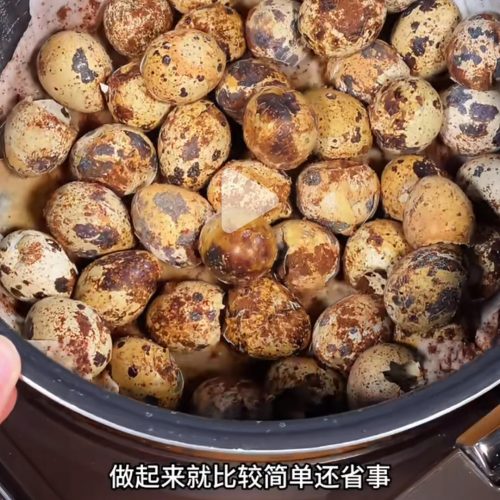
A damp washcloth in a rice cooker, a pile of tiny speckled eggs, and salt — that is the entire setup for the snack that has been quietly taking over Chinese social media. I first saw the method on xiachufang and assumed the second cooking cycle was a mistake. It is not. The eggs steam once to set, get their shells cracked, then steam again over five-spice salt, and the salt works its way through every crack until the whites taste faintly of roasted spice and the yolks stay soft and tender.
What I love about this recipe is that it is genuinely foolproof. There is no oven, no oil, no precise brine. You line the cooker with a damp cloth, add a splash of water, nestle in a batch of quail eggs, and press cook. The cloth keeps the eggs from bouncing and scorching while they steam, and the second pass with cracked shells is what makes them taste like they were baked in a salt mound.
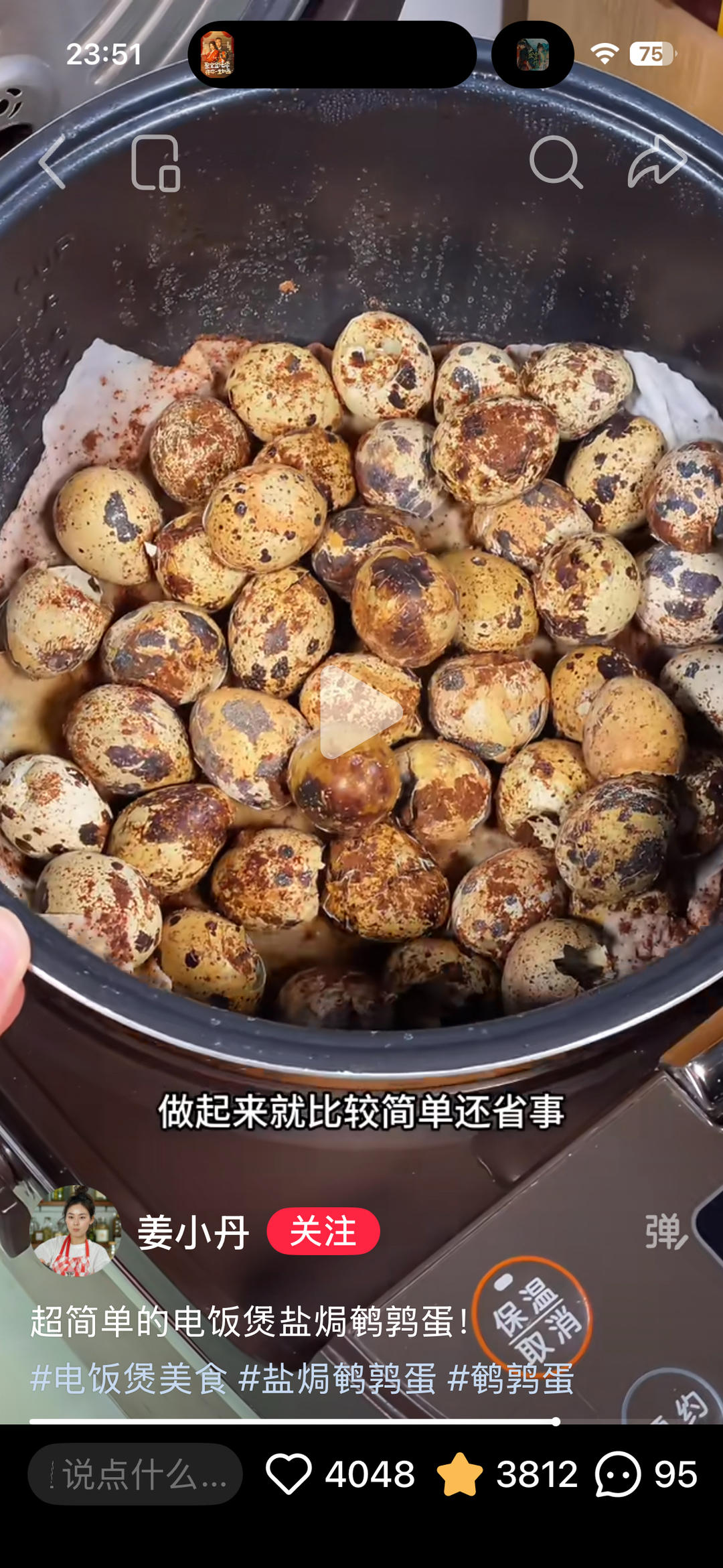
What Are Salt-Baked Quail Eggs (盐焗鹌鹑蛋)?
Salt-baked quail eggs are small quail eggs cooked with salt until the seasoning penetrates the shells and flavors the whites. In the classic street version the eggs are buried in a hot salt mound; this home version achieves the same effect in a rice cooker by steaming the eggs twice — once to set them, and once, after cracking, with salt and optional five-spice powder so the seasoning seeps into every fissure.
Quail eggs are a natural fit for this treatment. Their thin shells crack easily, their yolks are rich and creamy for their size, and their delicate flavor takes on salt the way a boiled chicken egg takes on soy marinade — only faster. Served warm, straight from the cooker, they make a protein snack that disappears before it cools.
If you like the flavor of spiced eggs but want them saucy instead of dry, my five-spice braised quail eggs simmer the same eggs in a soy marinade.
1Authentic Braised Quail Eggs (Wu Xiang Lu An Chun Dan)A foolproof method for making deeply savory, beautifully marbled Chinese Five-Spice Braised Quail Eggs. Perfect for snacks, picnics, or as a side dish.Check out this recipe

Why This Recipe Works
- A damp cloth keeps the eggs steady. Lined in the rice-cooker pot, the wet cloth stops the eggs from clattering and scorching as the cooker heats.
- A splash of water makes steam. The rice cooker traps the moisture and steams the eggs gently instead of dry-roasting them.
- Cracking before the second cook is the whole trick. Salt and five-spice powder reach the whites through the cracks, so the eggs taste seasoned through, not just on the shell.
- Two short cooks beat one long one. The eggs set fully in the first cycle, then take on seasoning in the second without overcooking the yolks.
- No oil, no oven, no brine. Everything happens in the rice cooker, which makes this the easiest possible egg snack.
Equipment Needed
- Rice cooker
- Clean cotton washcloth or thin kitchen towel (洗脸巾)
- Spoon for cracking the shells
- Small bowl for the salt and spice
Ingredients
- 500 g (about 25 to 30) quail eggs
- 1 cotton washcloth or thin towel, dampened
- 60 ml (1/4 cup) water, plus extra for the second cook
- 1 tbsp fine salt
- 1 tsp five-spice powder (五香粉) or Sichuan pepper salt, for the second cook
Ingredient Notes
Quail eggs (鹌鹑蛋). Sold in trays of 24 to 30 in Asian markets and increasingly in regular supermarkets. Choose clean, uncracked eggs; about 500 g (1 lb) fills a small rice cooker without crowding.
The washcloth (洗脸巾). The original recipe literally calls for a clean face towel. A thin cotton cloth that can get wet and rest against the hot pot works perfectly; paper towels tear apart over the heat.
Five-spice powder or pepper salt (五香粉或椒盐粉). Either is correct — five-spice gives warm anise-and-cinnamon notes, while Sichuan pepper salt adds a gentle tingle. Use what you keep in the pantry.
Prep & Mise en Place
Rinse the quail eggs and let them come to room temperature for about 10 minutes so they do not crack from the temperature shock. Dampen the washcloth with water and wring it out so it is wet but not dripping. Set the cloth flat in the rice-cooker pot, add the water, and measure out the salt and five-spice powder into two small bowls so they are ready when the first cook ends.
Cooking Process
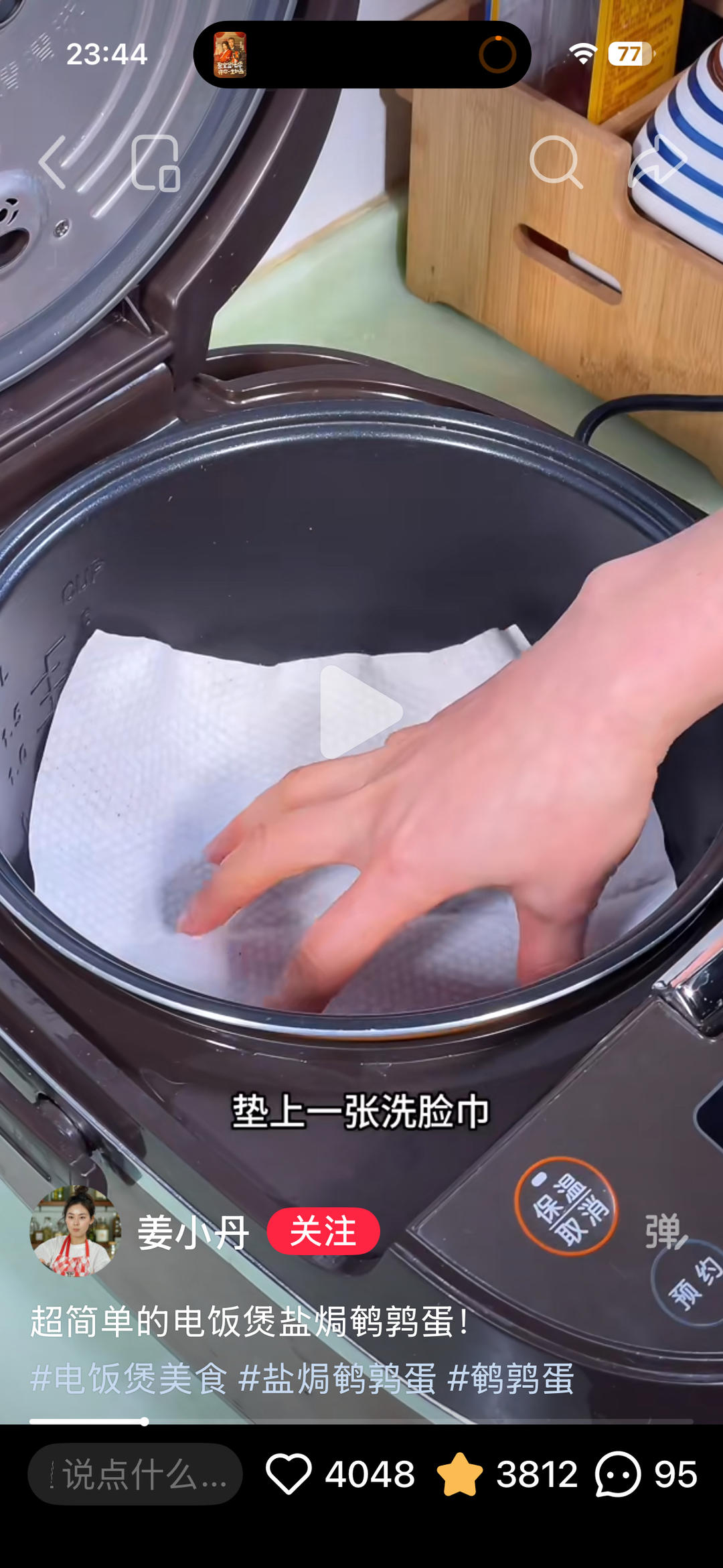
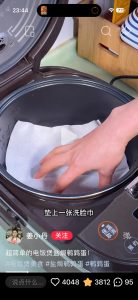
Step 1 — Line the Rice Cooker With a Damp Cloth
Lay the dampened washcloth flat in the bottom of the rice-cooker pot. The wet cloth protects the eggs and holds a little moisture as they cook.
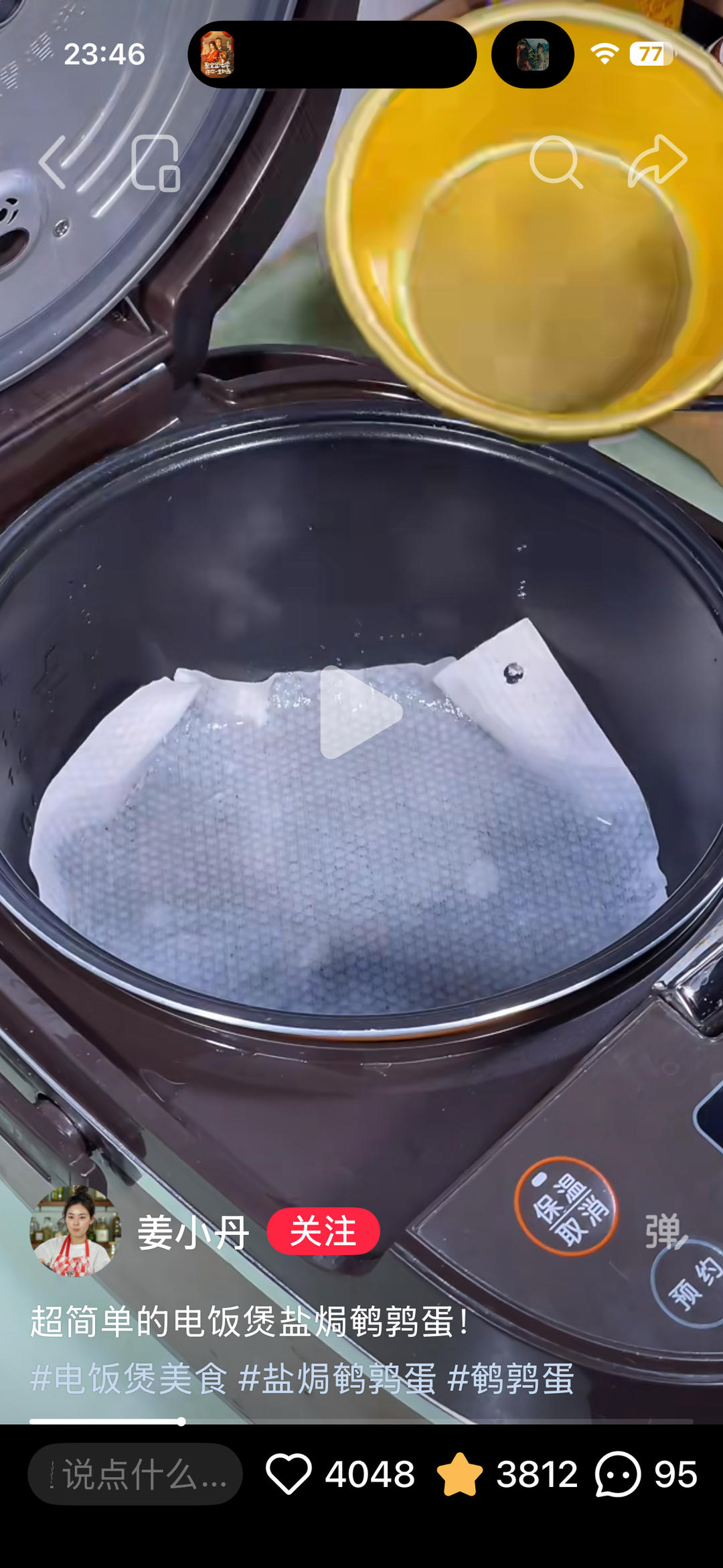
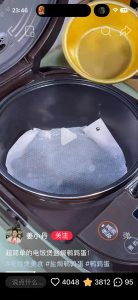
Step 2 — Add a Little Water
Pour about 60 ml (1/4 cup) of water over the cloth. You do not need much — the cooker will turn it to steam.
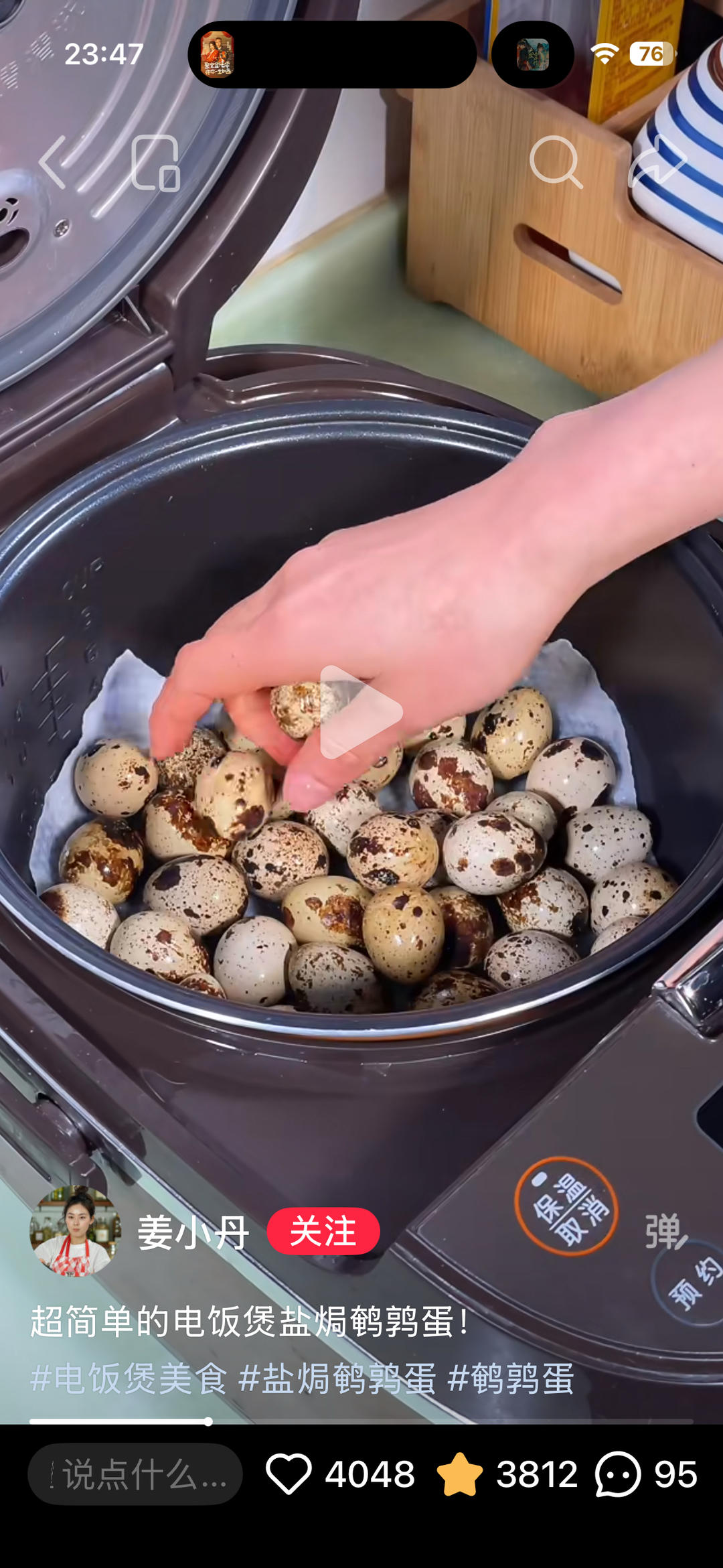
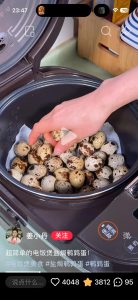
Step 3 — Add the Quail Eggs
Set the quail eggs on the cloth in a single layer, or slightly piled, and close the lid.
Step 4 — Sprinkle With Salt and Press Cook
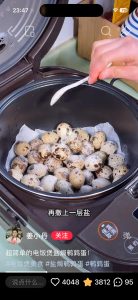
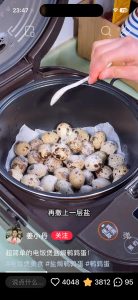
Sprinkle a light layer of salt over the eggs, close the lid, and press the cook button (the plain white-rice cook cycle).
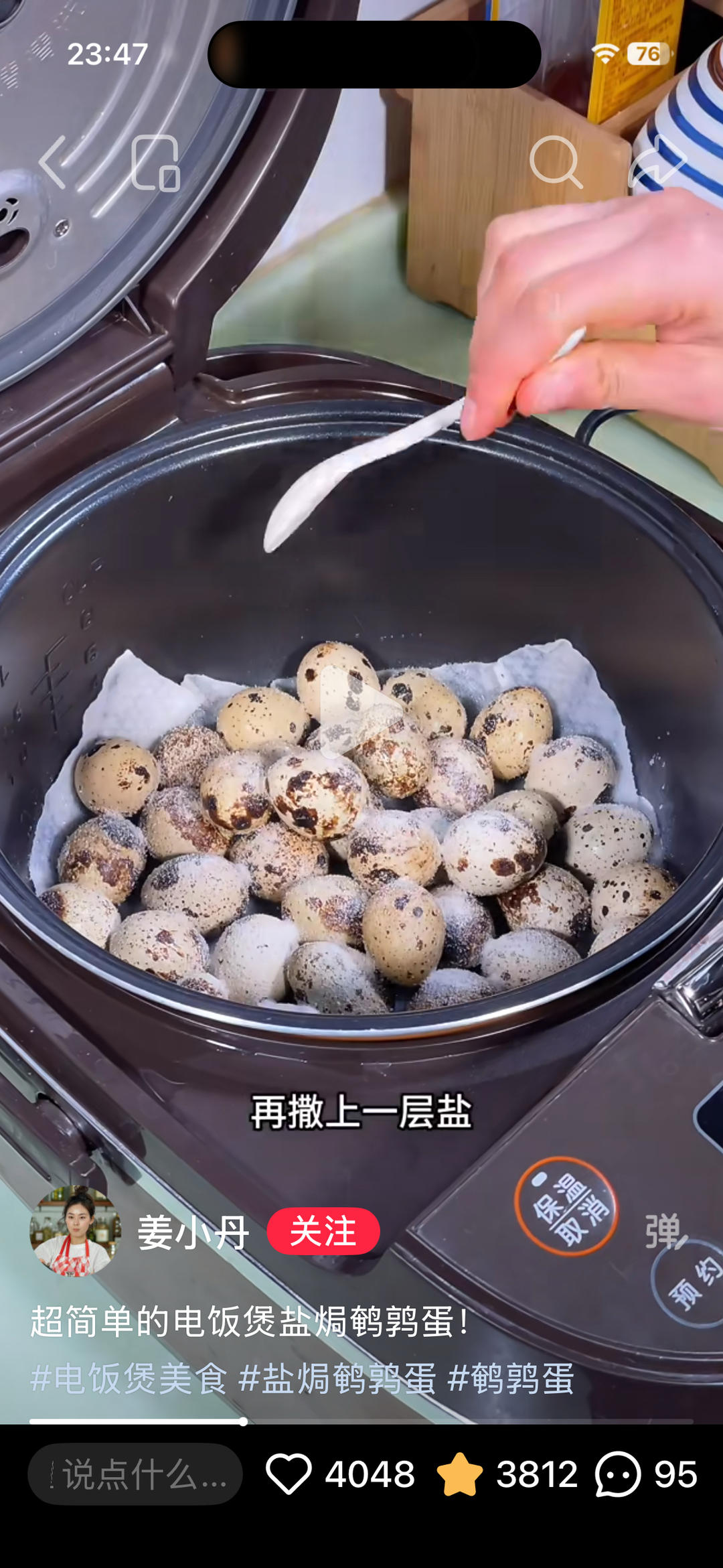
Step 5 — Crack the Shells With a Spoon
When the cooker finishes, use a spoon to tap and gently crack each shell all over. The eggs are set by now; cracking is what lets the seasoning reach the whites in the second cook.
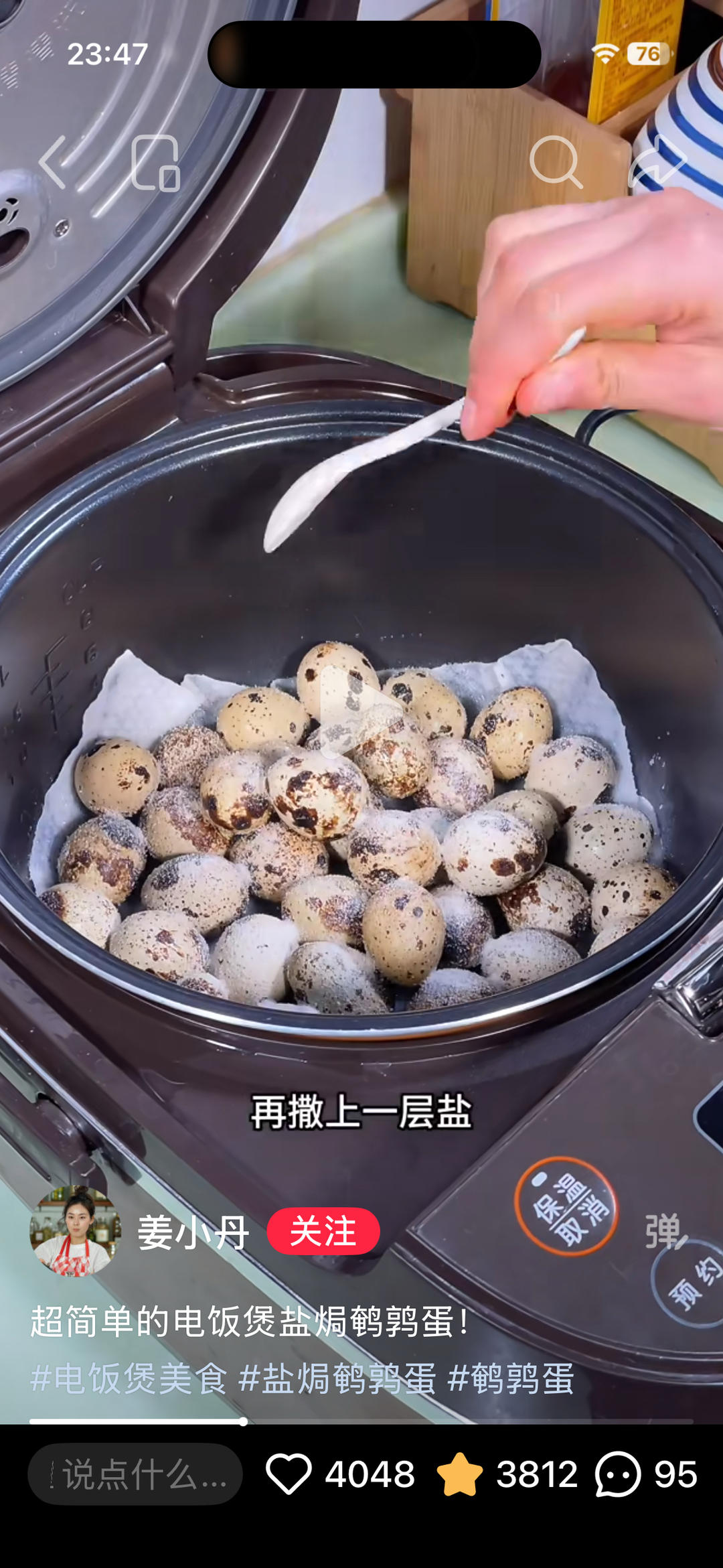
Cracking the shell is not cosmetic — it is the delivery system. Whole shells block the salt completely; a web of fine cracks lets seasoned steam and salt crystals reach the egg white beneath, which is why the second cook transforms plain steamed eggs into something that tastes salt-baked.
Step 6 — Add a Little More Water
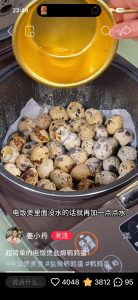
Check the pot — the first cycle usually dries it out — and add another splash of water over the cloth before the second cook.
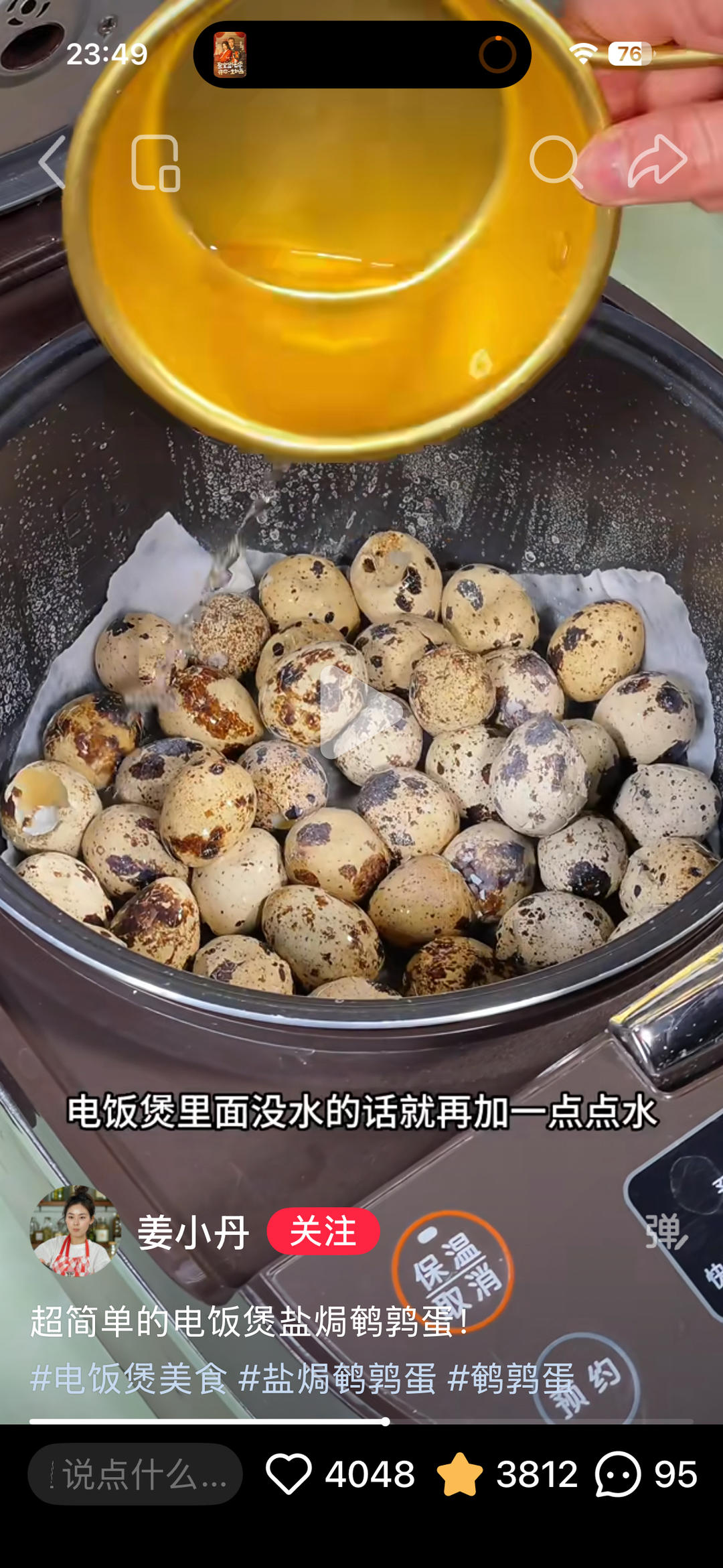
Step 7 — Season and Cook Again
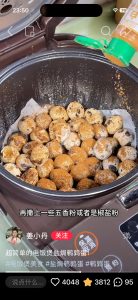
Sprinkle five-spice powder or Sichuan pepper salt over the cracked eggs, close the lid, and press cook once more. When the cycle finishes, the eggs are ready — peel and eat warm.
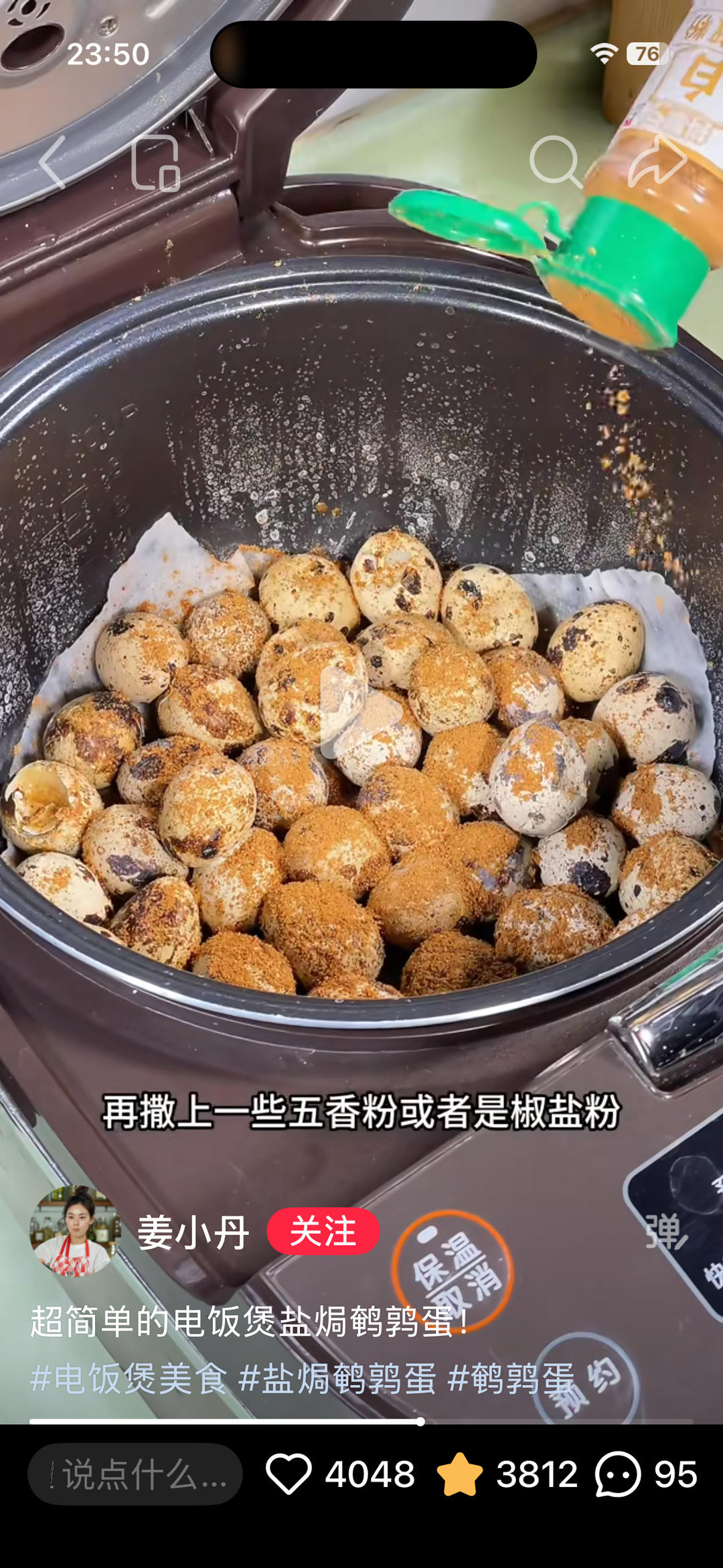
Common Mistakes When Making Salt-Baked Quail Eggs
1. The eggs scorch or clatter. Cause: no cloth, or a cloth that is too dry. Fix: always line the pot with a damp cotton cloth and add the water before the eggs go in.
2. The shells crack open and egg white leaks out. Cause: cold eggs hitting a hot pot. Fix: let the eggs come to room temperature first and do not crowd them.
3. The eggs taste plain, not seasoned. Cause: skipping the crack step or seasoning too early. Fix: crack the shells thoroughly only after the first cook, then season for the second cycle.
4. The yolks turn rubbery and gray-green. Cause: overcooking. Fix: two standard cook cycles are enough — do not add a third or let them sit on keep-warm for a long time.
5. Too much salt or spice. Cause: a heavy hand on a small egg. Fix: use about 1 tablespoon of salt for 500 g of eggs and start with 1 teaspoon of five-spice; you can always add more.
Variations
Smoky tea-egg style. Add a splash of soy sauce and a tea bag to the water in the second cycle for a tea-egg-style flavor in miniature.
Peppery heat. Swap five-spice powder for Sichuan pepper salt, or mix both, for a gently numbing version.
Herb garden. Tuck a few bay leaves or a star anise under the cloth for extra aroma without extra salt.
Braised style. For a saucy, dark version of the same eggs, simmer them in soy and spices instead — my braised pork ribs with eggs shows how well whole eggs absorb a long soy braise.
Frequently Asked Questions
Can I use chicken eggs instead? Yes, but they need a longer cook and hold seasoning less efficiently; boil small chicken eggs first, then crack and do one seasoning cycle.
Do I need a special rice cooker? No — any rice cooker with a standard cook cycle works. The cloth and water do the work, not the machine.
Are the shells hard to peel? Cracking helps: the seasoning water gets under the shell, and the eggs peel more easily than plain boiled quail eggs.
How long do they keep? Cooled and refrigerated in a covered container, they keep for about 3 days. Reheat briefly in the rice cooker or microwave, or eat cold.
Can I skip the second cycle? You can, but you will get plain steamed quail eggs. The second cook with cracked shells is what makes them salt-baked.
How to Serve
Serve the eggs warm as a snack or appetizer, piled in a bowl with the cracked shells still on so everyone peels their own. They are a natural side for rice-cooker chicken wings on a game night, or a lunchbox protein next to rice-cooker drumsticks. For an egg-forward spread, pair them with a silky steamed egg with shrimp or the steamed egg in pumpkin for a gentle contrast in textures.
Storage & Reheat
Refrigerate cooled, shell-on eggs in a covered container for up to 3 days; peel before reheating. To reheat, microwave peeled eggs for 20 to 30 seconds or warm them in the rice cooker with a splash of water. Cooked eggs are fully safe only when kept cold, so do not leave them at room temperature for more than 2 hours.
Allergen Notice
Contains egg. The recipe is free of gluten, dairy, and nuts; five-spice powder may contain traces of gluten depending on the brand — check the label if cooking for someone with celiac disease.
Nutrition Disclaimer
Nutrition information is calculated using an ingredient database and should be considered an estimate. In cases where multiple ingredient alternatives are given, the first listed is calculated for nutrition. Garnishes and optional ingredients are not included.
About the Author & Recipe Development
I am Lin, and I spent my childhood in my parents’ Sichuan restaurant kitchen, where quail eggs appeared at banquets in braised form and never in a rice cooker. This recipe from xiachufang surprised me precisely because it breaks that mold — no wok, no soy, just a damp cloth and two cook cycles. I tested it three times to dial in the water: too much and the eggs float and boil; too little and the cloth scorches. A quarter cup, wrung-out cloth, and two cycles is the sweet spot, and the cracked-shell second cook really does taste salt-baked.
Authoritative References
USDA Safe Temperature Chart for cooking and holding eggs, and American Egg Board egg nutrition and handling guide for storing cooked eggs safely.
Rice-Cooker Salt-Baked Quail Eggs (盐焗鹌鹑蛋): 15-Minute Snack

Equipment
- Rice Cooker
- Cotton washcloth
- Spoon
Ingredients
For the Eggs
- 1 lb quail eggs about 25-30 eggs
- 1 cotton washcloth or thin towel, dampened wet but not dripping
- 0.25 cup water, plus extra for the second cook
- 1 tbsp fine salt
- 1 tsp five-spice powder or Sichuan pepper salt for the second cook
Instructions
- Lay the dampened washcloth flat in the rice-cooker pot.

- Pour about 60 ml (1/4 cup) of water over the cloth.
- Set the quail eggs on the cloth and close the lid.
- Sprinkle a light layer of salt over the eggs and press the cook button.
- When the cooker finishes, tap and crack each shell all over with a spoon.
- Add another splash of water over the cloth for the second cook.
- Sprinkle five-spice powder or Sichuan pepper salt over the cracked eggs and press cook again. Peel and eat warm when the cycle finishes.












Leave a Reply