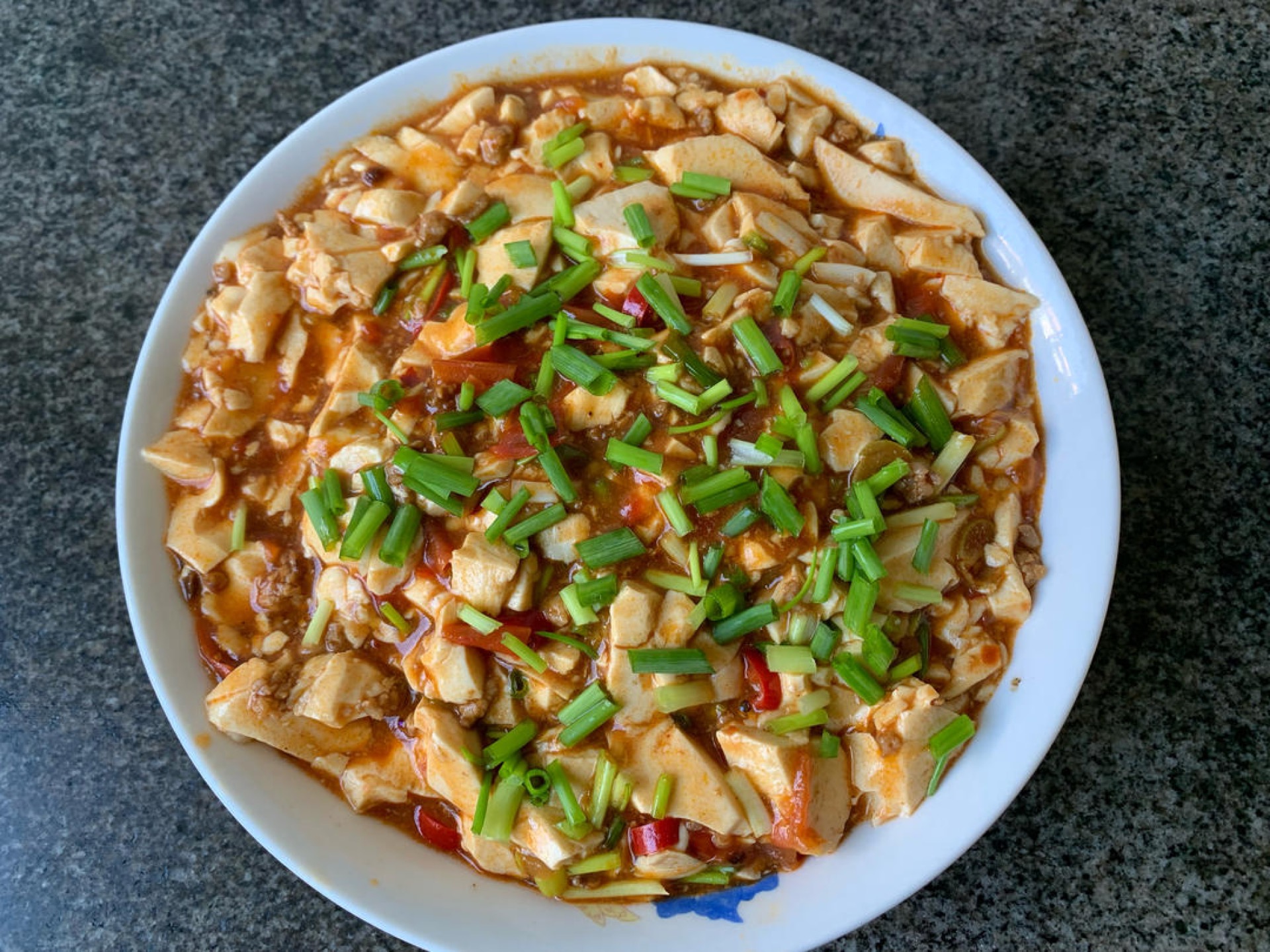
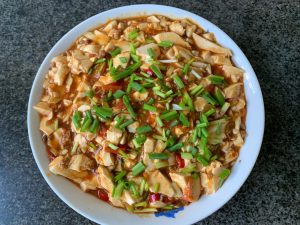
Some dishes earn their place at the table not because they are impressive, but because they are comforting in a way that is hard to explain. Home-style chicken minced tofu is exactly that kind of dish. A box of soft tofu goes into a hot wok, gets broken apart with a spatula, and ends up coated in a glossy, savory sauce built from minced chicken, tomato, doubanjiang, and a touch of sugar. It is the kind of food that disappears quietly while everyone keeps reaching for more rice.
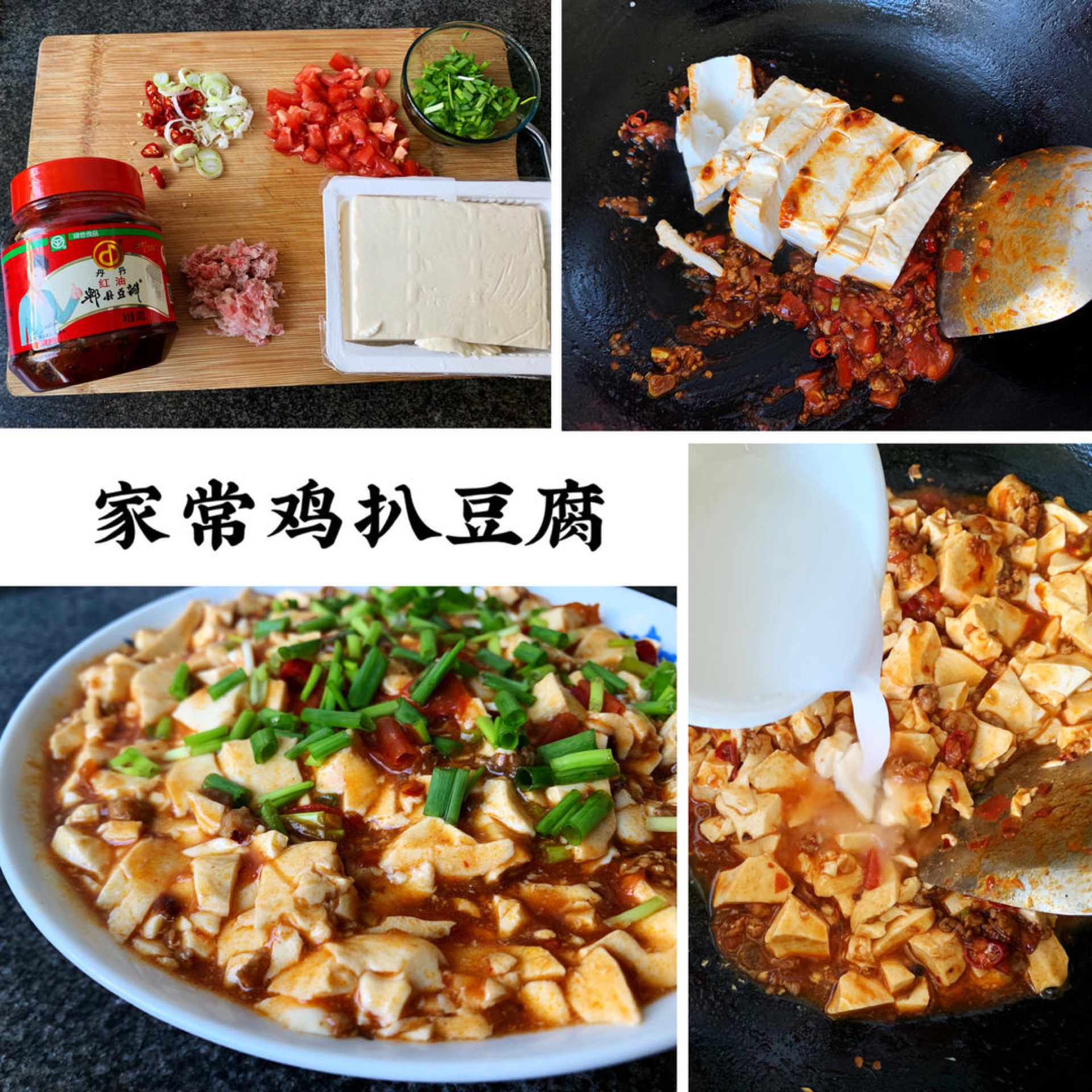
The name 鸡扒豆腐 literally means “chicken smothered tofu.” The tofu is not cubed and carefully turned; it is smashed into craggy pieces that catch every bit of sauce. That is the whole charm of the dish. It is fast, forgiving, and made almost entirely from pantry staples, which is why it shows up on weeknight tables across China. The result is silky on the inside, savory and slightly spicy on the outside, with the tomato adding a gentle sweetness that keeps everything balanced.
If you have ever ordered mapo tofu and wished it were a little less fiery and a little more homey, this is the dish for you. It has the same soul, but it swaps numbing heat for a mellow, tomato-backed savoriness that even kids and spice-shy eaters tend to enjoy. Once the ingredients are prepped, the whole thing comes together in a single wok in under twenty minutes.
What Is Home-Style Chicken Minced Tofu?
Home-style chicken minced tofu is a Chinese home-cooking dish in which soft tofu is broken into rough pieces and braised in a savory sauce of minced meat, aromatics, doubanjiang, and tomato. It belongs to the same broad family as mapo tofu and braised tofu dishes, but it is milder, sweeter, and far more casual. There is no blanching ceremony, no careful cubing, and no fussy plating. The tofu is meant to look rustic, and the sauce is meant to be spooned over rice.
The dish is sometimes called jipa doufu, and the “jipa” part refers to the way the tofu is flattened and smothered rather than left intact. Chicken is the meat used here, which keeps the dish light, but the technique is the same whether you use chicken, pork, or nothing at all. The tomato is the quiet hero: it melts into the sauce, adds acidity, and gives the whole dish a rounded, almost sweet depth that plain soy sauce alone cannot provide.
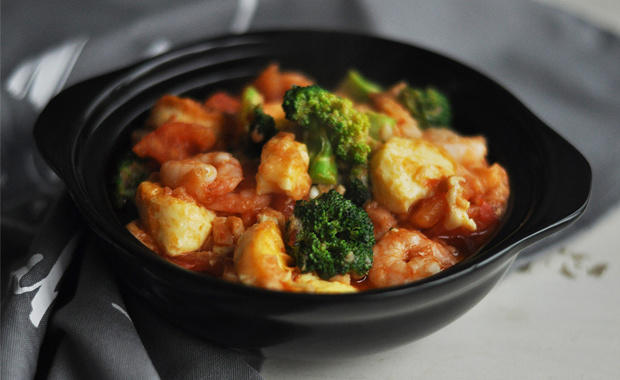
For a version with a brighter, seafood-forward flavor, braised egg tofu with shrimp and tomato uses the same tomato-based braising idea with a completely different texture.
1Braised Egg Tofu with Shrimp and TomatoThis easy 20-minute clay pot style dish combines silky Japanese egg tofu, juicy shrimp, and crunchy broccoli in a savory and tangy tomato sauce. It is a perfect weeknight dinner that pairs beautifully with steamed rice.Check out this recipe
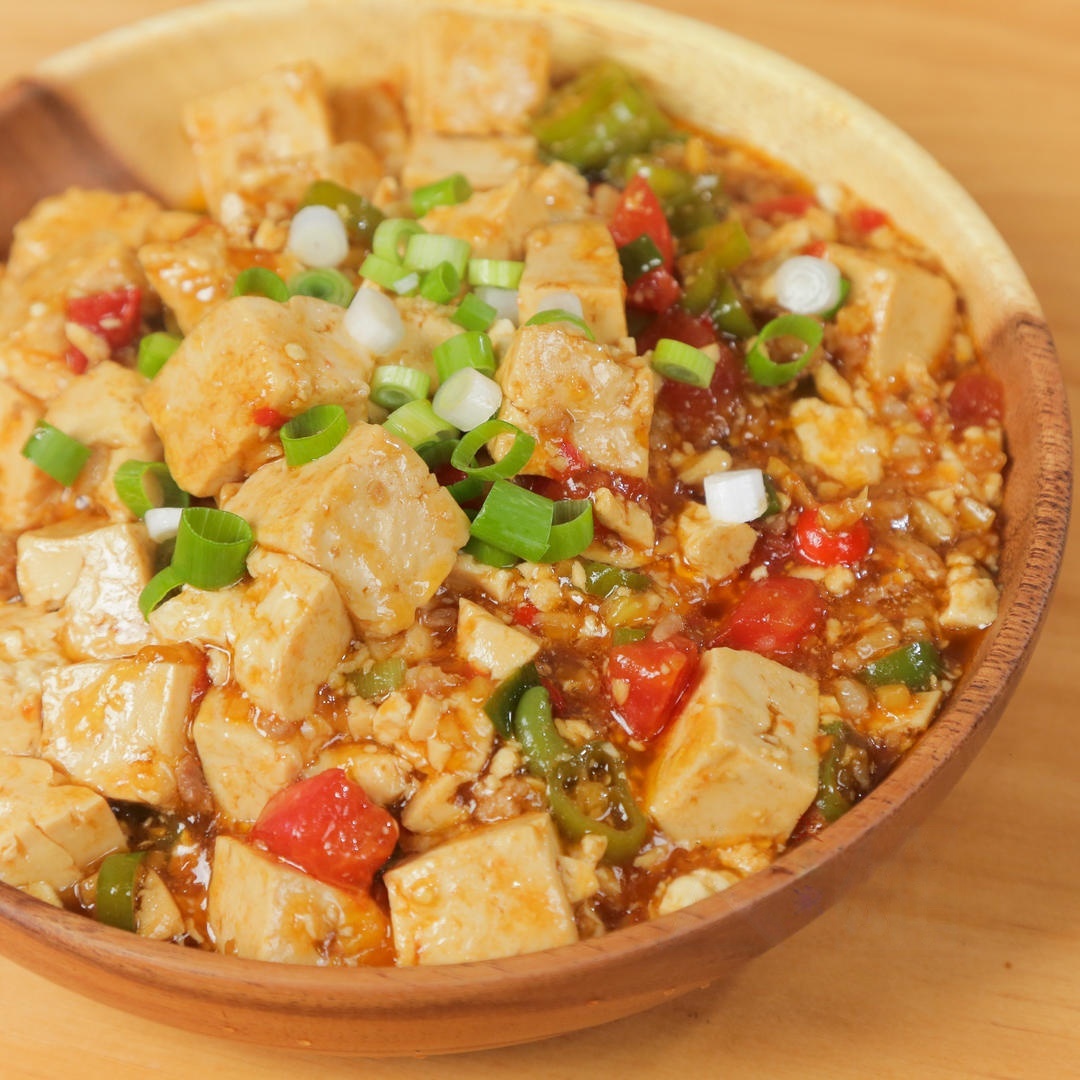
And if you like the idea of tofu soaking up a glossy, chili-flecked sauce, braised tofu with fresh chilis and minced pork is a spicier, porkier take on the same comfort.
2Fresh Chili Tofu with Minced Pork (鲜椒肉末豆腐)A fast, 15-minute Sichuan homestyle favorite. Silky tofu and savory minced pork braised with fresh chilis and tomatoes for a bright, ‘rice-killing’ flavor profile.Check out this recipe
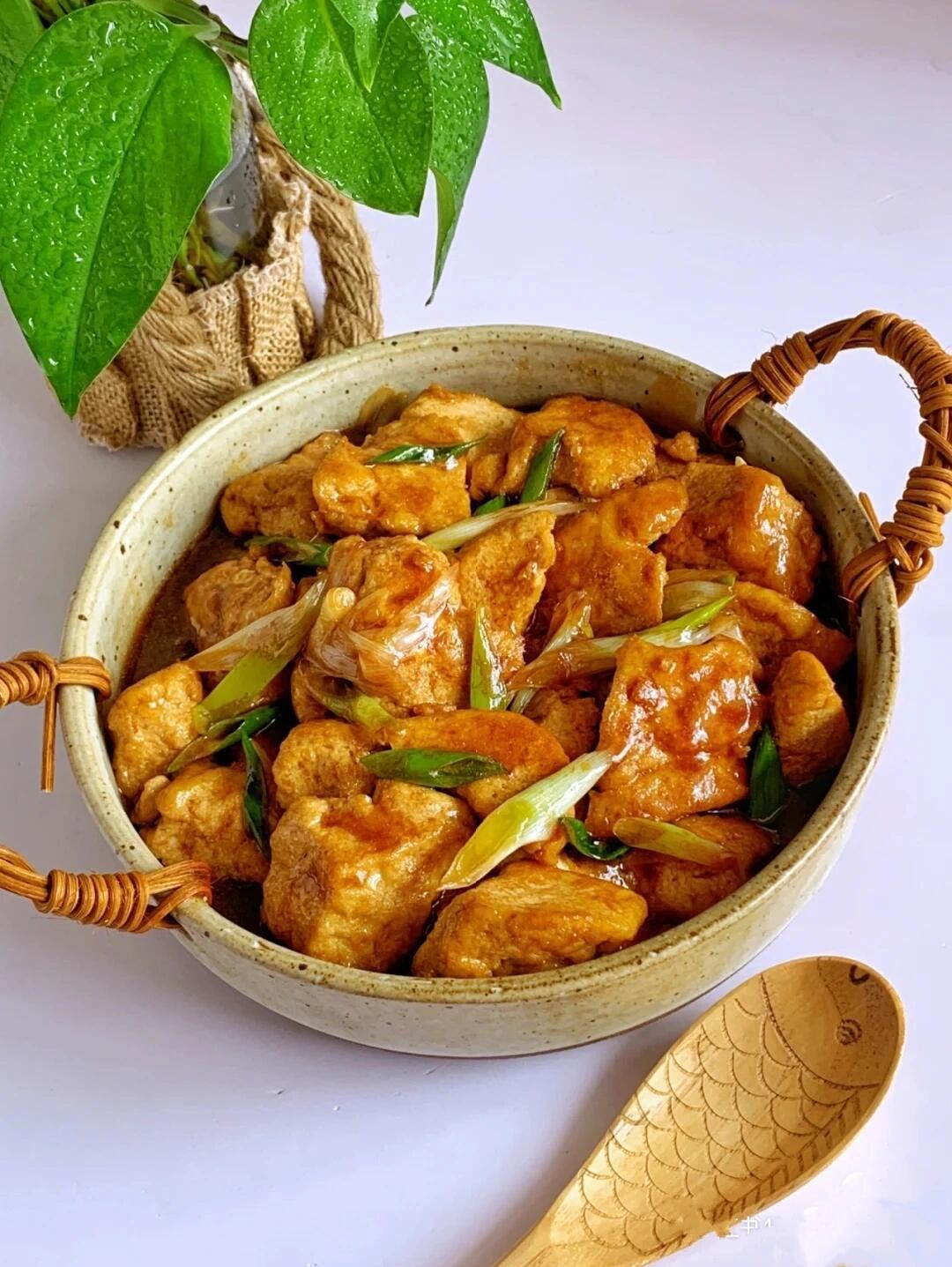
For the next cook from the same playbook, braised tofu with scallions is the recipe I point people to.
3Braised Tofu with Scallions (Cong Shao Doufu)A super simple, 15-minute Chinese home-style dish. Tender pan-fried tofu is braised in a rich, savory scallion-infused sauce. An easy and delicious “rice thief”!Check out this recipe
Ingredient Notes
The ingredient list is short, which means each item matters. Here is what to look for and how to substitute if you cannot find something.
Soft or silken tofu. A 14-ounce box of soft or silken tofu is ideal. It gives that custardy interior that contrasts so well with the savory sauce. Firm tofu works in a pinch, but the dish loses its signature silkiness. If you only have firm tofu, consider pressing it for 15 minutes and adding an extra splash of water to the sauce.
Ground chicken. Just 30 grams is enough to season the sauce and add richness. Ground pork is the more traditional choice and works beautifully, and ground turkey is a fine substitute. If you want a vegetarian version, finely chopped mushrooms or crumbled tempeh step in nicely.
Doubanjiang. This fermented chili bean paste is the backbone of the dish. Pixian doubanjiang is the gold standard, but any good Sichuan-style chili bean paste will do. It is salty and deeply savory, so taste before adding extra soy sauce. If you cannot find it, a combination of miso paste and a little chili paste gets you close.
Tomato. Use a ripe, juicy tomato. It breaks down into the sauce and provides natural sweetness and acidity. In winter, when tomatoes are pale and mealy, a tablespoon of tomato paste stirred in with the soy sauce restores the depth.
Leek and red chili. The white part of a small leek gives a mild allium base, and the red chili adds color and gentle heat. Remove the seeds if you want less spice, or leave them in for more. A shallot can stand in for the leek.
Sugar, soy sauce, and cornstarch. Sugar balances the tomato and doubanjiang. Light soy sauce adds salinity and umami. Cornstarch mixed with water creates the slurry that thickens the sauce so it clings to the tofu instead of pooling at the bottom of the plate.
Scallions. Added at the very end, they bring freshness and a pop of green. Do not skip them; they lift the whole dish.
Ingredients
Here is everything you need for four servings. The full measured list is in the recipe card below.
- 1 box (about 14 oz) soft or silken tofu
- 2 tablespoons neutral oil
- 30 g ground chicken (about 2 tablespoons)
- 1 small piece leek, white part, thinly sliced
- 1 red chili, sliced
- 15 g doubanjiang (about 1 heaping tablespoon)
- 1 ripe tomato, cut into wedges
- 1 teaspoon sugar
- 1 tablespoon light soy sauce
- 5 g cornstarch mixed with 50 g water (slurry)
- 5 scallions, thinly sliced
Equipment Needed
You do not need much for this dish, and that is part of its appeal.
- A wok or wide skillet. A carbon steel wok is ideal because its curved sides let you stir without splashing, but any wide skillet works. The key is surface area so the tomato and meat cook rather than steam.
- A cutting board and knife. For slicing the leek, chili, tomato, and scallions.
- A slotted spoon or spatula. A wide spatula is best for breaking the tofu into pieces and folding it through the sauce without mashing it completely.
- Small bowls. For measuring the doubanjiang, soy sauce, sugar, and cornstarch slurry before you start cooking. Once the wok is hot, there is no time to measure.
If you are new to cooking with a wok, a flat-bottomed wok works on both gas and electric stoves, and a well-seasoned surface keeps the tofu from sticking.
Why This Recipe Works
Several small decisions make this dish taste better than the sum of its parts.
The tofu is broken, not cubed. Rough, craggy edges give the sauce somewhere to cling. Smooth cubes slide through sauce; torn pieces hold it. This is the single biggest difference between a bland tofu dish and a great one.
The tomato does double duty. It adds sweetness and acidity at the same time, which means you need less sugar and less vinegar than you might expect. It also thins the doubanjiang just enough that the sauce coats rather than clumps.
The meat is browned first. Cooking the ground chicken until it is just done, then adding the aromatics, builds a fond on the wok that dissolves into the sauce. That browned layer is where a lot of the flavor comes from.
The slurry goes in at the end. Cornstarch thickens the sauce only after the tofu has had a chance to absorb flavor. Adding it too early gives you a gluey sauce that sits on top of the tofu instead of clinging to it.
According to the FDA food safety guidance, ground poultry should always be cooked to an internal temperature of 165°F (74°C), which is why the chicken is fully cooked before the tofu goes in.
Prep & Mise en Place
This dish moves fast, so prep everything before the wok gets hot. Total hands-on prep is about 15 minutes.
Start by draining the tofu. Open the box and pour off the liquid, then let the block sit on a plate while you prepare everything else. You do not need to press it, but a few minutes of draining keeps the sauce from turning watery.
Slice the white part of the leek thinly. Slice the red chili on a bias, removing the seeds if you prefer less heat. Cut the tomato into wedges. Thinly slice the scallions and set them aside for the very end.
Measure the doubanjiang, soy sauce, and sugar into small bowls. In a separate small bowl, whisk the cornstarch with the water until completely smooth. A lumpy slurry will leave streaks of raw starch in the sauce, so take a few extra seconds here.
Once everything is within arm’s reach of the stove, you are ready to cook. The entire cooking process takes about 10 to 12 minutes.
Cooking Process
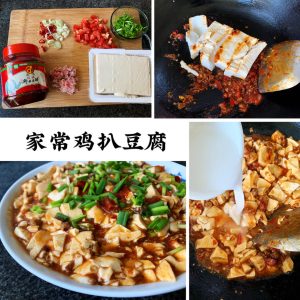
Step 1 — Prep the Ingredients
Prepare all the ingredients as shown: slice the leek and red chili, cut the tomato into wedges, mince the ground chicken if needed, and have the doubanjiang, soy sauce, sugar, and cornstarch slurry measured and ready.
Step 2 — Brown the Chicken
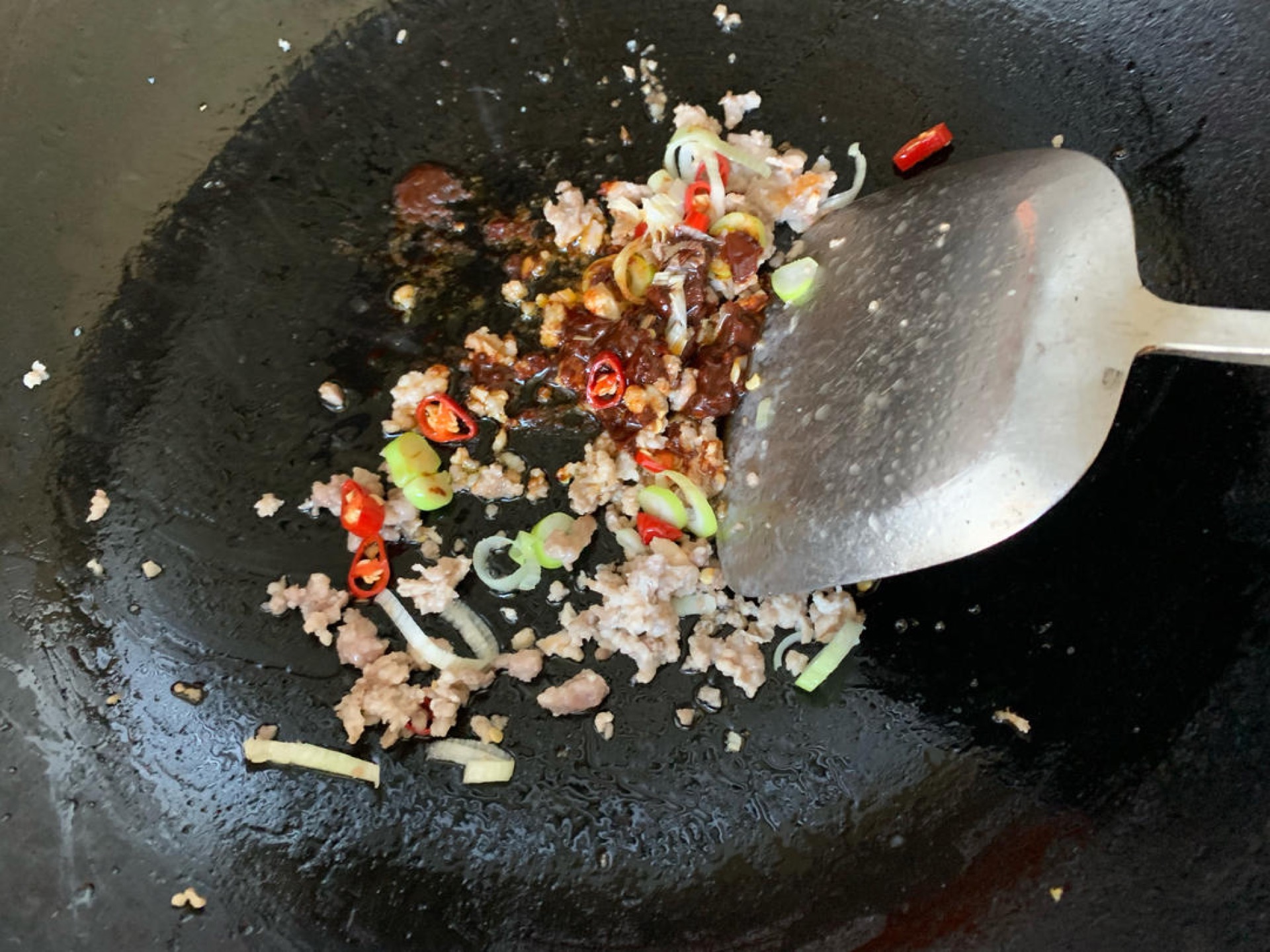
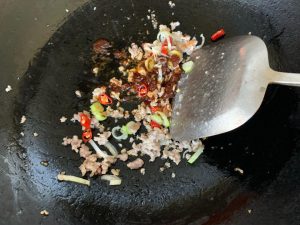
Heat the oil in a wok over medium-high heat, add the ground chicken, and stir-fry until it is just cooked through. Add the leek and red chili and stir until fragrant, then add a spoonful of doubanjiang and stir-fry until everything is evenly coated.
Step 3 — Build the Sauce
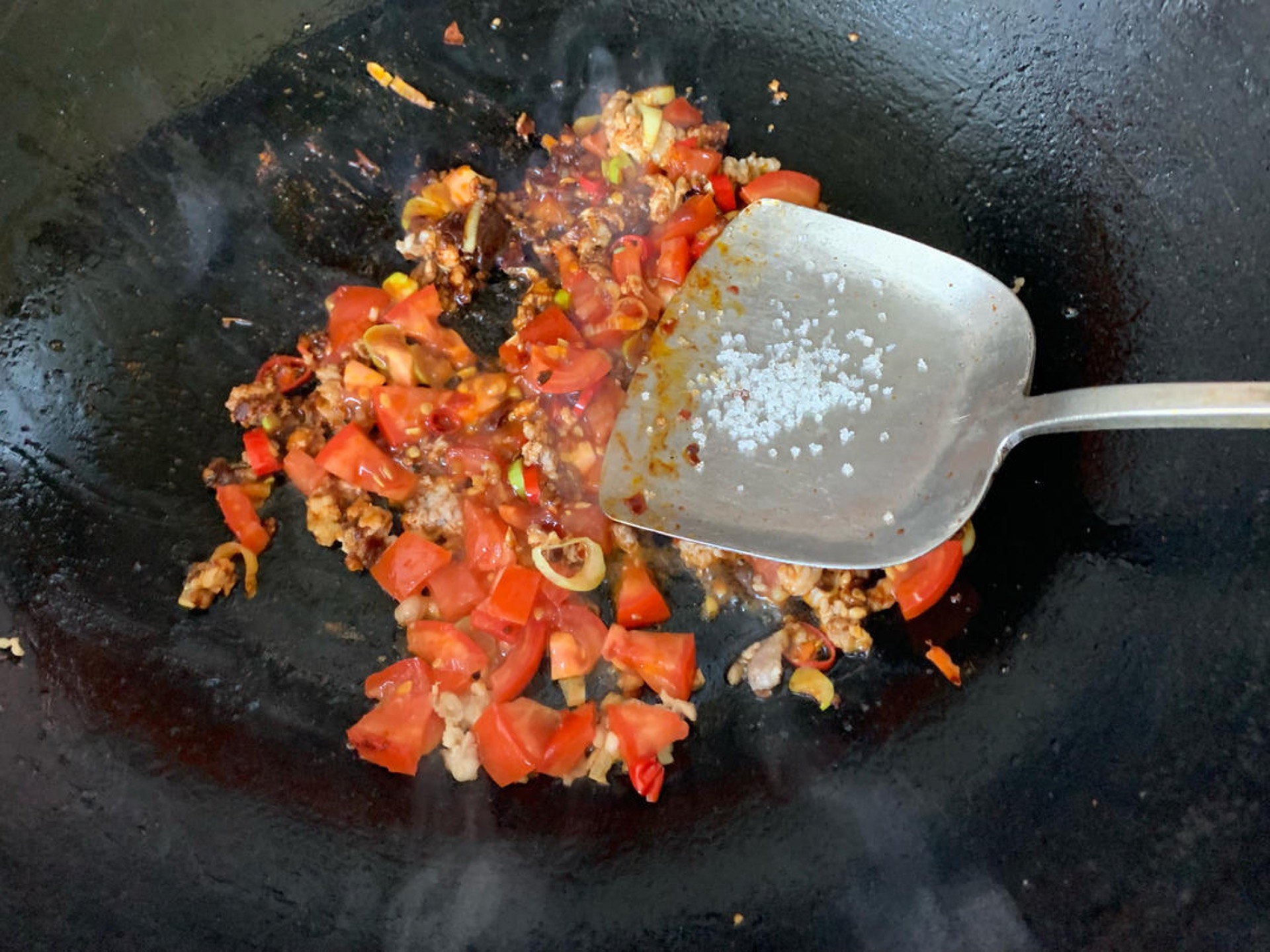
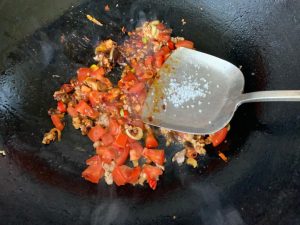
Add the tomato and sugar and stir-fry until the tomato releases its juices, then pour in the soy sauce and stir to combine.
Step 4 — Add the Tofu
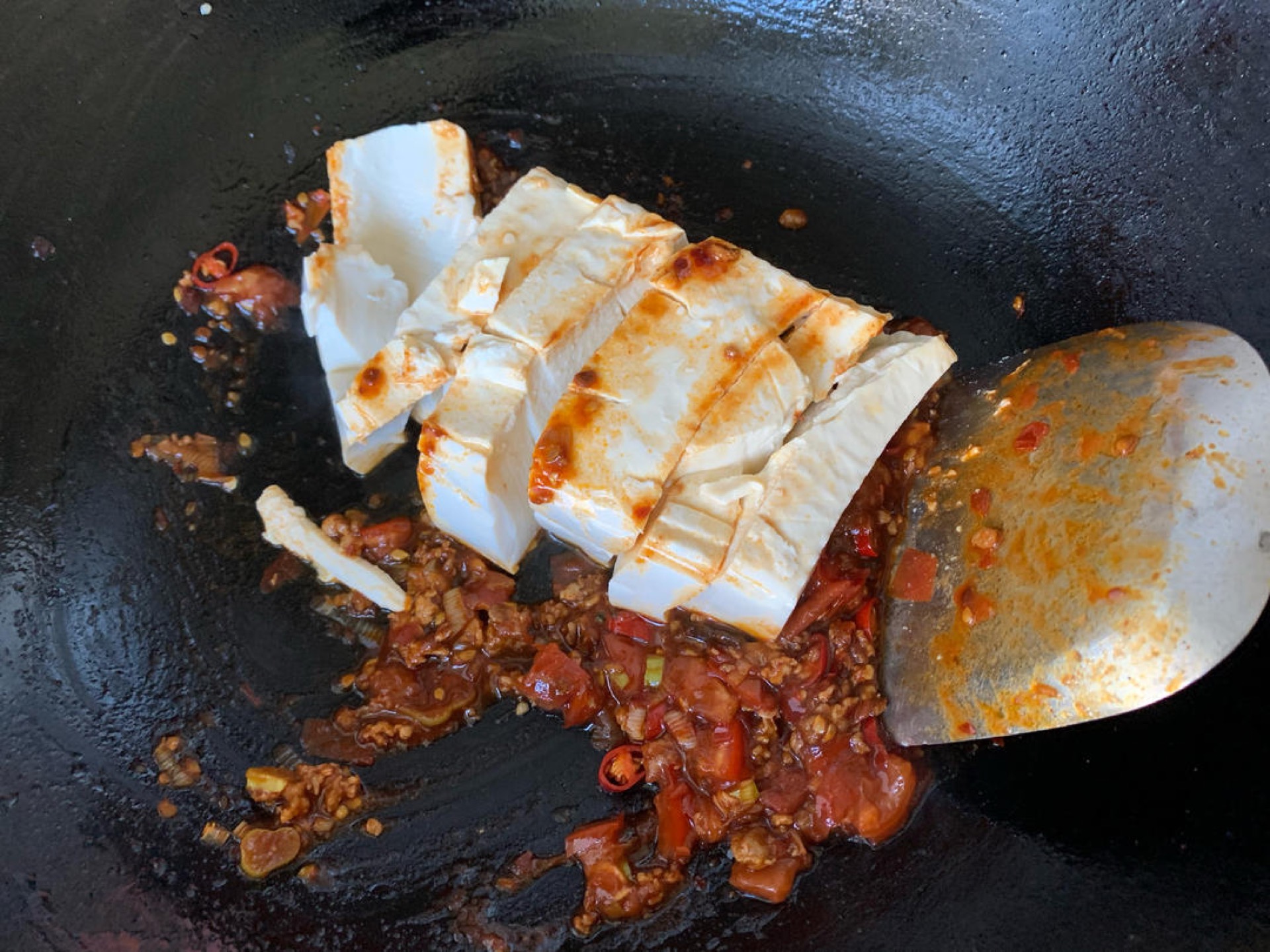
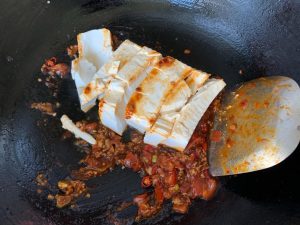
Slide in the tofu and break it into small pieces with the spatula, then stir gently until the tofu is evenly coated in the sauce.
Step 5 — Thicken and Simmer
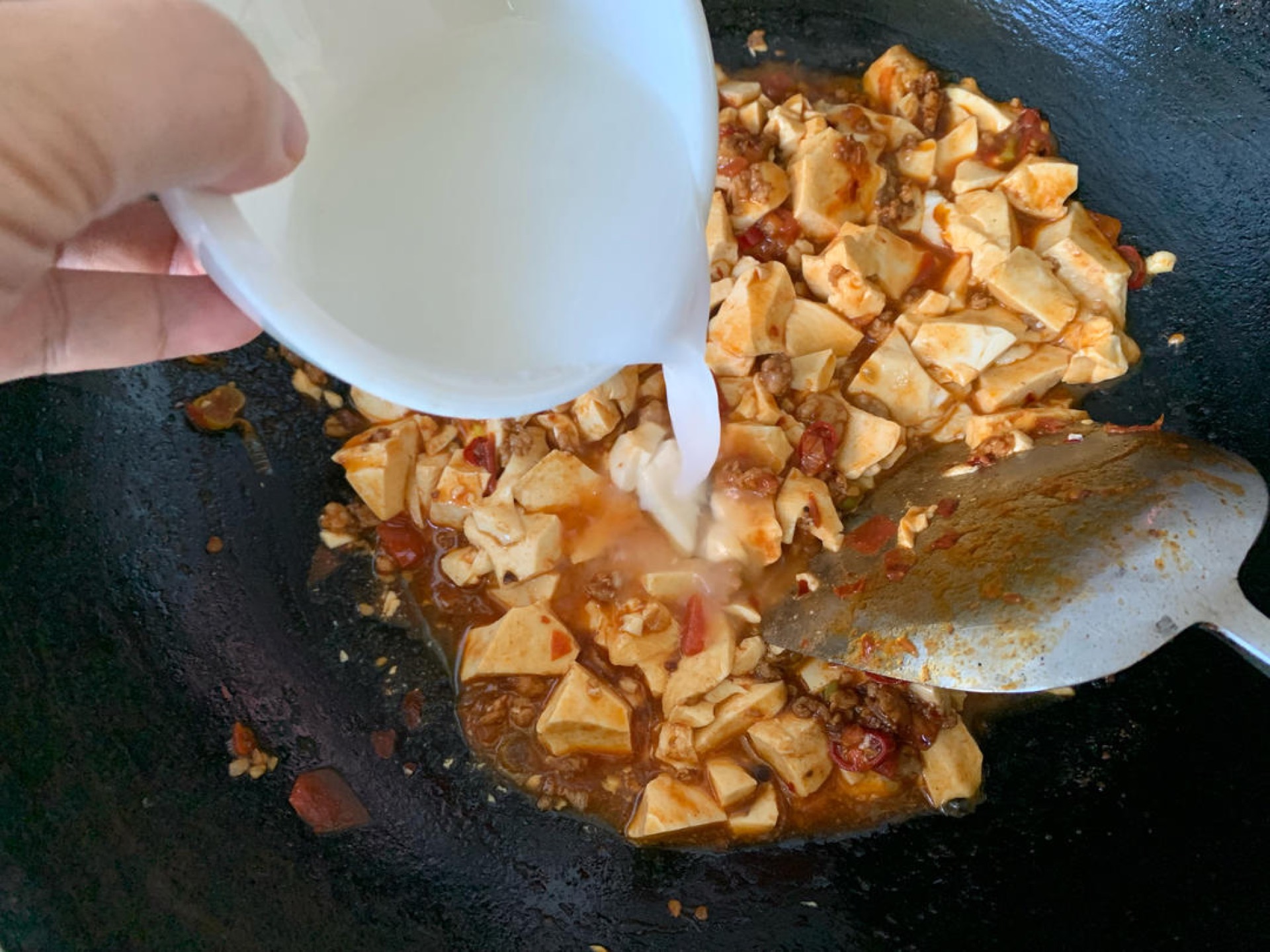
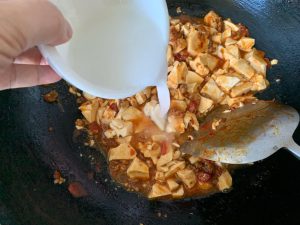
Mix 3 to 5 grams of cornstarch with a little water until smooth, pour the slurry into the wok, and simmer for about 3 minutes, then turn off the heat and transfer to a serving plate.
Step 6 — Garnish and Serve
Scatter the sliced scallions over the top and serve immediately.
Common Mistakes When Making Home-Style Chicken Minced Tofu
These are the issues that most often trip people up, along with how to avoid them.
1. Using firm tofu and expecting silky results. Firm tofu will not give you the custardy texture this dish is known for. The cause is simply the wrong tofu type, and the fix is to buy soft or silken tofu. If firm is all you have, press it and add extra water to the sauce to compensate.
2. Adding the doubanjiang to a cold wok. Doubanjiang needs a few seconds of contact with hot oil to bloom and lose its raw edge. If you add it before the aromatics are fragrant, the sauce tastes flat. Fix: wait until the leek and chili are sizzling, then add the paste and stir constantly for 20 to 30 seconds.
3. Breaking the tofu too finely. If you mash the tofu into a paste, the dish turns into a thick porridge. The cause is over-stirring with a spoon. Fix: use a spatula and fold gently, stopping when the pieces are roughly bite-sized.
4. Skipping the cornstarch slurry. Without it, the sauce stays thin and pools at the bottom of the plate instead of coating the tofu. Fix: whisk the slurry until smooth and add it in a steady stream while stirring, then simmer for the full 3 minutes so the starch cooks out.
5. Over-salting. Doubanjiang and soy sauce are both salty, and together they can push the dish over the edge. Fix: taste the sauce after the soy sauce goes in, and only add more salt if it truly needs it. A pinch of sugar is often a better correction than more salt.
6. Letting the tomato stay firm. Under-ripe or undercooked tomato stays in wedges and never melts into the sauce. Fix: use a ripe tomato and stir-fry it until it visibly collapses and releases its juices before adding the soy sauce.
Variations
This recipe is a template as much as it is a dish. Here are a few ways to change it up.
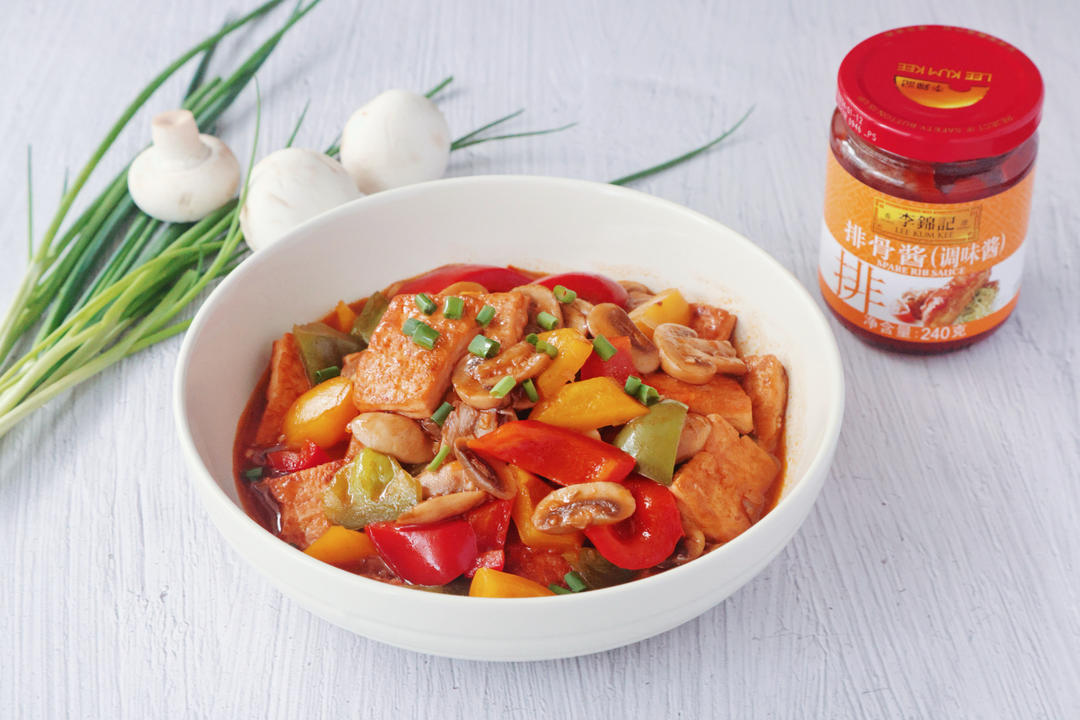
Pork version. Swap the ground chicken for ground pork. This is the more traditional preparation and gives a richer, slightly sweeter sauce. If you like that direction, braised tofu with mushrooms and pork is a great companion recipe.
Extra spicy. Add a teaspoon of chili oil or a few dried chilies with the aromatics, and leave the seeds in the fresh chili. For a dish that leans fully into heat, mapo tofu is the classic reference point.
Mushroom version. Add a handful of sliced shiitake or oyster mushrooms with the leek. They add an earthy depth that pairs beautifully with the doubanjiang. A similar flavor profile shows up in braised tofu and mushrooms.
Vegetarian. Omit the chicken and double the mushrooms, or use crumbled tempeh. Add an extra teaspoon of soy sauce to make up for the lost savoriness.
Egg version. Soft-scramble two eggs and fold them in at the very end, just before the scallions. The result is heartier and closer to a one-pan meal, similar in spirit to pork and egg tofu stir fry.
Frequently Asked Questions
Can I use firm tofu instead of soft tofu? Yes, but the texture will be different. Firm tofu holds its shape better and gives a chewier bite. Press it for 15 minutes first and add an extra 2 tablespoons of water to the sauce so it does not dry out.
Is this dish very spicy? No. Doubanjiang brings warmth and depth rather than sharp heat, and the tomato and sugar mellow it further. If you remove the chili seeds, the dish is mild enough for most palates. Add chili oil at the table if you want more heat.
Can I make it ahead of time? You can prep all the ingredients up to a day ahead and store them in separate containers in the refrigerator. The finished dish is best eaten fresh, but leftovers reheat well for up to 3 days.
Why did my sauce turn out watery? Either the tofu was not drained, the tomato was extra juicy, or the slurry was not simmered long enough. Next time, drain the tofu for 10 minutes and simmer the sauce for the full 3 minutes after adding the slurry.
Can I use tomato paste instead of fresh tomato? Yes. Use 1 tablespoon of tomato paste plus 2 tablespoons of water in place of the fresh tomato. It is a good option in winter when tomatoes are bland.
How to Serve
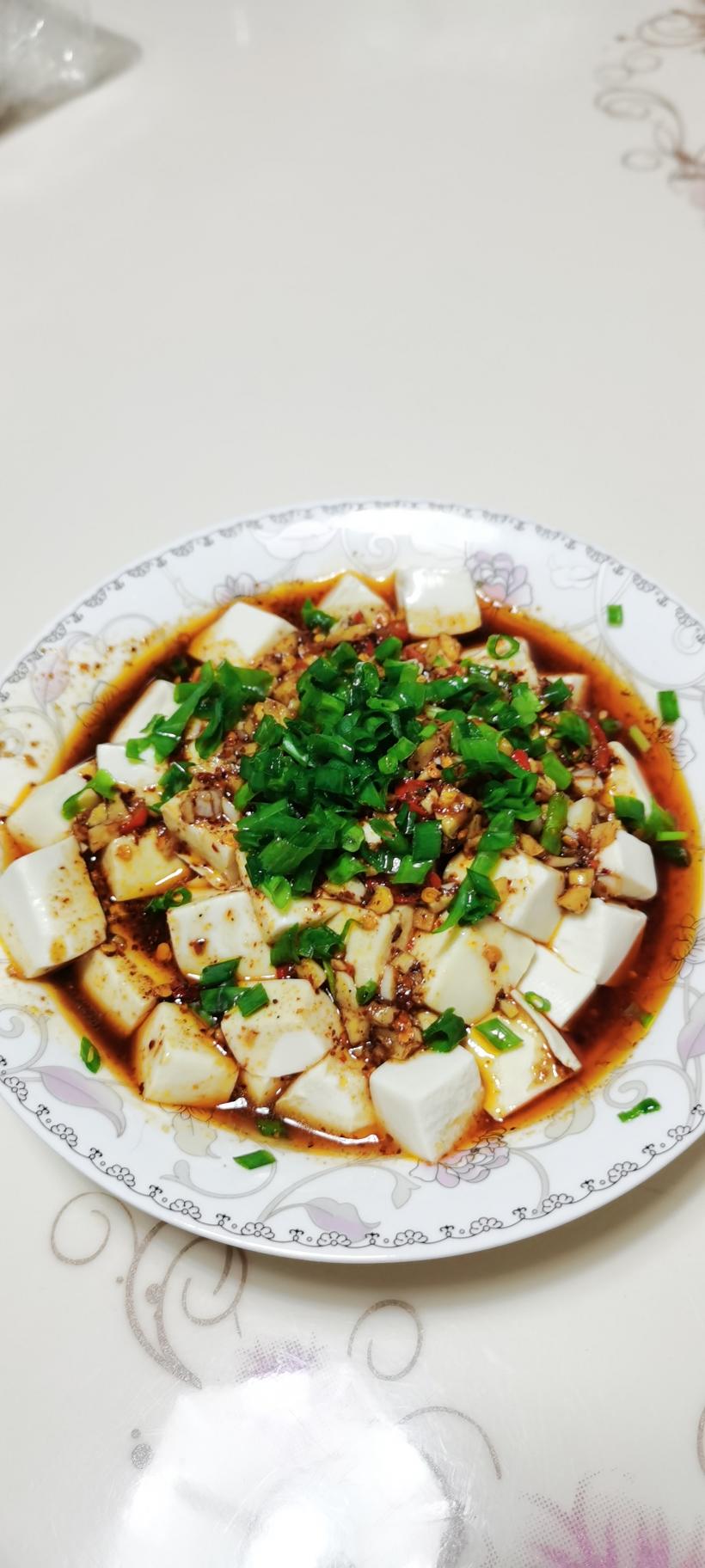
Home-style chicken minced tofu is made for steamed white rice. Spoon it over a bowl of hot rice and let the sauce soak in. It also works as part of a larger spread alongside a simple green vegetable, a cold dish, and a soup.
If you want a cold dish to balance the meal, spicy cold tofu comes together in ten minutes and contrasts nicely with the warm, saucy main. For a lighter, allium-forward side, braised tofu with scallions is a gentle companion that will not compete for attention. And if you want a second saucy tofu dish on the table, braised tofu and mushrooms rounds out the spread beautifully.
Storage & Reheat
Store leftovers in an airtight container in the refrigerator for up to 3 days. The tofu will release a little water as it sits, which is normal. Reheat gently in a skillet over medium-low heat, adding a splash of water if the sauce has thickened too much. You can also reheat it in the microwave in 30-second bursts, stirring between each one.
This dish does not freeze well. Tofu becomes spongy and watery after freezing, and the texture never fully recovers. If you want to plan ahead, prep the ingredients and make the sauce fresh.
Reheat all leftovers to an internal temperature of 165°F (74°C). Do not leave the dish at room temperature for more than 2 hours.
Allergen Notice
This recipe contains soy, from both the soy sauce and the doubanjiang. If you are avoiding soy, use a soy-free tamari and a soy-free chili paste, and check the labels on both. Ground chicken is the only animal product in the dish, and it contains no dairy, eggs, gluten, or nuts. If you add mushrooms or tempeh in a variation, check those labels as well.
Nutrition Disclaimer
Nutrition information is calculated using an ingredient database and should be considered an estimate. In cases where multiple ingredient alternatives are given, the first listed is calculated for nutrition. Garnishes and optional ingredients are not included.
About the Author & Recipe Development
This recipe was developed and tested in the Woks of Love kitchen by Lin, who has spent years documenting the home-style Chinese cooking she grew up with. The goal with this version of jipa doufu was to keep the dish as close to a weeknight home kitchen as possible: one wok, a short ingredient list, and a technique that works even if you have never cooked tofu before.
The recipe was tested with both silken and soft tofu, with ground chicken and ground pork, and with fresh tomatoes and tomato paste. The version here reflects the balance that tasted best across all of those tests: savory from the doubanjiang, sweet from the tomato and sugar, and silky from the tofu. If you make it, the scallions at the end are not optional. They are what makes the dish taste finished.
Authoritative References
For safe handling and cooking temperatures for ground poultry, see the FDA food safety guidance. For general food safety principles and leftover storage guidance, see the WHO food safety fact sheet.
Home-Style Chicken Minced Tofu (鸡扒豆腐): Silky Tofu in Savory

Equipment
- Wok
- Cutting Board
- Slotted Spoon
Ingredients
For the Sauce
- 15 g doubanjiang Sichuan chili bean paste, 1 heaping tbsp
- 1 tbsp light soy sauce or tamari
- 1 tsp sugar to balance the tomato
- 5 g cornstarch about 1 tsp, for the slurry
- 50 g water for the slurry
For the Dish
- 1 box soft tofu about 14 oz, silken or soft
- 2 tbsp neutral oil for stir-frying
- 30 g ground chicken about 2 tbsp
- 1 small piece leek white part, thinly sliced
- 1 red chili sliced, seeds removed for less heat
- 1 tomato ripe, cut into wedges
- 5 scallions thinly sliced, for garnish
Instructions
- Prepare all the ingredients as shown: slice the leek and red chili, cut the tomato into wedges, mince the ground chicken if needed, and have the doubanjiang, soy sauce, sugar, and cornstarch slurry measured and ready.
- Heat the oil in a wok over medium-high heat, add the ground chicken, and stir-fry until it is just cooked through. Add the leek and red chili and stir until fragrant, then add a spoonful of doubanjiang and stir-fry until everything is evenly coated.

- Add the tomato and sugar and stir-fry until the tomato releases its juices, then pour in the soy sauce and stir to combine.
- Slide in the tofu and break it into small pieces with the spatula, then stir gently until the tofu is evenly coated in the sauce.
- Mix 3 to 5 grams of cornstarch with a little water until smooth, pour the slurry into the wok, and simmer for about 3 minutes, then turn off the heat and transfer to a serving plate.
- Scatter the sliced scallions over the top and serve immediately.












Leave a Reply